Yacht charter in Cuba
Cuba’s scale and maritime geography make it a collection of distinct cruising grounds rather than a single charter area. Its long northern and southern coasts are joined by natural harbors, shallow banks, mangrove channels, coral reefs and four peripheral island systems: the Colorados, Sabana-Camagüey, Canarreos and Jardines de la Reina archipelagos.
A yacht charter in Cuba can therefore take several forms. One trip might concentrate on the beaches, reefs and low-lying cays of the north coast; another may combine Cienfuegos with the Canarreos Archipelago and Cayo Largo. More specialized itineraries reach remote diving areas such as Jardines de la Reina. Historic ports including Havana, Cienfuegos and Santiago de Cuba add time ashore to a journey otherwise shaped by swimming, snorkeling and secluded anchorages. Because these regions are widely separated, choosing the right cruising area is more practical than trying to cover the country in one short charter.
Choosing a cruising area
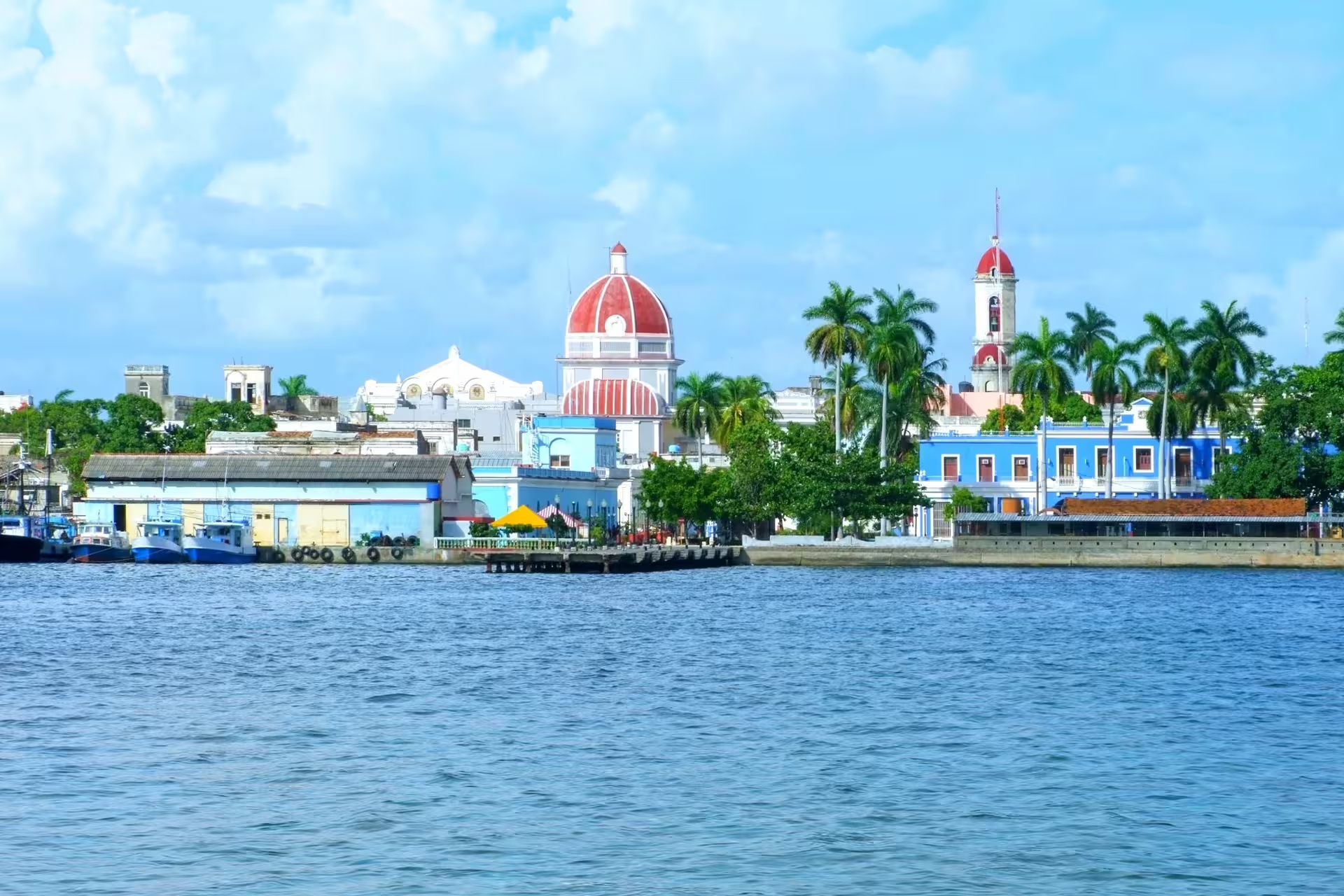
The south-central coast is one of Cuba’s clearest starting points for a mixed sailing and island itinerary. Cienfuegos stands on the sheltered Bahía de Jagua and provides access to the Canarreos Archipelago, Cayo Largo del Sur and, on longer trips, Isla de la Juventud. This area suits travelers who want reef-fringed cays, beaches and anchorages balanced with cultural visits to Cienfuegos or nearby Trinidad and Playa Ancón.
Farther east, Jardines de la Reina has a different character. Usually approached by boat from Júcaro, this protected offshore archipelago is particularly associated with diving, marine life and liveaboard-style trips. Its remoteness and specialized access make it more appropriate for a focused nature itinerary than for a casual extension to a city-based charter.
On the north coast, Varadero and Havana form the principal northwestern reference points. Varadero offers access to a major marina area, while Havana combines its harbor and Marina Internacional Hemingway with Old Havana, the Malecón and a strong maritime history. The documented coastal passage between Varadero and Marina Hemingway is more exposed than cruising behind southern cays.
Jardines del Rey, including Cayo Coco, Cayo Guillermo and Cayo Santa María, favors local cruising among beaches and coral-reef areas. Western Cuba offers a quieter alternative around María la Gorda, Guanahacabibes and the Colorados Archipelago, while Santiago de Cuba combines a protected natural bay with the historic San Pedro de la Roca Castle at its entrance.
What sailing in Cuba is like
Cuban waters range from sheltered bays and passages behind reef-fringed cays to exposed coastal legs between distant regions. Easterly trade winds predominate, tending more northerly in winter and more southerly in summer. The southern bays and waters behind major cay systems are often more protected than open passages along the north coast, although currents can still be significant in channels and across offshore banks.
The main practical consideration is pilotage. Shallow water, coral heads, narrow reef entrances and limited navigation marks require current charts, reliable local information and careful route planning. Daylight approaches are prudent where crews must visually interpret coral water and shallow banks. These conditions can influence the choice between a bareboat arrangement and a crewed charter, especially for travelers unfamiliar with the region.
Distances also matter. Marina infrastructure is unevenly distributed, and moving between Cuba’s principal cruising regions may require exposed passages rather than continuous short hops. A well-planned Cuba sailing holiday generally works best when it concentrates on one archipelago or coastal sector.
Best time for a Cuba yacht charter
The principal recreational sailing period runs from November through April. December, January, February, March and April are identified as particularly suitable months, generally combining lower rainfall with useful trade winds. This is also the main high season, so timing and arrangements should be considered well in advance.
Dry-season conditions are not uniformly calm. Winter cold fronts can produce abrupt northerly winds and make north-coast entrances, anchorages and passages rough or temporarily unsafe. Conditions behind southern reefs and within protected bays may be less exposed, but forecasts remain important throughout the country.
May is a warm transitional month. From June through October, conditions become hotter, more humid and often lighter-winded, with thunderstorms and squalls. The Atlantic hurricane season officially runs from June 1 to November 30, with climatological activity greatest from mid-August to mid-October. November is another transitional period rather than one of the specifically identified best months.
Established cruising routes
A well-established southern circuit runs from Cienfuegos through the Canarreos Archipelago to Cayo Largo and back. It links a secure natural bay with reef-fringed cays, beaches and island anchorages without requiring travelers to combine widely separated Cuban coasts. Longer itineraries can extend west to Isla de la Juventud before returning through Canarreos and Cayo Largo.
For a nature-led voyage, the Júcaro–Jardines de la Reina passage provides the established approach to the archipelago’s protected diving areas. In the north, local routes around Cayo Guillermo and Jardines del Rey connect nearby beaches, reefs and cays, while the Varadero–Marina Hemingway passage links two important northwestern marina areas.
These routes should be treated as separate regional frameworks, not pieces of one standard week-long circuit. Trip length, desired time ashore and tolerance for exposed passages should determine whether a charter stays within one cay system or includes a longer coastal connection.
Experiences on and off the water
Much of Cuba’s yacht-charter appeal lies in the contrast between remote marine landscapes and historically important port cities. In the archipelagos, days may be organized around snorkeling, diving, swimming and anchoring near low-lying cays. Jardines de la Reina and Guanahacabibes are especially relevant to travelers interested in protected marine environments, while the Canarreos and Jardines del Rey areas combine reefs with beach-focused cruising.
Time ashore adds a different dimension. Havana developed as a principal assembly port for Spain’s West Indies fleets and retains major fortifications and a historic waterfront. Cienfuegos reflects its nineteenth-century development as a commercial port, while nearby Trinidad preserves a townscape connected to the former sugar economy of the Valley de los Ingenios. Santiago de Cuba’s harbor entrance is guarded by the seventeenth-century San Pedro de la Roca Castle.
Cuba’s port culture also forms part of the journey. Afro-Cuban rumba developed in communities around cities including Havana and Matanzas, drawing on African, Antillean and Spanish influences. A charter that includes urban stops can therefore combine coastal nature with architecture, music and maritime history.
Access and departure points
Havana and Varadero are served by major international airports and provide access to Marina Internacional Hemingway and Marina Gaviota Varadero. Cienfuegos has its own airport and Marina Marlin Cienfuegos, making it a practical gateway for southern circuits toward Canarreos and Cayo Largo.
Several north-coast cays are connected to the mainland by causeways. Jardines del Rey International Airport serves the Cayo Coco area, with Marina Marlin Cayo Guillermo among the relevant local departure points. Cayo Largo is reached principally by air or sea and has its own marina. Trips to Jardines de la Reina normally involve an overland transfer to Júcaro followed by a boat passage. Santiago de Cuba has an international airport and a marina within its large natural bay.
Planning your charter
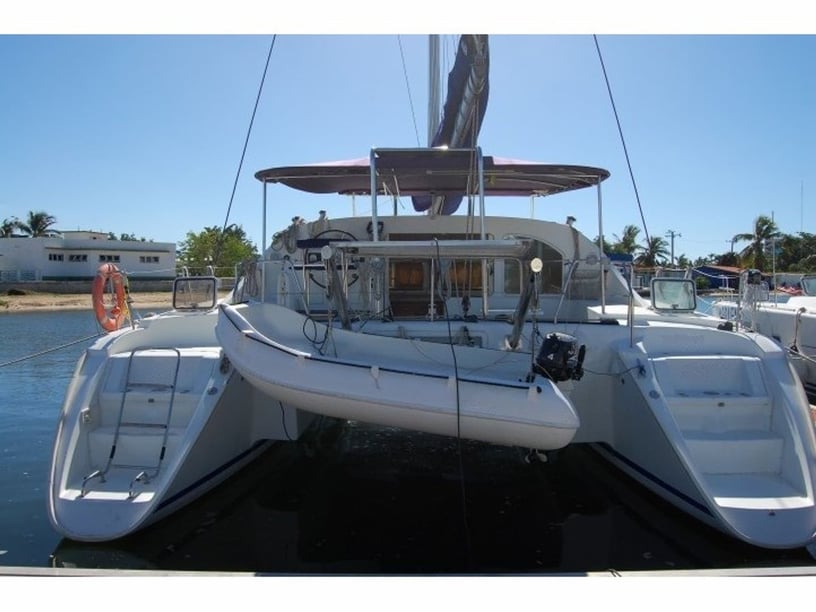
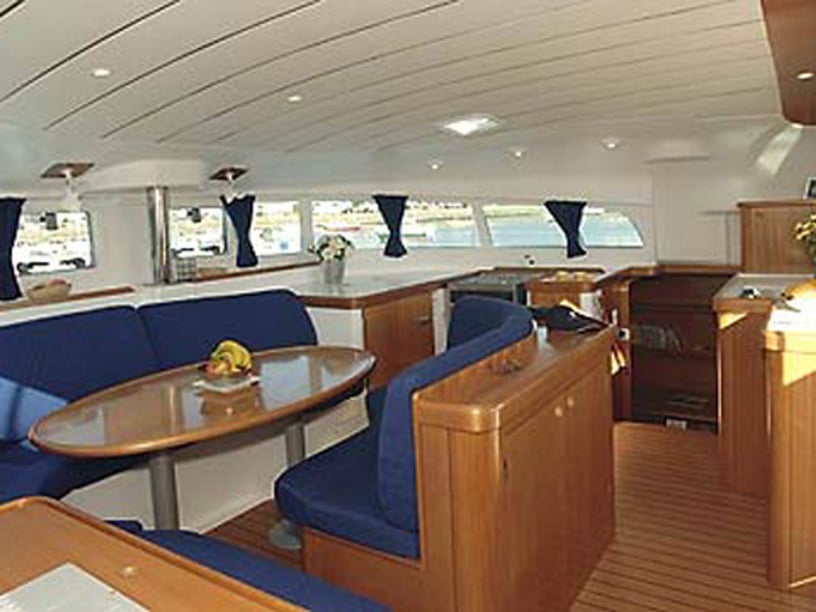
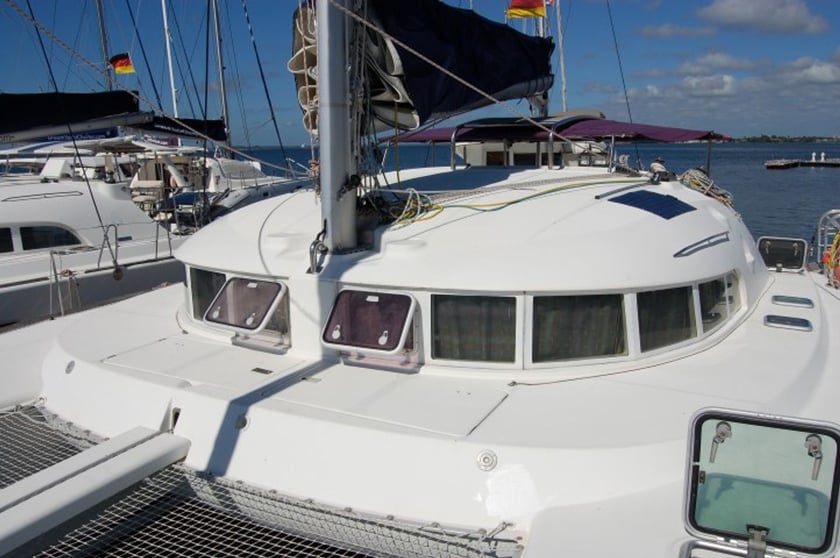
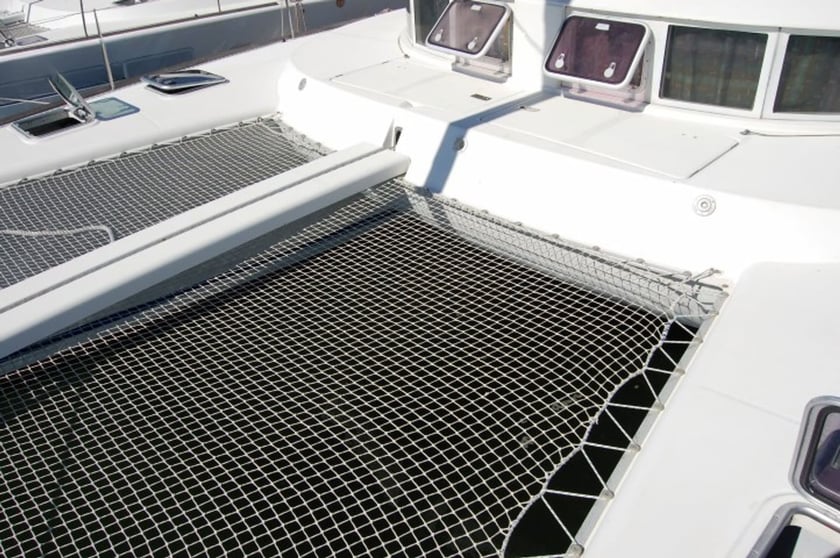
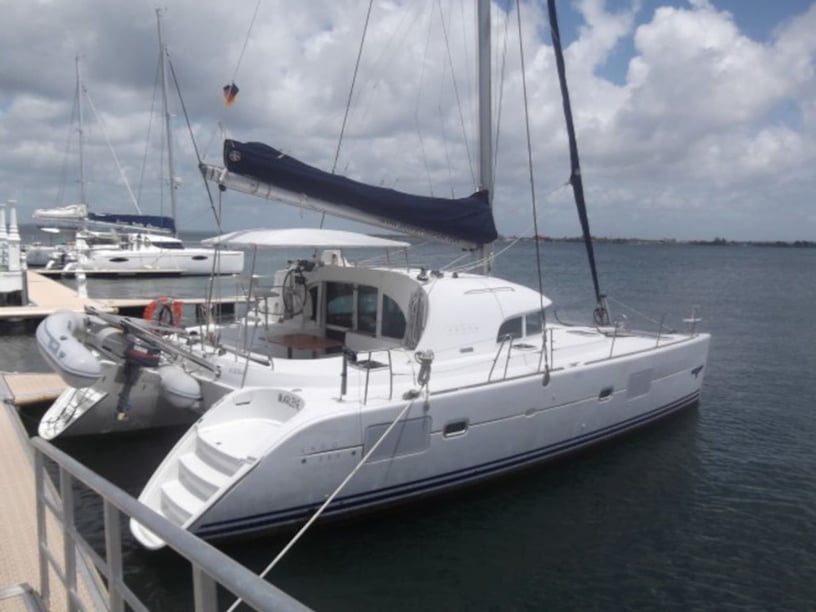
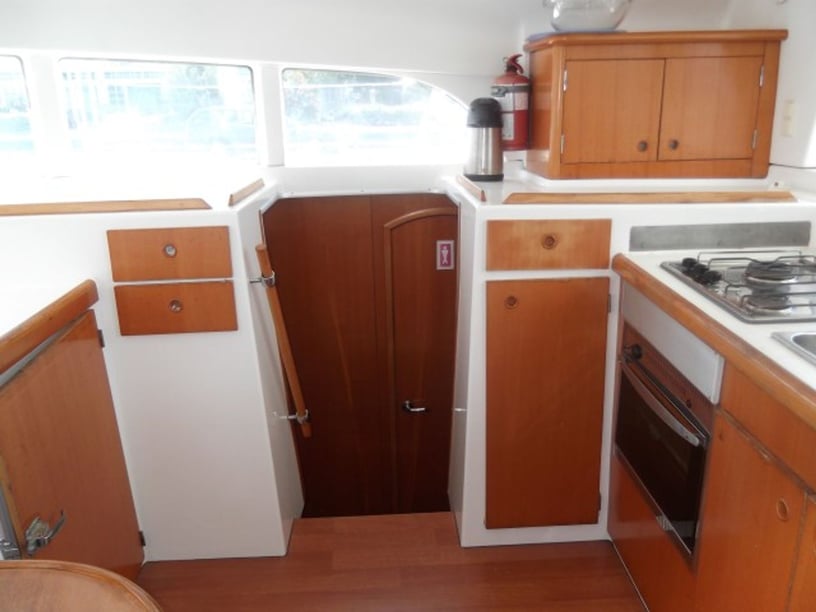
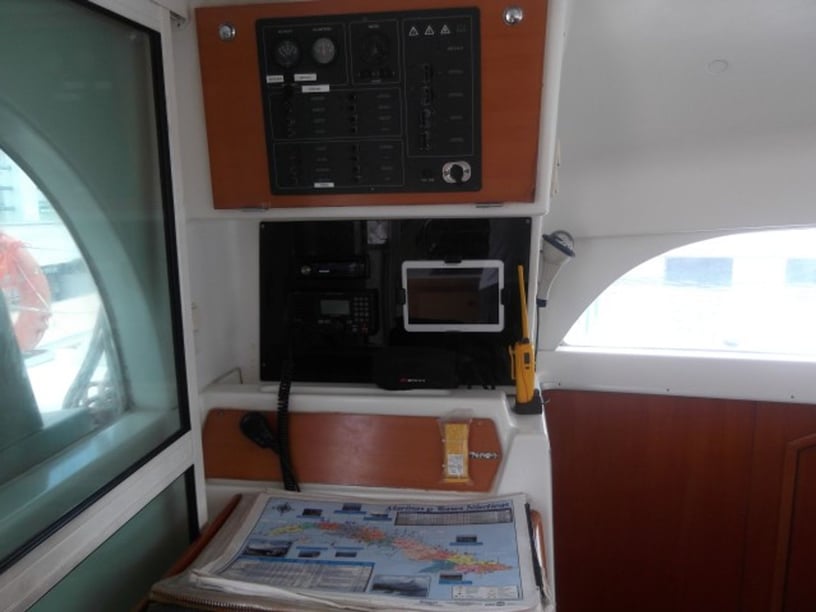
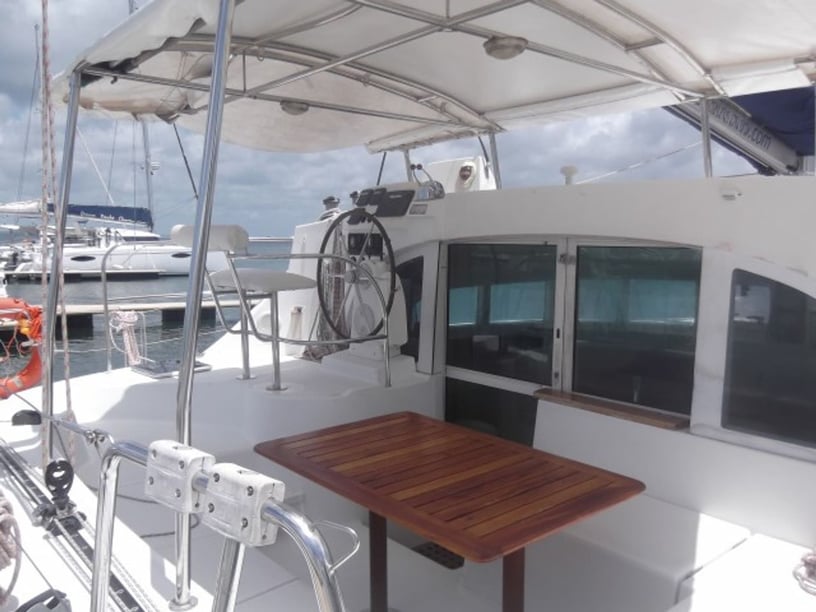
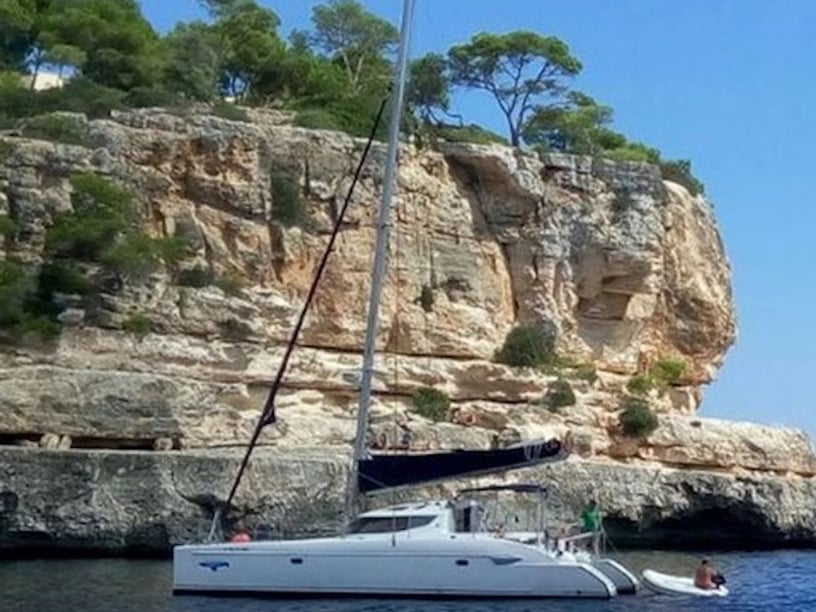
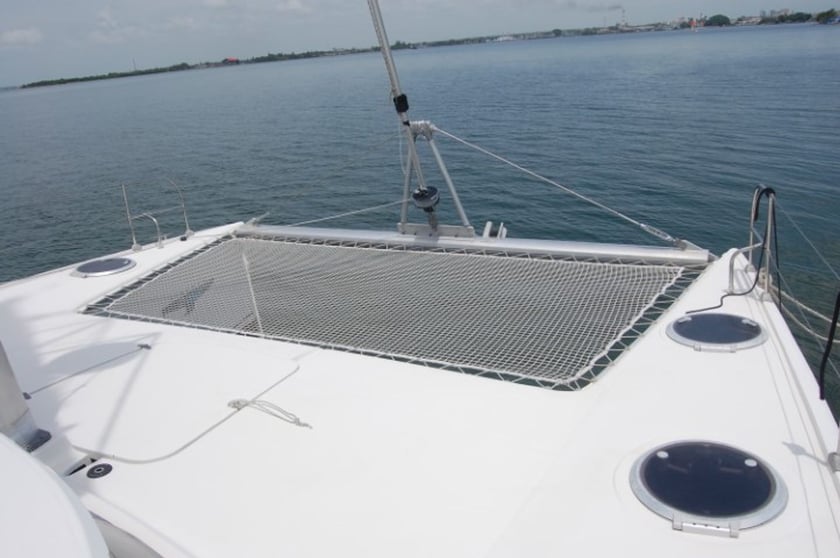
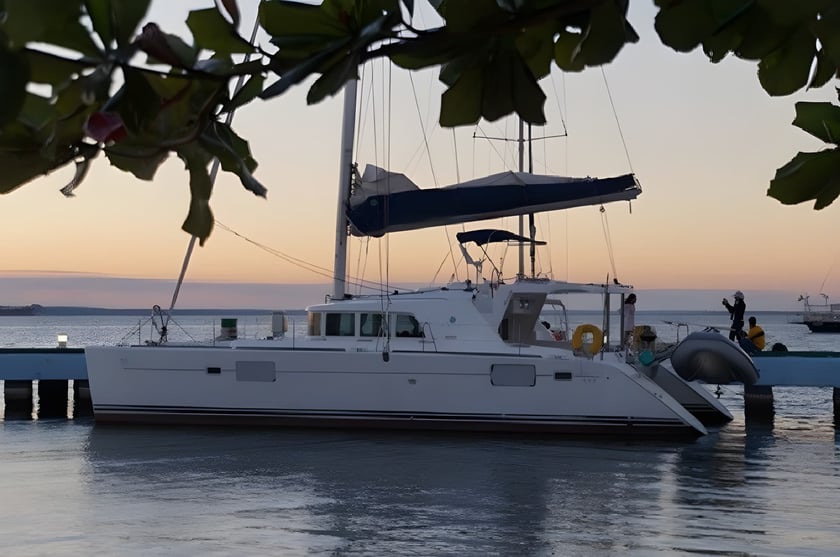
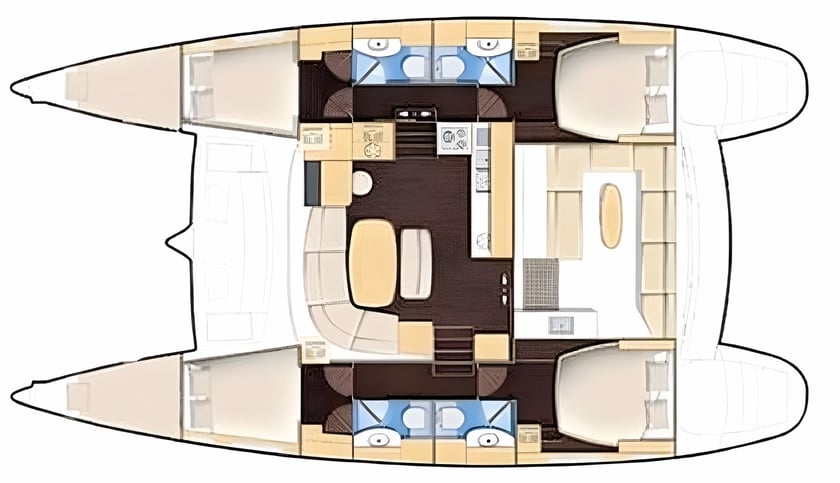
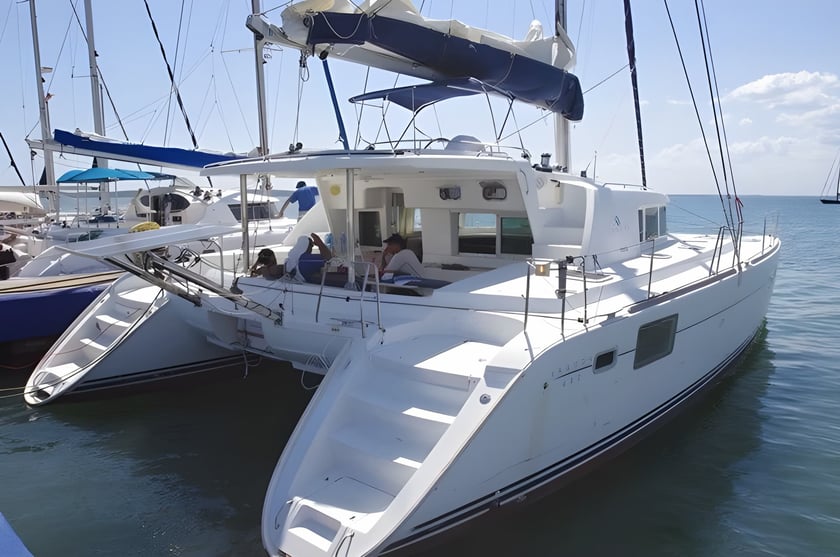
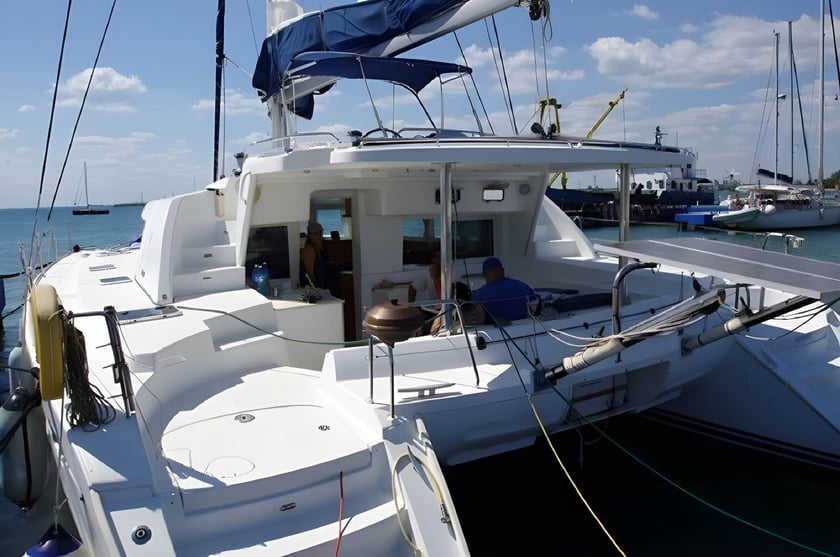
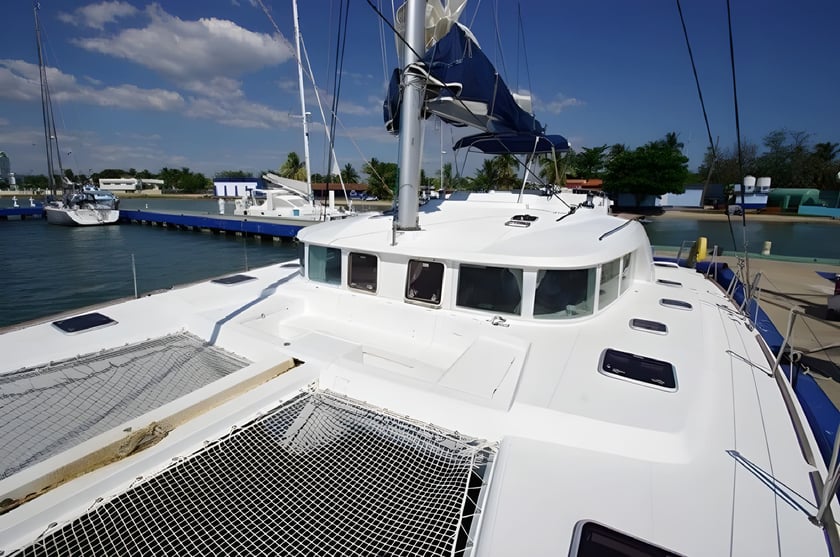
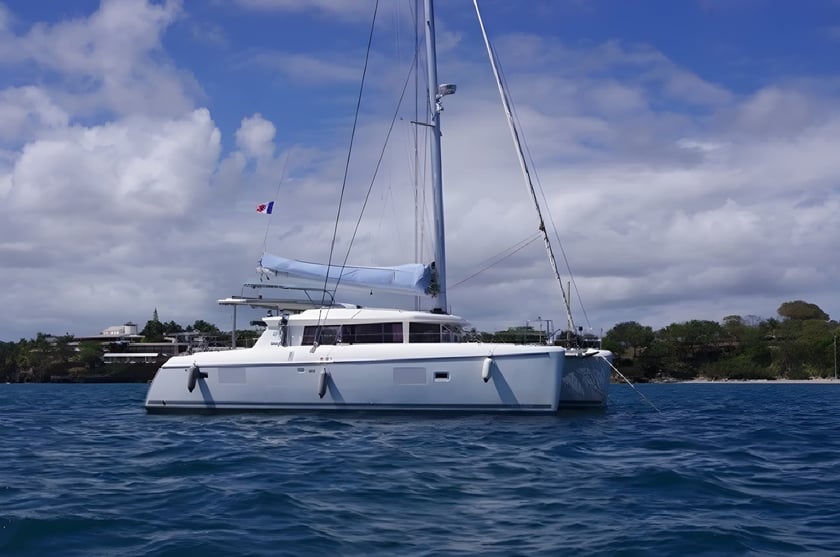
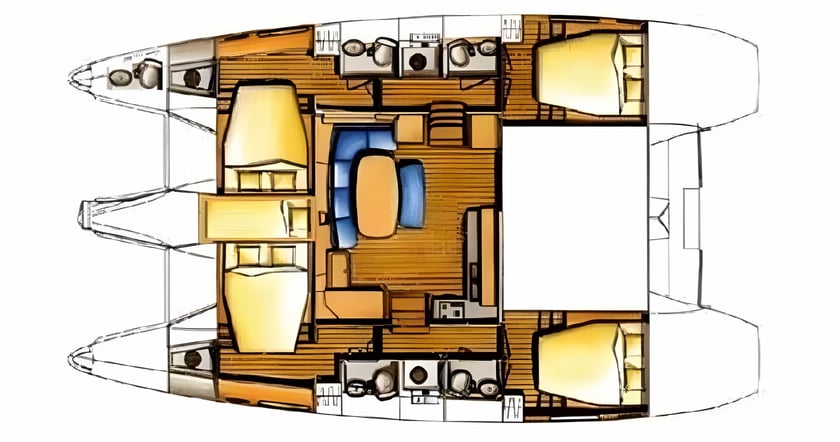
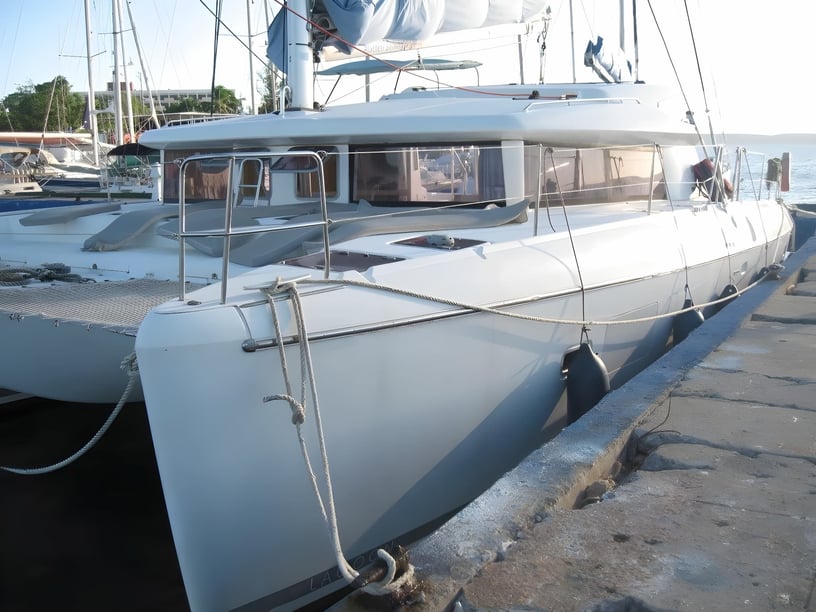
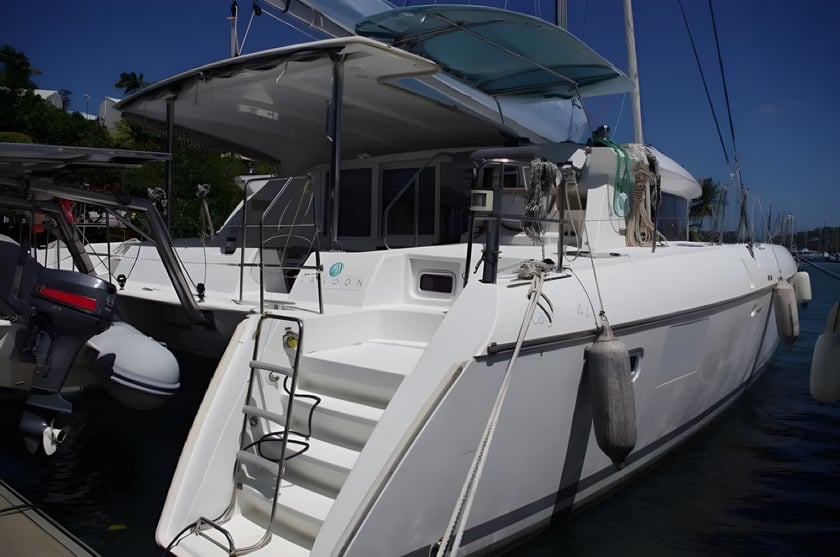
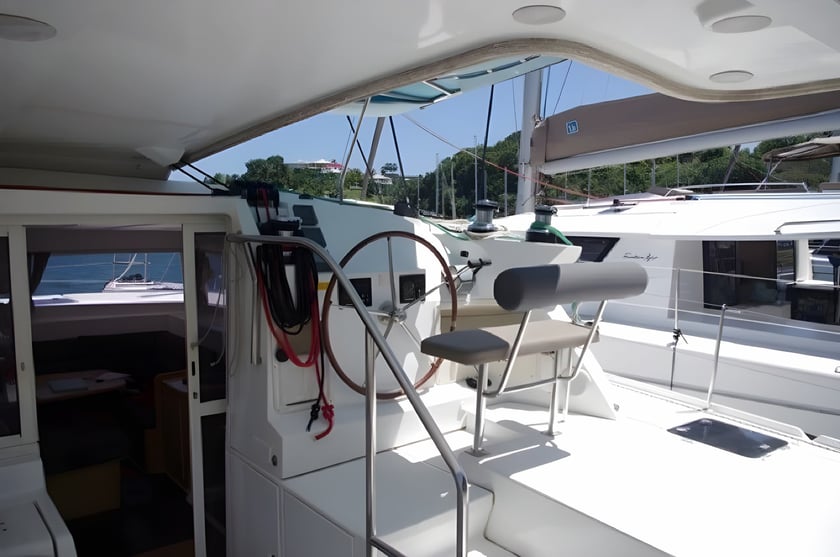
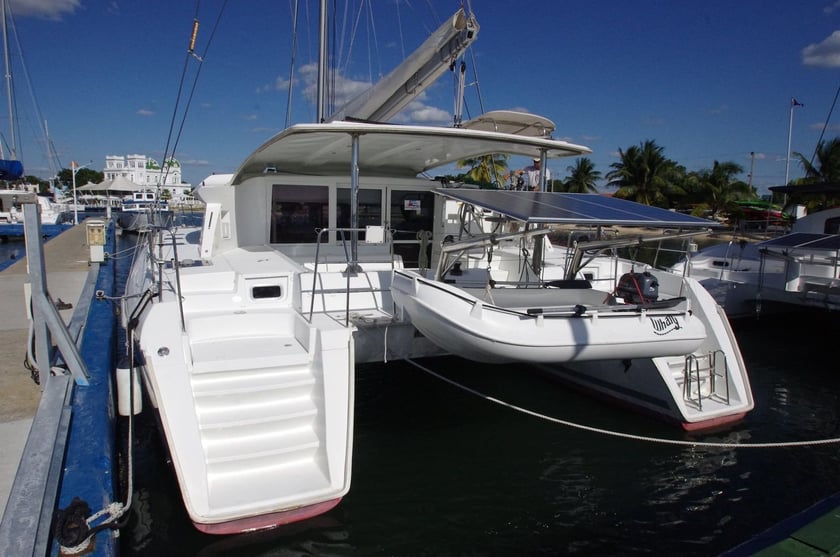
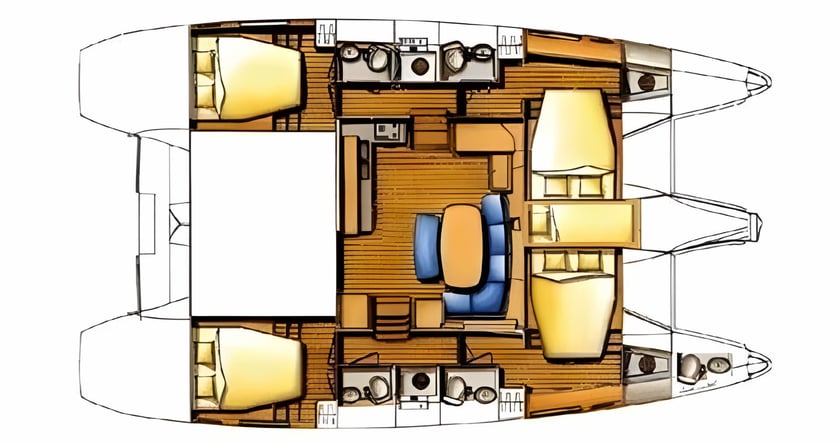
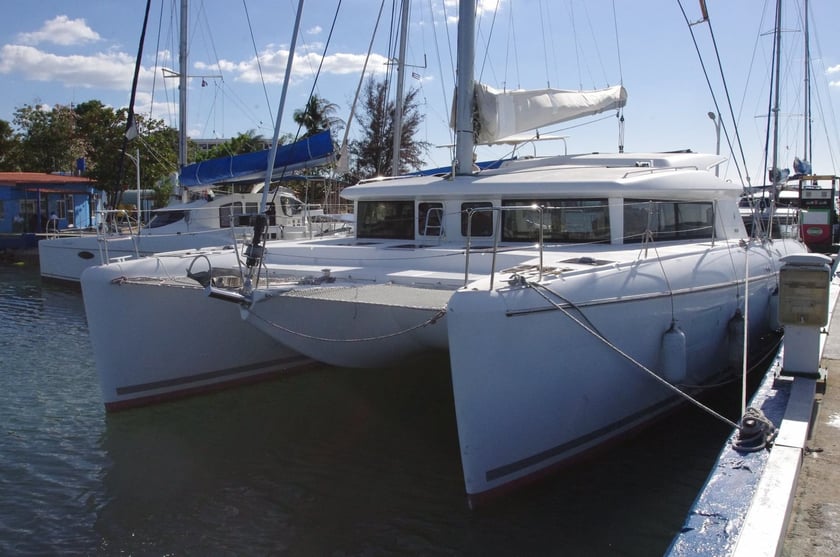
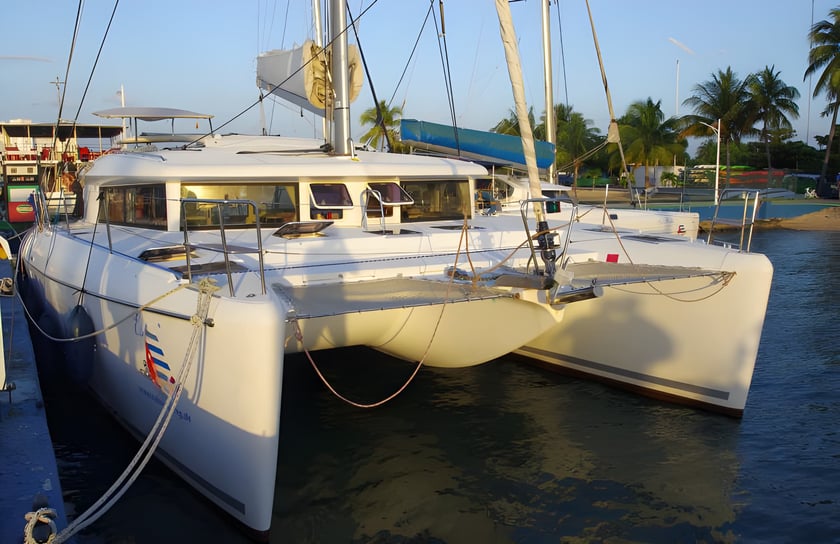
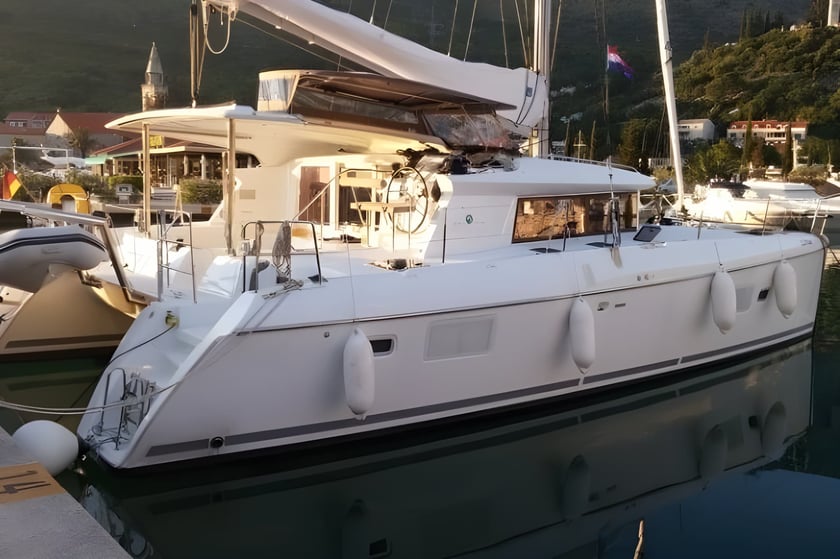
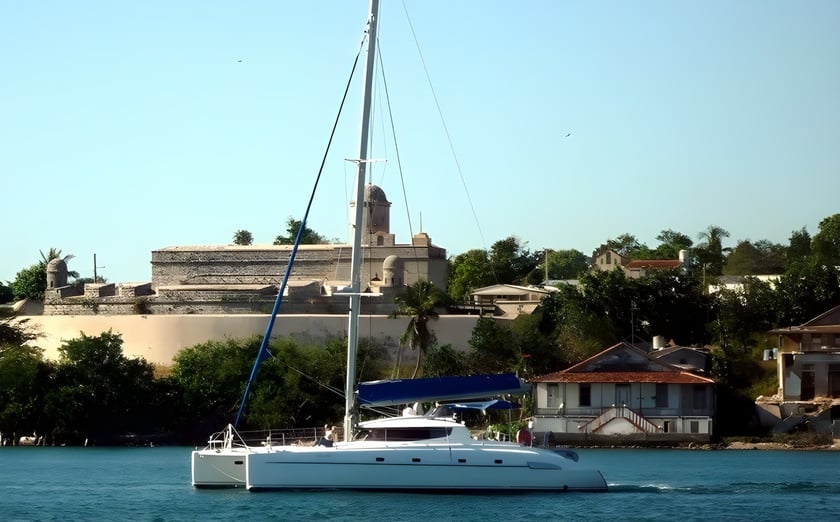
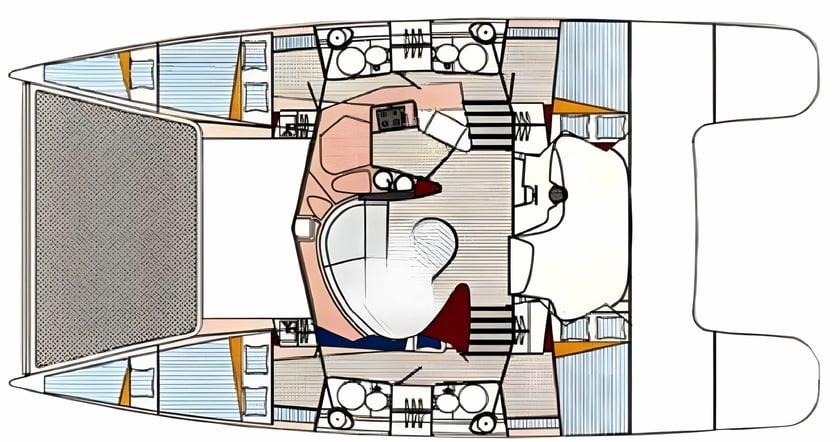
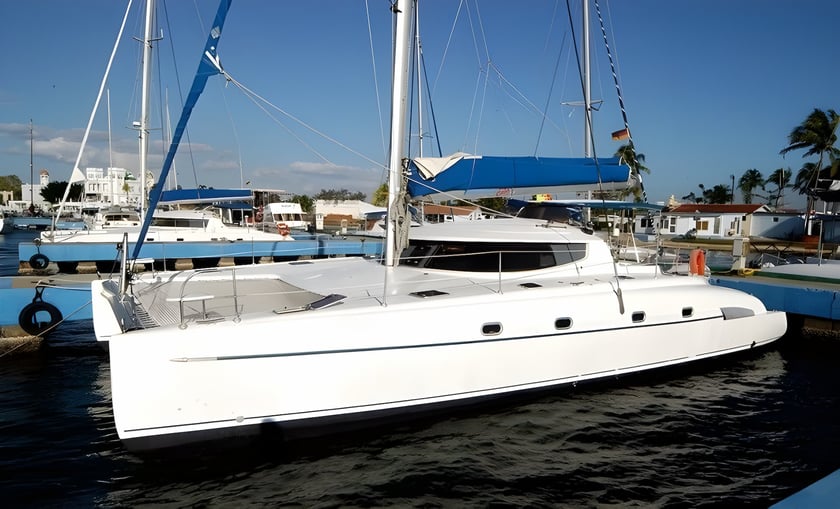
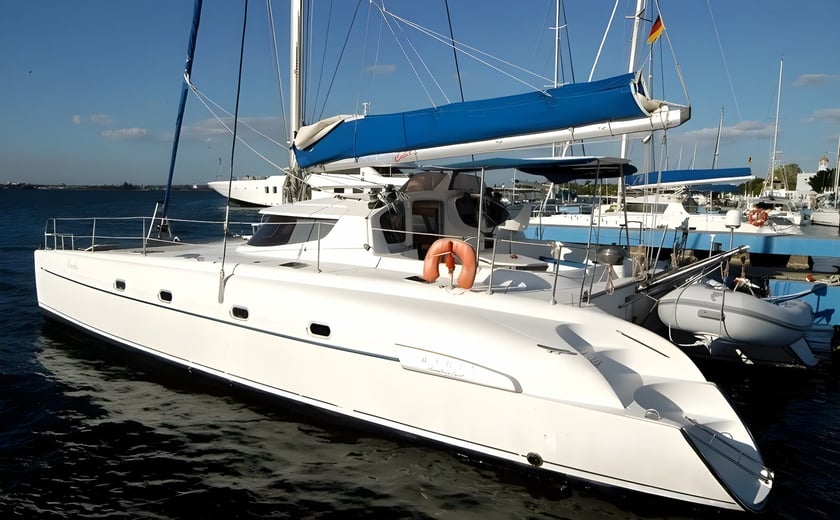
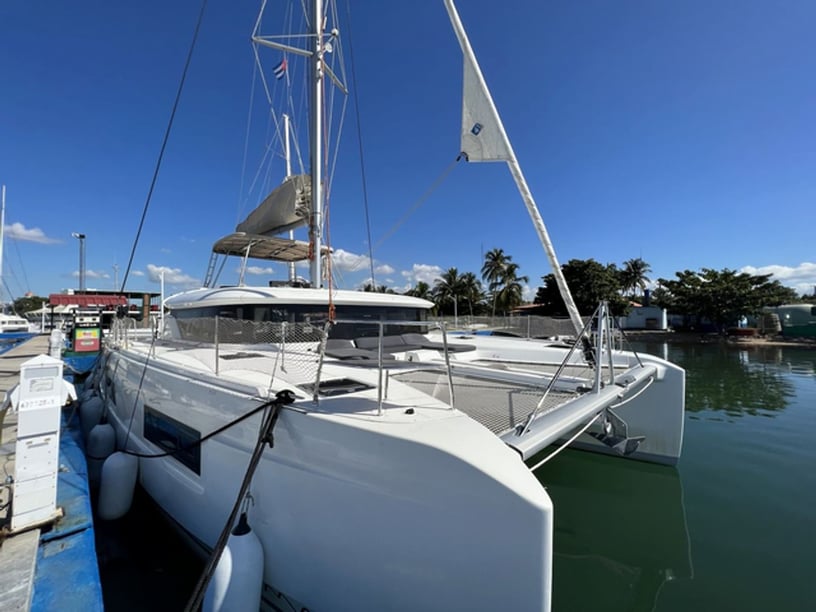
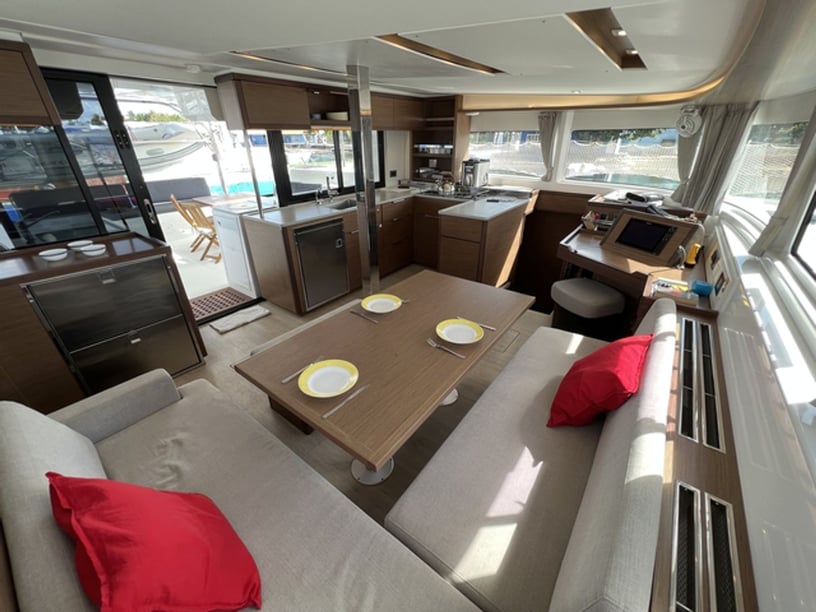
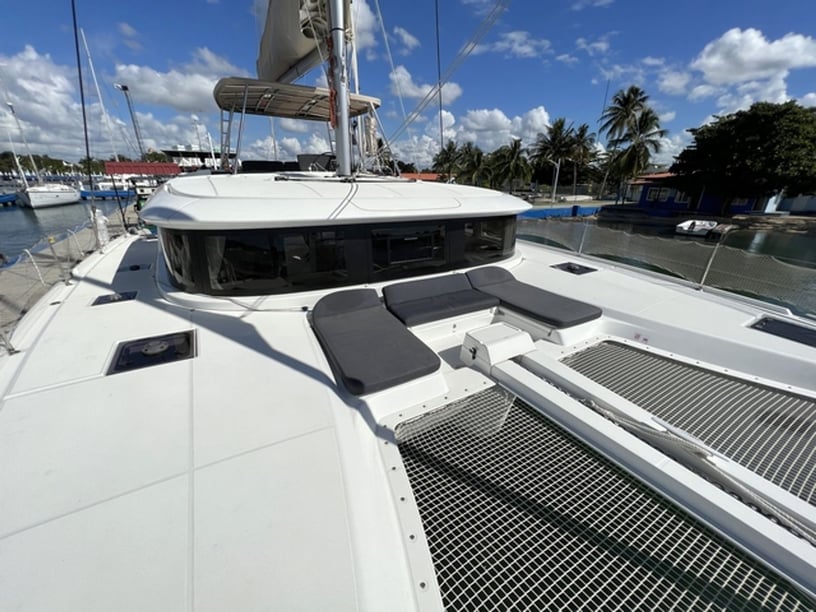
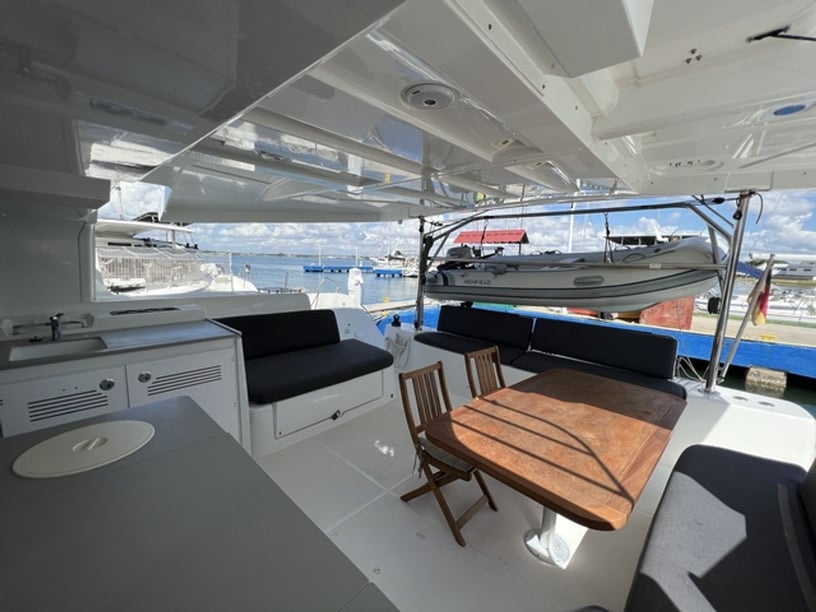
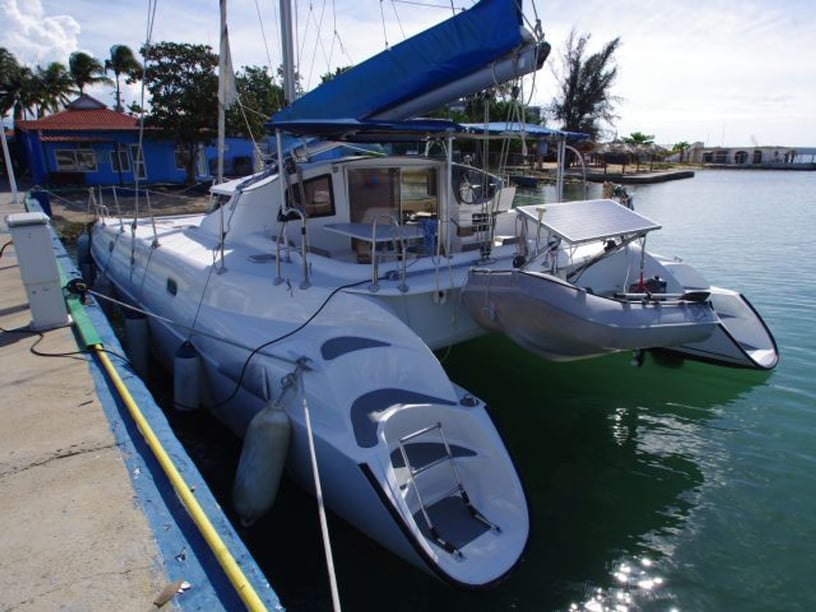
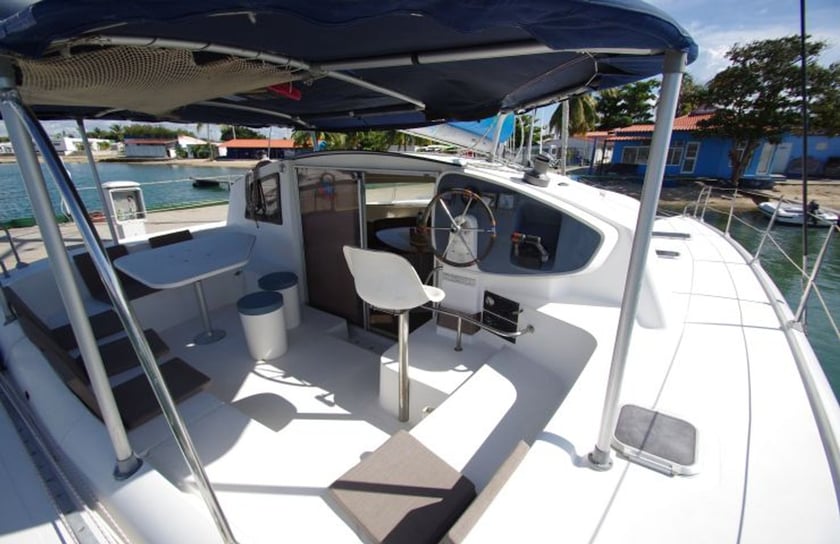
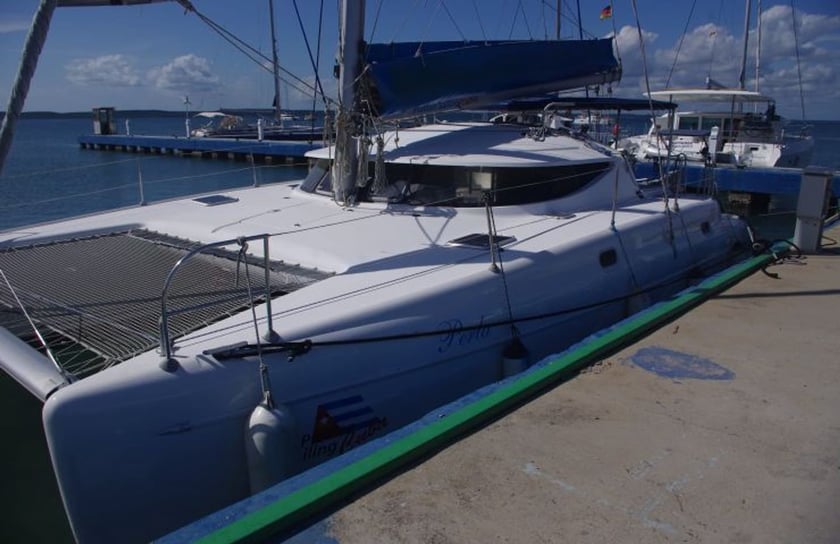
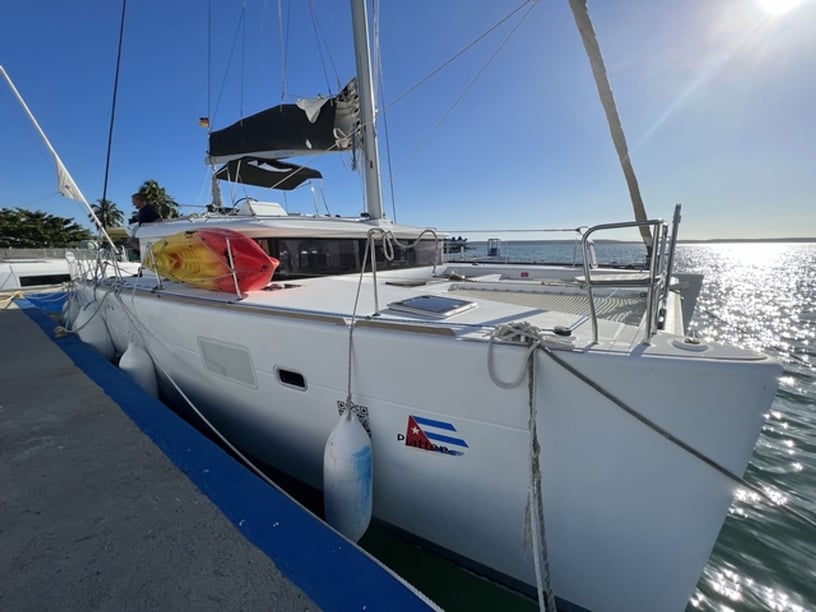
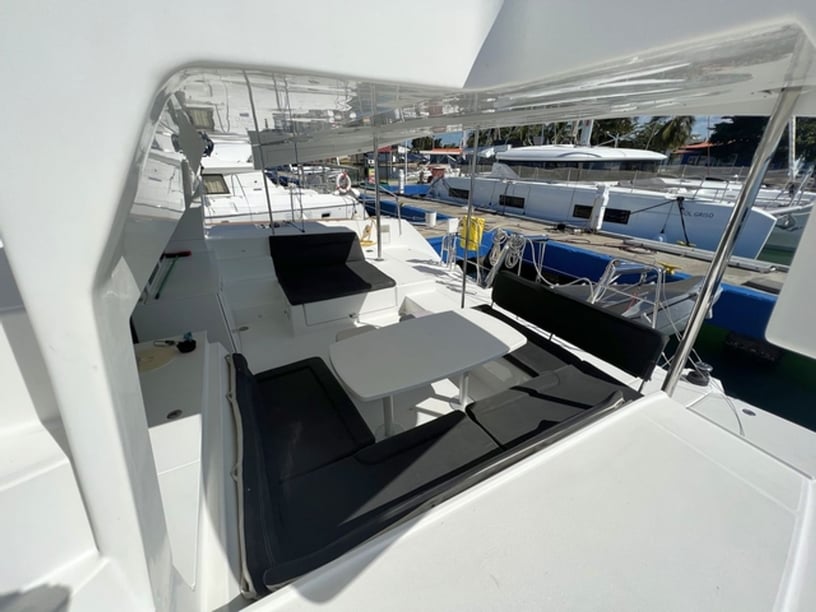
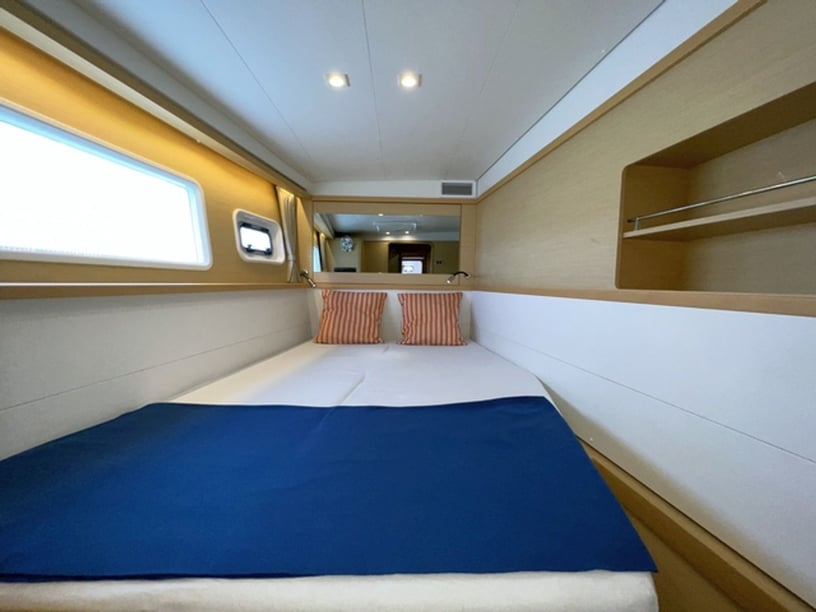
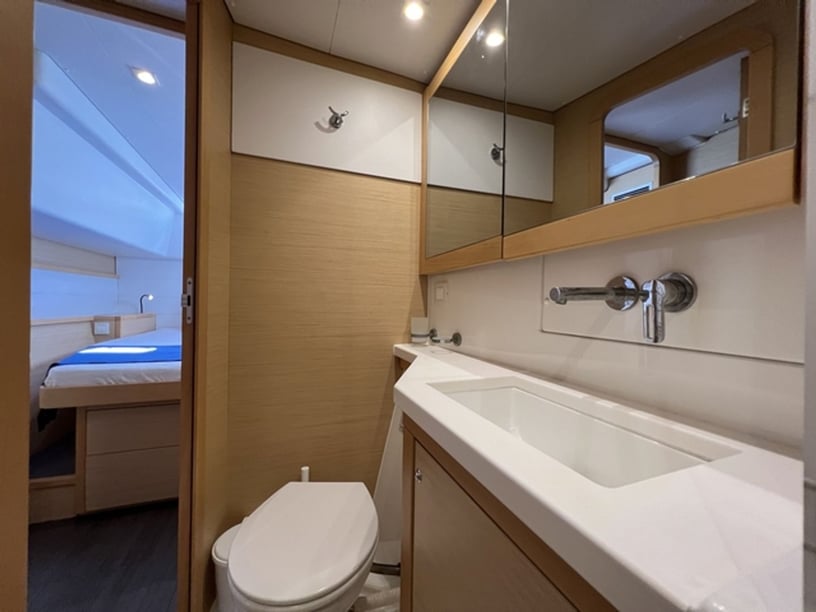
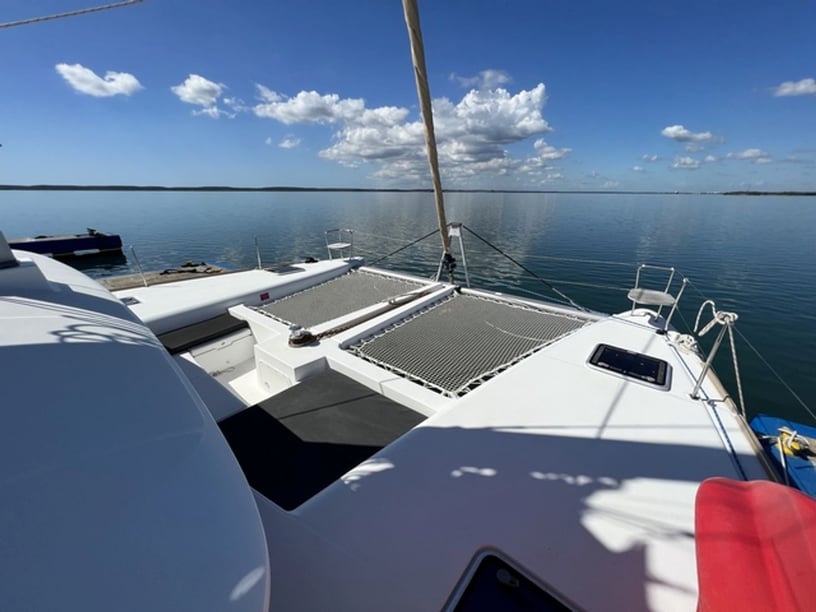
A search for boat rental in Cuba can encompass very different journeys, so begin with the cruising region rather than the vessel alone. Compare the time available, expected passage lengths and the balance between remote anchorages and visits ashore. The choice between a sailboat charter in Cuba and a catamaran charter in Cuba should also account for the intended route, group needs and shallow-water environment rather than relying only on onboard space.
Travelers considering a bareboat charter should realistically assess their experience with reefs, shoals, visually navigated coral areas and limited aids to navigation. A crewed arrangement may be more suitable when local pilotage, remote cruising or complex entry procedures are significant concerns. Fuel, water, provisioning and weather contingencies deserve early attention because marinas and services are not evenly distributed.
Visiting vessels must use designated entry points and complete applicable customs, immigration and maritime-authority procedures. Travelers should verify current entry, cruising and insurance requirements before departure. People subject to United States jurisdiction must also check current Cuba sanctions rules: tourist travel transactions are not generally authorized and travel must fit an authorized category. As of August 27, 2026, qualifying United States vessels departing for Cuban territorial waters require applicable US government authorizations, including a written US Coast Guard permit under current guidance.