Yacht charter in Grenada
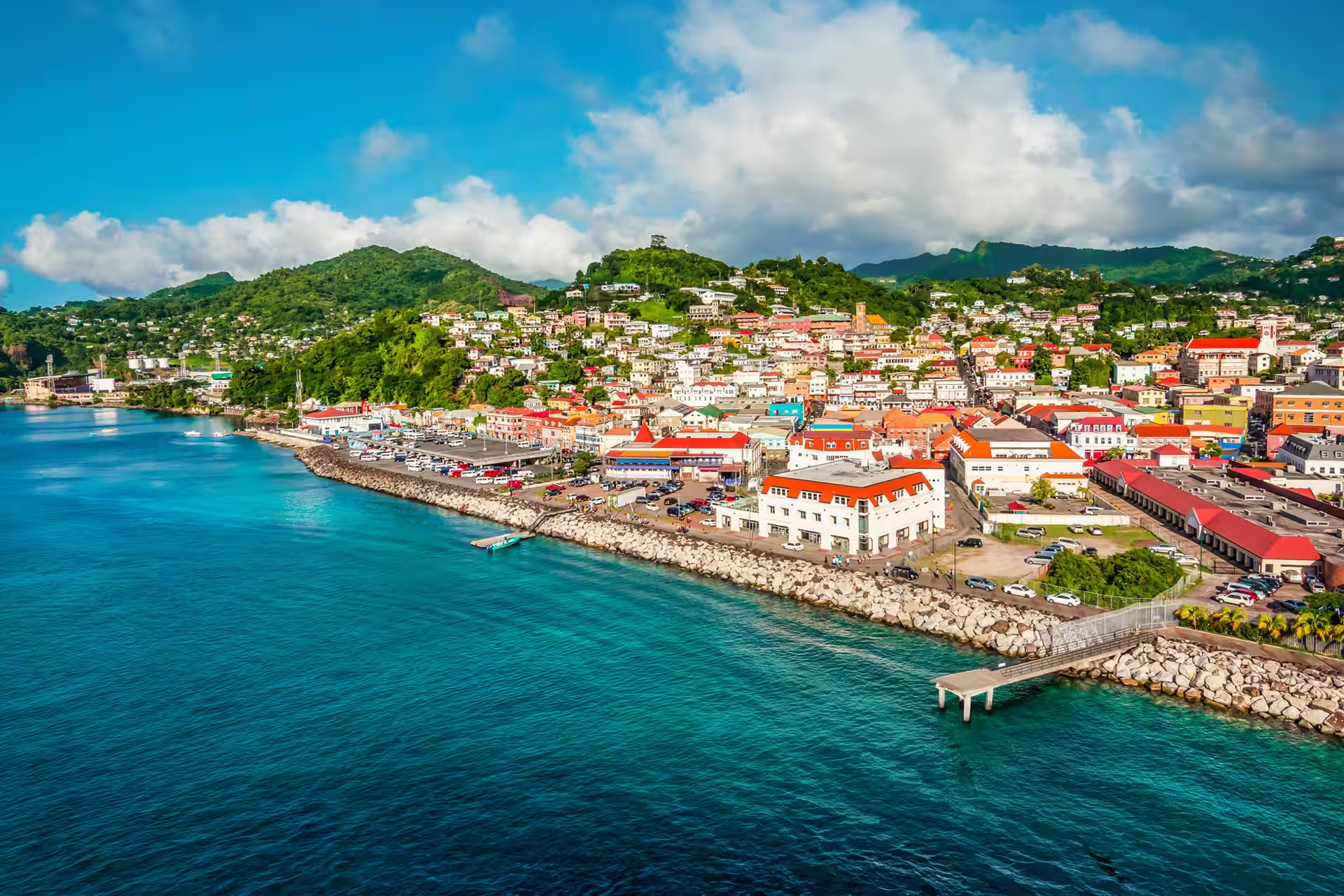
A yacht charter in Grenada can combine the facilities and sheltered bays of the main island with quieter cruising around Carriacou, Petite Martinique and the smaller Grenadine islets. The result is a varied sailing area rather than a single resort coastline: trips may begin among the marinas of southern Grenada, follow the historic west coast or make an open-water passage north toward reef-fringed anchorages and traditional boatbuilding communities.
Grenada’s volcanic main island is mountainous and rain-fed, with an Atlantic-facing east coast and a more sheltered leeward side. Its deeply indented southern peninsula contains many of the country’s principal marinas, boatyards and anchorages. Farther north, lower and generally drier Carriacou and Petite Martinique offer shorter island-to-island connections, sandy cays and a less developed cruising setting.
Exploring by yacht makes these contrasts practical to experience in one journey. Time aboard can be divided between purposeful passages, short coastal hops, swimming stops and visits ashore for food, history or beaches. Grenada is also a gateway to the wider Grenadines, although itineraries crossing into Saint Vincent and the Grenadines require international clearance.
Grenada’s main charter areas
Southern Grenada is the country’s principal yachting hub. Prickly Bay, Clarkes Court Bay, Mount Hartman Bay, Petite Calivigny Bay and the areas around Lance aux Épines and Woburn provide a concentration of sheltered water, marinas and technical services. This region suits travelers who value straightforward access, provisioning and a choice of protected places to begin or finish a trip.
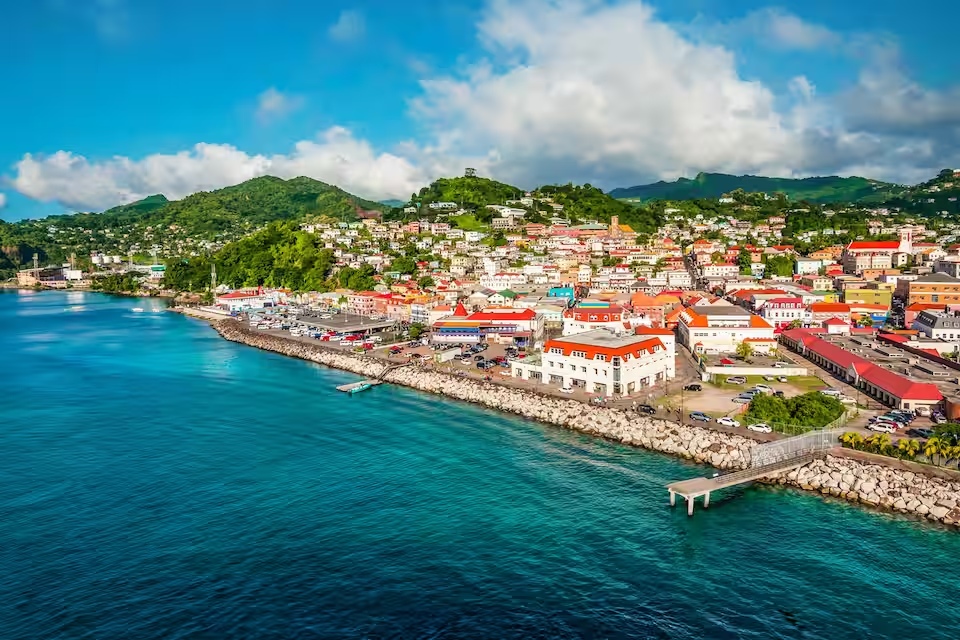
On the west coast, St. George’s combines a useful departure area with the Carenage, historic forts and access to Grand Anse. Continuing north brings opportunities to visit Dragon Bay and Molinere Bay, including the underwater sculpture installations within the Molinere-Beauséjour Marine Protected Area. The west coast is generally the more sheltered side of mountainous Grenada, although local conditions still depend on wind and swell.
Carriacou offers a different pace. Tyrell Bay is an important anchorage and service point, while Hillsborough, Paradise Beach, Sandy Island and Anse La Roche support a more compact island-hopping itinerary. Windward is notable for its continuing tradition of building wooden sloops and schooners. Petite Martinique and nearby islets extend this quieter Grenadine character, but facilities and freshwater resources are more limited than around southern Grenada.
What sailing in Grenada is like
Grenada offers both protected coastal cruising and more exposed passages. Short hops among the southern bays can keep daily distances modest and provide several sheltered stopping points. By contrast, sailing between Grenada and Carriacou involves open water, and the channels may become rough when the prevailing wind works against the west-setting regional current.
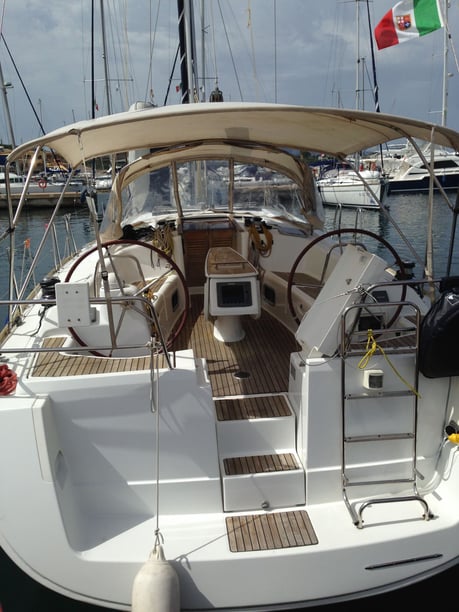
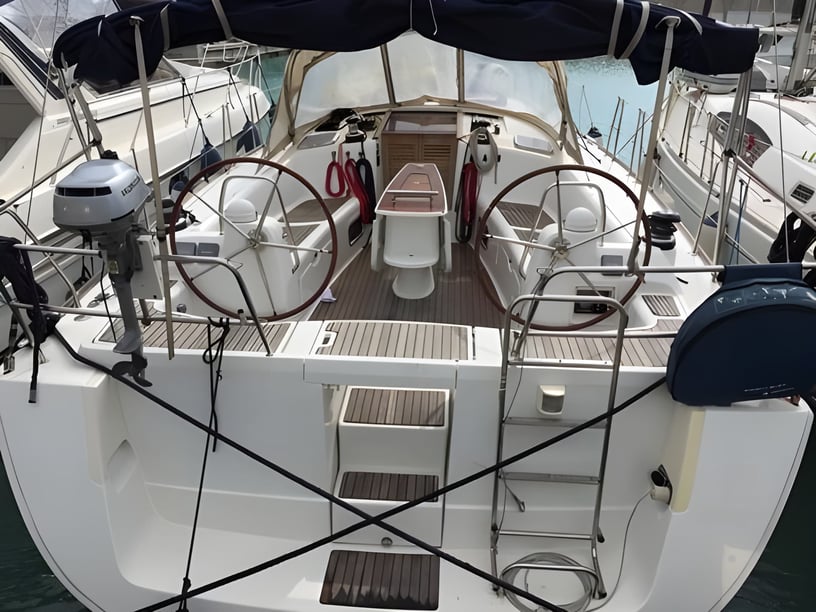
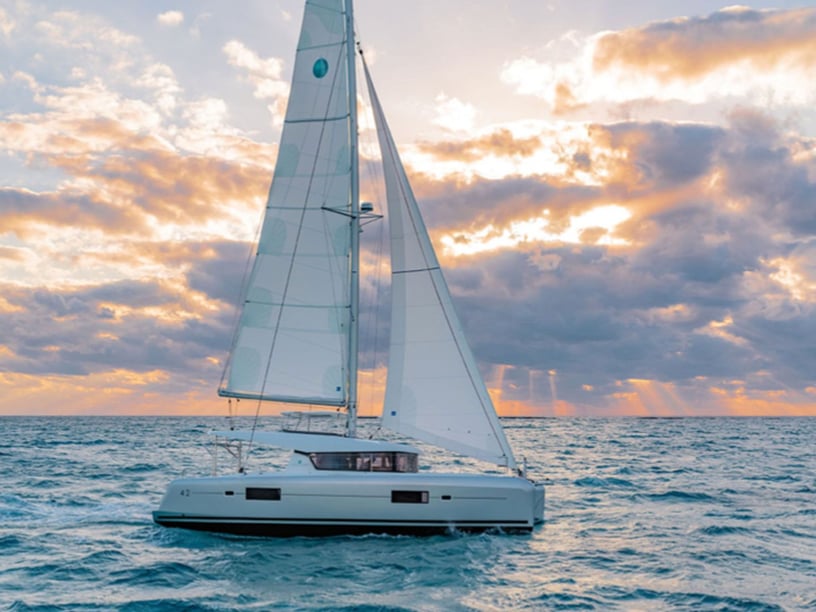
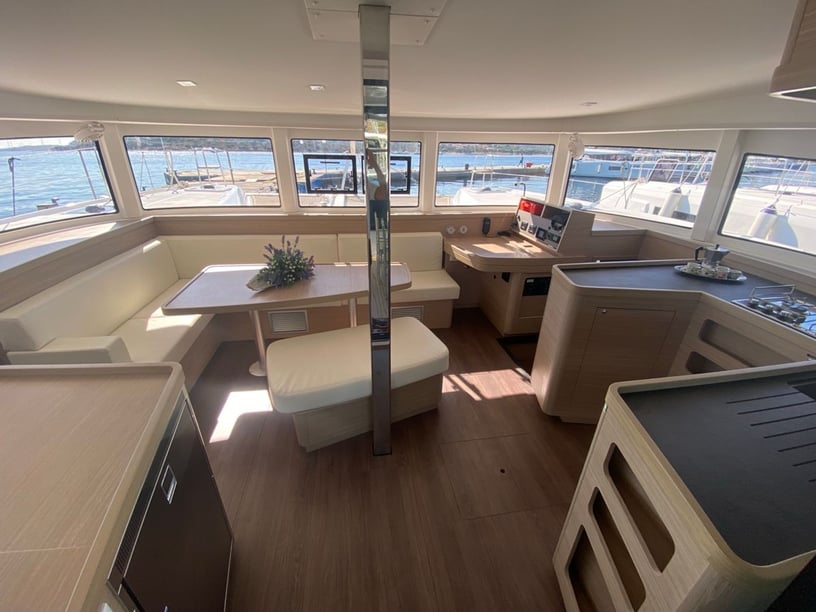
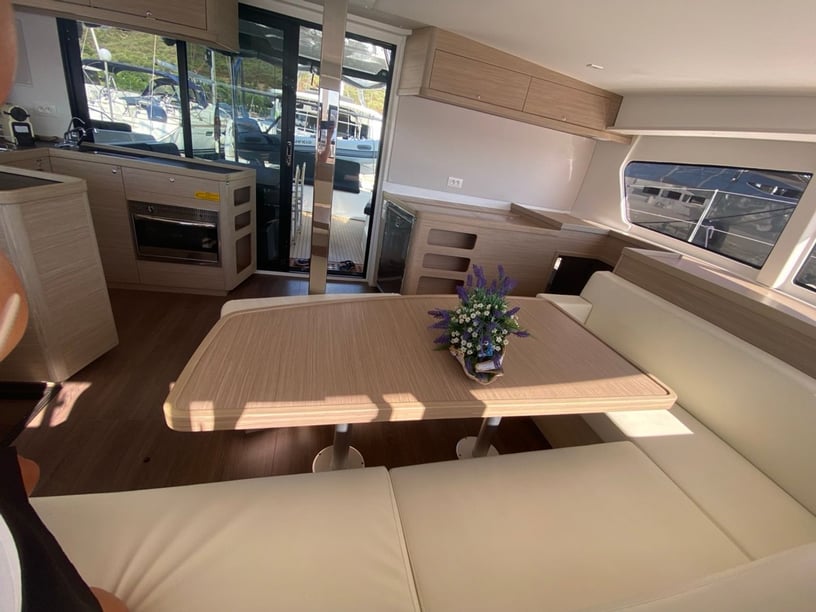
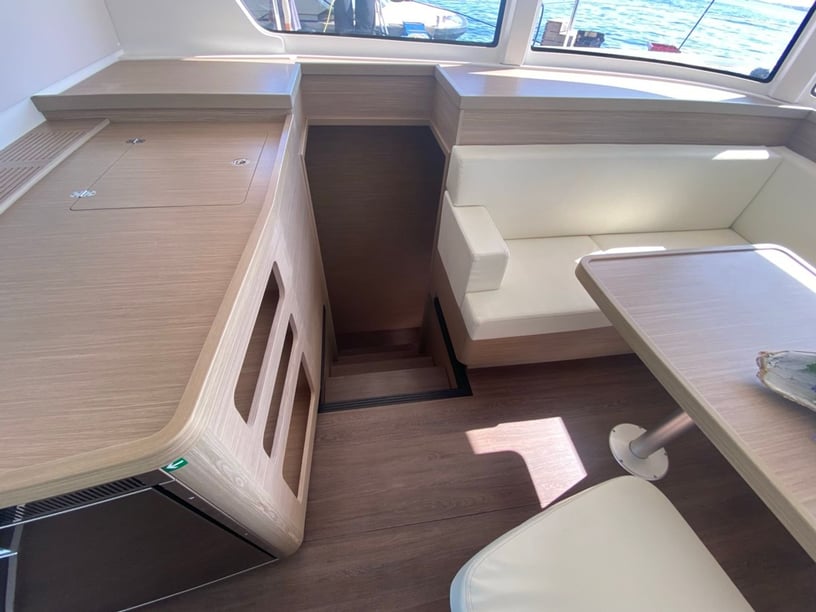
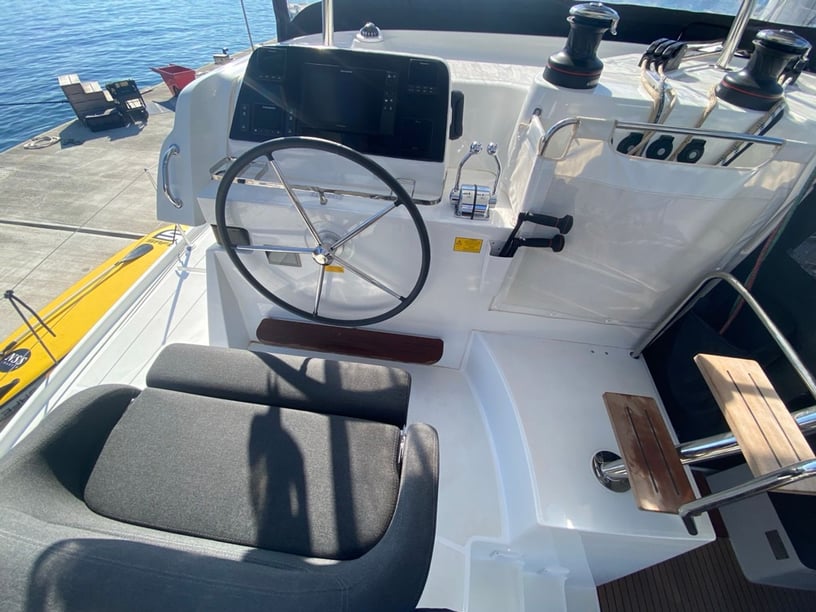
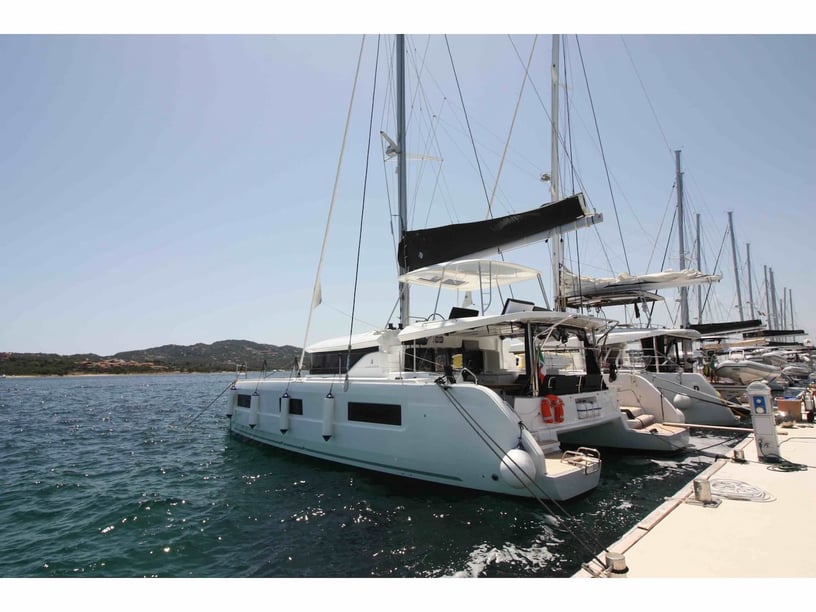
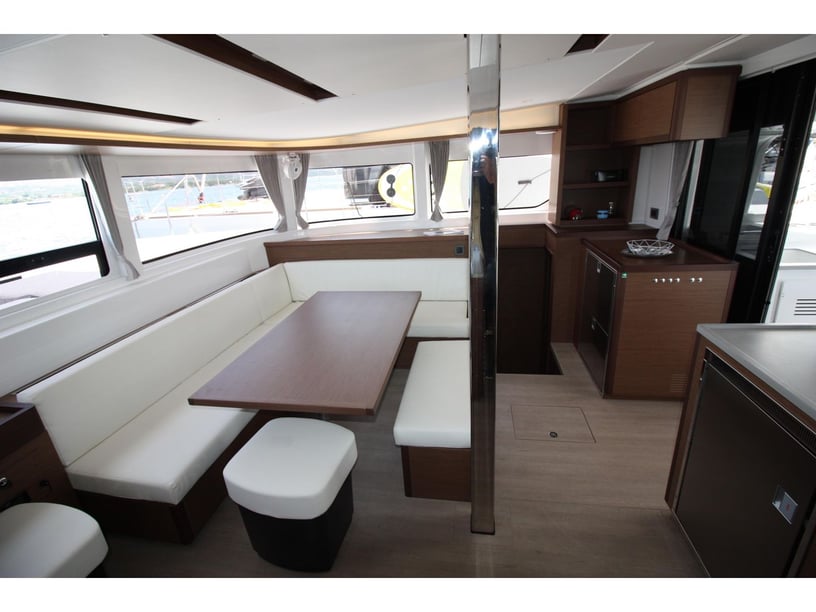
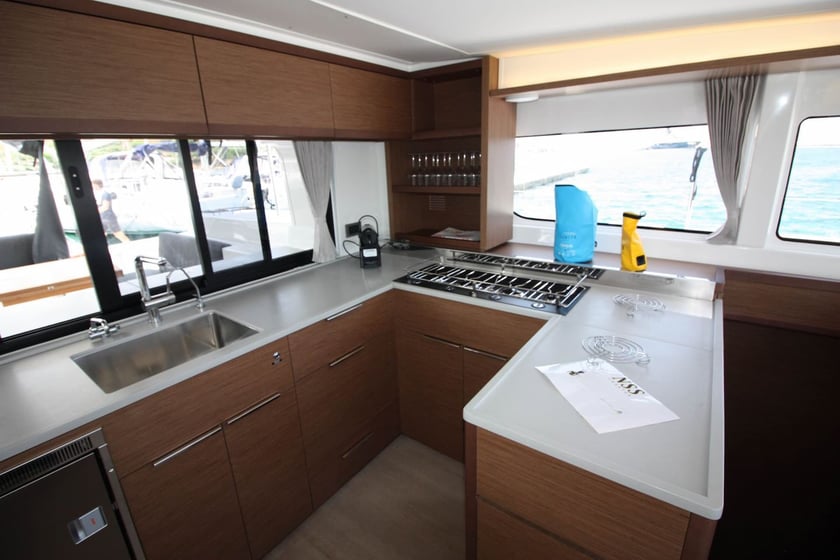
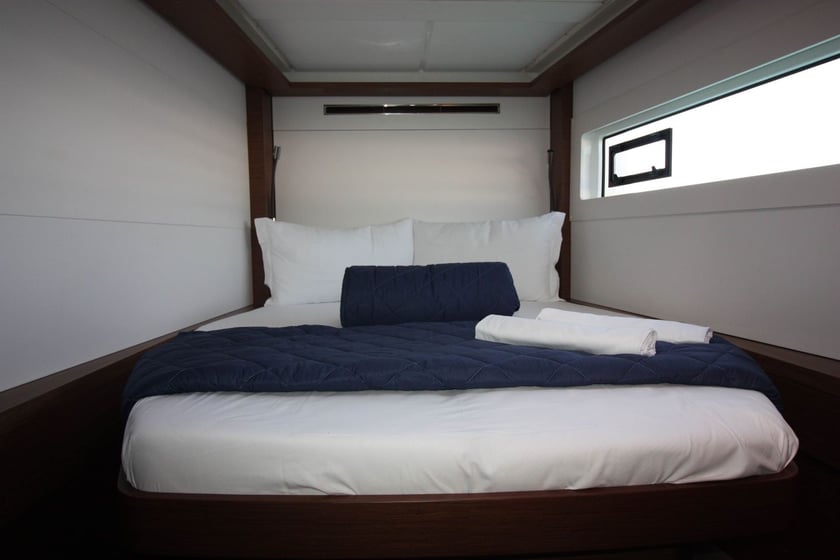
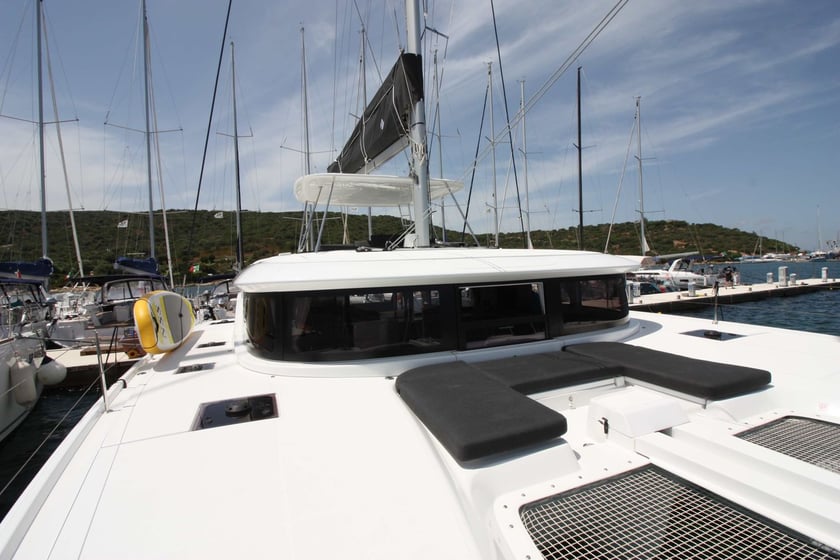
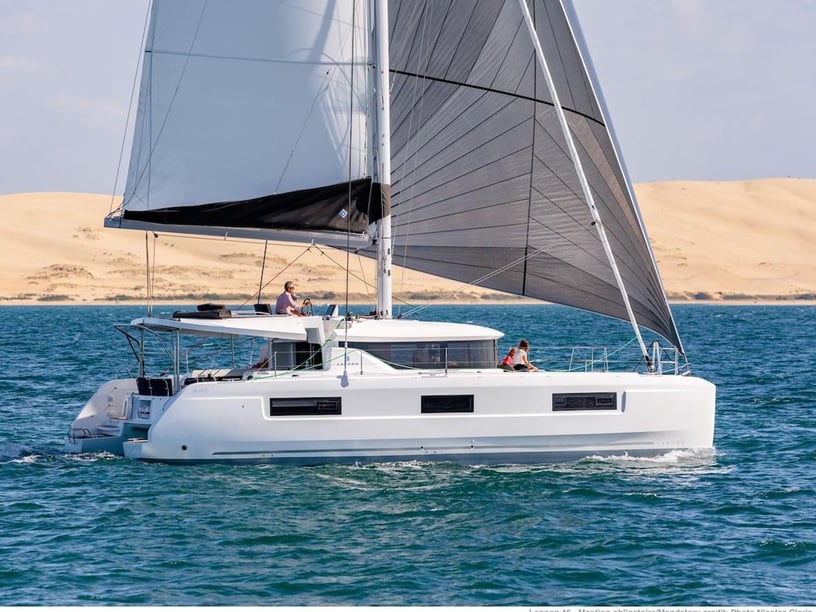
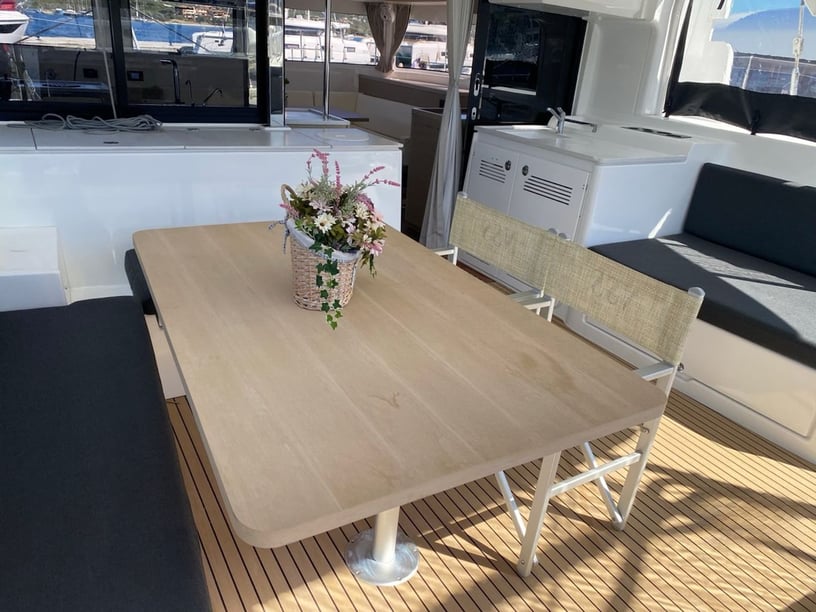
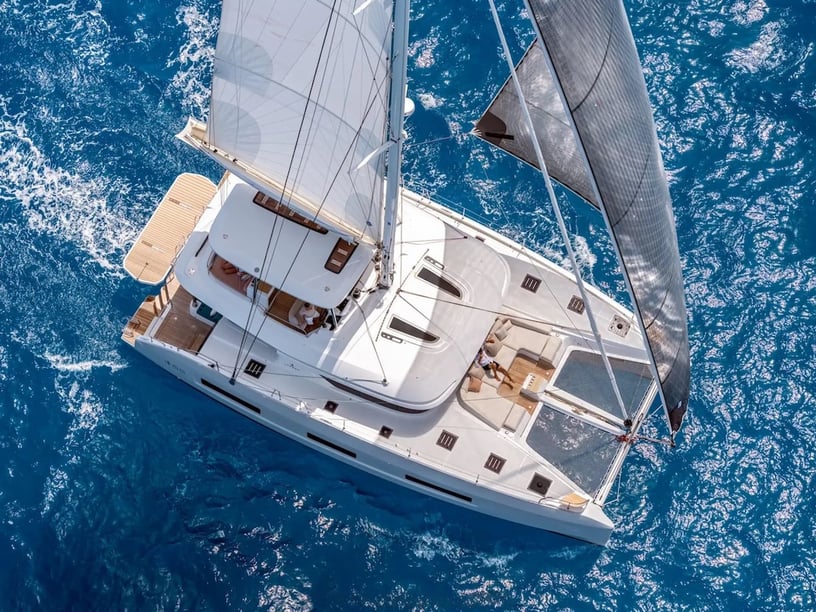
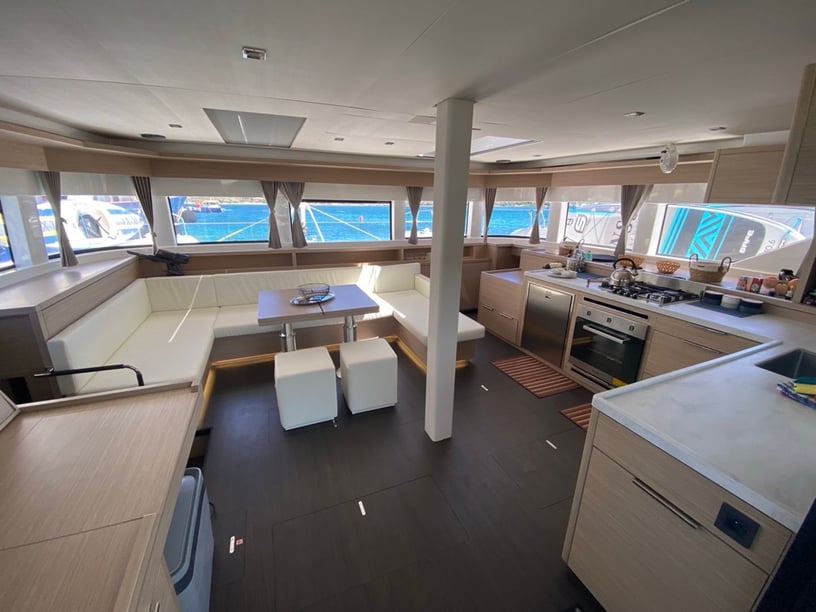
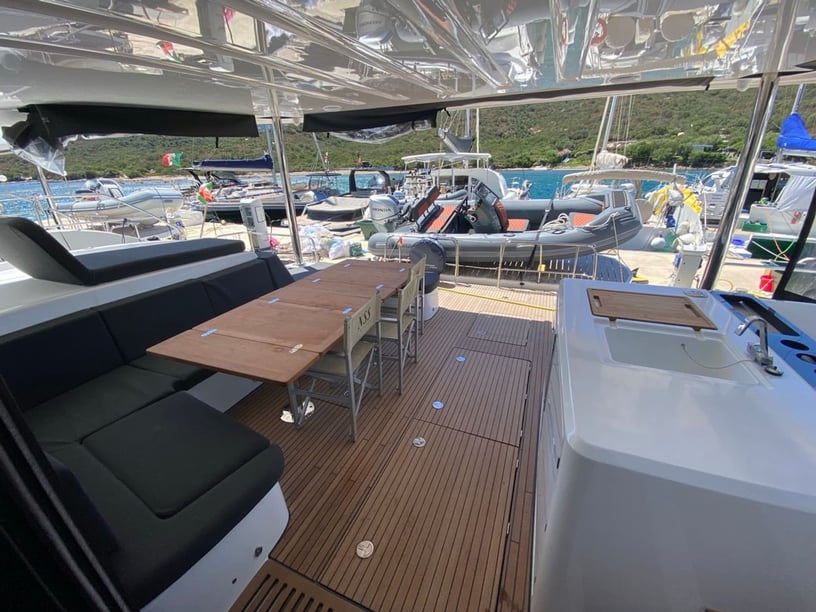
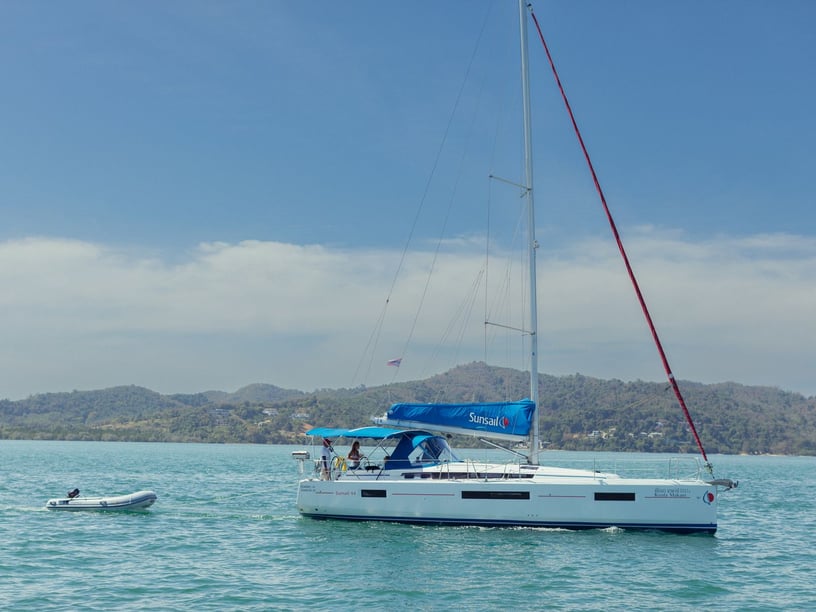
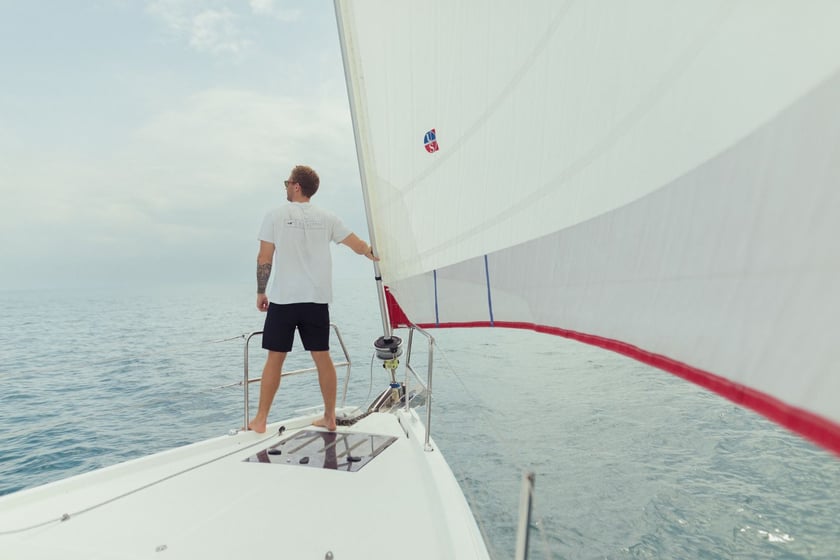
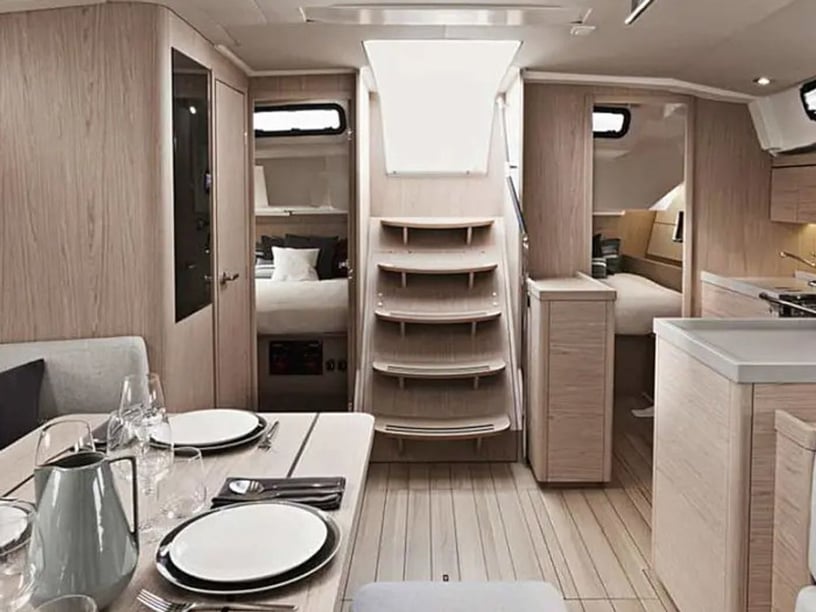
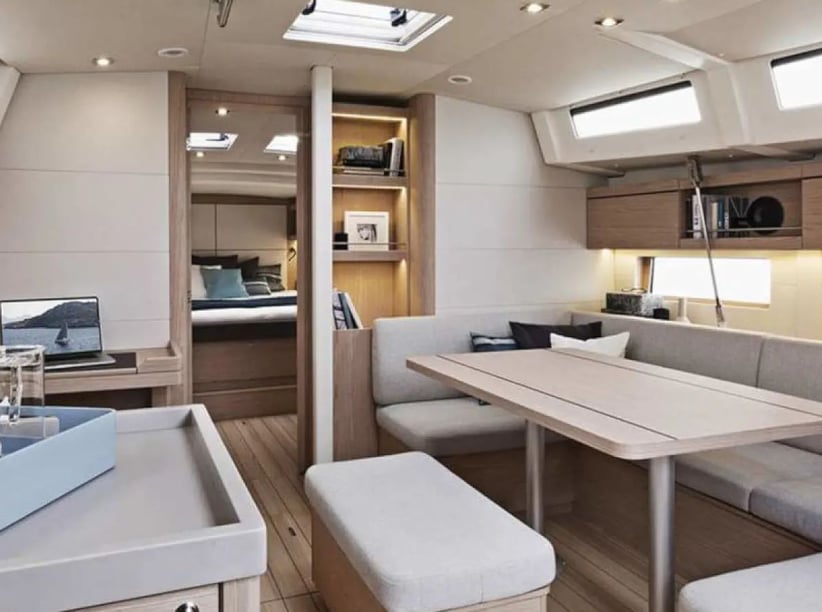
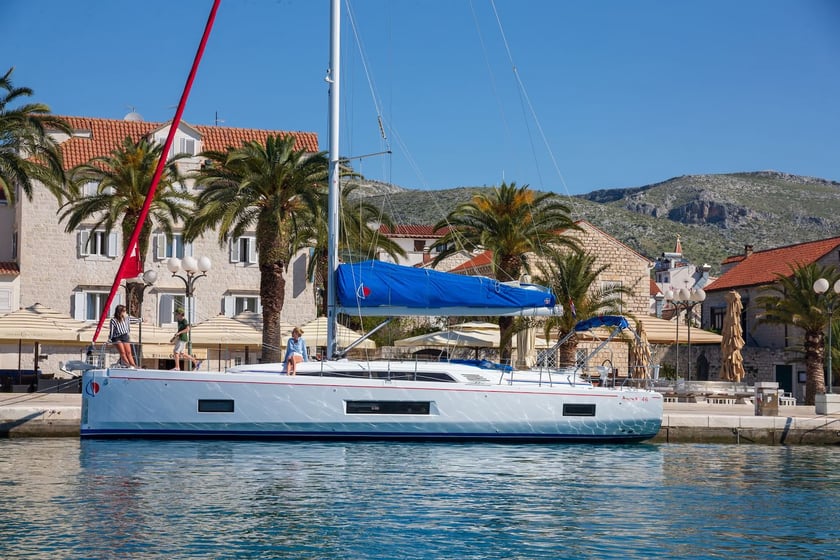
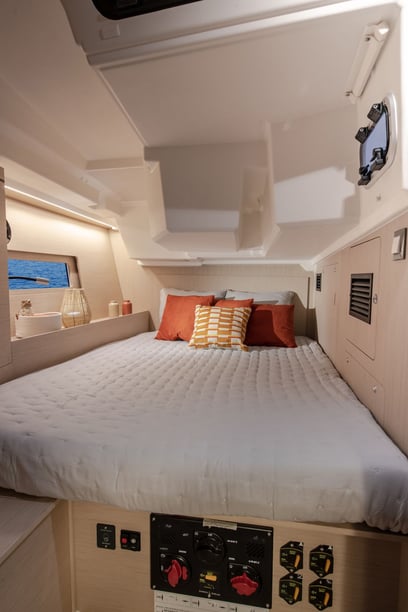
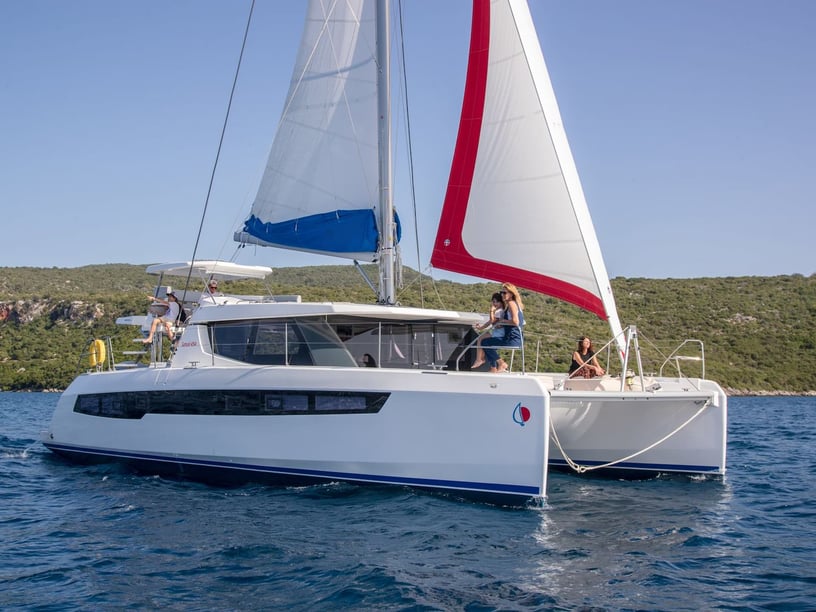
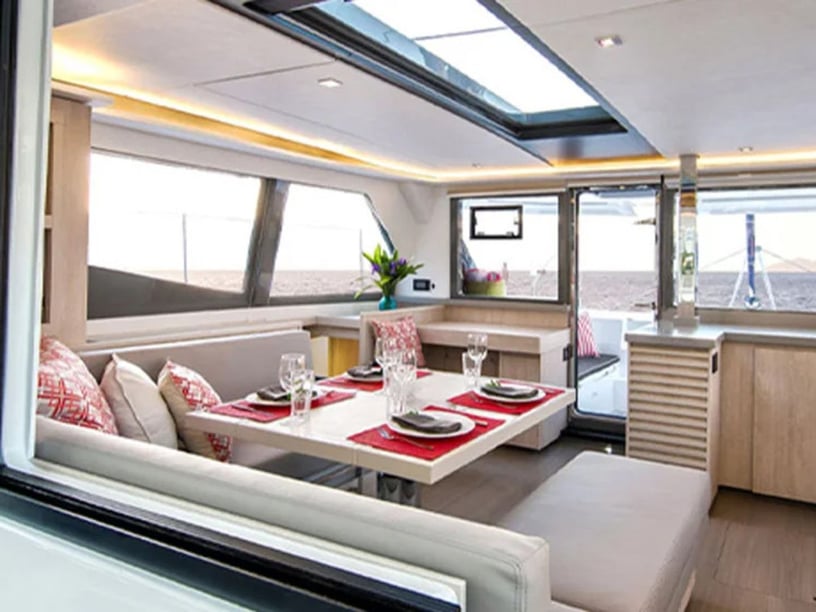
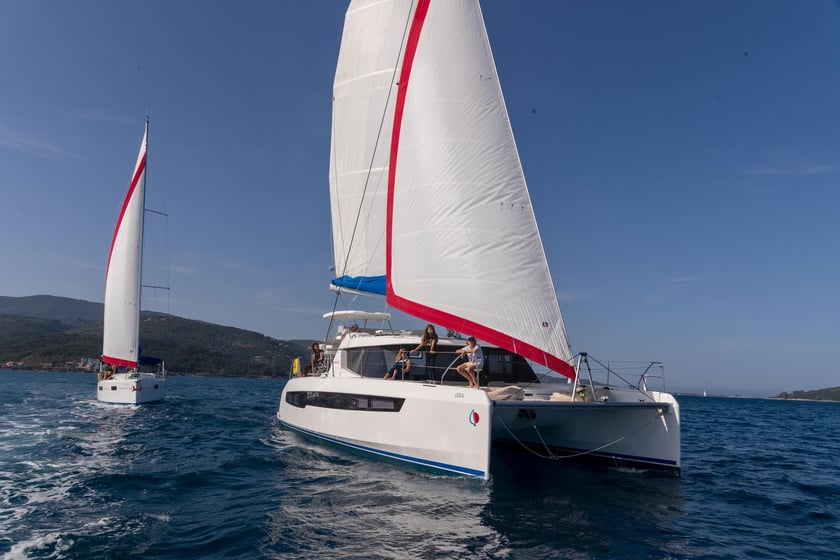
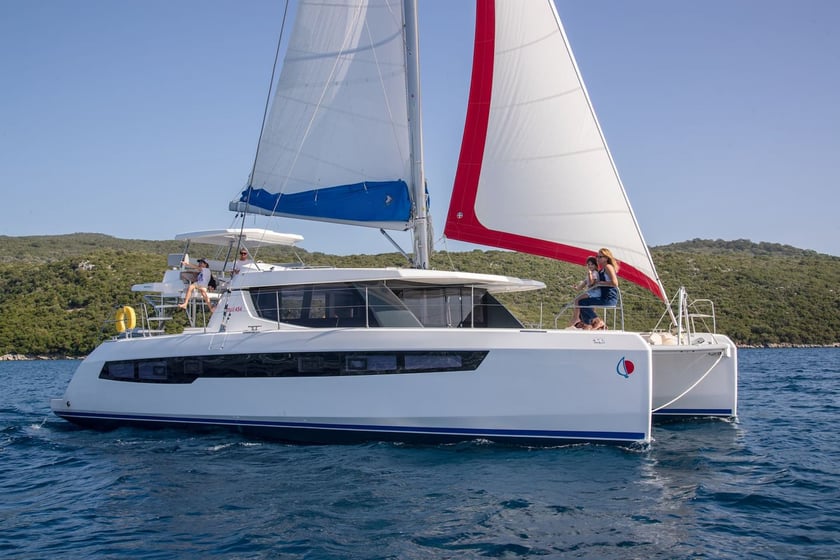
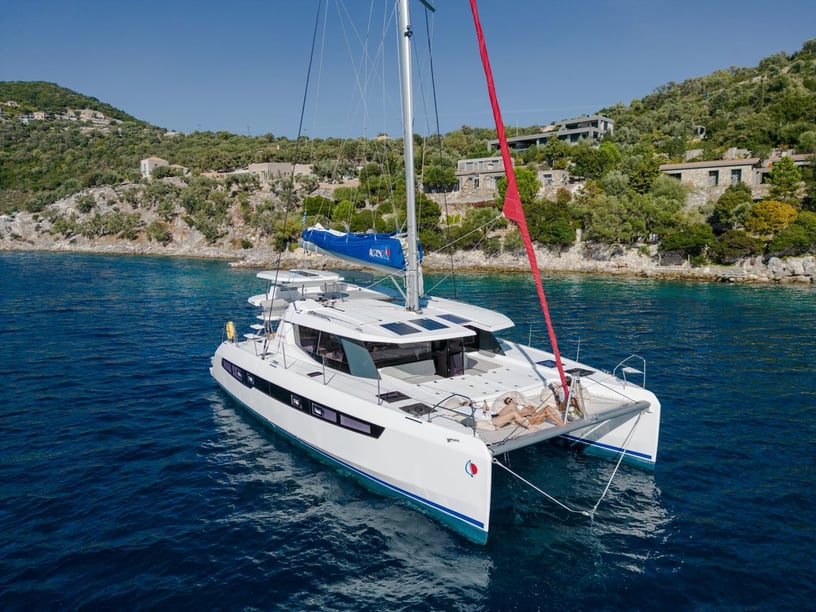
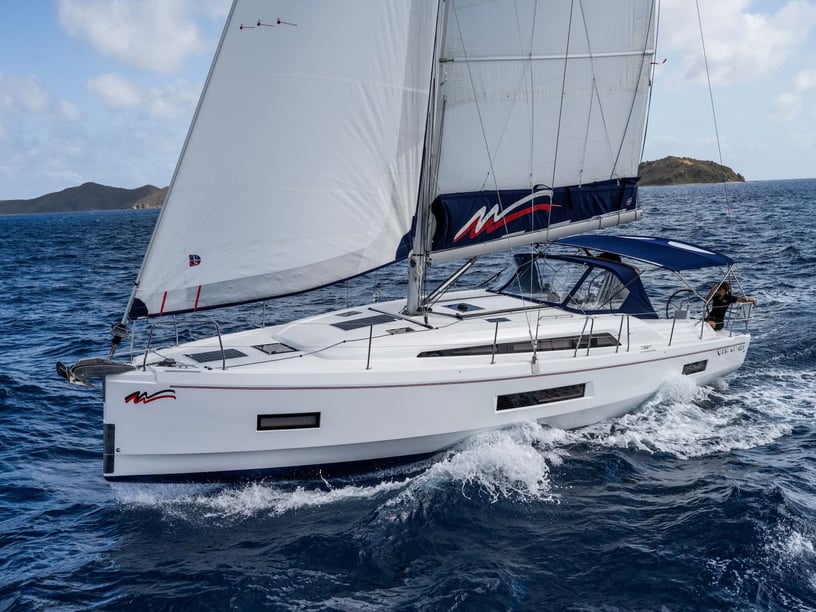
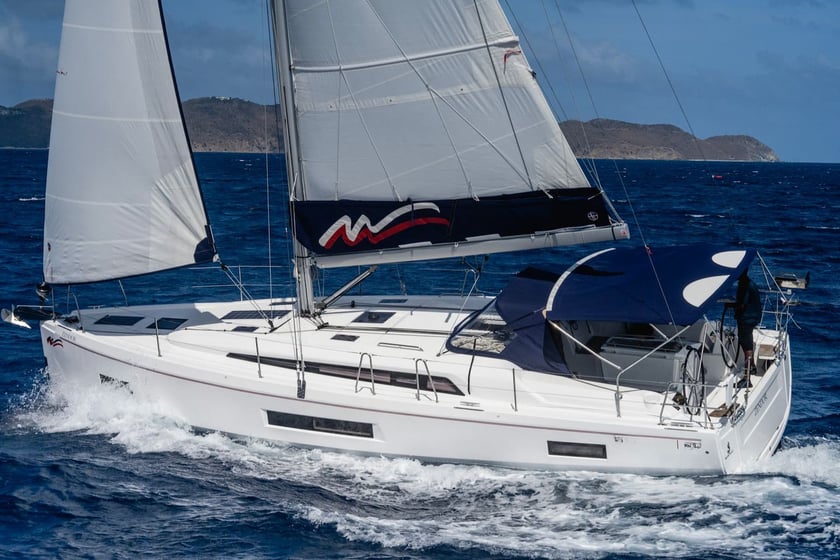
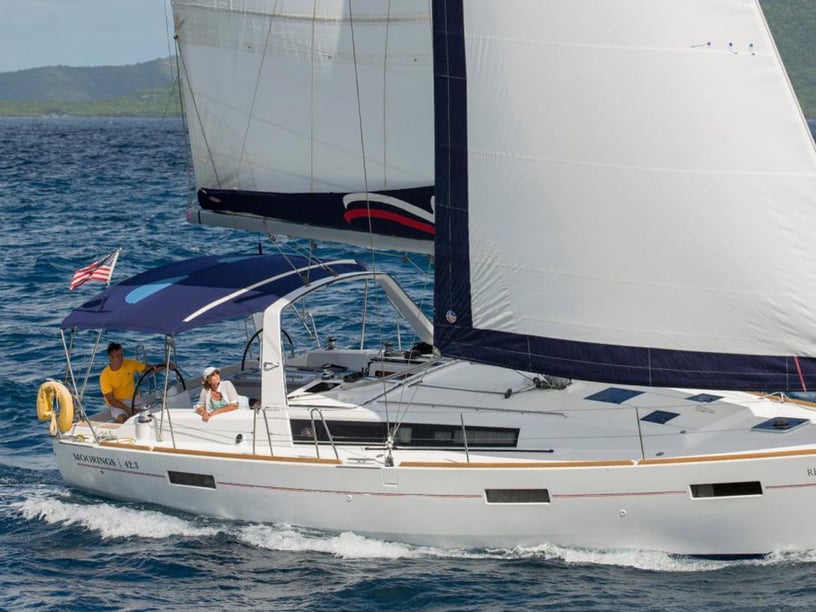
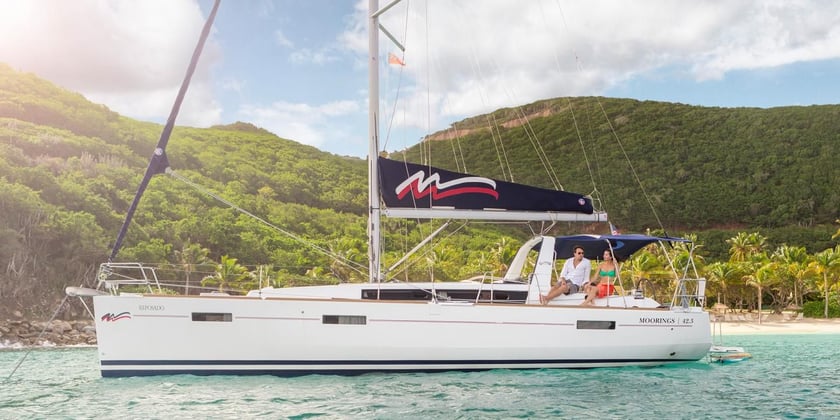
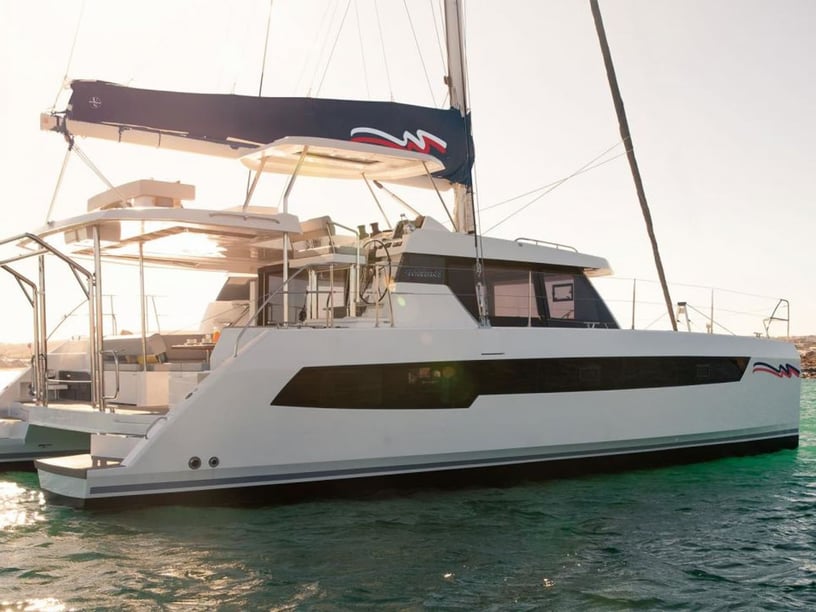
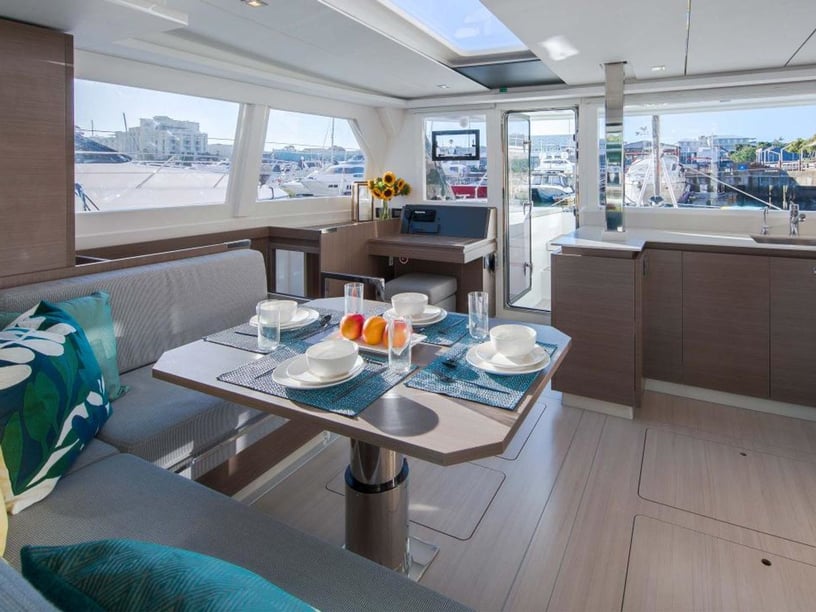
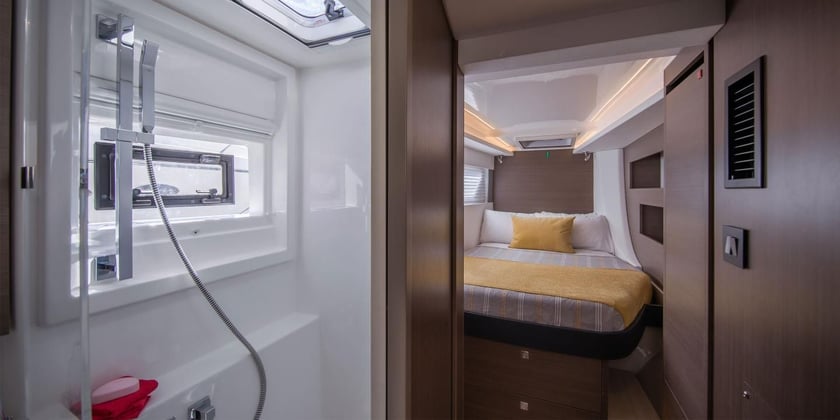
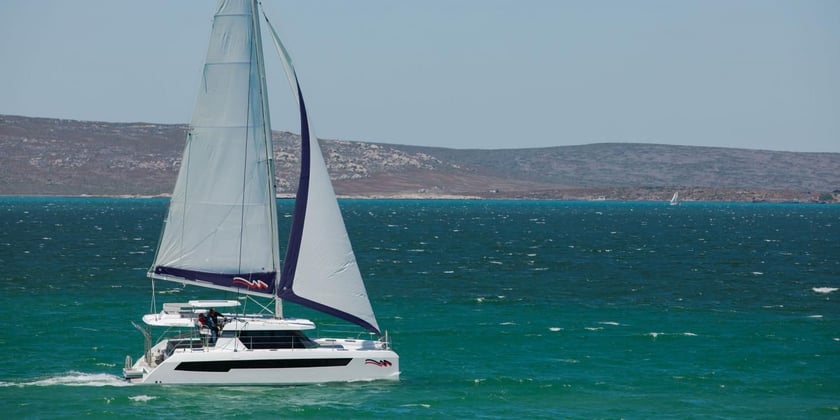
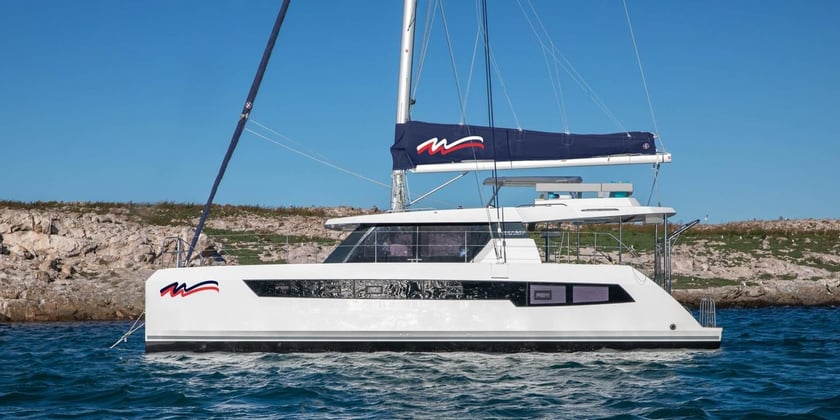
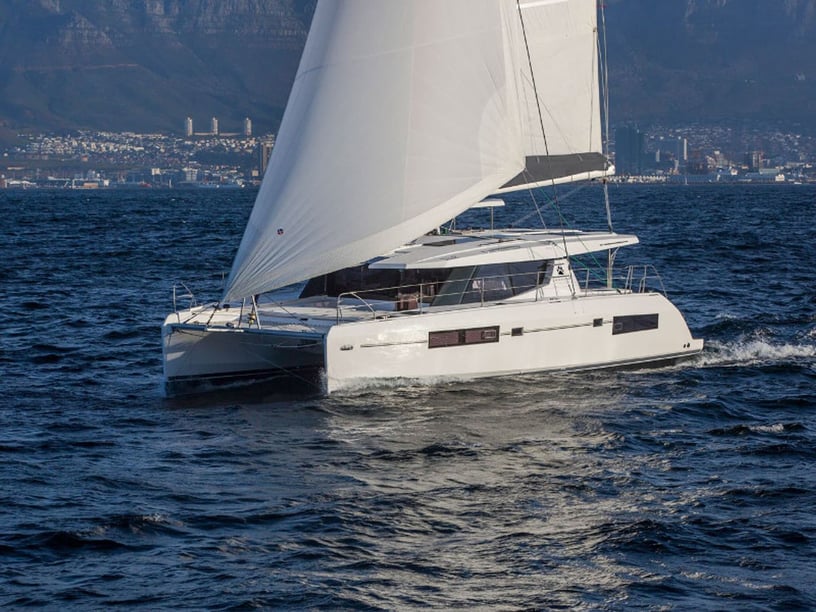
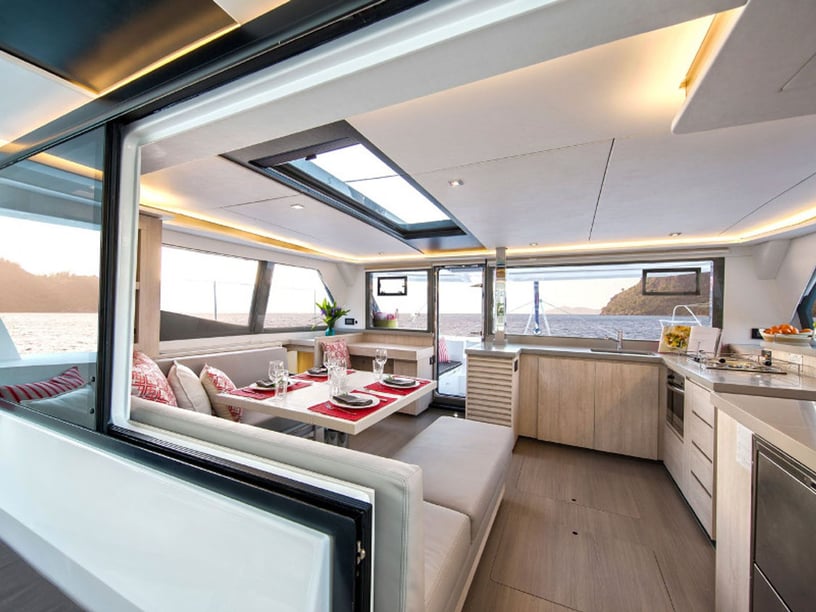
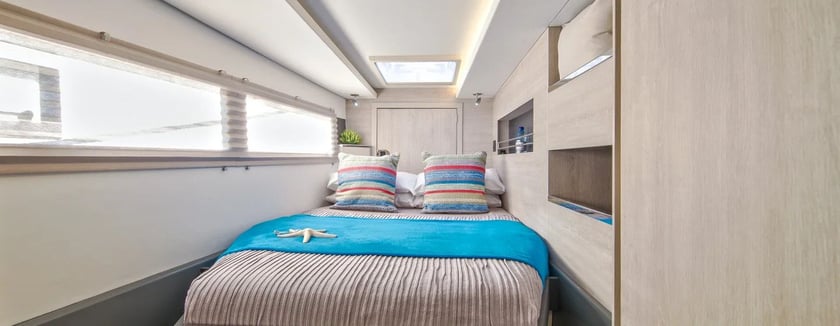
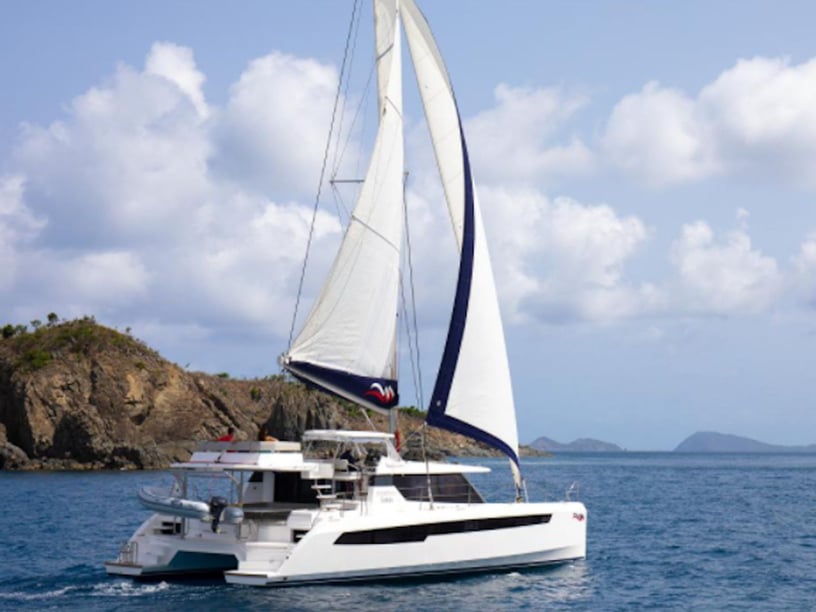
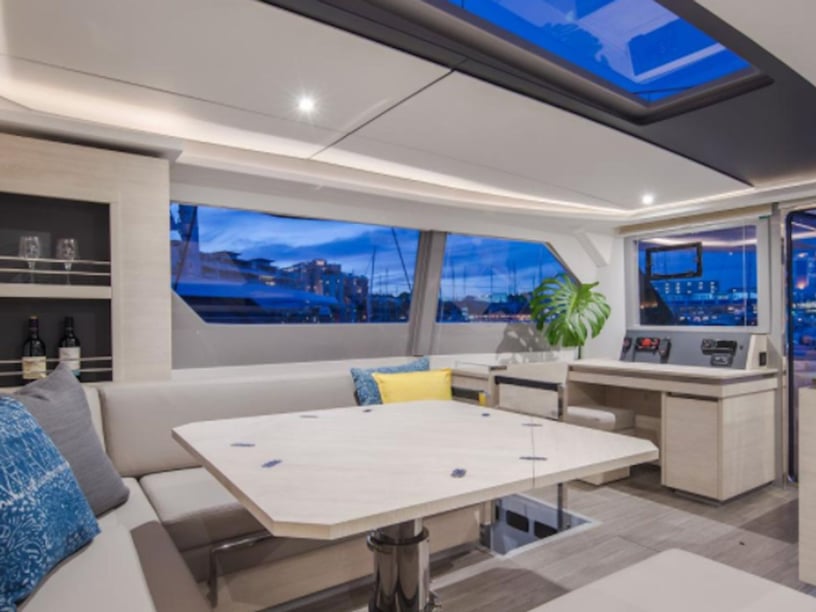
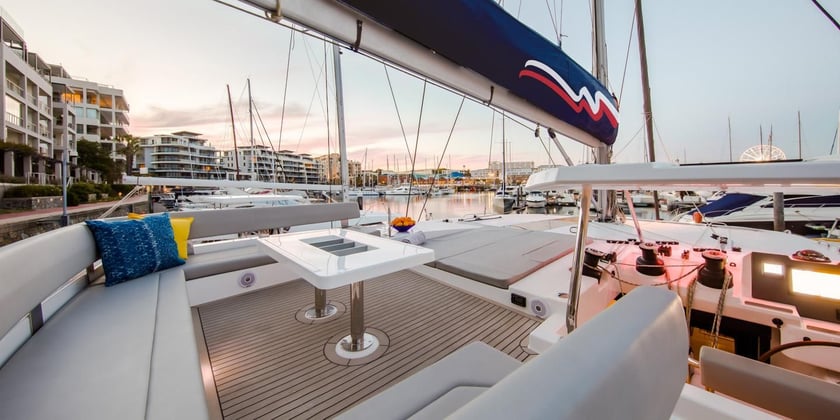
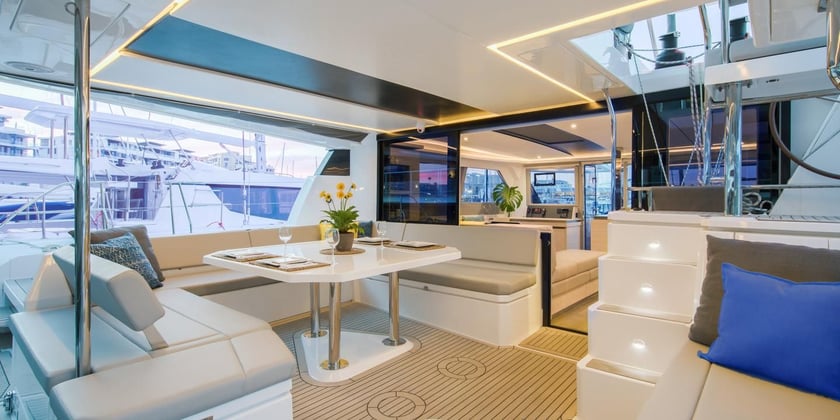
During the principal cruising season, easterly to northeasterly trade winds commonly produce lively sailing. These conditions can be rewarding for experienced crews, but the destination’s overall moderate difficulty means route choice and weather awareness matter. Travelers seeking an active sailing holiday can explore sailboat charter options in Grenada, while those prioritizing space and stability may wish to compare a catamaran charter. The appropriate choice will depend on the planned route, group preferences and desired balance between passage-making and time at anchor.
Reef-fringed approaches around the smaller islands require current charts and careful planning. The more exposed Atlantic-facing coast also differs substantially from the leeward west coast and protected southern peninsula, so a countrywide itinerary should not be treated as uniformly sheltered.
The best time to charter
The principal yacht charter season runs from December through April, overlapping with Grenada’s drier and less humid period. February, March and April are identified as particularly suitable months. Trade winds are generally established at this time, supporting dependable sailing while the southern bays and leeward coast provide options for shelter.
May is a useful transition month. Conditions are generally favorable and visitor activity is lower than during the principal season, although it should not be treated as a guarantee of lower charter prices or availability. Rainfall increases markedly from June through November, when the Atlantic hurricane season also becomes a material consideration. Normal charter activity is reduced, and flexible plans, careful weather monitoring and appropriate operator guidance become more important.
November and early December form a variable transition back toward the main season. Conditions can also differ within the country: mountainous Grenada receives more rain, while Carriacou and Petite Martinique are generally drier.
Routes through Grenada and the Grenadines
A straightforward Grenada itinerary can begin around St. George’s or the southern marinas, explore the protected bays and west coast, and then continue north to Carriacou. Sandy Island and Tyrell Bay are natural components of this route, allowing the trip to shift from the better-serviced main island to smaller-scale Grenadine cruising.
Longer itineraries may connect Grenada, Carriacou and Petite Martinique with Union Island, Mayreau and the Tobago Cays. Extended routes can continue toward Canouan, Mustique or Bequia, while one-way Windward Islands passages may link Grenada with Saint Vincent or Saint Lucia. These journeys involve more open-water sailing and should be matched to the crew’s experience, the charter format and current conditions.
Because the wider Grenadines cross an international boundary, routes entering Saint Vincent and the Grenadines require customs and immigration procedures. Travelers should confirm current designated clearance ports before finalizing the itinerary.
Life on and off the water
A Grenada charter can alternate sailing with snorkeling, diving, beach visits and time in secluded anchorages. Molinere Underwater Sculpture Park, established within the Molinere-Beauséjour Marine Protected Area, offers an unusual underwater cultural site close to the main island’s west coast. Carriacou has its own sculpture installation, A World Adrift, while the Sandy Island-Oyster Bed Marine Protected Area combines reefs, beaches and shallow coastal environments. Local mooring, anchoring and conservation rules should be followed in protected areas.
Shore visits add a strong culinary identity. Nutmeg and mace remain symbols of Grenada’s spice-growing heritage, alongside cocoa, locally produced chocolate and rum. Oil down—a one-pot dish commonly prepared with breadfruit, coconut milk, vegetables and salted meat or fish—is the national dish.
Maritime culture is especially visible on Carriacou. Wooden sloops and schooners are still built around Windward, and the island’s annual regatta celebrates its boatbuilding and sailing traditions. In St. George’s, the Carenage, Fort George and Fort Frederick provide a different perspective shaped by the country’s French and British colonial history.
Getting there and choosing a departure base
Maurice Bishop International Airport is Grenada’s principal international gateway. Its location in the south places travelers close to Grand Anse, St. George’s and the main concentration of marinas and anchorages. Common starting areas include Port Louis Marina, St. George’s Harbour, Prickly Bay, Le Phare Bleu Marina and St. David’s Harbour.
Tyrell Bay is the main northern departure and service area for travelers beginning around Carriacou. Lauriston Airport serves the island, while passenger ferries and other inter-island boats connect Grenada, Carriacou and Petite Martinique. Starting in Carriacou can place a crew closer to the smaller islands, whereas a southern Grenada base offers easier access to the country’s most extensive provisioning and technical services.
Road taxis, buses and rental vehicles connect the airport and coastal settlements, but transfer arrangements should be checked against the selected marina and embarkation time.
Planning the right Grenada charter
When comparing boat rental in Grenada, begin with the route rather than the number of places on a wish list. A trip focused on the southern bays and west coast can use shorter sailing legs and remain close to major services. Adding Carriacou introduces an open-water passage, while continuing through the wider Grenadines requires more time, international clearance and careful coordination around weather.
Charter format should reflect experience and workload. Crews familiar with trade-wind sailing, reef approaches and passage planning may be comfortable taking greater responsibility, while a skippered arrangement can make sense for travelers who prefer to concentrate on the destination rather than navigation and boat handling. Regardless of format, current weather information and charts remain essential.
Provisioning and technical support are concentrated around St. George’s and the southern bays. Supplies are more limited on the smaller islands, and Carriacou and Petite Martinique can face freshwater constraints during dry periods. Water conservation and advance provisioning therefore become more important on northern itineraries.
Mariners must also account for the exclusion zone around Kick-’em-Jenny, the active submarine volcano north of Grenada, and consult current official notices. Marine protected-area rules, reef approaches and the west-setting current should likewise be considered when agreeing the route with the operator or skipper.