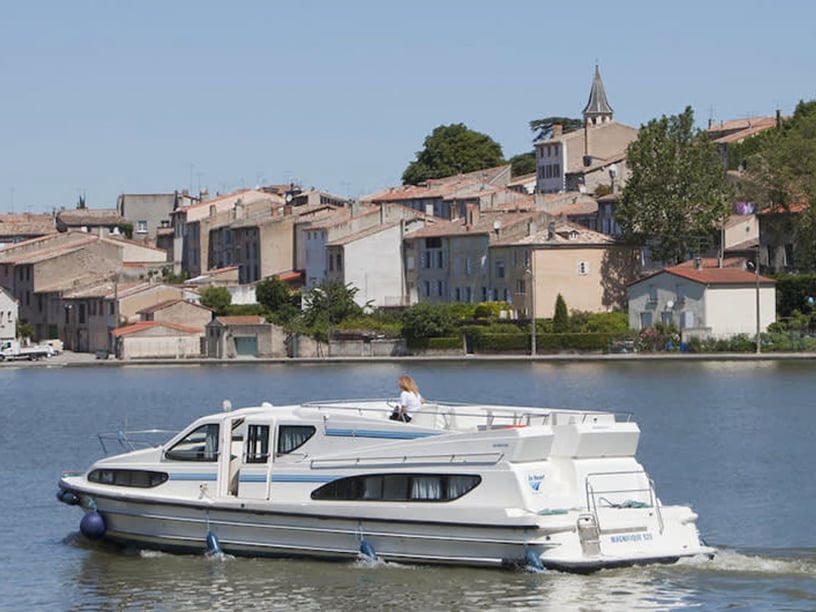
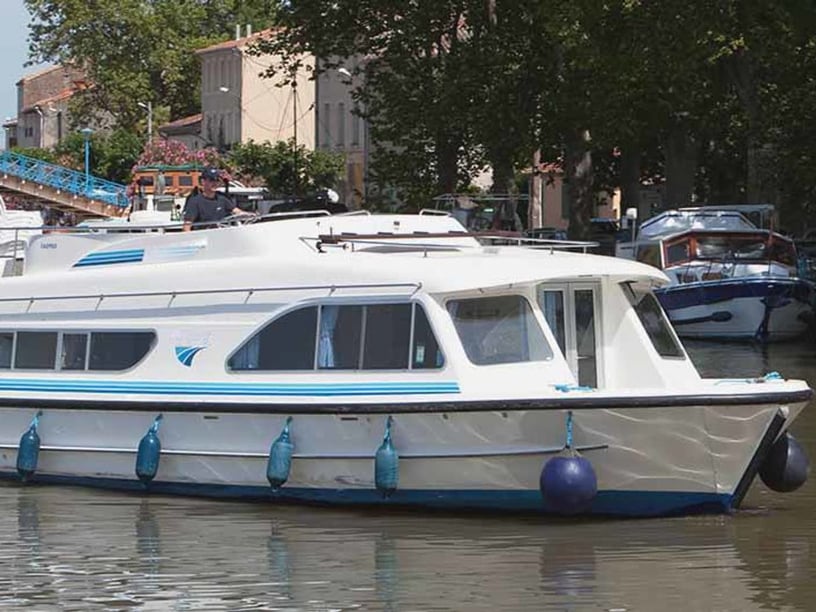
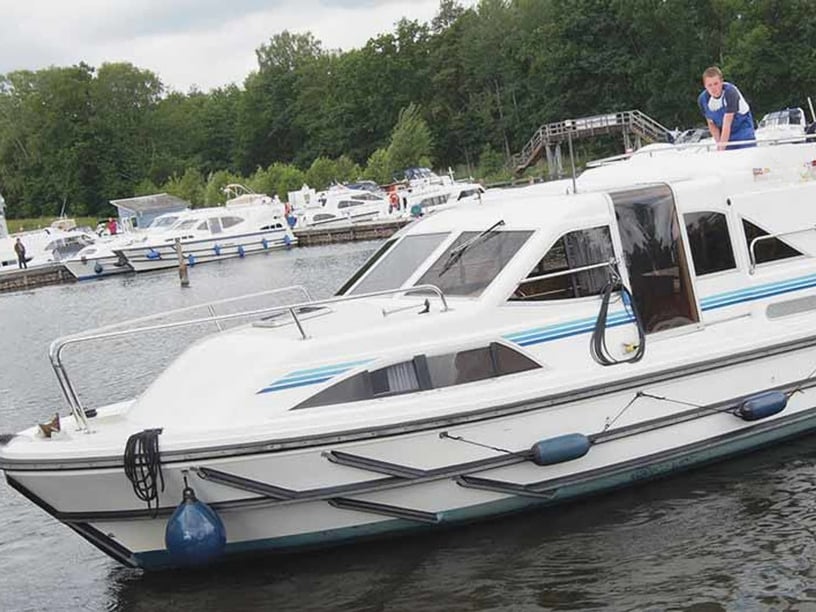
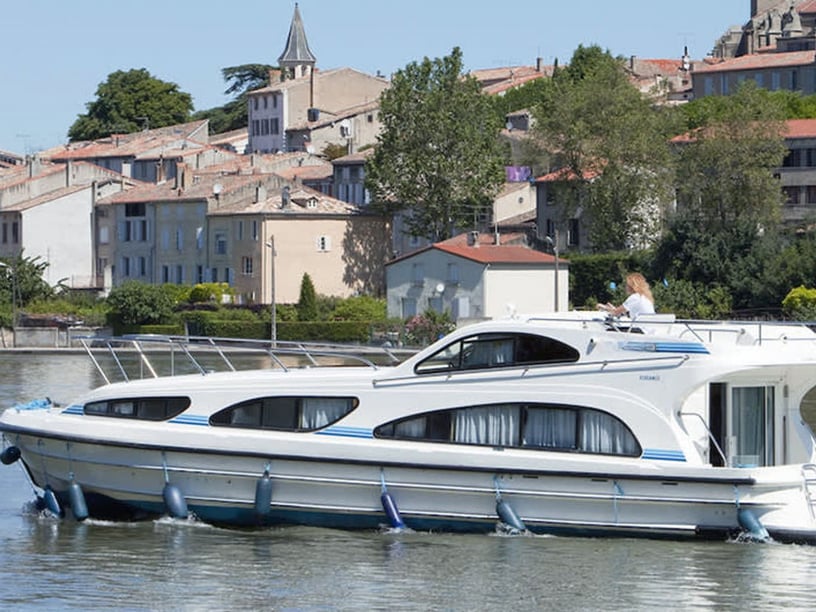
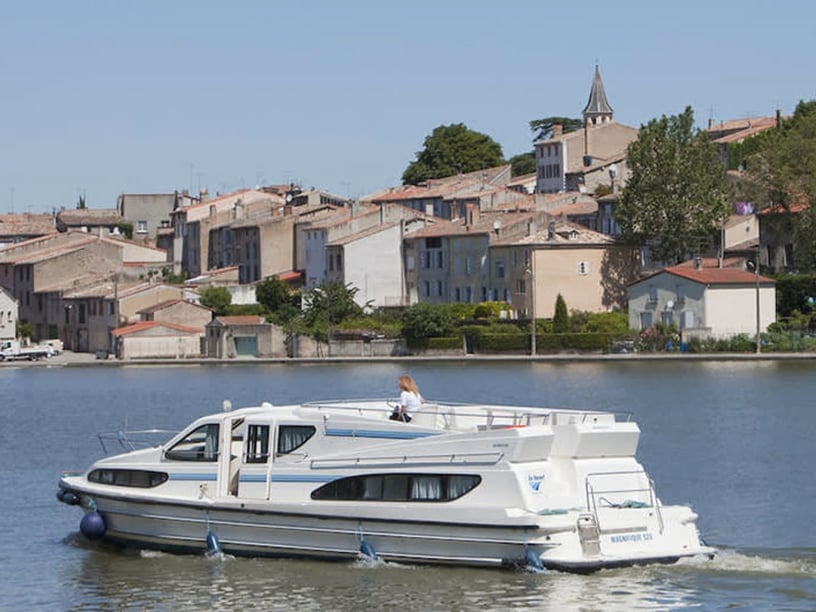
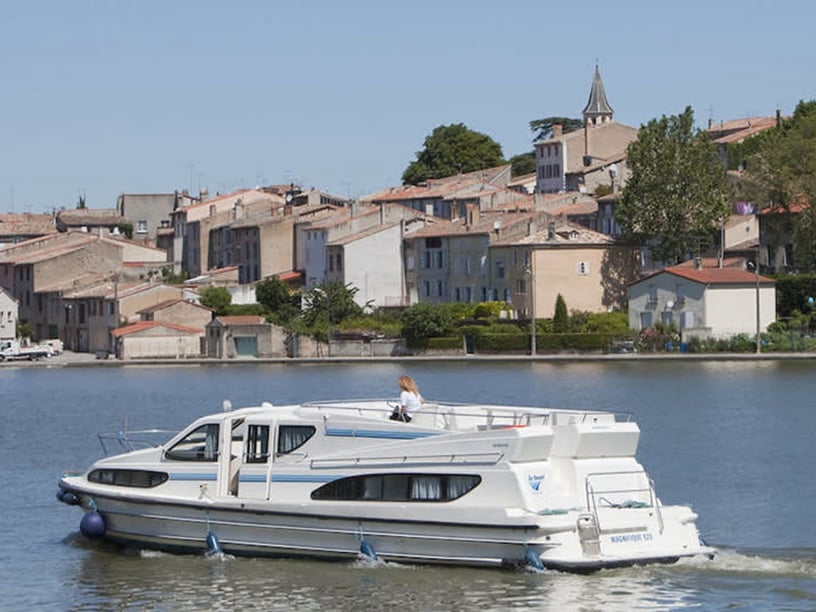
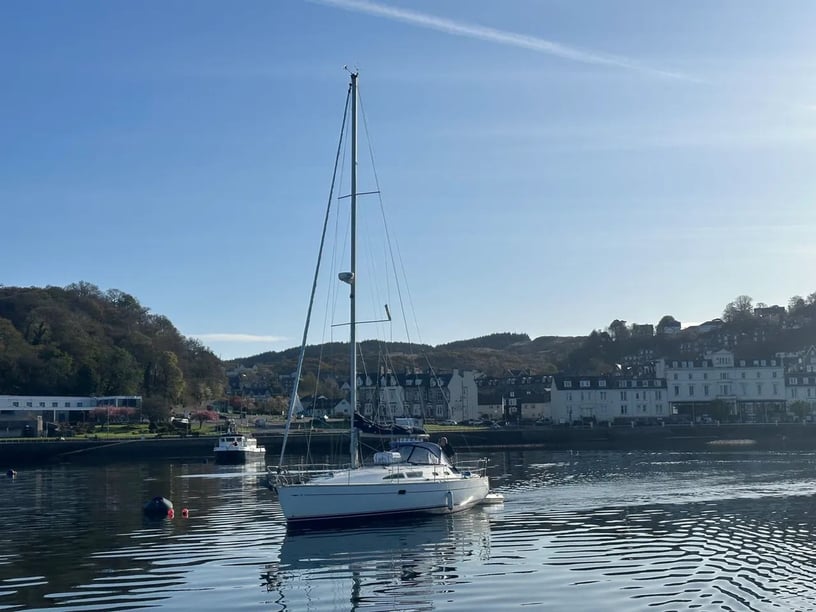
Yacht charter in the United Kingdom
A yacht charter in the United Kingdom can take many forms, from short passages between well-equipped south-coast harbours to island-hopping through Scottish sea lochs and exposed Atlantic cruising. England, Scotland, Wales and Northern Ireland collectively face five distinct bodies of water, and their coastline encompasses estuaries, cliffs, beaches, tidal channels, natural harbours and extensive island groups.
This regional variety is the defining feature of a UK charter. The Solent provides closely spaced ports and established sailing infrastructure, while western Scotland combines secluded anchorages with open-water crossings. Cornwall, southwest England and western Wales have deep harbours separated by exposed headlands; Northern Ireland offers sheltered loughs as well as a more demanding north coast. Historic ports, working waterfronts, wildlife, coastal walks and regional seafood give time ashore a strong sense of place.
The principal cruising areas
The Solent is one of the most accessible areas for a compact yacht itinerary. Southampton, Hamble-le-Rice, Portsmouth, Lymington and Cowes surround waters where numerous harbours can be linked by relatively short passages. The Isle of Wight adds attractive route choices, including Yarmouth and the more demanding waters around the Needles. This area suits travelers who value marina facilities, maritime towns and flexibility, although strong tides and commercial traffic demand careful planning.
Southwest England has a more Atlantic-influenced character. Plymouth, Falmouth and Dartmouth provide substantial harbours, with possible passages along the Devon and Cornwall coasts. The Isles of Scilly can form part of a longer trip from Falmouth when weather and crew experience allow. Exposed headlands and greater distances make this markedly different from a sheltered Solent circuit.
In Wales, Milford Haven is a practical gateway to Pembrokeshire and wildlife-oriented cruising around Skomer and Skokholm. Holyhead gives access to the waters around Anglesey, while the western coast combines scenic bays with passages exposed to Atlantic conditions.
Western Scotland is the main choice for sea-loch and island cruising. Oban opens onto the Sound of Mull and the Inner Hebrides, while Largs serves the more sheltered Clyde and nearby Isle of Arran. Trips toward the Outer Hebrides or St Kilda are considerably more remote and require suitable offshore weather. In Northern Ireland, Bangor and Belfast Lough offer established access, while Strangford Lough presents a sheltered cruising area connected to the sea by a strongly tidal entrance.
What sailing in UK waters is like
The British yacht charter experience is shaped by changing Atlantic weather and tides. Westerly weather systems can arrive quickly, and rain or strong winds remain possible even in summer. Conditions are generally more exposed on Atlantic-facing coasts and around northern island groups than in the Solent, Clyde or inner Scottish sea lochs.
Tidal streams affect many passages. Around headlands, narrow straits and harbour approaches, departure time can be as important as distance: a favorable stream may ease a passage, while wind opposing the tide can produce rougher water. The Solent combines these tidal considerations with ferries and commercial shipping. East-coast estuaries add shoals and sandbanks, whereas western Scotland alternates protected sounds with open crossings between island groups.
Travelers should therefore avoid treating the country as a single uniform cruising ground. A line-of-sight harbour circuit and an Outer Hebrides expedition require different levels of experience, preparation and itinerary flexibility.
When to plan a yacht charter
The principal recreational boating season runs from late spring to early autumn. June, July and August are the most suitable months overall, bringing the warmest weather, the longest daylight and the greatest concentration of boating activity. These advantages also make summer the busiest part of the season in established sailing centres.
April, May and September can be rewarding alternatives, with fewer peak-season pressures and, at times, calmer spring conditions. The trade-off is colder water and less consistent weather, so crews need suitable clothing and realistic route plans. By October, shorter days and increasingly unsettled Atlantic systems make yacht-holiday schedules less dependable.
Local exposure matters throughout the season. Sheltered itineraries in the Solent, Clyde or inner lochs may provide more options when conditions are mixed, while Atlantic headlands, the Isles of Scilly, the Outer Hebrides and the Northern Isles need appropriate weather windows.
Ideas for yacht charter itineraries
A Solent circuit can connect Portsmouth or Port Solent with Cowes, Yarmouth and the Hamble, using the short distances between harbours to create an adaptable itinerary. A full circuit of the Isle of Wight is more weather- and tide-dependent, passing the Needles, St Catherine’s Point and Bembridge before returning through the Solent.
From Oban, a charter can follow the Sound of Mull toward Tobermory, with possible calls around Mull, Kerrera, Iona and Staffa according to conditions. Longer expeditions continue through the Small Isles toward the Outer Hebrides or St Kilda, but these involve open-water passages and fewer nearby services.
Farther south, Falmouth can be linked with Plymouth, Dartmouth and other South Devon ports, or used as a starting point for the Isles of Scilly when conditions permit. From Milford Haven, routes around the Pembrokeshire islands place wildlife and coastal scenery at the center of the trip.
Life on the water and ashore
A UK yacht charter often alternates active passages with time in natural harbours, sea lochs and coastal towns. Western Scotland is particularly suited to secluded anchoring, island walks and wildlife observation, while Pembrokeshire offers opportunities to cruise near seabird-rich islands such as Skomer. Wildlife-disturbance guidance and established moorings should be respected around sensitive colonies and seabed habitats.
Maritime history is equally prominent. Portsmouth reflects the country’s naval heritage, Falmouth developed as a refuge and provisioning harbour near the Western Approaches, and Belfast’s shipbuilding story includes the construction and launch of Titanic. Cowes, Falmouth and Dartmouth retain visible sailing cultures through yacht clubs, working waterfronts and regattas.
Going ashore can add coastal walking, castles, museums and regional seafood to the itinerary. In remote Scottish waters, the contrast between small harbour communities and sparsely settled anchorages is a defining part of the journey.
Reaching the main departure areas
Southampton Airport is particularly convenient for Solent departures from Southampton, Hamble-le-Rice and nearby ports. London Heathrow and the national rail network provide additional access to southern England, while passenger and vehicle ferries connect the mainland with the Isle of Wight.
Plymouth and Falmouth are reached through mainline rail routes and local coastal connections, with Exeter, Bristol and Cornwall Newquay among the relevant regional airports. Cardiff serves South Wales, while road and rail links reach Milford Haven and Holyhead.
For Scotland, Glasgow connects with Clyde and west-coast bases such as Largs and Oban by rail or bus; ferries continue to many islands. Belfast’s two airports, ferry terminals and rail connections support departures from Belfast Lough and Bangor. Transfer time should be considered carefully when the marina lies far from the arrival airport or when an island ferry forms part of the journey.
Planning the right charter
For boat rental in the United Kingdom, begin by matching the cruising area to the crew’s experience rather than choosing by distance alone. A short Solent itinerary still involves tides and busy traffic, while routes around western headlands or between Scottish island groups may require offshore weather windows. Decide who will carry responsibility for navigation and confirm that the chosen arrangement is appropriate for the route. Travelers interested specifically in wind-powered cruising can also compare sailboat charters in the United Kingdom.
Build flexibility into the itinerary. Consult the Met Office inshore waters forecast and use current charts, pilot books, almanacs and notices to mariners when planning tides, harbour approaches and local restrictions. Cold water, rapidly changing weather and limited mobile coverage remain relevant in summer. Fuel, repairs and provisions are also more widely spaced in remote western and northern Scotland.
Allow for commercial shipping in Southampton Water, Portsmouth Harbour and other major ports, and be alert to aquaculture installations in parts of Scotland, Northern Ireland and the Northern Isles. Finally, check the geographic scope of any proposed route: the Isle of Man and Channel Islands are Crown Dependencies and are not part of the United Kingdom, even though they may appear nearby on wider cruising maps.