Yacht charter in the Netherlands
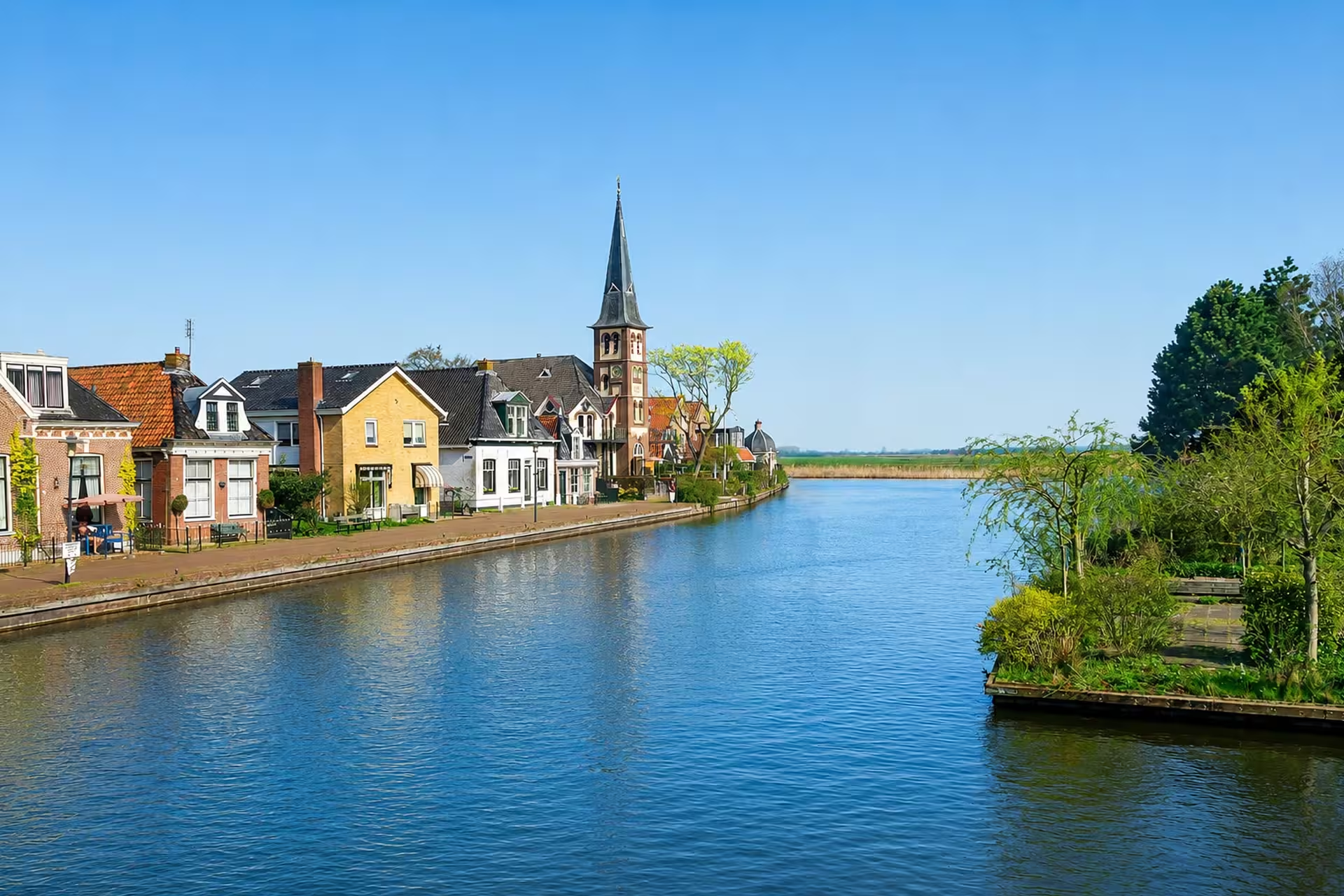
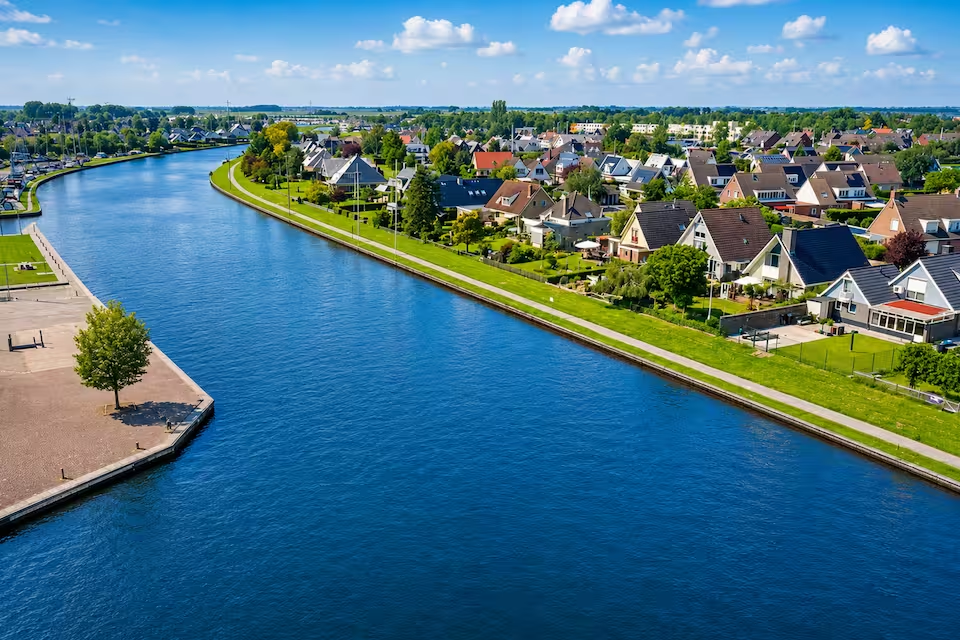
A yacht charter in the Netherlands can take several distinct forms. Its navigable network extends from narrow canals and interconnected lakes to broad inland seas, tidal estuaries and the exposed North Sea coast. Historic towns, working waterways and major water-management structures are woven into this landscape, so cruising often combines time under way with stops near old harbors and town centers.
The variety matters when choosing a trip. Friesland and many enclosed waters suit relaxed, short-distance itineraries, while the IJsselmeer and Markermeer provide more open sailing. Zeeland combines sheltered lakes with tidal channels, and the Wadden Sea rewards experienced crews who can plan around currents, shifting channels and drying flats. Rather than offering one uniform cruising experience, the country allows travelers to match a yacht, route and level of challenge to a particular waterway.
Where to charter and cruise
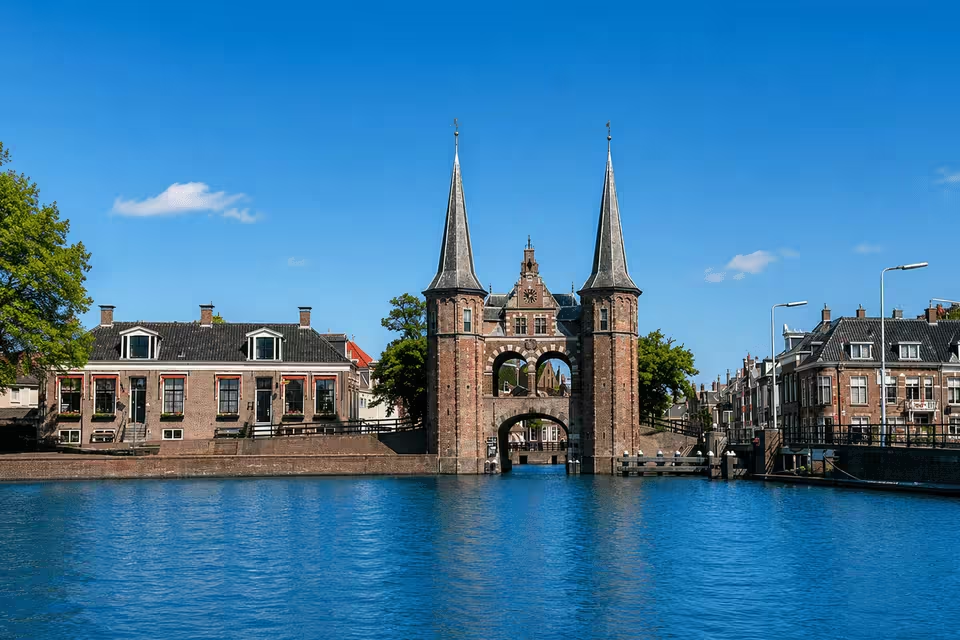
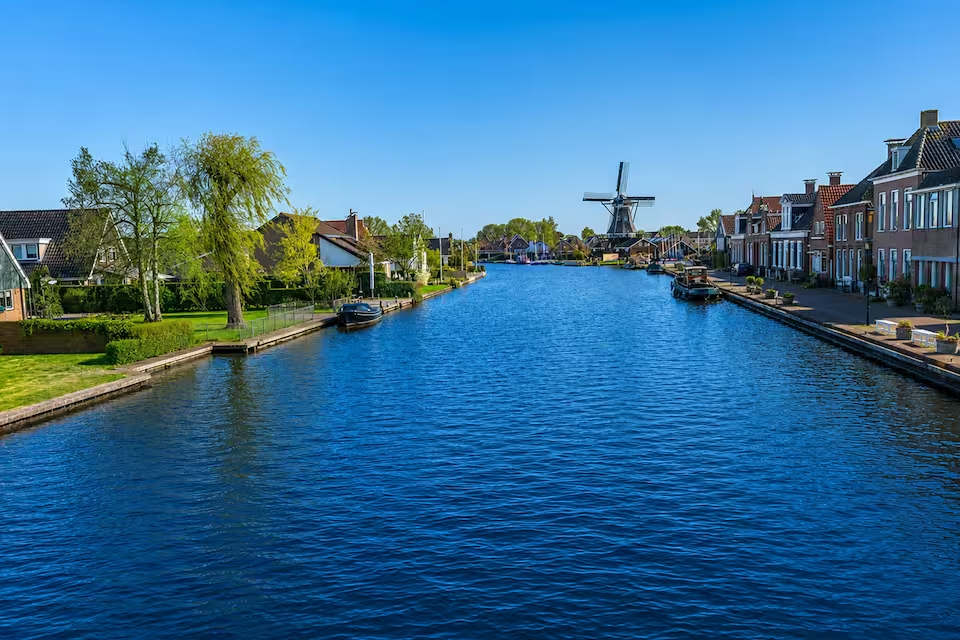
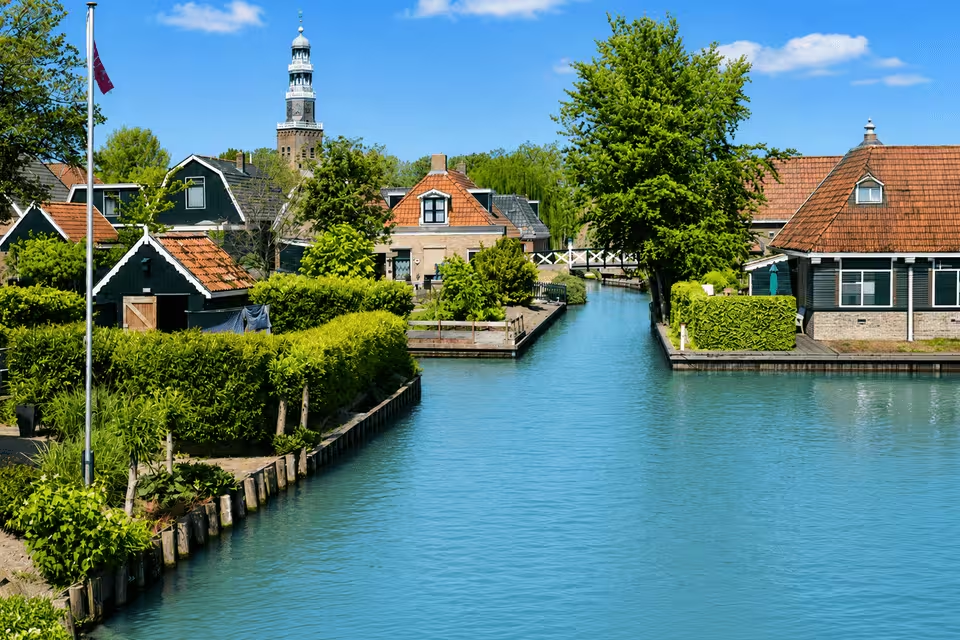
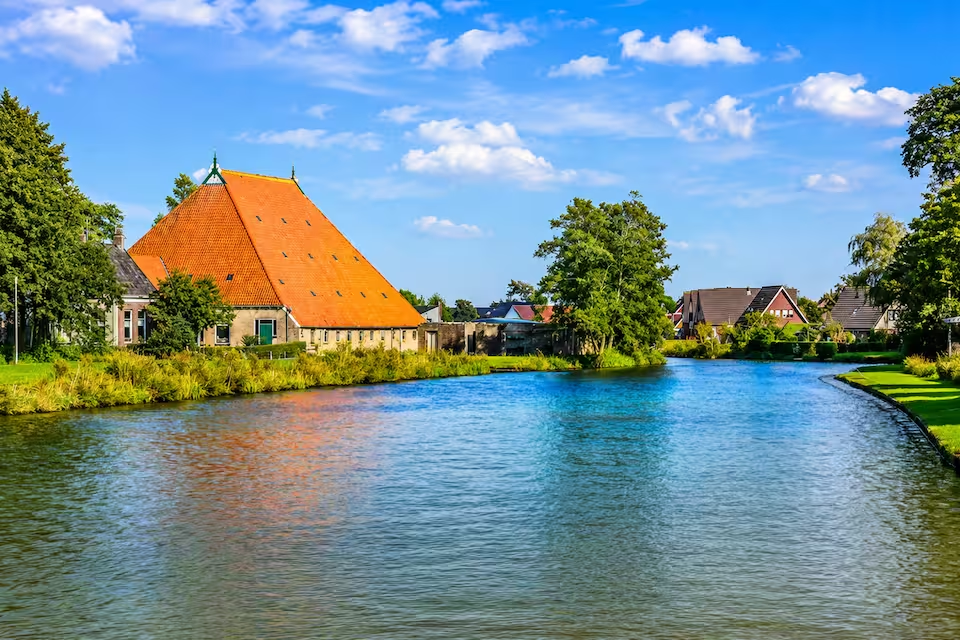
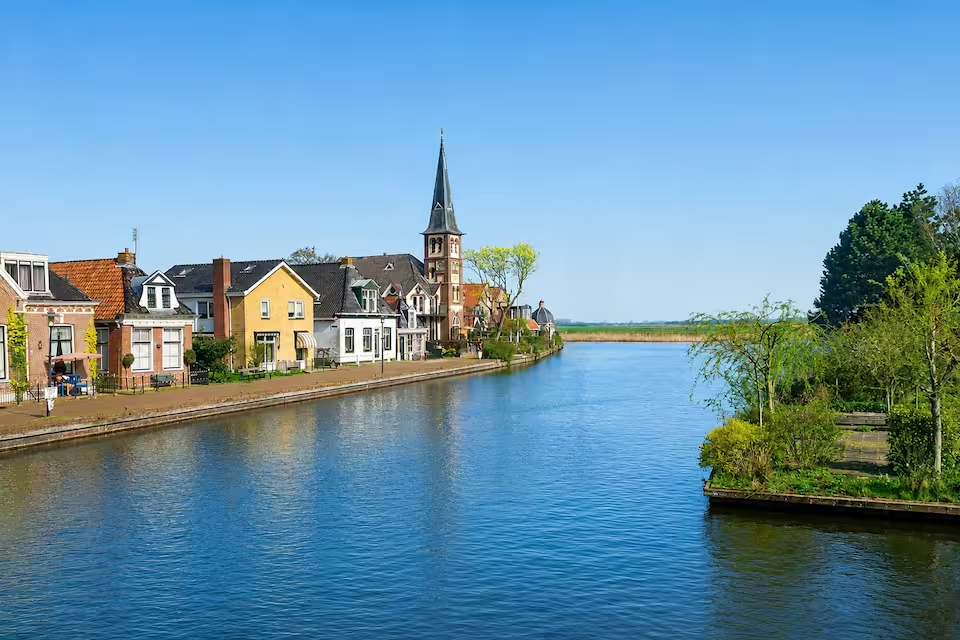
Friesland is one of the clearest choices for an inland charter. Its lakes and canals connect places such as Sneek, Heeg, Grou and Sloten, with manageable distances that make it possible to combine sailing with frequent stops ashore. Towns including Lemmer, Hindeloopen and Makkum also provide access toward the IJsselmeer. This region is particularly well suited to travelers who value varied scenery, historic settlements and a route that can be adjusted without committing to long passages.
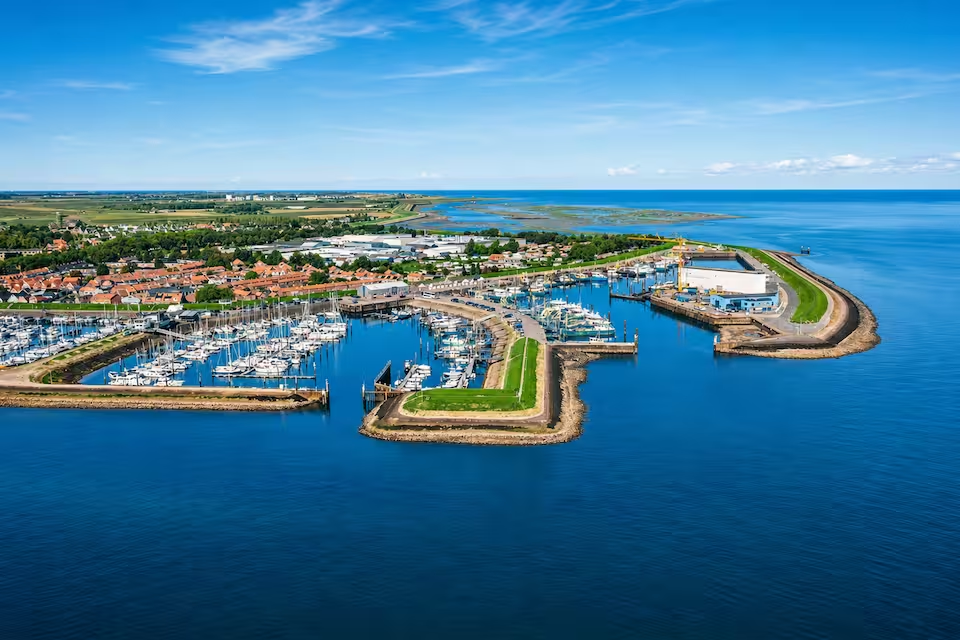
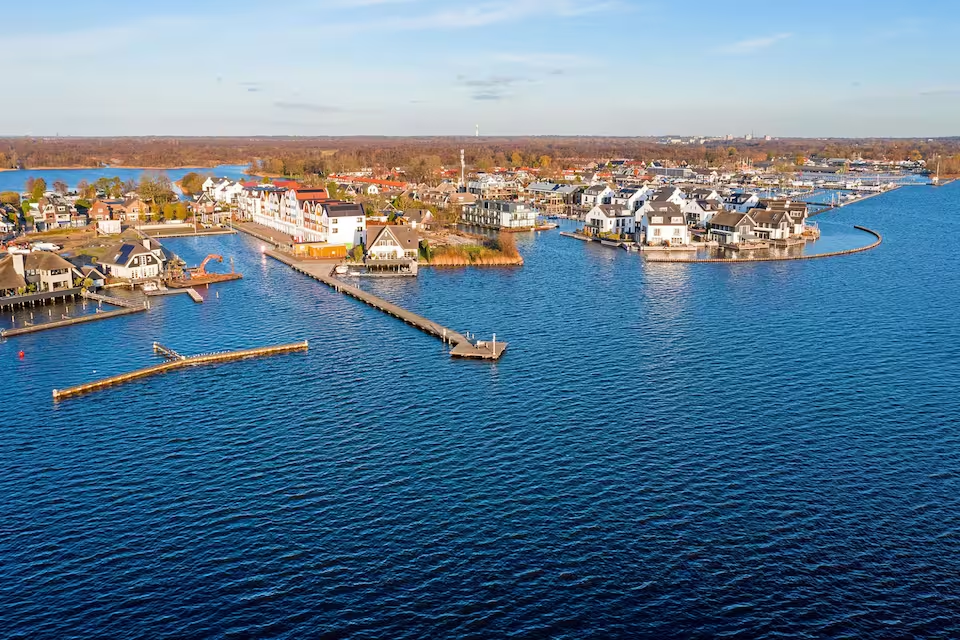
The IJsselmeer and Markermeer feel more open. These freshwater basins offer broad stretches of wind-exposed sailing between harbor towns such as Enkhuizen, Hoorn, Stavoren and Lelystad. They suit crews looking for more time under sail while retaining access to an extensive harbor network. The Marker Wadden adds a protected nature area to the Markermeer, although access and wildlife rules must be checked.
Zeeland presents another contrast. The Grevelingenmeer and Veerse Meer offer comparatively sheltered cruising, whereas the Oosterschelde and Westerschelde involve tides, currents and, in places, commercial traffic. Bruinisse, Kortgene and Vlissingen are among the relevant starting points. Yerseke brings local maritime culture into the itinerary through its links with mussel processing and oyster cultivation.
The Wadden Sea and West Frisian Islands, including Texel, Vlieland and Terschelling, provide the most strongly tidal experience. Their channels, flats and island harbors are distinctive, but this is not simply an extension of inland cruising: current charts, tidal calculations and suitable competence are essential.
What sailing in the Netherlands is like
Dutch cruising is shaped as much by route infrastructure as by wind and water. Locks and movable bridges appear regularly on inland journeys, and a yacht’s air draft and water draft can determine which canals are practical. Waiting for an opening or passing through a lock is a normal part of the rhythm rather than an occasional interruption.
Conditions change considerably between regions. Smaller Frisian lakes and canals are relatively sheltered and support short passages, though open lakes can still become lively in fresh winds. The IJsselmeer and Markermeer have no sea tides, but their size leaves them exposed to predominantly western and southwesterly airflow. Weather can change quickly, and showers are possible throughout the year.
The Wadden Sea, Oosterschelde, Westerschelde and North Sea require a different level of preparation. Twice-daily tides, currents and shifting channels are central to Wadden navigation, while parts of Zeeland and the major approaches carry substantial commercial traffic. Travelers choosing between an inland motor-yacht trip and a sailboat charter in the Netherlands should therefore consider not only their preferred boat style but also the demands of the intended cruising ground.
The best time for a Netherlands yacht charter
The principal recreational boating season runs from April through October. June, July and August are the most suitable months overall, bringing the warmest conditions, long usable days and the broadest range of operating harbor and bridge services. They are also the busiest part of the season.
May and September can still support rewarding charters, but temperatures are generally cooler and conditions more changeable. April and October sit at the edges of the main season, when checking bridge schedules and local services becomes especially important. Winter trips are possible on selected inland waterways, although limited daylight, stronger winds, cold weather and reduced facilities constrain normal leisure cruising.
Season alone does not remove regional differences. A summer passage across the Wadden Sea or Westerschelde still demands tidal planning, while many enclosed lakes and canals remain comparatively straightforward.
Established cruising routes
Several established routes show how closely Dutch waterways connect. The southwest Friesland circuit links lakes and towns around Sneekermeer, Sneek, Heeg, Woudsend, Sloten, Tjeukemeer, Langweerder Wielen and Grou. It works well as a multi-stop inland journey, with a mixture of lake sailing and canal passages rather than one long open-water crossing.
The Middelseerûte connects waterways around Leeuwarden, Sneek, Franeker, Bolsward and IJlst. It is intended for motor yachts, sloops and sailing boats with a lowerable mast, illustrating why vessel dimensions and mast configuration need to be considered before settling on a route. Friesland’s Eleven Cities boating route offers a longer journey through the provincial canal and lake network.
For a more ambitious passage, the Staande Mast Route provides an inland connection from the delta waters near Breskens and Vlissingen toward the IJsselmeer, Friesland, Groningen and Delfzijl. It avoids a North Sea passage but still requires careful planning around bridge openings, locks and route interruptions.
Waterfront culture, nature and engineering
A Dutch yacht trip offers unusually direct access to settlements shaped by water. Historic harbor towns around the former Zuiderzee reflect centuries of fishing, trade and transport, while Amsterdam’s canal ring presents an urban expression of the same relationship. Restored tjalks, clippers, schooners and former cargo vessels still sail as the brown fleet, especially on the IJsselmeer and Wadden Sea.
The country’s engineering is part of the cruising story rather than a separate attraction. Completion of the Afsluitdijk in 1932 transformed the former Zuiderzee into the freshwater IJsselmeer. In the southwest, the 1953 North Sea flood led to the Delta Works, which reshaped Zeeland while retaining tidal environments such as the Oosterschelde.
Nature is most prominent in the Wadden Sea, the world’s largest unbroken system of intertidal sand and mud flats and a UNESCO World Heritage Site. The barrier islands and tidal habitats support wildlife-watching itineraries, while the artificial Marker Wadden archipelago was created to restore aquatic and bird habitat. Protected zones may restrict access, landing or anchoring, particularly during sensitive seasons.
Reaching the main departure areas
Amsterdam Airport Schiphol is directly connected to the national rail network, making it a practical gateway for Amsterdam, Almere, Lelystad and many IJsselmeer departures. Rotterdam The Hague Airport is relevant to the southwest, while Eindhoven Airport and Groningen Airport Eelde may suit particular inland or northern itineraries. International trains also serve major Dutch cities.
Many boating towns can be reached by train or regional bus, although a taxi, car or marina transfer may be useful for rural bases. Common departure points include Enkhuizen, Lemmer, Hindeloopen, Makkum and Sneek around Friesland and the IJsselmeer; Harlingen, Den Helder and Lauwersoog for northern waters; and Bruinisse, Kortgene and Vlissingen in Zeeland. Passenger ferries connect the mainland with the inhabited Wadden Islands, which can also support pre- or post-charter travel.
Planning the right charter
Begin by choosing the cruising area, then match the yacht and charter format to that decision. When comparing boat rental in the Netherlands, check the vessel’s length, draft, air draft and mast configuration against the intended waterways. A yacht suited to broad IJsselmeer sailing may not fit every bridge or shallow inland route, while a comfortable canal cruiser is not automatically appropriate for tidal or exposed coastal waters.
Experience is equally important. Most enclosed lakes and canals do not require tidal calculations, but the Wadden Sea, Oosterschelde, Westerschelde and North Sea demand current awareness and stronger coastal competence. If the crew does not have suitable experience, a charter with an appropriately qualified skipper may be the better format where offered. Current nautical charts are essential in the Wadden Sea because channels and buoyage can move as sediments shift.
Before departure, confirm bridge and lock operating times, navigation notices and temporary route interruptions. Foreign skippers should also verify whether their qualifications are recognized. A Dutch boating licence is required for vessels longer than 15 meters and for fast motorboats capable of more than 20 kilometers per hour.
Routes using major rivers, the IJ, the North Sea Canal, Rotterdam approaches or parts of the southwest delta also need careful attention to commercial traffic. Finally, review access, anchoring and seasonal wildlife-protection rules for protected areas. These checks help distinguish a route that is merely possible from one that genuinely suits the yacht, crew and available time.









Verified
Mart V.01 May 2026
Communication with the charter company did not go entirely smoothly, because the details entered online had not been fully transmitted.
Listing owner: LennarYerseke / Netherlands