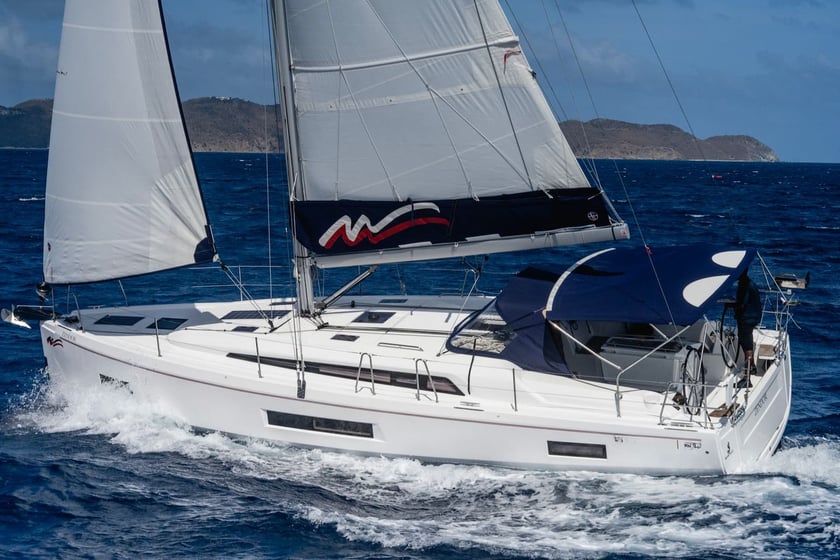
Yacht charter in Antigua and Barbuda
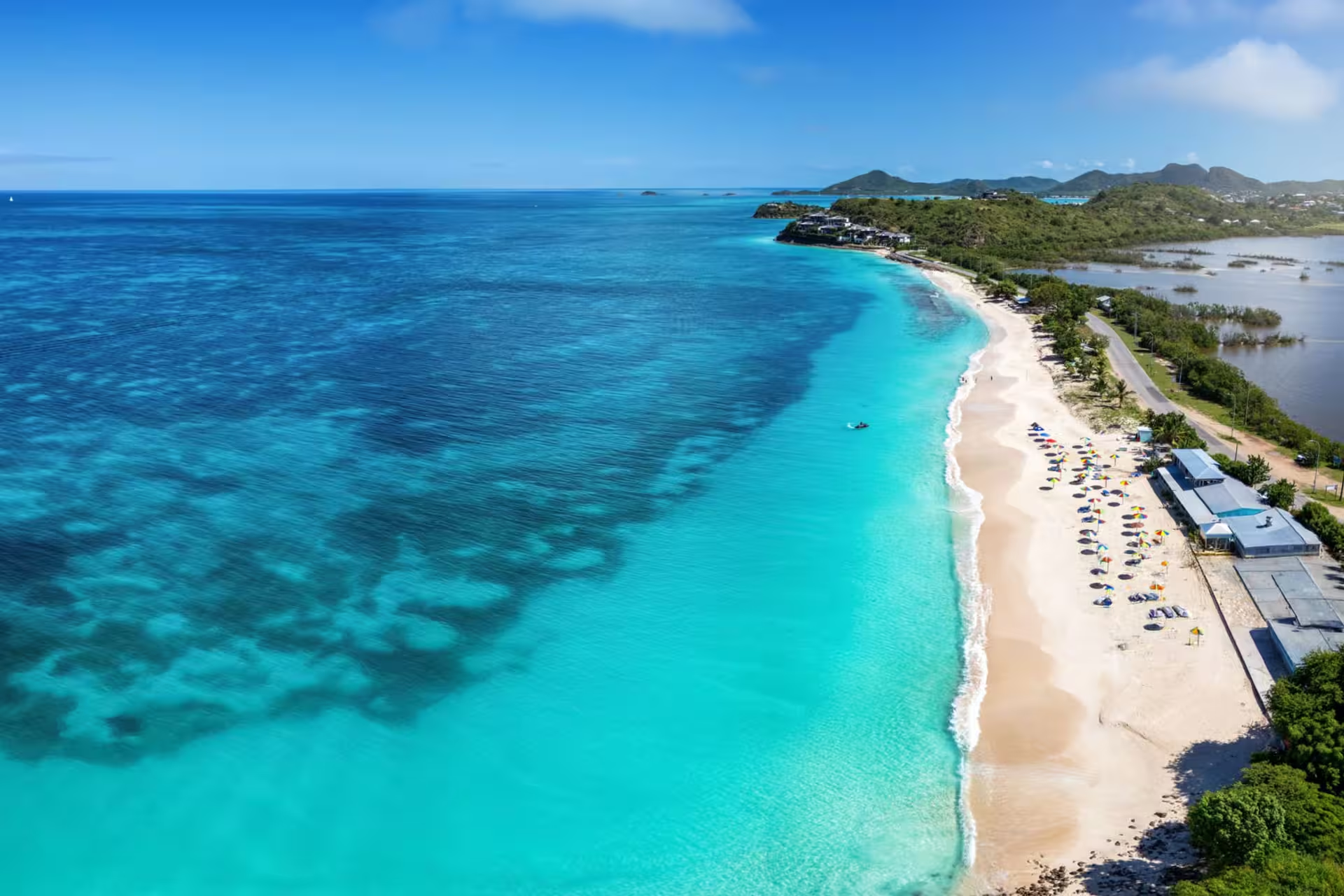
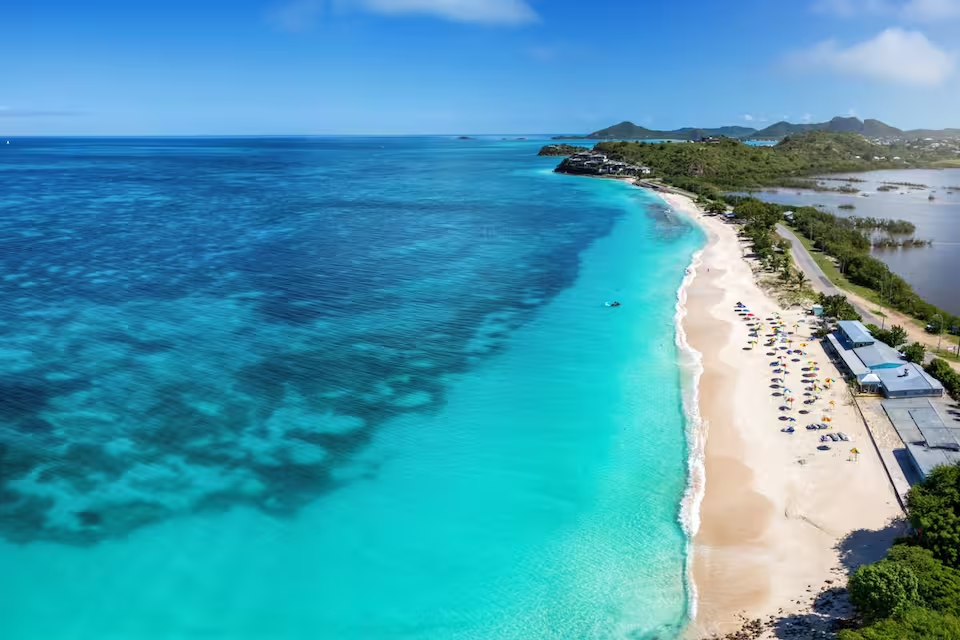
A yacht charter in Antigua and Barbuda brings together two contrasting cruising environments. Antigua has an indented coastline of sheltered harbours, beach anchorages and offshore islets, supported by established yachting centers around English Harbour, Falmouth Harbour and Jolly Harbour. Barbuda is flatter, quieter and less developed, with long barrier beaches, coral reefs, coastal wetlands and remote anchorages.
This contrast gives travelers a useful choice. A trip focused on Antigua can combine relatively short coastal passages with regular opportunities to swim, go ashore and use marina services. Adding Barbuda introduces an exposed open-water crossing, more self-sufficient cruising and reef-sensitive approaches. Travelers who want to concentrate on the main island can explore dedicated Antigua yacht charters, while a country-wide itinerary can balance Antigua’s infrastructure and history with Barbuda’s beaches and wildlife.
Principal cruising areas
English Harbour and neighboring Falmouth Harbour form the country’s main yachting hub. English Harbour places yachts beside Nelson’s Dockyard, a restored Georgian naval complex within a UNESCO World Heritage Site. Falmouth adds a concentration of yacht services and marina facilities nearby. This southern area suits travelers who want straightforward shore access, maritime history and a well-established starting point.
Jolly Harbour is the principal base on Antigua’s calmer western side. From here, the west coast offers beach stops and anchorages such as Dickenson Bay, Deep Bay, Carlisle Bay and Morris Bay. These waters are generally more sheltered than the Atlantic-facing east coast, making the area attractive for itineraries centered on relaxed coastal hops.
To the east, Nonsuch Bay and Green Island offer reef-sheltered cruising, but the surrounding Atlantic exposure and reefs require more attention to conditions. The North Sound, including Great Bird Island and nearby islets, adds another cluster of anchorages and snorkeling stops to an Antigua circuit.
Barbuda is the more remote choice. Low Bay, Codrington Lagoon and the southern anchorage area provide access to long beaches and wildlife, but marina services and provisioning are limited. It is better suited to itineraries that can remain flexible around weather and arrive adequately supplied.
What sailing here is like
Easterly and northeasterly trade winds shape the sailing experience, especially during the winter and spring cruising season. Around Antigua, the coastline allows a yacht charter to alternate between active sailing and short passages to beaches, historic harbours and offshore islets. The island’s west coast is usually calmer, while its east coast is more exposed to Atlantic swell, reefs and breaking seas.
Trade-wind surges can produce rougher offshore conditions from December into February, even during the main season. This may affect exposed headlands, east-coast stops and the crossing to Barbuda more than sheltered leeward anchorages.
The Antigua–Barbuda passage is a significant step up from cruising around Antigua alone. It involves open water, followed by shallow banks, coral heads and rapidly changing depths near Barbuda. Good visibility, current nautical information and a conservative approach are important. For travelers, this means the Barbuda leg should be treated as weather-dependent rather than as a fixed part of every itinerary.
Best time to charter
The principal yacht charter season runs from December through April and often extends into May. December, January, February, March and April are identified as particularly suitable months, with the trade winds generally more reliable than in summer. This is also the period when the country’s yachting activity and support services are at their strongest.
May can still work well, although conditions become less consistently settled as the year progresses. June and November may offer quieter shoulder-season cruising, but forecasts and service levels deserve closer attention. The Atlantic hurricane season lasts from June through November, with the greatest climatological risk generally concentrated in August, September and October. Yacht activity and support services are reduced during much of this period.
Season alone does not remove local differences: Antigua’s west coast can remain calmer than its Atlantic-facing east, while the Barbuda crossing and reef approaches require a suitable forecast at any time of year.
Charter routes and itinerary ideas
An established week-long Antigua circuit can begin in English Harbour and connect Freeman Bay, Green Island, Nonsuch Bay, Jolly Harbour, Dickenson or Deep Bay, and a southern stop such as Carlisle or Morris Bay before returning to the starting point. The route combines historic harbours, beach anchorages and reef-sheltered areas without requiring the open-water passage to Barbuda. Individual stops should still be adjusted to wind and swell.
A longer itinerary can extend north to Barbuda, commonly using Low Bay or the southern anchorage area before returning by way of Great Bird Island, the North Sound or Green Island. This version offers a stronger sense of remoteness, but it needs more time and flexibility. If the forecast is unsuitable for the crossing or visibility is poor for the reef approaches, an Antigua-only circuit provides a practical alternative rather than a compromised Barbuda visit.
Experiences on and off the water
A charter around Antigua naturally divides time between sailing, swimming, snorkeling and going ashore. The island’s numerous bays and offshore islets allow beach and anchorage stops to be combined with visits to active harbour communities. English Harbour is especially distinctive: Nelson’s Dockyard remains part of a working maritime setting shaped by yacht services, sail training, racing and marine craftsmanship.
Nearby shore visits can include Shirley Heights and the Dow’s Hill Interpretation Centre. Elsewhere on Antigua, Devil’s Bridge National Park and Cades Bay Marine Reserve offer different perspectives on the island’s Atlantic coast and marine environment. Local meals may include pepperpot with fungi, ducana with saltfish, seasoned rice or goat water.
Barbuda shifts the emphasis toward open beaches, lagoons and wildlife. The Frigate Bird Sanctuary lies within Codrington Lagoon and is visited by small local boat with a knowledgeable guide. Two Foot Bay adds caves and petroglyphs. These experiences depend on local access and conditions, reinforcing Barbuda’s character as a planned expedition rather than simply another marina stop.
Access and departure bases
V.C. Bird International Airport on Antigua is the principal international gateway. Road and taxi transfers connect the airport with the main yacht charter areas at English Harbour, Falmouth Harbour and Jolly Harbour. Common departure points include Nelson’s Dockyard Marina, Falmouth Harbour and Jolly Harbour Marina & Boatyard.
English Harbour and Falmouth are convenient for beginning a southern or eastern circuit, while Jolly Harbour gives direct access to Antigua’s generally calmer west coast. St. John’s is the main passenger-ferry connection point for Barbuda. Barbuda can also be reached by air through Burton-Nibbs International Airport, although country-wide yacht itineraries generally approach it by sea from Antigua. International crews should confirm current customs, immigration and port-clearance procedures before arrival.
Planning the right charter
The first decision is whether the trip should remain around Antigua or include Barbuda. An Antigua-only yacht charter is easier to structure around short passages, marina access and frequent time ashore. A Barbuda extension calls for additional provisioning, a suitable weather window and greater flexibility. Water, food, fuel and essential spares should be considered carefully because Barbuda has fewer yacht services than Antigua.
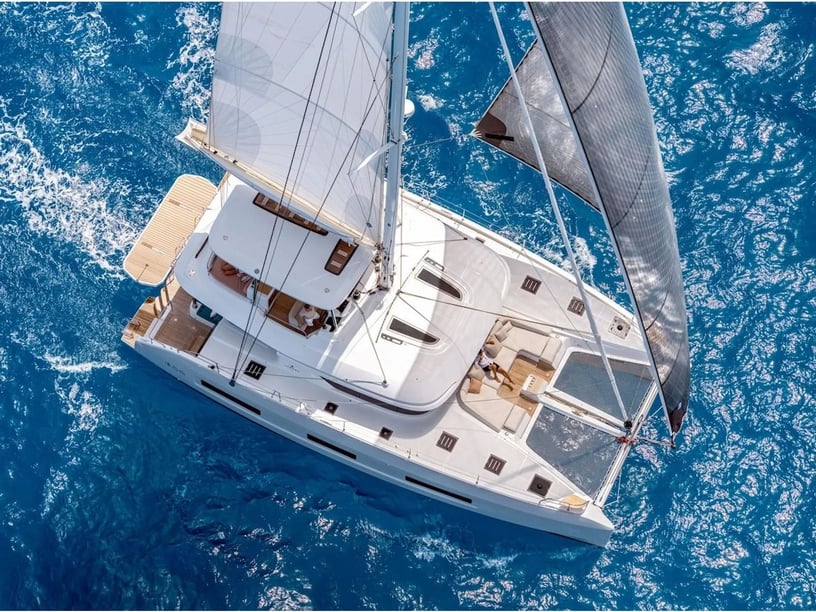
When comparing yacht charter or boat rental options in Antigua and Barbuda, examine more than the headline itinerary. Ask where the yacht is based, whether the planned route matches the vessel and crew’s experience, and how weather-related changes are handled. Travelers considering Barbuda should discuss open-water conditions, daylight arrival, reef navigation and alternative Antigua stops before departure.
Also consider the desired balance between sailing and shore time. A route centered on English Harbour and Falmouth favors maritime history and established harbour services; the west coast supports calmer beach-focused cruising; the east and North Sound introduce more reef-fringed waters; and Barbuda rewards travelers prepared for a more remote experience. Throughout the June-to-November hurricane season, official tropical-weather and marine forecasts require particular attention.