Yacht charter in Croatia
A yacht charter in Croatia opens up a long eastern Adriatic coastline shaped by islands, channels, peninsulas and sheltered bays. The cruising landscape changes considerably from the Istrian peninsula and the large islands of Kvarner to the dense archipelagos of Dalmatia and the more open waters farther south.
This variety is central to Croatia’s appeal by yacht. In northern and central Dalmatia, closely spaced islands allow flexible routes with relatively short passages, swimming stops and a choice of marinas, town quays, mooring fields and anchorages. Longer legs toward outer islands such as Vis and Lastovo add a more exposed dimension. Time ashore can include Roman remains, medieval towns and ports shaped by Venetian, Ragusan and Habsburg-era history.
Rather than trying to cover the entire coast in one trip, it is usually more rewarding to choose one principal cruising region. Each offers a distinct balance of island density, exposure, historic ports, protected landscapes and access from nearby airports.
Choosing a Croatian cruising region
Istria is the northernmost major cruising area. Coastal towns such as Rovinj, Poreč and Pula provide historic stops, while the Brijuni Islands and Lim Bay add natural variety. Compared with Dalmatia, Istria has fewer offshore islands, so routes can involve more open coastal passages.
Kvarner combines large islands including Krk, Cres, Lošinj, Rab and Pag. Starting from places such as Punat or Mali Lošinj gives access to substantial islands separated by channels that can be affected by strong local winds. This region suits travelers interested in combining island towns with a more varied and sometimes demanding sailing environment.
Northern Dalmatia, reached through Zadar, Sukošan or Biograd, is particularly well suited to island hopping. Dugi Otok, Telašćica Bay and the stark limestone islands of Kornati can be connected through short or moderate passages. The density of islands gives itineraries considerable flexibility.
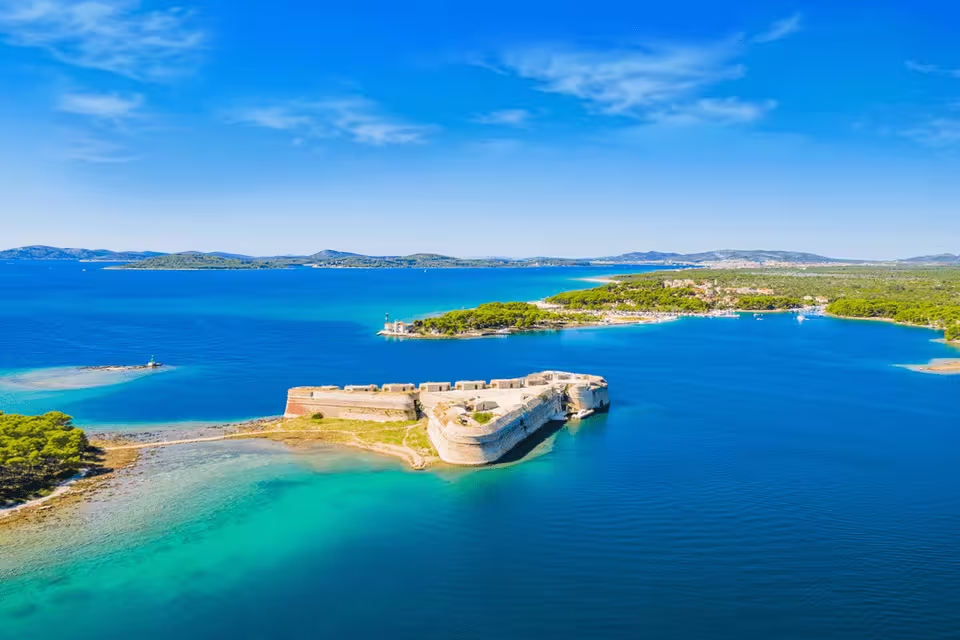
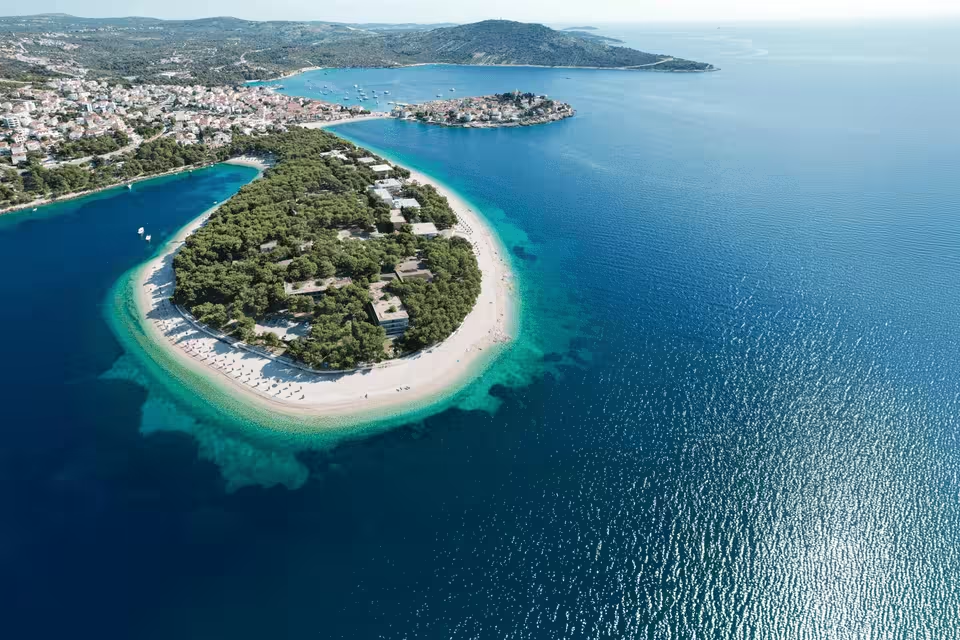
The Šibenik area combines coastal and inland-water experiences. A charter can follow the Krka estuary toward Skradin before turning seaward for Zlarin, Primošten, Žut, Telašćica or Kornati. This mix of estuary cruising, historic settlements and archipelagos distinguishes the region.
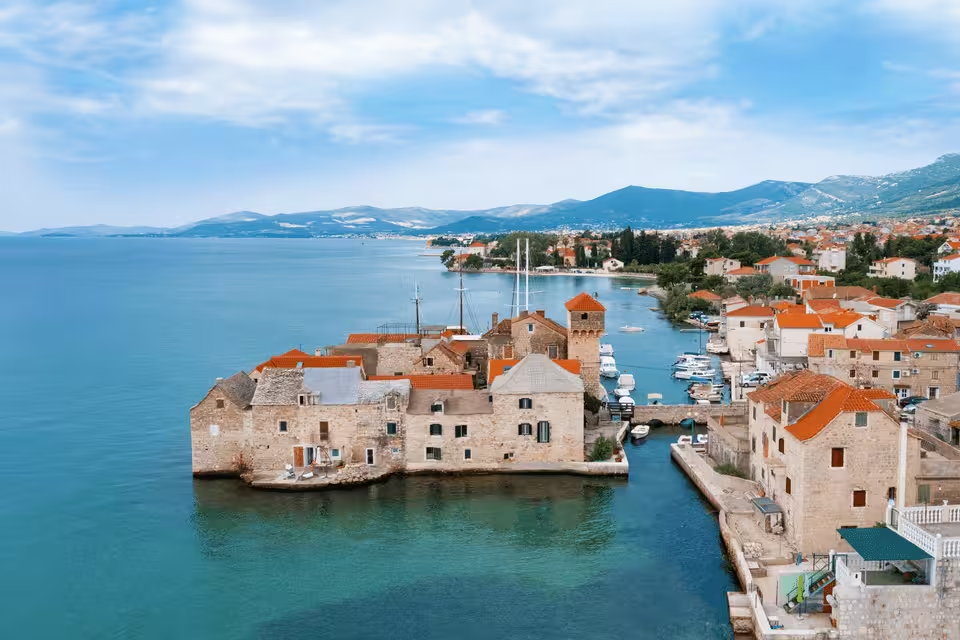
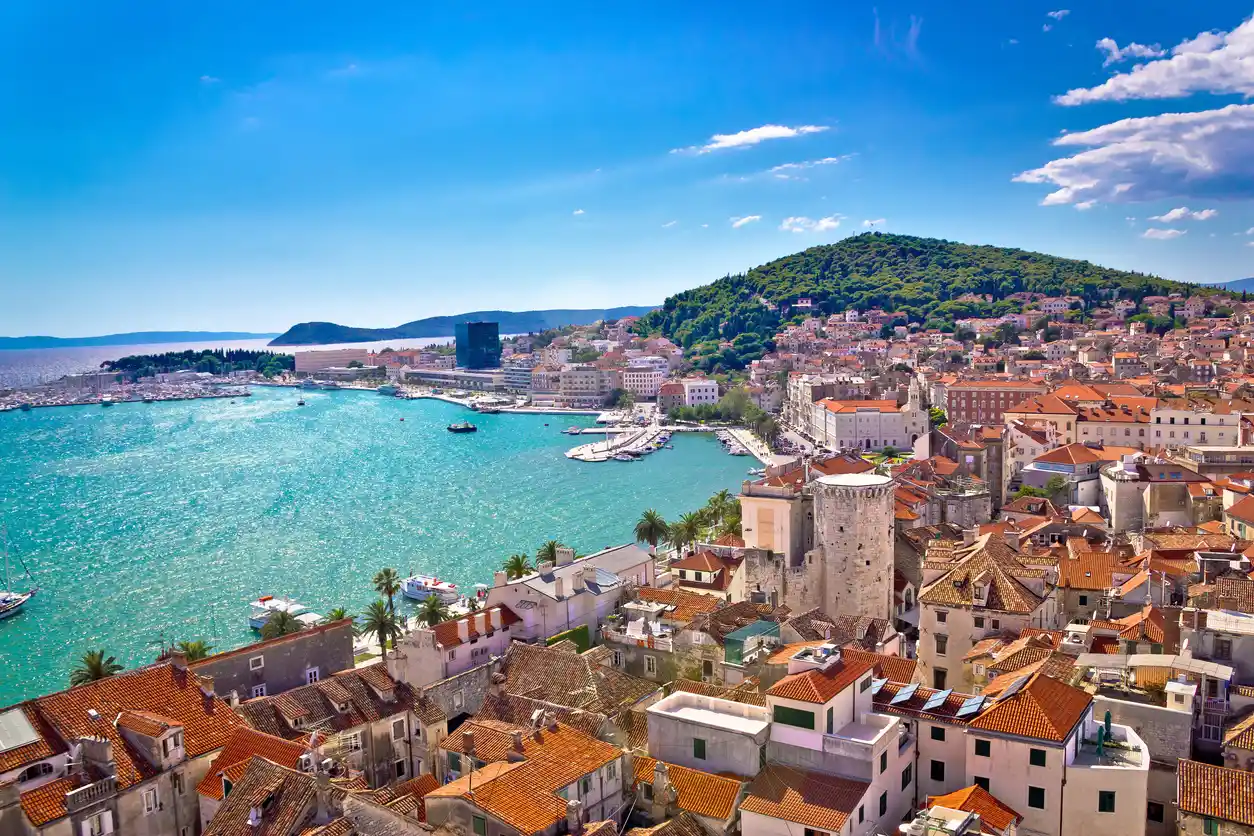
Central Dalmatia has major departure points around Trogir, Kaštela and Split. Nearby Šolta and Brač support shorter routes, while Hvar, the Pakleni Islands, Vis and Biševo create broader circuits with some more exposed passages. Southern Dalmatia, centered on Dubrovnik, links the Elaphiti Islands, Mljet, Korčula and the Pelješac coast. Its greener islands and major heritage ports are balanced by longer distances and more open legs on some routes.
What sailing in Croatia is like
Croatian cruising ranges from sheltered navigation between nearby islands to open-sea passages toward outer archipelagos. In the island-rich parts of northern and central Dalmatia, many landmarks remain visible during a passage, making routes easy for travelers to follow and allowing plans to be adjusted around weather and preferred stopping places. Outer-island routes require more conservative planning.
Summer commonly brings settled weather, northwesterly winds over the open Adriatic and daytime sea breezes along the coast. Conditions can still change markedly between protected inner channels and exposed headlands or crossings. The bora is a gusty northeasterly wind and is especially important in the northern Adriatic and below the Velebit mountains, where its strength may vary sharply over short distances. The southeasterly jugo is generally steadier and is more frequent in parts of central and southern Croatia.
Kvarner and the Velebit-facing coast therefore demand particular attention to local forecasts, while the dense Dalmatian archipelagos offer more opportunities to select sheltered passages. Marinas, town harbors, mooring fields and anchorages provide different styles of overnight stop, although protected areas may limit anchoring or require vessels to use designated locations.
Best time for a Croatia yacht charter
The principal recreational boating season runs from May through October, with the most consistent activity between June and September. June and September are particularly suitable months. June combines long days and warm conditions before the greatest summer heat, while September generally retains warm seawater, although rain and unsettled weather become more likely as the month progresses.
July is typically the driest month and falls within the main summer season, together with August. These months suit travelers seeking the height of seasonal activity, but planning ahead is prudent when choosing marinas and popular overnight stops.
May and October can also support rewarding cruising, provided the itinerary allows for cooler water, shorter days and less consistent weather. Winter activity is limited, and strong bora, jugo and cyclonic weather are more frequent during the colder part of the year. Whatever the month, conditions around exposed outer islands and below Velebit can differ substantially from those in protected inner channels.
Yacht charter routes in Croatia
A northern Dalmatian circuit can begin in Zadar or Sukošan and connect Molat, Iž and Sali with Telašćica, Kornati and Žut. This route emphasizes flexible island hopping and gives access to both inhabited islands and protected landscapes.
From Šibenik, a contrasting circuit can first follow the Krka estuary to Skradin, then turn toward the islands through Zlarin or Primošten before continuing to Kornati and Telašćica. It combines inland scenery, coastal heritage and archipelago cruising without requiring the entire trip to be spent in open water.
Central Dalmatian routes commonly start near Split, Trogir or Kaštela. One broader circuit links Šolta and Brač with Komiža, Biševo, Vis, the Pakleni Islands, Hvar and Stari Grad. Because Vis and Biševo lie farther offshore, this itinerary needs more weather flexibility than a route concentrated around Šolta and Brač.
From Dubrovnik, southern circuits can connect Lopud and the Elaphiti Islands with Mljet, Korčula, the Pelješac coast, Prožura and Šipanska Luka. The distances and exposure should be considered when deciding how many islands to include.
Life aboard and highlights ashore
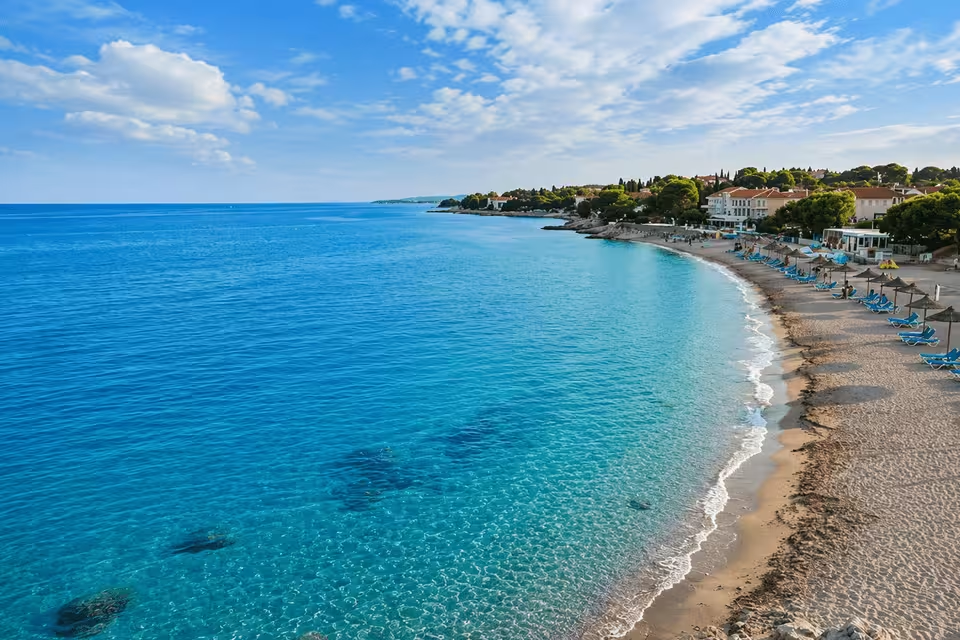
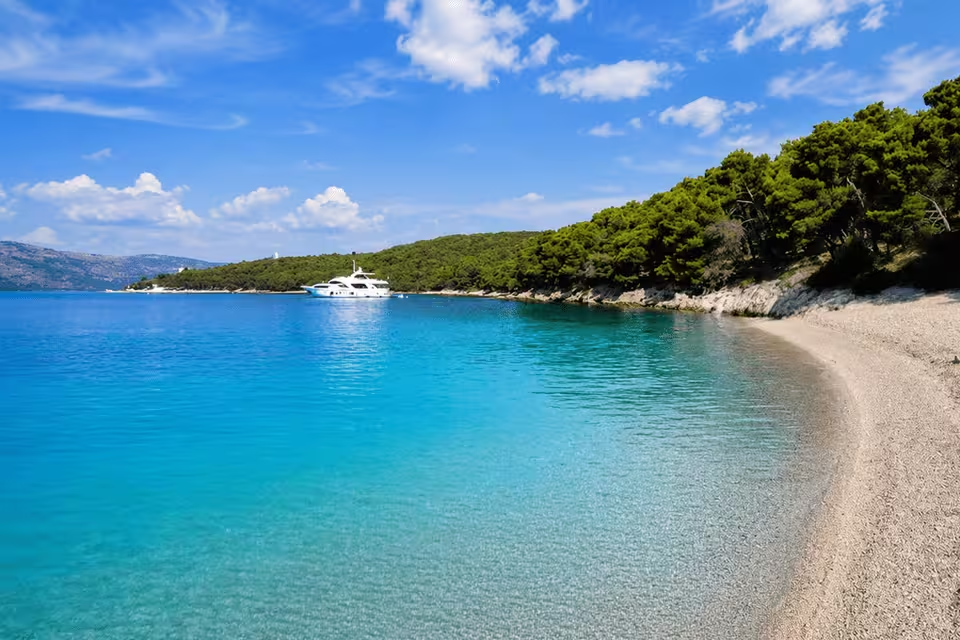
A Croatian yacht trip can alternate naturally between cruising, swimming, anchoring and exploring coastal settlements. The dense island groups of Dalmatia make it possible to divide a day between a short passage, time in a bay and an evening in a harbor town. More remote routes toward the outer islands place greater emphasis on the sailing itself.
Protected landscapes are among the coast’s defining features. Kornati is known for its stark karst islands, while Telašćica, Mljet and Lastovo offer different combinations of bays, forests and island scenery. Access by yacht is rewarding, but admission rules and designated anchoring or overnight areas may apply.
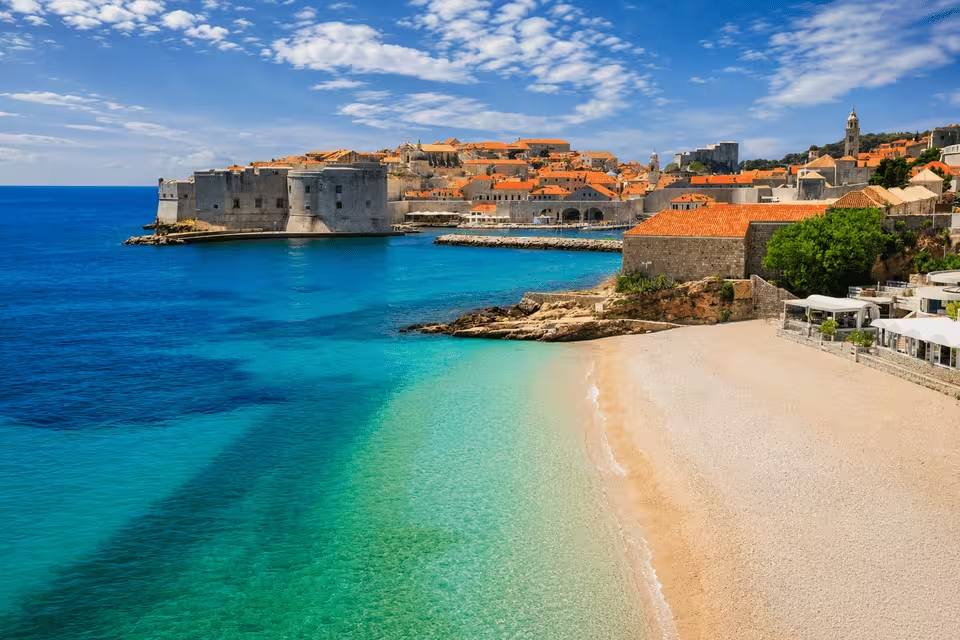
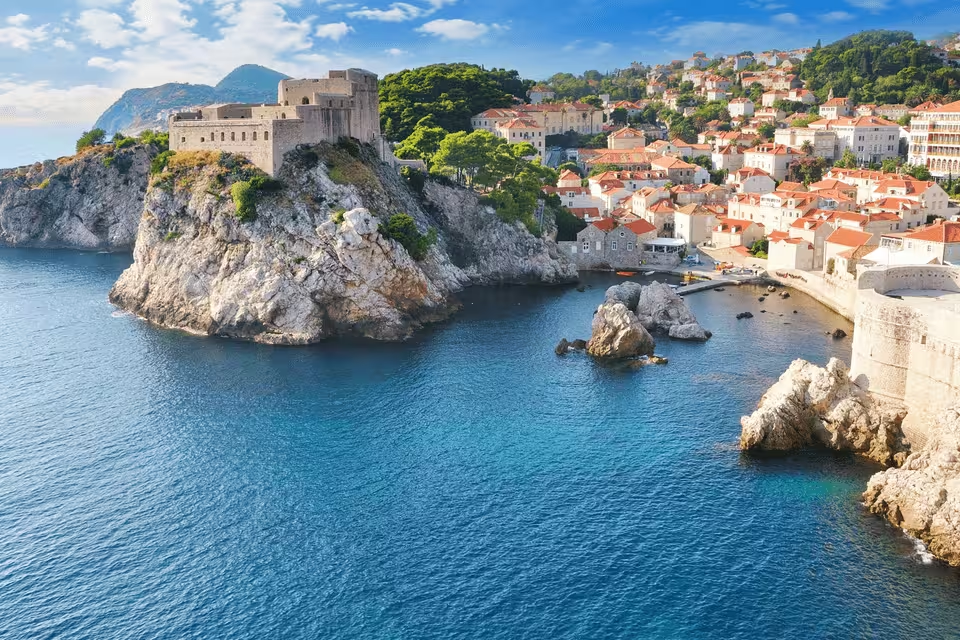
History is integrated into many ports rather than confined to separate attractions. Diocletian’s Palace forms the inhabited core of Split, while Trogir, Šibenik and Dubrovnik preserve major historic ensembles. Farther north, Pula’s Roman arena and Poreč’s Euphrasian Basilica provide additional reasons to spend time ashore.
Food and coastal culture also shape the journey. Fishing, olive growing, viticulture and shared meals remain part of regional identity, while Dalmatian klapa singing and Rovinj’s traditional batana fishing boat reflect distinct local maritime traditions.
Airports and charter departure points
Croatia’s principal cruising regions are served by airports at Pula, Rijeka, Zadar, Split and Dubrovnik. The most practical arrival airport usually depends on the chosen coast rather than the country as a whole: Pula serves Istria, Rijeka provides access to Kvarner, Zadar and Split cover major parts of Dalmatia, and Dubrovnik is the main gateway to the far south.
Common departure points include Pula and Punat in the north; Zadar, Sukošan and Biograd in northern Dalmatia; Šibenik and Rogoznica farther south; and Trogir, Kaštela and Split in central Dalmatia. Dubrovnik anchors southern itineraries. Road links connect the coast with inland Croatia, Slovenia and Central Europe, while ferries and passenger vessels serve many inhabited islands. Ferry frequency varies by route and season, so island transfers should be checked separately from the yacht itinerary.
Planning your boat rental in Croatia
When comparing boat rental in Croatia, begin with the cruising region and the distances you want to cover. A route among nearby Dalmatian islands creates a different pace from an itinerary involving Vis, Lastovo or other exposed outer islands. Allowing spare time for weather changes is particularly important on longer crossings.
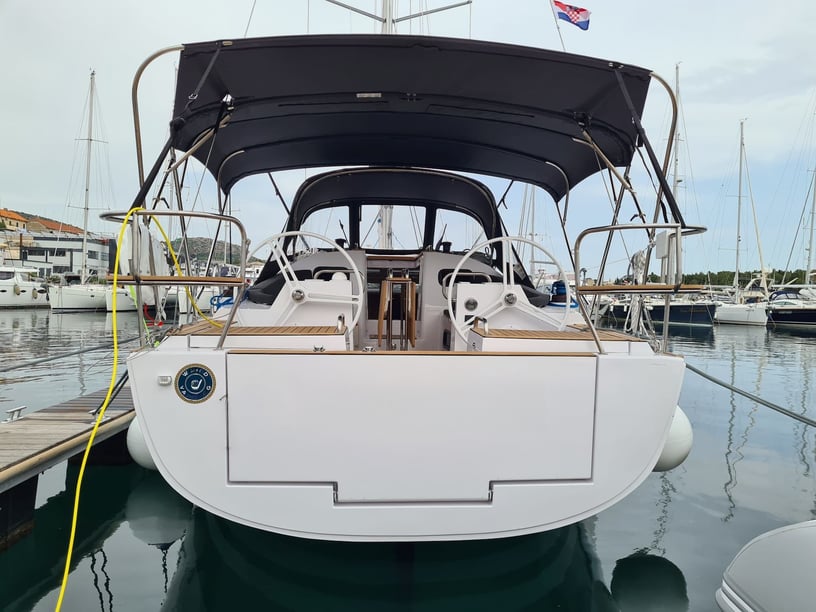
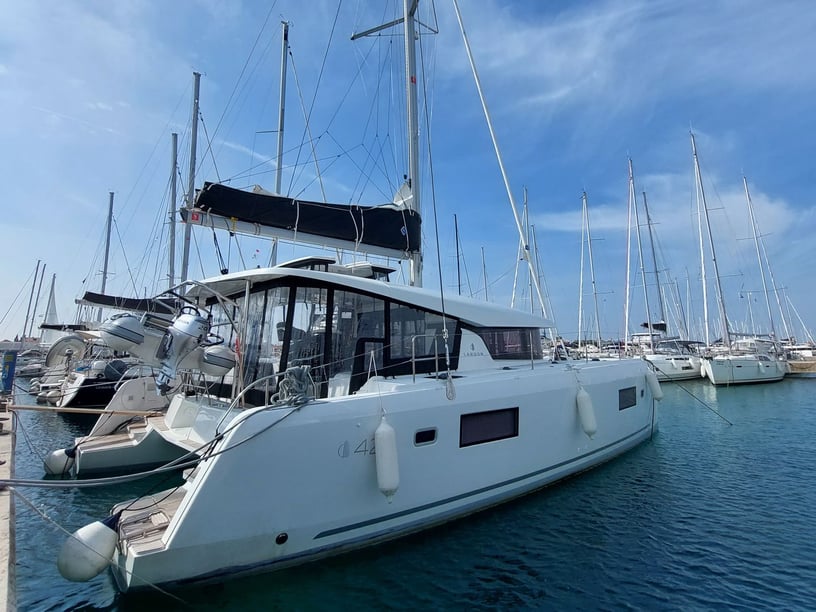
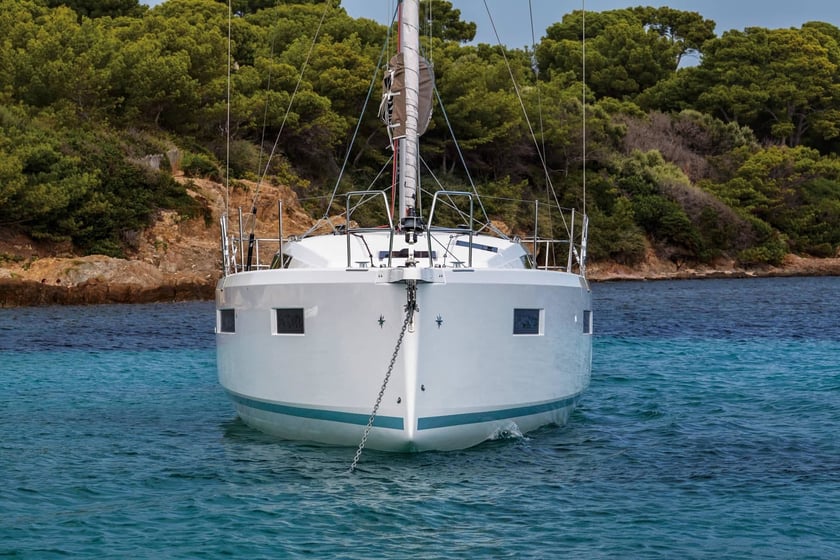
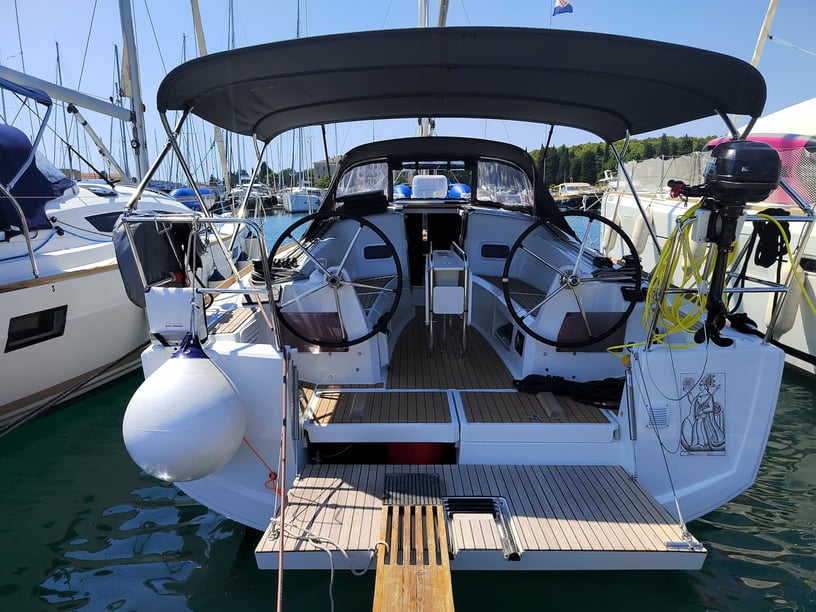
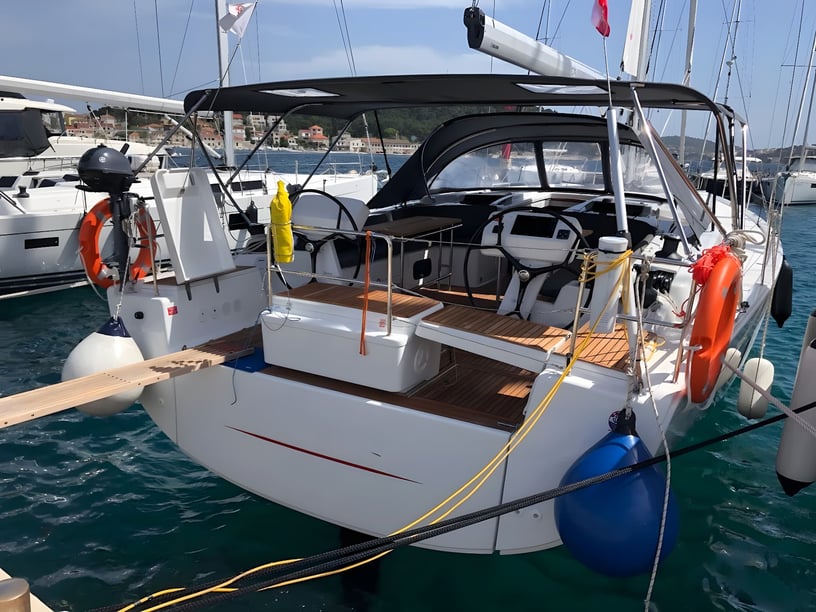
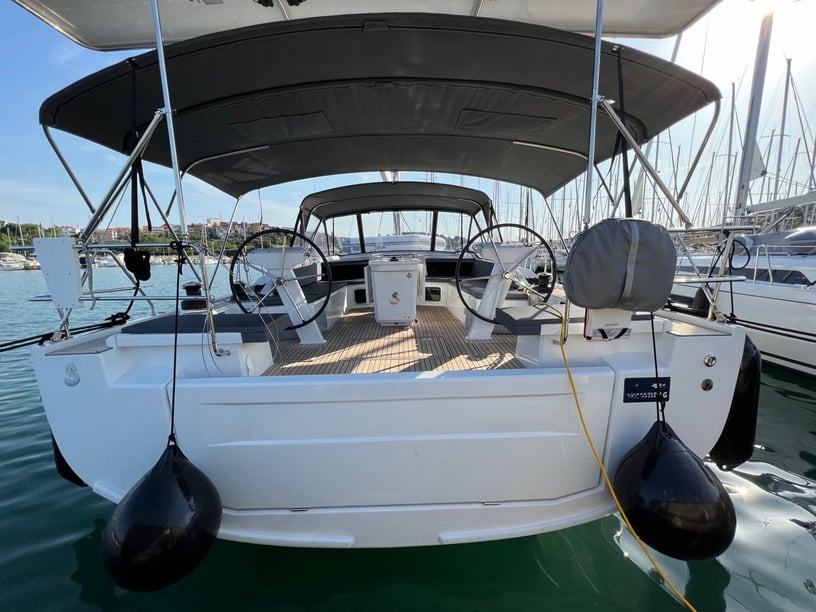
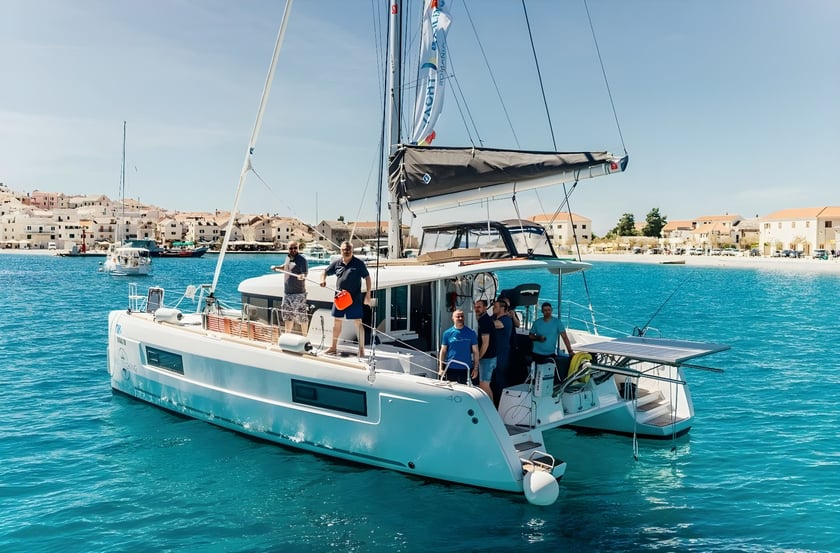
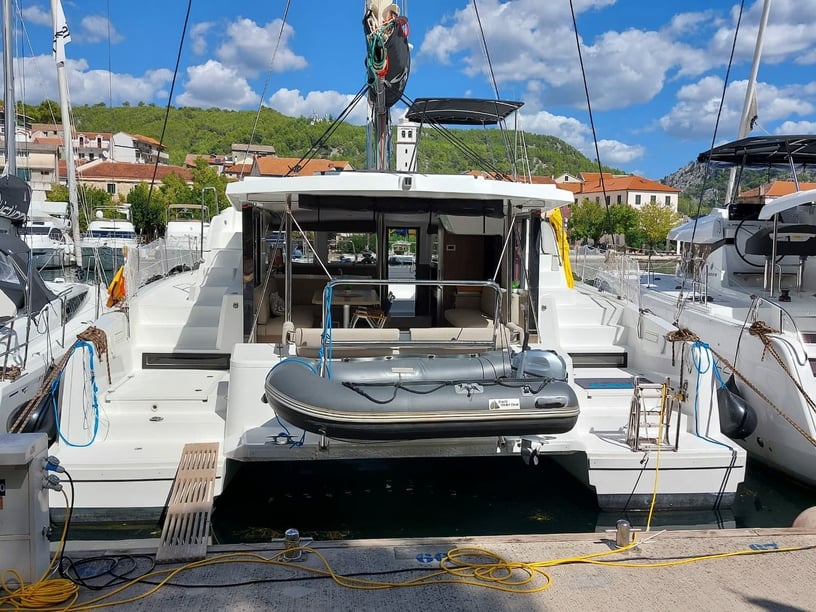
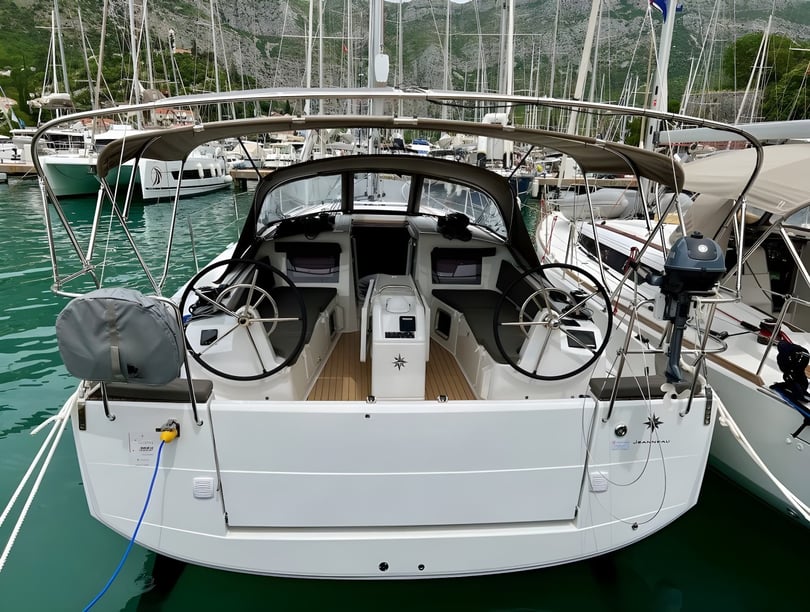
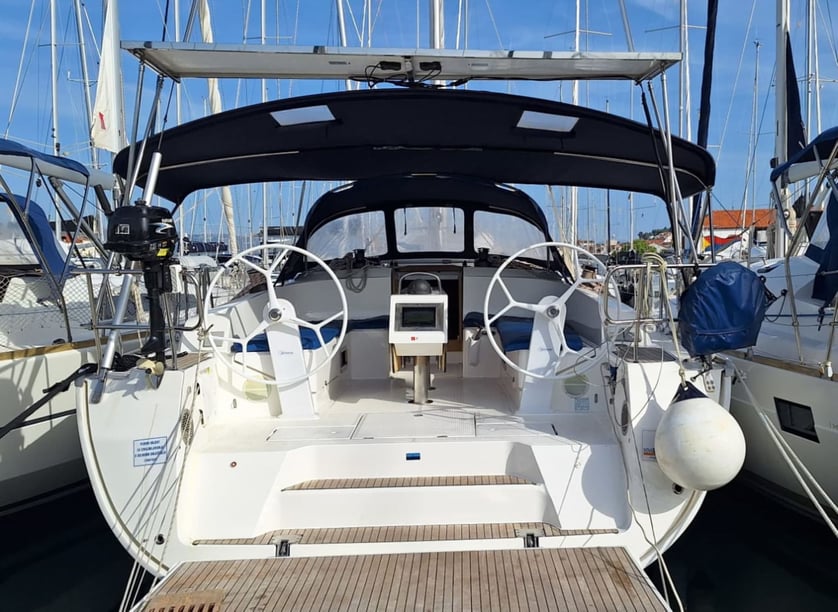
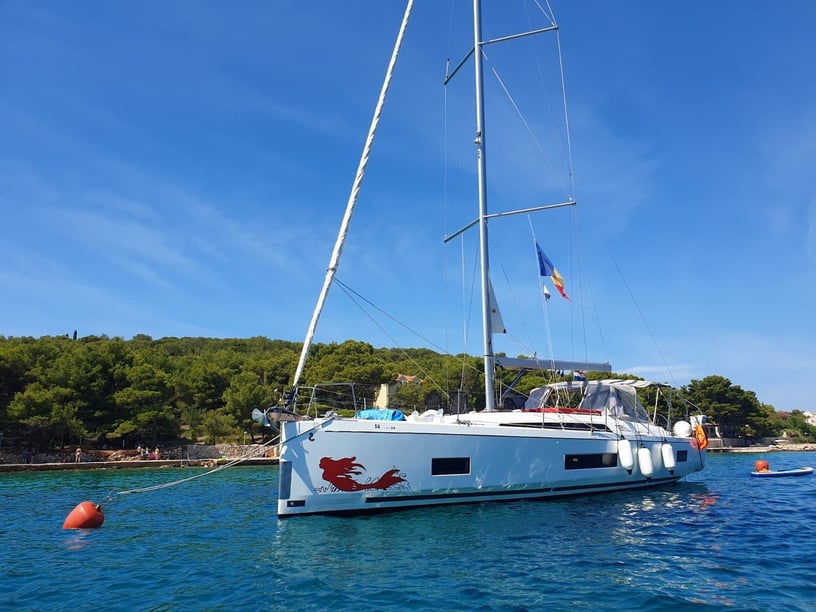
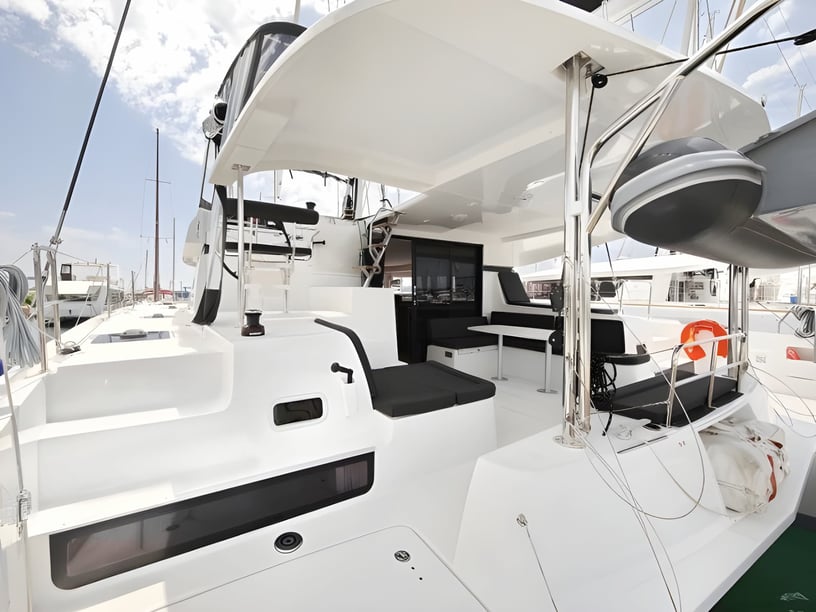
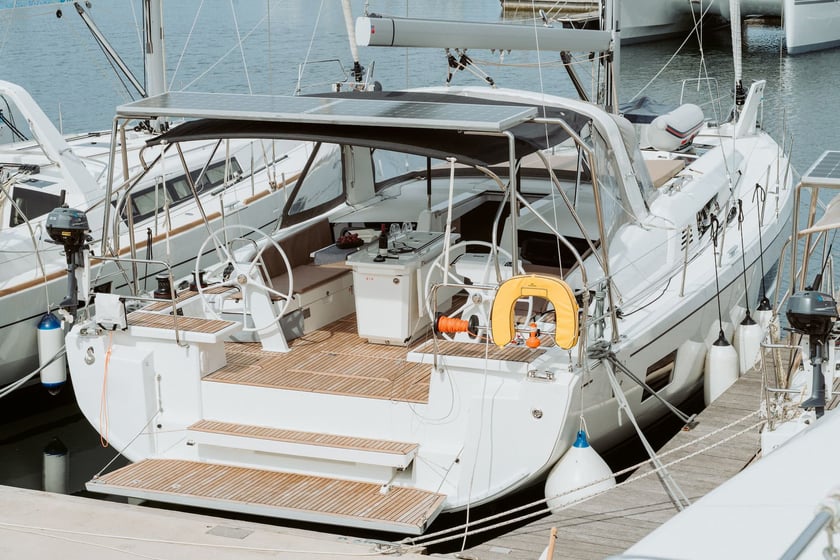
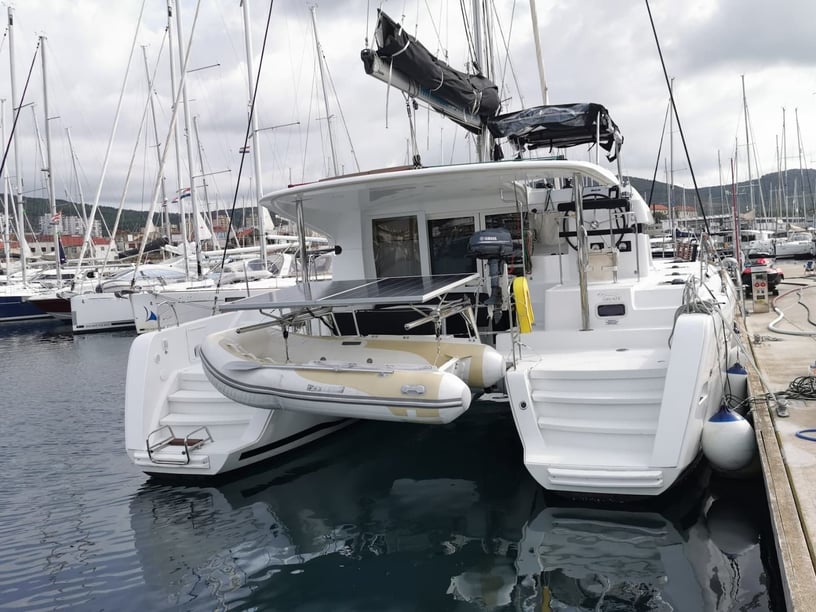
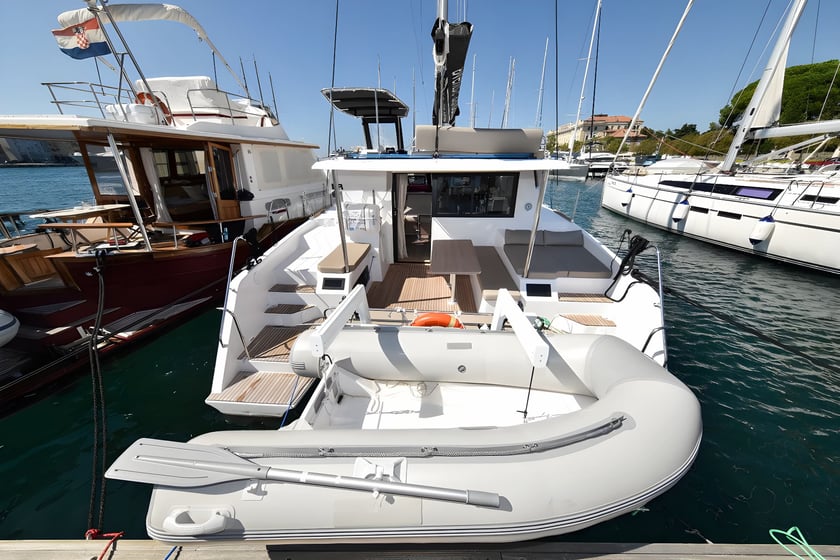
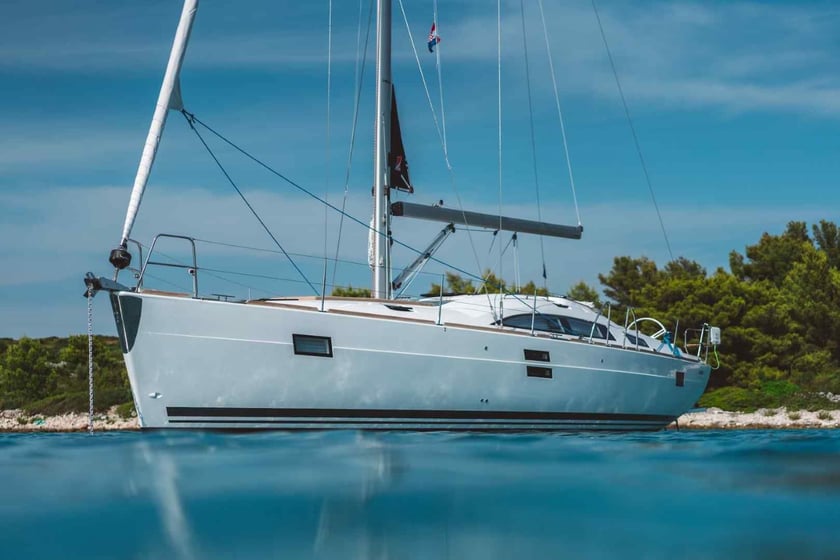
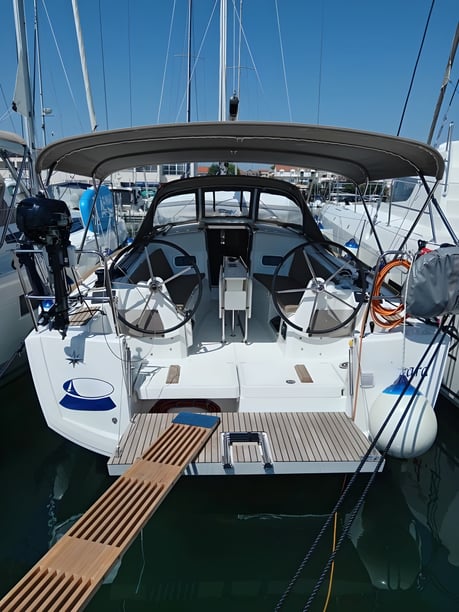
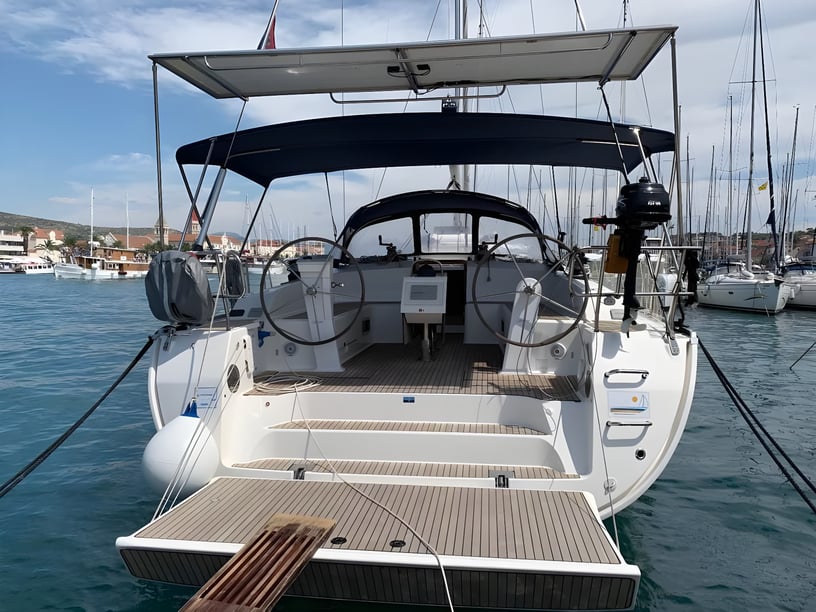
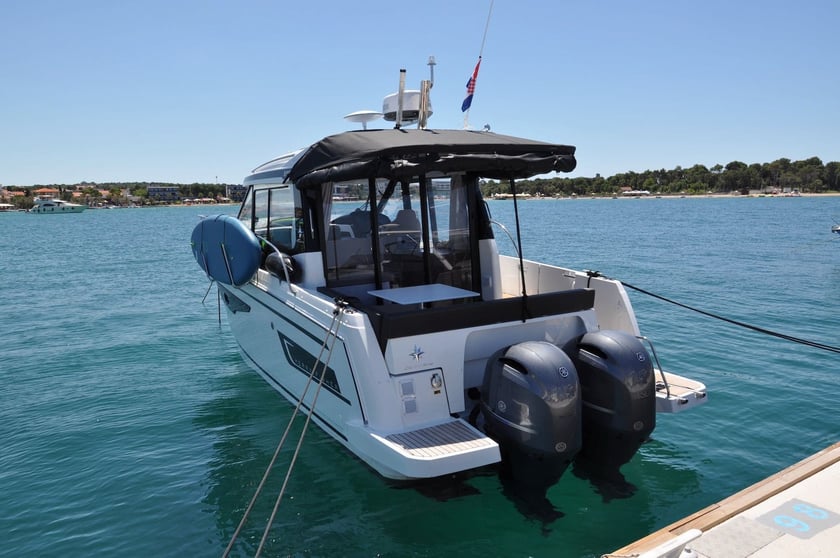
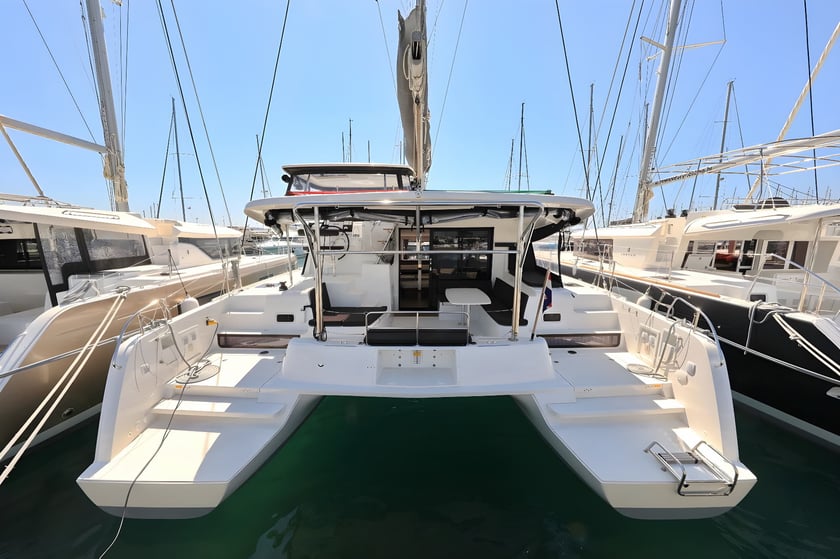
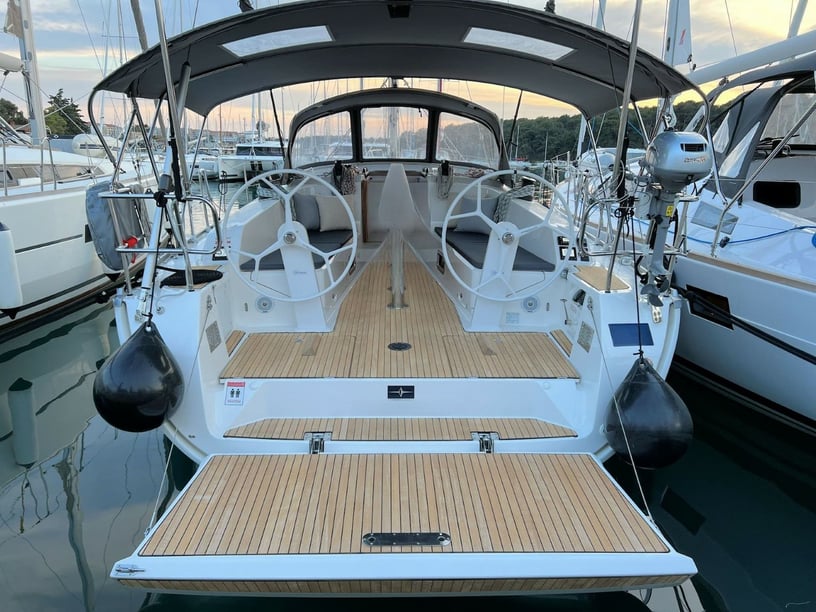
The right charter format should also reflect the group, preferred pace, planned overnight stops and level of sailing responsibility. Travelers can compare dedicated options for sailboat charter in Croatia, catamaran charter in Croatia and motor yacht charter in Croatia before deciding which approach best matches the trip.
For self-skippered arrangements, current certification and documentation requirements should be confirmed before departure. Foreign-flagged vessels may also be subject to arrival notification, insurance, registration and navigation-safety requirements. Tourist tax rules can apply to qualifying overnight stays aboard.
Check the official marine forecast before each passage and use current nautical charts, sailing directions and notices rather than treating leisure itineraries as navigational guidance. Kornati, Telašćica, Mljet and other protected areas may require admission, permits or use of designated anchorages. Reviewing these rules in advance helps avoid building an itinerary around an overnight stop that is not permitted.












Verified
Nicola S.09 Sep 2026
Overall, everything was positive. I recommend it.
Listing owner: Vedrana RoškoPula / Croatia