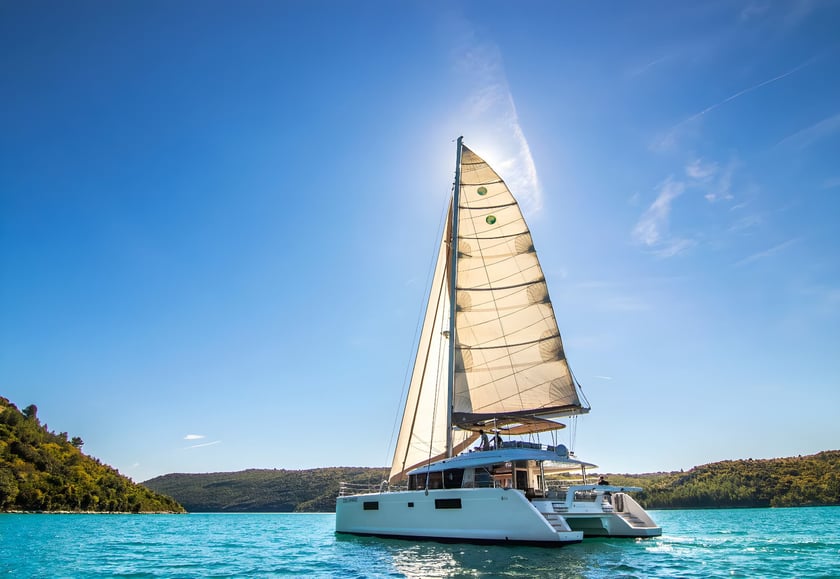
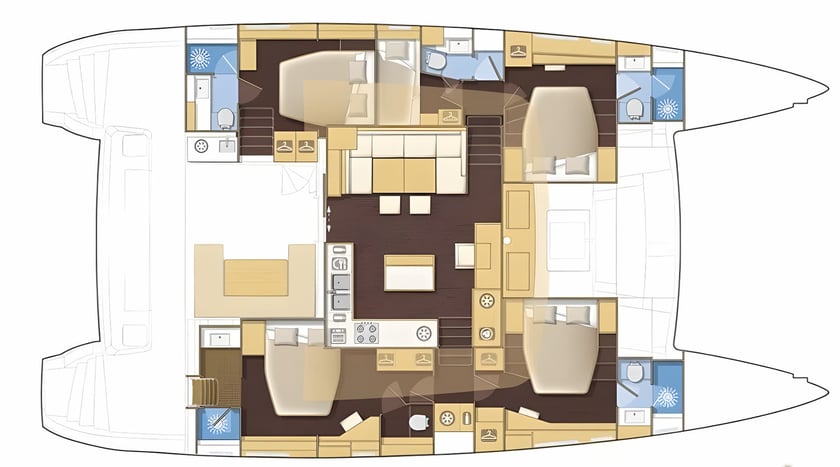
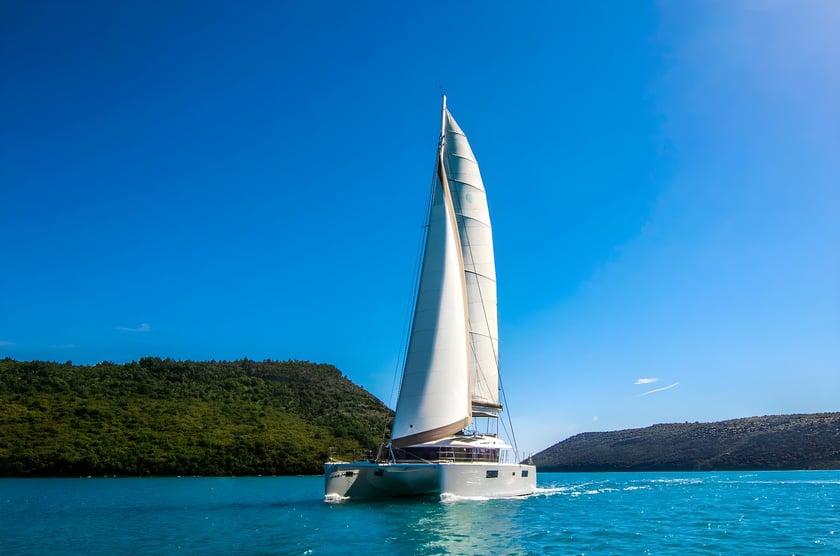
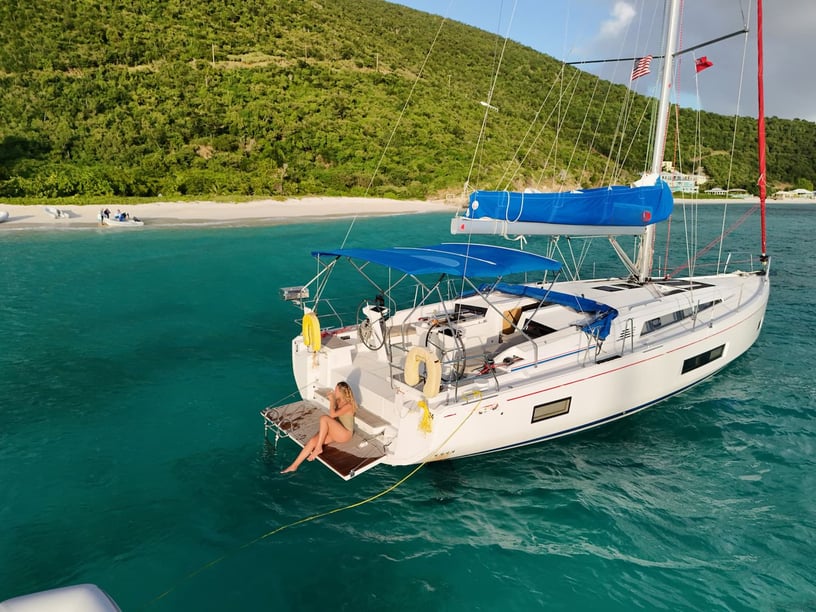
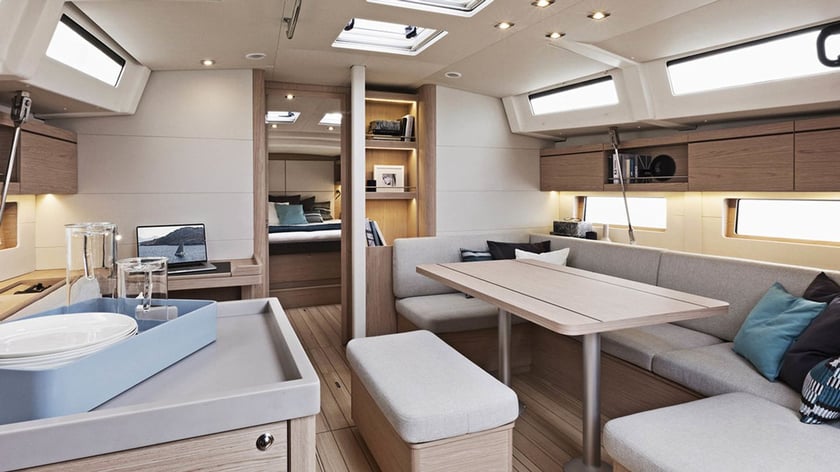
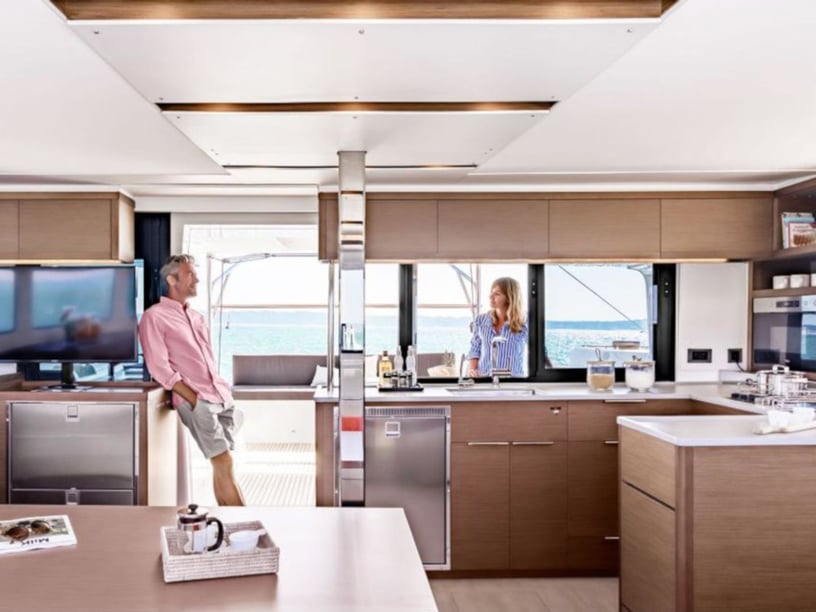
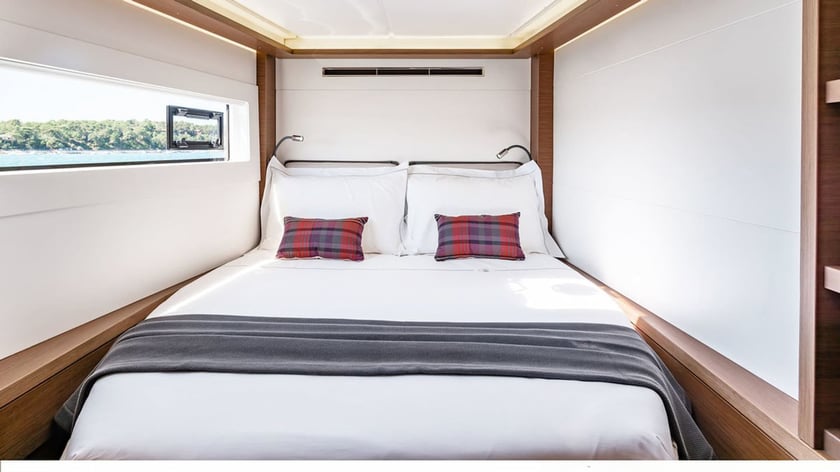
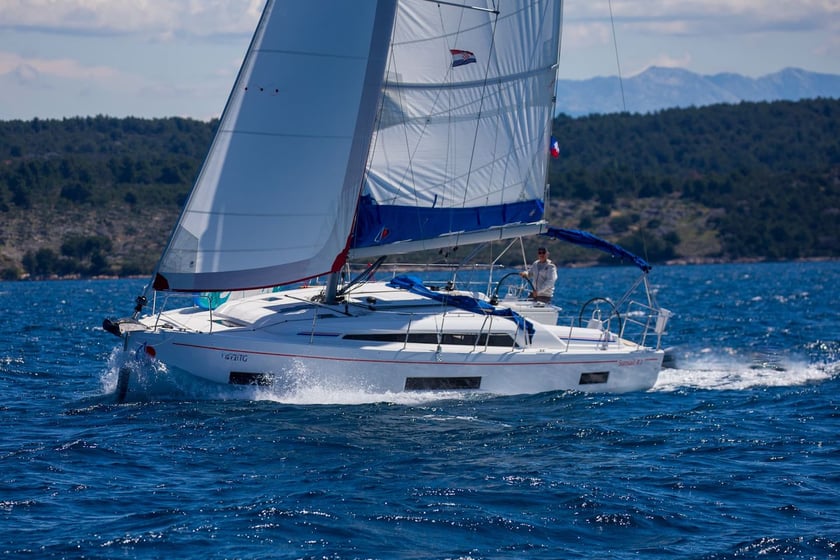
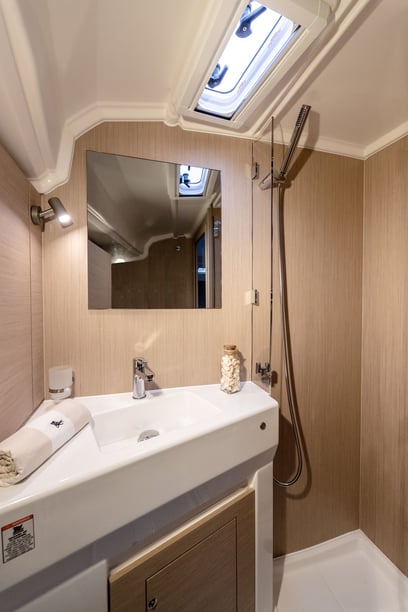
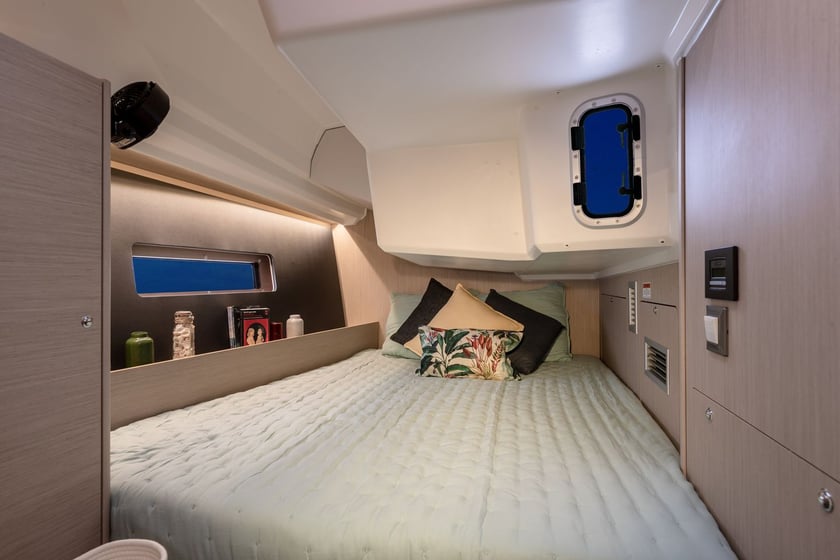
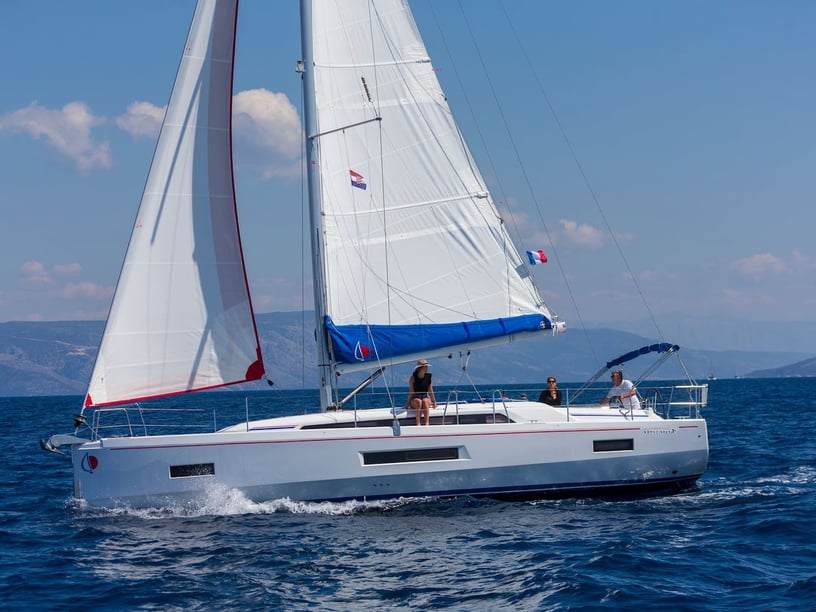
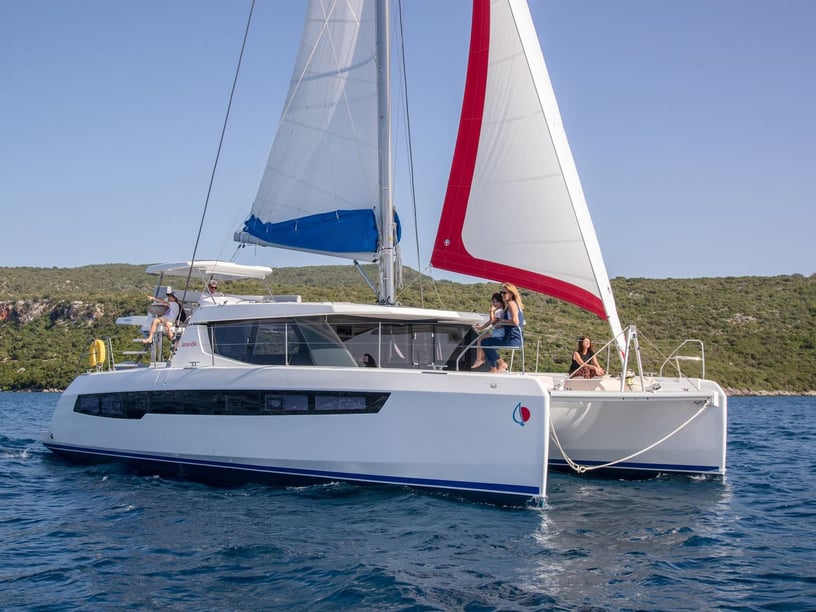
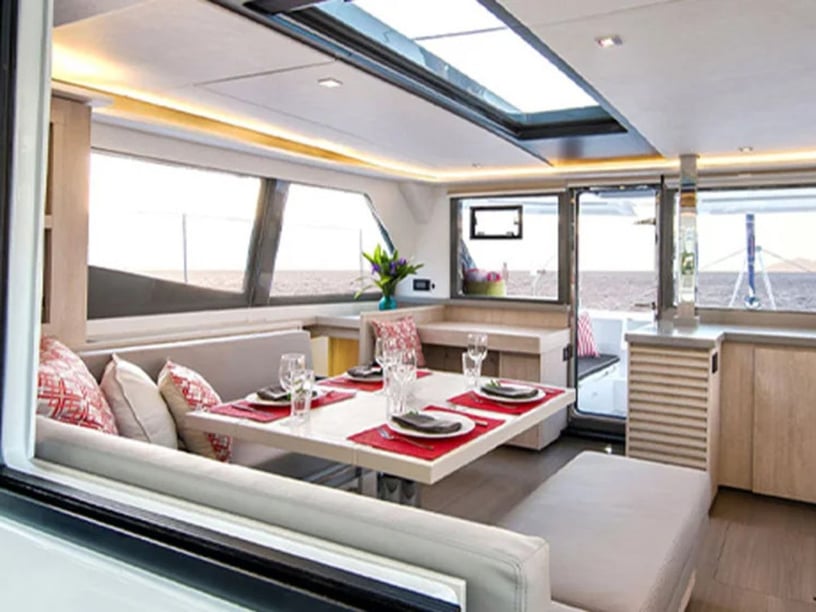
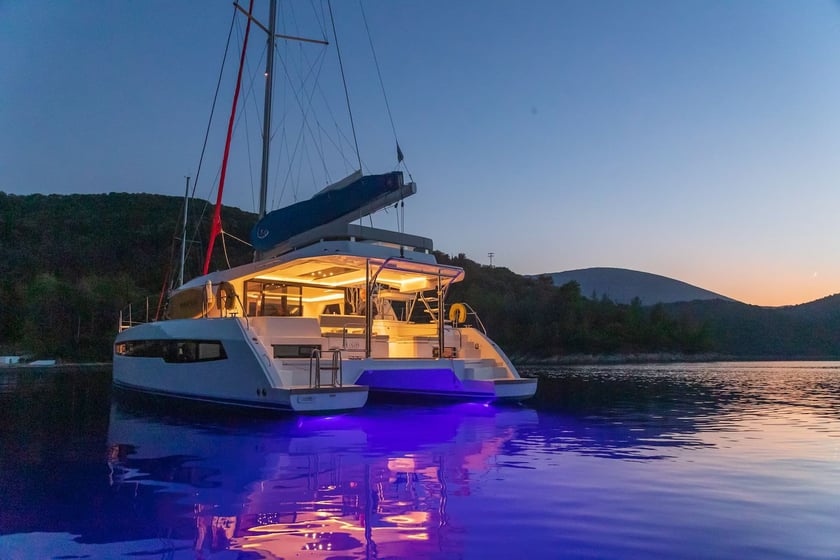
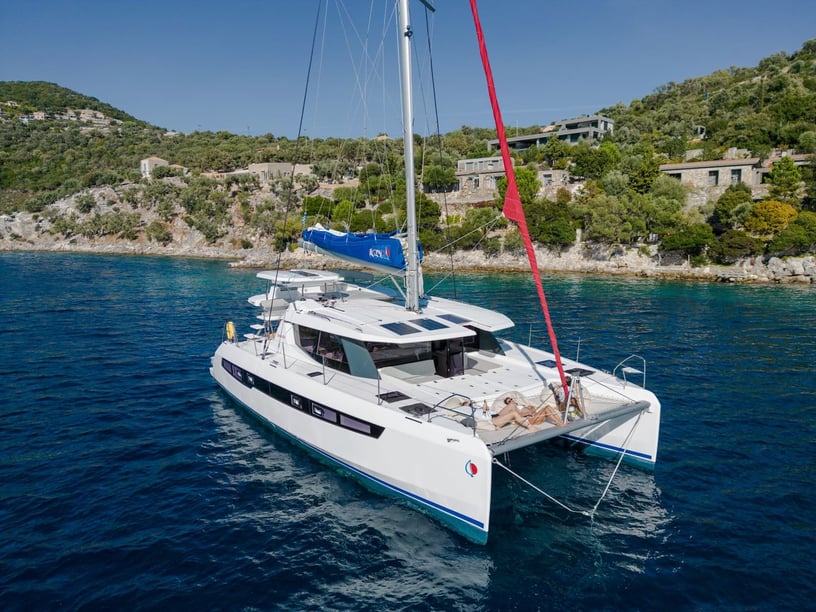
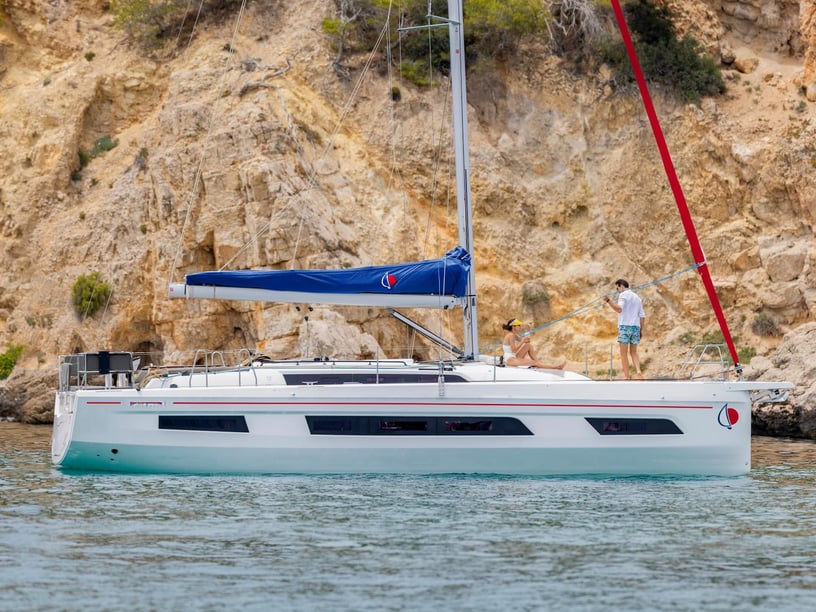
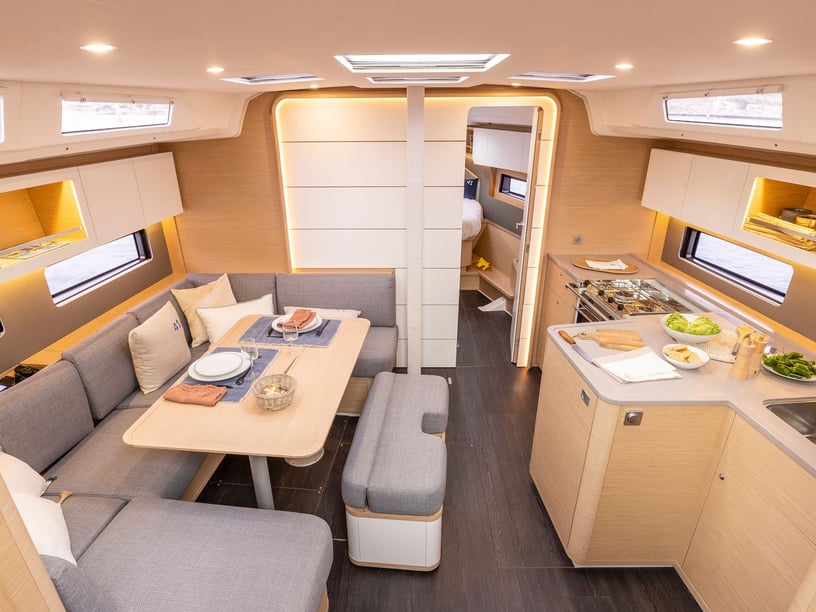
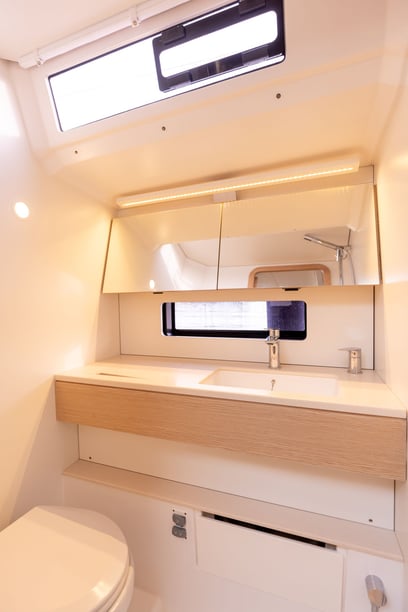
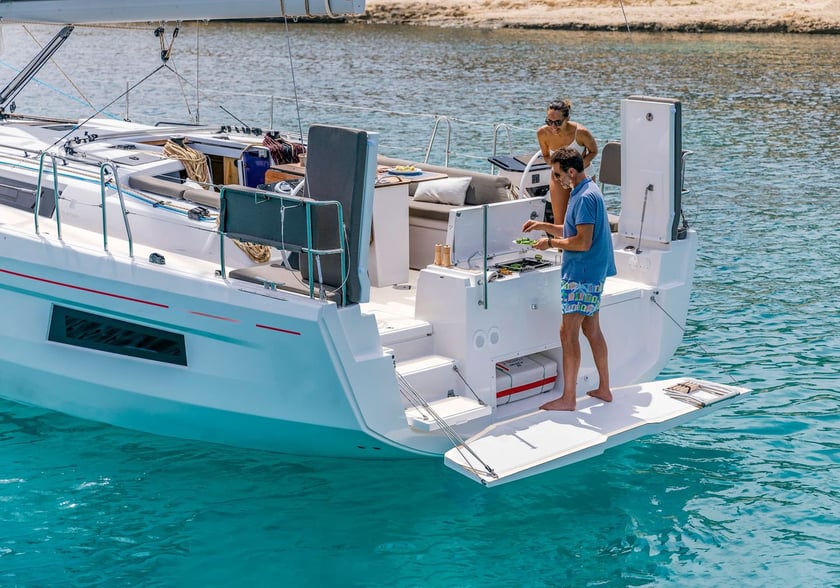
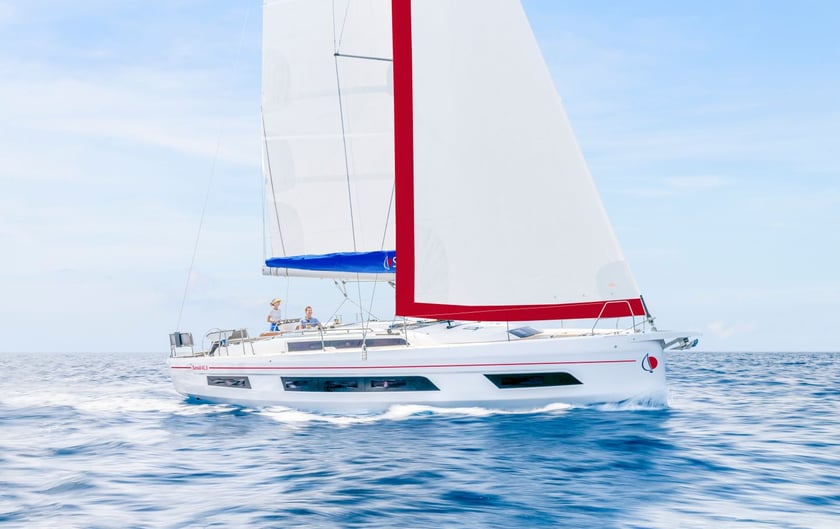
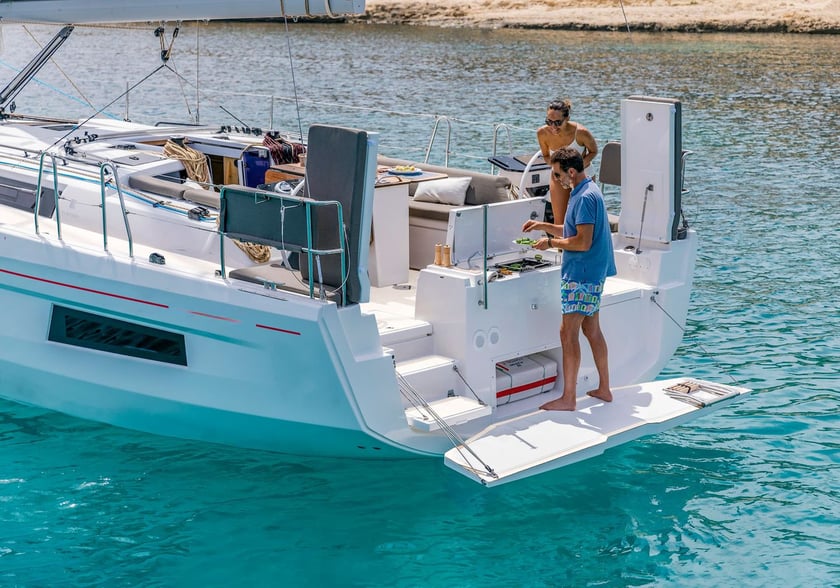
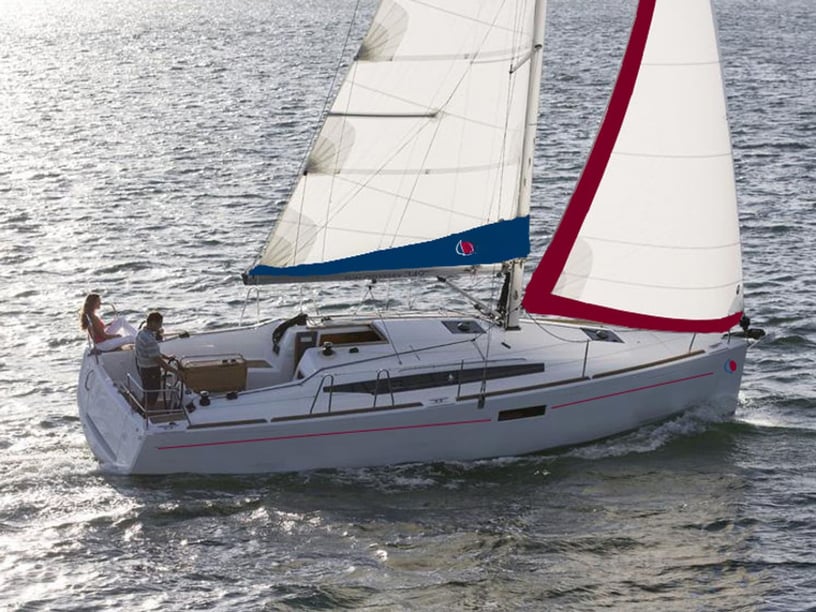
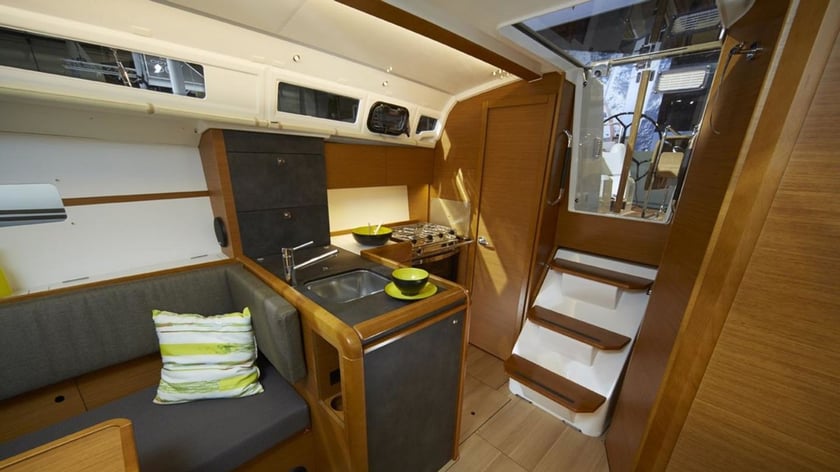
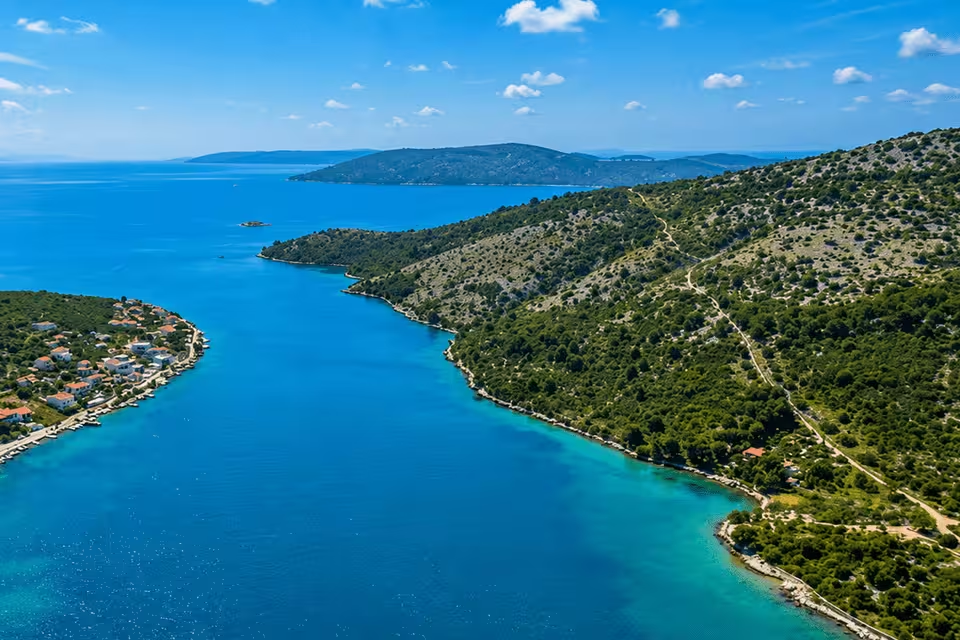
Yacht charter in Marina
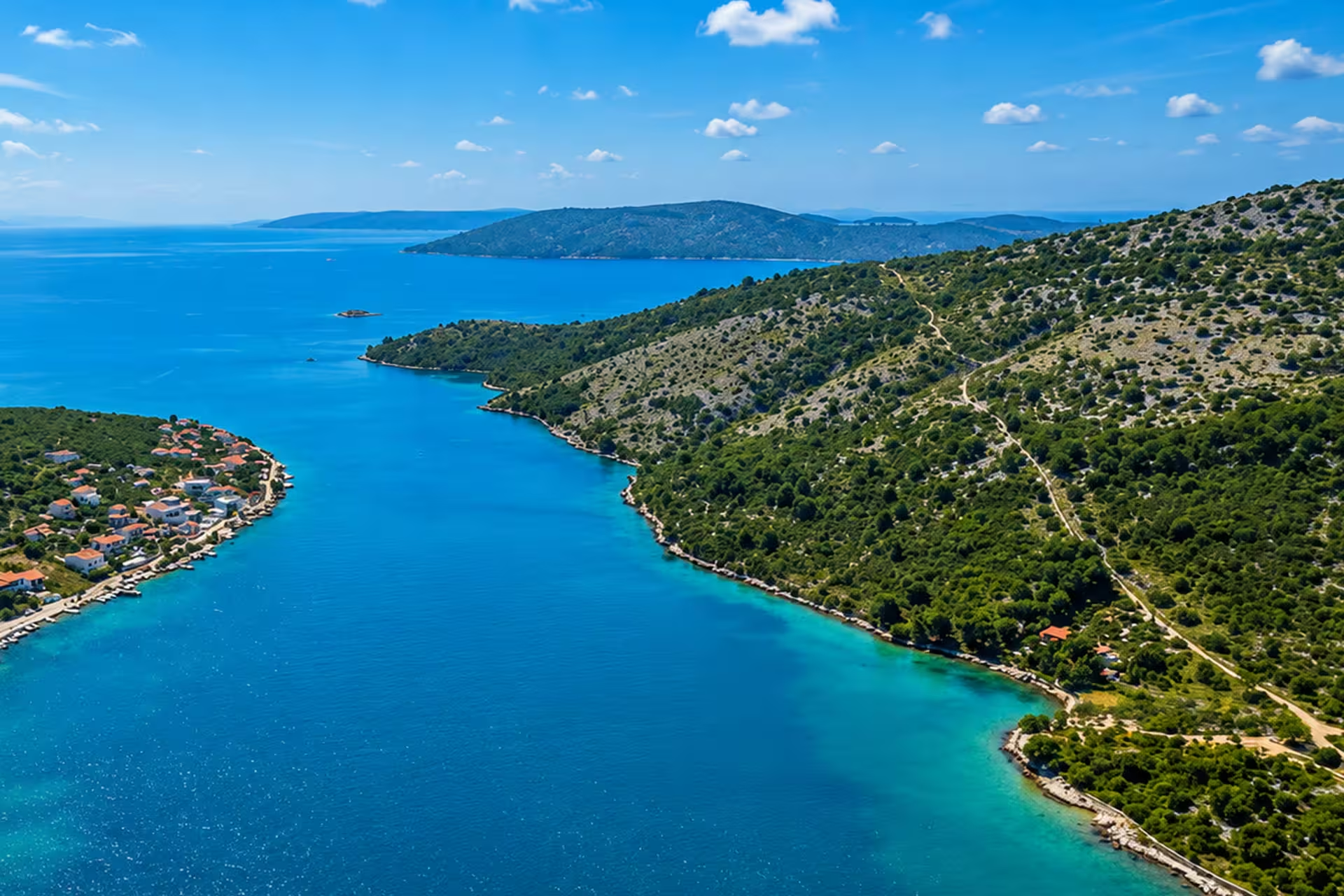
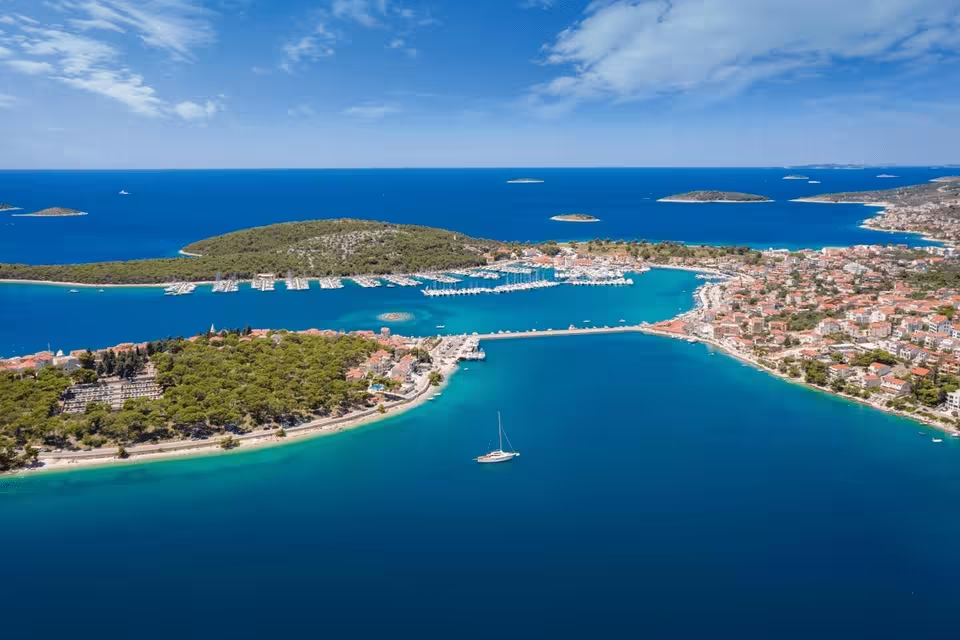
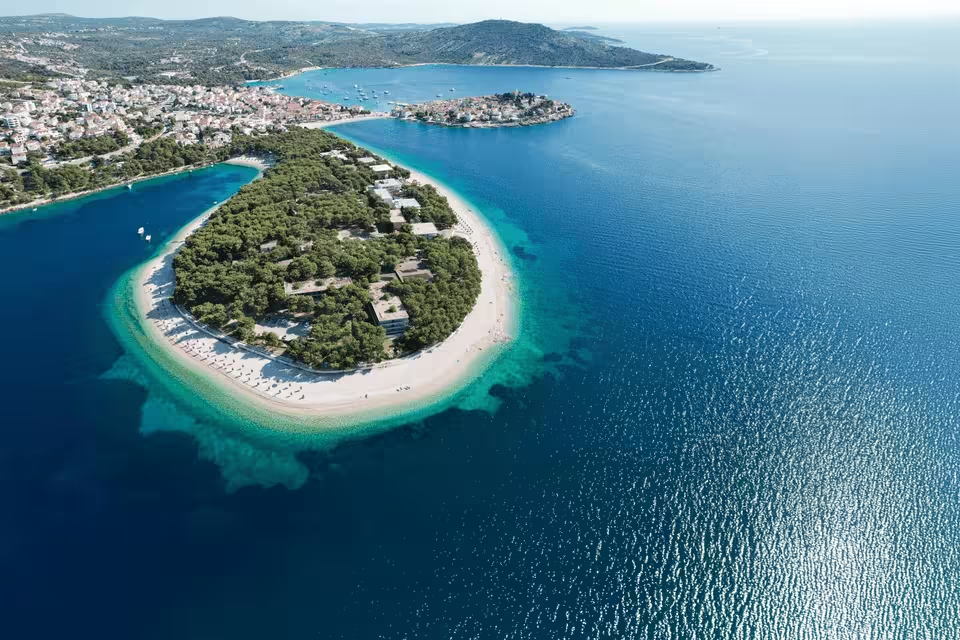
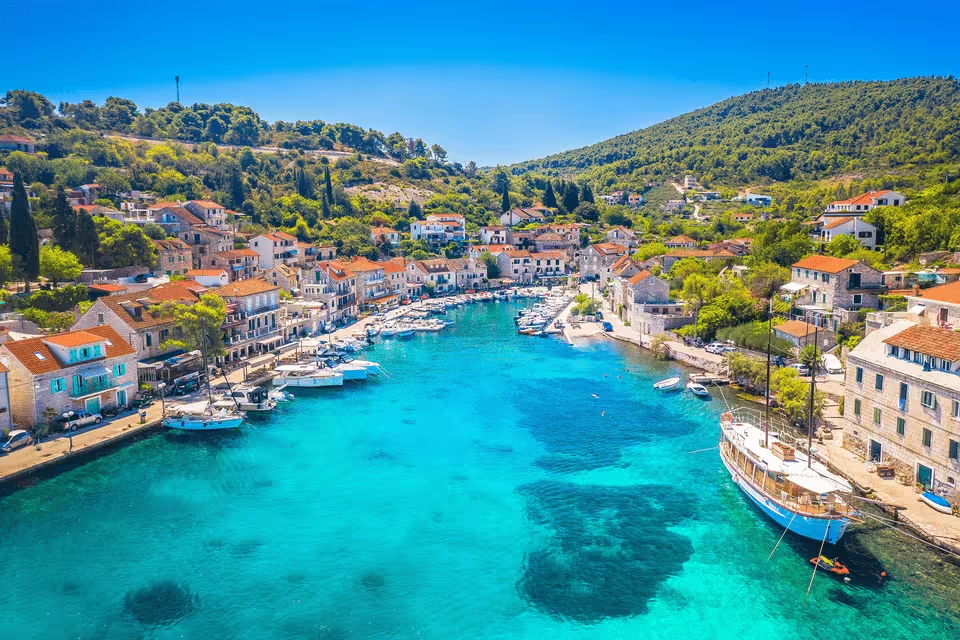
Marina is a small Central Dalmatian settlement at the sheltered head of Marina Bay, west of Trogir. Low karst hills and an olive-growing hinterland frame a waterfront centered on Marina Agana, while an indented peninsula separates the bay from nearby Vinišće. This combination gives a yacht charter in Marina two distinct advantages: a relatively protected starting area and straightforward access to islands, coastal towns and longer Adriatic passages.
The village remains quieter than the region’s larger ports, with fishing, agriculture and olive cultivation forming part of its character. It can serve both as a departure point and as a low-key coastal stop. Its position is especially useful for travelers who want to choose between short island hops and wider itineraries through Central Dalmatia. For a broader view of cruising areas and charter planning, see yacht charter in Croatia.
Islands, bays and coastal towns to explore
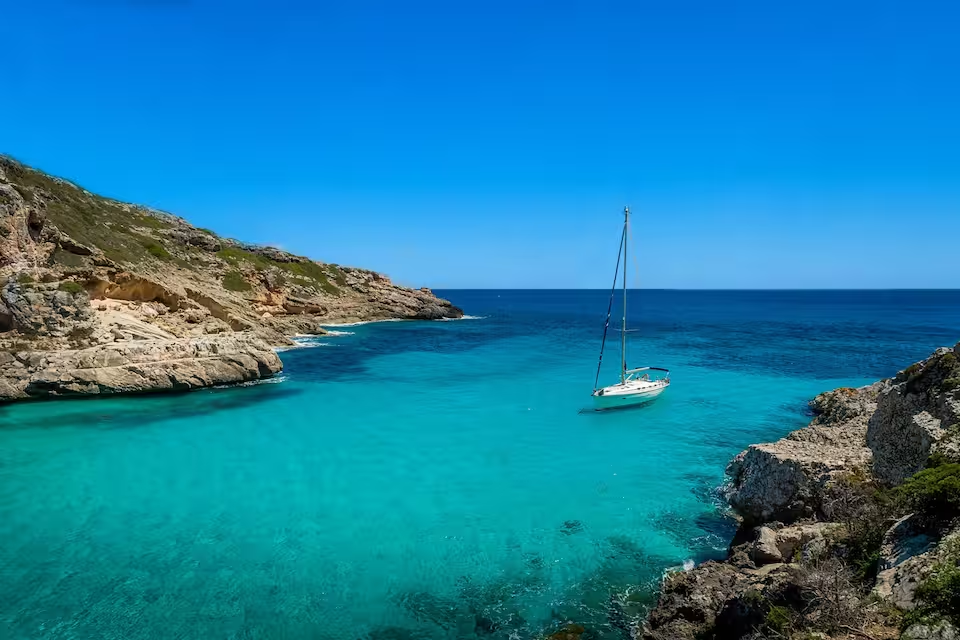
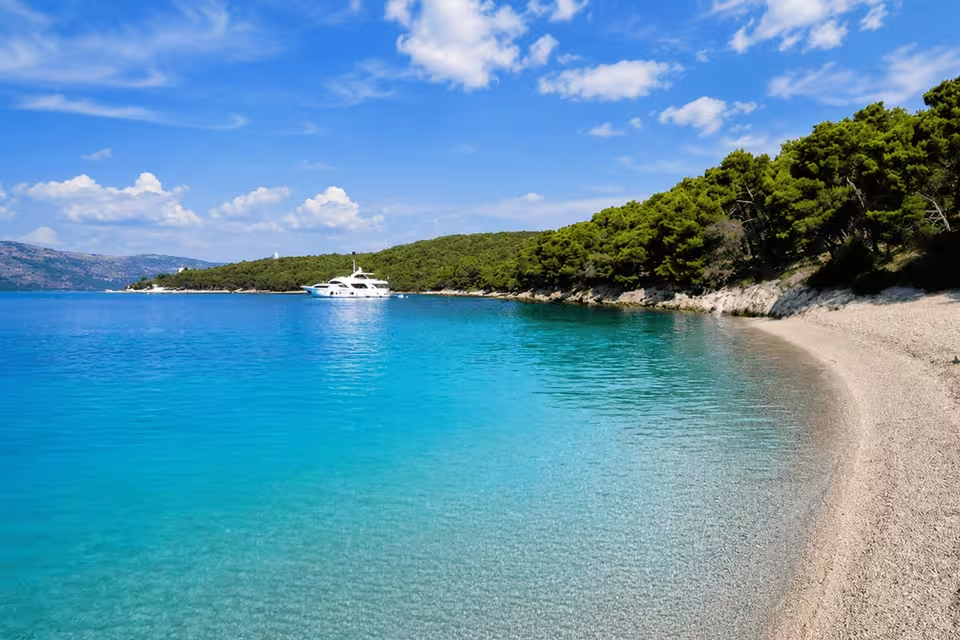
The Drvenik islands and western Šolta are the most immediate cruising grounds offshore. Drvenik Veli, Drvenik Mali and bays such as Krknjaši offer opportunities to combine manageable passages with time at anchor and swimming. On Šolta, Maslinica and Šešula Bay can fit naturally into a short route from Marina, making the island useful for either a first overnight stop or part of a longer circuit.
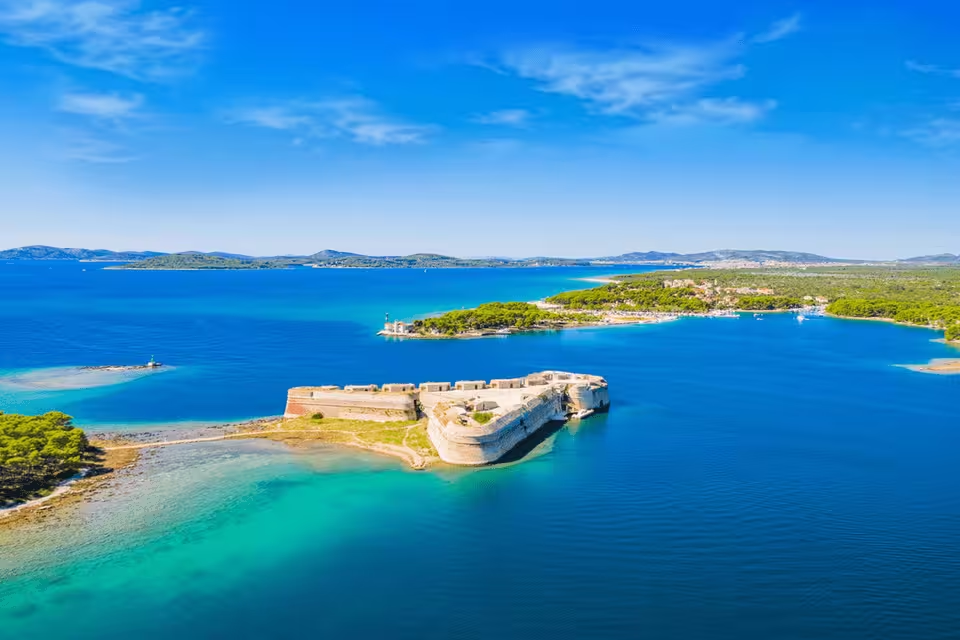
Along the mainland, Vinišće provides another bay-based destination close to Marina. Farther east, Trogir adds a strong historical dimension to the trip and is within easy reach by road as well as by sea. Northward routes may include Rogoznica and continue toward Šibenik, the Krka River and the Kornati archipelago. Southbound itineraries can extend to Brač, Hvar and Vis, although these involve longer passages across more exposed water.
What sailing from Marina is like
Cruising begins within the comparatively sheltered waters of Marina Bay. Short, visually straightforward passages toward the Drvenik islands and western Šolta make it possible to build an itinerary gradually before committing to longer crossings. Trips toward Vis, Hvar and Brač encounter more open water, while northern routes tend to follow the coast before turning toward Šibenik, the Krka River or Kornati.
Summer usually brings calm to moderate seas, a small tidal range and light to moderate winds. An afternoon thermal breeze often strengthens conditions later in the day, so passage timing can shape how relaxed or active the sailing feels. The main weather considerations are the northeasterly bura, which may arrive with sudden strong gusts, and the southeasterly jugo or sirocco, associated with cloud, rain and rougher seas. Forecasts therefore matter even when the planned distances are short.
Best time for a Marina yacht charter
The principal recreational boating season runs from May through October. June and September are particularly suitable months, combining warm conditions with generally settled summer sailing. July and August are also firmly within the main season, but popular town quays, marina berths and organized mooring fields can become busy.
May and October are cooler and somewhat less consistent, yet they remain practical shoulder-season choices for travelers comfortable with more variable weather and reduced seasonal services. Some charter activity begins in April. From late autumn through winter, cooler, wetter and windier conditions limit recreational boating and make flexible passage planning increasingly important.
Southern island circuits and northern routes
A commonly used seven-day southern circuit links Marina with anchorages and harbors on Šolta before continuing toward Vis, Hvar and Brač. This direction suits travelers who want to combine island settlements, swimming stops and several longer crossings. The route can be shortened around the Drvenik islands and Šolta when less time is available or a gentler cruising rhythm is preferred.
The alternative northern circuit heads along the coast through Sićenica toward Skradin and the Krka River, then connects Zlarin, Kornati National Park, Žirje and Rogoznica before returning to Marina. It offers a different balance of river scenery, coastal ports and archipelago cruising. Actual stop selection should remain flexible because bura or jugo conditions can quickly change the suitability of exposed passages.
Life on the water and ashore
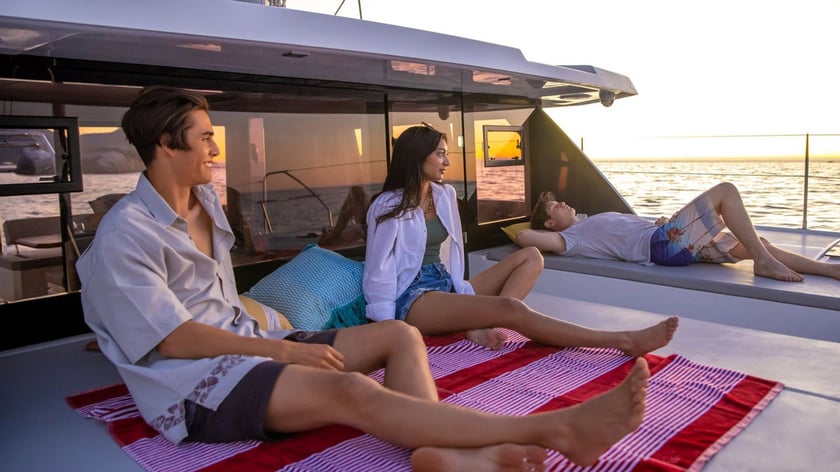
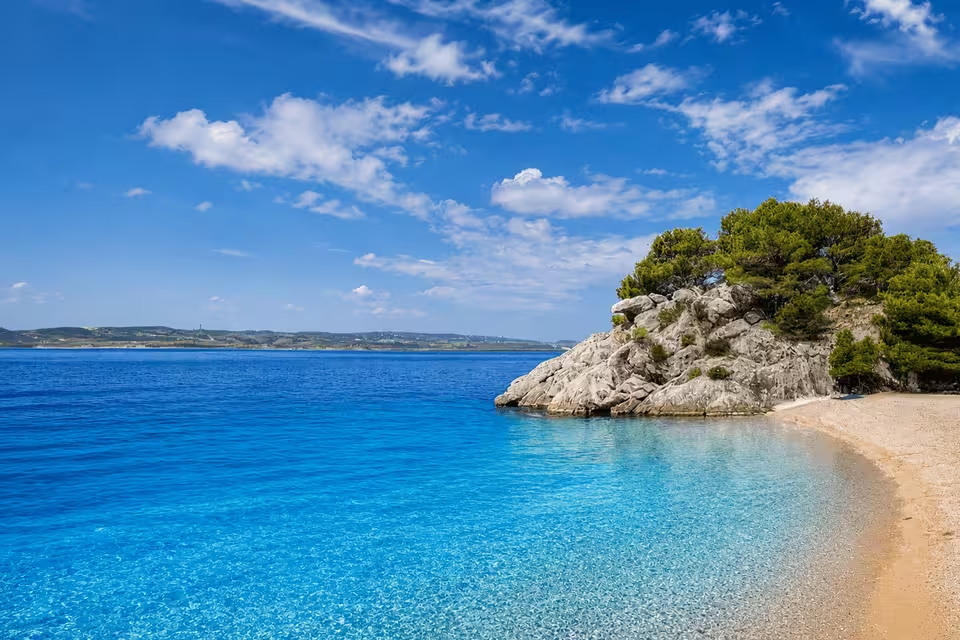
A charter around Marina can alternate short cruising periods with swimming, quiet anchorages and meals ashore. Local culinary traditions are closely associated with fresh fish, seasonal vegetables and olive oil, reflecting the settlement’s long relationship with fishing and coastal agriculture.
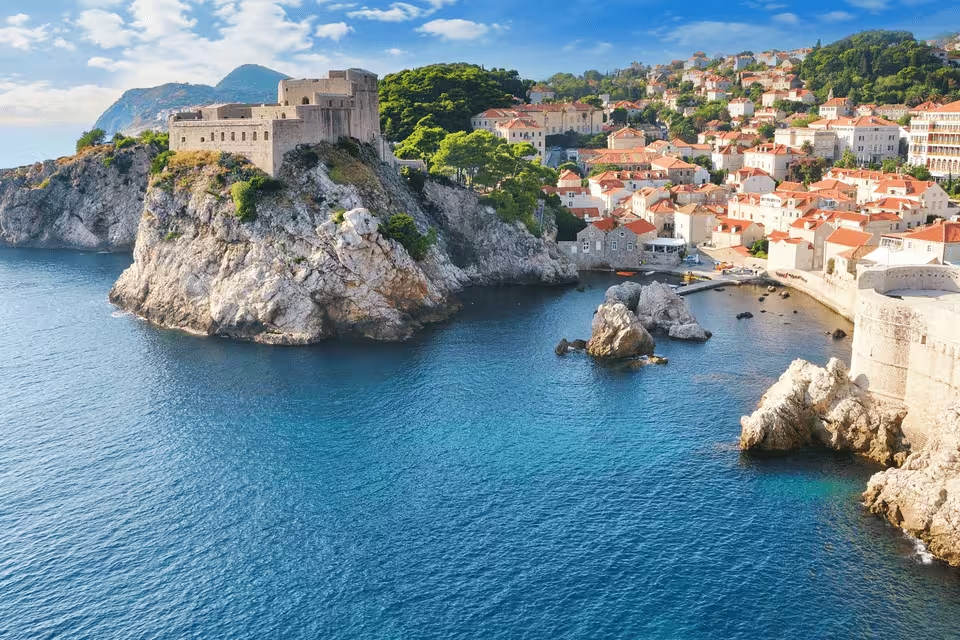
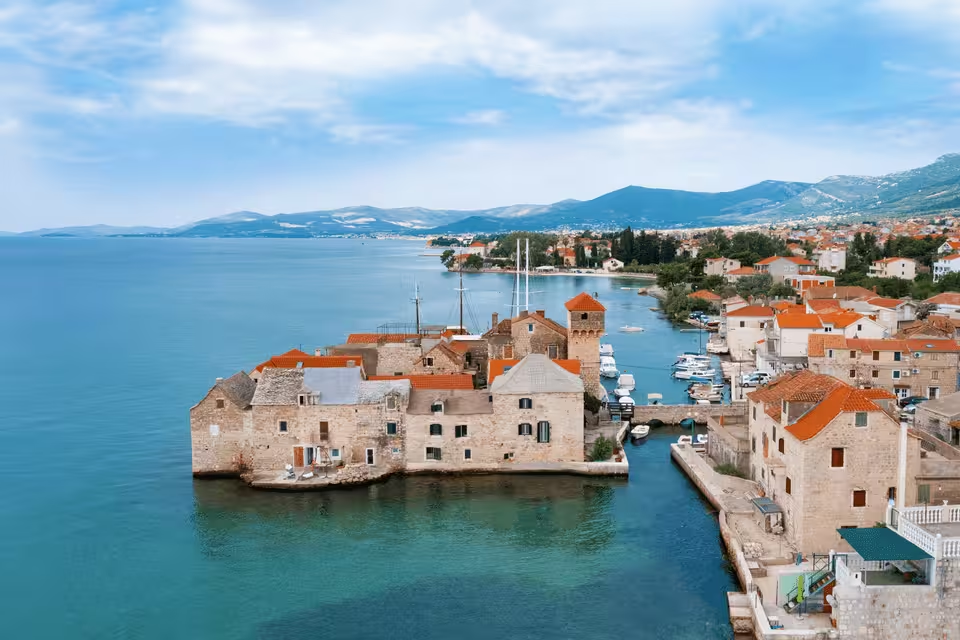
Marina’s principal landmark is Kaštil, the fortified Bishop’s Tower built on rocks in the bay between 1495 and 1500. It forms a distinctive focal point on the waterfront and recalls the defensive complex developed during a period of Ottoman pressure. Other local sites include the Church of St. Marina, now adapted as an exhibition gallery, and the remains around Drid hill. Travelers wanting a more extensive historical visit can combine the yacht holiday with time in nearby Trogir.
Reaching Marina and departing from Marina Agana
Marina lies on the D8 Adriatic coastal road between Trogir and Rogoznica. Split Airport is approximately 15 kilometers away, making the settlement relatively accessible for travelers arriving by air. Road and bus connections pass through Trogir, while Split provides the nearest major rail, intercity bus and ferry links.
Marina Agana is the local departure point and gives the village a practical role as a yacht base rather than merely a place visited en route. Its facilities include wet and dry berthing, water, electricity, maintenance support, provisioning access and weather information. Standard regional practice includes stern-to Mediterranean mooring with lazy lines at marinas and many town quays.
Planning your charter
When comparing yacht charter or boat rental in Marina, begin with the intended route rather than trying to include every major island. A week can support either a southern island circuit or a northern itinerary toward Krka and Kornati, but combining both would reduce time for swimming, anchoring and going ashore. Groups seeking shorter passages can concentrate on Drvenik Veli, Drvenik Mali, Šolta and the nearby mainland bays.
Travelers considering a bareboat charter should confirm before departure that the skipper and radio certificates held by their party are recognized in Croatia. Marine forecasts should be checked throughout the trip because bura and jugo may require a revised route or an earlier move to shelter. In July and August, plan alternatives to popular berths and town quays rather than relying on a single overnight option. Official Croatian nautical information services provide current guidance on forecasts, ports, anchorages, navigation rules and maritime safety contacts.