Yacht charter around Zadar
Zadar is a historic Adriatic port and a practical gateway to the closely spaced islands of northern Dalmatia. Its old town occupies a low peninsula facing the Zadar Channel, with Ugljan and Pašman forming an island barrier between the mainland and the wider archipelago. Farther offshore, Iž, Rava and Dugi Otok create additional channels, coves and route choices.
A yacht charter in Zadar can therefore combine city time with short passages, swimming stops and quieter island evenings. The area works particularly well for travelers who want flexible island-hopping rather than long daily crossings, while still offering scope for extended cruising toward Telašćica and the Kornati Islands. Those considering other regions can compare the experience with a wider yacht charter in Croatia.
Islands, bays and coastal stops
Ugljan is the natural first step into the archipelago. Preko and Sutomišćica provide inhabited island stops close to Zadar, while nearby Ošljak can form part of a short local cruise. Continuing west leads toward Iž, where Veli Iž adds a village and marina stop to an itinerary built around coves and swimming.
Dugi Otok introduces a stronger contrast between sheltered eastern waters and its more exposed Adriatic side. Sali is well placed for approaching Telašćica Bay, while Božava and Sakarun Bay can be incorporated into northern or western island routes when conditions allow. Brbinjšćica Cove is another possible stop along Dugi Otok, but plans on this outer coast should remain sensitive to wind and sea state.
Farther south, Telašćica Nature Park and the Kornati Islands suit longer charters. Both are protected areas with entry, navigation, anchoring and mooring rules that should be checked before arrival.
What sailing from Zadar is like
Cruising around Zadar generally alternates between sheltered inner channels and short island-to-island passages. The density of the archipelago creates numerous route and shelter alternatives, allowing an itinerary to be adjusted without abandoning the broader trip. This line-of-sight geography is appealing for scenic cruising, but the area is still considered moderately demanding because conditions can change significantly between the inner channels and outer coasts.
Stable summer weather often brings calm mornings followed by a northwesterly daytime sea breeze. Two regional winds deserve particular attention. The gusty northeasterly bura can be especially significant north of Zadar and toward the Velebit coast. The southeasterly jugo may build seas in the channels and make south- or southeast-facing anchorages uncomfortable.
The western side of Dugi Otok is more exposed than the waters between Zadar, Ugljan and the inner islands. Routes involving that coast require closer forecast monitoring and clear alternatives, while inner-archipelago plans usually provide more opportunities to shorten a passage or change shelter.
When to charter
The principal recreational boating season runs from May through October. June and September are particularly suitable months, combining favorable cruising conditions with the opportunity to explore during the broader summer season. July and August bring the warmest, driest and most consistently sunny weather, but they also form the main activity peak.
May and early October can still support rewarding trips, although spring and autumn weather is less consistent and itineraries need more flexibility. Strong winds, rainfall and cooler temperatures become more frequent during the colder part of the year, substantially reducing normal leisure boating in winter.
Whatever the month, the forecast should guide the daily route. A bay that works well in one wind direction may be unsuitable in another, so seasonal expectations never replace local marine forecasts.
Cruising route ideas
A short Zadar Archipelago cruise commonly crosses the channel to Ugljan before continuing toward Iž, Rava or the eastern settlements of Dugi Otok. This pattern suits travelers who prefer manageable stages and the freedom to divide days between cruising, swimming and time ashore.
A frequently used longer circuit runs south through the inner archipelago to Dugi Otok and Telašćica, then continues into the Kornati Islands before returning north. Another option turns toward Molat and the northern islands, potentially linking Ist, Silba, Olib or Premuda. These northern and outer-island routes require daily stages and overnight stops to be adjusted to the forecast rather than fixed too rigidly in advance.
Life aboard and time ashore
The defining experience around Zadar is the contrast between an active historic waterfront and the quieter settlements offshore. A charter can begin or end with a walk through the Roman Forum, the Church of St Donatus and the fortified peninsula. The Defensive System of Zadar forms part of the UNESCO-listed Venetian Works of Defence.
At the waterfront, the Sea Organ uses waves and tides to push air through pipes beneath the steps, creating changing musical tones. The city’s barkajoli, who row passengers across the harbor, continue a tradition documented from at least the 14th century.
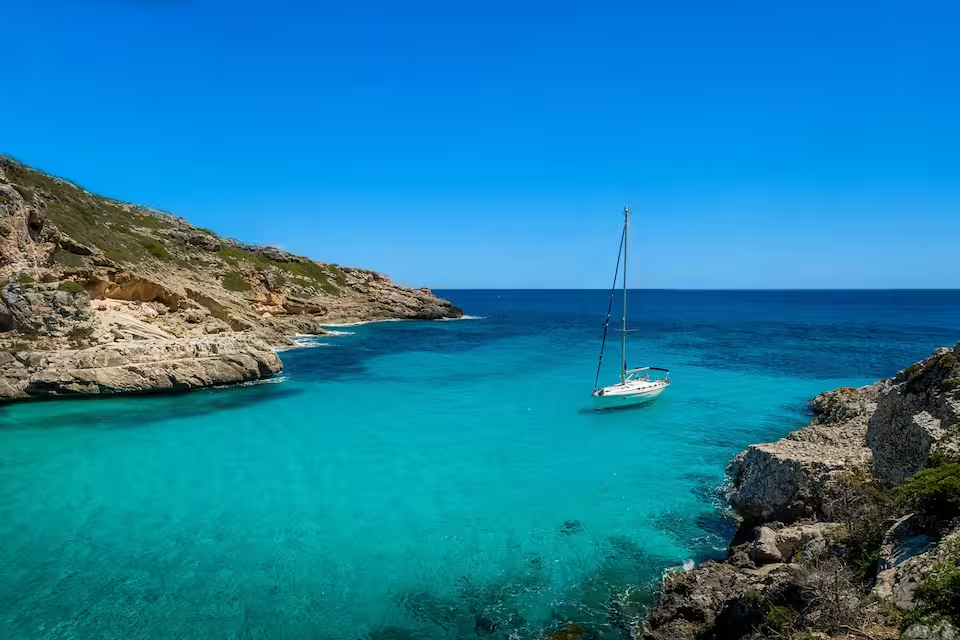
Island days can focus on swimming, sheltered anchoring and short scenic passages. Going ashore also brings the region’s maritime food culture into the trip, including Adriatic fish, shellfish, grilled dishes, brodetto and black cuttlefish risotto. Maraschino, associated with Zadar’s marasca cherry tradition, is another distinct local product.
Getting there and choosing a departure point
Zadar Airport is connected by road and public transport with the city, the main bus station and Gaženica ferry terminal. The city is also accessible from Croatia’s A1 motorway. Travelers arriving or transferring by sea should check the terminal carefully: passenger services may use either Gaženica or the port beside the historic peninsula.
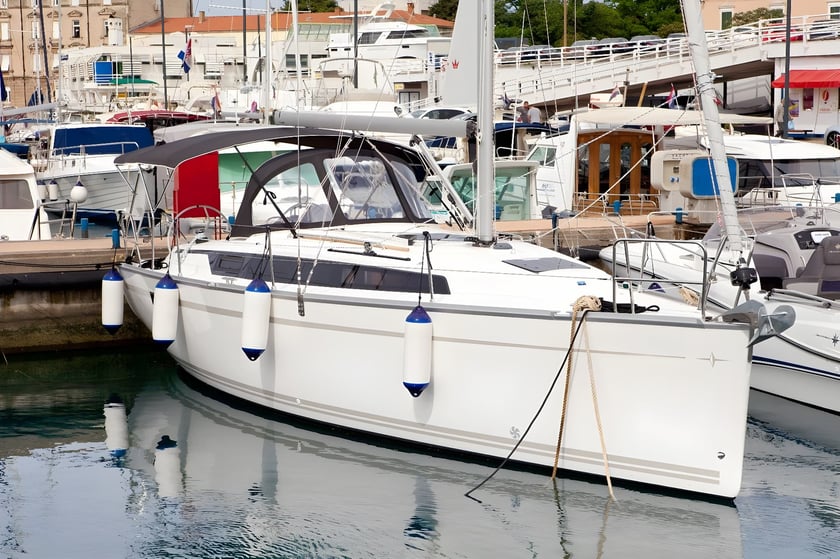
Possible yacht departure points in the area include Marina Zadar, D-Marin Borik, Zadar City Port and Gaženica Port. The large marina area at Sukošan is another relevant starting point south of the city. Marina Preko, Olive Island Marina and Marina Veli Iž support trips within the nearby islands.
Zadar consequently functions as both a destination and a broader departure area. The historic center is worth including in the itinerary, while several marinas around the city and surrounding coast provide access to the same northern Dalmatian cruising grounds.
Planning the right Zadar charter
When researching boat rental in Zadar, begin with the intended route rather than trying to include every island. A trip confined to Ugljan, Iž and the inner channels has a different exposure profile from one that rounds the western coast of Dugi Otok or continues into the Kornati Islands. Match the itinerary to the group’s experience, preferred daily cruising time and willingness to revise plans around the weather.
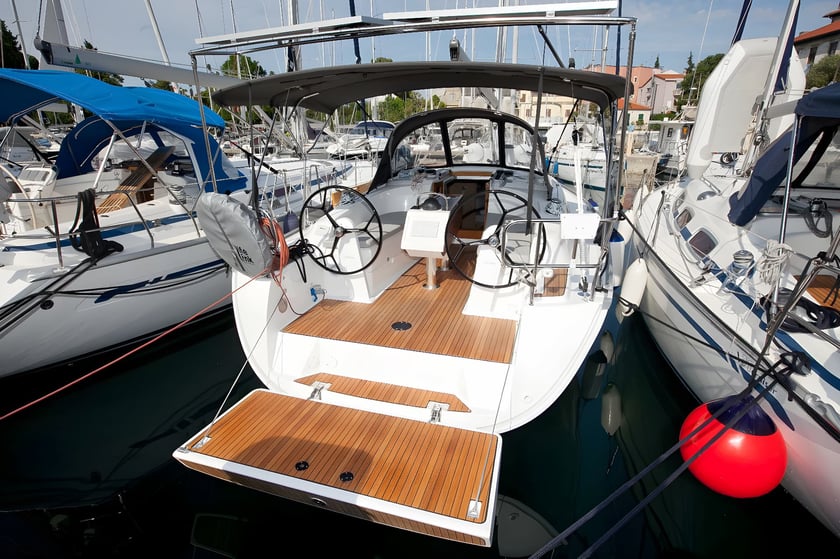
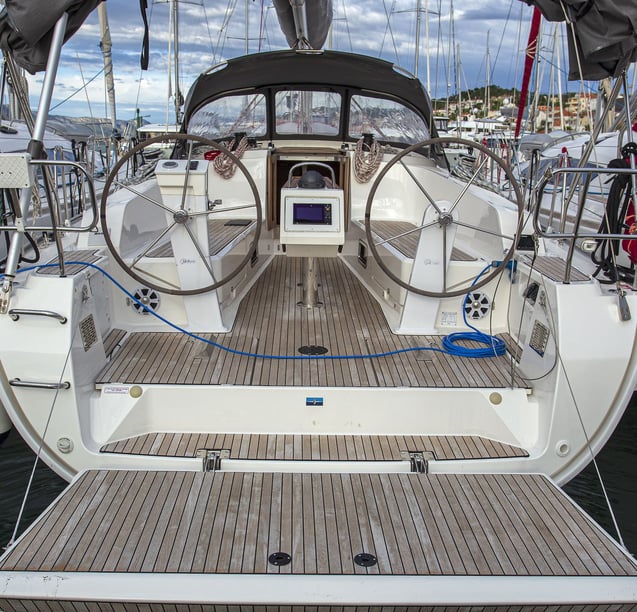
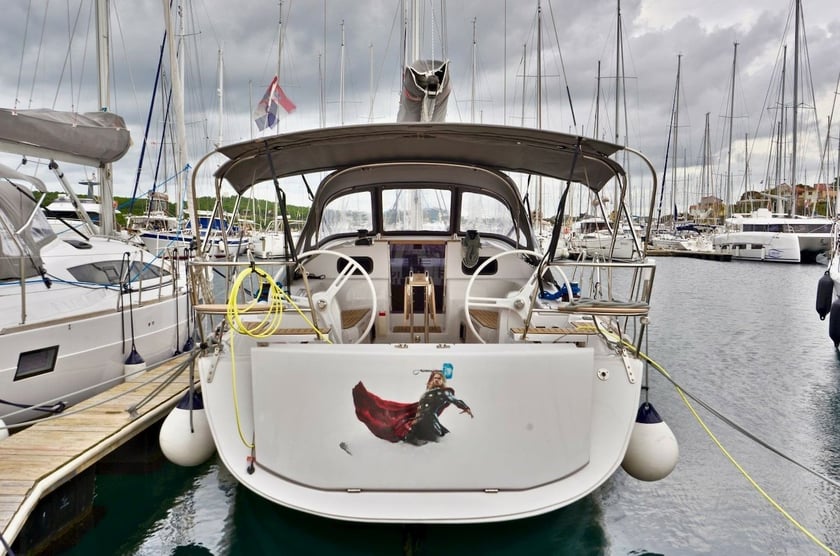
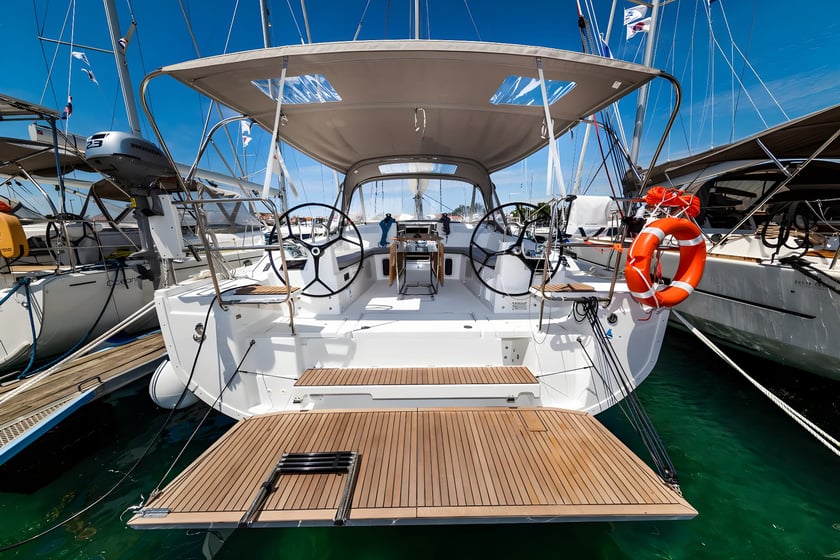
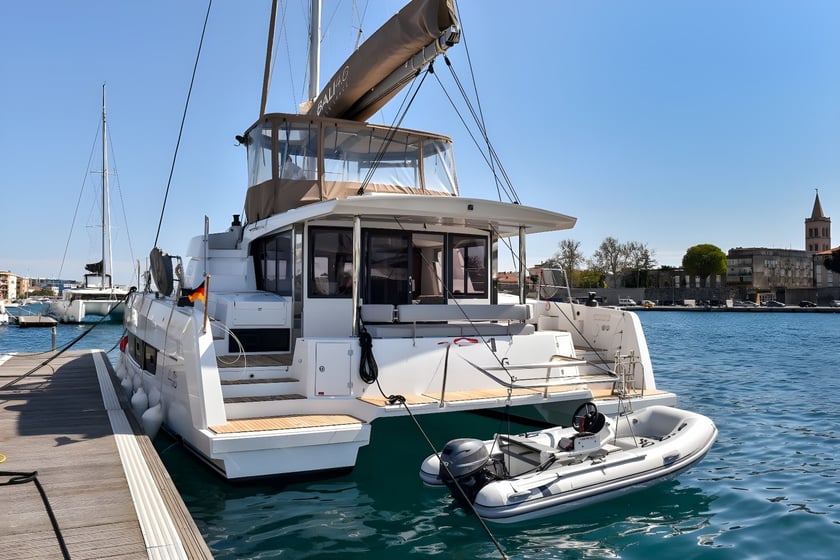
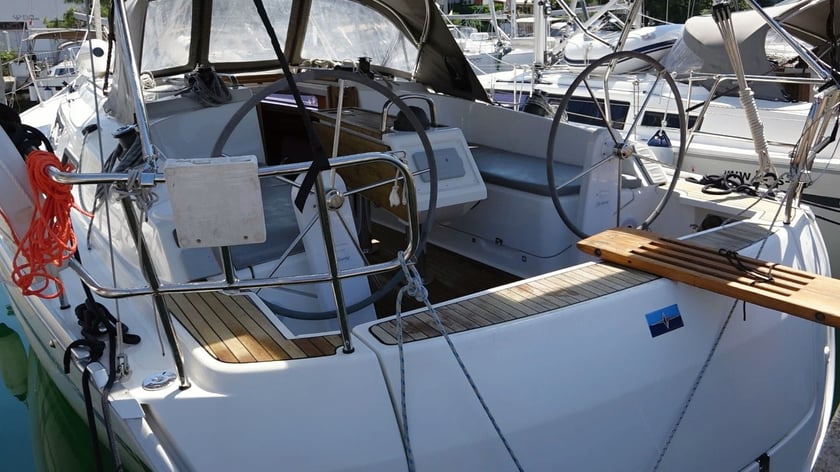
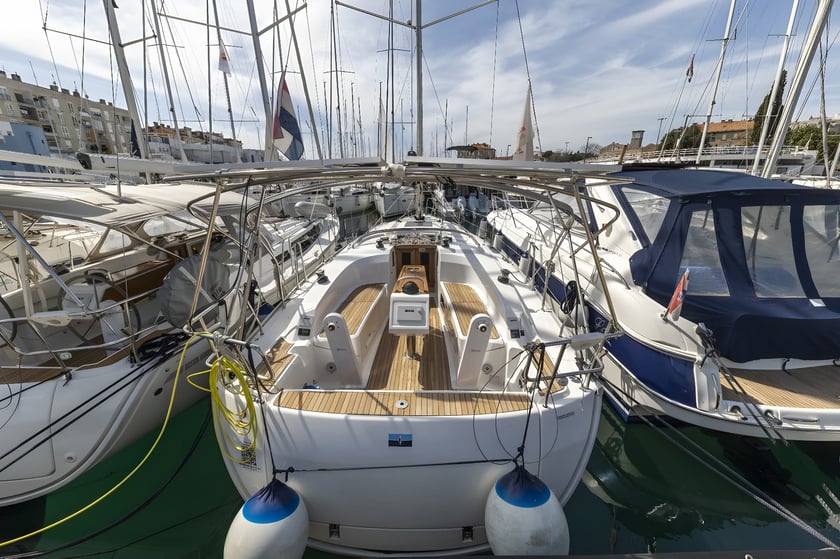
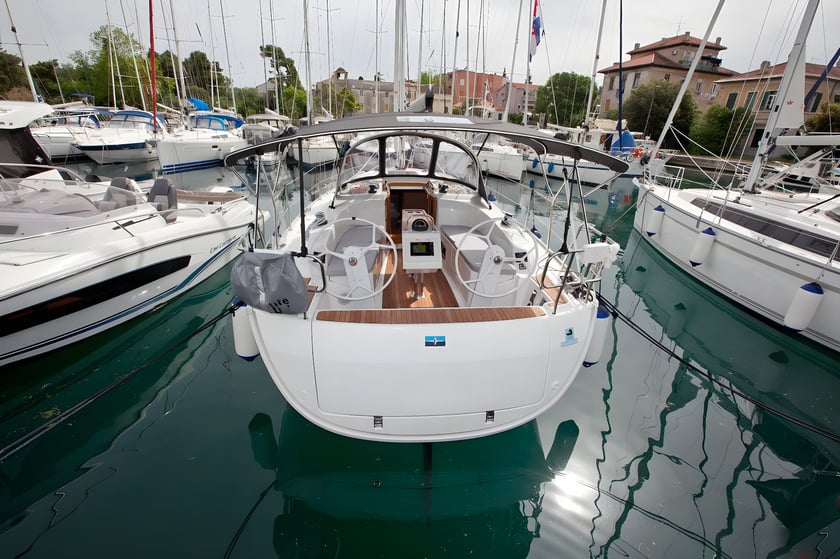
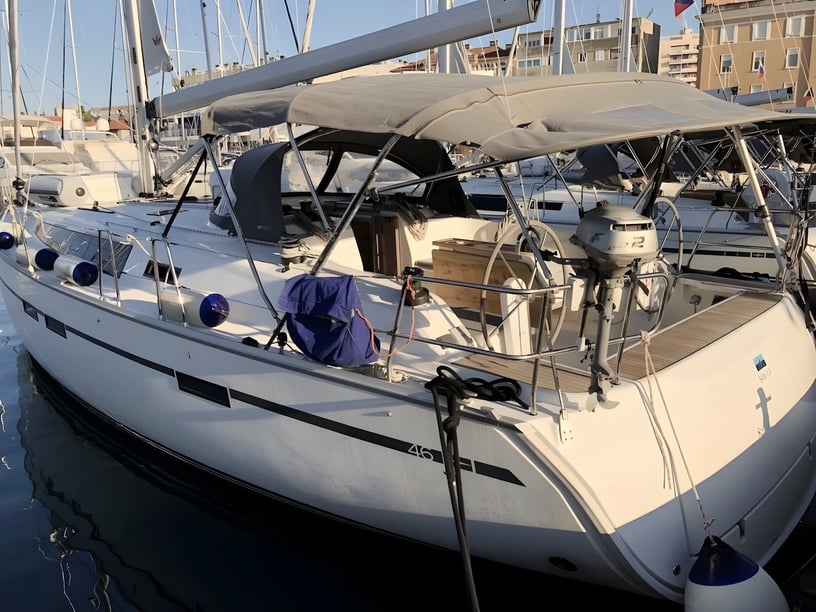
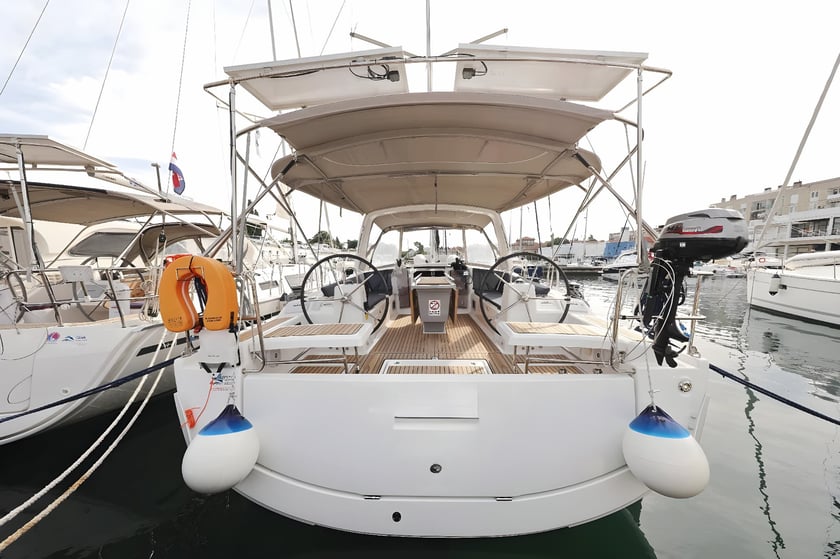
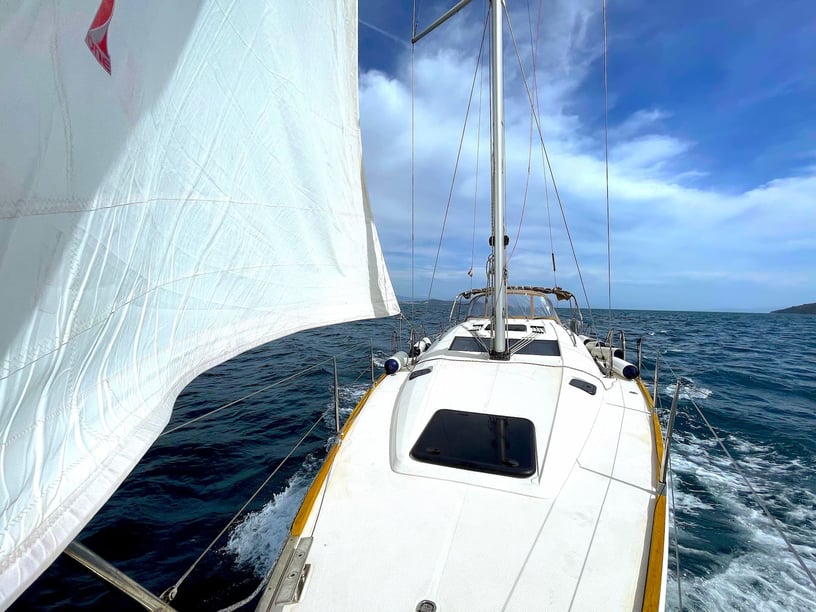
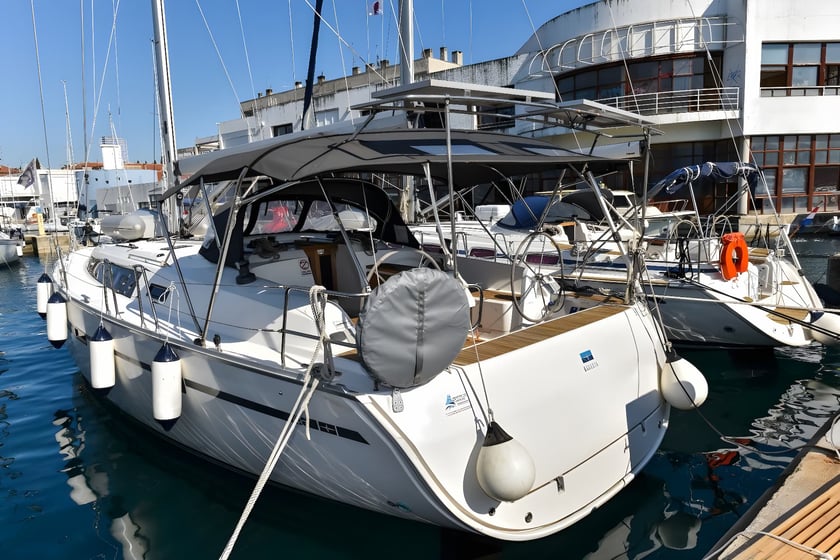
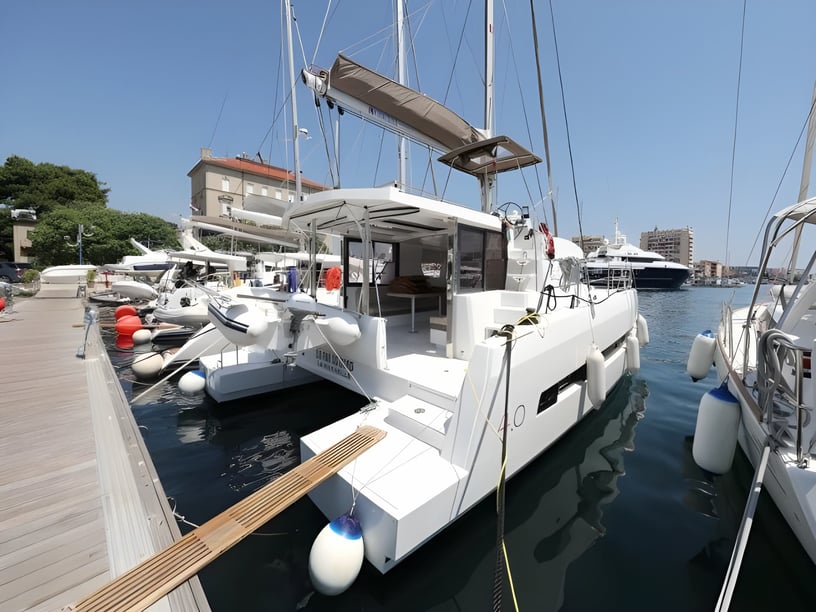
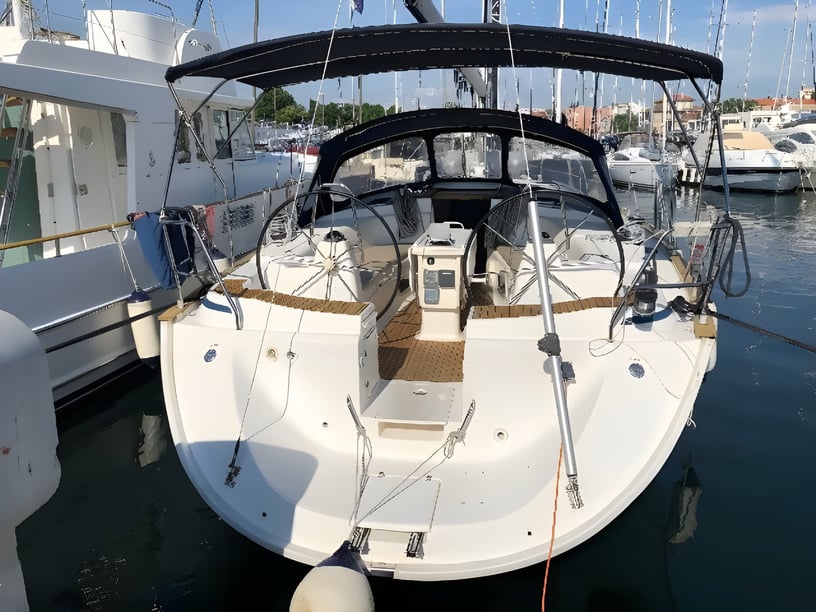
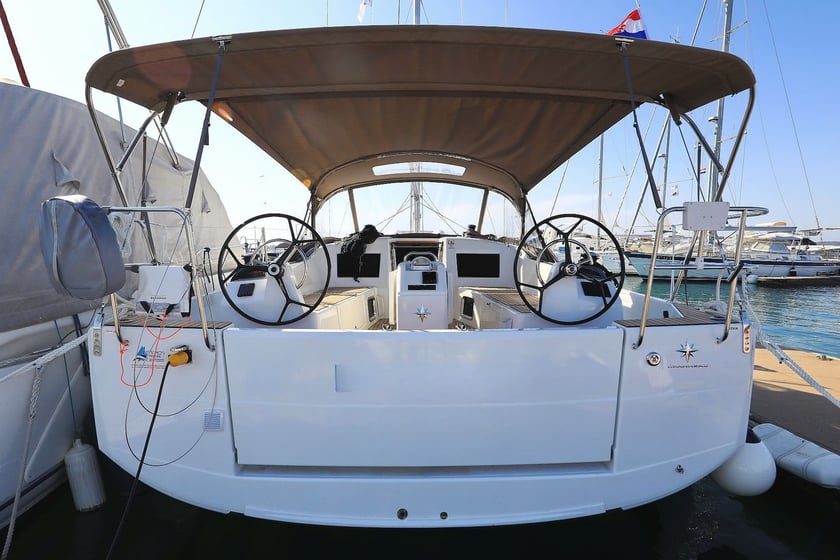
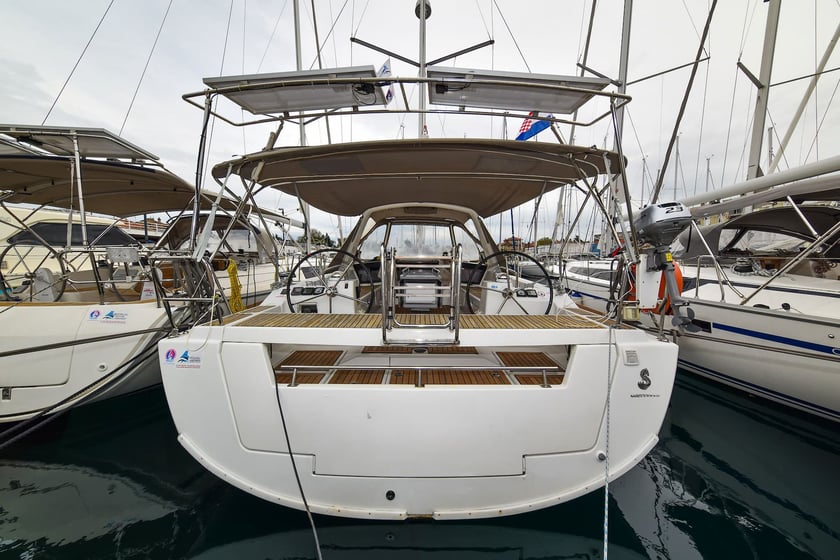
For category-specific trip planning, travelers can compare a sailboat charter in Zadar with a catamaran charter around Zadar. Exact boat specifications, capacity, equipment and charter arrangements should be checked for the selected dates.
Provisioning and technical services are most comprehensive in Zadar and around the large marina area at Sukošan; facilities on smaller islands may be seasonal. Confirm the exact embarkation port, review protected-area rules for Telašćica and Kornati, and check the official Croatian marine forecast before every passage.






Verified
Eoghan O.03 Sep 2026
The boat was pristine when we got it, and I couldn’t fault the service from either Viravira or Sunturist. They were easy to deal with, with clear communication throughout. I also couldn’t fault any of...
Listing owner: TanjaZadar / Croatia