Yacht charter around Šolta
A yacht charter around Šolta combines short passages, sheltered village harbors and relatively undeveloped coves within easy reach of the Central Dalmatian coast. The compact limestone island lies south of Split, between the Split Channel and the Šolta Channel, with the narrow Split Gates separating its eastern end from Brač.
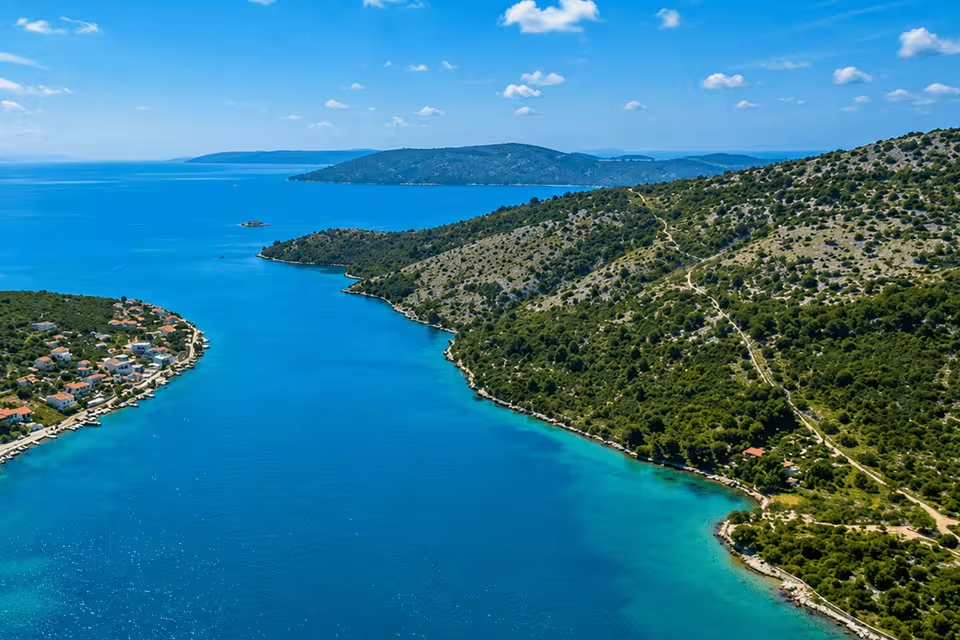
Most settlements and protected inlets are found along the northern and western shores. The southern coast is more rugged, exposed and sparsely developed, giving yacht crews a choice between harbors with facilities and quieter stops where planning ahead matters. Šolta can be explored as a destination in its own right, but it also fits naturally into wider yacht charter itineraries in Croatia, particularly routes connecting Split or Trogir with Brač, Hvar and Vis.
Harbors, bays and coves to explore
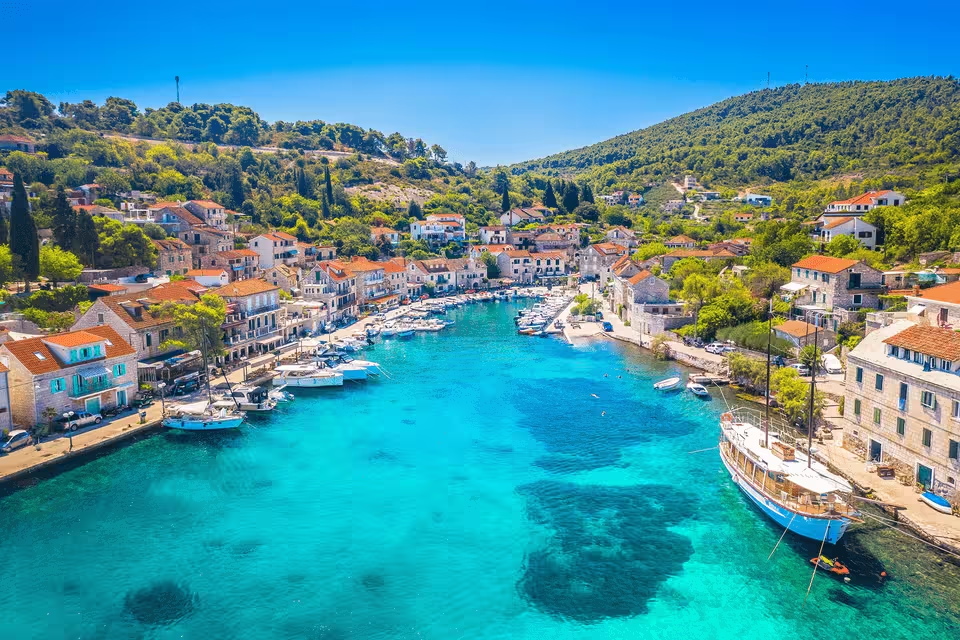
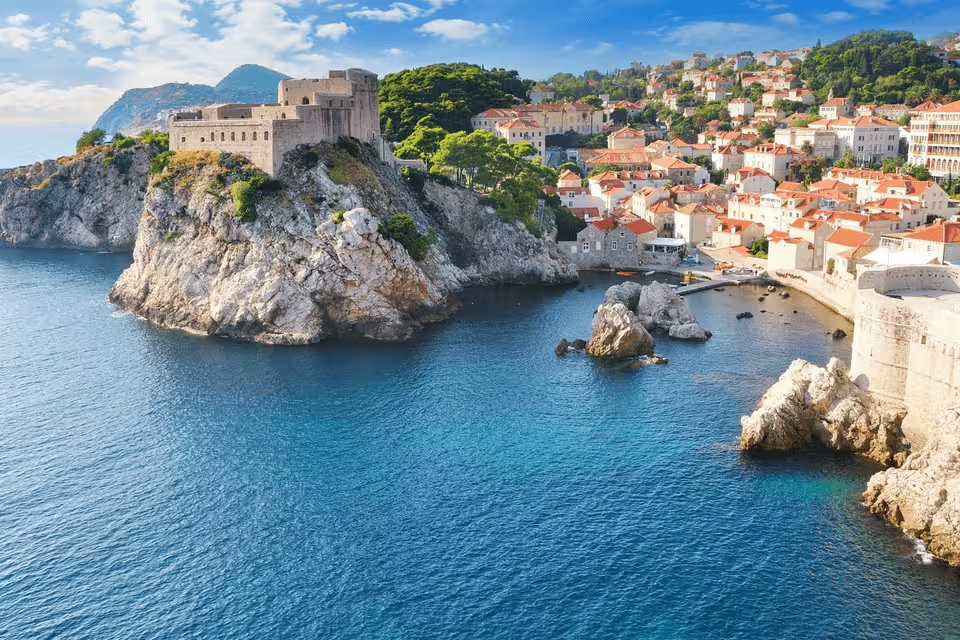
Maslinica is the island’s principal marina setting and an appealing western gateway. Its harbor faces seven small islets, creating a compact area for coastal exploration, while the restored Marchi family castle provides a distinctive backdrop ashore. Nearby Šešula Bay is deeply indented and offers useful shelter, though conditions still depend on wind direction.
On the north coast, Rogač is Šolta’s ferry port and a practical point of arrival, while Nečujam occupies a large bay divided into several smaller coves. Piškera Cove contains submerged Roman-period structures traditionally associated with an ancient fishpond. Farther east, Stomorska has a waterfront shaped by fishing, maritime trade and the island’s wooden-vessel tradition.
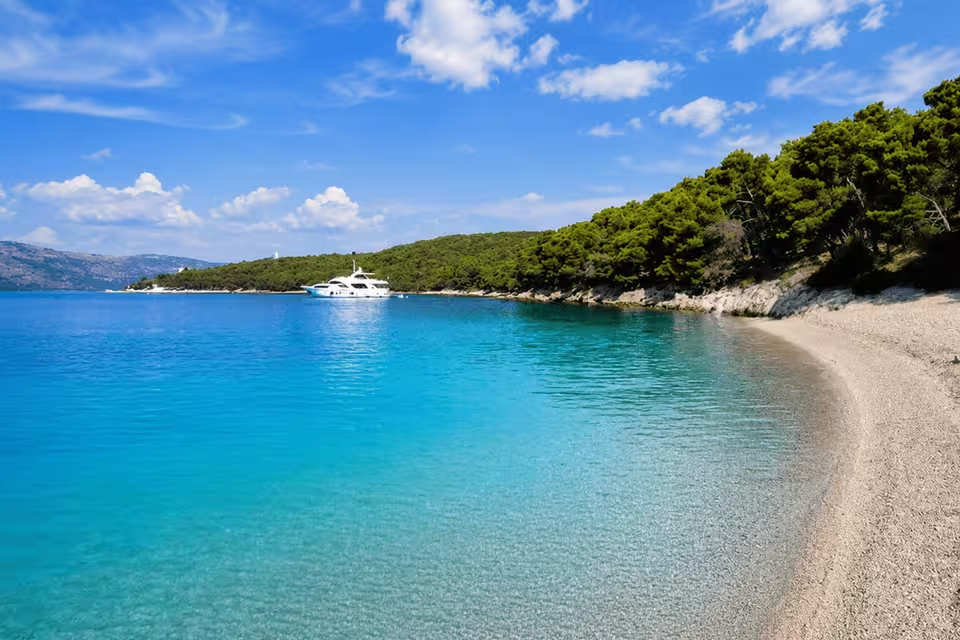
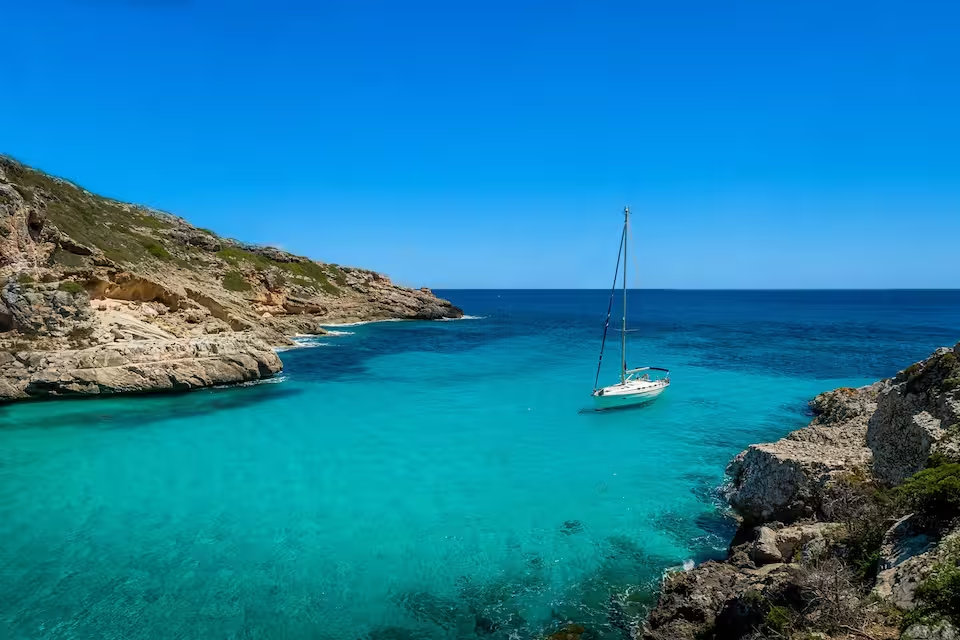
The southern shore offers a different experience. Coves such as Tatinja, Senjska and Stračinska have comparatively limited development and suit crews looking to anchor away from the principal settlements. They are more exposed to open-water swell, however, and generally have fewer services.
Sailing conditions and cruising character
Cruising around Šolta is characterized by short, line-of-sight legs along the inhabited north coast and anchorage-hopping near Maslinica. The island’s moderate sailing difficulty reflects the contrast between deeply sheltered bays and more exposed waters. Nečujam and Šešula provide substantial natural protection in suitable conditions, whereas the southern shore and the approaches to Split Gates require more careful weather assessment.
Summer often brings settled weather and a moderate afternoon maestral from the northwest or west. The northeasterly bura can arrive with strong gusts, while the southeasterly jugo is steadier and may build uncomfortable seas in exposed areas. These winds are generally more influential outside high summer, but forecasts remain important throughout the season. Traffic awareness is also necessary in the Split Channel and around Split Gates, where ferries and other commercial vessels share the water.
Best time for a Šolta yacht charter
The main recreational boating season runs from May through October. June and September are particularly suitable months, combining warm conditions with a strong likelihood of enjoyable sailing. September can also feel less pressured than the July and August activity peak, although weather and availability vary.
July and August bring the warmest, sunniest conditions and the greatest seasonal activity. Travelers planning for these months should arrange preferred berths and overnight stops early. May often offers favorable sailing with less peak-season pressure, while April and October are possible but cooler and less consistent. Winter is less suited to leisure cruising because of lower temperatures, increased rainfall and more frequent strong-wind systems.
Route ideas around Šolta
A crossing between Split and Maslinica is commonly used as the first or final leg of a Central Dalmatian itinerary. Šolta can then serve as a stepping stone toward Brač, Hvar or Vis rather than requiring a long initial passage.
A coastal circuit of the island can connect Maslinica and Šešula with the southern coves, Livka and Split Gates before continuing to Stomorska and the north coast. This route is weather-dependent because the south is more exposed. For a longer trip, Šolta also fits into an established multi-island loop linking Split, Brač, Hvar, Vis, Rogač and Trogir.
Life on the water and ashore
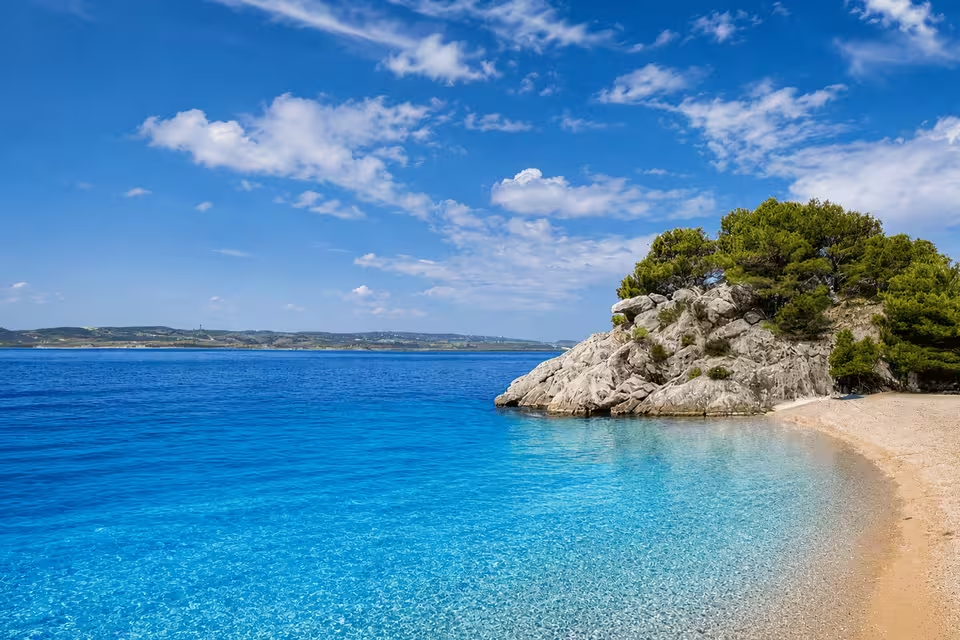
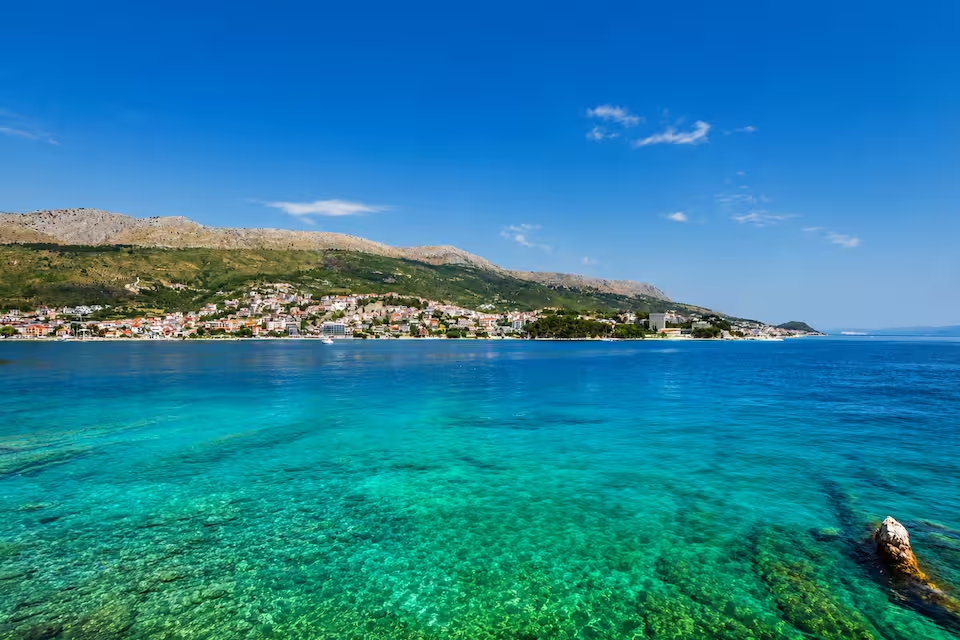
A charter around Šolta can balance swimming and quiet anchoring with time in working coastal settlements. The bays along the north and west coasts make it practical to divide the day between short cruises and going ashore, while the southern coves offer a more secluded setting when weather conditions allow.
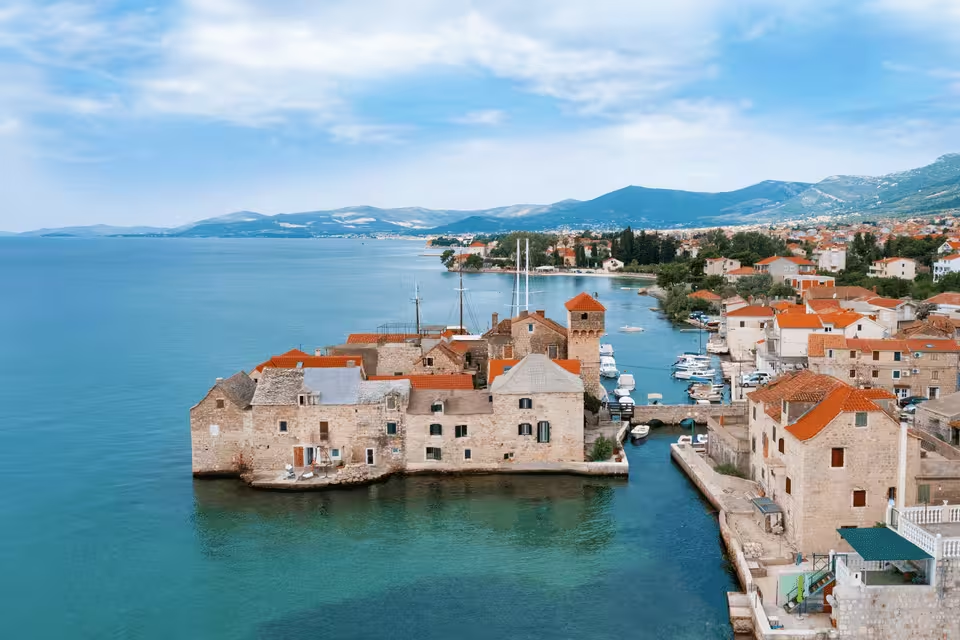
The island’s maritime history is especially visible in Stomorska, whose seafarers once carried agricultural produce, limestone and other goods to mainland ports. Maslinica developed around the fortified Marchi castle, built in 1708 in response to pirate threats. Inland, Grohote adds stone-built Dalmatian character and historic landmarks to the coastal itinerary.
Food is another reason to include time ashore. Šolta is associated with protected-origin olive oil produced principally from the indigenous Levantinka, also known as Šoltanka, and Oblica varieties. The dark-skinned Dobričić grape and island honey provide further links to the island’s agricultural traditions.
Access, marinas and departure points
Šolta is reached principally by passenger ferry or catamaran from Split to Rogač. Split Airport is the main air gateway, followed by a road transfer to Split’s passenger port. Seasonal ferry, catamaran and island-bus schedules should be checked before travel; local buses connect Rogač with Grohote, Maslinica, Nečujam and Stomorska.
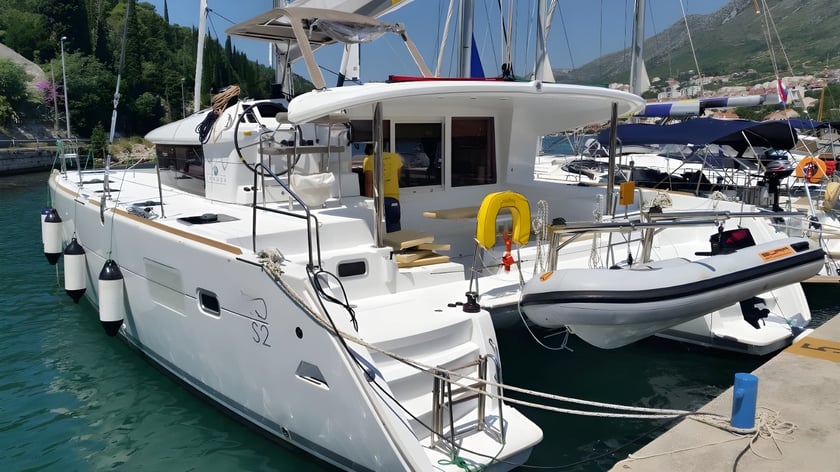
The island is both a place to explore and a possible point within a broader charter itinerary, rather than necessarily the main departure base for every trip. Martinis Marchi Marina in Maslinica provides the island’s principal marina environment. Many itineraries instead begin in Split or Trogir and cross to Šolta as an early stop, making mainland transport arrangements and yacht embarkation times important parts of the plan.
Planning your charter
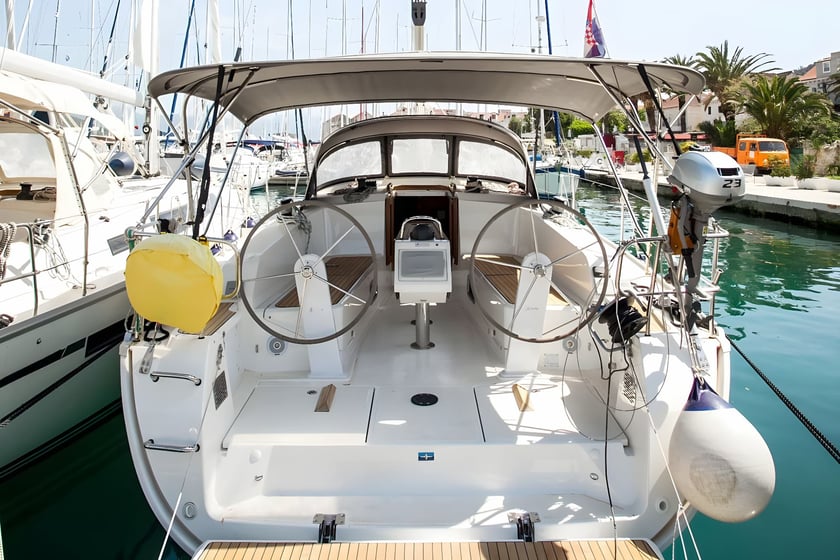
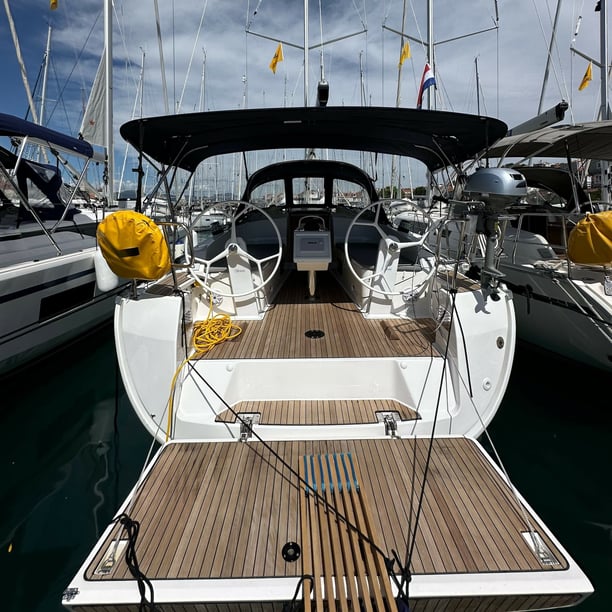
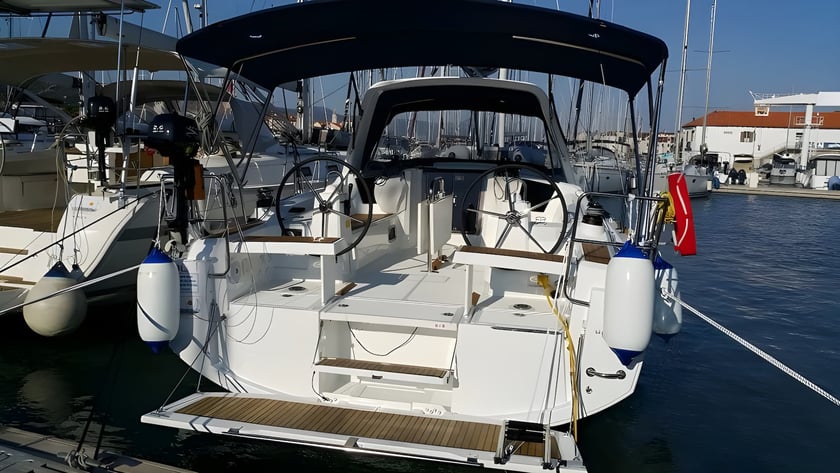
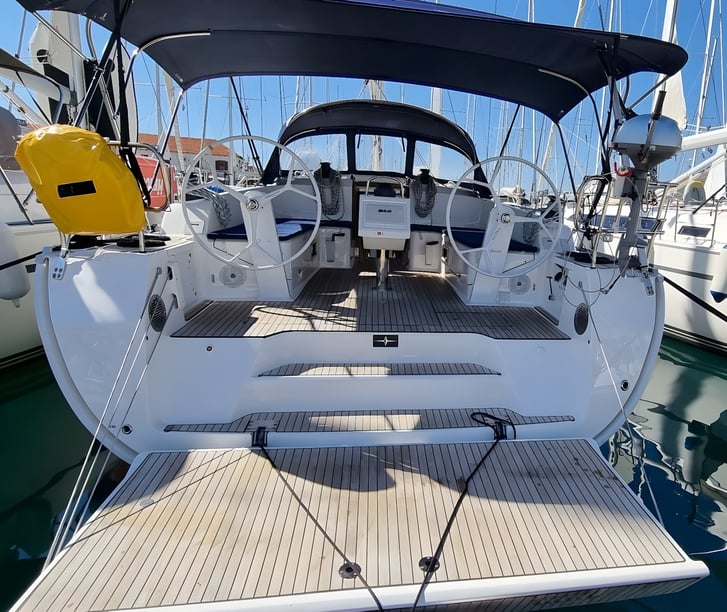
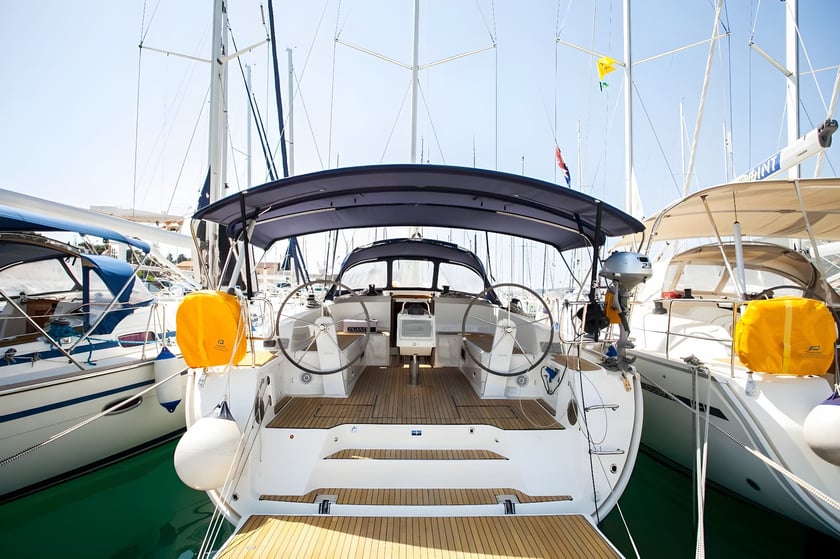
When comparing options for Šolta boat rental or a longer yacht charter, first confirm the actual embarkation and return port. An itinerary described around Šolta may begin on the mainland, so transfer time between Split Airport, the passenger port and the relevant marina should be included in the schedule.
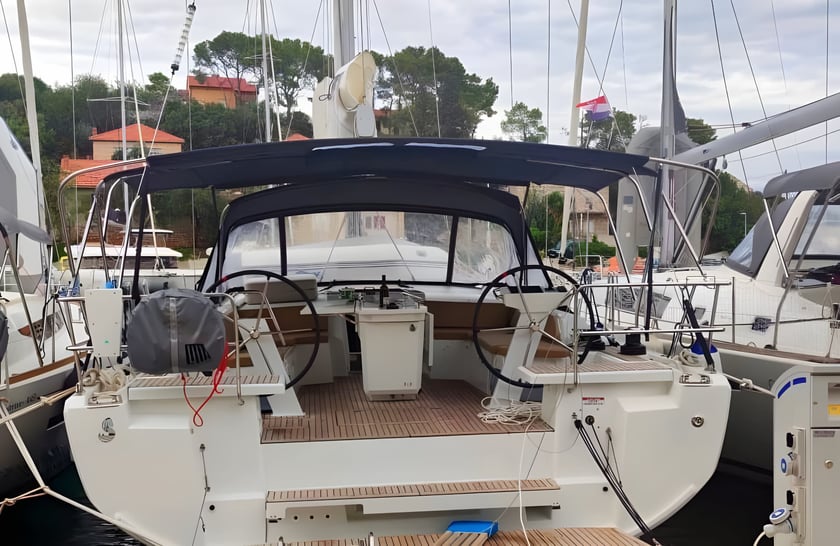
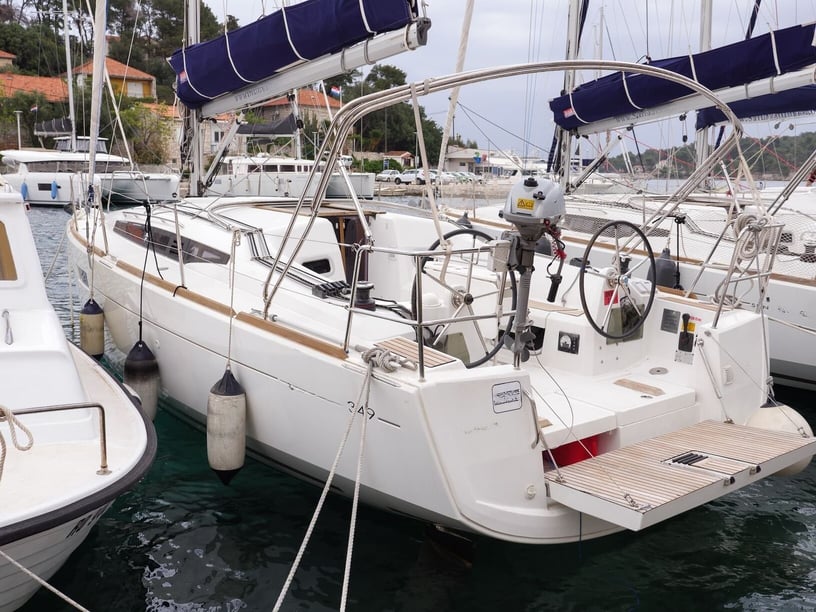
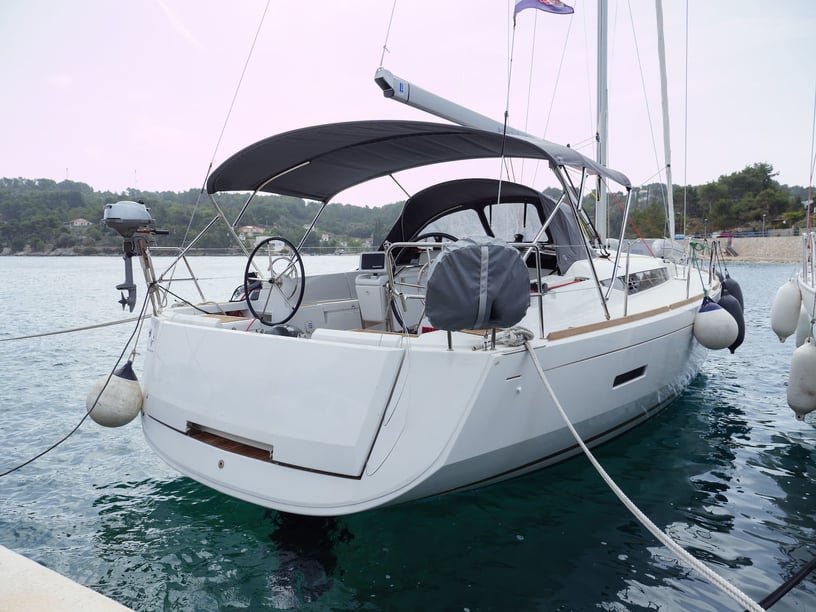
Route planning should account for the contrast between serviced settlements and the less developed southern coves. Crews intending to spend time on the south coast should organize water, provisions and overnight alternatives in advance. Boat size, handling characteristics and the experience of the skipper should also suit a cruising area where shelter varies markedly with wind direction.
Before each passage, consult the current official marine forecast and verify local anchoring or mooring rules. Up-to-date nautical charts and notices are particularly important near Split Gates and in busy channels. A flexible plan makes it easier to substitute a protected northern bay when bura, jugo or open-sea swell makes the southern coast less comfortable.


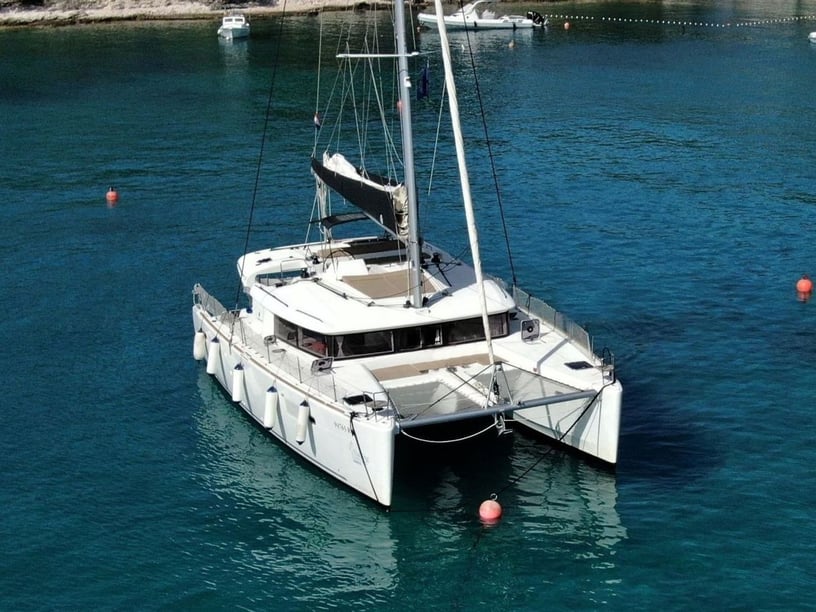
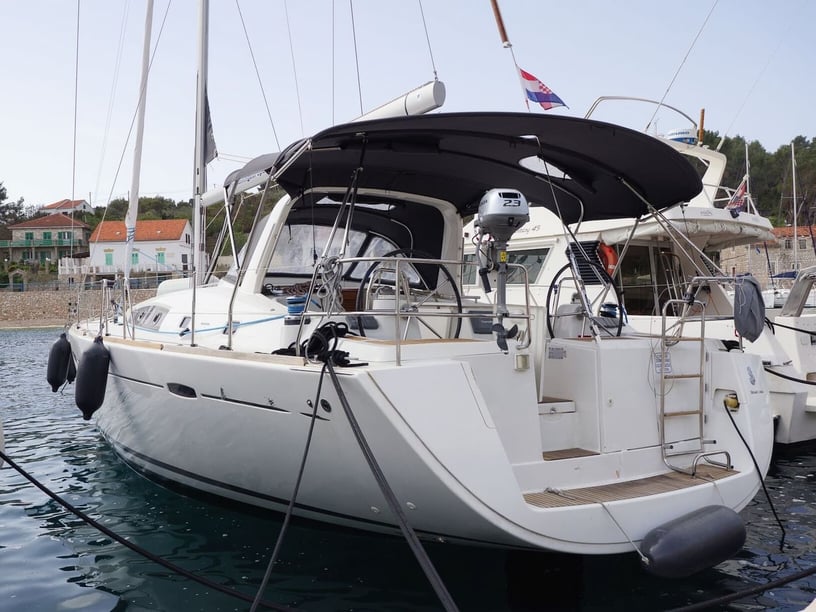
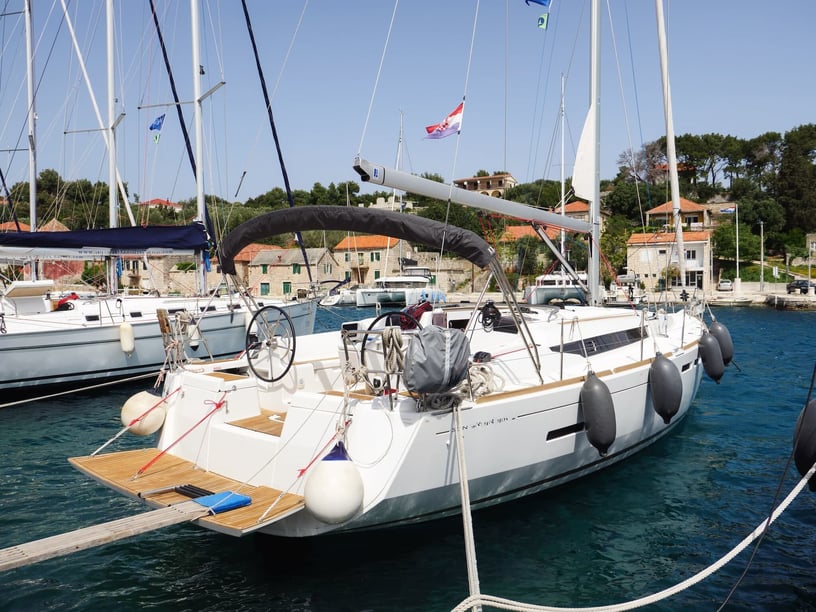
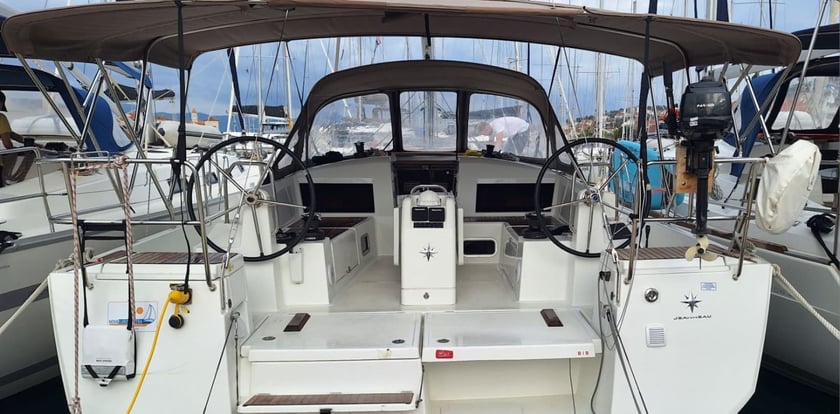
Verified
Bettina E.01 Jul 2024
Small marina; the handover and return of the boat were quick and uncomplicated. The staff were friendly and helpful.
Šolta / Croatia