Yacht charter in Šibenik
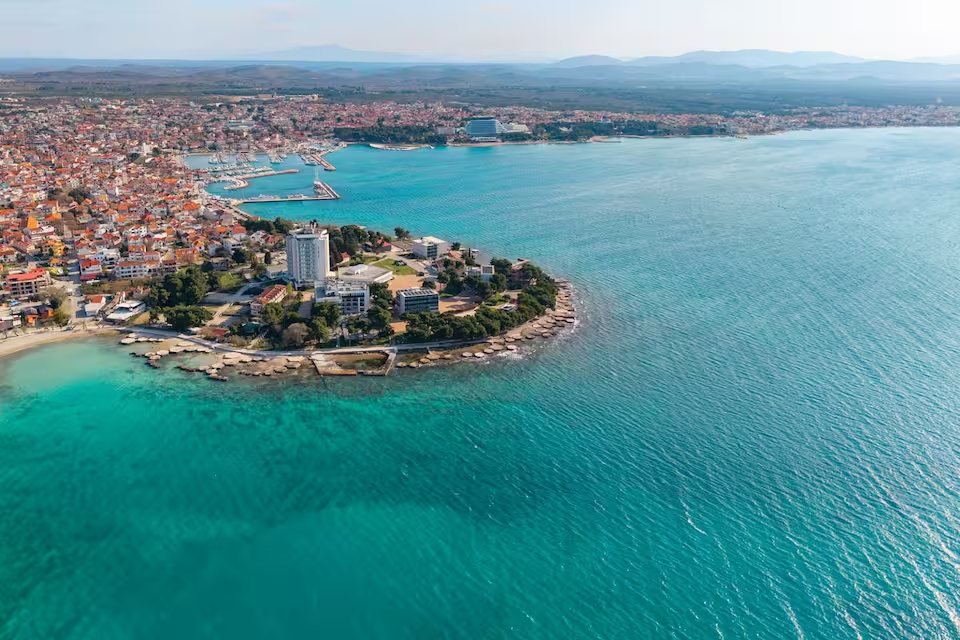
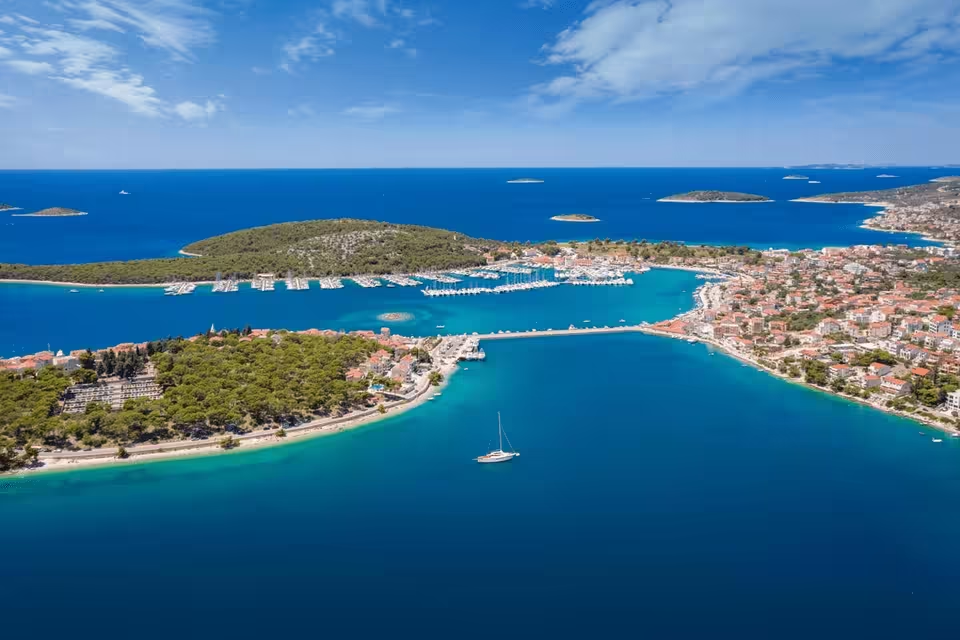
Šibenik occupies a distinctive position on Croatia’s Northern Dalmatian coast. Its sheltered bay lies near the mouth of the Krka River, separated from the open Adriatic by the narrow St. Anthony’s Channel. Beyond that sea gate, an island-filled cruising area begins almost immediately, while the navigable estuary leads inland toward Skradin.
This geography gives a yacht charter in Šibenik two contrasting directions: short passages among inhabited islands or a sheltered journey upriver through Prokljan Lake and the Krka canyon. Longer trips can continue toward the more exposed islands and rocky landscapes of Kornati. The city itself adds substantial marina infrastructure, a waterfront old town and fortifications shaped by its strategic maritime setting. It can therefore serve as both a departure area and a rewarding stop within a wider yacht charter in Croatia.
Islands, waterways and coastal stops
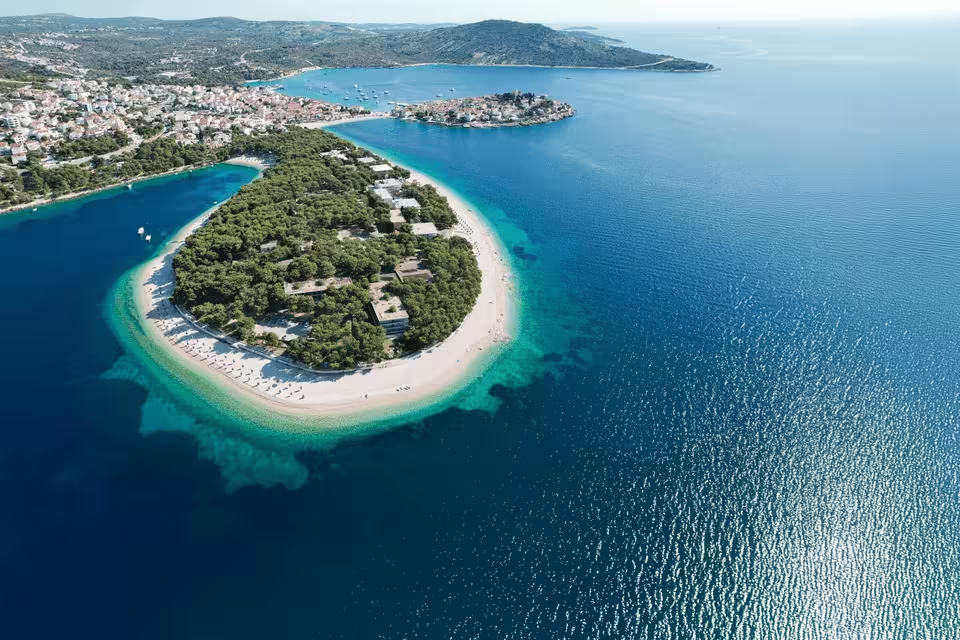
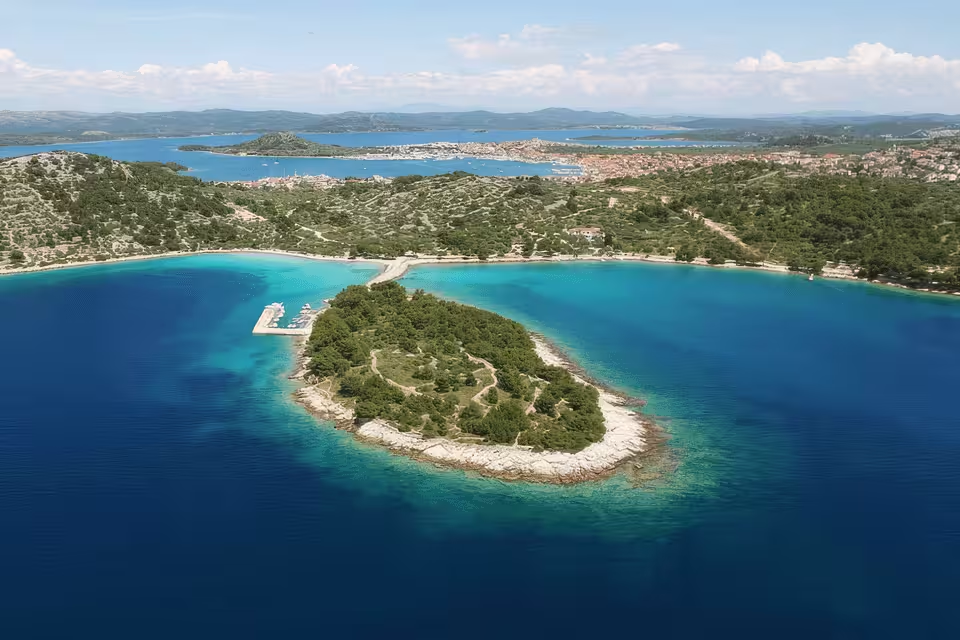
Zlarin and Prvić are natural early stops after leaving Šibenik Bay. Their proximity supports short first- or final-day passages, with village harbors and opportunities to swim or go ashore. Zlarin is associated with a long tradition of red-coral working, while Prvić Luka is home to the Faust Vrančić Memorial Centre. Nearby Krapanj has its own maritime identity linked to Adriatic sponge diving.
Farther offshore, Kaprije and Žirje introduce longer passages and a quieter island setting. Bays such as Tratinska and Velika Stupica may fit routes through this outer island belt, subject to weather and the exposure of each anchorage. Continuing northwest leads toward Kornati National Park, where sparse rocky islands and numerous channels create a markedly different cruising landscape.
The inland alternative is equally distinctive. Boats can follow the Krka estuary through Prokljan Lake to Skradin, the access point for park transport toward Skradinski buk.
What sailing around Šibenik is like
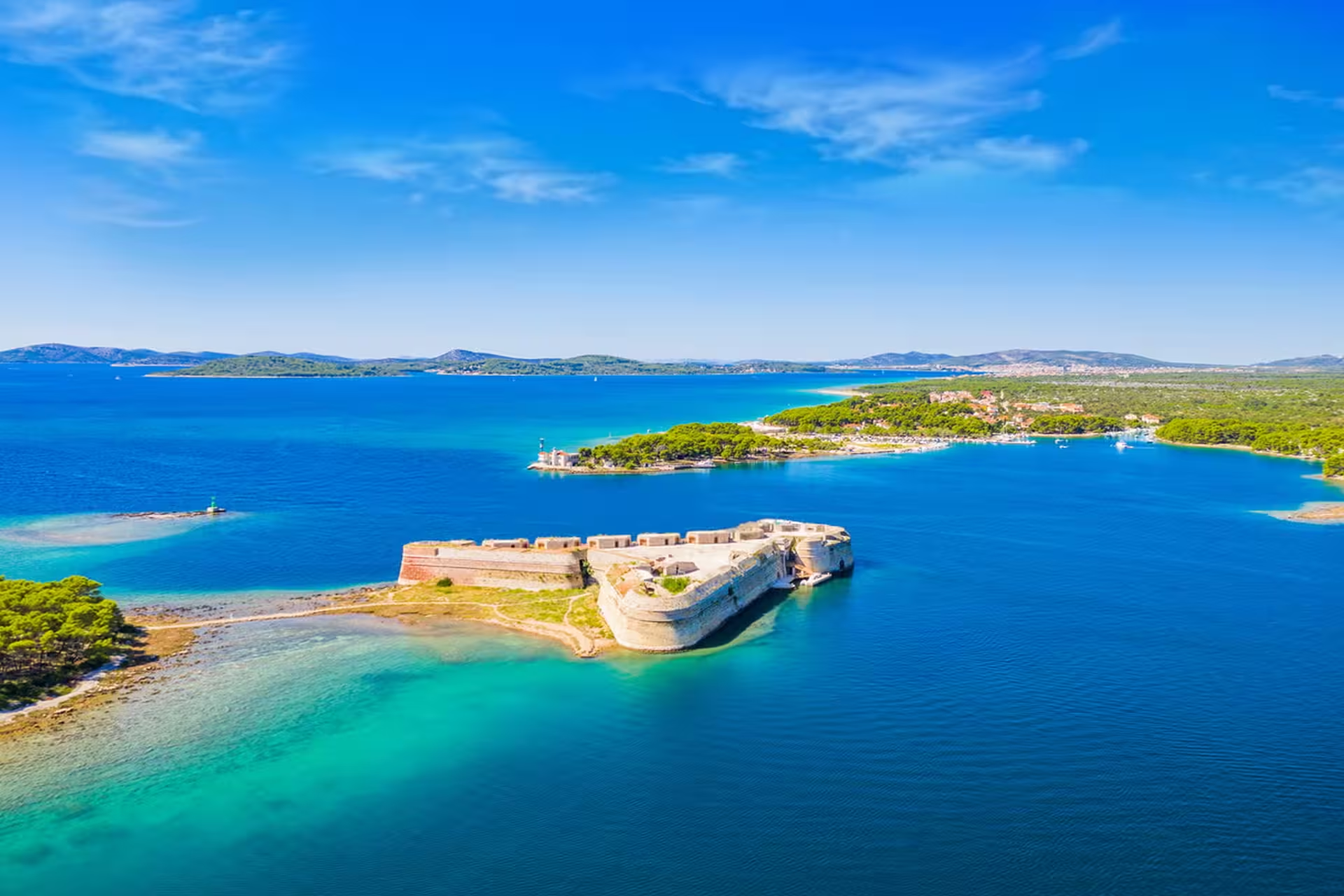
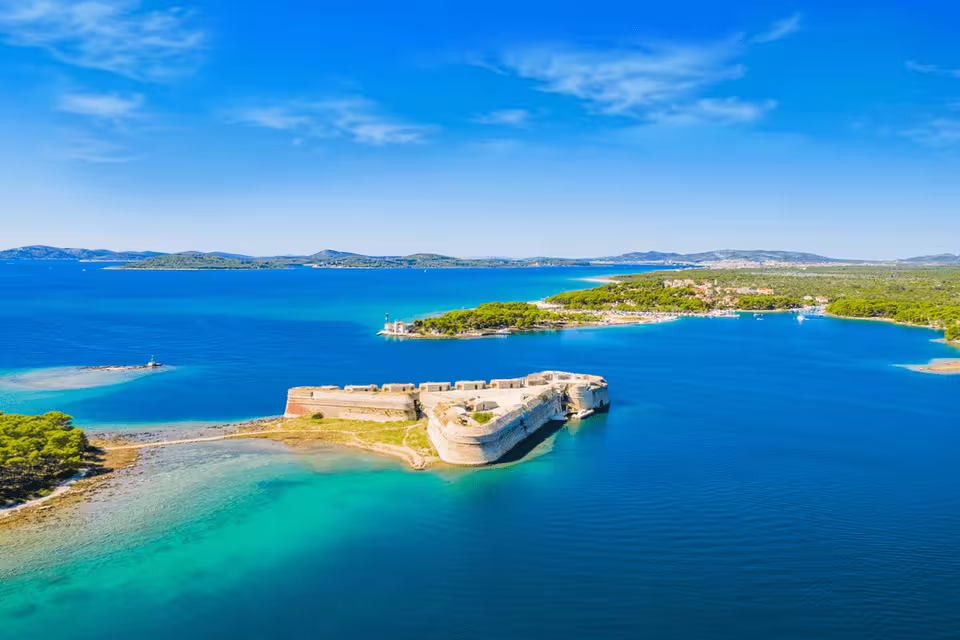
Cruising usually begins in the protected waters of the inner bay before passing through St. Anthony’s Channel beside St. Nicholas Fortress. Zlarin and Prvić allow relatively short, visually straightforward passages, while Kaprije, Žirje and Kornati involve progressively longer stretches and greater exposure. Overall sailing difficulty is moderate, but conditions vary considerably between the sheltered estuary and the outer archipelago.
Summer mornings are commonly lighter, with a northwesterly maestral developing and supporting afternoon sailing. The northeasterly bura can produce strong gusts around headlands and channel entrances, while a southeasterly jugo brings cloudier weather and a building sea. Island harbors and coves do not all provide protection from the same wind directions, so overnight plans should follow the forecast rather than a fixed itinerary.
Shoals, reefs, narrow approaches and ferry traffic require attentive navigation. These factors are especially relevant in the outer islands and near busy quays, even when passages appear short on the chart.
Best time for a Šibenik yacht charter
The main boating season extends from spring into autumn, with the most consistently warm and sunny conditions between May and September. May, June and September are particularly suitable months. They generally combine comfortable sailing weather with enough warmth for an itinerary divided between cruising, swimming and time ashore.
July and August are hot, dry and highly active. These months suit travelers seeking the height of the summer atmosphere, but popular harbors and cruising areas are likely to feel busier. September remains part of the principal sailing season while usually offering a transition toward milder conditions.
October can still support boating, although temperatures are cooler and weather is less settled. Winter sees limited recreational activity because of lower temperatures, rainfall and stronger weather systems.
Route ideas from Šibenik
A compact island circuit can connect Šibenik with Zlarin, Prvić and Kaprije. Shorter legs leave time for swimming stops and visits to small island settlements, making this pattern well suited to travelers who prefer less time under way each day.
For a longer itinerary, the route can extend through Kaprije toward Kornati National Park, returning via Žirje and Prvić. This progression moves from inhabited islands to a more remote and exposed archipelago, so flexibility around wind and sea conditions remains important.
The Krka route offers a contrasting journey without heading into the open island belt. From Šibenik, boats travel through the estuary, Prokljan Lake and the canyon to Skradin. Visitors continue to the waterfalls using the park’s designated transport rather than taking the charter yacht directly to Skradinski buk.
Culture, swimming and time ashore
A yacht trip around Šibenik can alternate naturally between island swimming stops and culturally substantial visits ashore. Approaching the city from the Adriatic means passing through St. Anthony’s Channel beside the UNESCO-listed St. Nicholas Fortress, a 16th-century defense at the principal sea entrance.
In the old town, the stone-built Cathedral of St. James combines Gothic and Renaissance architecture. St. Michael’s, St. John’s and Barone fortresses further reflect the city’s long defensive history. This concentration of landmarks makes Šibenik more than a provisioning or embarkation point; it can justify a full day before or after the cruise.
Island visits reveal a different side of local maritime culture through coral working on Zlarin, sponge-diving heritage on Krapanj and seafaring traditions across the archipelago. Meals ashore commonly draw on fish, shellfish, olive oil, brodet, busara preparations and simple Dalmatian risottos.
Getting there and where trips may begin
Split and Zadar airports are the principal air gateways for Šibenik, followed by a road transfer. The city is also connected by the A1 motorway, the Adriatic coastal road and intercity buses from Split, Zadar, Zagreb and other Croatian cities.
Relevant departure points include D-Marin Mandalina, Amadria Šibenik Yacht Marina and the Port of Šibenik waterfront. ACI Marina Skradin supports trips within the Krka estuary and can also be a stop on an inland itinerary. Passenger vessels connect the city waterfront with Zlarin, Prvić, Kaprije and Žirje, which is useful for travelers coordinating companions or additional island visits.
Šibenik consequently combines several roles: a marina and departure area, an urban stop with strong cultural interest, and the gateway between the Krka waterways and the Adriatic islands.
Planning the right charter
When assessing yacht charter or boat rental in Šibenik, start with the intended cruising area rather than simply counting destinations. A route focused on Zlarin, Prvić and the estuary favors short passages and more time ashore. Extending to Žirje or Kornati requires greater allowance for weather, exposed water and changes to overnight plans.
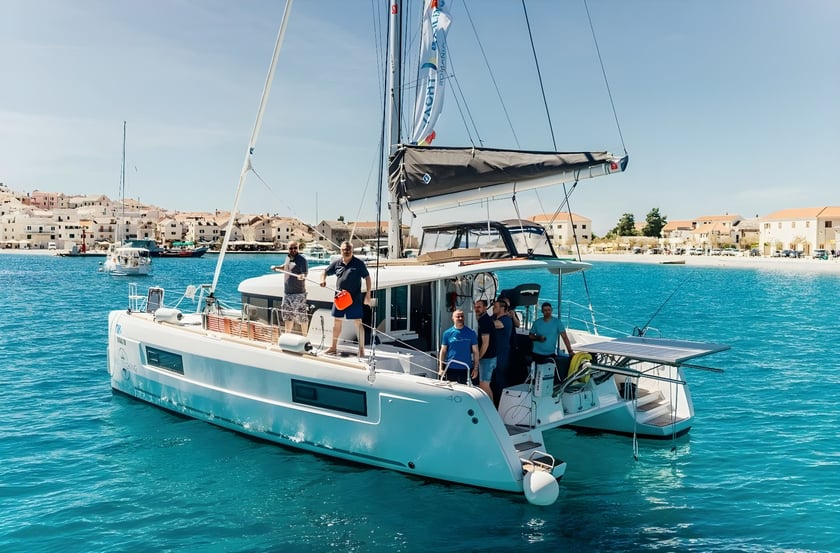
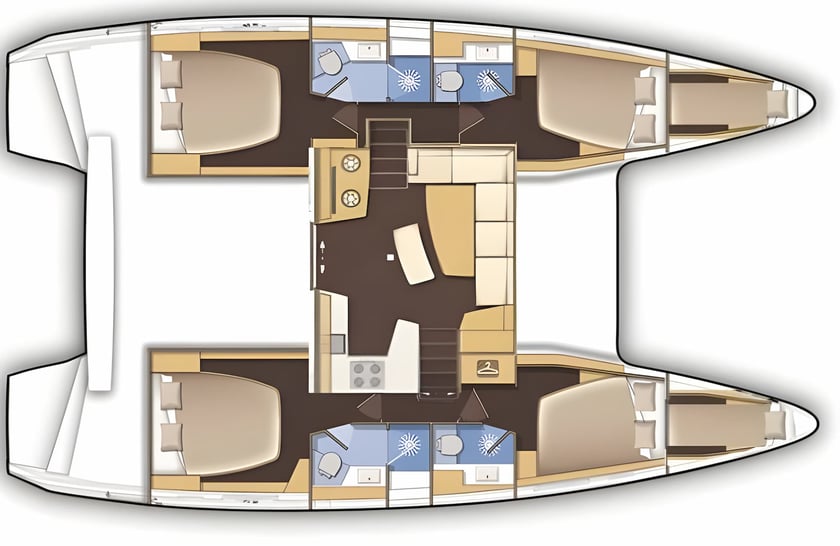
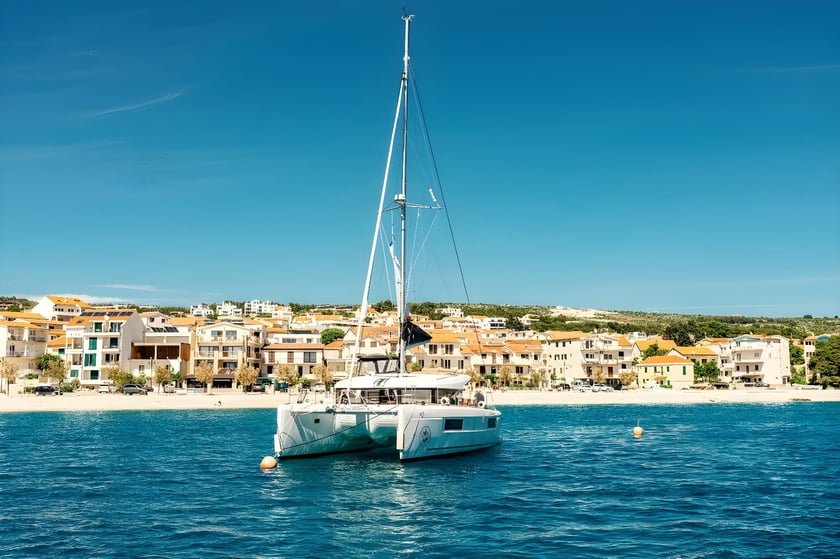
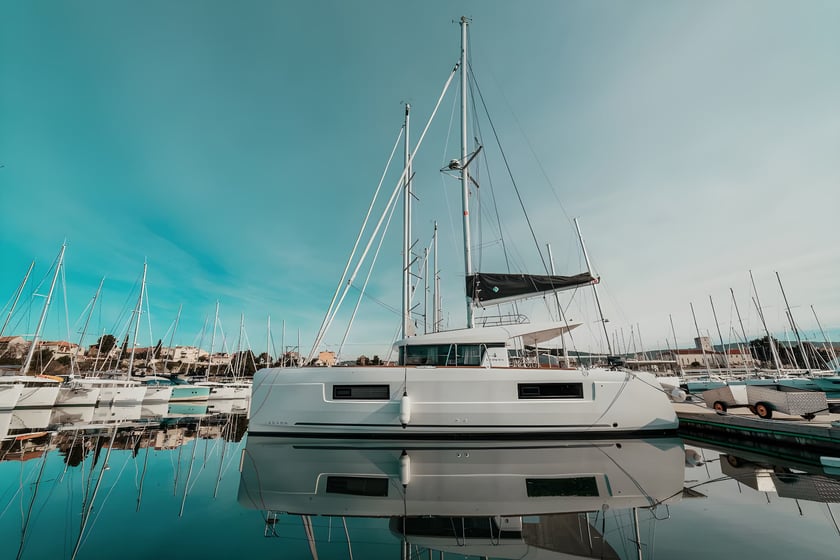
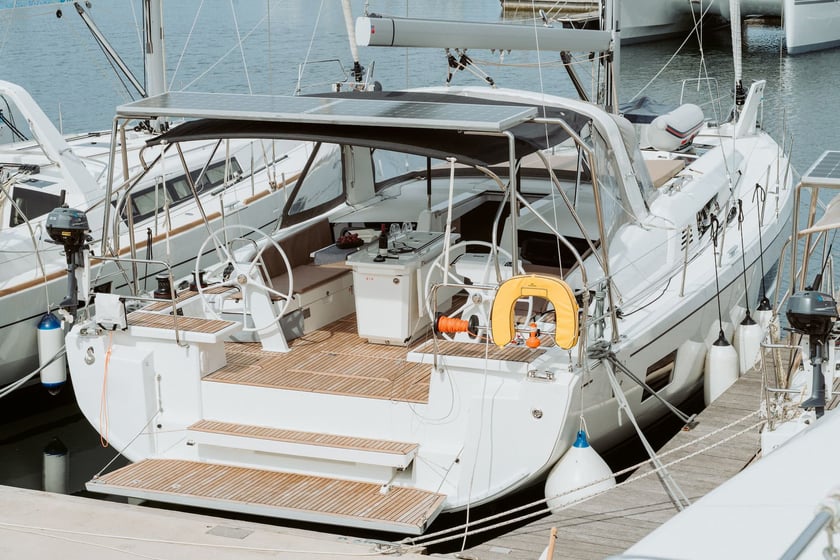
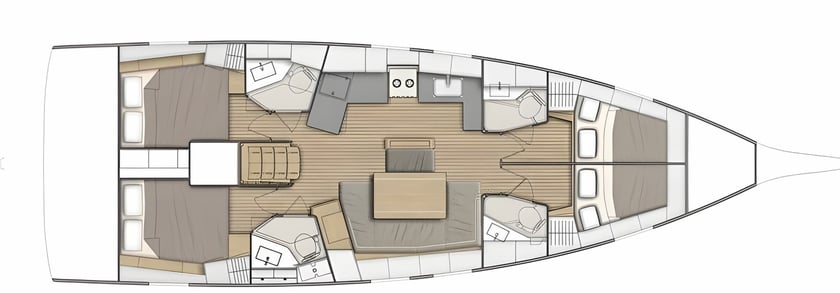
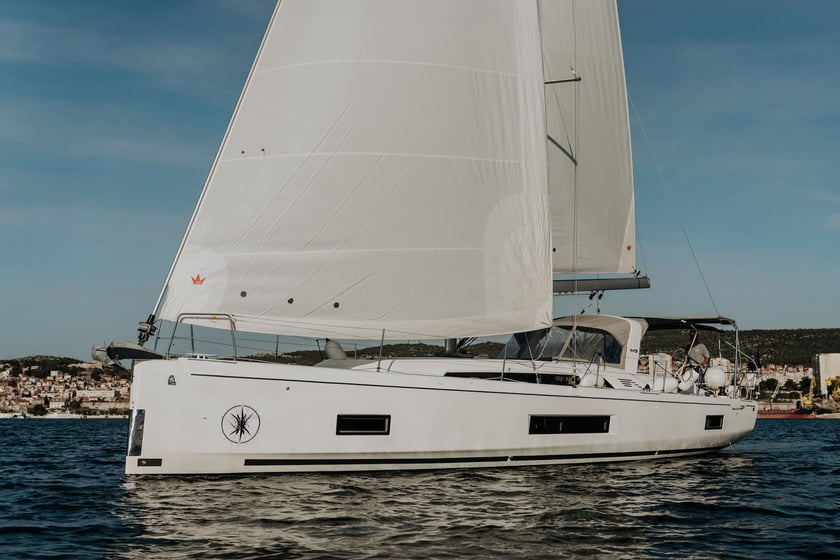
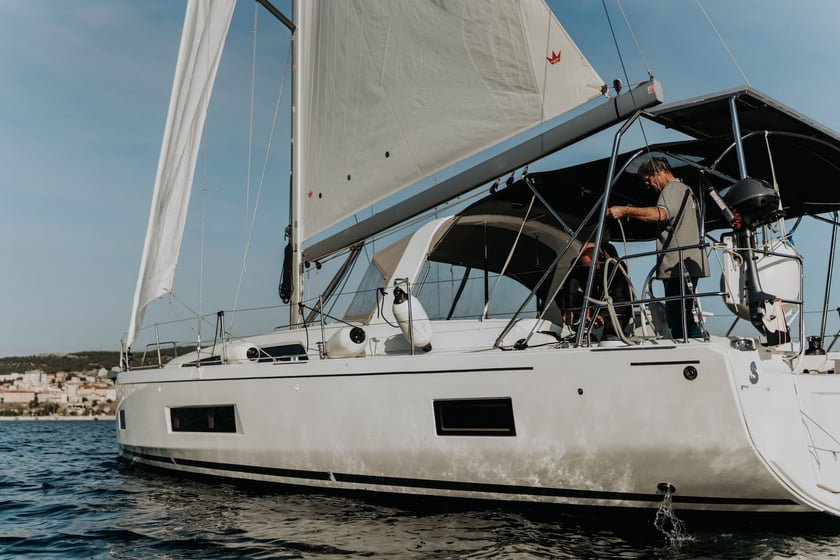
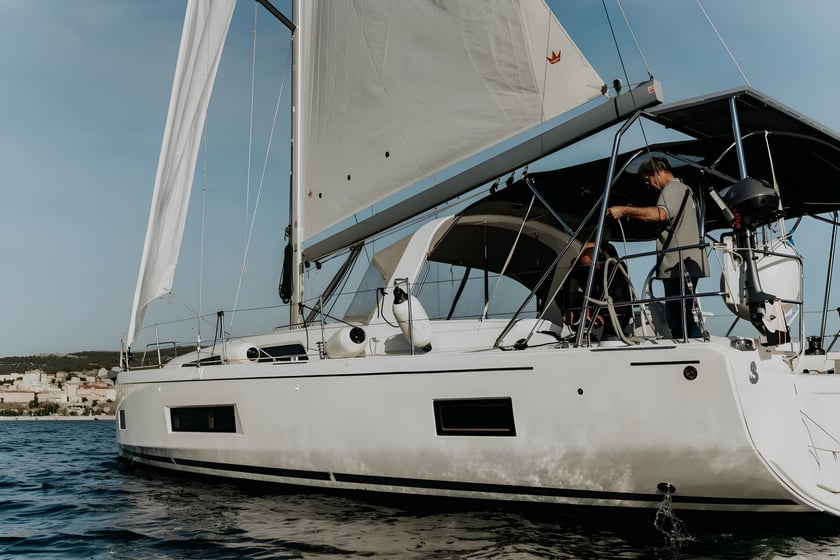
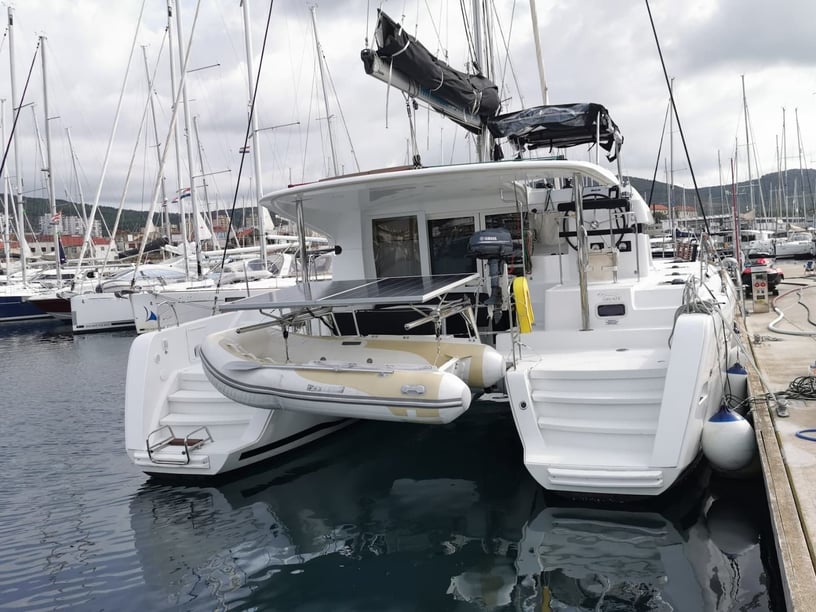
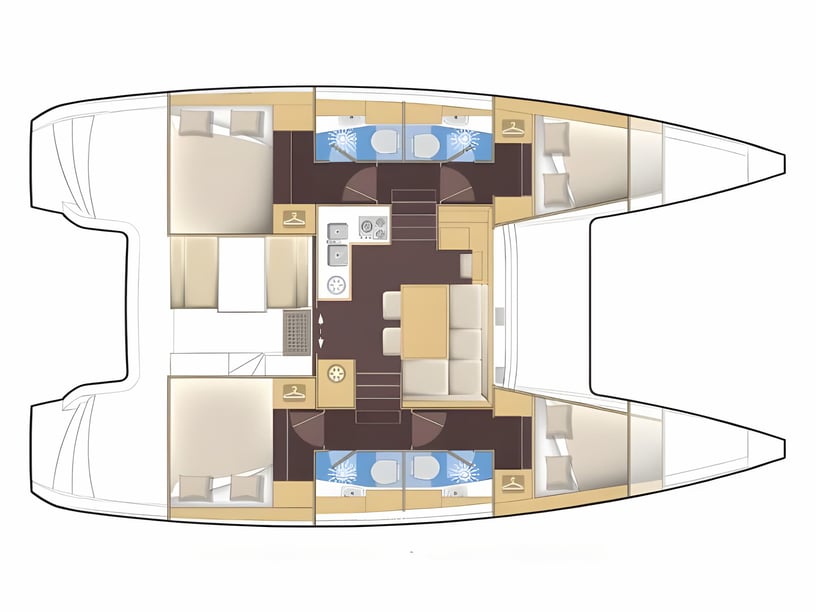
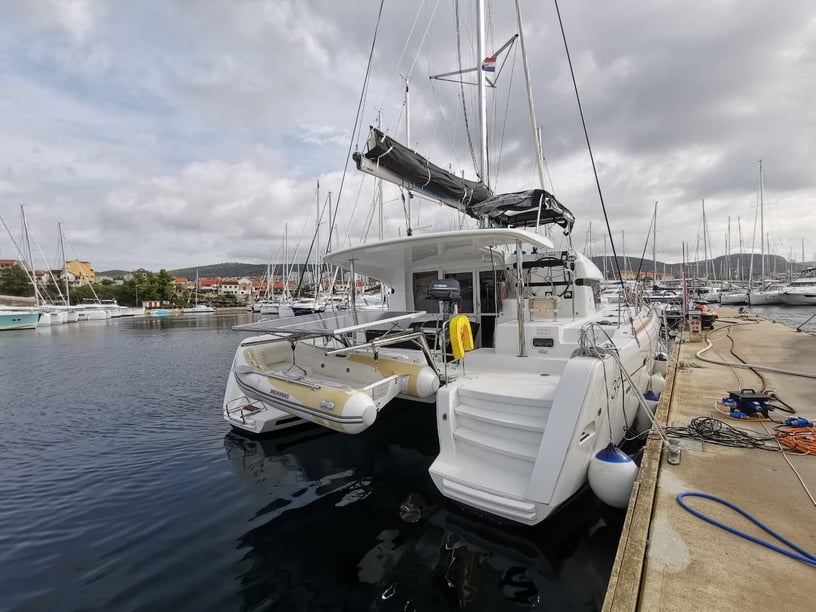
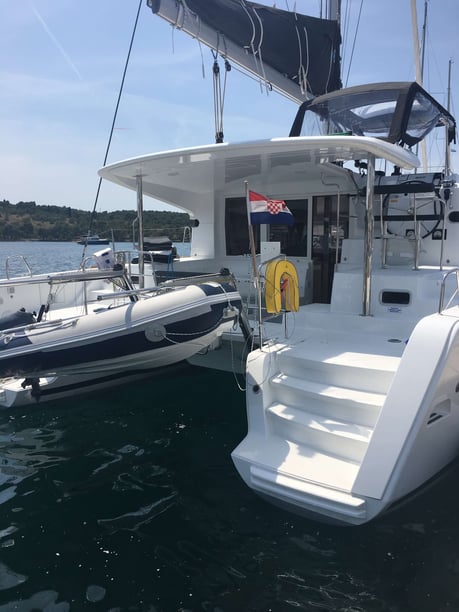
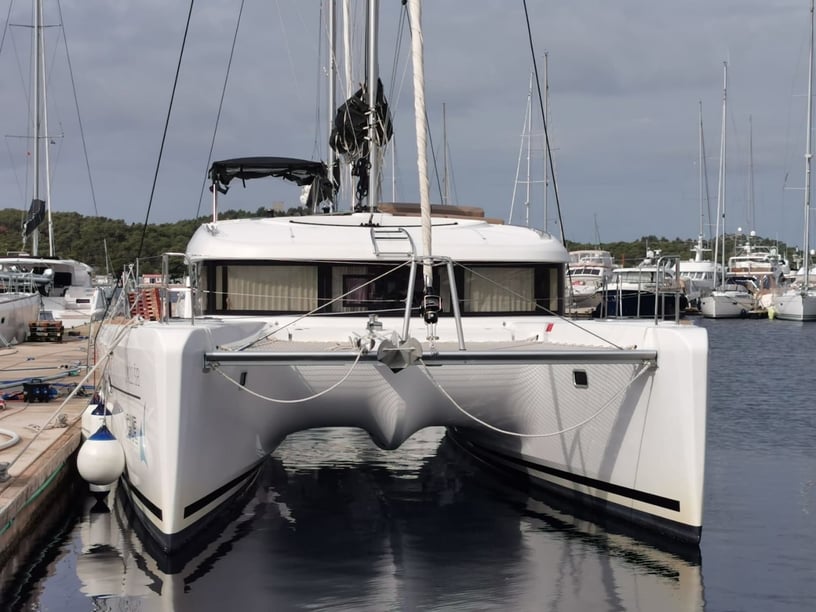
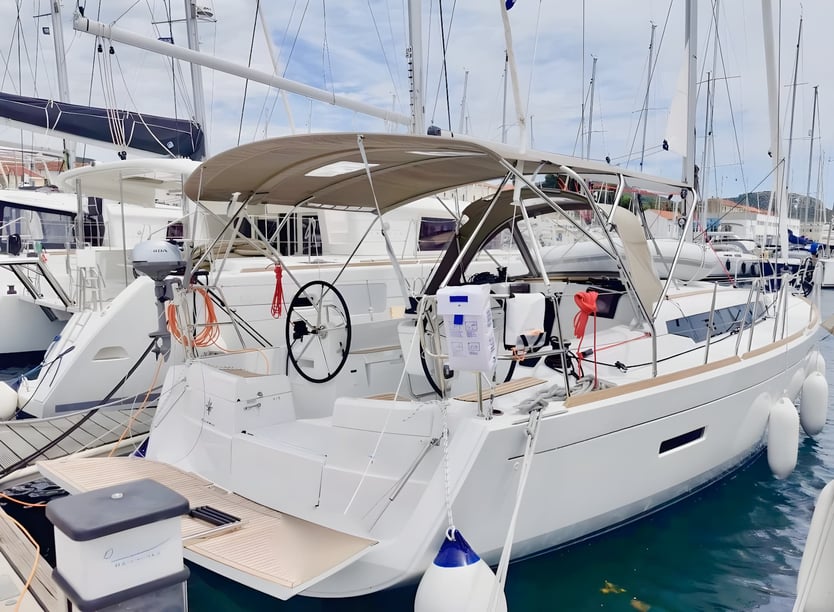
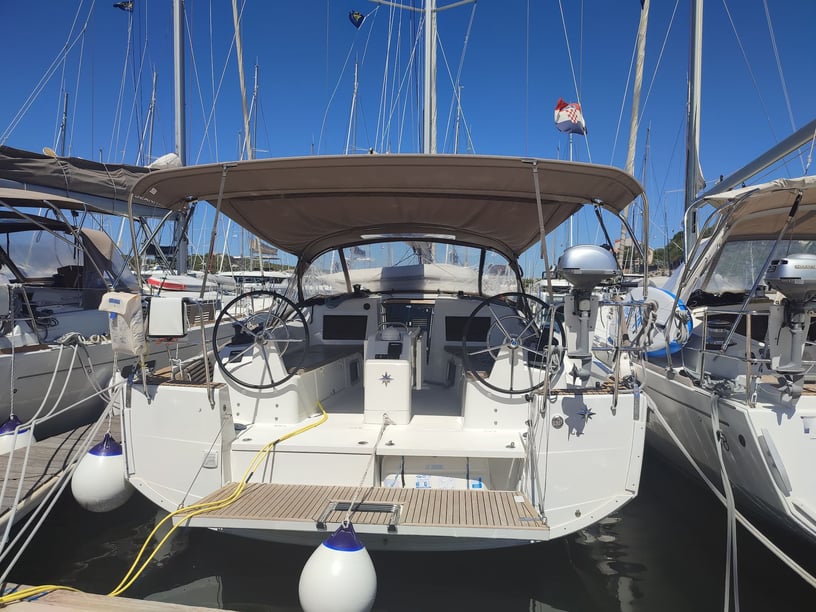
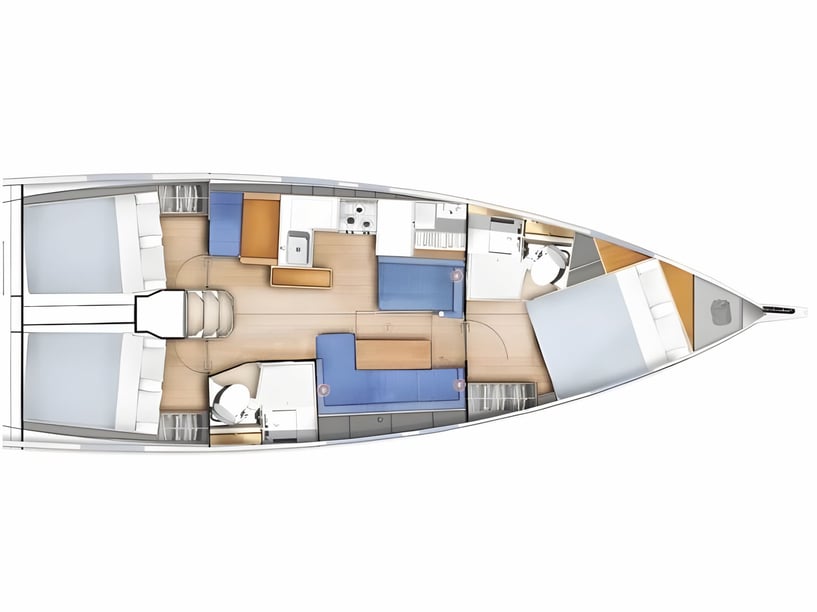
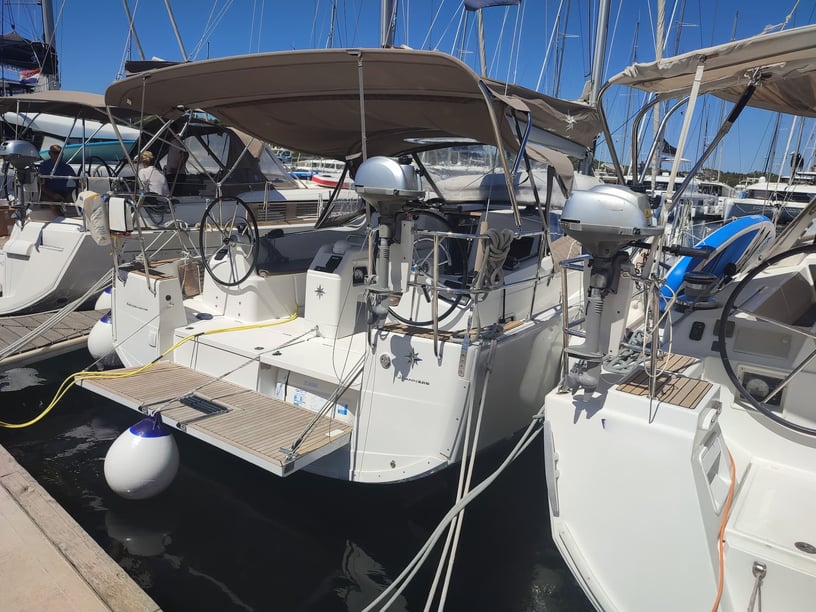
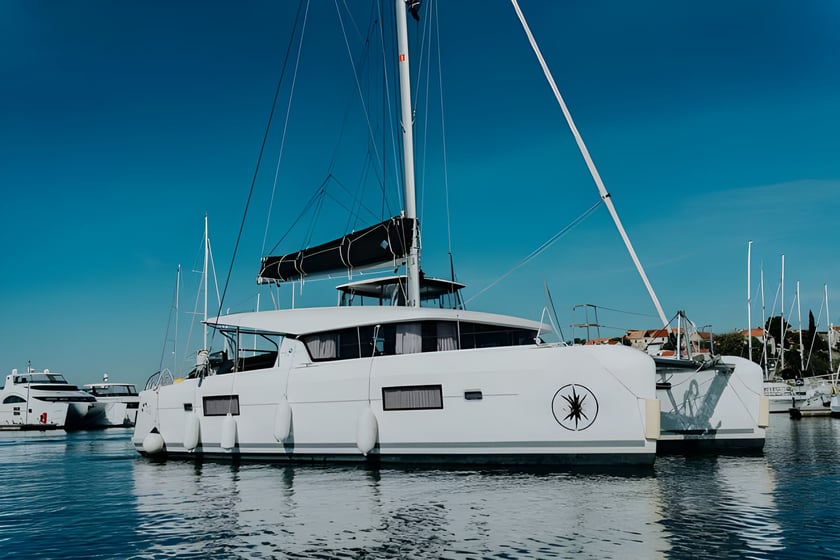
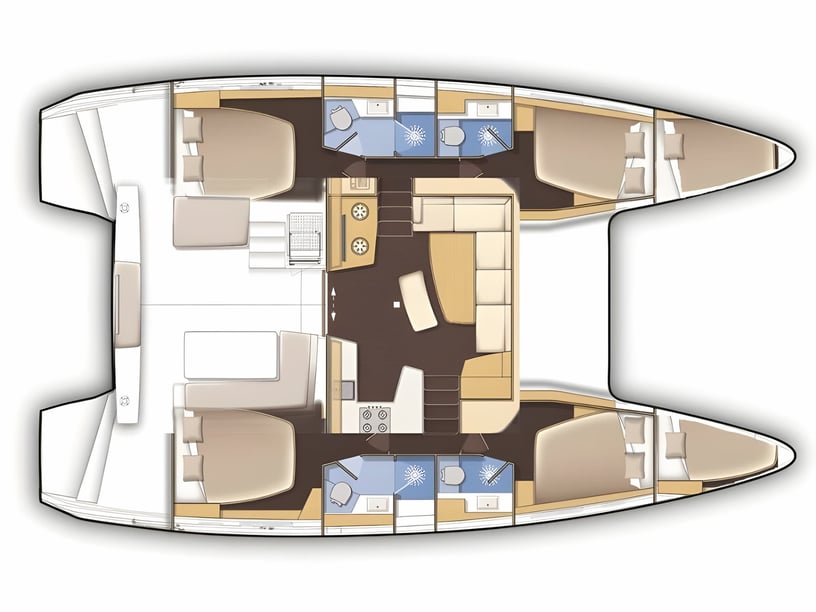
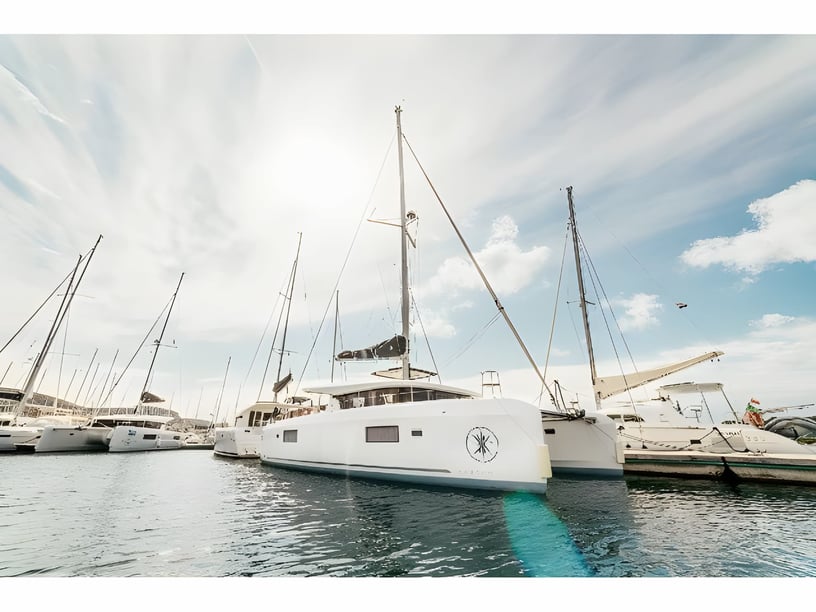
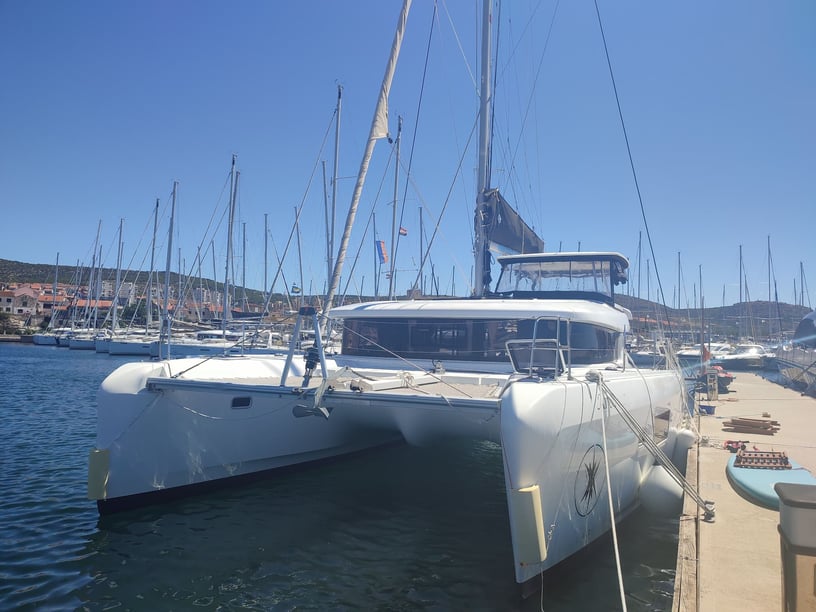
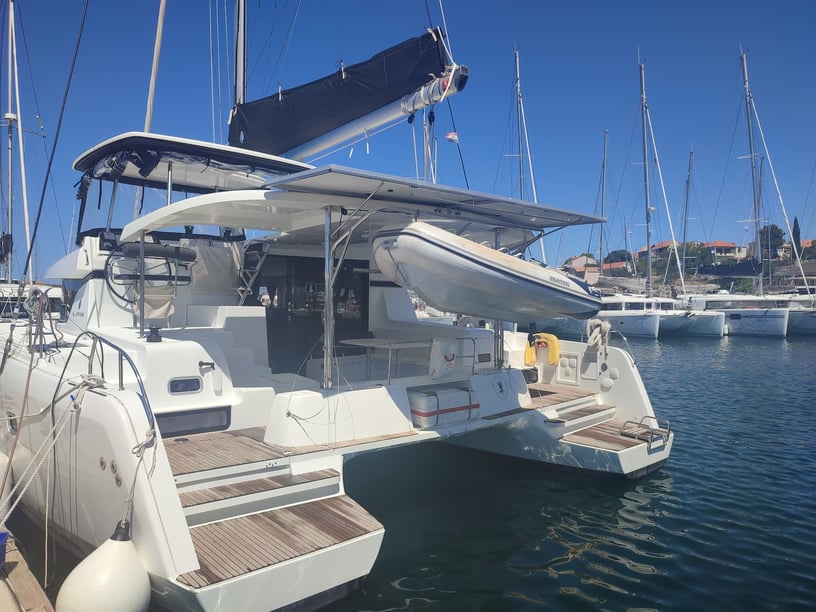
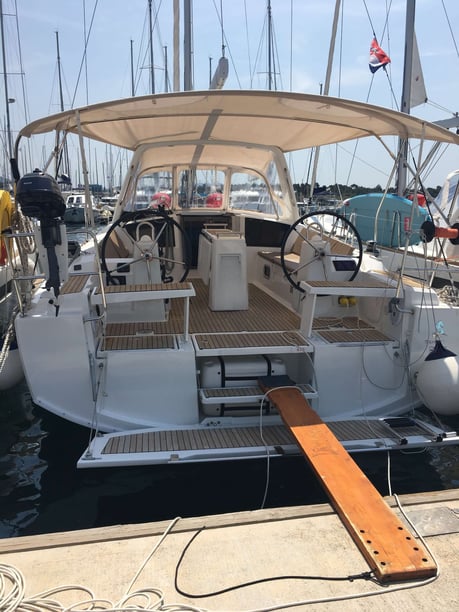
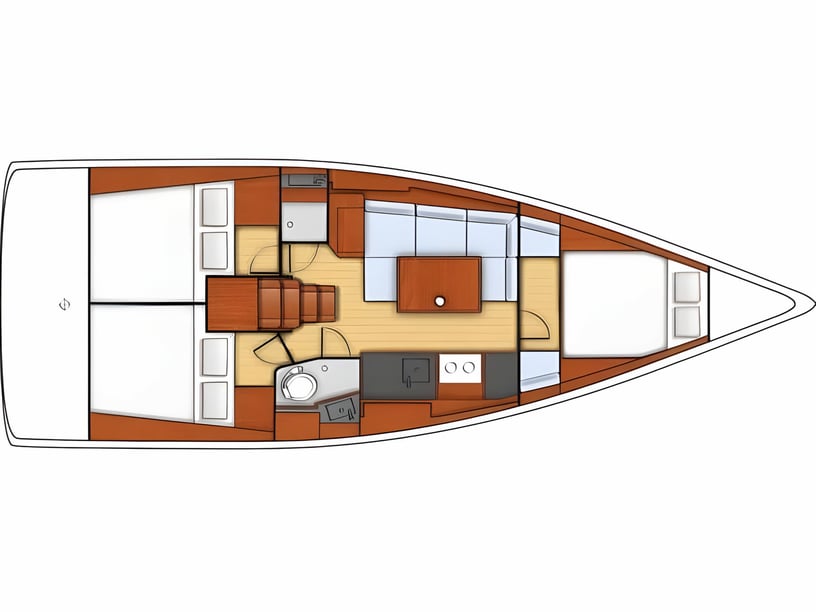
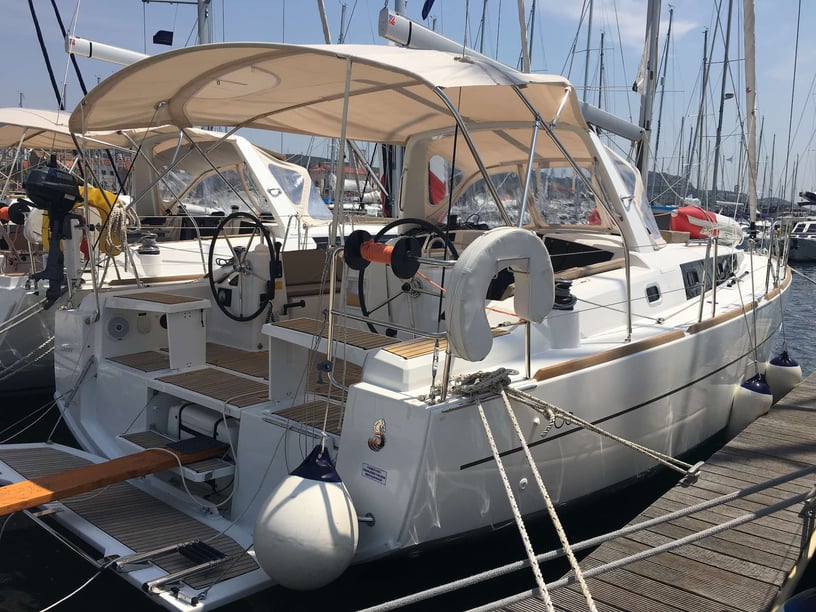
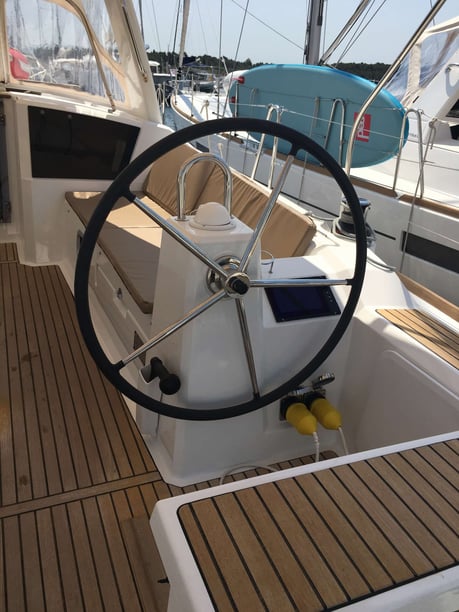
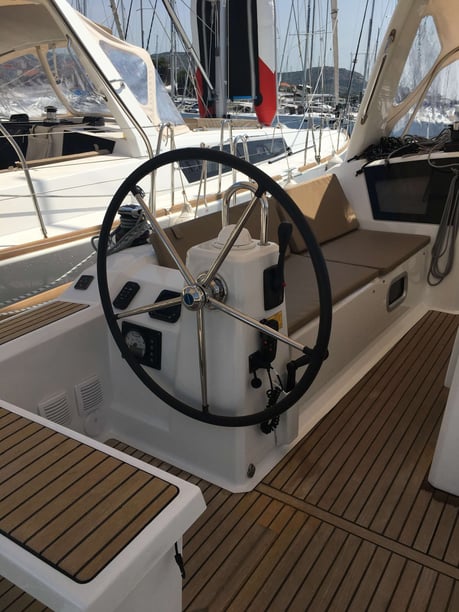
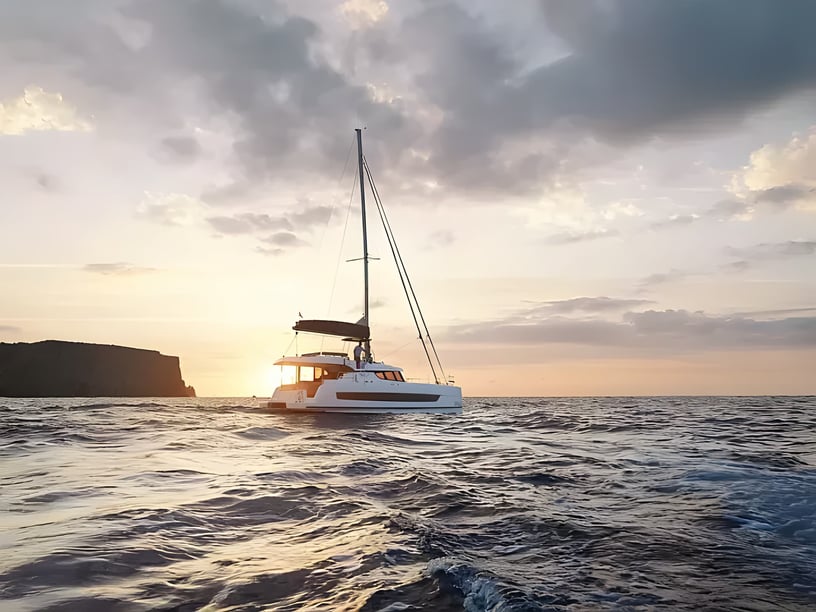
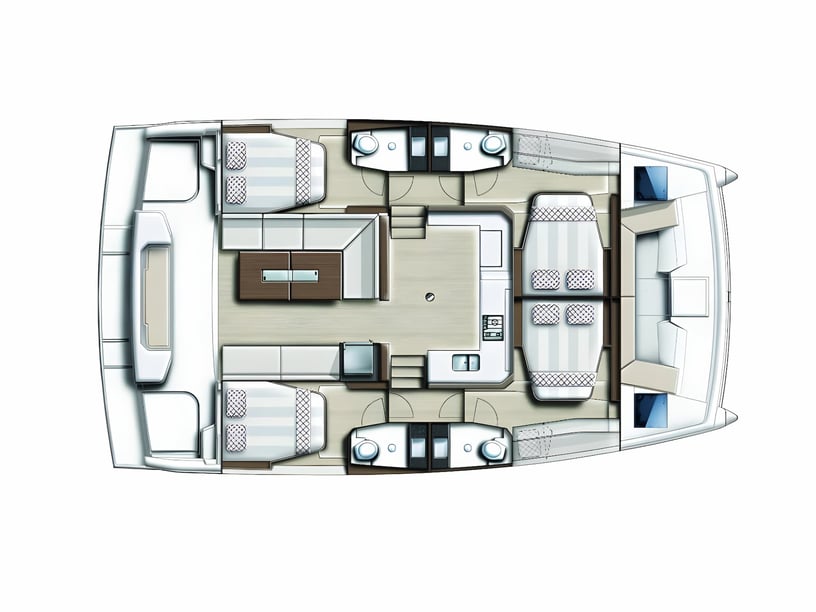
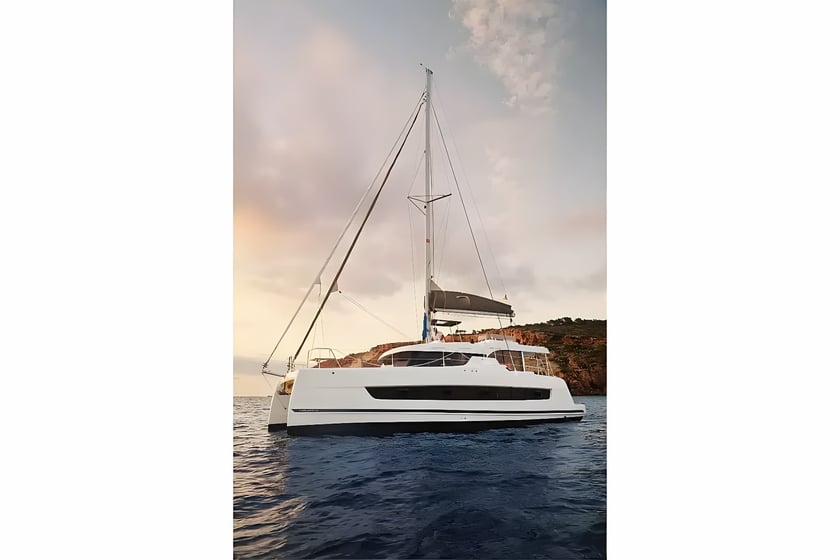
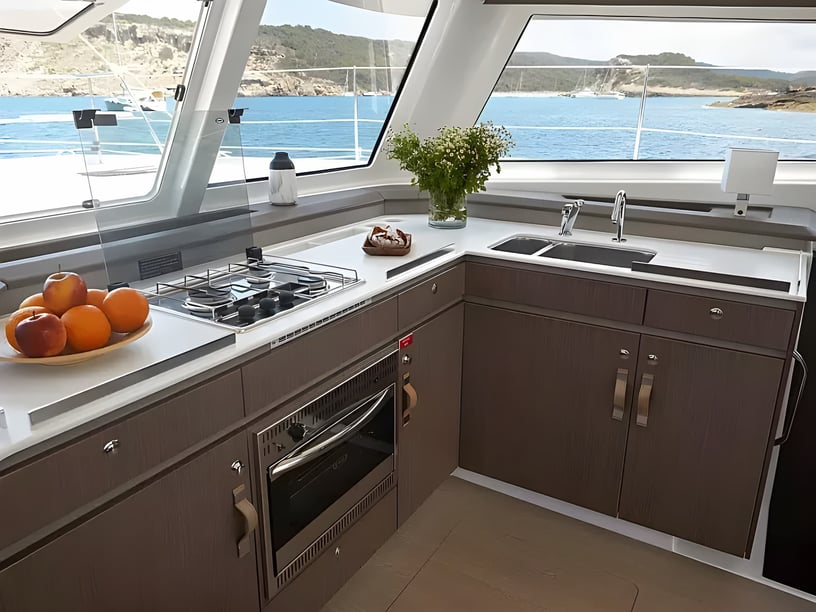
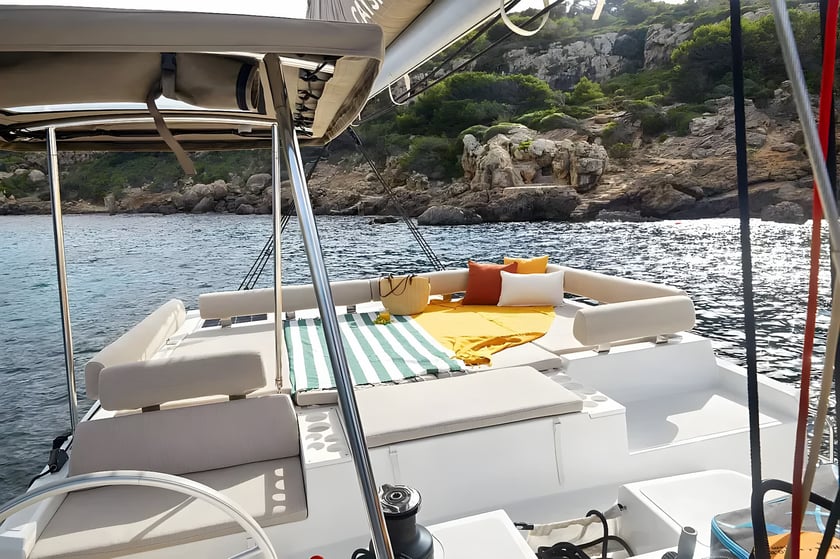
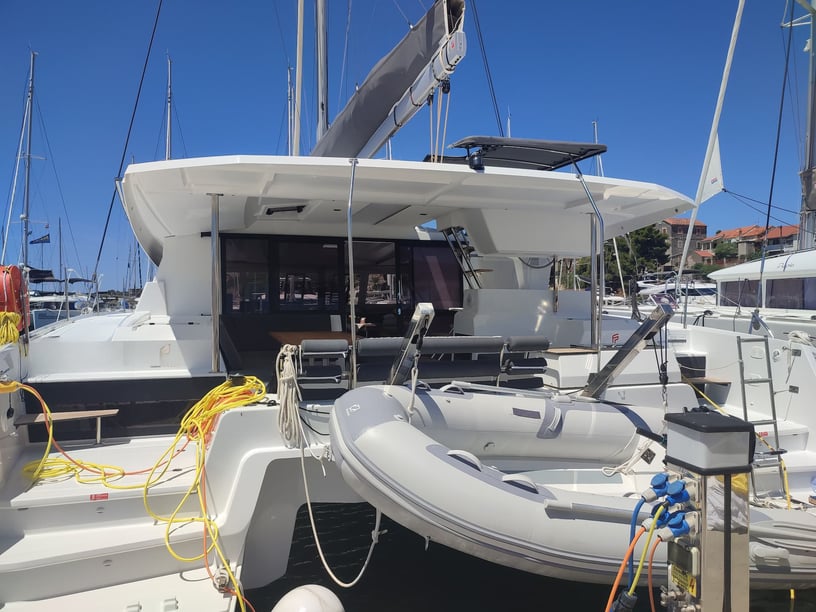
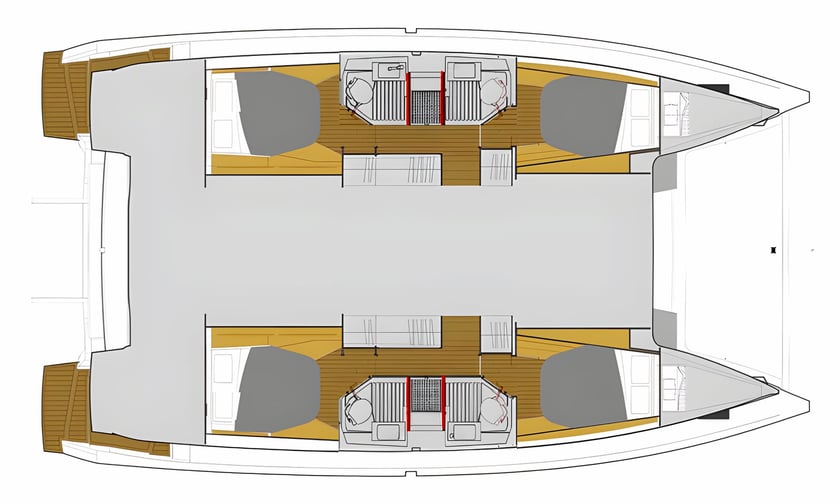
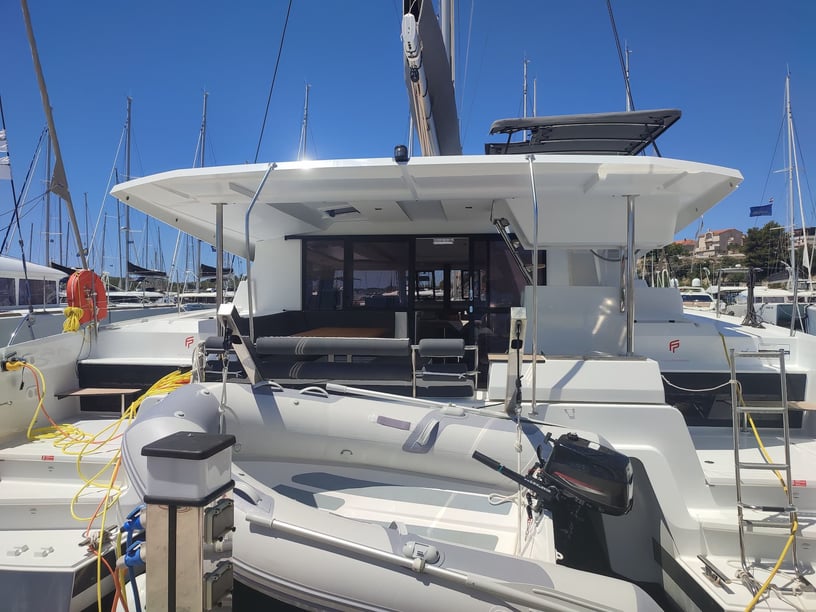
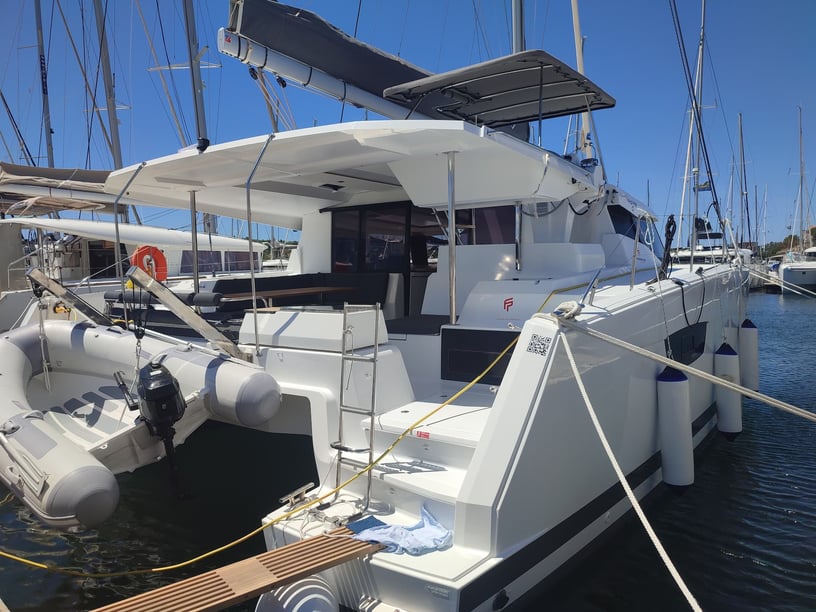
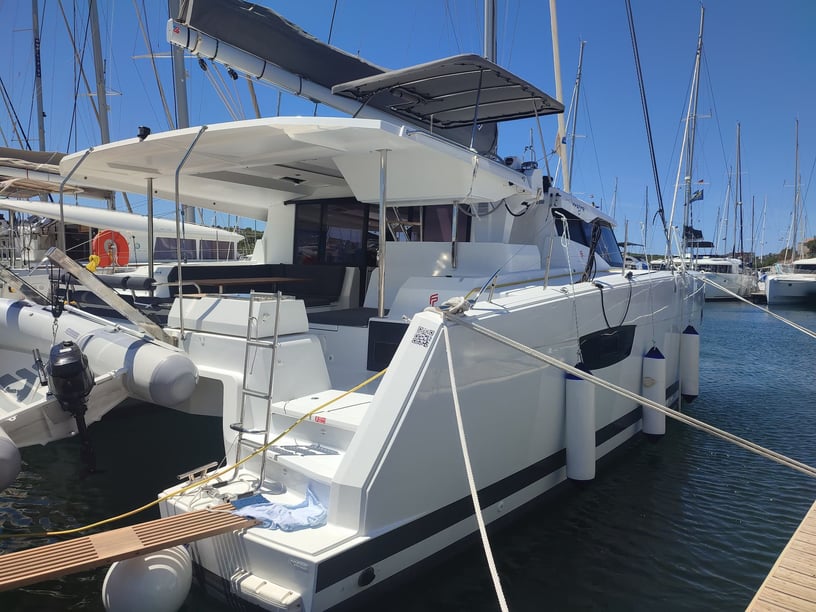
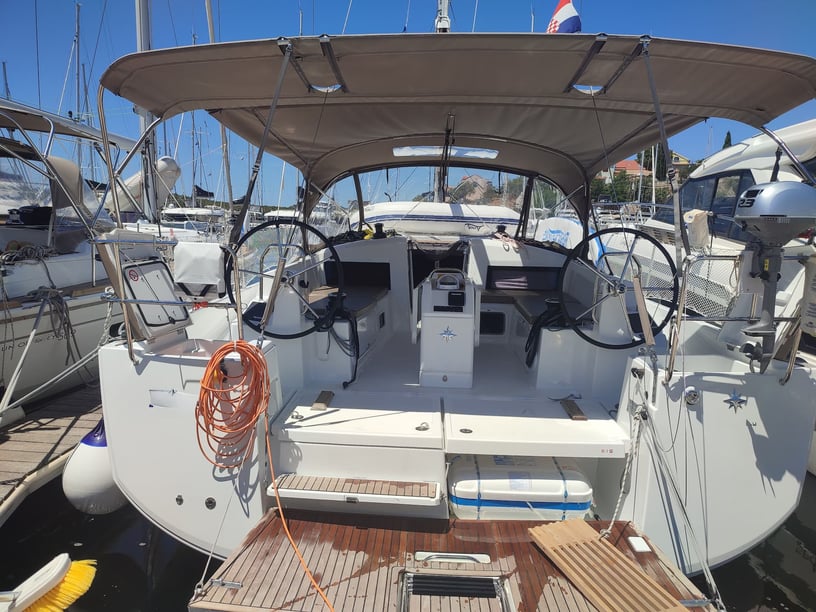
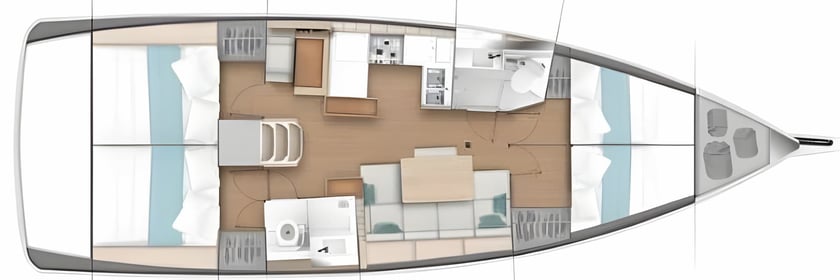
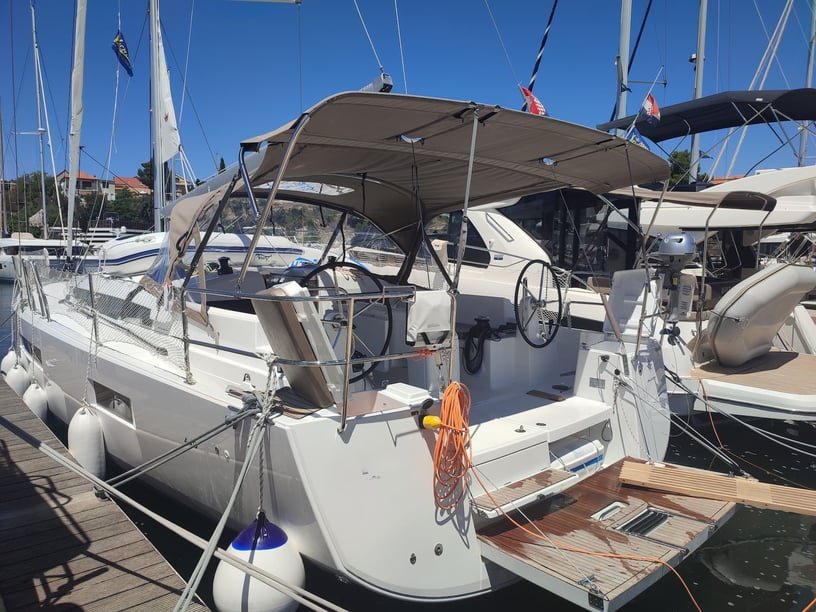
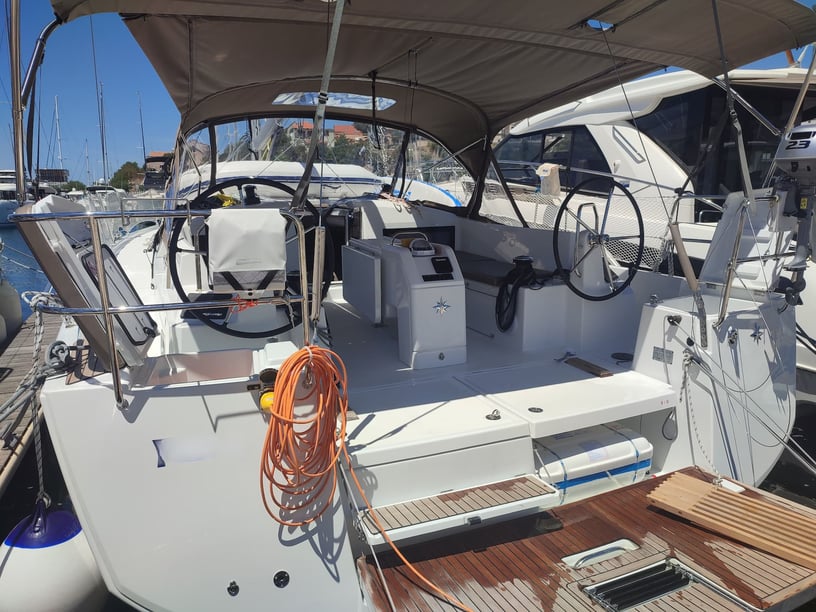
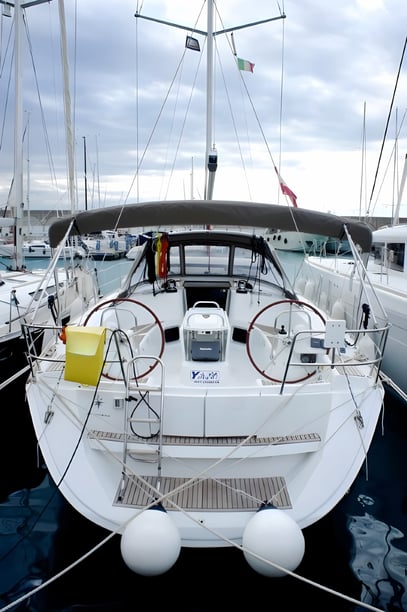
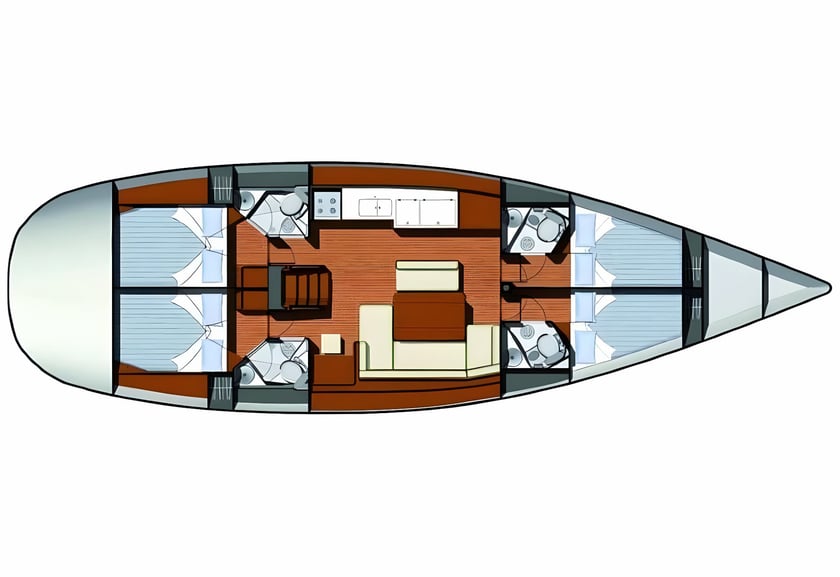
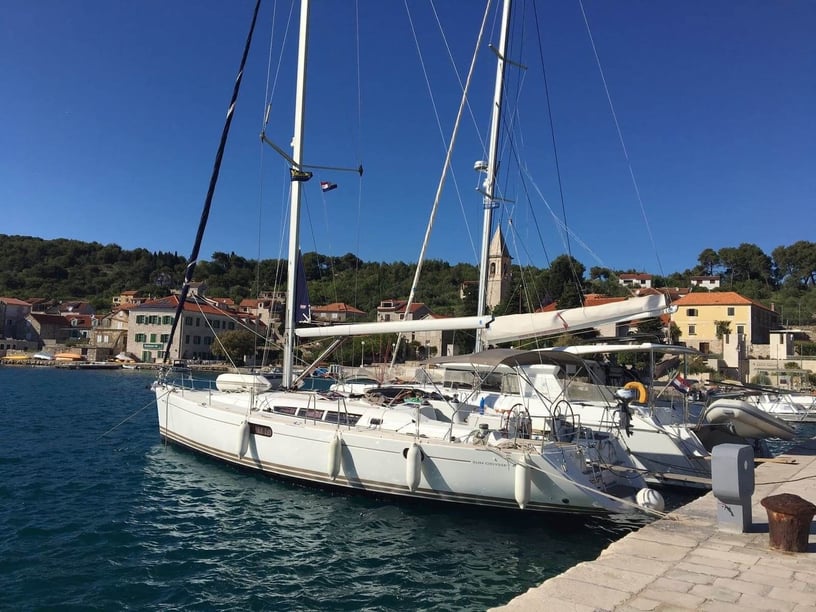
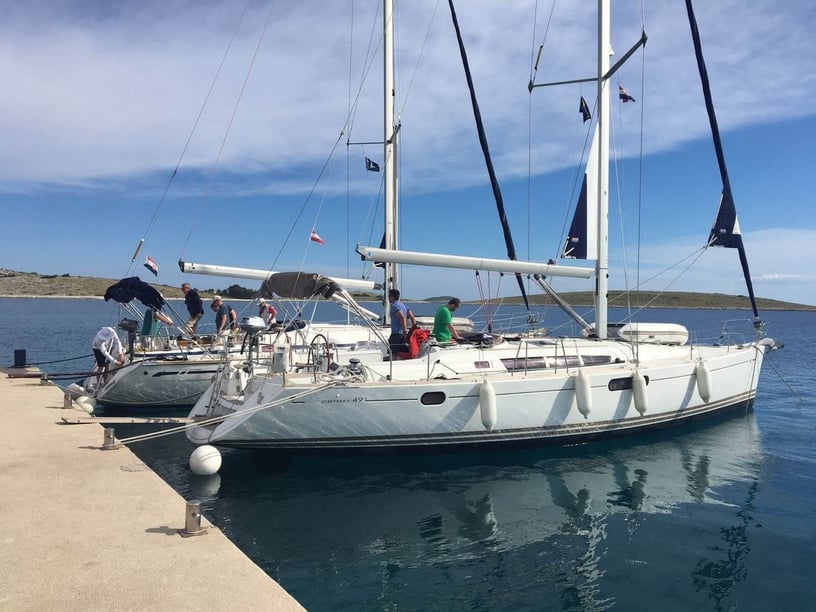
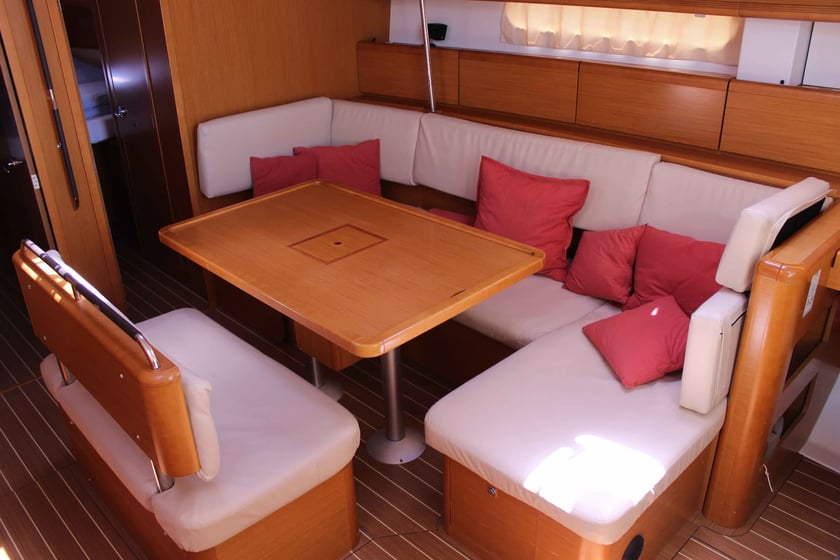
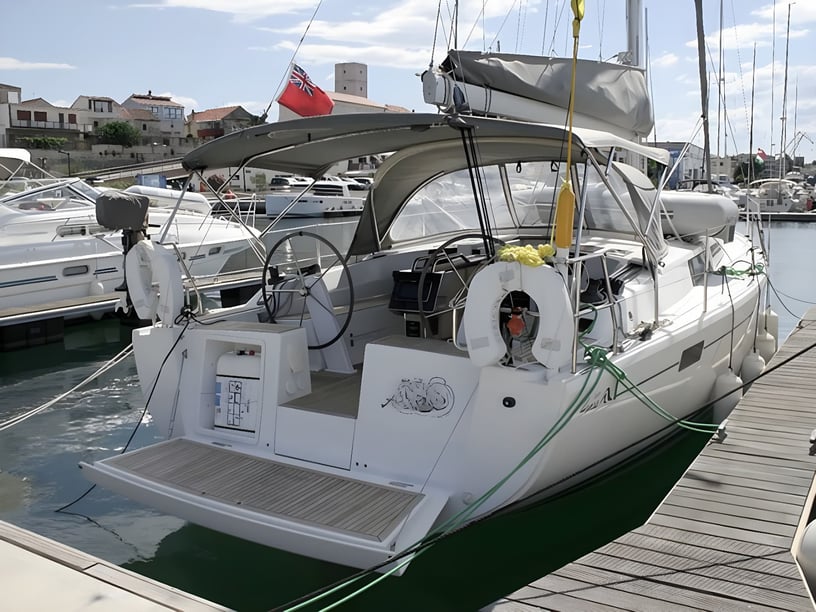
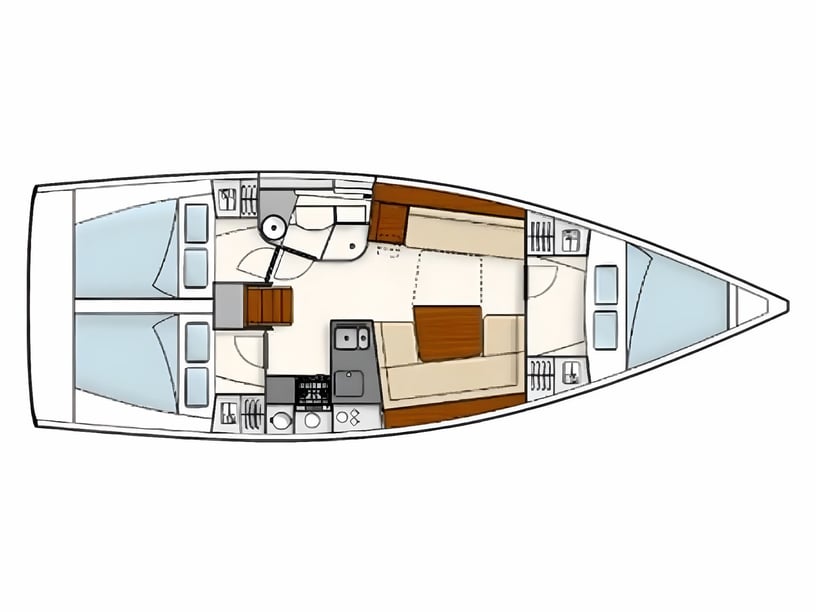
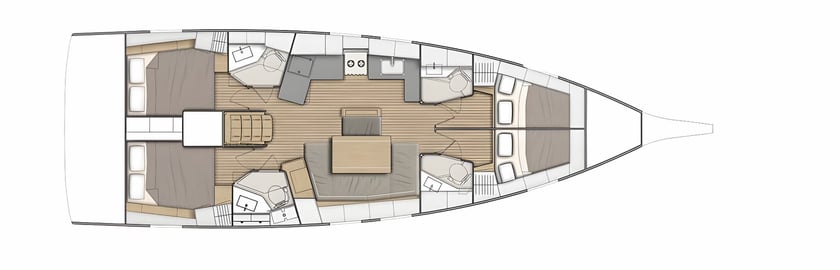
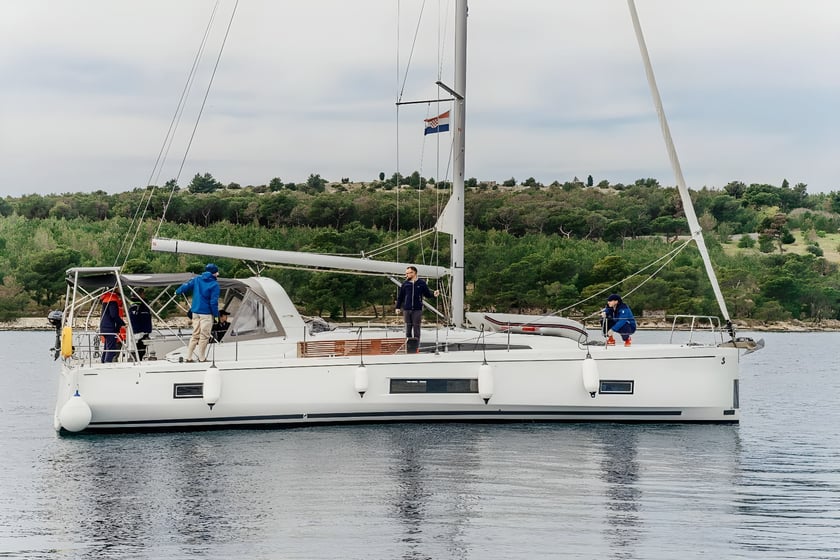
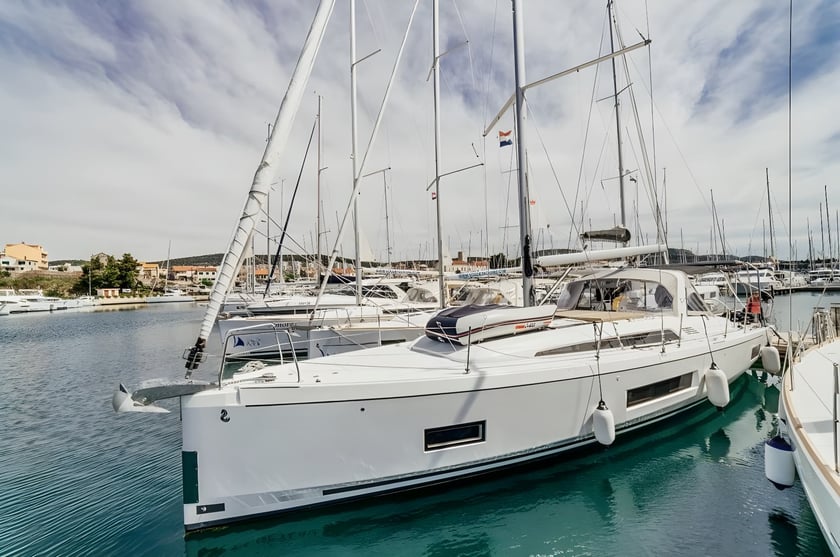
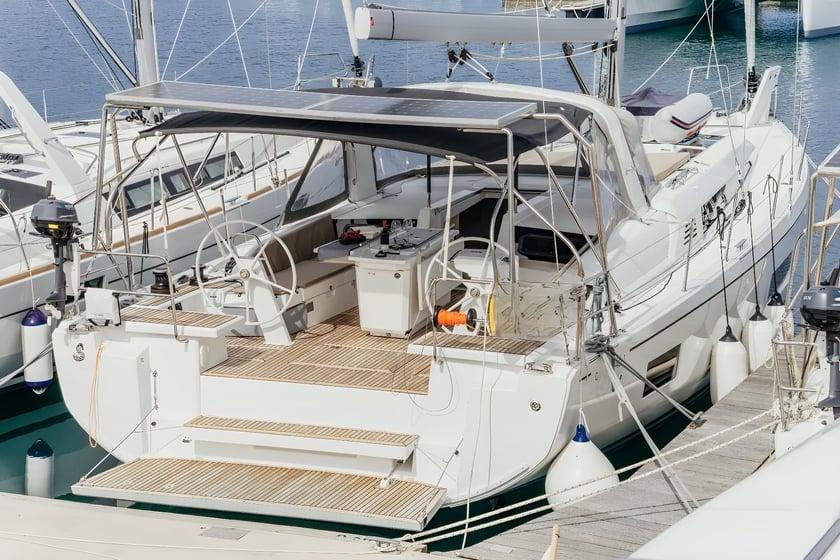
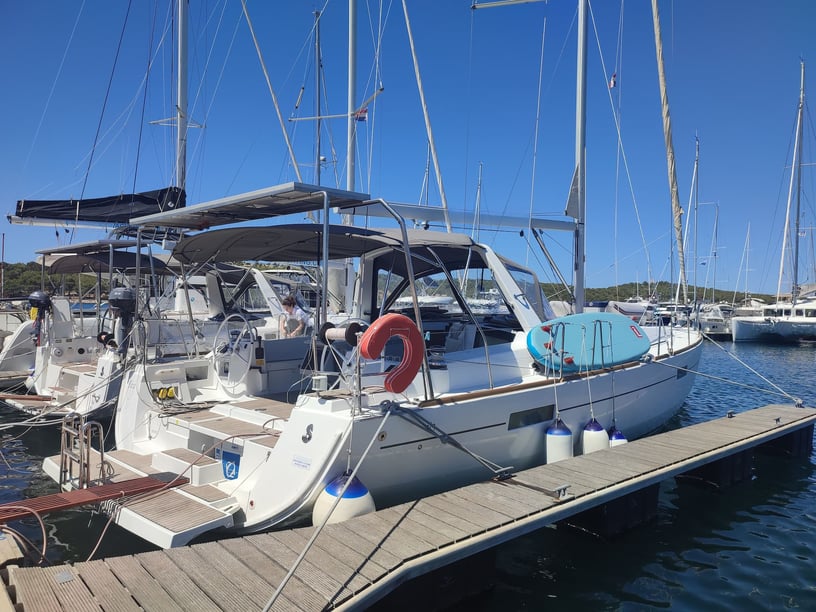
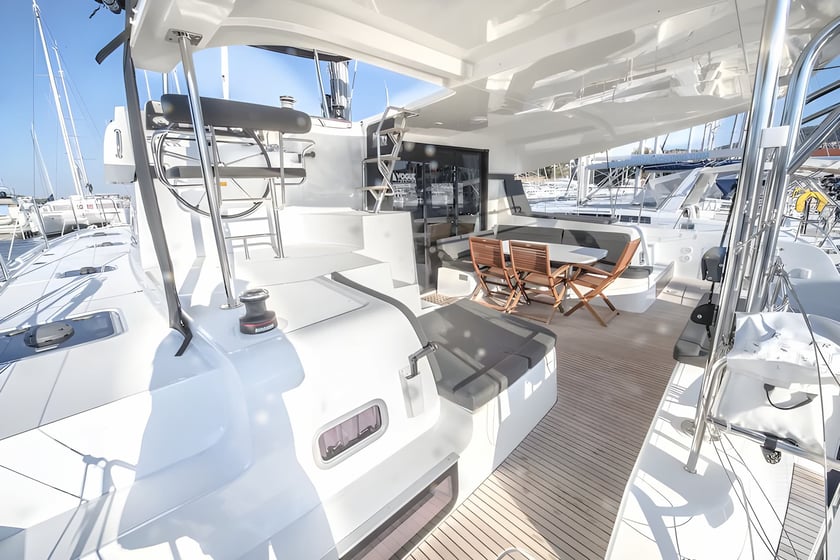
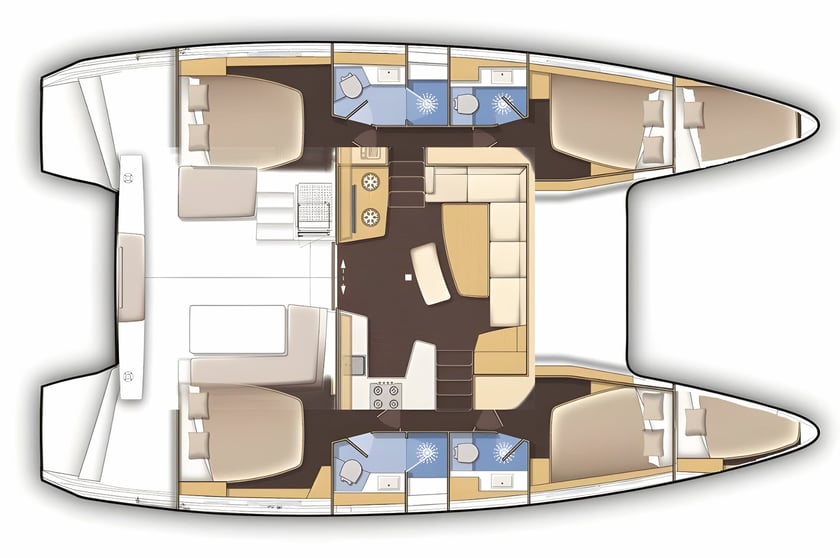
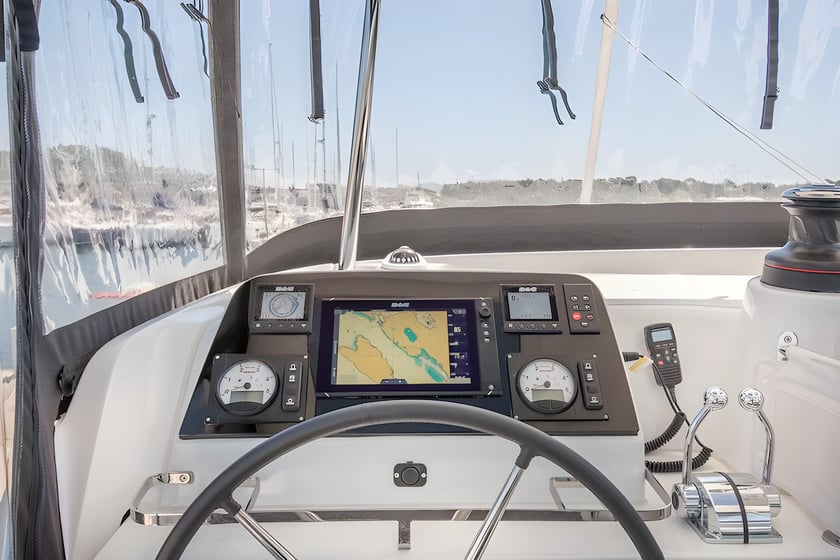
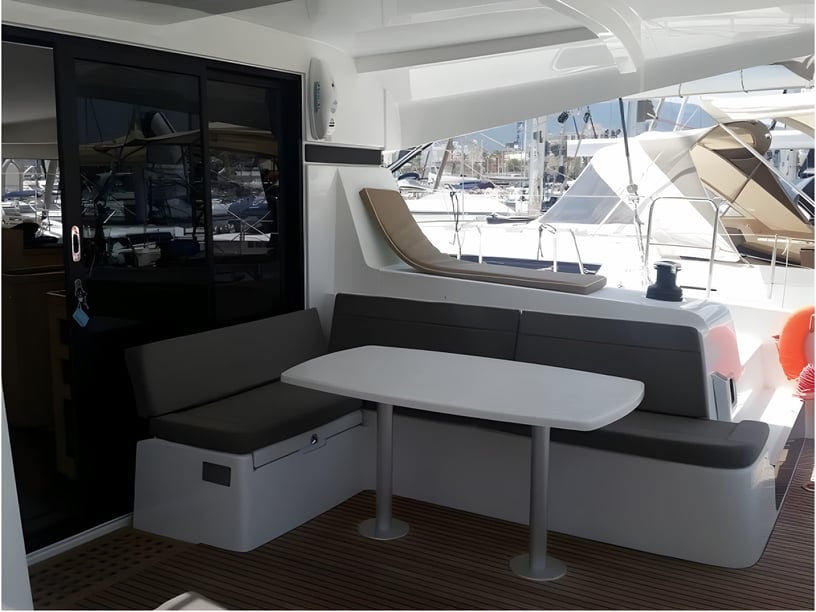
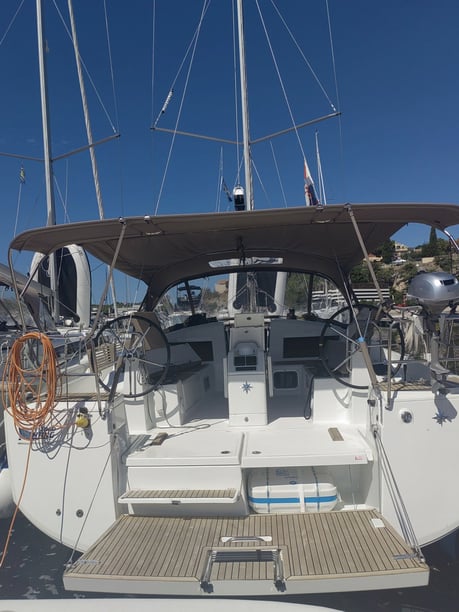
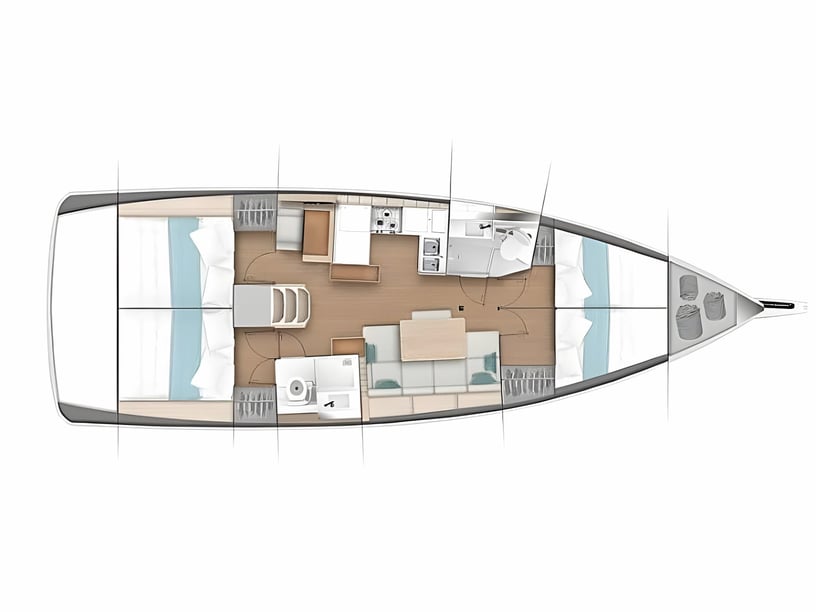
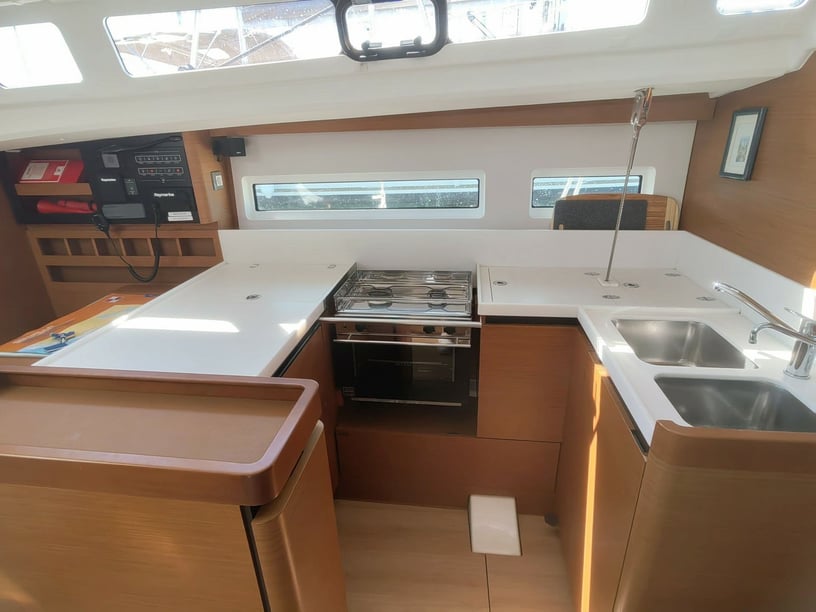
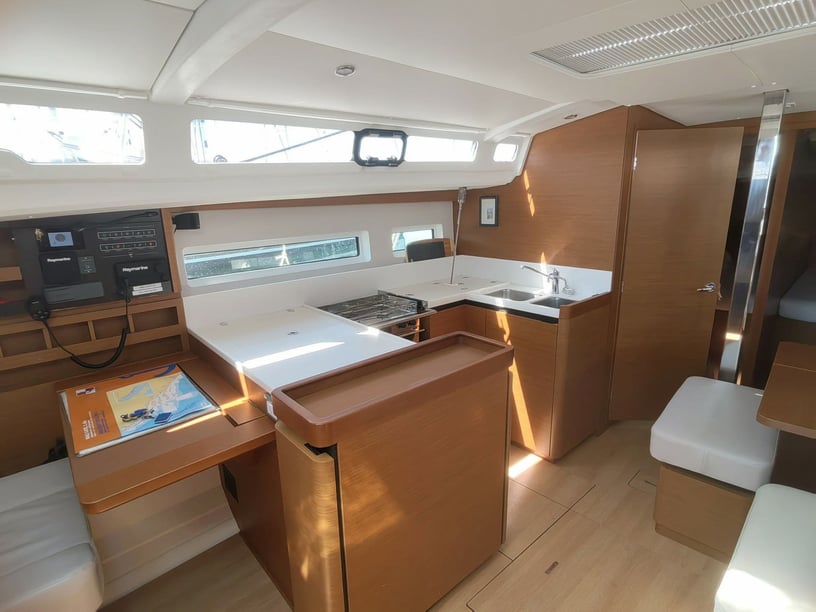
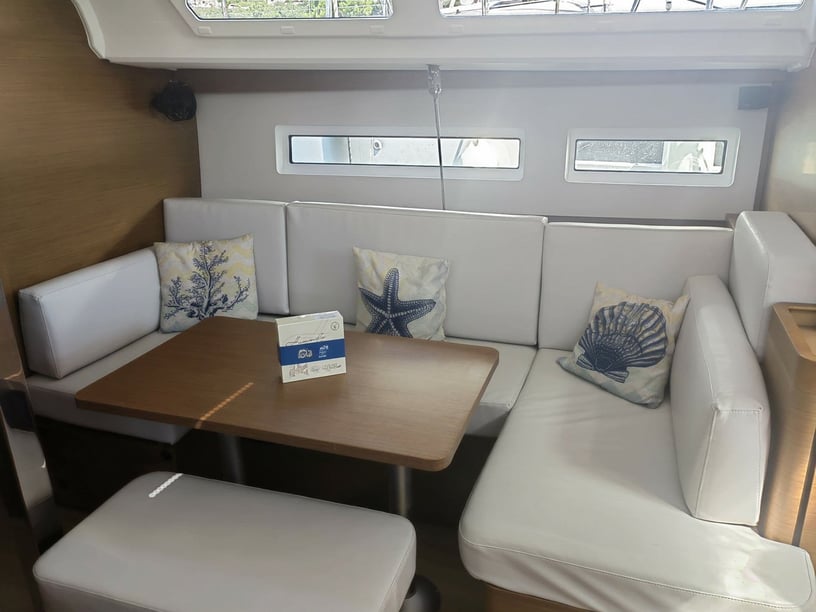
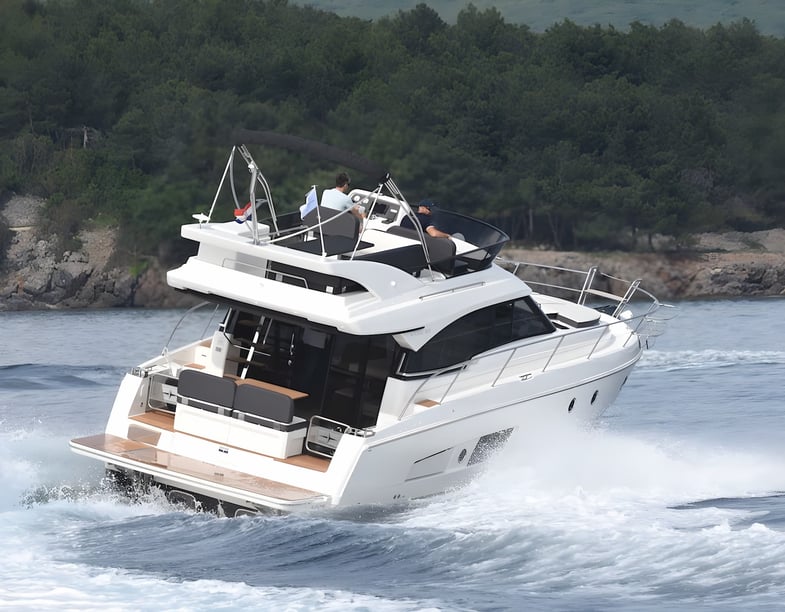
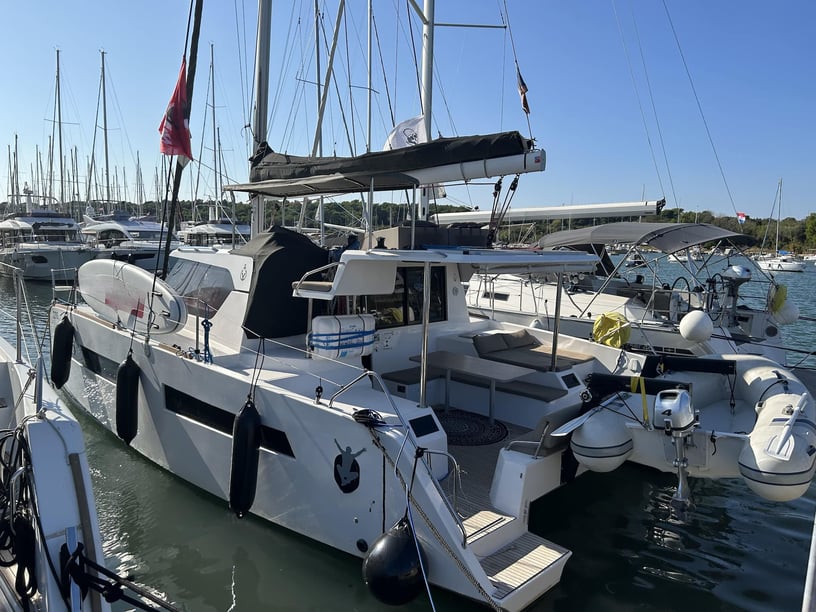
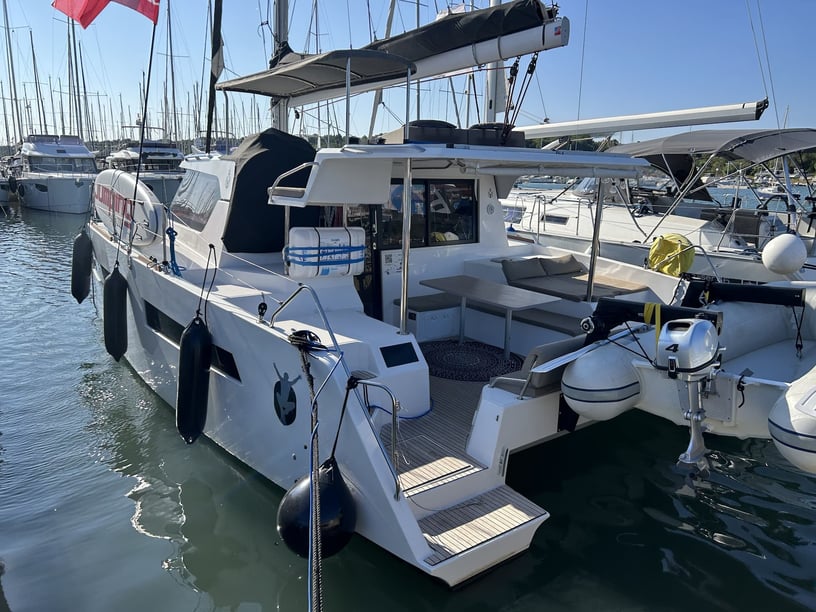
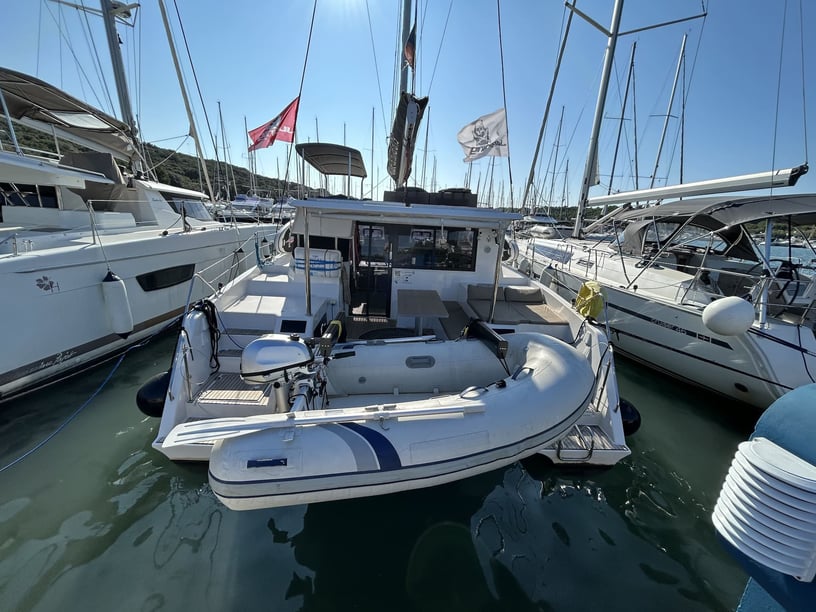
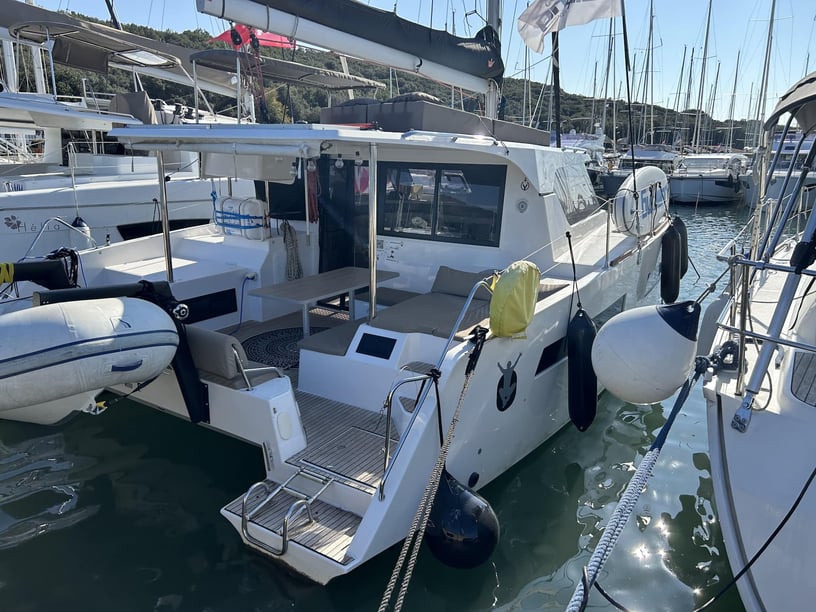
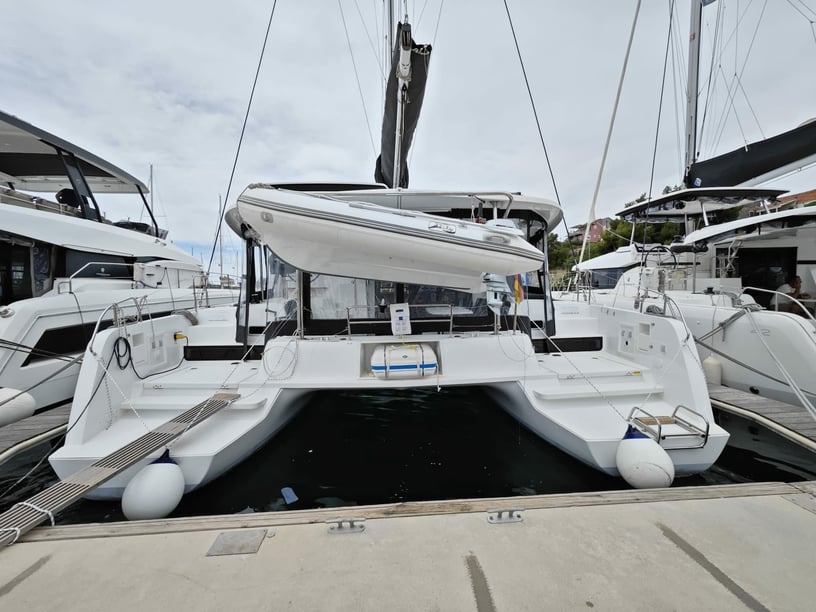
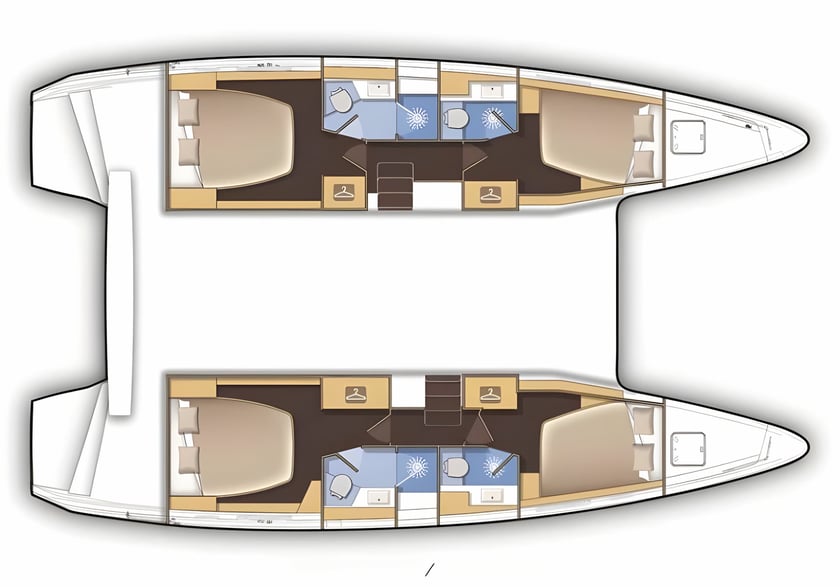
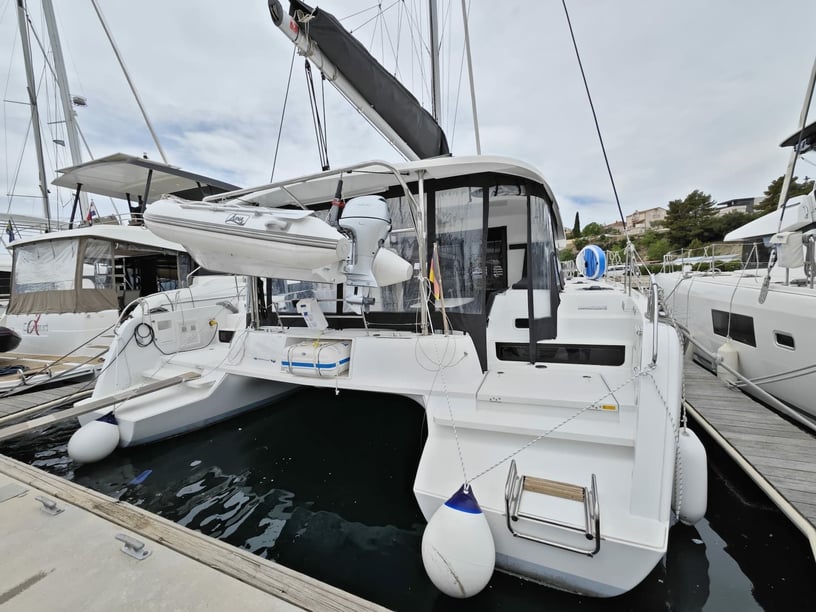
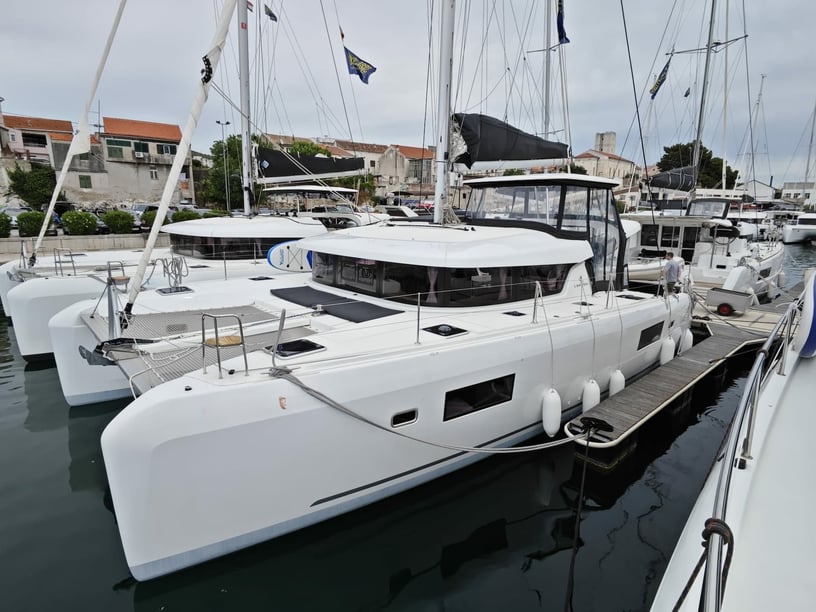
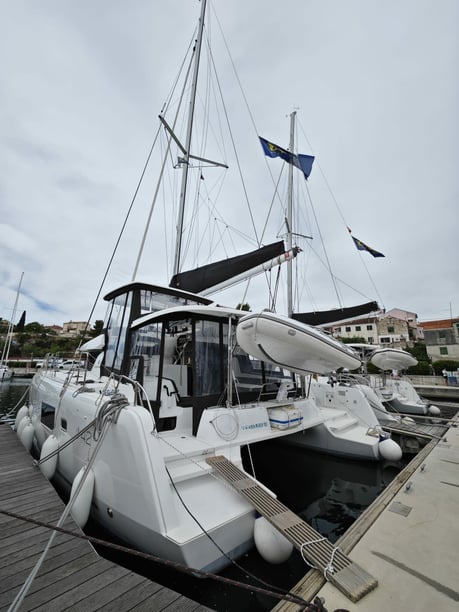
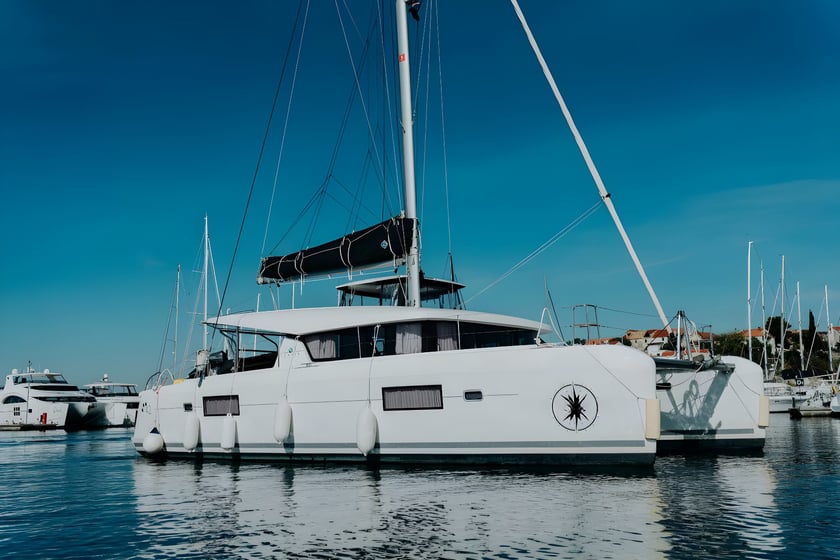
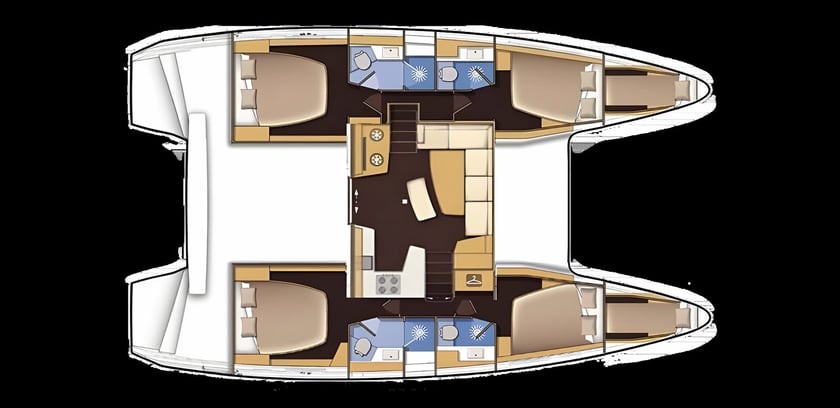
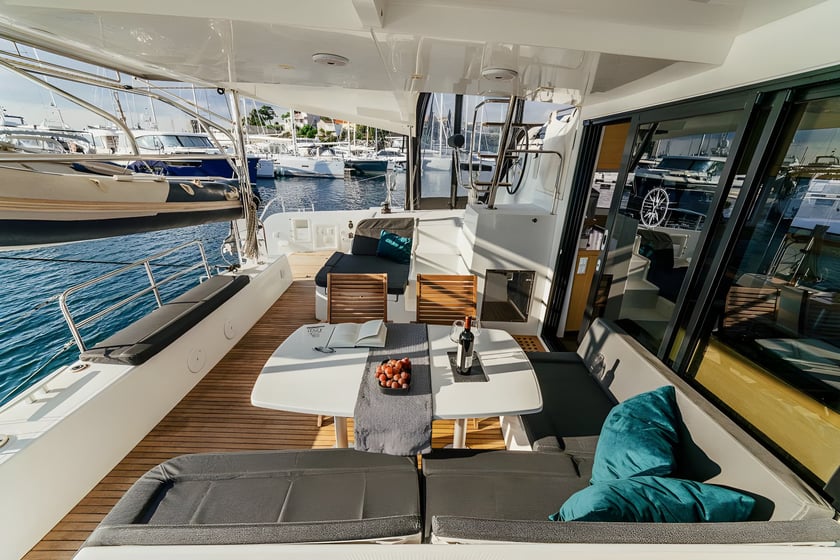
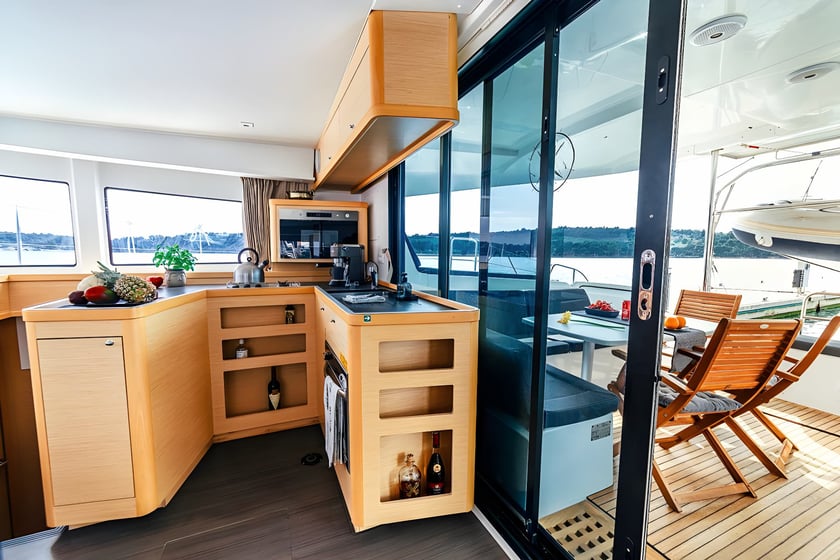
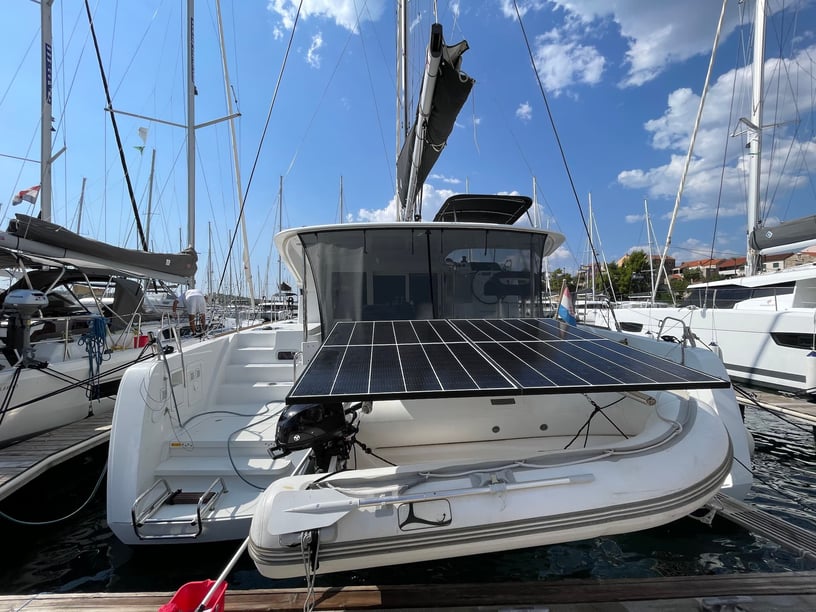
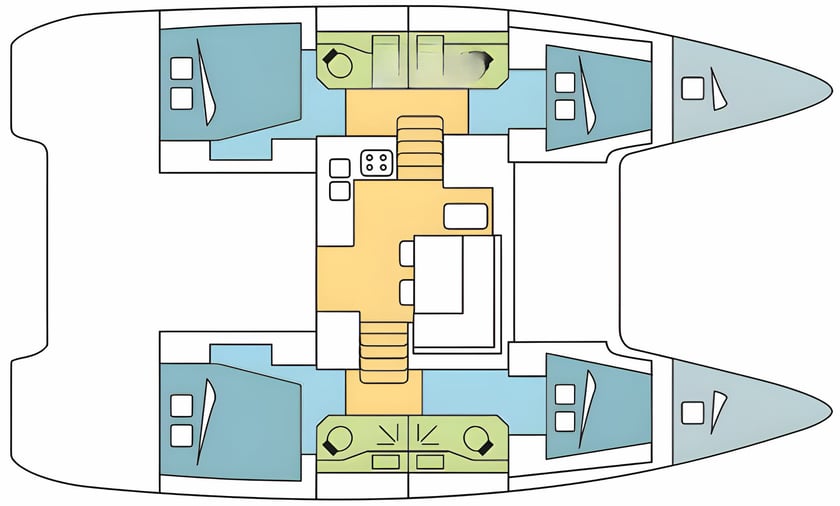
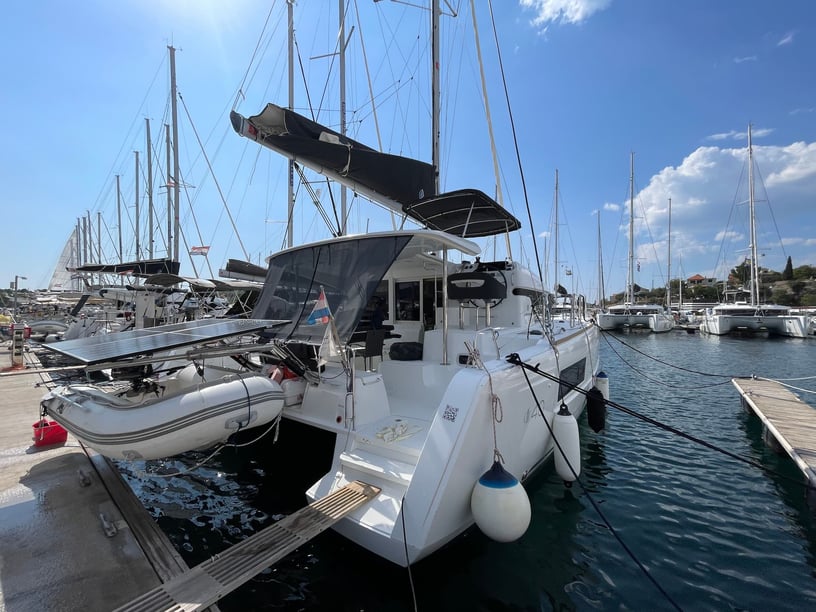
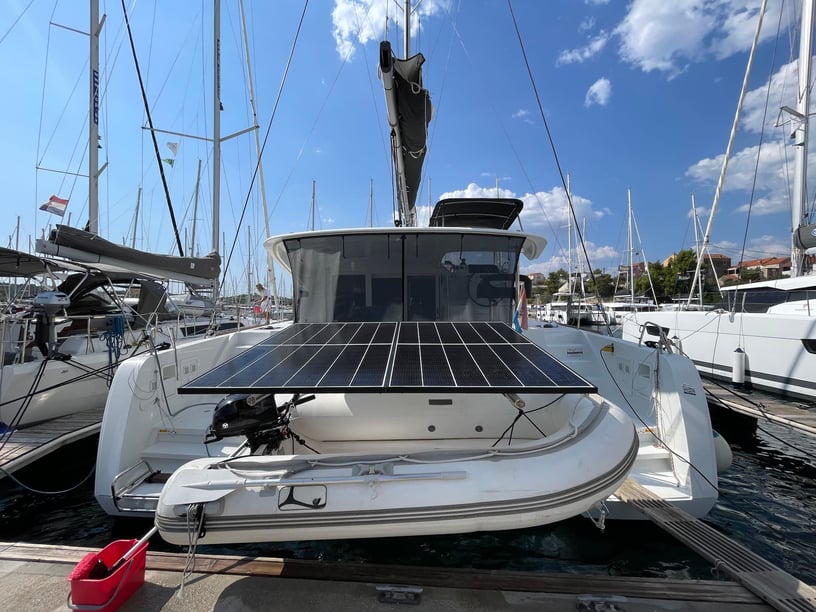
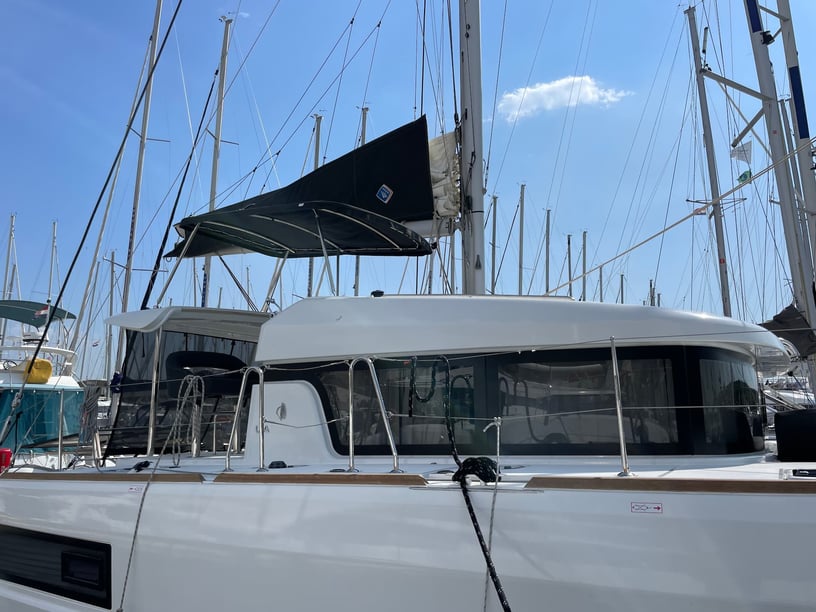
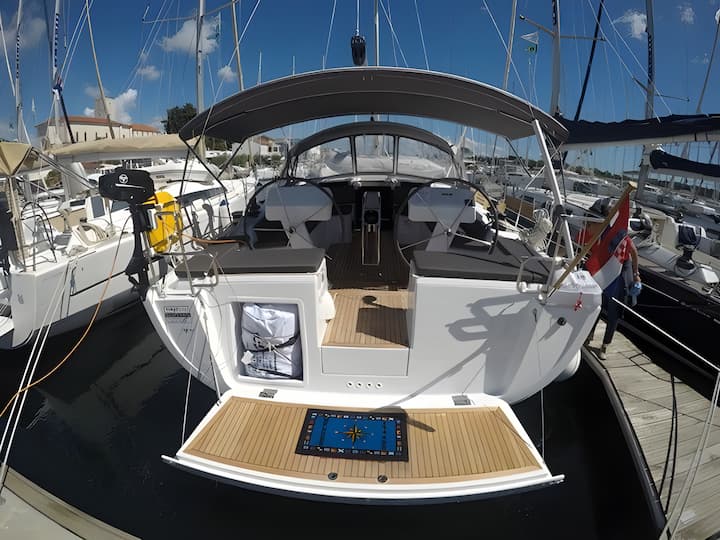
Travelers comparing boat formats can consider a sailboat charter in Šibenik for a sailing-focused itinerary or research a Šibenik catamaran charter where onboard layout and space are central considerations. The appropriate choice also depends on crew experience, trip length and planned mooring or anchoring stops.
Bareboat operators must carry qualifications accepted by Croatian maritime authorities, including an appropriate radio certificate when required. Crews should use current official nautical charts, account for ferry approaches and check local rules before entering Kornati National Park. Forecast-led planning is essential because individual coves offer different protection from the bura, jugo and northwesterly winds.














Verified
László W.01 Apr 2026
The handover and return of the boat went very smoothly. However, the parking at the marina was rather expensive.
Šibenik / Croatia