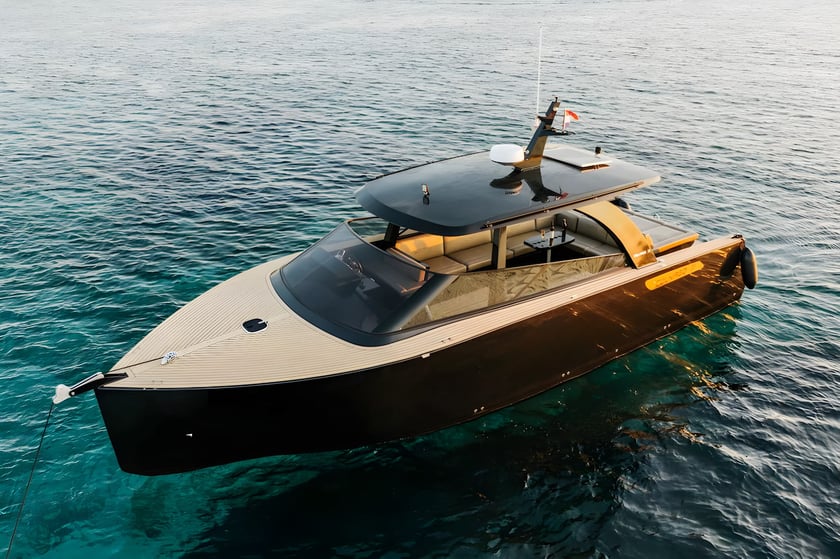
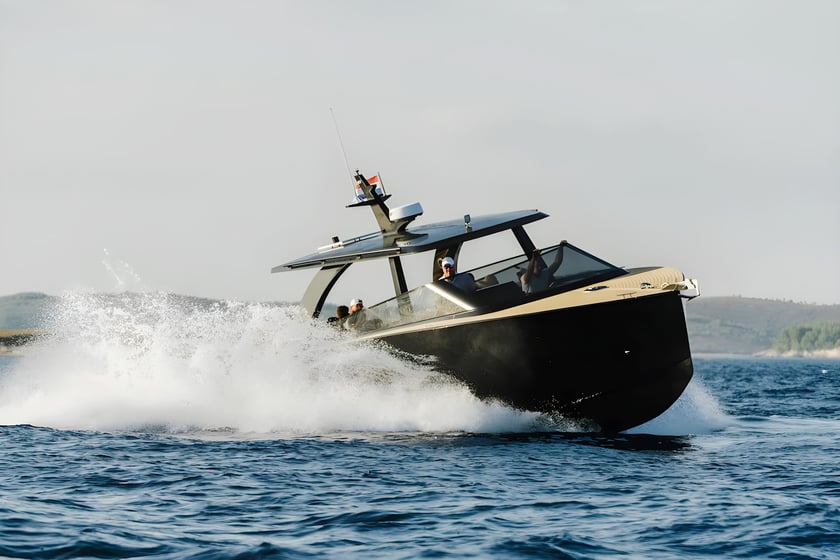
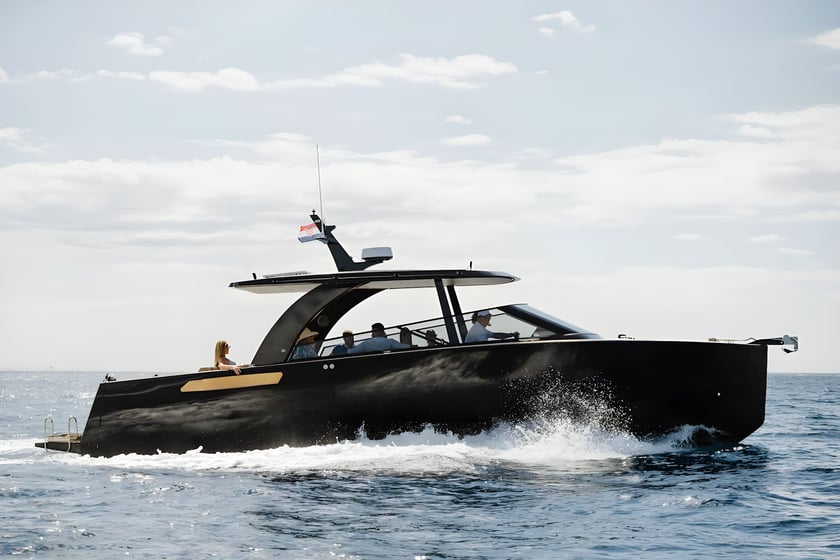
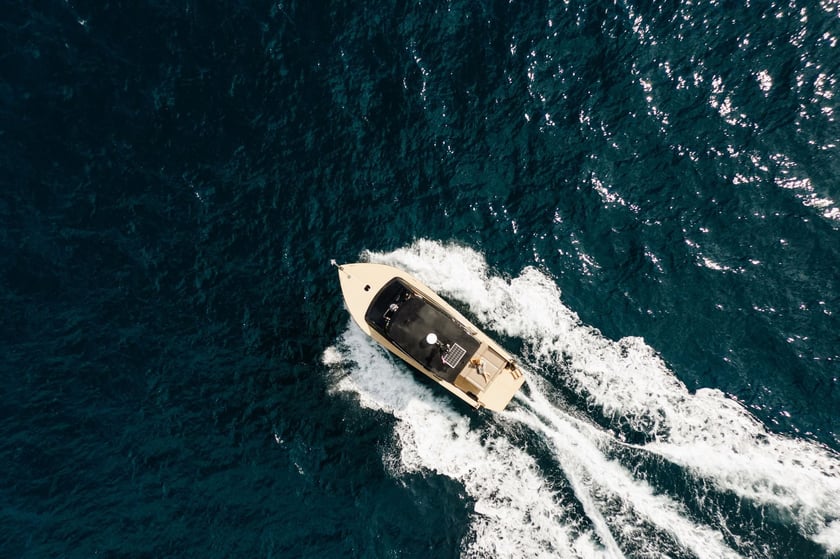
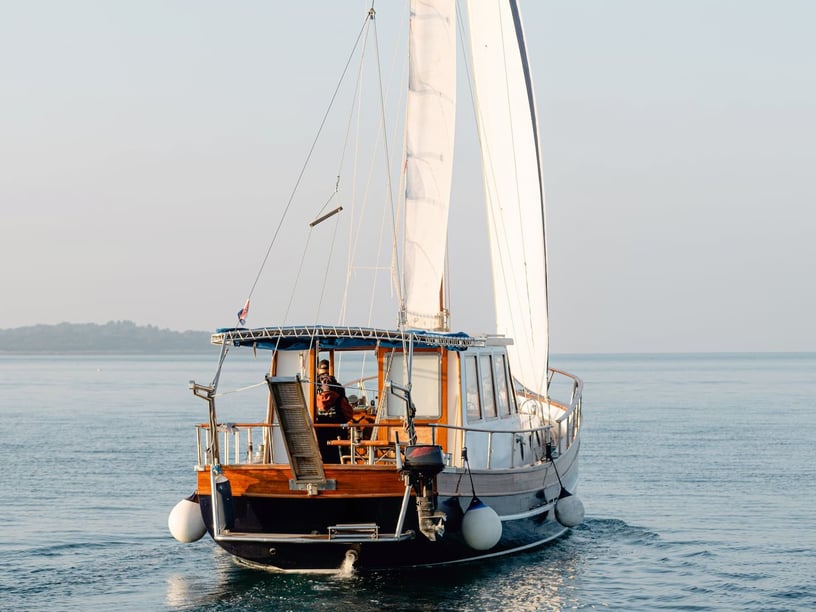
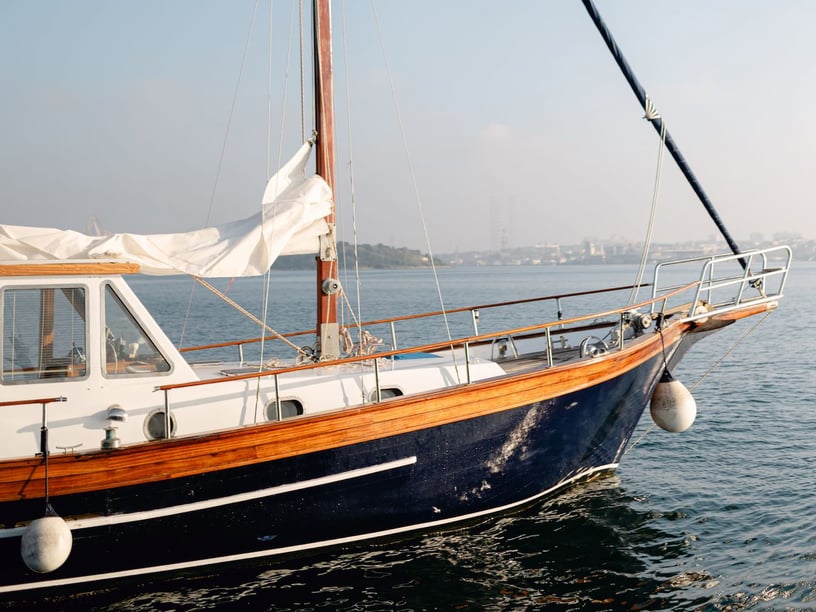
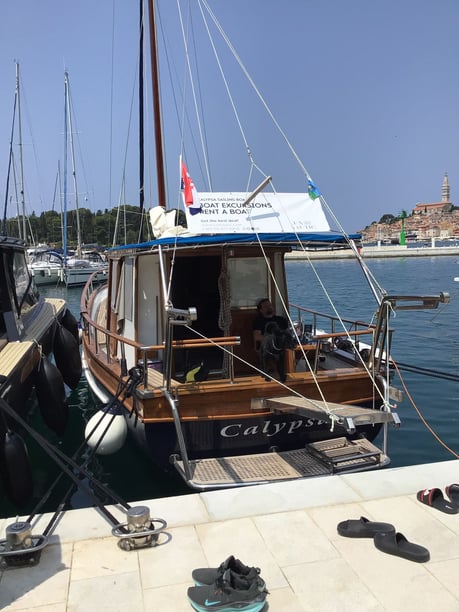
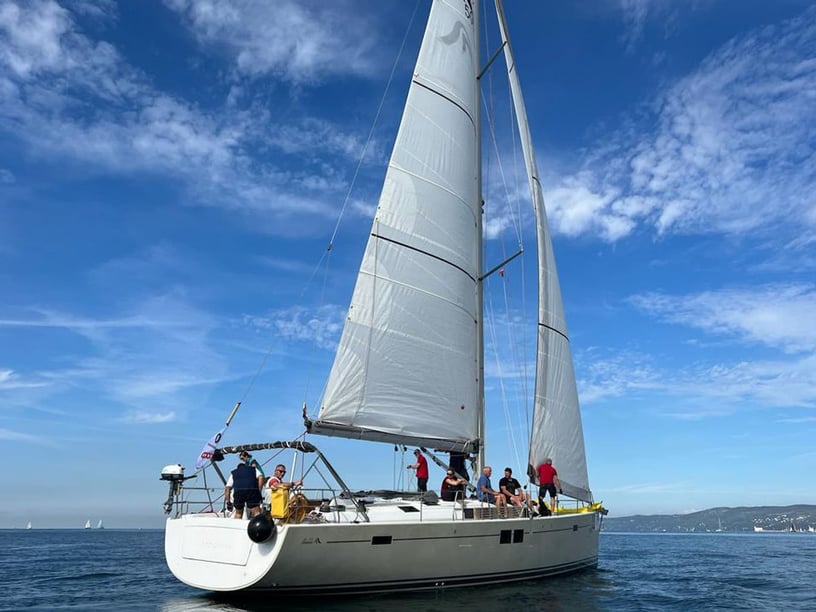
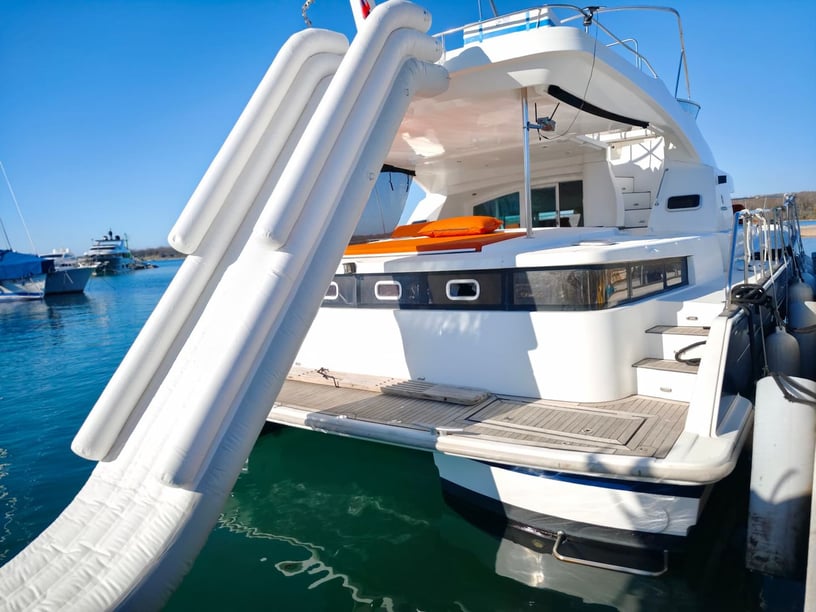
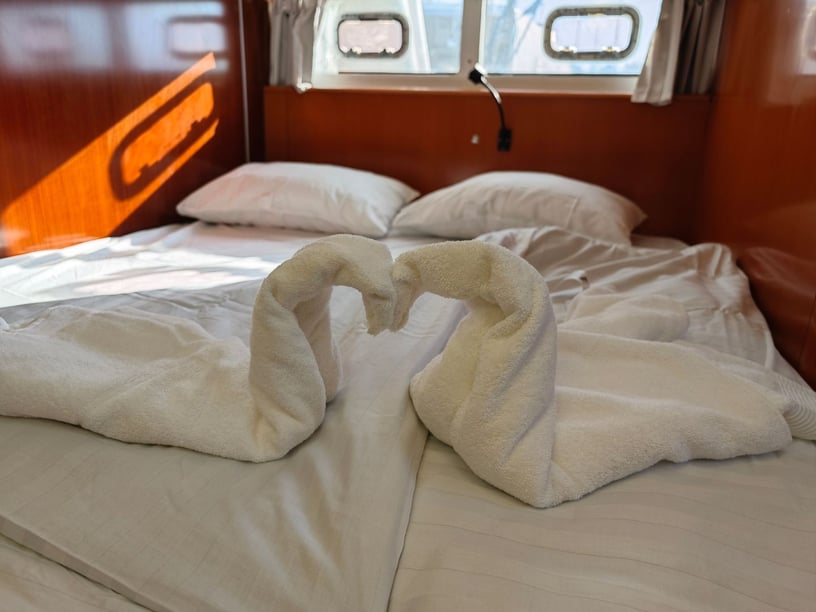
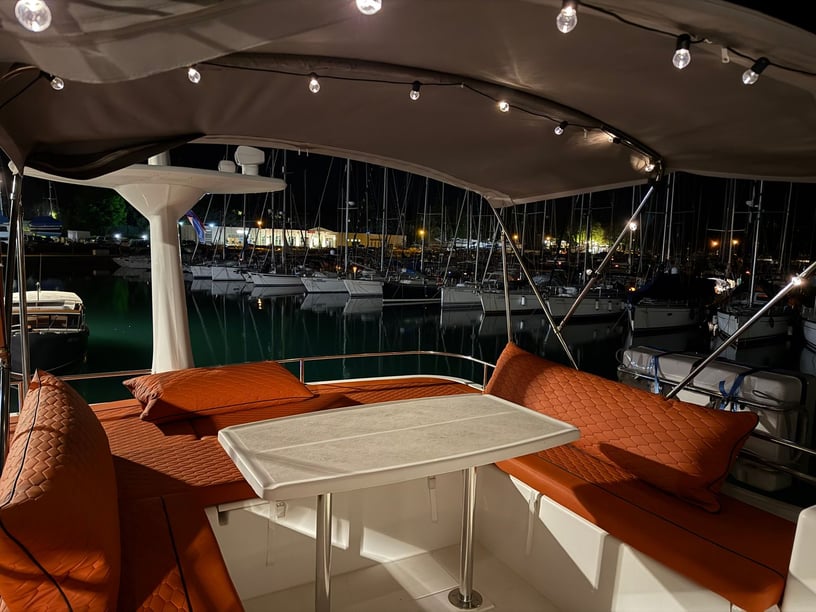
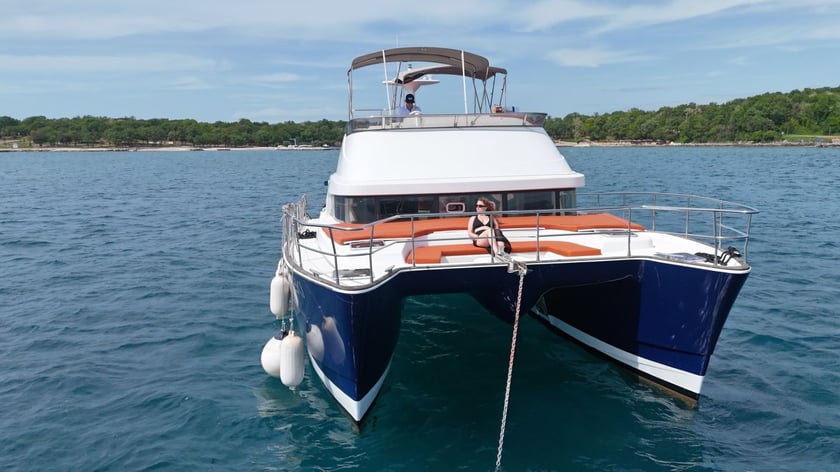
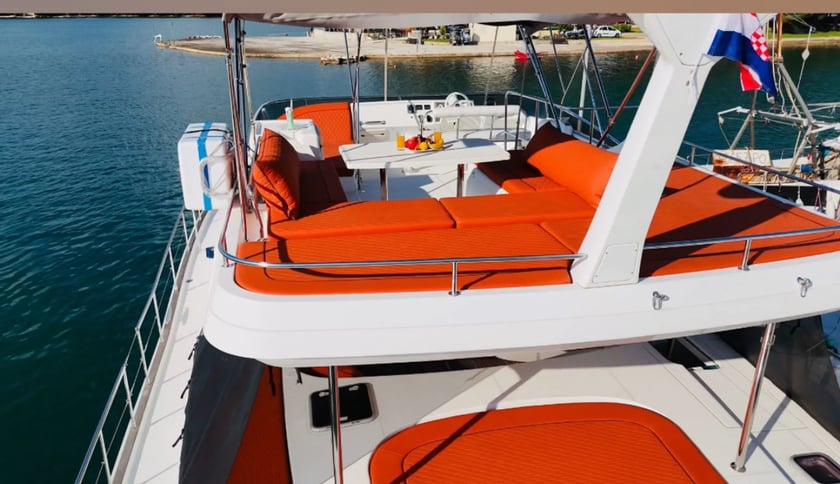
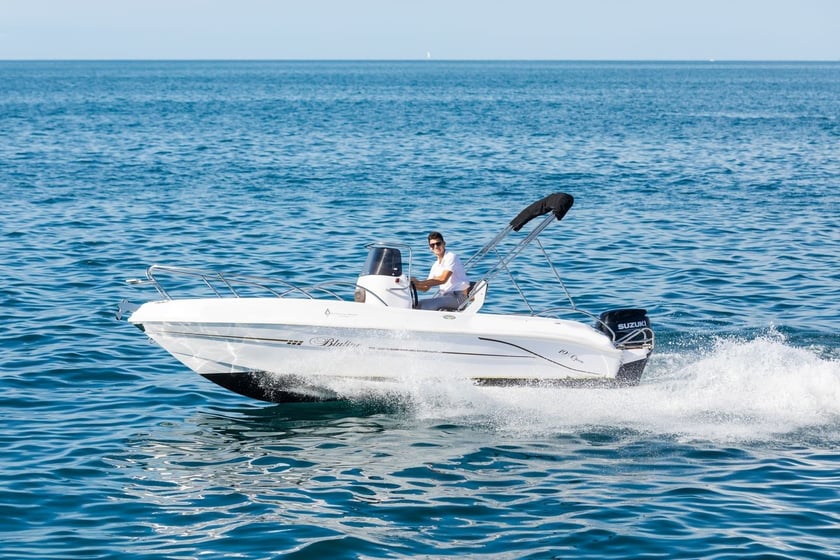
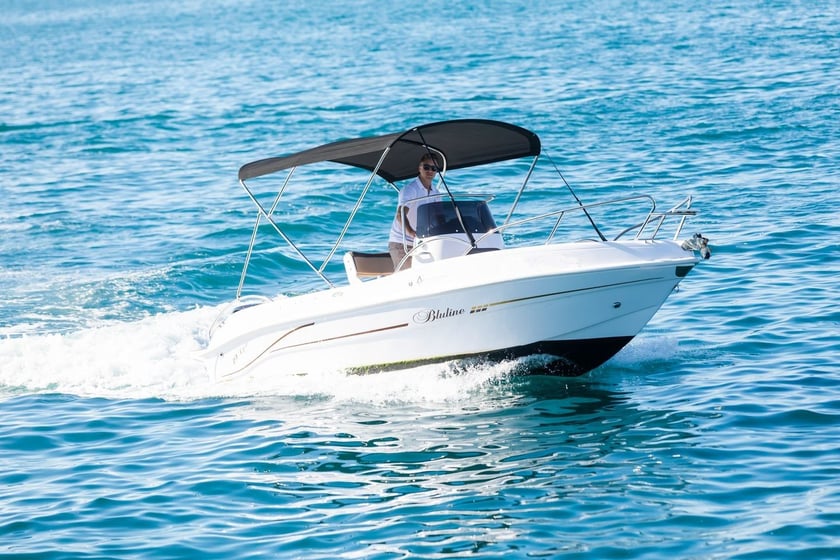
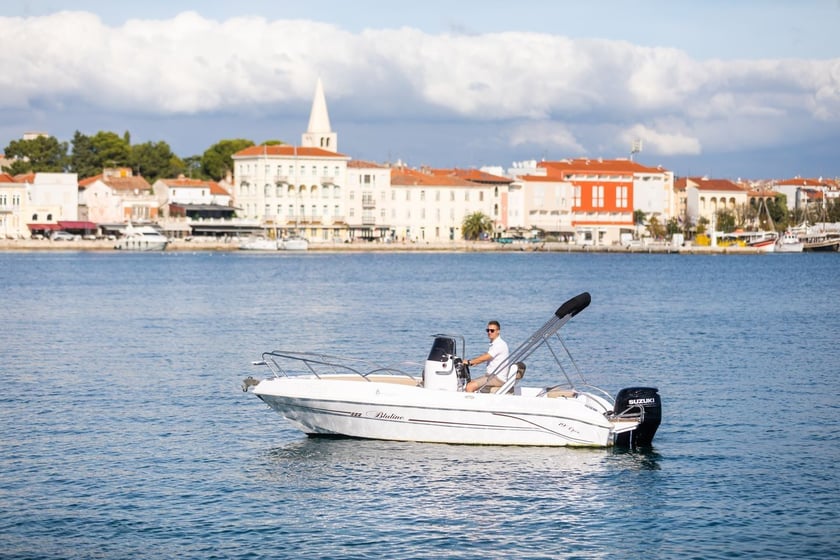
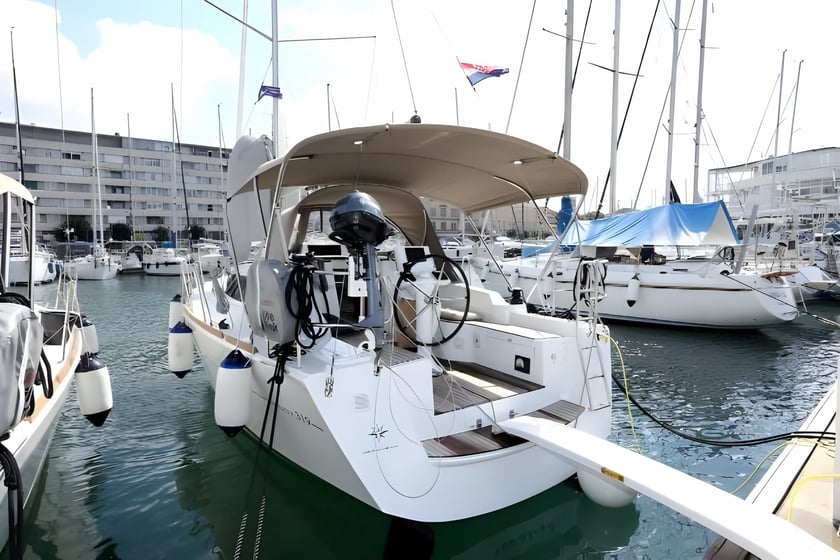
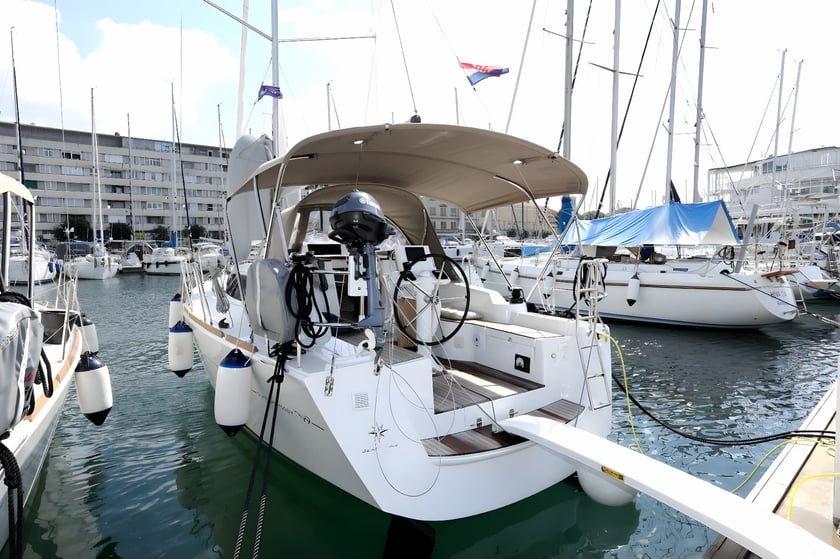
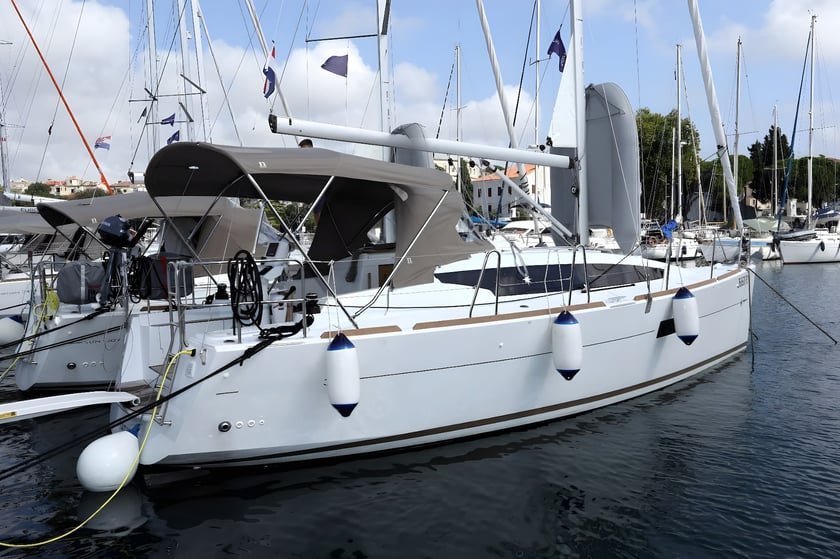
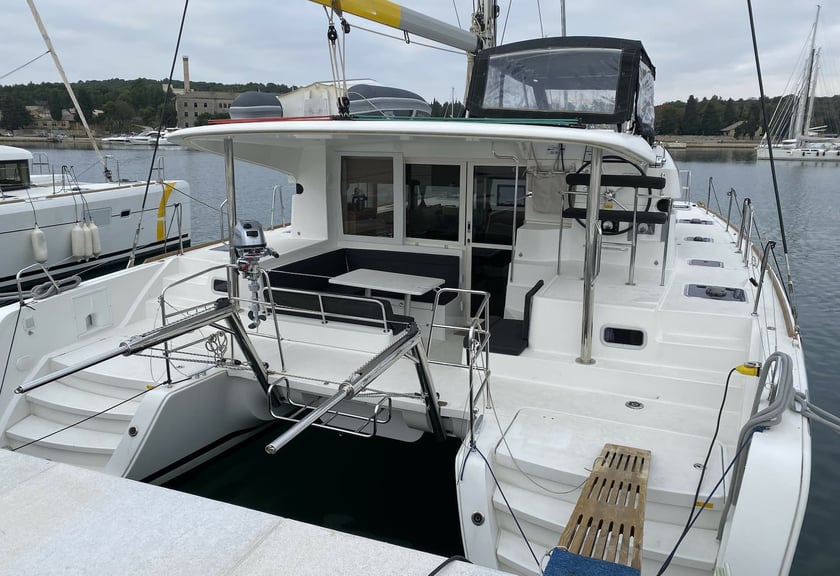
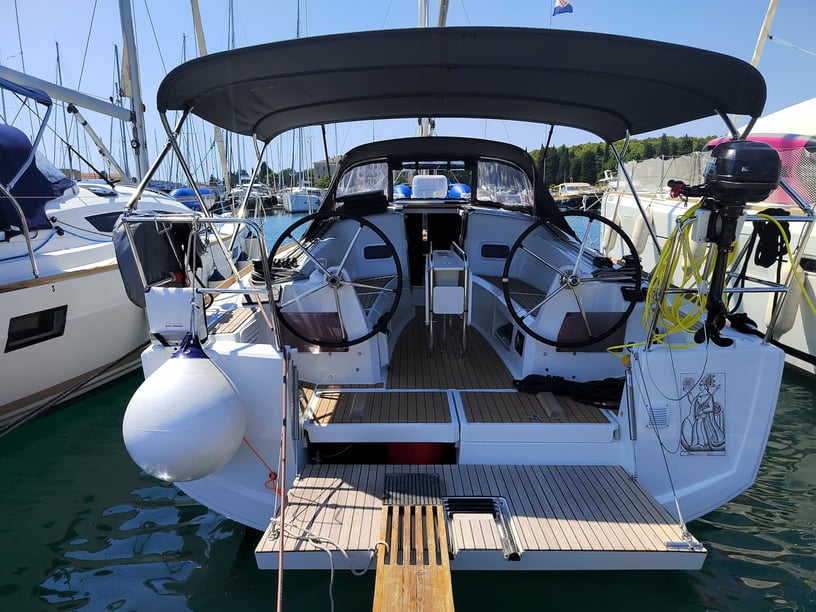
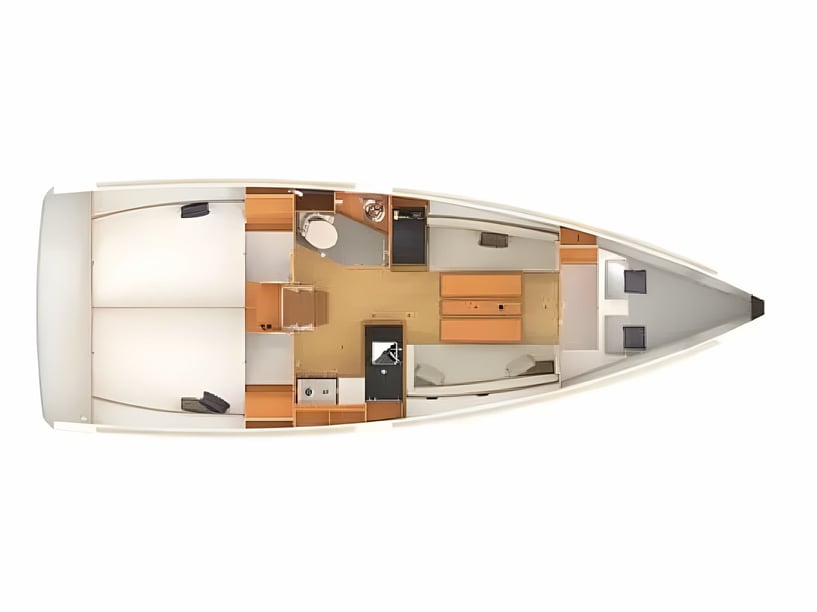
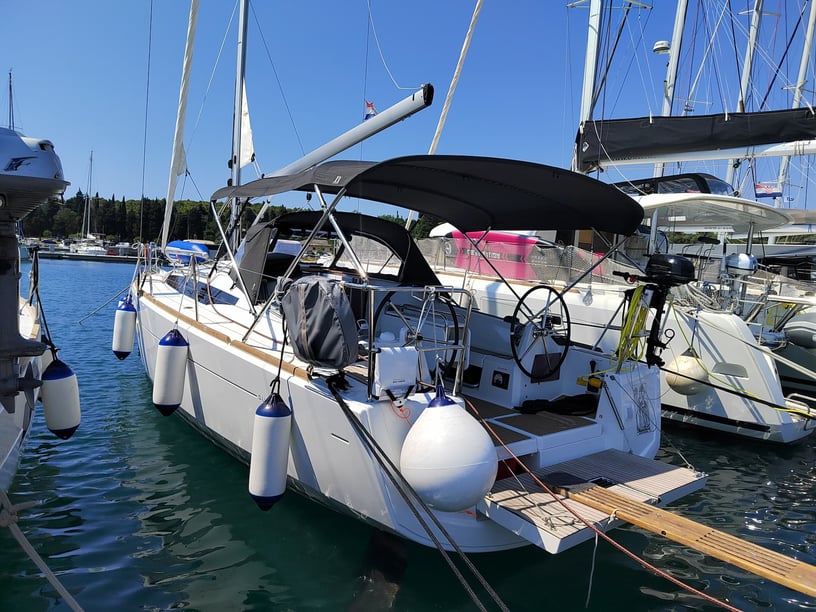
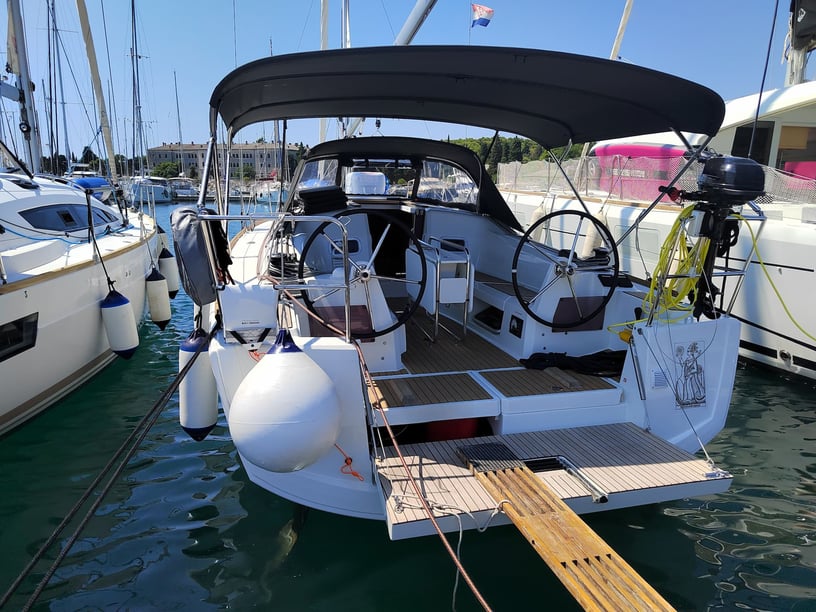
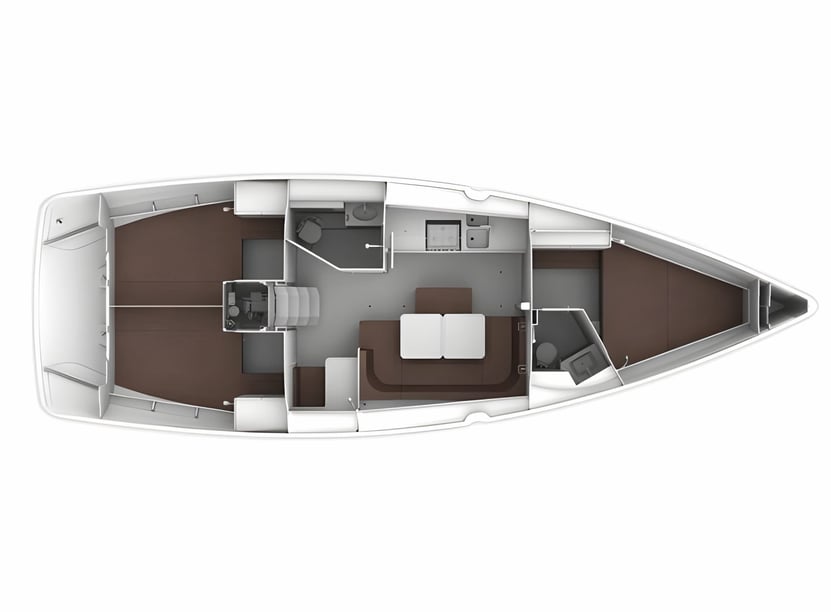
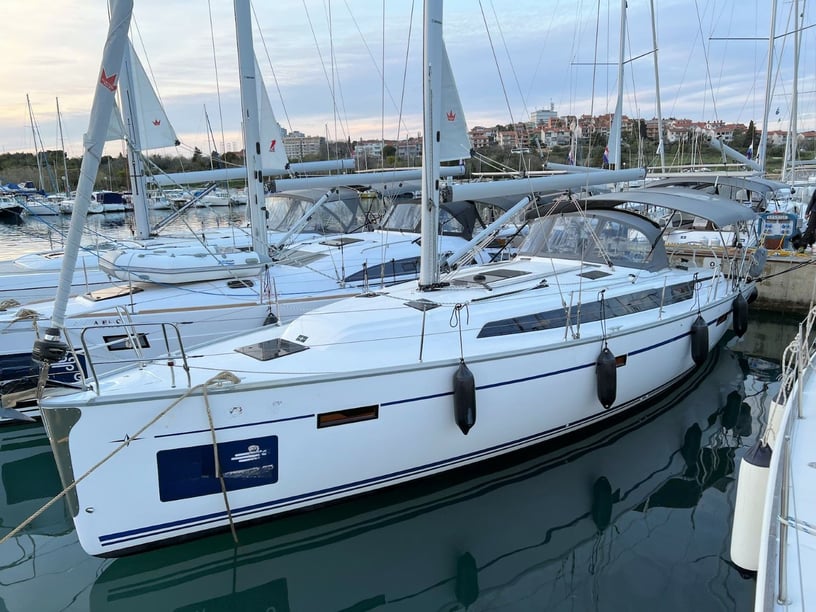
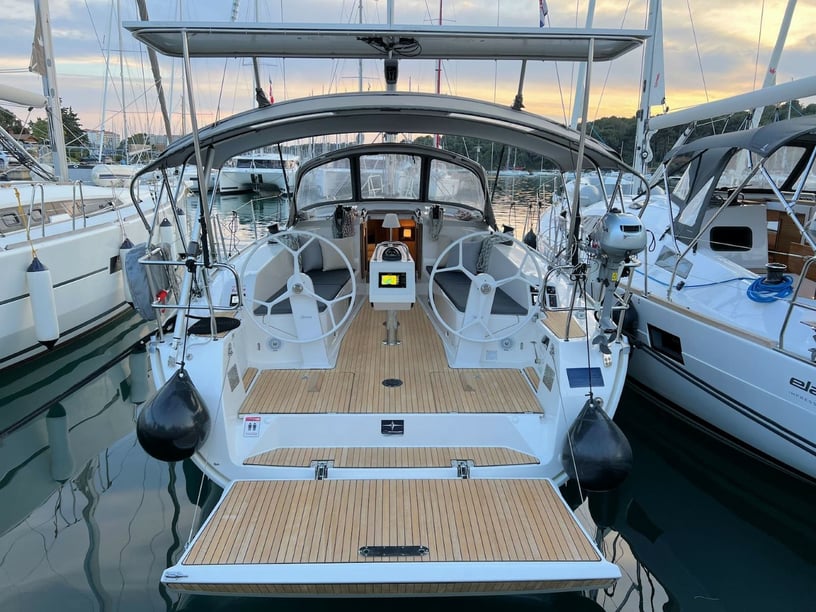
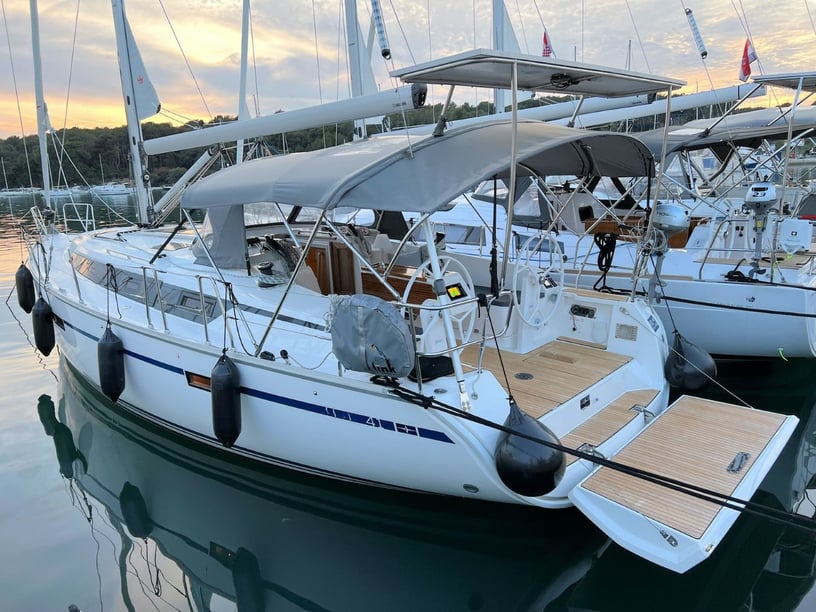
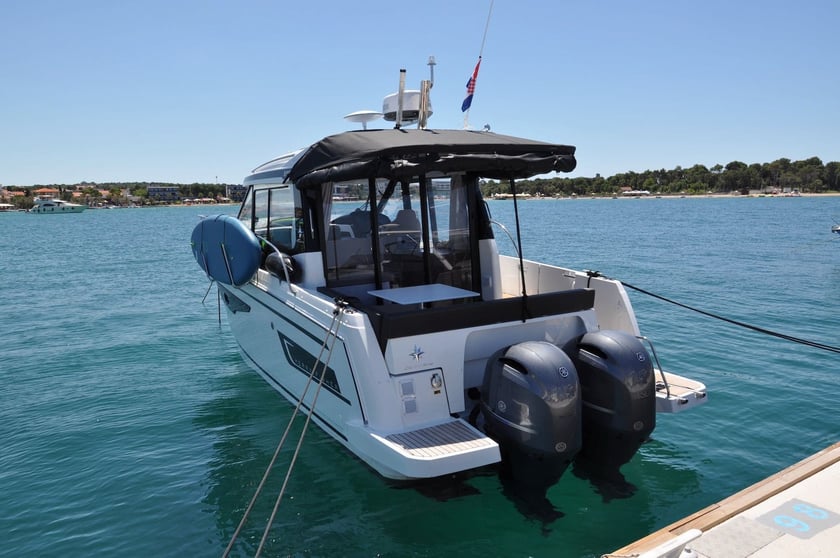
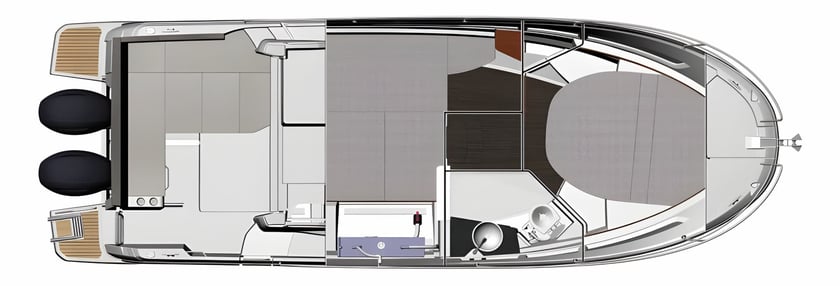
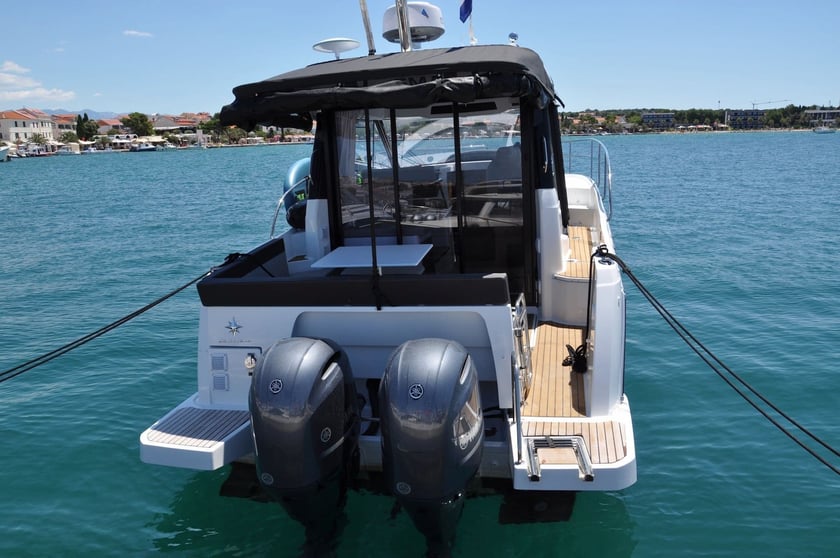
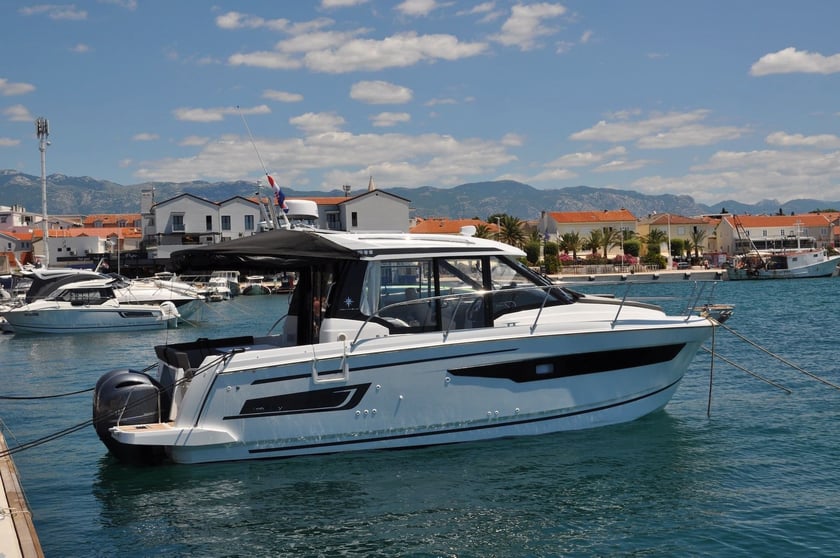
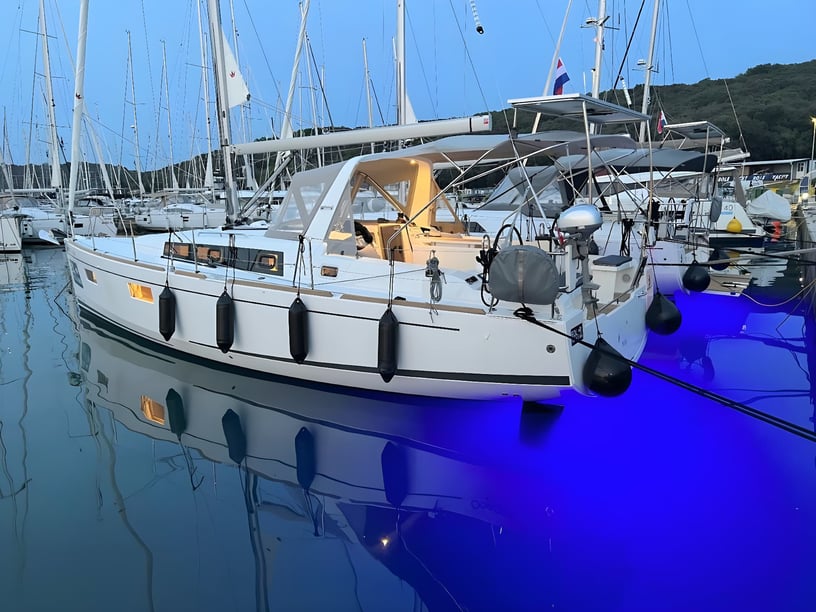
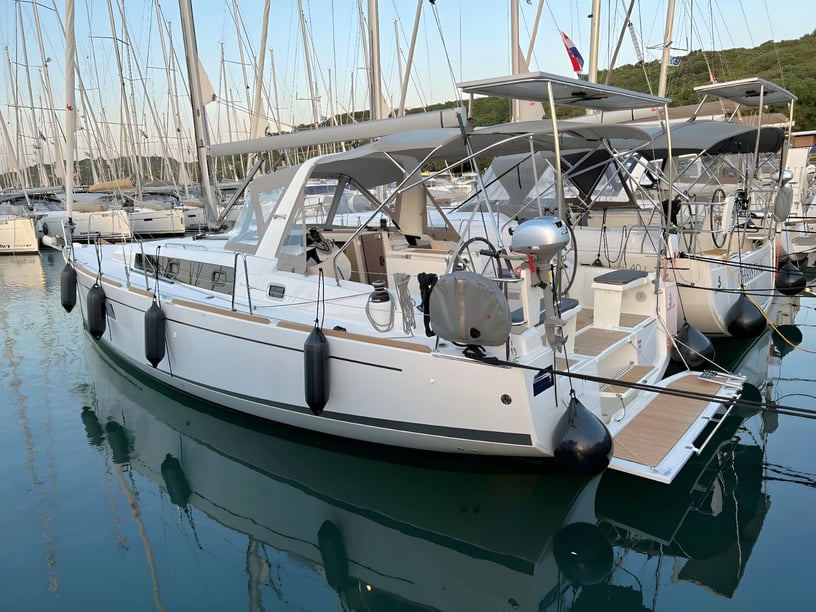
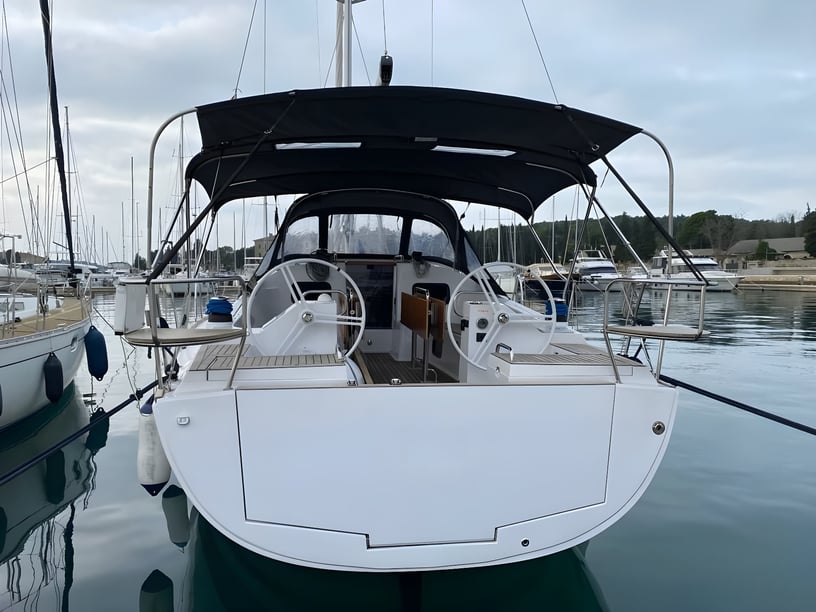
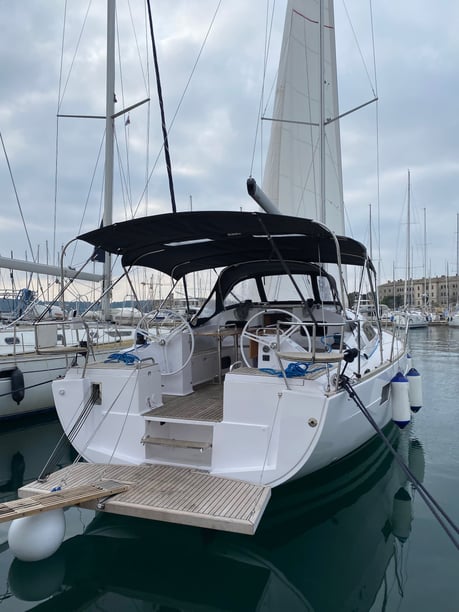
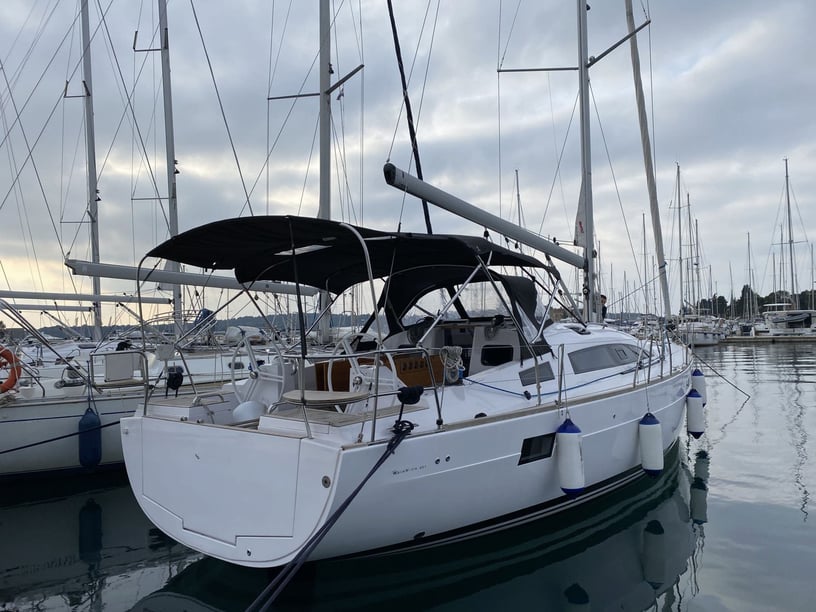
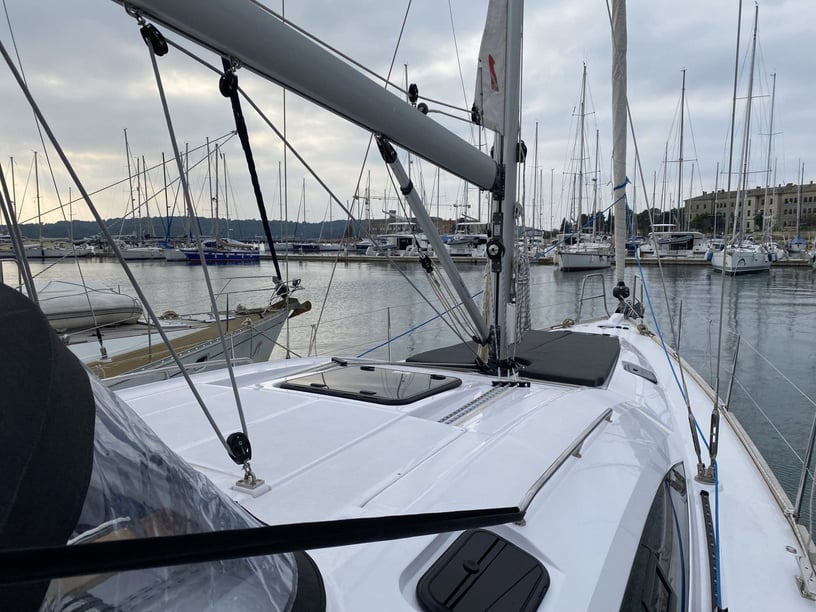
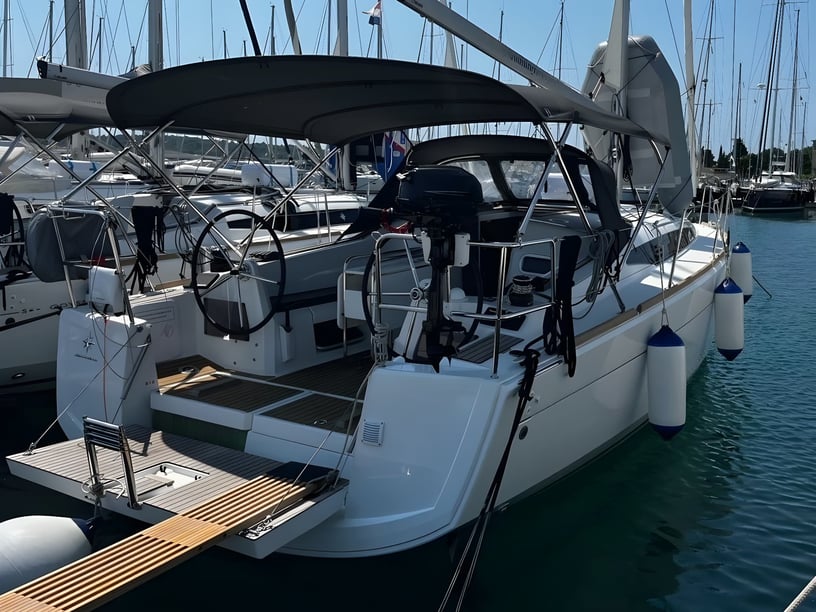
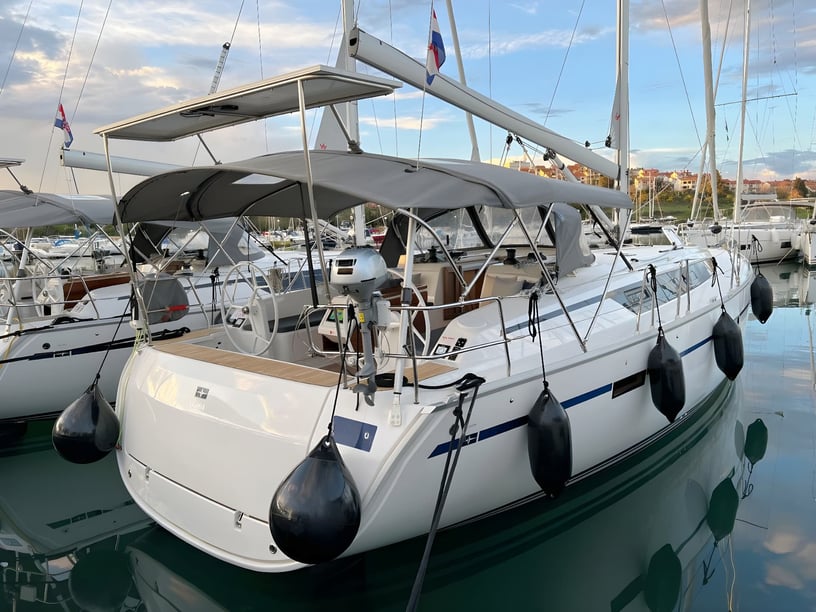
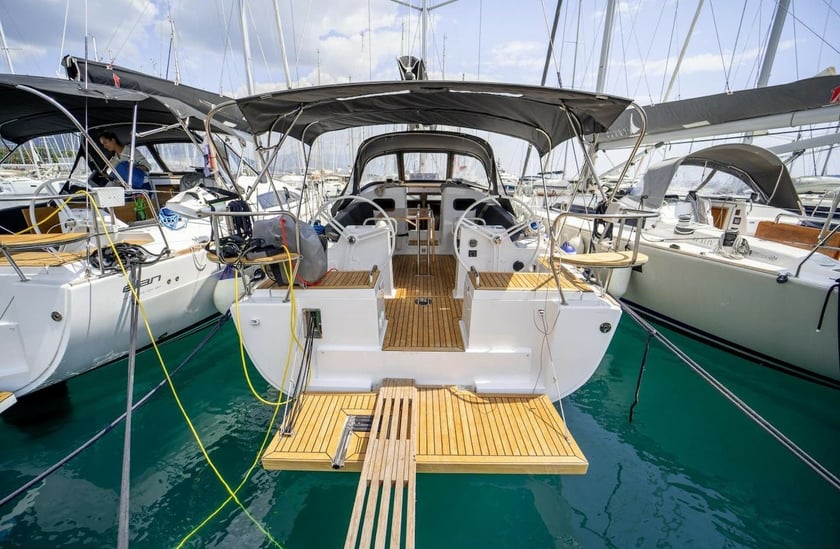
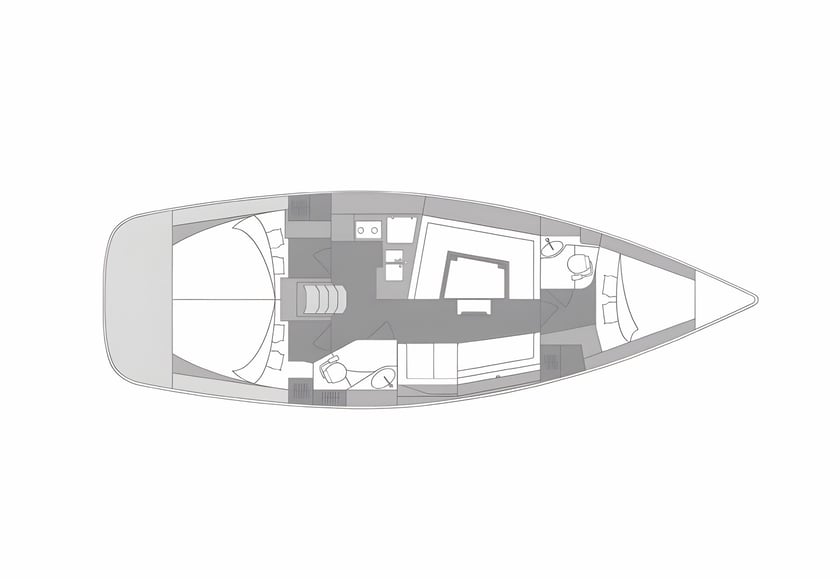
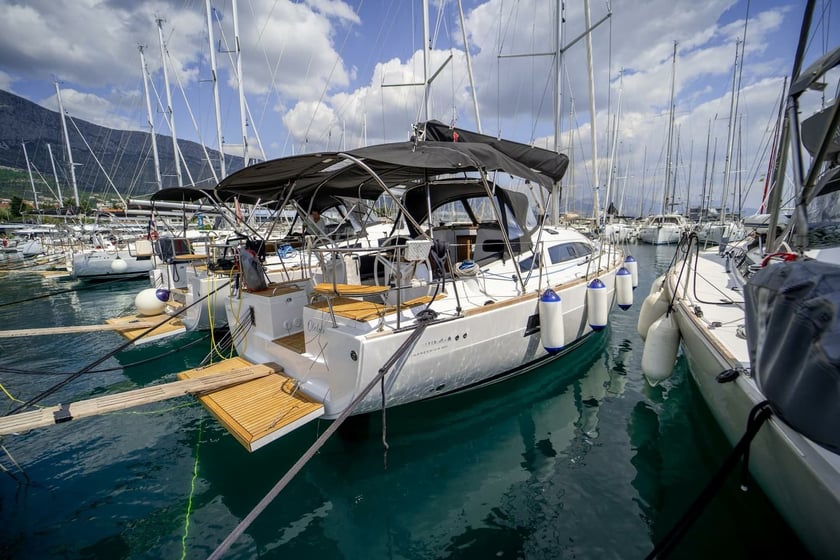
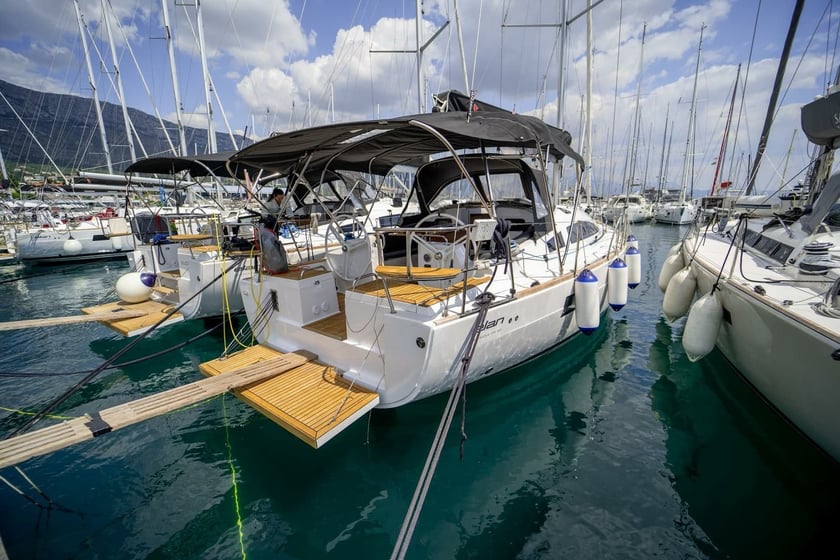
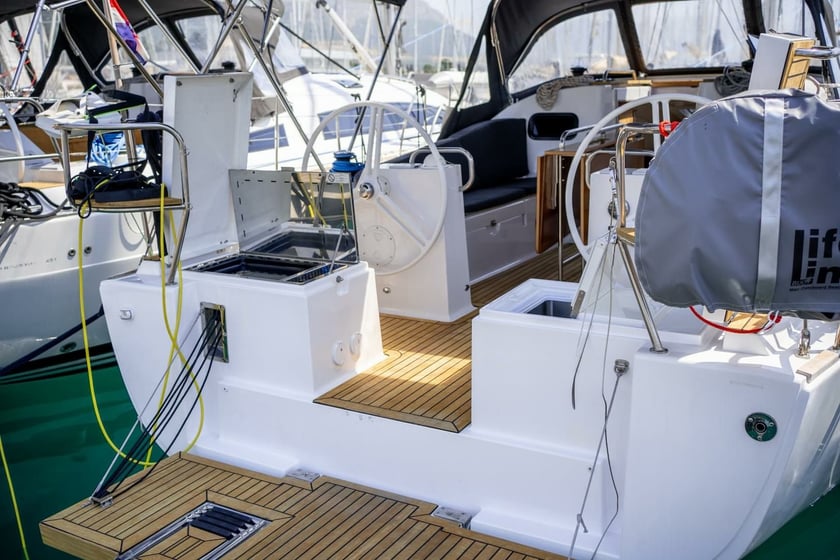
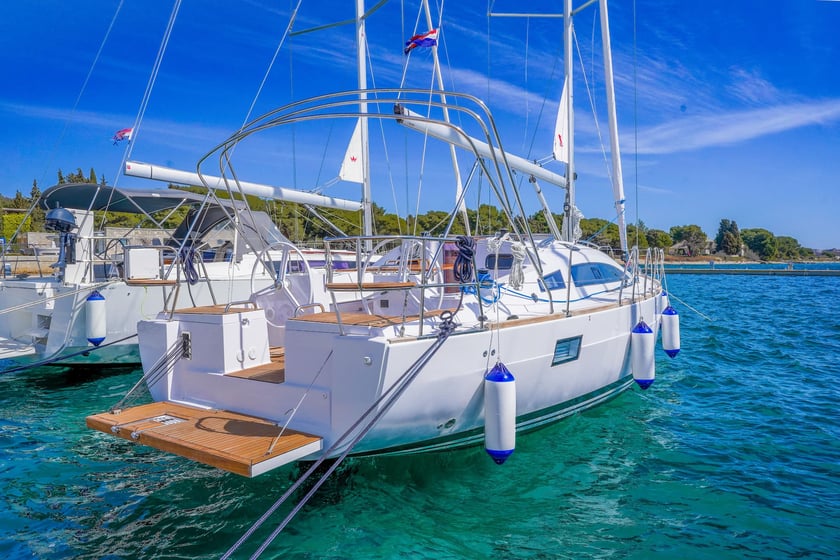
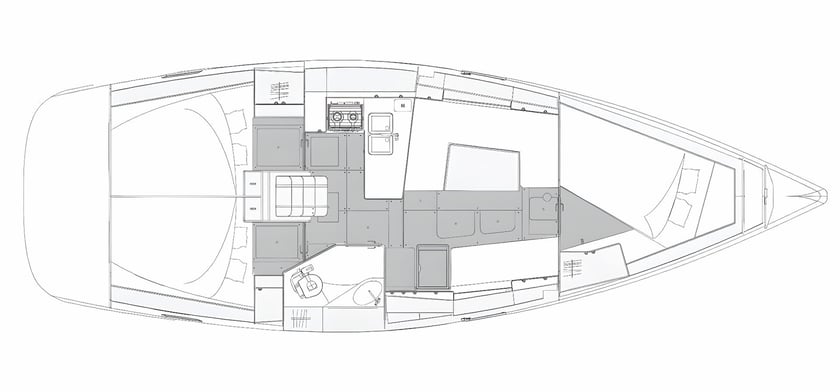
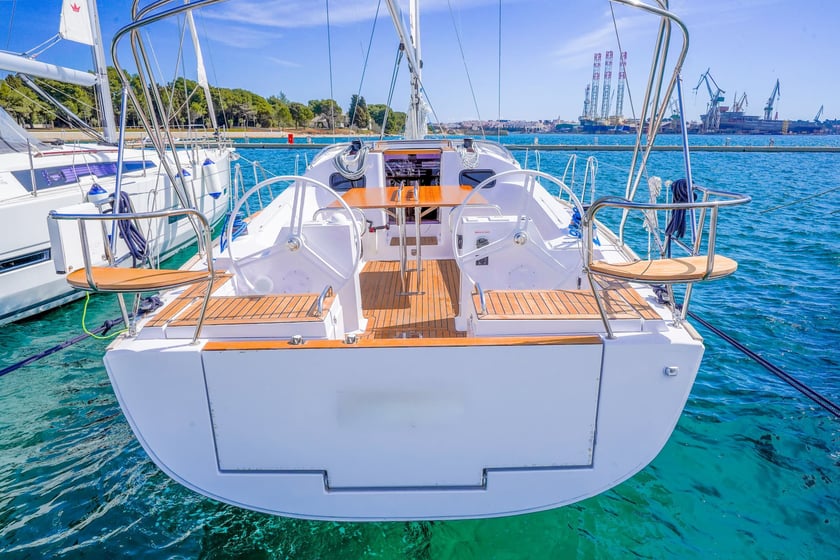
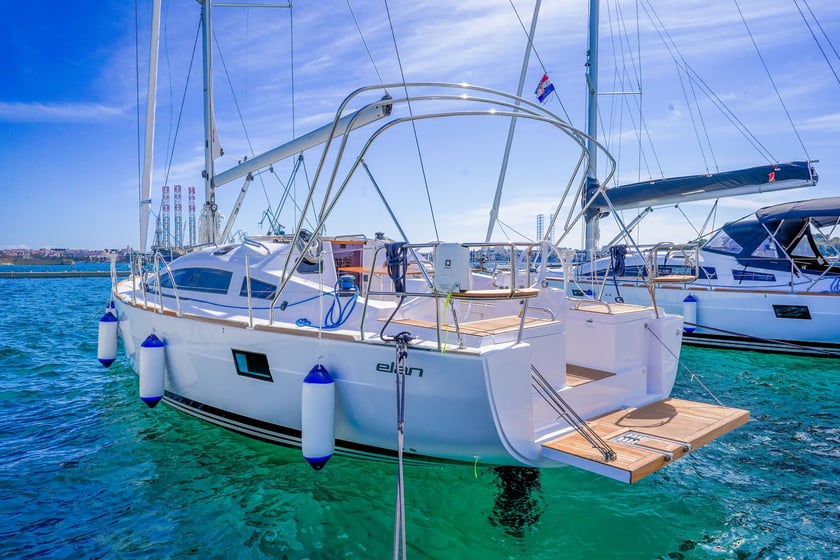
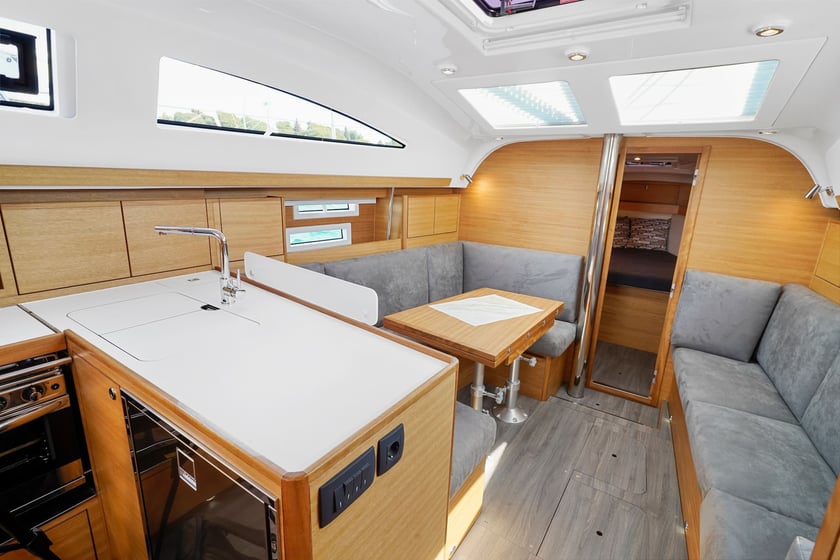
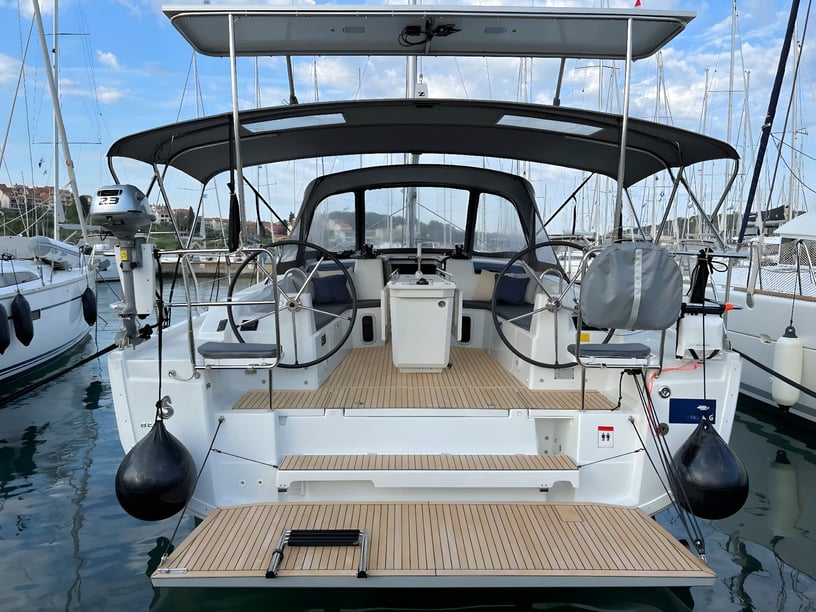
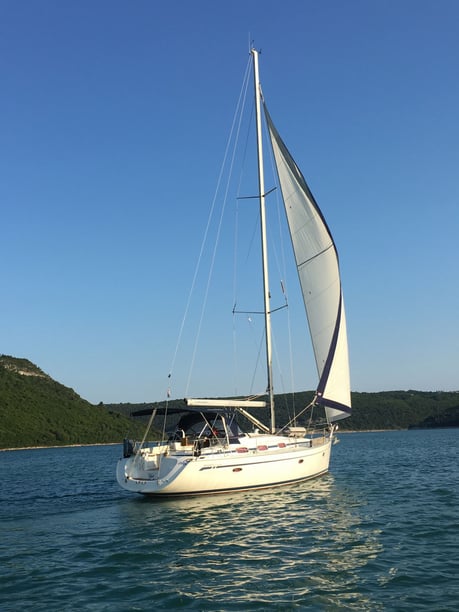
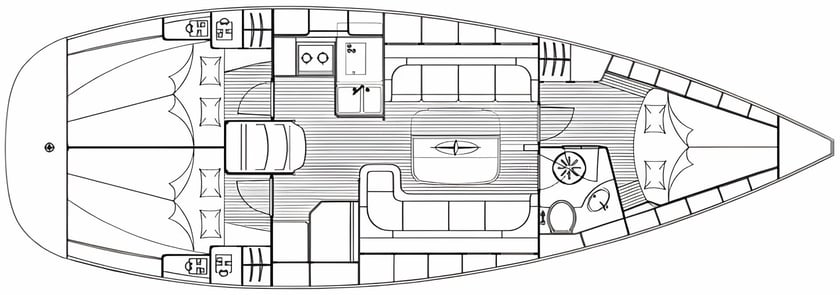
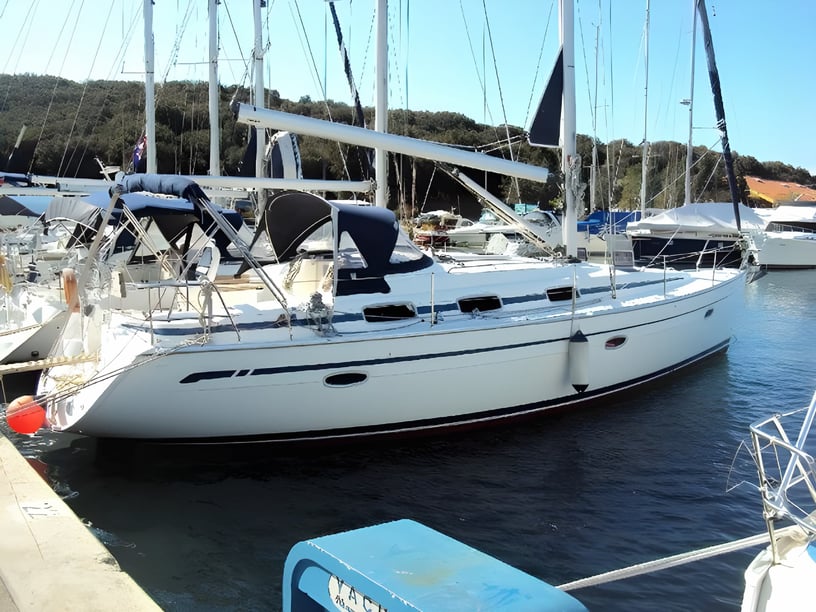
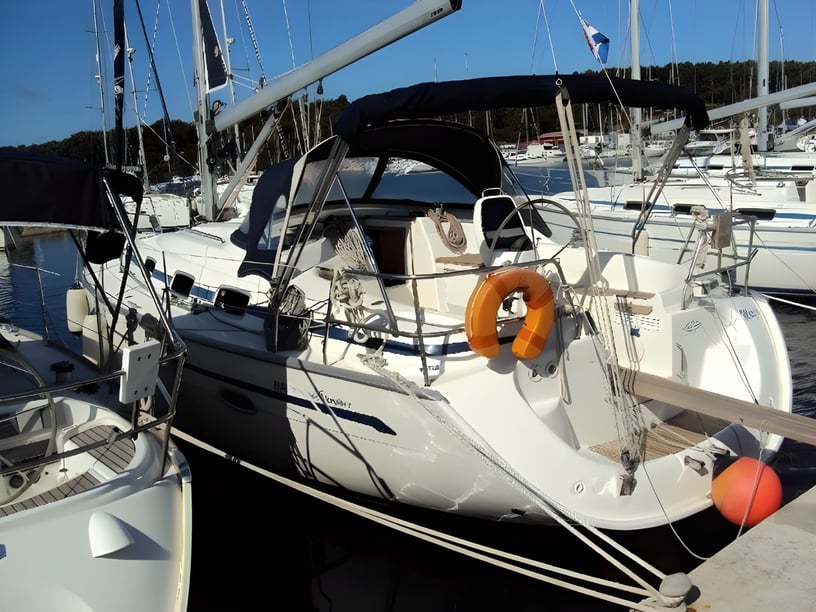
Yacht charter in Rovinj
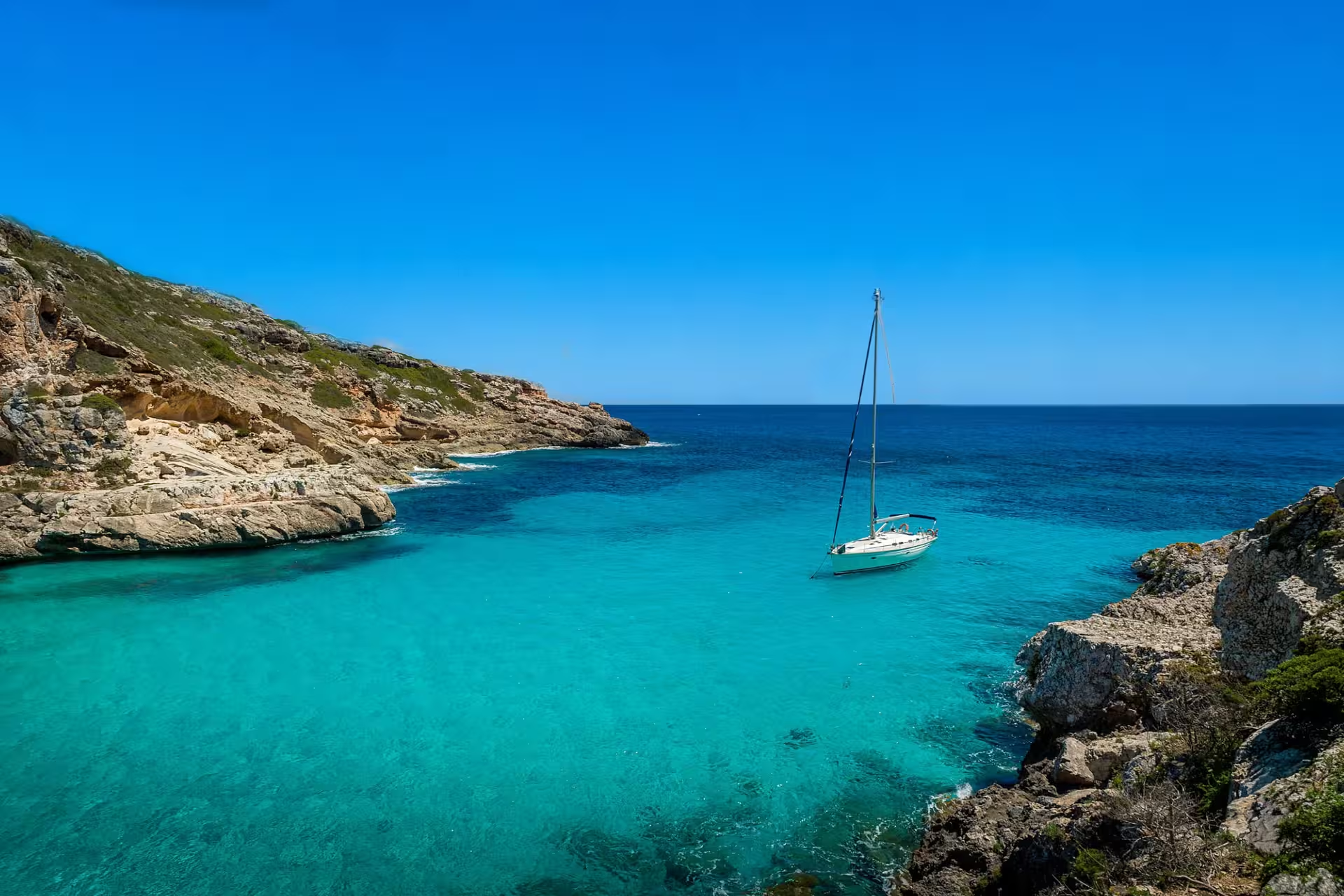
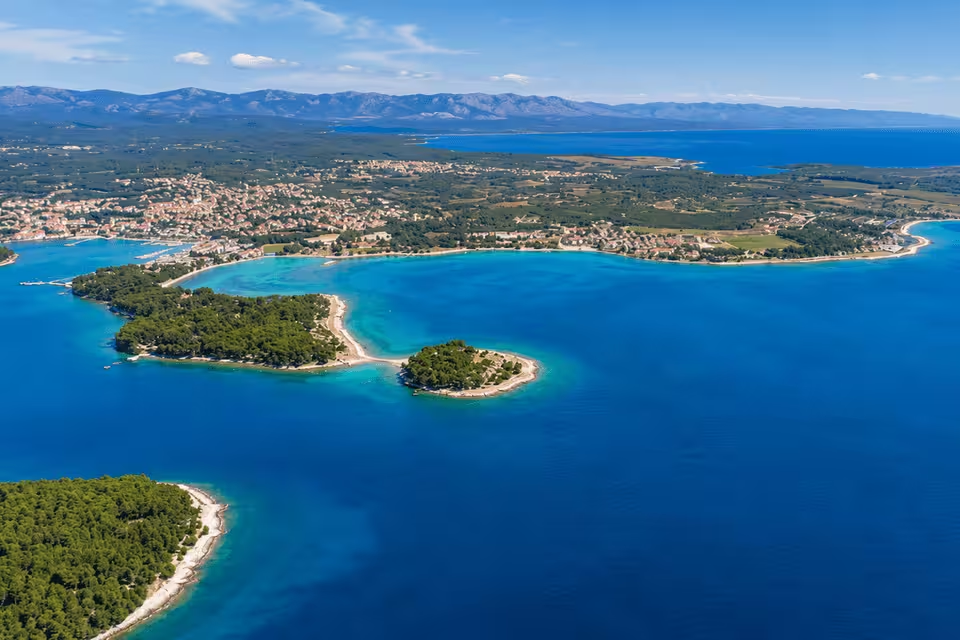
Rovinj occupies a distinctive position on western Istria, facing the open northern Adriatic with a compact archipelago immediately offshore. Its historic center rises on a steep former island, while wooded islands, rocky islets and swimming coves create varied possibilities for short trips on the water.
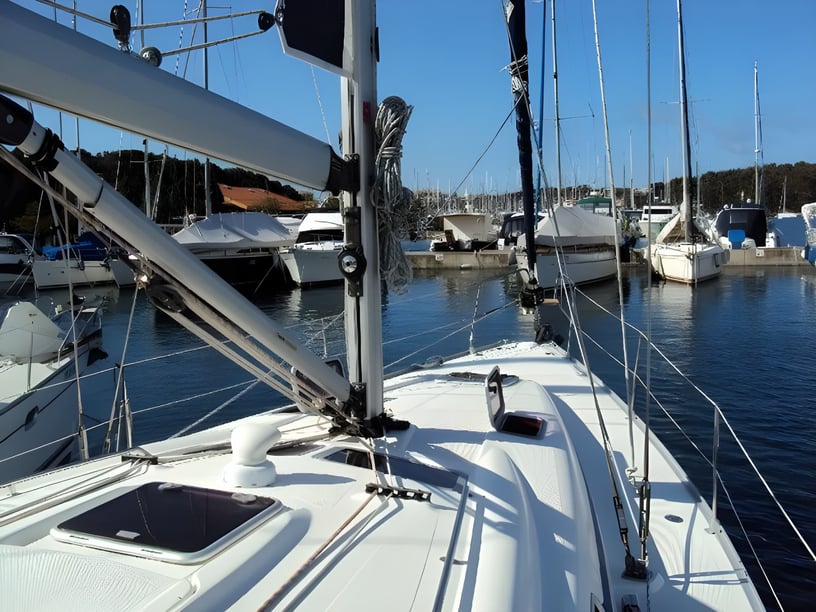
A yacht charter in Rovinj can combine coastal cruising with substantial time ashore. The old town, its Venetian-influenced architecture and the waterfront’s fishing traditions give the harbor a strong sense of place. Nearby, the islands and southern coastline make it possible to divide a day between brief passages, swimming stops and an evening in town. Rovinj has both a full-service marina and town-port facilities, although the appropriate starting point depends on the vessel and individual charter arrangement.
Islands, bays and coastal areas to explore
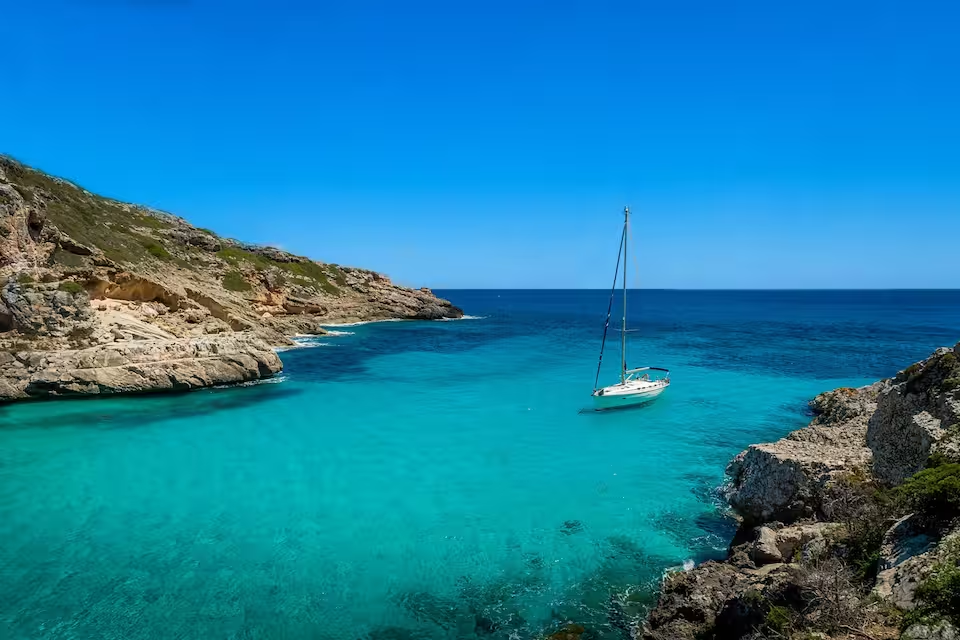
The Rovinj Archipelago is the natural focus for local cruising. St. Catherine lies close to the old-town peninsula, while St. Andrew and neighboring Maškin provide a farther offshore objective without requiring a long passage. Sturag, St. John and the smaller islets and reefs extend the range of possible circuits, with exact stops determined by sea conditions and the vessel.
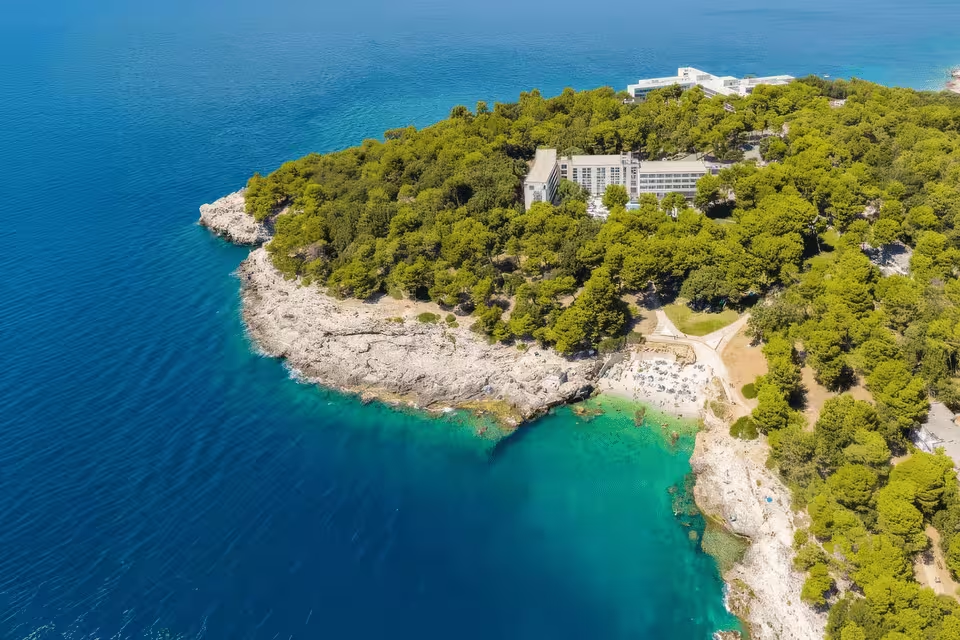
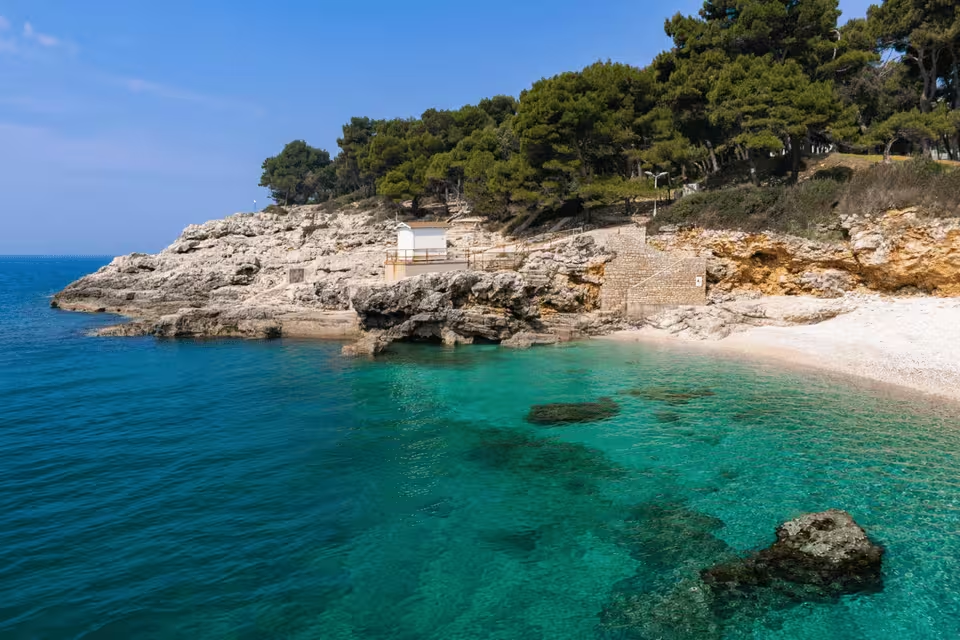
South of town, Golden Cape, also known as Zlatni rt or Punta Corrente, introduces a wooded shoreline with rocky and pebble swimming areas. Lone, Polari, Veštar and Cisterna bays continue this coastal sequence and can be considered when planning a day centered on swimming and relaxed coastal exploration.
North of Rovinj, the steep-sided Lim Channel offers a contrasting landscape. It is a protected marine reserve, so current navigation and environmental rules should be checked before entry; diving is prohibited within the channel.
What sailing around Rovinj is like
Local cruising usually involves short, largely line-of-sight passages among the islands and along the mainland coast. This compact geography suits travelers who prefer frequent stops rather than spending most of the day underway. Nevertheless, the area is rated as moderately challenging because Rovinj’s west-facing outer coast is exposed to open-Adriatic weather and swell.
In summer, settled conditions and a daytime northwesterly sea breeze commonly support enjoyable sailing. Conditions can change quickly, however. The northeastern bora may arrive cold, gusty and abrupt, while the southeasterly jugo brings cloud, rain and a building sea. Passing summer fronts can also produce short thunderstorms.
These patterns make forecast checks and flexible route planning important, even for short outings. The approach between St. Catherine Island and the town harbor also contains a charted, buoy-marked shoal, so current charts and official approach information should be used.
Best time for a Rovinj yacht charter
The main recreational boating season runs from May through October. June and September are particularly suitable months, combining established seasonal operations with generally favorable boating conditions. June begins the main summer period, while September remains within the high season without being at the center of the July–August holiday peak.
From June through September, the sea is warmest and summer services are most consistently established. July and August bring the height of seasonal activity, so popular coves, island channels and the waterfront can be busy with swimmers, kayaks, excursion boats and private craft.
April, May and October form the shoulder season. May sits within the principal boating window, while April and October can still produce useful days but are less consistent. Late autumn and winter bring colder water, more rain and a greater likelihood of disruptive bora or jugo, although ACI Marina Rovinj operates throughout the year.
Route ideas around Rovinj
A commonly documented half-day pattern combines a circuit through the Rovinj Archipelago with an entry into the Lim Channel. The specific islands and stopping points vary with the weather, vessel and available time, making this more useful as a flexible route framework than a fixed itinerary.
For a shorter local circuit, the nearby islands can be paired with the Golden Cape coastline and one of the bays south of town. Rovinj’s traditional batana sea route offers a different perspective on the waterfront: it begins at Mali Mol, rounds the old-town peninsula and continues toward the Spacio Matika area. Although associated with traditional small boats rather than a standard yacht itinerary, it illustrates how closely the town’s maritime heritage is tied to its immediate shoreline.
Life on the water and ashore
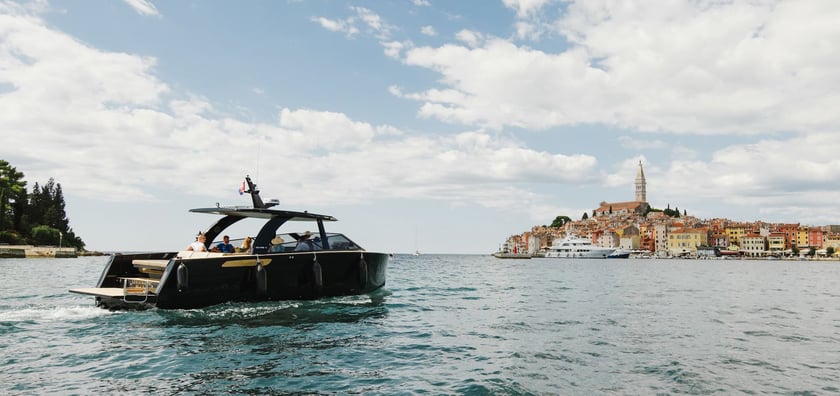
Rovinj works well for travelers who want swimming and scenic cruising without separating the boating experience from local culture. From the water, the steep old-town peninsula and the Church of St. Euphemia form the town’s defining profile. Ashore, narrow streets reveal the architectural legacy of several centuries under the Republic of Venice; the historic center remained an island until its separating channel was filled in 1763.
The batana, a flat-bottomed wooden fishing boat developed for shallow coastal waters, remains central to Rovinj’s identity. The Batana Ecomuseum explores this boatbuilding and fishing tradition, and its community safeguarding project was entered in UNESCO’s Register of Good Safeguarding Practices in 2016.
Meals ashore can add another regional element to the charter, with local food traditions centered on fish and seafood, Istrian olive oil and wines such as Malvasia and Teran.
Reaching Rovinj and possible departure points
Pula Airport is the principal nearby aviation gateway, with the final journey to Rovinj made by road. Trieste and Ljubljana airports provide additional international options, while intercity buses connect Rovinj with Pula and other Croatian centers. International bus services also commonly link the wider area with Ljubljana, Koper and Trieste.
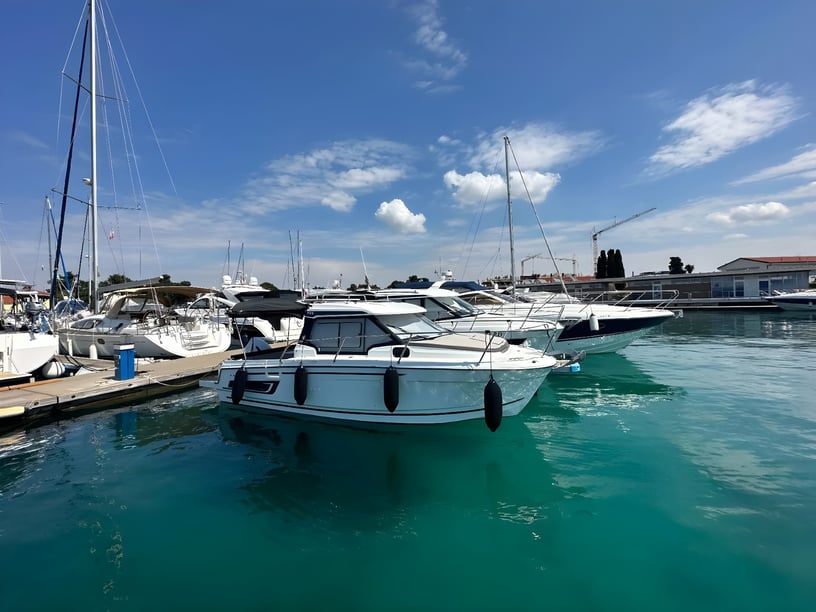
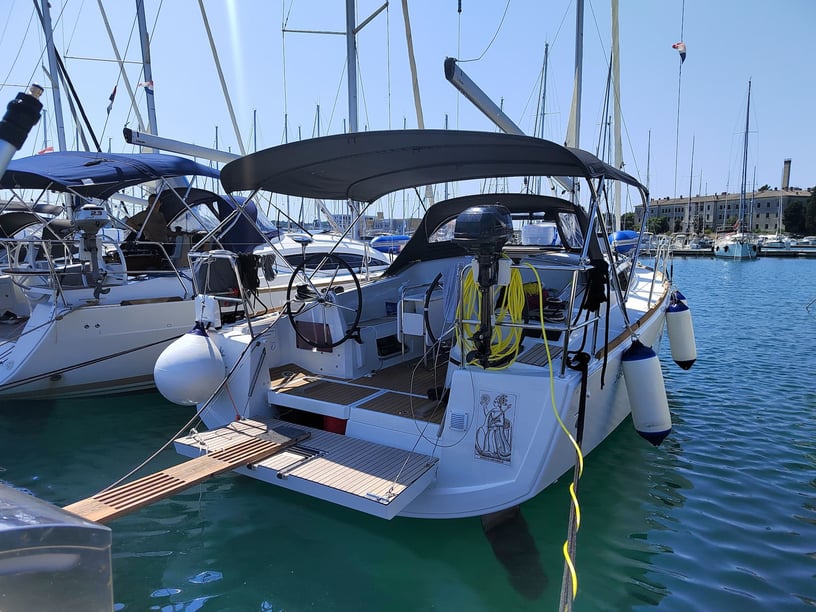
On the waterfront, visiting vessels use ACI Marina Rovinj or facilities administered through Rovinj Town Port. The central waterfront and Mali Mol are also documented departure points for local boat trips. This means Rovinj can serve both as a place to begin certain yacht outings and as a destination explored from the water. Travelers comparing it with other departure areas should confirm the exact embarkation point with their charter provider before arranging transfers.
Planning your charter
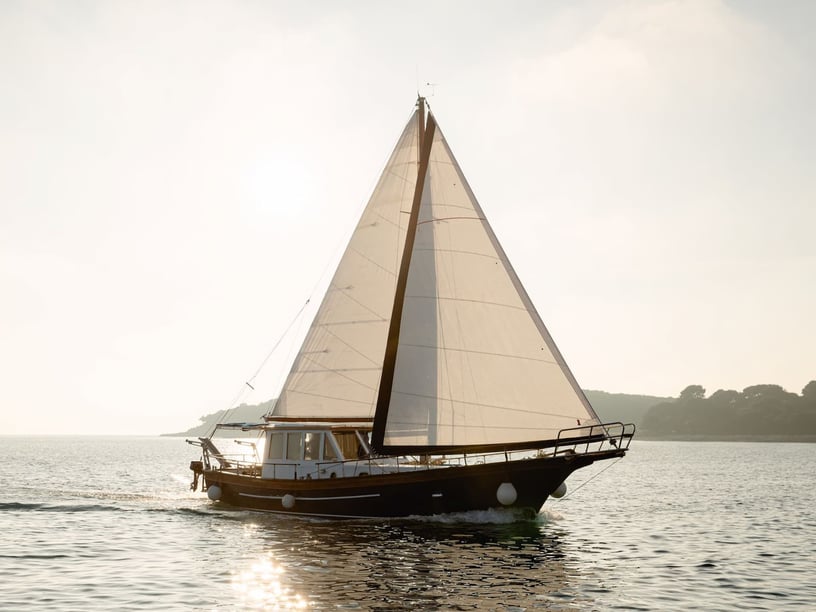
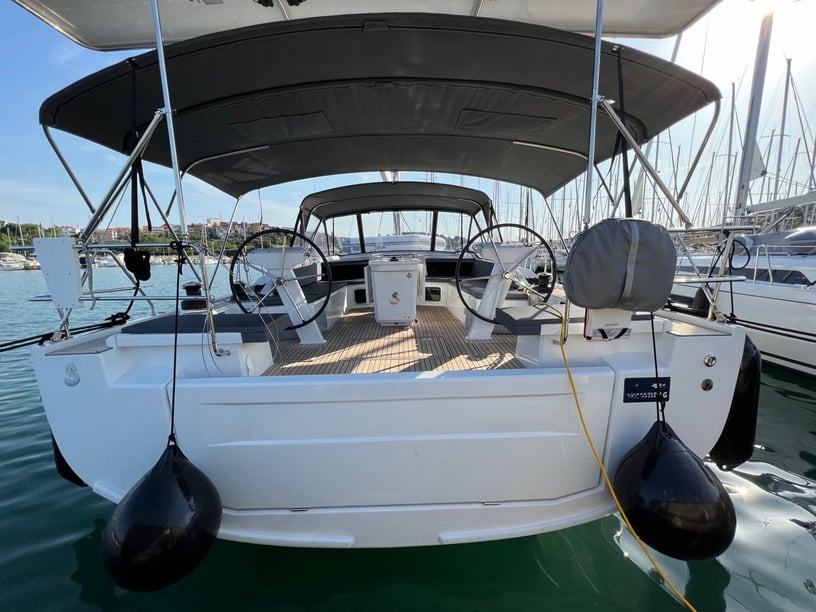
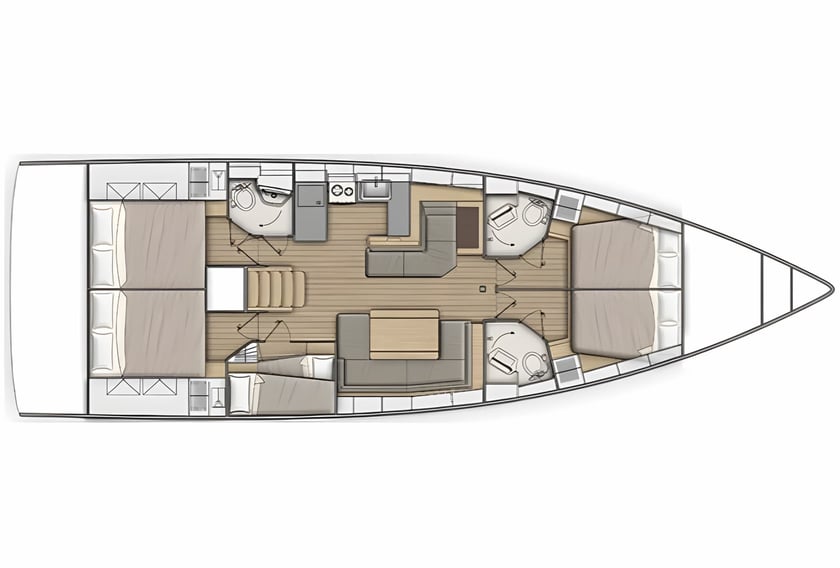
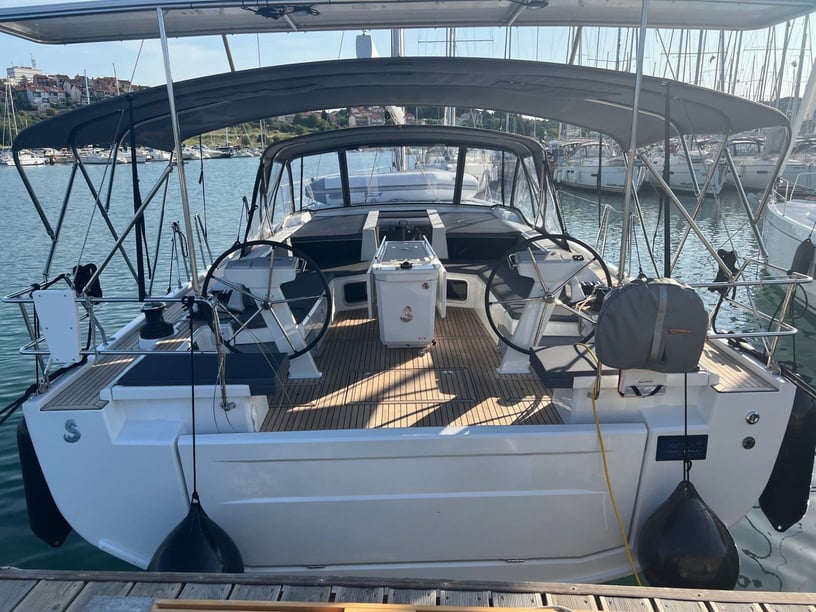
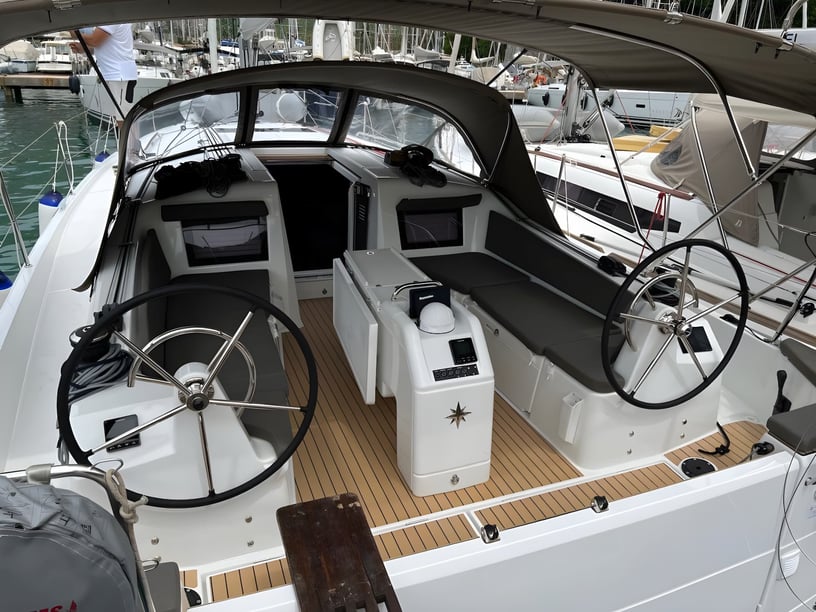
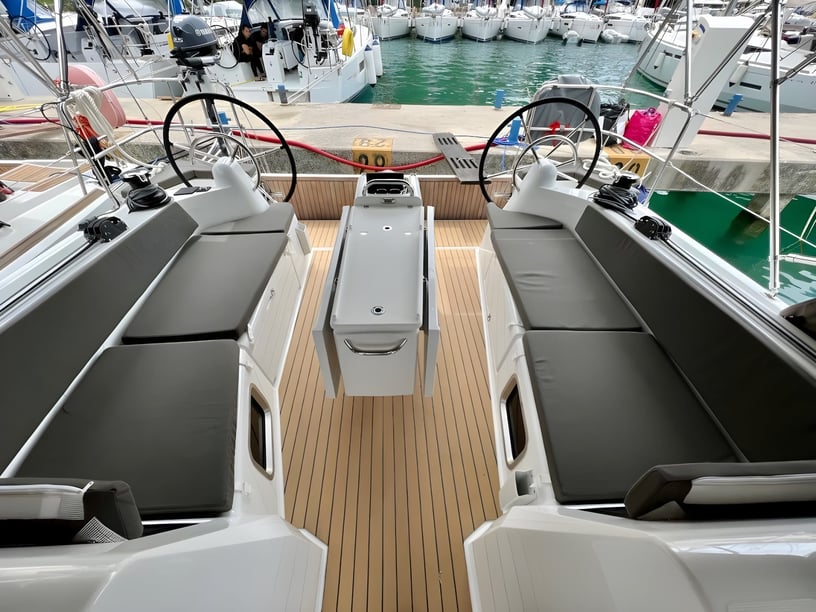
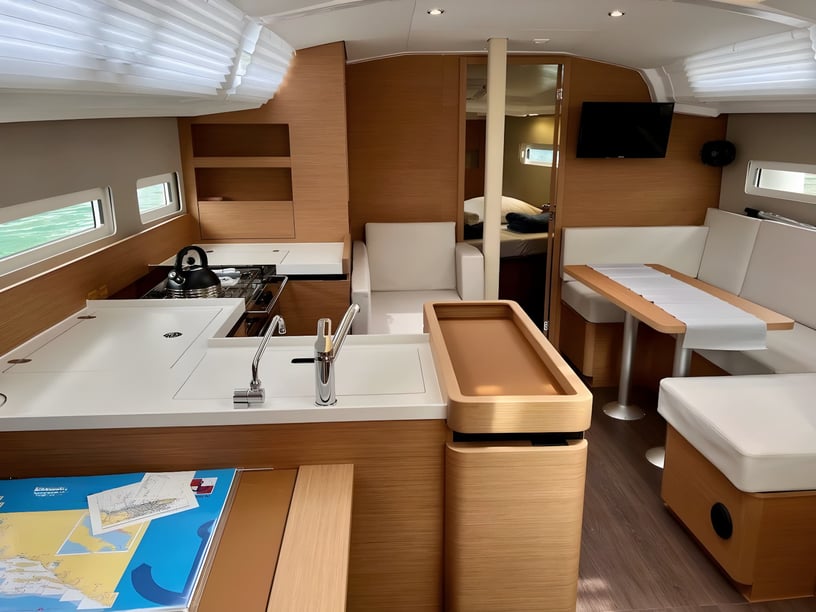
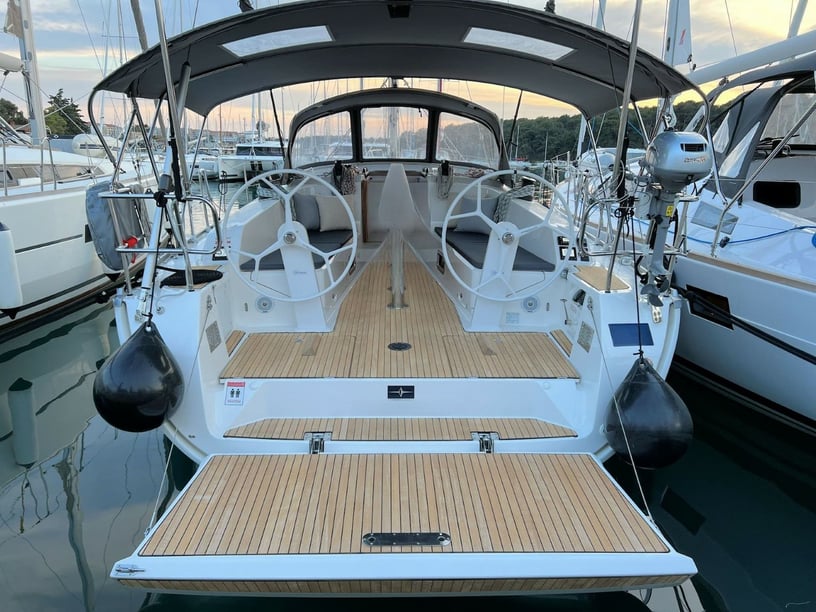
When comparing a yacht charter with a shorter boat rental in Rovinj, begin with the intended cruising range. The compact archipelago and nearby coast suit a day focused on swimming and brief passages, while a wider itinerary requires more time and greater flexibility around open-Adriatic conditions. Travelers interested specifically in wind-powered cruising can also explore sailboat charters in Rovinj.
Check the Croatian marine forecast before departure and keep the route adjustable if bora, jugo or thunderstorms are expected. In busy coves and island channels, swimmers, kayaks and excursion traffic require particular attention. Current regulations, protected-area rules and official marina guidance should be confirmed rather than relying on previous-season information.
International arrivals by yacht should also verify current Croatian entry, registration, safety-fee and tourist-tax procedures; Rovinj should not automatically be assumed suitable for every first-entry formality. For a broader view of destinations and embarkation areas, compare options for yacht charter in Croatia.