Yacht charter in Mali Lošinj
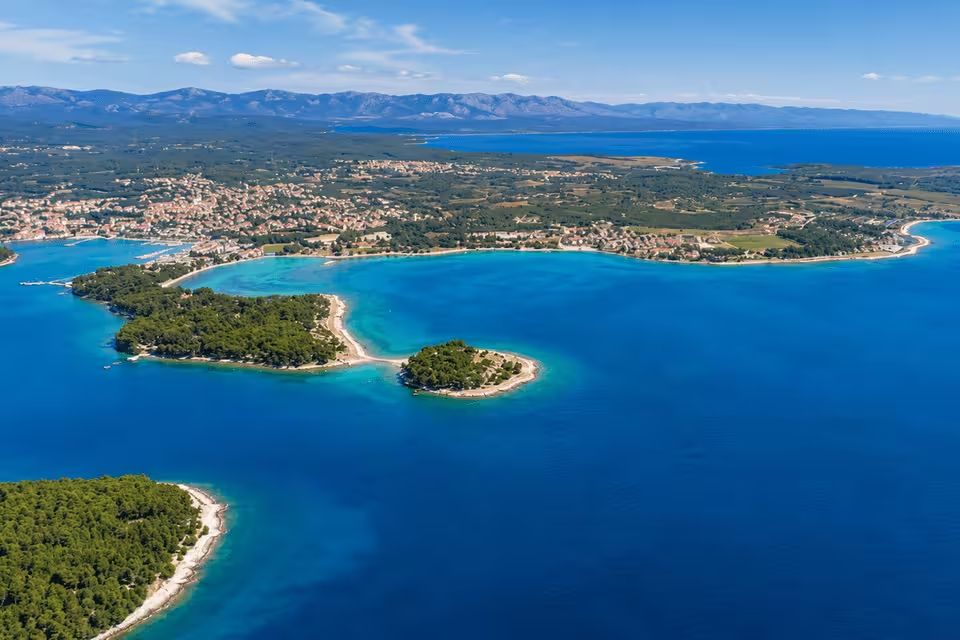
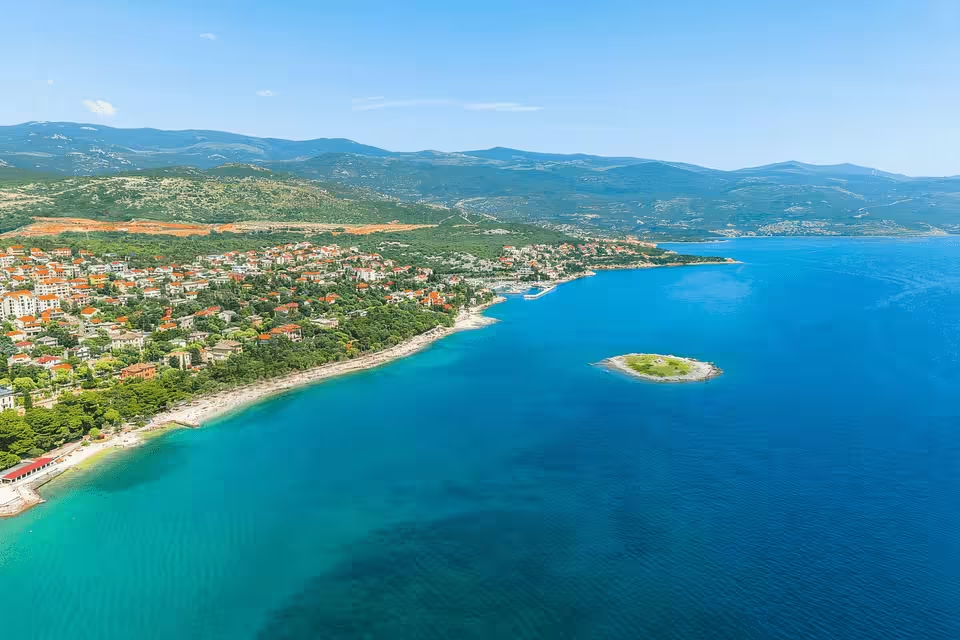
Mali Lošinj occupies the inner reaches of a long, sheltered inlet on Lošinj island in Croatia’s Kvarner Gulf. Its public harbor, marina and shipbuilding heritage give the waterfront a working maritime character, while the surrounding pine-fringed coast opens onto coves and short passages between islands.
A yacht charter in Mali Lošinj can combine time around the town with day cruises toward Susak, Ilovik, the Srakane islands and the Orjule islets. The harbor is well protected, but routes beyond Augusta Bay enter more exposed northern Adriatic waters. This makes Mali Lošinj relevant both as a place to explore and as a departure area for local cruising. Travelers considering a longer Adriatic itinerary can also compare broader yacht charter options in Croatia.
Islands, coves and coastal stops
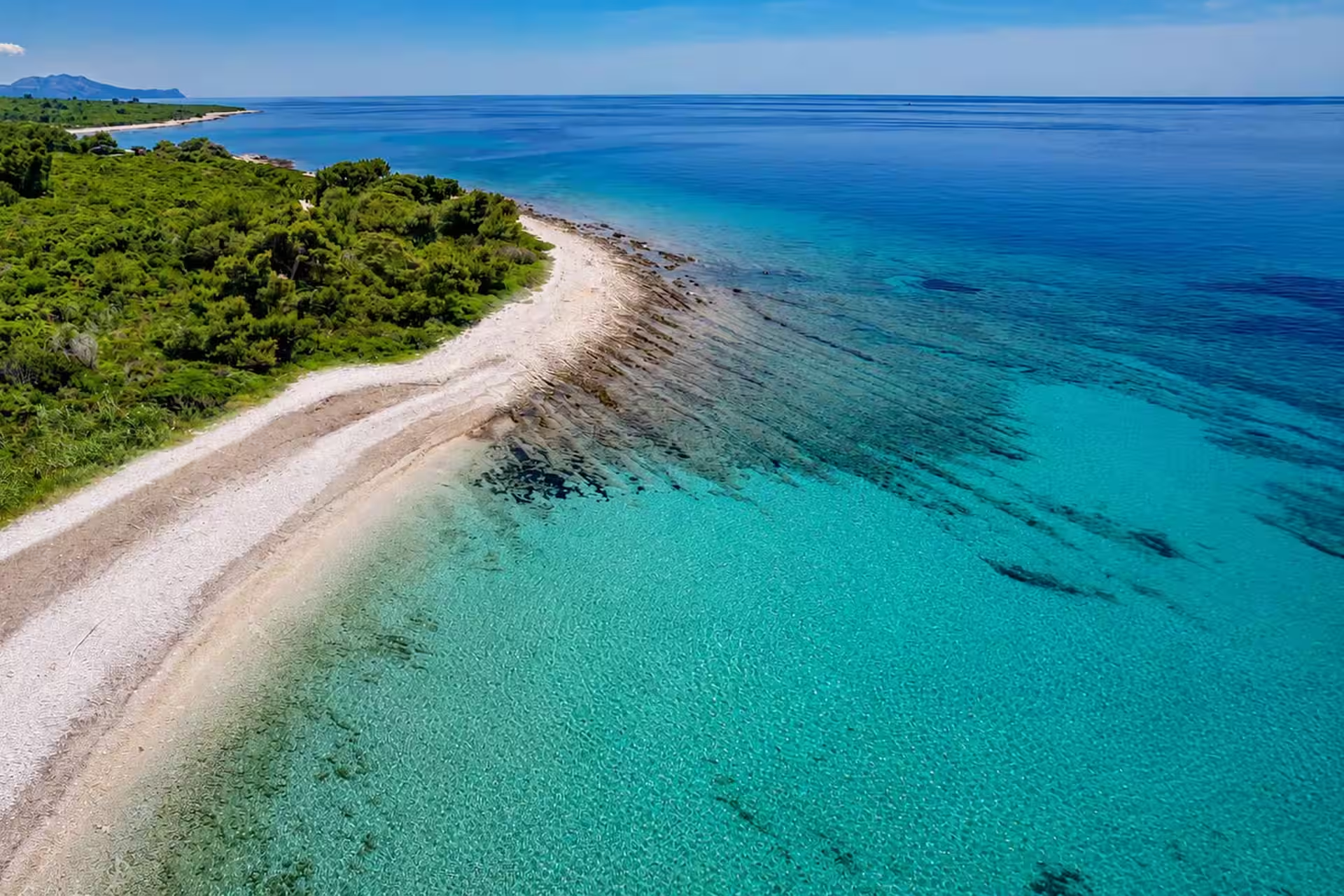
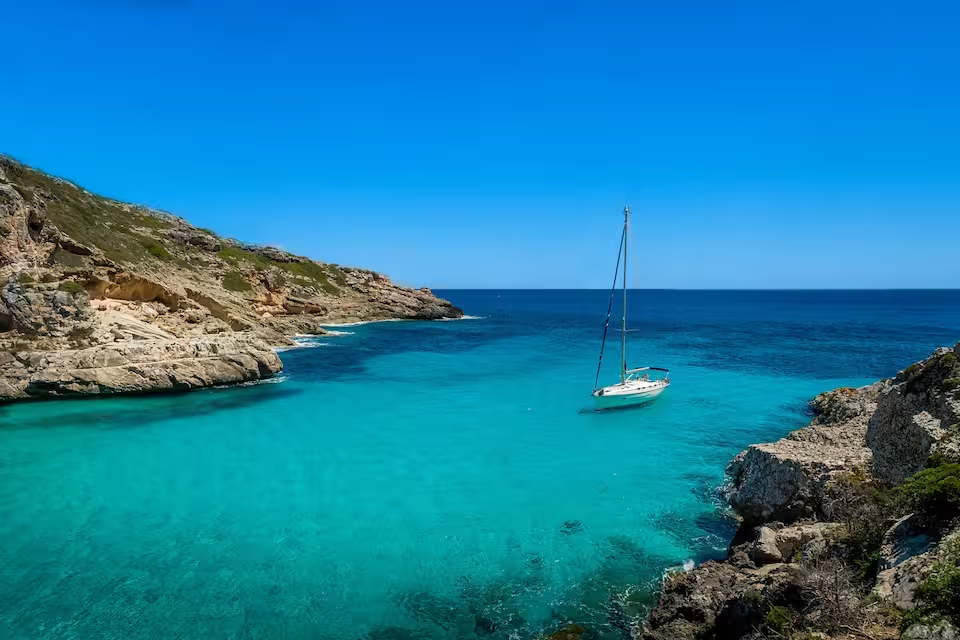
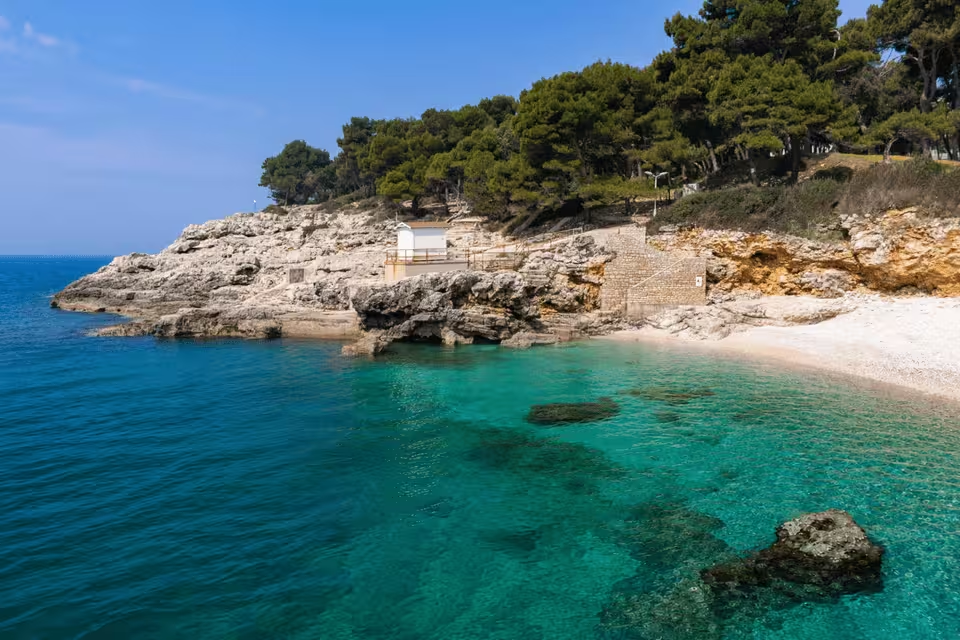
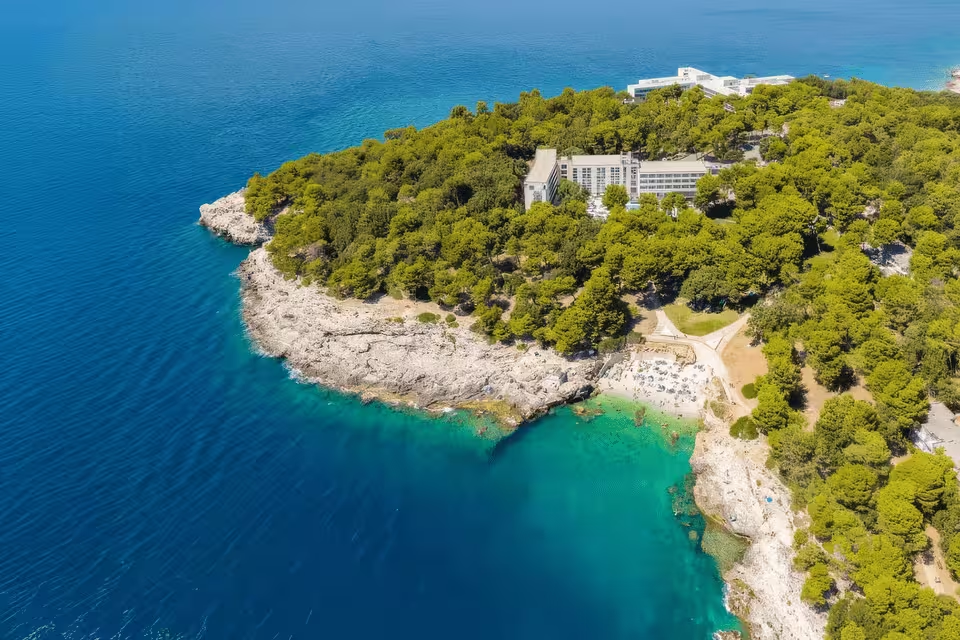
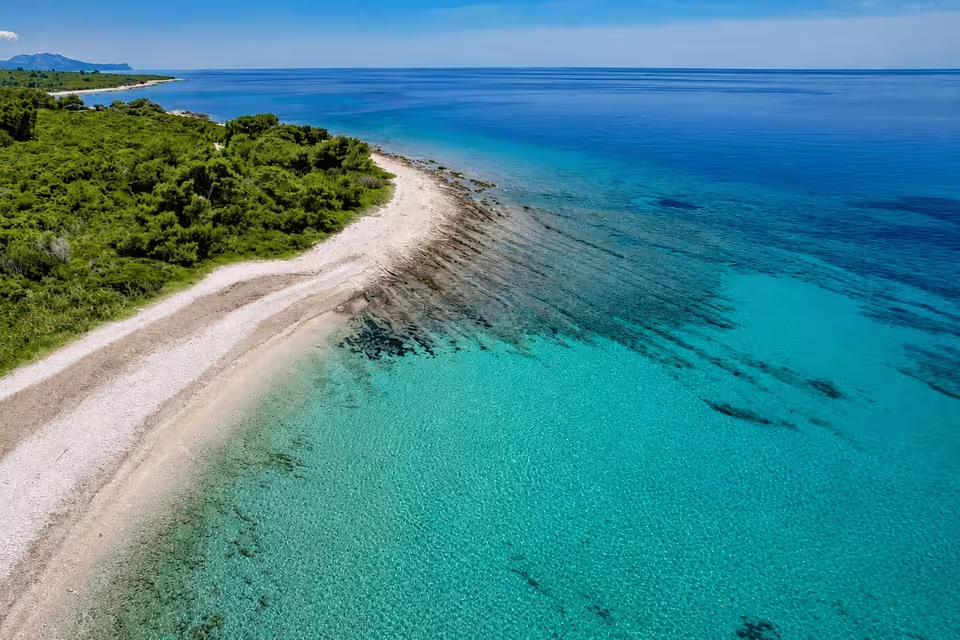
Čikat Bay and Sunčana uvala are close to town and show the resort side of Lošinj, with rocky and pebble shoreline backed by pine woods. Farther along the coast, Balvanida and Artatore offer additional settings for swimming and time at anchor, subject to conditions and suitable anchoring arrangements.
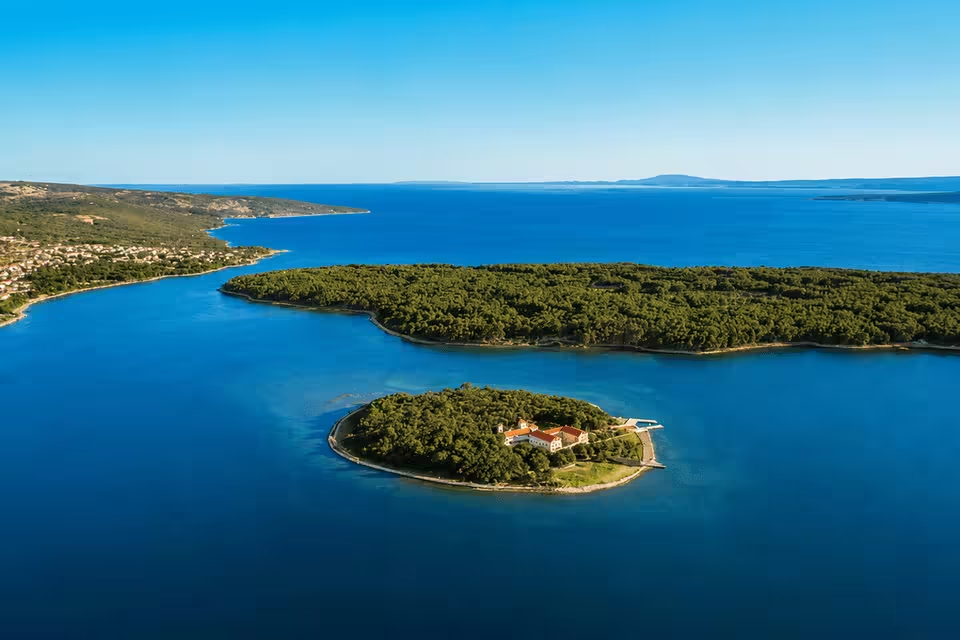
To the southwest, Susak is a natural focus for a day cruise and can be paired with swimming or snorkeling around Male and Vele Srakane. South of Lošinj, Ilovik, Sveti Petar and the Orjule islets create a compact cruising area with short hops between coastal and island stops. Veli Lošinj and nearby Rovenska add opportunities to go ashore without leaving the island’s eastern coast. These destinations are close enough to support flexible outings, yet their different orientations mean shelter should be assessed separately for each stop.
What sailing around Mali Lošinj is like
Cruising around Mali Lošinj is moderately demanding rather than uniformly sheltered. Augusta Bay protects the town harbor, and nearby islands allow relatively short passages, but conditions can change after rounding headlands or leaving the bay. Island gaps and narrow channels may accelerate the wind, while the lee side of an island can produce sudden wind shadows.
Summer often brings calmer mornings followed by daytime sea breezes or northwesterly winds. The gusty northeasterly bora can build difficult seas quickly, while the southeasterly jugo is steadier but can also make exposed routes uncomfortable. Strong bora events are possible even in summer. A successful itinerary therefore depends on maintaining alternatives: a planned island crossing may need to become a shorter coastal cruise or a sheltered swim stop if the forecast changes.
Best time for a Mali Lošinj yacht charter
The most dependable recreational boating period extends from late spring into early autumn, with June through September identified as the principal months for yacht charter. July is normally the driest and sunniest month, but July and August also bring the greatest activity in harbors and popular coves.
June and September generally retain warm conditions with less peak-season intensity, making them useful choices for travelers who want summer cruising without the busiest period. October can still work during settled weather, although it is wetter and more sensitive to changing conditions. Winter activity is substantially reduced by cooler temperatures, more unsettled weather and stronger bora or jugo episodes.
Local cruising routes
Several established day-cruise patterns show how the nearby islands can be combined. A southwestern circuit links Mali Lošinj with Susak and the Srakane islands, balancing time ashore with swimming or snorkeling. A southern loop can run through Balvanida Bay, Ilovik, Sveti Petar and Orjule before returning to town.
Another coastal route connects Mali Lošinj, Veli Lošinj, Orjule and Ilovik. These are useful route frameworks rather than fixed schedules: wind direction, sea state and berth or anchorage availability should determine the order and number of stops.
Experiences on the water and ashore
A charter here naturally revolves around swimming, snorkeling and scenic cruising between rocky shores, wooded coves and small islands. The surrounding waters are also associated with long-running bottlenose-dolphin research. Wildlife encounters should remain observational: boats should keep an appropriate distance and avoid changing the animals’ behavior.
Mali Lošinj’s maritime history gives shore time more depth. The Museum of Apoxyomenos displays the ancient bronze athlete recovered from the seabed near Vele Orjule, connecting a local island route with an important archaeological find. The restored Nerezinac cargo lugger interprets the working vessels once used by Lošinj sailors, while the harbor and shipyard reflect the town’s continuing maritime identity. Waterfront dining can round out a day without separating the yacht trip from the life of the town.
Getting there and joining a yacht trip
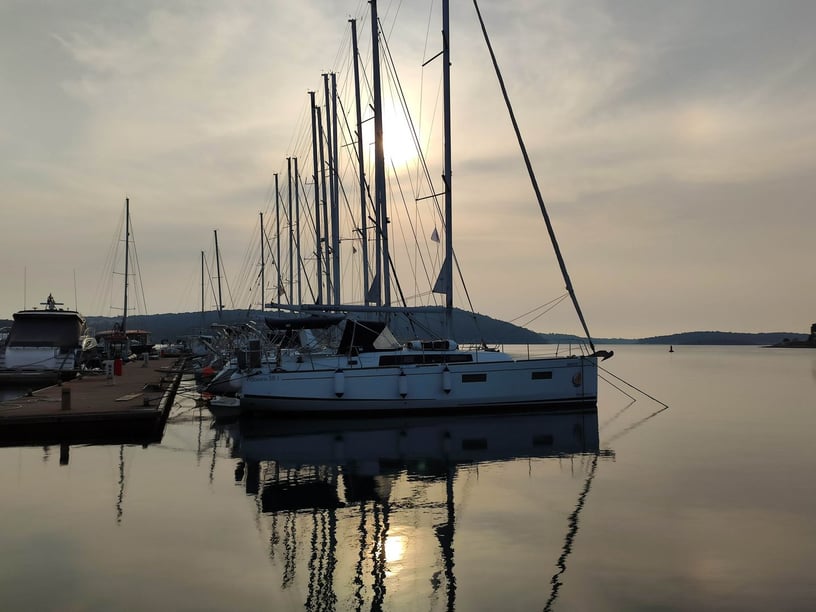
Mali Lošinj Harbour and Marina Lošinj are the main documented departure points for trips around the immediate area. The town should be viewed as a combination of cruising destination, working harbor and departure area rather than assumed to be the starting point for every regional charter.
Road travel reaches Lošinj through Cres, usually via the Valbiska–Merag or Brestova–Porozina vehicle ferries and an onward drive across the islands. Seasonal passenger and vehicle services also connect Mali Lošinj with mainland ports and neighboring islands. Lošinj Airport lies approximately 6 kilometers from town and primarily handles smaller aircraft. Rijeka, Pula and Zadar are broader airport alternatives, but travelers should account for the required road and ferry transfer when coordinating arrival with embarkation.
Planning the right charter experience
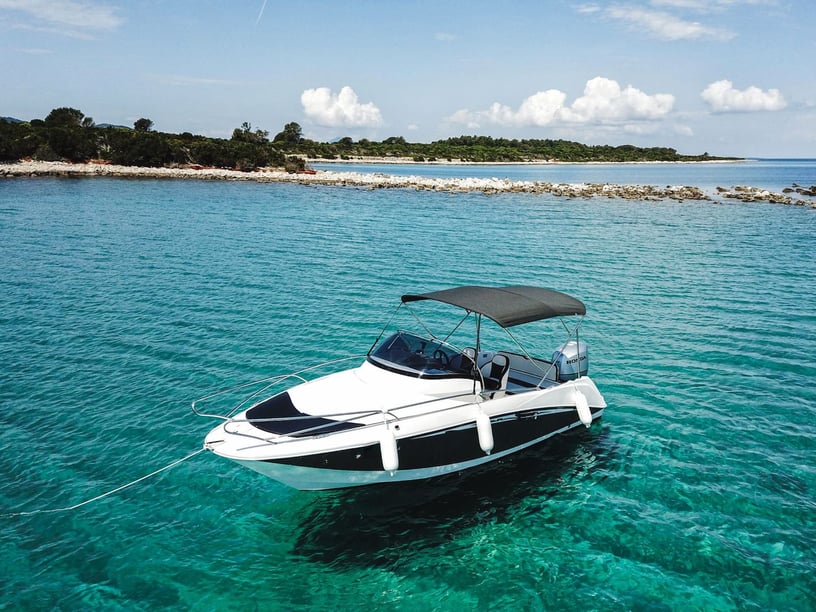
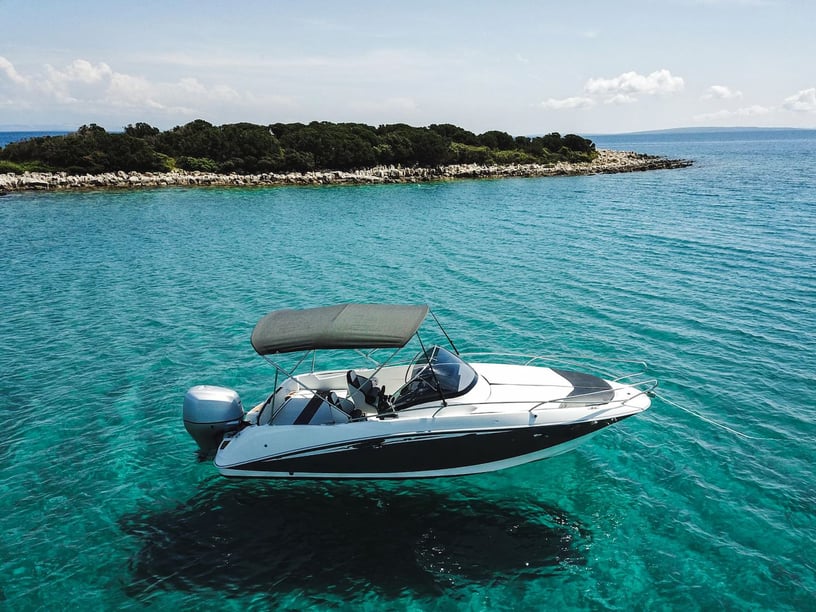
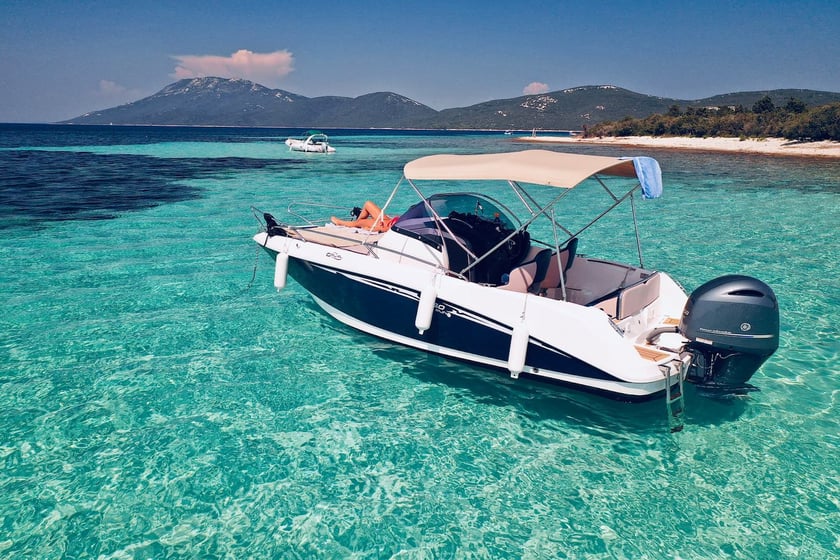
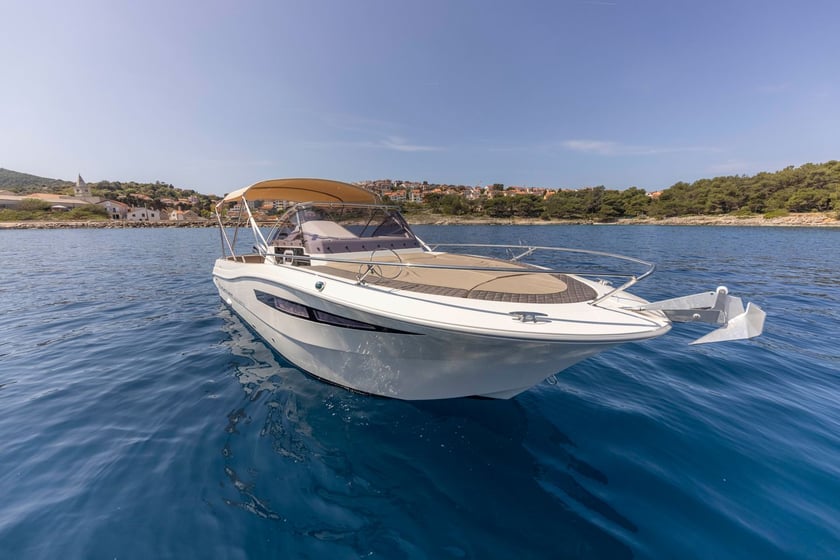
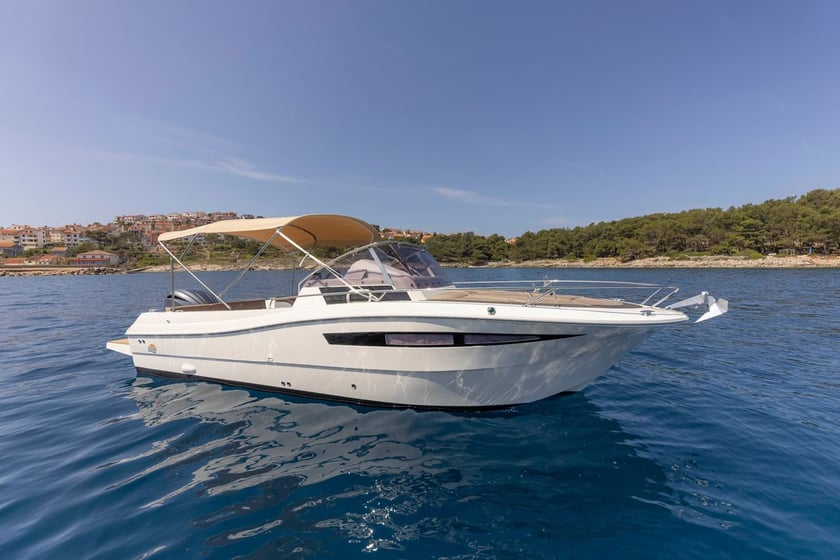
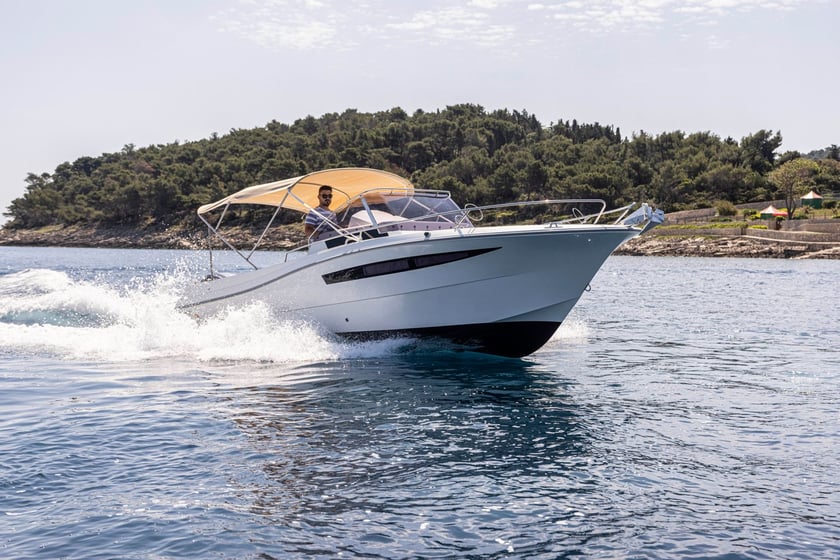
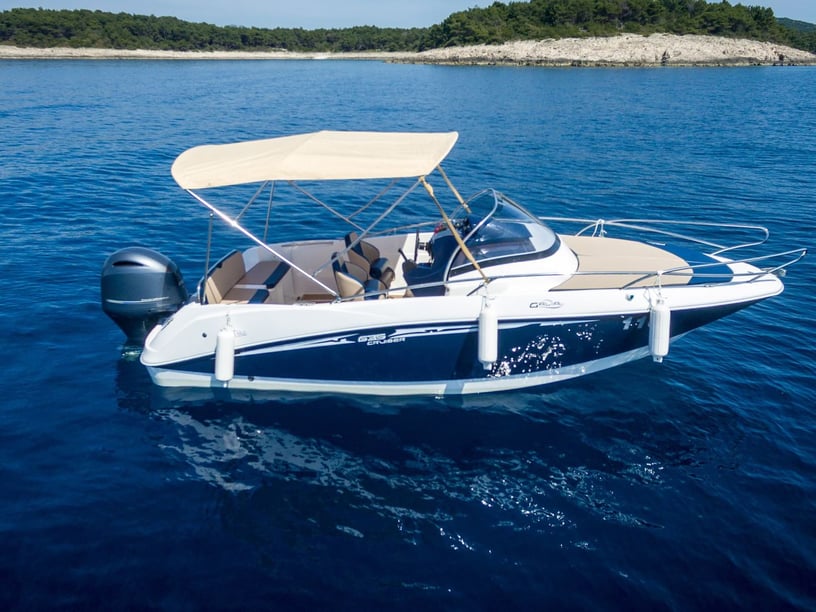
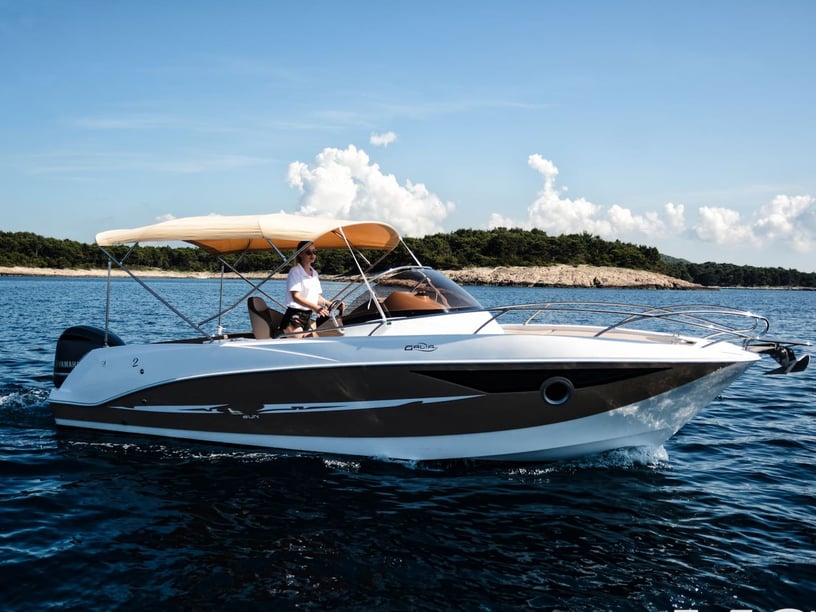
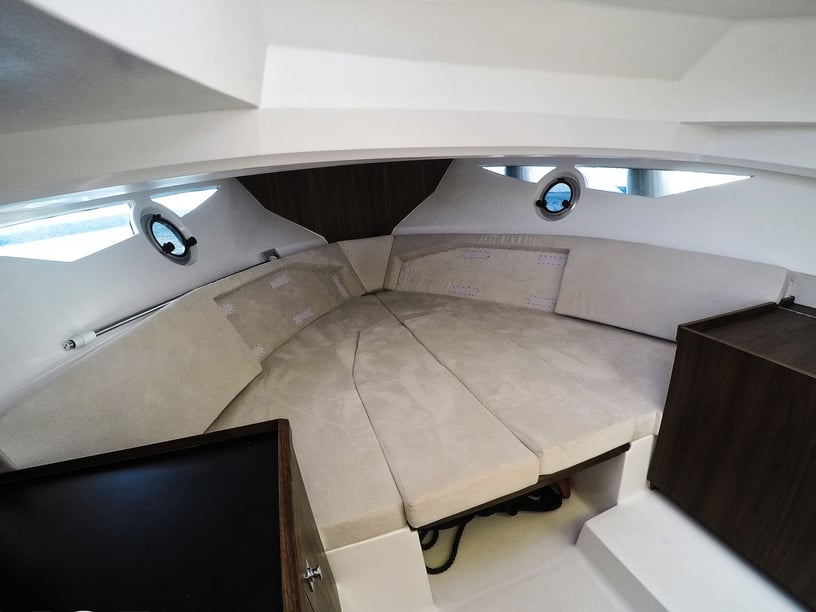
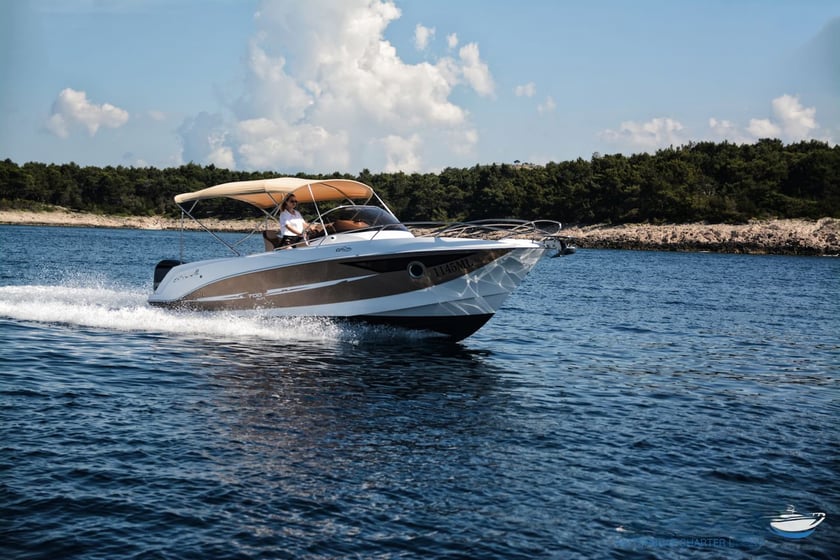
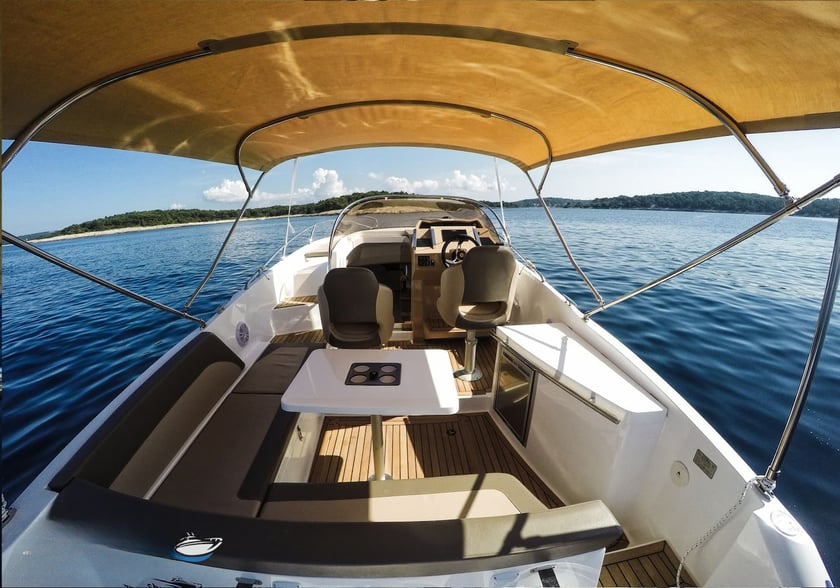
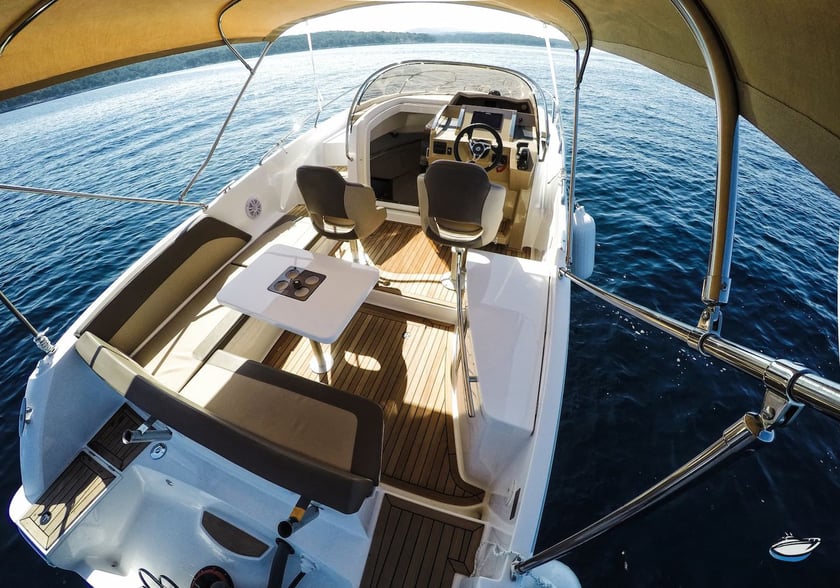
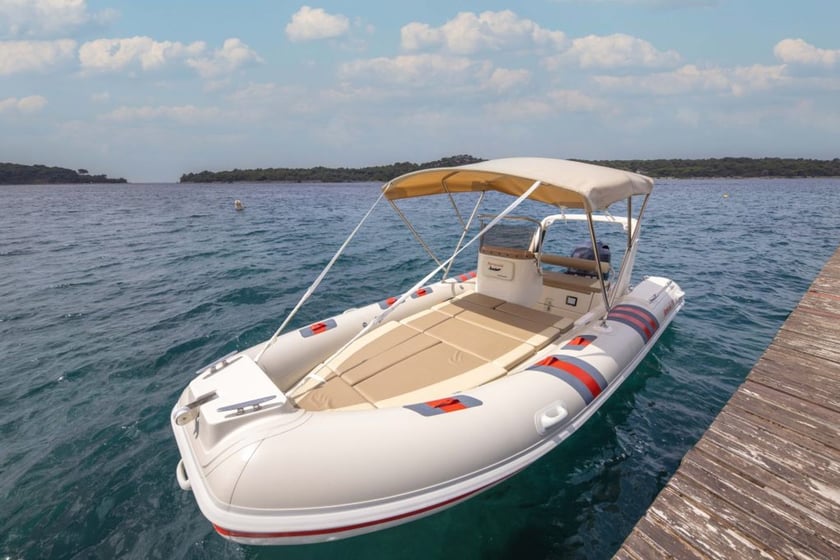
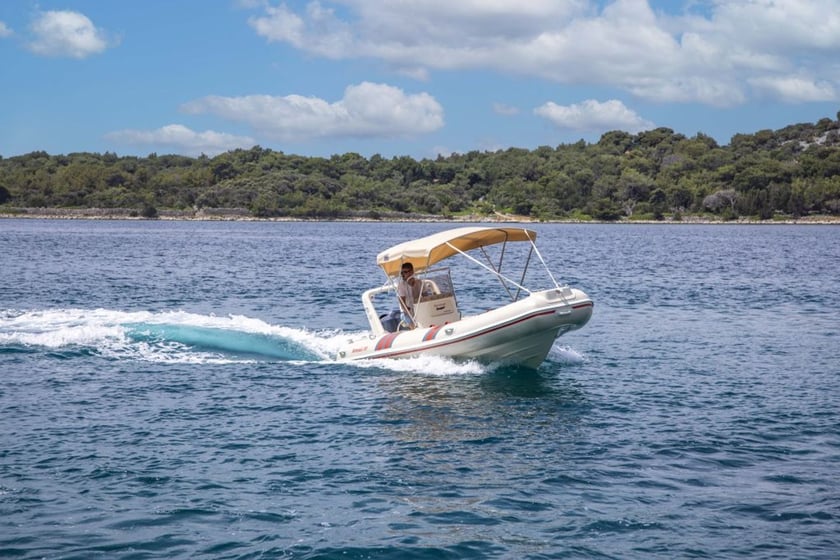
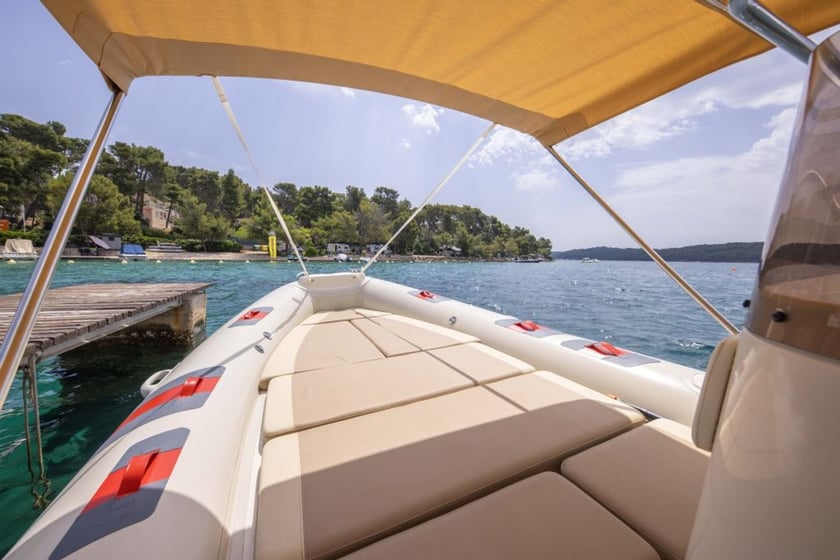
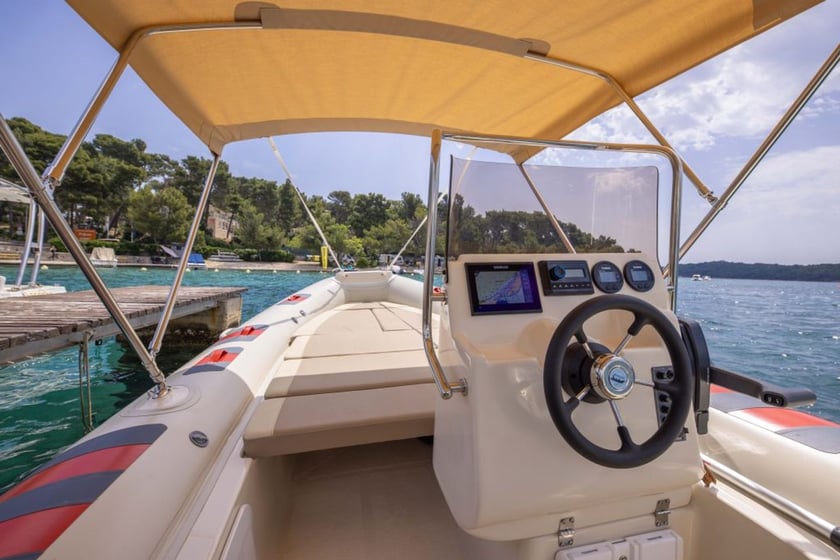
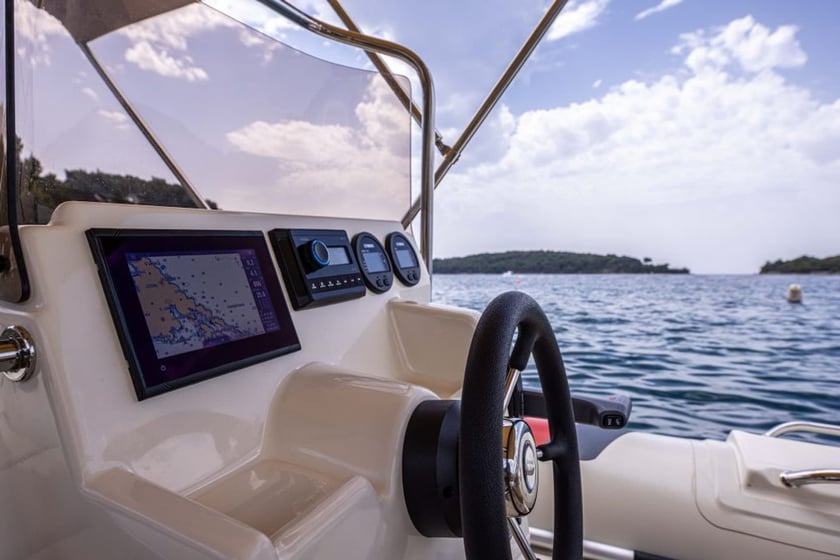
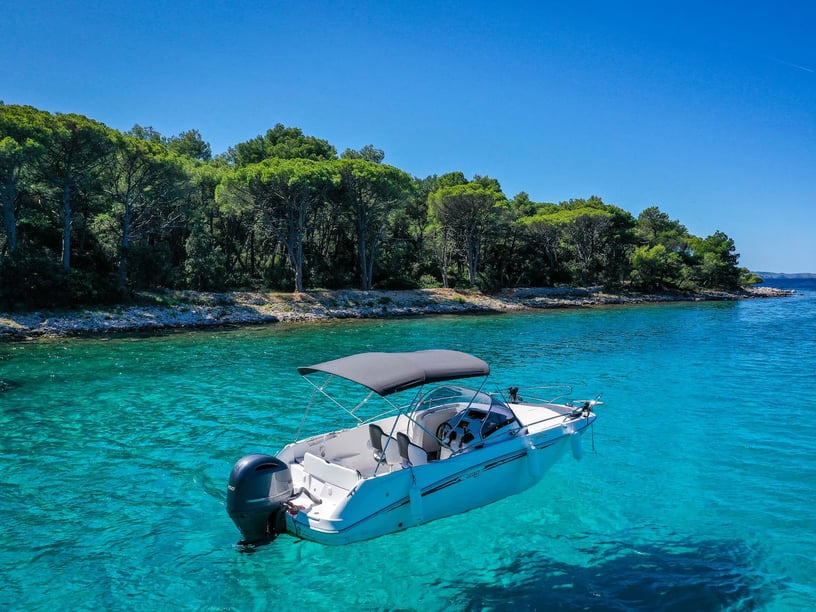
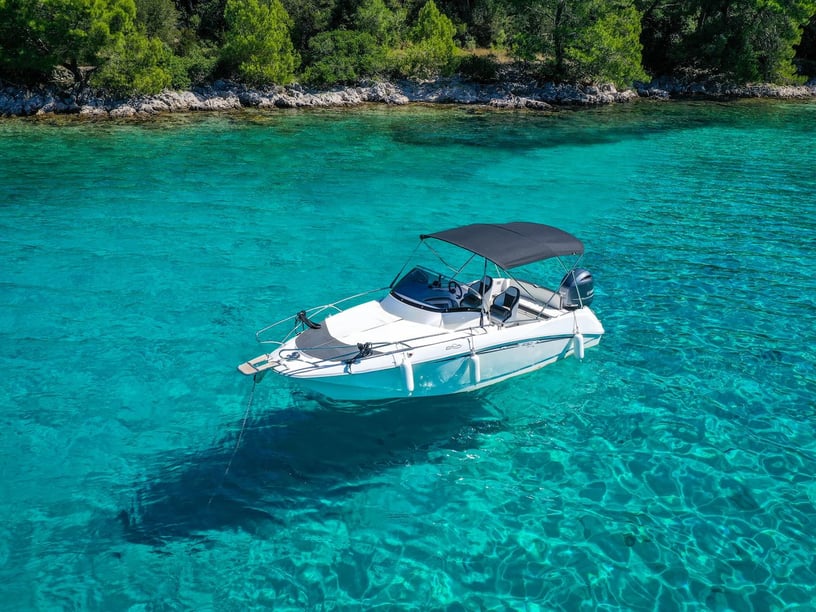
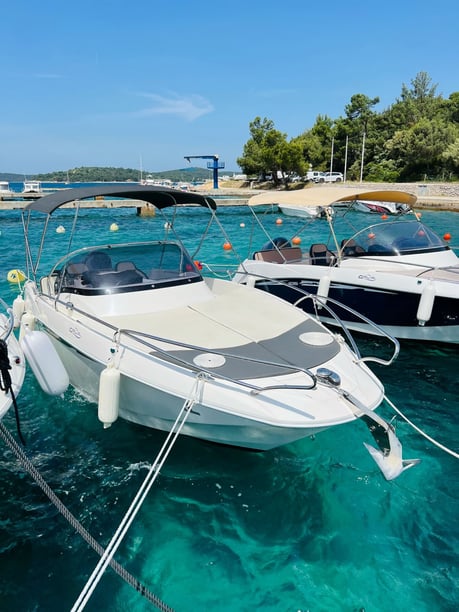
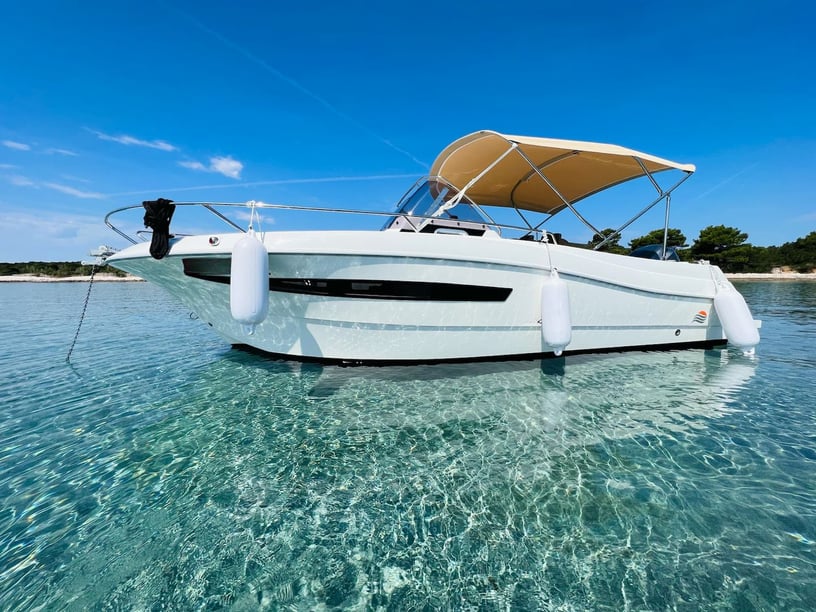
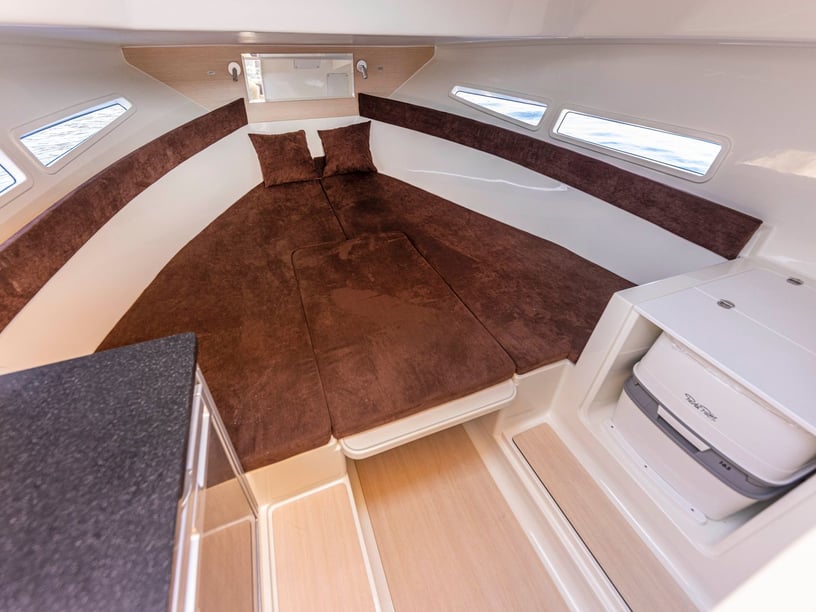
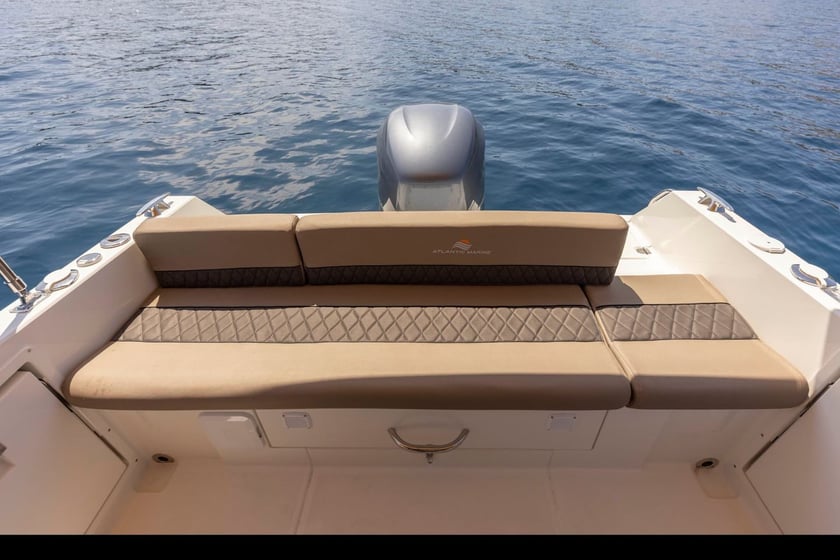
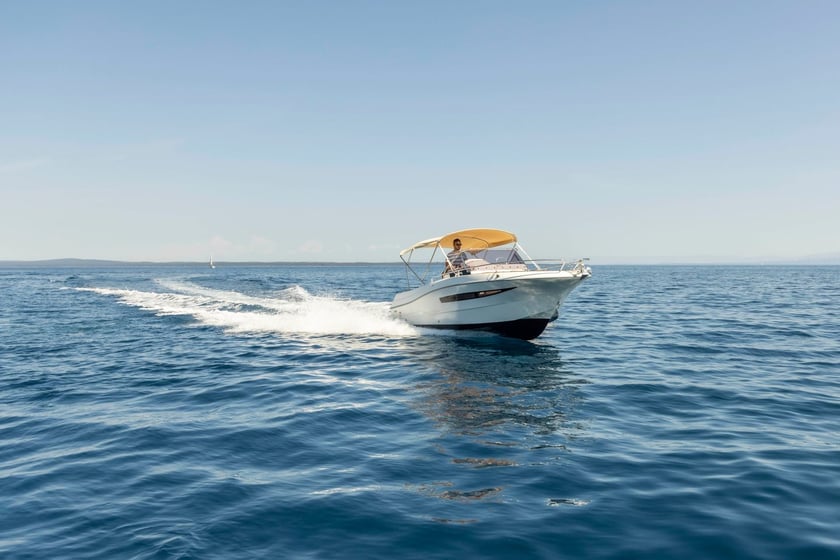
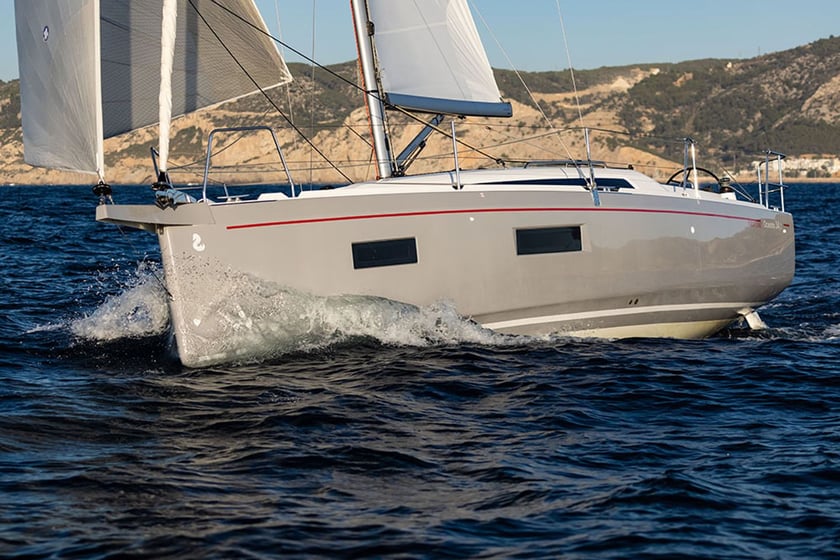
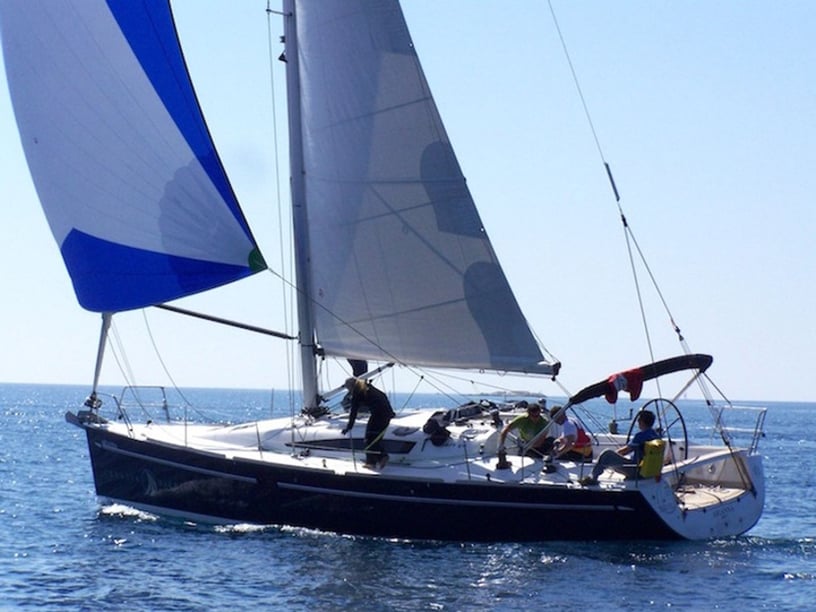
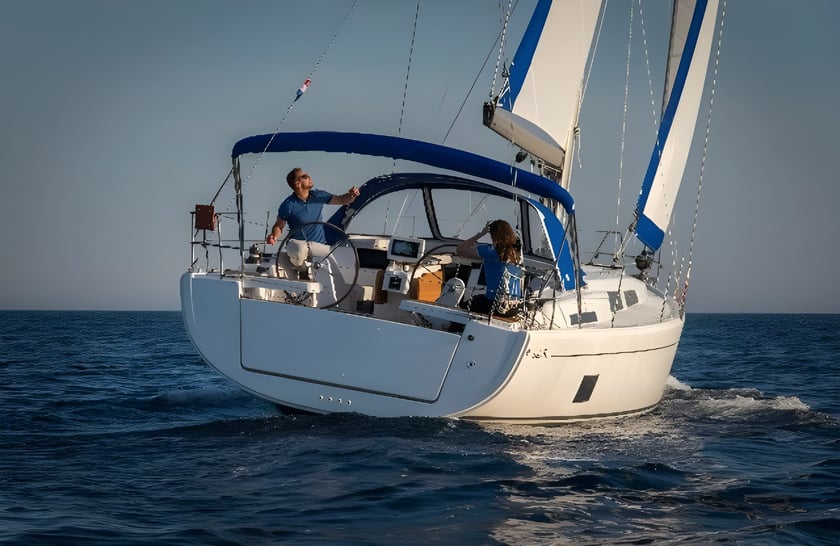
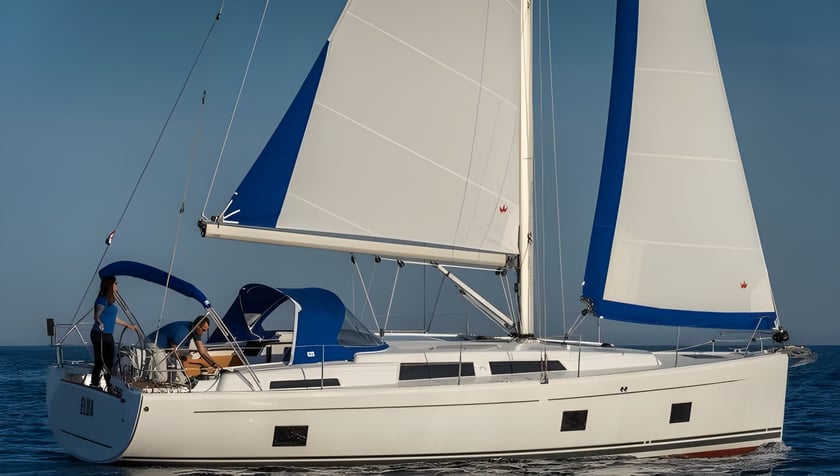
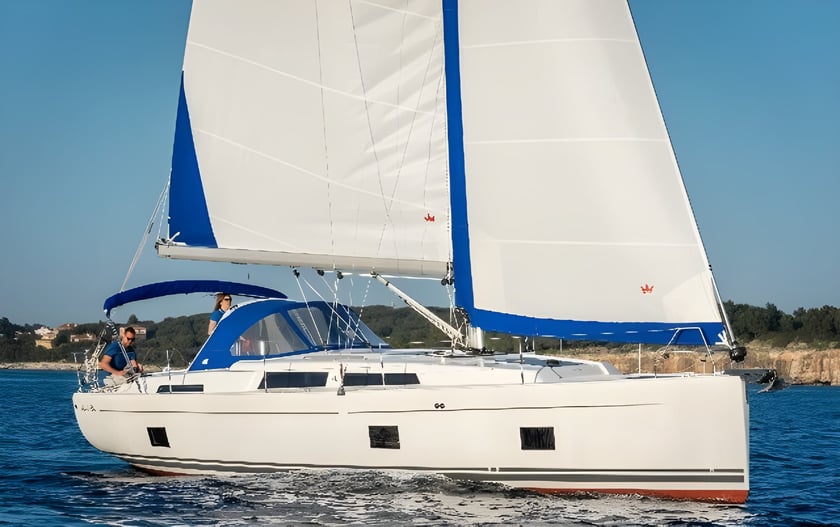
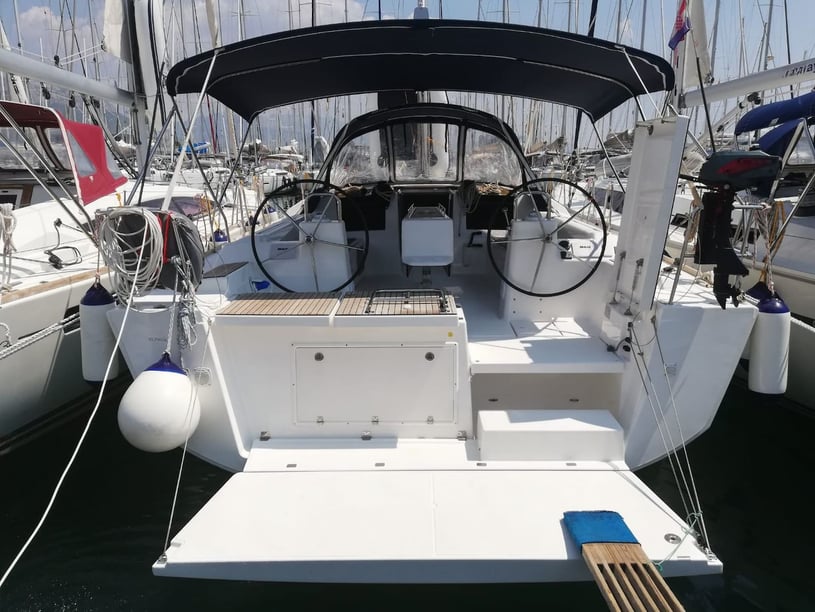
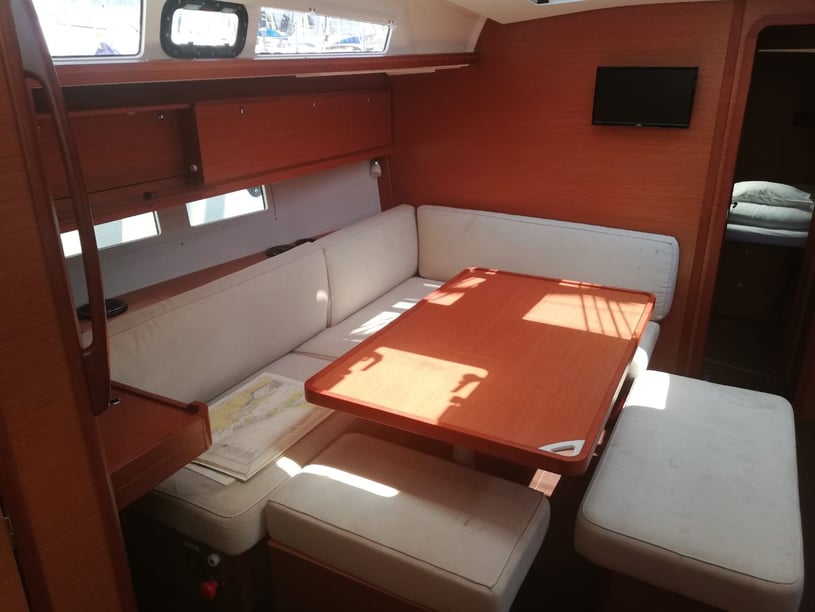
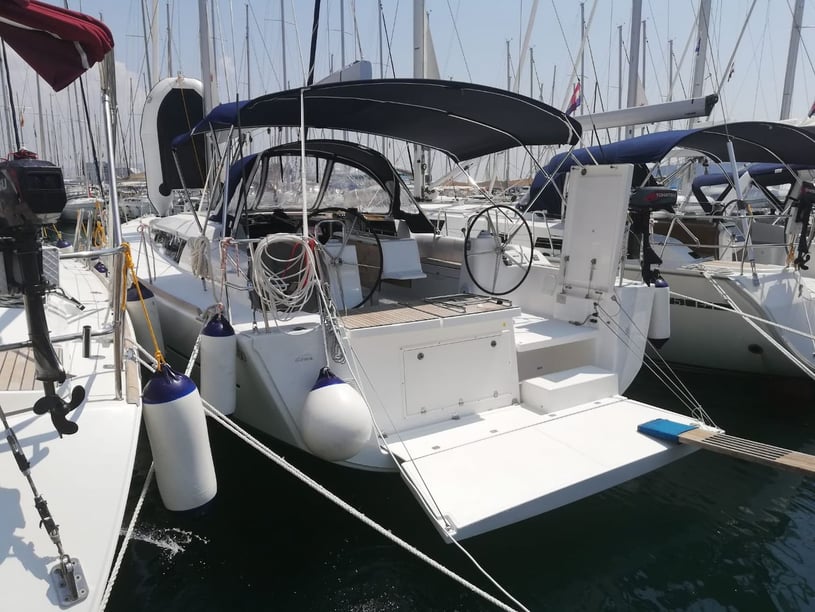
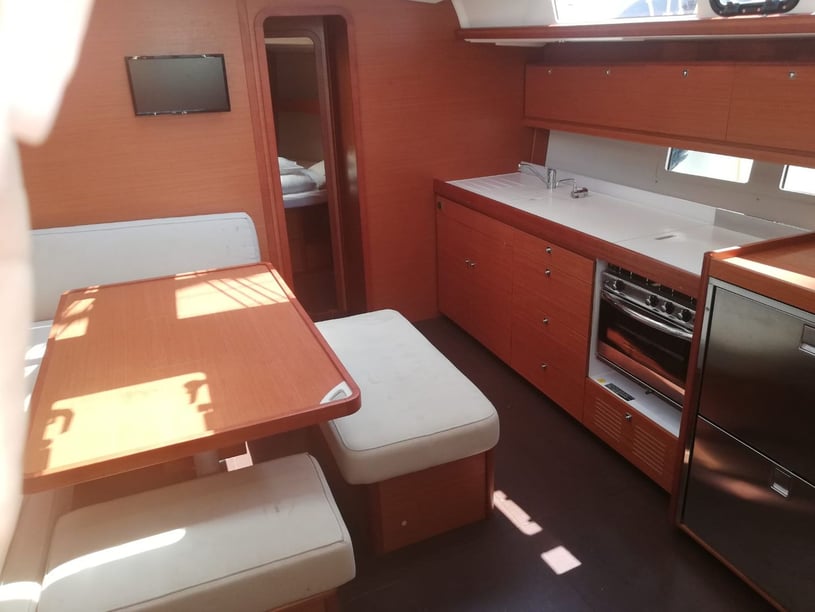
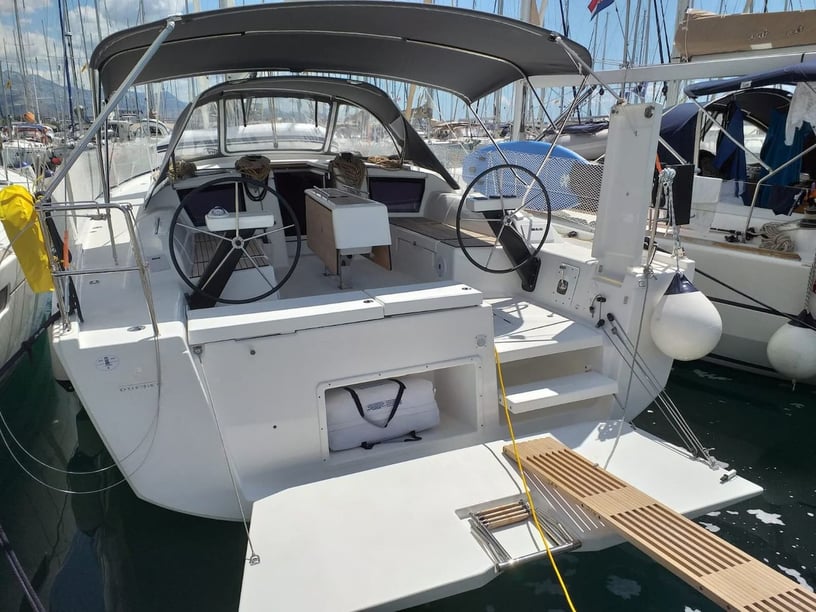
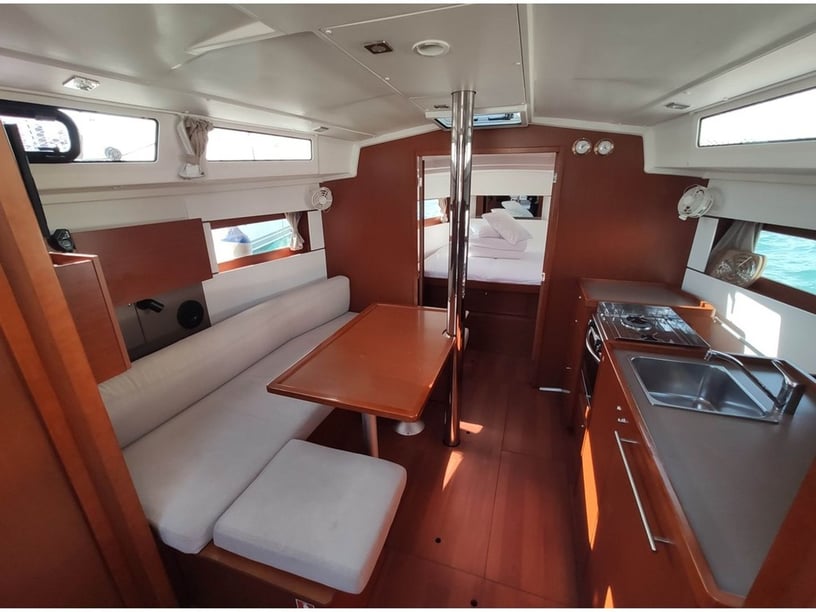
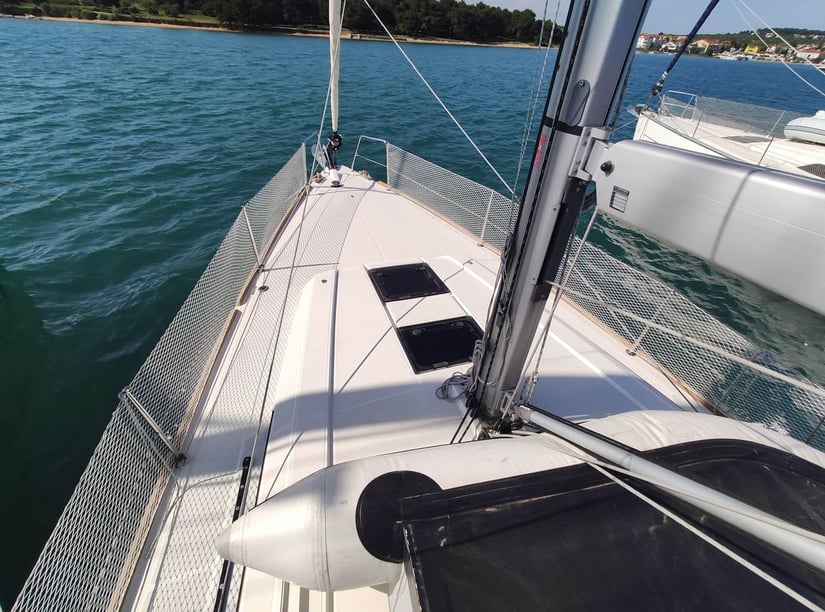
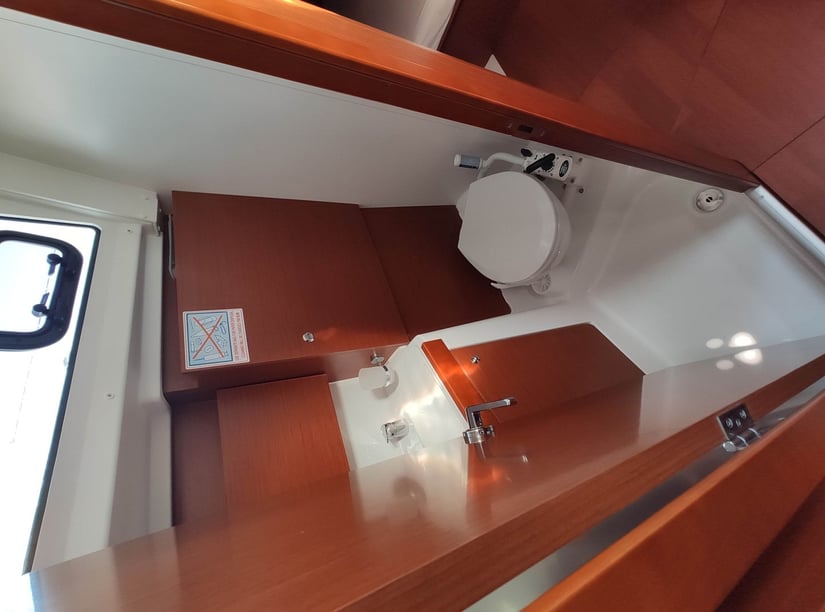
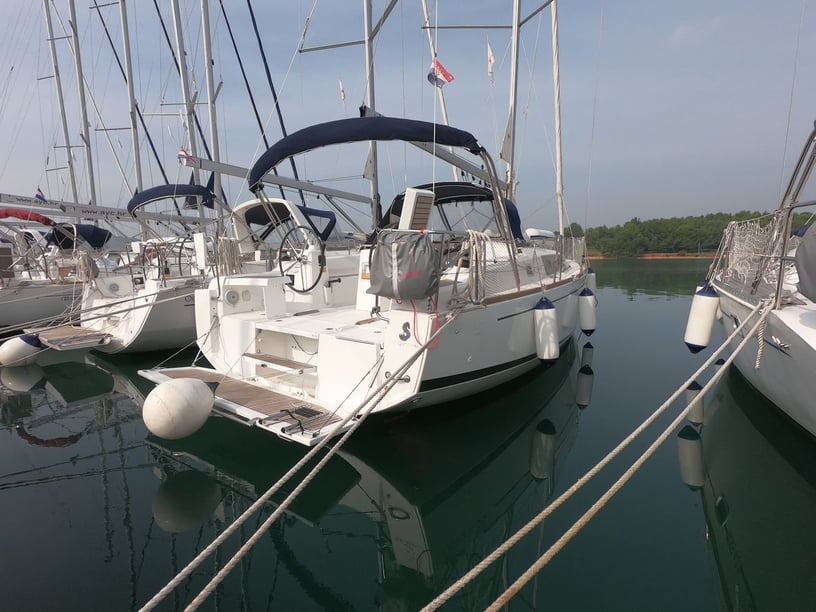
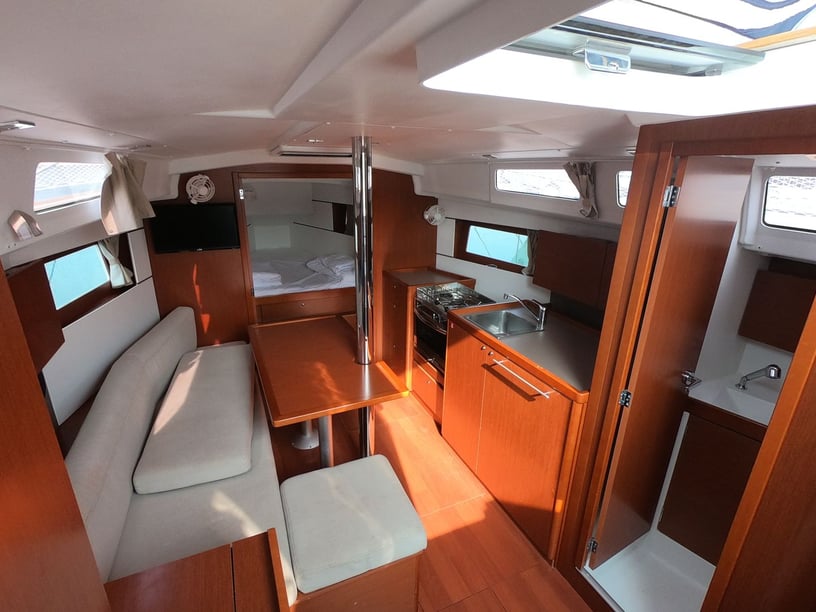
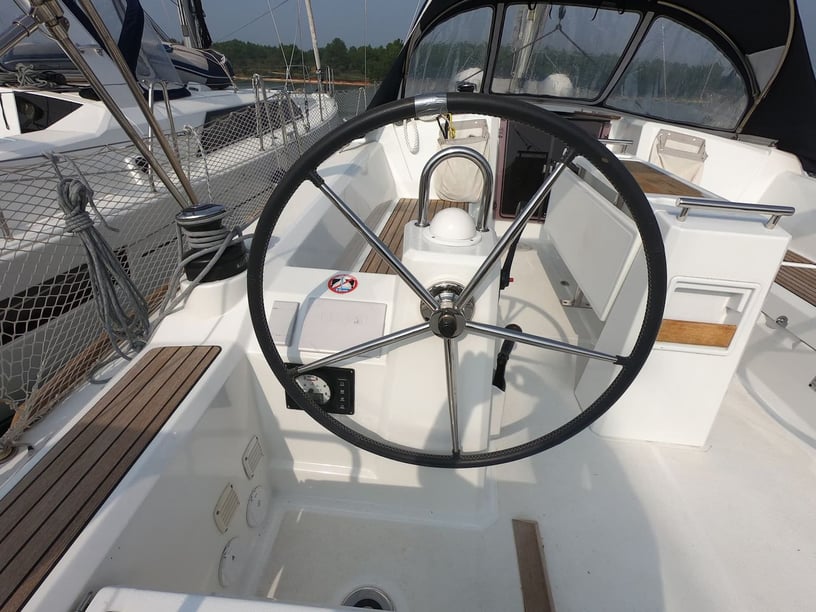
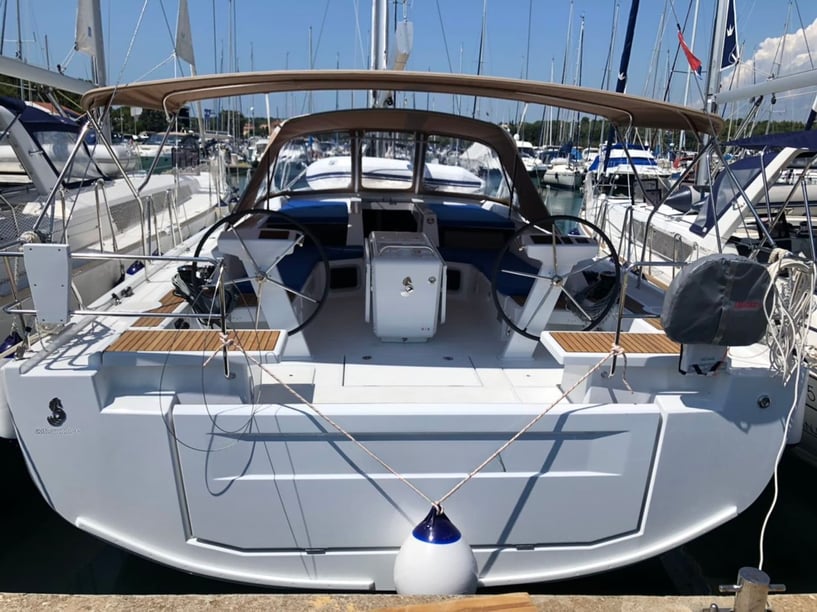
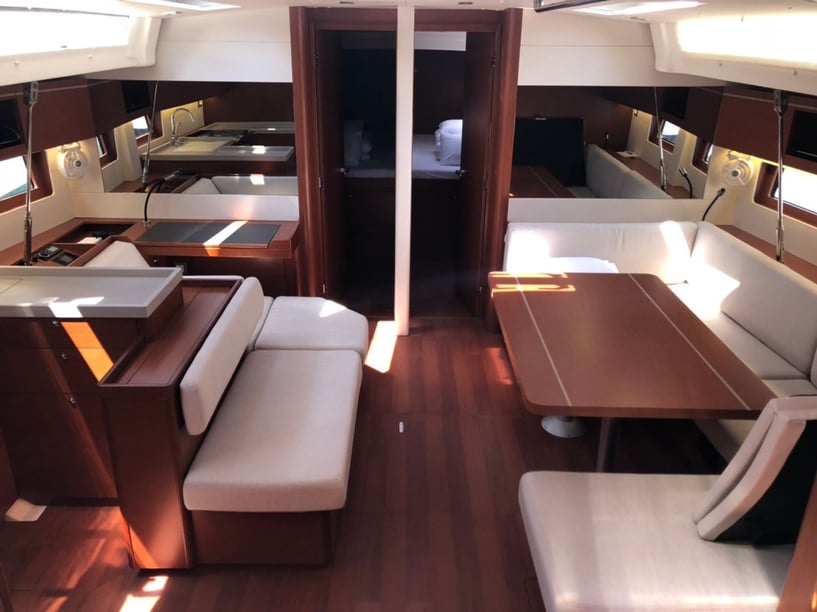
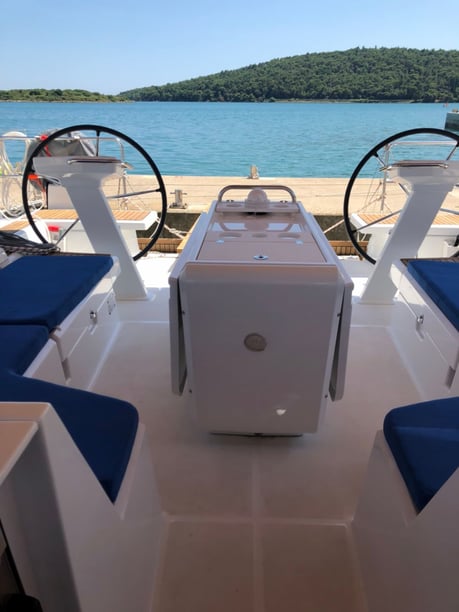
When comparing boat rental in Mali Lošinj, begin with the intended rhythm of the trip. A sailing-focused itinerary places more emphasis on wind, passage time and flexible routing; travelers interested in this format can explore sailboat charters in Mali Lošinj. A motorboat may suit plans centered on shorter day excursions and multiple swim stops; relevant options can be compared through motorboat charters in Mali Lošinj. In either case, the group’s experience and comfort in exposed water matter alongside boat size.
Check current DHMZ marine forecasts and warnings before departure, especially when bora is possible. The Privlaka movable-bridge passage near the harbor is narrow and shallow, and its operation may be affected by weather, maintenance or technical conditions; the skipper should verify current notices rather than relying on a fixed schedule. In July and August, prepare alternatives for busy harbors and coves. Fresh water is a limited island resource, so conservative onboard use is also part of responsible planning.






Verified
Serap B.01 Sep 2024
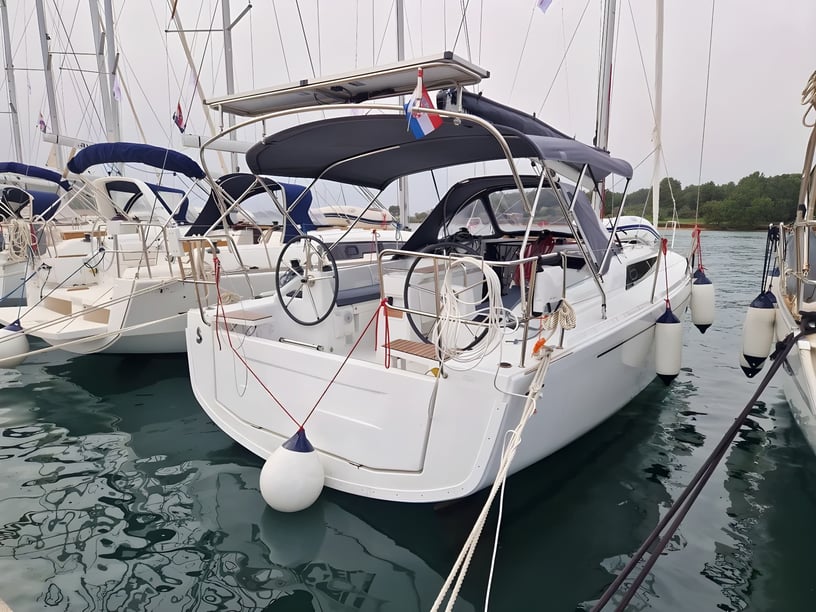
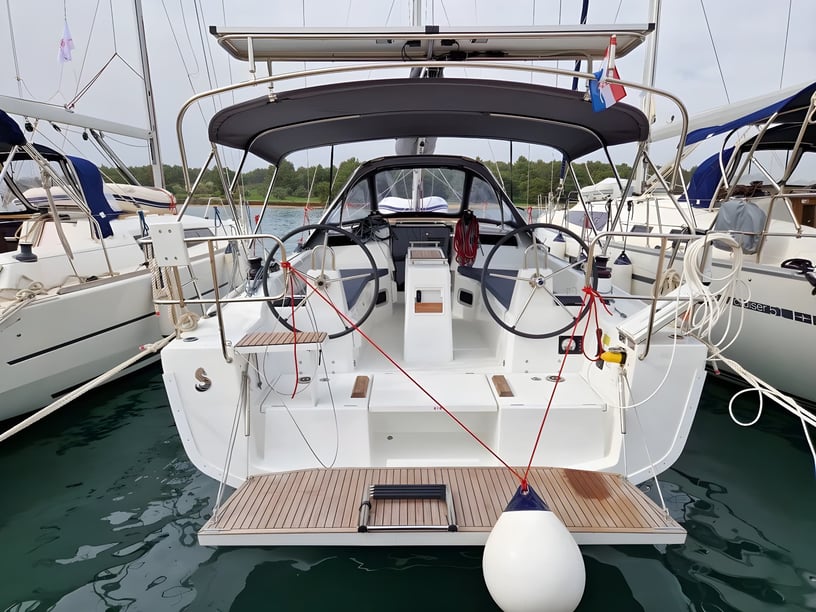
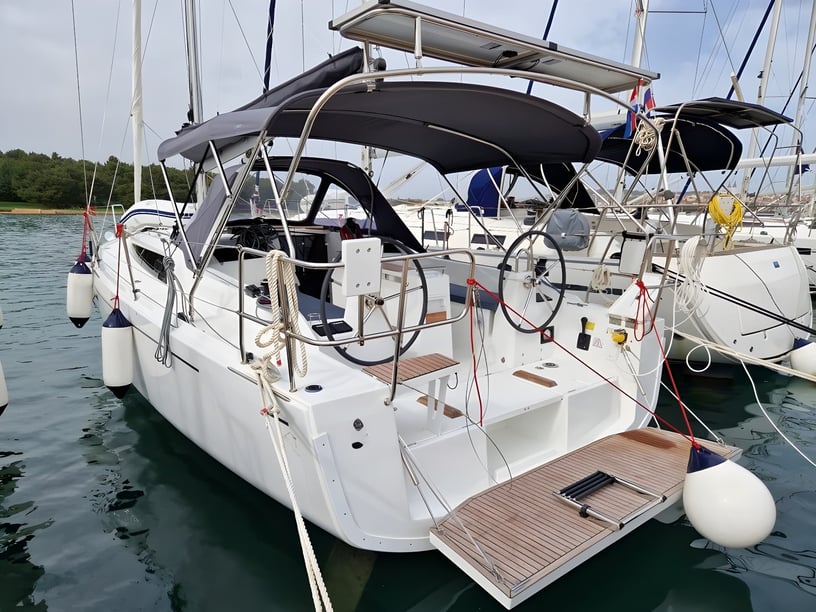
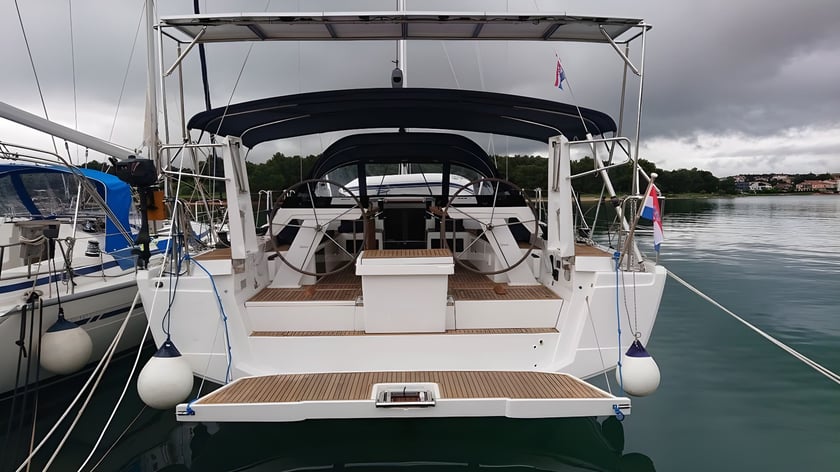
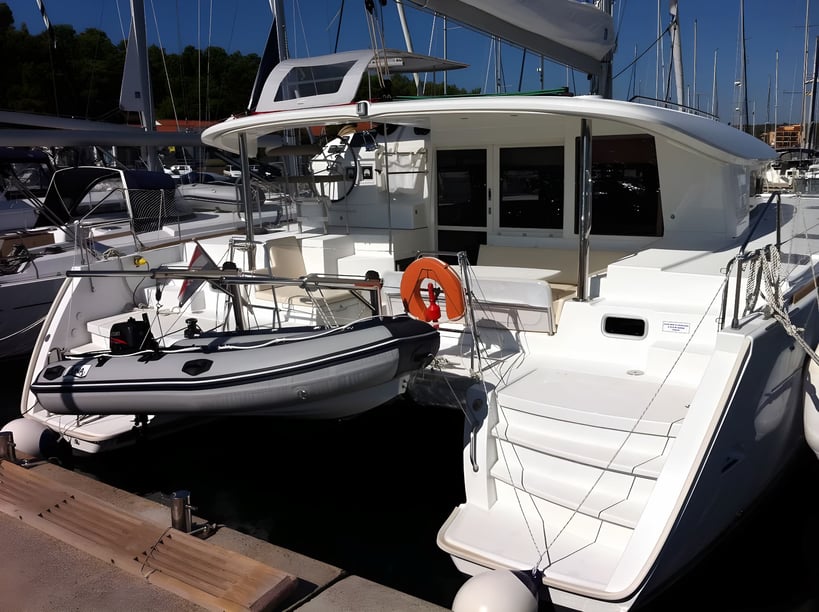
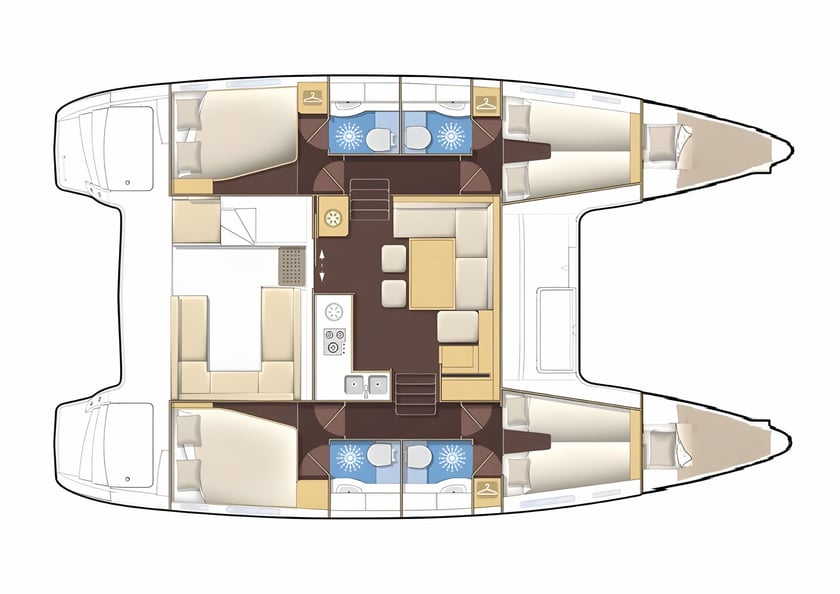
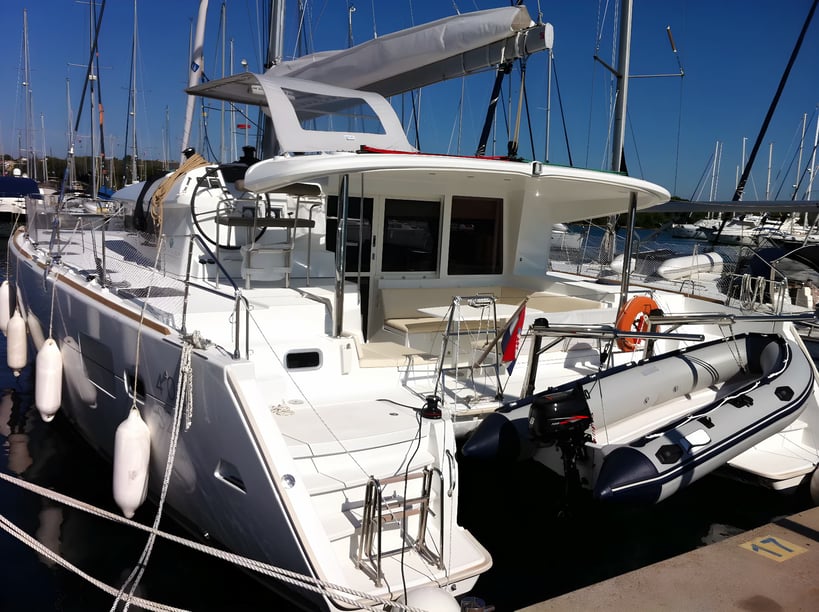
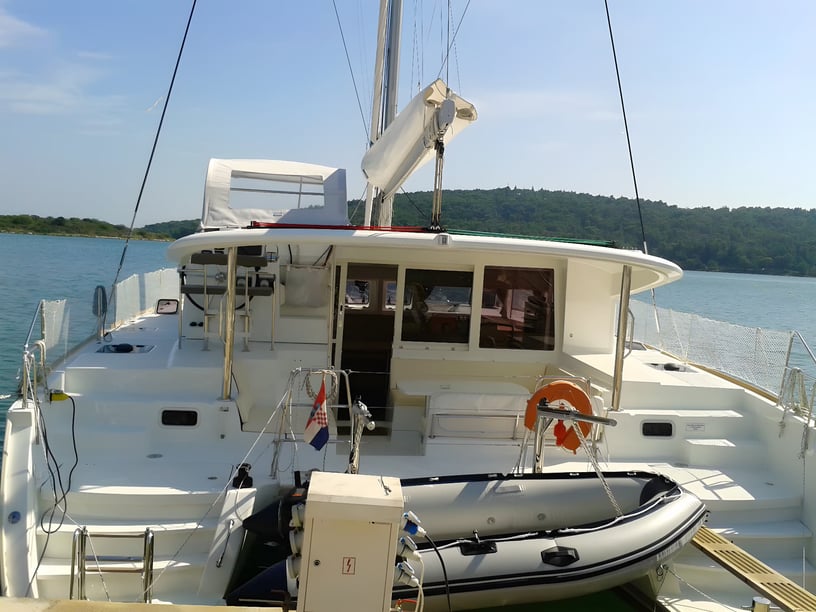
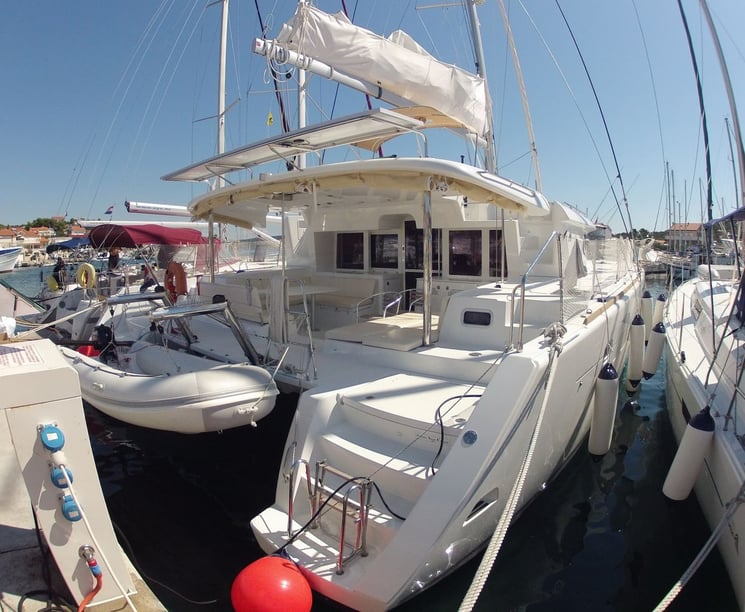
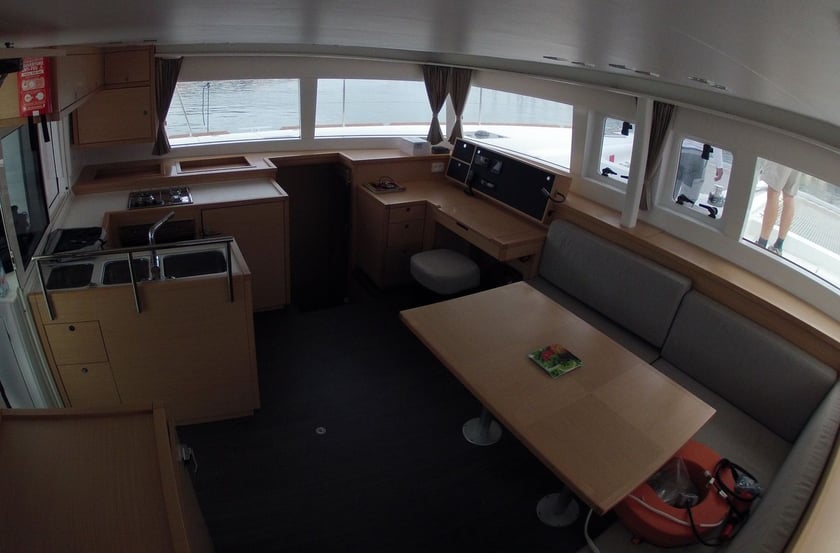
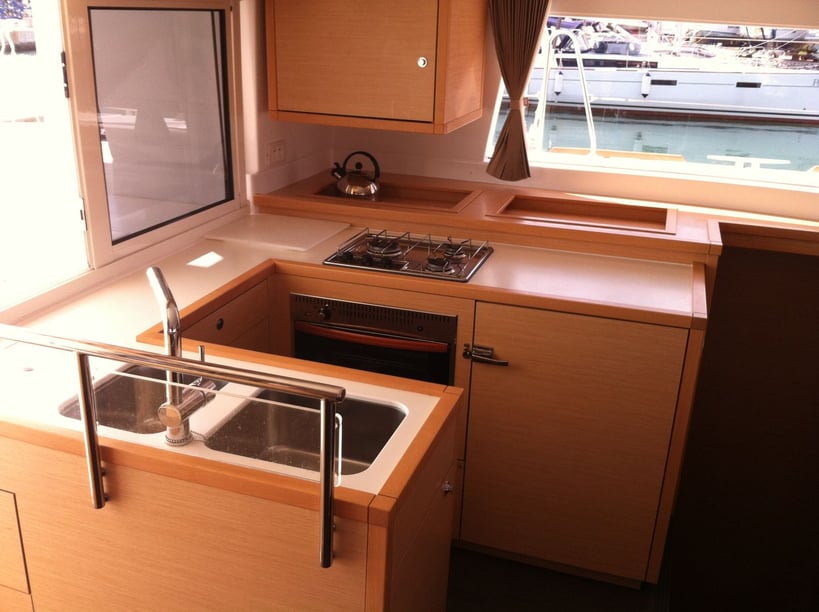
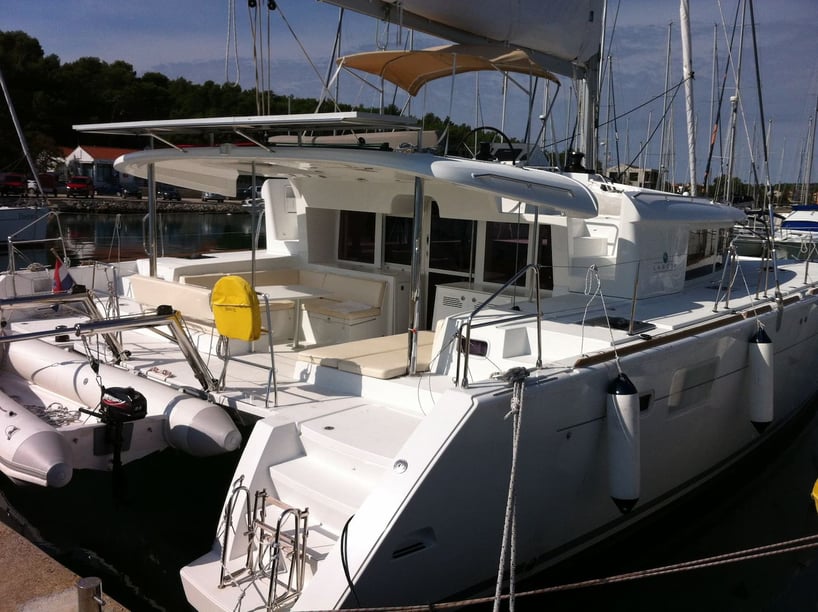
The handover of the boat was quick and straightforward.
Mali Lošinj / Croatia