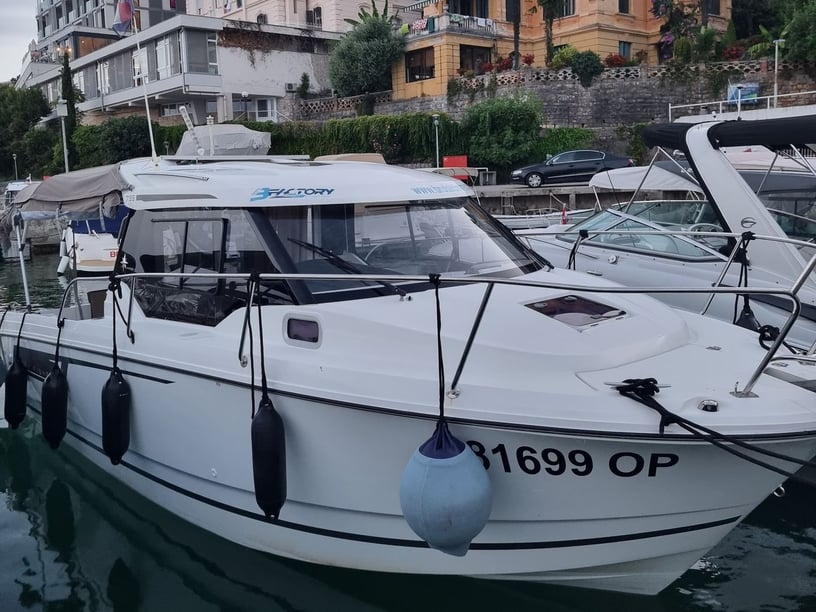
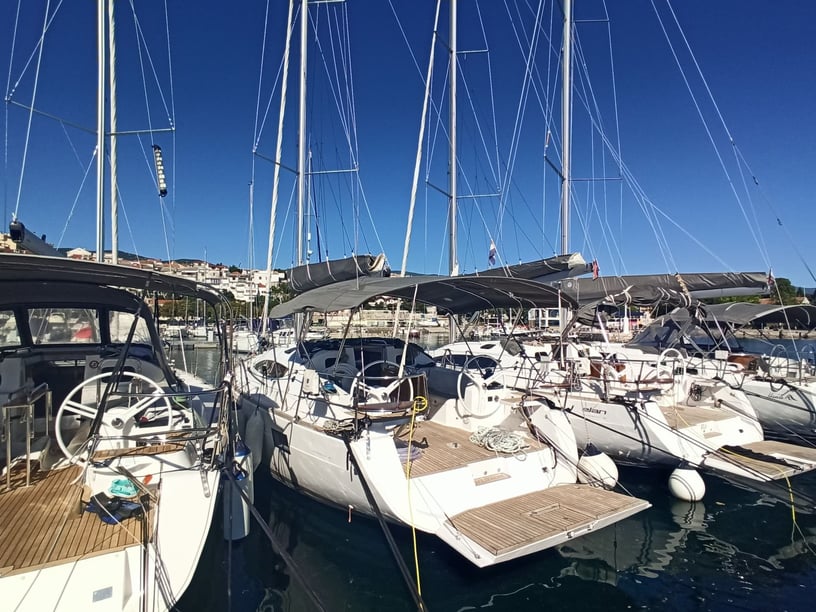
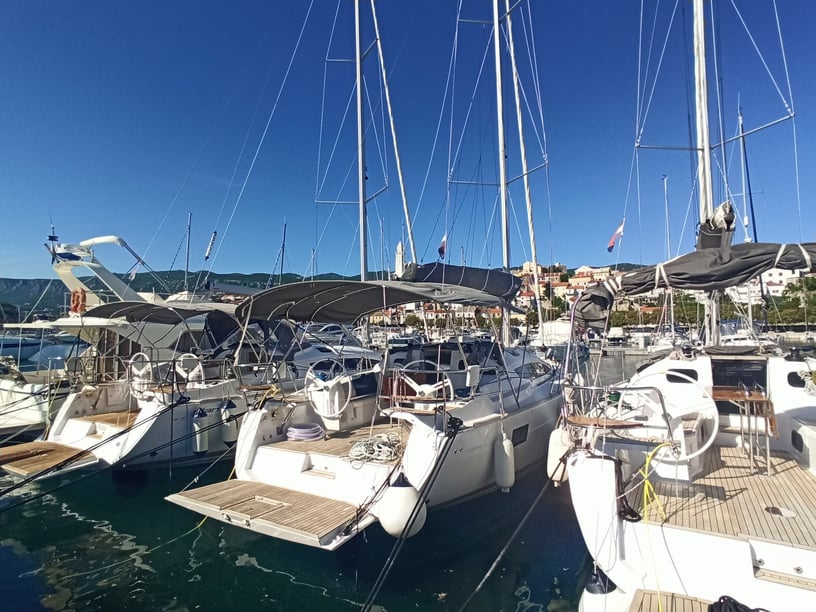
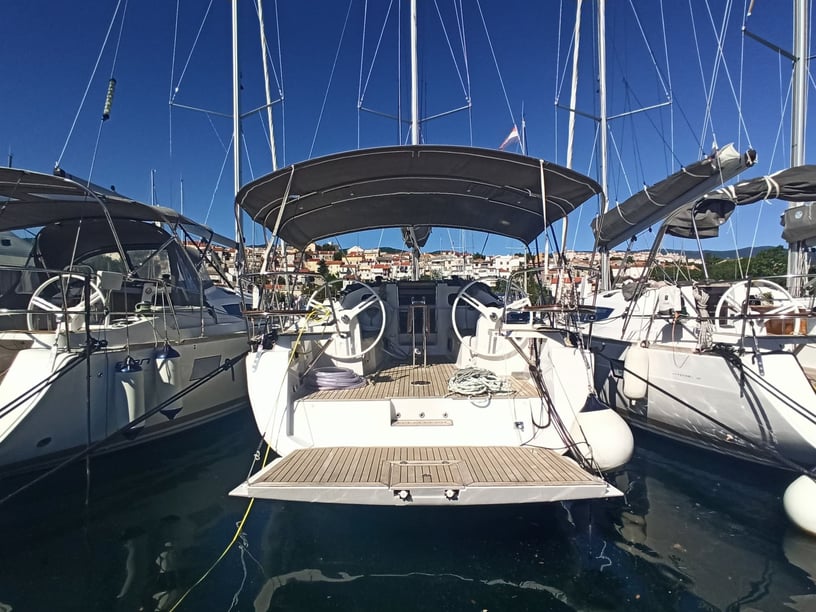
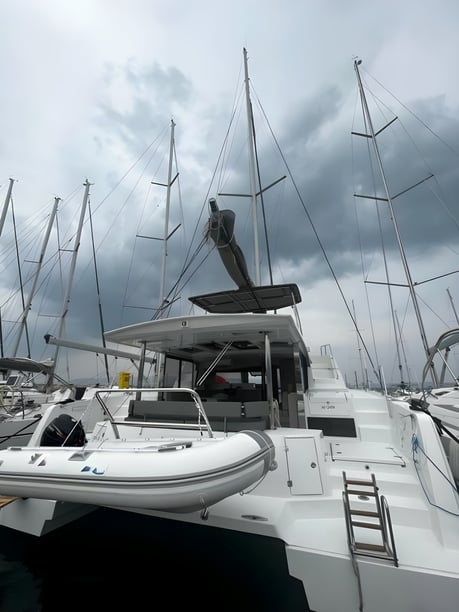
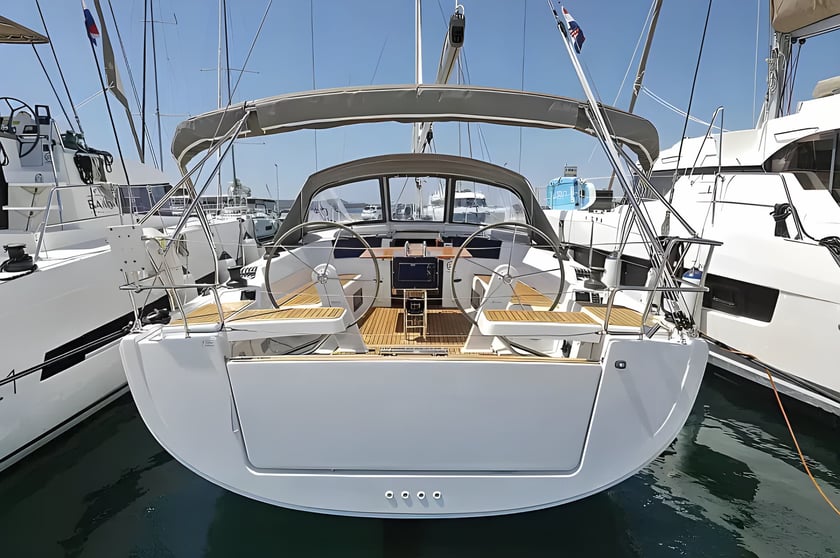
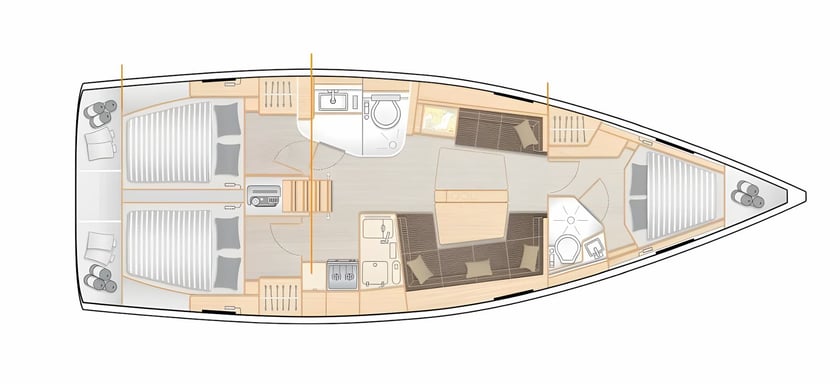
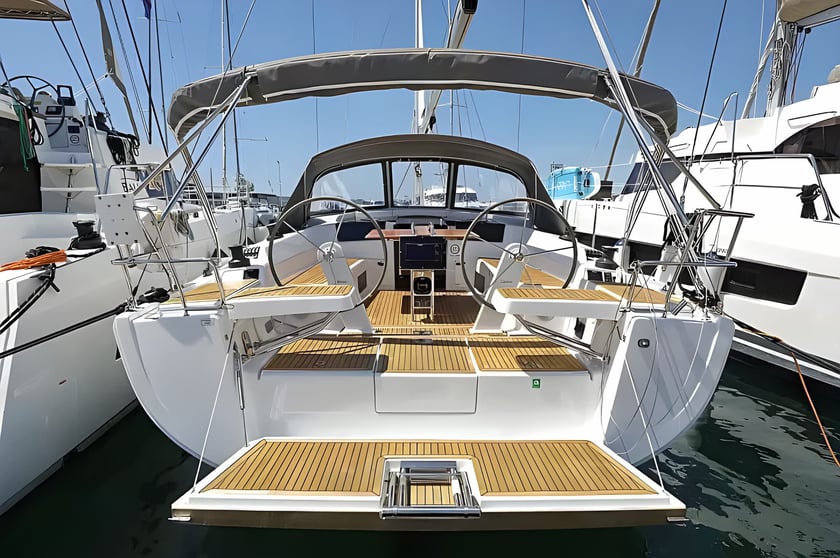
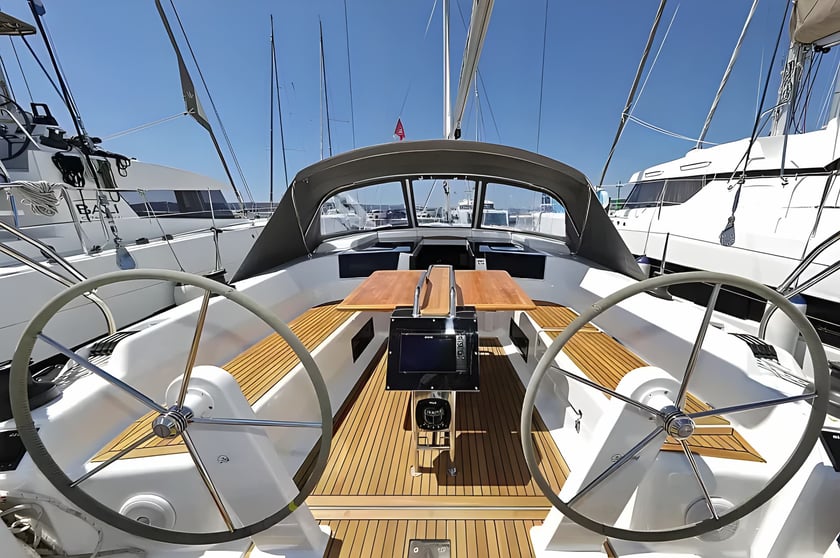
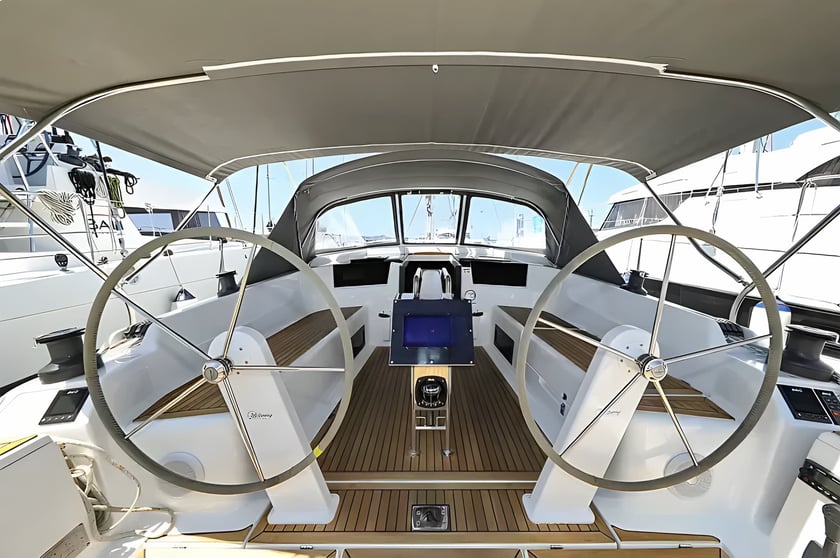
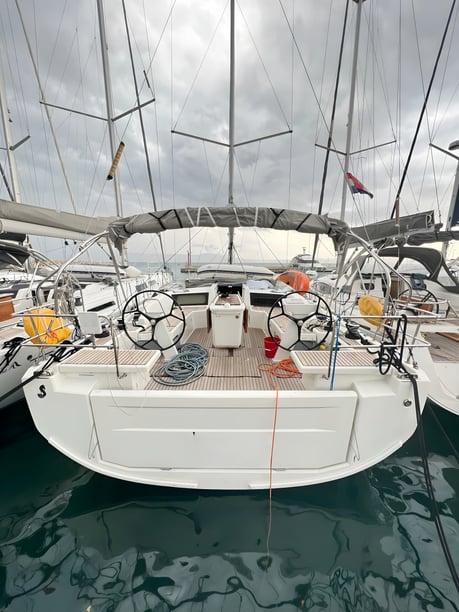
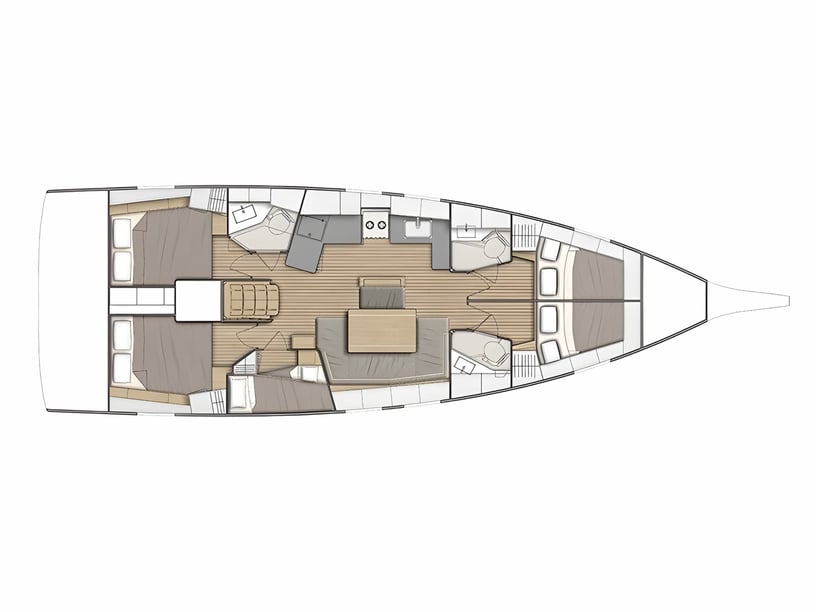
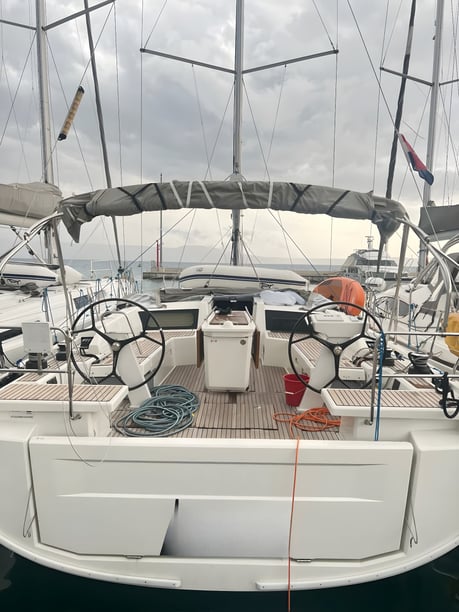
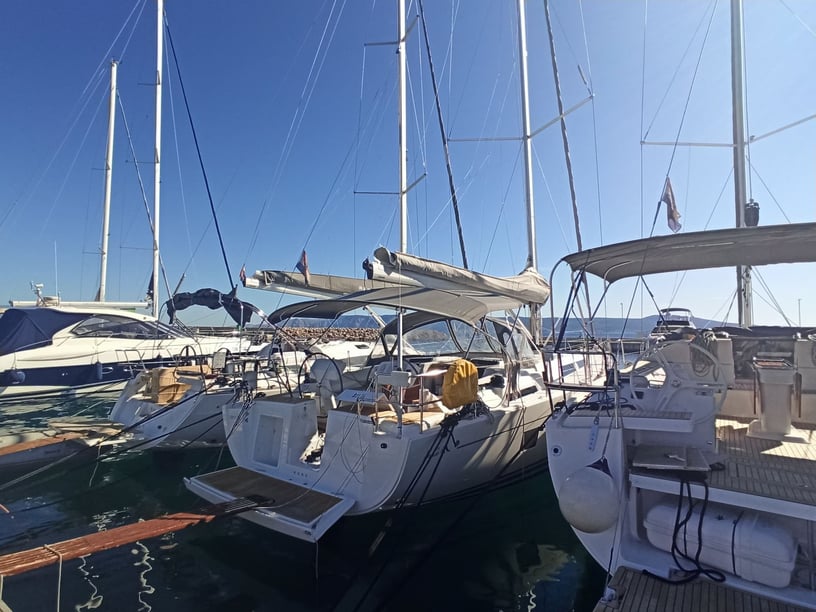
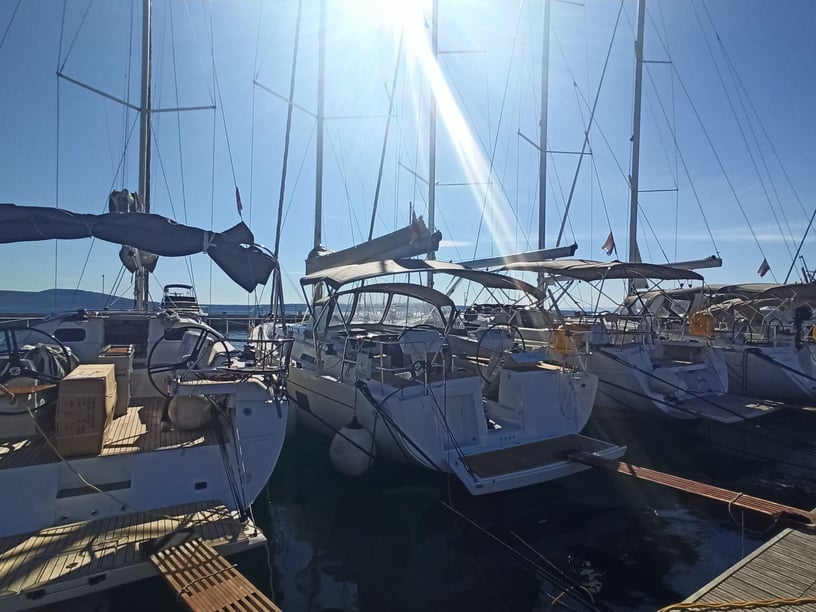
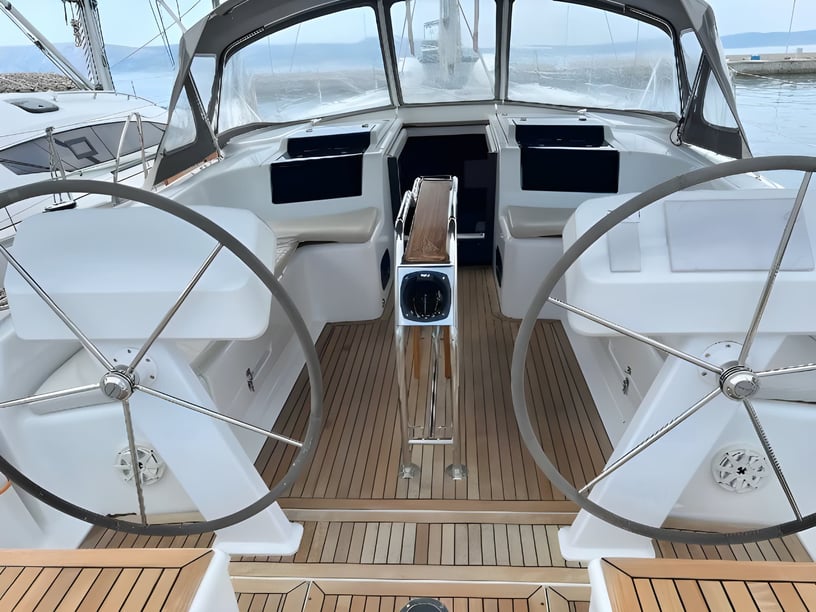
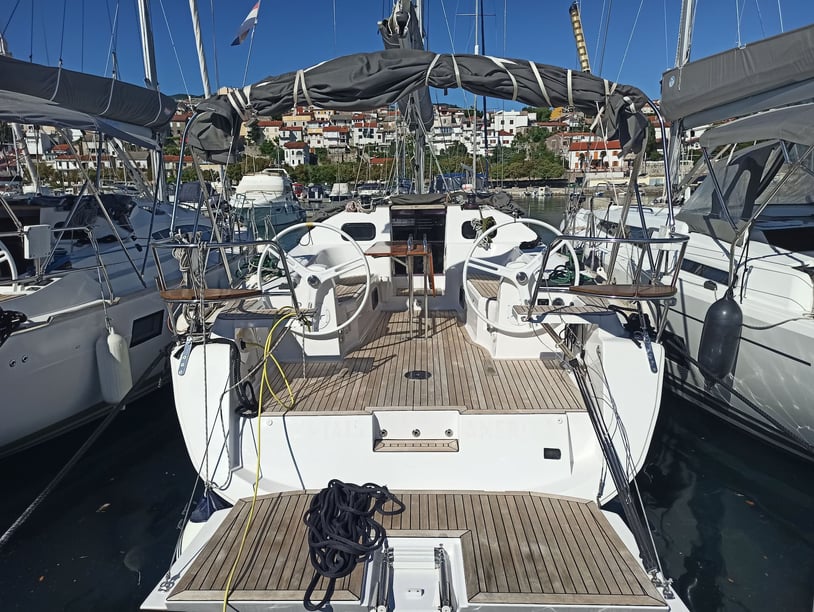
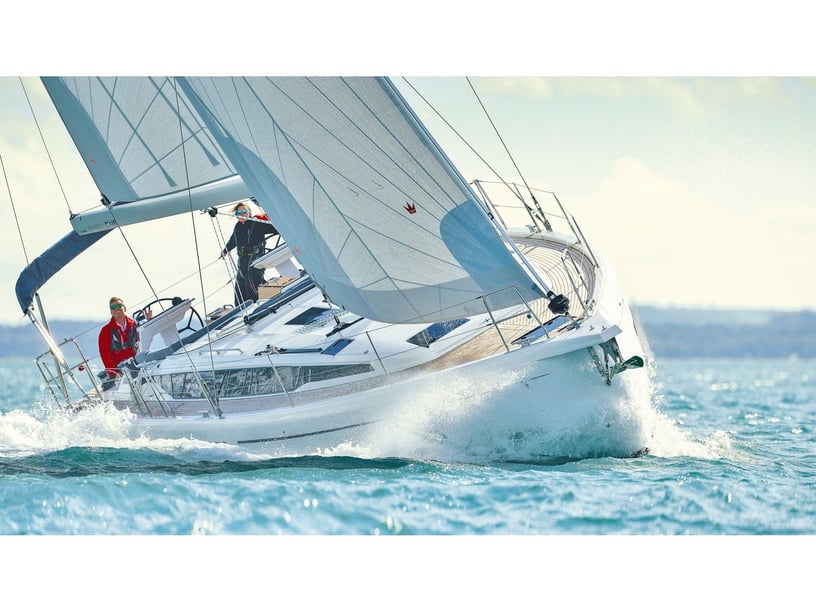
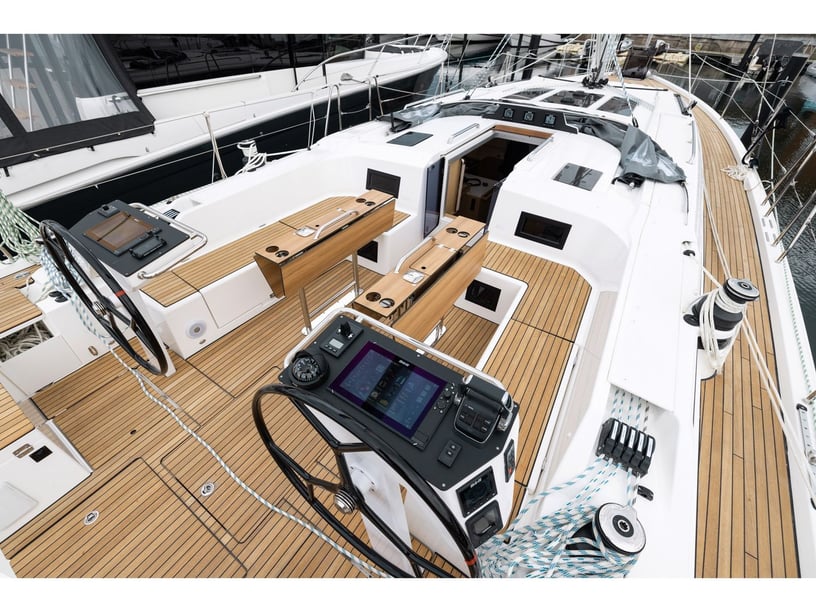
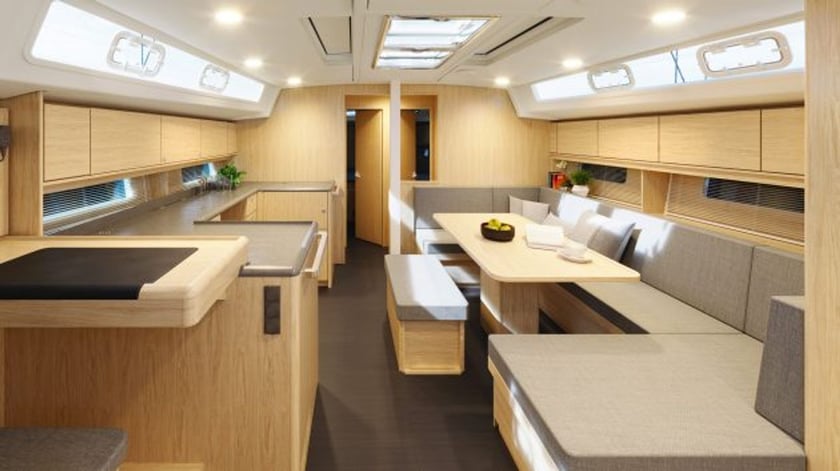
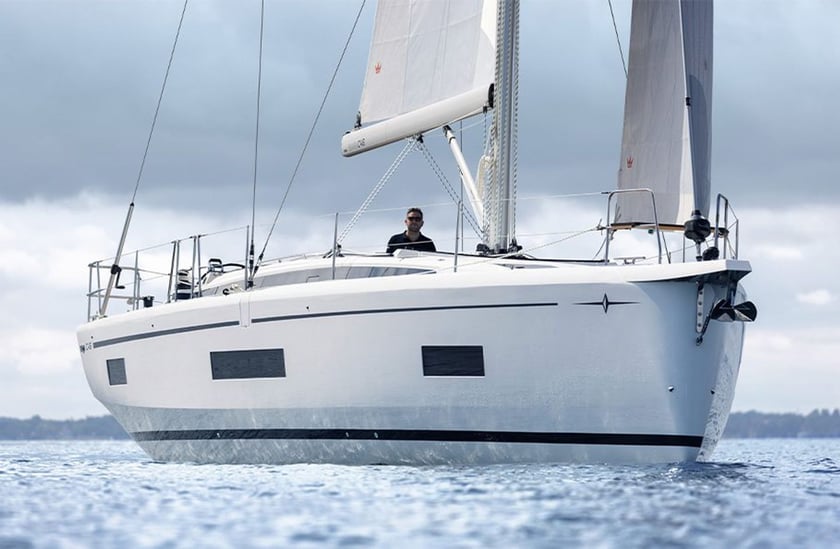
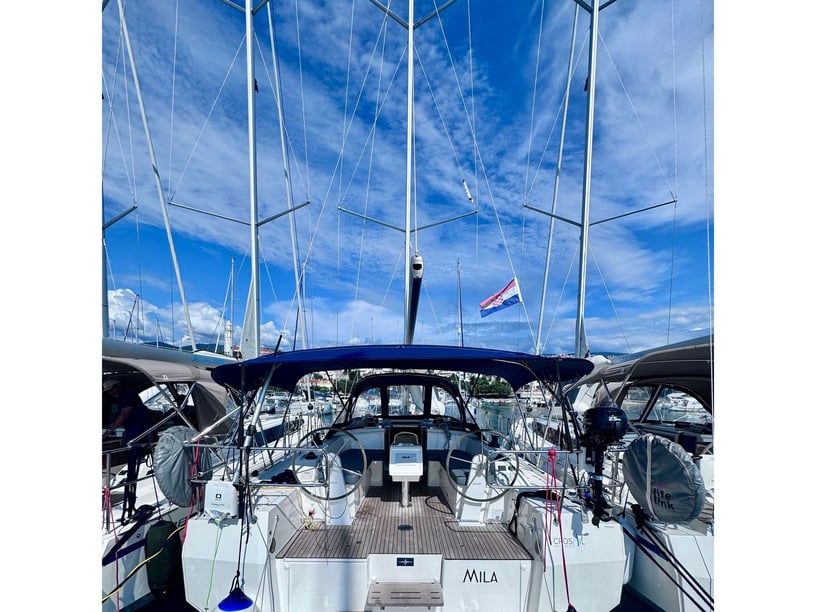
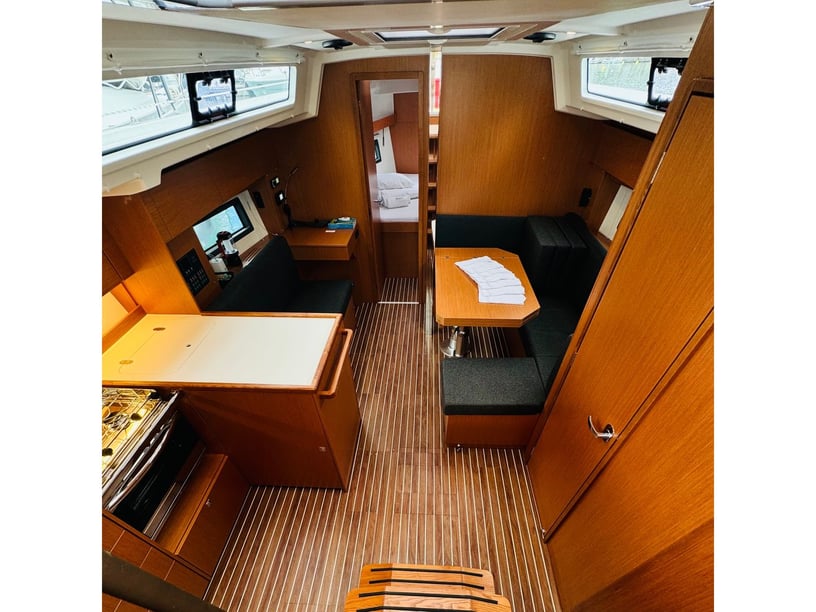
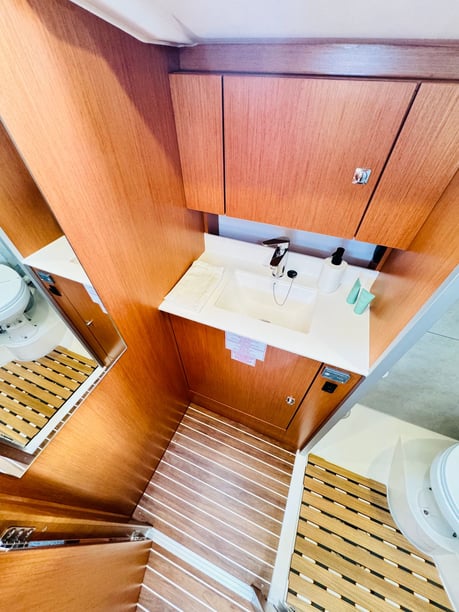
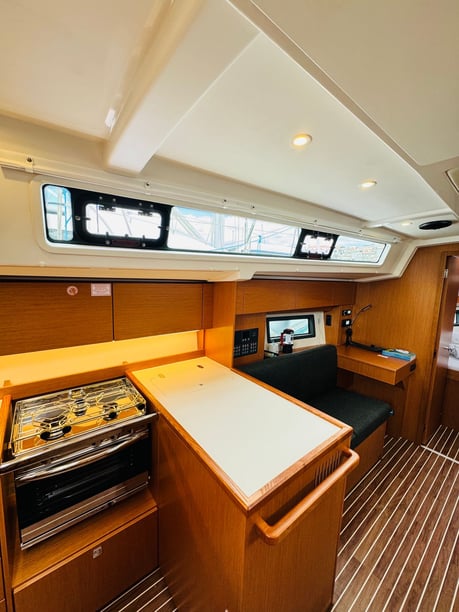
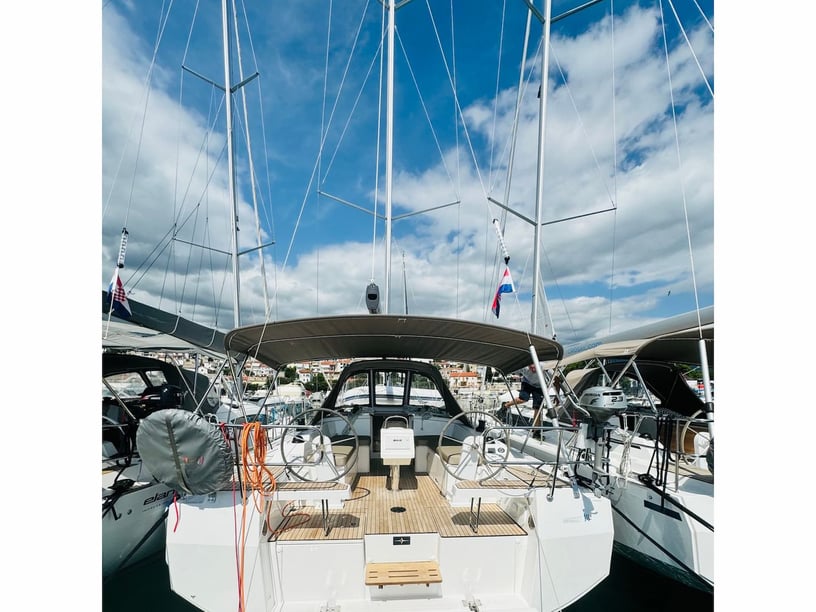
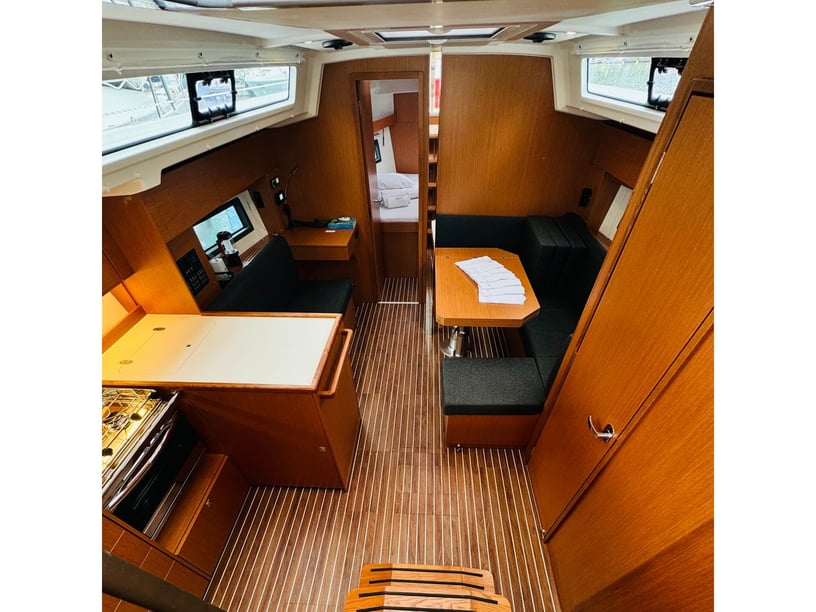
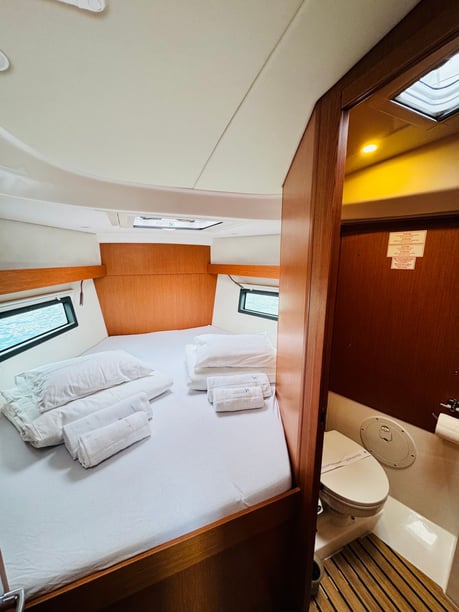
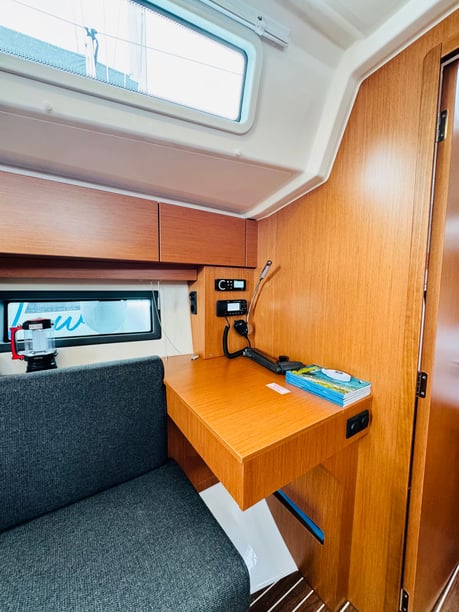
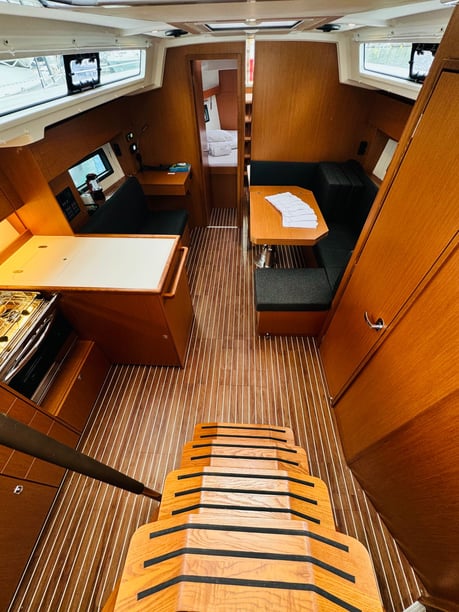
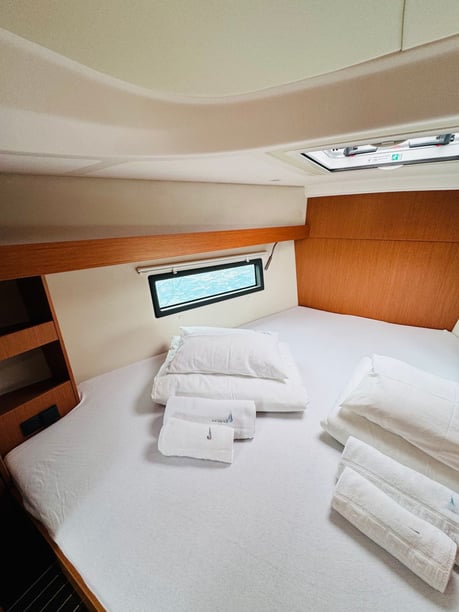
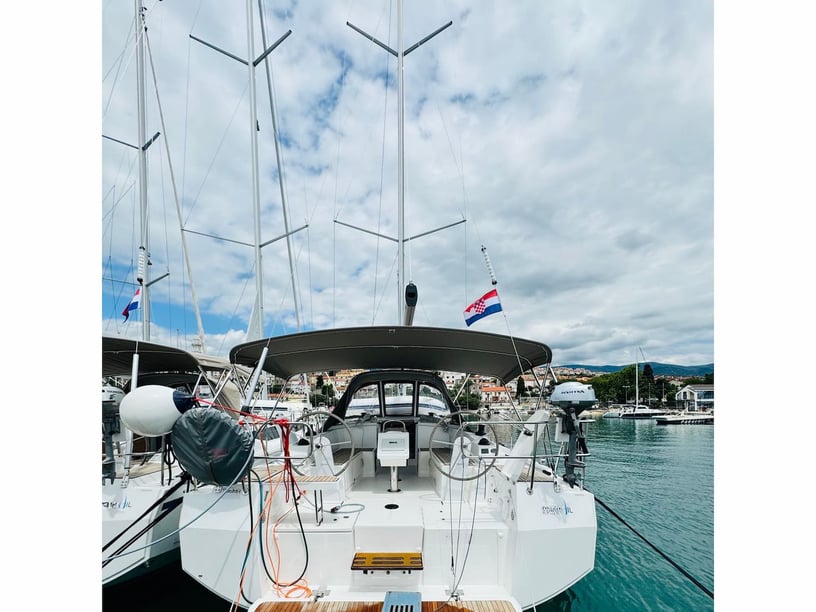
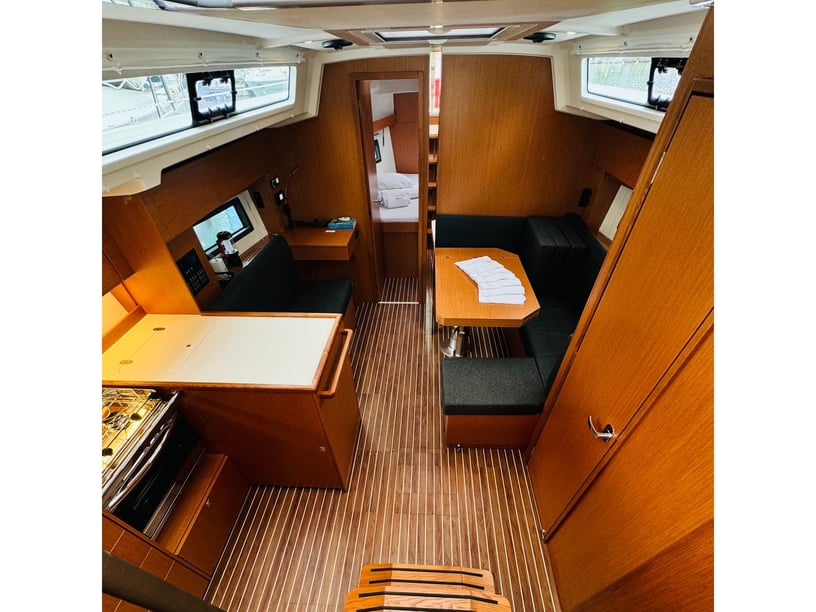
Yacht charter in Rijeka
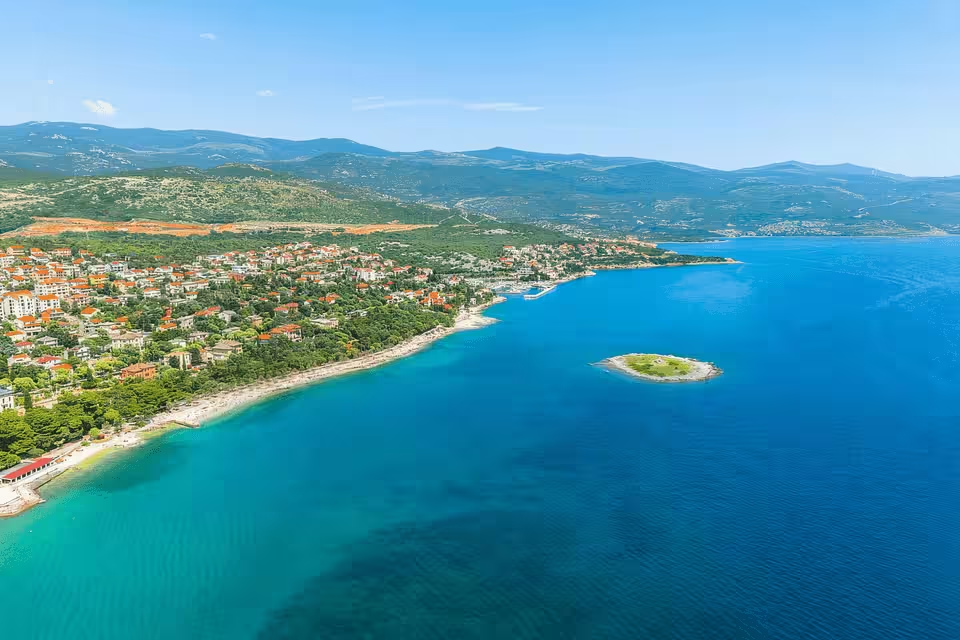
Rijeka occupies a narrow, hilly strip of coast at the head of the Gulf of Rijeka, between the Istrian Peninsula and the islands of Krk and Cres. Its setting makes it a practical urban gateway to the wider Kvarner cruising area rather than a conventional seaside resort.
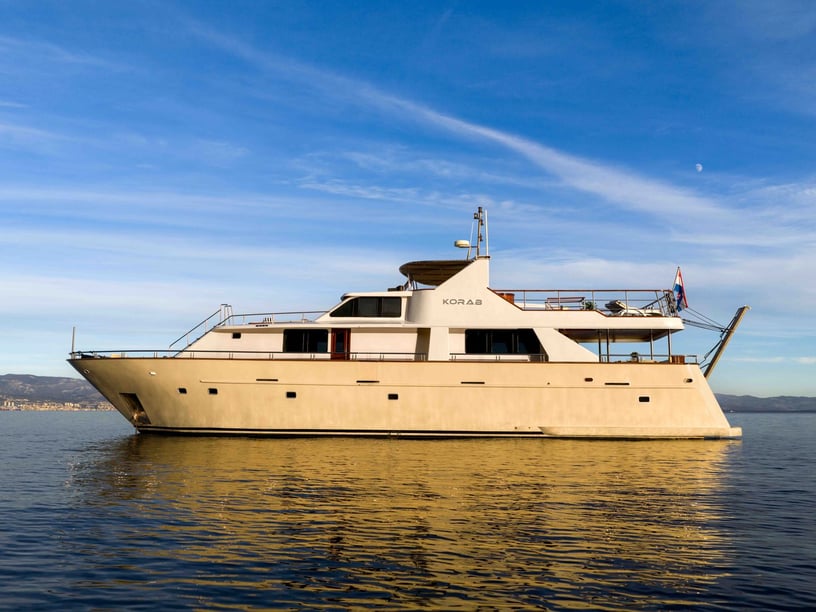
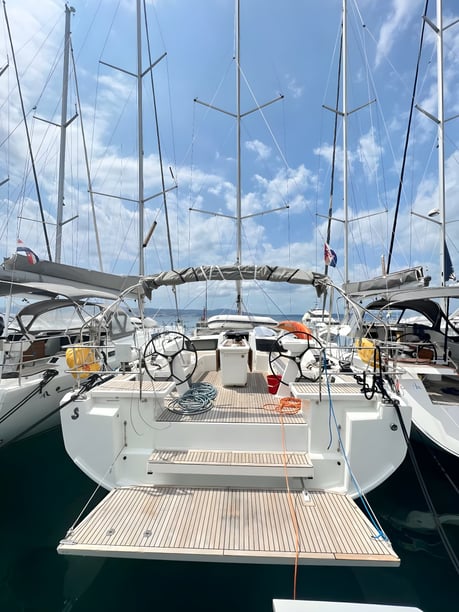
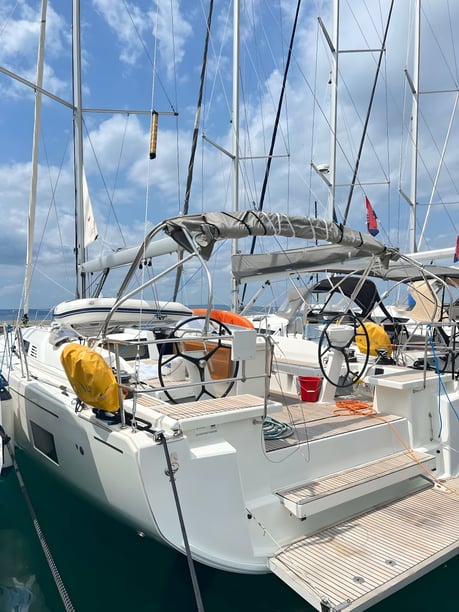
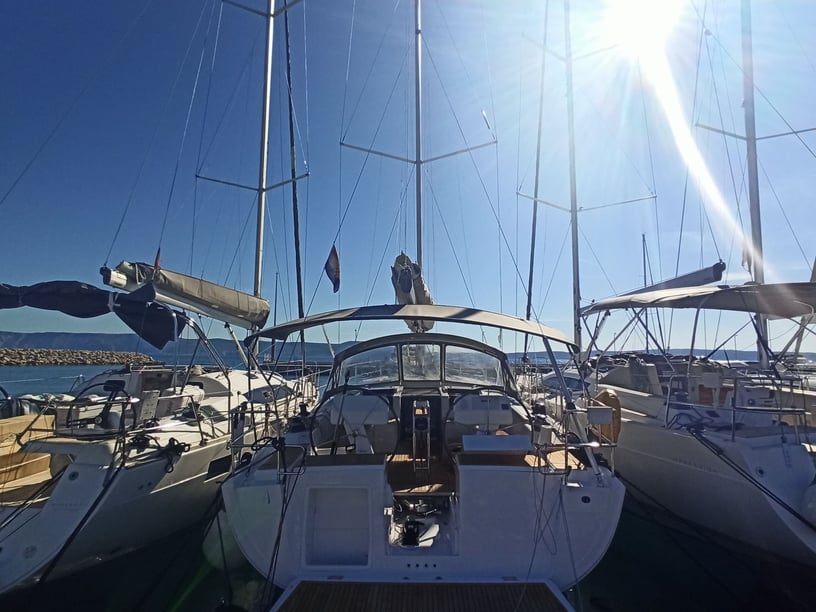
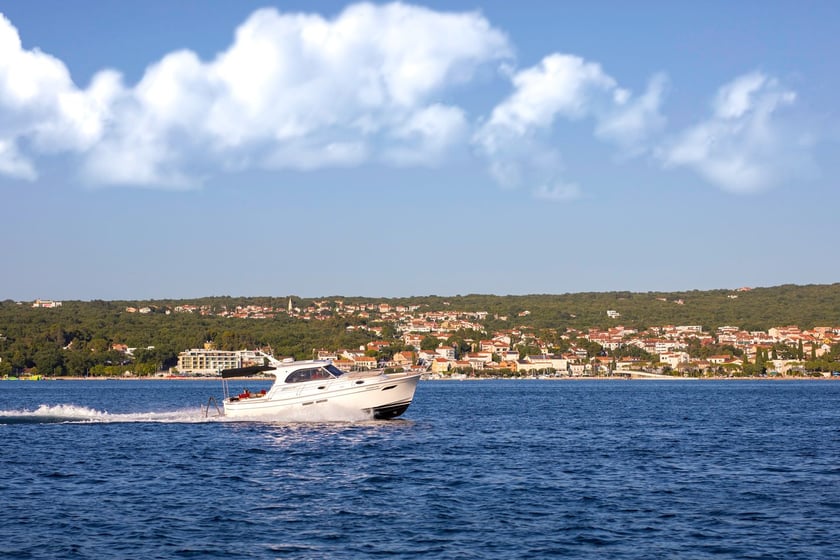
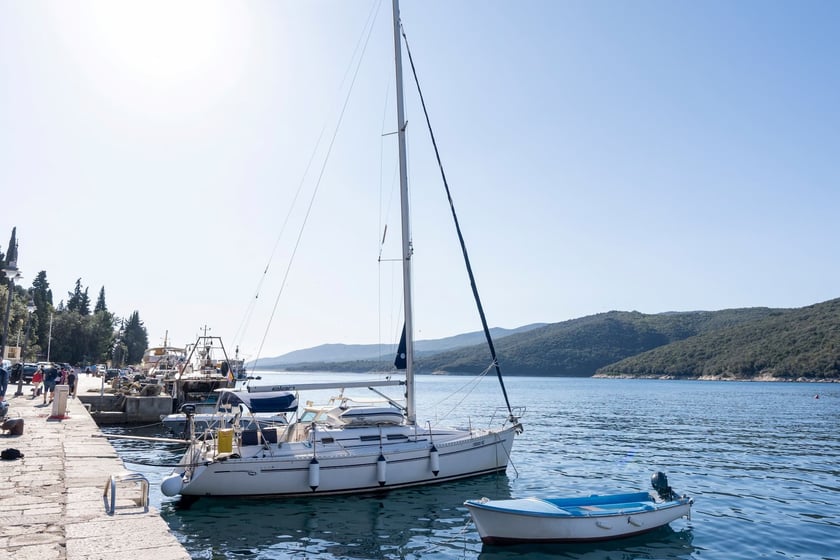
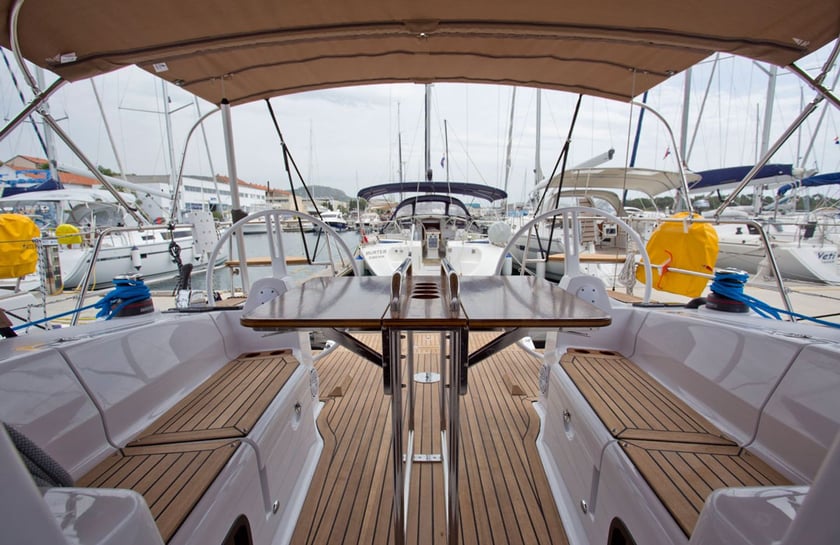
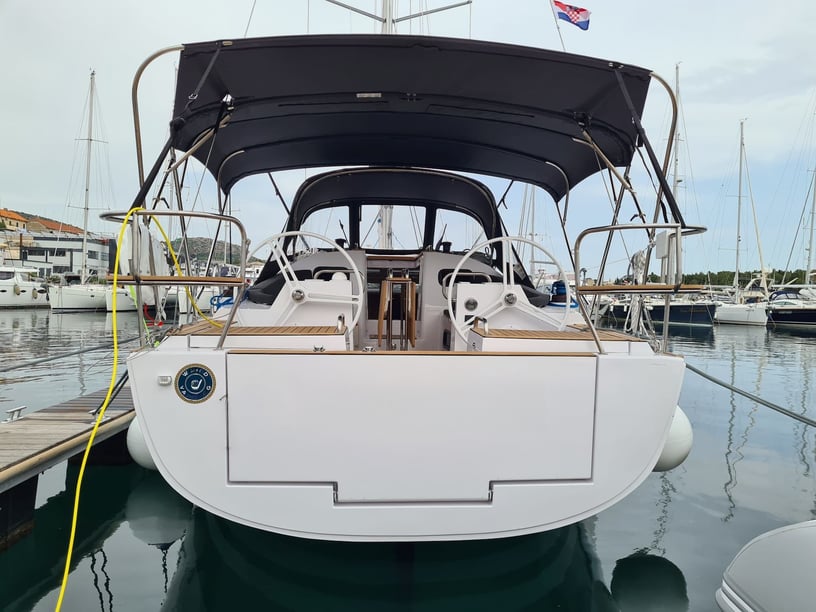
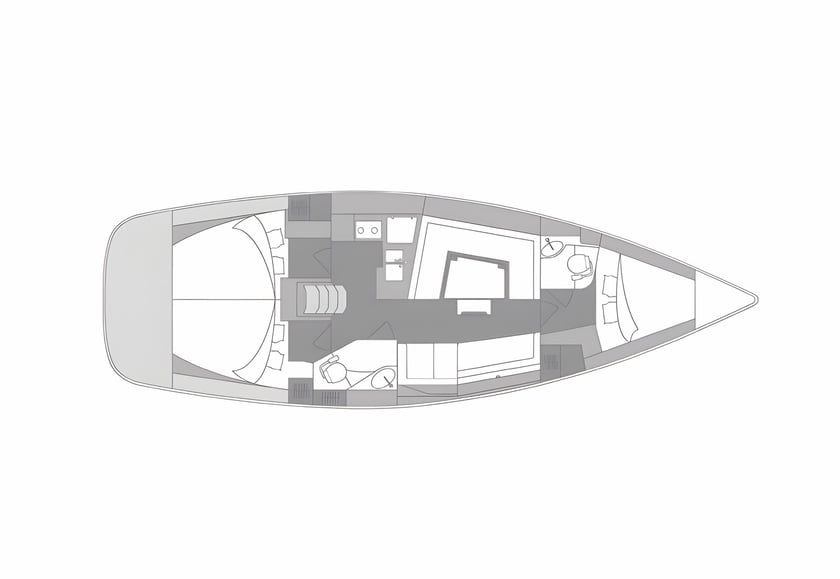
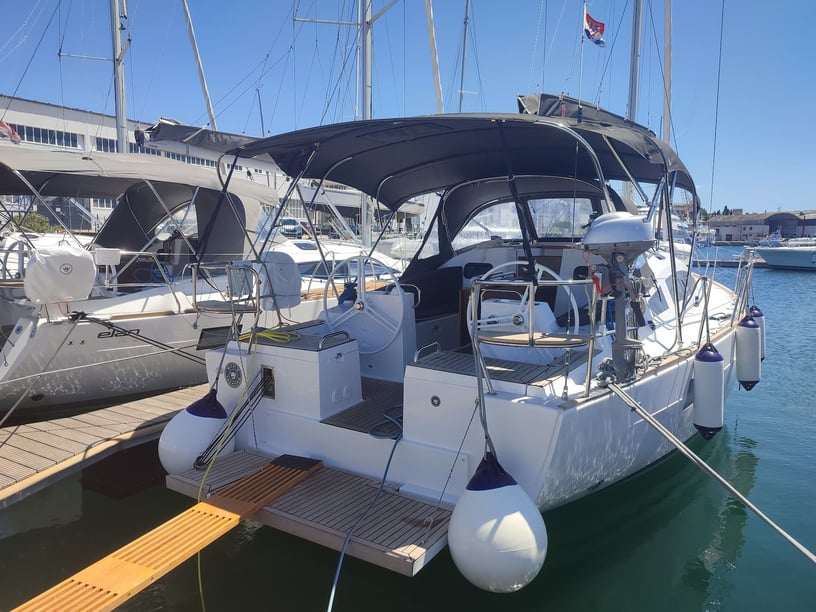
A yacht charter in Rijeka combines time on the water with the character of an active port city. Commercial docks and maritime infrastructure share the waterfront with cultural sights, restaurants and city-center yacht moorings. Nearby Opatija, Ičići and Punat provide additional marina and charter infrastructure, so the precise embarkation point may be outside central Rijeka. Within the broader choice of yacht charters in Croatia, Rijeka offers a notably urban starting context with direct access to the northern Adriatic islands.
Places to explore around Rijeka
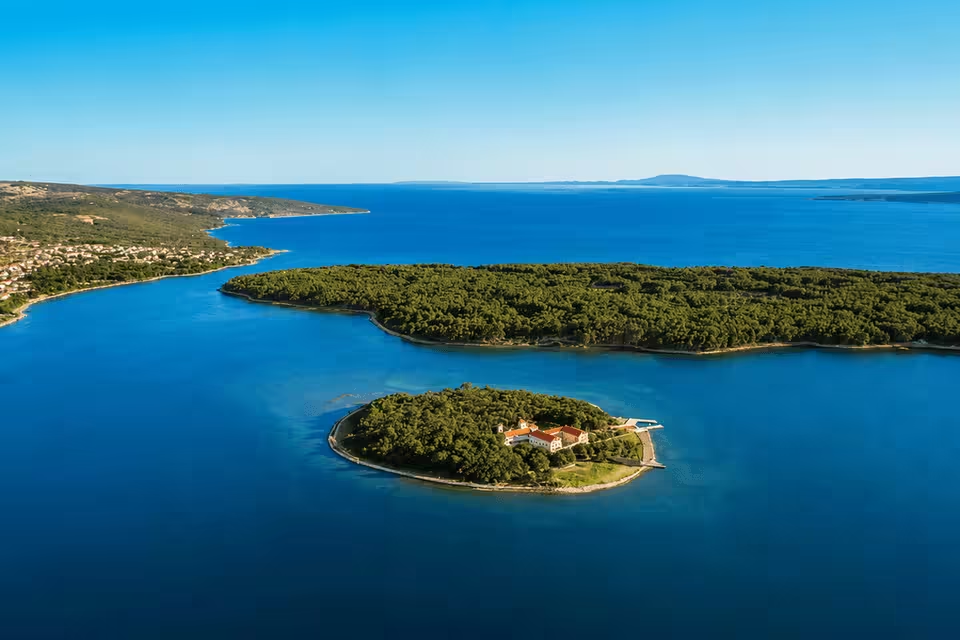
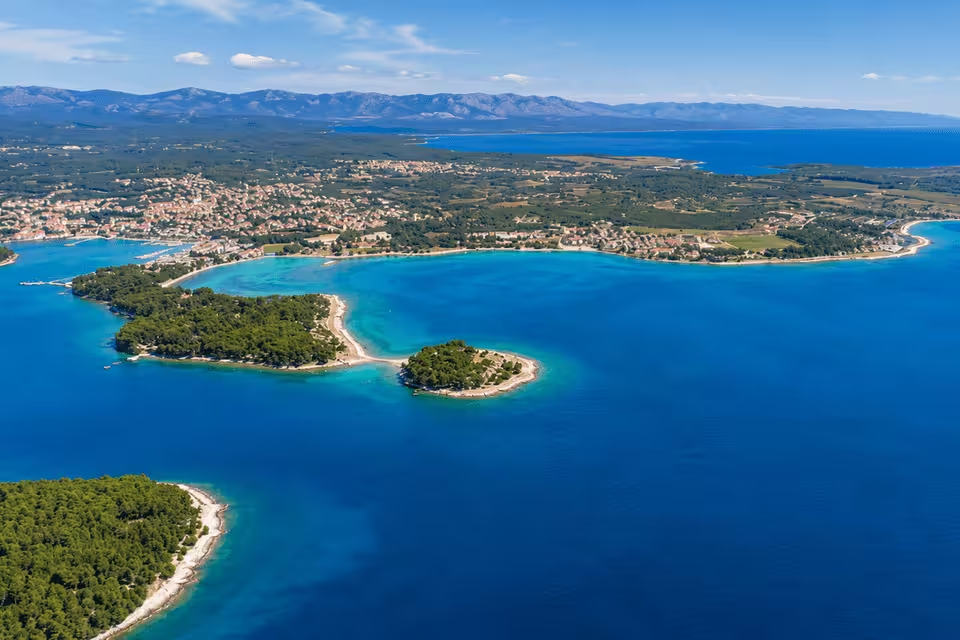
Krk and Cres are the principal island destinations reached from the Gulf of Rijeka. Their coasts allow short passages across the gulf as well as the beginning of longer southbound trips. Punat, on Krk, is particularly relevant because it combines an island setting with an established marina; travelers considering it as an embarkation point can explore yacht charter options in Punat.
Along the mainland coast, Volosko, Opatija and Ičići can form part of a shorter coastal itinerary or provide an alternative place to begin a trip. Westward cruising leads toward eastern Istria, while a southbound route past Cres can continue toward Lošinj and Mali Lošinj. The choice between these areas largely determines whether the charter emphasizes compact crossings, coastal stops or a longer island journey.
Sailing conditions in the Kvarner area
Cruising starts in the relatively enclosed Gulf of Rijeka before opening toward Krk, Cres and the wider Kvarner through Vela vrata, Srednja vrata and the channels around Krk. This creates a varied sailing area: some coastal waters are sheltered, while island passages can be considerably more exposed. The approaches to Rijeka also carry commercial traffic, requiring particular attention near the working port.
Summer often brings settled periods and daytime maestral breezes. More demanding conditions develop when the dry northeasterly bura arrives, as it can strengthen quickly and gust unevenly around the islands. Southeasterly jugo brings humid weather, rising seas and longer waves, while summer thunderstorms may cause abrupt wind changes.
The area is best regarded as moderately challenging. Routes can include manageable short passages, but crews should not assume that conditions inside the gulf represent those outside it. Forecasts matter when deciding whether to cross toward Cres or Krk, continue south or remain on a more sheltered coastal plan.
Best time for a Rijeka yacht charter
May through September generally provides the most consistently comfortable period for recreational boating around Rijeka. June, July and August are the particularly suitable months, bringing the warmest and sunniest conditions and a greater likelihood of settled summer weather. These are also the busiest part of the season, so marina and itinerary planning becomes more important.
May offers entry into the main boating period without midsummer conditions, while September remains an active cruising month as summer begins to ease. April and October can support a yacht trip when forecasts are favorable, but cooler temperatures and less predictable weather require greater flexibility. Winter and early spring are quieter, with short daylight hours, rain and a higher risk of cold bura episodes. Autumn is comparatively wet by Adriatic standards, which should be considered when planning late-season passages.
Cruising routes from Rijeka
A shorter itinerary can remain within the Gulf of Rijeka, linking the city with the mainland coast and the shores of Krk or Cres. This format suits travelers who want to combine modest passages with time ashore and avoid committing to a long southbound route.
For a broader island cruise, a yacht can continue past Cres toward Lošinj, creating a journey through progressively more exposed Kvarner waters. Another option is to head west from Rijeka, Opatija or Ičići and follow the eastern coast of Istria. Actual route length should remain flexible: the bura, jugo and differences between inner-gulf and open-passage conditions can make a sheltered alternative preferable on a given day.
Maritime culture and time ashore
Rijeka adds an urban and historical dimension to a yacht holiday. Its development as a Habsburg free port, maritime outlet and industrial center remains visible in the working harbor, shipbuilding heritage and waterfront architecture. The city also played an important role in torpedo development: Robert Whitehead tested an early self-propelled torpedo here in 1866, and Rijeka later became home to the first torpedo factory.
Time ashore can include Korzo and the City Tower, Trsat Castle, the Maritime and History Museum of the Croatian Littoral or the Torpedo Launch Station. The central market and Fish Market connect the maritime setting with local food, including fresh fish, Kvarner scampi and shellfish. Rijeka’s restaurants, nightlife and cultural venues make it possible to begin or end an island-focused charter with a substantial city stay rather than treating the port only as a transit point.
Access, marinas and departure points
Rijeka is accessible by motorway, intercity bus and rail, with the principal passenger terminals close to the central waterfront. Rijeka Airport is located on Krk, which is connected to the mainland by bridge; reaching Rijeka or another marina normally requires an onward road transfer. Pula, Zagreb, Trieste and Ljubljana airports can also be considered when they fit a wider travel itinerary, although each requires ground transportation to the coast.
Yachts may use designated piers in the Rijeka Basin, but mooring requires prior approval or arrangement with the Port Authority. Travelers should therefore confirm whether their charter actually begins in the city. Nearby alternatives include Marina Admiral in Opatija, ACI Marina Opatija in Ičići and Marina Punat on Krk. Rijeka consequently works as a combination of city stop, regional gateway and possible departure area, rather than a single centralized charter base.
Planning your charter around Rijeka
When comparing a yacht charter or boat rental in Rijeka, check the exact embarkation marina before arranging flights and transfers. A listing associated with the Rijeka area may involve travel along the coast to Opatija or Ičići, or across the bridge to Punat. This distinction can affect arrival timing, provisioning plans and the most logical first and final legs of the itinerary.
Match the route to the group’s experience and priorities. Shorter trips can focus on the Gulf of Rijeka and nearby island coasts, while longer charters make Cres, Lošinj or eastern Istria more realistic. Travelers planning exposed passages should decide whether their party has the appropriate experience for the intended charter format or would benefit from a professional skipper.
Before departure, review official marine forecasts and warnings, especially for bura, jugo and thunderstorms. Current nautical information is also important for anchoring rules, port restrictions and traffic around Rijeka’s operational harbor. Building flexibility into the itinerary is more useful than fixing every stop in advance, since wind and sea state may differ substantially between the protected inner gulf and the passages around Krk and Cres.