Yacht charter in Rabac
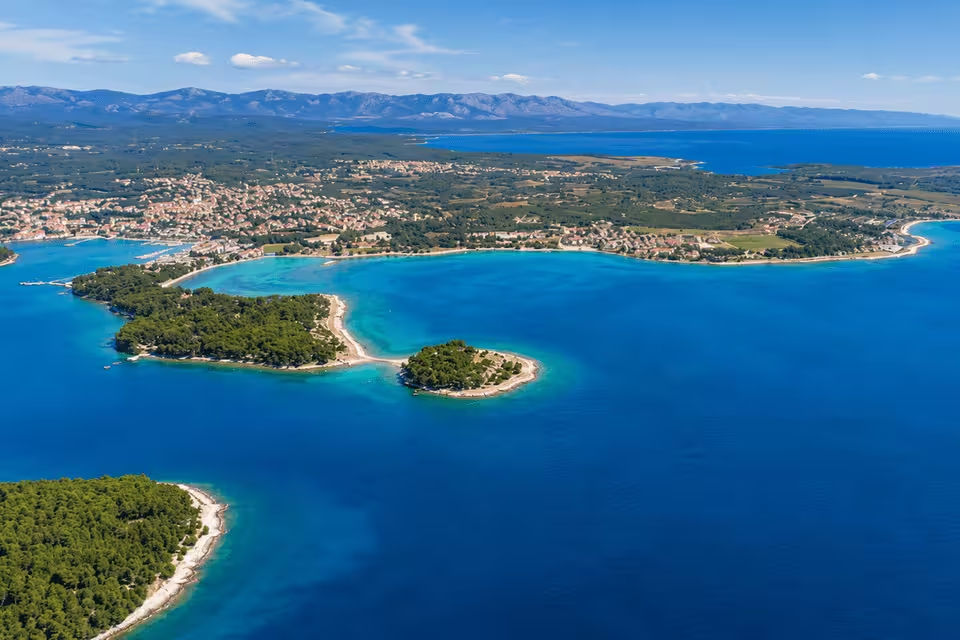
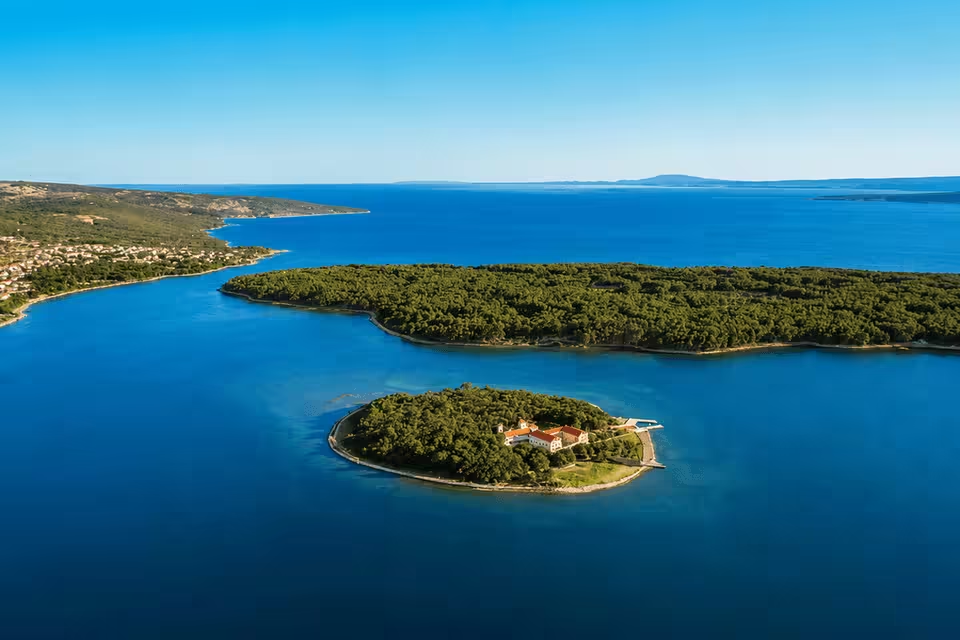
Rabac occupies a cove on Istria’s eastern coast, facing Kvarner Bay and the island of Cres. Wooded slopes rise behind its developed waterfront, while white-pebble beaches, rocky stretches and smaller coves continue south toward Prtlog. This compact geography makes the town particularly relevant for swimming stops, coastal outings and passages across the bay.
A yacht charter in Rabac differs from cruising through a densely sheltered island group. The immediate coast is straightforward to explore in settled weather, but a crossing to Cres enters more exposed water and calls for closer attention to the forecast. Rabac is also better understood as a public port and coastal stop than as a major marina base. It can form one part of a broader yacht charter in Croatia, especially on itineraries connecting eastern Istria with the Kvarner islands.
Coastal places to explore
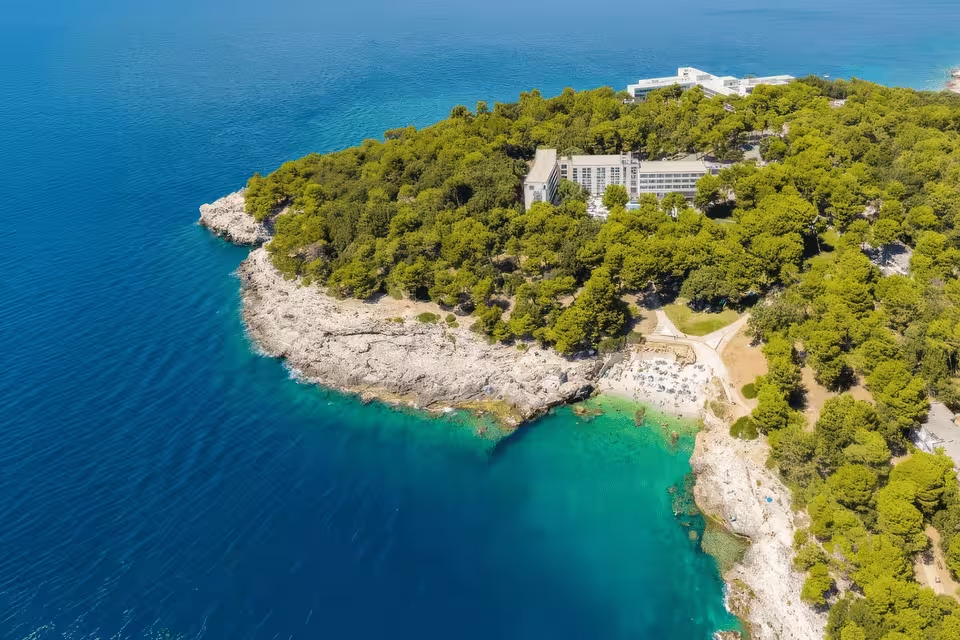
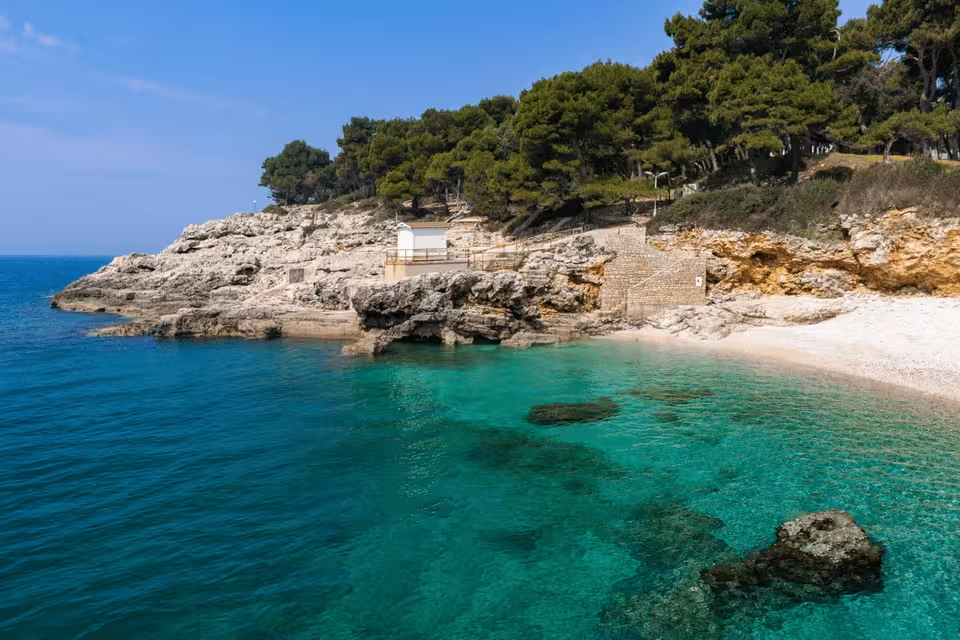
Close to town, the Rabac shoreline supports an easy rhythm of short cruising legs and swimming breaks. Maslinica Bay lies by the resort waterfront, while the coast farther south transitions from developed beaches to smaller coves and holm-oak woodland. Remac, Babina and Šeničina bays may be considered as part of this local coastal exploration, with Prtlog Bay marking a particularly notable natural and historical area beyond the main resort shore.
Cres is the principal island destination visible across Kvarner Bay. Valun Bay can serve as an intermediate coastal stop on the western side of the island, while Cres Town adds a historic settlement and the broader facilities of ACI Marina Cres. The island crossing gives a Rabac itinerary greater range, but it is substantially more exposed than moving between the coves immediately around town. This distinction matters when deciding whether to plan a relaxed local outing or a longer charter route.
Cruising conditions around Kvarner Bay
Cruising around Rabac is generally considered moderately demanding. In settled summer weather, lighter winds and regular daytime sea breezes suit coastal exploration, swimming and crossings toward Cres. The open shape of Kvarner Bay, however, means that conditions can change more noticeably than they would on a route protected by closely spaced islands.
The northeastern bora is the main wind to watch. It is more frequent and stronger during the colder part of the year, although gusty episodes can still occur in summer. Southeasterly jugo may bring cloud, rain and a building sea. Rabac Port is protected from northerly winds but remains open to southern-sector wind and swell, so it should not be treated as reliable shelter in those conditions.
For travelers, this means keeping the itinerary flexible rather than treating every planned crossing as fixed. Official Croatian marine forecasts should guide decisions about leaving the local coast, crossing to Cres and selecting an overnight berth.
Best time to charter
The principal recreational boating season runs from May through September, with June, July, August and September identified as particularly suitable months. June through August generally offers the warmest water, clearest weather and calmest average wind pattern, making this the main period for swimming-focused yacht holidays and open-water passages.
September retains warm sea temperatures and remains a strong choice, although unsettled weather becomes more likely. April, May and October can support shoulder-season cruising when plans are flexible and forecasts are favorable. Outside this period, colder conditions, stronger winds and reduced seasonal activity make yacht trips less straightforward. Even in midsummer, bora or jugo can interrupt an otherwise settled itinerary, so timing should always be paired with short-range weather planning.
Routes linking Istria and Cres
A documented route runs from Rabac across Kvarner Bay to Valun Bay and then onward to Cres Town. It combines an open-water passage with stops along Cres’s western coast and access to the island’s principal marina services. The route is best treated as weather-dependent rather than as a fixed schedule.
Rabac can also act as an east-Istrian staging stop on a longer itinerary from Pula toward Cres. This creates a broader journey from southern Istria into the Kvarner islands, with Rabac providing a waterfront stop between longer legs. The distances and exposure make such a route more suitable for a multi-day plan than a casual local excursion.
Swimming, coastal scenery and time ashore
Swimming and snorkeling are central to the Rabac charter experience. The coastline combines clear water with pebble beaches, rocky edges and coves that can be approached during short coastal outings. Because much of the shore is pebble or rock rather than sand, suitable footwear can be useful when swimming or going ashore.
Time on the water can be balanced with cultural visits. Hilltop Labin adds medieval streets, Venetian-era architecture, galleries and a museum interpreting roughly four centuries of coal-mining history. Along the coast, the remains at Teleferika recall the former transfer of bauxite for maritime transport, while Prtlog once served as a port for Labin during ancient, medieval and Venetian periods.
Meals ashore can introduce the area’s combination of Adriatic fish and Istrian olive oil, cheese, wine and seasonal produce. Together, these elements make Rabac suitable for travelers who want a charter shaped by swimming, coastal scenery and local history rather than sailing alone.
Access, ports and departure planning
Rabac is reached by road through Labin. Pula Airport, approximately 45 kilometers away, is the closest airport; Rijeka Airport is around 95 kilometers away. Regional bus journeys commonly connect through Labin, Pula or Rijeka, while rental cars and private road transfers provide more direct access.
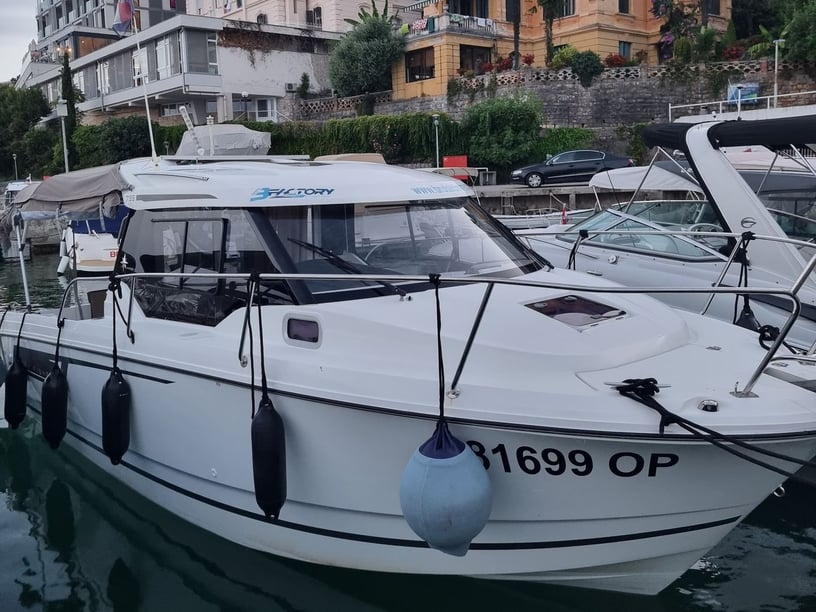
The Port of Rabac is integrated with the waterfront and supports local boating and excursion departures, but it is a public harbor with basic shore infrastructure rather than a full-service yacht marina. Visiting berths and current conditions should be confirmed with the port authority. Travelers should therefore check the precise embarkation point before arranging transfers, as a surrounding-area yacht trip may begin elsewhere.
For itineraries crossing to Cres, ACI Marina Cres is the nearest significant marina and offers fuel, maintenance and broader marina services. Rabac may consequently function as a place to visit, a staging stop or a departure point for shorter outings, depending on the specific charter arrangement.
Choosing the right Rabac charter plan
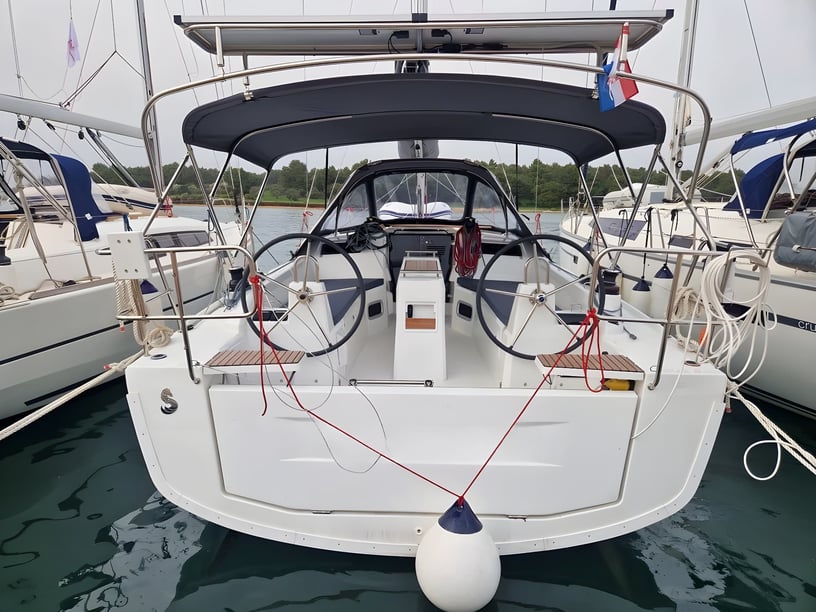
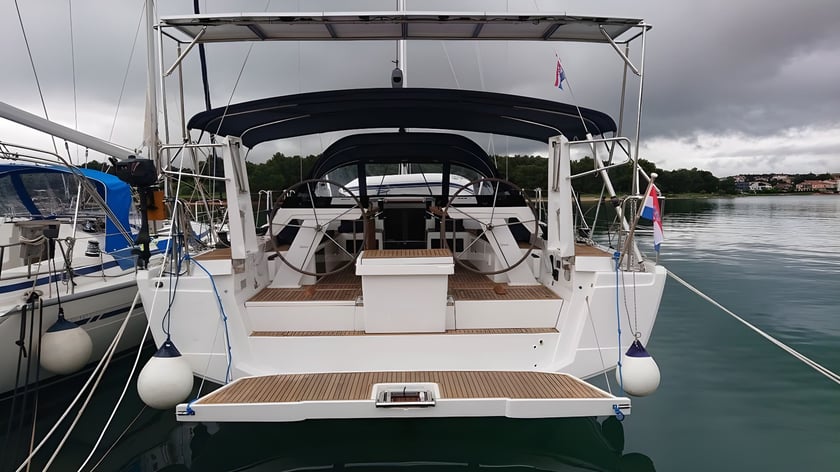
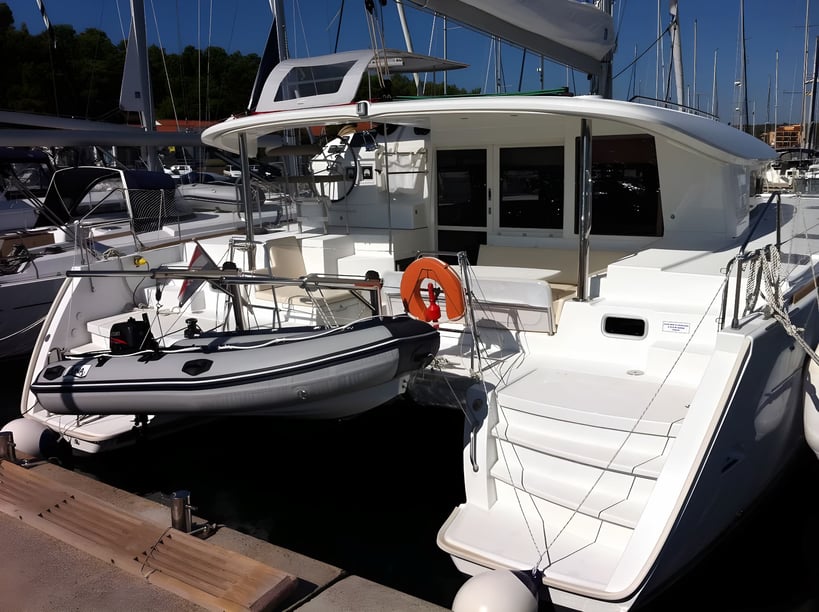
When comparing boat rental in Rabac with a multi-day yacht charter, begin with the intended cruising area. A short outing can focus on beaches and coves along the immediate coastline, while reaching Valun or Cres Town involves an exposed Kvarner crossing and requires more time, suitable conditions and a flexible schedule.
Confirm where the boat is berthed, where embarkation takes place and whether the itinerary relies on Rabac Port or a larger marina elsewhere. Also check the arrangements for overnight berths, fuel and weather-related route changes. Rabac’s harbor exposure to southern wind and swell makes a backup plan especially important when jugo is forecast.
Travelers considering a self-skippered charter should be comfortable interpreting marine forecasts and adjusting passages in moderate cruising conditions. Those prioritizing swimming and family time may prefer shorter coastal legs, whereas travelers interested in a wider northern Adriatic itinerary can use Rabac as a link between Istria and Cres. In either case, the most suitable plan is one that matches the group’s experience with the difference between sheltered local exploration and open-bay cruising.






Verified
Kris A.01 Aug 2025
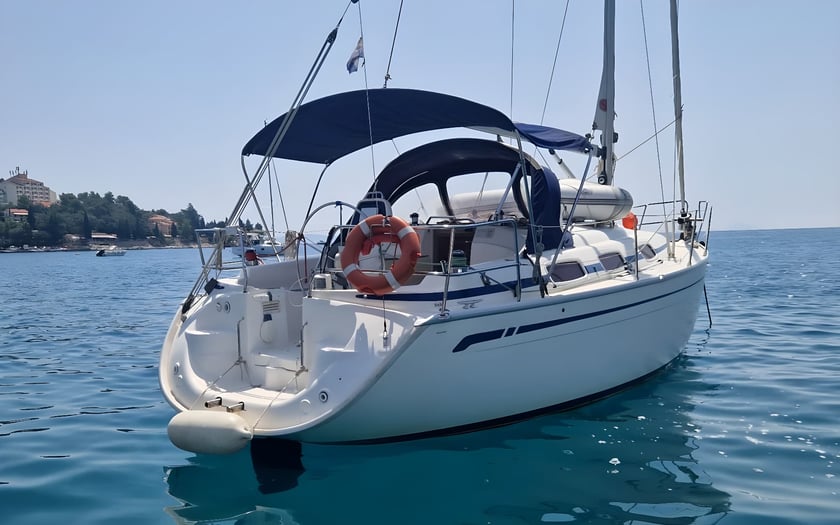
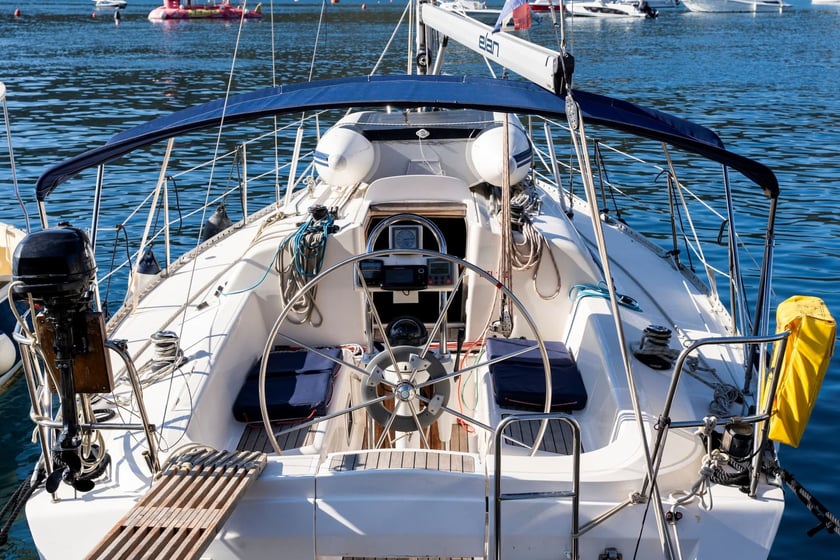
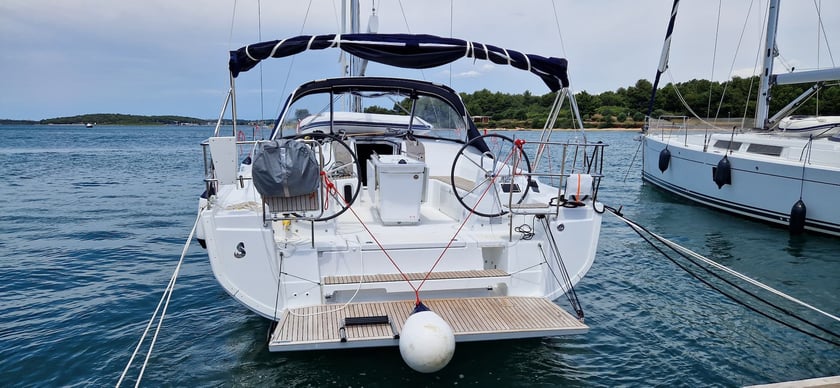
The boat had new sails and a new engine, and the outdoor seat cushions were new as well.
Rabac / Croatia