Yacht charter in Spain
A yacht charter in Spain can take several distinct forms. The Mediterranean coast and Balearic Islands offer coastal passages between ports, beaches and coves, while Galicia is shaped by sheltered estuaries and fishing communities. The Bay of Biscay and western mainland are more exposed to Atlantic weather, and the Canary Islands bring open-ocean sailing between volcanic islands.
This variety makes choosing the right region the first important decision. A Balearic itinerary may divide time between swimming, short passages and evenings ashore, whereas a Canarian charter places greater emphasis on trade winds and offshore legs. In the Rías Baixas, protected waterways, seafood traditions and island landscapes set a different pace. Travelers considering boat rental in Spain should therefore compare cruising areas before selecting a departure base, trip length or charter format.
Spain’s principal charter areas
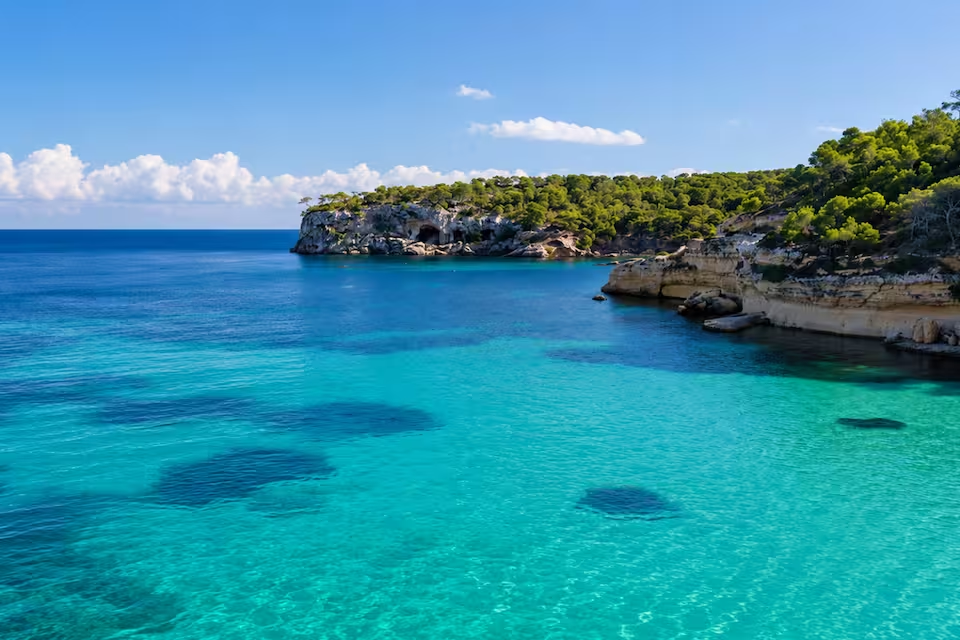
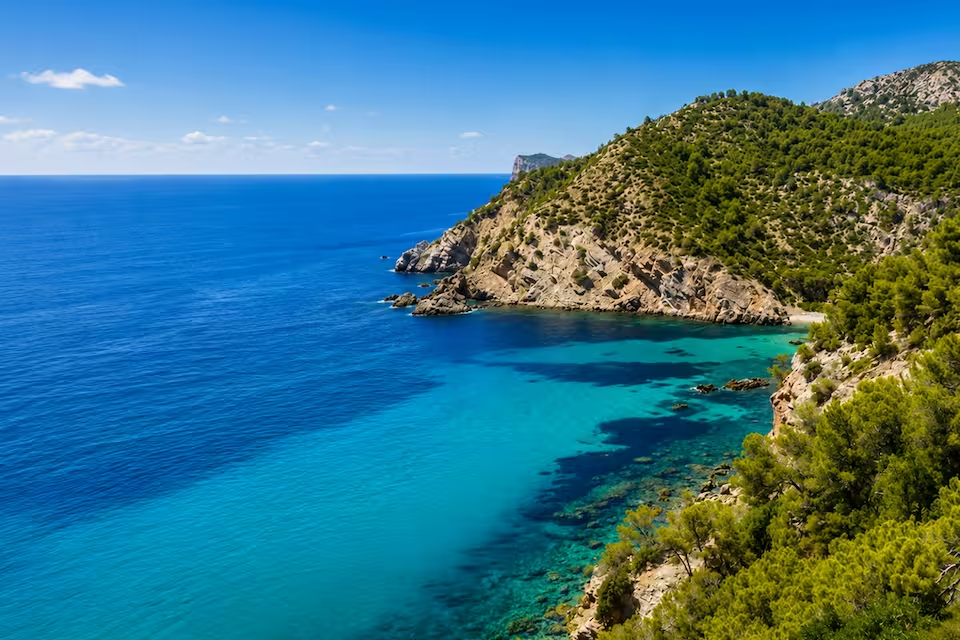
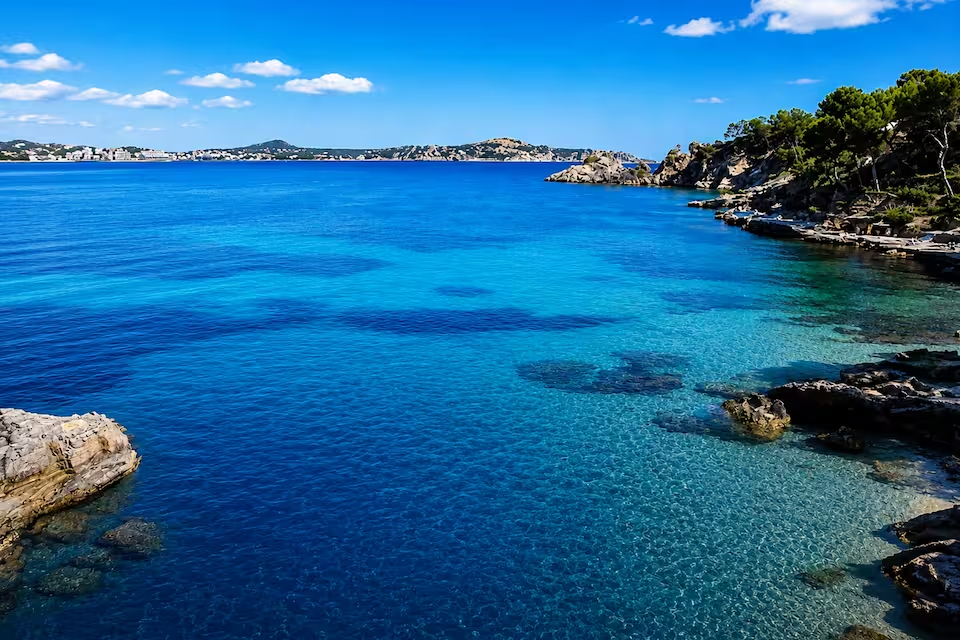
The Balearic Islands form Spain’s best-known compact island cruising area. Mallorca supports everything from itineraries concentrated around Palma Bay or the island’s eastern coves to longer coastal circuits. Palma de Mallorca is a major departure point, while Port de Pollença, Andratx and Cala d’Or provide alternatives around the island. Menorca, often approached through Maó, has bays such as Fornells and a distinct island circuit.
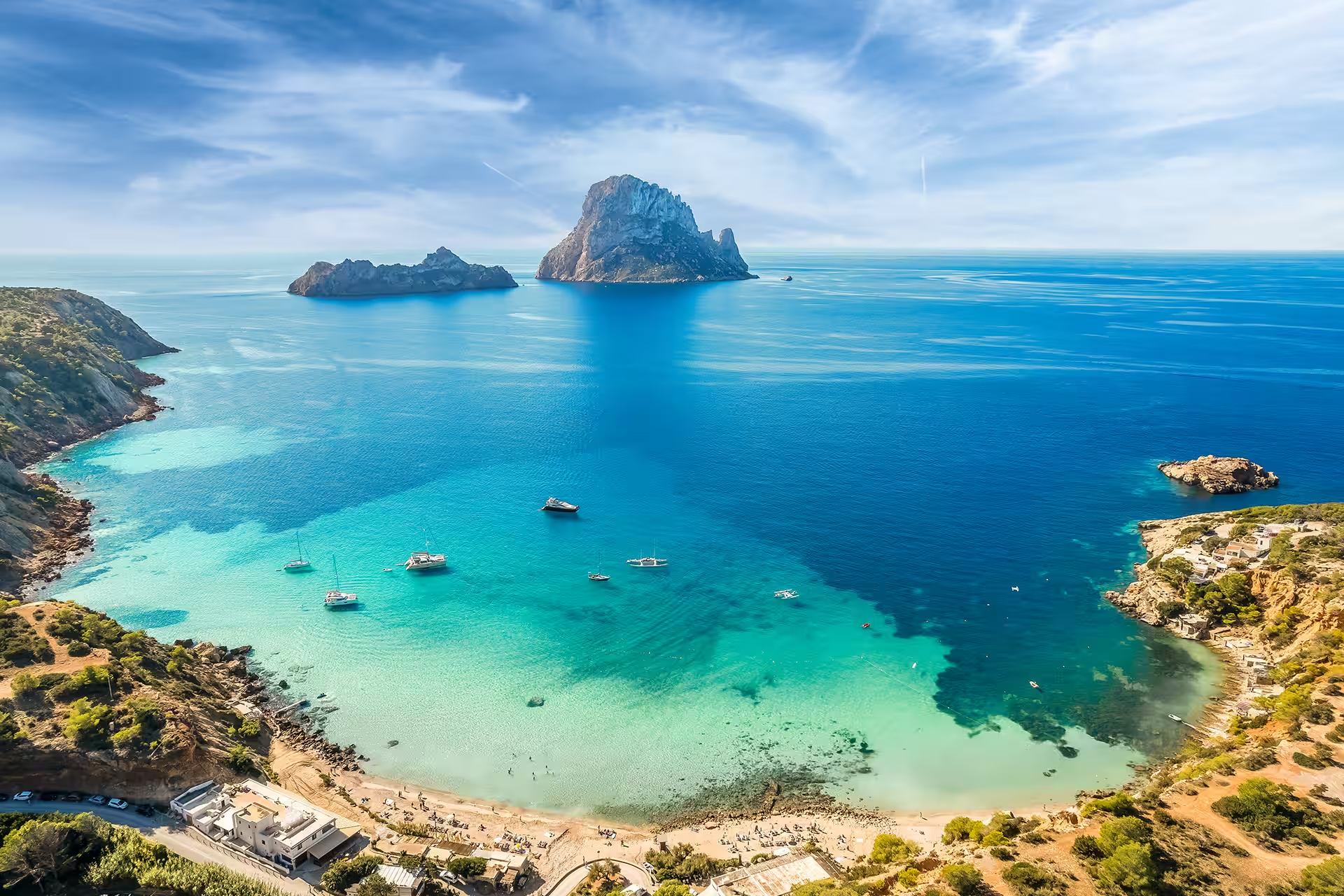
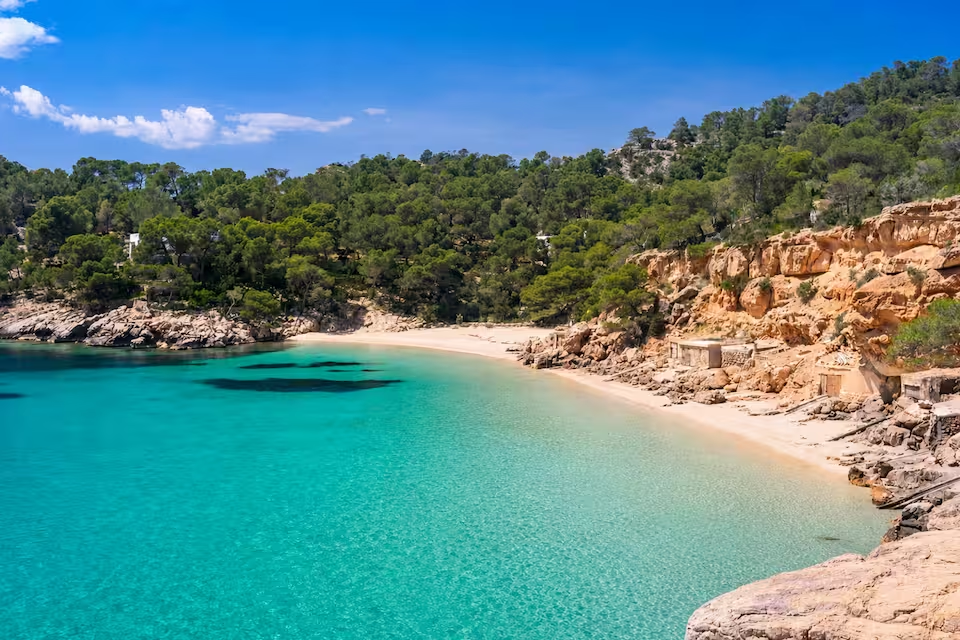
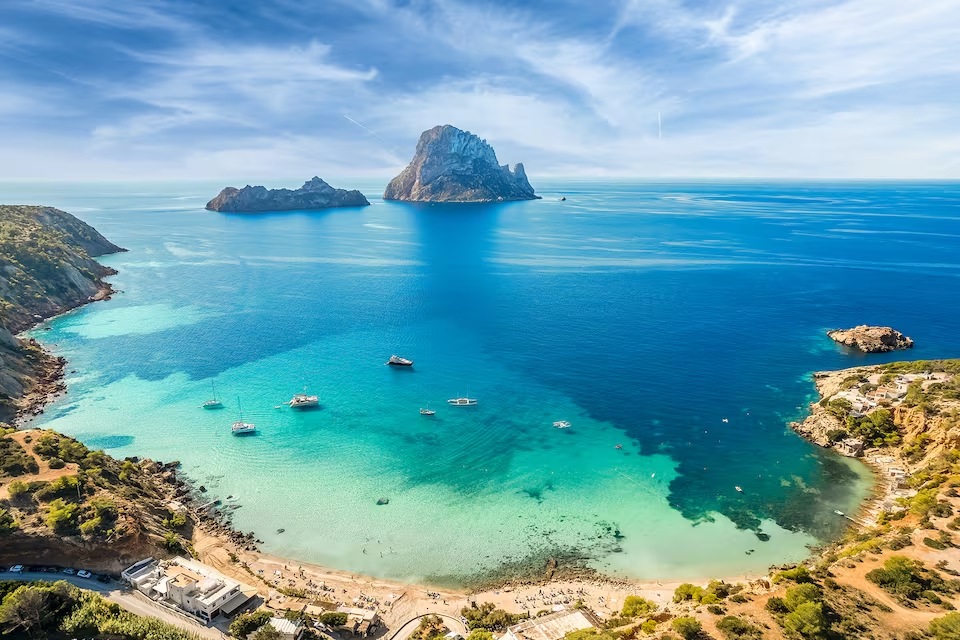
Ibiza and Formentera suit shorter island-hopping trips linking western and southern coves with La Savina, Espalmador and the protected waters around Ses Salines. Clear water, lively coastal settlements and Dalt Vila’s historic setting make time ashore an important part of the experience.
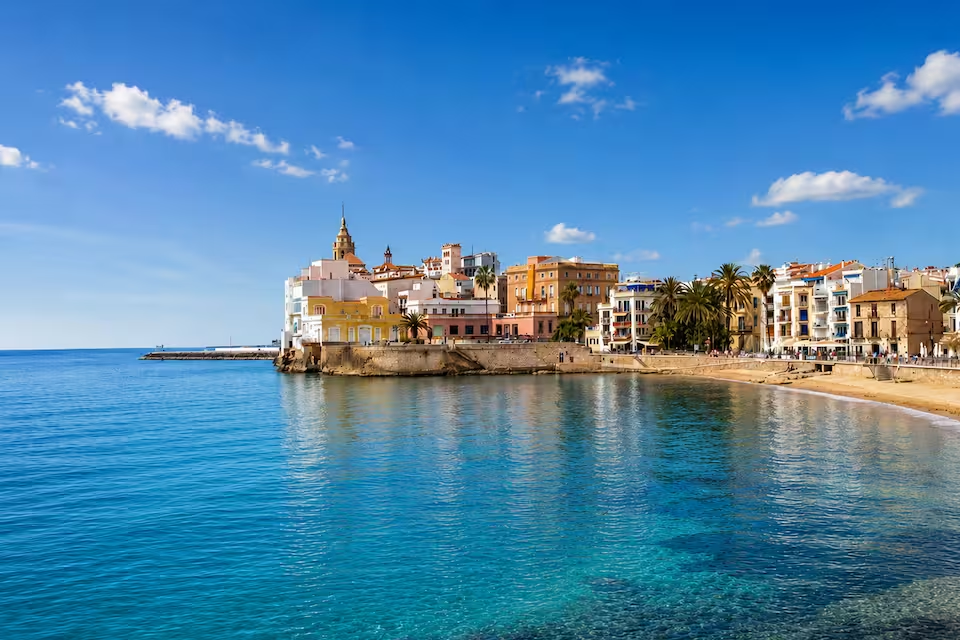
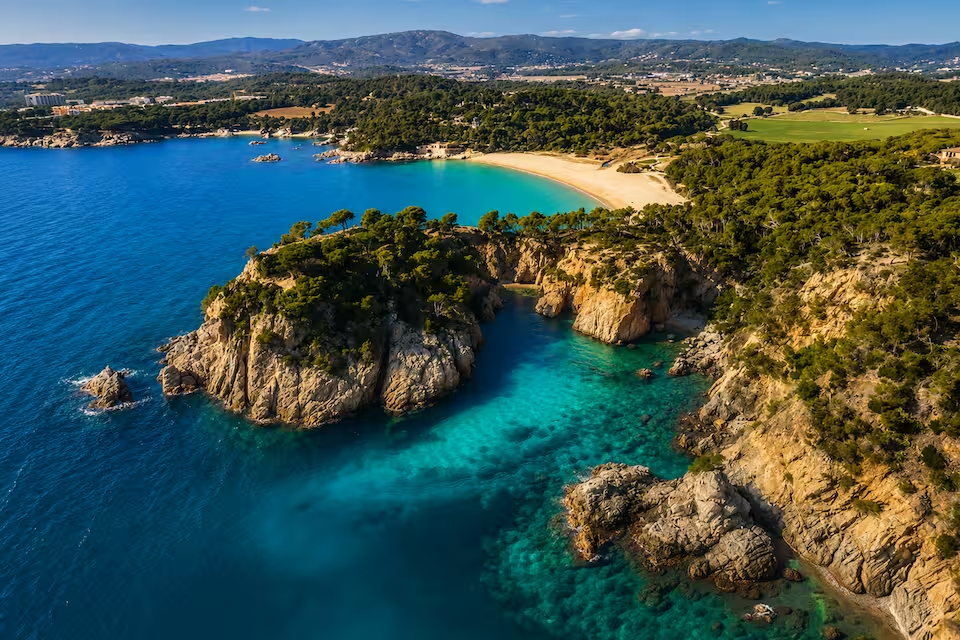
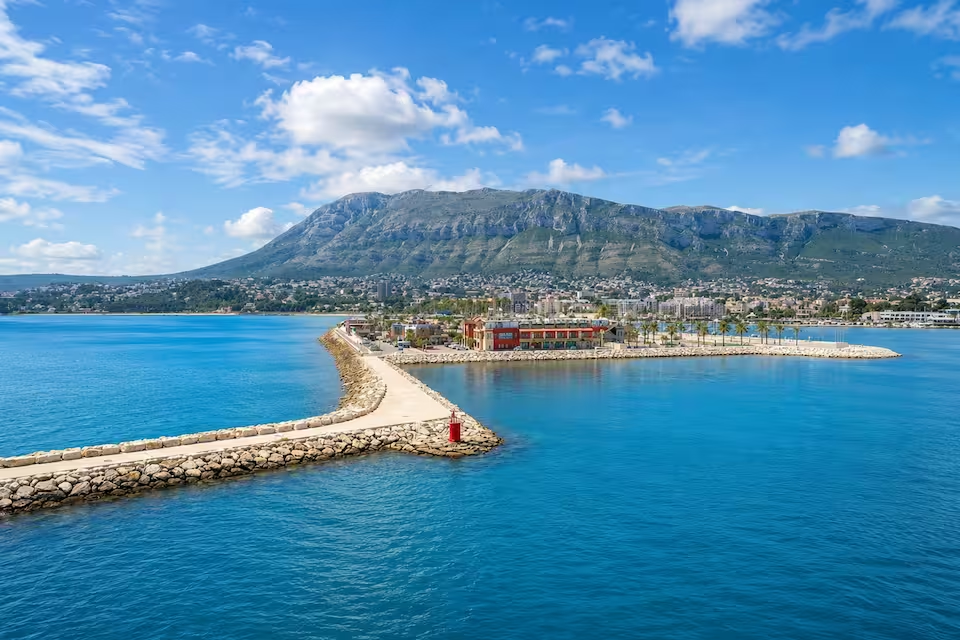
On the mainland Mediterranean coast, Barcelona combines a city stay with access to the Catalan coast. Farther north, Roses and Palamós provide a base for exploring the Gulf of Roses, Cap de Creus and nearby coastal towns. Valencia, Dénia, Alicante and Cartagena serve the central and southeastern coast, while Málaga, Marbella and Cádiz open up Andalusian waters.
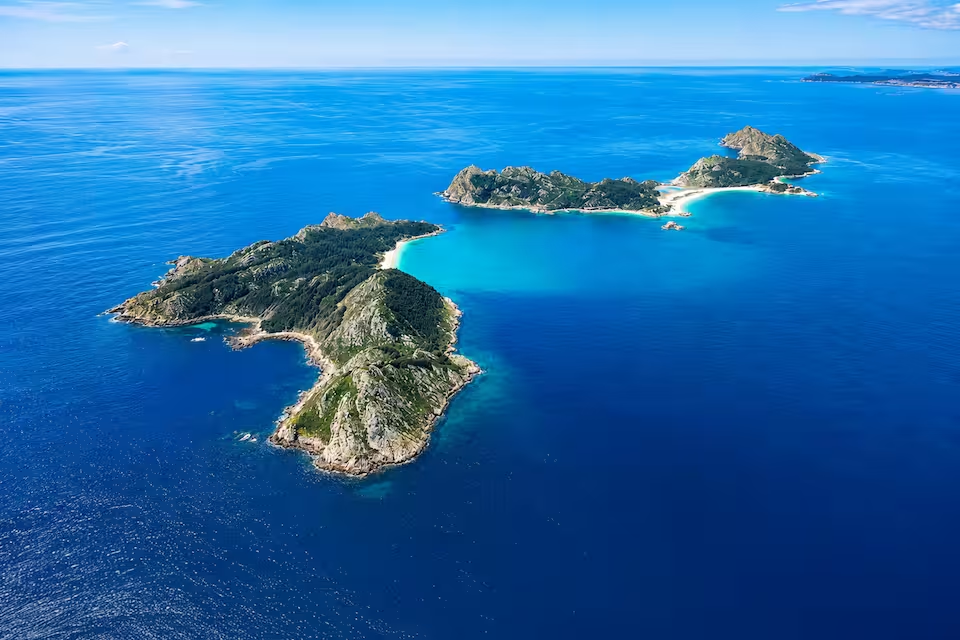
For a less Mediterranean-style trip, the Rías Baixas around Vigo and Baiona combine comparatively protected estuary cruising with access to the Cíes and Ons islands. The Canary Islands are the more demanding choice: bases around Las Palmas, Tenerife and Lanzarote lead to genuine ocean passages rather than close-set island hopping.
What sailing in Spain is like
Conditions vary too much for Spain to be treated as a single sailing ground. In the Balearics and along much of the Mediterranean mainland, itineraries commonly use coastal or line-of-sight passages between ports, beaches and coves. Summer is often warm and relatively dry, with daytime sea breezes, but regional winds can quickly change the character of a passage. The Tramuntana affects the Costa Brava and northern Balearics, while Levante and Poniente winds are particularly relevant near Cádiz and the Strait of Gibraltar.
Galicia and the Cantabrian coast have cooler water, Atlantic swell and more changeable weather. The inner Rías Baixas offer greater shelter than exposed capes and outer coasts, making route selection especially important. In the Canary Islands, north to northeast trade winds predominate and can accelerate along eastern and southeastern island shores. Inter-island legs involve open water, and sheltered anchorages are less numerous than in Mediterranean cruising areas.
These differences affect the appropriate level of experience, the value of local knowledge and how much flexibility an itinerary should retain. Forecasts should be assessed for the specific cruising area rather than for Spain as a whole.
When to charter a yacht in Spain
On the Mediterranean mainland and in the Balearic Islands, the principal recreational season extends from spring through autumn, broadly from April or May to October. June through September brings the highest level of warm-weather activity, while April, May and October sit outside the main peak. Conditions can still vary significantly, and strong local winds remain possible during otherwise settled periods.
Northern Atlantic and Cantabrian cruising is generally most dependable from late spring to early autumn. Autumn and winter tend to bring more rain, swell and unsettled weather, so itineraries along exposed coasts require particularly careful timing.
The Canary Islands follow a different pattern and support year-round sailing. November through February often has calmer trade-wind conditions for inter-island cruising, whereas June through August can be considerably windier. This does not make one period universally preferable: the right timing depends on whether the priority is Mediterranean swimming and coastal cruising, sheltered estuary exploration or more demanding Atlantic sailing.
Route ideas for a Spanish yacht charter
A Mallorca charter can remain within one part of the island or develop into a coastal circuit over roughly one to two weeks. Official summer guidance suggests considering an anticlockwise direction to make use of prevailing winds, although the final route should always follow the current forecast. Ibiza and Formentera support shorter links between Ibiza’s coves, La Savina, Espalmador and Ses Salines.
In Galicia, itineraries can connect the Rías de Vigo, Pontevedra and Arousa, with possible visits to the Cíes and Ons islands where the required national-park authorizations are in place. This format combines sheltered inner waters with more exposed approaches near the offshore islands.
Canary Island routes require more time and offshore planning. An eastern circuit may link Gran Canaria, Fuerteventura, Lanzarote and La Graciosa over approximately 10 to 15 days. Western routes between Tenerife, La Palma, La Gomera and El Hierro also involve exposed ocean passages. On the Andalusian Mediterranean coast, the documented La Herradura–Maro-Cerro Gordo route follows cliffs and coves along the Granada–Málaga boundary.
Life on the water and ashore
A yacht makes it possible to combine Spain’s coastal landscapes with highly regional shore experiences. In the Balearics, days may center on coves, swimming and regulated mooring areas before an evening in an island settlement. Posidonia seagrass habitats are an essential part of these waters, so anchoring must be limited to permitted sandy areas or regulated moorings.
Galicia offers a different relationship between sea and shore. The rías support fishing ports, shellfish gathering and mussel cultivation on floating platforms called bateas. Stops ashore can therefore focus as much on seafood culture and working waterfronts as on beaches and island scenery.
History is visible across the cruising regions. Ibiza preserves Phoenician, Punic and Renaissance sites, including the fortified Dalt Vila. Mallorca’s Serra de Tramuntana reflects centuries of dry-stone terracing and water management, while southeastern watchtowers recall earlier maritime insecurity around Cabo de Gata. In the Canaries, volcanic shores and Atlantic sailing traditions accompany routes once shaped by the islands’ position between Europe, Africa and the Americas.
Reaching the main departure bases
Spain’s principal mainland cruising areas are connected by airports, roads and railways. Barcelona, Valencia, Alicante, Murcia, Málaga and Jerez airports serve important sections of the Mediterranean and Andalusian coasts. Common mainland starting points include Barcelona, Roses, Dénia, Alicante, Cartagena, Málaga, Puerto Banús, Cádiz, Vigo and Baiona.
The Balearic Islands have airports on Mallorca, Ibiza and Menorca, as well as ferries from Barcelona, Valencia and Dénia and services between the islands. Palma, Ibiza Town and Maó are established departure points. The Canaries are reached mainly by air, with inter-island flights and ferries; departures include Las Palmas, Marina Rubicón, Puerto Calero and Marina San Miguel. Choosing a base close to the intended cruising area helps avoid using valuable charter time on long positioning passages.
Planning the right charter
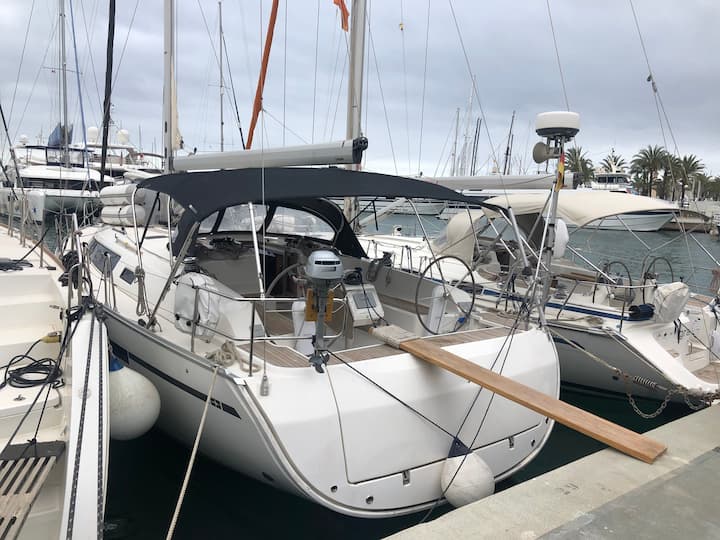
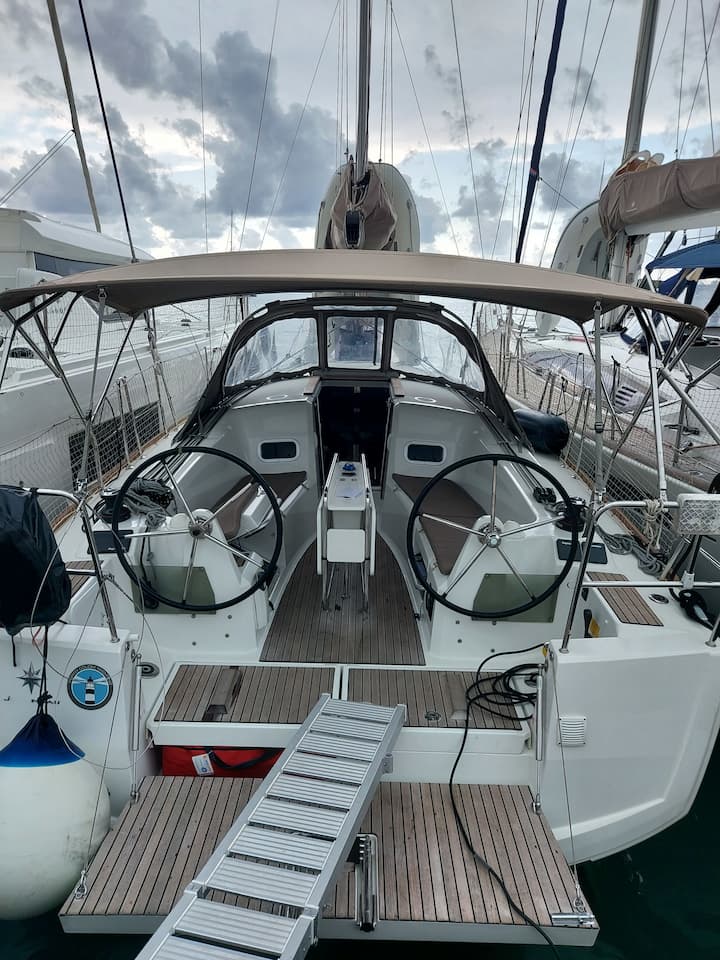
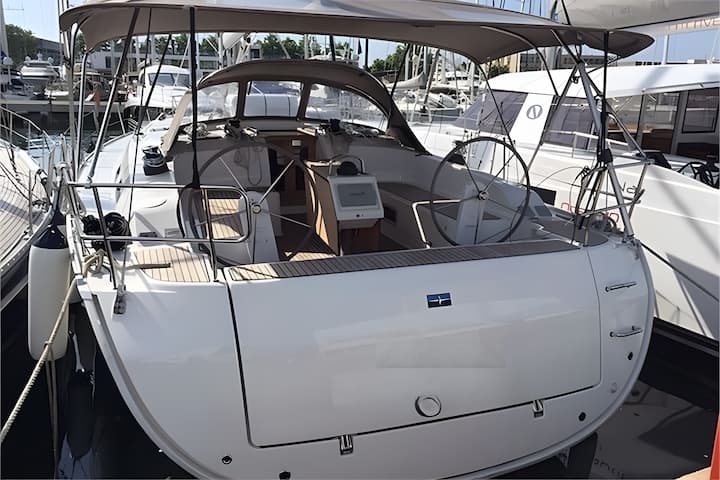
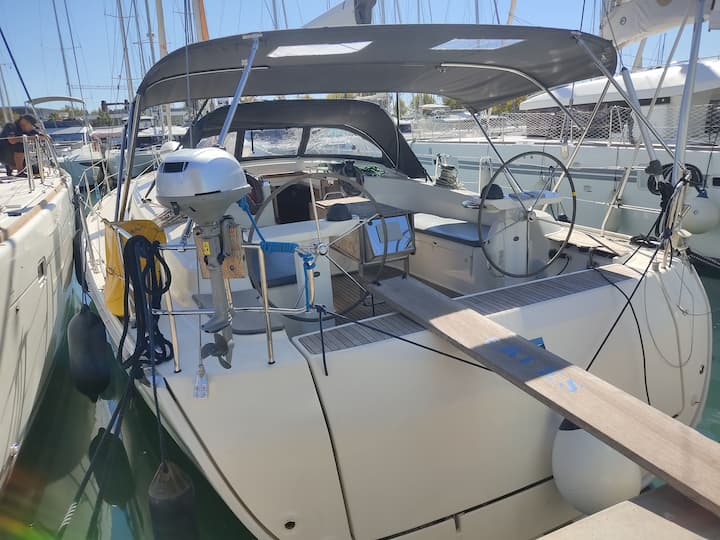
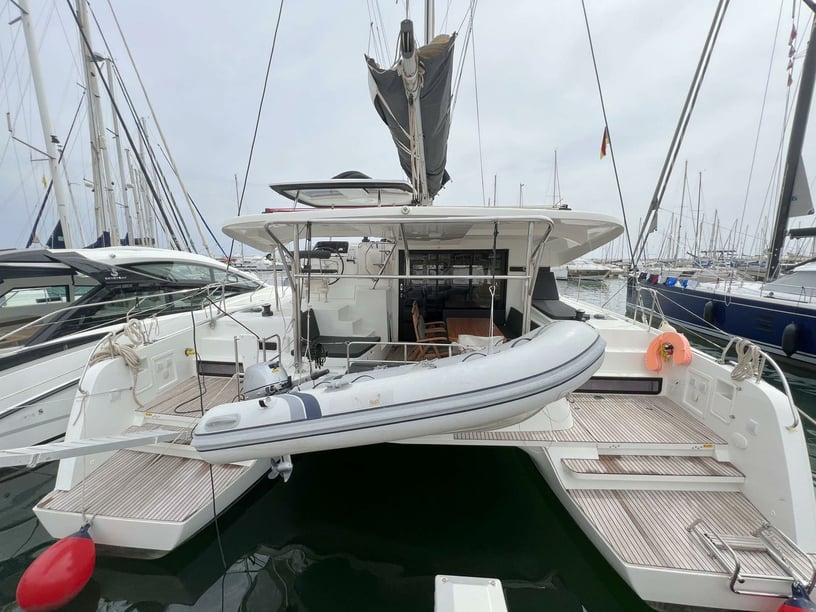
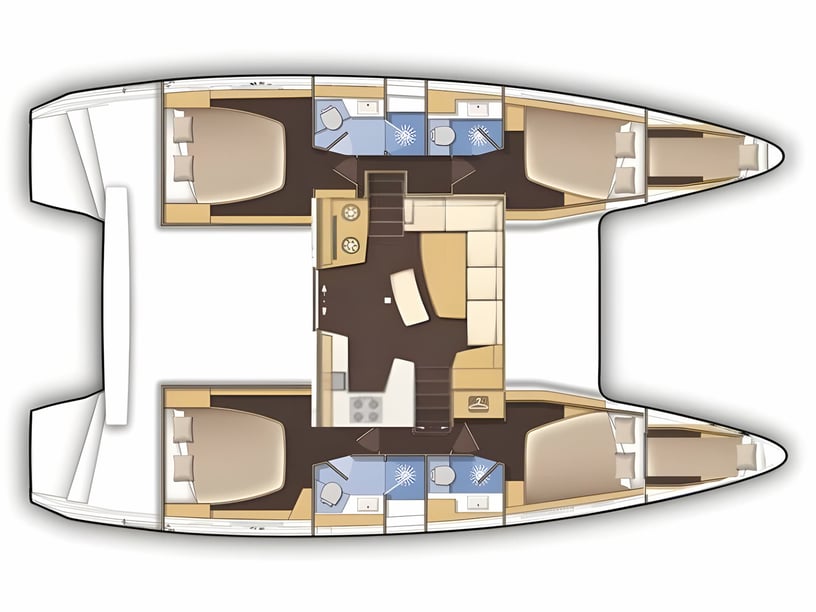
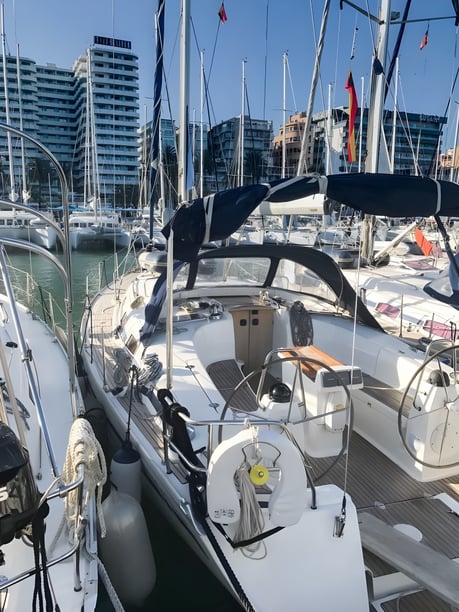
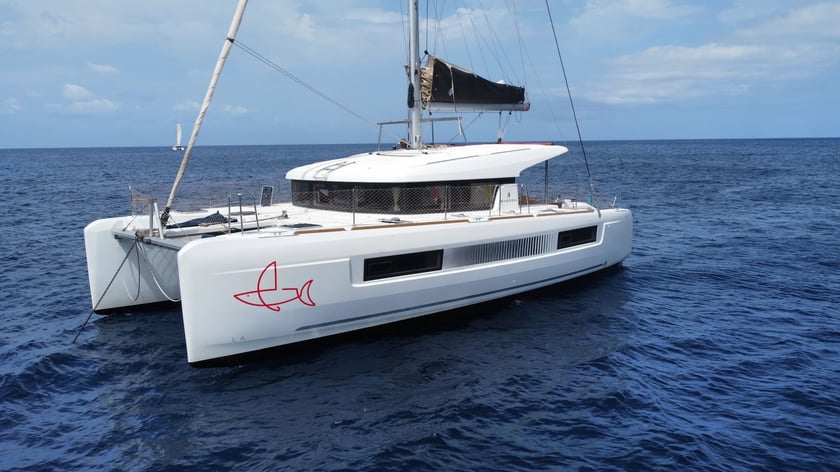
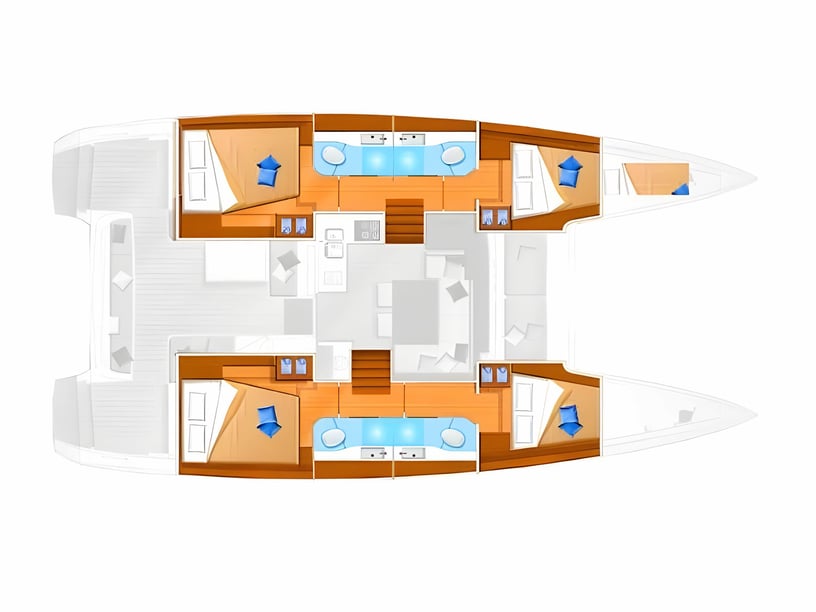
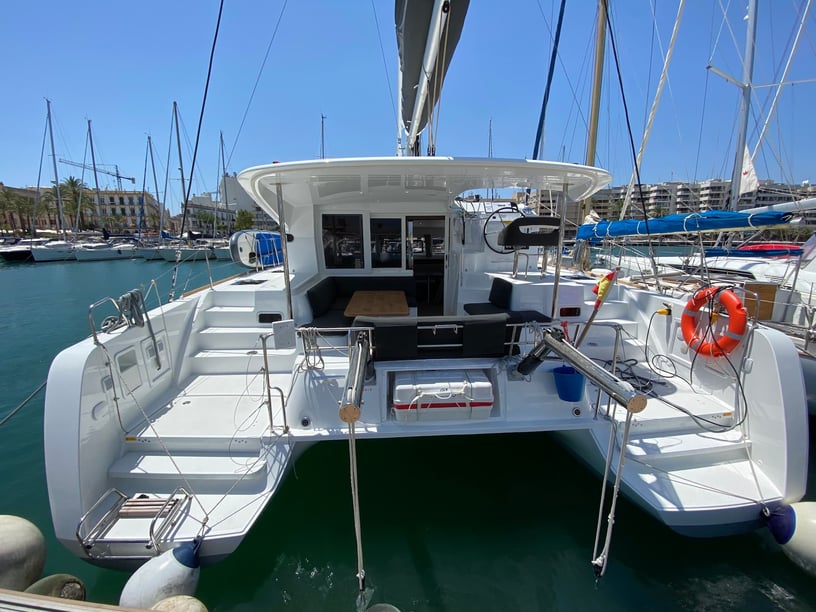
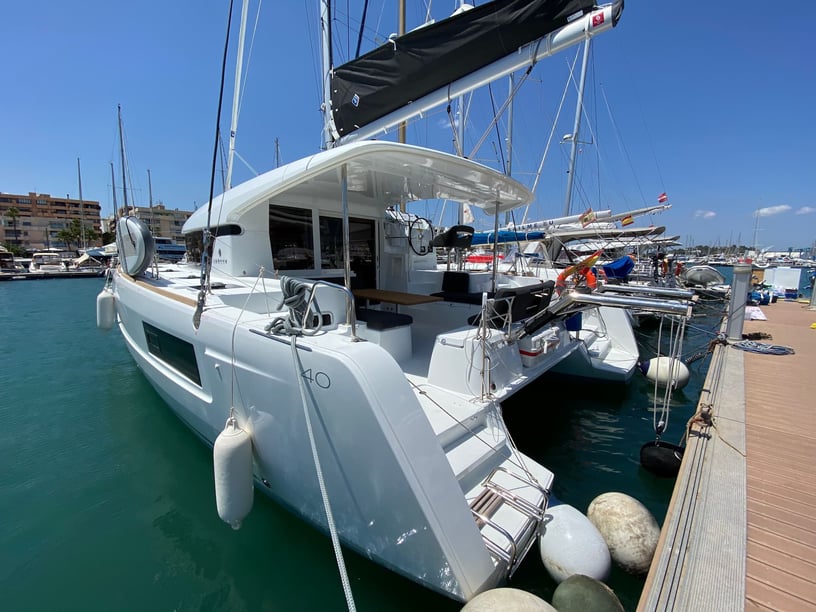
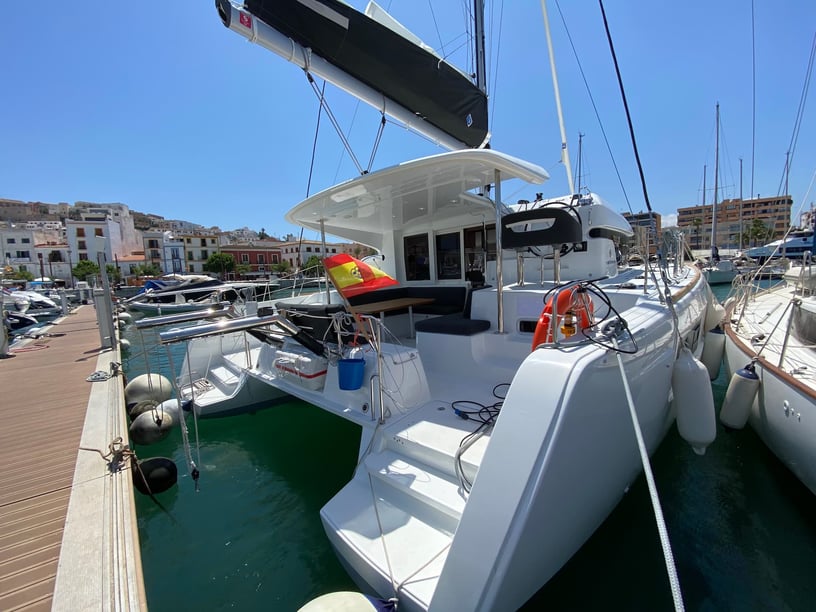
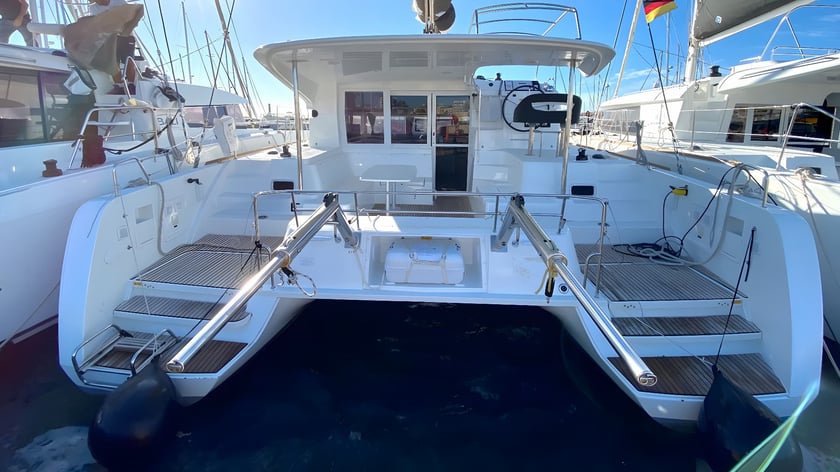
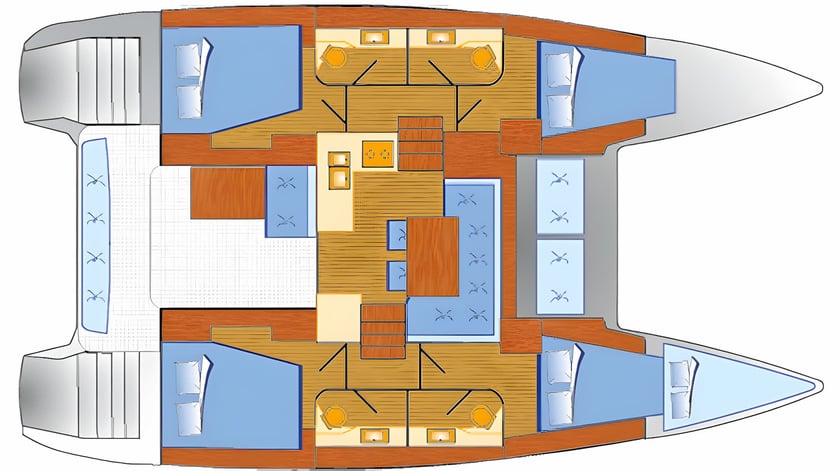
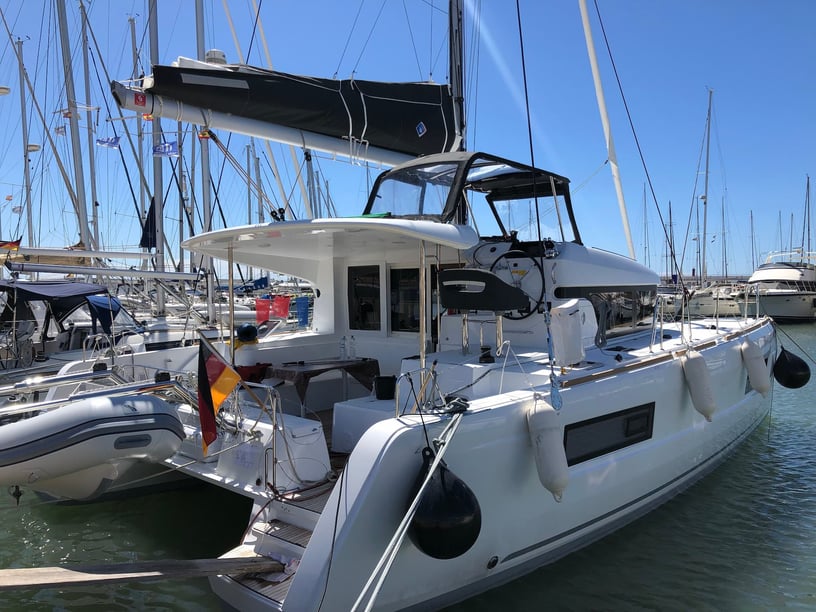
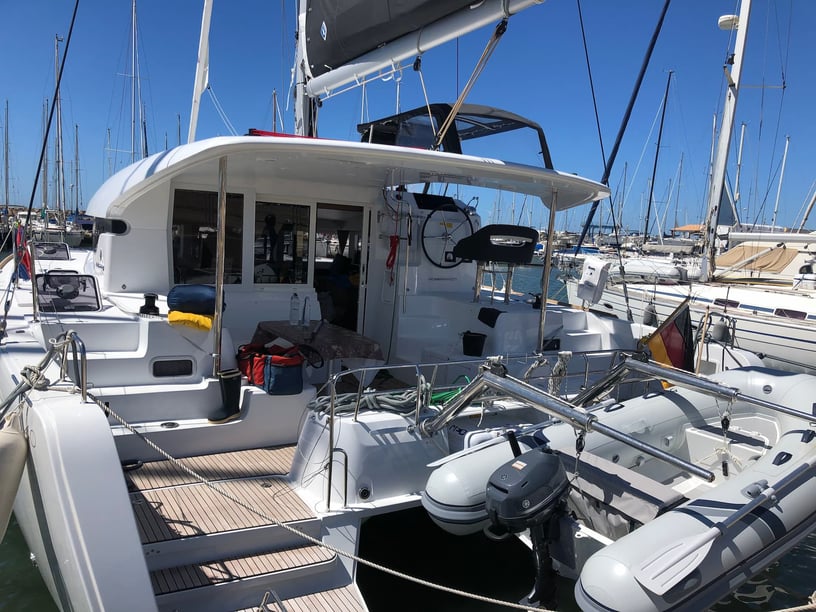
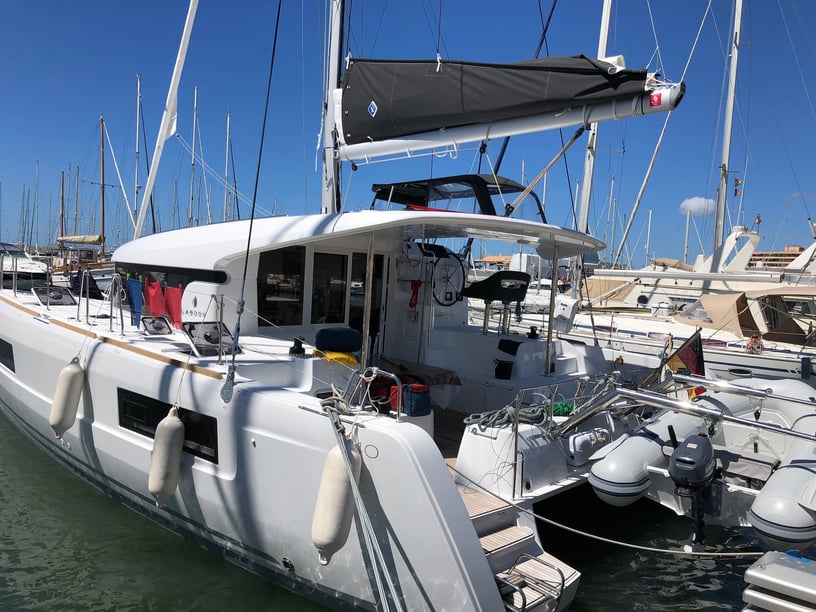
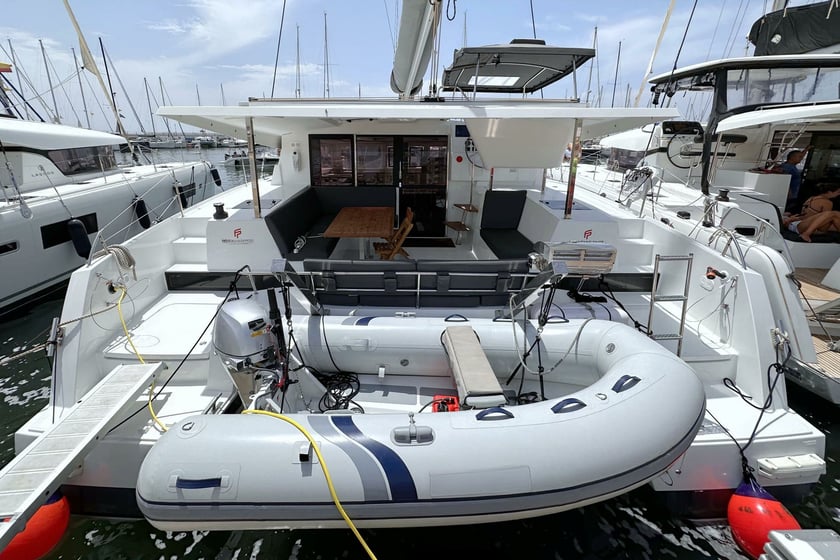
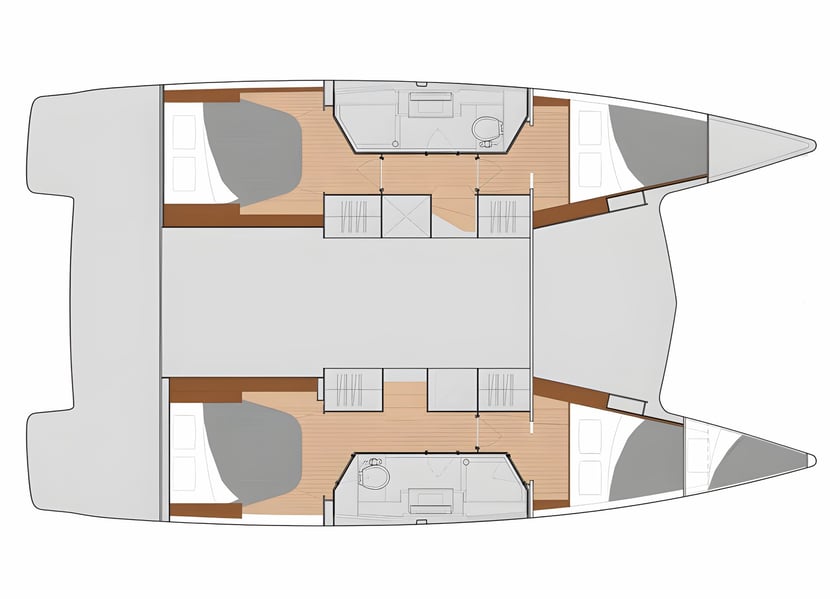
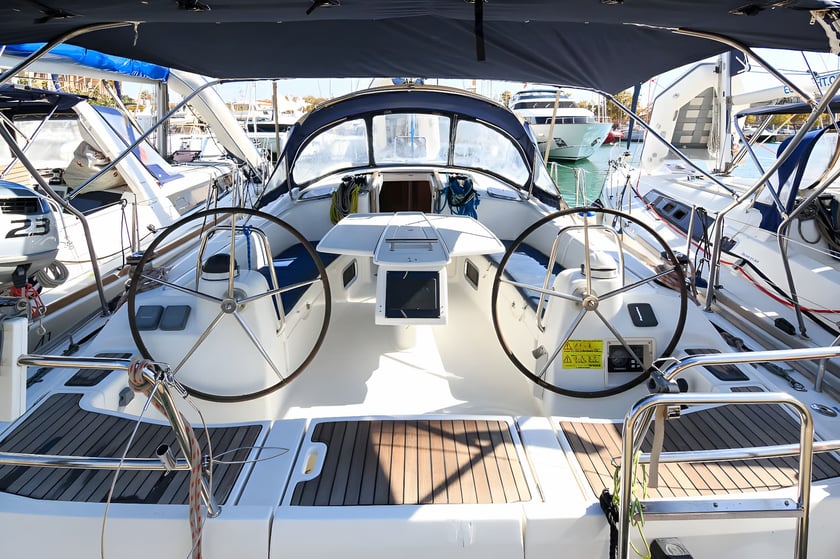
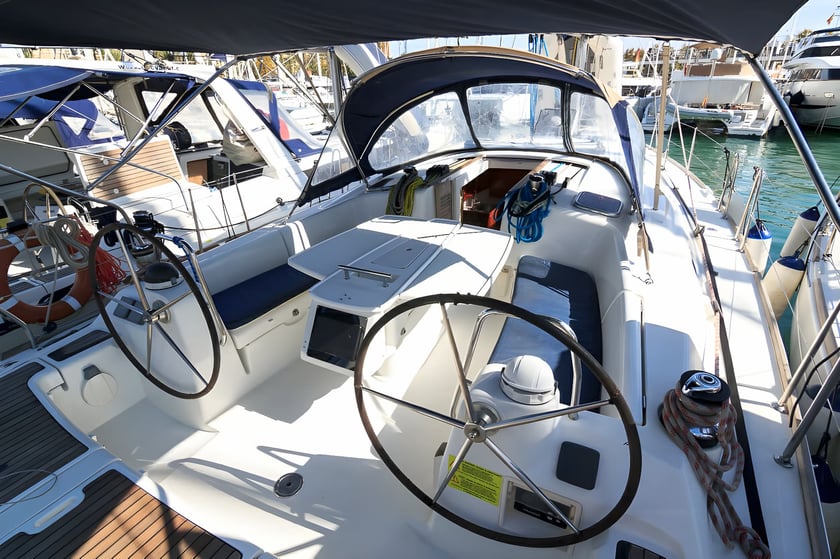
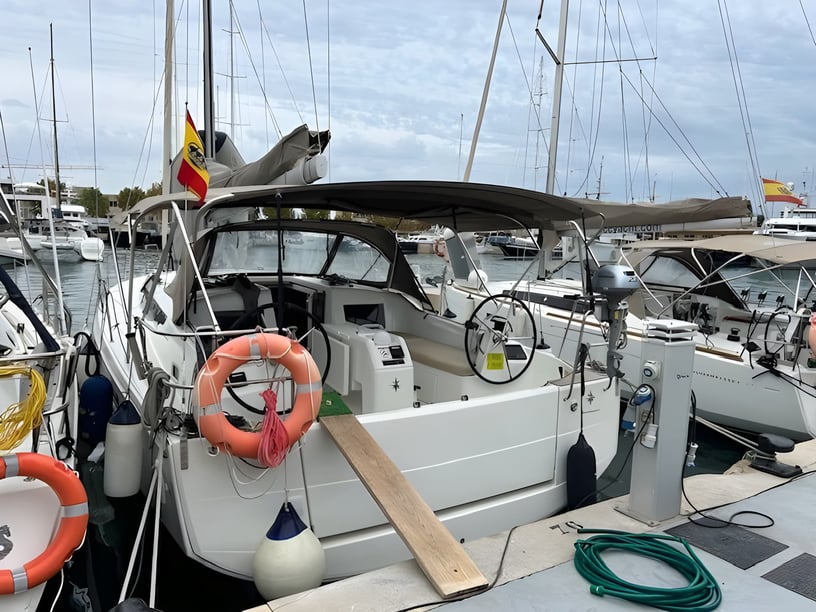
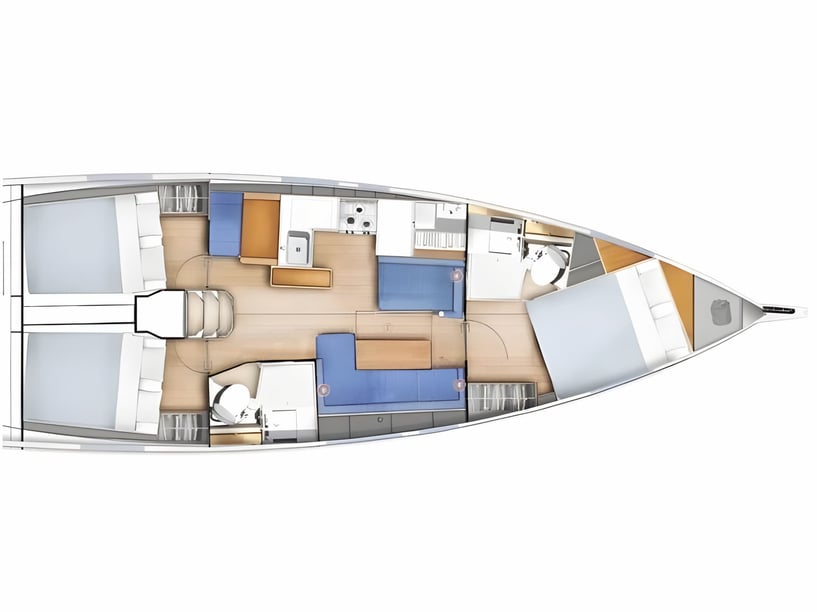
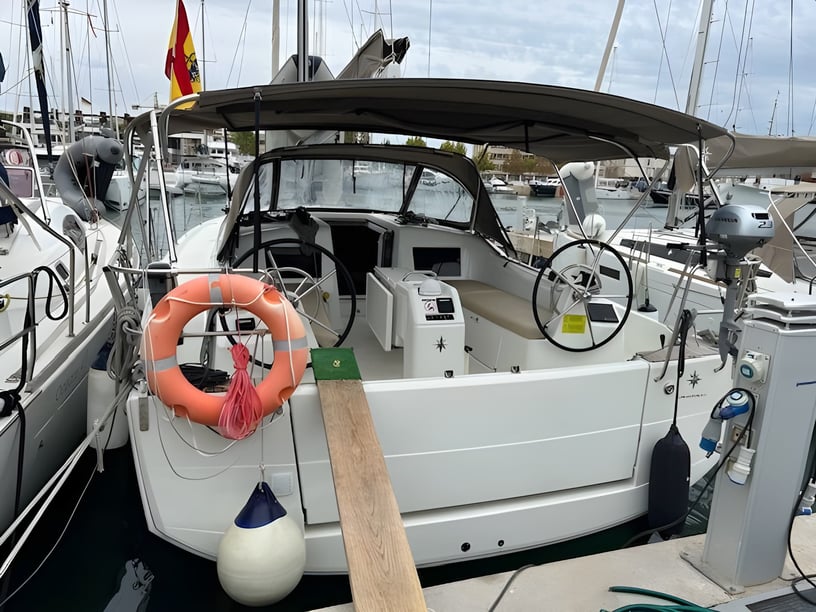
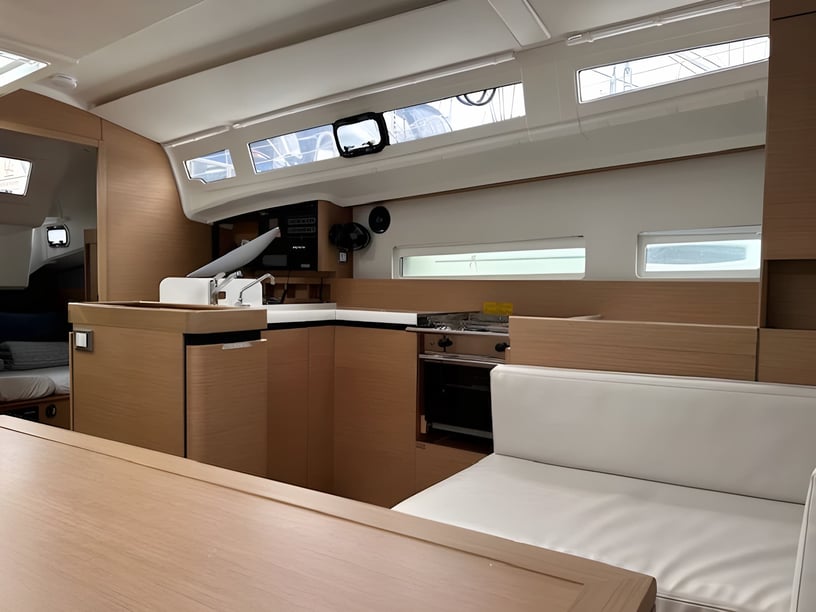
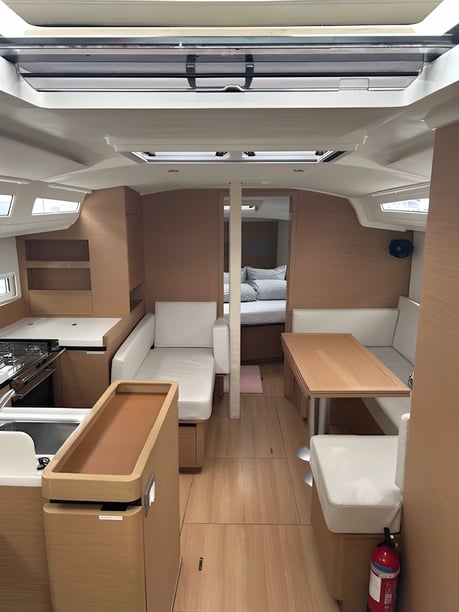
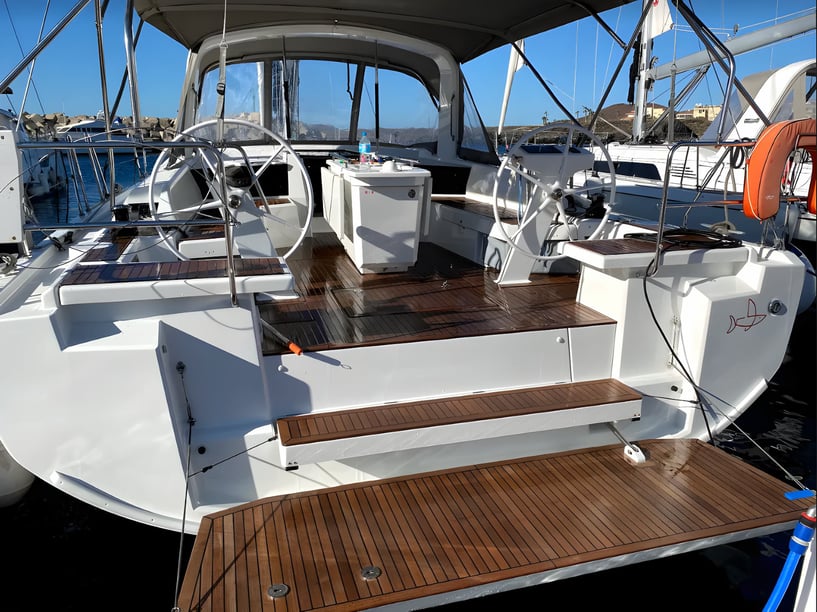
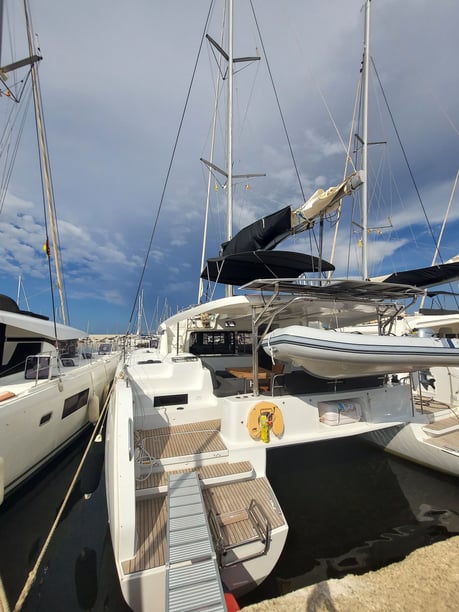
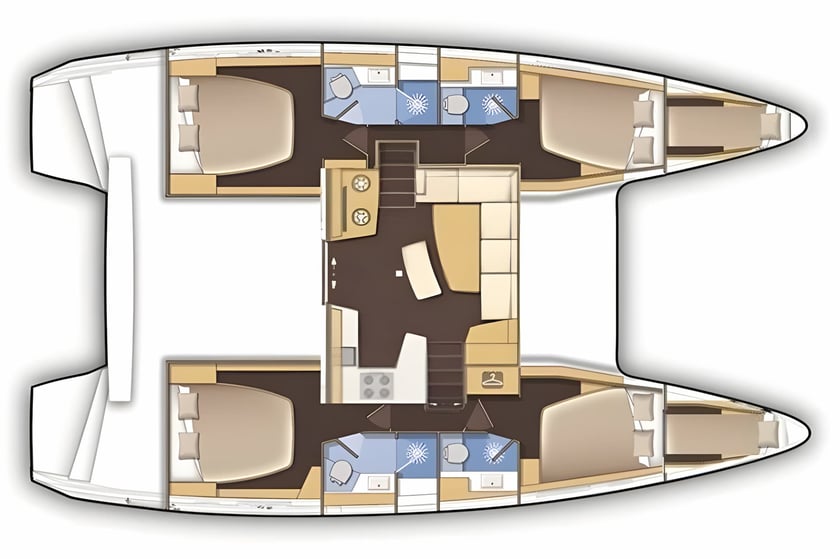
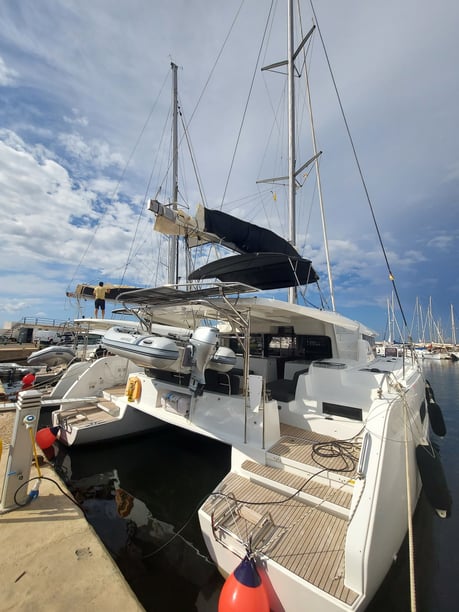
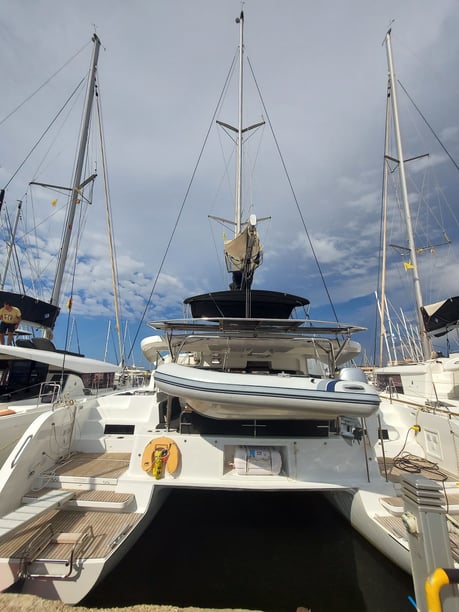
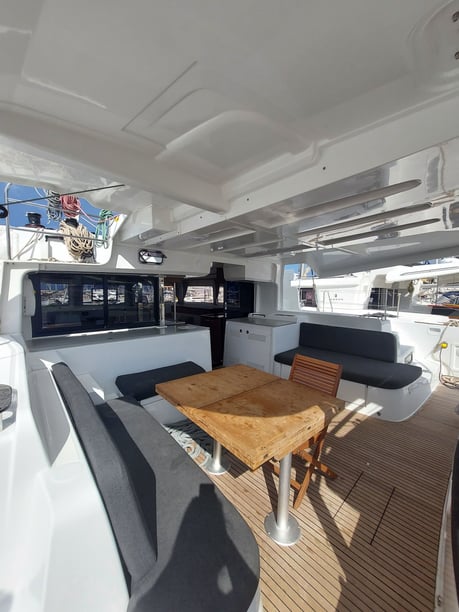
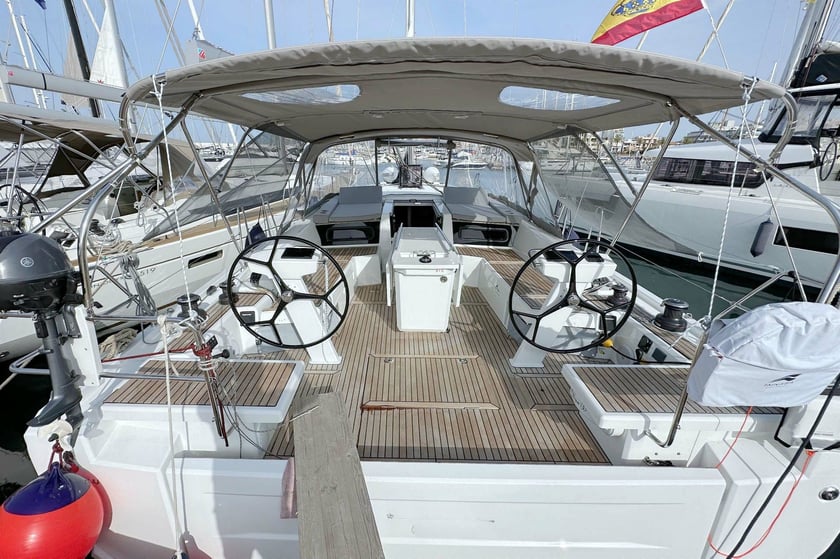
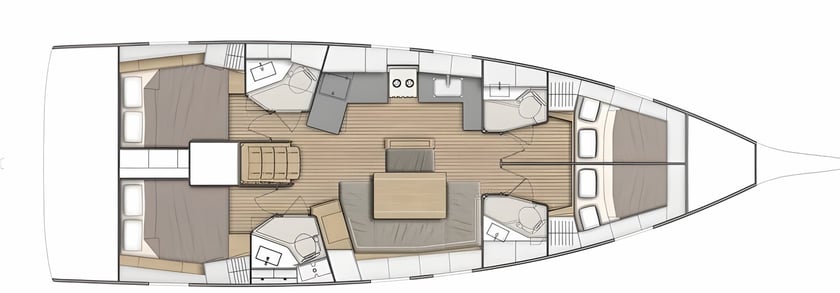
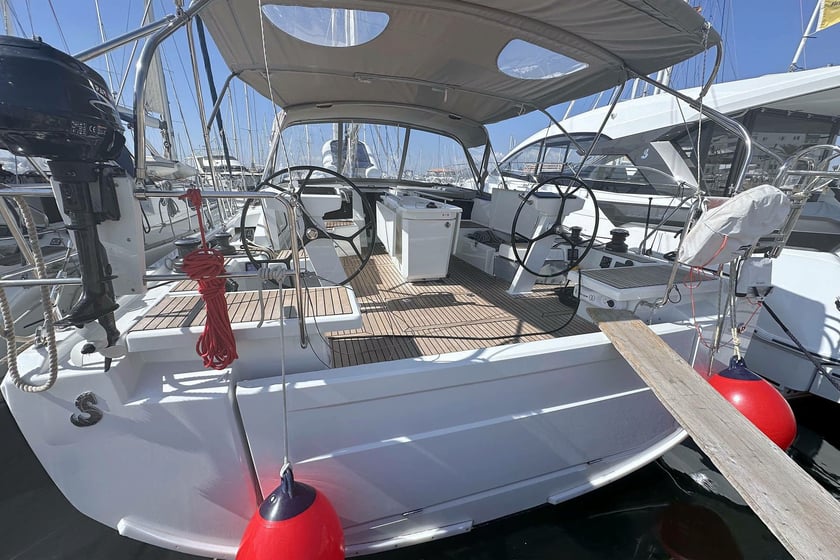
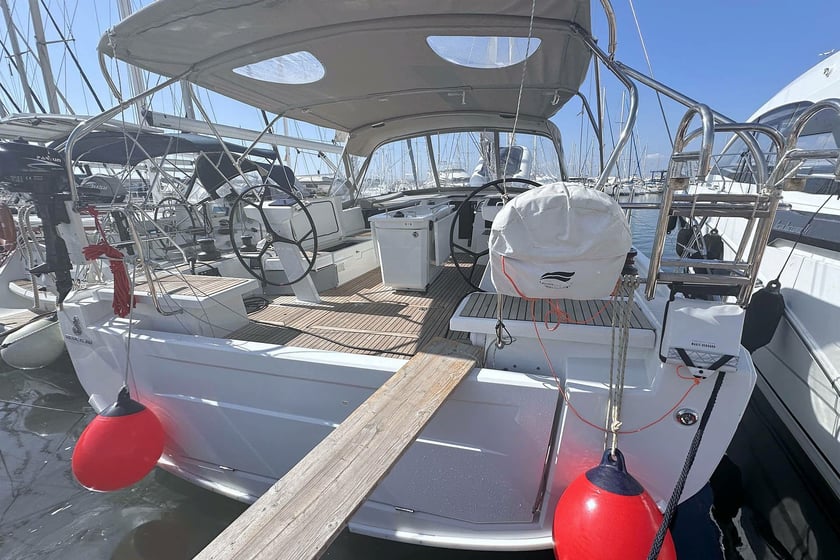
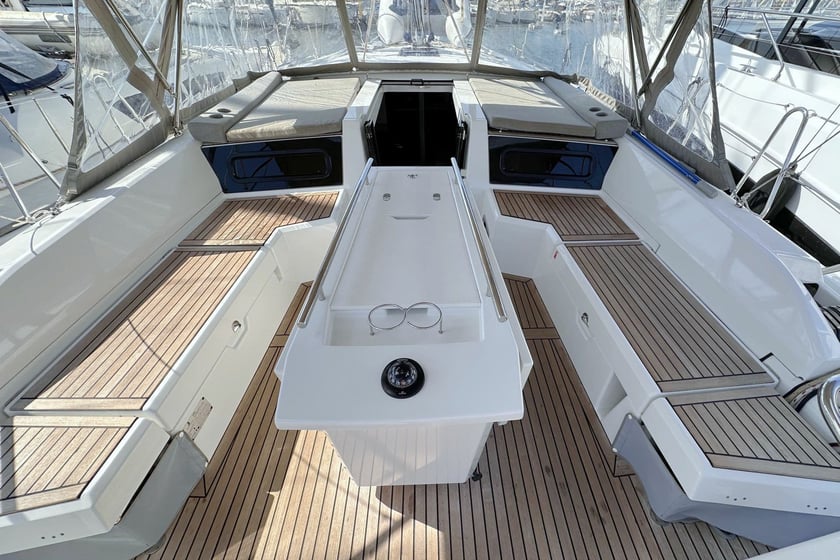
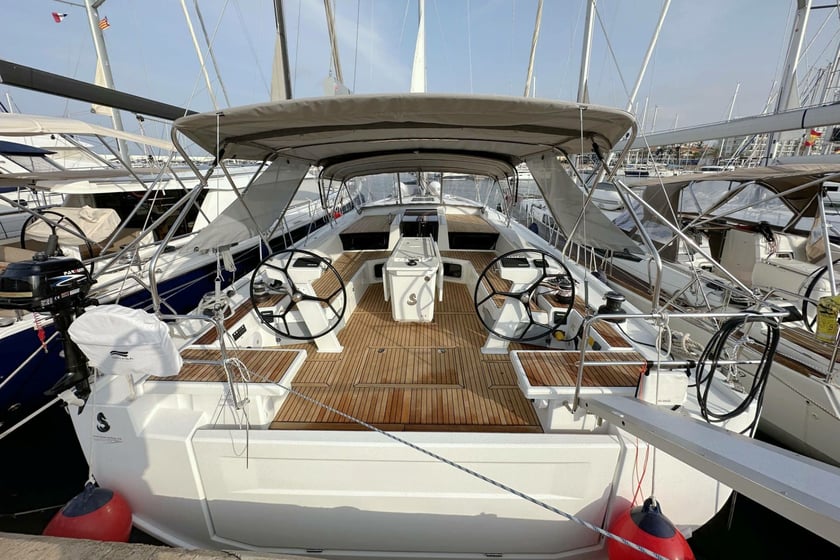
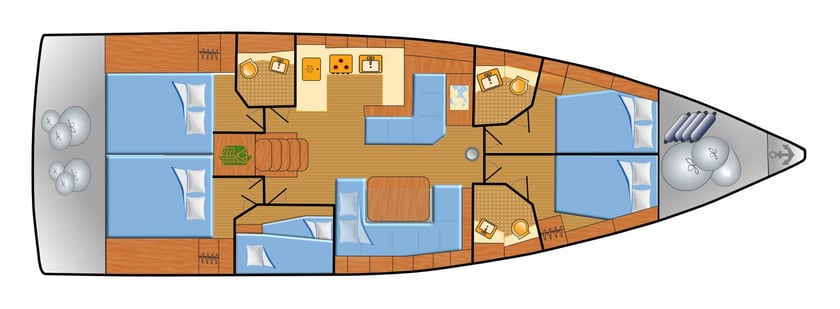
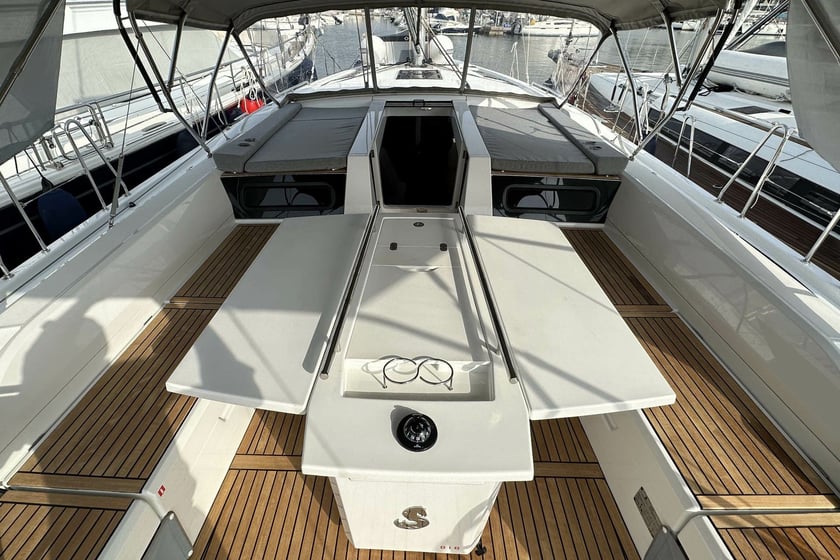
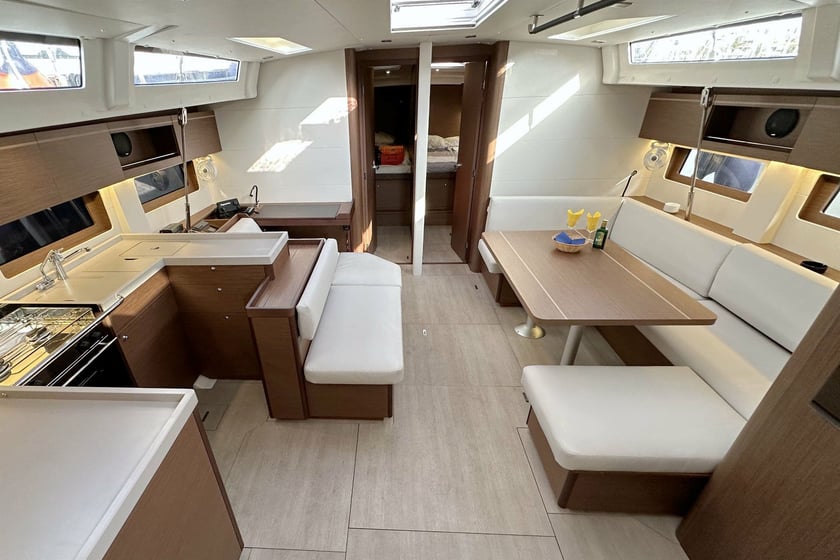
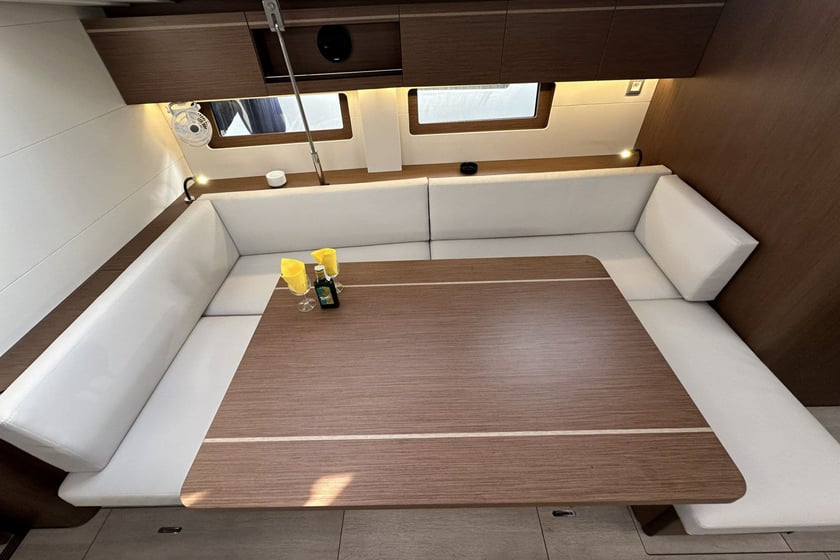
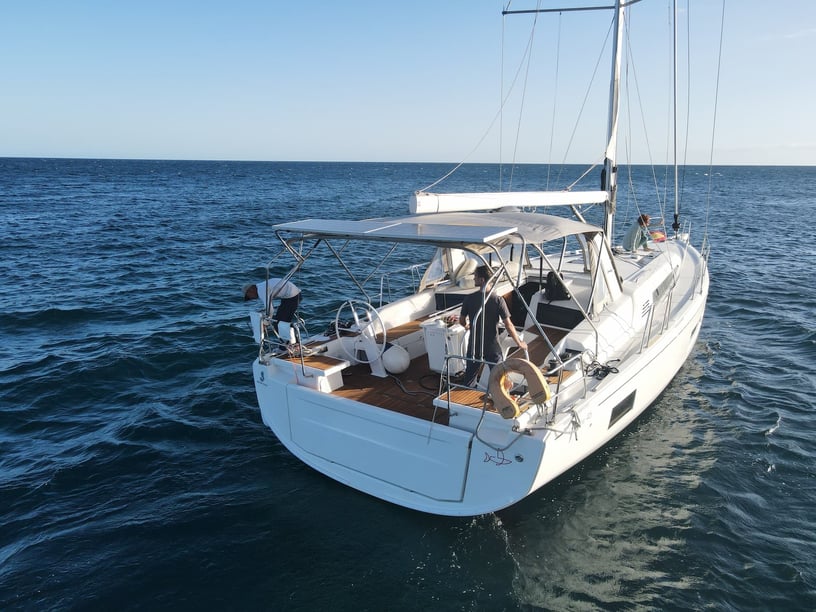
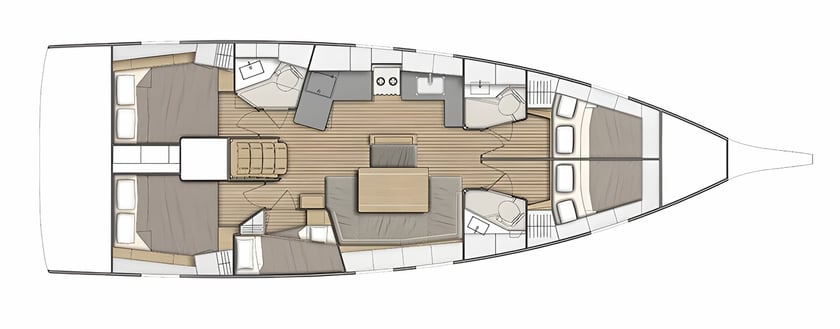
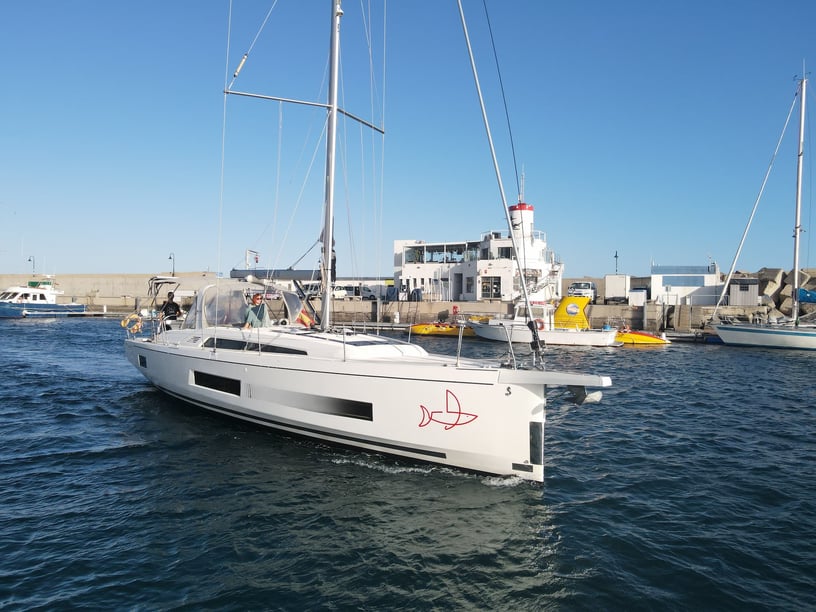
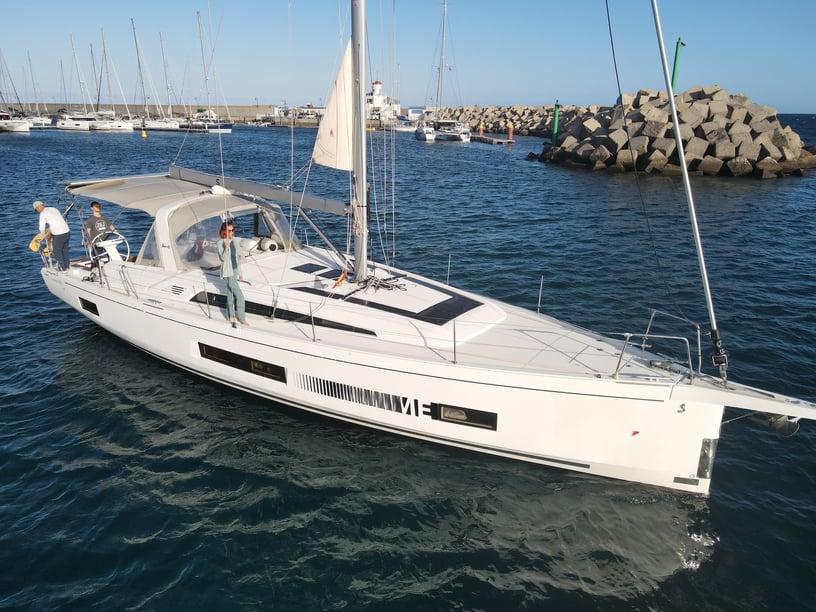
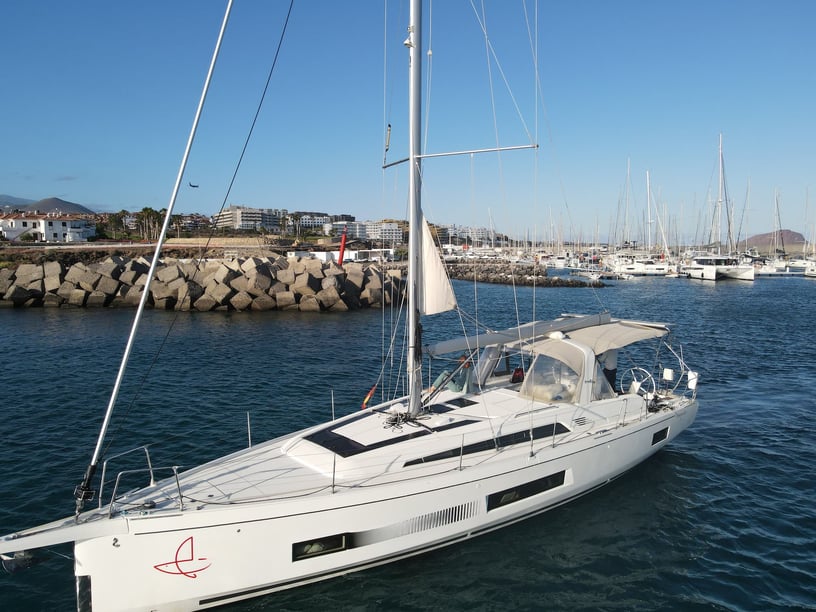
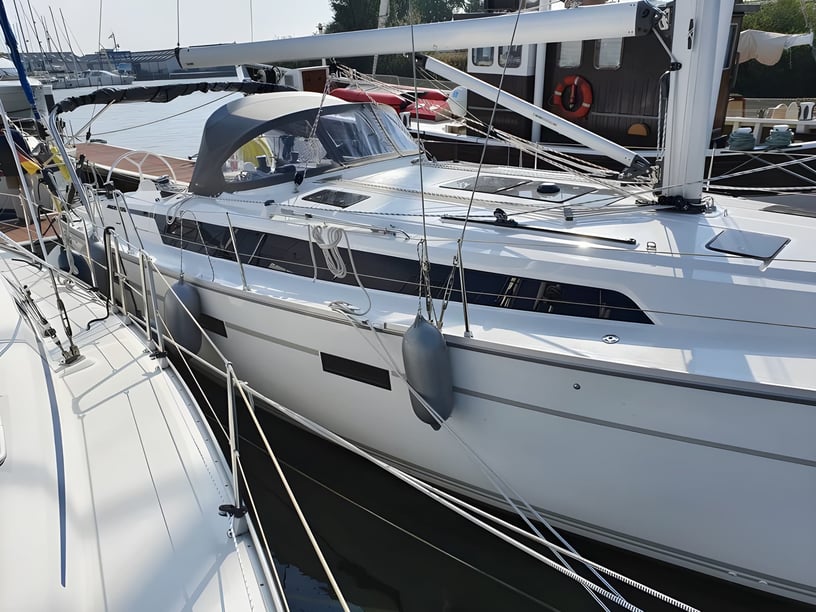
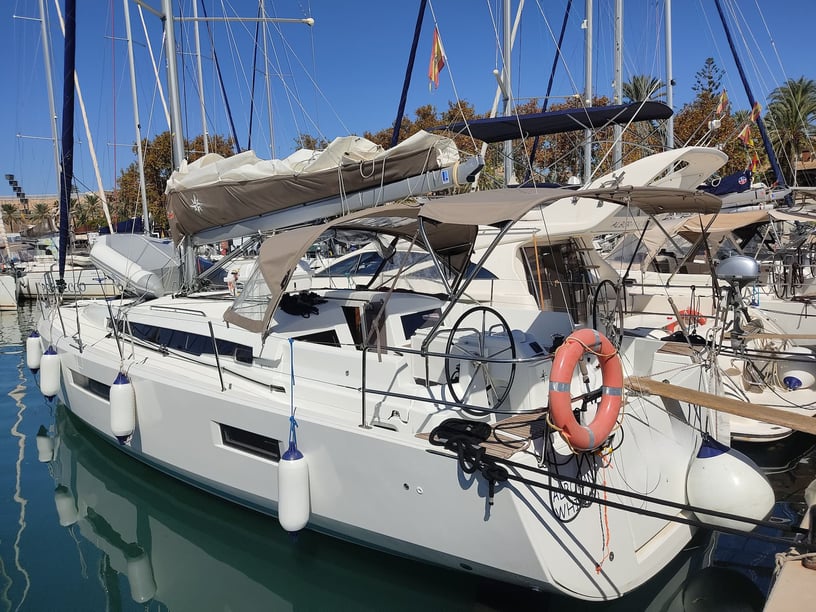
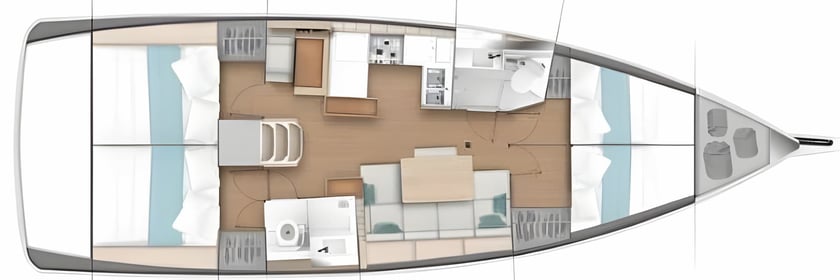
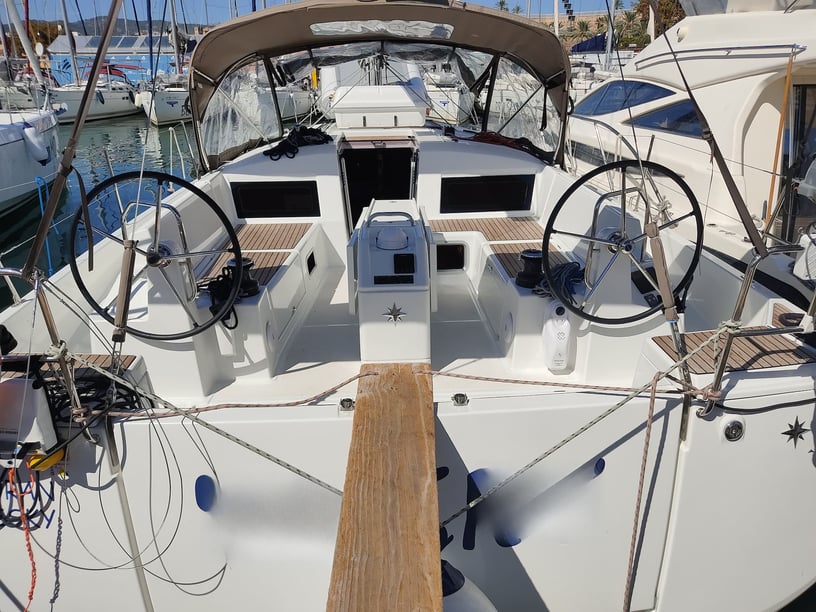
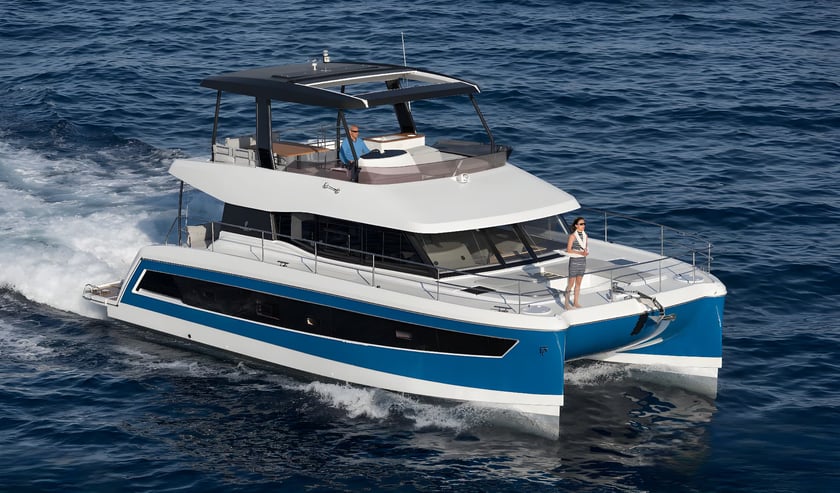
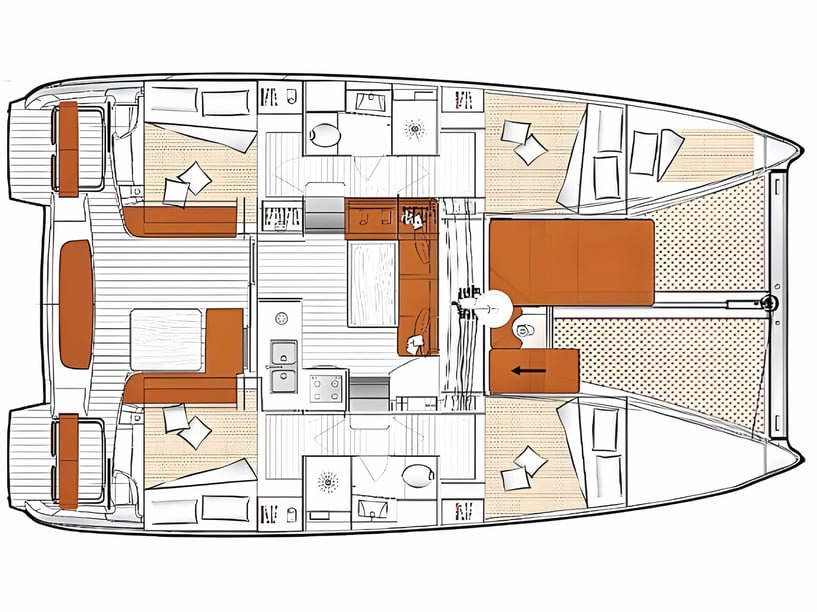
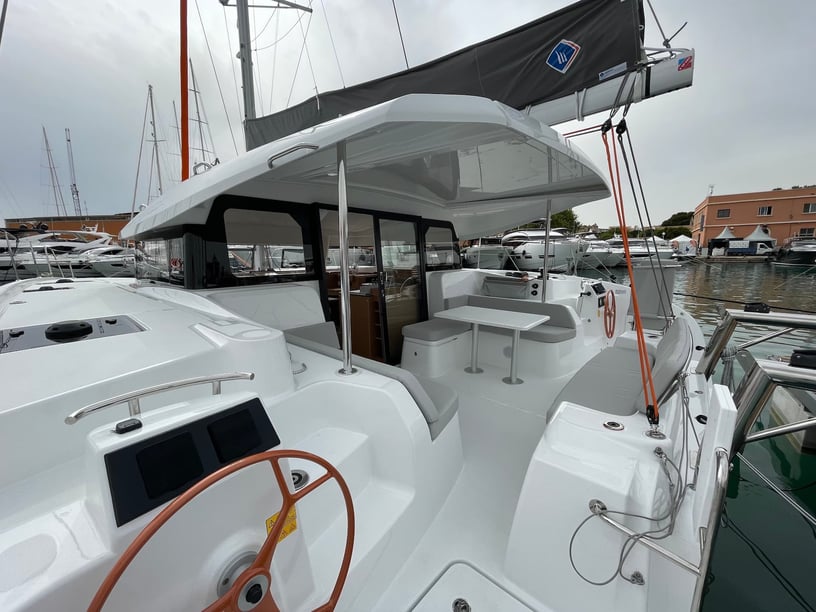
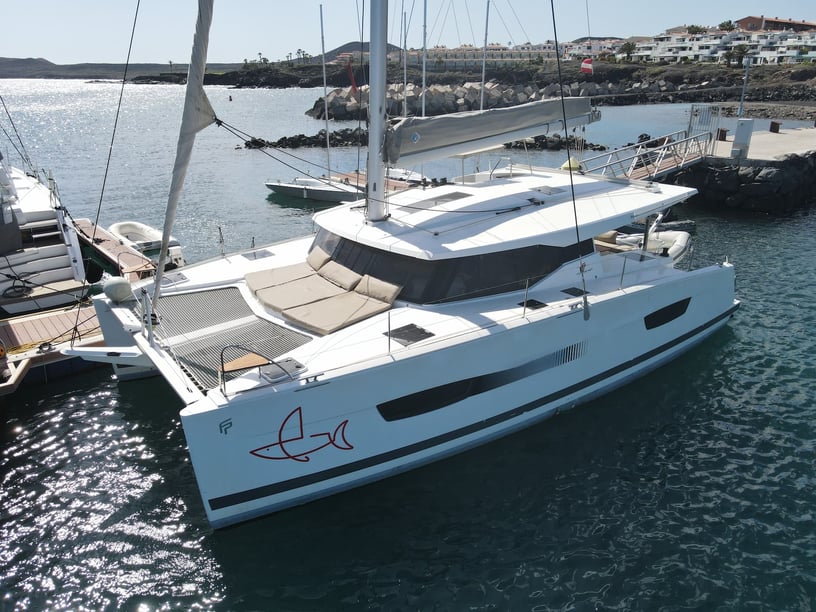
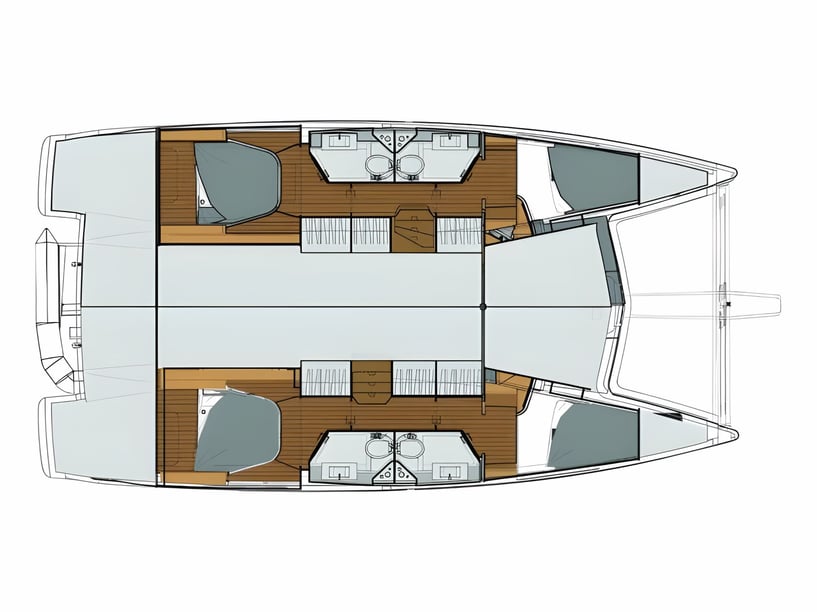
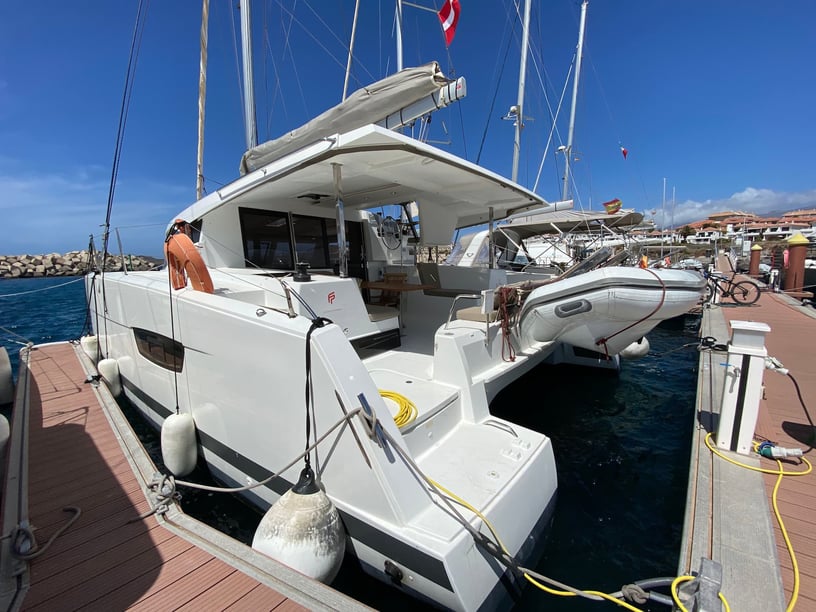
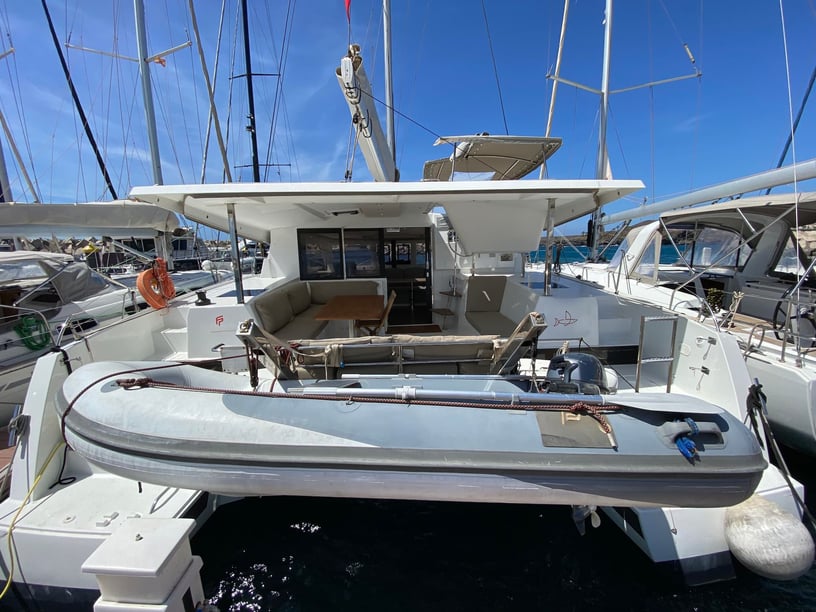
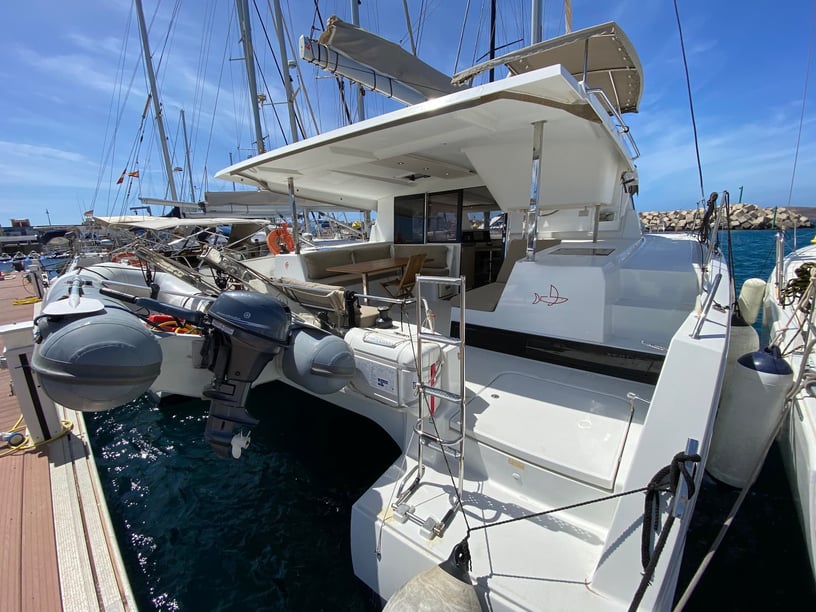
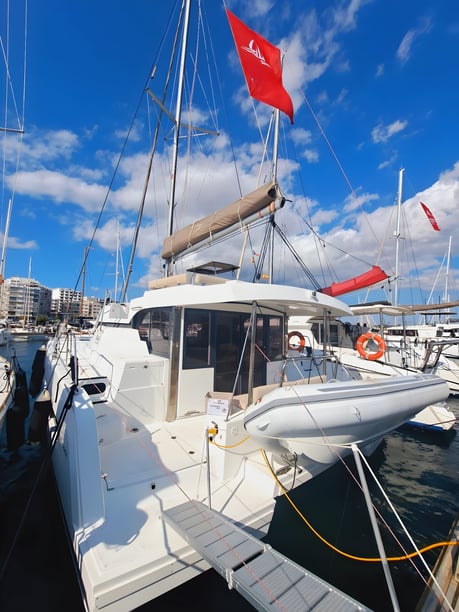
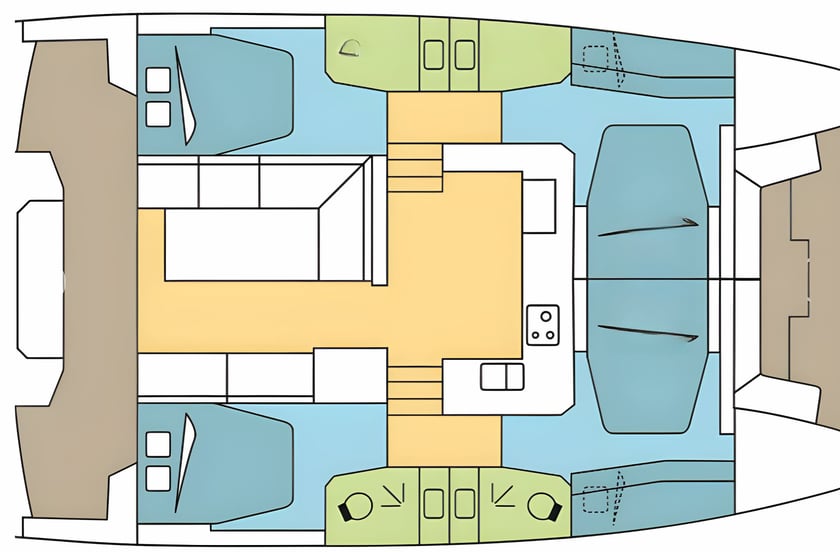
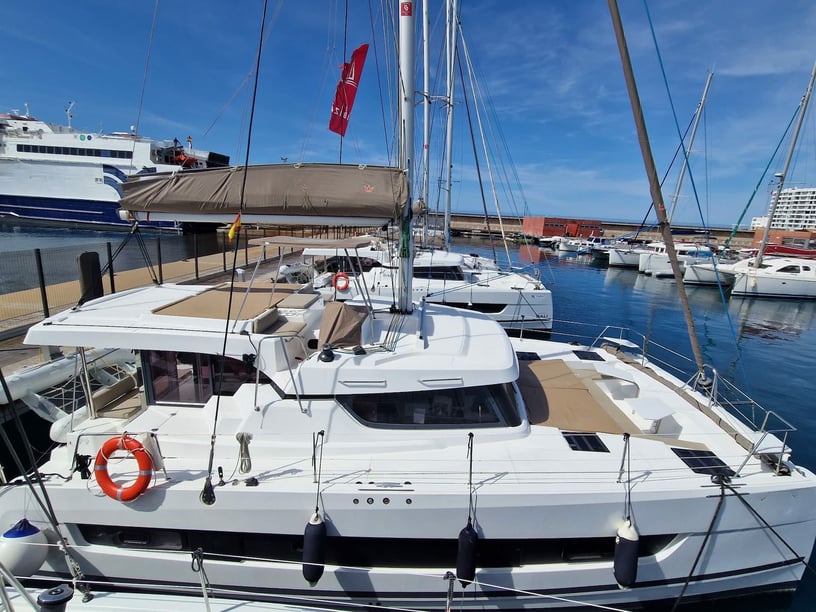
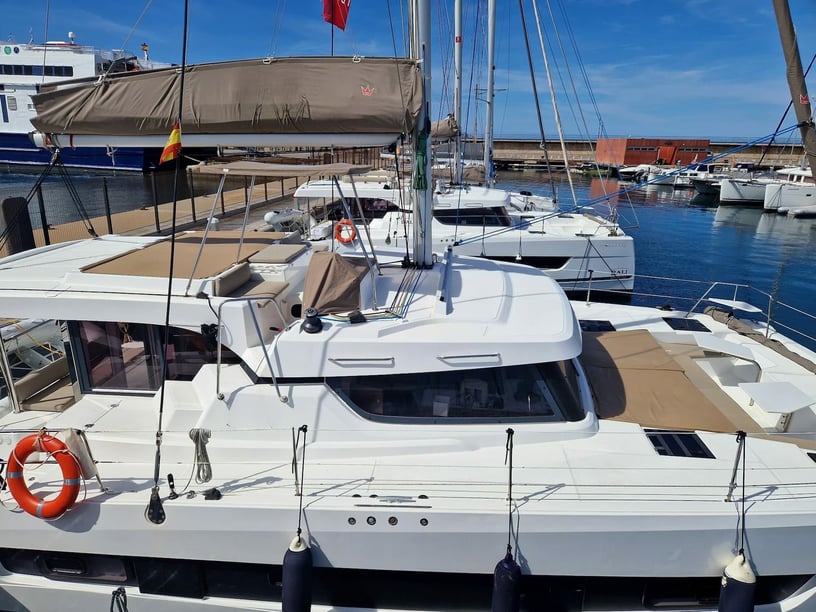
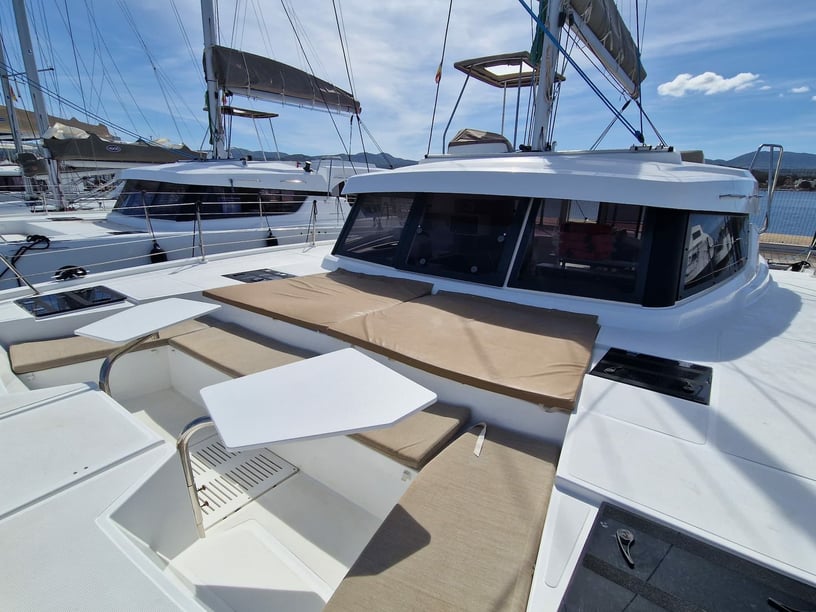
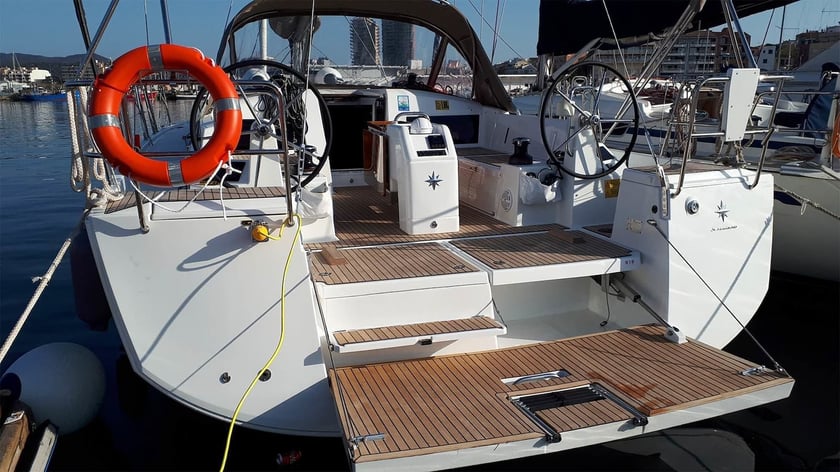
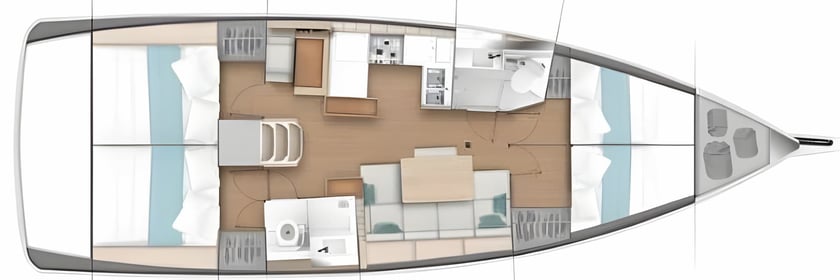
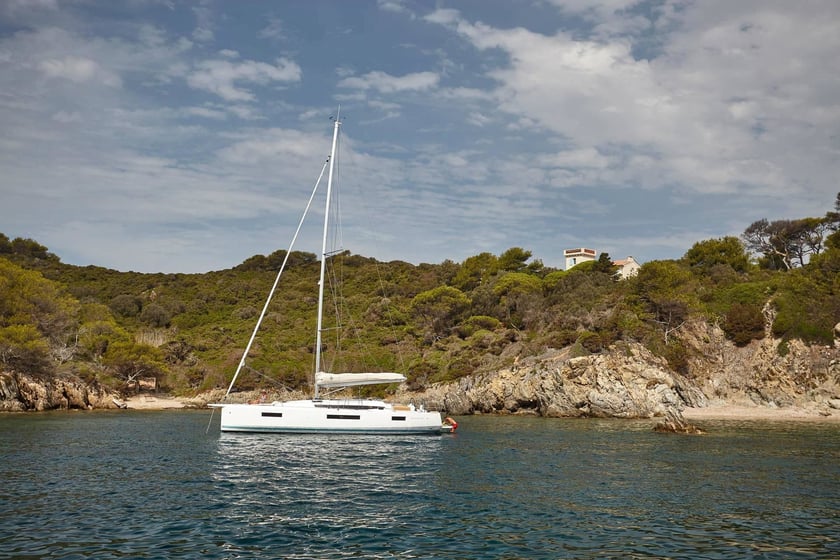
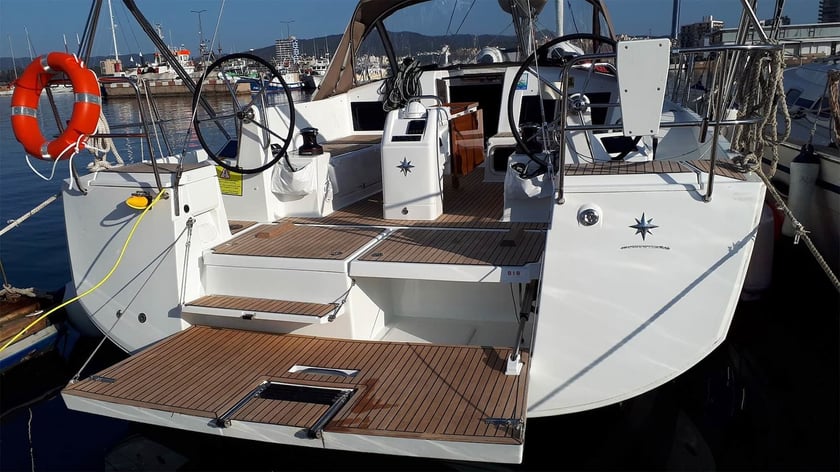
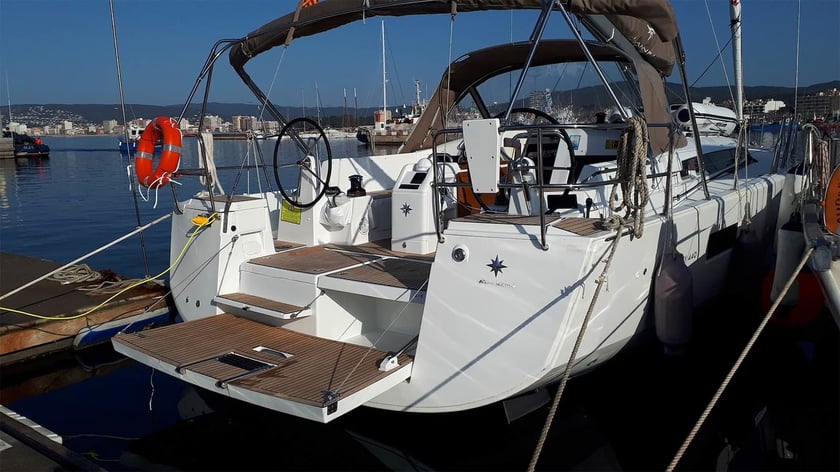
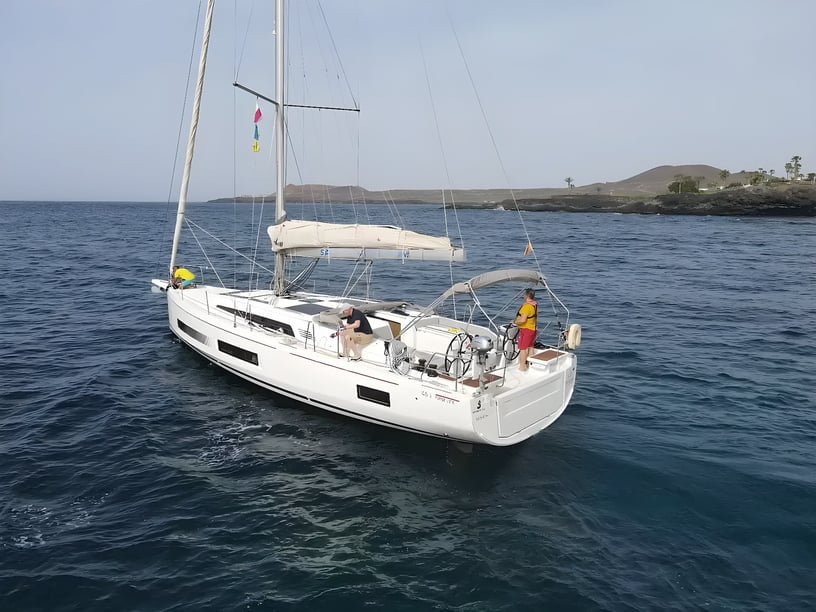
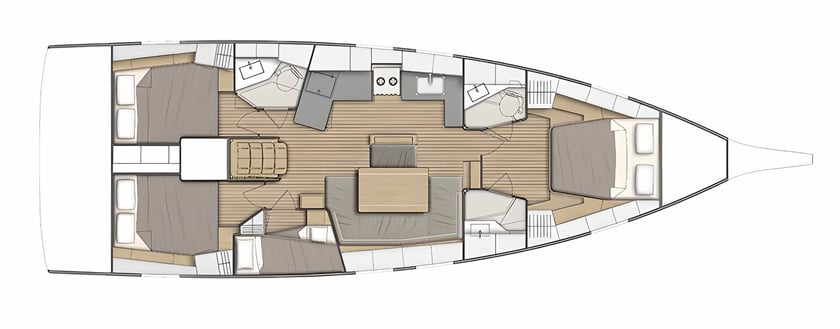
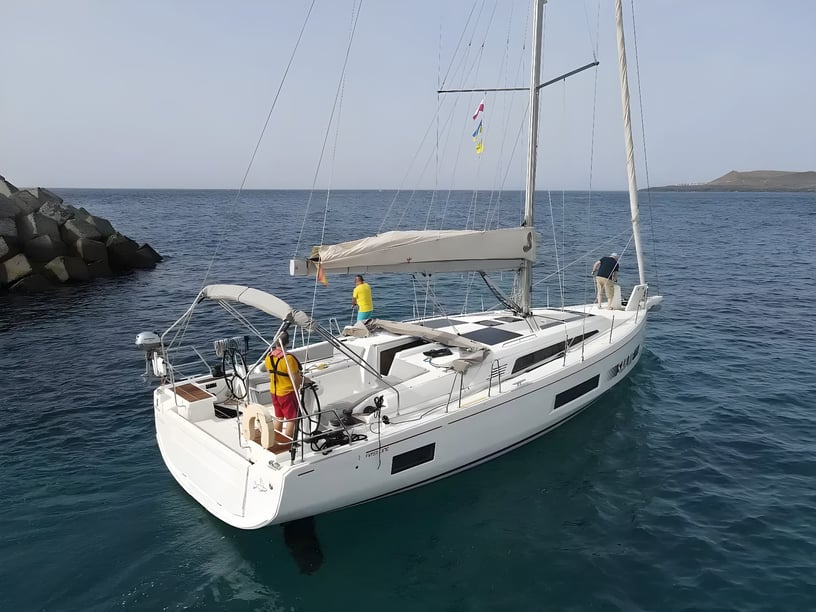
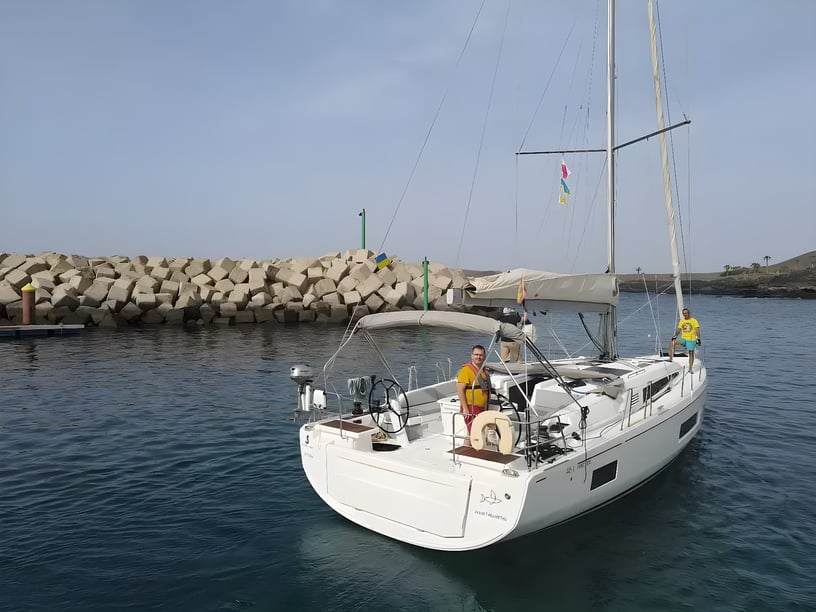
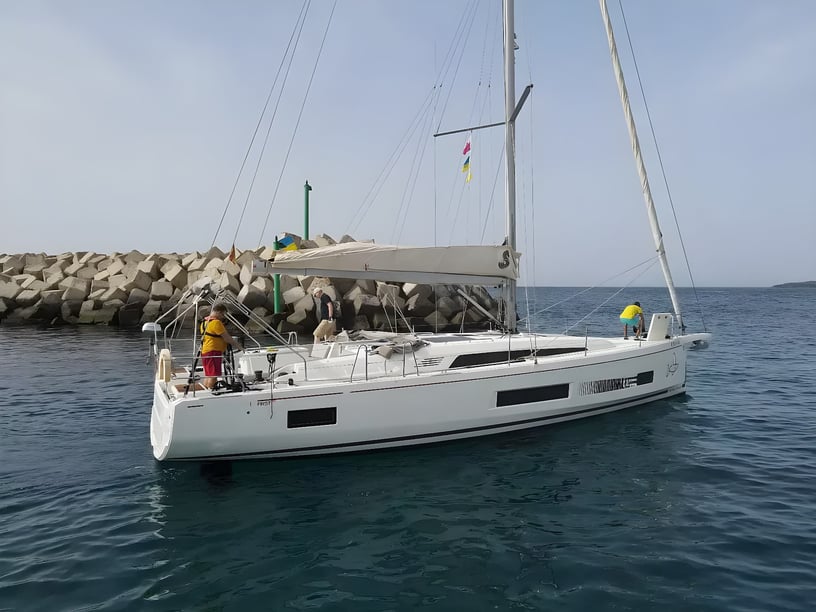
Begin by matching the charter to the region rather than choosing solely by the country name. A short Balearic itinerary, a circuit through Galician estuaries and an inter-island Canary voyage require different time allowances and levels of sailing experience. Travelers comparing boat formats can review options such as sailboat charter in Spain and catamaran charter in Spain, then assess each vessel’s specifications against the proposed route, berthing plans and group needs.
For a bareboat arrangement, skipper qualifications, vessel documents, insurance and safety equipment must satisfy the applicable Spanish, flag-state and charter requirements. Confirm the current rules with the vessel operator or the Directorate-General for the Merchant Marine. Travelers who do not want responsibility for navigation should compare the crew arrangements offered for the specific booking rather than assuming that every charter follows the same format.
Use AEMET marine forecasts and Puertos del Estado’s Portus service for area-specific wind, waves, currents, sea level and water temperature. Protected areas may require navigation, mooring, anchoring or visitor authorization, notably around the Atlantic Islands of Galicia and the Cabrera Archipelago. Advance berth planning is prudent during the Mediterranean summer and during the autumn Atlantic-crossing period in the Canaries.











Verified
Jubal S.11 Jul 2026
Communication with the Viravira contact was slow; it took a while to get answers to my questions, although they did always respond. There was an issue with the sailboat I had rented—it wasn't availabl...
Listing owner: AntoniPalma de Mallorca / Spain