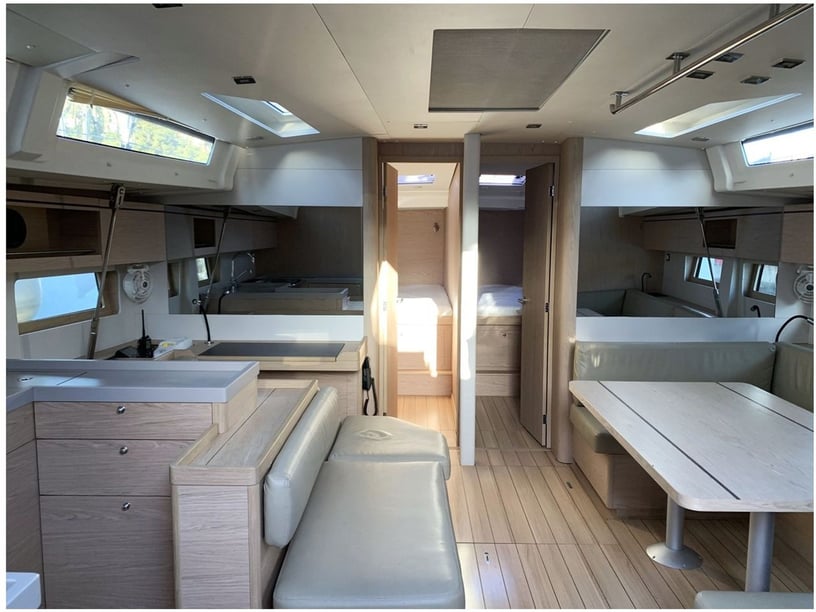
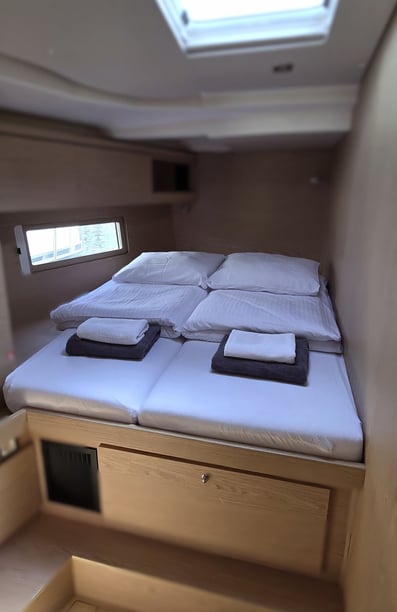
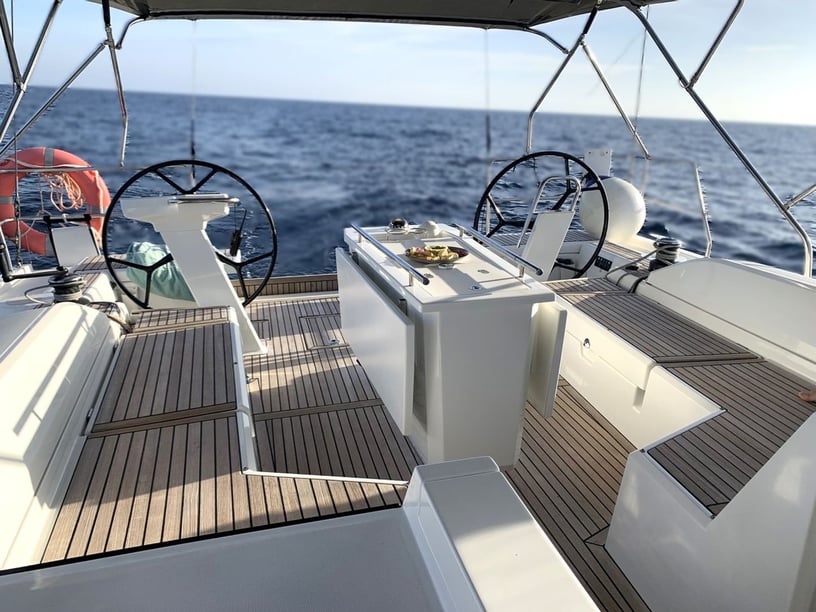
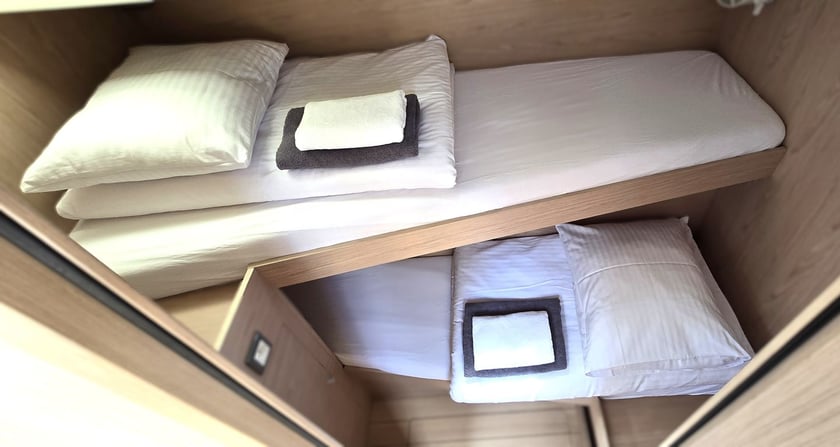
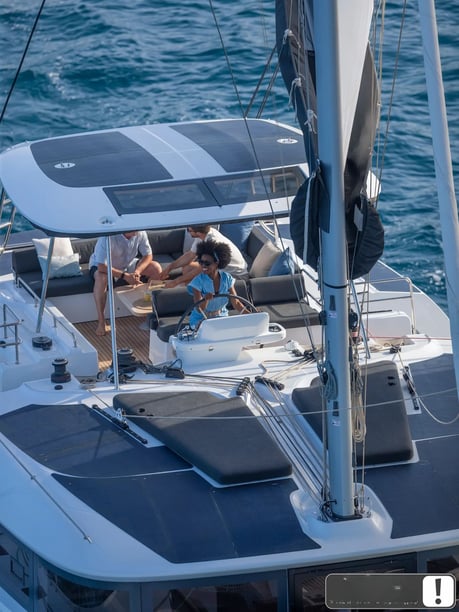
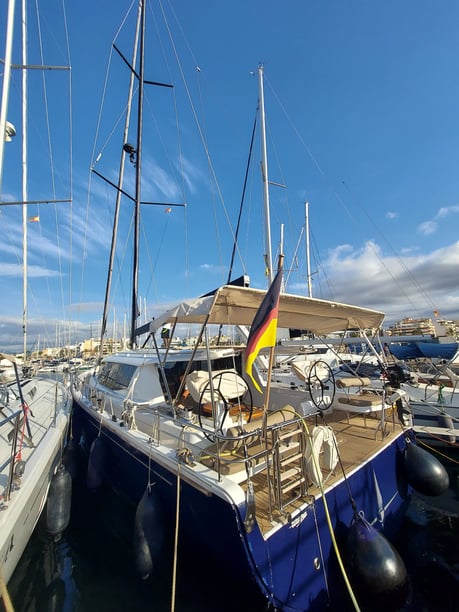
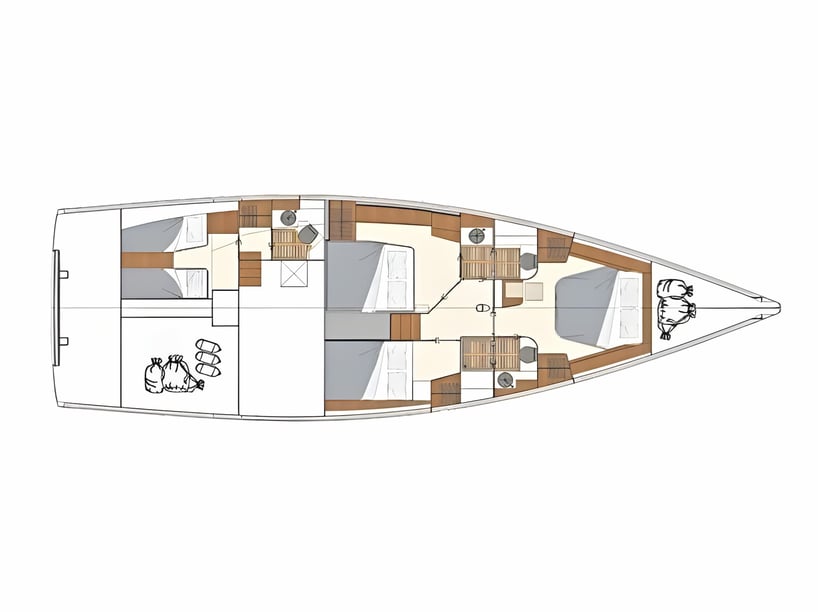
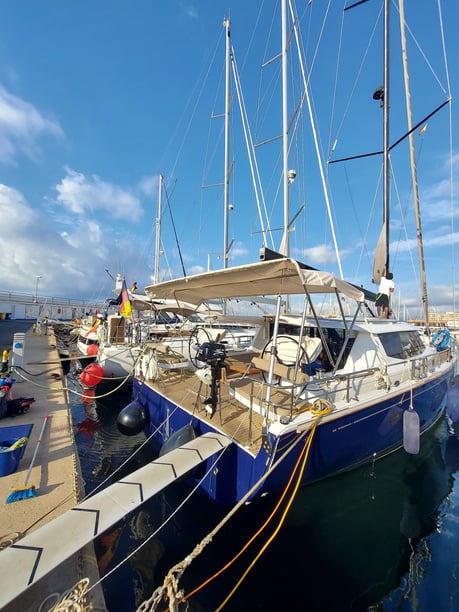
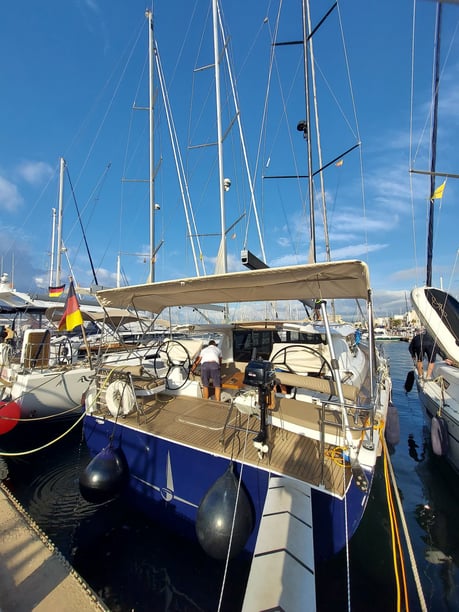
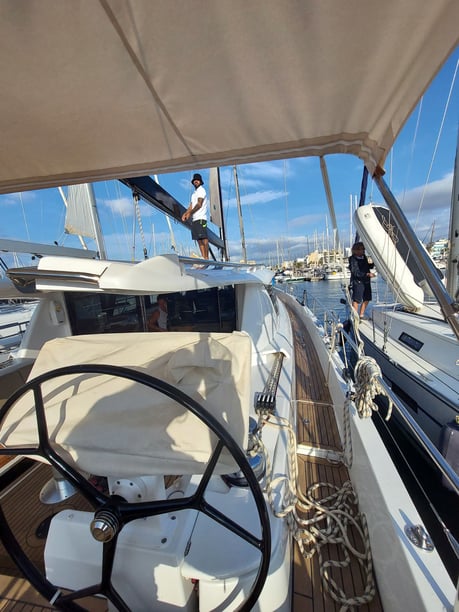
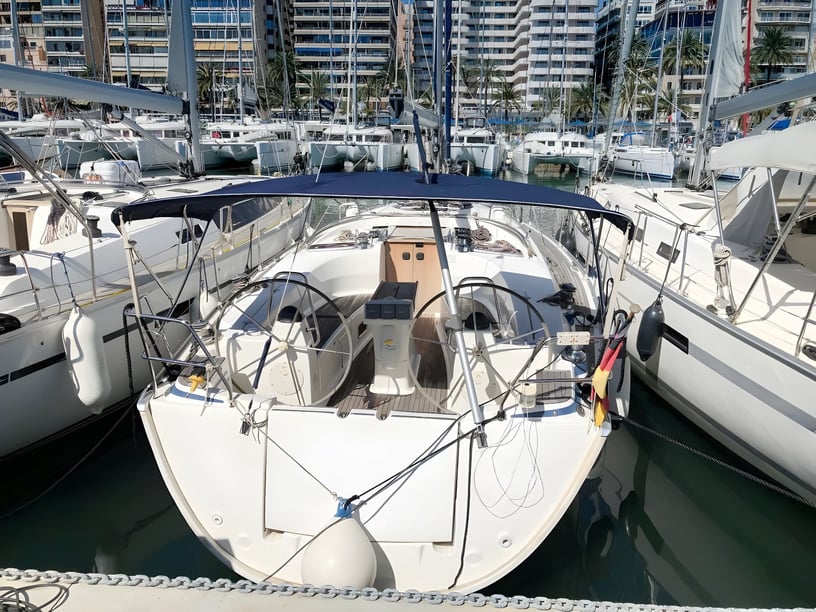
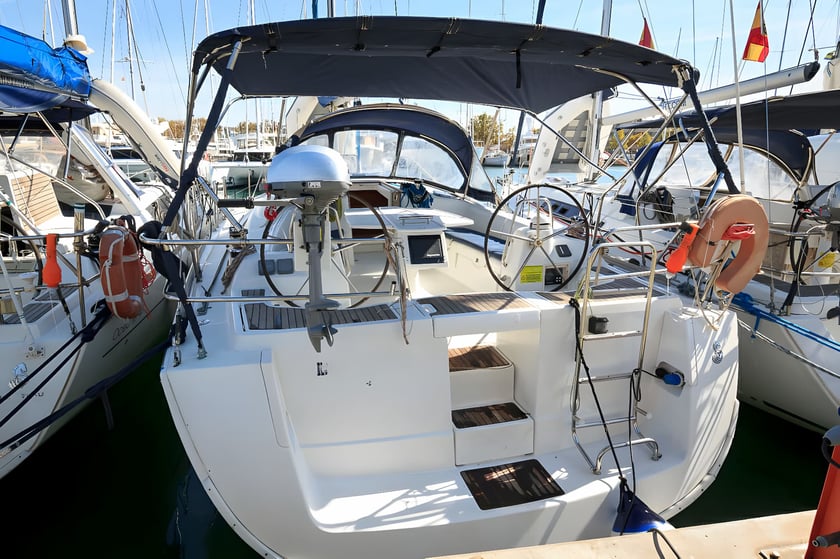
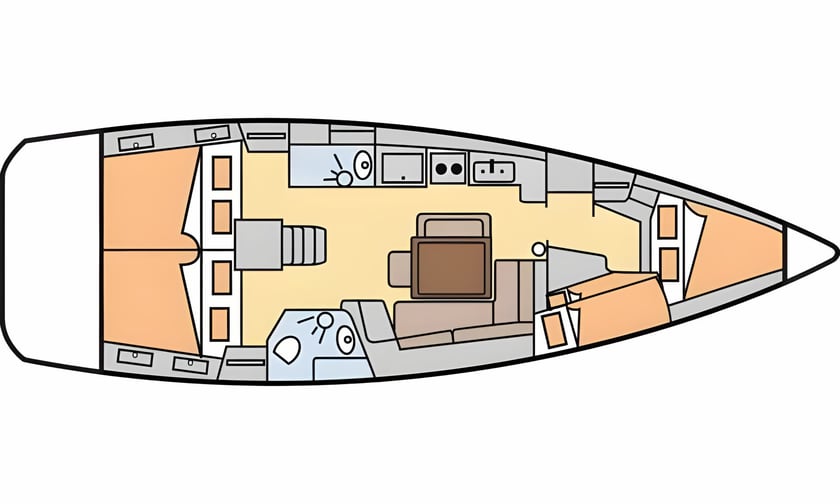
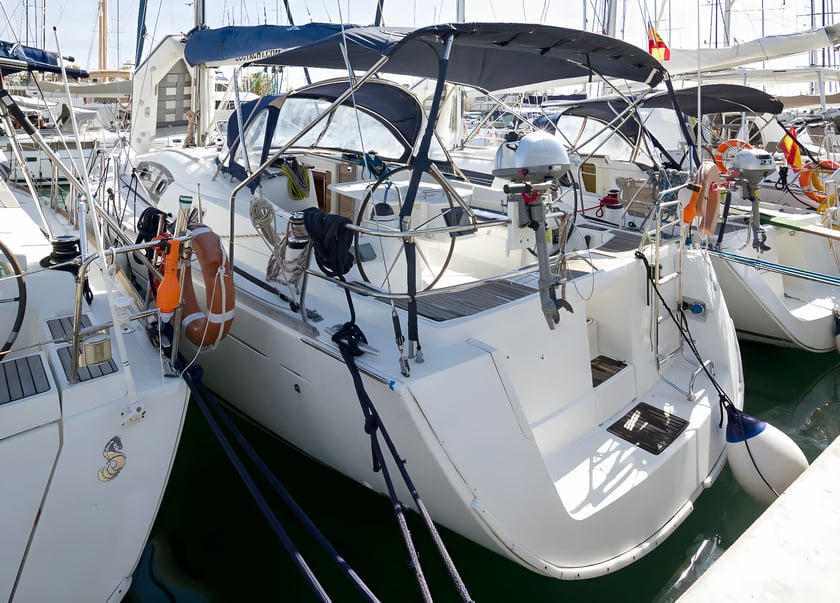
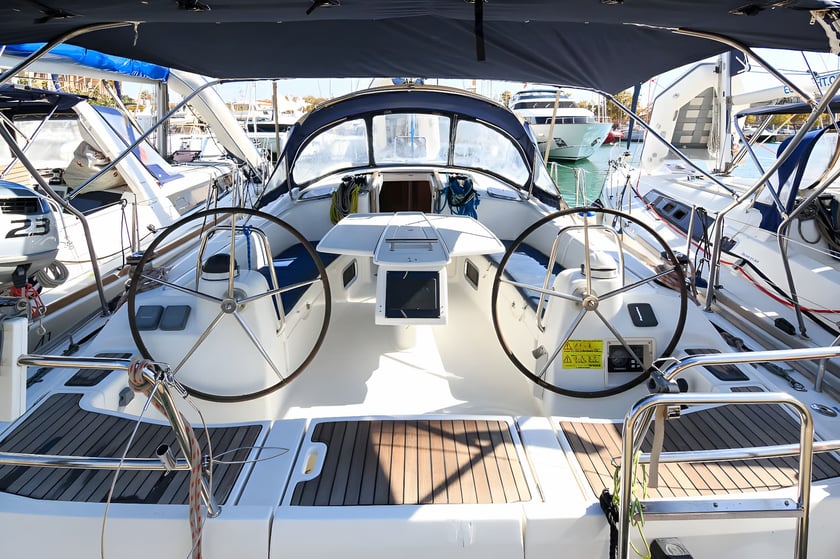
Yacht charter around Cala Ratjada
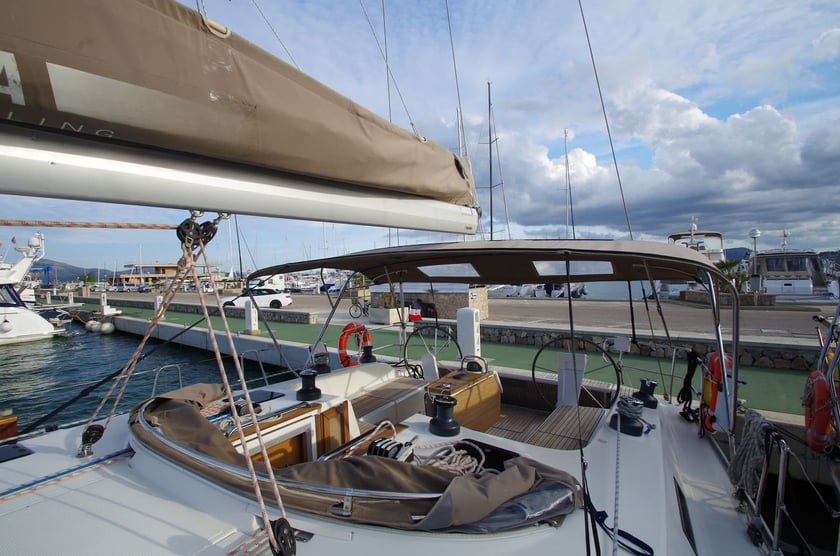
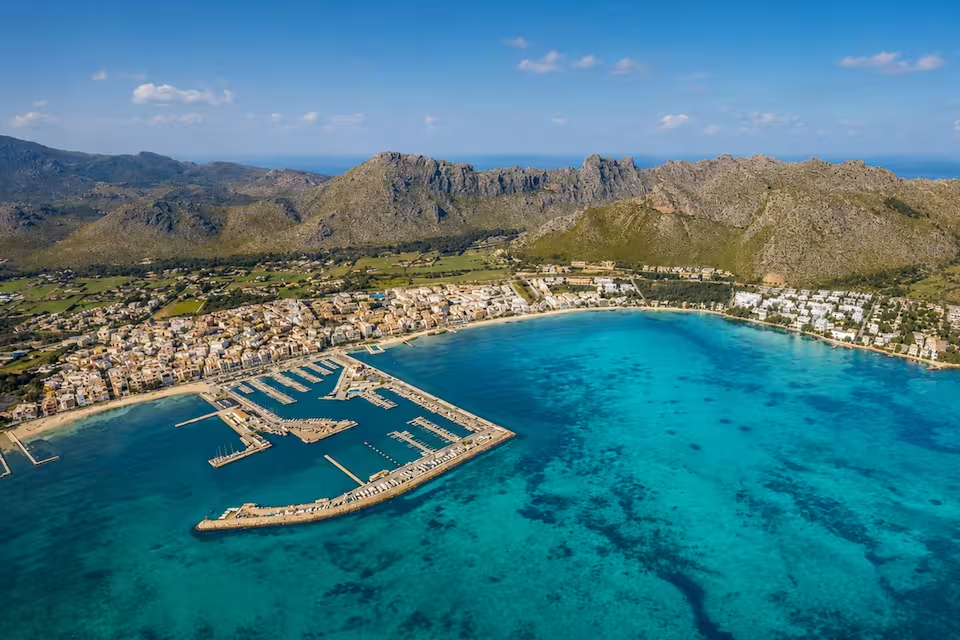
A yacht charter around Mallorca’s Cala Ratjada explores the island’s open northeastern corner, where rocky headlands alternate with sandy coves and pine-backed beaches. The settlement is centered on a compact working and recreational harbor, with fishing boats, waterfront restaurants and evening venues all close to the quay.
Cala Ratjada is better understood as a coastal cruising stop and gateway to the Capdepera shoreline than as a large, deeply sheltered charter base. From here, trips can follow Mallorca’s east or north coast, make short runs between nearby coves or, in suitable weather, cross the Menorca Channel. Its exposed position adds variety but also makes forecast-led planning essential. Travelers comparing this area with other cruising regions can explore the wider choice of yacht charters in Spain.
Coves and coastal places to explore
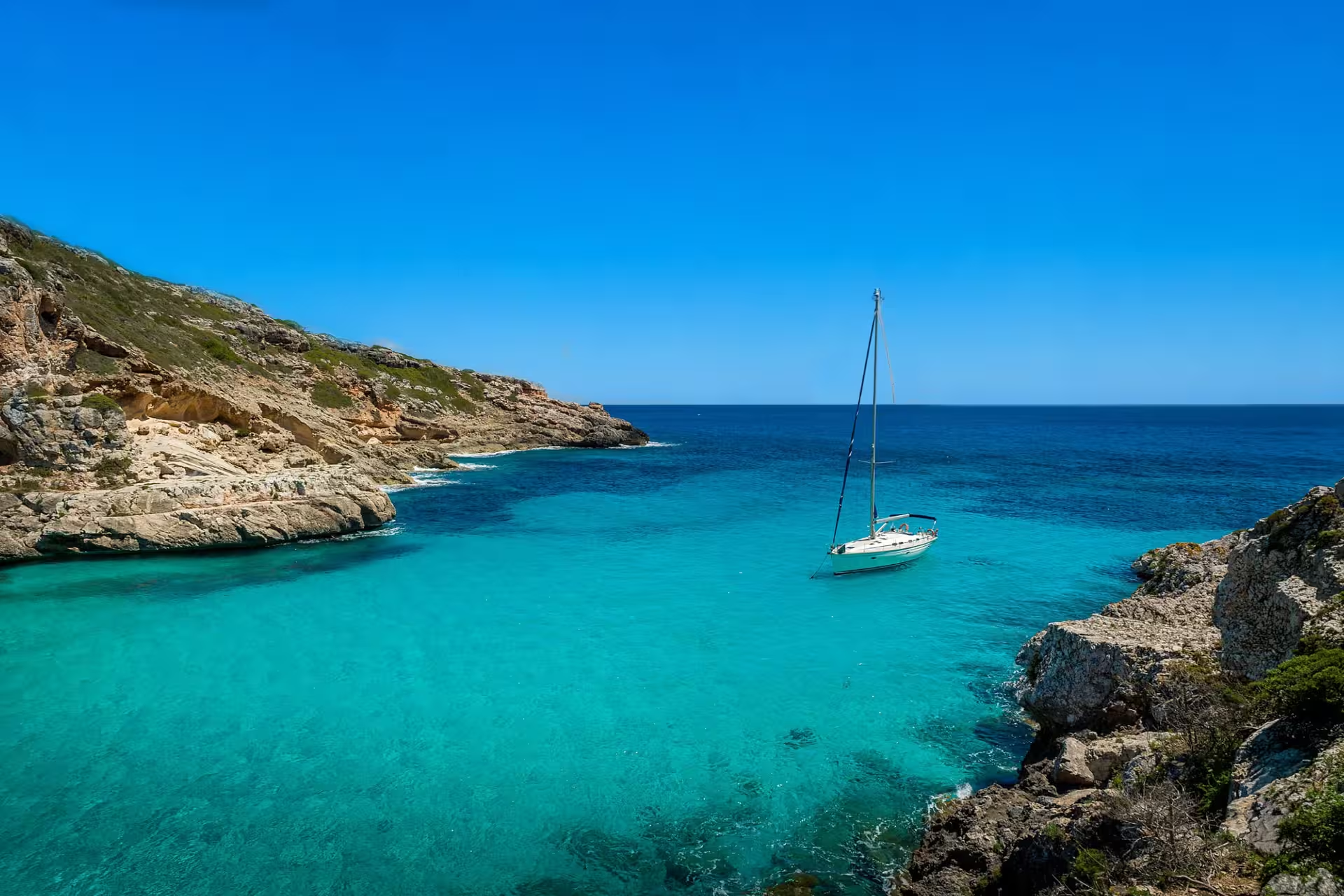
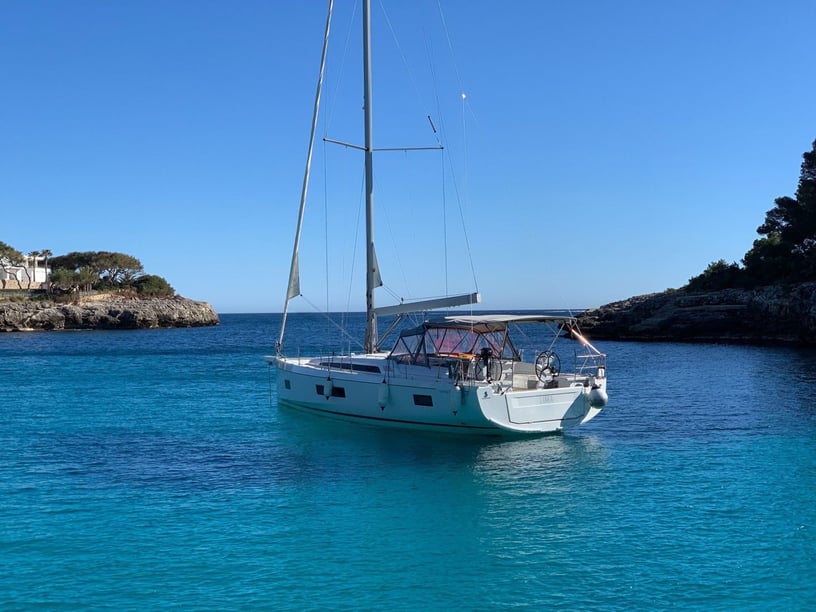
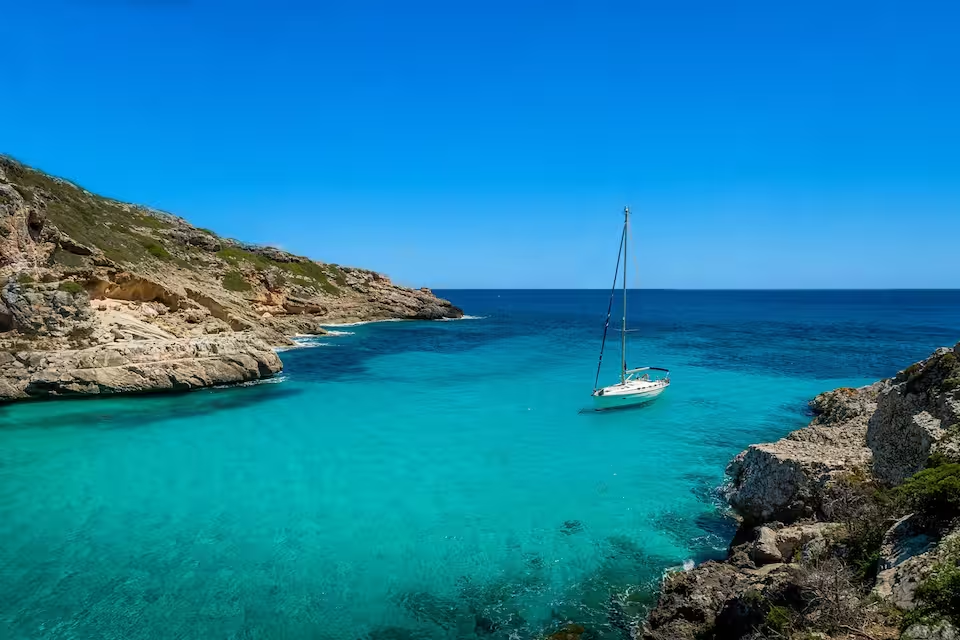
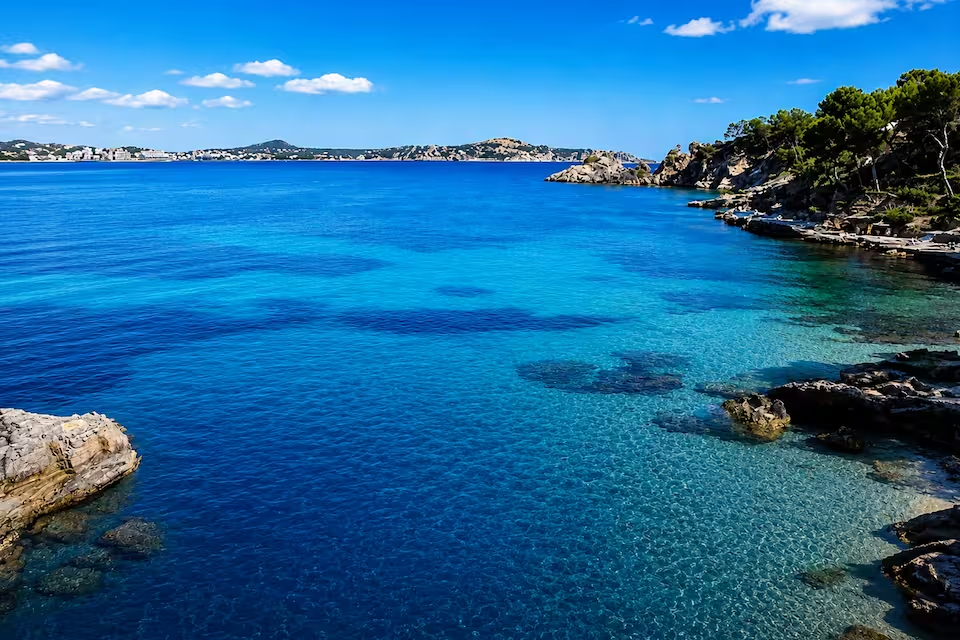
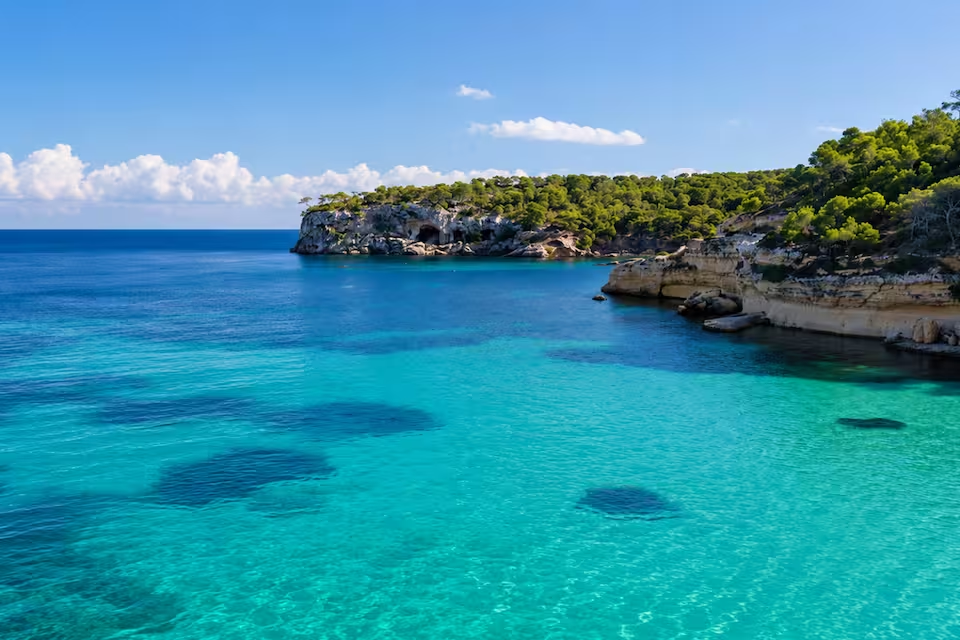
Close to the harbor, Cala Gat provides a compact swimming stop beneath the headland, while Cala Agulla is known for its broader sandy setting and pine-fringed surroundings. Cala Moltó and Cala Lliteras add rockier coastal scenery, snorkeling and access to protected marine waters. These coves are most useful as fair-weather stops rather than all-condition anchorages.
Cruising south opens a sequence of settlements and bays around Sa Pedruscada, Font de sa Cala and Canyamel. This stretch suits an unhurried day on the water, with time divided between short passages and swimming when sea conditions allow. Farther north, Cala Mesquida lies beyond the headlands on a more exposed part of the coast.
The medieval town of Capdepera is an worthwhile shore excursion from Cala Ratjada. Its castle offers historical context for a coastline whose population was once concentrated inland before fishing and trade increasingly shifted toward the natural port.
What sailing from Cala Ratjada is like
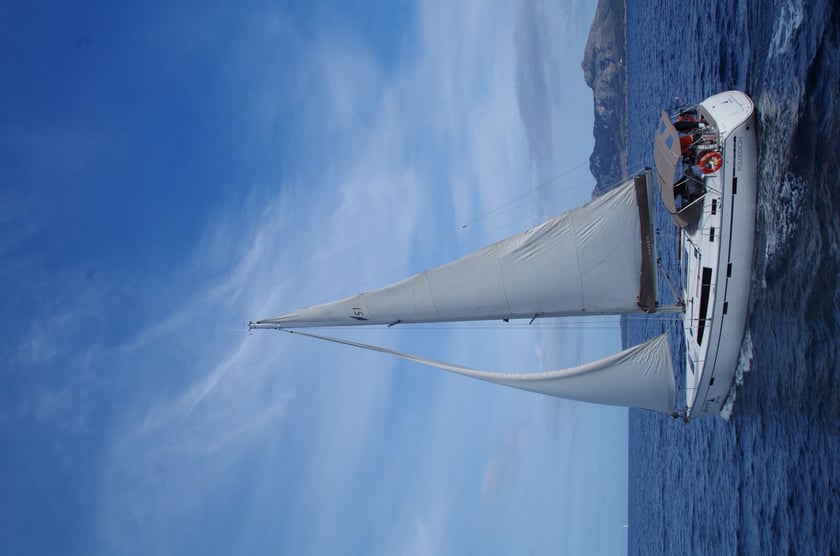
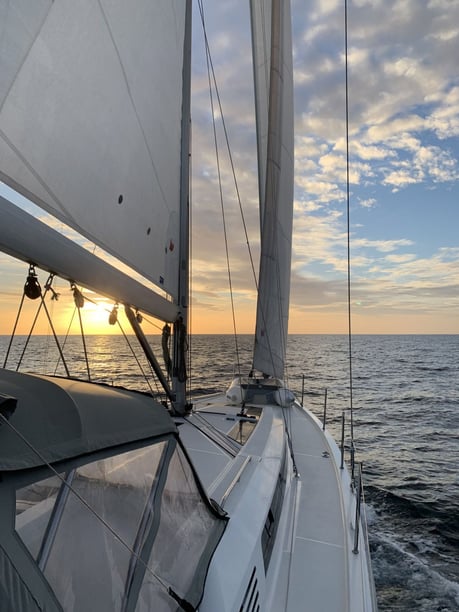
Cruising around Cala Ratjada is generally moderate in difficulty. Settled summer weather often brings light-to-moderate winds and afternoon sea breezes, supporting short coastal passages between beaches, coves and neighboring settlements. The coastline remains exposed, however, and shelter can change quickly with wind direction.
Easterly, northeasterly and northerly winds deserve particular attention. They can bring onshore swell to harbor approaches and nearby coves, and even moored boats may experience movement inside the compact port. Many attractive swimming stops therefore depend on a calm forecast rather than simply on their proximity to Cala Ratjada.
Longer passages require a different level of planning. The Menorca Channel is open water, while round-Mallorca routes connect Cala Ratjada with ports on either side of an exposed northeastern corner. Vessel suitability, crew experience and the latest forecast should shape the itinerary rather than a fixed schedule.
Best time for a Cala Ratjada yacht charter
The practical recreational boating season usually runs from May through October, with June, July, August and September identified as the most suitable months. July and August are the main activity peak, bringing the most consistently summery pattern but also greater pressure on the compact harbor and popular coastal stops.
May and June can combine favorable boating conditions with less peak-season intensity. September remains within the principal sailing period and may also suit travelers seeking a later trip without moving into the more changeable part of autumn. October often has warmer seawater than spring, but rainfall and rapidly shifting weather become more likely.
Winter brings reduced recreational activity and fewer marine services. Whatever the month, local conditions matter: this northeastern coast can be affected by northerly or easterly swell even during the broader boating season.
Cruising routes from northeastern Mallorca
A straightforward local route follows the Capdepera coast from Cala Ratjada toward Font de sa Cala, Canyamel, Cap Vermell and Costa dels Pins. It is well suited to a day cruise, with swimming stops selected according to wind, swell and seasonal swimming-zone restrictions.
Cala Ratjada also forms a useful stage on longer itineraries around Mallorca. Round-island routes may arrive from the Alcúdia or Port de Pollença area before continuing south along the east coast. In this context, the harbor is a practical overnight or resupply stop rather than the center of the entire trip.
The passage to Ciutadella on Menorca is approximately 25 nautical miles. It is an established connection between the islands, but the exposed channel calls for a suitable yacht, experienced passage planning and a settled forecast. It should be treated as a weather-dependent crossing, not an automatic extension of every Cala Ratjada itinerary.
Marine life, harbor culture and time ashore
The Llevant de Mallorca–Cala Rajada Marine Reserve gives the area particular appeal for snorkeling and diving. Posidonia seagrass, coralligenous habitats and submarine caves support varied marine life, although reserve zoning and authorization rules apply to activities such as diving and fishing.
A charter also reveals the continuing maritime character of Cala Ratjada. The waterfront may be lively, but it remains a working harbor where fishing vessels, traditional llaüts and the fishermen’s guild preserve links with the port’s origins. The local fishing season for dolphinfish—known as llampuga—is reflected in the annual Llampuga Fair.
Away from the water, Capdepera Castle provides a strong cultural counterpoint to the coast. Other nearby visits include Capdepera Lighthouse and the gardens of Sa Torre Cega, which combine landscape designs by Russell Page and Leandro Silva with an outdoor sculpture collection. Evenings can be spent along the compact harborfront rather than requiring a separate journey inland.
Access, harbor and departure points
Palma de Mallorca Airport is the principal gateway. Cala Ratjada is reached by road across eastern Mallorca, commonly via Manacor, Artà and Capdepera. Public buses connect it with Manacor and nearby coastal settlements, while some direct Palma and cross-island services operate seasonally.
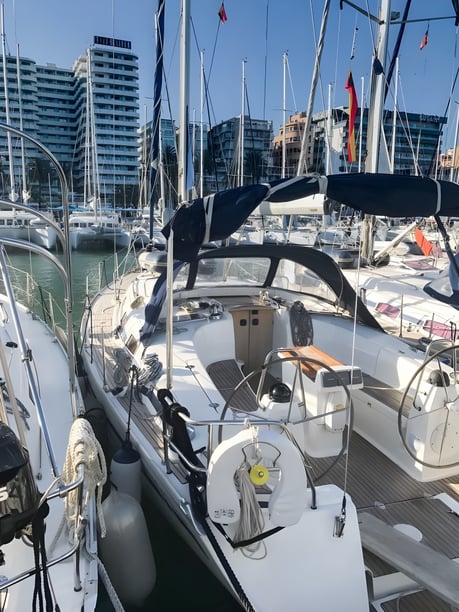
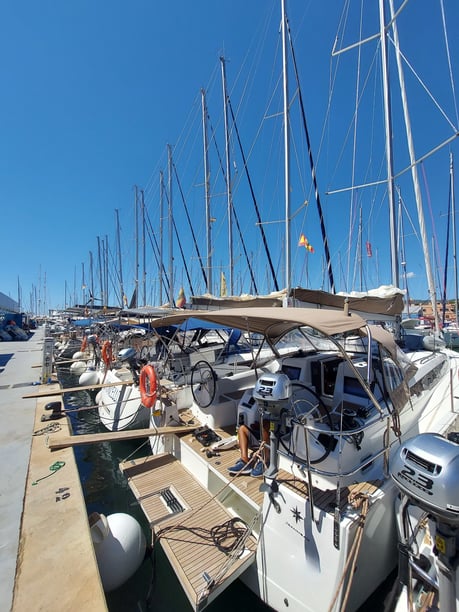
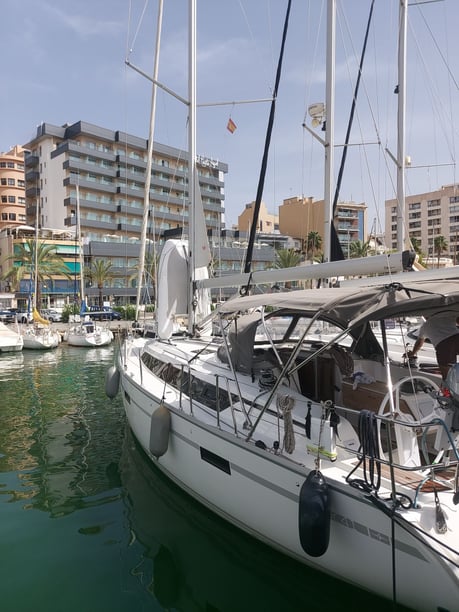
Boat trips may use Port de Cala Rajada or Club Nàutic Cala Ratjada. The harbor is compact and shared by fishing vessels, local craft and visiting yachts, so transit capacity can be limited during the main season and advance contact is advisable. Cala Ratjada can function as a departure point for local cruises, but its more consistent role is as a place to explore or a weather-dependent stop within a broader Mallorca itinerary.
Planning your charter
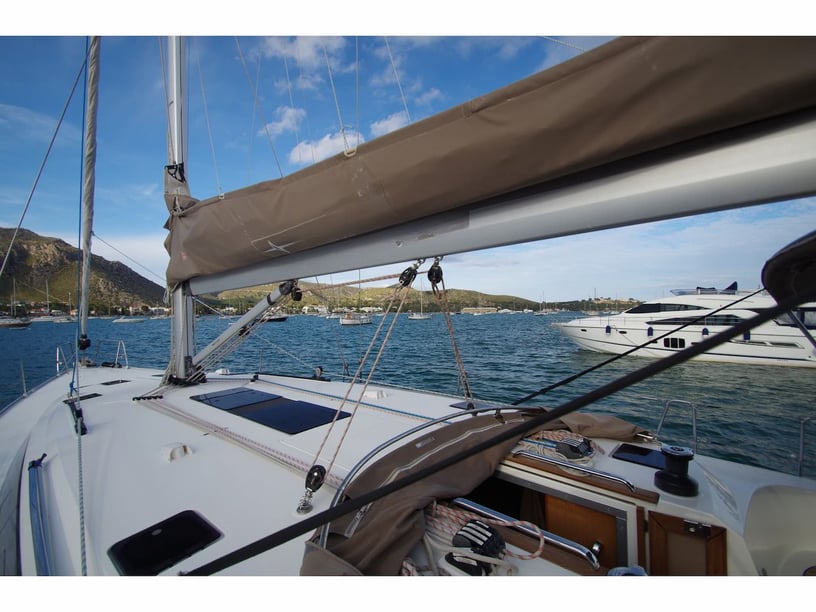
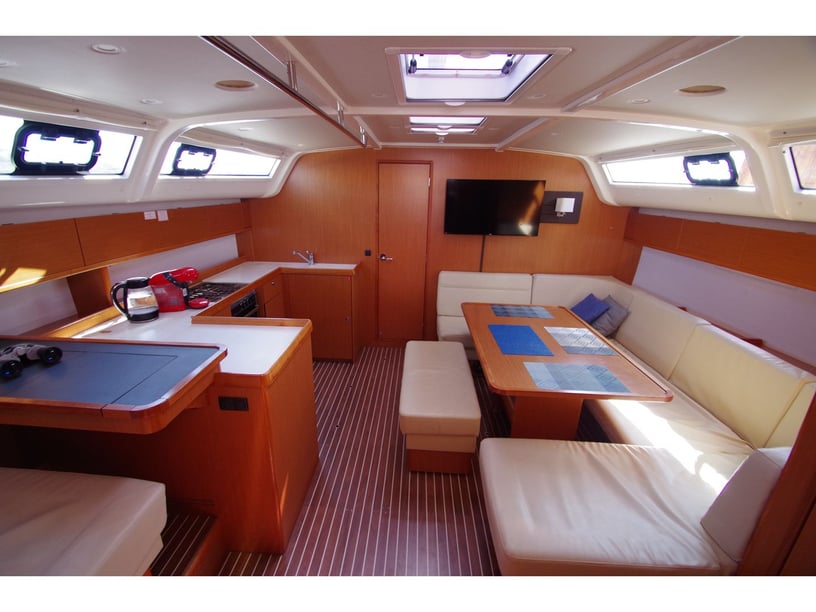
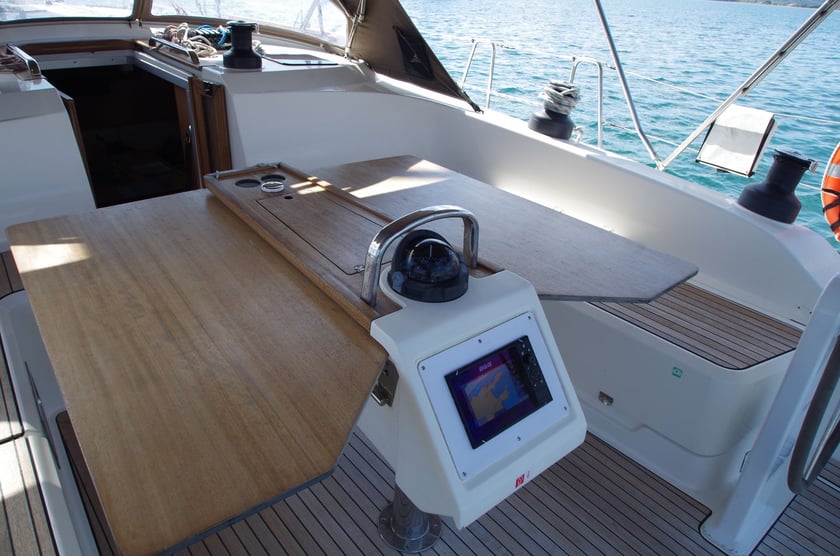
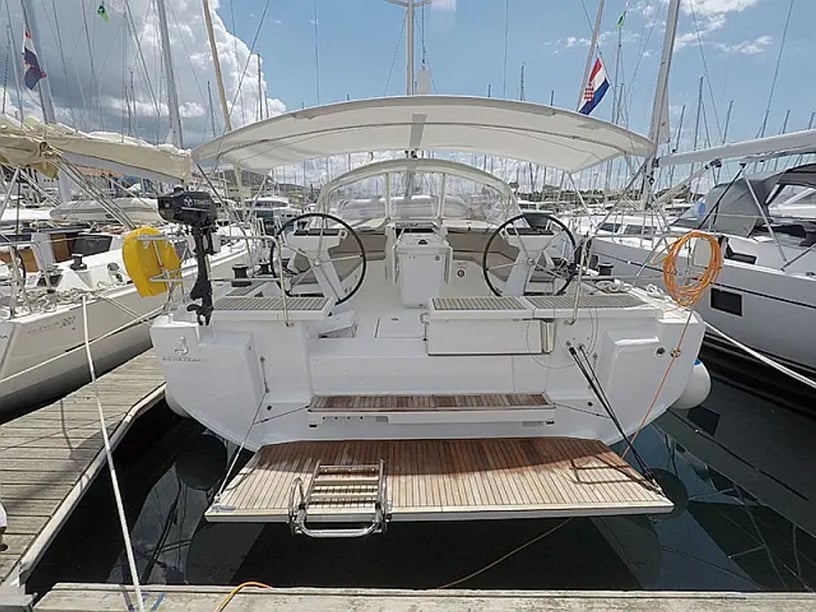
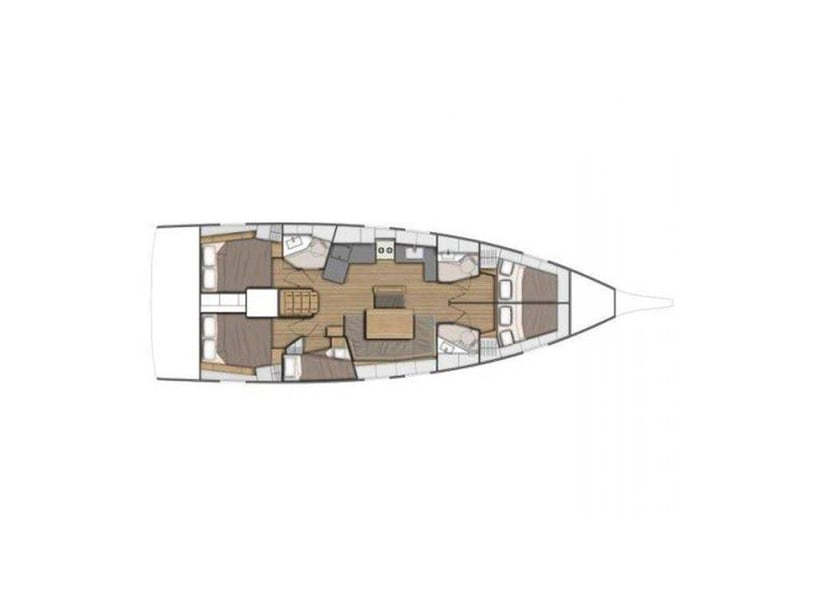
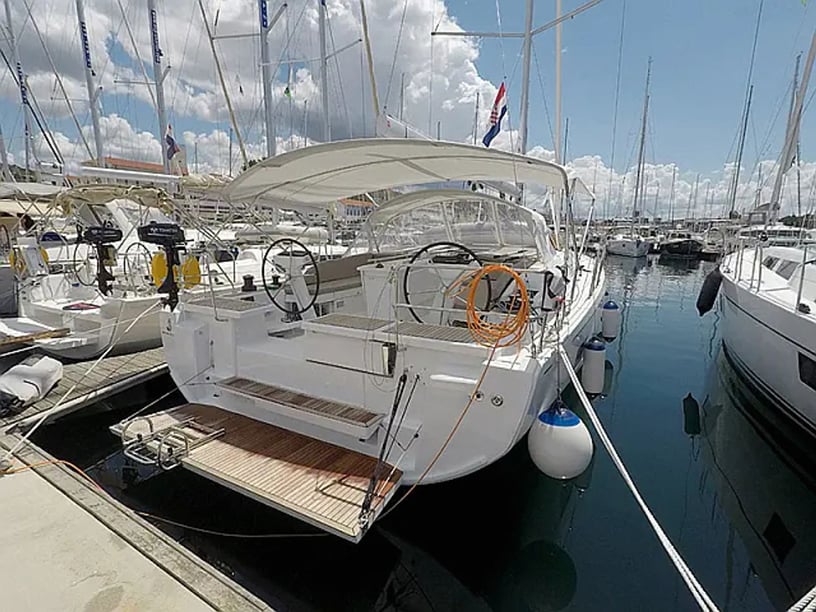
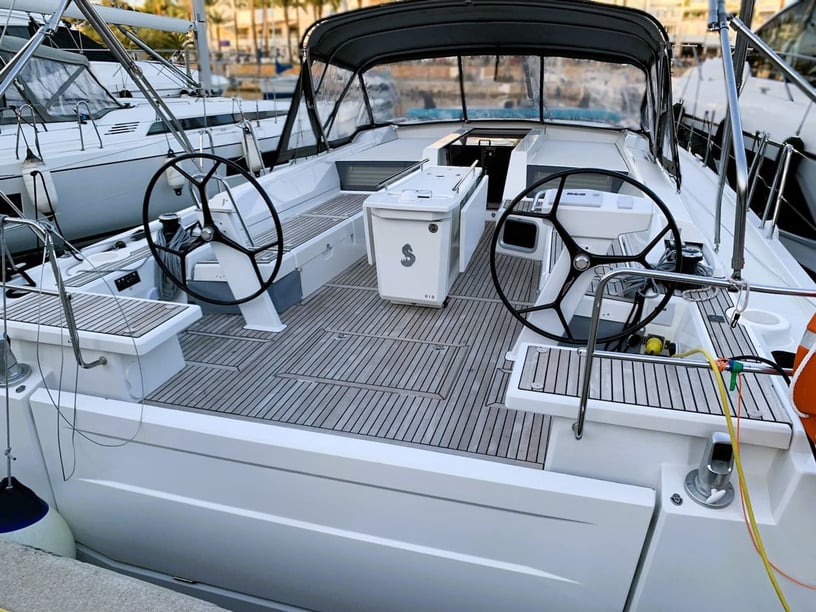
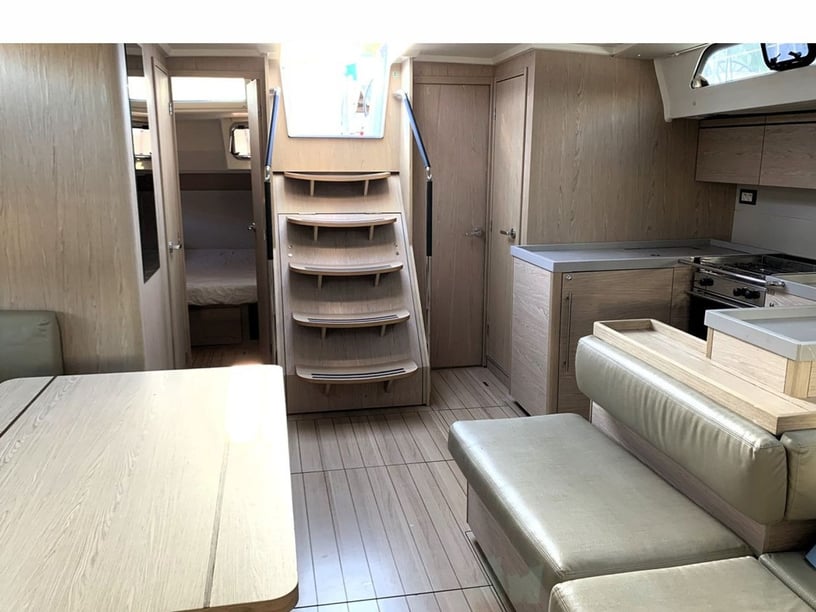
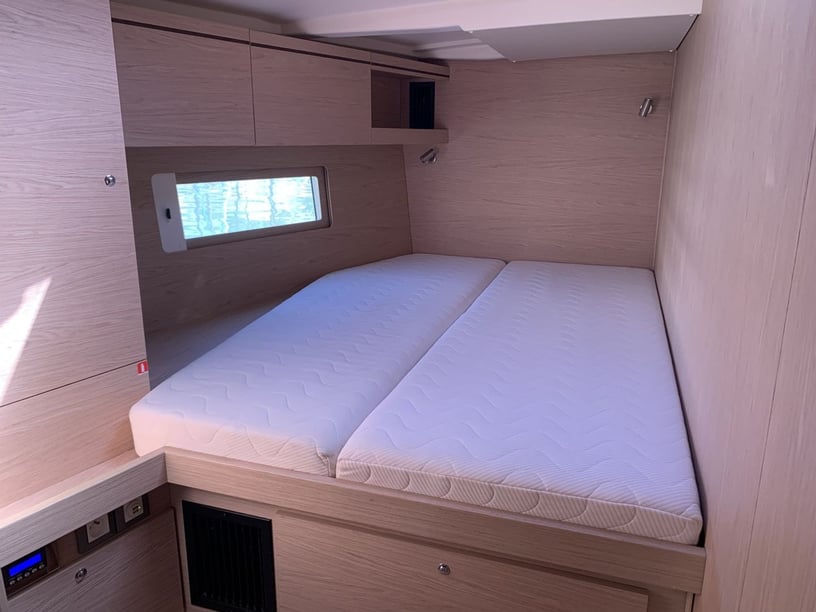
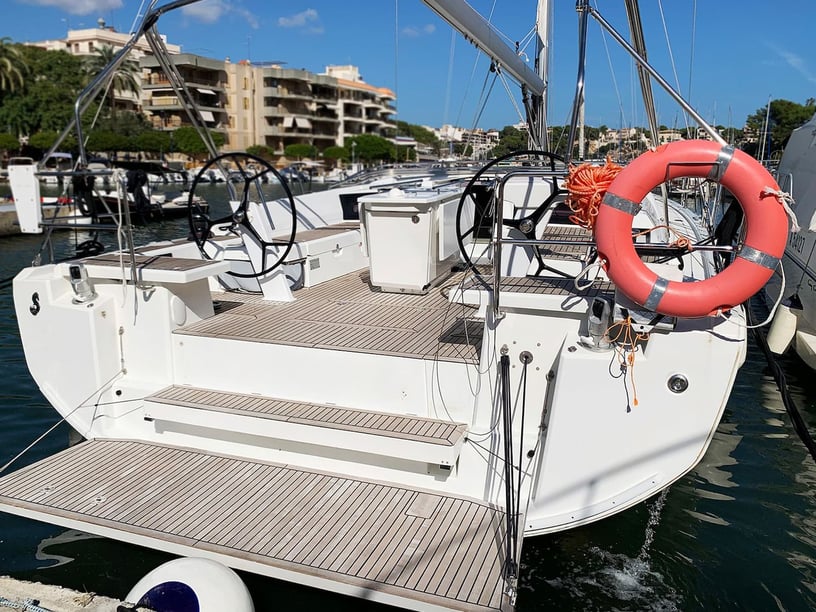
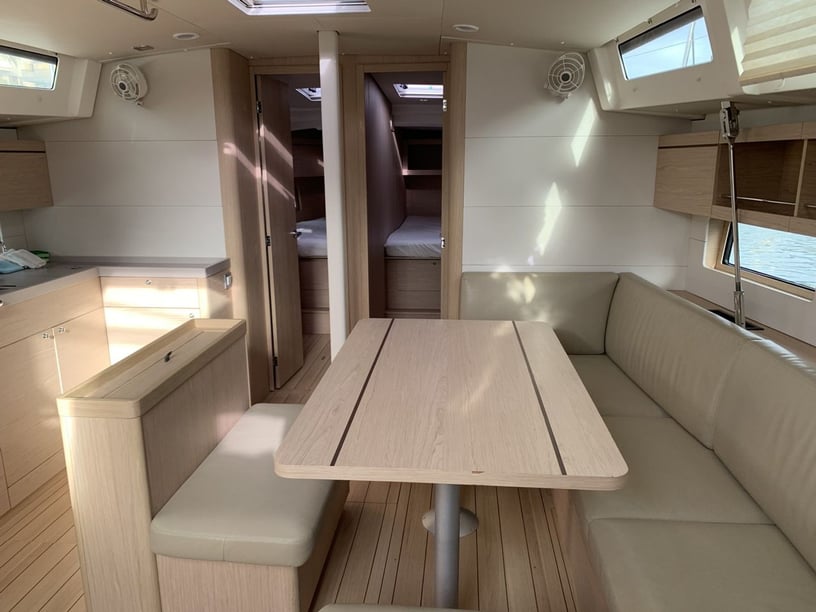
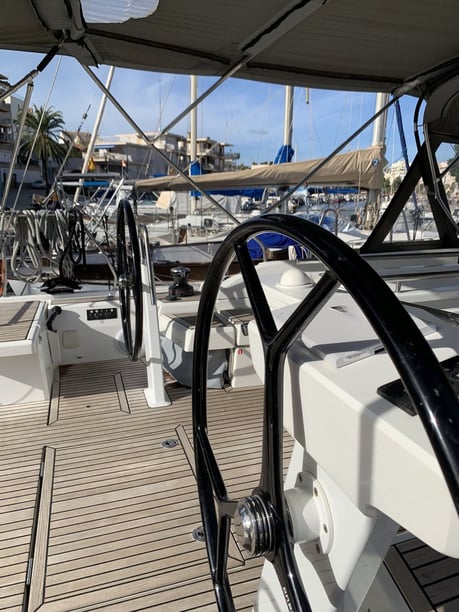
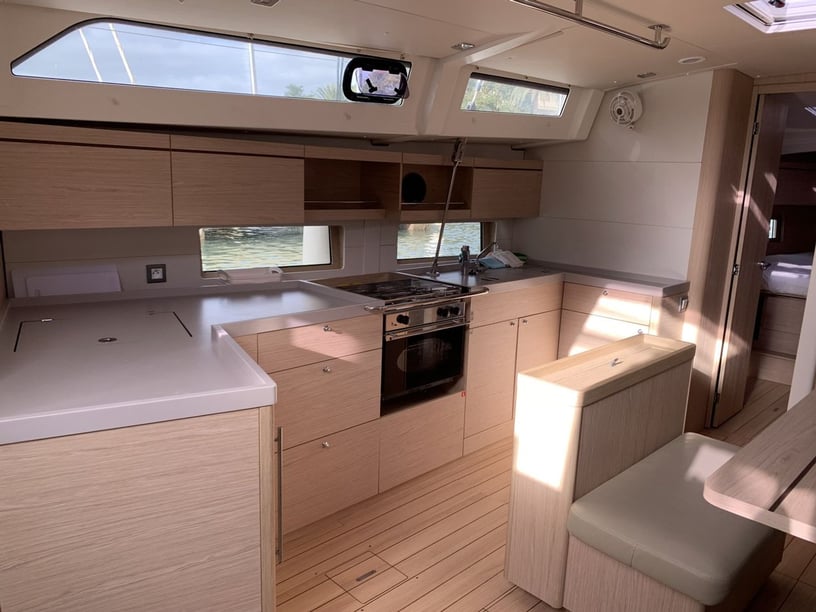
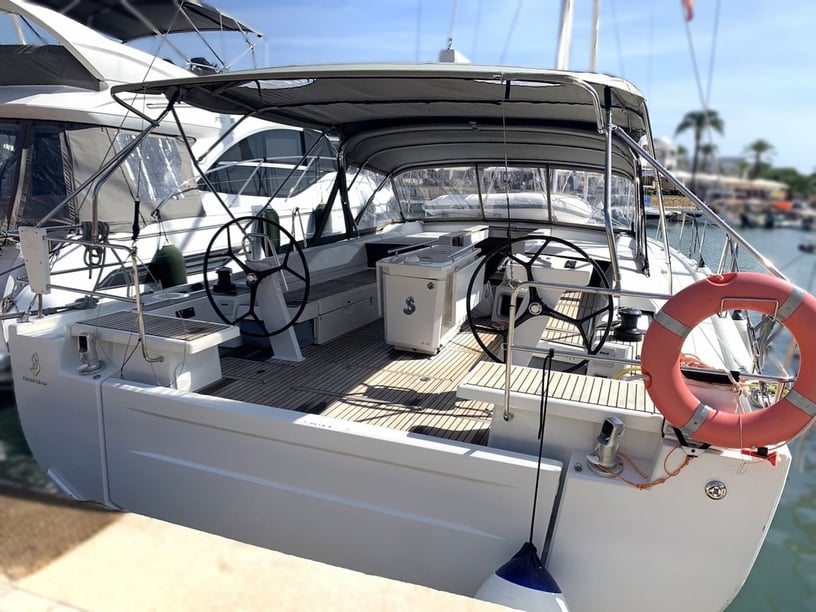
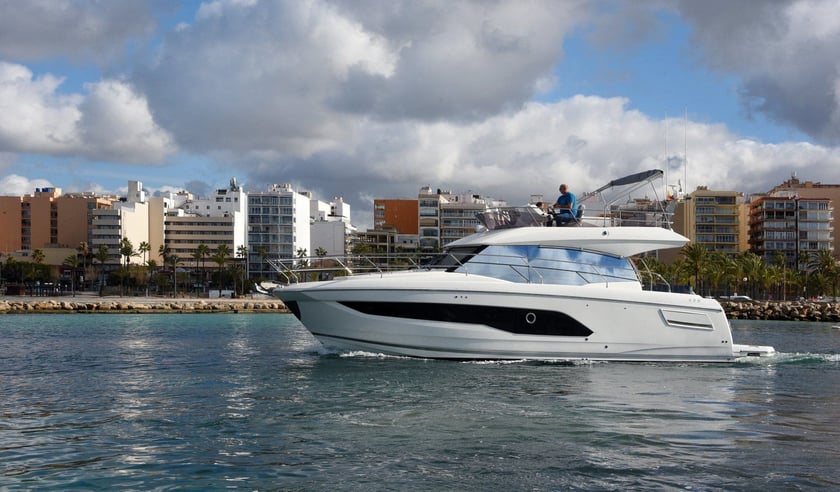
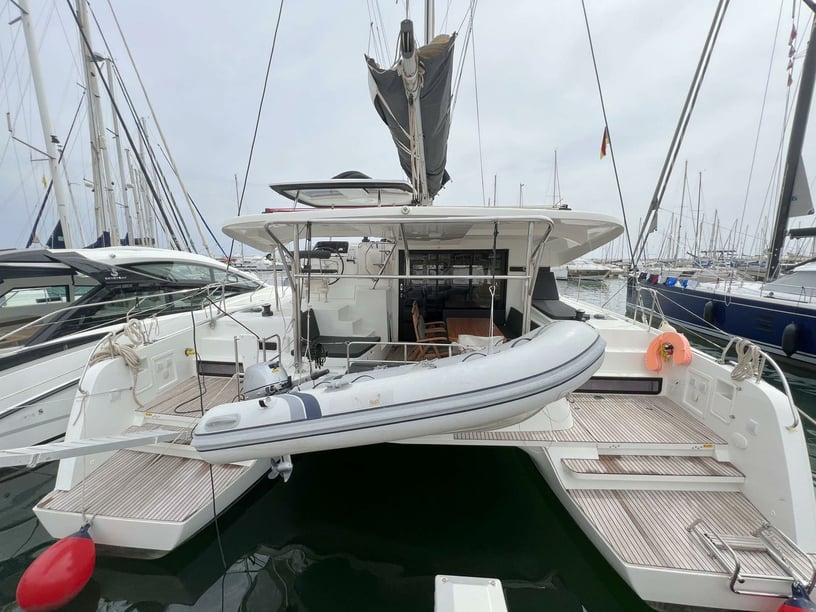
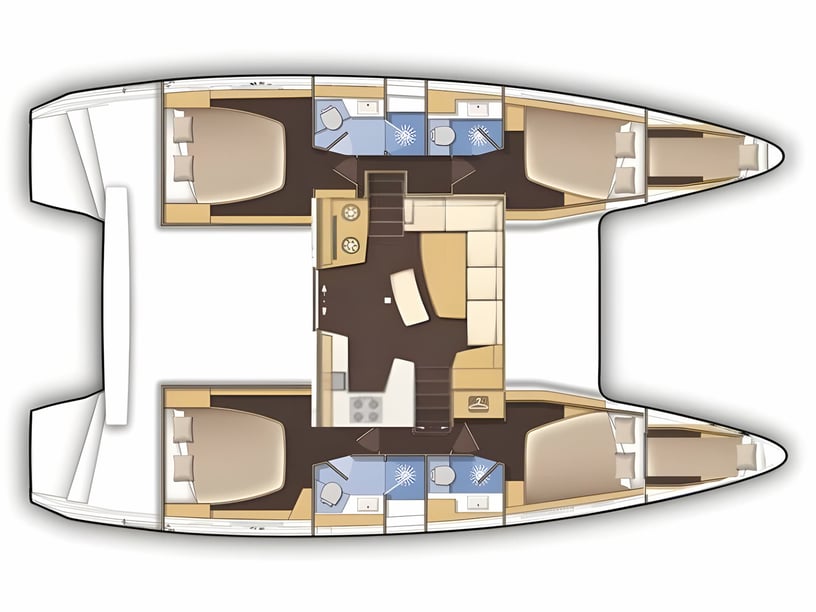
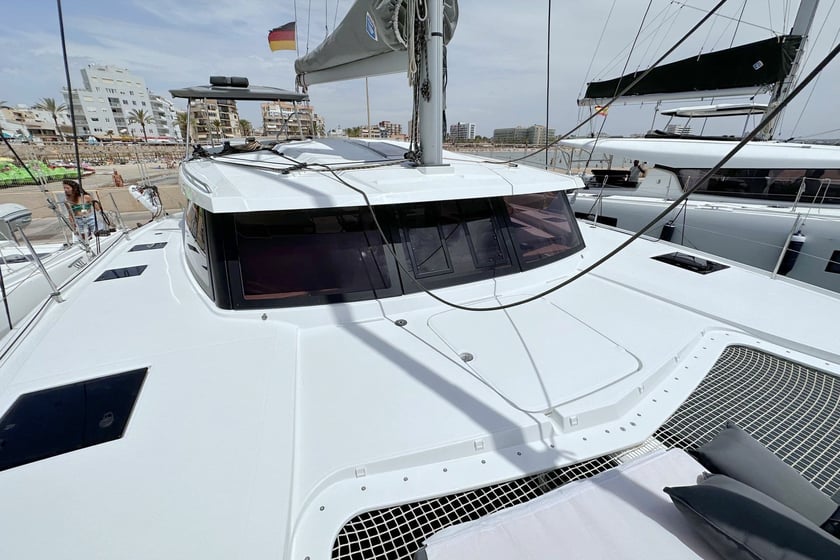
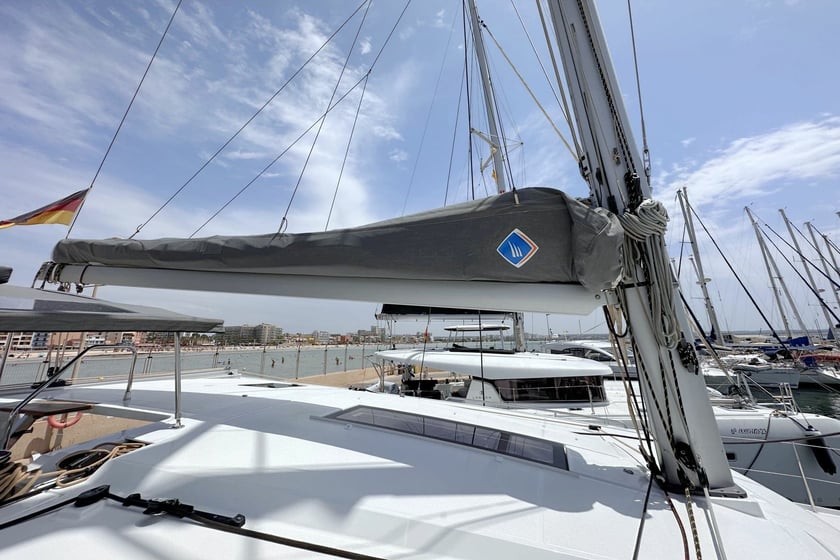
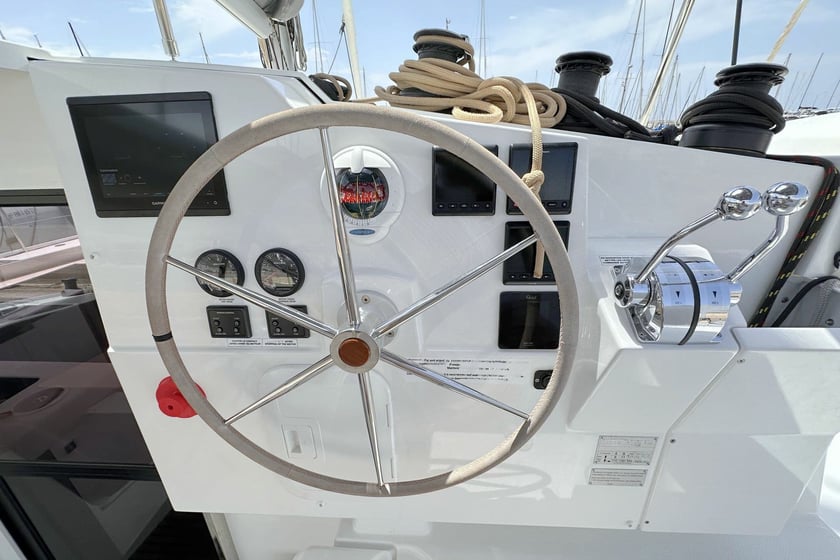
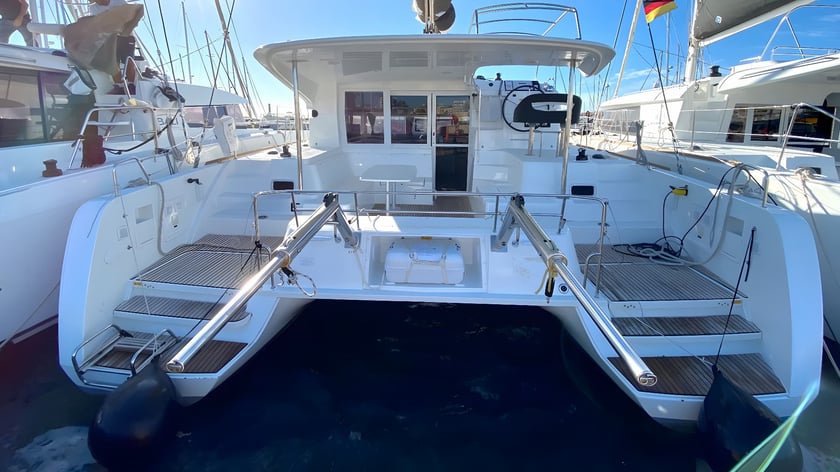
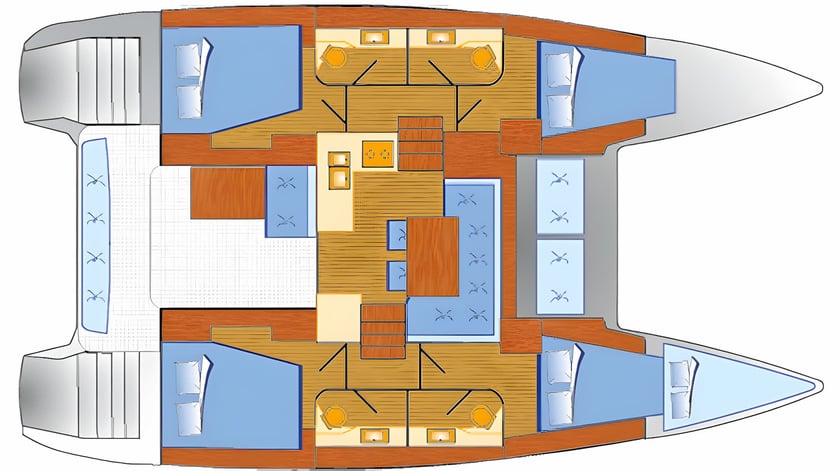
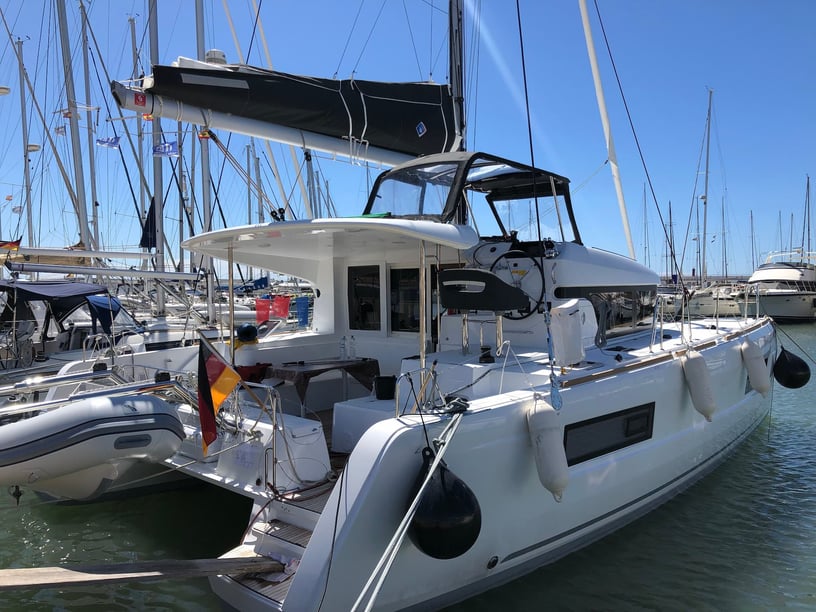
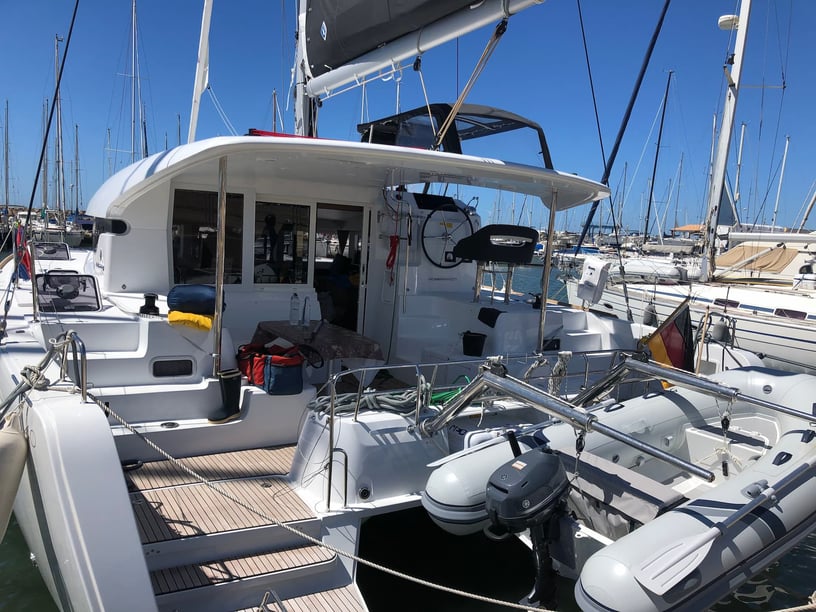
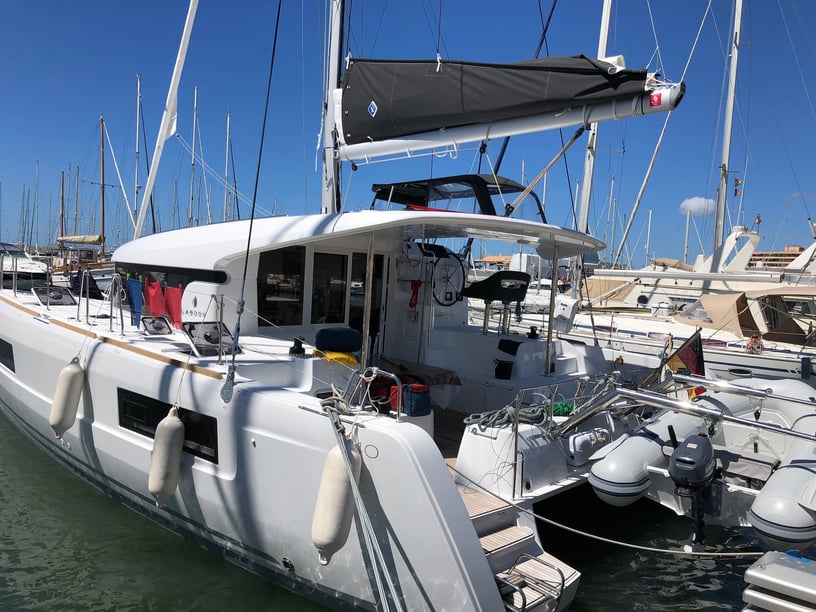
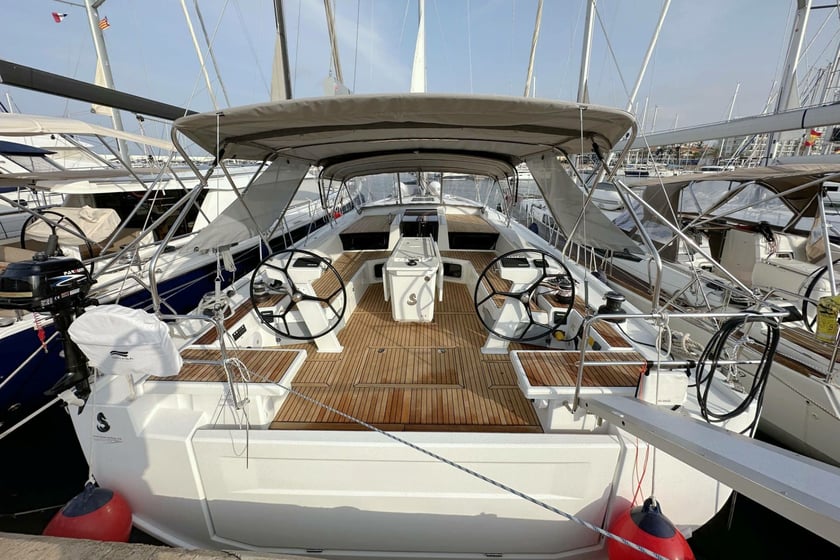
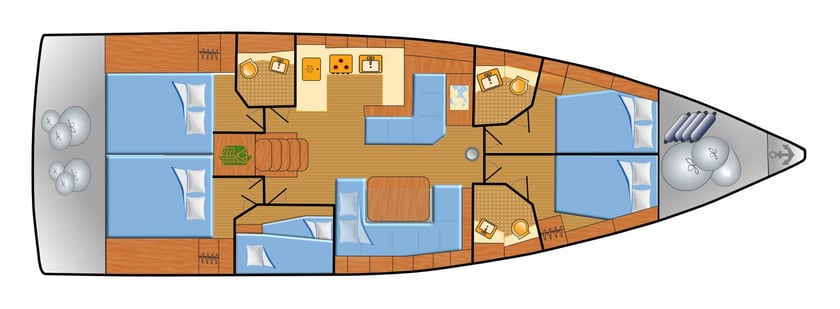
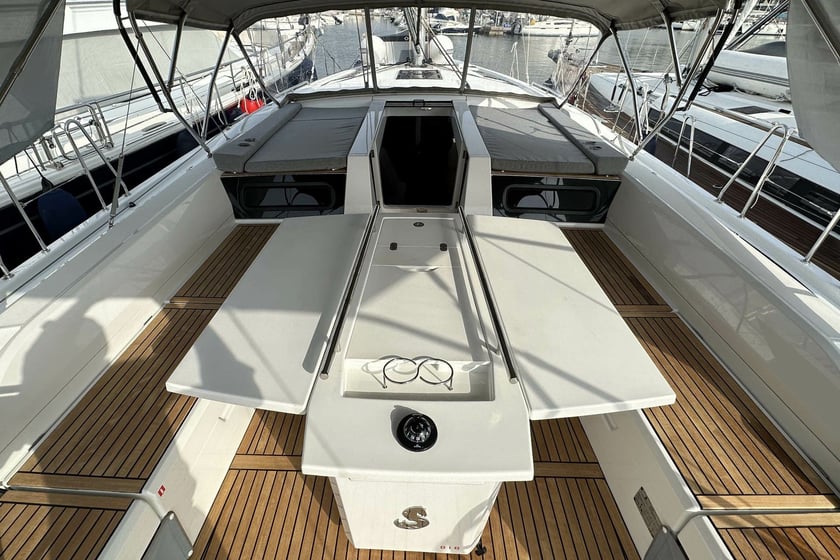
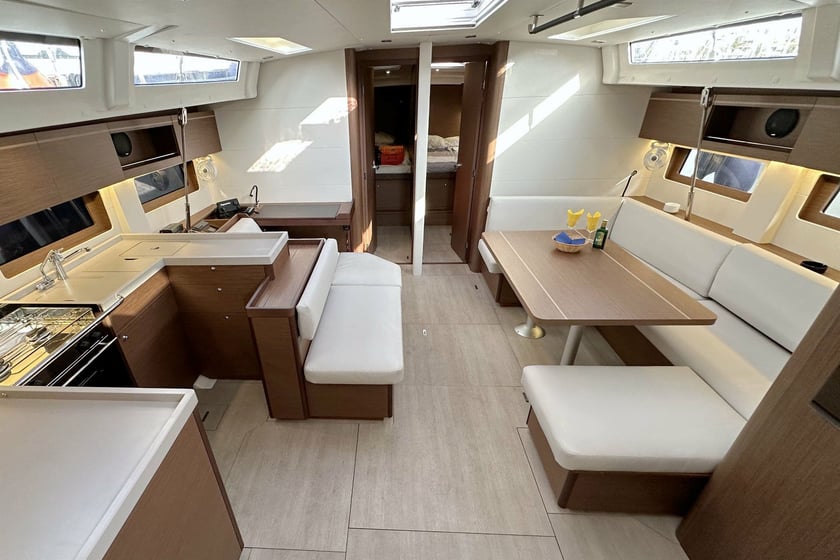
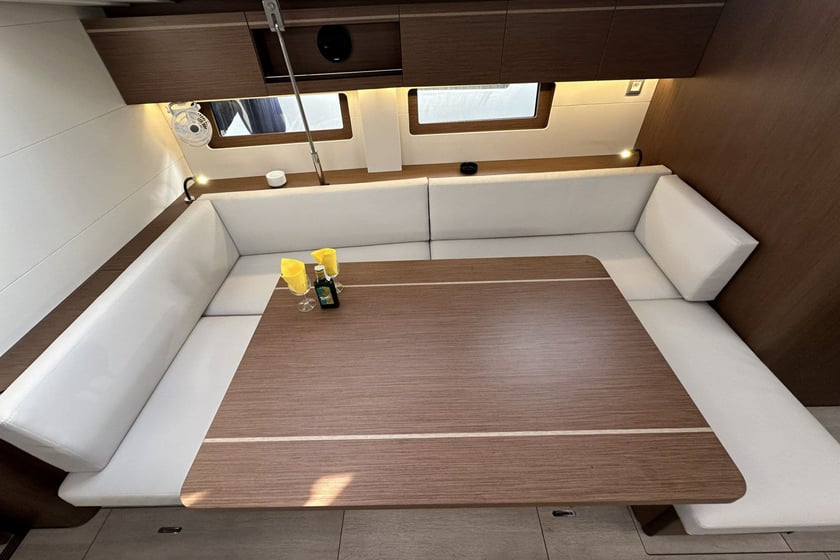
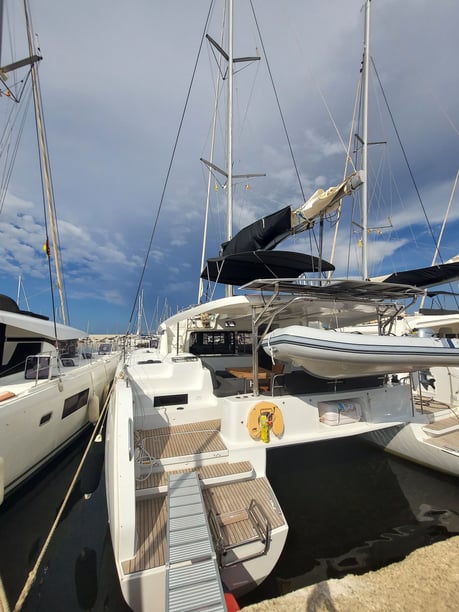
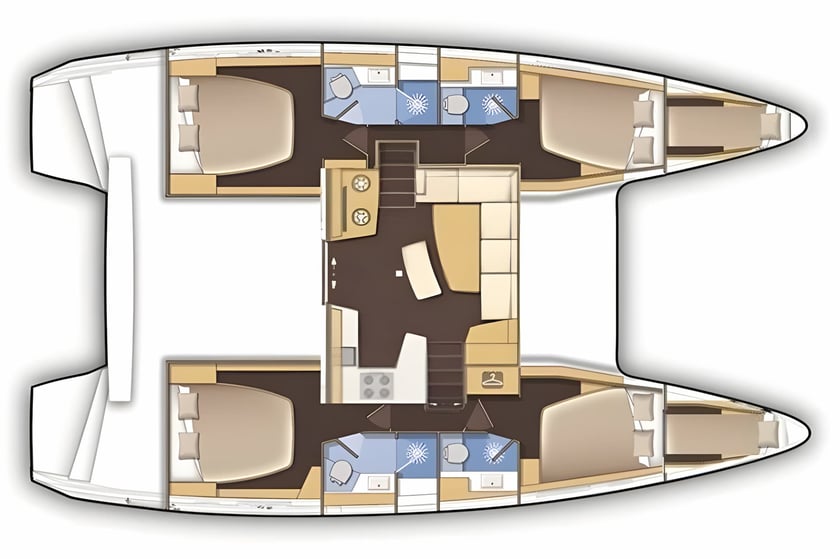
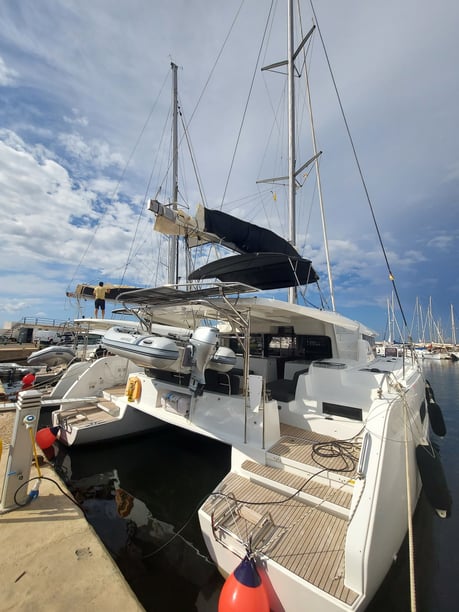
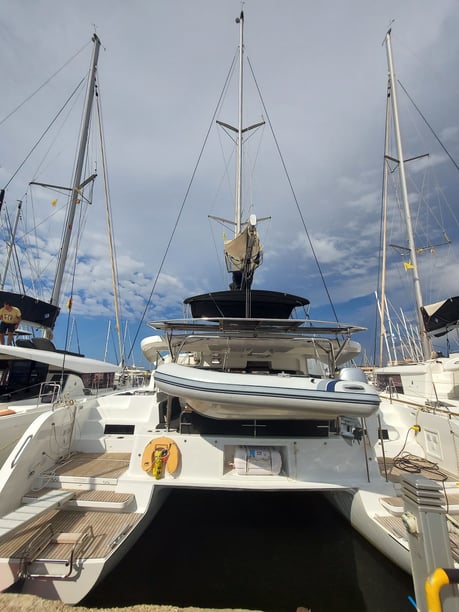
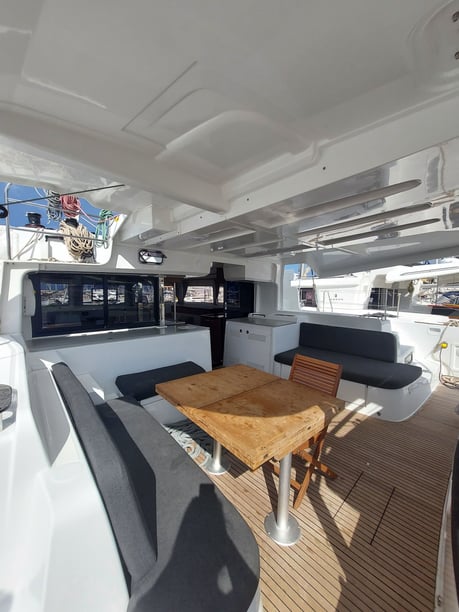
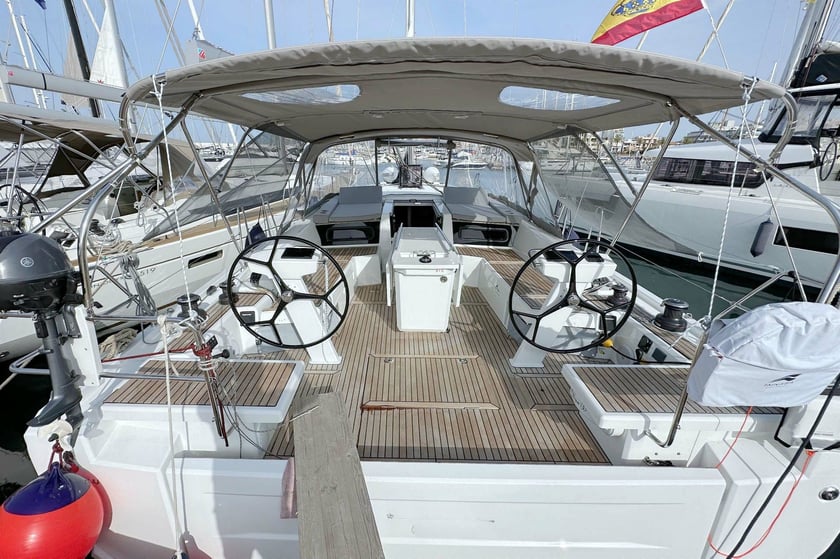
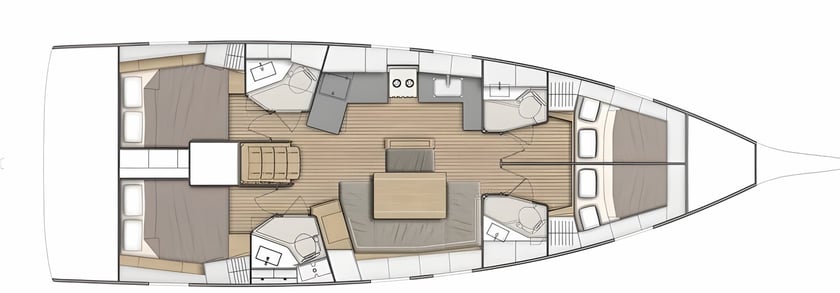
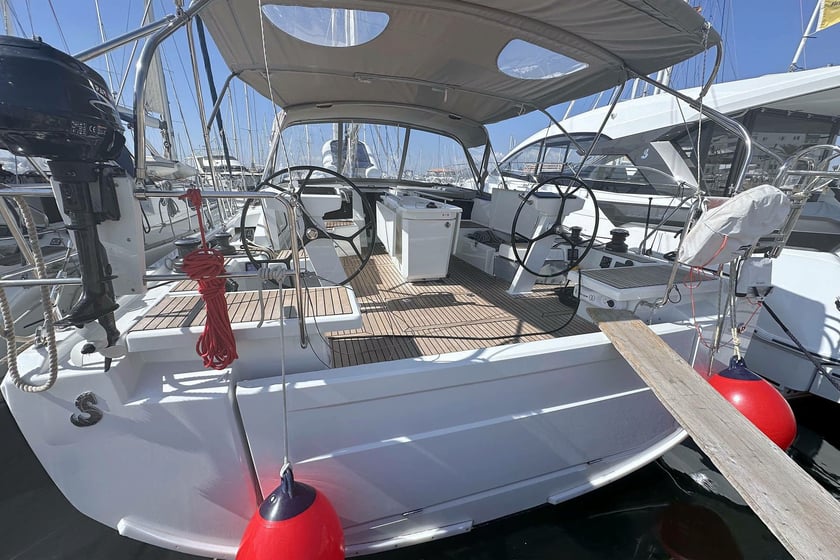
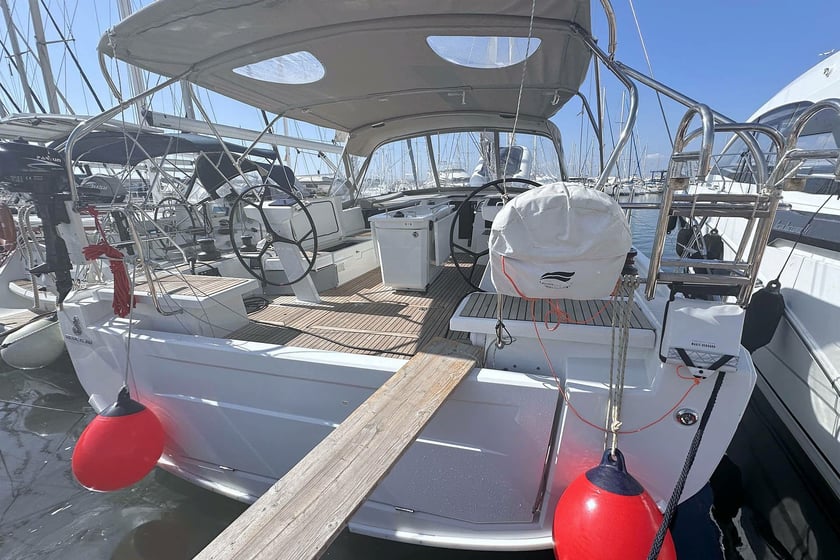
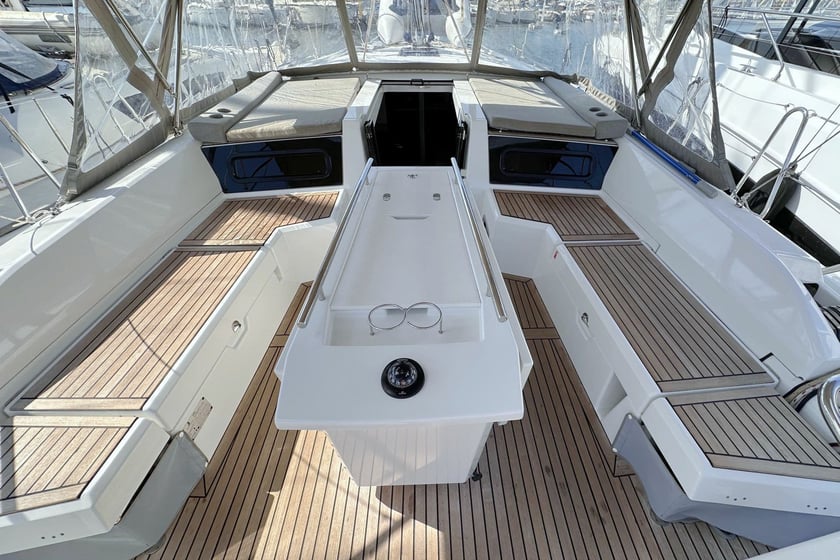
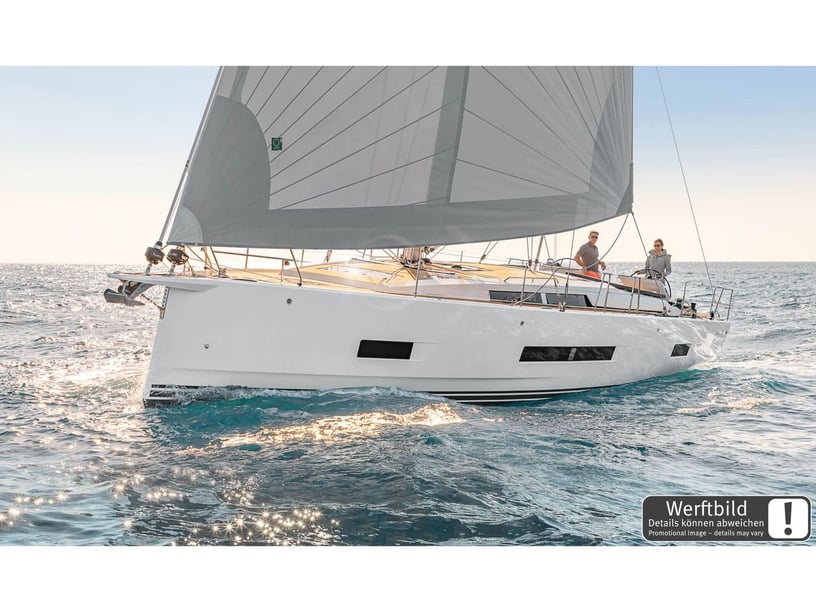
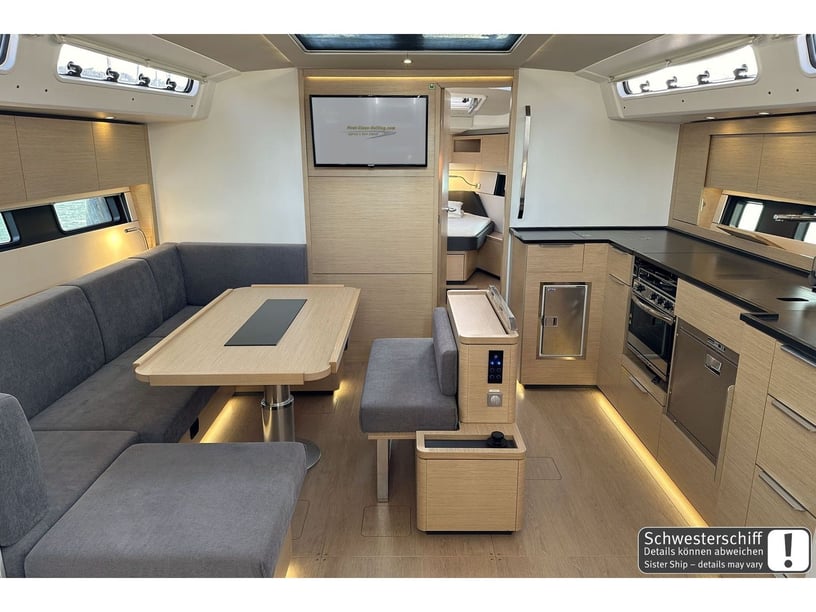
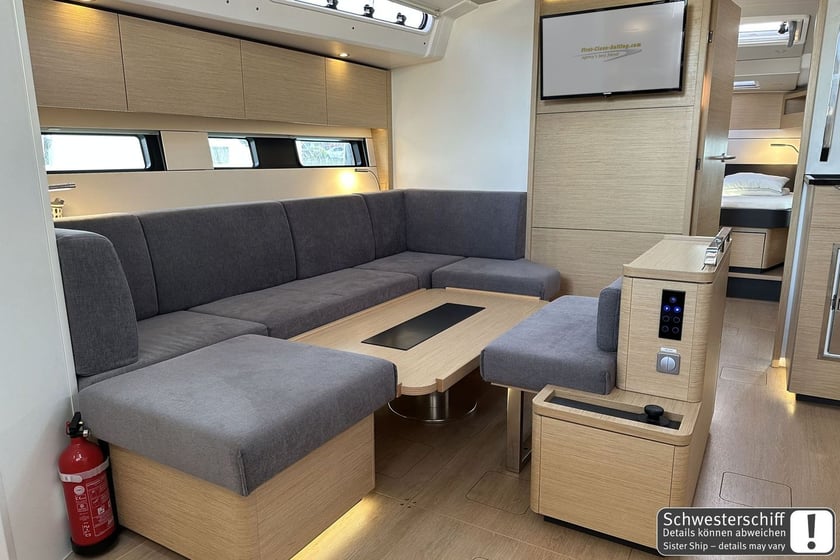
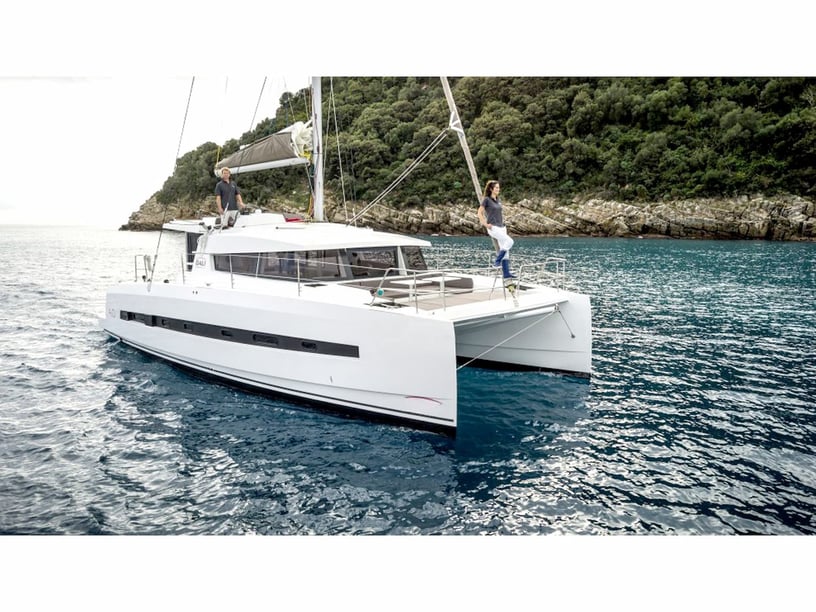
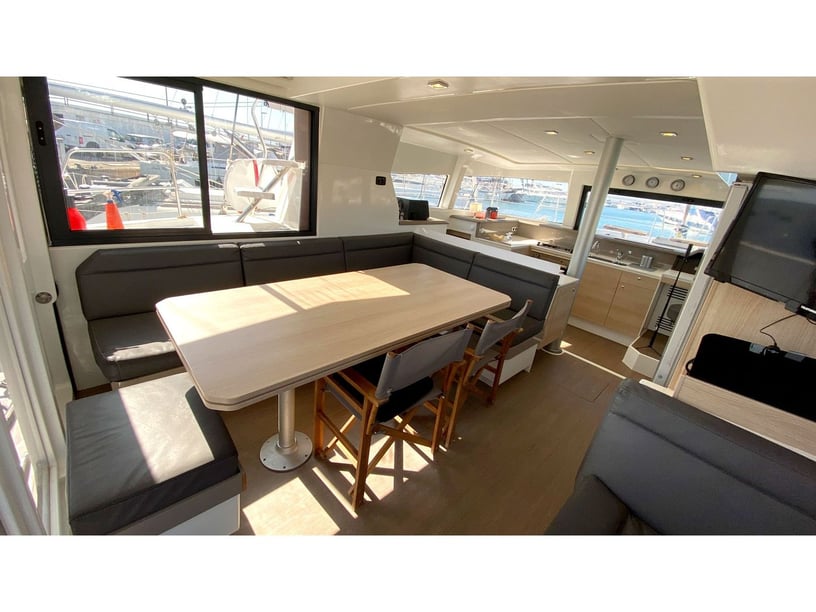
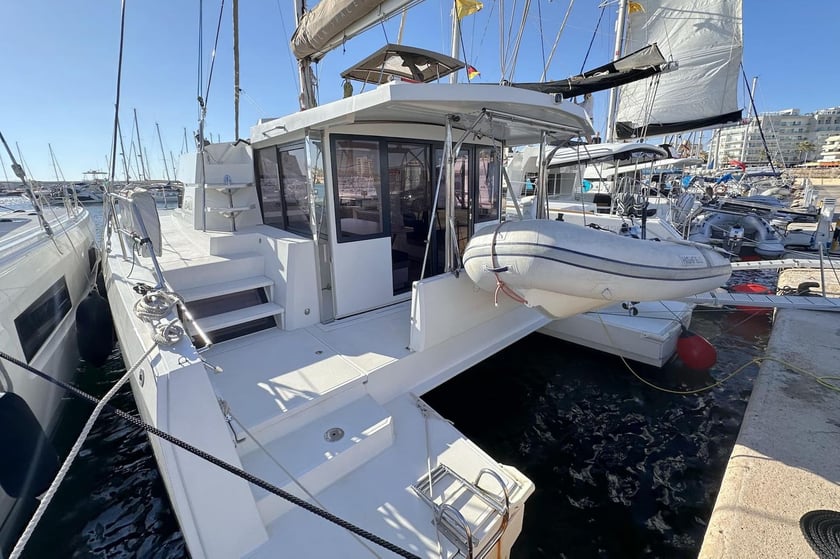
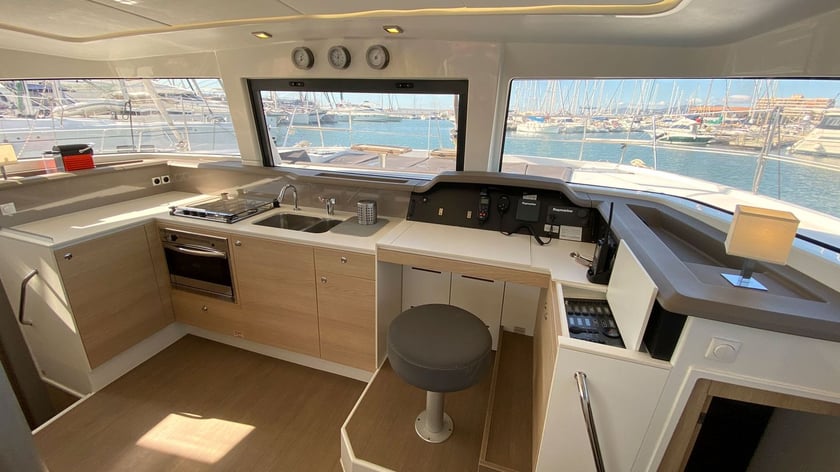
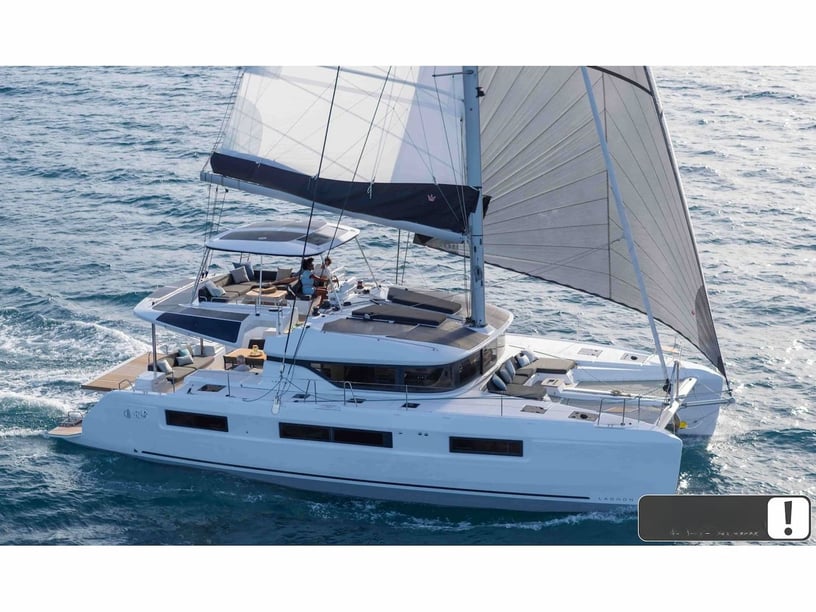
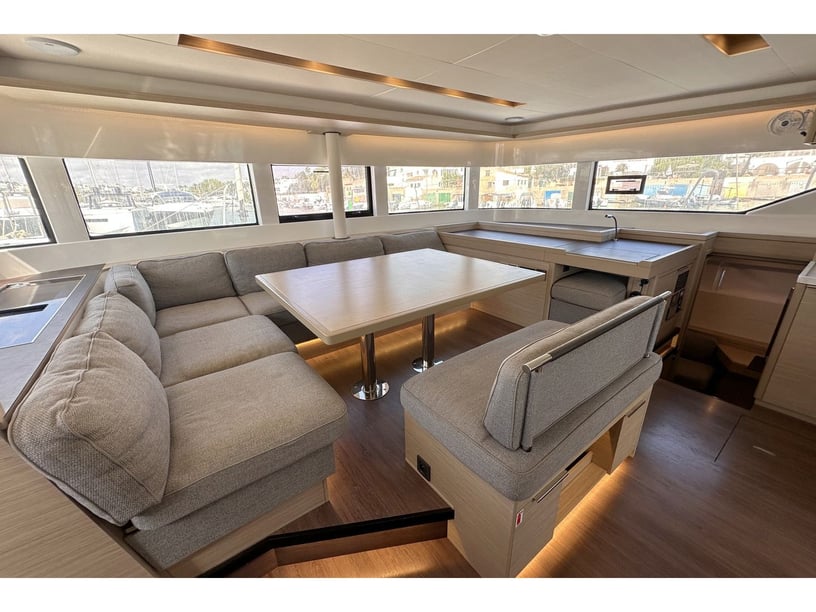
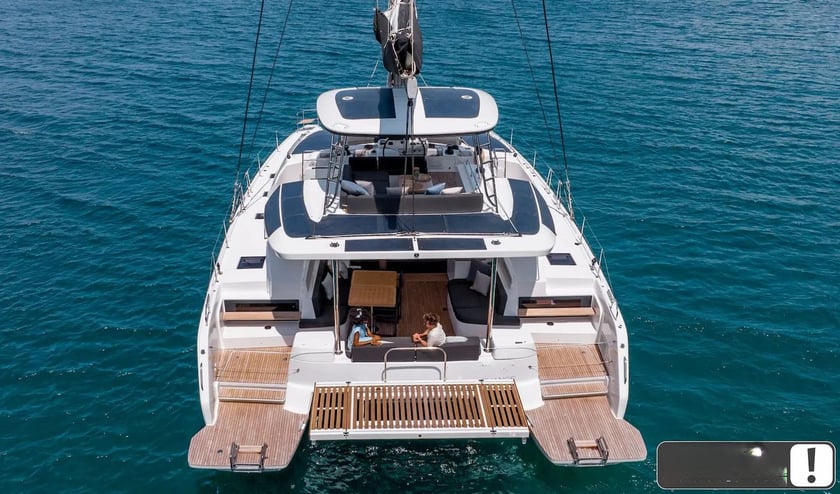
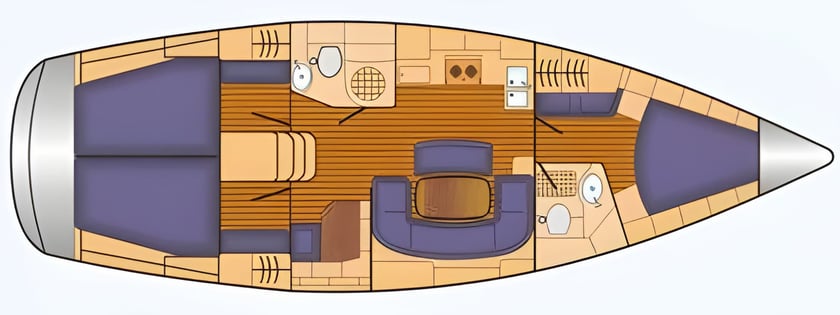
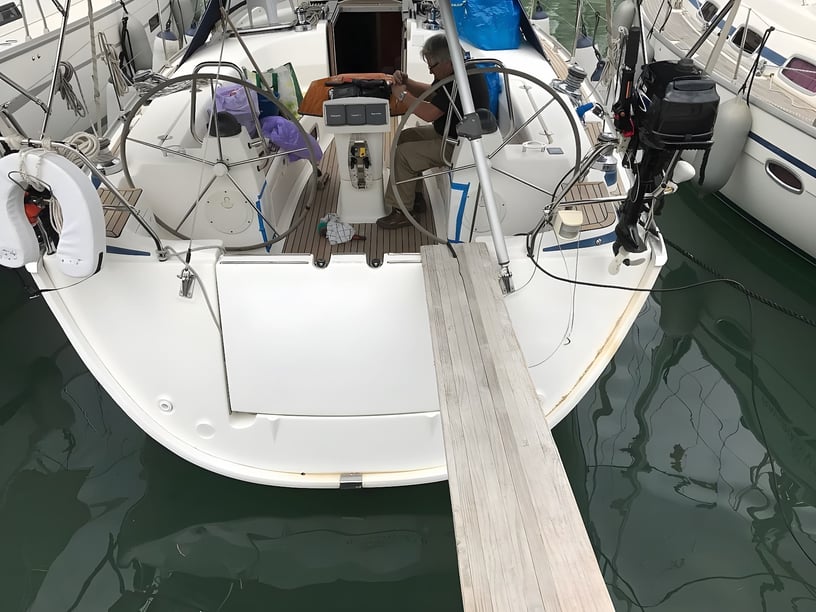
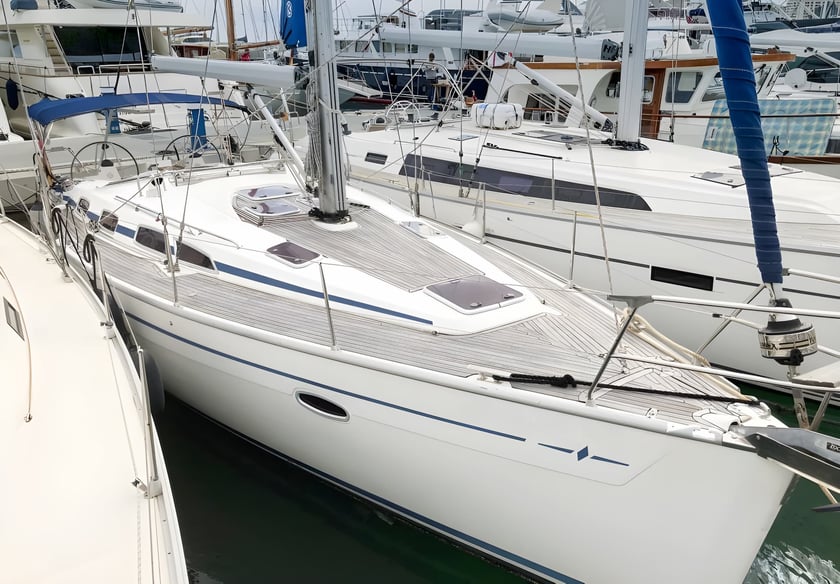
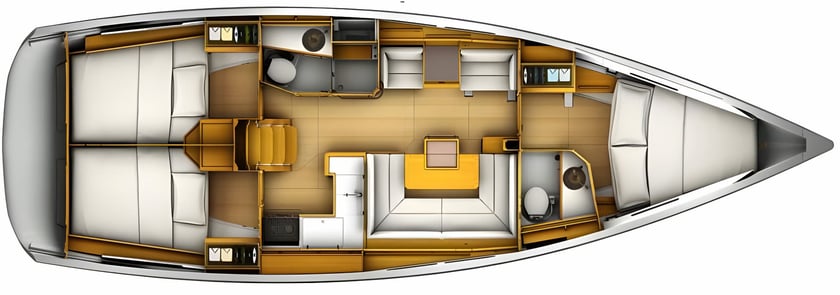
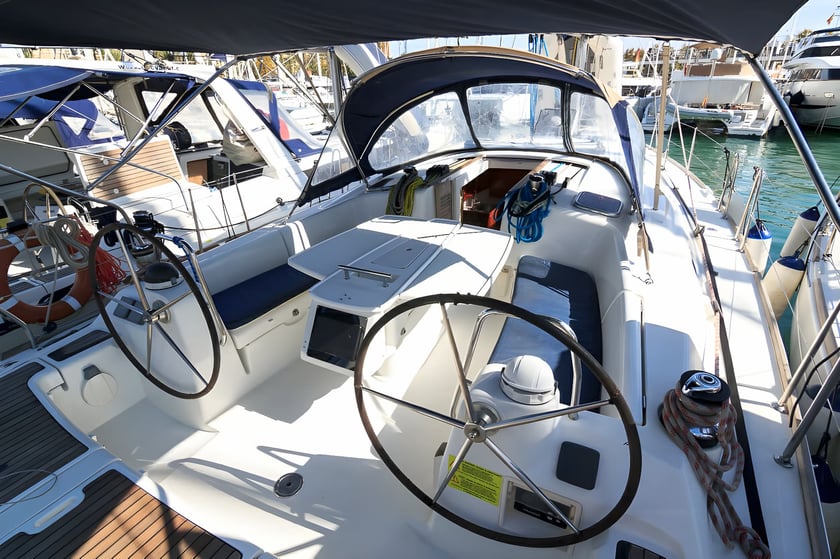
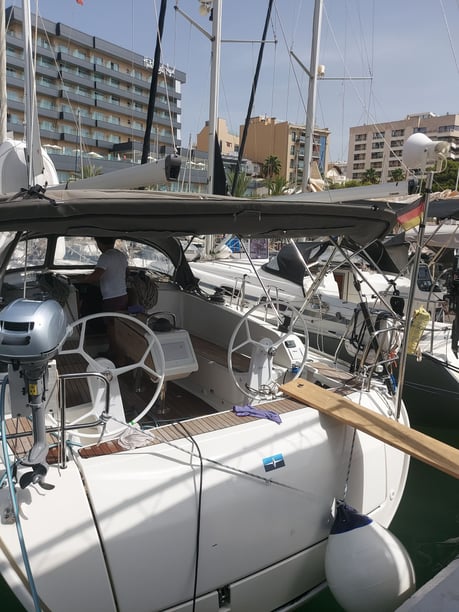
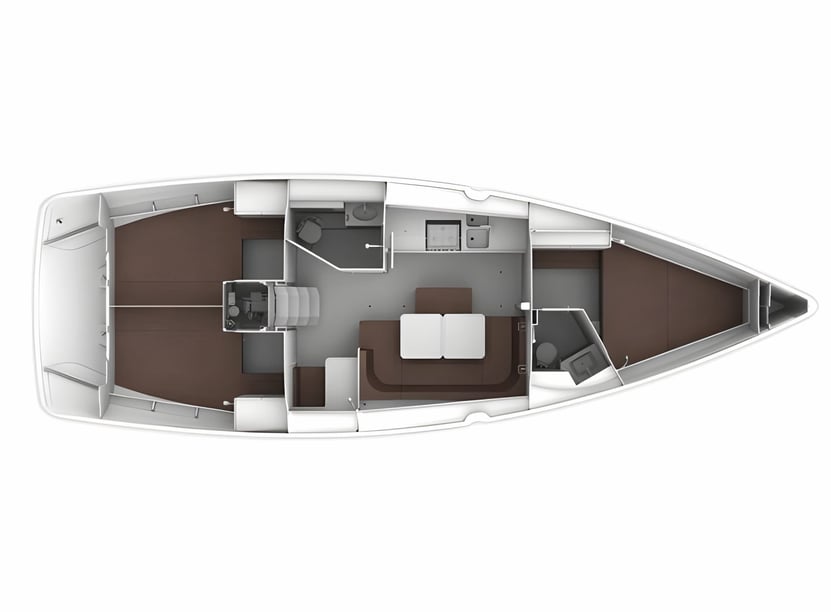
When assessing yacht charter or boat rental around Mallorca–Cala Ratjada, begin with the intended cruising range. A short trip between Capdepera’s coves requires different planning from a round-island leg or Menorca crossing. Compare the vessel, charter arrangement and crew experience against the route’s exposure rather than choosing solely by capacity or onboard space. Travelers can review focused options for a sailboat charter in Cala Ratjada or explore motorboat charter options when considering the trip format.
Harbor space should be discussed early for peak-season visits, and nearby coves should not be treated as dependable overnight shelter in northerly or northeasterly swell. Balearic regulations prohibit anchoring directly on Posidonia oceanica, so skippers must use permitted sandy areas or authorized low-impact moorings and consult current habitat information. Seasonal buoyed swimming areas also restrict close approaches at major beaches.
Before departure, check current marine-reserve rules, port arrangements and weather forecasts. Building flexibility into the route is particularly important here: a calm day can favor cove-hopping, while exposed conditions may require changing the planned stop or postponing a channel crossing.