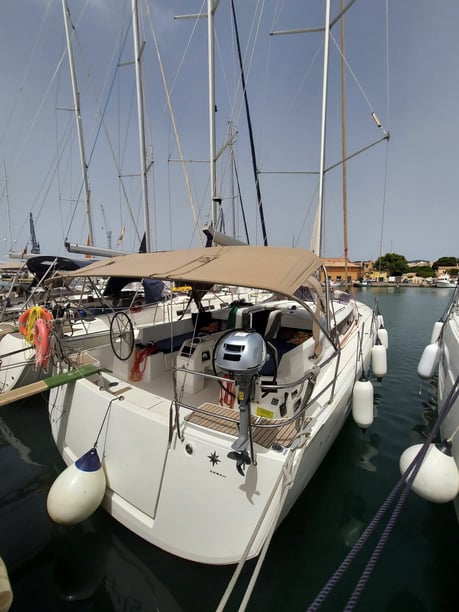
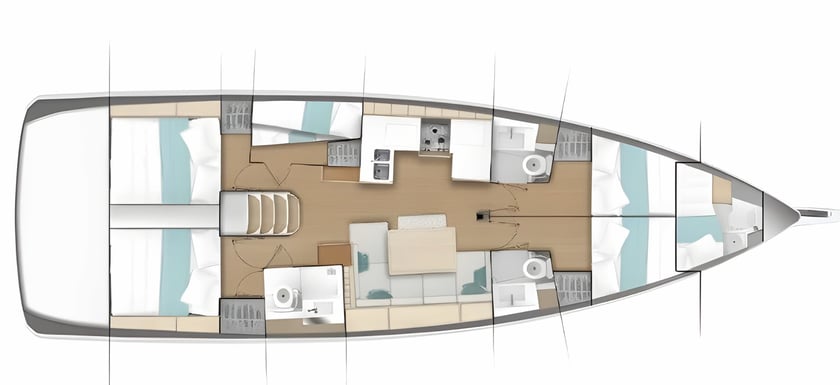
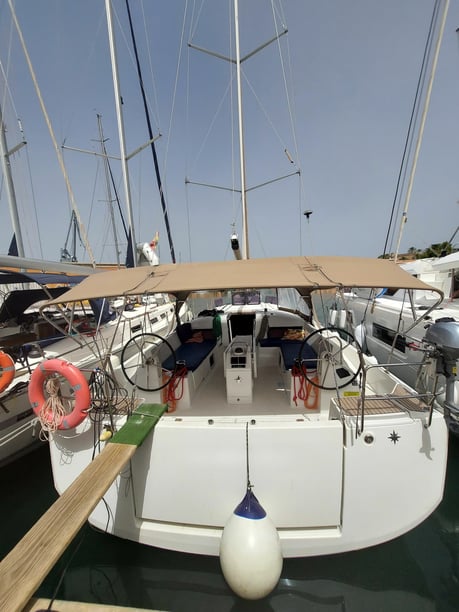
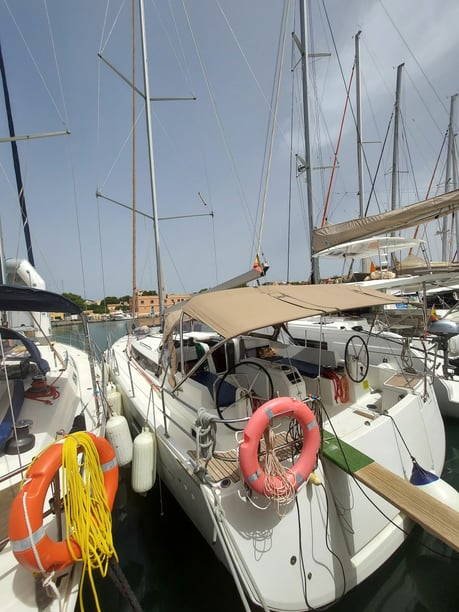
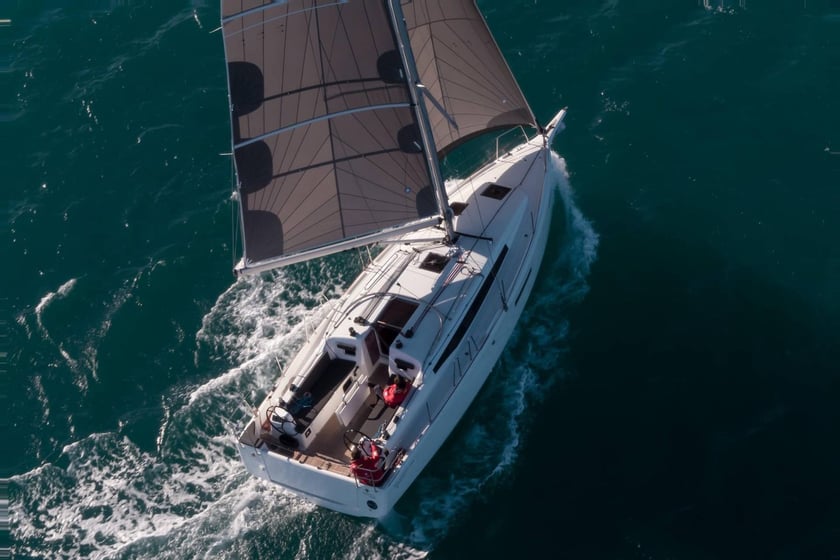
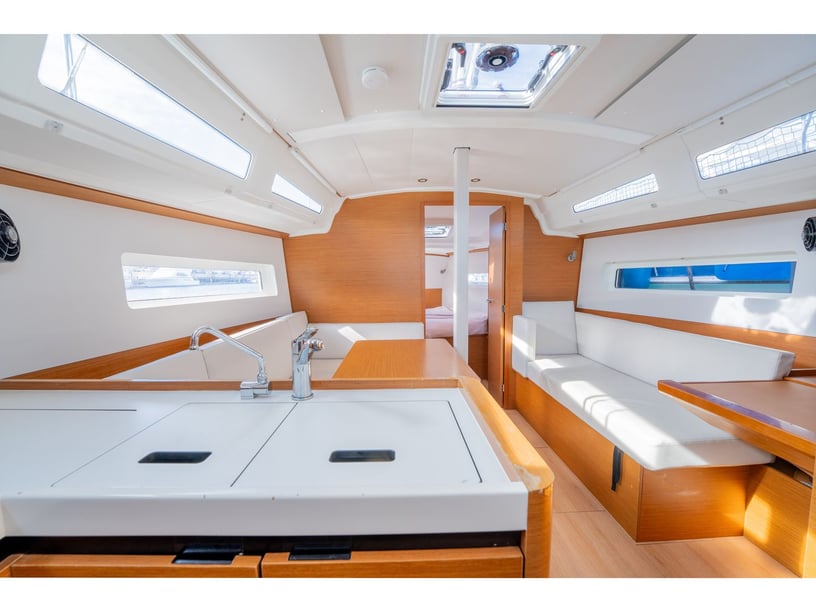
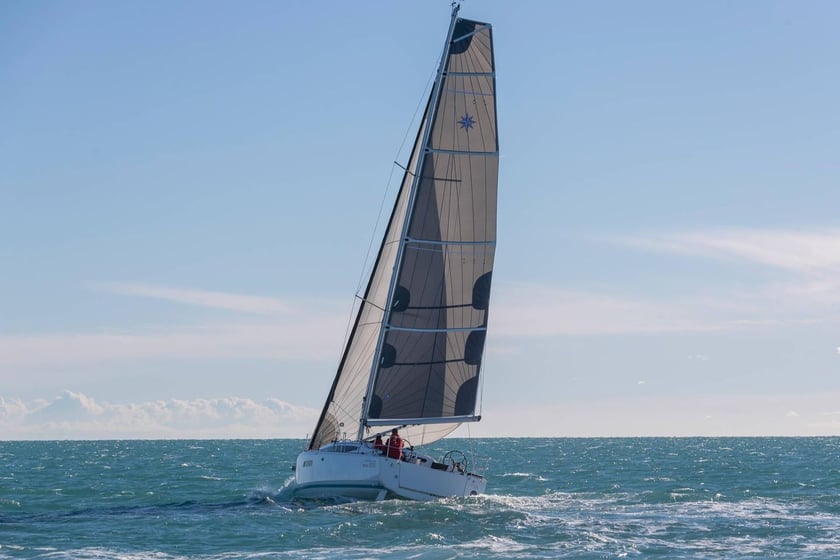
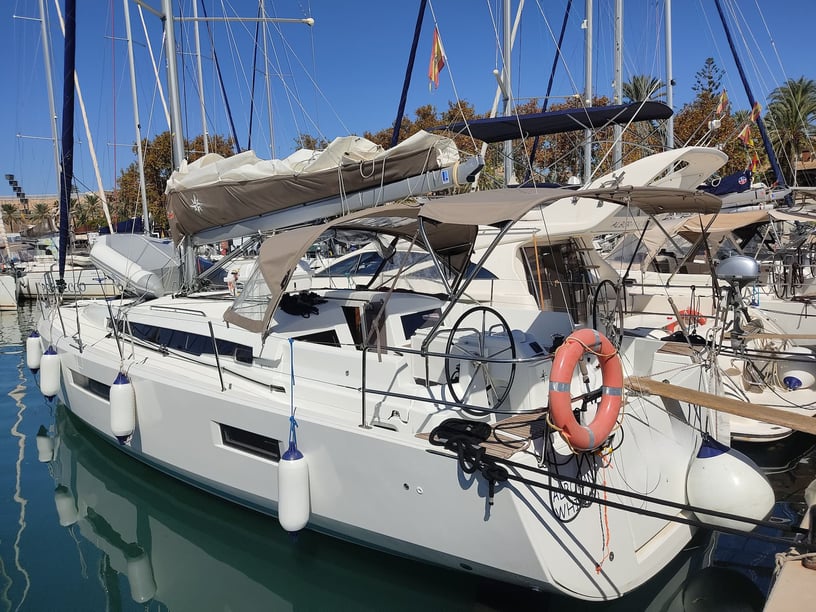
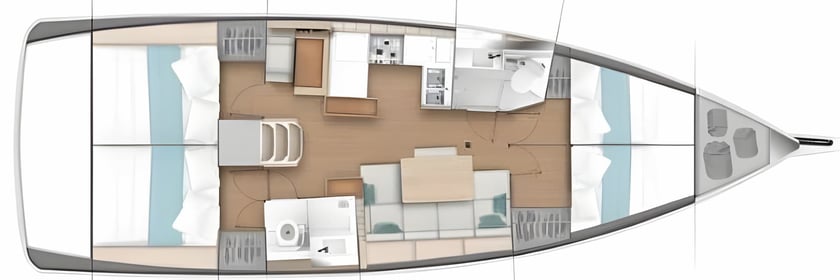
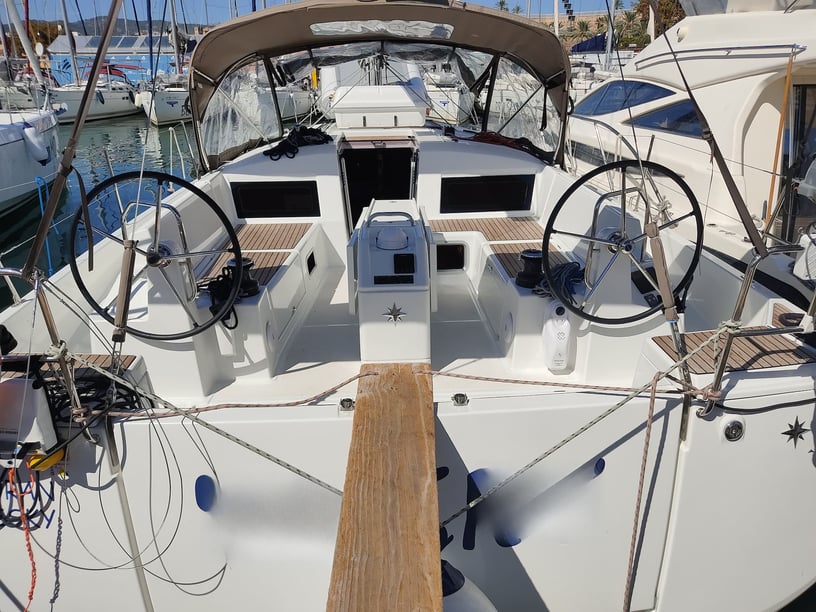
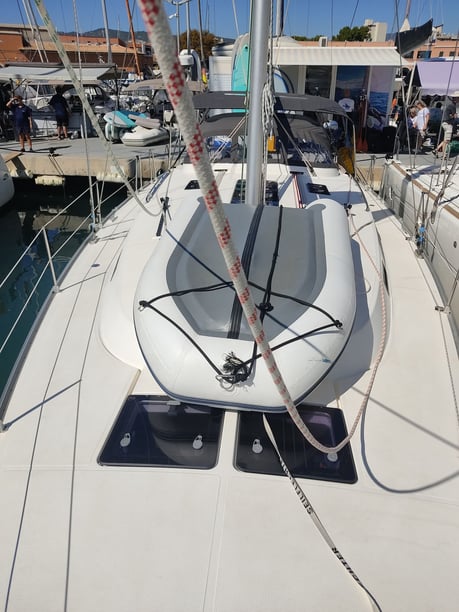
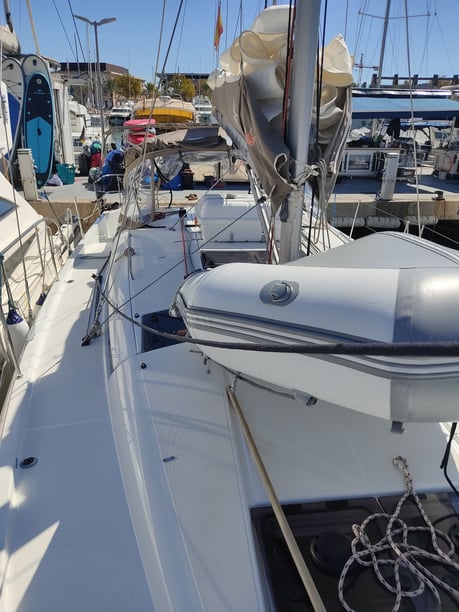
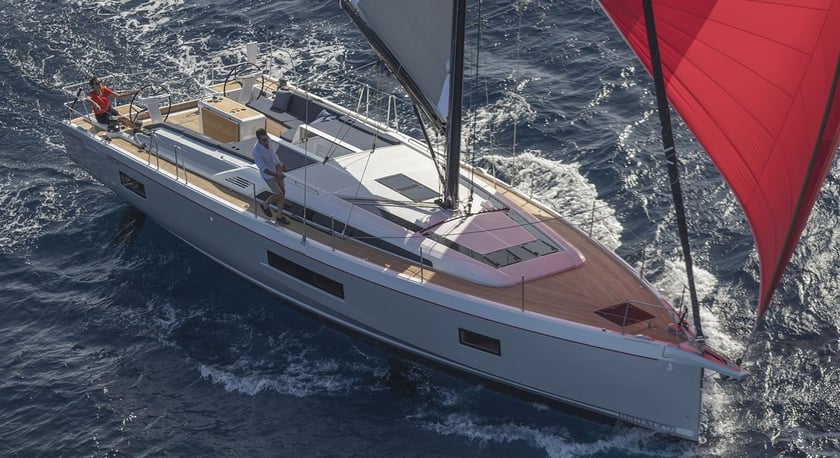
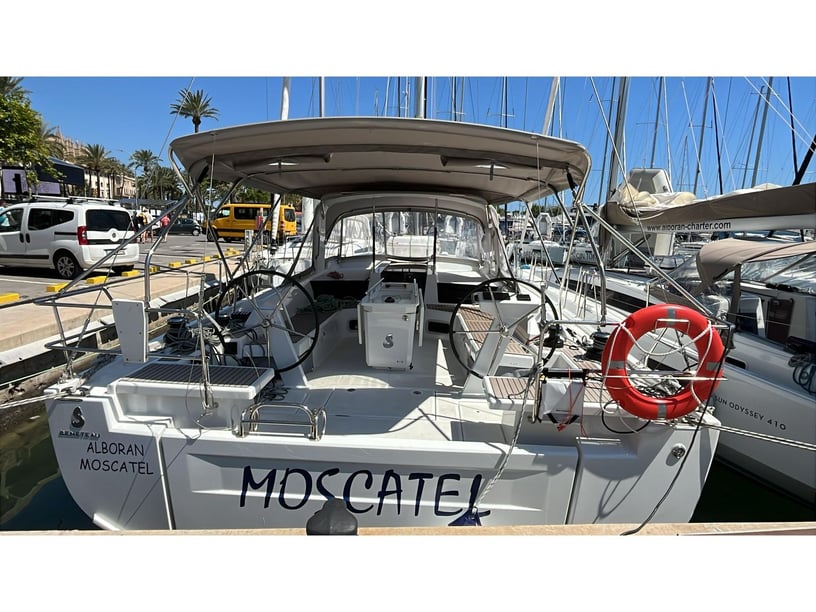
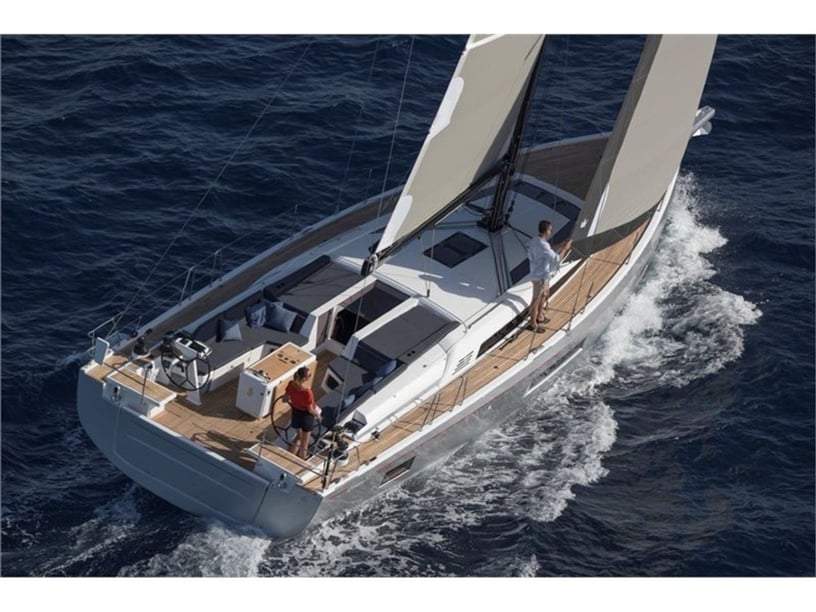
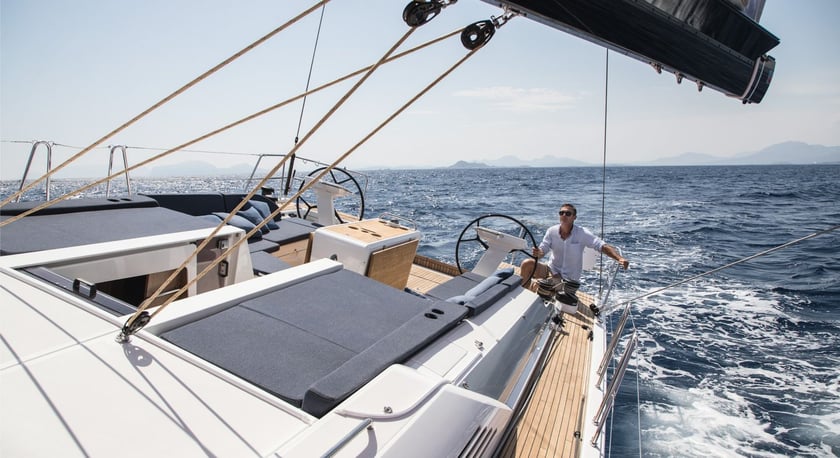
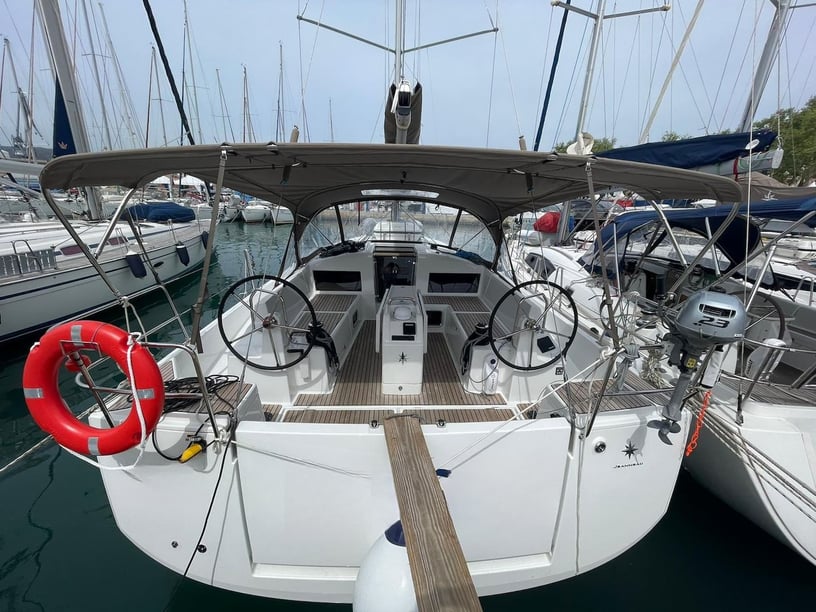
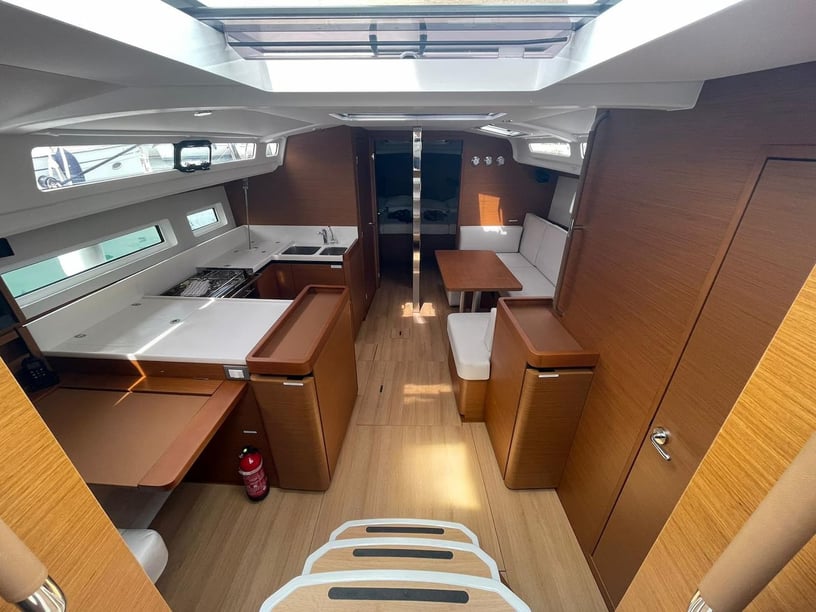
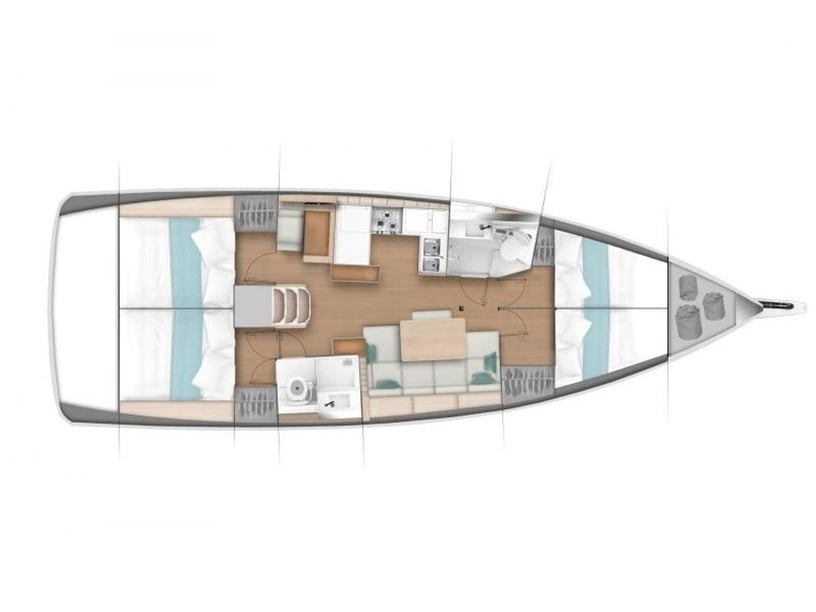
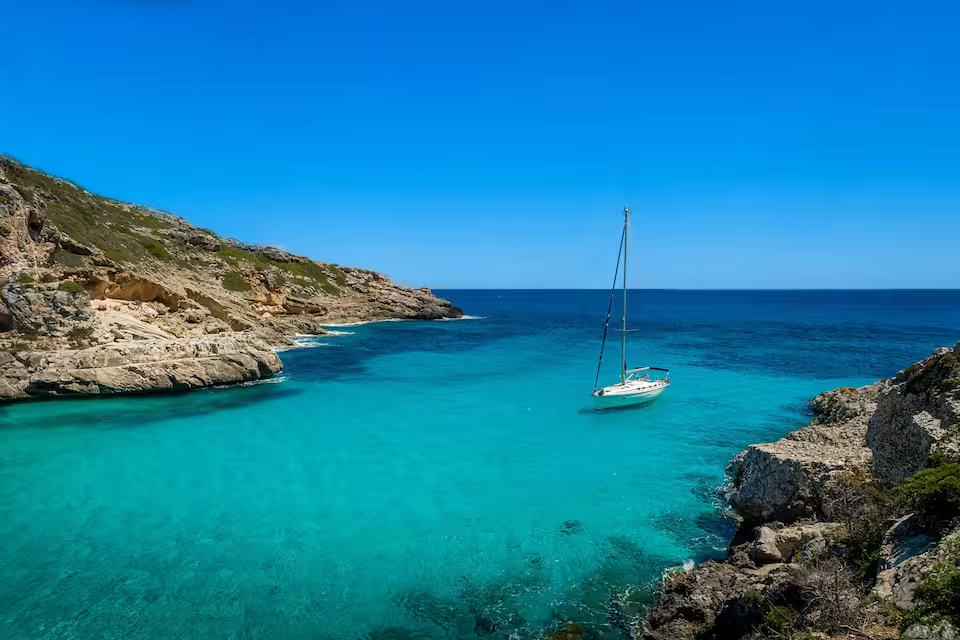
Yacht charter in Las Galletas
Las Galletas lies on Tenerife’s southern coast, where a low volcanic shoreline meets the Atlantic near the island’s southern tip. A yacht charter in Las Galletas can combine short outings along the coast with diving, fishing and wildlife-watching trips, while more experienced crews may consider an offshore passage to La Gomera.
The harbor is part of a working fishing community rather than a large resort center. Fishing boats, a local fish market and waterfront seafood restaurants sit alongside Marina del Sur and its recreational boating services. This gives time ashore a more residential, locally oriented character than in the larger visitor areas around Los Cristianos and Costa Adeje.
Coastal areas and islands to explore
Shorter trips can follow Tenerife’s southern shoreline toward Costa del Silencio, Los Cristianos or Golf del Sur. The coast mixes dark sand, pebbles and rocky bathing areas, while the nearby volcanic landscapes of Malpaís de Rasca and Montaña Amarilla provide distinctive landmarks from the water. The beach at Las Galletas is comparatively sheltered behind the harbor breakwater.
La Gomera expands the possibilities for a longer charter. San Sebastián de La Gomera, Playa Santiago and Las Vueltas are established harbor options, but reaching them involves an open-ocean crossing rather than a simple coastal outing. Route choice should therefore reflect the weather, the vessel and the crew’s offshore experience.
Sailing conditions around southern Tenerife
Northeast trade winds shape the local sailing experience and are generally stronger from March through September. Wind can accelerate around Tenerife’s southern and southeastern coast and change noticeably near headlands or between islands. Conditions outside the harbor may consequently feel very different from the protected basin at Marina del Sur.
There is no single difficulty rating that describes every trip from Las Galletas. A short excursion along the south coast is a different undertaking from a passage to La Gomera, where crews must account for exposed Atlantic conditions and possible acceleration zones. Even on local trips, checking the official marine forecast is important before leaving sheltered water. Travelers who prefer an easier pace may wish to keep the itinerary flexible and concentrate on nearby coastal activities.
When to charter in Las Galletas
Recreational boating is possible throughout the year, supported by mild winters and abundant sunshine. March through September is identified as a particularly suitable sailing period, with stronger trade winds that appeal to experienced sailors. May through September is also especially dry, making this period attractive for itineraries centered on time outdoors and on the water.
January, February and the later autumn months usually bring gentler winds and can suit more relaxed local cruising, although forecasts remain essential. March and April offer favorable sailing conditions before the busiest part of the season, while activity is generally higher from May into October. The right month depends less on temperature alone than on whether the priority is energetic sailing, a quieter coastal outing or an offshore passage.
Route ideas from Marina del Sur
A straightforward day on the water can remain along southern Tenerife, combining sailing with diving, fishing or an authorized cetacean-watching excursion. This format keeps passage times manageable and leaves room to return to the Las Galletas waterfront for an evening ashore.
A longer itinerary may connect southern Tenerife with La Gomera, using San Sebastián, Playa Santiago or Las Vueltas as harbor stops. This route adds an inter-island dimension but requires careful weather planning. Wind strength can vary considerably between sheltered coastal water and the open passage, so timing and routing should be agreed with an appropriately experienced skipper.
Wildlife, diving and waterfront life
The waters south of Tenerife are known for cetaceans, making wildlife watching a notable part of the local boating scene. Commercial excursions should be operated by authorized providers, while private vessels must follow national protection rules and avoid approaching, disturbing or obstructing animals.
Diving and snorkeling reveal another side of the volcanic coast. Local dive services use sites over volcanic seabeds and around wrecks, with Los Chuchos among the recognized dive locations. On land, the ochre and yellow layers of Montaña Amarilla reflect its origin in a marine volcanic eruption, while Malpaís de Rasca offers a contrasting protected landscape nearby.
Las Galletas also retains a visible fishing identity. Time ashore may include the docks, fish market and promenade restaurants serving fresh fish, shellfish and Canarian seafood dishes.
Getting there and where trips begin
Tenerife South Airport is the most relevant arrival point for Las Galletas. The locality is reached by road through the southern coastal network connected to the TF-1 motorway. Interurban buses run between the area, the airport, Los Cristianos and Costa Adeje; taxis and rental cars provide alternatives for reaching the waterfront with luggage or provisions.
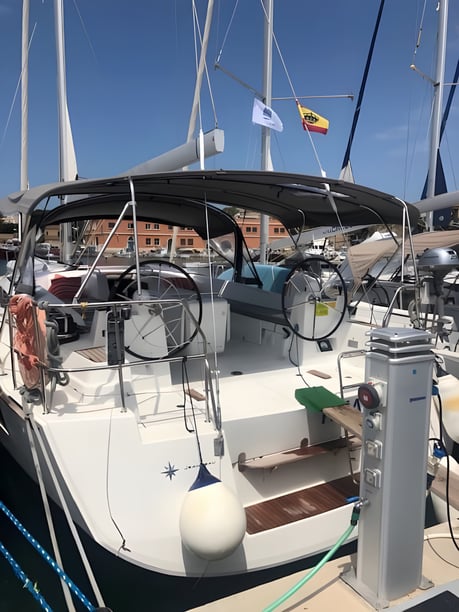
Marina del Sur, also known as Puerto Deportivo de Las Galletas, is the principal departure point and nautical facility. It provides berthing, fuel, water and electricity connections, maintenance support and other marina services. Shops, restaurants and basic provisioning are available within walking distance. Marina Amarilla at Golf del Sur is another relevant marina along the southern coast, but Las Galletas itself combines the roles of departure area, fishing locality and place to visit ashore.
Planning the right charter experience
Begin by deciding whether the trip will focus on a short south-coast outing or include the crossing to La Gomera. That distinction affects the appropriate vessel, skipper experience, time allowance and tolerance for changing Atlantic conditions. A boat rental in Las Galletas intended for local recreation should not automatically be treated as suitable for an inter-island passage; confirm operating limits and route plans with the provider.
Allow time for provisioning in town and build flexibility into any weather-dependent itinerary. Crews should review official marine forecasts before departure, particularly when stronger trade winds or coastal acceleration are expected. Wildlife plans also require care: choose authorized commercial operators or follow the applicable protection rules when navigating privately near cetaceans.
For travelers comparing this oceanic island setting with other cruising regions, the broader yacht charter options in Spain provide useful context for different route styles and coastal conditions.