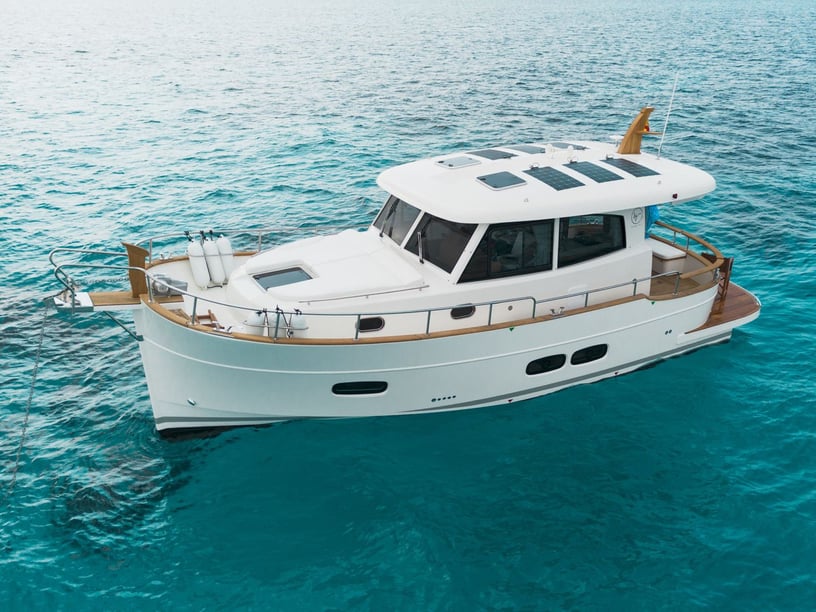
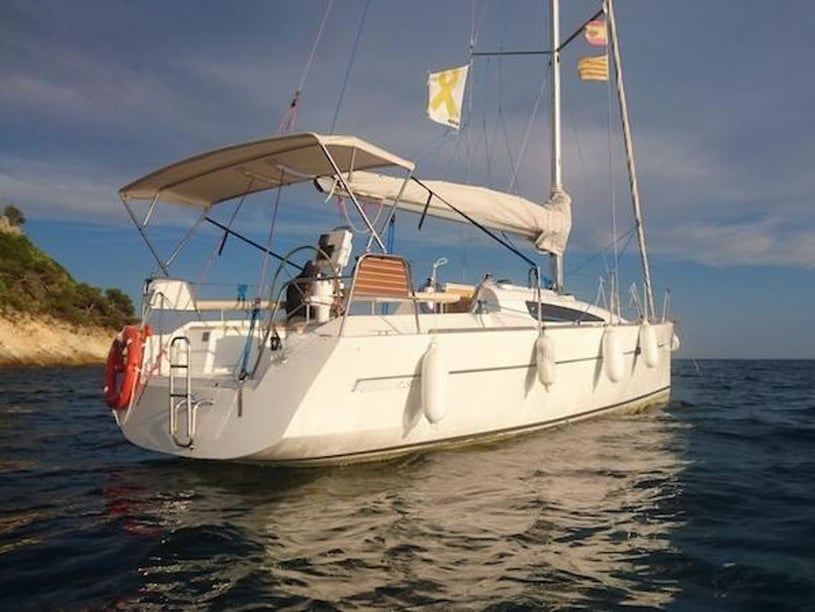
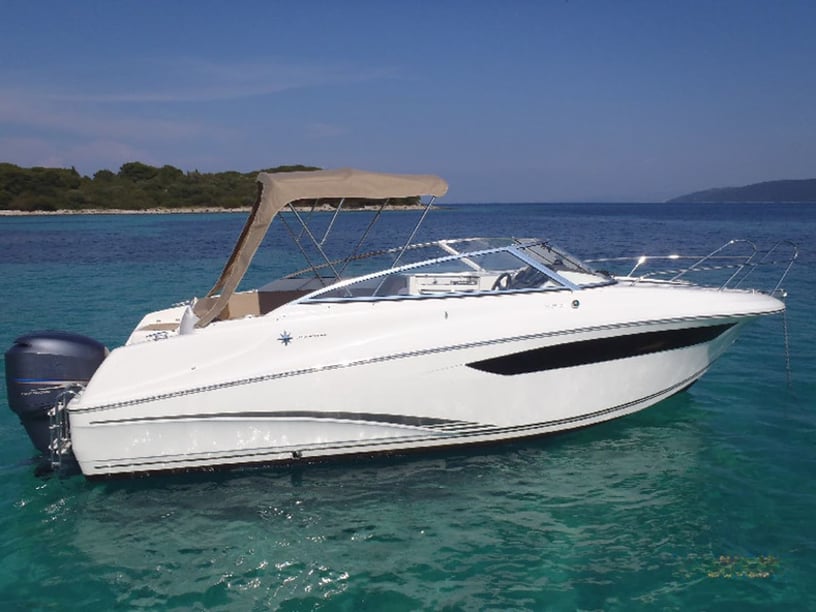
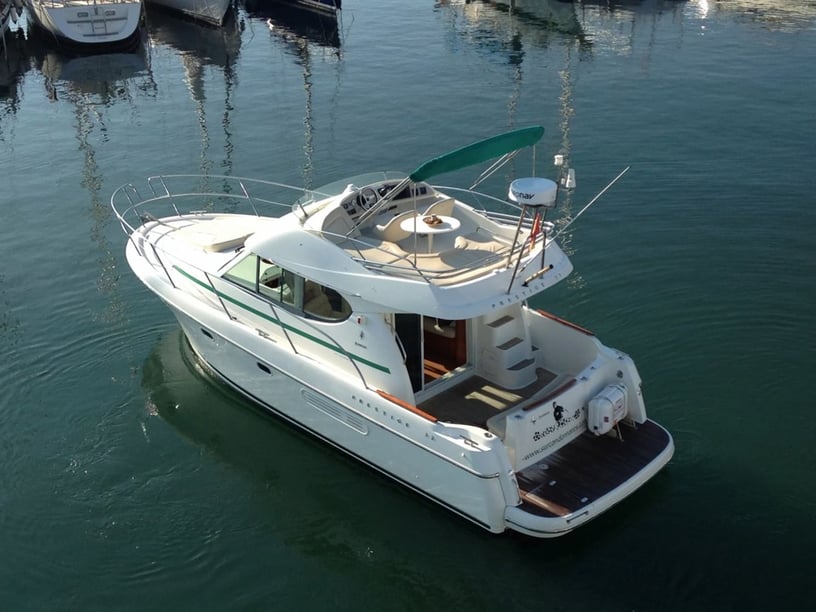
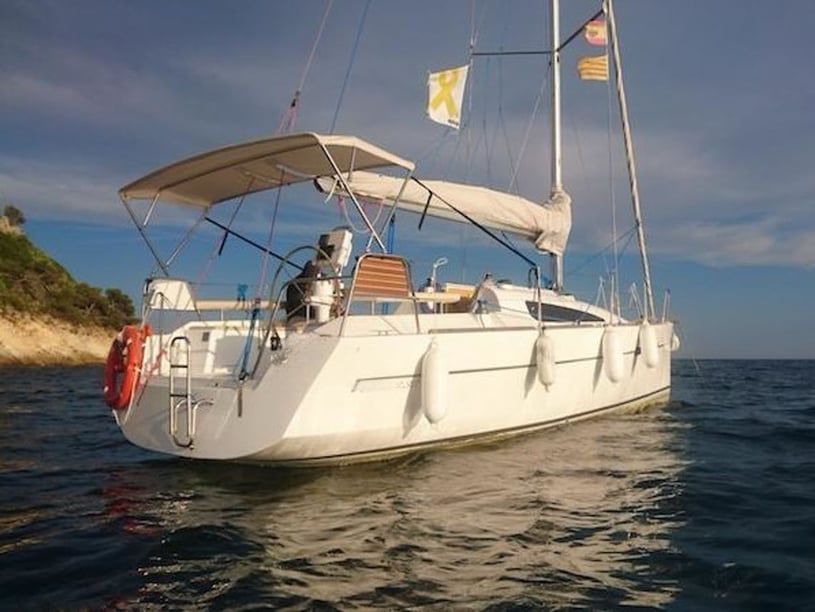
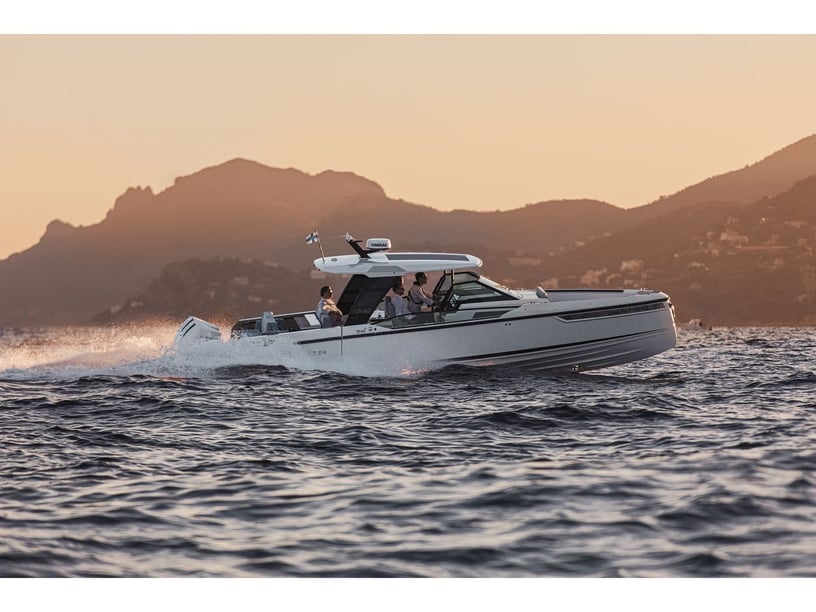
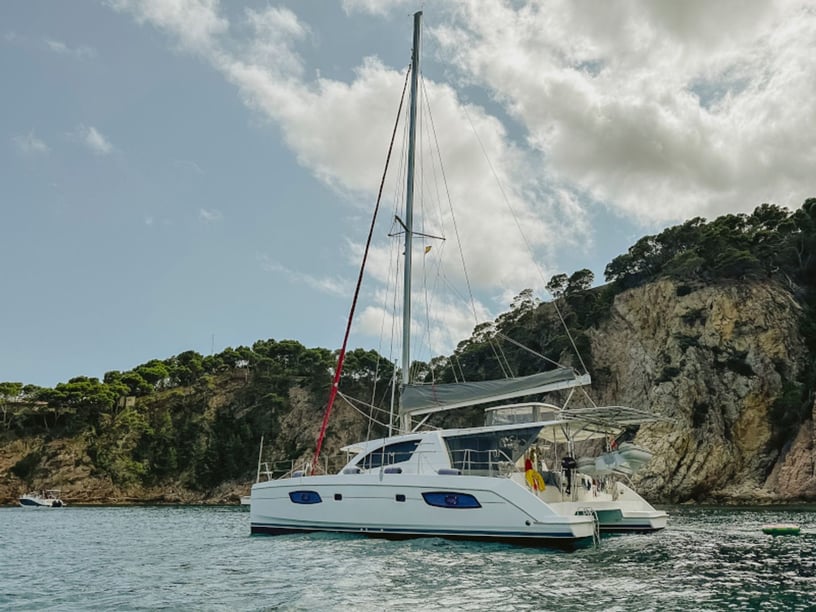
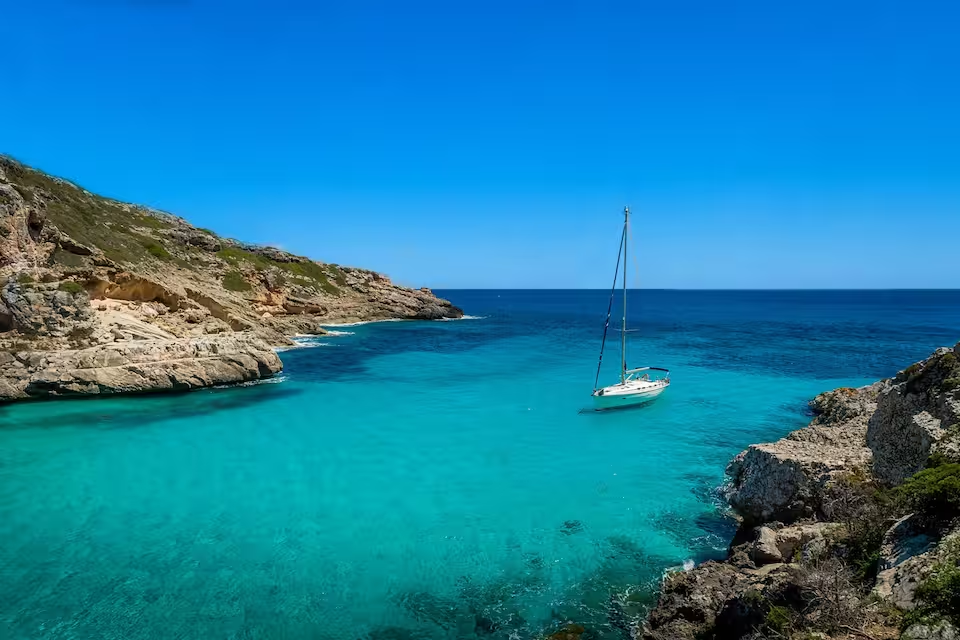
Yacht charter in Sitges, near Barcelona
Sitges lies on the Mediterranean coast southwest of Barcelona, where broad urban beaches meet the limestone cliffs of the Garraf Massif. A yacht charter around Sitges and Barcelona offers a coastal rather than island-hopping experience, with short passages between seaside towns, coves and three marinas within the municipality.
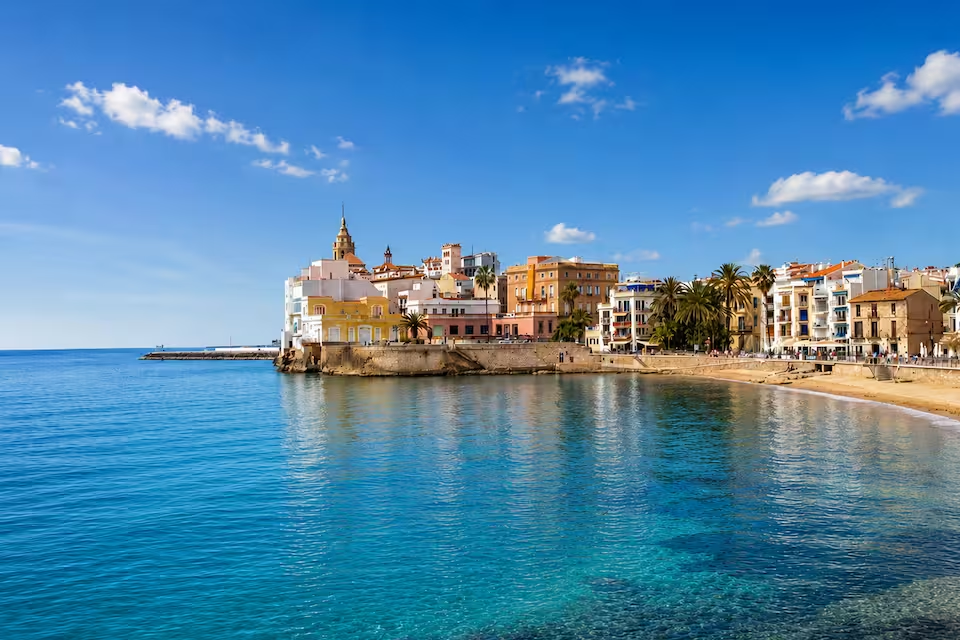
The destination works particularly well for travelers who want to combine time on the water with an accessible town stay. Central Sitges has a walkable waterfront, a historic center shaped by fishing, maritime trade and Catalan Modernisme, and an active dining and nightlife scene. From the sea, the old town and the Church of Sant Bartomeu i Santa Tecla on La Punta form the coast’s most recognizable view.
Coastal places to explore
Central Sitges is the natural cultural focus of the area. Its long beachfront is divided by breakwaters, while the old fishermen’s quarter, museums and seafront promenade are close enough to combine with a yacht trip beginning or ending at Port de Sitges–Aiguadolç.
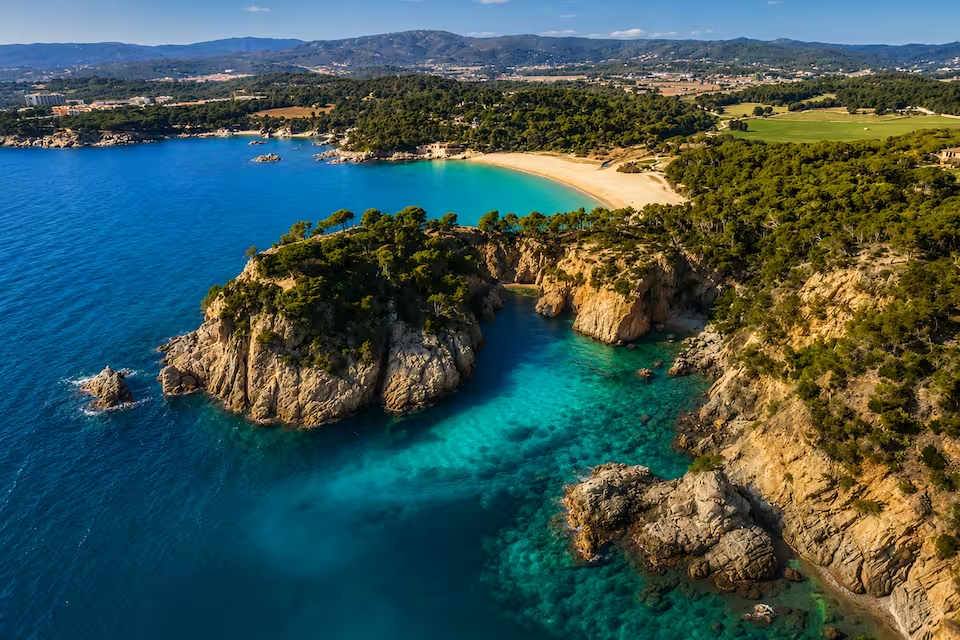
Northeast of town, the landscape becomes rockier beneath Garraf Natural Park. Cala Morisca, Cala Ginesta and Cala Bou sit along this cliff-lined section, although the exposed coast means any approach or swimming stop must suit the day’s sea conditions and local restrictions. Farther along are Garraf village, its beach and historic beach huts, followed by Port Ginesta and the long sandy shore at Les Botigues de Sitges near Castelldefels.
To the southwest, Vilanova i la Geltrú provides a useful objective for a longer coastal outing. Together, these places create varied scenery without requiring long offshore passages.
What sailing around Sitges is like
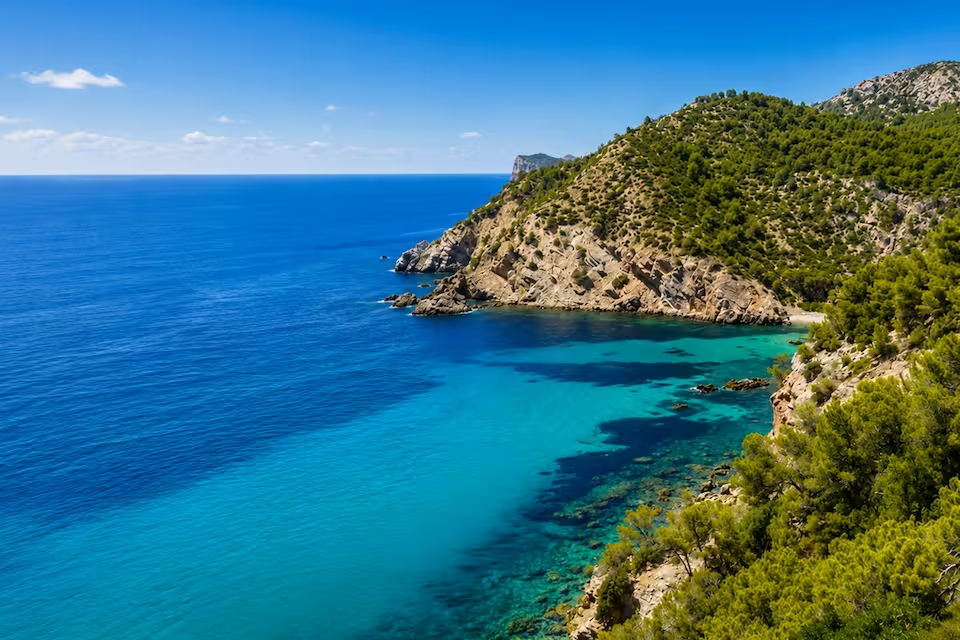
Cruising around Sitges is mainly open-water, line-of-sight coastal sailing. There are no nearby islands creating a sheltered cruising ground, so the experience is shaped by short passages along an open Mediterranean shore. The contrast between the town’s beaches and the Garraf cliffs gives these trips their visual character.
Conditions are considered moderately demanding because natural shelter is limited. Onshore wind and swell can make coves, beach approaches and marina entrances uncomfortable when the weather deteriorates. The three marinas provide practical departure or refuge points, but forecasts and port notices still need to guide the day’s plan.
In settled weather, distances between Sitges, Garraf, Castelldefels and Vilanova allow time to be divided between cruising, swimming and going ashore. A flexible itinerary is more useful here than a rigid schedule, especially when wind, swell or thunderstorms affect the exposed coast.
The best time for a Sitges yacht charter
The principal recreational boating season runs from May through September, with warm conditions, longer settled-weather windows and seas generally suited to swimming. July and August are the main high-season peak and bring the greatest visitor pressure.
May, June and September are especially useful months to consider. June and September combine favorable boating conditions with generally fewer visitors than the midsummer peak, though neither weather nor availability is guaranteed. April and October can also support shoulder-season trips, but plans may require greater flexibility.
Rainfall is lowest in midsummer, while thunderstorms become more frequent in August and September. From late autumn through early spring, cooler and less consistent conditions make careful weather selection more important, even though boating remains possible on suitable days.
Coastal route ideas
One established day-sailing pattern starts at Port de Sitges–Aiguadolç and connects the Sitges waterfront with the Garraf coastline and Vilanova i la Geltrú before returning to the marina. The precise distance and turning point can be adjusted to the forecast and the amount of time intended for swimming or going ashore.
A broader coastal itinerary begins at Port Ginesta, follows the Garraf cliffs toward central Sitges and continues southwest toward Vilanova. This creates a clear progression from long sandy shores to rocky coast, historic Sitges and the coastline beyond town. Because the route remains exposed, stopping points should be treated as flexible rather than fixed.
Experiences on the water and ashore
A yacht trip reveals the sharp transition between Sitges’ developed beachfront and the limestone edge of the Garraf coast. In suitable conditions, the day can combine coastal cruising with swimming away from marked bathing areas, followed by an evening ashore near the waterfront.
Sitges also rewards travelers who leave time for its cultural side. Cau Ferrat, the Maricel complex and nearby Racó de la Calma reflect the town’s role in Catalan Modernisme, closely associated with artist and writer Santiago Rusiñol. Around La Fragata and Aiguadolç, elements of Sitges’ older fishing identity remain visible; the local fishermen’s association is still based at the marina and uses artisanal methods.
Food adds another local dimension. Xató combines escarole, preserved fish, olives and a nut-and-nyora-pepper sauce, while Malvasia de Sitges represents a wine tradition connected with the nearby Penedès region.
Getting there and choosing a marina
Josep Tarradellas Barcelona–El Prat Airport is the principal air gateway. Sitges is connected with Barcelona by commuter rail and the C-32 road corridor; rail journeys from the airport involve a connection through El Prat de Llobregat. Central Sitges and Garraf village have stations, while Port Ginesta is generally more convenient by road, bus or taxi.
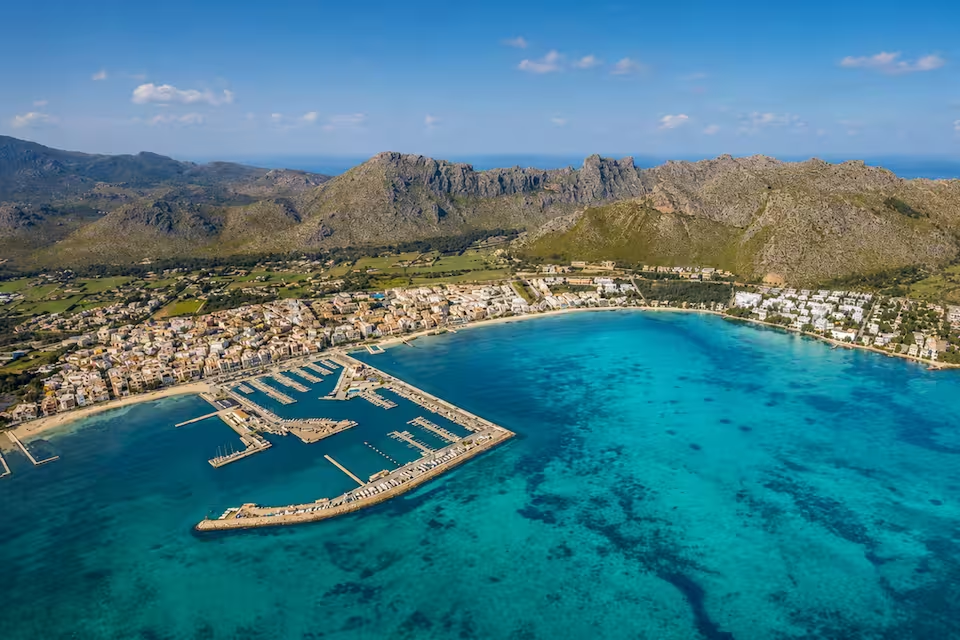
The three marinas suit different plans. Port de Sitges–Aiguadolç is the most convenient for walking into central Sitges and the old town. Port del Garraf has a strong recreational focus, including sailing instruction, kayaking, paddle sports, regattas and diving excursions. Port Ginesta lies at the municipality’s northeastern edge beside Castelldefels and offers extensive technical services, but it is not close to central Sitges.
Sitges therefore functions both as a place to explore and as a possible departure area. Travelers seeking a more urban starting point can compare the setting with yacht charter in Barcelona.
Planning your charter
When comparing yacht charter or boat rental around Sitges and Barcelona, begin with the intended balance between cruising and time ashore. Aiguadolç is practical for a town-centered day, while Port Ginesta better suits plans focused on the northeastern Garraf coast. The boat and itinerary should be appropriate for an exposed shoreline rather than chosen on distance alone.
Confirm permitted vessel dimensions and available services directly with the relevant marina. Many beaches have marked bathing zones, so authorized access channels and local coastal regulations must be observed. Marine forecasts and port notices are particularly important because unfavorable onshore conditions can reduce the suitability of coves and harbor approaches.
For longer trips or comparisons with other cruising areas, the broader yacht charter in Spain page provides additional destination context.