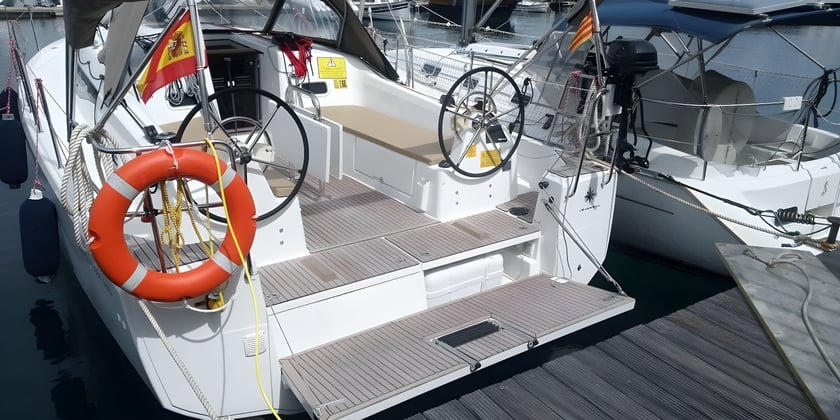
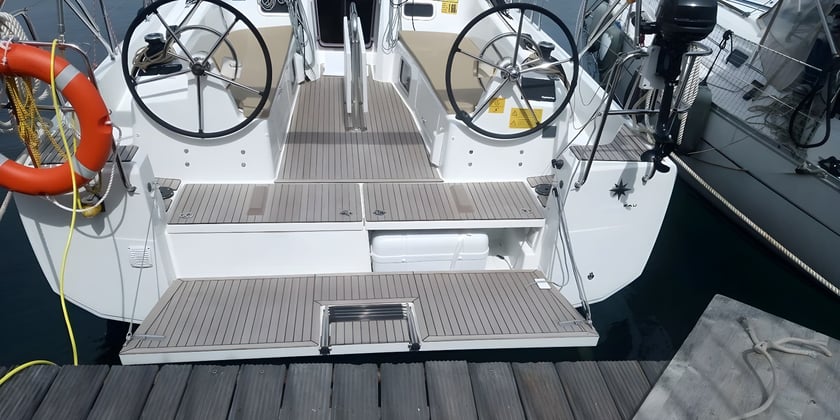
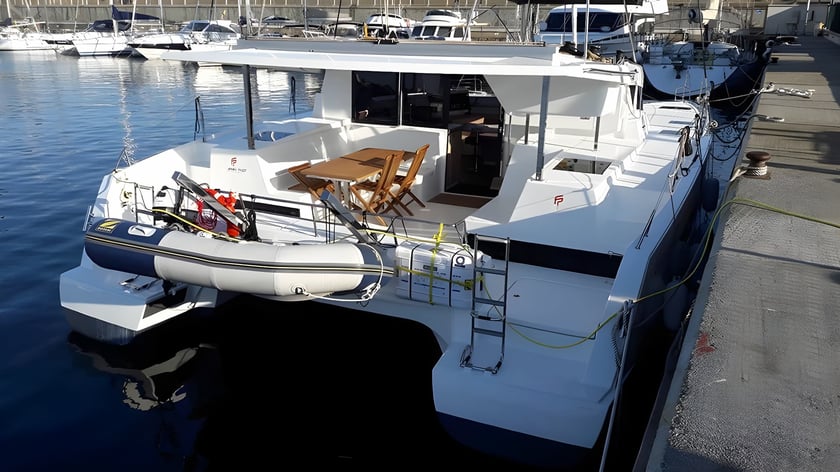
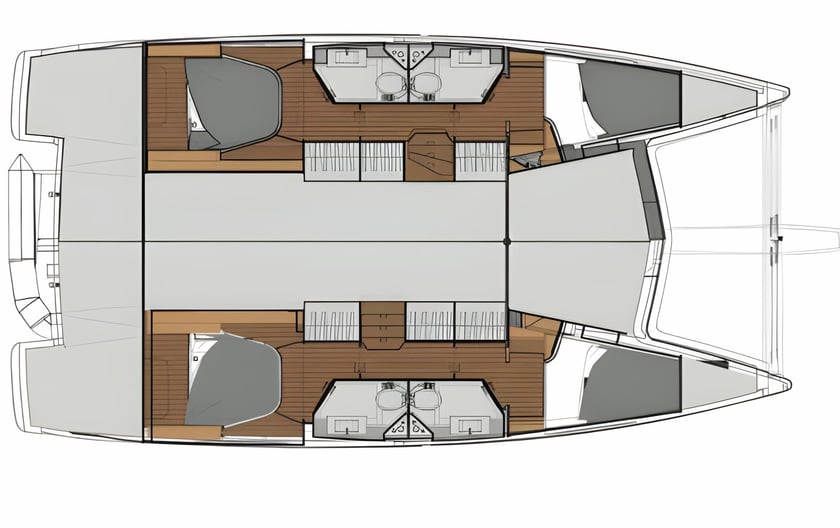
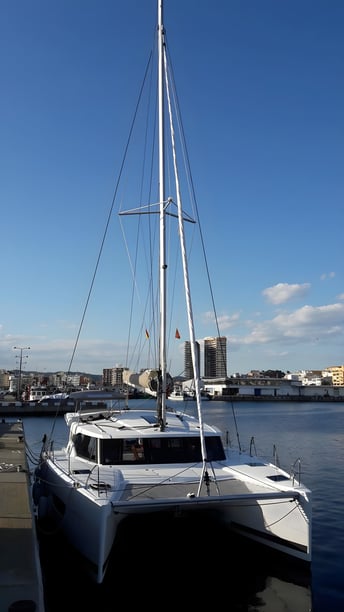
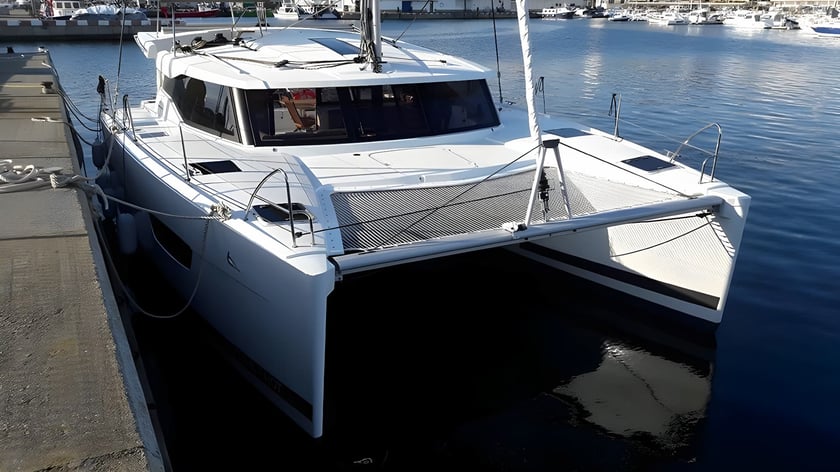
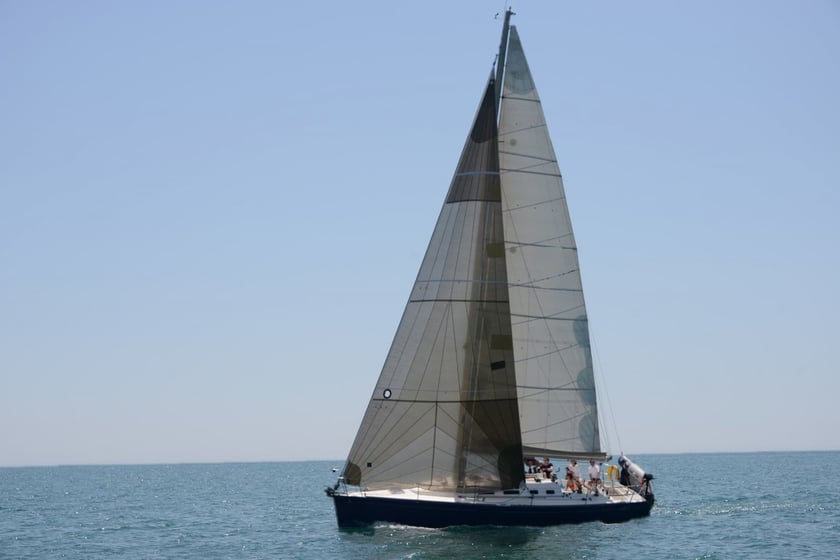
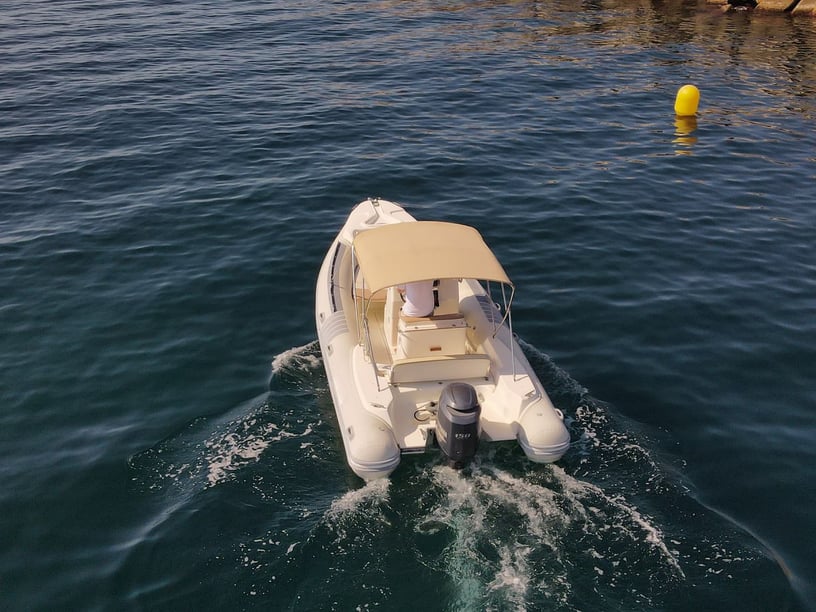
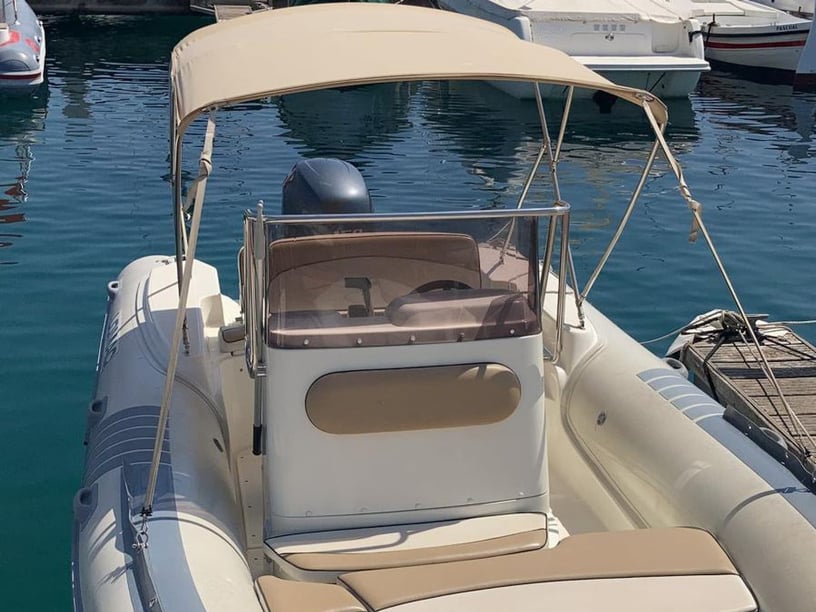
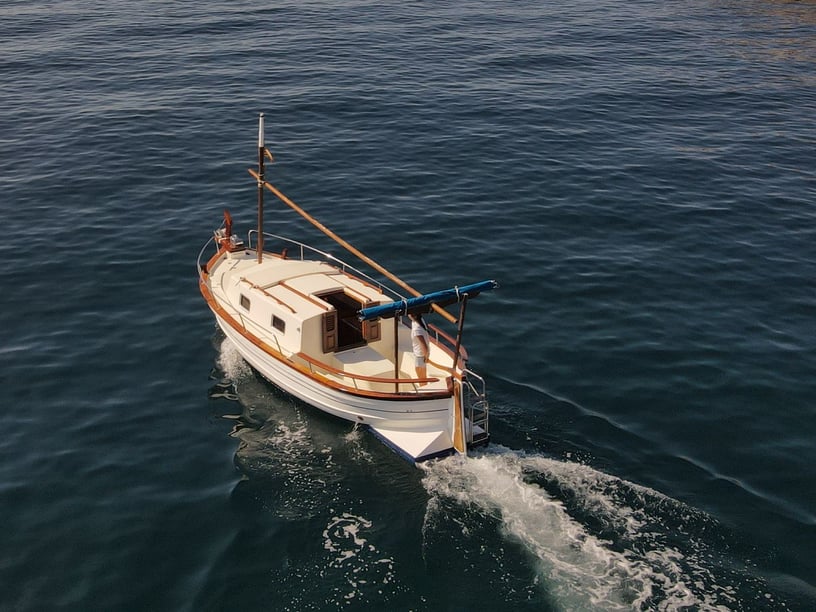
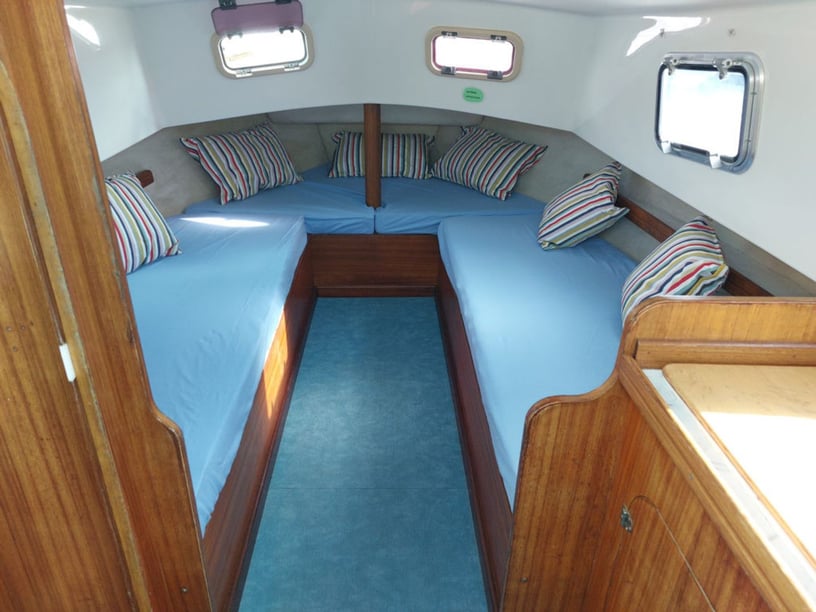
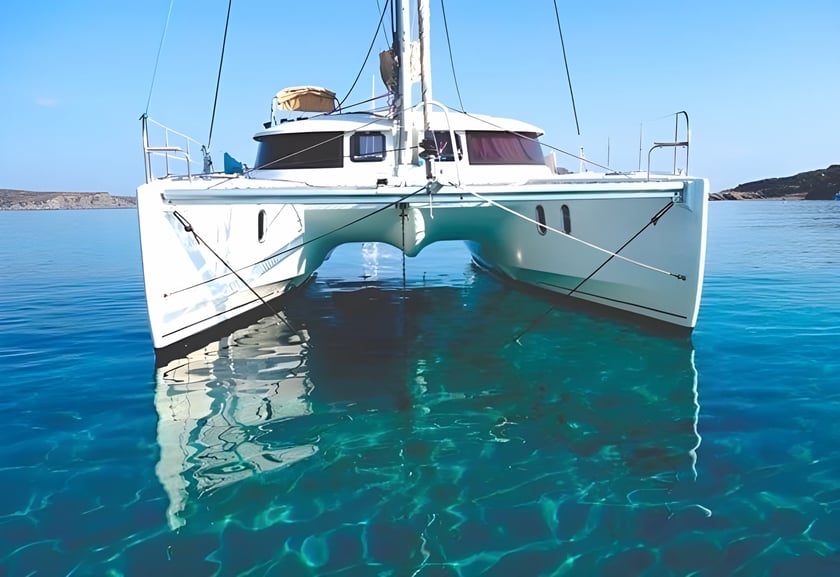
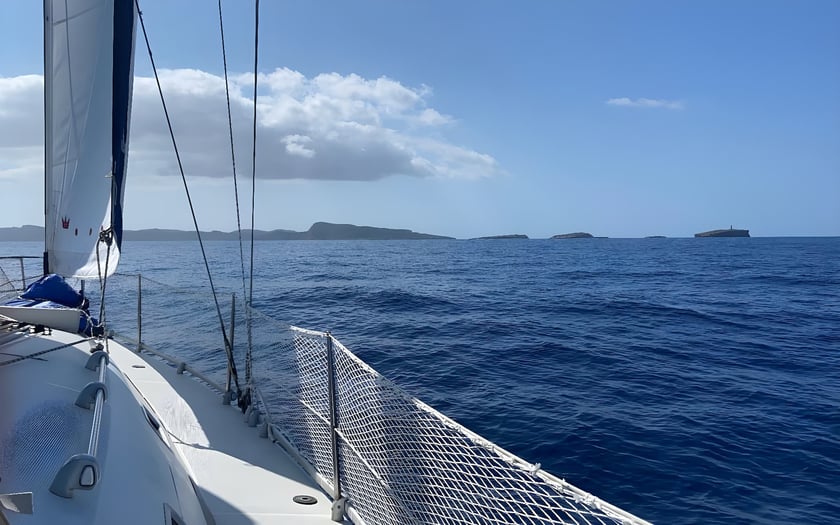
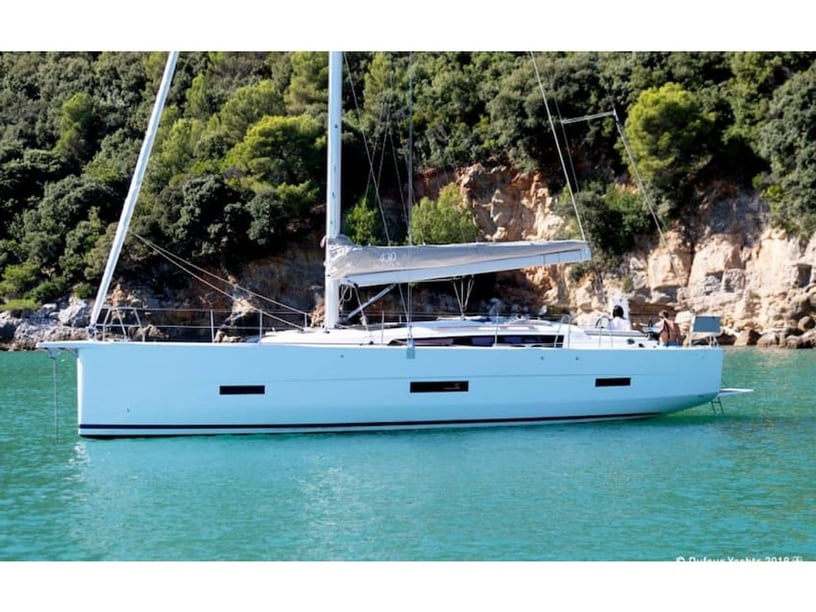
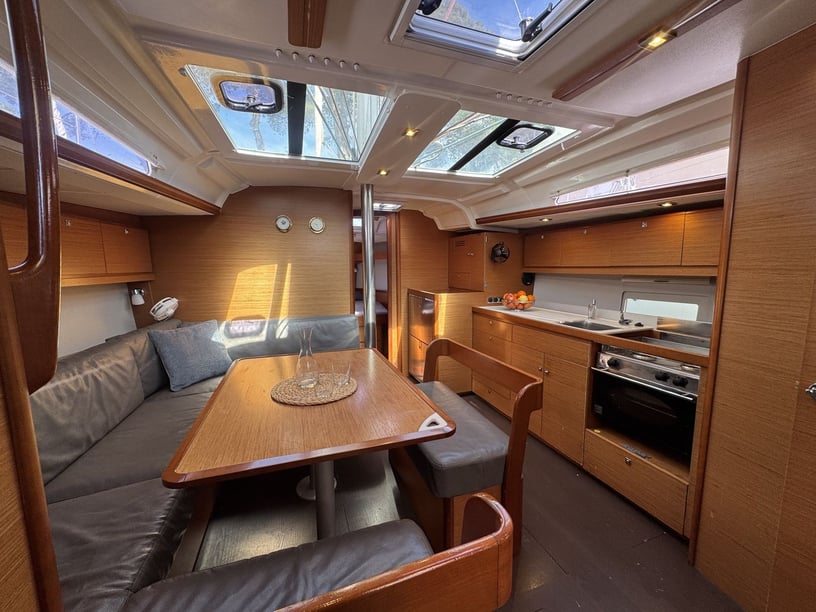
Yacht charter around Palamós
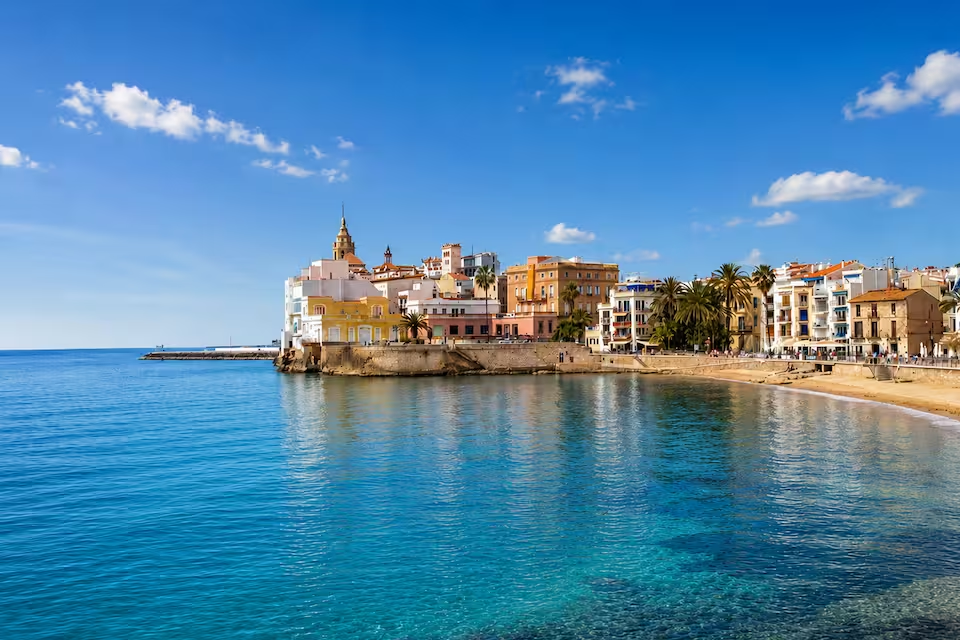
Palamós sits on the northern side of a broad natural bay on Catalonia’s central Costa Brava. Its working fishing and commercial harbor shares the waterfront with recreational marinas, giving the town a distinctly maritime character rather than the atmosphere of a purpose-built resort.
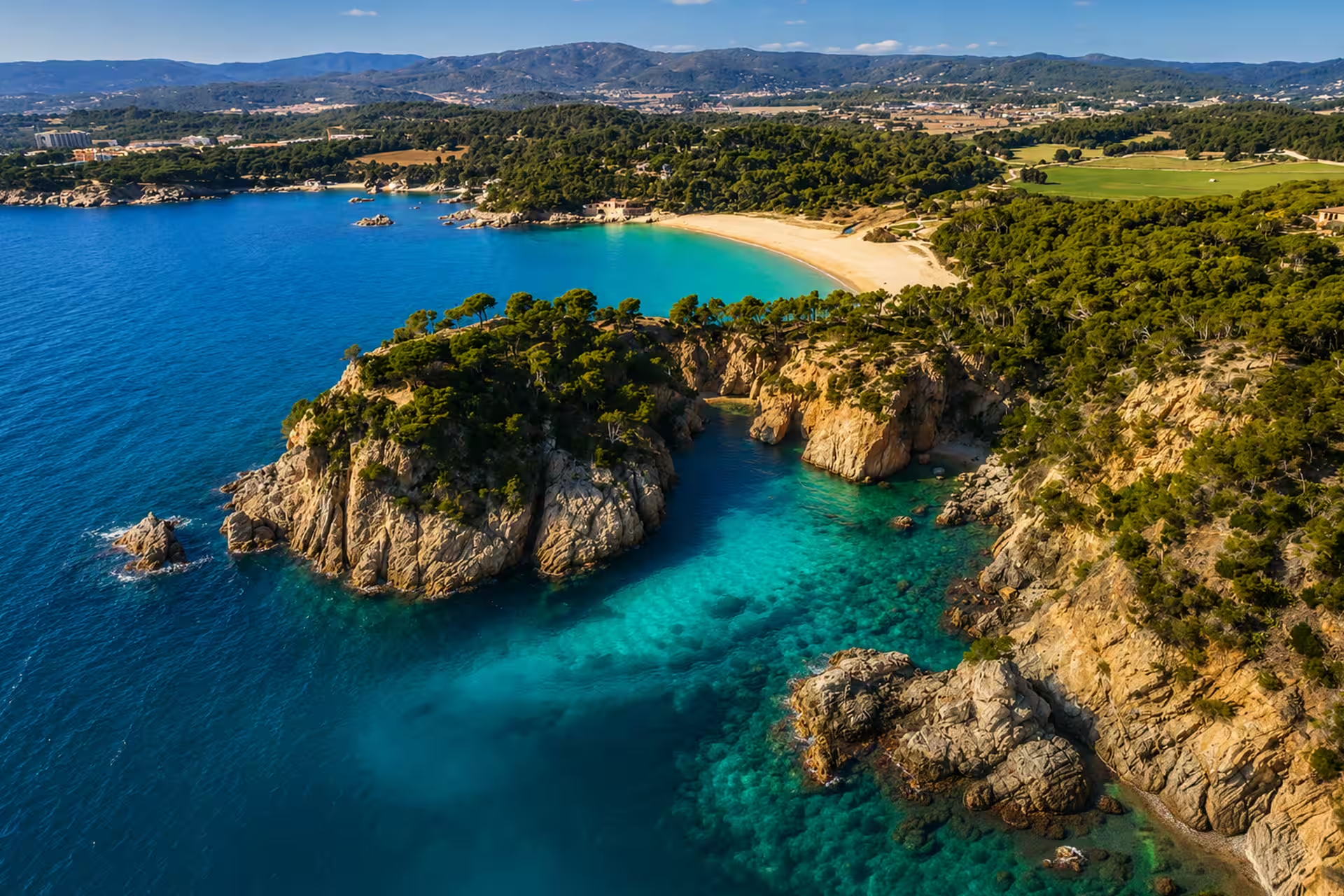
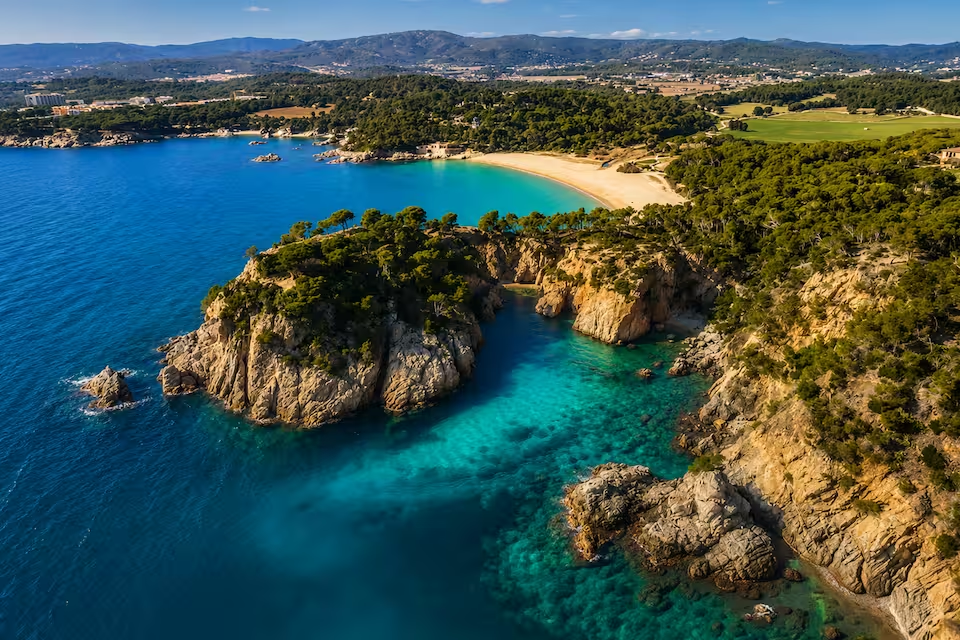
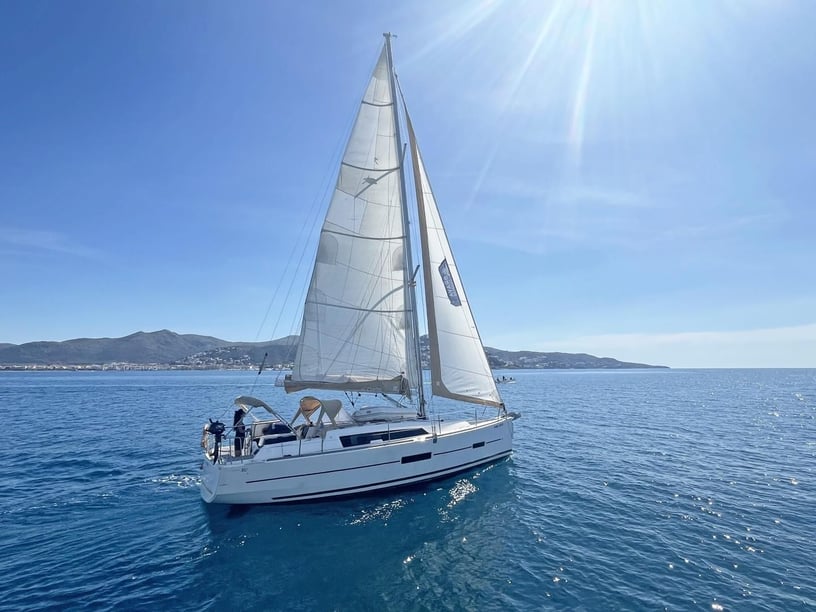
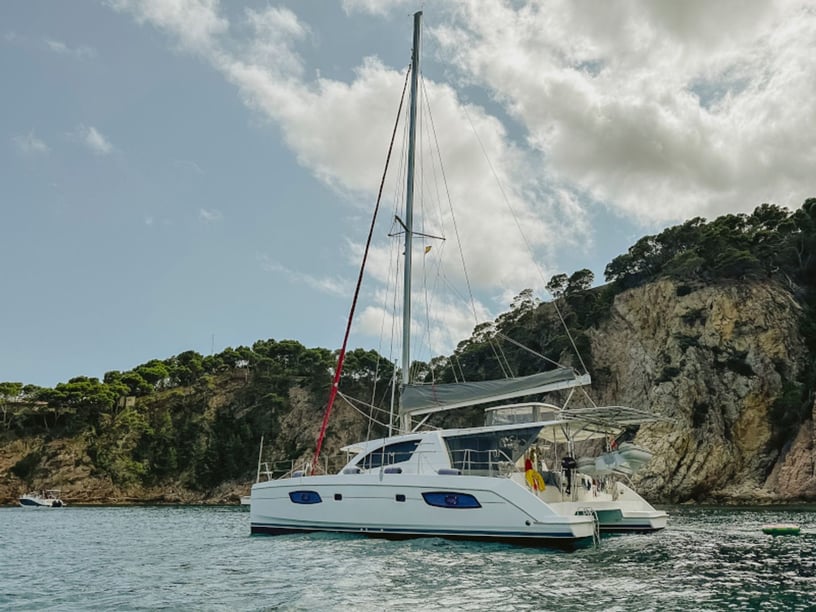
A yacht charter in Palamós can combine open sailing across the bay with short trips to beaches, rocky coves and nearby coastal settlements. Southwest of town, sandy shoreline continues toward Sant Antoni de Calonge. To the northeast, the coast changes noticeably: pine-backed headlands, narrow coves and offshore rocks lead toward Castell, Cap de Planes and the Formigues Islands. This contrast makes Palamós relevant both as a possible departure area and as a stop within a wider Costa Brava cruise.
Coves, islands and coastal stops
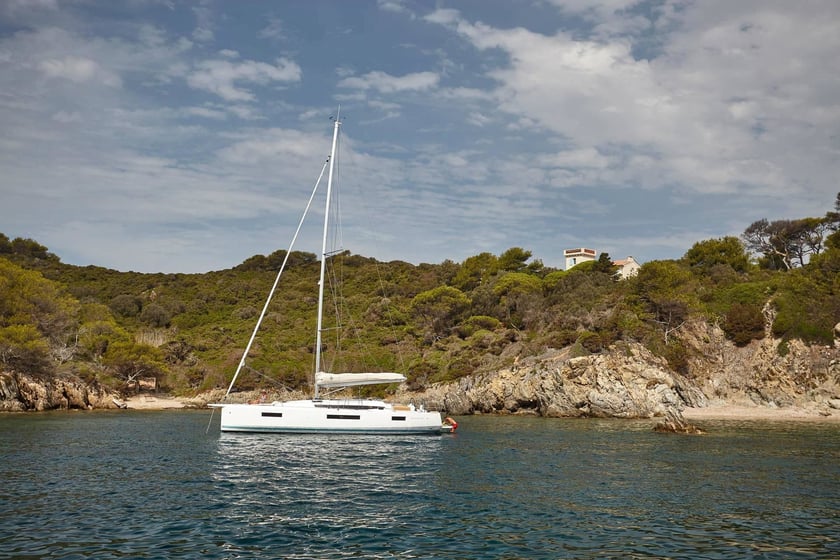
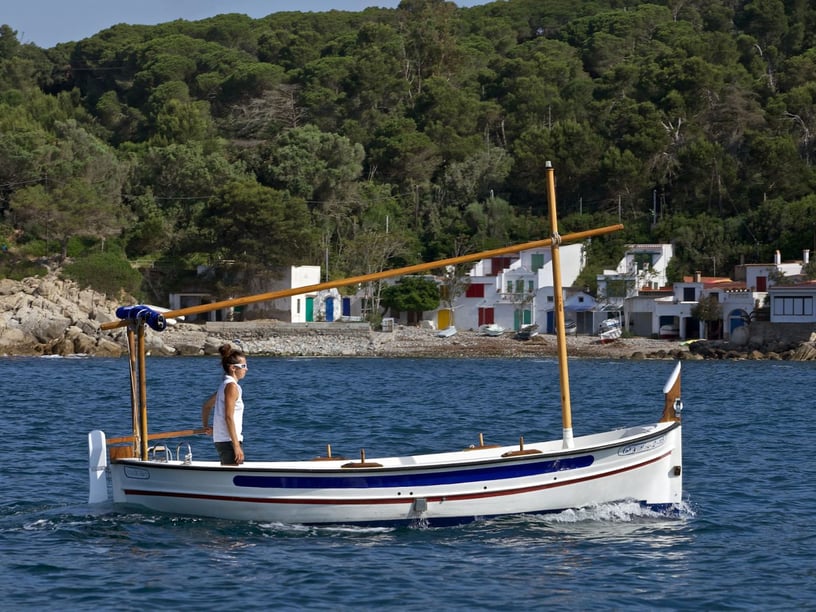
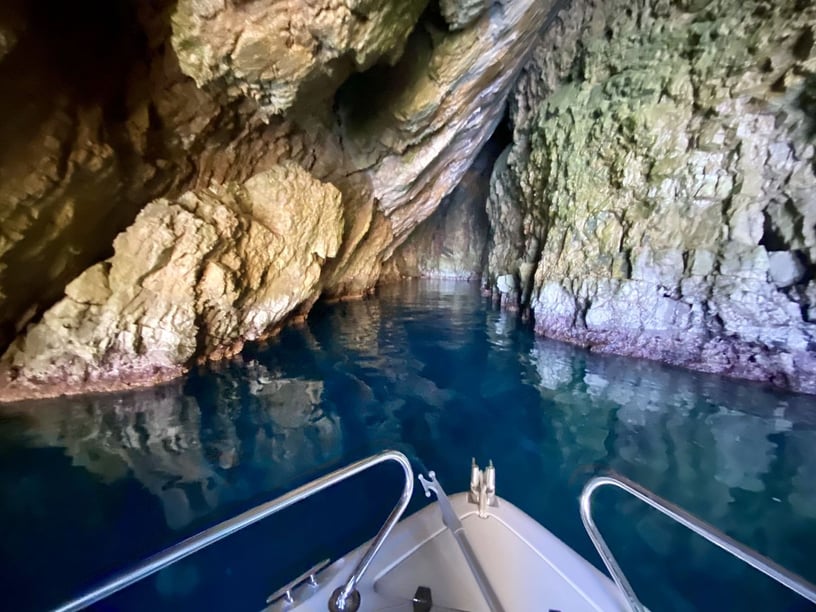
The northeastern shore offers the most concentrated cove-hopping. La Fosca provides an accessible first stop close to town, while Cala S’Alguer is known for its historic fishermen’s huts. Beyond it, the Castell-Cap Roig coastal area includes Castell beach and smaller coves such as Cala dels Canyers, Cala Estreta and Cala Cap de Planes. Their rocky setting favors swimming, snorkeling and small-boat exploration, although available shelter and anchoring space vary with conditions.
Offshore, the Formigues Islands consist of four low islets and a network of reefs. They are a natural objective for settled-weather trips and are associated with diving and underwater rock formations. The waters around them require more care than their short distance from the coast might suggest.
Longer coastal outings can continue north toward Calella de Palafrugell and Llafranc. Heading south instead brings a broader, sandier coastline through Sant Antoni de Calonge and Platja d’Aro, with Sant Feliu de Guíxols providing a more substantial destination farther along the shore.
Sailing conditions on the central Costa Brava
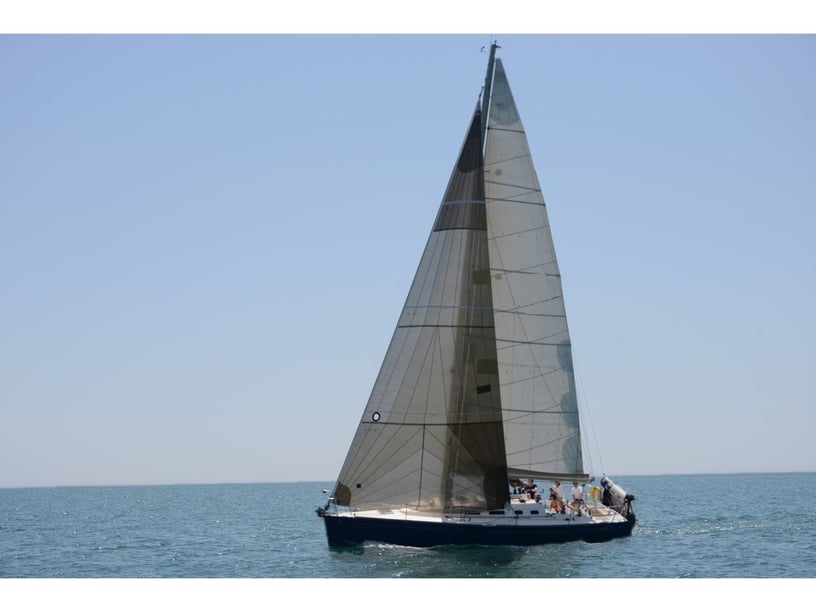
Cruising around Palamós is coastal rather than archipelagic. Days can be built around short passages and swimming stops, but there is also room for open sailing within the Bay of Palamós. The bay limits much of the swell produced by the northerly Tramuntana, though it does not eliminate the wind itself. Strong, gusty episodes can therefore affect plans even when the water closer to the bay appears relatively protected.
In summer, the southwesterly Garbí is generally gentler, but afternoon breezes may still raise chop. Its direction also matters when approaching Marina Palamós, whose entrance faces south. Shelter changes significantly between beaches and coves, so a suitable stop in one wind direction may be uncomfortable in another.
The overall sailing difficulty is moderate. Rocky shoals, mixed or deep seabeds and seasonal buoy fields call for careful local planning around the smaller northeastern coves. Near the Formigues Islands, the channel between Cap de Planes and Formiga Gran is best reserved for settled conditions; an outside passage is the more prudent option when wind or swell affects the islets.
When to plan a Palamós yacht charter
Late spring through early autumn is the most dependable period for recreational cruising. June, July, August and September are particularly suitable, with the most settled conditions generally occurring in summer. July and August form the principal high season, bringing greater activity on the water and more competition for space in popular coves and seasonal buoy fields.
April and May can offer usable shoulder-season sailing, but conditions are less consistently settled than in summer. September remains one of the stronger months for cruising, while October is generally wetter and more changeable. From November through March, cooler weather, reduced seasonal services and the greater influence of winter Tramuntana episodes make the area less suitable for a typical yacht holiday.
Ideas for coastal cruising routes
A compact northeastern circuit can connect Palamós with La Fosca, Cala S’Alguer, Castell and Cala Estreta. The short distances allow the day to revolve around several swimming or snorkeling stops, subject to wind, mooring arrangements and available anchoring room.
For a broader northern passage, Palamós can be linked with the Formigues Islands, Calella de Palafrugell and Llafranc. This route combines offshore navigation around the islets with visits to established coastal settlements. It should be adapted carefully when swell or strong wind affects the Formigues area.
Southbound cruising has a different character, following the wider beaches around Sant Antoni de Calonge toward Platja d’Aro, Sa Conca and Sant Feliu de Guíxols. This direction suits travelers who prefer a longer coastal passage over repeated stops in narrow coves.
Life on the water and ashore
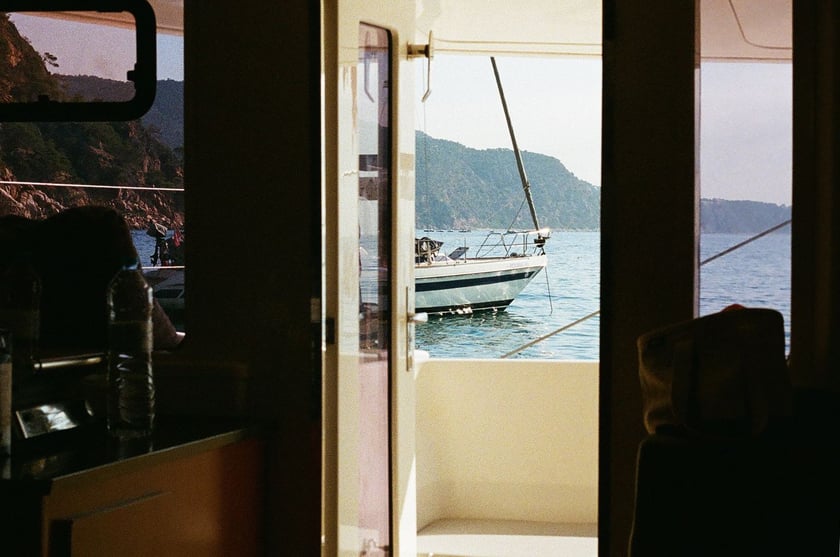
A charter around Palamós can balance sailing with swimming, snorkeling and time ashore. The rocky northeastern coast and the Formigues Islands are the main focus for underwater exploration, while the broader bay and southern beaches create a different setting for relaxed coastal cruising.
Palamós also adds a working maritime culture to the trip. Fishing has shaped the harbor, local architecture and food traditions, with seafood centered on locally landed fish and Palamós shrimp. The Fishing Museum, housed in a former port building, explains this heritage and is complemented by preserved fishing vessels displayed as a floating museum. Espai del Peix provides further context for the town’s seafood culture.
Historical stops extend beyond the harbor. Cala S’Alguer preserves fishermen’s huts associated with a settlement established by the 15th century, while the Iberian site at Castell occupies a coastal promontory used from approximately the sixth century BC to the second century AD.
Getting there and possible departure points
Girona-Costa Brava Airport is the nearer regional air gateway, while Barcelona-El Prat Airport provides another option. Palamós has no railway station; travelers arriving by rail generally transfer to a bus at Girona, Caldes de Malavella or Flaçà. Road access is via the AP-7 corridor and the C-65, C-66 or C-31, and bus services connect the town with Barcelona, Girona and regional stations.
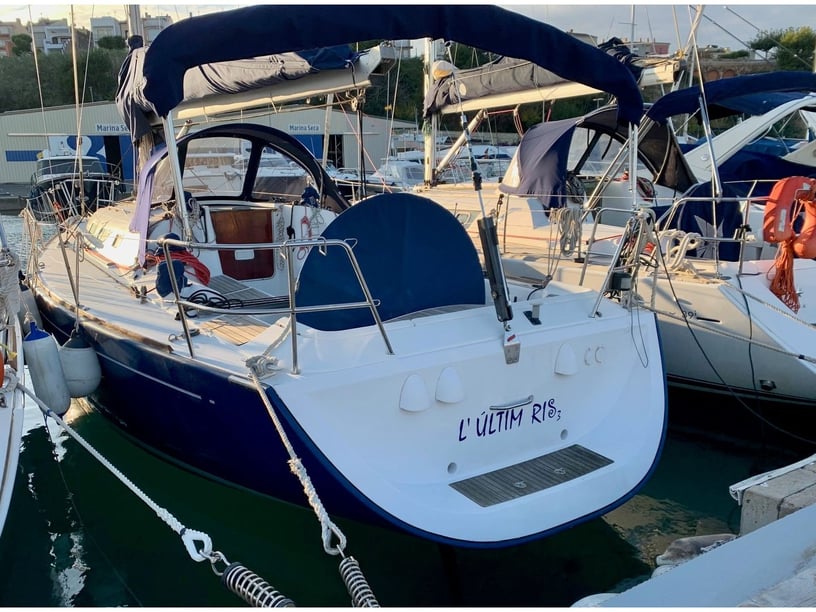
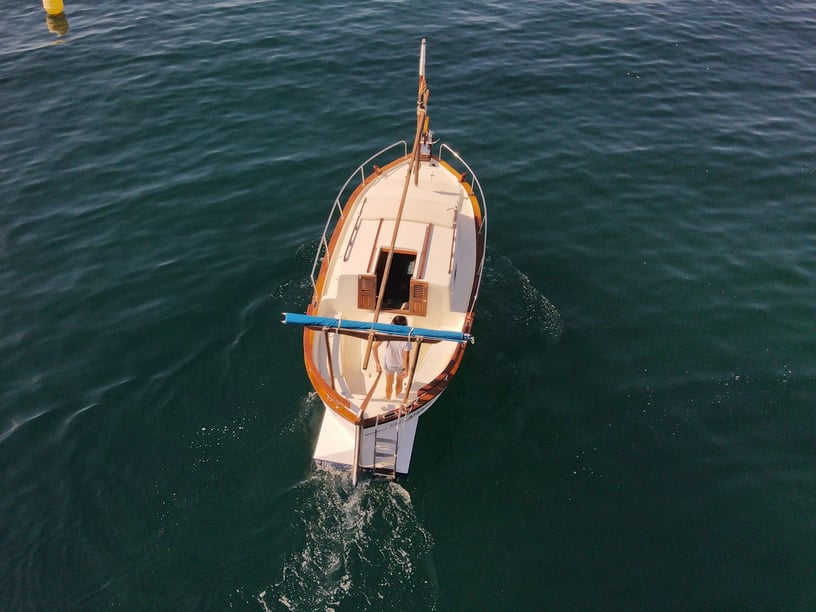
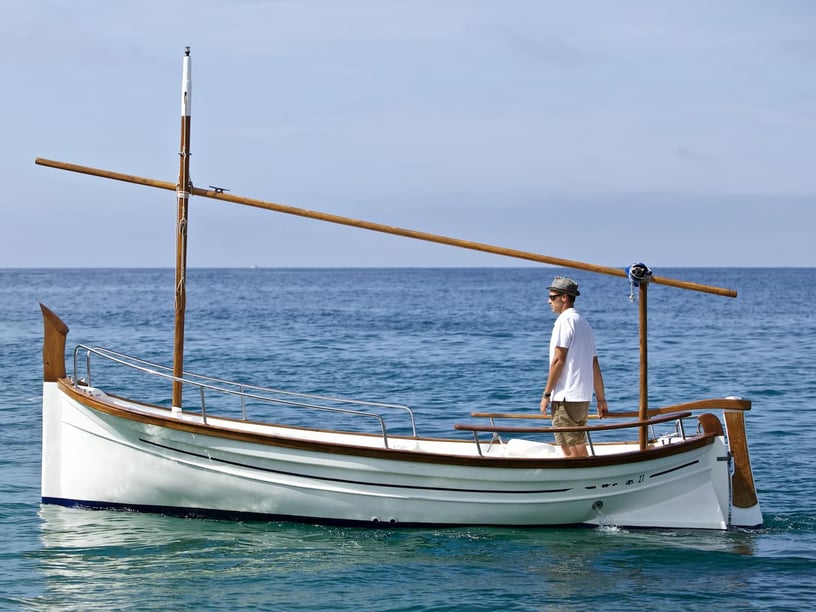
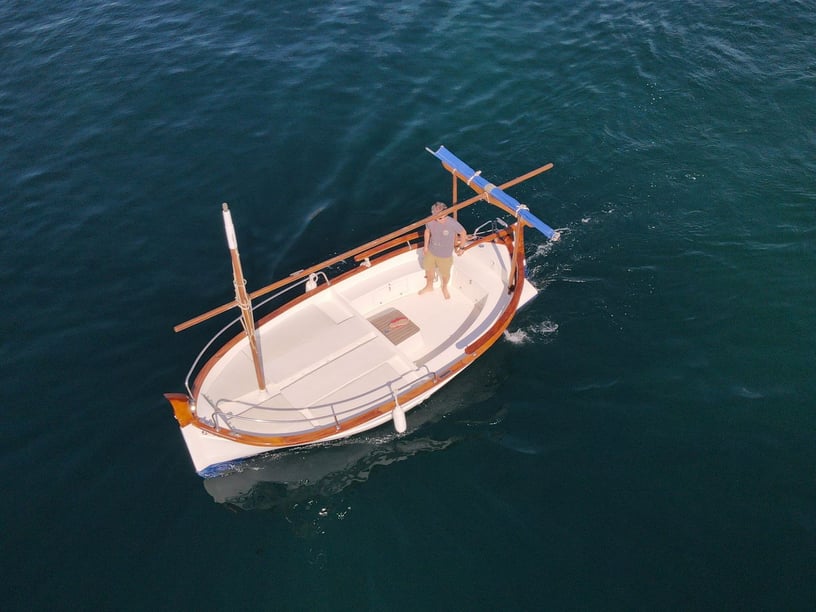
Trips in the immediate area may begin at Marina Palamós or Club Nàutic Costa Brava - Vela Palamós. The town can therefore function as a departure point, a provisioning and shore stop, or part of a wider coastal itinerary. Travelers considering a longer trip can also compare yacht charter areas elsewhere in Spain.
Planning the right charter experience
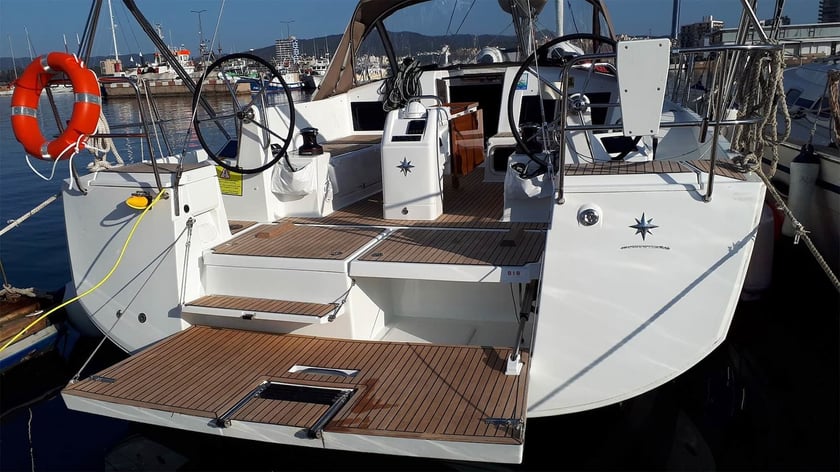
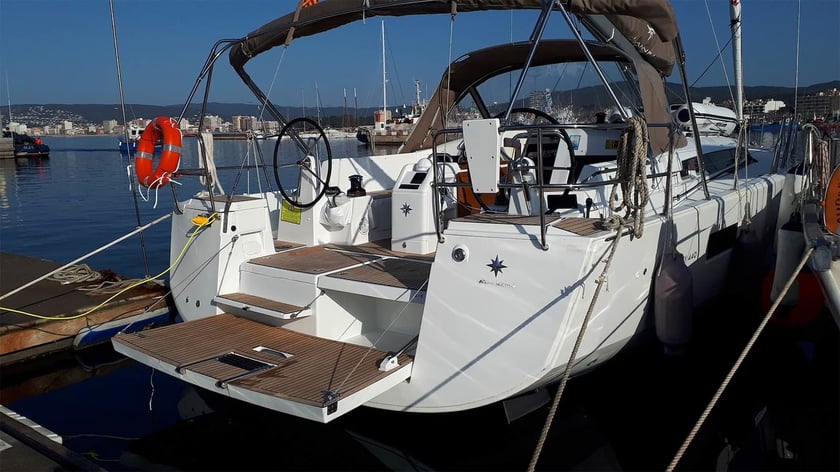
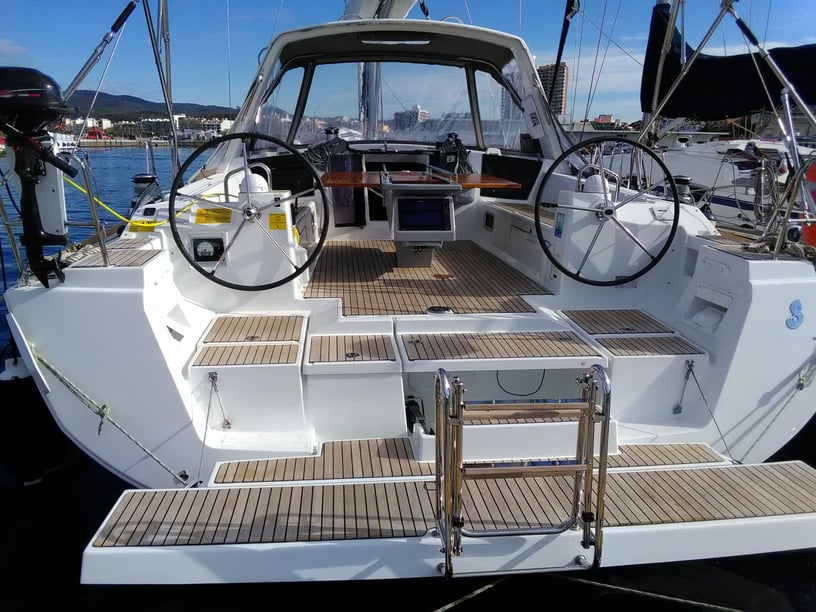
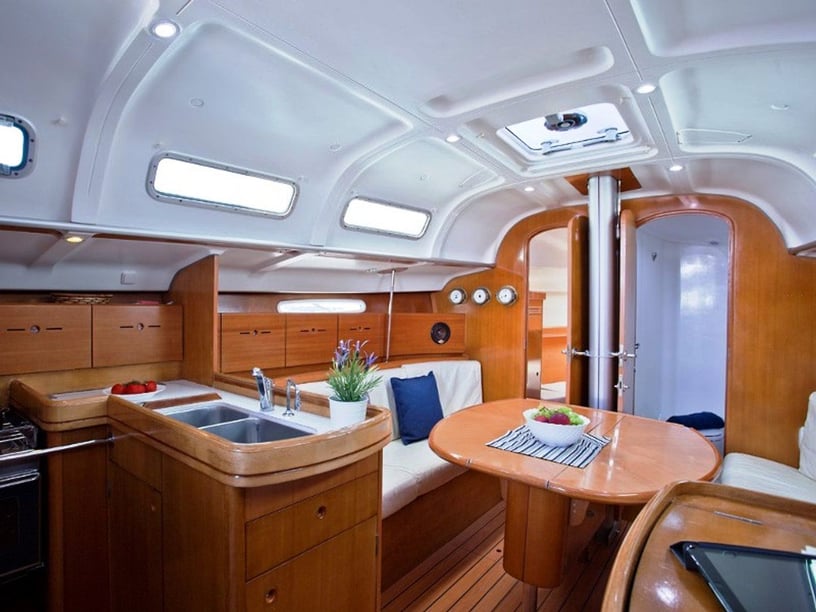
For short cove circuits, prioritize a boat and trip format suited to frequent stops and close coastal exploration. For passages toward Llafranc or Sant Feliu de Guíxols, comfort underway and the day’s forecast become more important. Travelers planning to operate independently should account for the area’s moderate difficulty, changing exposure and rocky approaches; those without suitable experience may prefer to explore skipper-led arrangements where offered.
Before departure, check the marine forecast specifically for Tramuntana and Garbí conditions rather than relying on a general coastal outlook. Confirm current anchoring and mooring arrangements, as seasonal buoy fields can limit room in popular coves. Anchoring on Posidonia oceanica seagrass should be avoided, with authorized or ecological moorings used where provided.
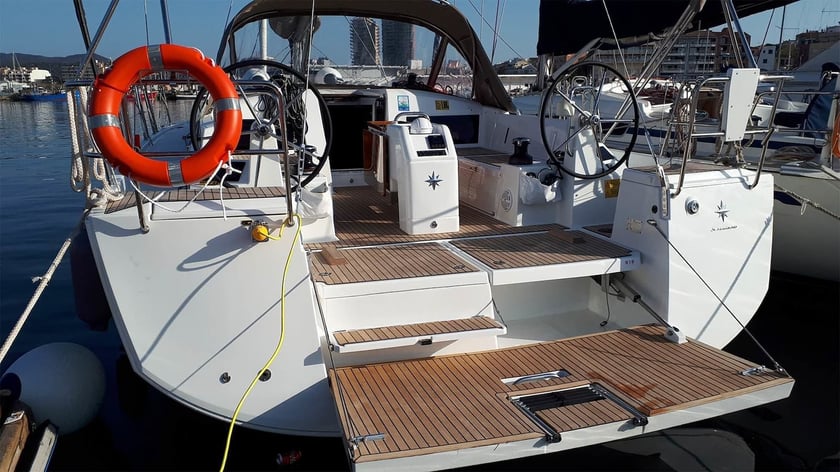
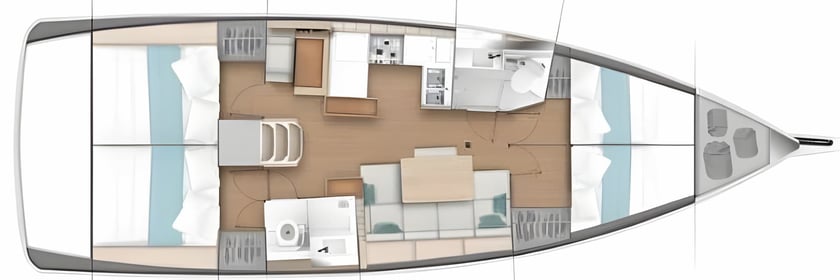
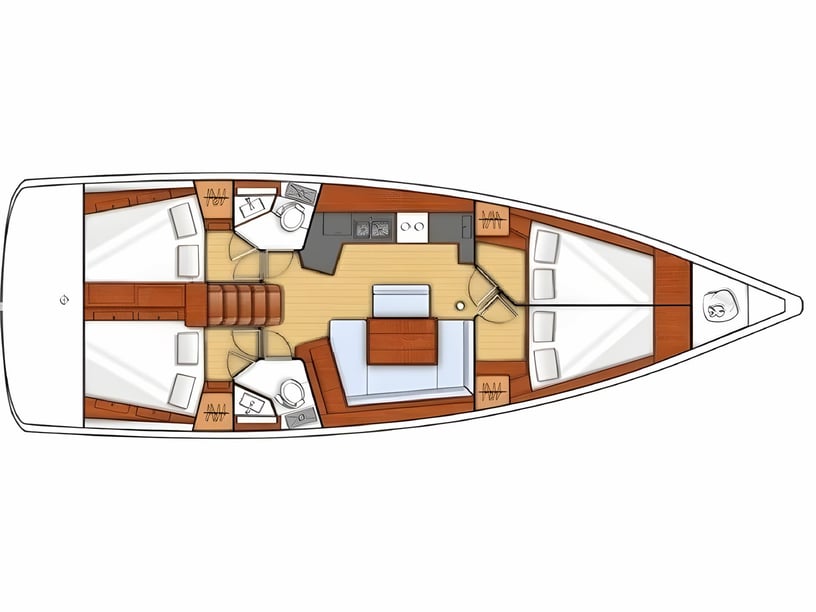
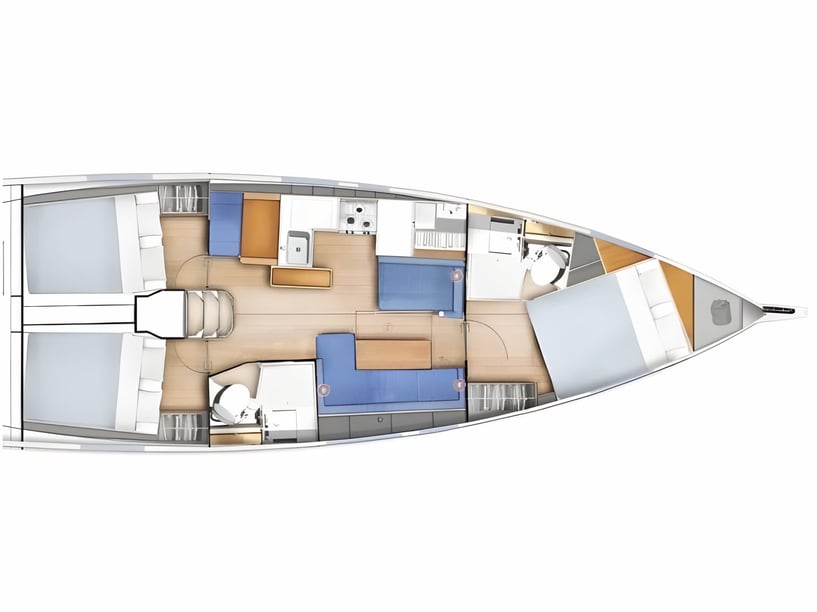
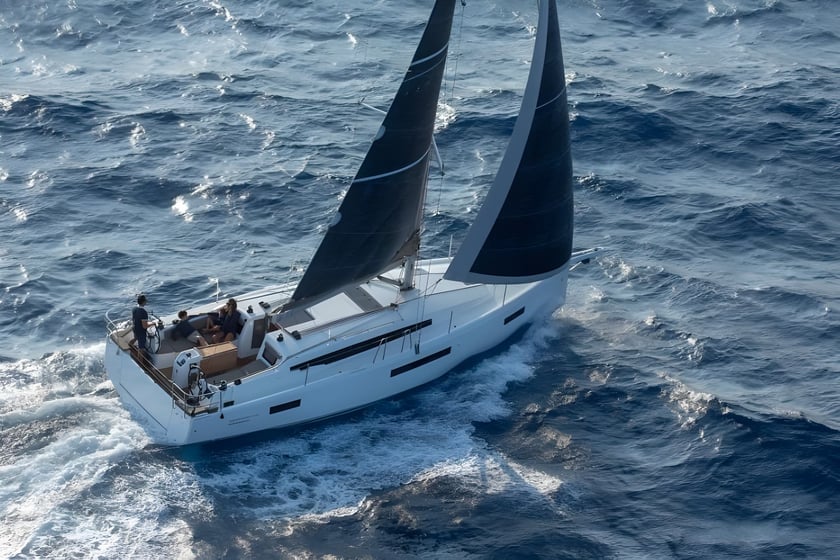
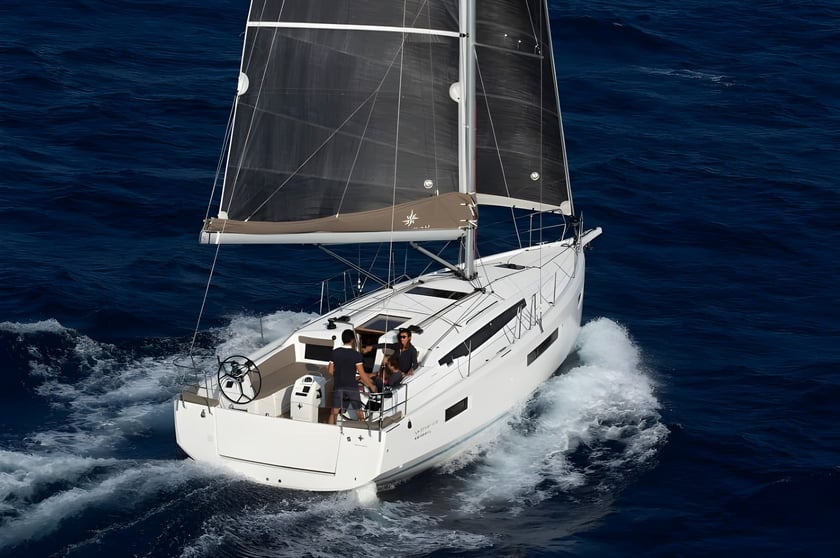
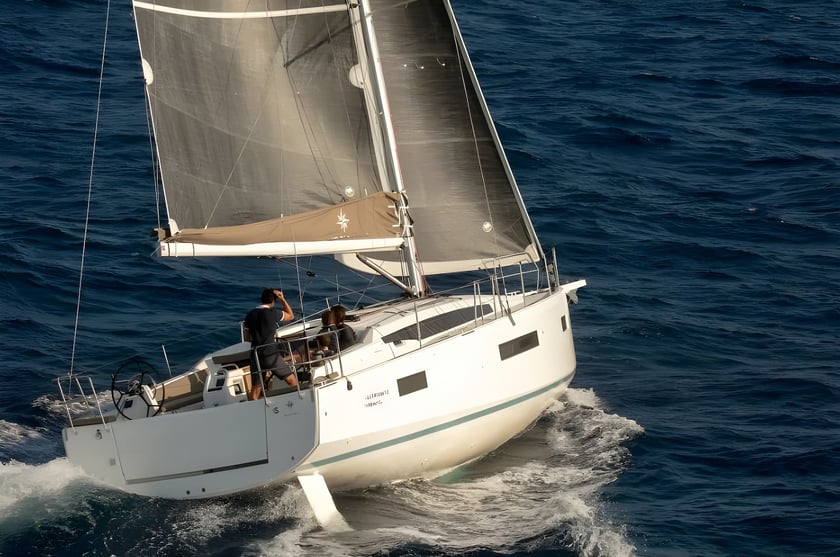
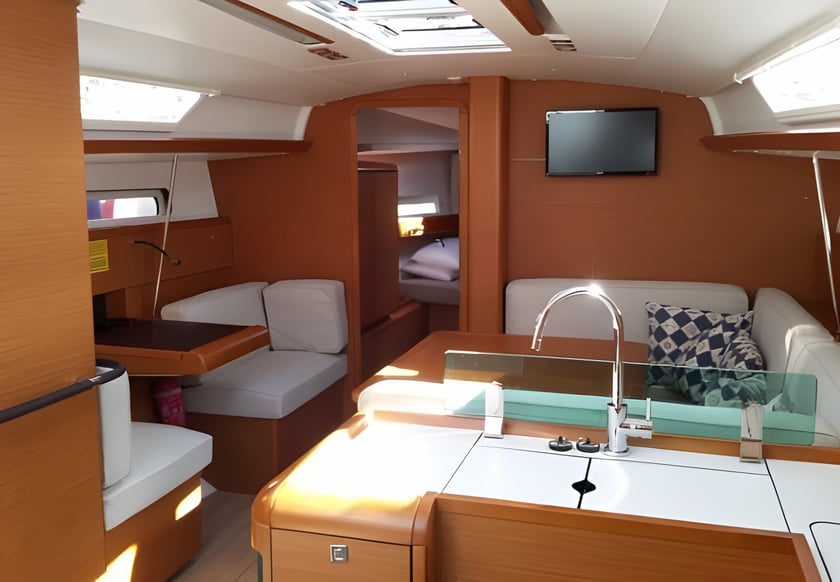
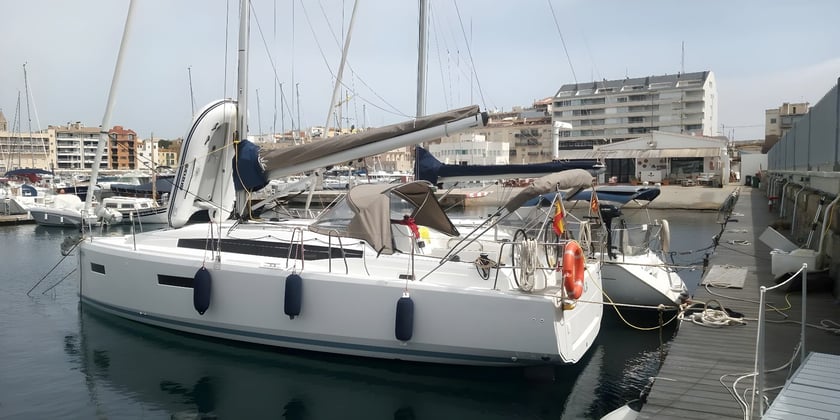
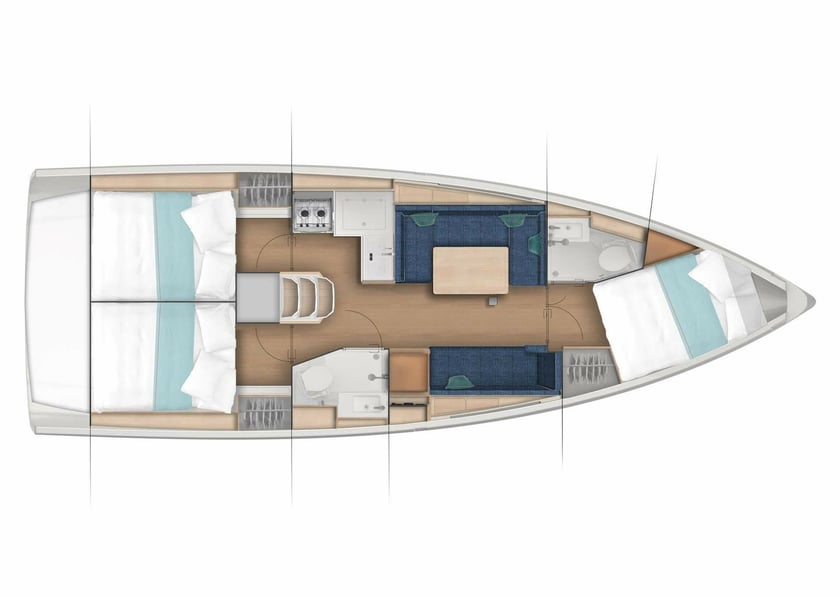
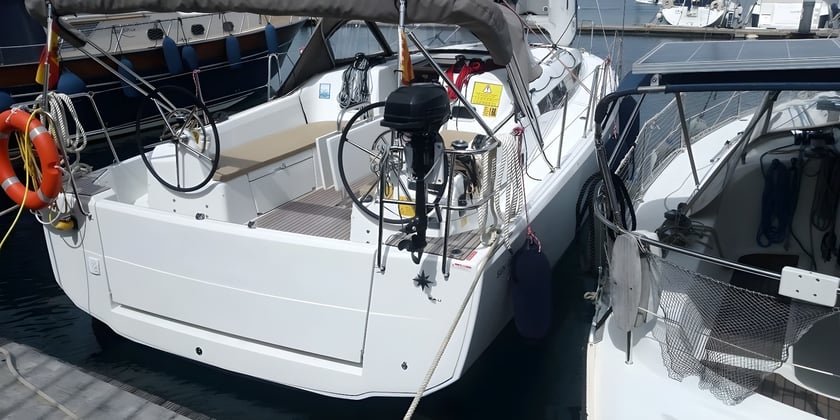
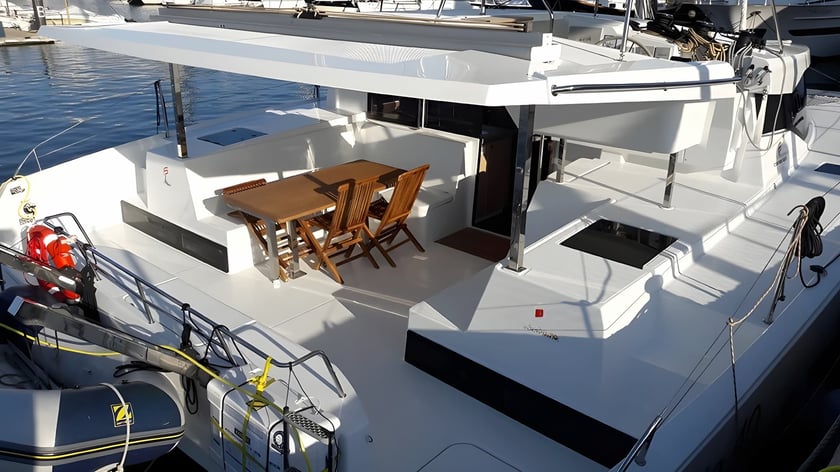
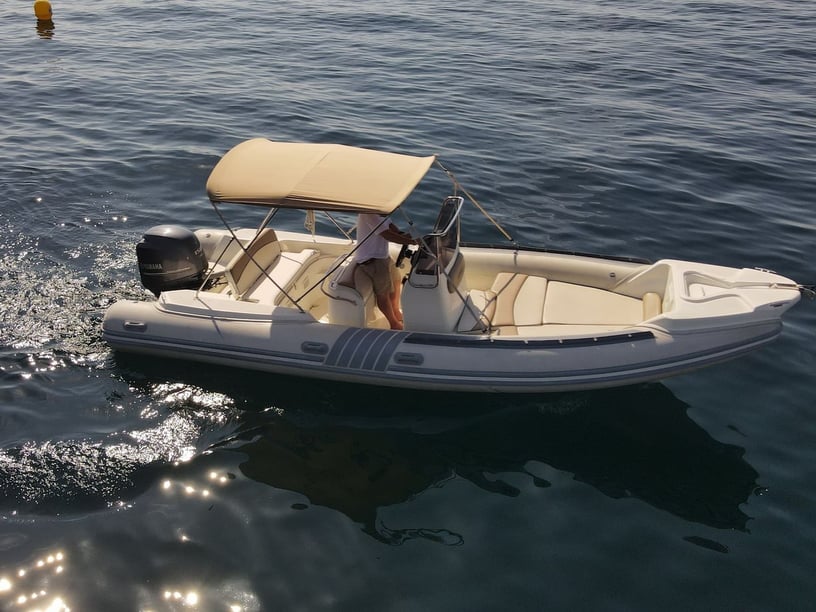
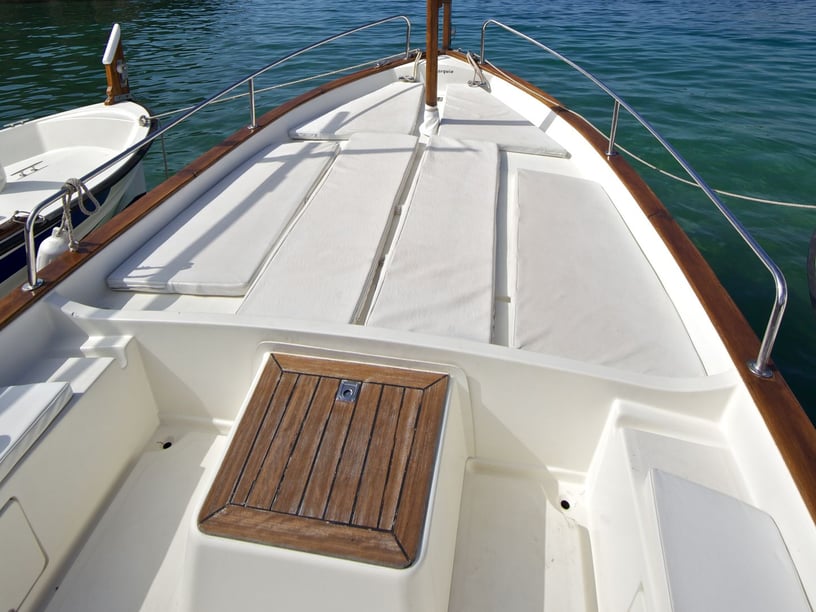
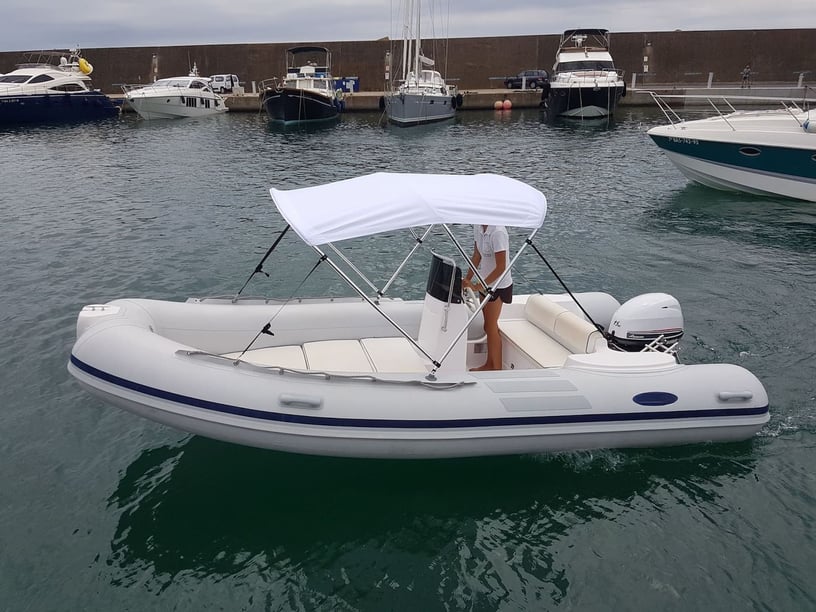
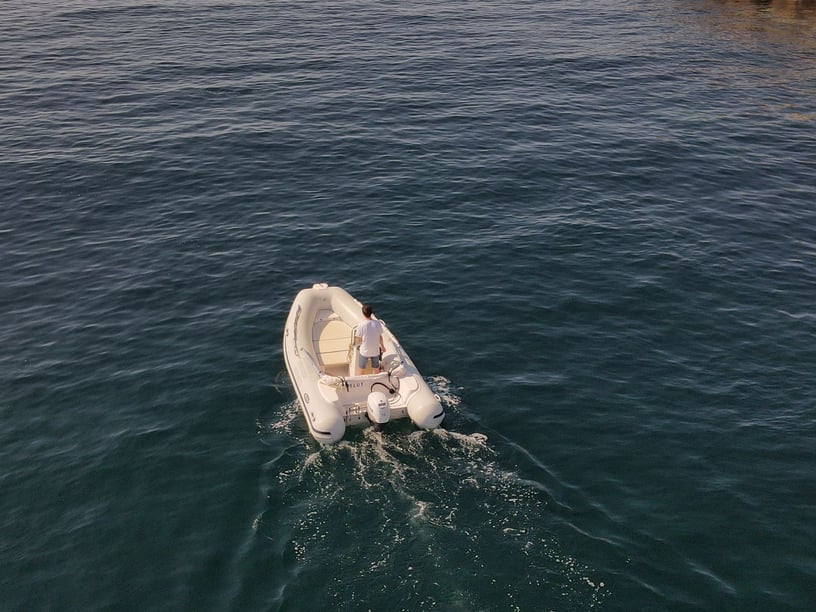
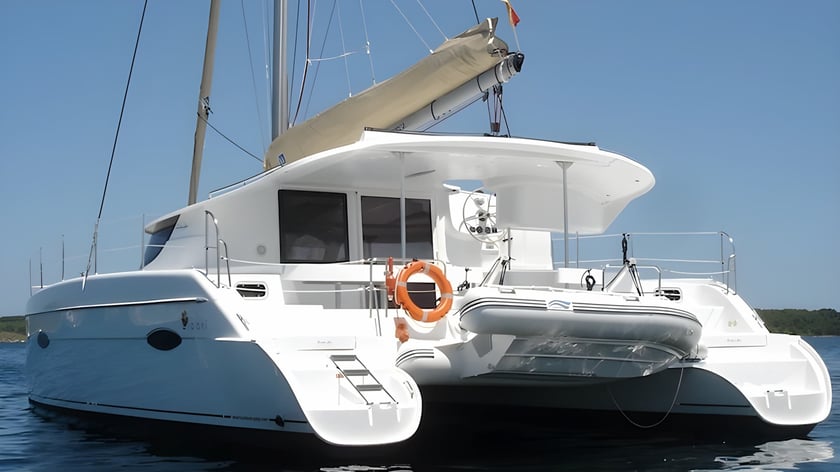
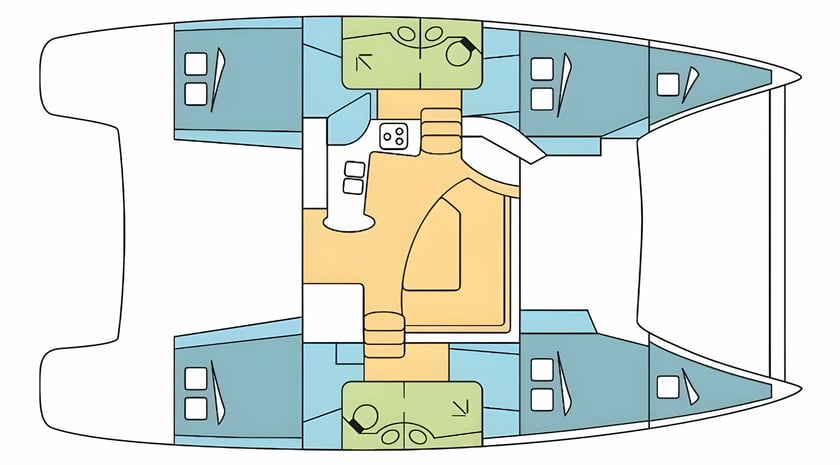
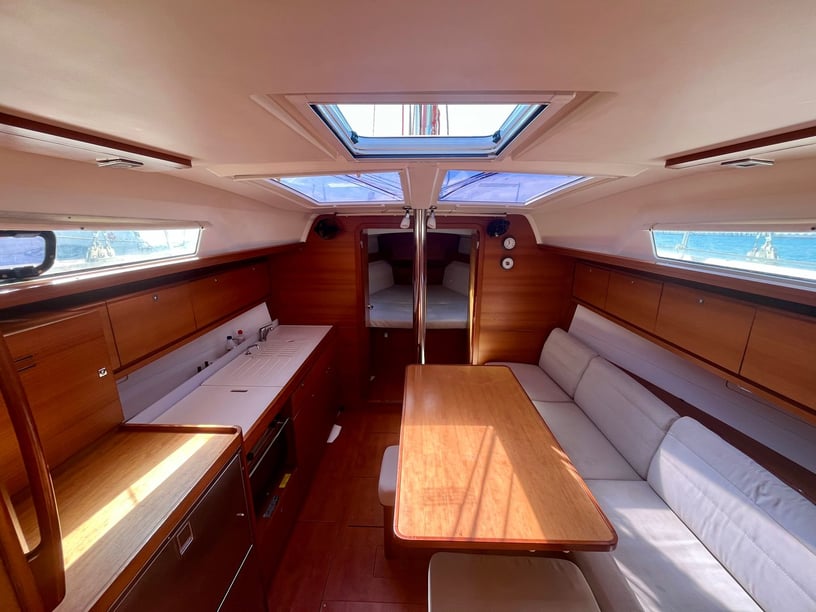
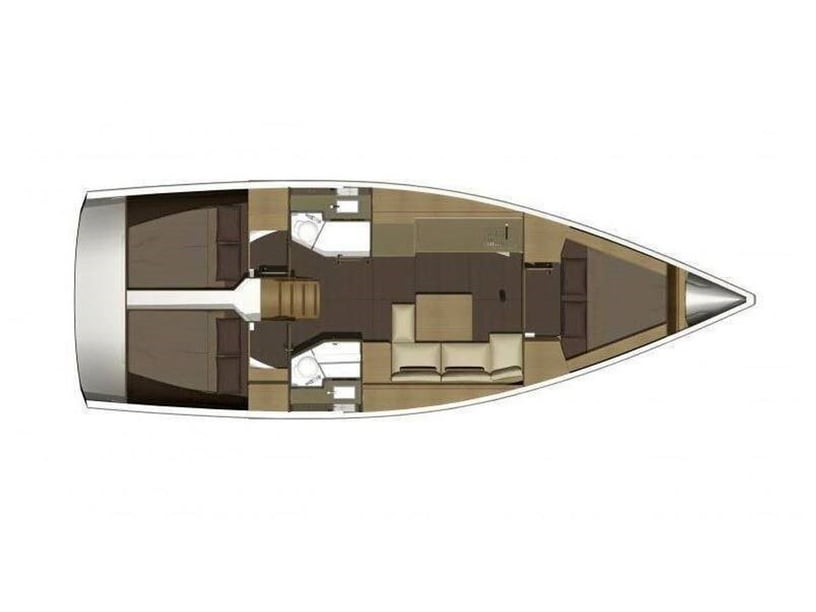
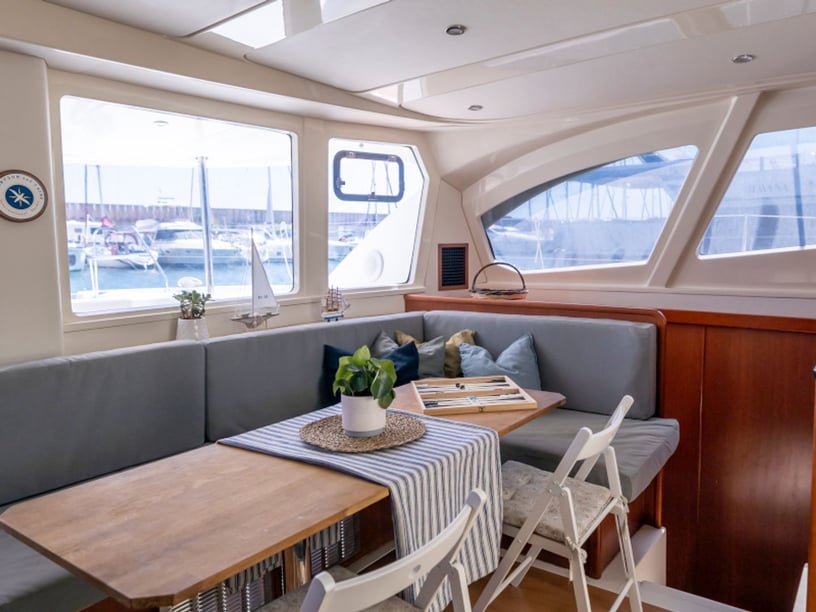
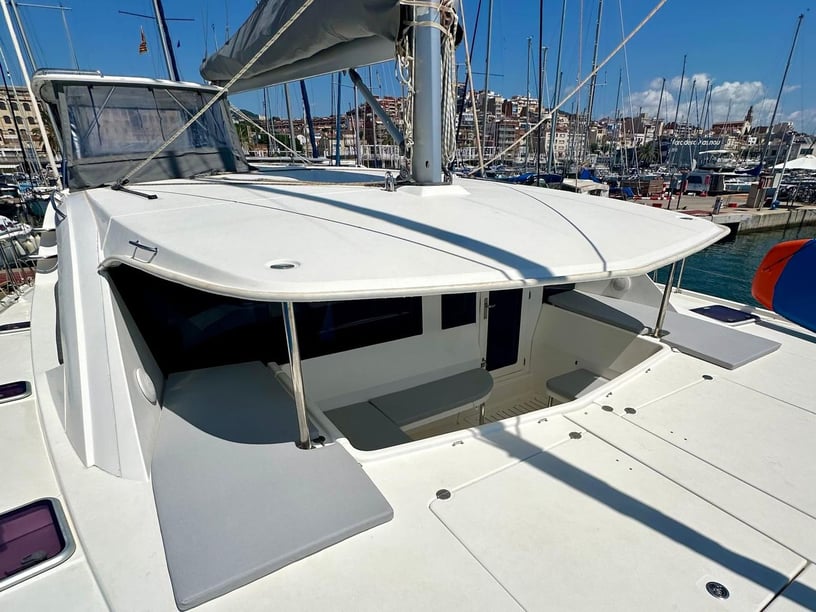
Whether searching for yacht charter or boat rental in Palamós, compare the planned route with the vessel’s draft, onboard comfort and intended cruising range. A compact boat may suit short cove hopping, while a longer itinerary requires greater attention to passage conditions, marina access and alternatives if the wind changes.