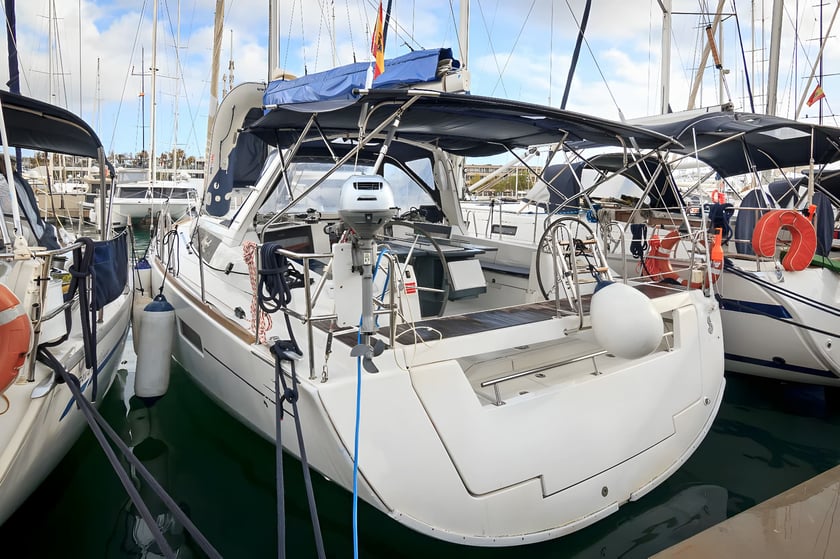
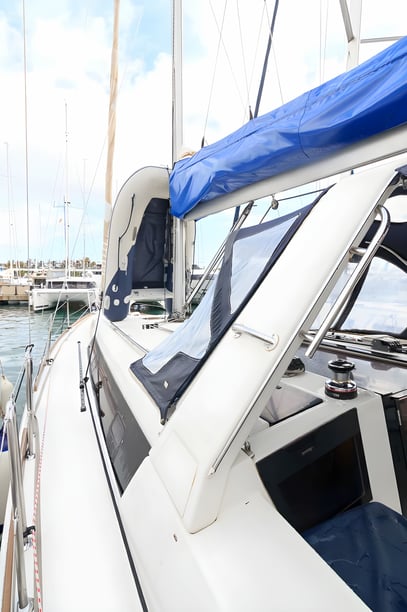
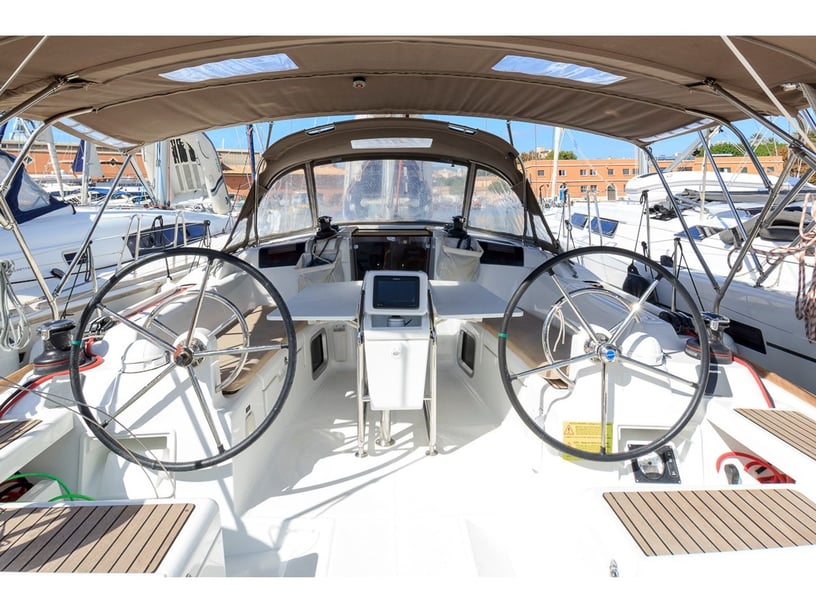
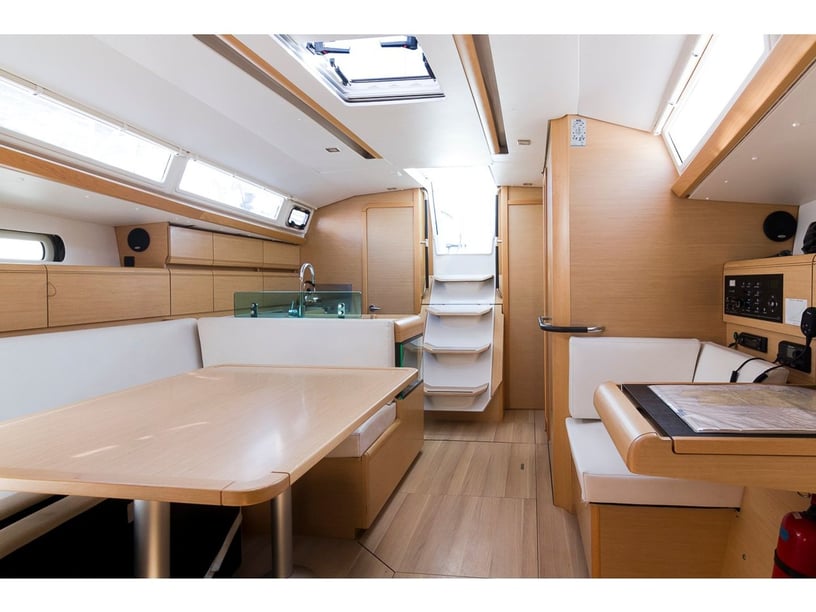
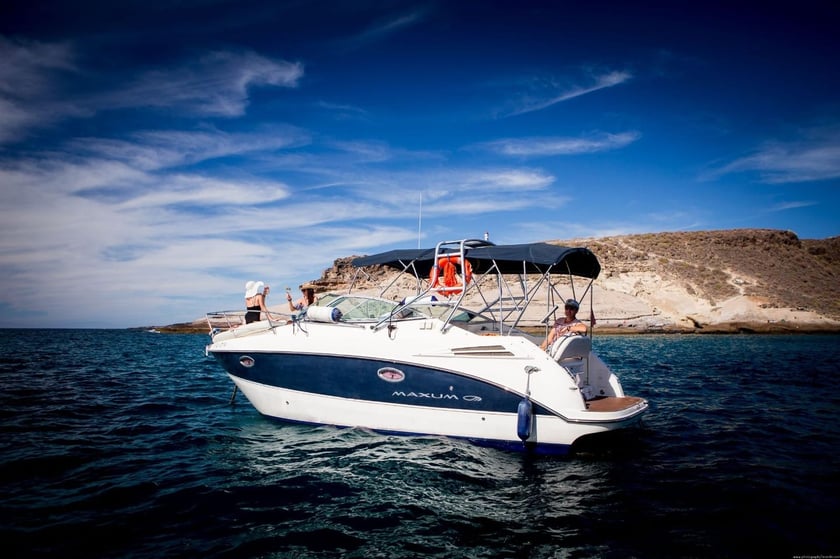
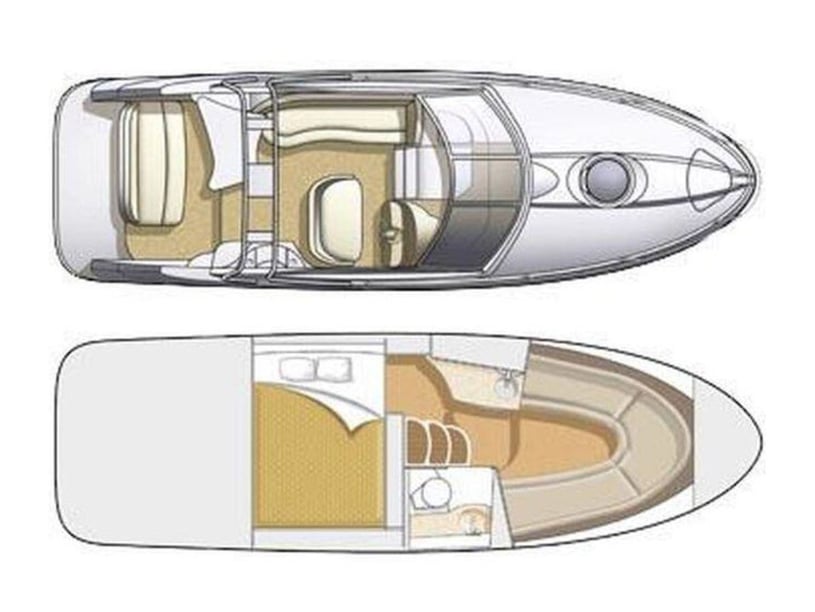
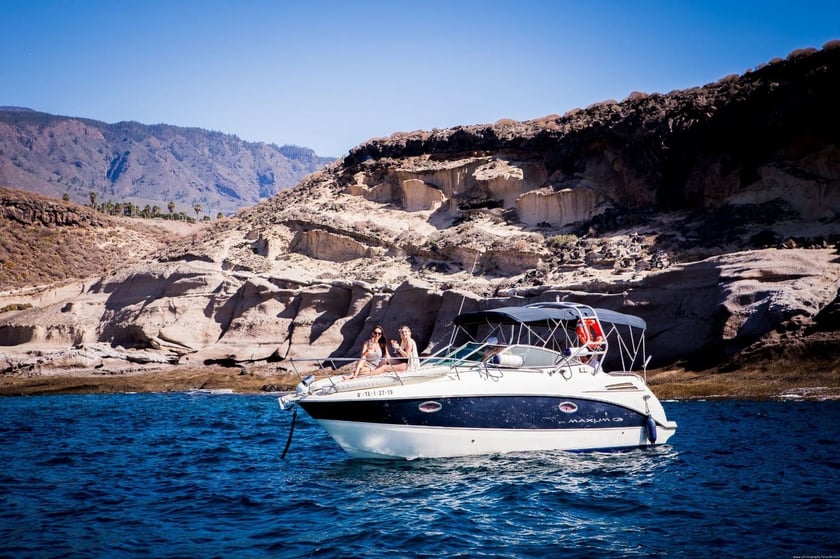
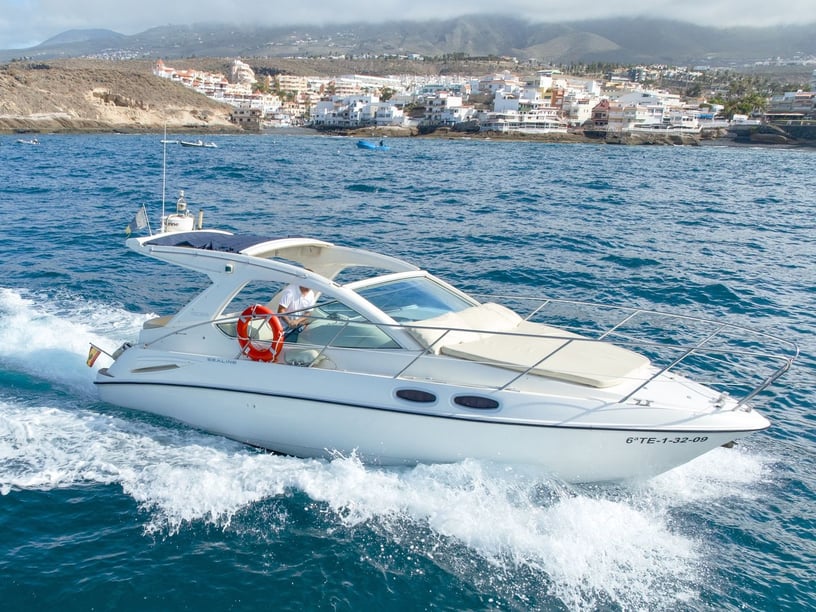
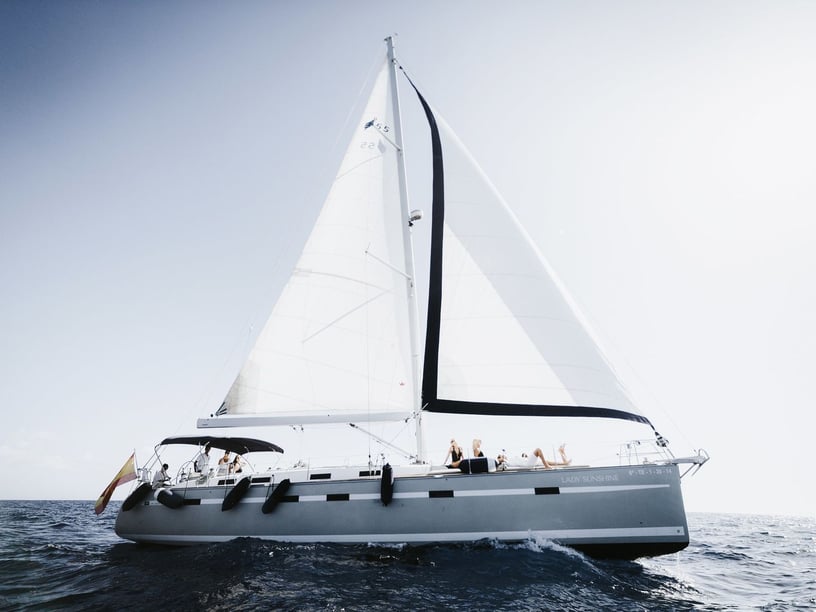
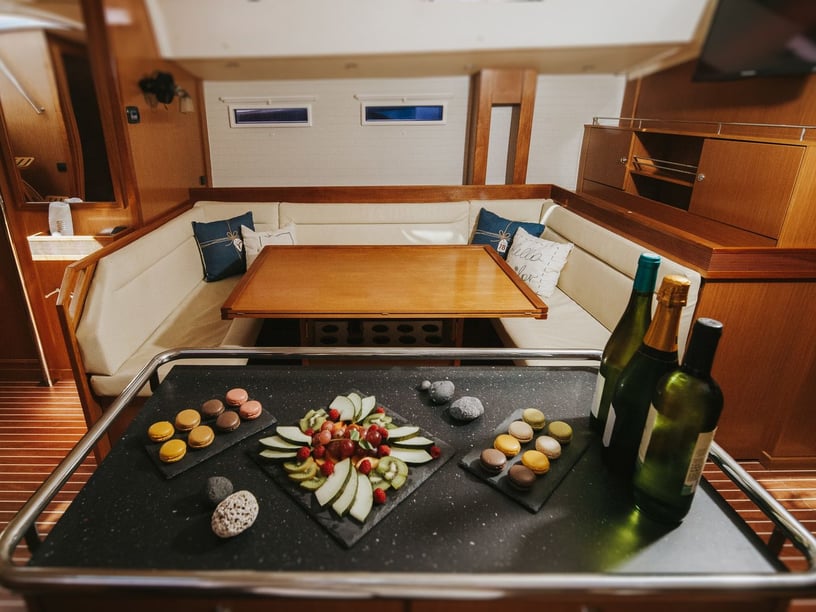
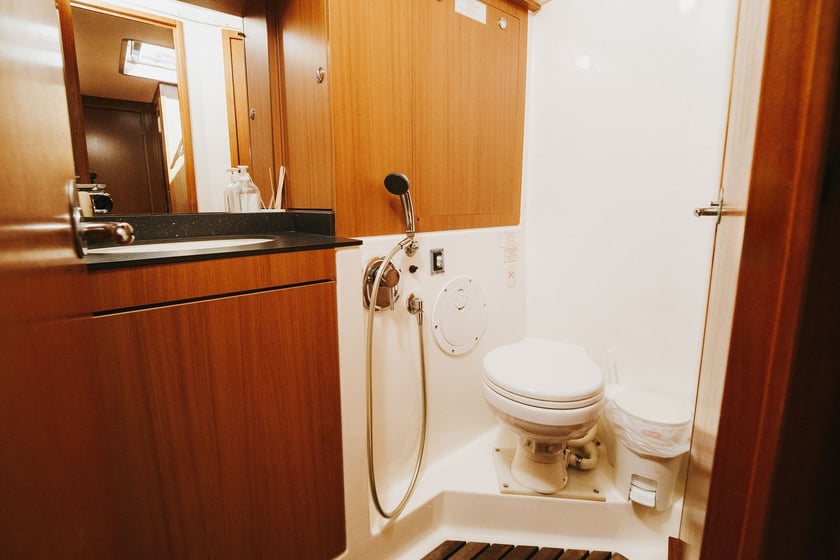
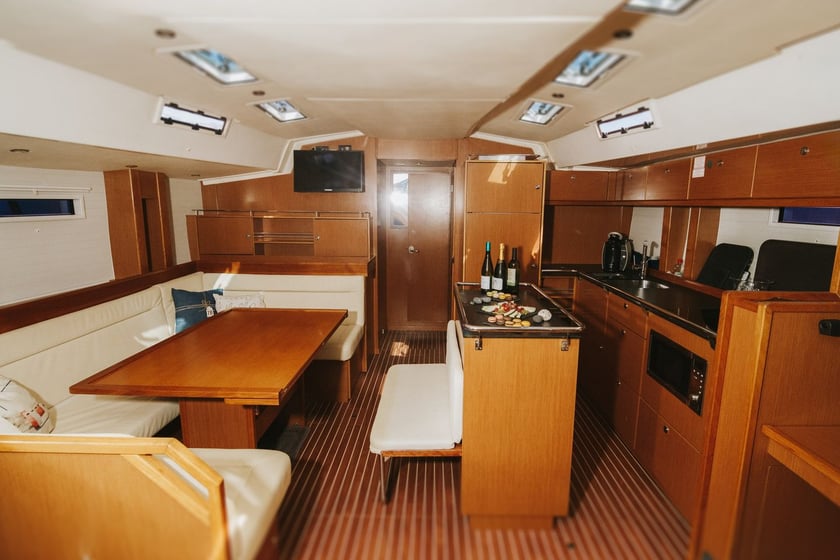
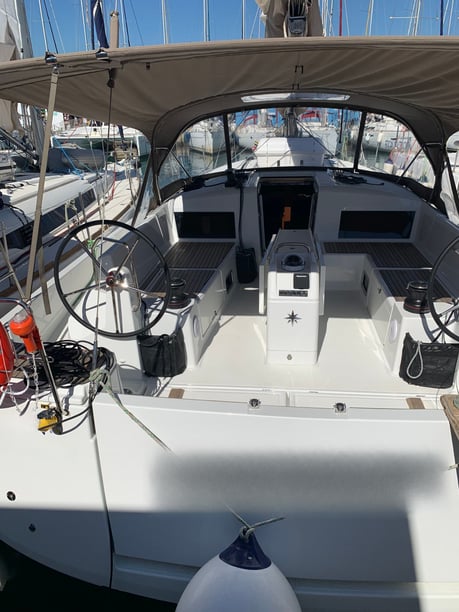
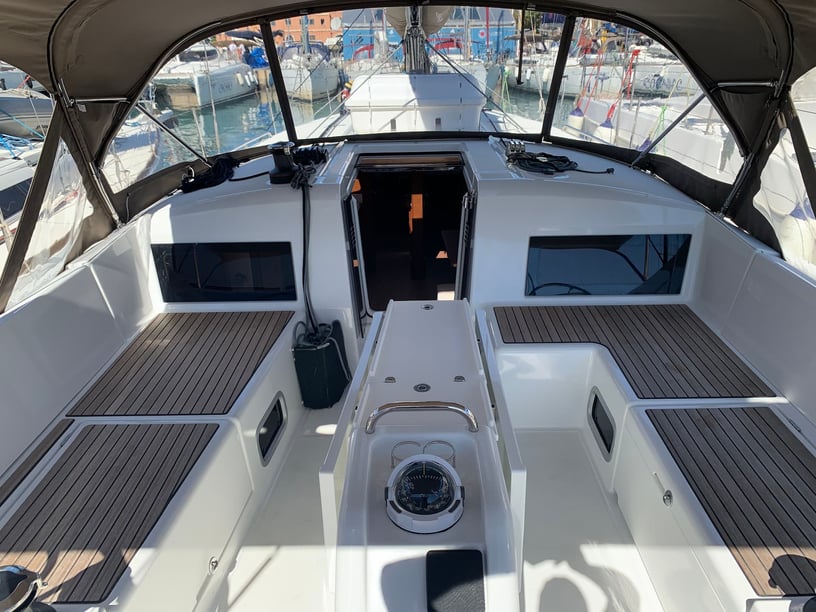
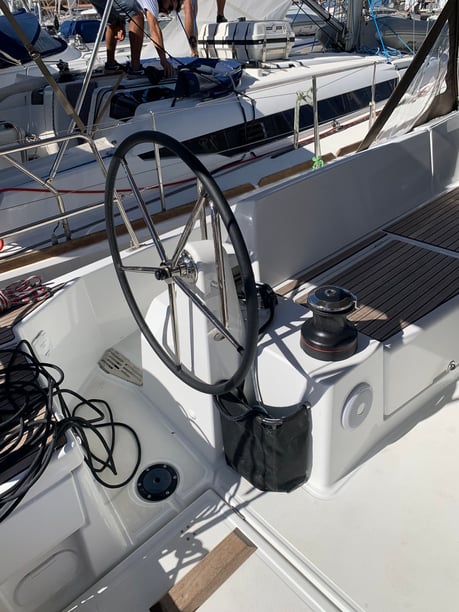
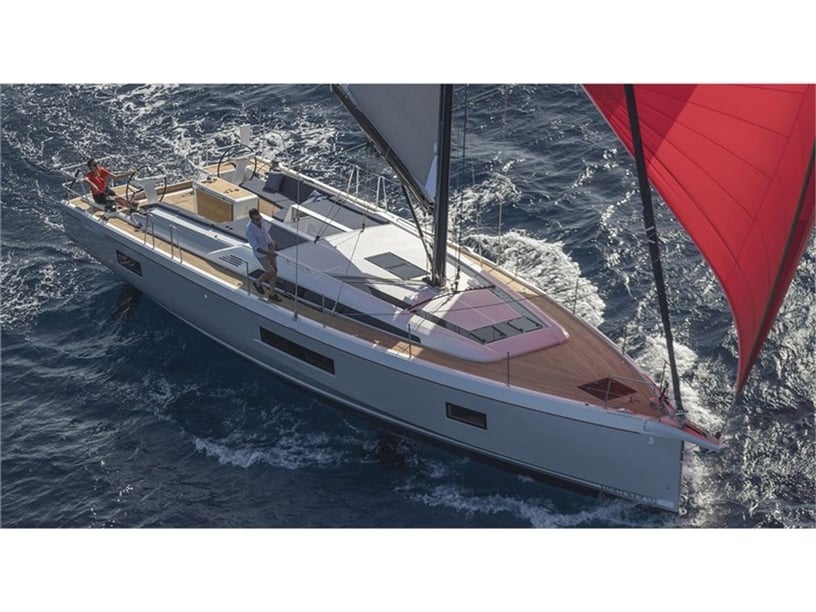
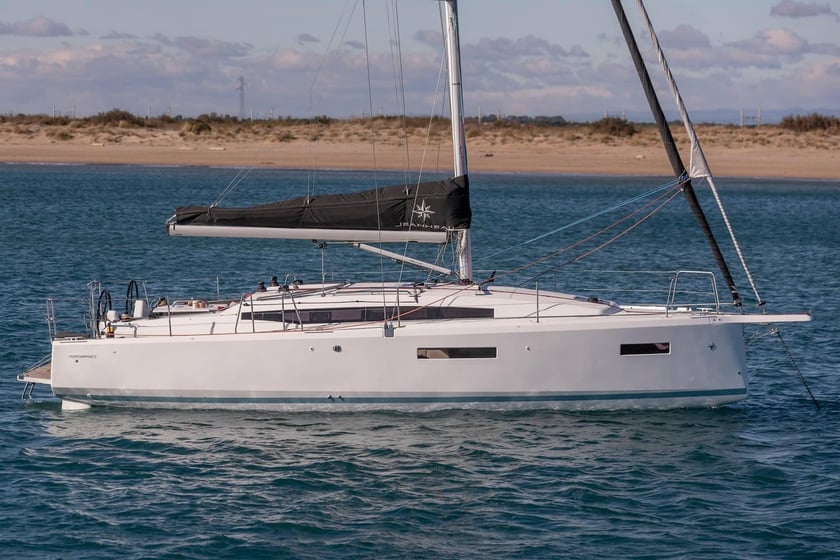
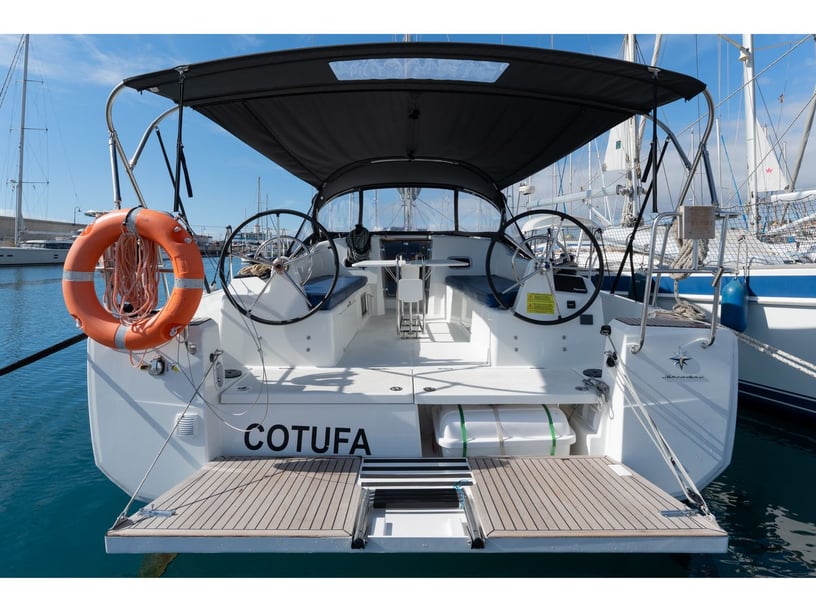
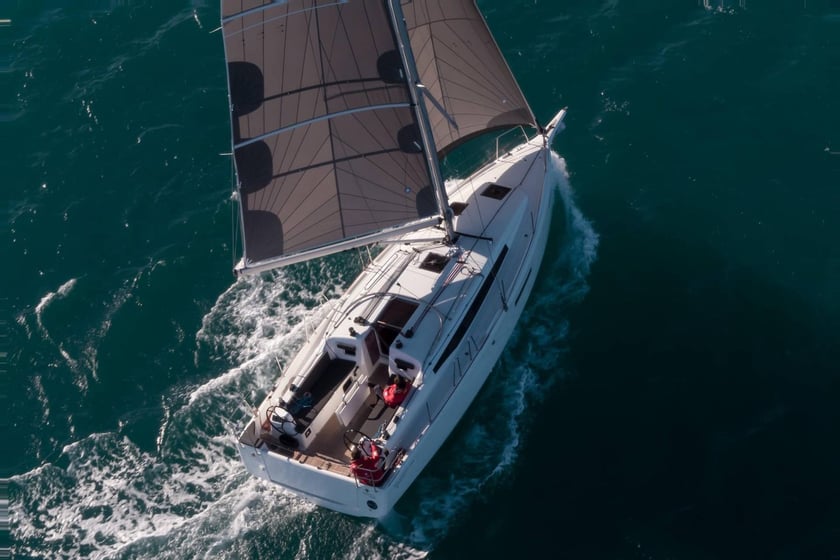
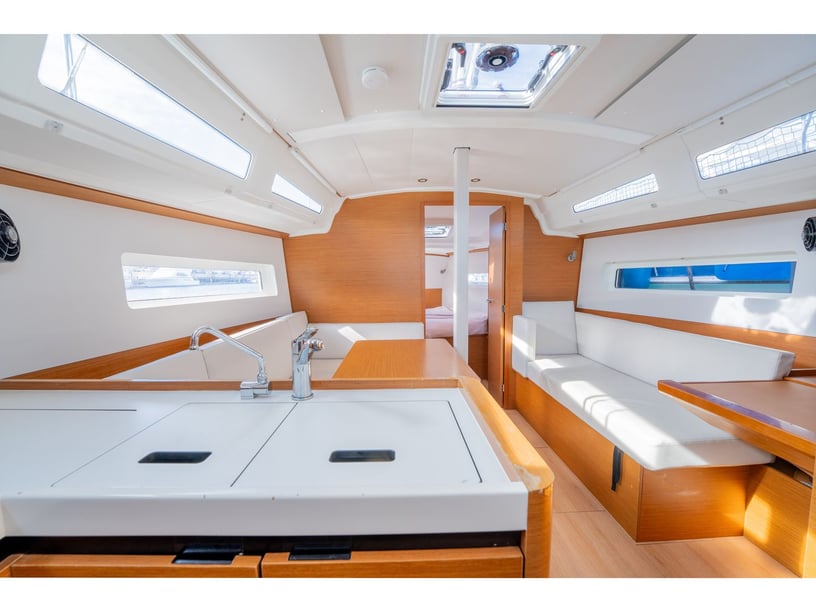
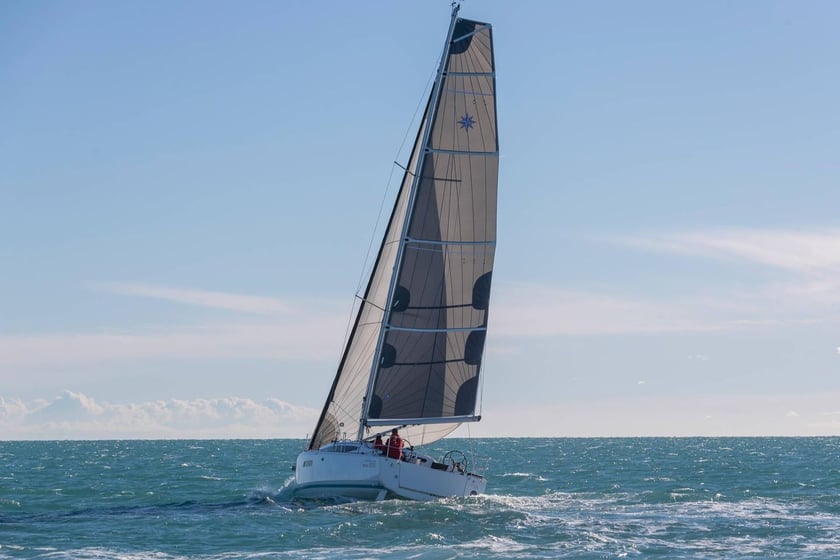
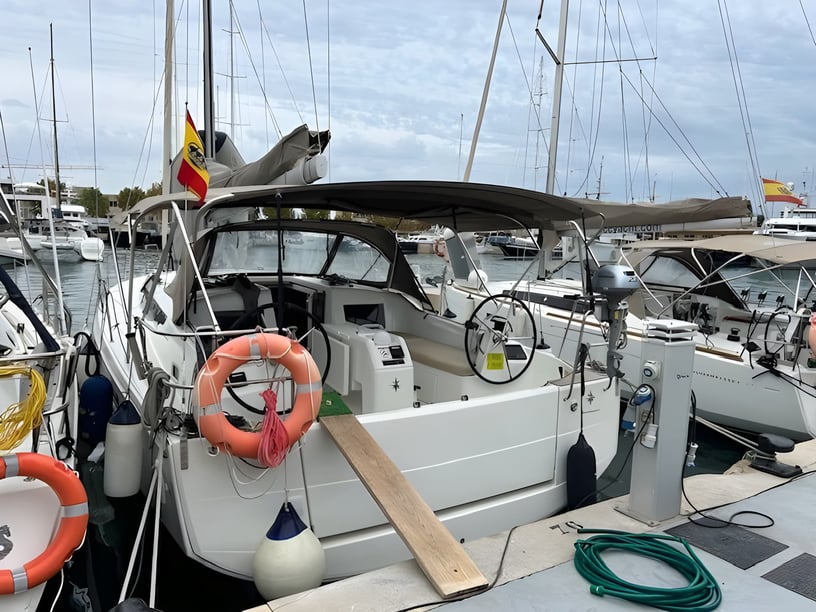
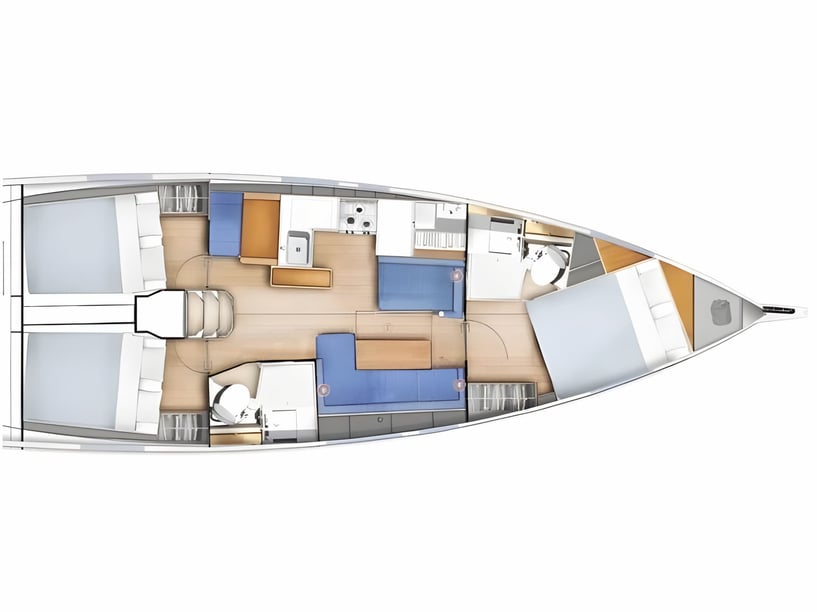
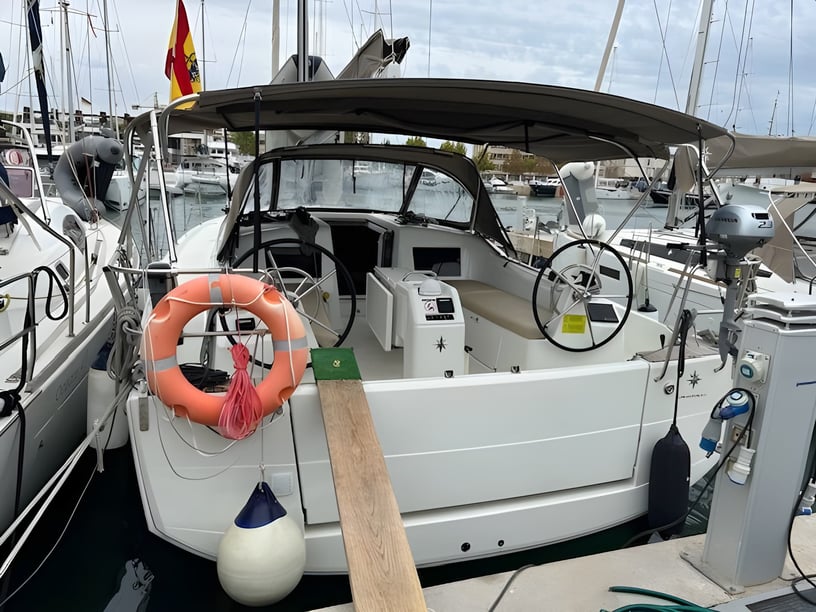
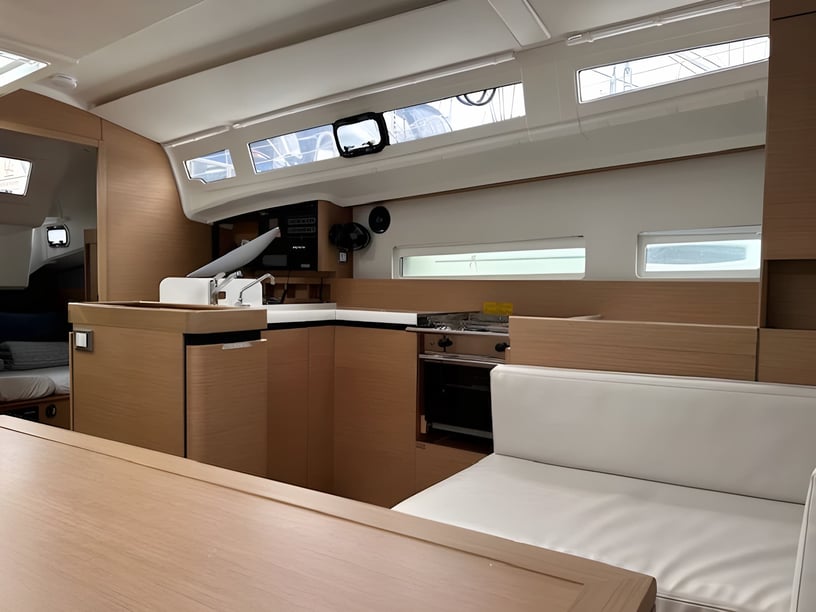
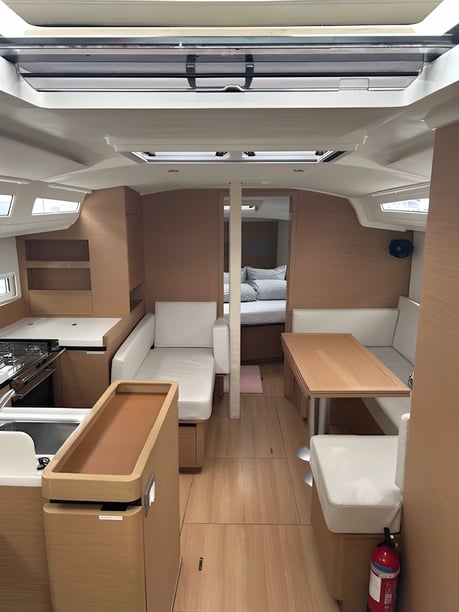
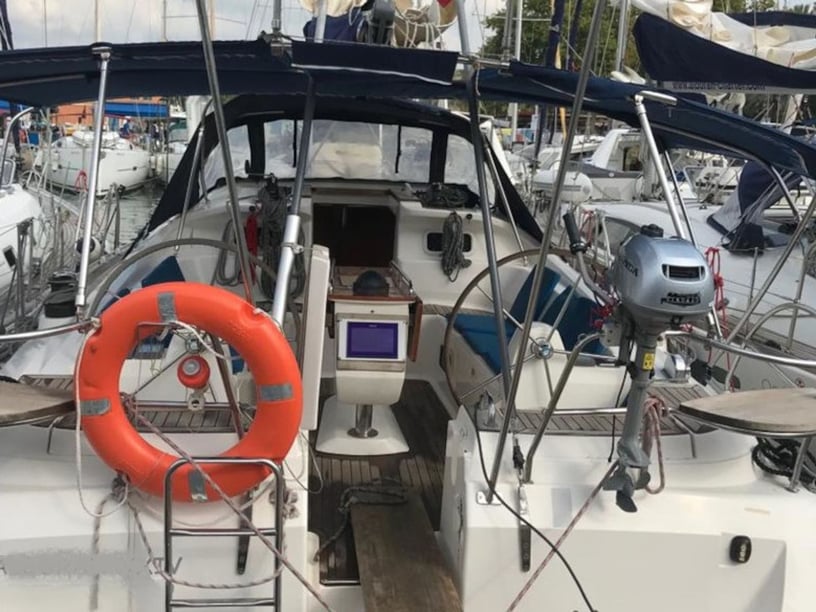
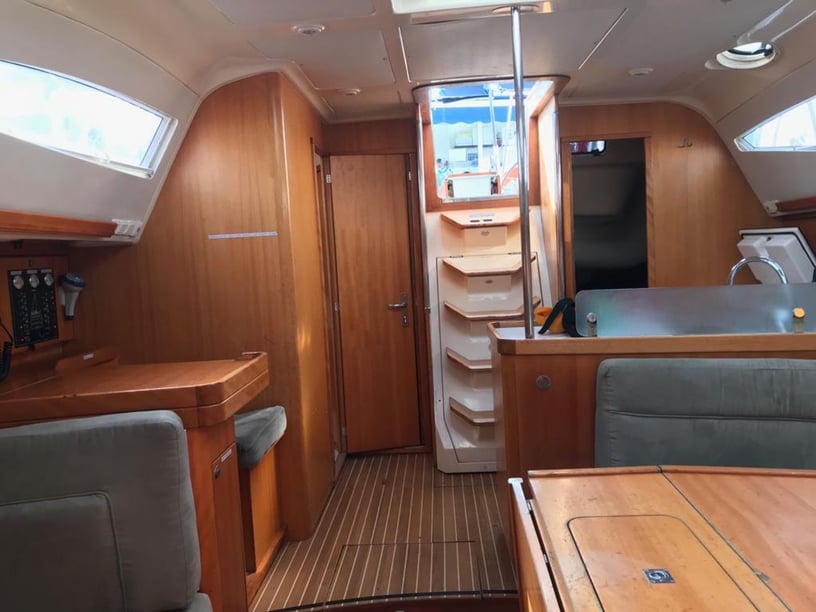
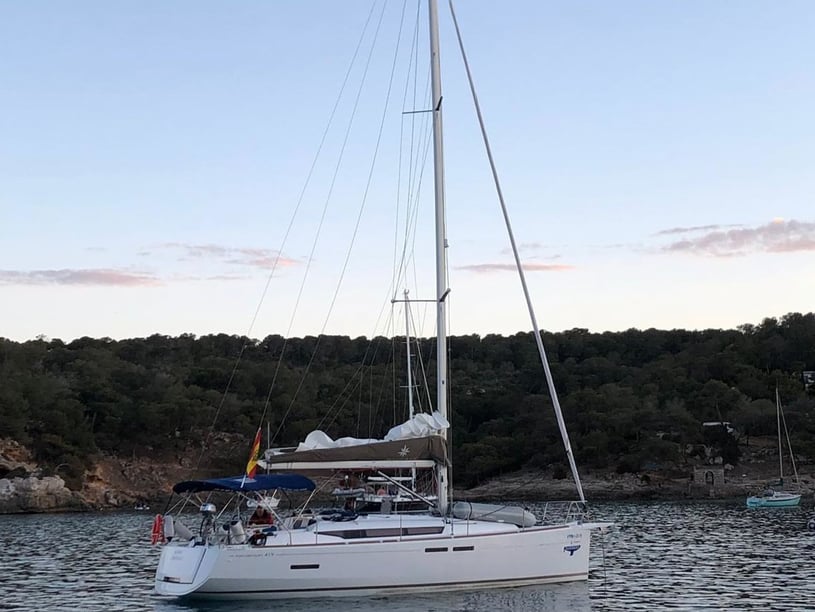
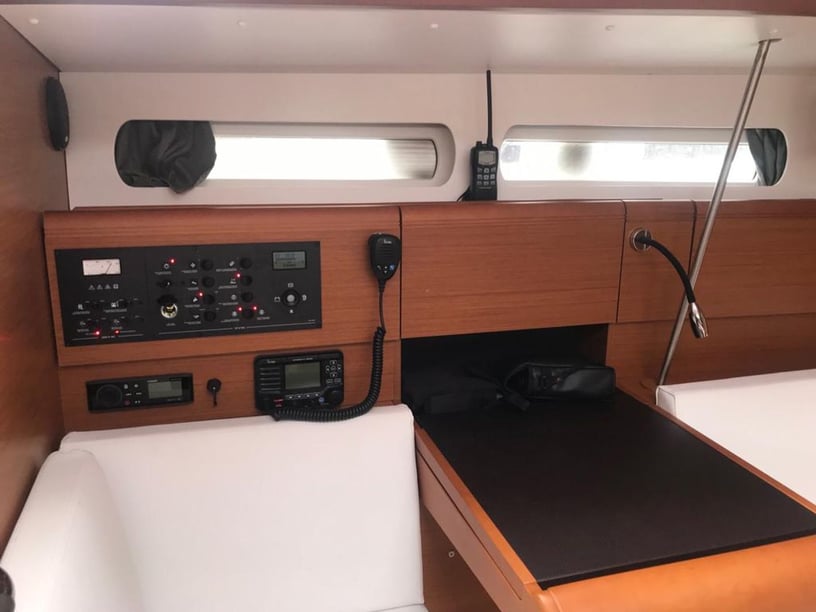
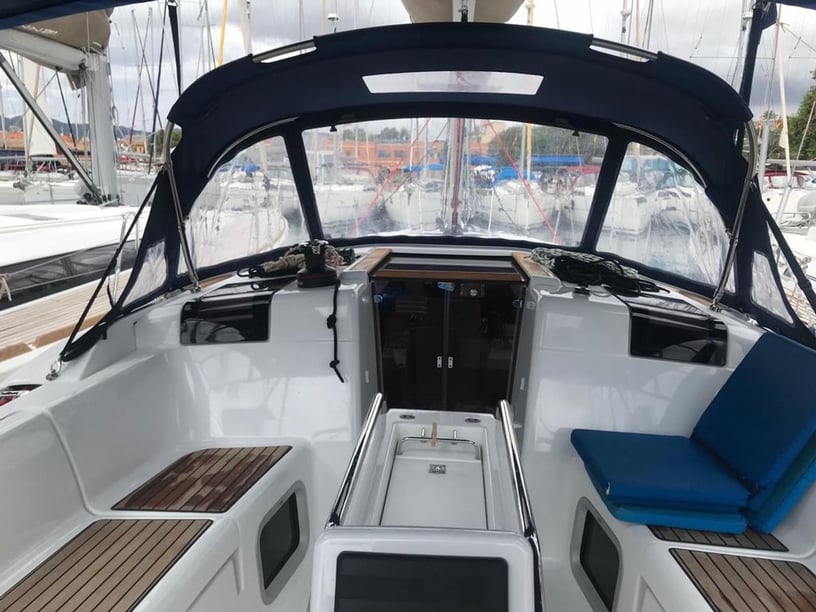
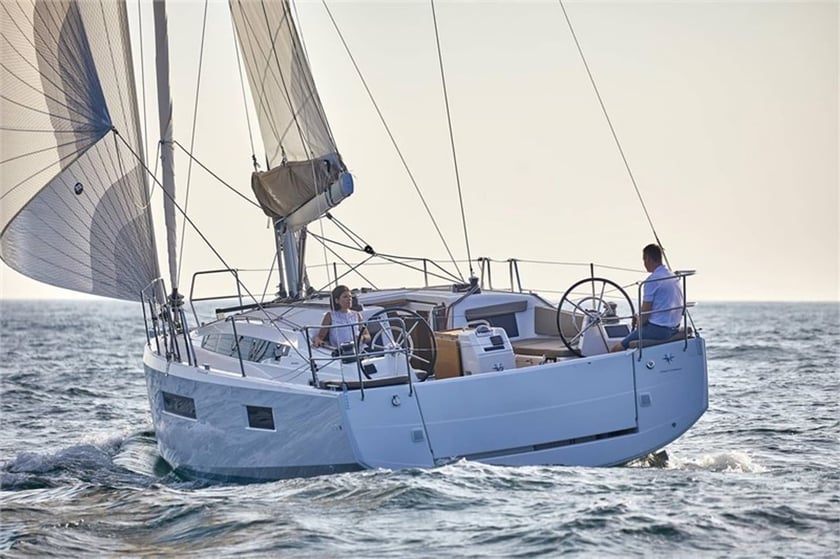
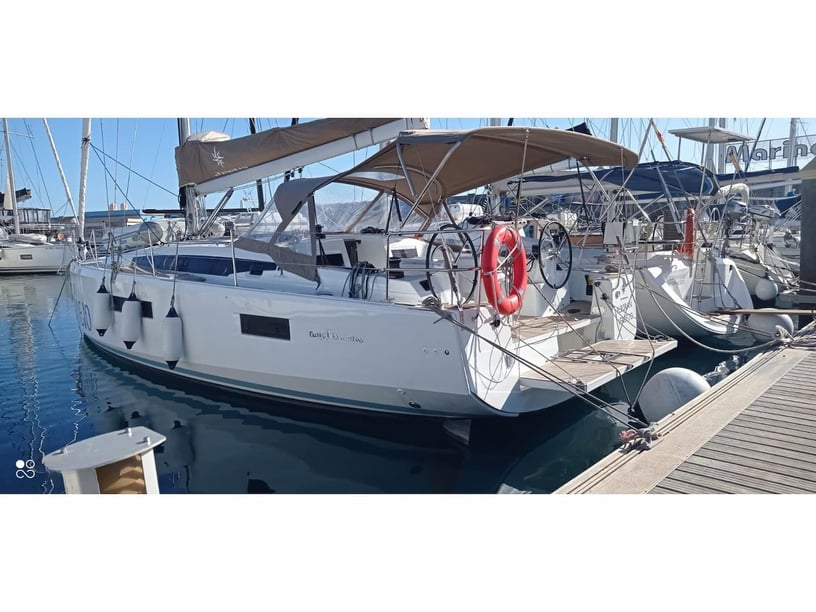
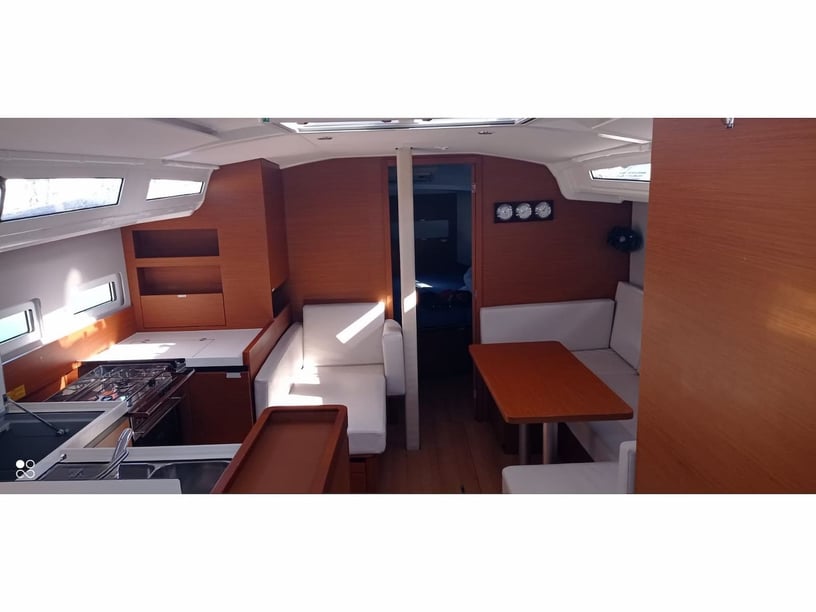
Yacht charter in Santa Cruz de Tenerife
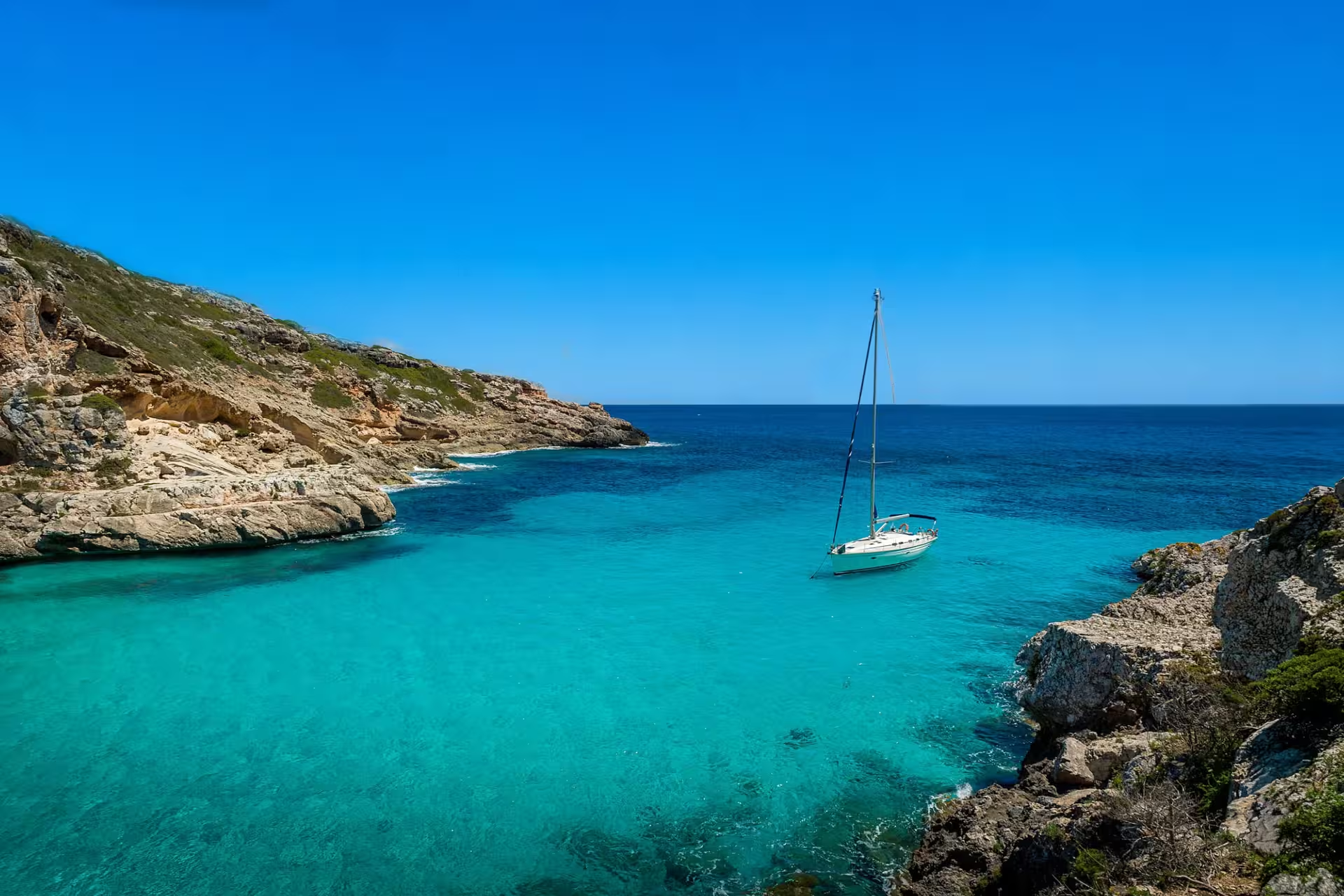
A yacht charter in Santa Cruz de Tenerife combines city-center berthing with access to one of Tenerife’s most rugged coastal landscapes. The capital occupies the natural Bay of Santa Cruz on the island’s east coast, where marinas sit within a major commercial harbor. Beyond the port, the coastline rises into the volcanic ridges, ravines and cliffs of the Anaga massif.
Santa Cruz is best understood as a well-serviced maritime gateway and yacht stopover rather than an area filled with sheltered anchorages. Travelers can provision in the city, explore its cultural sights and then cruise toward San Andrés, Las Teresitas and the more isolated Anaga shoreline. Within the wider choice of yacht charter in Spain, it offers a distinctly Atlantic experience shaped by open-water conditions and dramatic coastal terrain.
Coastal places to explore
San Andrés provides a natural first point of interest northeast of Santa Cruz. The fishing district is associated with seafood dishes featuring fresh fish, limpets, prawns and squid, while nearby Playa de Las Teresitas offers an accessible beach stop before the coast becomes markedly steeper.
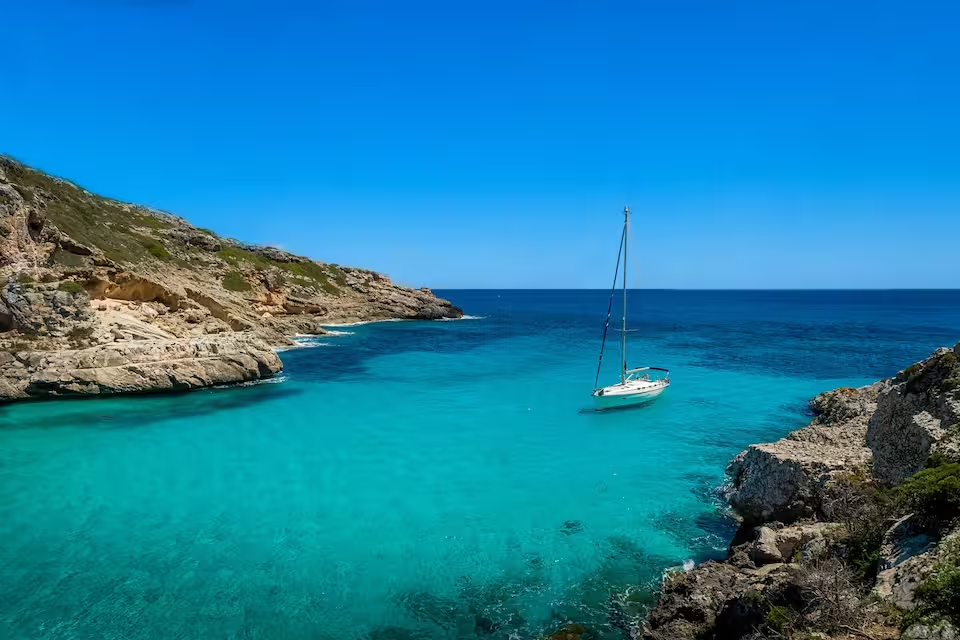
Farther into Anaga, the cliffs and ravines limit road access and create places that are particularly meaningful from the water. Playa and Bay of Antequera can be approached on a coastal excursion beneath southeastern Anaga. The beach is otherwise reached by a demanding trail, although landing conditions depend on the swell and tide, and much of the sand may be covered at high water.
Around Tenerife’s northeastern tip, Roque de Tierra and Roque de Fuera form the Roques de Anaga. These volcanic sea stacks are striking offshore landmarks, but they lie within an integral nature reserve where access is prohibited except for authorized scientific purposes. They should therefore be appreciated from an appropriate distance rather than treated as a landing destination.
What sailing here is like
Cruising from Santa Cruz involves a clear transition from protected berthing inside the harbor to exposed Atlantic water beyond it. The Anaga coast has cliffs, rocky shores, local currents and relatively few convenient landing places or serviced anchorages. This makes it better suited to carefully planned coastal passages and scenic cruising than to spontaneous cove-hopping.
North and northeast trade winds predominate. Tenerife’s mountainous terrain can create wind shadows, gusts and acceleration zones, so conditions may change considerably over a relatively short passage, particularly on the eastern and southeastern sides of the island. Atlantic swell is another important factor along Anaga.
These characteristics do not rule out shorter outings, but they place greater emphasis on forecasts, route flexibility and the experience of the skipper. Longer trips between islands require open-water competence, while occasional southerly or westerly weather systems can produce conditions very different from the usual trade-wind pattern. Saharan dust events may also reduce visibility.
The best time to charter
Recreational sailing is possible throughout the year, but November, December, January and February are identified as particularly suitable months. Trade winds are generally calmer during this period, which can make coastal and inter-island passage planning more manageable.
Spring usually brings increasingly dry and sunny weather as the trade winds begin to strengthen. June, July and August tend to have more forceful winds, rewarding experienced sailors but requiring careful planning around acceleration zones and exposed sections of coast. September and October remain warm and can be notably calm; this may suit relaxed time on the water, although very light wind can limit the appeal for travelers focused primarily on sailing performance.
Conditions remain variable in every season, so the forecast for the intended route matters more than the calendar alone.
Route ideas from Santa Cruz
A shorter coastal outing can run from Santa Cruz or San Andrés toward Playa de Antequera, following the base of Anaga’s southeastern cliffs. The route highlights the contrast between the capital’s working waterfront and a remote shore with limited land access. Swell, tide and landing conditions should determine whether the beach itself forms part of the trip.
For experienced crews, Santa Cruz can also be a starting point for offshore itineraries. One established circuit links La Palma, La Gomera and El Hierro before returning via southern Tenerife and the island’s east coast. Another long leg heads toward Santa Cruz de La Palma past the Roques de Anaga. The initial section around Tenerife’s northeastern tip can be difficult and often upwind, so both routes require suitable weather and flexibility rather than a rigid schedule.
Experiences on the water and ashore
The defining feature of a Santa Cruz yacht trip is the immediate contrast between an urban Atlantic port and the wild coast of Anaga. A day might combine cruising beneath volcanic slopes, swimming when conditions permit and going ashore in San Andrés for seafood. Remote beaches and isolated bays add interest, but the scarcity of easy landing places means the coastline is often best experienced through scenic cruising.
Time in port can be paired with Santa Cruz’s cultural and maritime heritage. Plaza de España and the Castillo de San Cristóbal Interpretation Centre recall the city’s defensive history, including the repelled British assault led by Horatio Nelson in 1797. The Auditorio de Tenerife, Tenerife Espacio de las Artes and Mercado Nuestra Señora de África provide contrasting architecture, art and local food within the city.
Santa Cruz also has a long role as a provisioning stop for Atlantic vessels, giving the modern marina setting a direct connection to the city’s development through trade and seafaring.
Airports, marinas and departure points
Tenerife North–Ciudad de La Laguna Airport is the closest airport to Santa Cruz and its marinas. Tenerife South Airport provides another international gateway, connected to the capital by road and bus. The Port of Santa Cruz also has passenger links with other Canary Islands and mainland Spain.
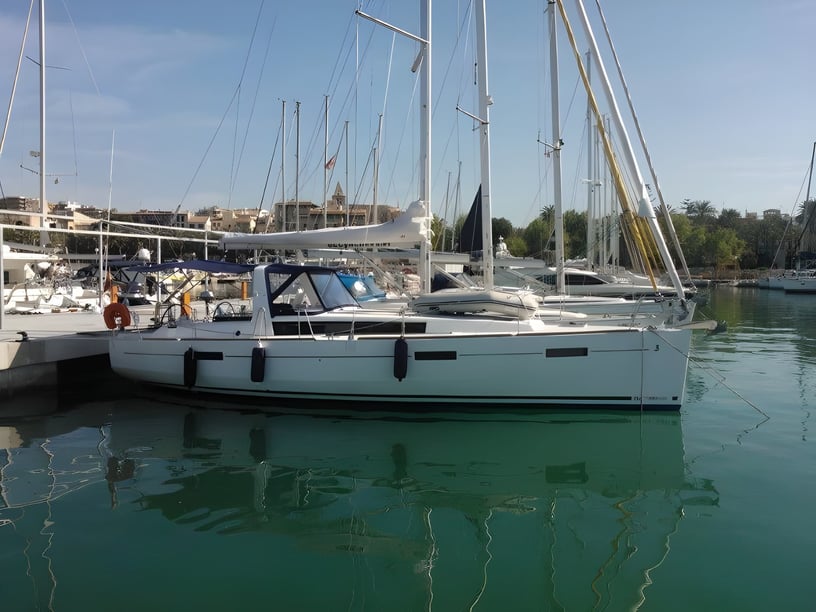
Marina Santa Cruz, also known as Marina del Atlántico, and Marina Tenerife are the principal berthing points within the harbor. San Andrés may also serve as a departure point for trips along the southern side of Anaga. Because marina access takes place inside a busy commercial port, arriving vessels must coordinate with the marina and port control and follow traffic instructions.
This combination of transport access, city services and established yacht facilities makes Santa Cruz useful as both a departure area and an Atlantic stopover, even though the surrounding coast itself has relatively few serviced anchorages.
Planning your charter
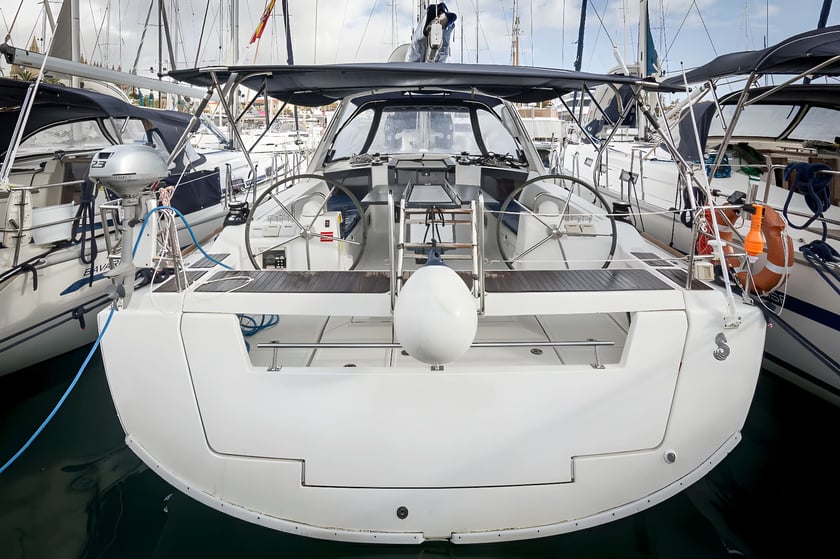
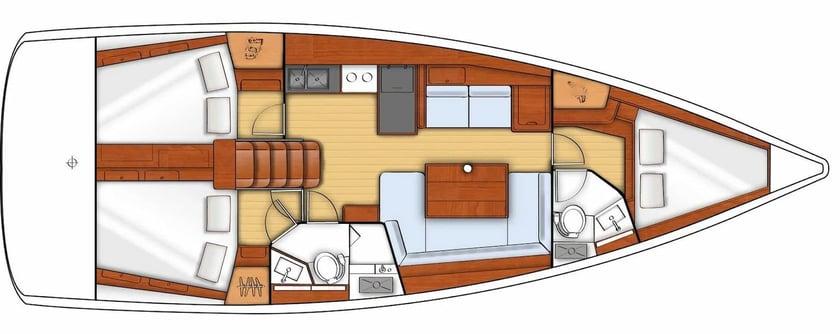
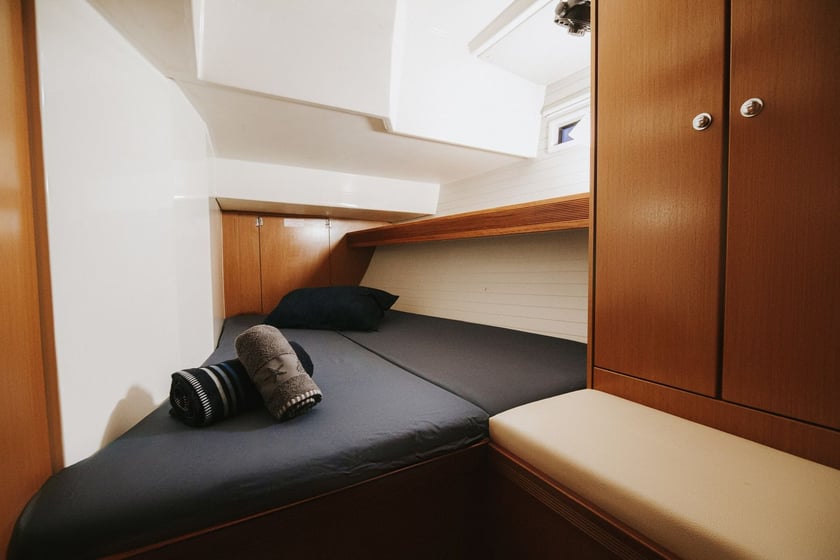
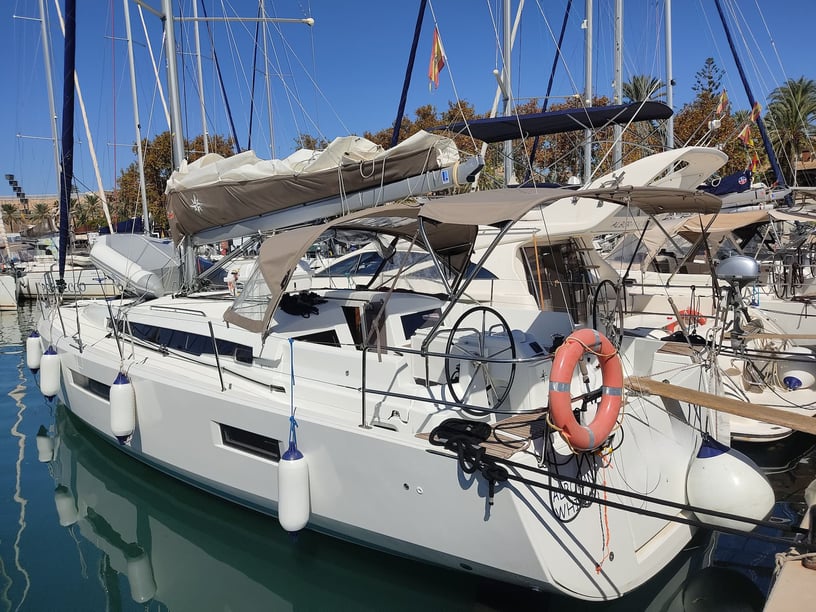
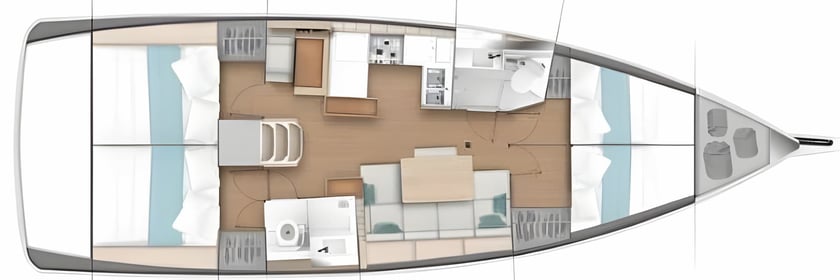
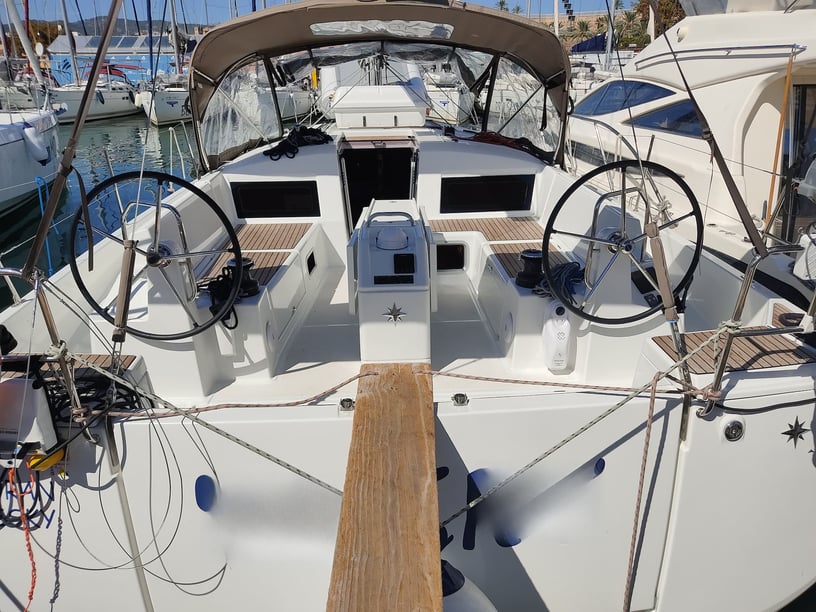
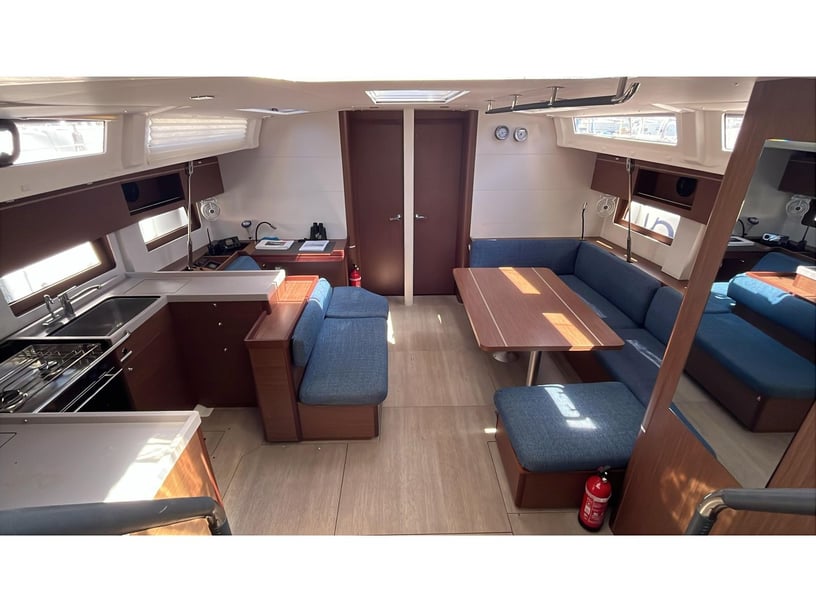
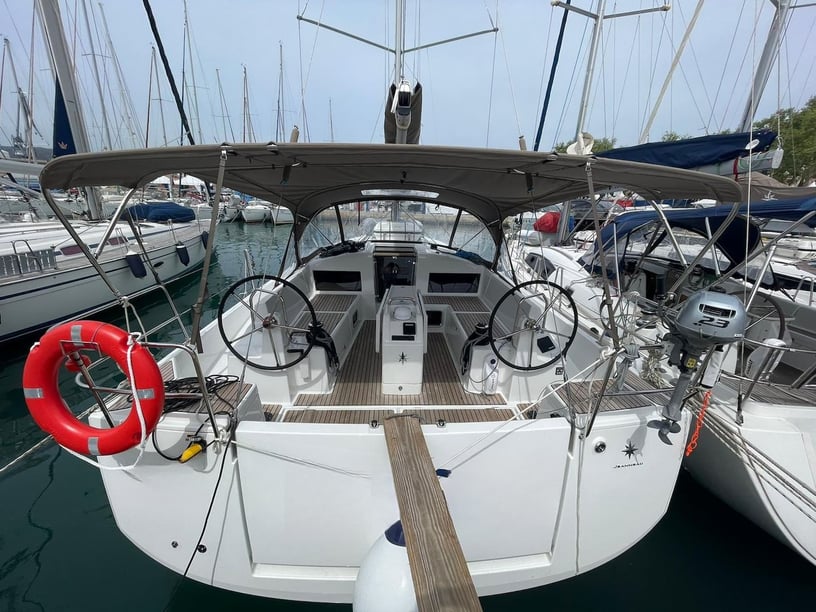
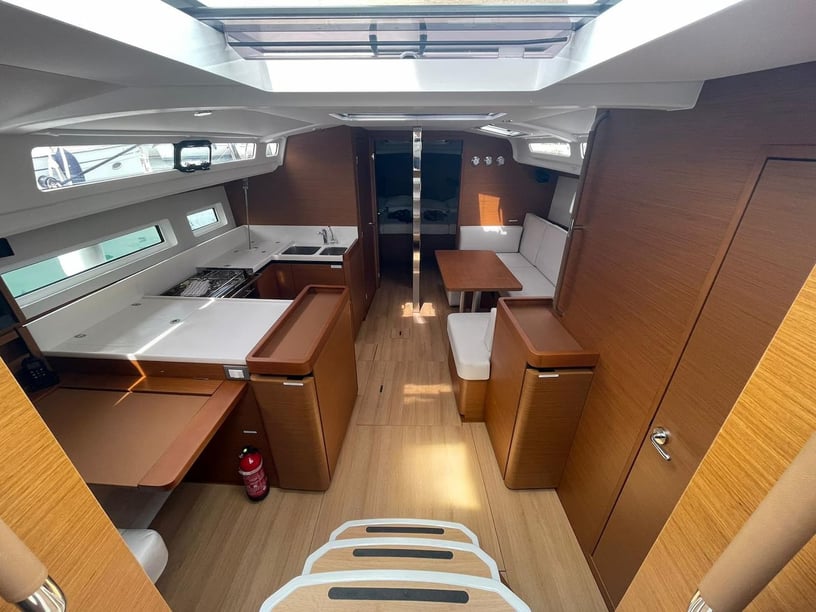
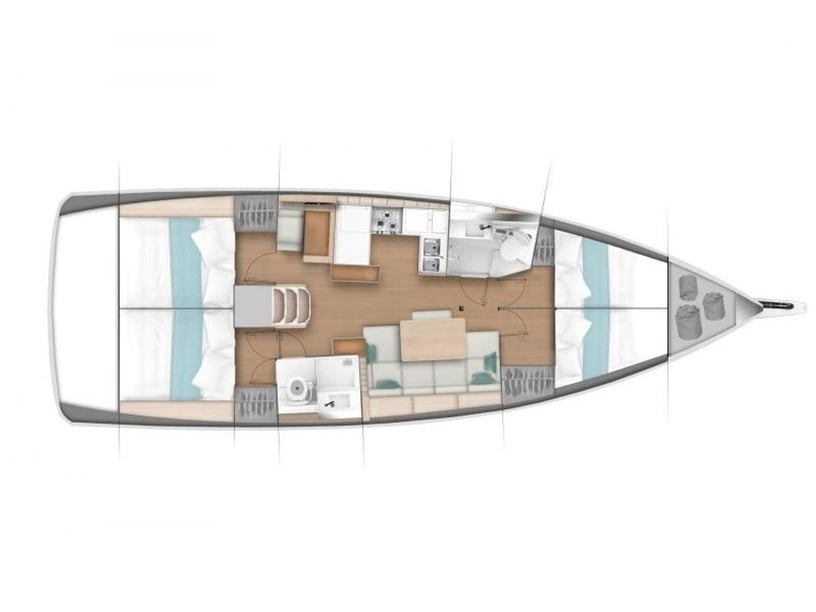
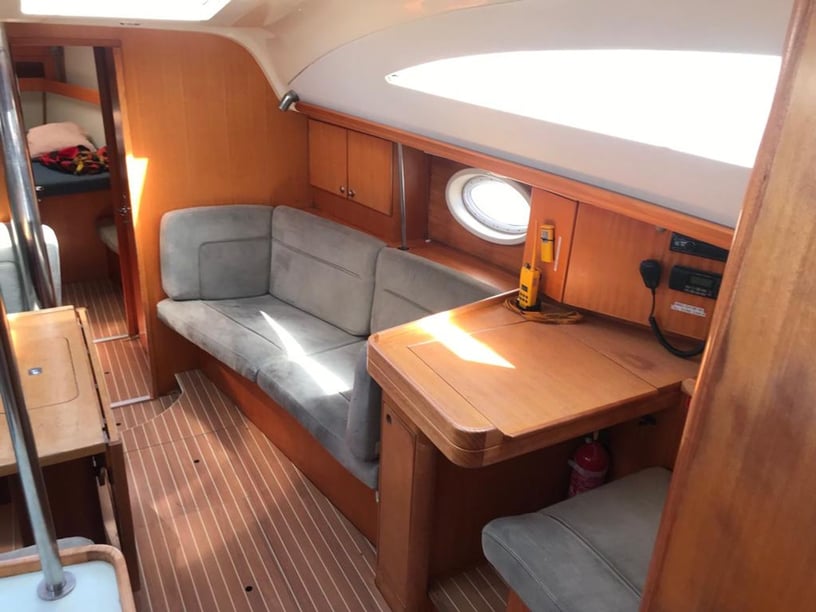
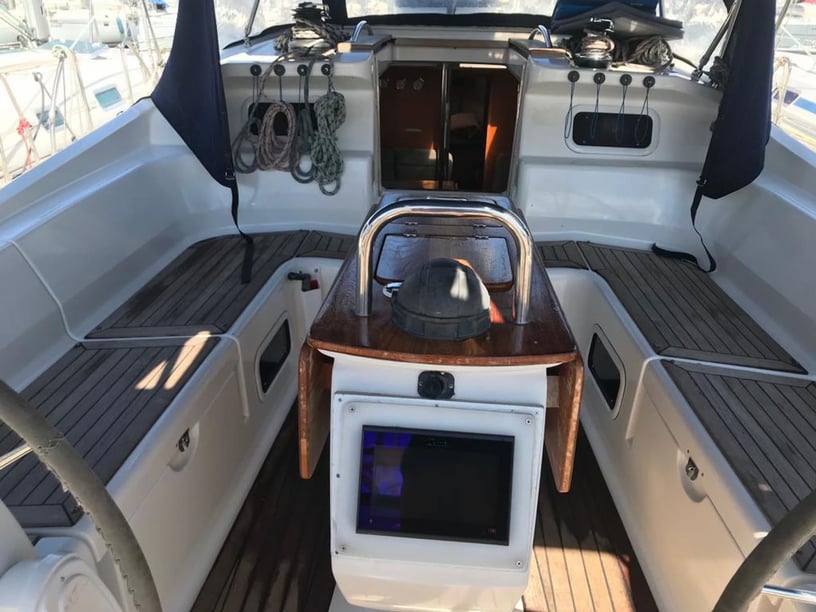
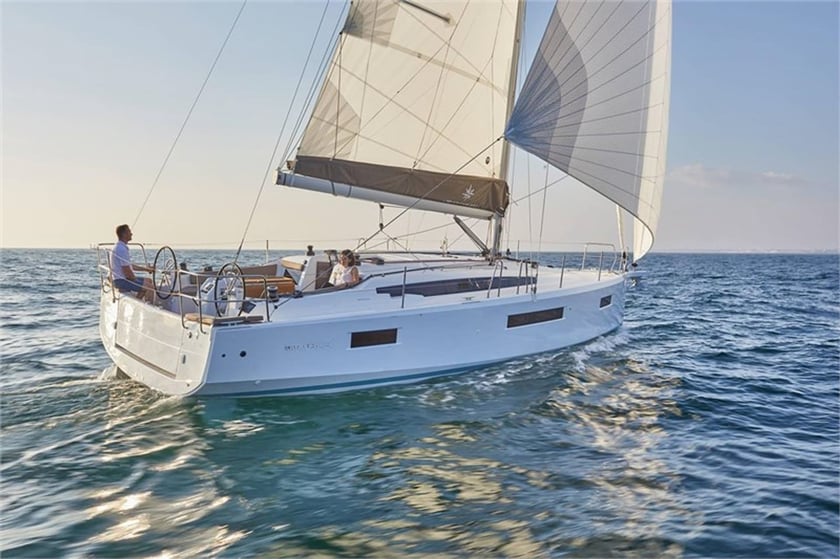
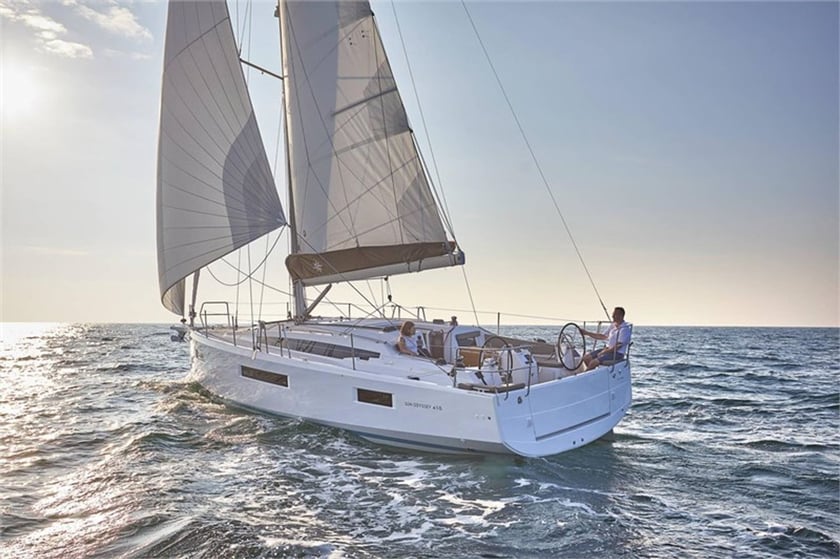
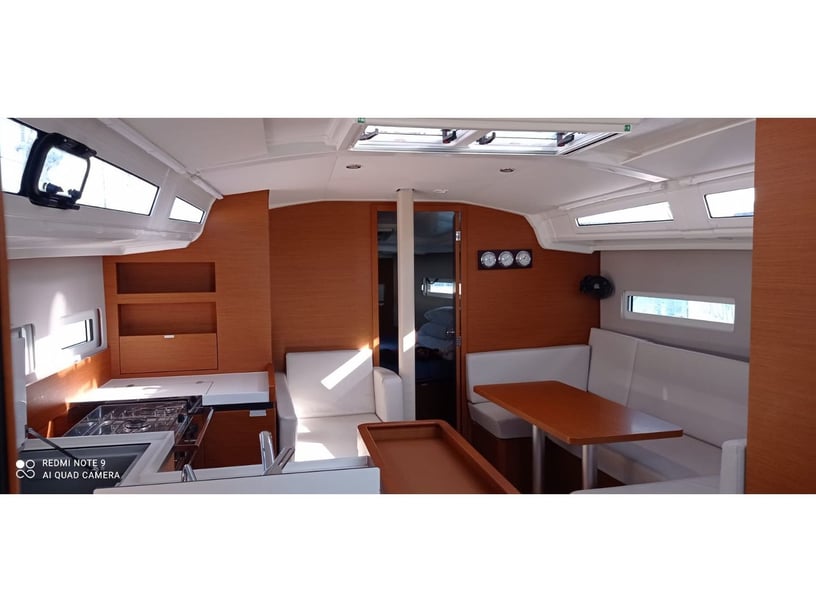
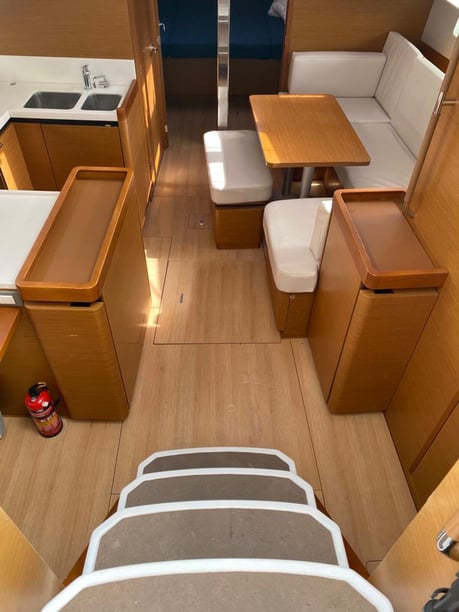
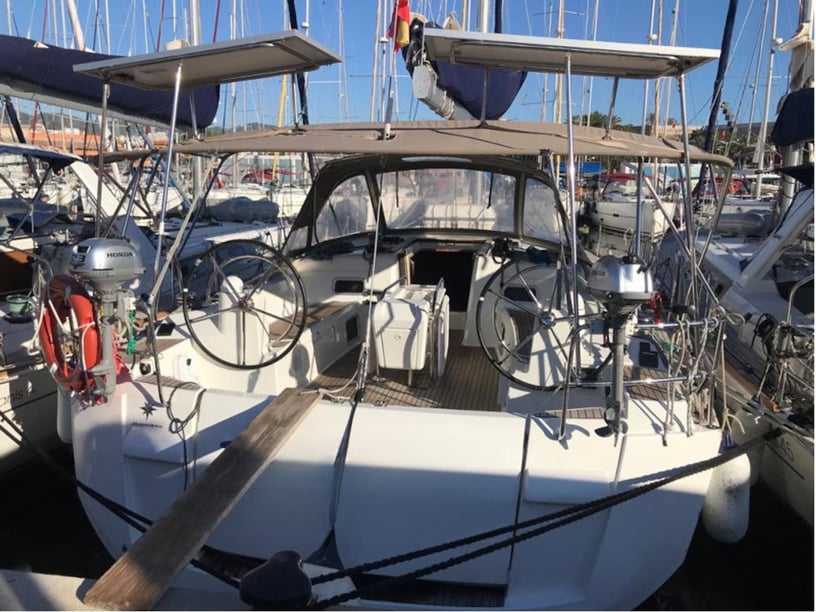
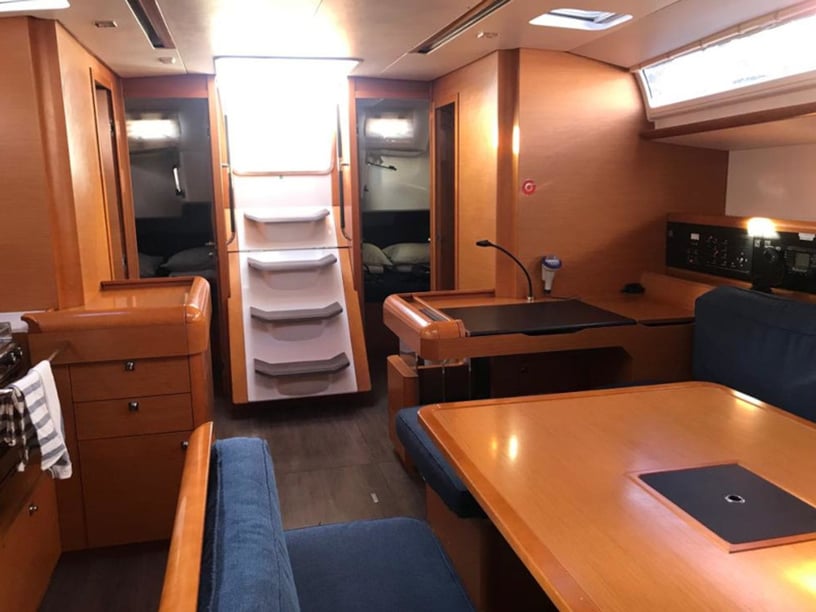
When comparing yacht or boat rental in Santa Cruz de Tenerife, begin with the intended route rather than choosing solely by the coastline you hope to see. A short trip toward San Andrés or Antequera has different requirements from an inter-island passage. Confirm that the boat, skipper and crew experience are appropriate for Atlantic swell, trade-wind acceleration zones and stretches with limited shelter.
Check wind and wave forecasts shortly before departure, as local wind shadows and gusts can alter conditions rapidly. Landing options along Anaga depend on swell, tide and current access rules. In the Bay of Antequera, boaters should verify current anchoring or mooring restrictions and avoid damaging the ecologically sensitive seagrass habitat.
It is also worth discussing schedule flexibility before booking, particularly for longer offshore routes. A charter plan that allows departure times or passage order to change with the weather is more suitable here than an itinerary built around fixed landings on an exposed coast.