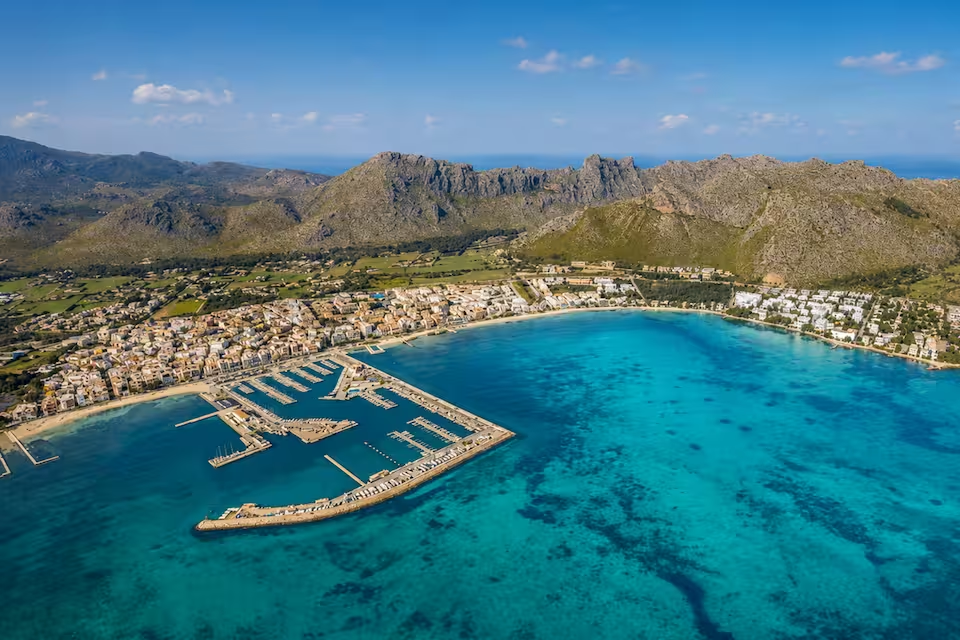
Yacht charter in El Masnou
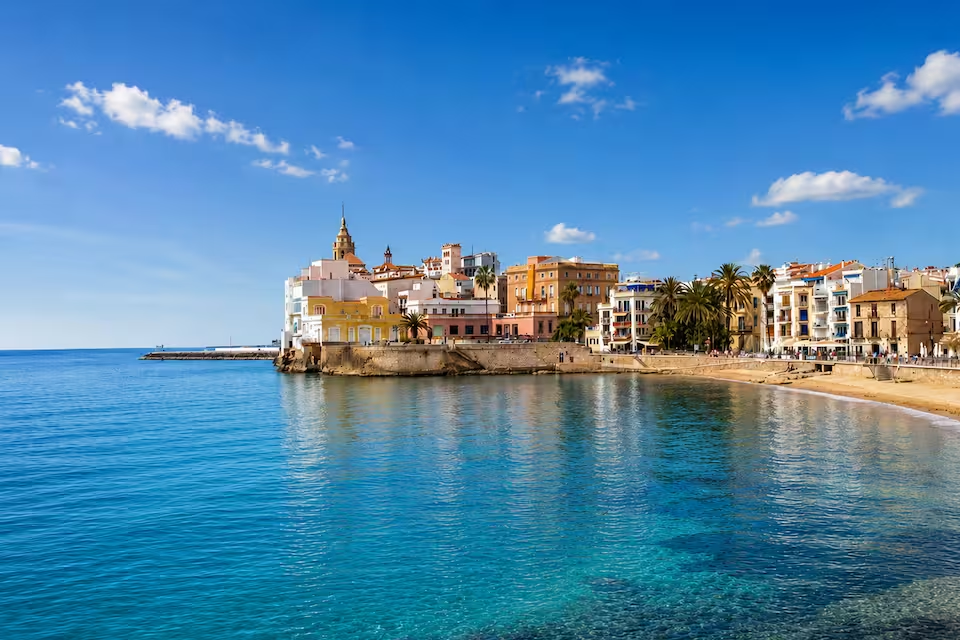
El Masnou is a compact seaside town on the Maresme coast, northeast of Barcelona. Its waterfront is organized around Port Masnou, with El Masnou Beach to the southwest and the longer Ocata Beach to the northeast. This combination of marina facilities, urban beaches and direct access to the town makes a yacht charter in El Masnou particularly relevant for coastal outings rather than island-hopping or journeys built around secluded anchorages.
The setting suits travelers who want to combine time under way with swimming, waterfront dining and short visits ashore. The open, largely straight coastline encourages line-of-sight passages between neighboring ports, while El Masnou’s railway connections make it possible to include the town in a wider stay around Barcelona. Travelers considering a longer or geographically broader trip can also compare yacht charter options in Spain.
Places to explore along the Maresme coast
Port Masnou is the natural center of the local boating experience. From the harbor, the two adjacent beaches give the waterfront a clear structure: El Masnou Beach lies on one side of the marina and Ocata Beach extends northeast on the other. A charter day can therefore combine a coastal passage with time near the beach and an easy return to restaurants or the town.
Ocata is especially relevant for travelers prioritizing swimming and a long sandy shoreline. Farther along the coast, Montgat and Premià de Mar provide recognizable reference points for short coastal passages. These are not cove-to-cove routes; the appeal comes instead from seeing the Maresme’s urban Mediterranean shoreline from the water and moving between established coastal communities and ports.
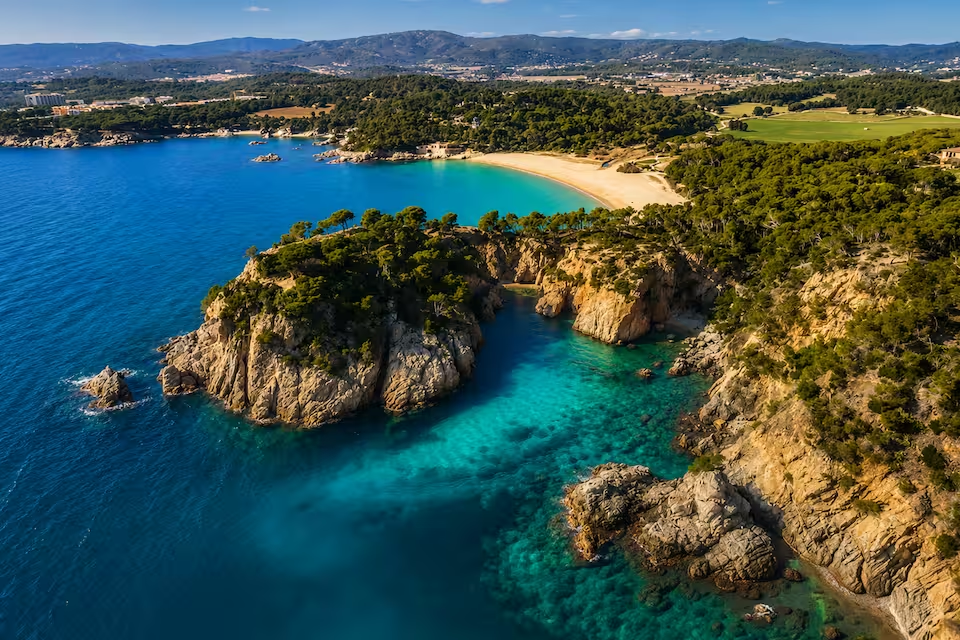
El Masnou is consequently better viewed as a marina-based coastal destination than as a gateway to remote bays. That distinction is important when choosing between boat rental in El Masnou for a day on the water and a yacht holiday centered on overnight anchoring.
What sailing from El Masnou is like
Cruising from El Masnou follows an open coastline with few natural coves or sheltered anchorages. Port Masnou provides the principal local shelter, but conditions outside its breakwaters reflect the exposed character of the central Catalan coast. For travelers, this means that the day’s forecast has a direct influence on comfort, timing and the suitability of the planned passage.
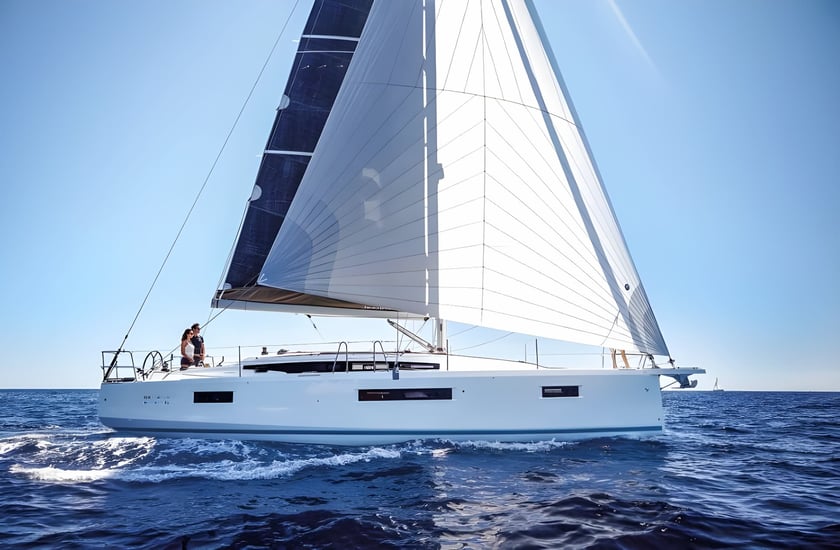
Settled summer weather commonly supports coastal sailing, and daytime sea breezes often come from the southwest or south-southwest. The straightforward geography favors training, day sailing and line-of-sight trips between nearby ports. At the same time, the area is classed as moderately demanding rather than universally easy: exposure to the open Mediterranean and changing weather require sensible route selection and attention to marine forecasts.
The local sailing style is therefore more about purposeful coastal movement than sheltered exploration. Travelers seeking a relaxed outing can keep passages short and leave time for swimming or going ashore, while more experienced crews may use the open coast for a longer sailing day. Regardless of trip length, harbor information and current forecasts should be reviewed before departure.
The best time for a yacht charter
Late spring through early autumn is the most reliable period for recreational boating around El Masnou. June and July are identified as particularly suitable months, combining established summer conditions with long days for coastal sailing, swimming and beach time. August remains within the principal season, while September can still be active on the water.
April, May and October may support enjoyable outings, but conditions are less consistently summery. Water can be cooler, and weather changes may have a greater effect on the day’s plan. Rainfall and thunderstorms become more frequent in late summer and autumn, so flexibility is particularly useful during that transition.
Winter sailing is possible when a suitable weather window develops, but cooler temperatures, shorter daylight and reduced seasonal activity make it less attractive for a conventional yacht holiday. Some beach, visitor and watersports services are also seasonal, with the broadest provision in the warmer months.
Coastal experiences and maritime heritage
A charter around El Masnou can be divided naturally between coastal sailing, swimming and time ashore. The beaches on both sides of the marina make it easy to keep the sea central to the day, while waterfront restaurants and the compact town provide alternatives once the boat returns to port.
El Masnou’s maritime history adds context to the modern marina. During the nineteenth century, vessels were built and repaired in yards established directly on the beach, and local captains and sailors worked merchant routes between Catalonia and the Americas. The Municipal Nautical Museum explores this history through shipbuilding trades, navigation instruments, fishing and transatlantic voyages. The Church of Sant Pere and its viewpoint, the old streets and surviving architecture offer further reasons to spend time ashore.
Food and wine can also form part of the trip. El Masnou has a tradition of durable sailor biscuits once carried on long voyages, while the nearby Alella wine-growing area connects the coast with a long-established local wine culture. These elements make the destination suitable for travelers who want more than a continuous day under sail.
Reaching the marina and departure area
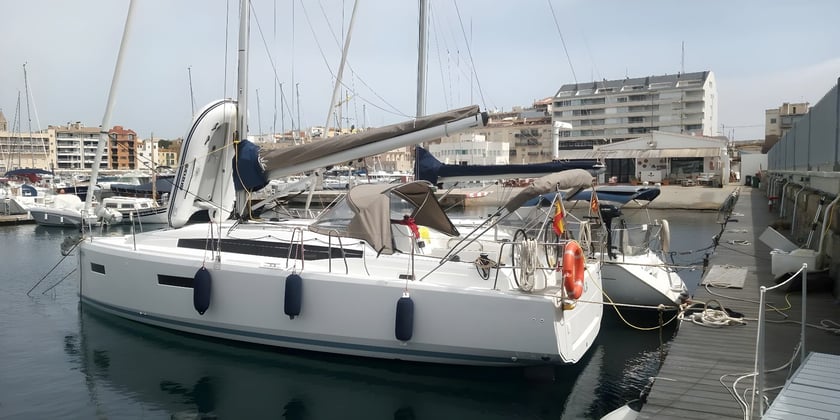
Port Masnou and Club Nàutic El Masnou are the relevant local departure points. Port Masnou supplies the practical infrastructure expected from a full-service marina, including fuel, water, electricity, repair and boatyard services, security and sanitary facilities. The town can function both as a place to begin a coastal outing and as a convenient stop within the wider Maresme area, although travelers should confirm the exact embarkation point for their chosen charter.
El Masnou and Ocata railway stations connect the waterfront with Barcelona and other Maresme towns. Road access is available via the C-32 motorway and the coastal N-II, with local and interurban buses also serving the area. Barcelona-El Prat is the principal airport for most international arrivals; Girona-Costa Brava is a secondary option for travelers continuing by road.
Because the railway and N-II run close to the shore, access between parts of town and the beaches is through designated underpasses and an overpass. Allowing time for this final waterfront connection can make arrival at the marina more straightforward.
Planning your El Masnou charter
Begin by matching the trip plan to the coastline. El Masnou works well for a day charter, sailing practice or a marina-to-marina coastal passage, but it is less suitable for an itinerary dependent on protected natural anchorages. If overnight stays are part of the plan, check the intended ports and berthing arrangements rather than assuming that sheltered coves will be available.
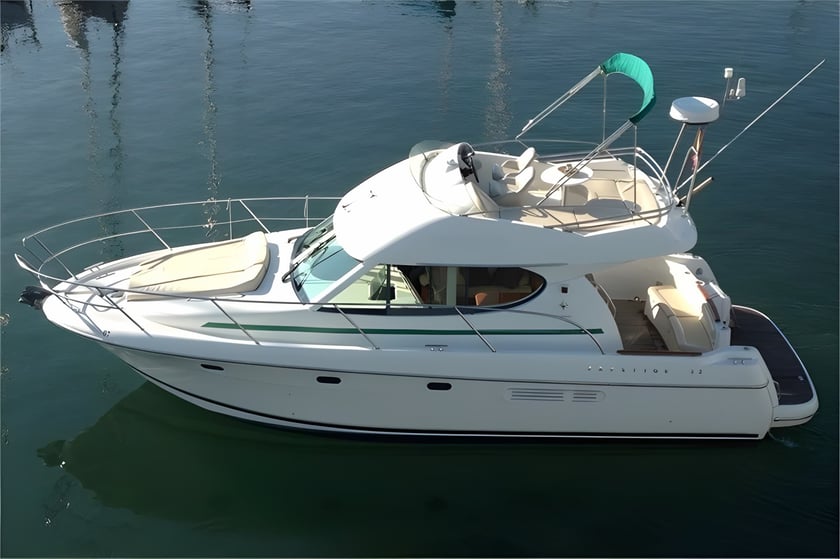
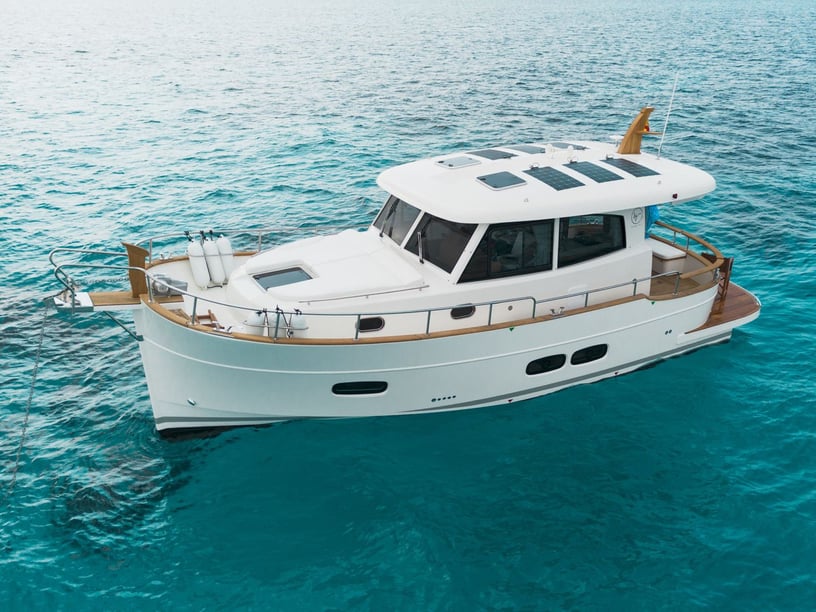
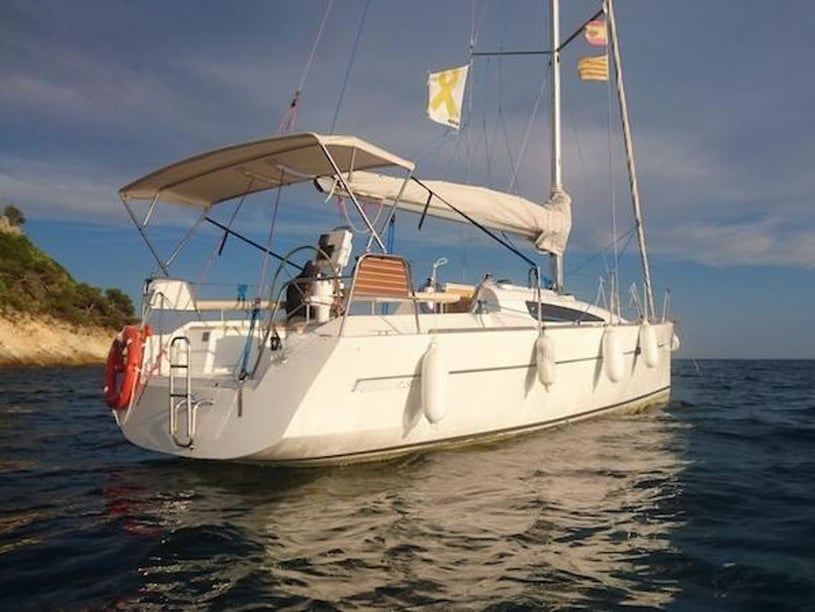
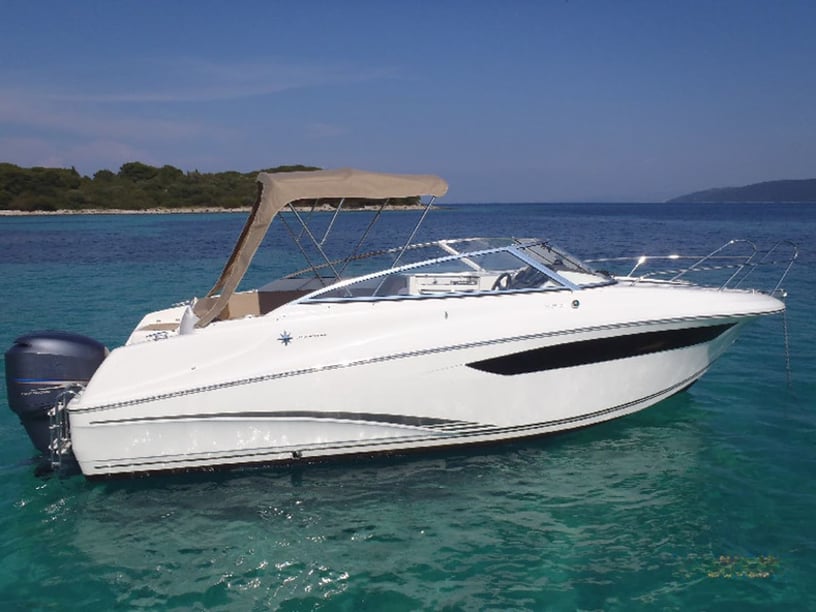
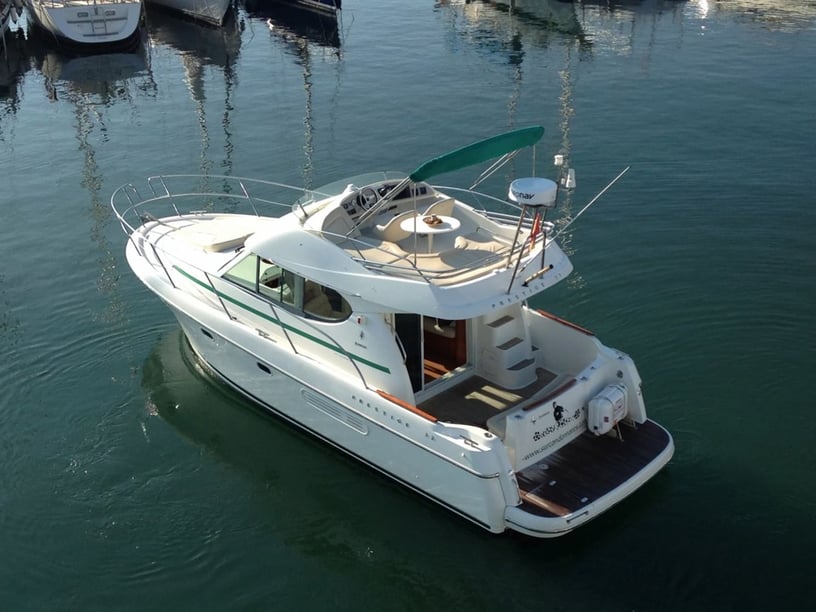
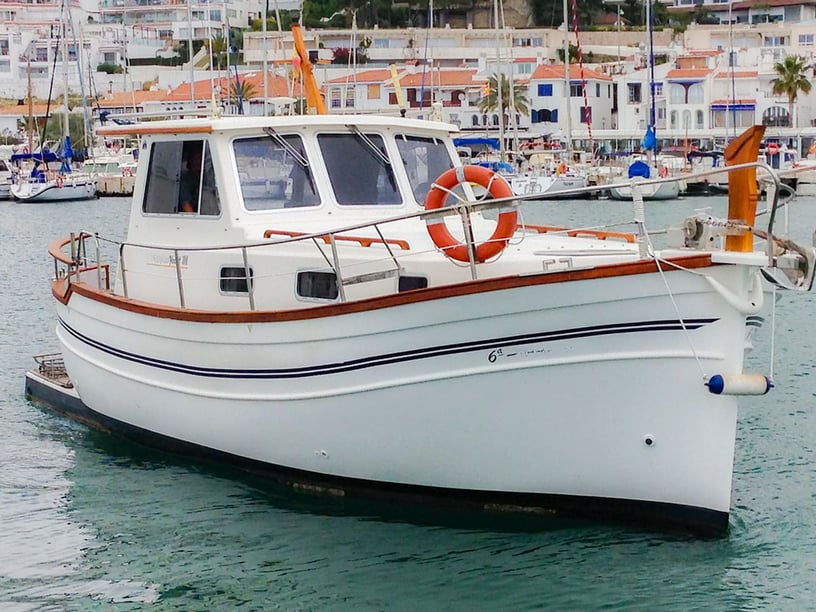
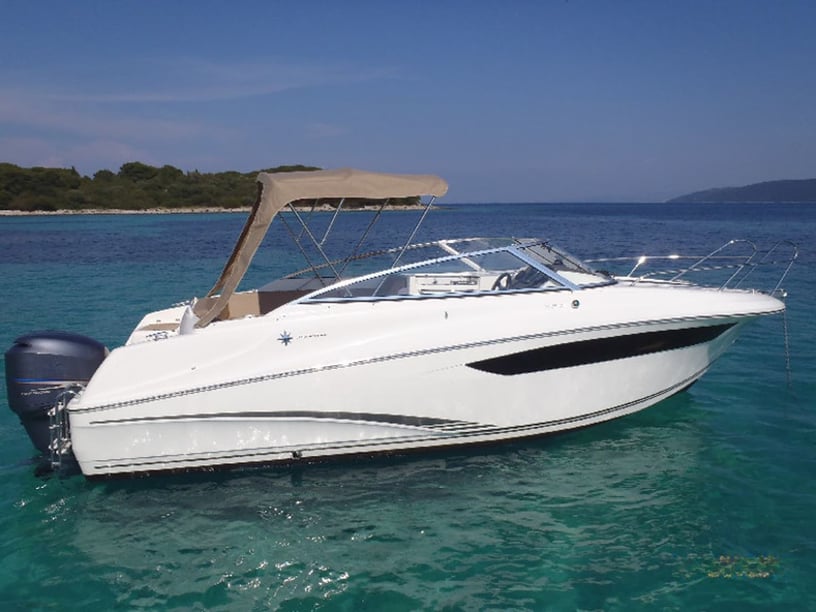
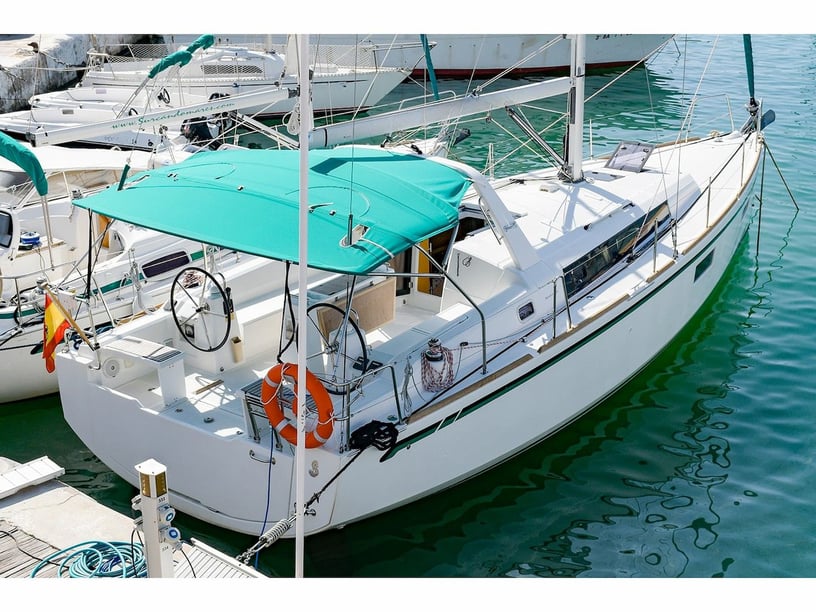
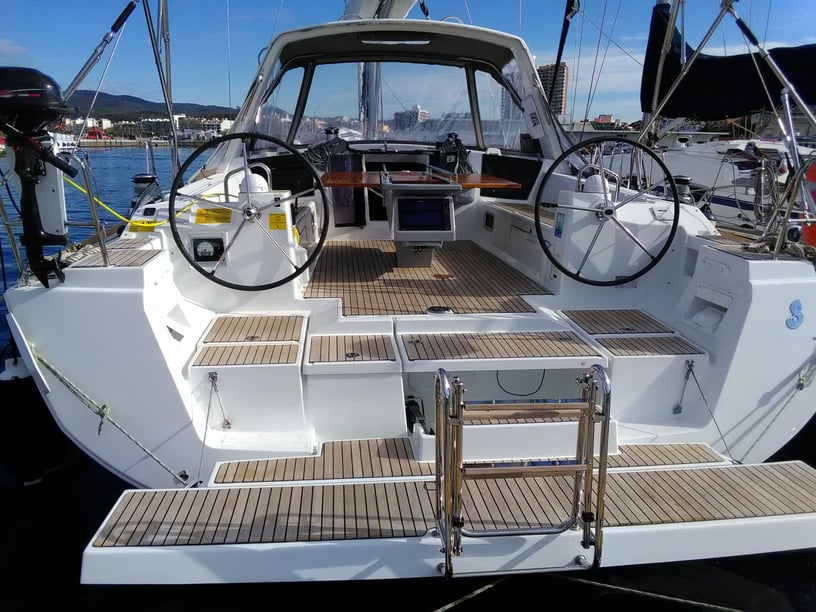
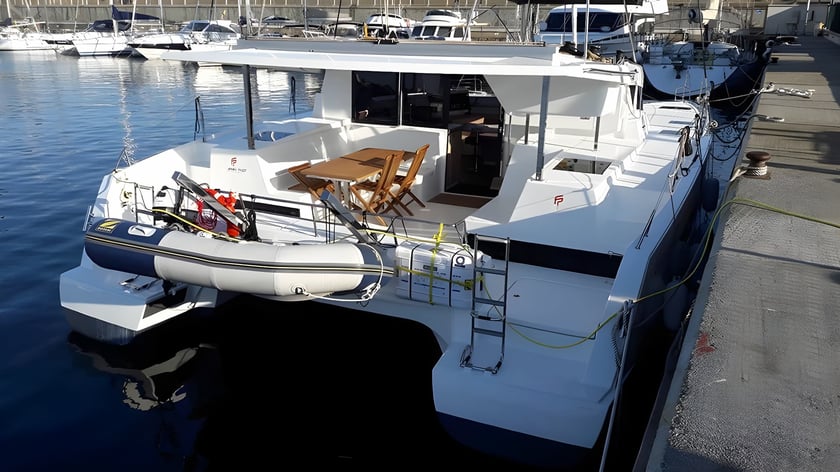
When comparing a yacht charter or boat rental in El Masnou, review the vessel’s suitability for the expected sea conditions, the stated departure point, passenger capacity and onboard layout. Also confirm whether a skipper is included or required, what qualifications apply, and how fuel, marina charges and security deposits are handled in the individual offer. These details can matter more here than choosing a boat solely by size, particularly if the plan involves an exposed coastal passage.
Keep the schedule flexible enough to respond to the marine forecast. Check conditions shortly before departure, clarify boarding instructions with the operator and account for seasonal availability of beach and visitor services. For mixed-interest groups, reserving part of the day for Ocata Beach, the nautical museum or the old town can create a more balanced trip than spending the entire outing under way.