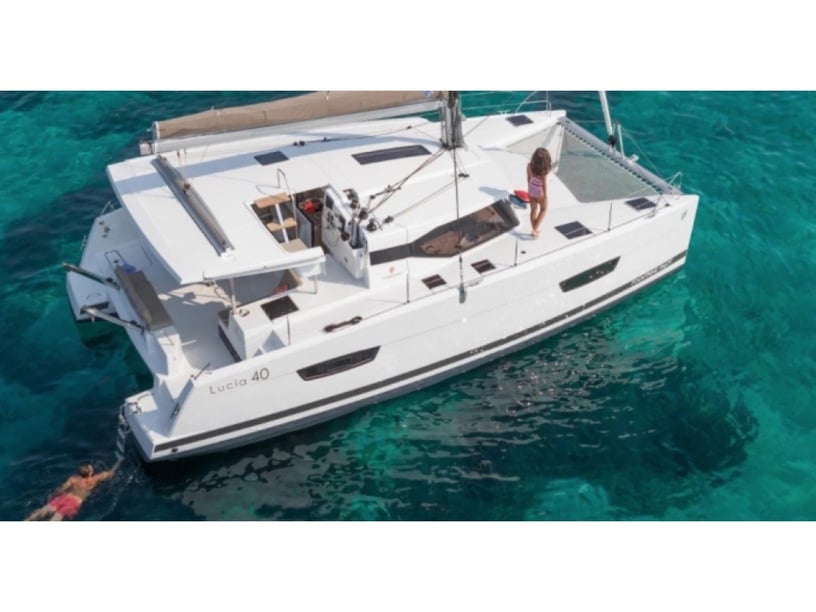
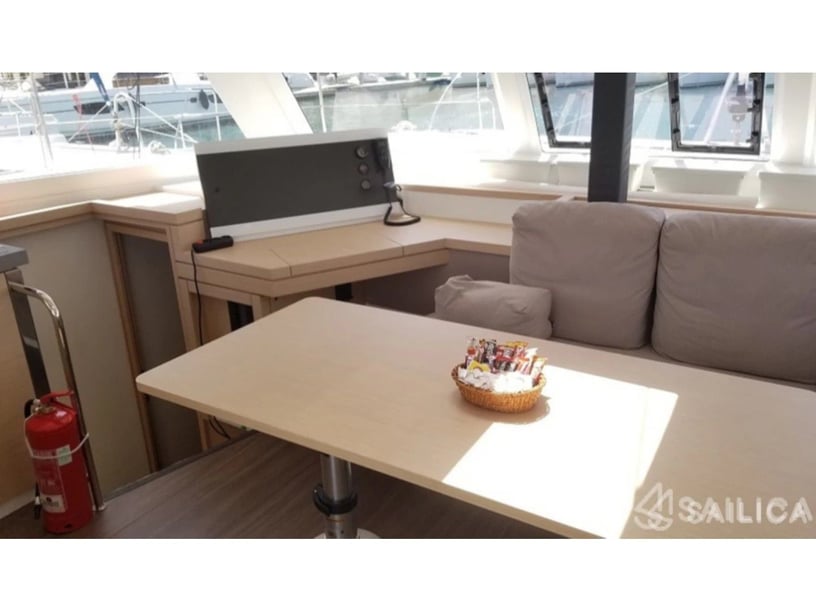
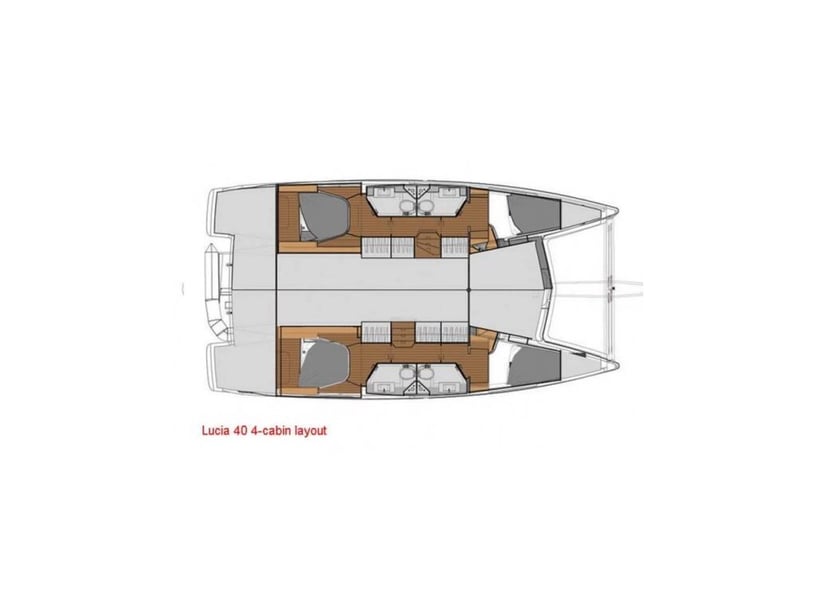
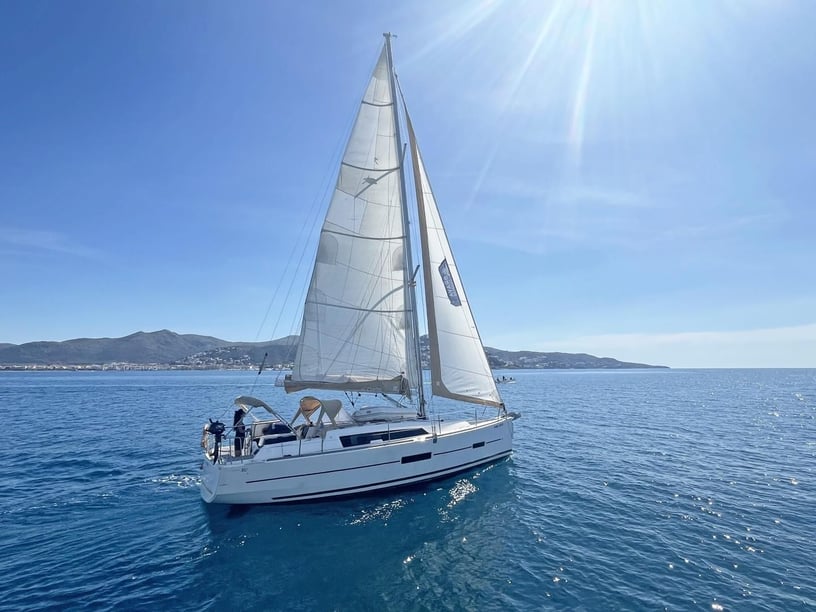
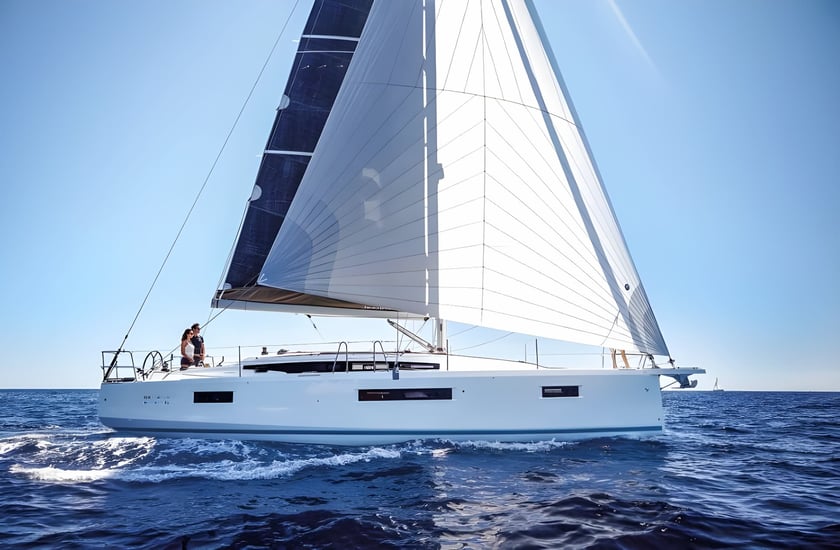
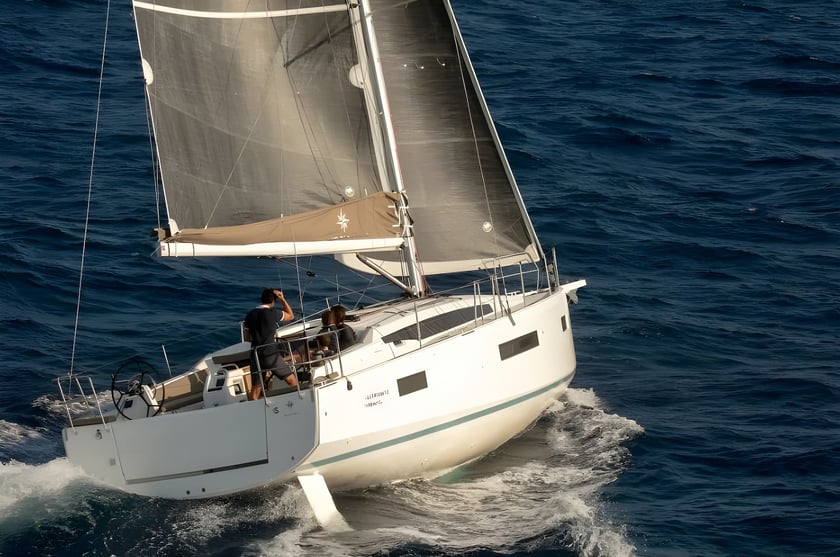
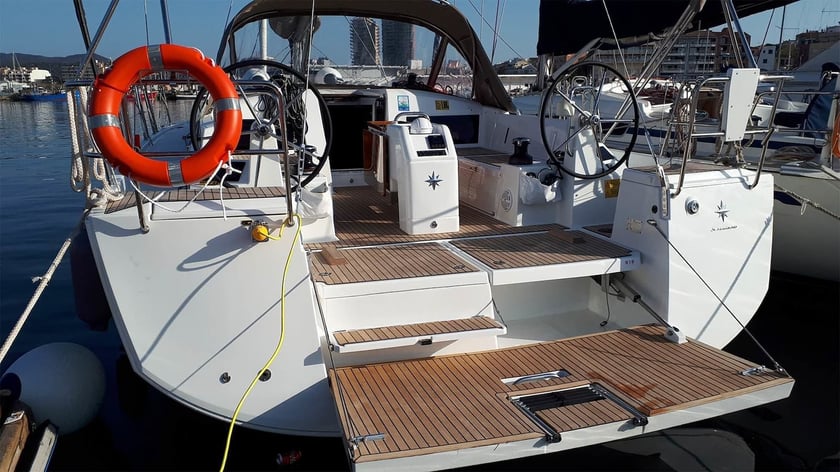
Yacht charter around L’Escala
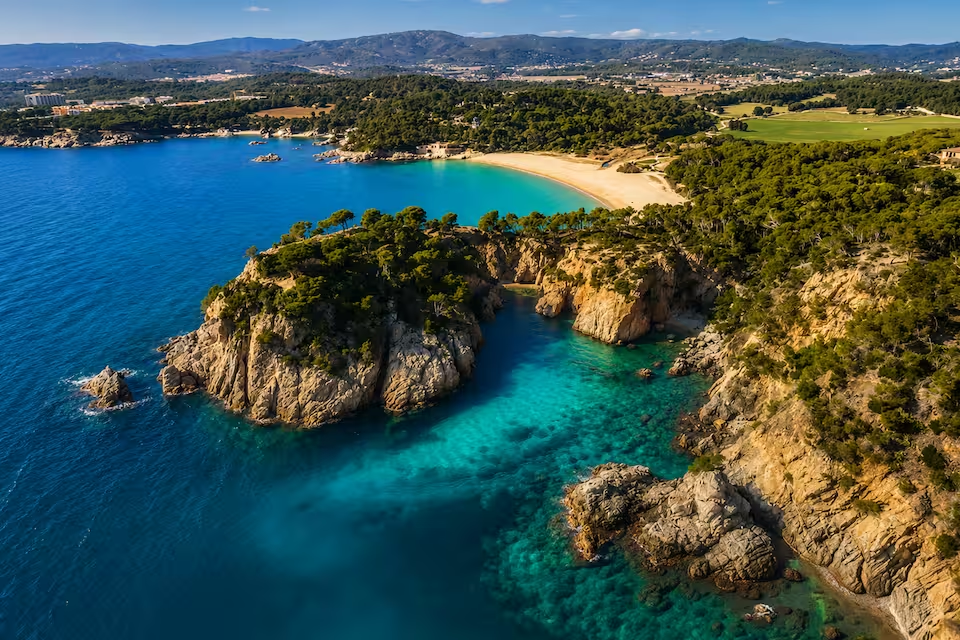
A yacht charter in L’Escala brings together two contrasting sections of Catalonia’s coast. To the north and west, the broad Gulf of Roses is edged by sandy beaches and the archaeological shoreline of Empúries. South of the town, the coast becomes rockier around Cala Montgó before continuing beneath the limestone cliffs of Montgrí.
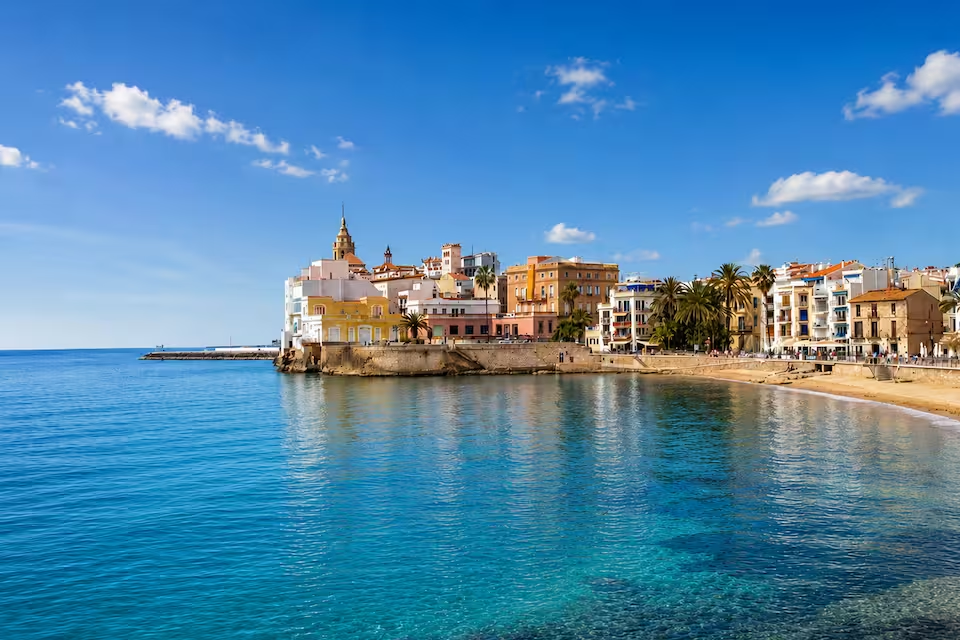
This compact geography works particularly well for short coastal cruises, with Port de la Clota providing a sheltered harbor close to the old town, Riells and the surrounding coves. Time on the water can be combined with Greek and Roman history, fishing heritage and meals centered on the town’s salt-cured anchovies. Travelers comparing this coast with other yacht charter options across Spain will find that L’Escala’s appeal lies in its mix of manageable distances and sharply changing coastal scenery.
Coastal places to explore
West of the harbor, the Empúries shoreline offers a gentler cruise past sandy beaches, Sant Martí d’Empúries and the remains of the ancient Greek and Roman settlement. Approaching from the sea gives a useful sense of why this coast developed as an important trading and maritime entry point.
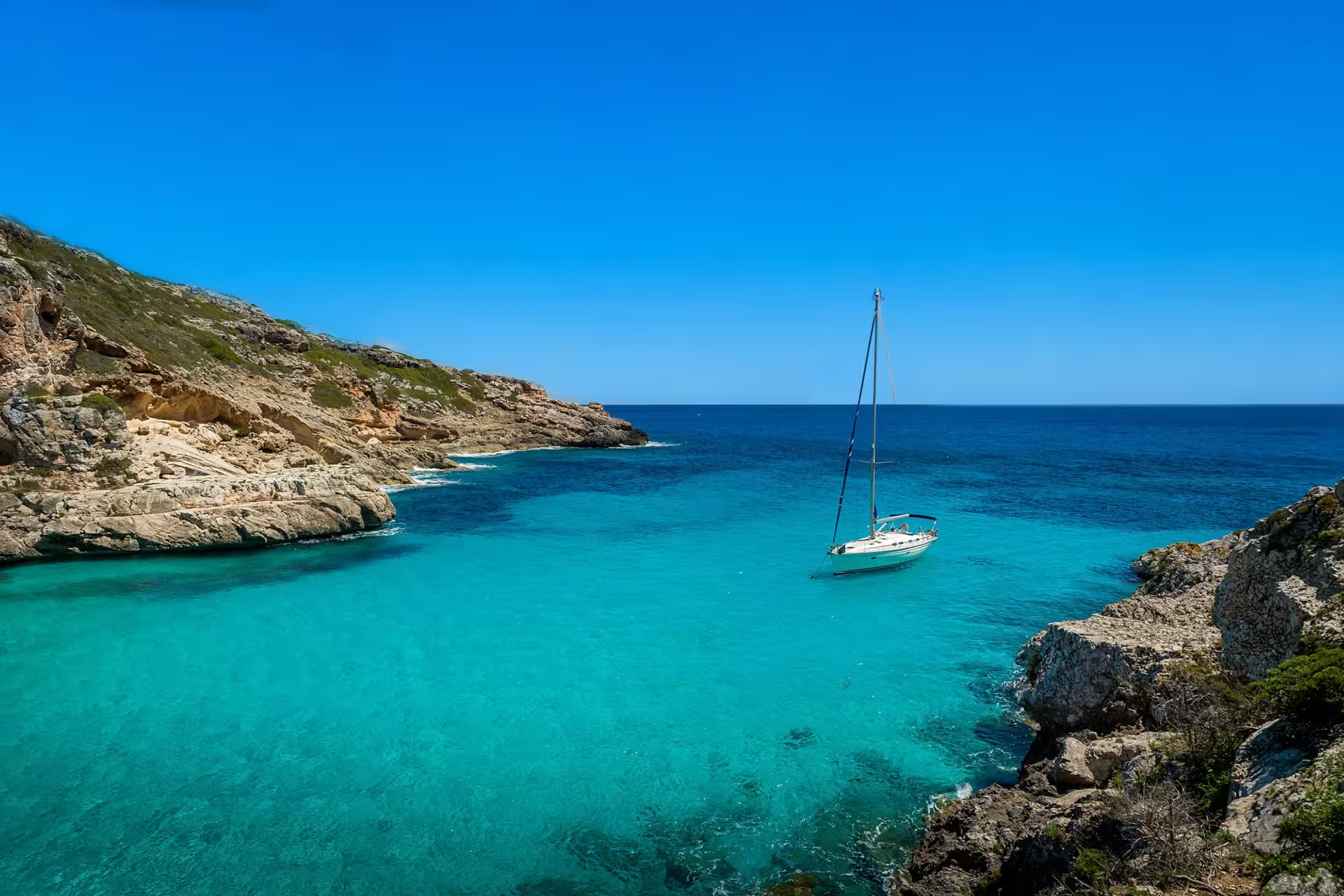
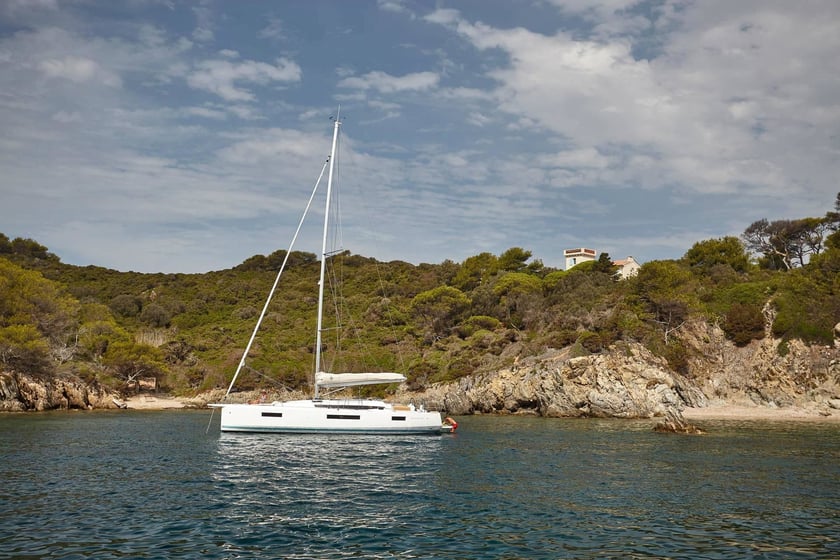
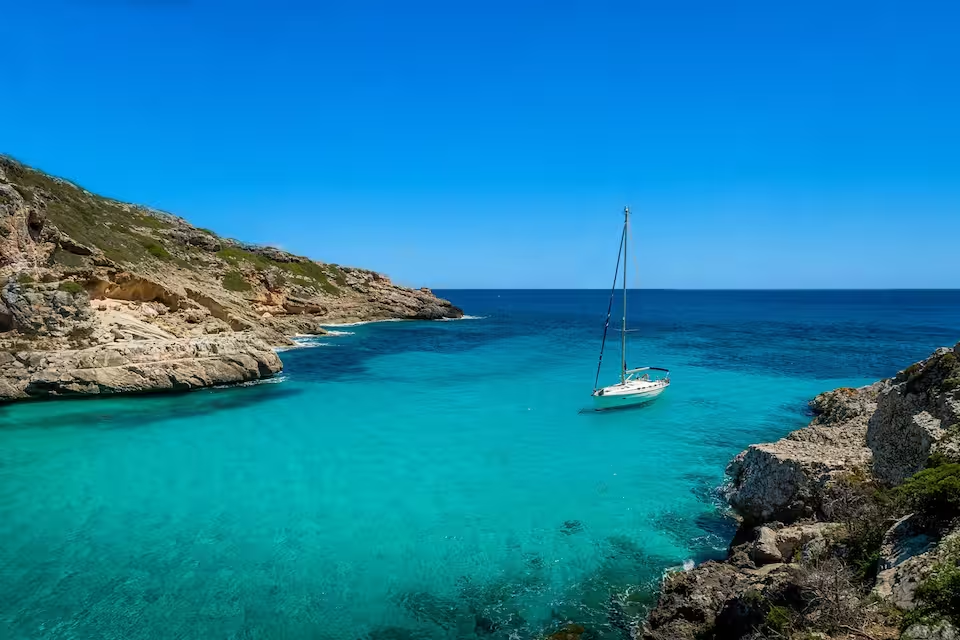
In the opposite direction, Les Planasses, Illa Mateua and Cala Montgó mark the transition to the Montgrí coast. Cala Montgó is a natural pause before the more exposed cliff-lined section, where small coves such as Cala Ferriol and Cala Pedrosa have little or no road access. Their relative isolation is part of the attraction, but they should not be treated as dependable shelter in changing weather.
Farther south, the protected Medes Islands are associated with diving and excursions via L’Estartit. For a broader circuit of the gulf, Roses provides another harbor and coastal destination.
What sailing from L’Escala is like
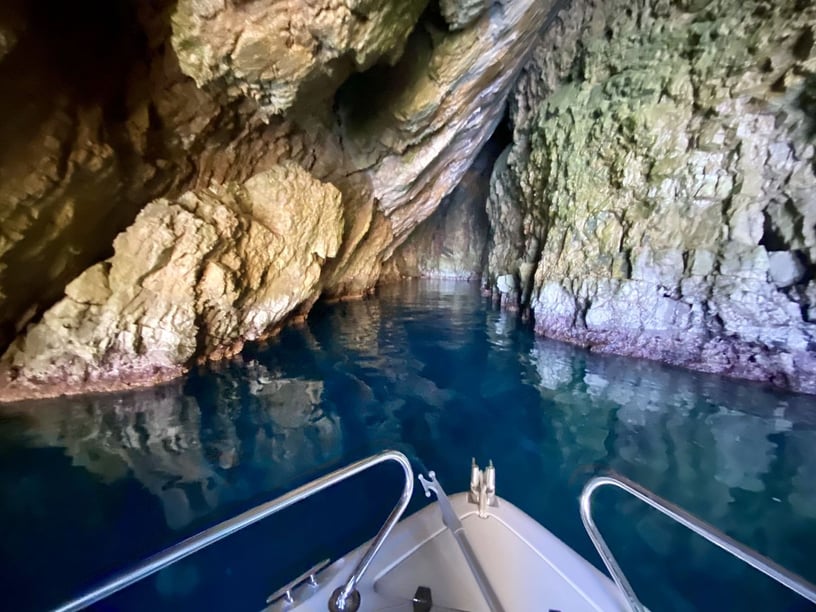
Cruising around L’Escala is generally based on short, line-of-sight passages. The Gulf of Roses provides relatively open water and a long sandy shoreline, while the route beyond Cala Montgó passes exposed headlands, cliffs, caves and coves. This variety makes route selection more important than the modest distances might suggest.
Summer often brings dry weather and local sea breezes suited to day sailing. The main factor to monitor is the Tramuntana, a dry and gusty northerly wind that can develop at different times of year. It may quickly make the open gulf and exposed headlands uncomfortable or unsuitable for small craft. Cala Montgó has local shelter from northerly winds, but conditions still need to be assessed before entering or anchoring. Overall sailing difficulty is moderate, reflecting the combination of straightforward coastal distances and potentially forceful wind.
Best time for a yacht charter
The most consistently comfortable recreational boating period runs from May through October. June, July, August and September are the particularly suitable months, with the warmest and driest conditions generally occurring from June through September.
July and August form the principal high season. June and September also belong to the main sailing season, while often fitting travelers who prefer to avoid the core midsummer period. April, May and October can support shoulder-season trips, although spring water remains cool and autumn weather becomes less consistent. Winter boating is possible from the year-round marina, but colder conditions and Tramuntana episodes make planning less predictable. Whatever the month, the marine forecast matters more here than a fixed seasonal assumption.
Ideas for coastal routes
A short heritage-oriented outing can follow the waterfront from Port de la Clota toward the old town, Empúries and Sant Martí d’Empúries. This route keeps to the sandy side of the local coast and offers seaward views toward the archaeological site.
For a more rugged itinerary, head south past Les Planasses and Illa Mateua to Cala Montgó. When wind and sea conditions permit, the cruise can continue along the Montgrí cliffs toward Cala Ferriol, Cala Pedrosa and L’Estartit. A longer established excursion continues to the Medes Islands, with L’Estartit serving as the nearby harbor. Routes should remain flexible because the exposed coast beyond Cala Montgó reacts quickly to northerly weather.
History, nature and life ashore
A charter here can alternate naturally between sailing, swimming and cultural visits. Empúries is the only archaeological site on the Iberian Peninsula where the remains of a Greek city coexist with those of a Roman city. Its position beside the shore makes it especially relevant to a boat-based journey, rather than simply an unrelated inland excursion.
L’Escala’s later history is equally maritime. Fishing, salt trading and fish curing shaped the town, and this heritage remains visible in the old port, the Anchovy and Salt Museum and local anchovy producers. South of town, the emphasis shifts to protected landscapes and water-based activity. The Montgrí coast and Medes Islands area includes diving locations, caves and wreck sites, although diving, fishing, navigation and anchoring are regulated in parts of the natural park.
Reaching the harbor and departure area
Club Nàutic L’Escala at Port de la Clota is the principal sheltered harbor and the clearest local departure point. This allows L’Escala to work both as a place to begin a coastal trip and as a destination combining beaches, history and a working maritime identity. Transit berths should be arranged in advance during busy periods.
Girona-Costa Brava is the nearest listed airport, while Barcelona-El Prat and Perpignan-Rivesaltes provide additional access options. Useful railway stations include Figueres and Flaçà, with high-speed services running through Figueres-Vilafant or Girona; the final connection is normally made by bus, taxi or rental car. By road, access uses the AP-7 corridor and the GI-623 approach from Orriols.
Planning the right charter
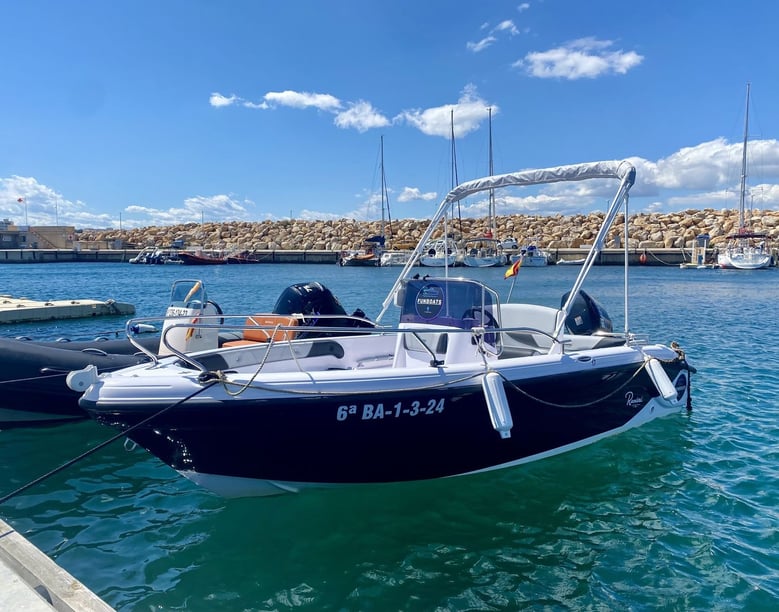
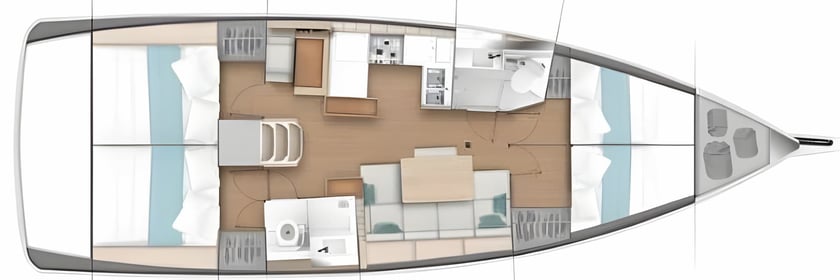
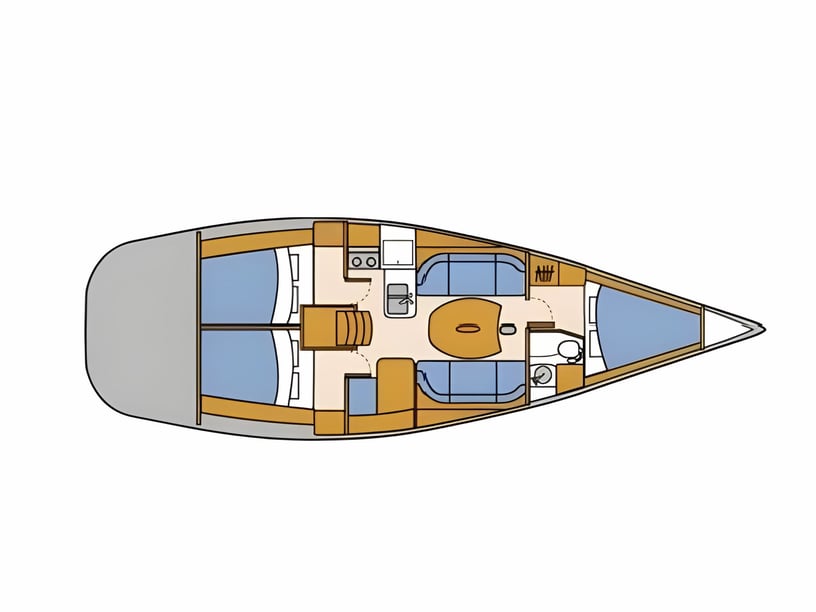
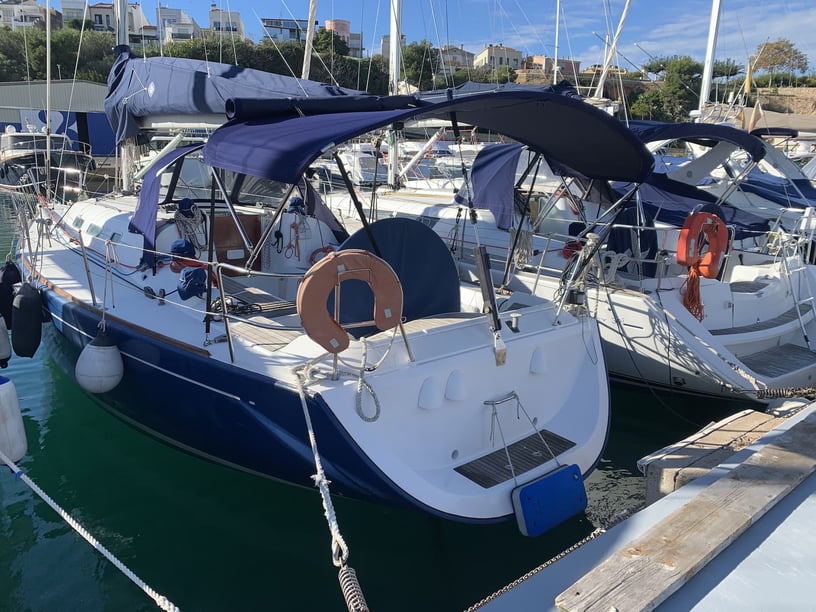
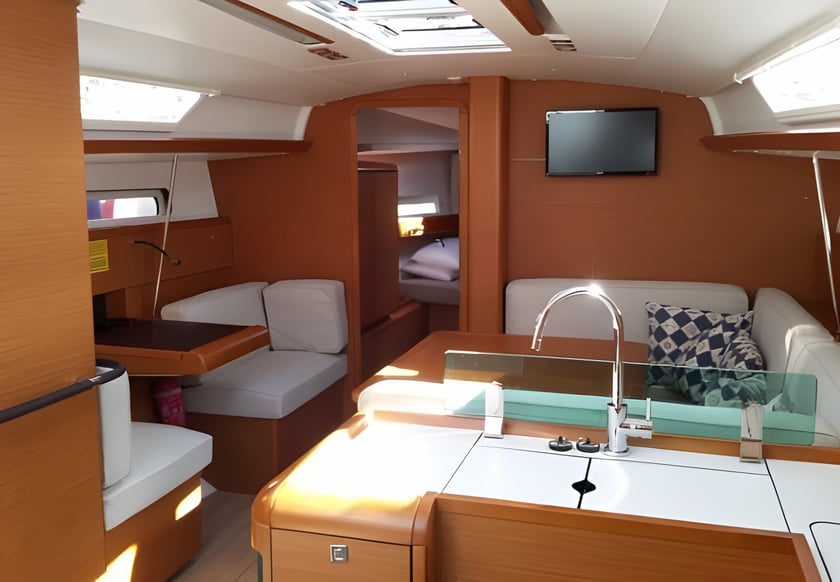
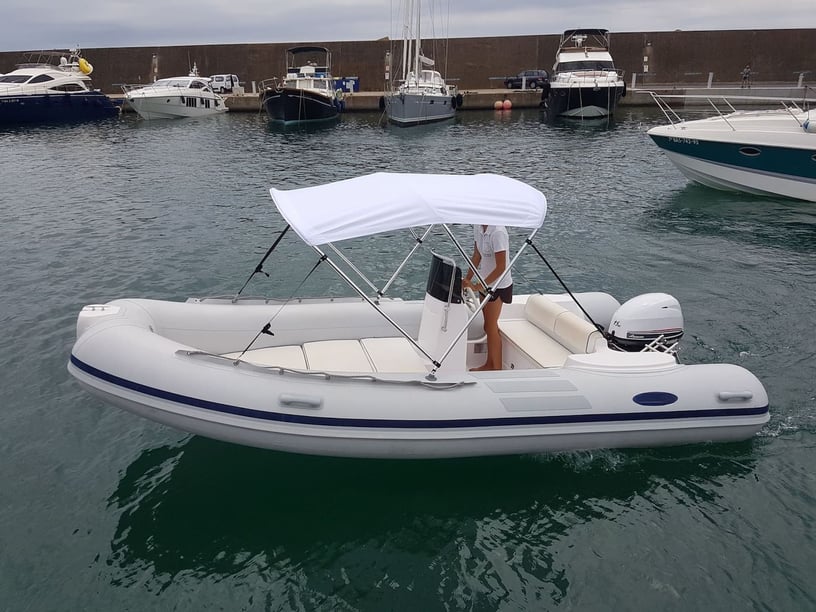
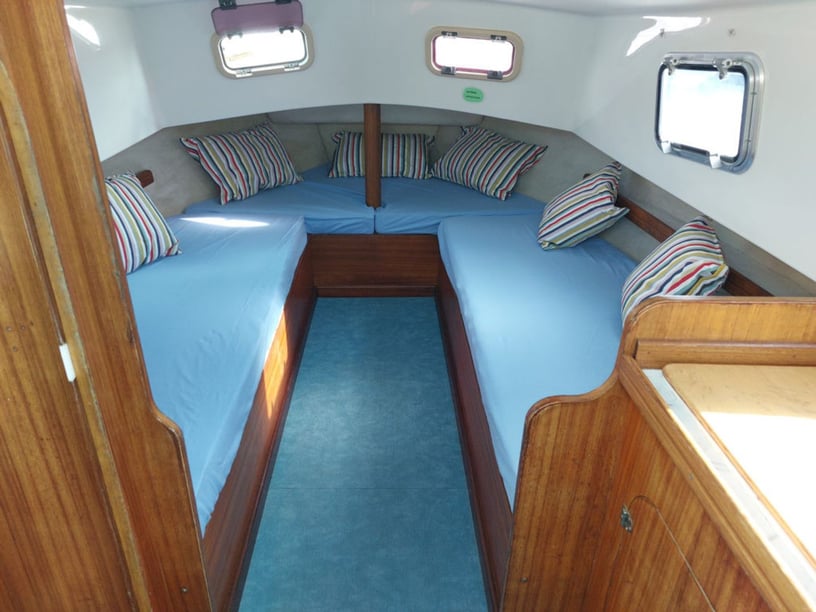
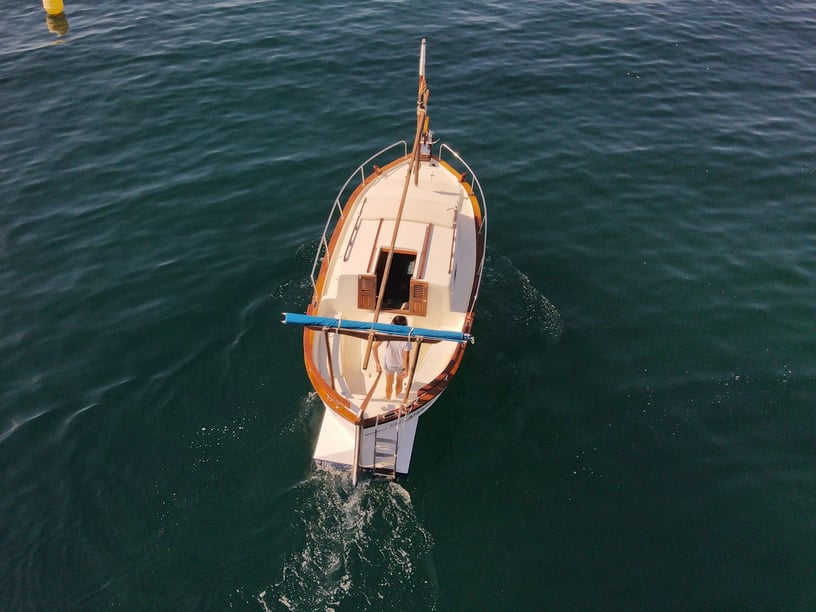
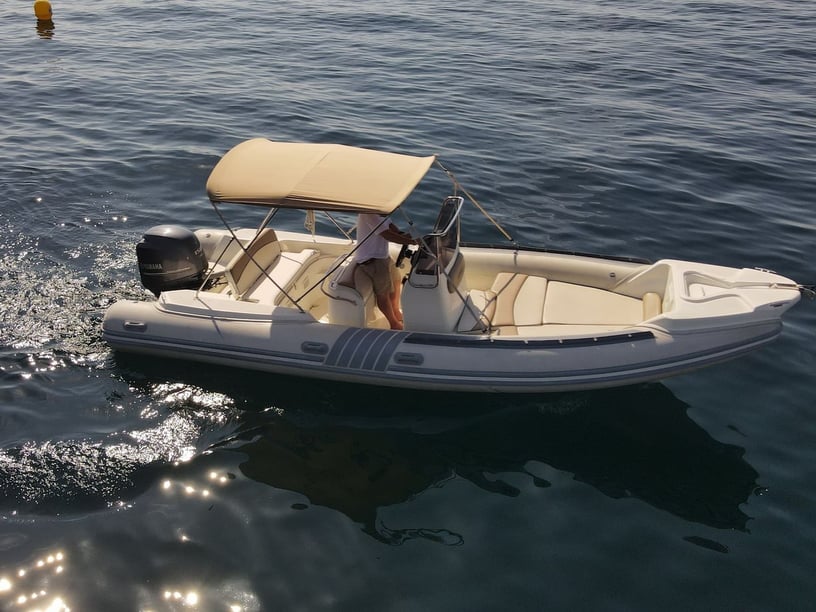
The best charter format depends largely on the intended cruising area. A short boat rental in L’Escala can focus on Empúries, Cala Montgó or another nearby coastal section, while a longer yacht itinerary can connect the Gulf of Roses with the Montgrí coast, L’Estartit and the Medes Islands. When comparing options, check the precise embarkation harbor, the permitted cruising area and whether the planned route matches the experience of the skipper and crew.
Review the marine forecast and Tramuntana warnings before departure, including during summer. Within the Montgrí, Medes Islands and Baix Ter Natural Park, follow local rules for navigation, anchoring, diving and fishing. Avoid anchoring on Posidonia and other protected seagrass, using authorized moorings where provided. Near beaches, use marked approach channels and remain outside swimming zones. It is also sensible to keep an alternative route within the more sheltered gulf if conditions make the cliffed coast unsuitable.