Yacht charter in Roses
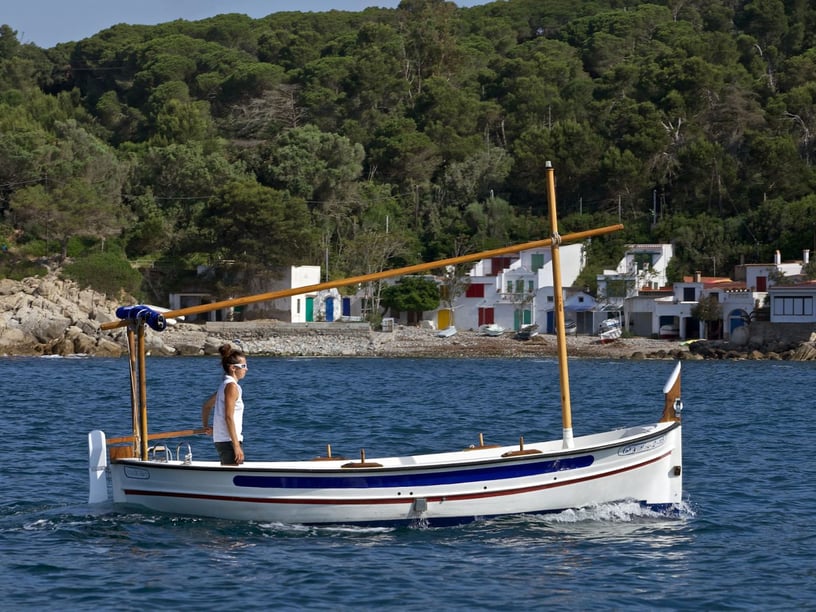
Roses sits on the northern side of the Bay of Roses, where the broad sandy shoreline of the bay meets the rocky coast of Cap de Creus. This contrast defines the local yacht charter experience: trips can stay within relatively sheltered waters near beaches and coastal settlements or head east toward cliffs, headlands and small coves.
Port de Roses is integrated into the town alongside an active fishing harbour, making it possible to combine time on the water with restaurants, beaches and the historic waterfront. A yacht charter in Roses is especially relevant for travelers who want access to both family-friendly bay cruising and the more rugged scenery around Cap Norfeu, Cadaqués and Cap de Creus.
Coves, capes and coastal towns to explore
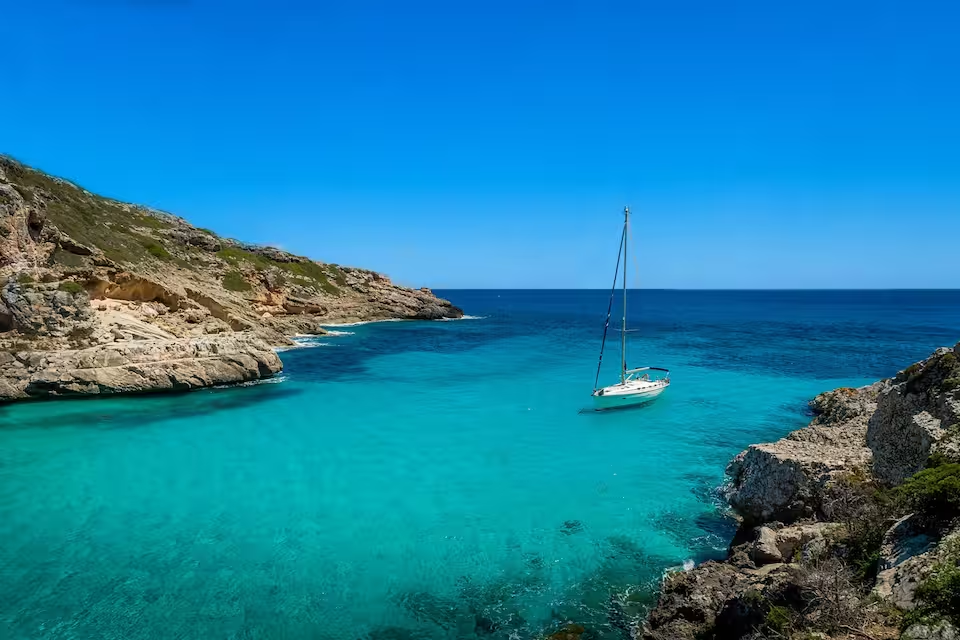
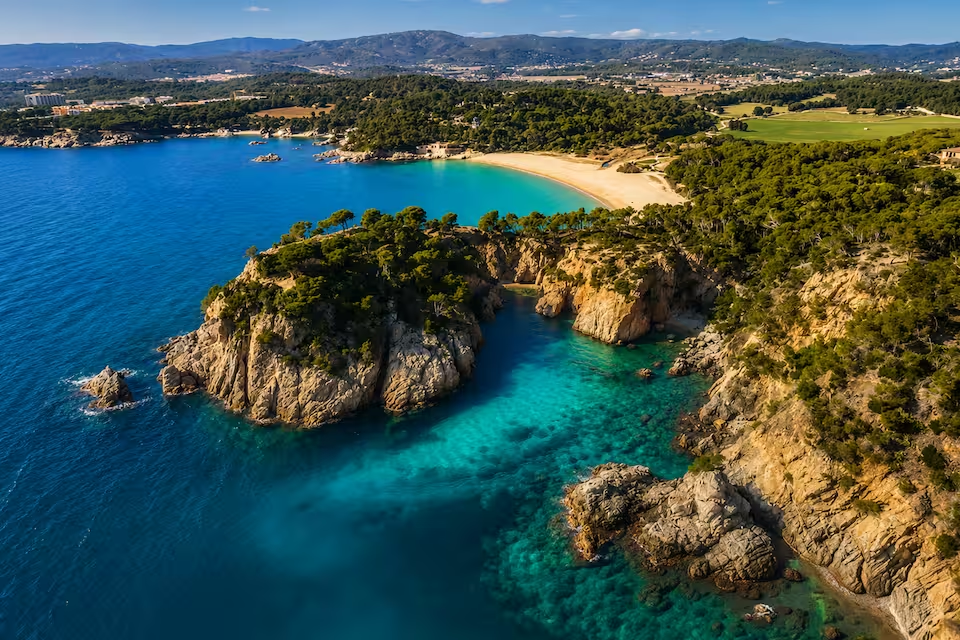
East of Roses, the coast quickly becomes rockier and more indented. Cala Murtra and Cala Rostella provide an introduction to this landscape, while Cala Montjoi, Cala Pelosa and Cala Jóncols lie farther along the shore toward Cap Norfeu. Their rocky seabeds and clear water make this part of the coast particularly relevant for swimming, snorkeling and diving stops.
Beyond Cap Norfeu, Cadaqués is a natural objective for longer outings. Its coastal setting can be combined with Portlligat Bay and, when conditions permit, the tip of Cap de Creus. These passages are more exposed than cruising inside the Bay of Roses, so the day’s route depends heavily on the forecast.
Southbound itineraries cross the broader bay toward Sant Pere Pescador and L'Escala. Longer excursions may continue toward the Medes Islands, extending the trip beyond the immediate Roses coastline.
What sailing around Roses is like
The Bay of Roses supports straightforward, line-of-sight cruising between sandy beaches and coastal settlements. Its relative shelter makes it useful for shorter outings and for days when a relaxed pace matters more than covering distance. The character changes east of town, where rocky headlands and narrow coves create a more dramatic but more exposed cruising area.
Summer often brings the gentler south-westerly garbí. The northerly tramuntana is the wind that requires particular attention: strong episodes can build difficult seas quickly around Cap Norfeu and Cap de Creus. Even when conditions appear manageable near Roses, the coast beyond the bay may be substantially more demanding.
For charter planning, this means keeping routes flexible rather than treating Cadaqués or Cap de Creus as fixed objectives. A suitable forecast may open the eastern coastline, while stronger northerly winds can make a sheltered day within the bay the more appropriate choice.
Best time for a Roses yacht charter
Recreational boating is most active from late spring to early autumn, with the principal season running approximately from mid-June to mid-September. June, July and August are identified as particularly suitable months, bringing warm, comparatively dry summer conditions and generally gentler seasonal winds.
September remains within the active season, while May can offer usable conditions with less boating activity than midsummer. October is also possible, but it is generally wetter and less consistent. From November through March, leisure-boating activity and services are substantially reduced; April marks the beginning of the shoulder season.
Tramuntana can occur at any time of year, so month alone should not determine an exposed route. An up-to-date coastal forecast remains essential, particularly for rounding Cap Norfeu or continuing to Cap de Creus.
Route ideas from Roses
A shorter coastal route can follow the shore east from Roses past Cala Murtra and Cala Rostella to Cala Montjoi, allowing time for anchoring or swimming without committing to the more exposed capes. A longer version continues through Cala Pelosa and Cala Jóncols toward Cap Norfeu.
In suitable weather, the established eastbound corridor links Roses with Cadaqués, Portlligat and Cap de Creus. This route combines coves, open coastal passages and opportunities to go ashore. For a different perspective, a southbound trip crosses the Bay of Roses toward L'Escala, with the Medes Islands forming a possible objective for a longer excursion.
Experiences on the water and ashore
A charter around Roses can alternate between cruising, swimming and time ashore. The rocky coves of Cap de Creus have clear water, Posidonia habitats and seabeds suited to snorkeling and diving, while the long, shallow beaches within the bay work well for family-oriented stops and water sports.
The town adds a strong maritime and historical dimension. Roses retains a working fishing harbour, and local seafood traditions include Suquet de Peix de Roses, a fish stew associated with the town’s fleet. The Citadel of Roses contains remains spanning the Greek settlement of Rhode, Roman occupation, medieval structures and Renaissance fortifications. Trinity Castle and the megalithic complex offer further options for time ashore.
This combination allows a charter day to feel varied without requiring a long passage: a morning in a rocky cove can be followed by an evening beside the fishing harbour or a visit to the citadel.
Reaching Roses and departing by boat
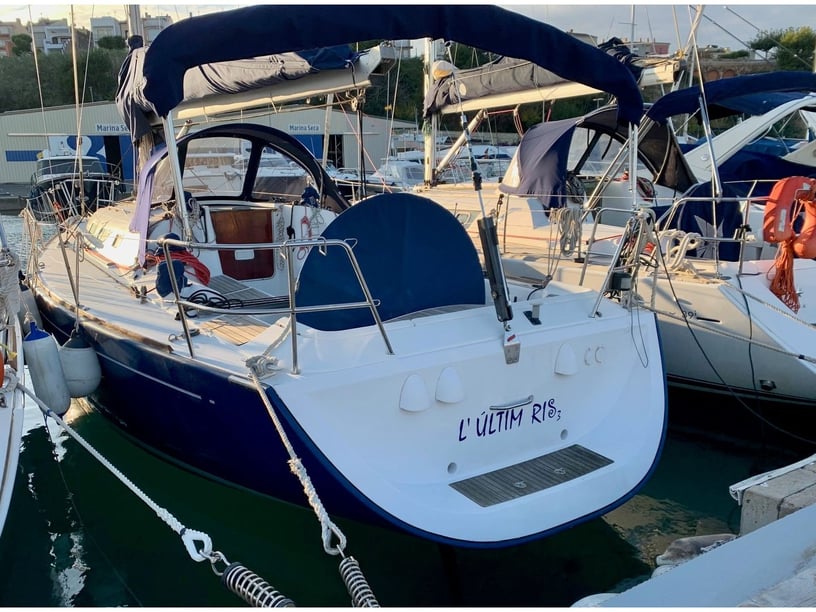
Port de Roses and the Roses seafront are the principal departure areas for local boating trips. The marina forms part of the town’s waterfront and provides fuel, lifting, repair-related and visitor services. Roses therefore functions both as a place to begin exploring the bay and Cap de Creus and as a coastal destination worth spending time in before or after a charter.
Girona-Costa Brava Airport is the nearer of the two relevant airports, while Barcelona-El Prat provides another international gateway with coach links to Roses. The nearest conventional and high-speed railway stations are at Figueres and Figueres-Vilafant. From there, travelers continue by bus, taxi or road transfer. Drivers generally approach through the AP-7 and N-II corridors before joining the C-260.
Planning your charter responsibly
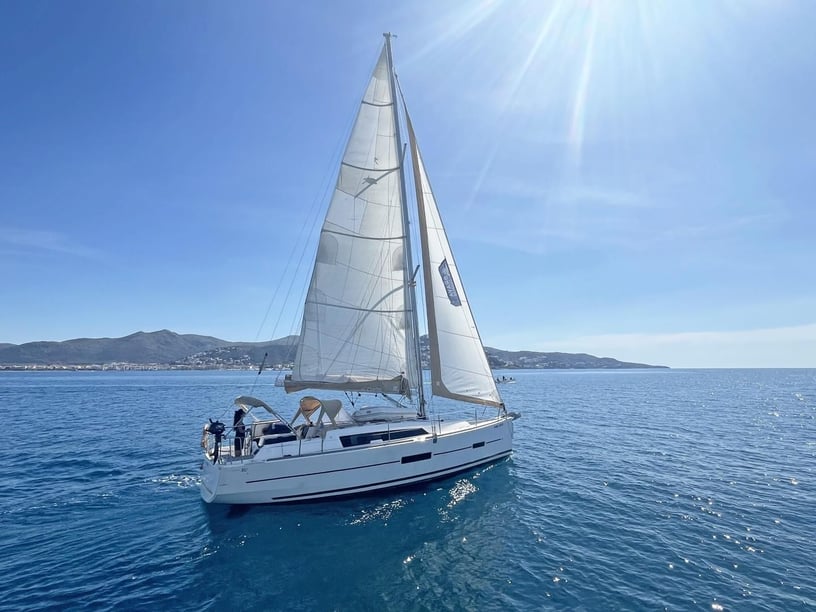
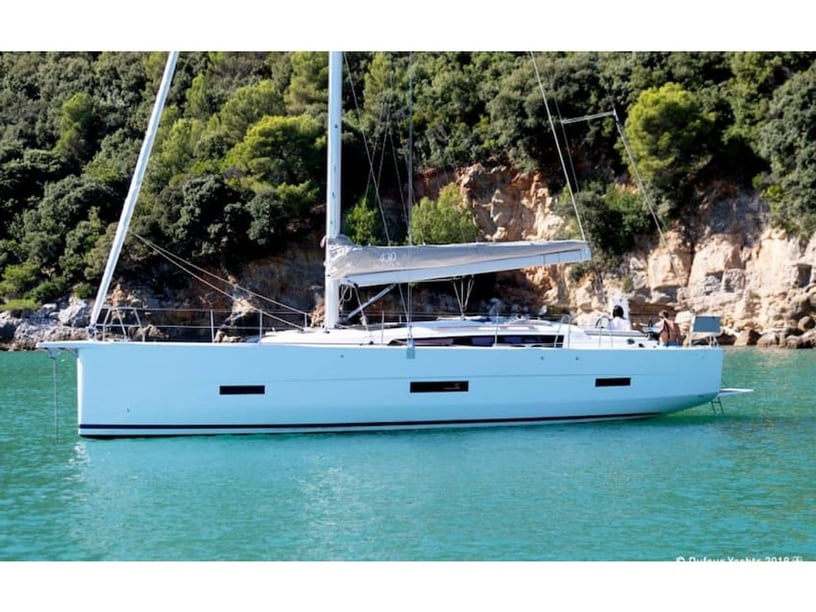
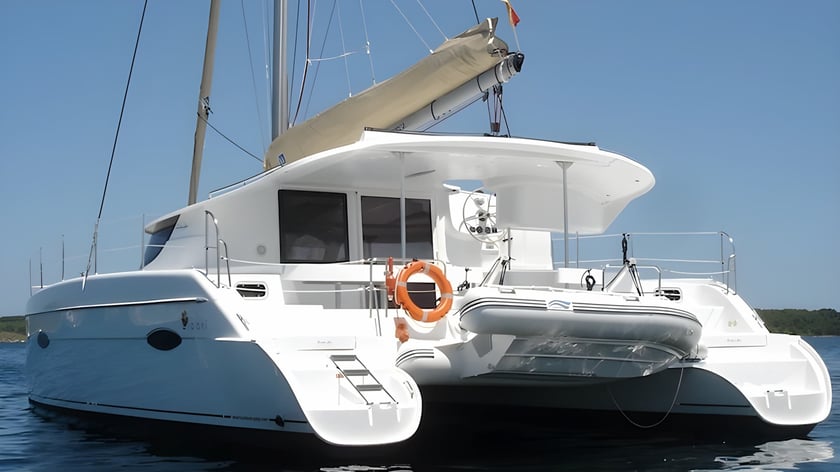
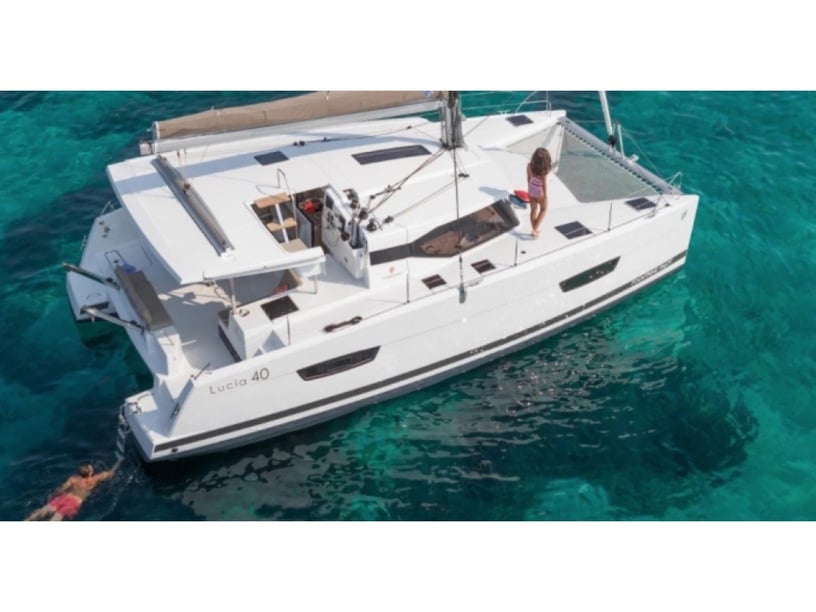
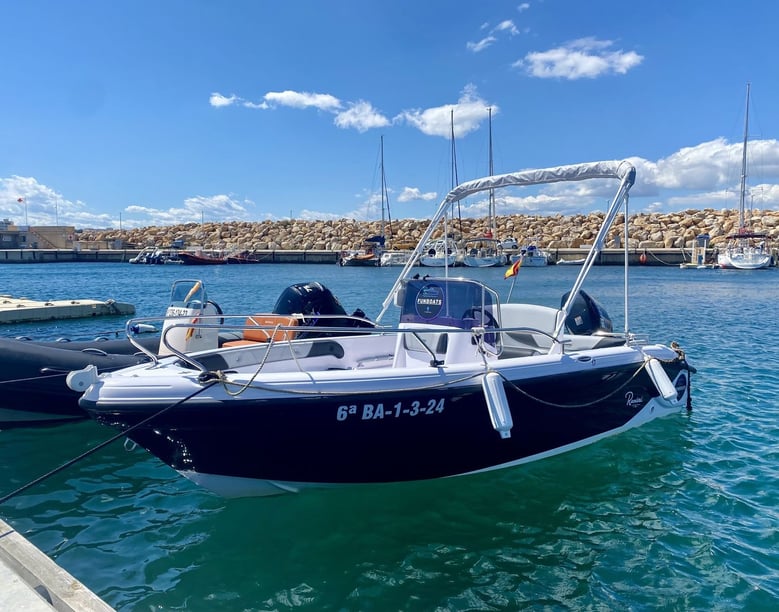
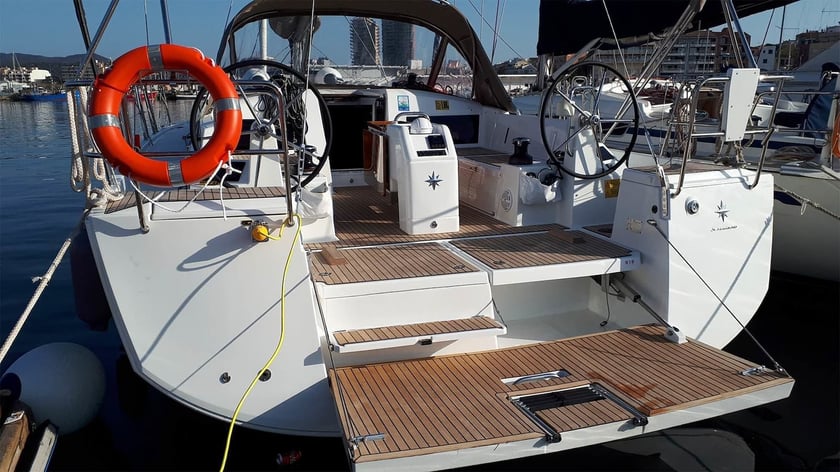
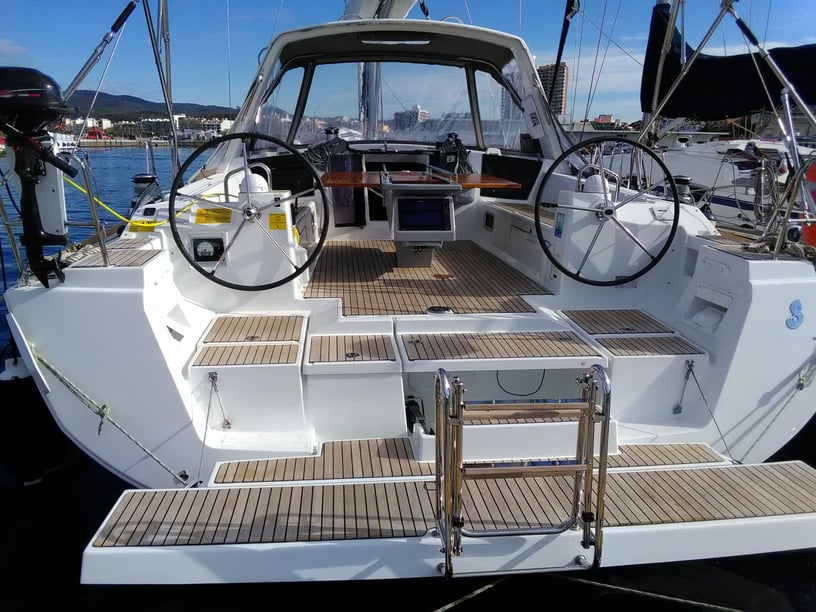
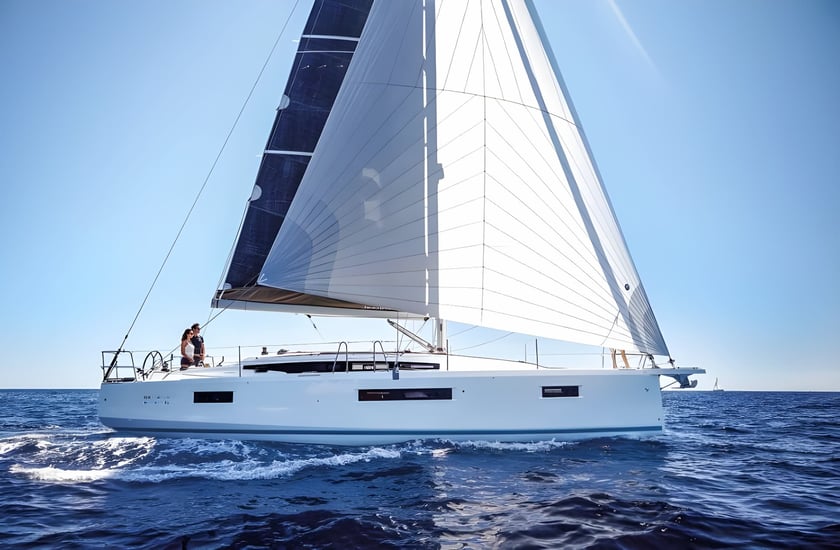
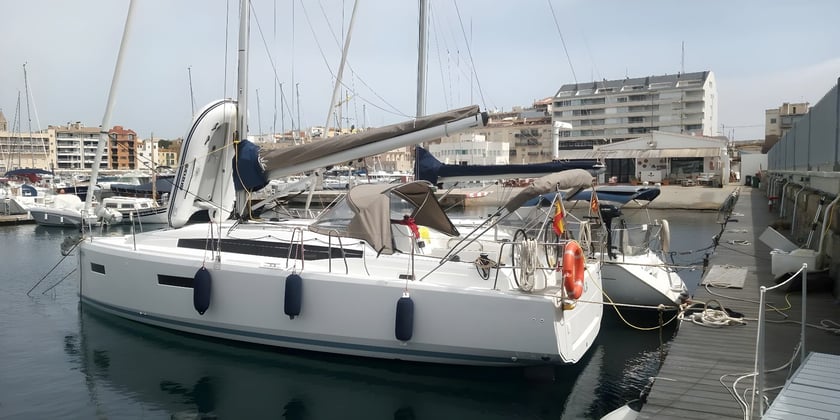
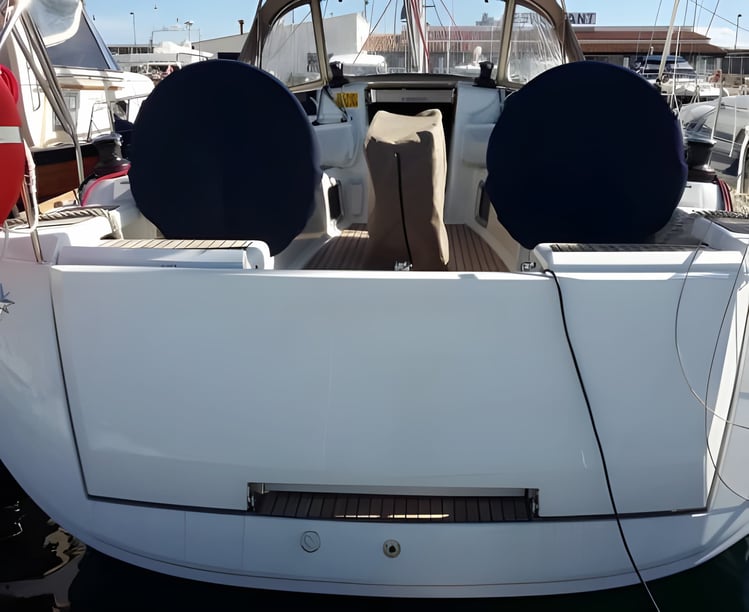
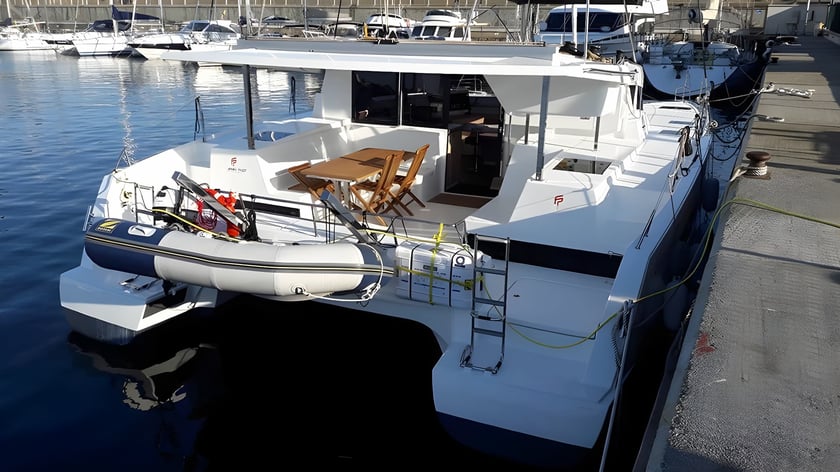
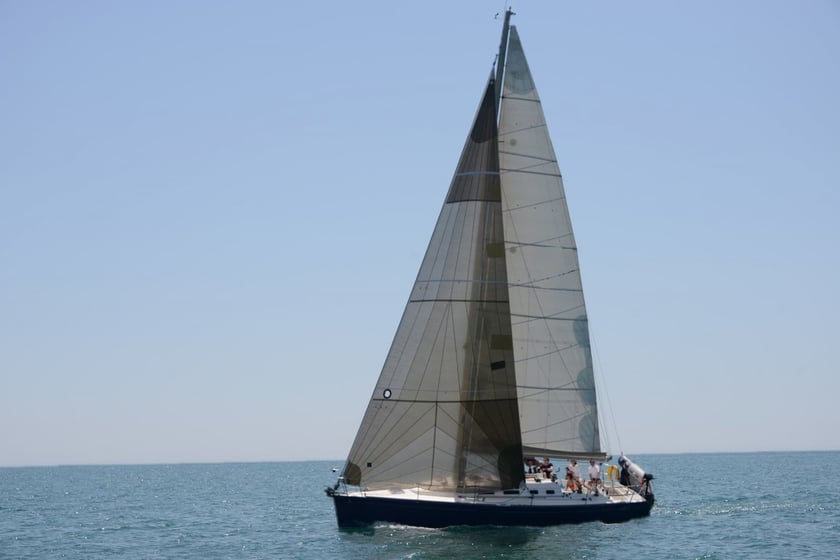
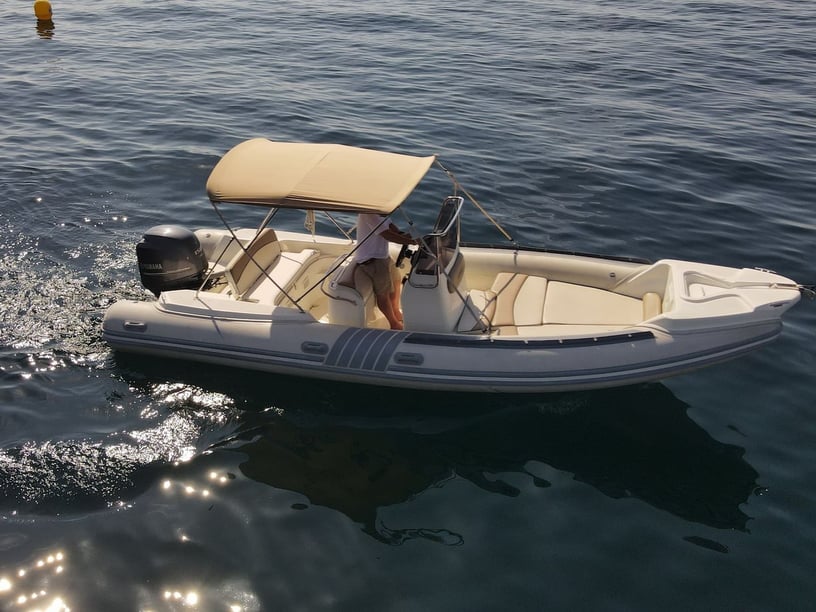
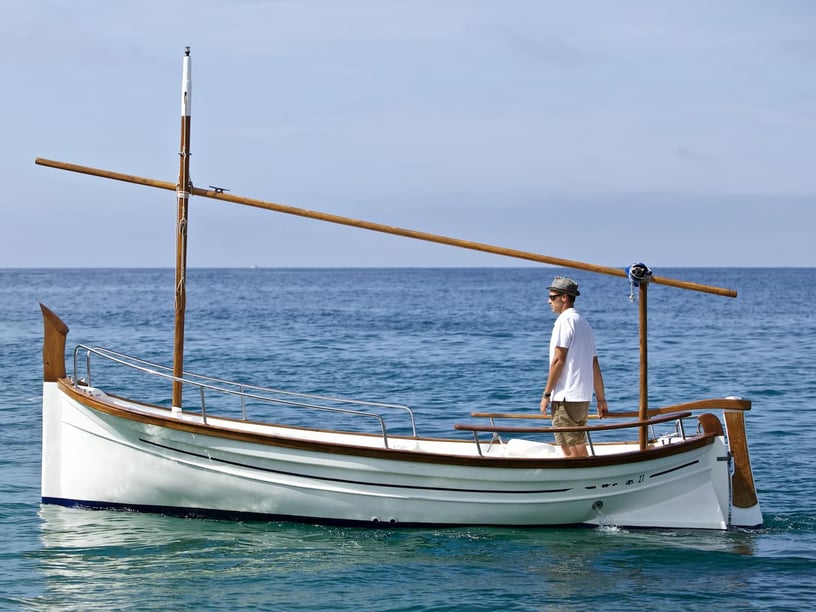
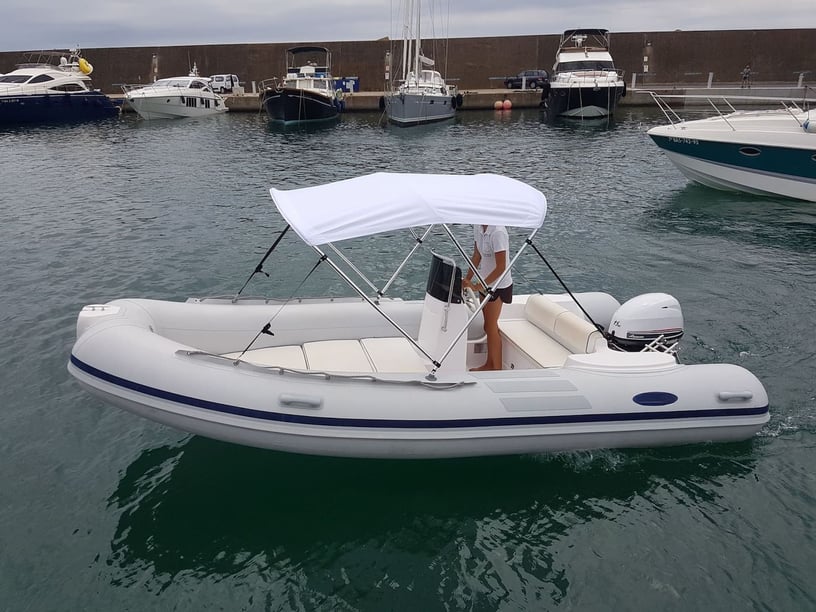
When comparing a yacht charter or boat rental in Roses, start with the intended cruising area. A sheltered trip inside the bay places different demands on the boat and itinerary than an exposed passage around Cap Norfeu. Travelers interested in wind-powered cruising can explore sailboat charters in Roses, while shorter coastal outings may also lead them to consider motorboat charters in Roses. Confirm that the chosen arrangement, onboard space and operating conditions suit the group and planned route.
Cap de Creus Natural Park has rules governing navigation, anchoring, diving and recreational fishing. Anchors and chains must not damage Posidonia oceanica or Cymodocea nodosa seagrass. Use designated mooring fields where provided and check current conditions for buoy fields in coves including Montjoi, Pelosa, Jóncols and Rostella.
Route flexibility is one of the most important planning principles here. Review the latest forecast before departure and be prepared to remain within the bay if tramuntana affects the exposed coast. Travelers comparing Roses with other cruising regions can also browse yacht charter destinations across Spain.