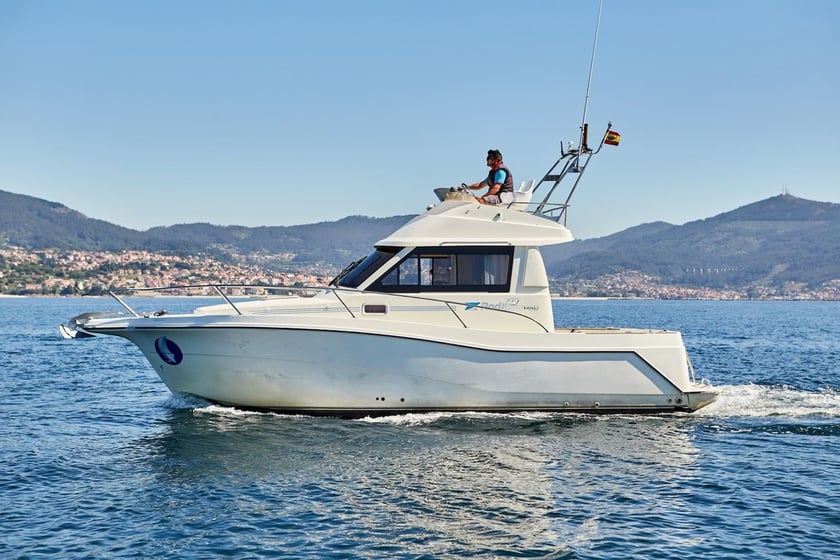
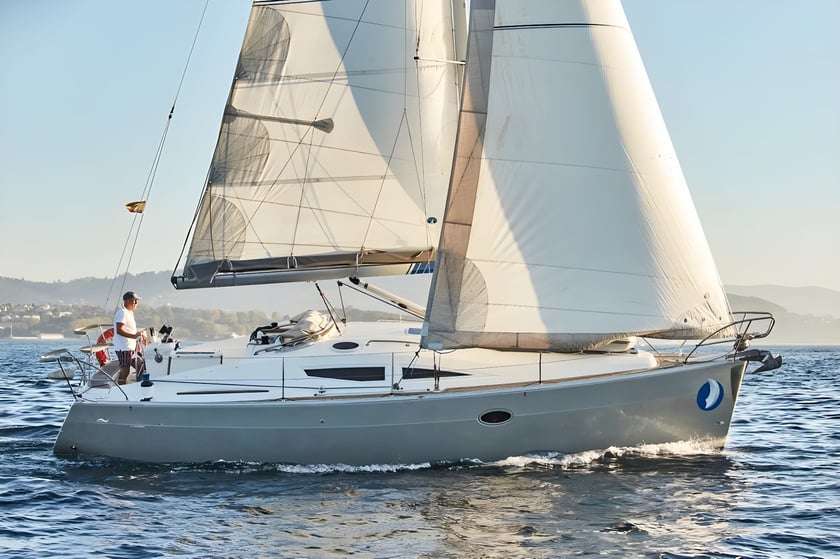
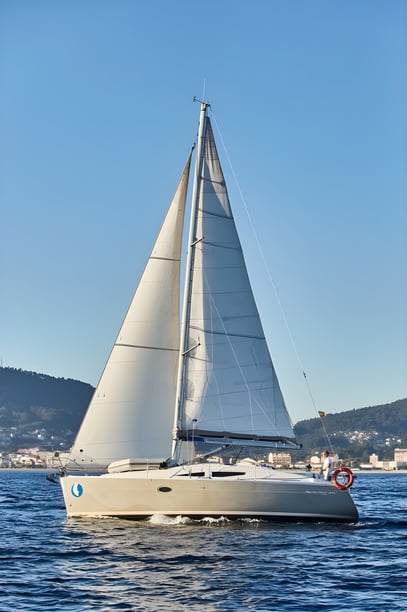
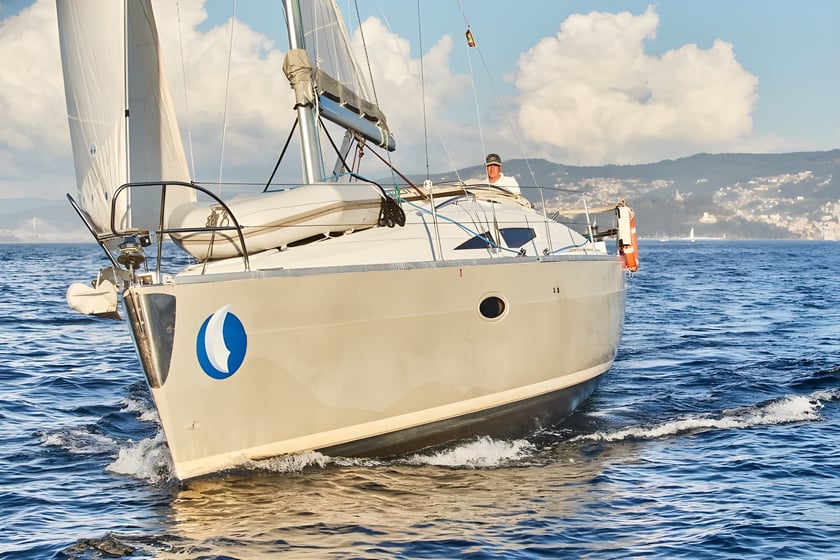
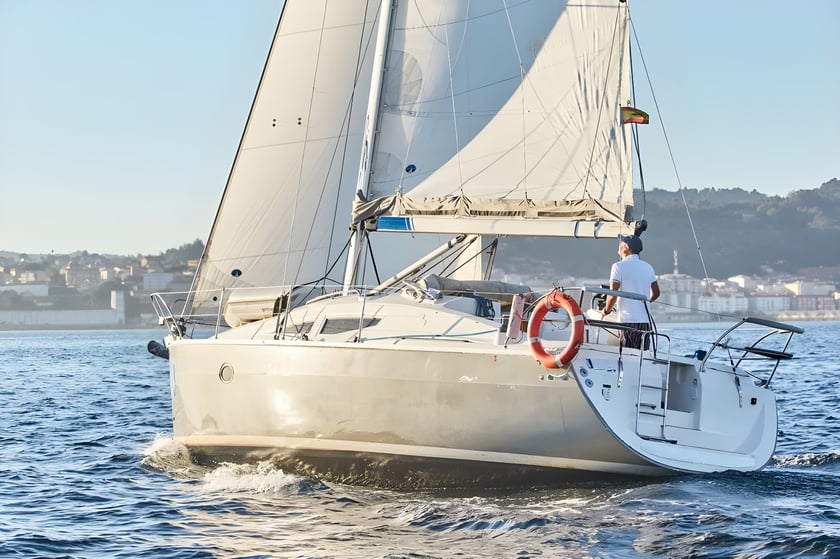
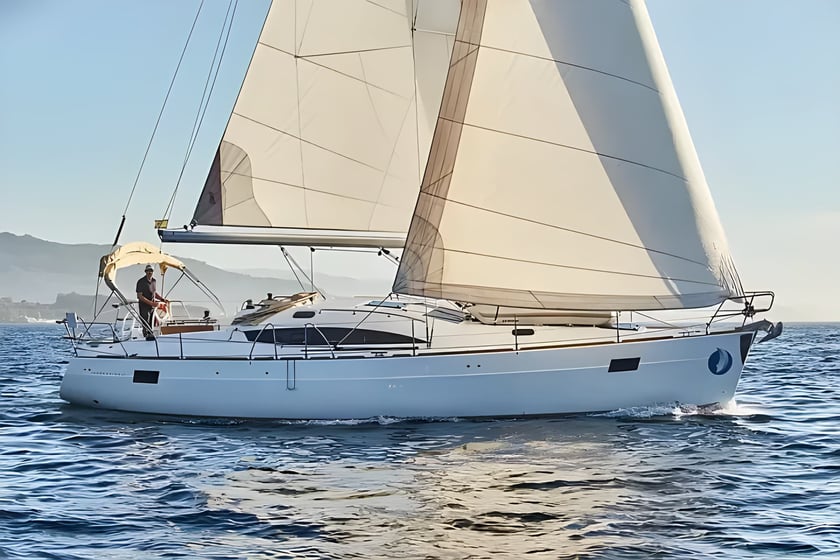
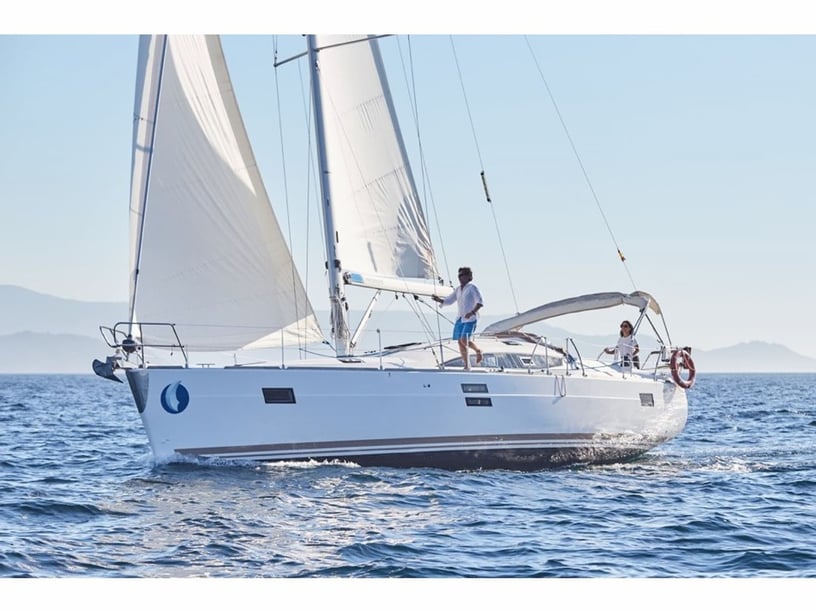
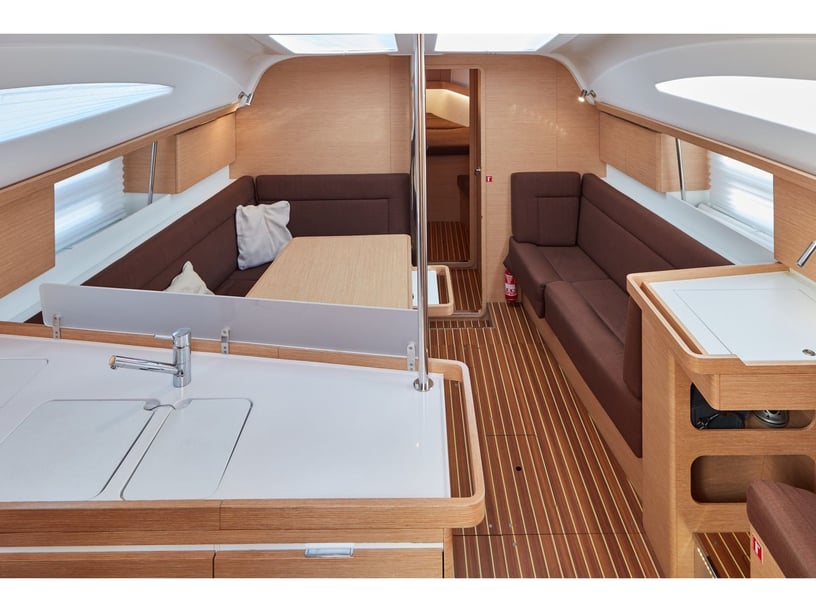
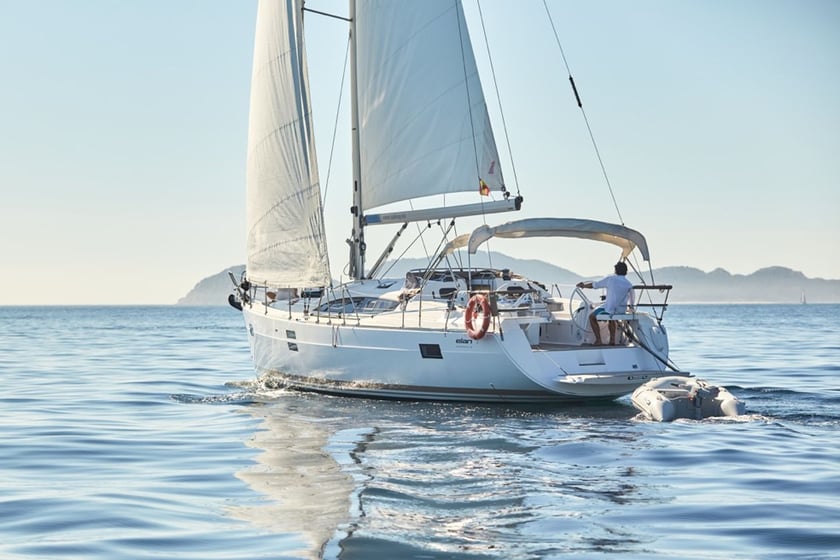
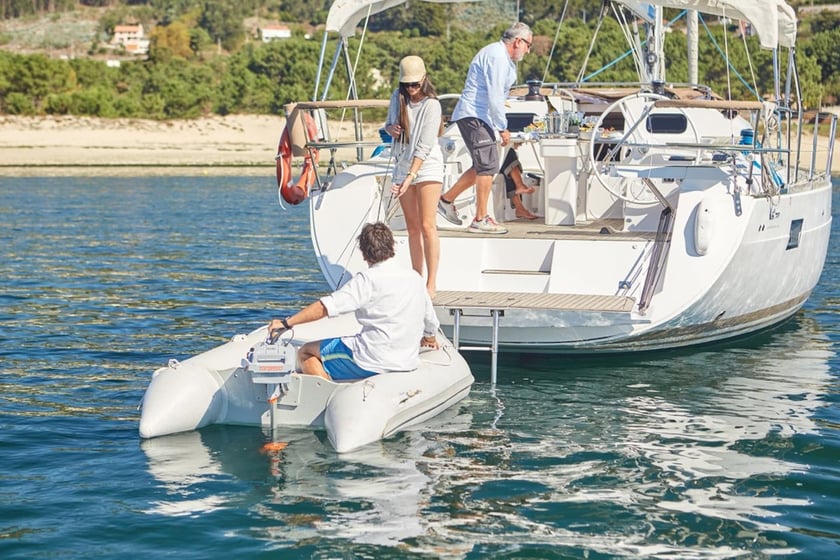
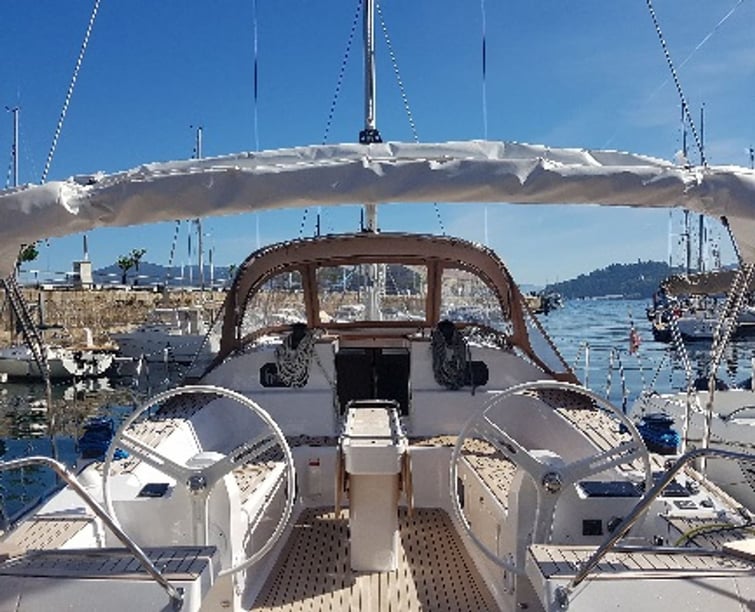
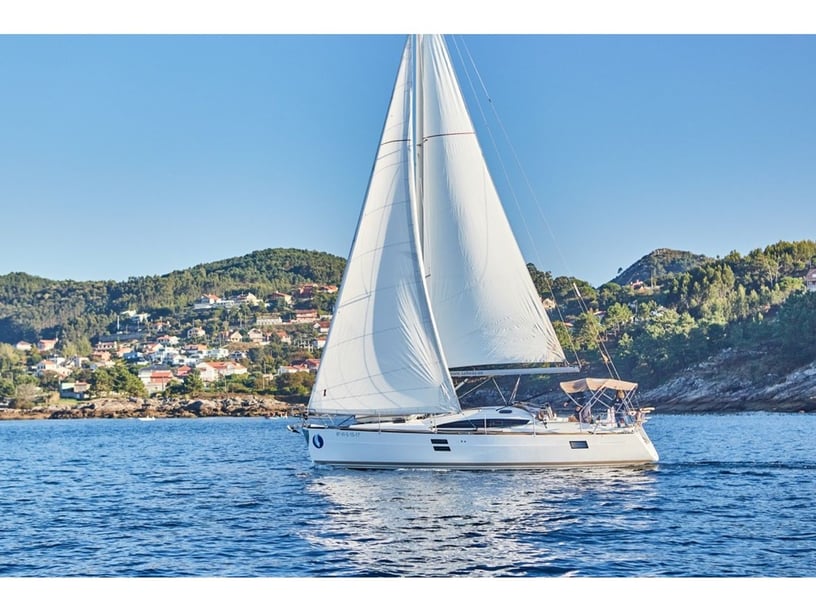
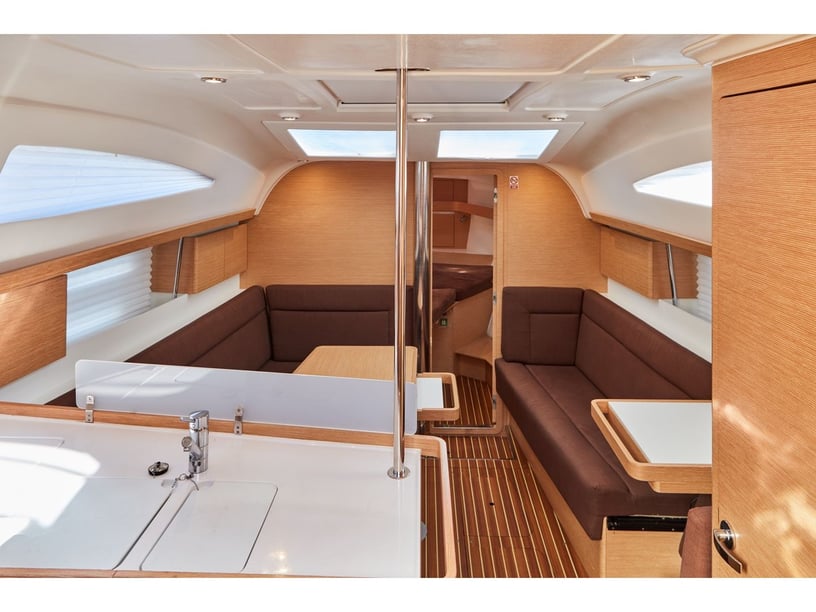
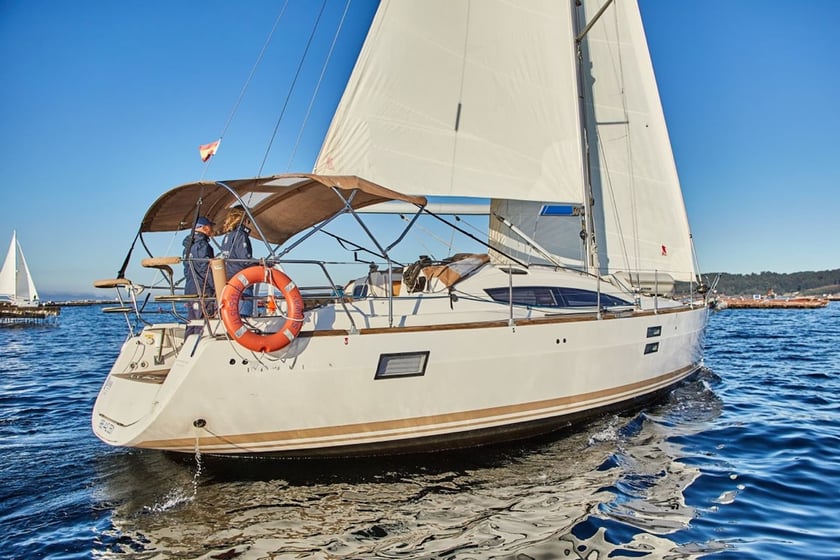
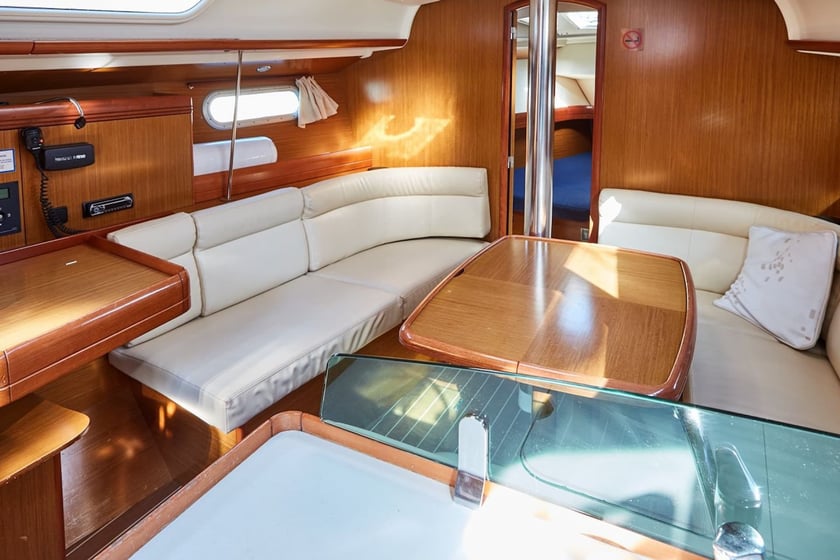
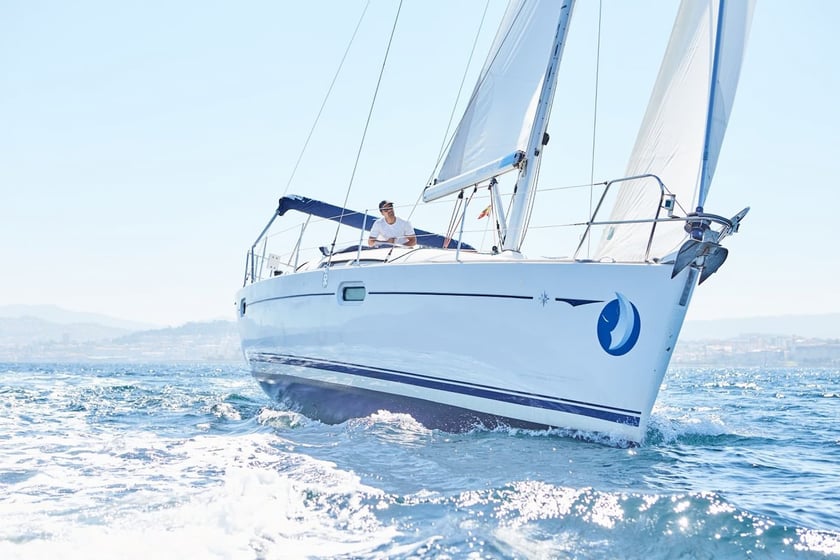
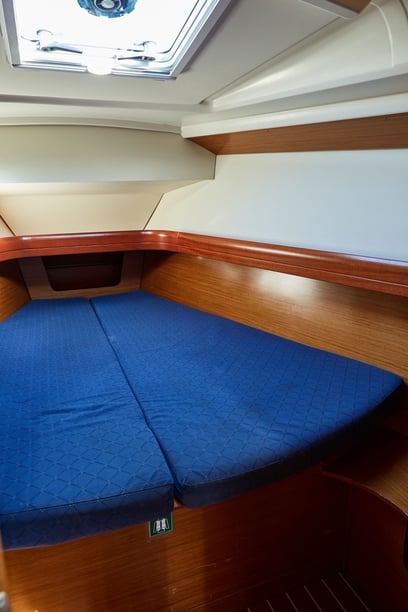
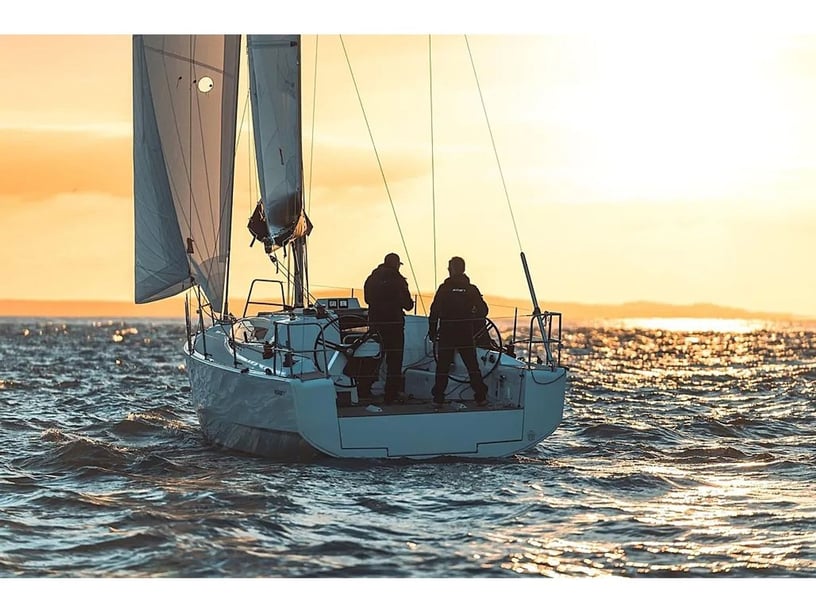
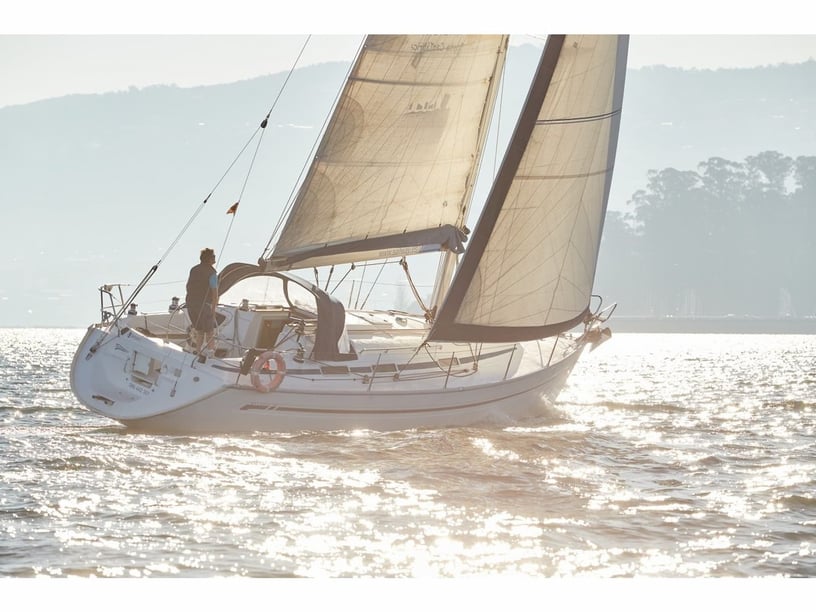
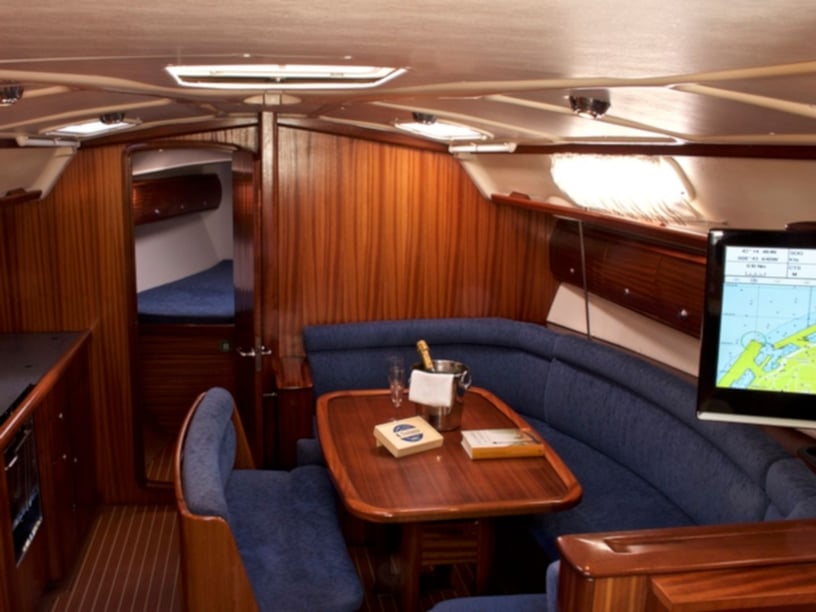
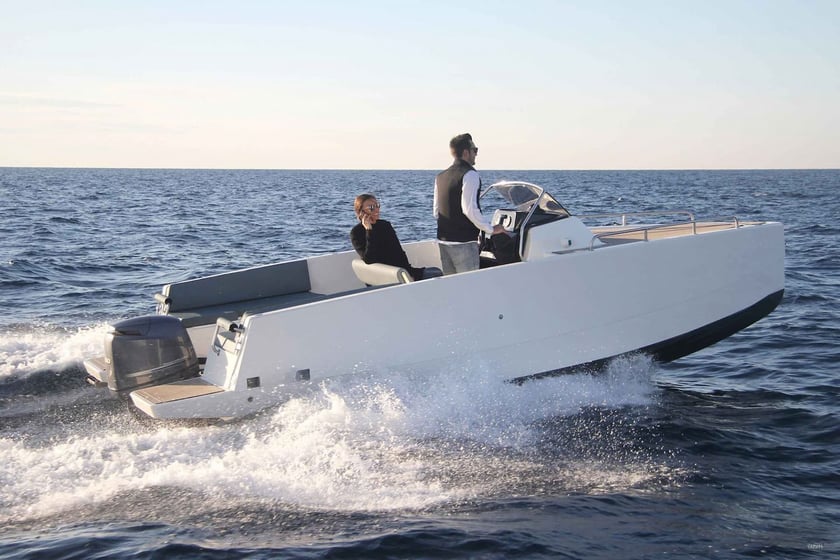
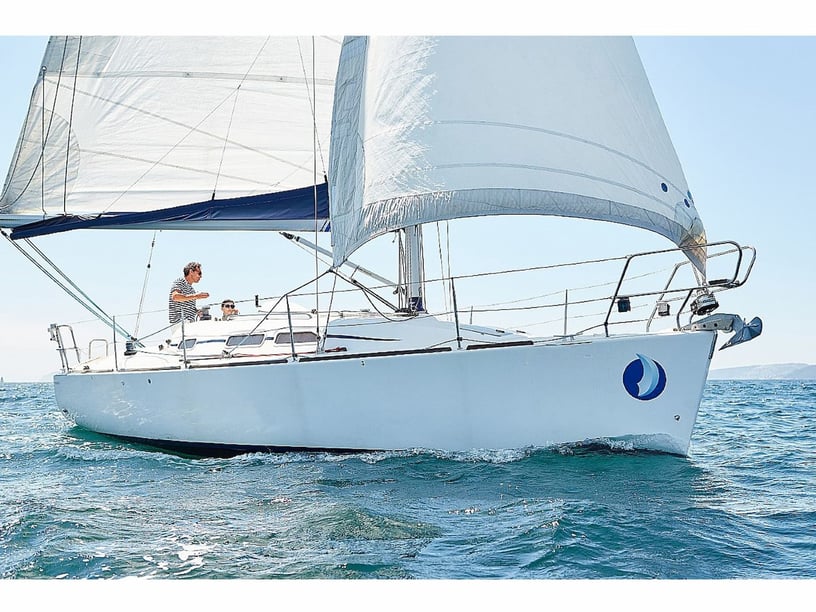
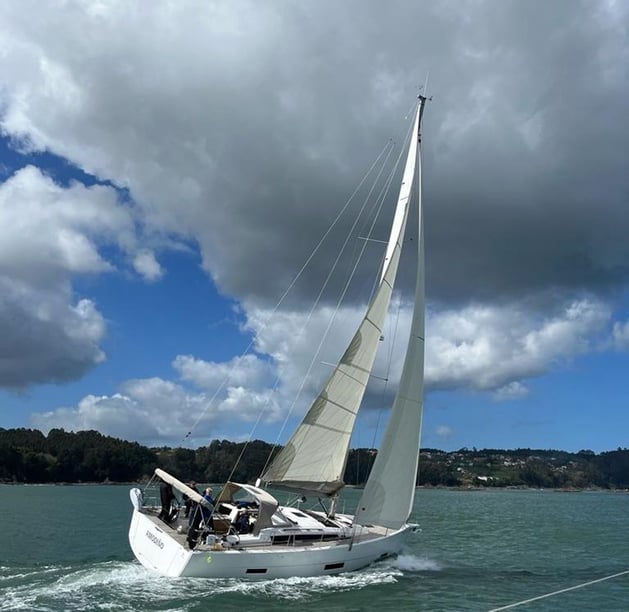
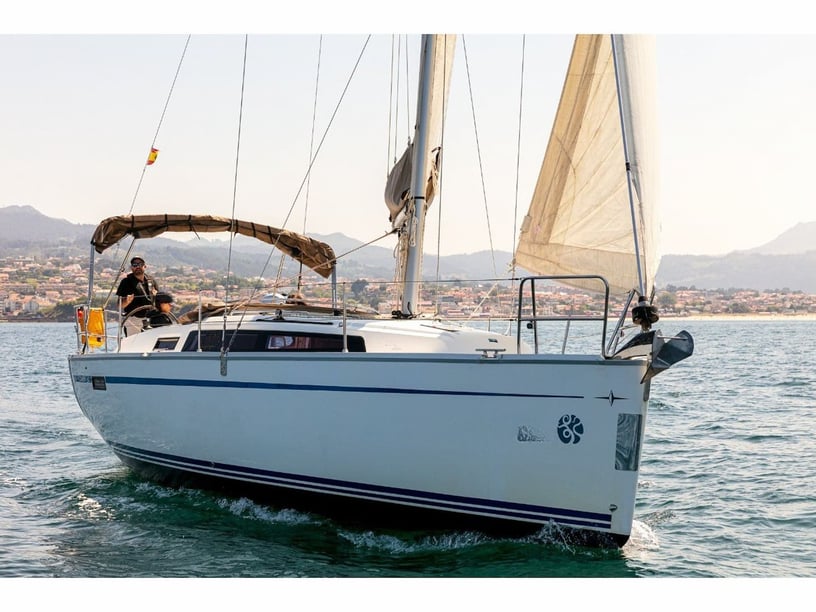
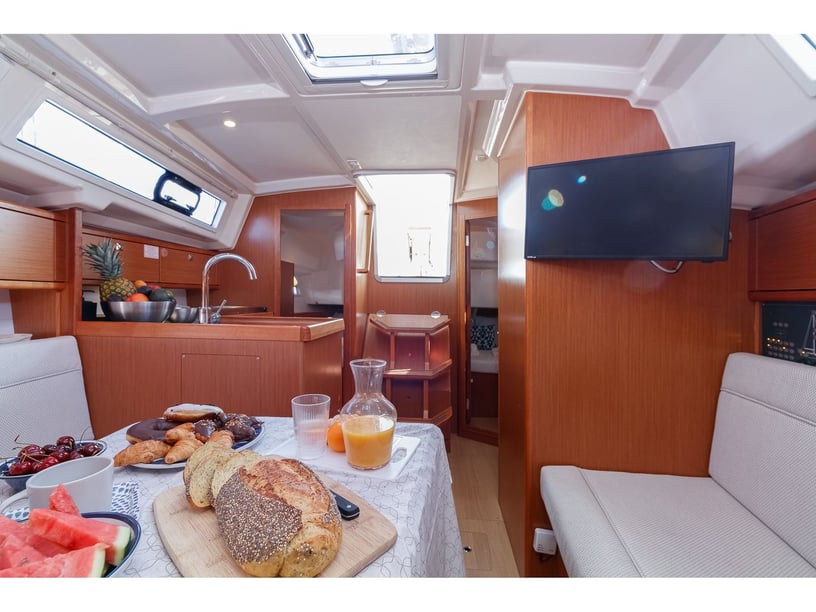
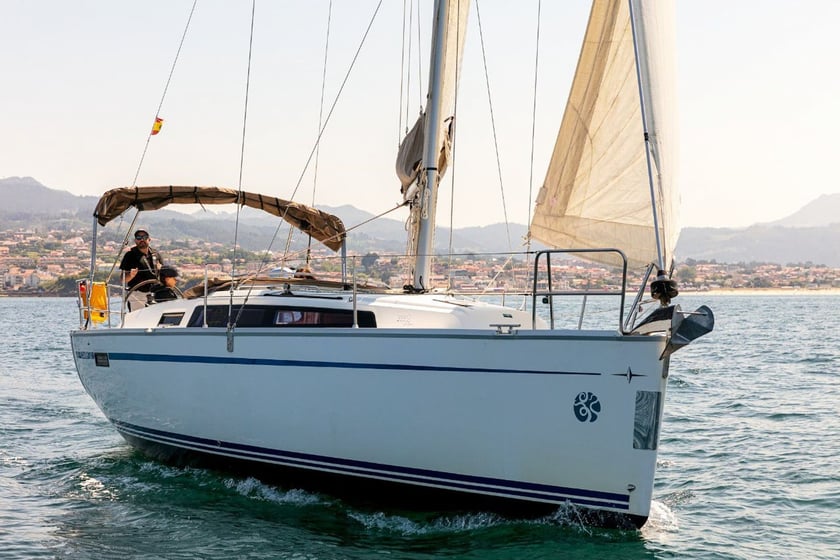
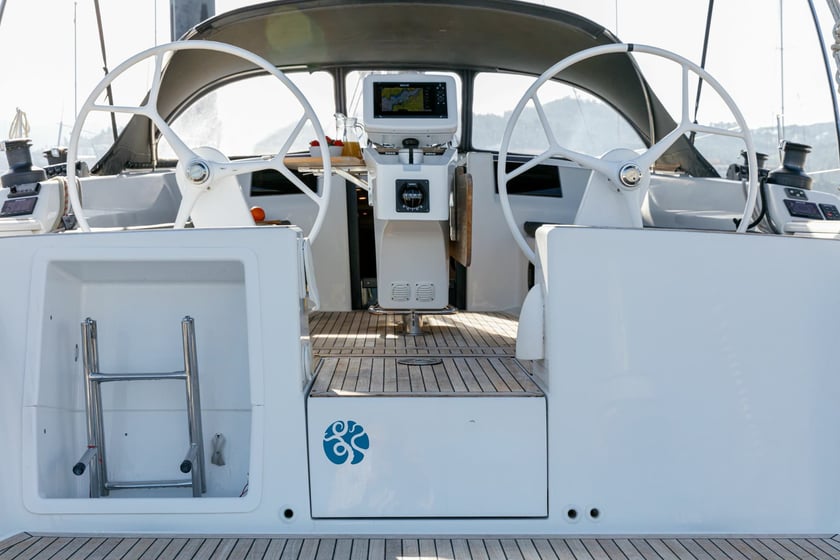
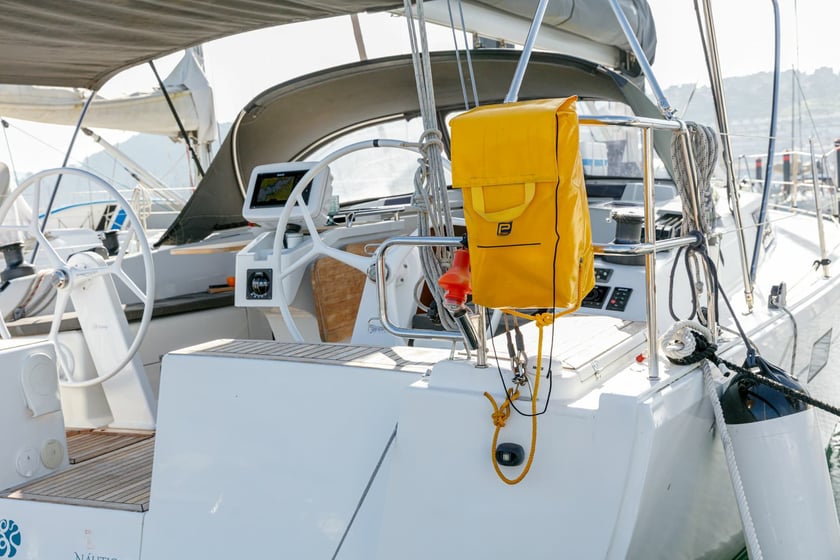
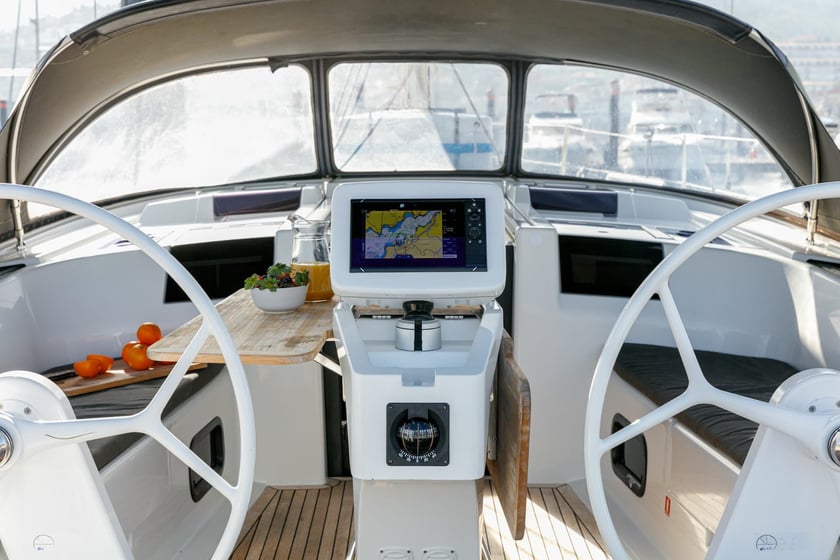
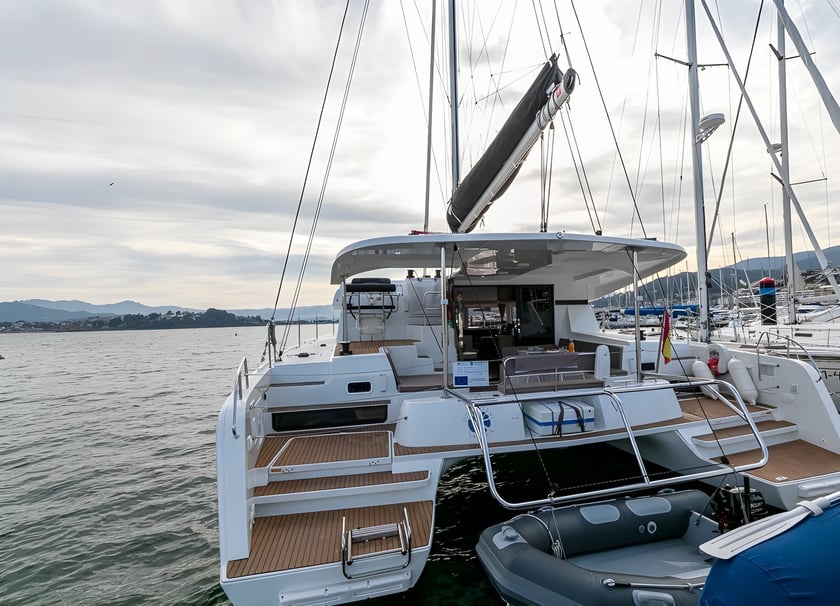
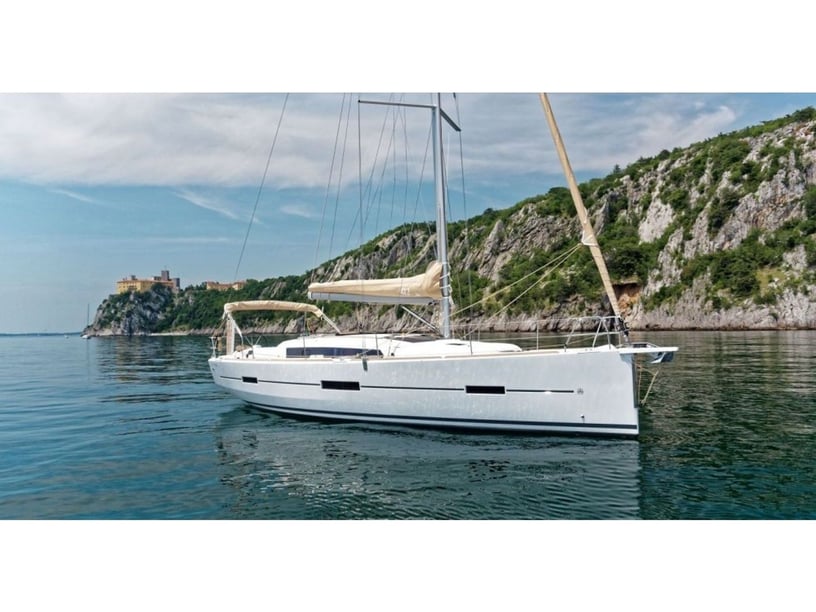
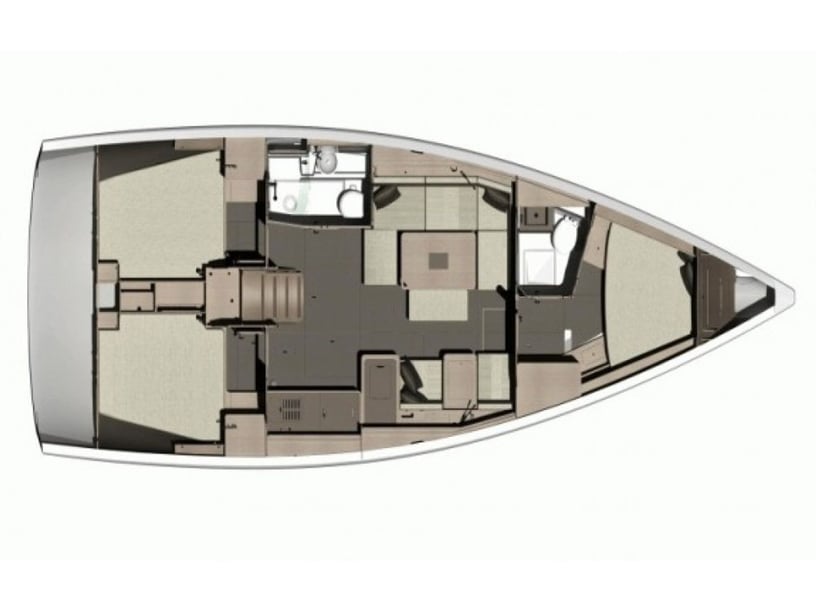
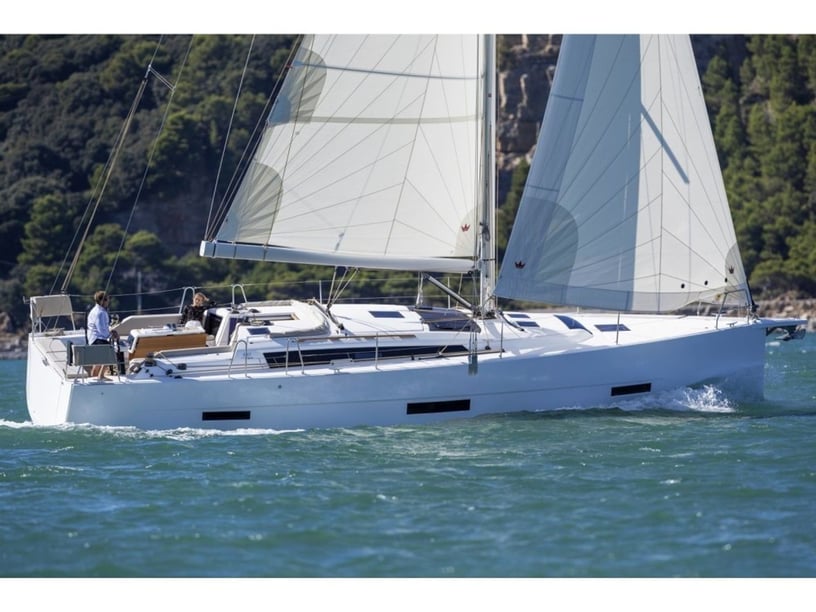
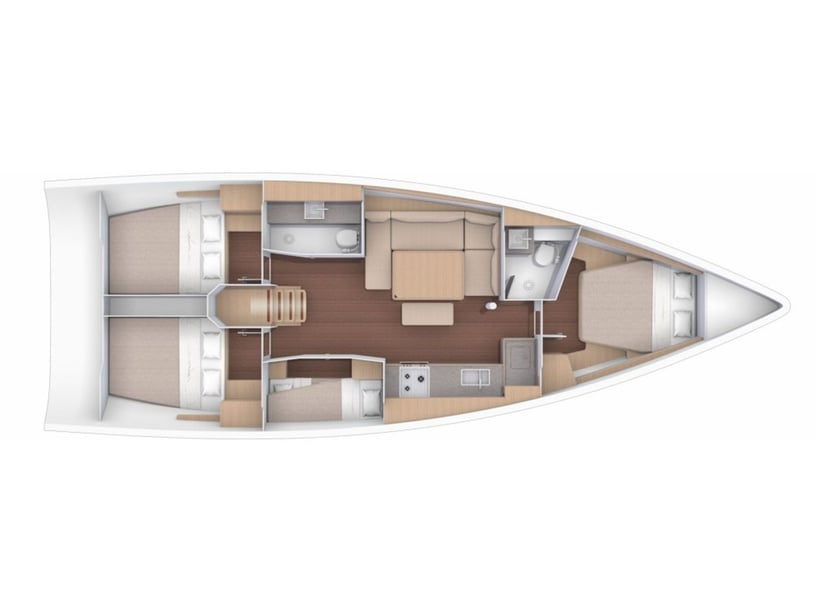
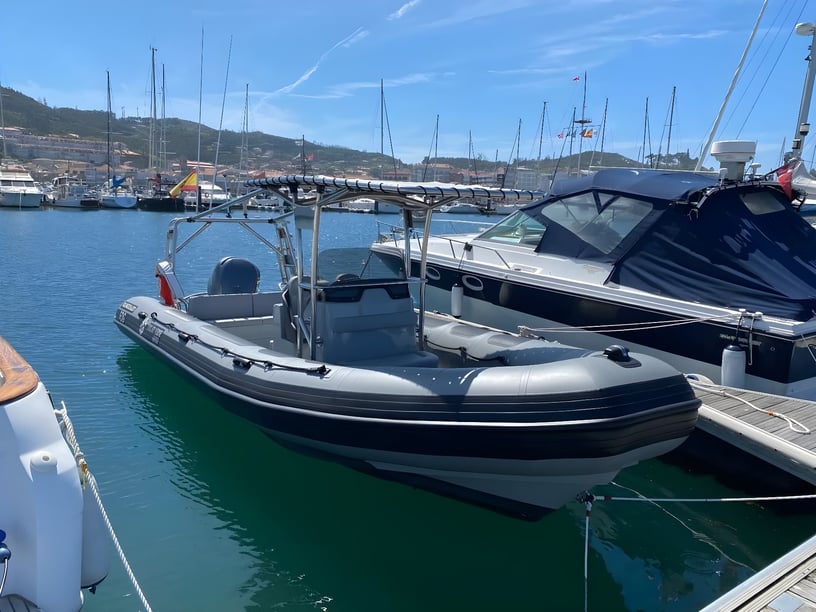
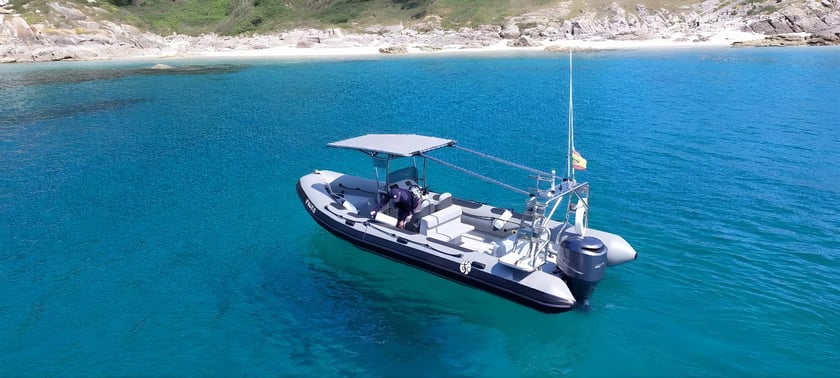
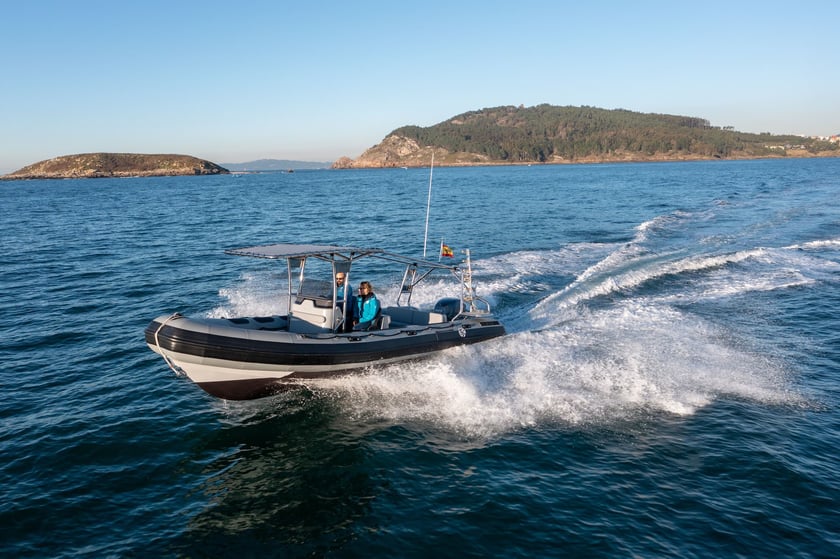
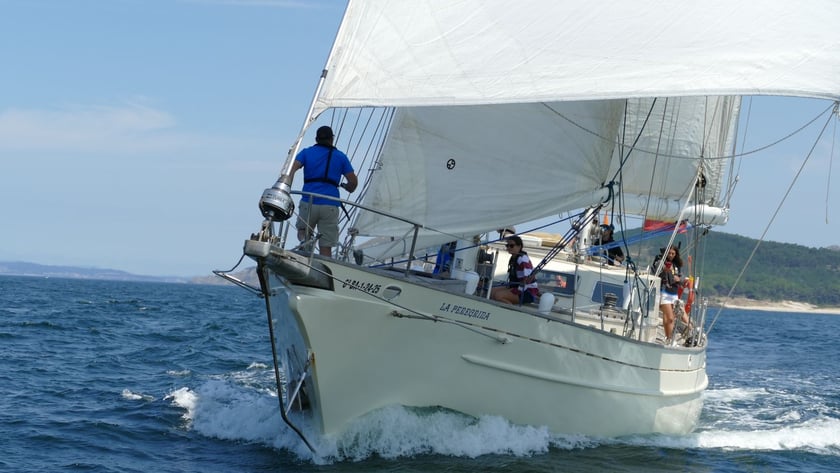
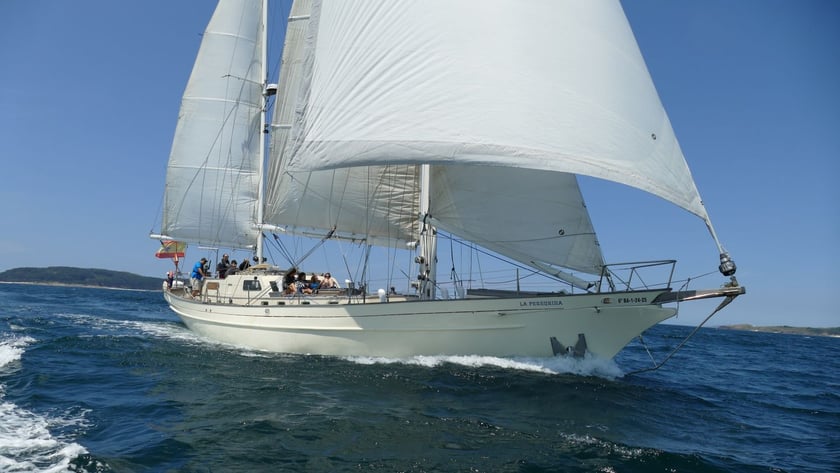
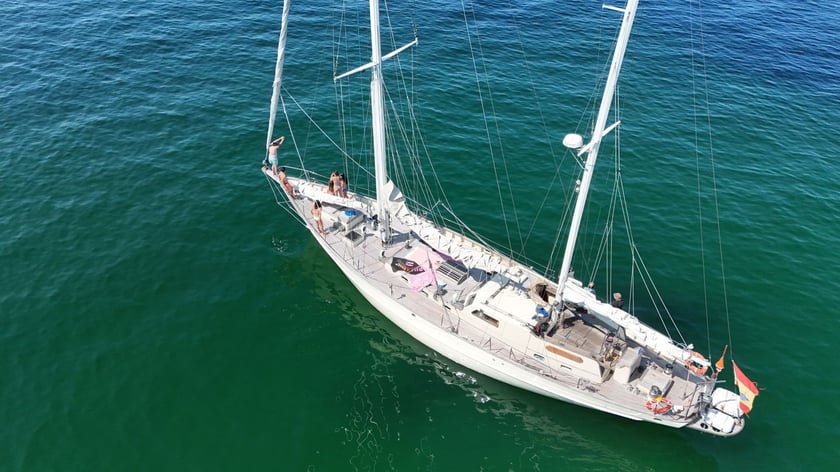
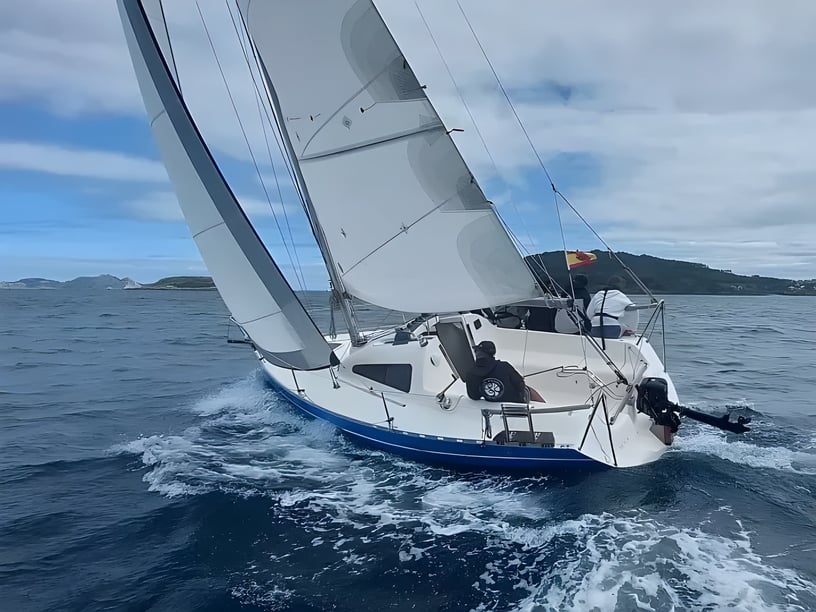
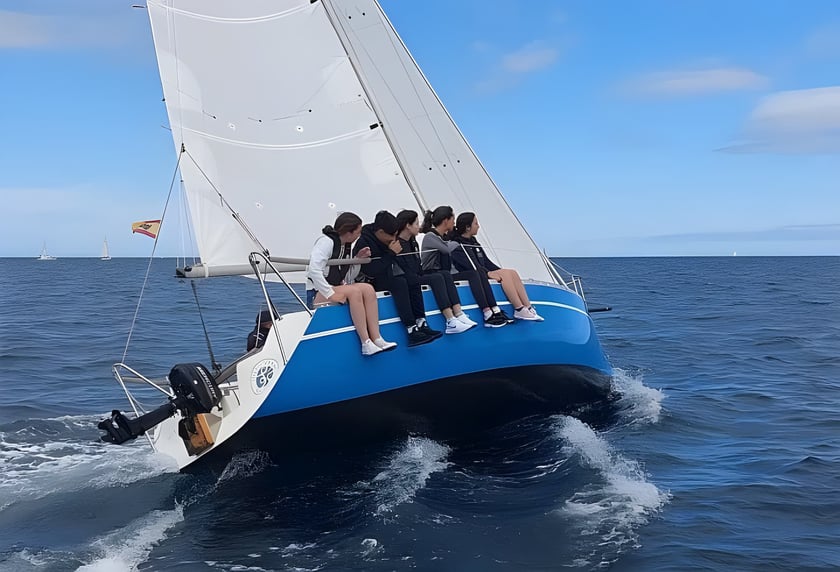
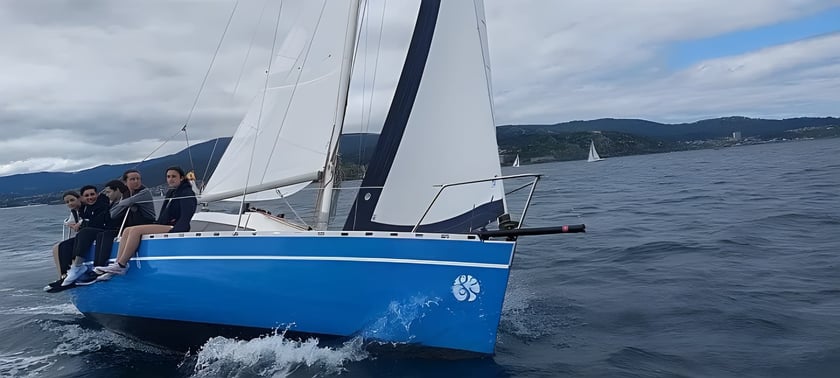
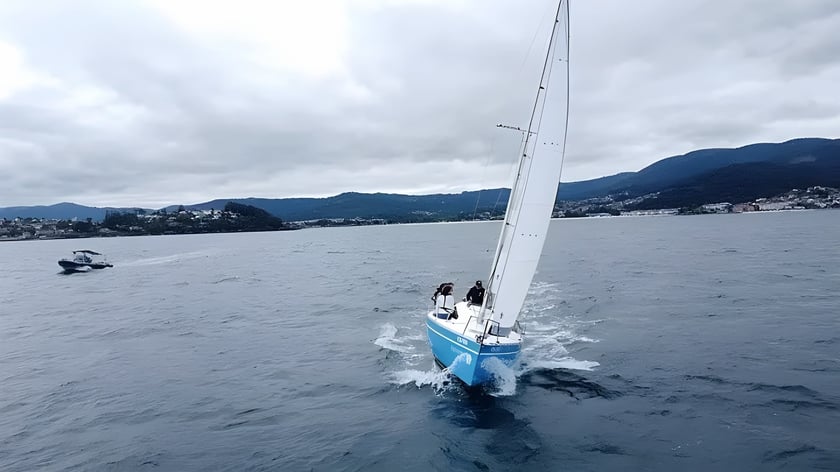
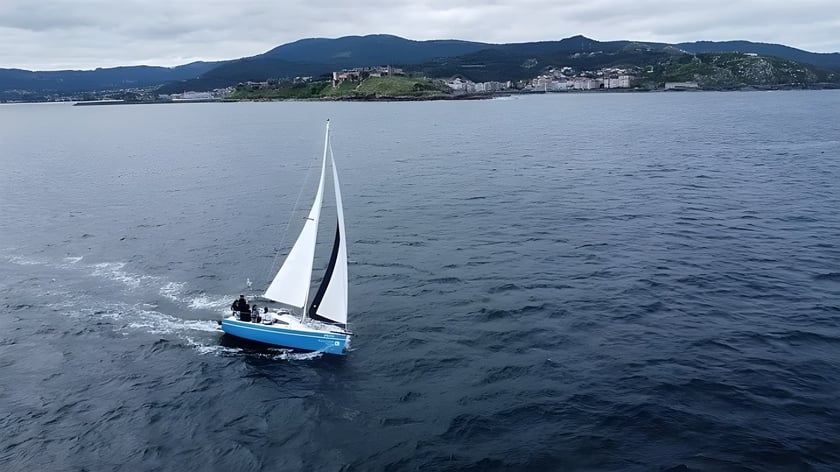
Yacht charter in Vigo
Vigo stands on the southern shore of the Ría de Vigo, a long tidal estuary protected at its Atlantic entrance by the Cíes Islands. For travelers considering a yacht charter in Vigo, this geography creates a useful contrast: sheltered inner waters for short cruises and more exposed conditions around the ria’s entrance and islands.
The waterfront is both urban and distinctly maritime. City marinas sit beside a working harbor used by commercial ships, ferries, fishing vessels and shipyards, while beaches, wooded headlands and fishing communities lie within relatively short cruising distances. A charter can therefore combine time on the water with seafood restaurants, historic waterfront districts and walks ashore. Travelers planning a wider Spanish itinerary can also compare yacht charters across Spain.
Places to explore around the Ría de Vigo
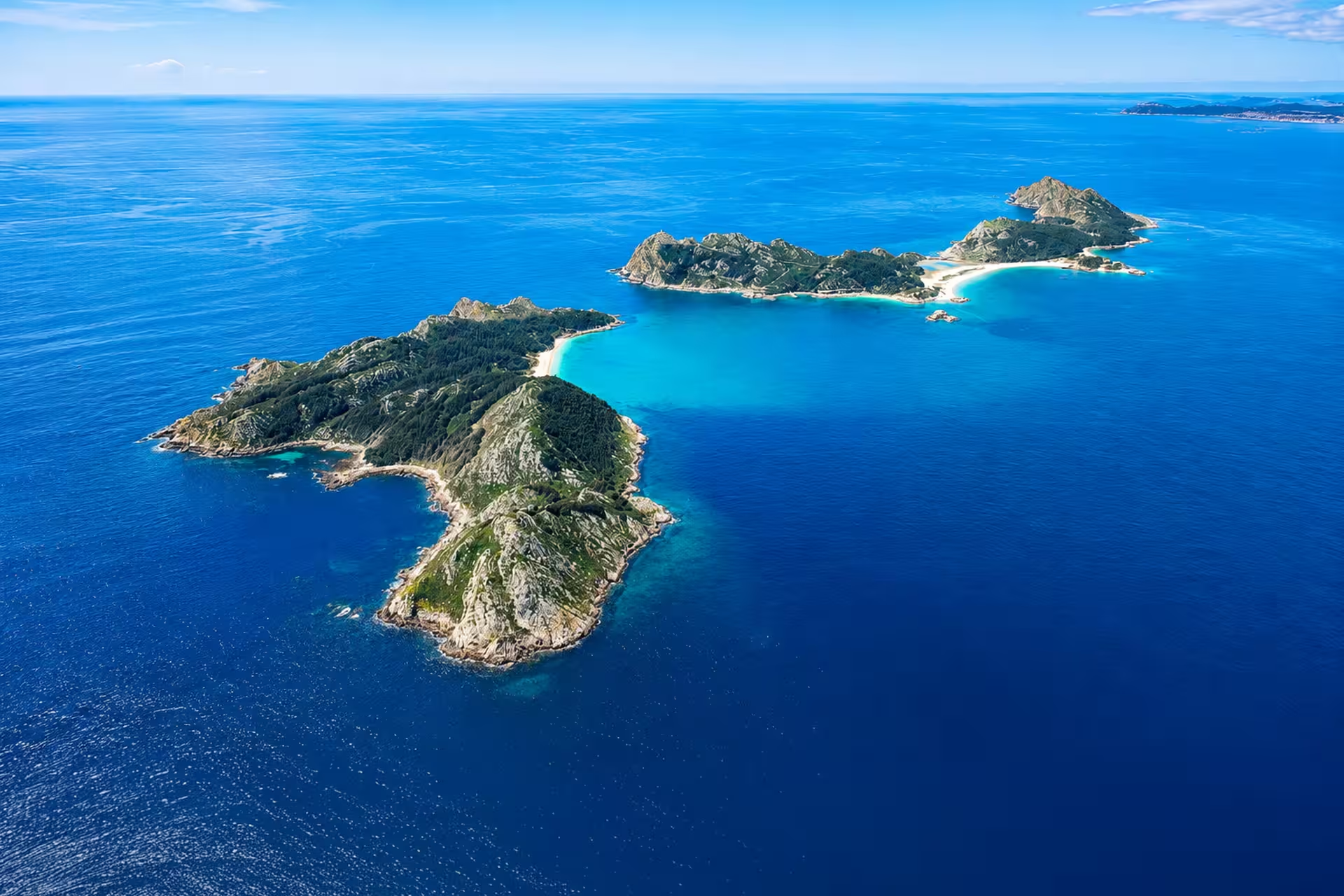
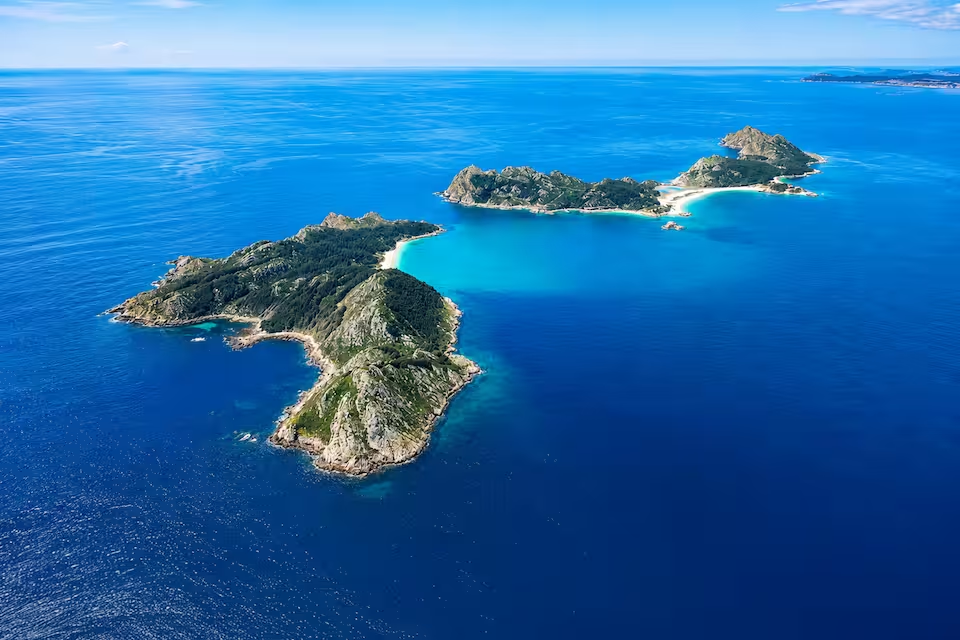
The Cíes Islands are the ria’s defining offshore destination. Monteagudo, O Faro and San Martiño form a natural barrier against the Atlantic, with authorized anchorages and landing areas on their more sheltered eastern side. Rodas Beach and the islands’ walking trails make it possible to divide a visit between anchoring, going ashore and exploring the national park. Navigation and anchoring require prior authorization, and conditions near the exposed western cliffs can differ markedly from those inside the ria.
Along the northern shore, Cangas and Moaña offer shorter cross-ria passages and a different perspective on Vigo’s waterfront. To the southwest, Baiona provides a natural extension toward the ria entrance and Baiona Bay.
For a quieter alternative, the inner ria narrows beneath the Rande Bridge before opening into San Simón Cove. San Simón and San Antón islands bring together protected scenery and a maritime history connected with the Battle of Rande.
What sailing in Vigo is like
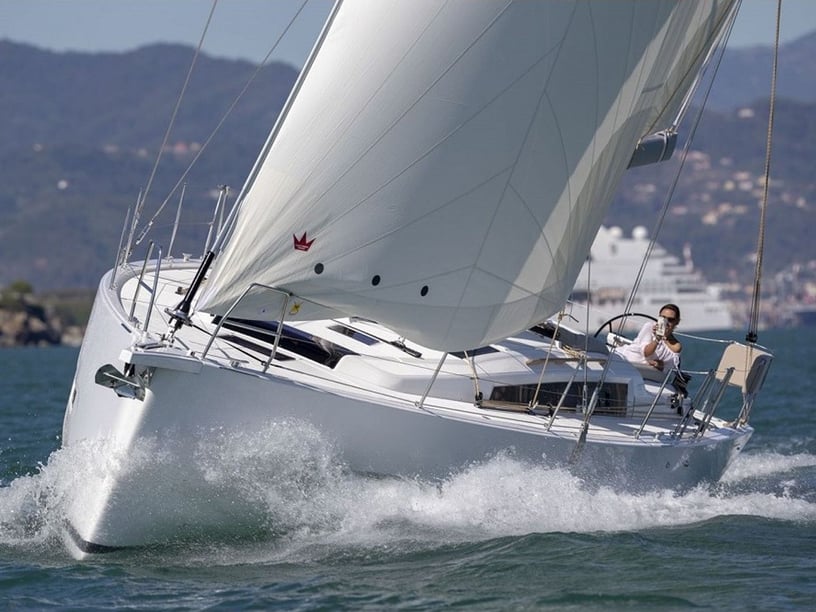
Cruising around Vigo generally involves short, largely line-of-sight passages between the city, northern-shore communities, Baiona, San Simón Cove and the Cíes Islands. The inner ria is usually protected from ocean swell and tends to have shorter seas. Near the entrance channels and around the islands, however, Atlantic swell and greater exposure can make the experience more demanding.
Settled summer weather commonly brings northerly or north-easterly winds, often around 12 to 15 knots, with sea breezes building during the afternoon. Westerly and south-westerly winds occur throughout the year and become more frequent and stronger during unsettled winter periods. Tides, local wind shifts, occasional calms and late-summer fog also influence route planning.
Overall sailing difficulty is moderate. The distances are manageable, but crews must remain attentive in an active waterway shared with ferries, commercial traffic, fishing boats and mussel-farming rafts.
Best time for a Vigo yacht charter
May through September is the principal recreational boating season in Vigo. June, July and August are the most suitable months overall, typically bringing the destination’s most settled, sunny and comparatively dry conditions. These are also the core months for combining sailing with beaches, island trails and regular visitor services to the Cíes.
May and September offer shoulder-season possibilities, although weather and service schedules deserve closer attention. April and October can support cruising when forecasts are favorable, but plans need greater flexibility. From November through March, Atlantic low-pressure systems bring wetter, more exposed conditions, particularly near the ria entrance. Private vessels may visit the Cíes throughout the year, but national park permissions remain necessary.
Cruising routes from Vigo
A direct Vigo–Cíes–Vigo passage gives the clearest introduction to the contrast between the sheltered city waterfront and the Atlantic-facing entrance. The day can include an authorized anchorage or landing near Rodas, Nosa Señora or San Martiño, subject to permits and conditions.
A broader circuit connects Vigo, Baiona and the Cíes before returning along the northern side of the ria past Cabo Home, Barra and Cangas. It suits travelers who want to experience both shores and the outer islands within one established full-day route.
For a more protected cruise, the Vigo–Rande–San Simón route heads inland past shipyards and aquaculture areas, through the Rande narrows and into San Simón Cove. This option places greater emphasis on maritime history and inner-ria scenery than on open-water sailing.
Coastal experiences on and off the yacht
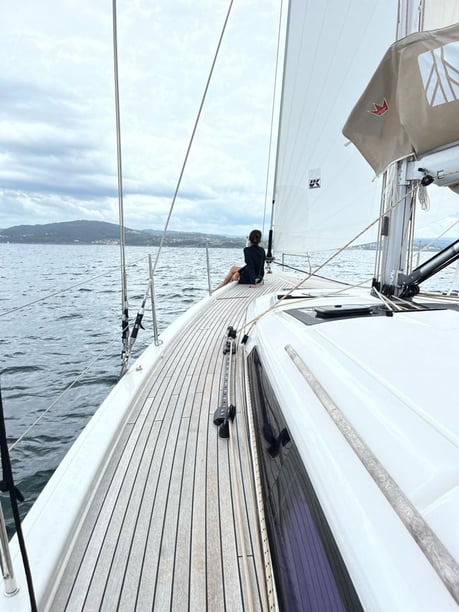
A Vigo charter can alternate naturally between cruising, swimming, walking and time ashore. The Cíes provide beaches and hiking trails, while the sheltered ria supports shorter passages that leave room for waterfront stops in the same day.
Vigo’s maritime identity remains visible throughout the trip. Bateas—floating rafts used to cultivate mussels and other shellfish—form a characteristic part of the cruising landscape. Ashore, O Berbés and the Casco Vello reflect the city’s fishing and port history, while A Pedra is associated with freshly opened oysters, often served with white wine from the Rías Baixas denomination.
The inner ria adds another historical layer. The Battle of Rande took place here in 1702, and its sunken-treasure story later appeared in Jules Verne’s Twenty Thousand Leagues Under the Seas. Verne himself visited Vigo aboard his yacht Saint-Michel III.
Getting to Vigo and reaching the waterfront
Vigo functions as both a destination to explore and a practical departure area for cruising the ria. Central waterfront access is available around the Real Club Náutico de Vigo and the Port of Vigo, while Bouzas includes additional docks and marina facilities. Marina Davila Sport and Marina Punta Lagoa are among the other relevant local facilities. Trips may also begin from Cangas or Baiona, depending on the planned route.
Vigo Airport is approximately nine kilometers from the urban center. Vigo-Urzaiz and Vigo-Guixar provide central rail connections, and the AP-9 and A-52 connect the city by road. The Estación Marítima da Ría operates passenger services across the estuary, while seasonal connections to the Cíes help travelers understand local distances before or after a private cruise.
Planning the right charter experience
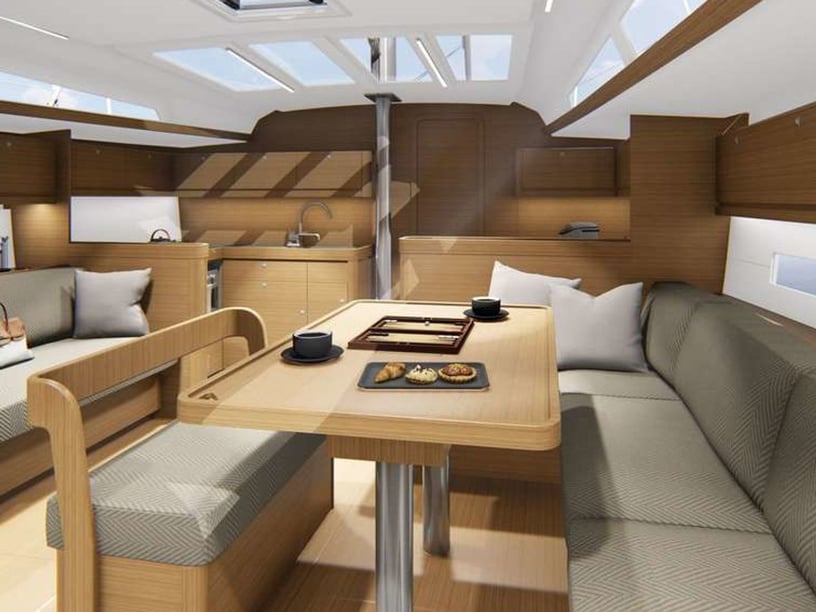
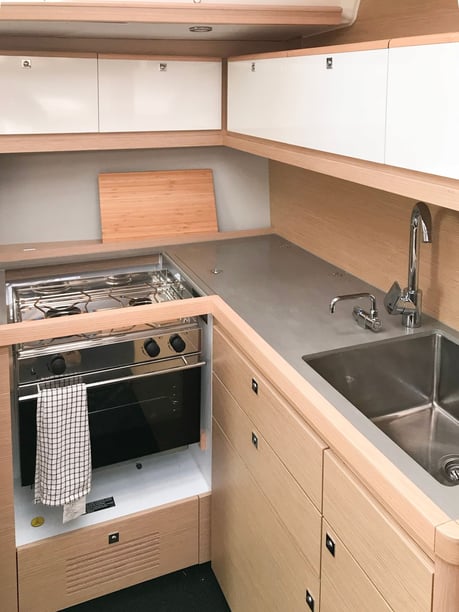
When comparing a Vigo boat rental or yacht charter, begin with the intended cruising area rather than considering the vessel in isolation. A shorter plan centered on Vigo, Cangas, Moaña and the inner ria emphasizes sheltered passages and time ashore. An itinerary involving Baiona or the Cíes requires more attention to Atlantic swell, weather at the entrance and the boat’s suitability for exposed water.
Confirm how national park permissions will be handled before including the Cíes. Prior authorization is required for navigation and anchoring, sport fishing and spearfishing are prohibited within the park, and weighted scuba diving requires authorization. Forecasts, tides and swell should be reviewed before departure, especially for island anchorages and outer channels.
It is also important to allow for ferry routes, commercial shipping, fishing activity and mussel-farming areas. Travelers choosing an itinerary or charter format should consider the skipper’s familiarity with these local conditions, the balance between sailing and shore visits, and whether the schedule can remain flexible if outer-ria weather changes.