Yacht charter in El Arenal
El Arenal, officially s’Arenal, occupies the southeastern end of Playa de Palma on Mallorca’s Bay of Palma. Its waterfront combines a long urban beach, restaurants and nightlife with Club Nàutic S’Arenal, an established sailing club and marina. This makes a yacht charter in El Arenal particularly relevant for travelers who want time on the water without being separated from the facilities of a busy resort.
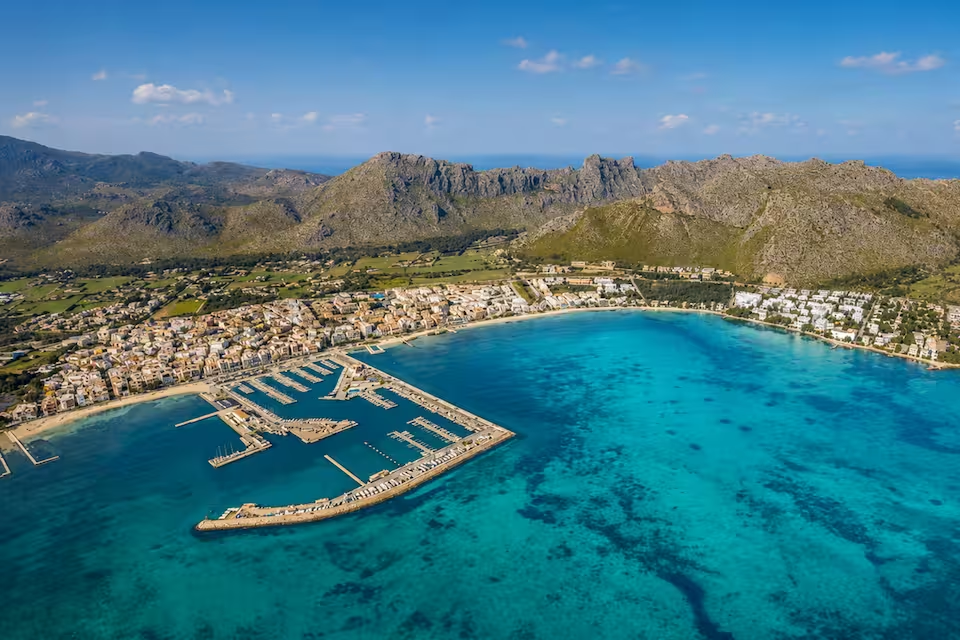
The marina stands at a clear change in the coastline. Northwest of the harbor, the sandy shore continues along Playa de Palma; immediately to the east, lower rocky stretches and small coves appear around Son Verí Nou and Cala Blava. The local charter experience therefore tends to focus on day sailing and coastal exploration within the Bay of Palma rather than island-hopping. El Arenal can function as both a departure area and a place to visit, depending on the boat’s confirmed embarkation point and itinerary.
Coastal places to explore
The most immediate contrast lies on either side of Club Nàutic S’Arenal. Playa de Palma extends northwest as a broad, gently shelving beach backed by a continuous promenade and cycle route. Farther along this side of the bay are Can Pastilla and Palma de Mallorca, providing a wider urban and coastal context for cruising in the Bay of Palma.
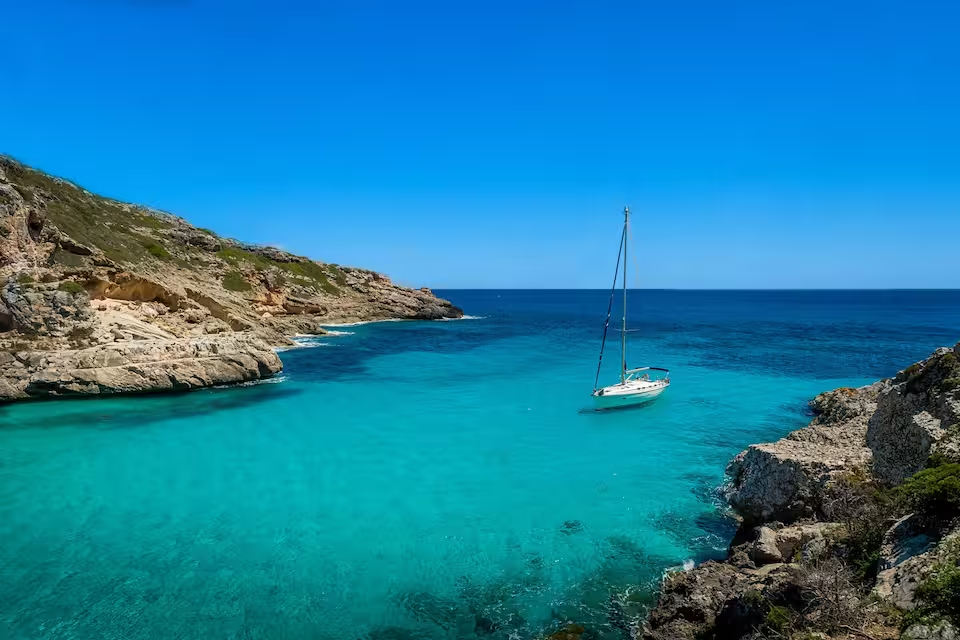
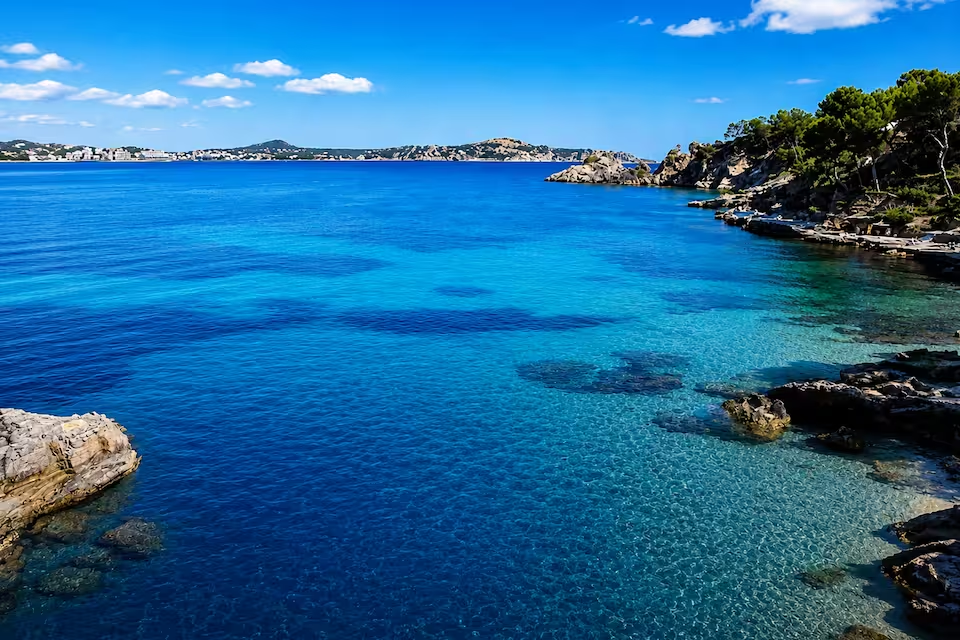
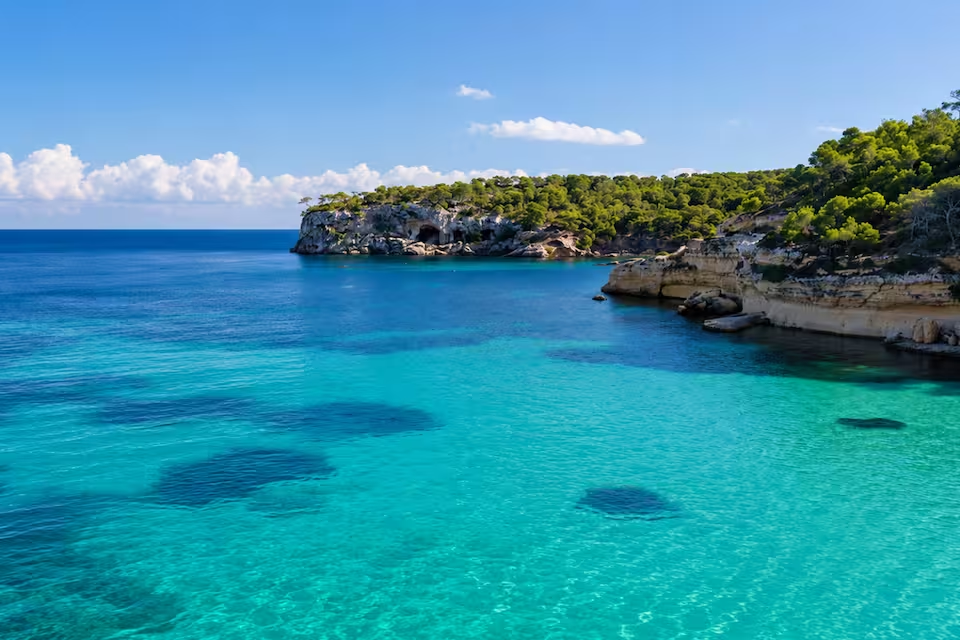
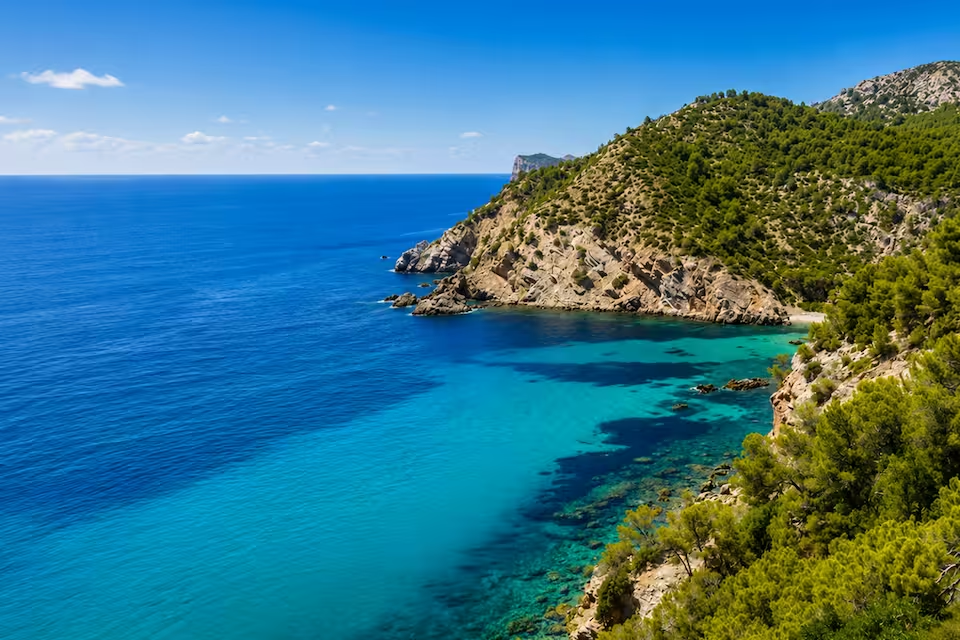
East of the marina, the character becomes more intimate. Caló de Sant Antoni and Es Calonet d’es Fornàs are among the small coves close to El Arenal, while Cala Blava and the coast toward Cap Enderrocat support outings centered on swimming, snorkeling and viewing Mallorca’s rocky shoreline from the water. These nearby places are better understood as a sequence of coastal stops than as a long-distance cruising circuit, making them well suited to shorter yacht trips and unhurried days within the bay.
Sailing conditions in the Bay of Palma
Cruising from El Arenal takes place mainly within the broad Bay of Palma and along Mallorca’s nearby coast. The marina is sheltered, and many local outings involve short, line-of-sight passages: the next coastal feature or destination generally remains visible rather than requiring an open-sea crossing. This can make route planning straightforward, although the overall sailing difficulty is moderate and changing weather still requires appropriate judgment.
From April to October, the bay commonly develops the embat, a thermal sea breeze created by daytime heating. It often begins lightly in the morning, strengthens through the afternoon and may reach around 16 knots before easing later in the day. For travelers, this creates a useful daily rhythm: a gentler start can suit swimming or relaxed coastal movement, while the afternoon may offer livelier sailing. Autumn thunderstorms and stronger, more variable winter winds can alter that pattern, so current forecasts and sea conditions should always guide the day’s plan.
The best time to charter
The principal yacht-holiday season runs from May through October. June and September are identified as particularly suitable months, combining warm-season sailing conditions with generally less congestion than the July and August peak. June benefits from the established thermal-wind pattern, while September remains warm but brings a greater possibility of rain and thunderstorms than midsummer.
July and August are the busiest period and usually have sunny, dry conditions; July is especially dry. Travelers choosing these months should expect greater pressure on popular waterfront areas, parking and coastal facilities. May offers a useful shoulder-season alternative, while April can provide good sailing as the thermal pattern develops, though temperatures are cooler. October can still support yacht trips, but conditions become more changeable. Winter sailing continues, yet cooler weather and a greater likelihood of strong northwesterly winds make it less suited to a conventional warm-weather charter.
Experiences on and off the water
An El Arenal yacht charter can combine active sailing with swimming and snorkeling along the smaller coves east of the harbor. The short distances within the immediate coastal area allow the day to be divided between cruising, stopping near suitable swimming areas and returning to the resort waterfront for restaurants or evening activity. Windsurfing, kitesurfing and light-sailing activity also form part of the bay’s established nautical character.
The coast carries traces of an earlier working landscape. S’Arenal began as a late-19th-century settlement associated with fishing and the extraction of marès, Mallorca’s local sandstone. Stone from coastal quarries could be transported by boat, including material associated with Palma Cathedral. Club Nàutic S’Arenal, founded in 1952, adds another layer of maritime identity through its long-standing role in sailing instruction, training and competitive light sailing.
Getting there and departing by yacht
Palma de Mallorca Airport is the relevant arrival airport for El Arenal. The resort is accessible by road from both the airport and Palma, with direct public-bus connections from each. The waterfront promenade and cycle route also link El Arenal with the wider Playa de Palma area, while buses and local roads continue east along the Llucmajor coast.
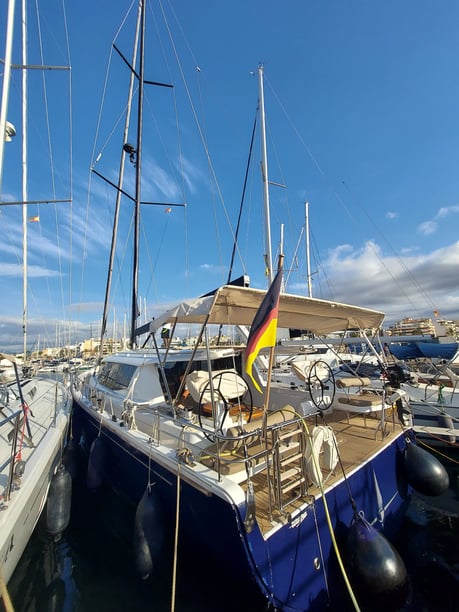
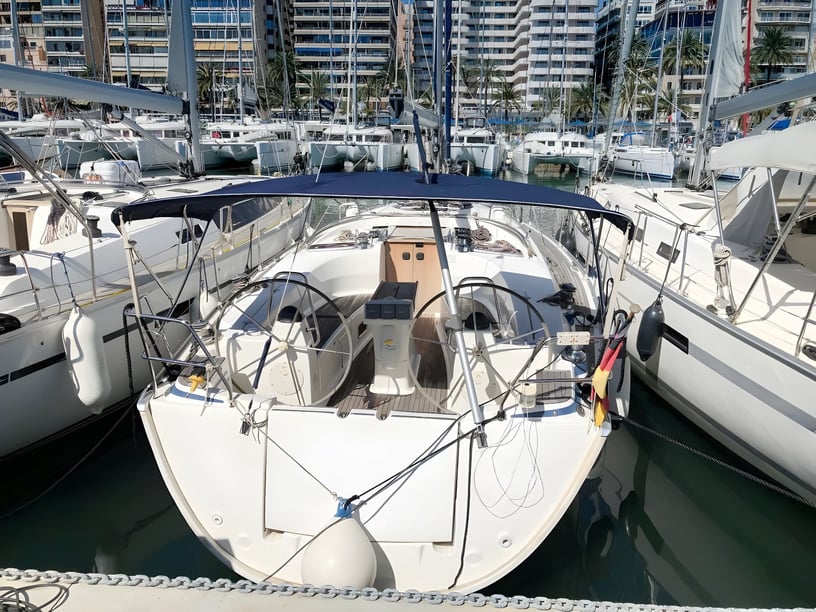
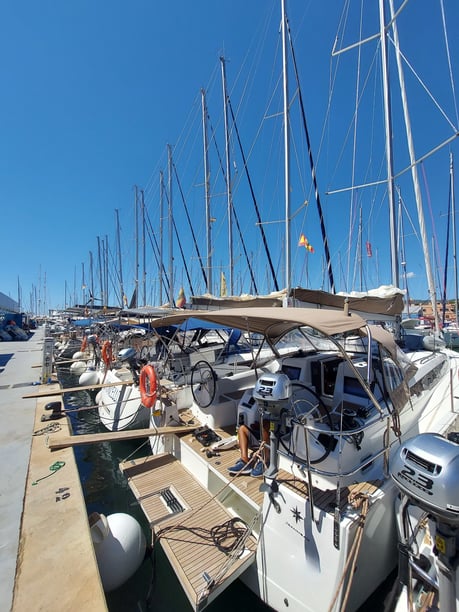
Club Nàutic S’Arenal is the principal local marina and an identified departure point. Its services include water and electricity at berths, fuel, lifting equipment, mechanical support and nautical training. Travelers should nevertheless confirm the exact embarkation harbor stated for their chosen charter rather than assuming every boat rental in El Arenal begins at the yacht club. Summer parking near the marina and neighboring coves can be difficult, so a bus, taxi transfer or accommodation within walking distance may simplify departure-day logistics.
Planning your El Arenal charter
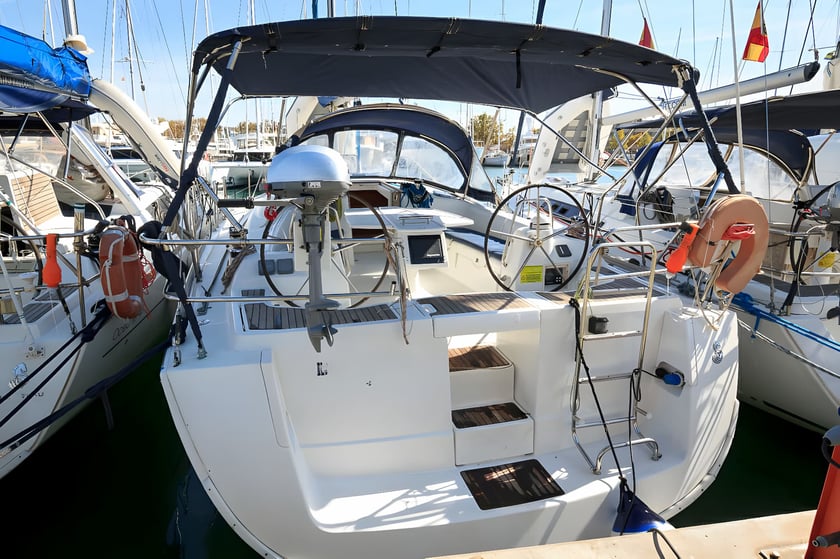
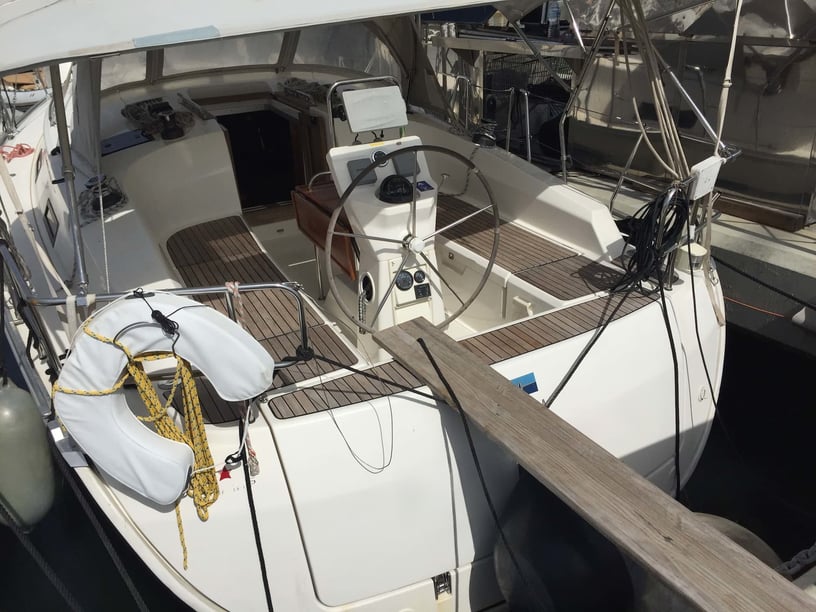
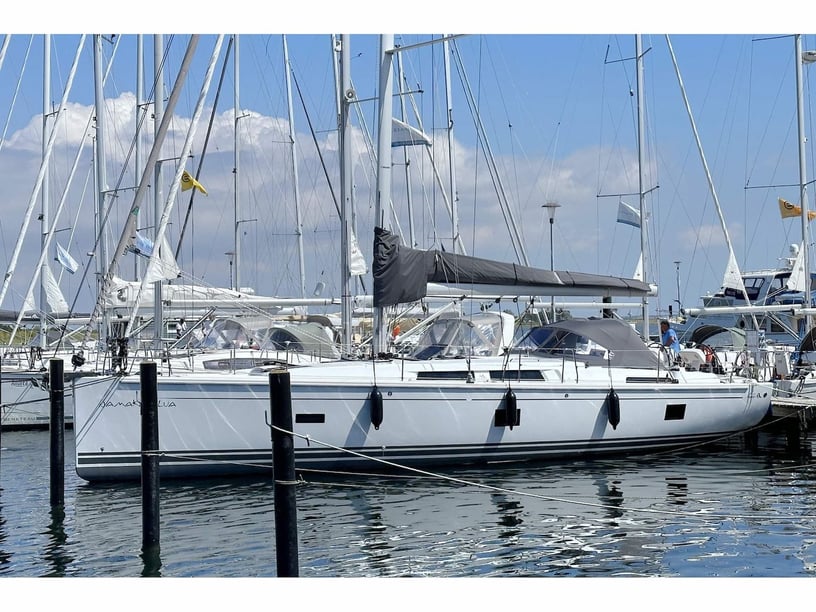
Begin by matching the trip format to the immediate cruising area. El Arenal is especially appropriate for Bay of Palma sailing, short coastal passages and swimming-focused outings rather than an itinerary built around nearby islands. When comparing yachts, consider how much of the day will be spent under way versus anchored or ashore, and choose onboard space and facilities accordingly. Travelers seeking a sailing-led format can narrow their research through sailboat charter in El Arenal.
Environmental and weather planning are important. Anchoring directly on Posidonia oceanica seagrass is prohibited in Balearic waters, so the skipper should use current official seabed maps and comply with regulated anchoring areas. A low-impact buoy field operates in the Cap Blanc–Cala Blava area southeast of El Arenal, but its availability and operating arrangements should be checked with PortsIB. Forecasts deserve particular attention during autumn thunderstorm periods and in winter.
For a broader comparison of destinations and cruising settings beyond Mallorca’s immediate bay, travelers can also review yacht charter in Spain.






Verified
Martusia K.01 Jun 2026
The team was great, check in and check out went smoothly, and the boat was in good condition.
El Arenal / Spain