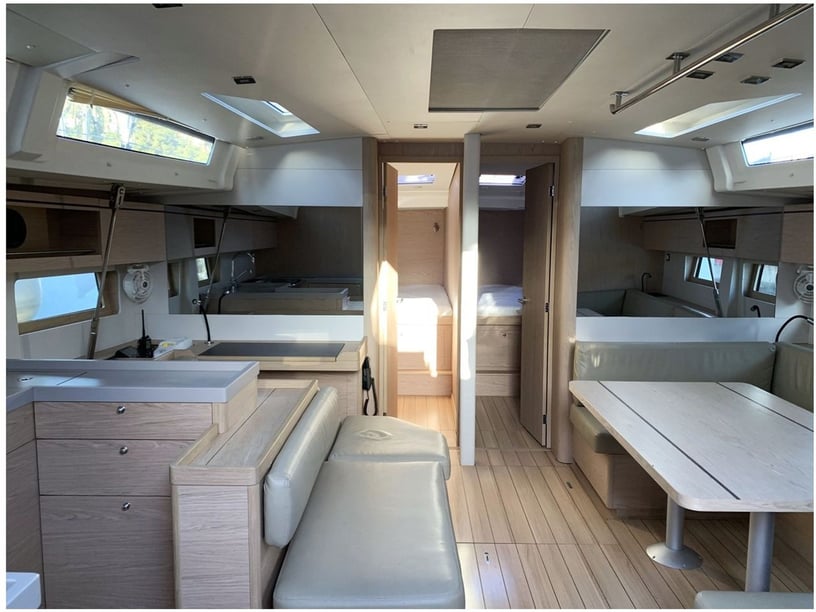
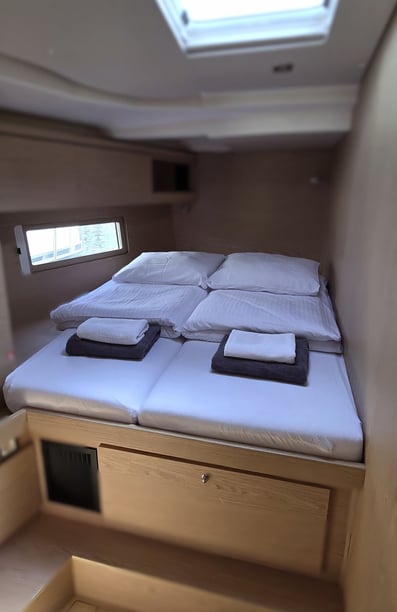
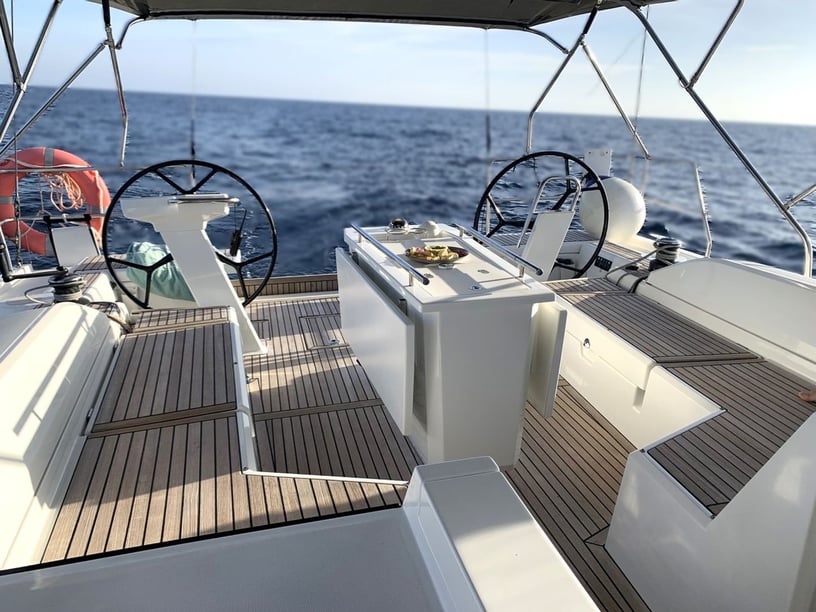
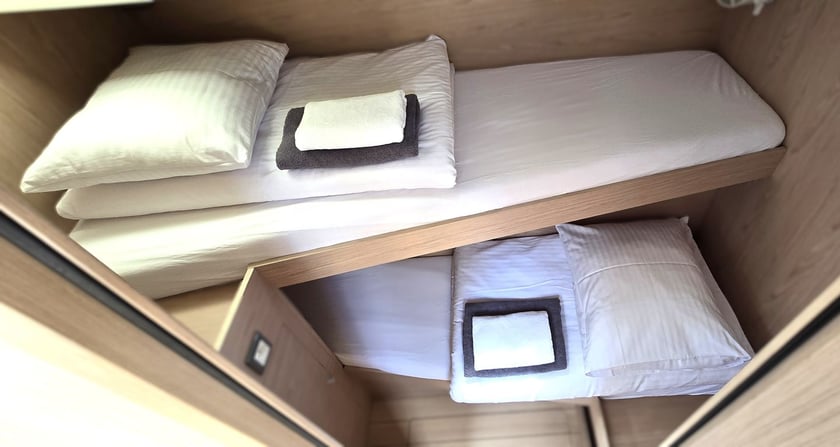
Yacht charter in Cala d’Or
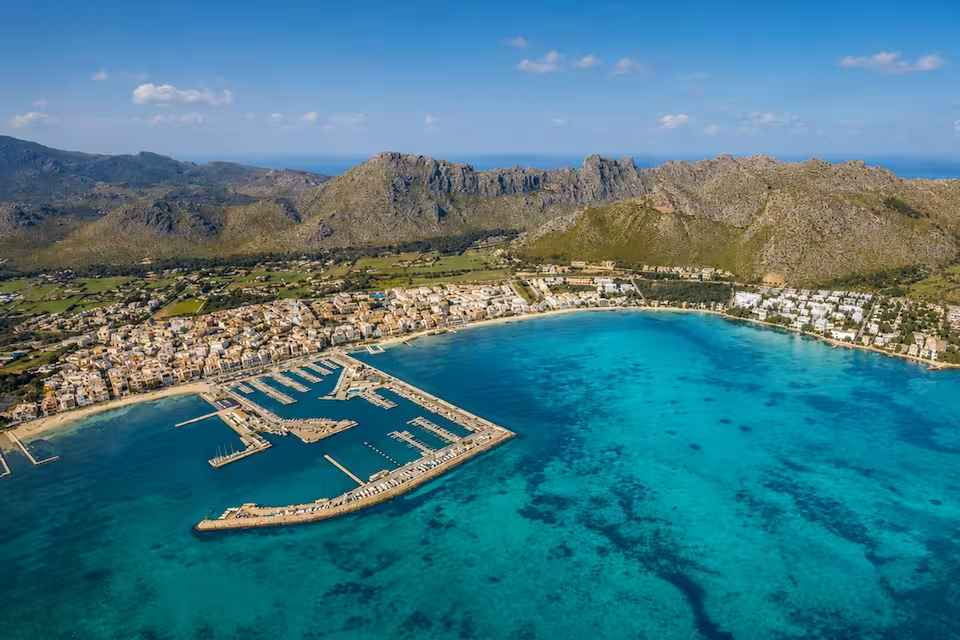
Cala d’Or lies on Mallorca’s southeast coast, where low limestone shores are cut by narrow inlets ending in compact sandy beaches. Its principal harbor occupies Cala Llonga, a sheltered natural inlet lined by Marina Cala d’Or. This combination of marina facilities and closely spaced coves makes the locality a practical starting point for short, line-of-sight cruising.
A yacht charter in Cala d’Or is especially well suited to travelers who want to divide their time between coastal sailing, swimming stops and visits ashore rather than undertake long passages. White, low-rise buildings influenced by traditional Ibizan architecture give the resort a recognizable character, while nearby fishing harbors and protected coastline provide quieter contrasts.
Coves, harbors and coastline to explore
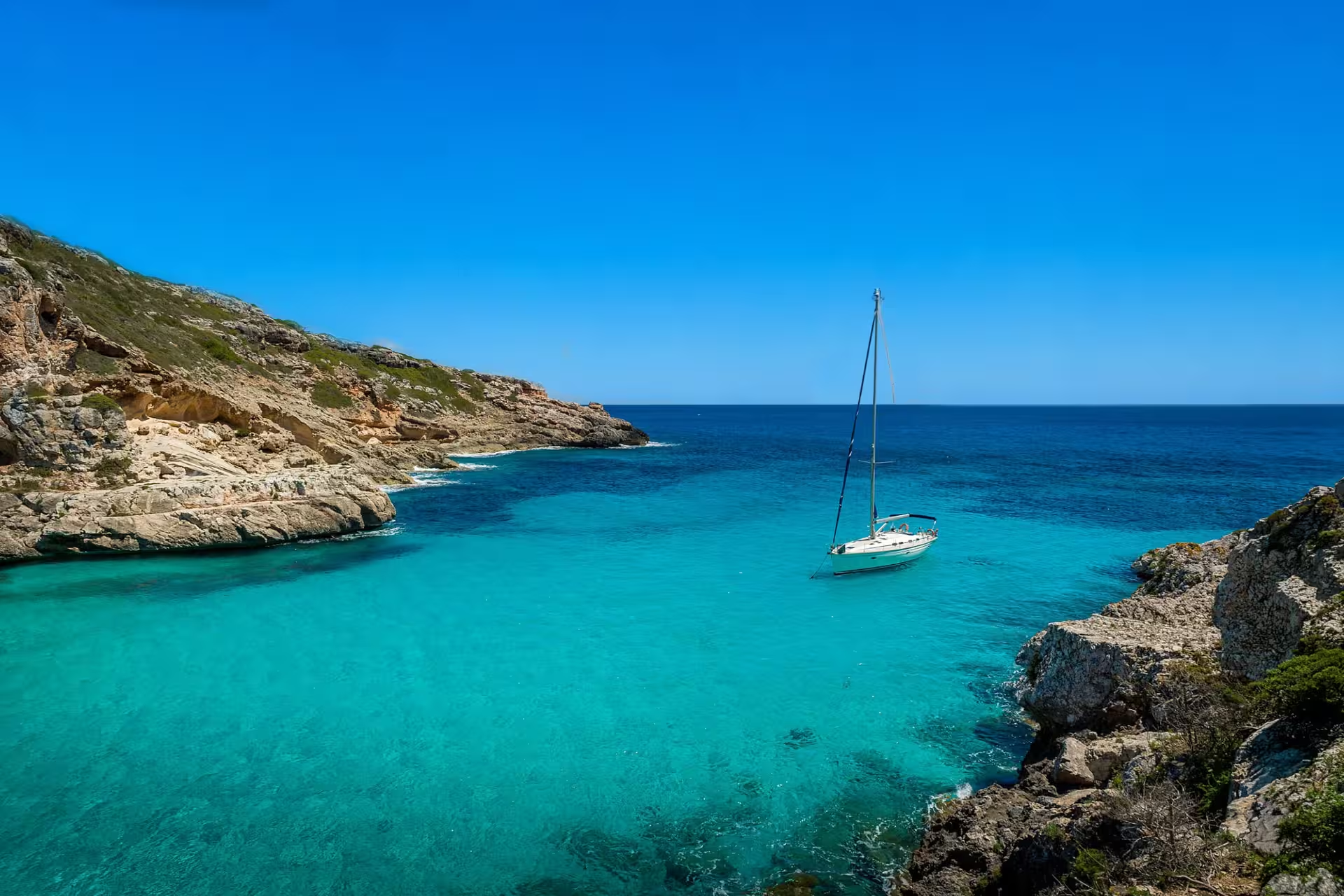
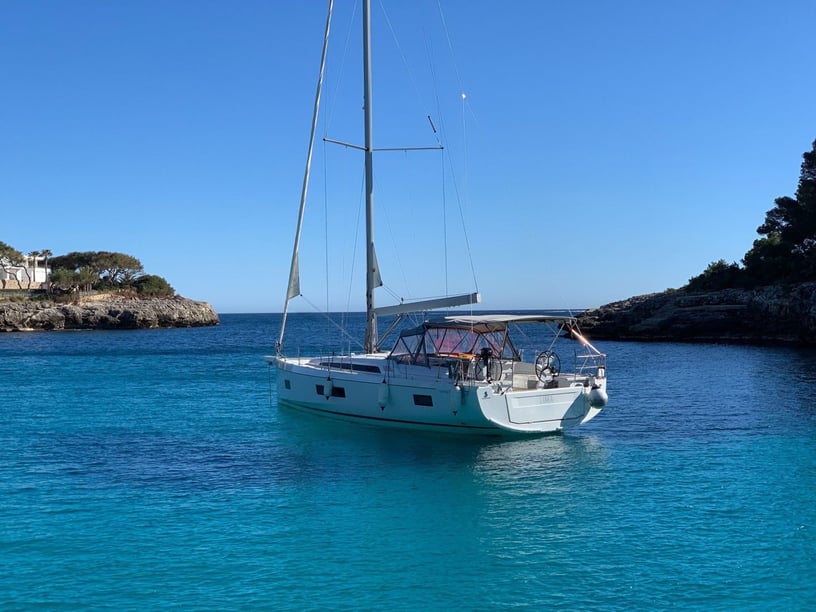
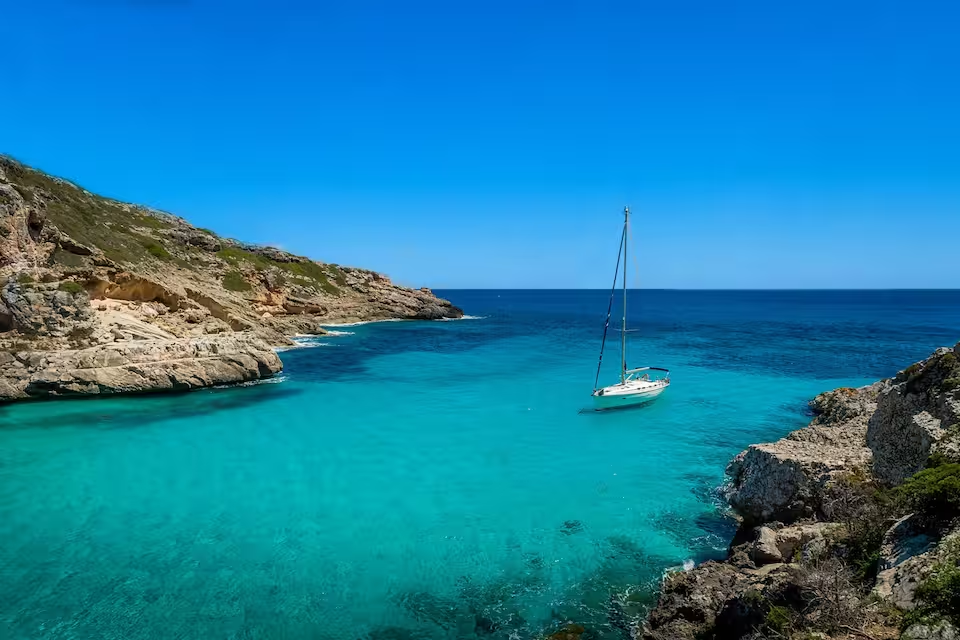
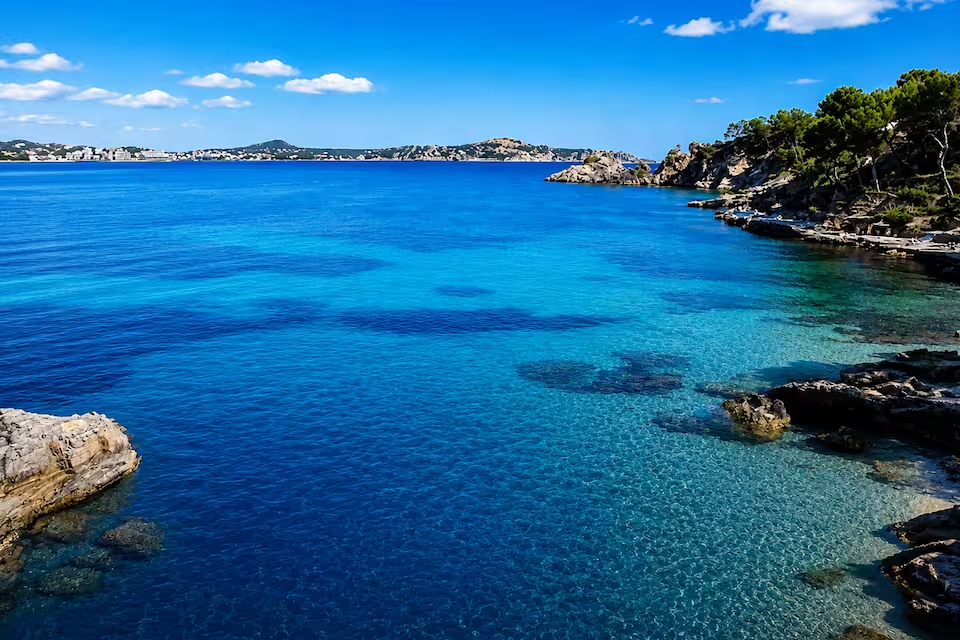
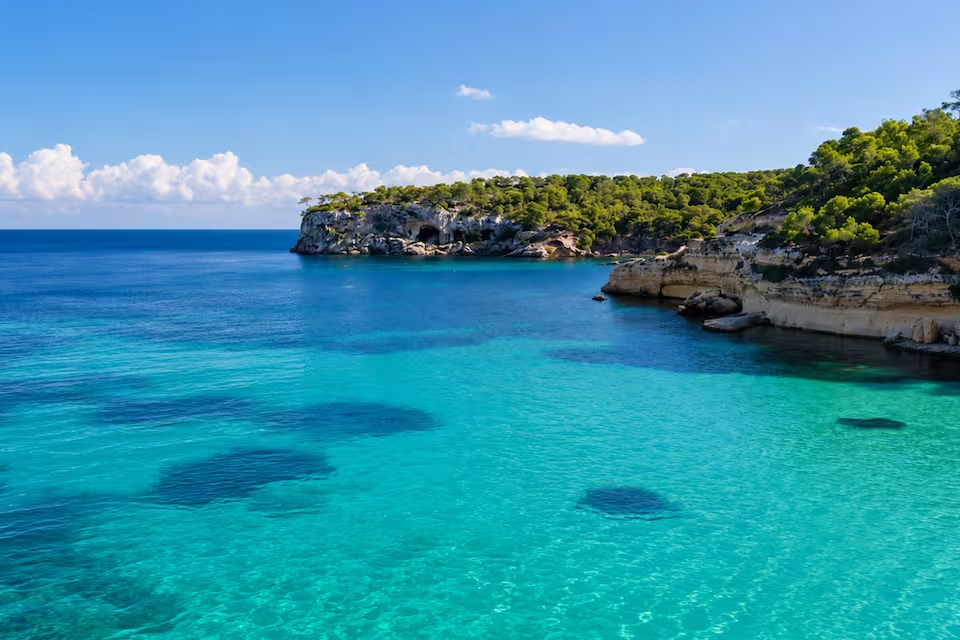
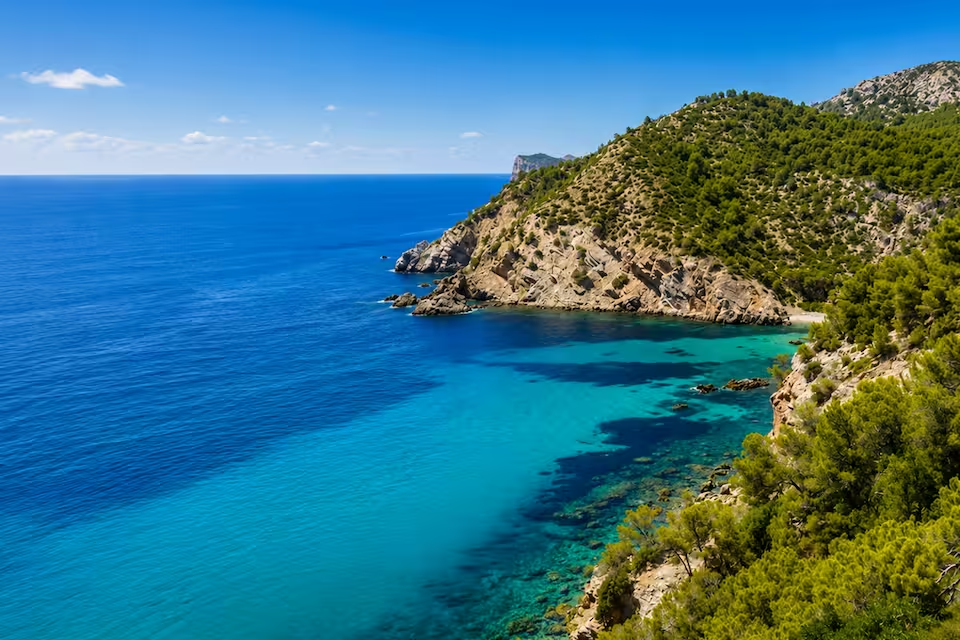
The coves immediately around Cala d’Or lend themselves to short daytime excursions. Cala Gran, Cala Esmeralda, Caló des Pou and Caló de ses Egos combine small beaches with the locality’s rocky, developed shoreline. Cala Mitjana and Cala Sa Nau, farther north, offer pine-framed coastal stops, while Cala Ferrera extends the chain of inlets beyond the central resort.
South of Cala d’Or, Portopetro is an appealing change of pace. This historic fishing harbor can be combined with Cala Mondragó and S’Amarador, part of the protected Mondragó coastline. The area is relevant not simply for its beaches, but for the contrast between a working harbor, wooded shore and sheltered-looking coves. Northbound itineraries can continue toward Portocolom, a larger natural harbor that provides a useful destination beyond the immediate cove circuit.
These coves should generally be treated as fair-weather daytime stops. Their compact shape may appear sheltered, but exposure varies with wind direction and they do not offer the same security as a protected harbor.
What sailing around Cala d’Or is like
Cruising around Cala d’Or is characterized by short distances and frequent visual reference to the coast. This makes cove-to-cove exploration straightforward in settled conditions, although the area is rated moderately challenging because shelter can change quickly between the marina and the open shoreline.
Summer commonly brings settled Mediterranean weather, with sea breezes strengthening during the day. Tidal influence is small, but easterly and southeasterly winds can drive swell and chop toward this side of Mallorca. A cove that works well in one pattern may become uncomfortable in another, even while conditions inside Cala Llonga remain comparatively calm.
The entrance to Cala Llonga is relatively narrow, with substantially better protection once inside. Current weather, traffic and marina guidance therefore matter when arriving or departing. For travelers, the practical lesson is to keep itineraries flexible and avoid treating scenic anchorages as guaranteed overnight refuges.
Best time for a Cala d’Or yacht charter
Recreational boating is generally most dependable from May through October, with some activity beginning in April. June and September are particularly suitable months: both usually offer warm conditions while activity is lower than during the principal midsummer peak.
July and August bring the warmest water and busiest period. They suit travelers prioritizing swimming and the full summer atmosphere, but popular coves and marina berths can become crowded, making advance arrangements more important. May offers a shoulder-season alternative before peak demand, while October can still support cruising but becomes less consistent, particularly later in the month.
From November through March, stronger winds and less predictable conditions limit normal leisure-charter activity. Autumn also brings a greater chance of rain, thunderstorms and rapid weather changes, so planned routes may require more adjustment than in summer.
Short cruising routes from Cala d’Or
A northbound route can link Cala d’Or with Cala Mitjana and Portocolom. This pattern combines a scenic cove stop with a natural harbor and works well for travelers who want a compact coastal itinerary without committing to a long passage.
Heading south, Portopetro forms a natural intermediate stop before Cala Mondragó and S’Amarador. The route brings together harbor time, swimming and protected coastal scenery within a relatively concentrated area. Both directions can be adapted as day trips or incorporated into a longer yacht charter, but the final choice of stops should reflect wind direction, sea state and secure overnight options rather than distance alone.
Life on the water and ashore
A charter here can follow an easy coastal rhythm: a short cruise, time at anchor for swimming or snorkeling, and an afternoon or evening ashore. Clear water, compact beaches and short distances between inlets are central to the experience, particularly for families and groups that prefer frequent stops over extended hours underway.
The marina waterfront provides direct access to dining and resort services. Portopetro offers a more traditional maritime setting, while Mondragó adds protected natural coastline to the trip. Back in Cala d’Or, the white walls, flat roofs and cubic forms reflect the vision of Josep Costa Ferrer, who began developing the settlement in the early 1930s with inspiration from Ibiza.
Es Fortí adds an older layer of coastal history. Built in 1730, the fort overlooks the entrance to Cala Llonga and once guarded maritime approaches along southeast Mallorca.
Getting there and where trips begin
Palma de Mallorca Airport is the principal air gateway. Cala d’Or is reached from Palma by road through southern Mallorca, using a rental car, taxi or arranged transfer. Intercity buses also connect the locality with Palma and regional towns, commonly via Campos, but there is no rail connection.
Marina Cala d’Or, inside Cala Llonga, is the main local harbor and a practical departure point for trips along the southeast coast. Port de Portopetro is another relevant starting point nearby. Cala d’Or therefore functions both as a place to stay and explore and as a departure area for short coastal cruising, although individual charter arrangements may use different embarkation points.
Planning the right charter experience
Begin by deciding whether the priority is a single day of cove-hopping or a longer itinerary with nights in secure harbors. For a day boat rental in Cala d’Or, the immediate coves and Portopetro may provide enough variety without covering much distance. A multi-day yacht charter can add Portocolom or the Mondragó coastline, while leaving room to change course if exposed anchorages become uncomfortable.
Confirm the actual embarkation point, whether a skipper is included, and which operating costs or marina arrangements form part of the booking. In July and August, early planning is prudent because popular berths and coves become busy. It is also important to follow Balearic anchoring rules: anchoring directly on Posidonia oceanica seagrass is generally prohibited, so authorized buoys or suitable permitted seabed should be used after checking official mapping.
Because nearby coves are often better for daytime visits than overnight shelter, route planning should give secure harbors priority over an ambitious list of stops. Travelers comparing Mallorca’s southeast coast with a wider selection of cruising regions can also explore yacht charter in Spain.