Yacht charter in Palma de Mallorca
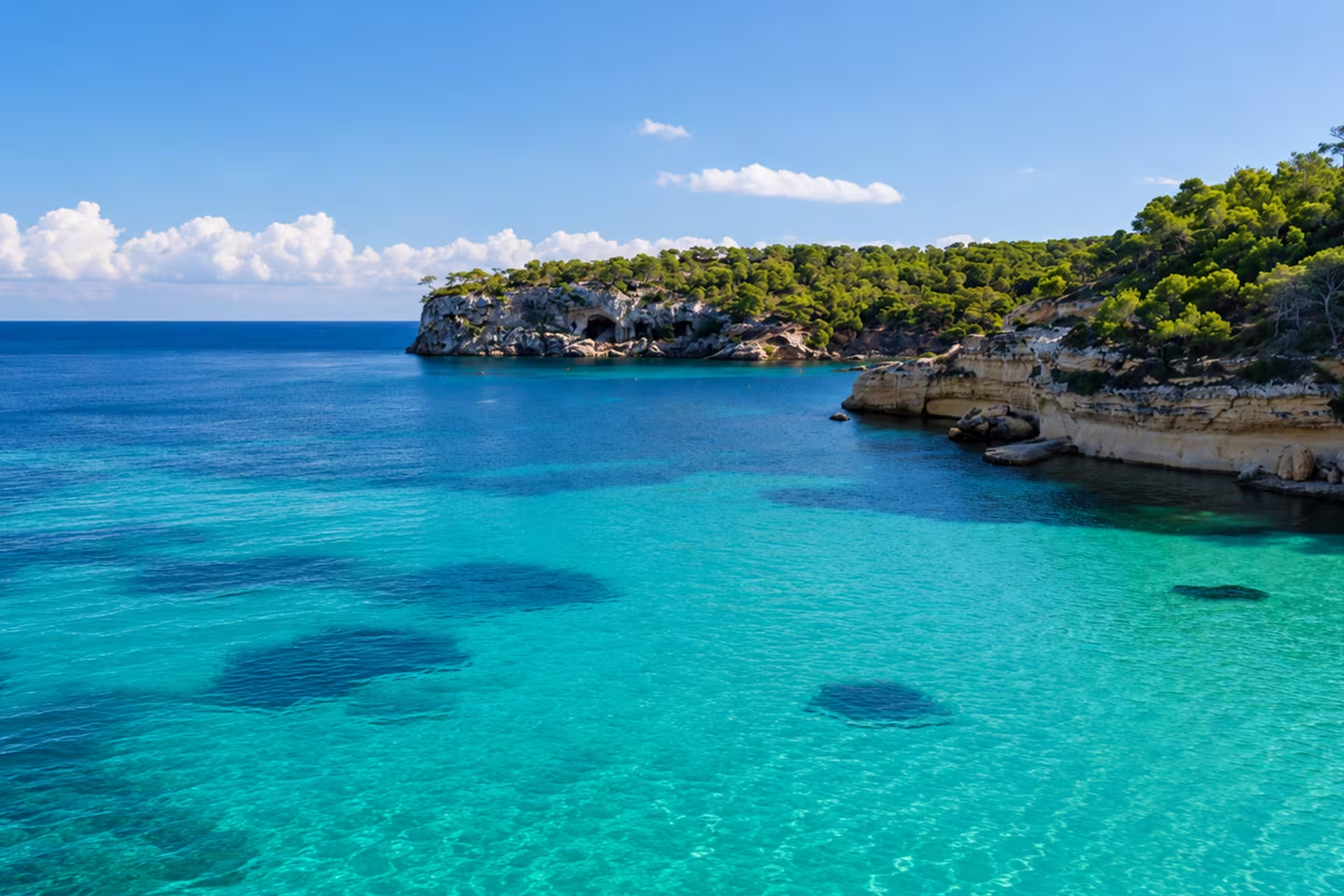
Palma de Mallorca occupies the northern side of the broad Bay of Palma, combining an extensive working port and yachting infrastructure with an old town directly behind the waterfront. A yacht charter in Palma de Mallorca can therefore balance time on the water with visits to markets, restaurants, Gothic landmarks and urban beaches.
The relatively sheltered bay supports short coastal outings and line-of-sight sailing, while its headlands open onto more exposed passages around Mallorca. This makes Palma relevant both for a day or sunset cruise within the bay and as a starting area for a longer island itinerary. Travelers considering a wider journey can also compare yacht charter options across Spain.
Coastal places to explore
The city waterfront leads into several contrasting parts of the bay. East of the main port, Portitxol and El Molinar offer a more intimate harbor setting close to Palma, followed by Cala Estància and Can Pastilla. Platja de Palma and S’Arenal extend farther along the eastern shoreline, making this side of the bay suitable for straightforward coastal cruising and beach-focused stops.
To the west, Cala Major and Portals Nous connect Palma with resort districts, marinas and coves such as Portals Vells. On the opposite side of the bay, Cala Blava provides another coastal reference point before the more open waters around Cap Blanc.
The Cabrera Archipelago can form part of more ambitious planning from Mallorca, but it is a protected national park rather than an informal anchoring stop. Private vessels require authorization, and overnight stays and scuba diving are subject to additional controls.
What sailing in the Bay of Palma is like
Cruising inside the Bay of Palma is predominantly coastal and visually straightforward, with short distances between the city’s harbor areas and nearby beaches. The inner bay offers more shelter than Mallorca’s open coasts, but conditions change once a route extends beyond Cap de Cala Figuera or Cap Blanc. Longer passages around the island require closer attention to forecasts and exposure around the headlands.
In settled summer weather, mornings are often lighter before the local Embat sea breeze enters mainly from the southwest or south-southwest. It commonly strengthens during the afternoon and can reach around Beaufort force 4. This pattern can give sailing trips a gentle start followed by livelier conditions later in the day.
Palma’s port also handles ferries, cruise ships, commercial vessels and shipyard traffic. The overall sailing difficulty is moderate: the bay itself is approachable, but changing exposure and busy port movements reward sensible route planning and an experienced skipper.
Best time to charter
The principal yacht-charter season runs from May through October. May, June and September are particularly suitable, generally combining favorable sailing weather with less pressure on berths and anchorages than the main summer peak.
July and August bring the highest seasonal activity, so advance berth planning is prudent. These months also have the most established pattern of lighter mornings followed by an afternoon Embat breeze. September remains one of the recommended months, although rainfall and thunderstorms become more frequent than in midsummer.
October can still work for a Palma de Mallorca boat rental or charter, but conditions are less consistent. From November through March, cooler and more variable weather shifts the emphasis toward training, maintenance and carefully selected sailing days rather than a conventional summer cruising holiday.
Route ideas from Palma
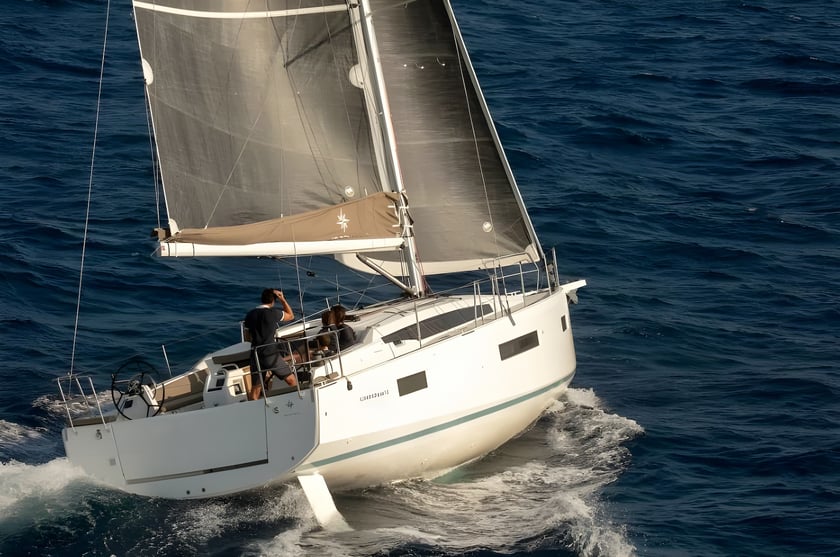
A short charter can remain within the Bay of Palma, linking the city waterfront with nearby beaches and coastal districts. Day and sunset cruises also depart from Muelle de Golondrinas, reflecting the bay’s long tradition of waterfront excursions.
For a longer passage, a documented route from Palma to Cala Figuera de Santanyí covers approximately 42 nautical miles along Mallorca’s southern coast. It passes coastal areas including Can Pastilla, Cala Blava, Cala Pi and Es Trenc, moving from the relative protection of the bay into a more substantial coastal leg.
Palma can also serve as the beginning of a multi-day circumnavigation of Mallorca. Such a trip connects the island’s southern, eastern, northern and western coasts, but requires more time, flexible planning and careful checks before rounding exposed headlands.
Life on the water and ashore
A charter around Palma can alternate between sailing, beach stops and time in the city. The waterfront skyline is defined by Palma Cathedral, the Royal Palace of La Almudaina and surviving sections of the old city walls, giving arrivals by water a clear connection to the city’s maritime history.
Ashore, La Lonja recalls Palma’s role as a Mediterranean trading center, while Mercat de l’Olivar introduces local produce and Mallorcan food culture. Tapas, contemporary Mediterranean dining and specialties such as ensaimada make it easy to include a meal ashore before or after cruising.
The Bay of Palma is also closely associated with competitive sailing through regattas such as the Copa del Rey and Trofeo Princesa Sofía. Its nautical character is not limited to events: sailing schools, repair yards, marinas and refit services remain a visible part of the working waterfront. In the eastern bay, protected Posidonia seagrass and marine habitats add an important environmental dimension to route and anchoring decisions.
Access, marinas and departure areas
Palma de Mallorca Airport is approximately eight kilometers from the city, with public buses, taxis and road connections serving central Palma and S’Arenal. Passenger ferries also arrive at the Port of Palma, while municipal transport links the waterfront with urban beaches and other city districts.
Potential departure areas include Real Club Náutico de Palma, Port Calanova and La Lonja Marina Charter. Other facilities around the waterfront include Club de Mar-Mallorca, Marina Port de Mallorca, Marina Moll Vell and Club Nàutic Portitxol. The precise meeting point matters because Palma’s waterfront contains separate commercial, ferry, cruise, shipyard and recreational zones.
Palma consequently functions as both a place to explore and a practical departure area. Its marinas provide access to the bay, while the historic center and waterfront attractions make it worthwhile to reserve time on either side of the charter.
Planning your Palma charter
Begin by deciding whether the trip is primarily a short cruise within the bay or part of a longer passage around Mallorca. The first option keeps distances modest and allows more time for swimming, beaches and going ashore. A multi-day itinerary introduces exposed headlands, longer legs and a greater need for flexibility if forecasts change.
For summer travel, arrange berths early, especially in July and August. Skippers must follow port traffic controls and remain alert to large-vessel movements when entering or leaving Palma. Forecast checks become particularly important outside settled summer conditions and before any route continues beyond the bay.
Anchoring on Posidonia oceanica seagrass is prohibited. Planning should use official mapping tools to identify sandy bottoms and regulated moorings. Separate rules apply within marine reserves and Cabrera National Park, particularly for fishing, scuba diving and overnight stays. Confirming permits, intended stops and anchoring arrangements before departure helps ensure that the charter plan suits both the group’s preferred pace and the area’s environmental regulations.















Verified
Jubal S.11 Jul 2026
Communication with the Viravira contact was slow; it took a while to get answers to my questions, although they did always respond. There was an issue with the sailboat I had rented—it wasn't availabl...
Listing owner: AntoniPalma de Mallorca / Spain