Yacht charter in the Caribbean and The Bahamas
A yacht charter in the Caribbean and The Bahamas can take several quite different forms. The Bahamas—geographically outside the Caribbean Sea but commonly included in the wider region—offers low limestone cays, shallow banks and reef-fringed passages. Farther southeast, the Greater and Lesser Antilles bring larger islands, deep inter-island channels, volcanic coastlines and established trade-wind sailing. The drier ABC islands form another distinct cruising zone near South America.
This variety makes the region better understood as a collection of charter areas rather than one uniform destination. A trip might concentrate on short passages and frequent swimming stops in the Abacos or Virgin Islands, explore the shallow-water landscapes of the Exumas, or follow a more exposed route between the high islands of the Windwards and Grenadines. Time ashore can include historic dockyards, multilingual port towns, small beach settlements and communities shaped by fishing, boatbuilding and inter-island trade.
Choosing a cruising area
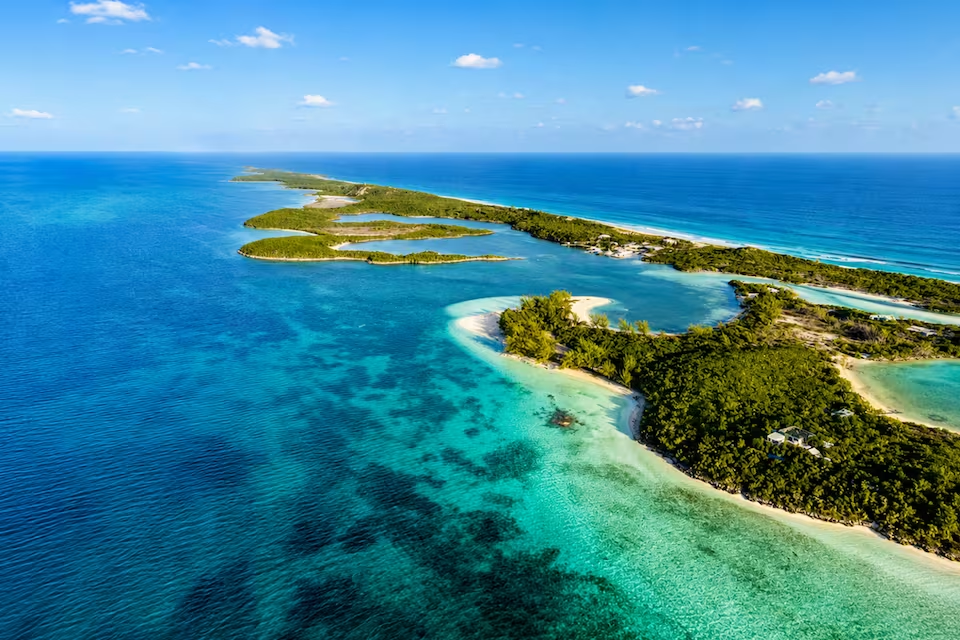
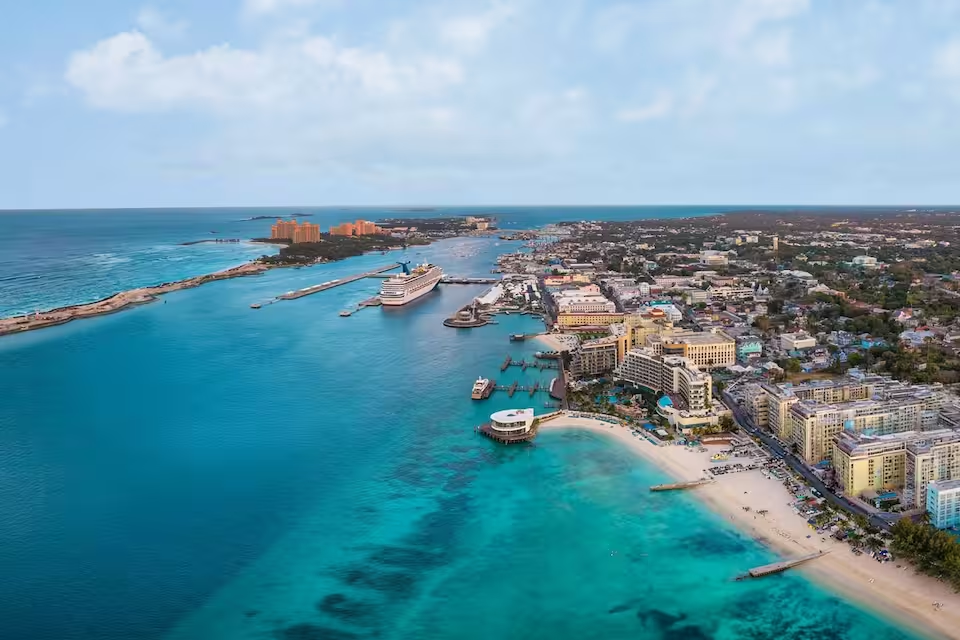
The Bahamas is especially well suited to travelers drawn to cays, beaches, snorkeling and shallow-water exploration. From Nassau, routes can lead into the Exuma Cays, where marine-park waters, reefs and widely separated facilities reward thoughtful planning. The Abacos provide a more compact alternative: itineraries from Marsh Harbour can connect Hope Town, Great Guana Cay, Green Turtle Cay and other nearby islands through relatively short, line-of-sight passages.
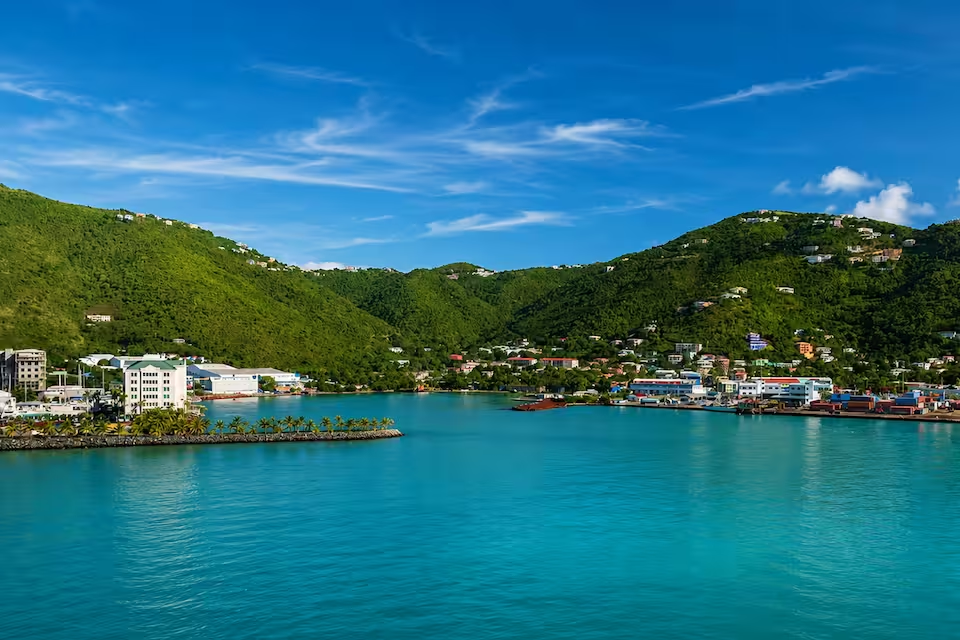
The Virgin Islands also favor manageable island hopping. Tortola and Road Town are established starting points for loops through Norman Island, Cooper Island, Virgin Gorda and Jost Van Dyke. These closely spaced islands can suit travelers who prefer more time at anchor and ashore, with less emphasis on long open-water legs.
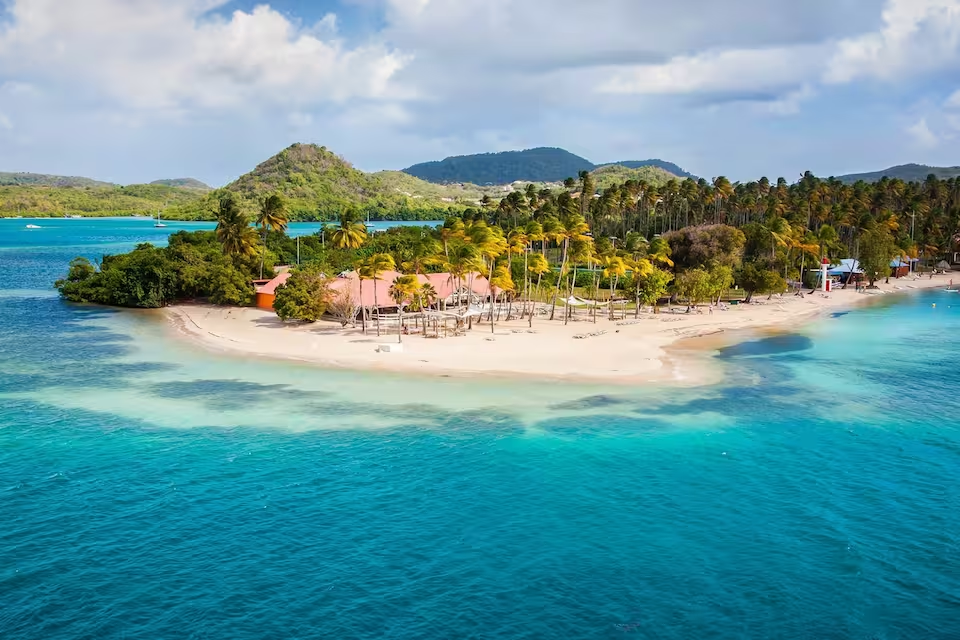
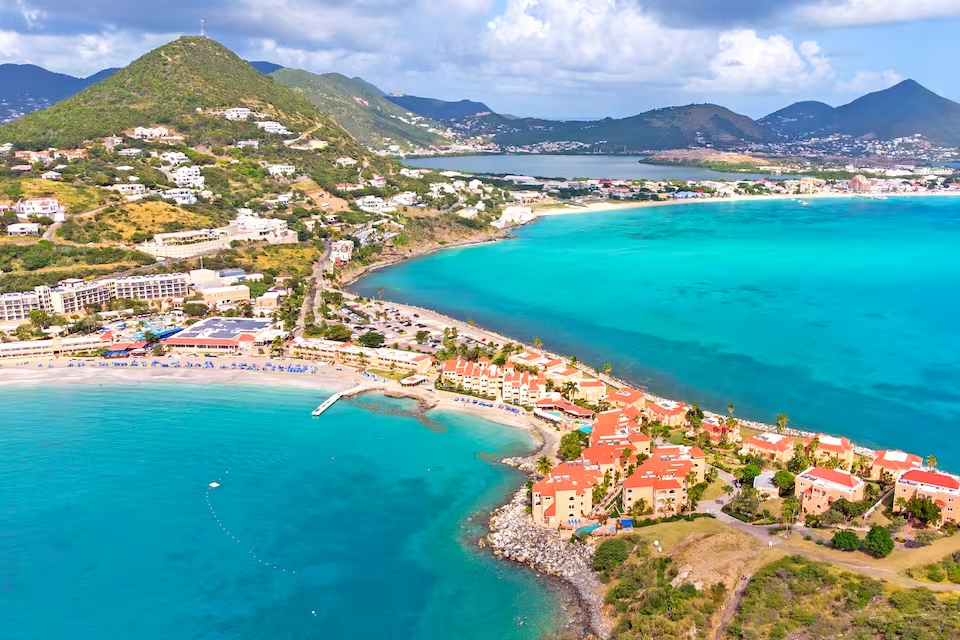
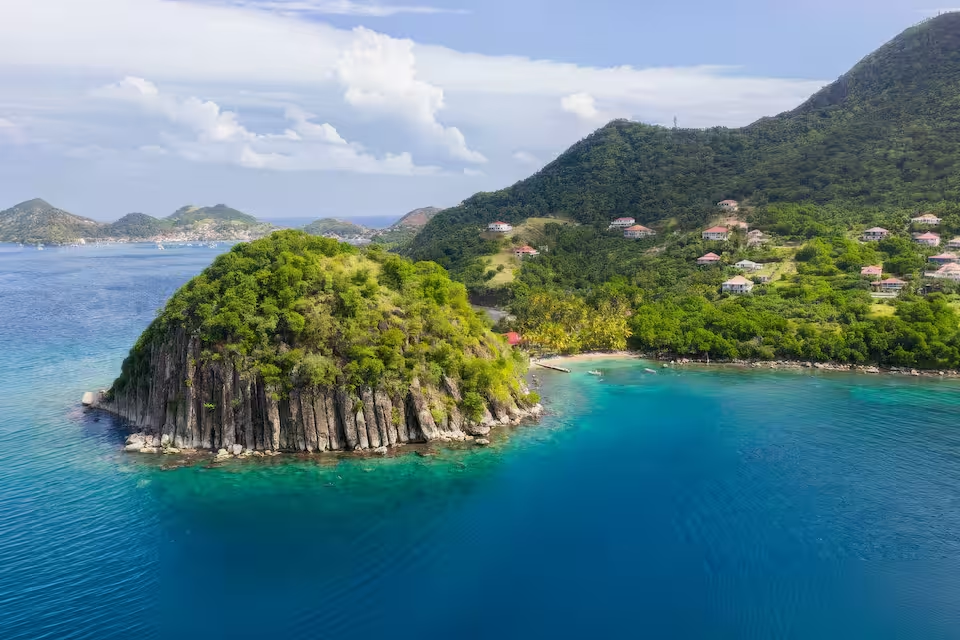
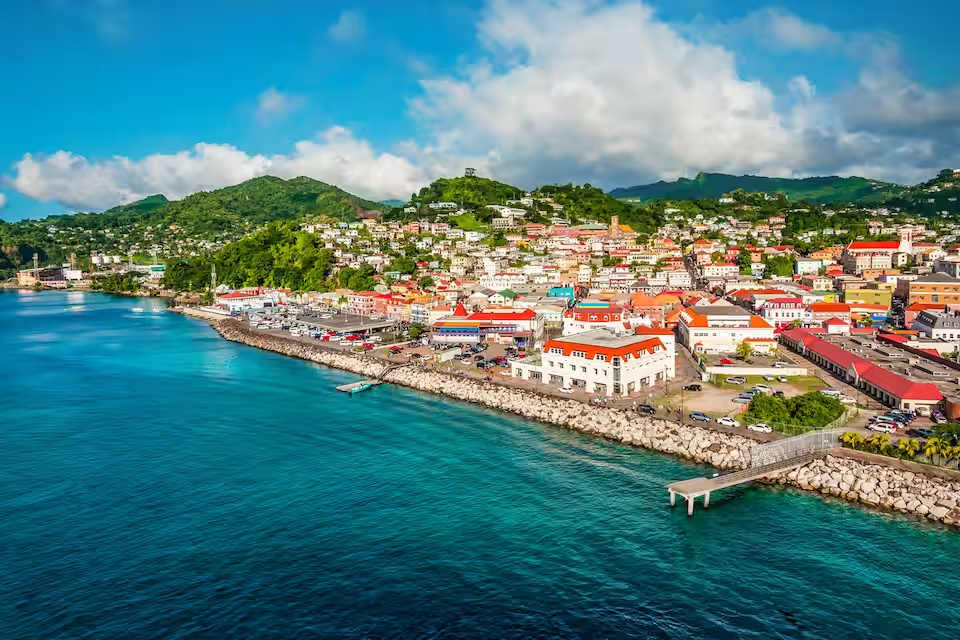
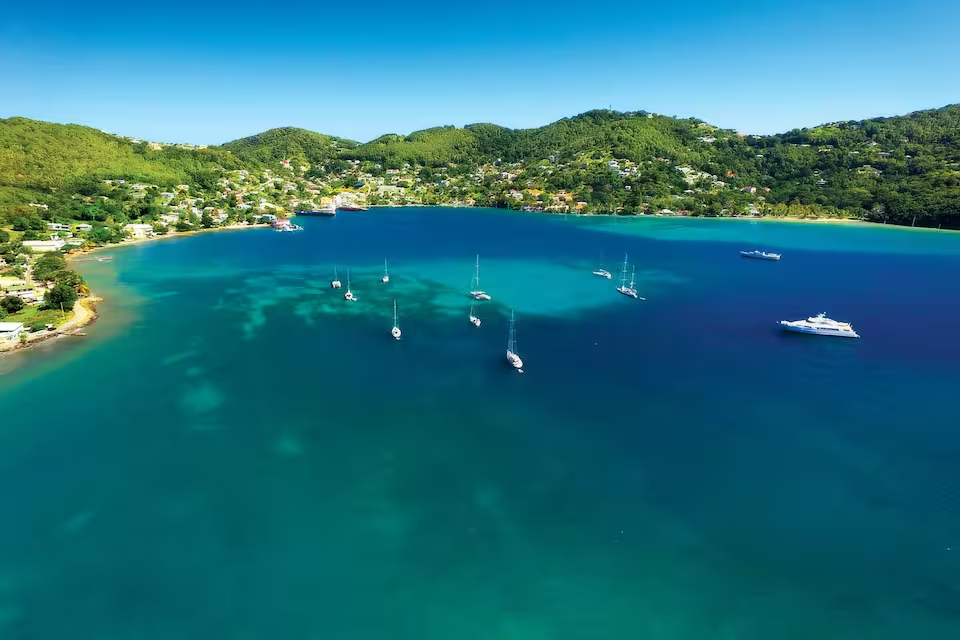
For broader passages, the Leeward Islands offer combinations such as Sint Maarten, Anguilla and Saint Barthélemy. Farther south, Martinique and Saint Lucia are gateways to the Grenadines, where Bequia, the Tobago Cays, Union Island and Carriacou can form part of a route toward Grenada. These Windward itineraries bring steeper volcanic scenery but generally involve greater exposure between islands. Aruba, Bonaire and Curaçao stand apart for their drier climate and comparatively low direct hurricane exposure.
What cruising conditions are like
Easterly to northeasterly trade winds shape much of the eastern Caribbean, often creating dependable sailing but also stronger conditions around headlands and across exposed channels. Atlantic-facing coasts and passages between high islands can carry more swell than sheltered routes in the central Virgin Islands or Abacos. A Windward or Grenadines itinerary may therefore feel more passage-oriented than a compact island loop.
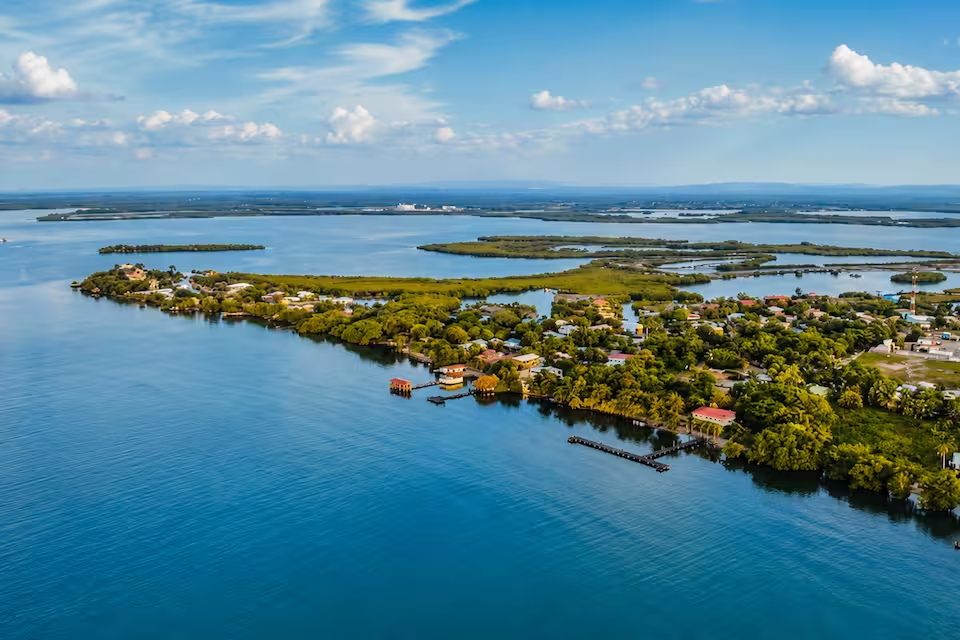
The Bahamas presents a different challenge. Its banks are exceptionally shallow, and tides, currents, reefs and changing visual conditions over the seabed all influence route planning. The landscape may appear open and calm, but depth matters throughout the itinerary. Boats and routes must be matched accordingly, with navigational decisions left to a suitably experienced skipper.
These contrasts are important when choosing a yacht charter in the Caribbean and The Bahamas. Travelers seeking relaxed short hops may prefer the Abacos or Virgin Islands, while those comfortable with longer open-water sailing can consider the Leewards, Windwards and Grenadines.
Best time for a yacht charter
December through April is the principal charter period across much of The Bahamas and the northern and eastern Caribbean. It generally combines drier weather with established trade winds, although winter fronts can bring northwesterly winds to the northern Bahamas. February, March and April are identified as particularly suitable months across the wider region.
May and November are transitional periods and can still provide useful cruising windows, but conditions should be assessed for the chosen island group rather than generalized across the region. The Atlantic hurricane season runs from June 1 to November 30, with climatological activity highest from mid-August to mid-October. Recreational activity decreases in many areas during this period, and storm plans, insurance requirements and vessel operations can affect itineraries. Aruba and Curaçao are notable southern exceptions, retaining comparatively stable boating weather through much of the year, though distant systems may still alter wind and sea conditions.
Ideas for yacht charter itineraries
A Bahamas itinerary can focus on either the Abacos or Exumas rather than trying to combine distant island groups. From Marsh Harbour, an Abacos circuit can include Hope Town, Little Harbour, Great Guana Cay, Green Turtle Cay, Manjack Cay and Man-O-War Cay. From Nassau or Palm Cay, an Exumas route may link Highbourne Cay, Norman’s Cay, Shroud Cay, Warderick Wells and Staniel Cay.
In the British Virgin Islands, a loop from Tortola through Norman Island, Cooper Island, Virgin Gorda and Jost Van Dyke creates a compact trip, with Anegada often reserved for a longer itinerary. The Leewards support a more open-water circuit from Sint Maarten to Anguilla and Saint Barthélemy.
A southbound Windward route has a different scale. It can begin in Saint Lucia, pass the Pitons and continue through Bequia and the Tobago Cays to Union Island and Carriacou, with longer trips reaching St. George’s in Grenada. Passage length and exposure should guide how many islands are included.
Experiences on and off the water
Swimming, snorkeling and diving are central to many itineraries, but the setting changes substantially by area. The Exumas combine clear shallow banks with reefs and protected waters, including the Exuma Cays Land and Sea Park, established in 1958 as the first marine reserve in The Bahamas and the wider Caribbean. The Tobago Cays provide another marine-park setting, while mangroves, seagrass habitats and coral reefs occur throughout the region.
The yacht also provides access to quieter anchorages that can be difficult to connect efficiently by land. In the Abacos and Virgin Islands, short passages allow several stops within one trip. In the Windwards, cruising days may alternate between open-water sailing and time beneath steep island coastlines, including the Pitons of Saint Lucia.
History and coastal culture add depth ashore. English Harbour in Antigua preserves a naval dockyard shaped by colonial competition and the labor of generations of enslaved Africans. Hope Town retains the character of a late-18th-century Loyalist settlement, while Willemstad reflects Dutch Caribbean architecture and port history. Across the islands, African diaspora traditions have profoundly influenced food, music and maritime culture; wooden boatbuilding remains particularly significant in Carriacou and Petite Martinique.
Air access and common departure bases
Major international gateways include Nassau, San Juan, Saint Thomas, Sint Maarten, Antigua, Martinique, Saint Lucia, Barbados, Grenada, Curaçao and Aruba. Depending on the cruising area, the international flight may be followed by a regional service, ferry or private transfer. Saint Thomas, for example, can serve as an alternative gateway for Tortola, while the Abacos and Exumas are reached through Nassau or direct regional services where available.
Common embarkation points include Palm Cay Marina near Nassau, Marsh Harbour in Great Abaco, Nanny Cay and Road Town on Tortola, Simpson Bay in Sint Maarten, Nelson’s Dockyard Marina in Antigua, Le Marin in Martinique, Rodney Bay in Saint Lucia and Port Louis Marina in Grenada. Selecting the departure base should follow the intended cruising area; changing island groups during a short trip can consume time better spent on the water.
Planning the right charter
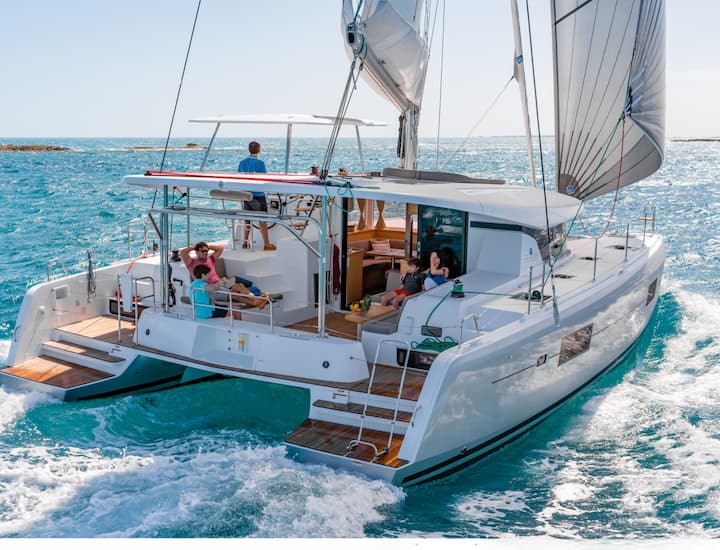
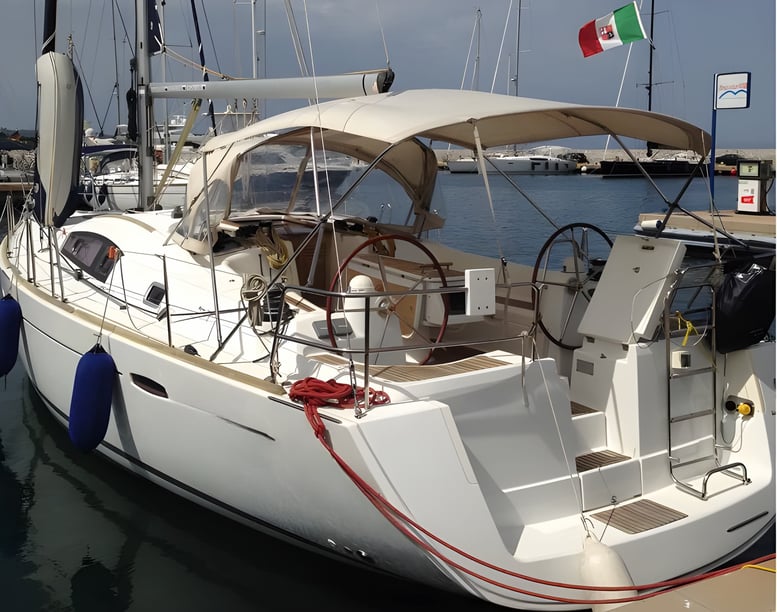
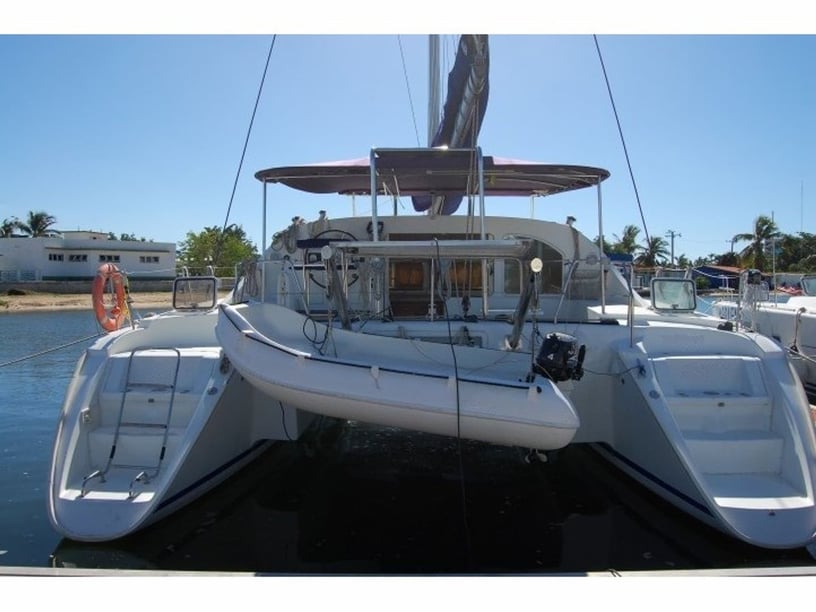
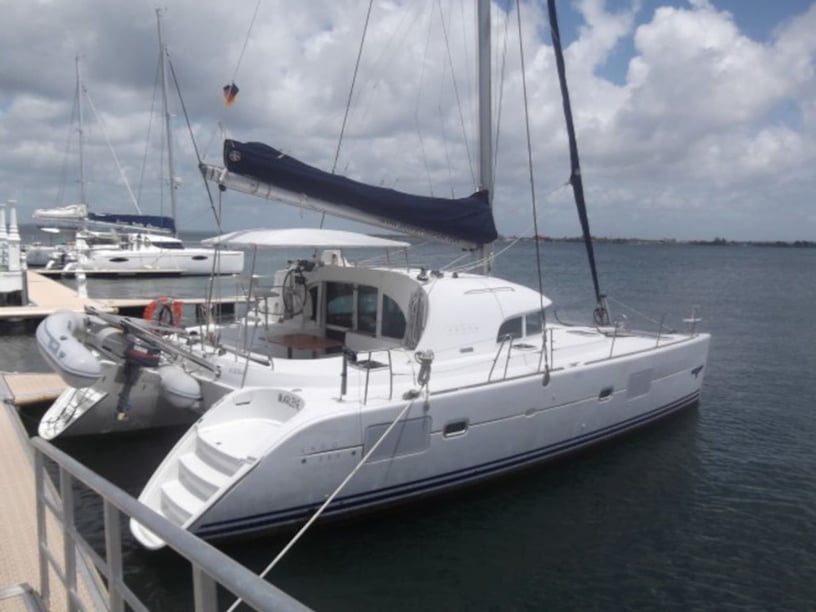
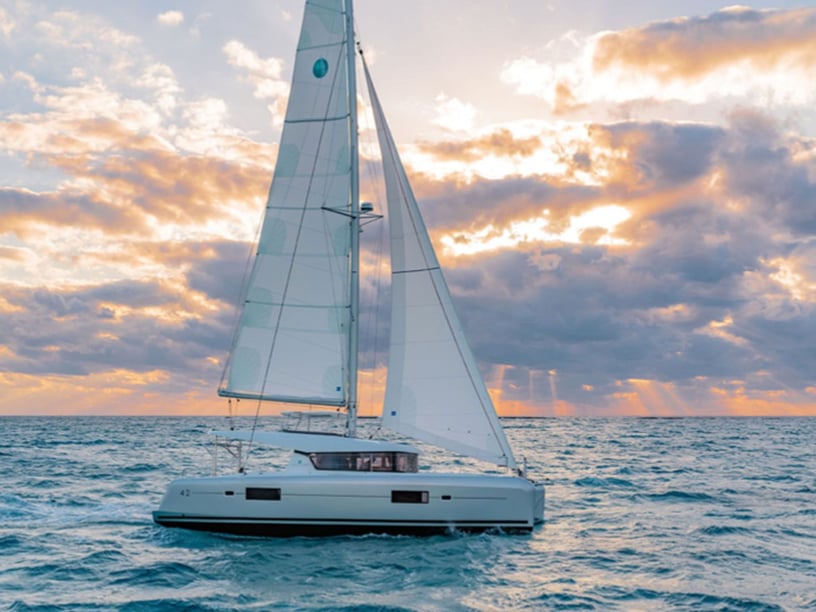
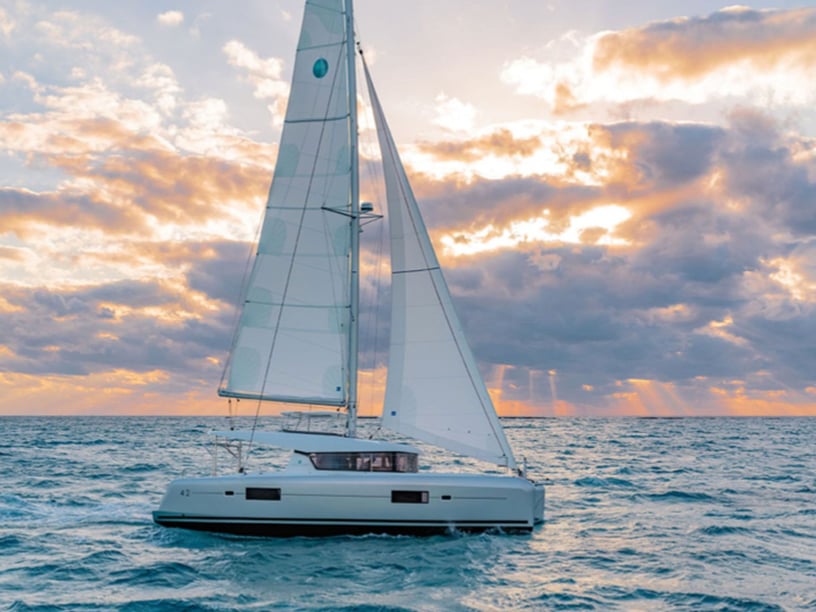
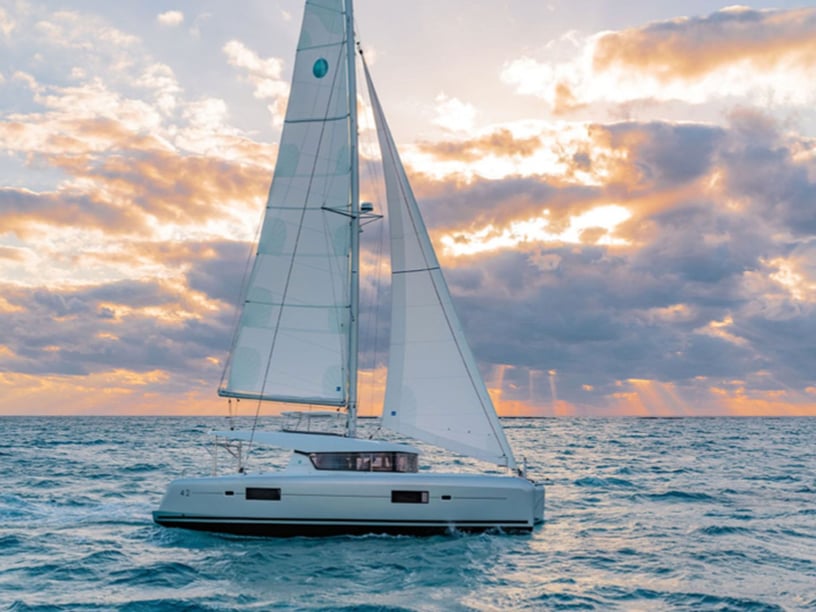
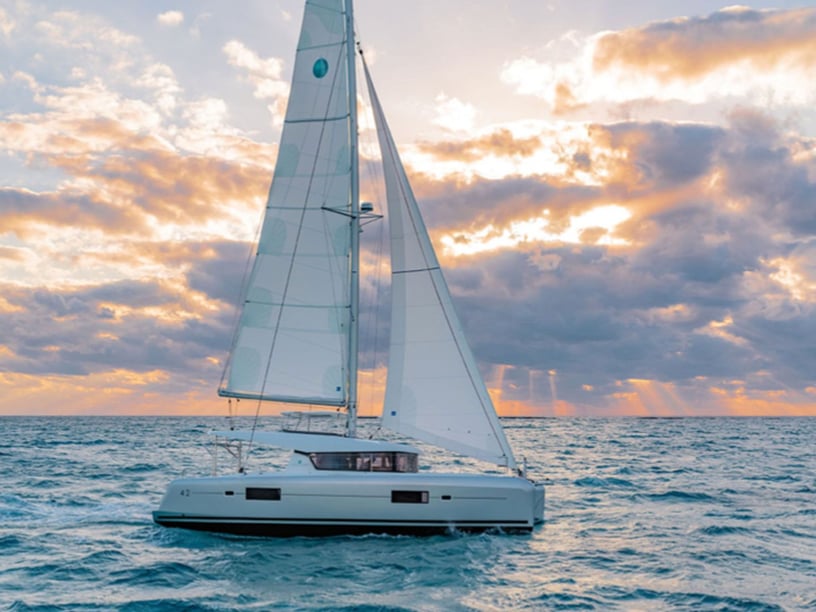
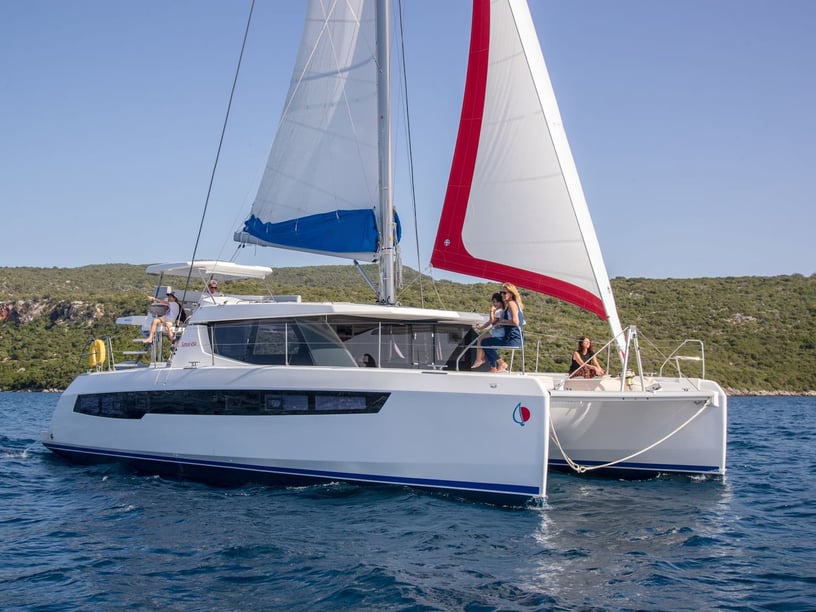
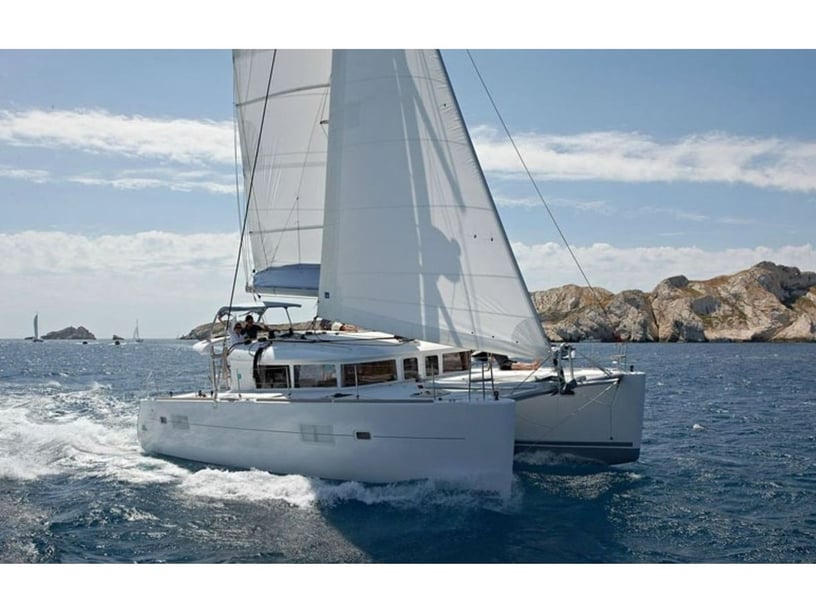
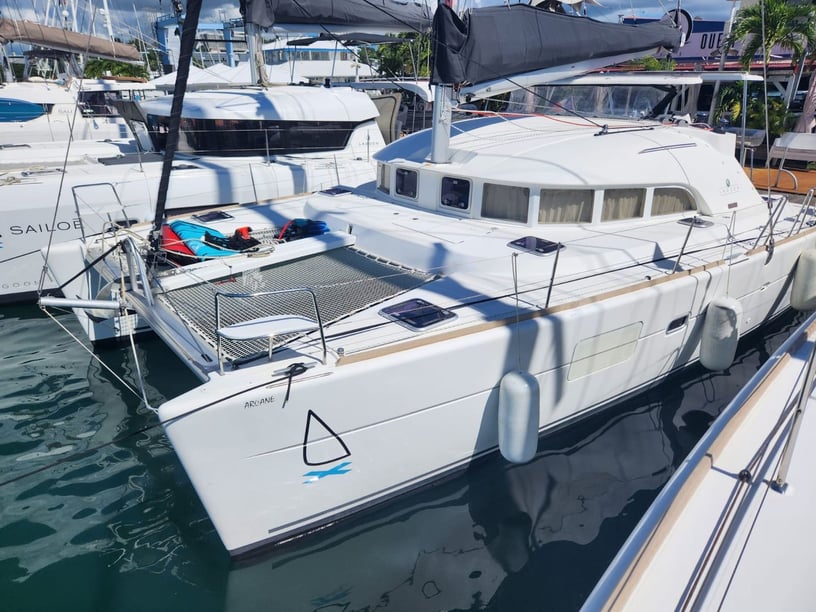
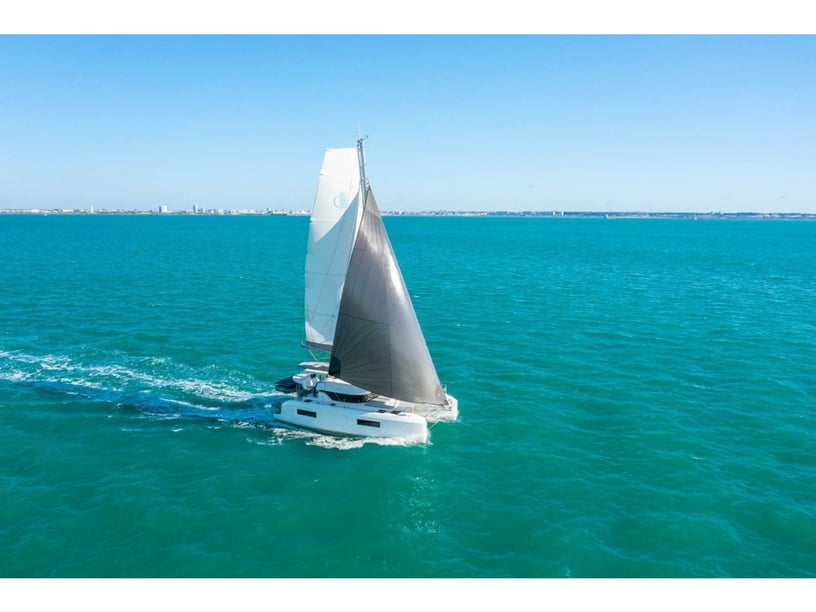
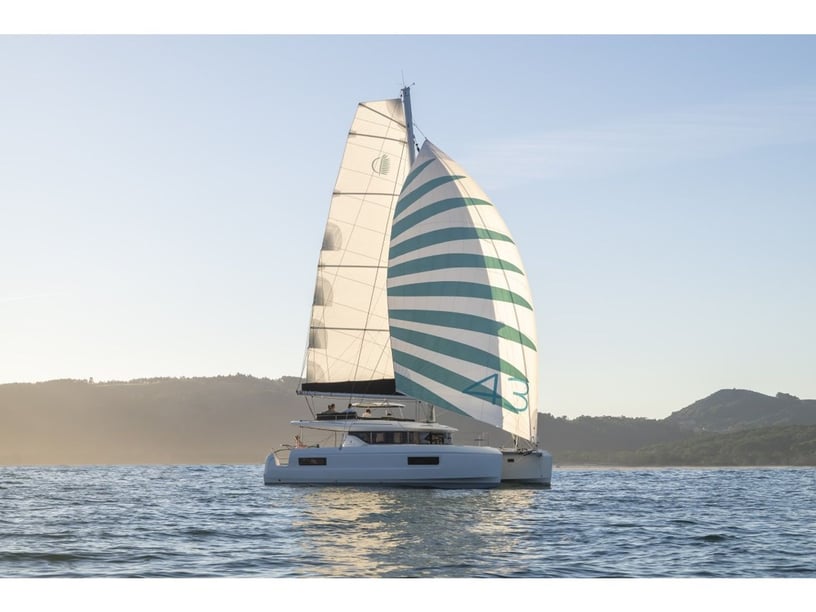
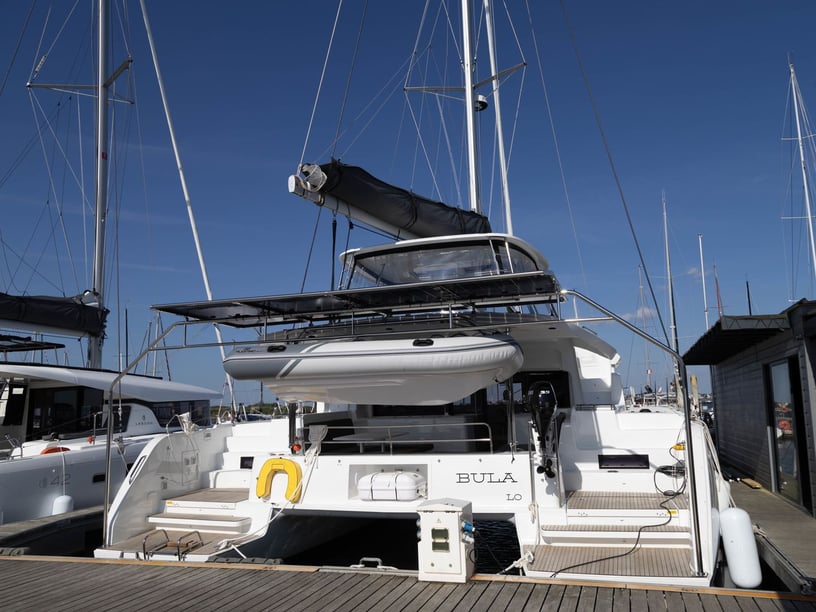
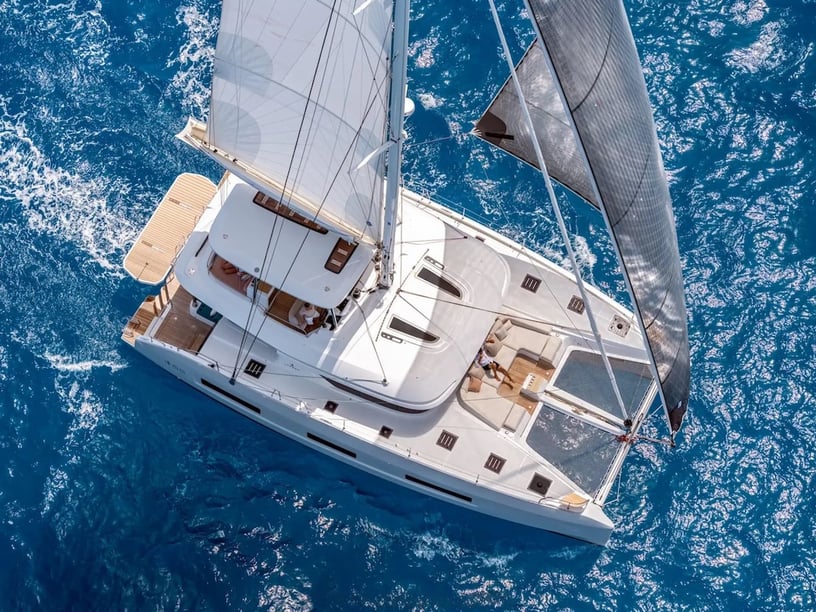
Begin by matching the itinerary to the group’s priorities and comfort with sea conditions. Short-hop routes in the Abacos and central Virgin Islands generally offer a different rhythm from the longer, more exposed passages of the Leewards, Windwards and Grenadines. In The Bahamas, draft and shallow-water suitability deserve particular attention. Travelers comparing layouts and onboard space can also explore regional catamaran charter options or sailboat charters without assuming that every vessel suits every cruising ground.
The region contains many sovereign states and overseas territories. Passports, visas, customs procedures, cruising permits and vessel documents must be checked separately for each jurisdiction on the route. Protected areas may charge mooring or anchoring fees and may prohibit fishing or other harvesting.
Provisioning, fuel, water and repair services are concentrated in major hubs, while remote Bahamian cays and smaller Grenadine islands may have limited facilities. Build these differences into the route before arranging a Caribbean & Bahamas boat rental, and allow practical margins for weather and inter-island clearance. During hurricane season, confirm vessel operating areas, storm arrangements and insurance conditions before committing to dates.






Verified
Tiffany M.01 Feb 2026
Everyone at the marina was very friendly and helpful. The boat we had originally booked was not available, but we were given a slightly newer catamaran with the same size and specifications, which wor...
Listing owner: JoskoMartinique / Martinique