Yacht charter in Saint Lucia
Saint Lucia’s yacht-charter landscape is shaped by a mountainous volcanic coastline and a clear contrast between its two shores. Most recreational boating takes place along the sheltered, Caribbean-facing west coast, where marinas, yacht moorings, beaches and reef sites are connected by relatively short cruising legs. The Atlantic-facing east coast is much more exposed and is not a routine leisure-cruising area.
A yacht charter in Saint Lucia can combine time under way with swimming, snorkeling and visits ashore. The established west-coast route runs from the developed north through Marigot Bay and smaller coastal communities to Soufrière, where Gros Piton and Petit Piton rise directly above the sea. This makes the island particularly well suited to travelers who want dramatic scenery without spending every day on a long passage. More ambitious itineraries can continue across open water to Martinique or south toward Saint Vincent and the Grenadines, though these crossings demand more planning than local coastal cruising.
Saint Lucia’s principal charter areas
Rodney Bay is the island’s main yachting hub, with a full-service marina and convenient access to Gros Islet and Pigeon Island. It suits trips that place a high value on marina facilities and the livelier character of northern Saint Lucia. Pigeon Island adds beaches, walking and historical interest near the start or end of a charter.
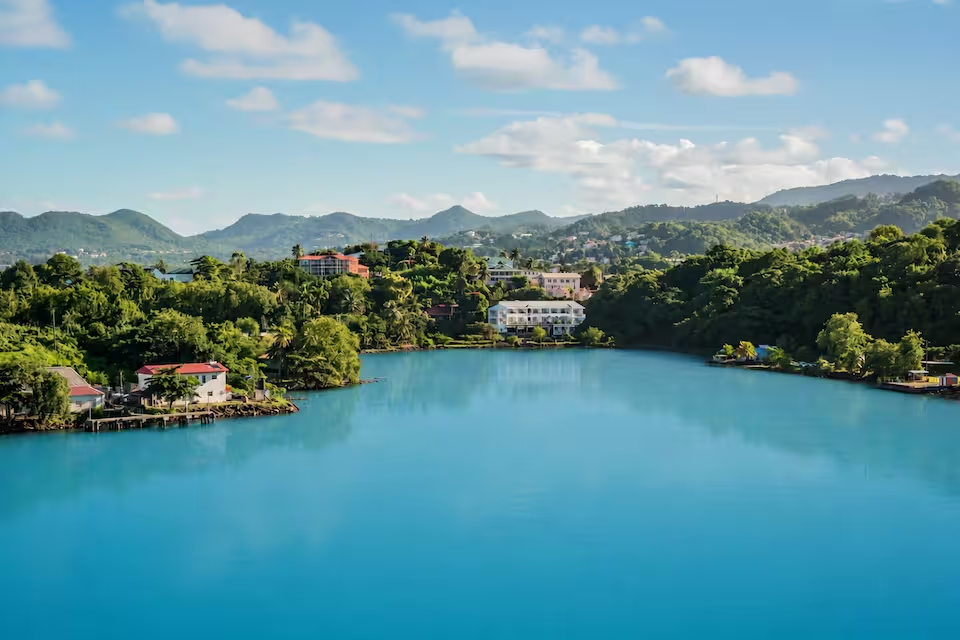
Farther south, Marigot Bay combines yacht infrastructure with a more enclosed, protected setting. It can work as a departure base in its own right or as a natural pause between the north and Soufrière. Nearby Castries is more important for transport, provisioning and yacht-clearance arrangements than for secluded cruising, but Port Castries is among the island’s recognized departure points.
The central and southwestern coast feels less urban. Anse La Raye and Canaries introduce fishing-community life, while Anse Cochon and Anse Chastanet are associated with swimming, snorkeling and diving stops. Soufrière is the defining scenic area: its waterfront provides access to the Pitons, reef sites and volcanic attractions ashore. Visiting yachts generally use designated moorings within the Soufrière Marine Management Area rather than anchoring freely.
Vieux Fort and Laborie add a southern perspective, but most routine charter itineraries remain on the west coast. The protected Maria Islands lie off the south; access is controlled, and independent landings are not permitted.
What cruising here is like
Northeasterly to easterly trade winds dominate around Saint Lucia. In settled conditions, the leeward west coast commonly has winds of around 10 to 20 knots and calmer seas than the waters offshore. The short distances between Rodney Bay, Marigot Bay, Anse Cochon, Anse Chastanet and Soufrière allow a charter to alternate cruising with time at moorings and ashore.
Shelter should not be mistaken for uniformly gentle conditions. Winds can accelerate around headlands, while squalls may bring stronger gusts. The channels toward neighboring islands are livelier and more exposed than coastal passages. This distinction matters when deciding whether to remain within Saint Lucia or include Martinique, Saint Vincent or the Grenadines.
Near the Pitons, deep water lies close to shore and the seabed can descend sharply. Designated moorings are therefore central to the local cruising experience. The exposed east coast presents swell and breaking seas and generally requires suitable conditions, experience and local knowledge rather than inclusion in a standard recreational itinerary.
When to charter
The principal yacht-charter season runs from December through May. December to April are the particularly suitable months, combining the island’s driest and most stable period with generally favorable coastal conditions. They also coincide with the highest visitor activity, so advance planning is sensible when marina berths, specific dates or popular cruising areas matter to the trip.
May is a warm transitional month. Coastal boating conditions are still generally favorable, while visitor numbers tend to be lower than during the core winter period. From June through November, the weather becomes wetter and more variable, with heavier showers, squalls and tropical-cyclone risk. Activity is typically reduced, especially in late summer and early autumn. Chartering can remain possible, but plans depend more heavily on forecasts and on the hurricane-season policies of the charter company, marina and insurer.
Established cruising routes
The classic Saint Lucia itinerary follows the leeward coast from Rodney Bay to Pigeon Island, Marigot Bay and one or more swimming or snorkeling stops around Anse Cochon and Anse Chastanet. It then continues to Soufrière and the Pitons. The route’s relatively short legs make it possible to spend a meaningful part of the day in the water or ashore instead of treating each destination as a brief overnight stop.
For a longer Windward Islands journey, yachts can cross the Saint Lucia Channel from Rodney Bay toward Sainte-Anne or Le Marin in Martinique. Southbound routes use Saint Lucia as a gateway toward Saint Vincent and the Grenadines. Both options involve more exposed open-water sailing than the local west-coast route and add international clearance considerations. The choice between staying around Saint Lucia and crossing to another island should therefore reflect the trip length, weather window and the experience of the skipper and crew.
Experiences on the water and ashore
Saint Lucia’s most distinctive yacht perspective is the approach to Soufrière, with Gros Piton and Petit Piton rising steeply from the coast. Mooring in this area places volcanic scenery, beaches and reef sites within the same part of the itinerary. Anse Cochon and Anse Chastanet add opportunities for snorkeling and diving, while the sequence of west-coast bays allows frequent swimming stops without leaving the island’s main cruising corridor.
Going ashore broadens the trip beyond beaches. From Soufrière, travelers can visit Sulphur Springs, Diamond Falls Botanical Gardens and rainforest or mountain trails. Farther north, Pigeon Island offers historical context and coastal walks, while Castries Market introduces a more urban side of local life.
Saint Lucia’s culture reflects Indigenous heritage, African and Caribbean traditions, and periods of French and British rule. English is the official language, but Kwéyòl is widely spoken, and French influence remains visible in place names and food. Meals ashore can introduce Creole cooking and dishes such as green fig and saltfish, made with unripe bananas and salted cod.
Airports and departure points
Hewanorra International Airport, near Vieux Fort in the south, handles most long-haul international arrivals. It is a considerable road transfer from the main northern yacht facilities, and journeys across Saint Lucia can be slow because roads cross mountainous terrain. George F. L. Charles Airport, near Castries, mainly serves regional connections and is more convenient for Rodney Bay.
IGY Rodney Bay Marina is the principal starting point for north-to-south itineraries. Marigot Bay Yacht Haven offers another established base in a protected setting, while Port Castries and the Soufrière waterfront are also recognized departure points. Travelers arriving from elsewhere in the Caribbean may also use inter-island ferry services from Castries, including connections toward Martinique, Dominica and Guadeloupe. Transfer time should be considered when matching flights or ferries with embarkation and yacht-clearance schedules.
Planning your Saint Lucia charter
When comparing a boat rental in Saint Lucia, begin with the intended cruising area rather than trying to cover every coast. A west-coast itinerary offers short legs and regular shore access, while a route to Martinique or toward Saint Vincent introduces exposed passages and requires a suitable weather window. Confirm whether the proposed charter is skippered or bareboat, what qualifications are required, and whether the planned route matches the experience of those responsible for the yacht.
Local mooring rules deserve particular attention. Anchoring is generally prohibited within the Soufrière Marine Management Area except where expressly permitted, and visiting yachts should use designated moorings. Fishing-priority, marine-reserve, recreational and yacht-mooring zones coexist around Soufrière, so crews should consult the current zoning map and follow local instructions. Independent landings on the protected Maria Islands are not allowed.
Rodney Bay Marina, Marigot Bay, Castries and Soufrière provide official yacht-clearance facilities, but procedures and office arrangements should be confirmed before arrival. For travel from June through November, check tropical-weather procedures as well as the relevant charter-company, marina and insurance policies. These practical points are especially important for inter-island itineraries, where changing conditions can affect both the passage and clearance schedule.