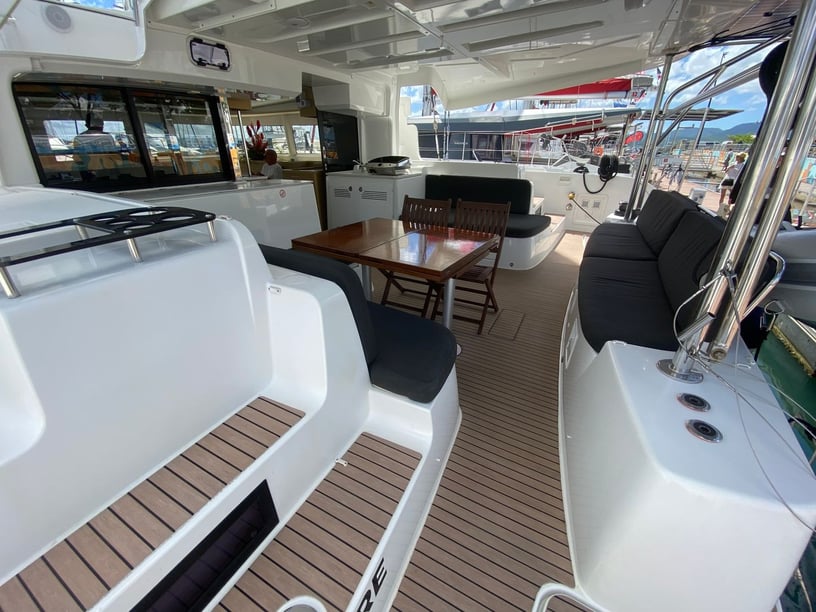
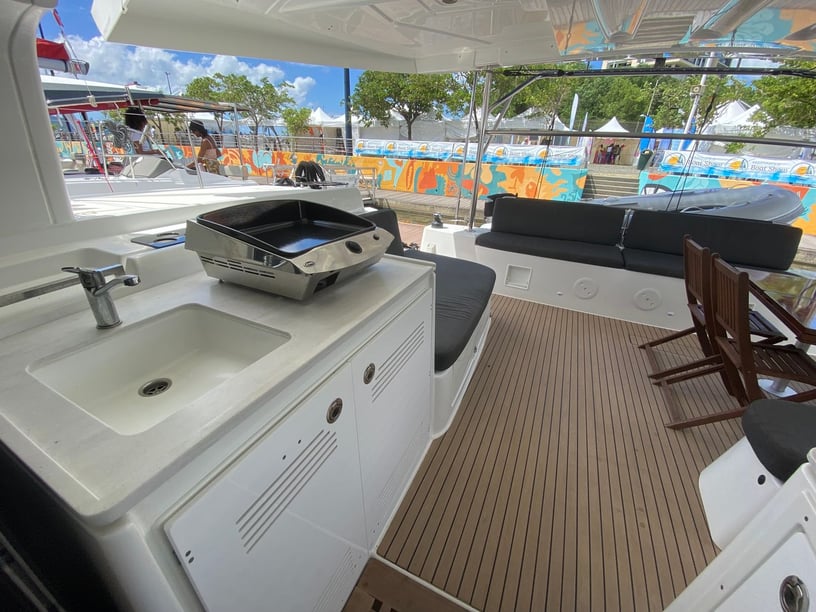
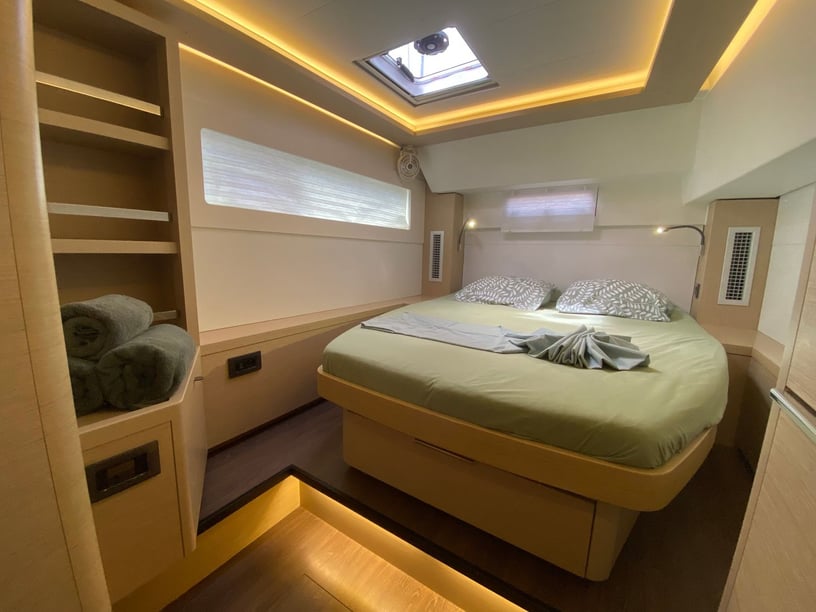
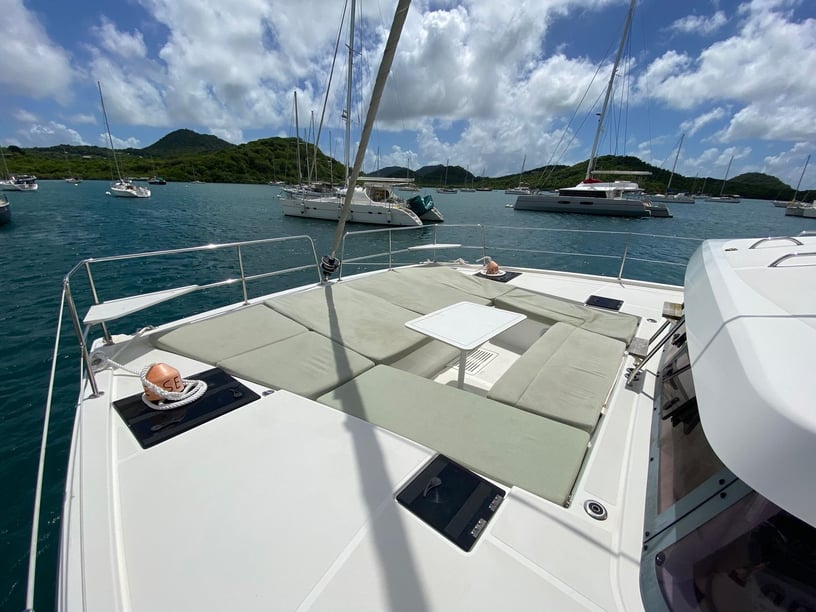
Yacht charter in Martinique
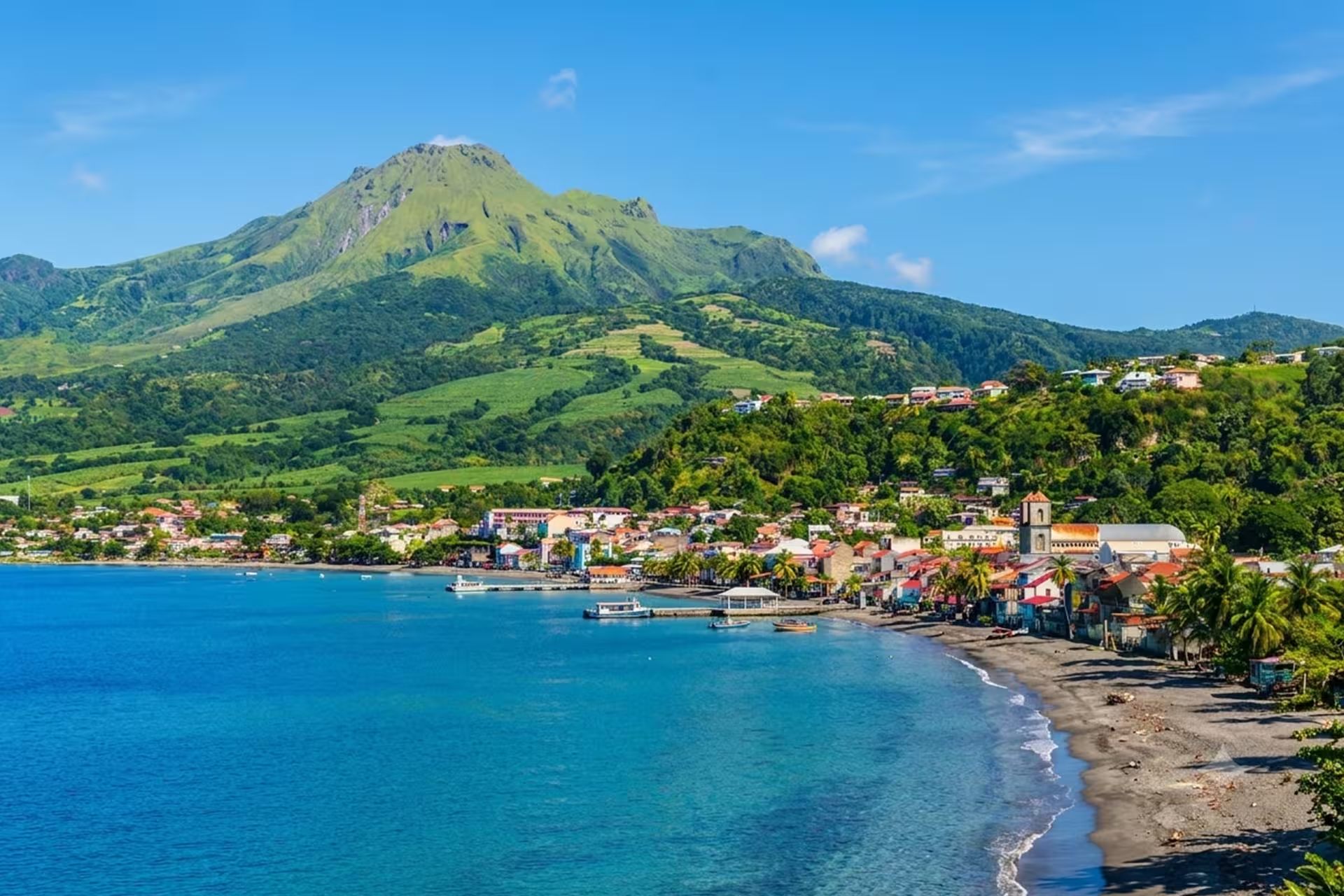
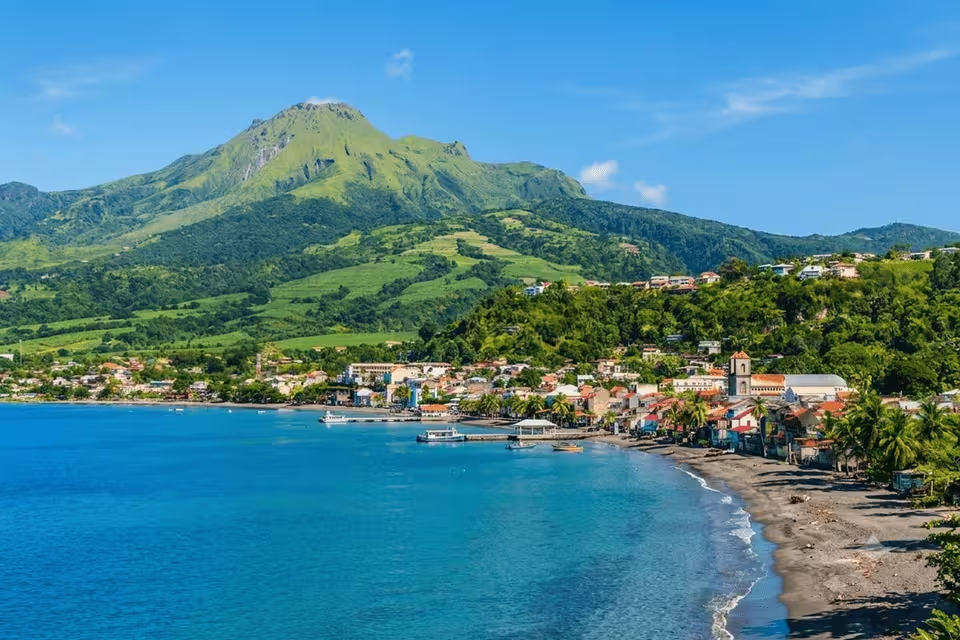
Martinique lies between the Caribbean Sea and the Atlantic Ocean, giving a yacht charter here two contrasting coastal characters. The generally sheltered west coast supports straightforward cruising between bays and settlements, while the Atlantic shore is defined by reef-fringed lagoons, sandbanks and small islets. In the north, Mount Pelée and the Pitons du Carbet rise behind deeper anchorages; the lower, drier south has white-sand beaches, protected inlets and the island’s main concentration of yacht services.
For travelers considering Martinique as a charter destination, Le Marin is the principal organizing point for recreational cruising. Trips can combine short passages, swimming and snorkeling stops with time ashore for Creole cuisine, markets, historic sites and rum-producing estates.
Coastal places to explore
Southern Martinique lends itself to relaxed coastal cruising. Sainte-Anne provides access to the beaches and anchorages near the island’s southern tip, while the coast around Le Diamant is marked by Diamond Rock. Farther northwest, Les Anses-d’Arlet links fishing-village character with clear-water bays well suited to swimming and snorkeling. Grande Anse d’Arlet is among the most useful stops in this part of the island.
The broad Bay of Fort-de-France brings a more urban dimension to an itinerary, with Fort Saint-Louis and the capital’s cultural life ashore. Continuing north leads to Saint-Pierre, set beneath Mount Pelée. Its waterfront, ruins and underwater wrecks reflect the volcanic eruption that destroyed the town in 1902.
On the Atlantic side, Le François and Le Robert open onto shallow lagoons filled with islets and pale sandbanks. The Fonds Blancs, Îlet Chancel and Îlet Madame create a very different boating environment from the west coast, although reefs and narrow channels make these waters more navigationally demanding.
What sailing around Martinique is like
Easterly trade winds shape most sailing around Martinique. The leeward Caribbean coast offers the most accessible line-of-sight cruising, with comparatively protected nearshore waters and manageable passages between southern bays, Fort-de-France and Saint-Pierre. The northern anchorages are more dramatic but tend to be deeper and can provide less shelter.
Conditions become livelier in the channels north and south of the island, as well as along the Atlantic coast. From mid-December to late April, northeast to east-northeast winds are commonly around 15–20 knots, with occasional stronger spells in January and February. From May to November, winds are generally more southeasterly and around 12–15 knots.
The eastern lagoons require a different approach. Coral reefs, shoals and restricted entrances make current charts, daylight and good visibility important. Travelers planning to include these waters should consider the crew’s local knowledge and pilotage experience when choosing between an independent or skippered charter.
Best time for a Martinique yacht charter
Yachting is possible throughout the year, but the principal season runs from December through May. February, March and April are particularly suitable: these are the driest months, with relatively clear skies and dependable trade winds. December and January also fall within the main season, although stronger wind episodes can occur in midwinter.
May and November form transitional periods. From July through October, conditions are generally wetter and more humid, with rain squalls and tropical disturbances more likely. The official Atlantic hurricane season extends from June 1 to November 30, and climatological activity is highest from mid-August into October. Charters during this period require close attention to forecasts, cancellation terms and any operational restrictions.
Routes and itinerary ideas
A commonly documented one-week circuit begins at Le Marin, follows the south coast to Sainte-Anne and Les Anses-d’Arlet, continues north to Saint-Pierre, and returns through the Bay of Fort-de-France. This route combines relatively short coastal passages with beaches, snorkeling, volcanic scenery and historic stops.
The lagoons of Le François and Le Robert are better suited to focused day trips or locally planned excursions. From Le François, boats visit the Fonds Blancs, the Baignoire de Joséphine and nearby islets; Le Robert provides access to Îlet Chancel, Îlet Madame and surrounding shoals.
Longer itineraries can continue south from Le Marin toward Saint Lucia and the Grenadines. These involve open-water channel crossings, international clearance procedures and more demanding passage planning, so they should not be treated as a simple extension of a sheltered Martinique coastal cruise.
Experiences on and off the water
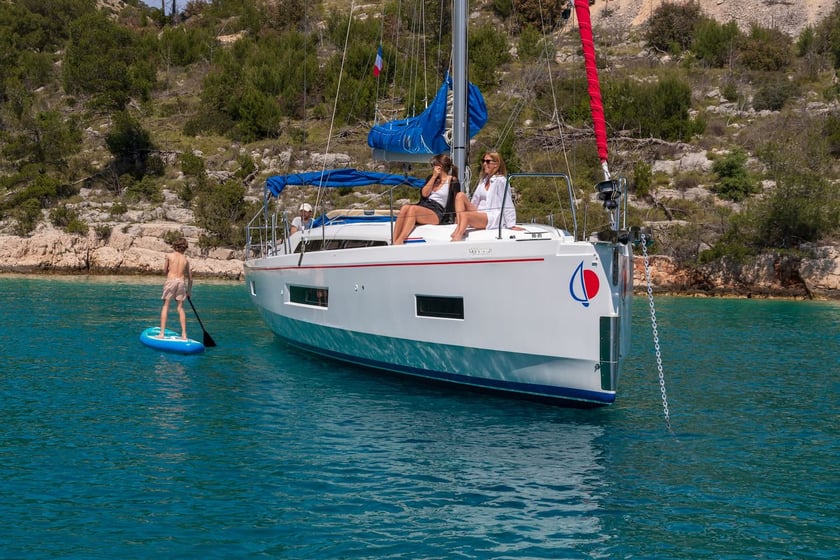
A yacht trip around Martinique can shift naturally between cruising, anchoring and going ashore. In the south and around Les Anses-d’Arlet, beaches and clear-water snorkeling are central to the day. The Atlantic lagoons offer another kind of excursion, built around reef-protected islets and shallow white-sand shoals.
The northern coast adds volcanic and historical context. Saint-Pierre’s ruins tell the story of the 1902 Mount Pelée eruption, while wreck sites give divers another perspective on the town’s past. Ashore elsewhere, Martinican cuisine brings together African, European, Indian and Creole influences, with seafood, spices and tropical produce featuring prominently. Rhum agricole, made from fresh sugarcane juice, is protected by its own Appellation d’Origine Contrôlée.
Martinique also has a distinctive sailing tradition: the yole ronde, an open craft balanced by crew members using long movable poles. Its safeguarding practices were recognized by UNESCO in 2020.
Getting there and where charters begin
Martinique Aimé Césaire International Airport is at Le Lamentin, close to Fort-de-France and the island’s main road connections. Le Marin and the southern boating areas are reached by road from the airport. Hiring a car is common because public transport coverage varies and roads away from the central urban area can be winding.
Marina du Marin is the island’s leading center for yacht services, provisioning and charter departures. Other possible starting points include Port de Plaisance de l’Étang Z’Abricots near Fort-de-France, Marina de la Pointe du Bout, facilities at Le François and Le Robert, and the organized mooring area at Saint-Pierre.
Martinique therefore serves both as a departure area and as a complete cruising destination. The most suitable embarkation point depends on whether the itinerary emphasizes the sheltered south and west, the capital’s bay, the volcanic north or the Atlantic lagoons.
Planning the right charter
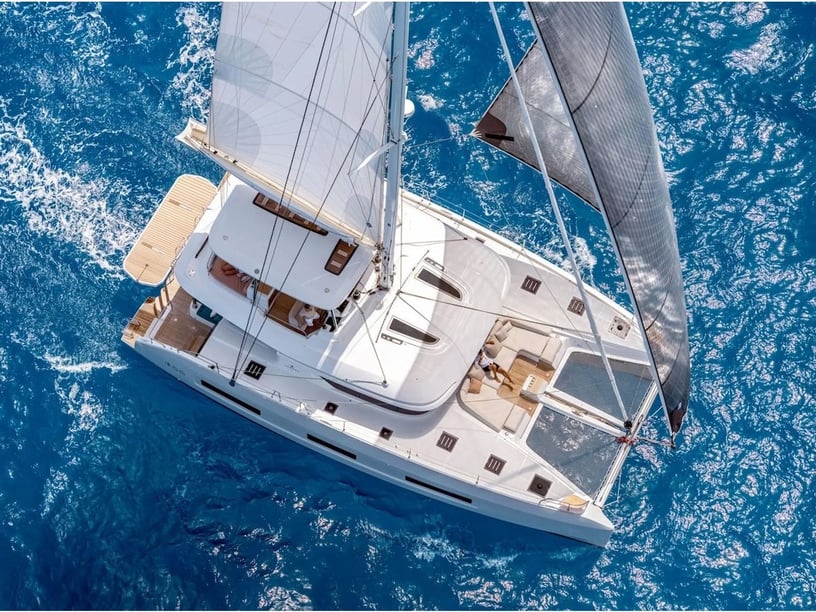
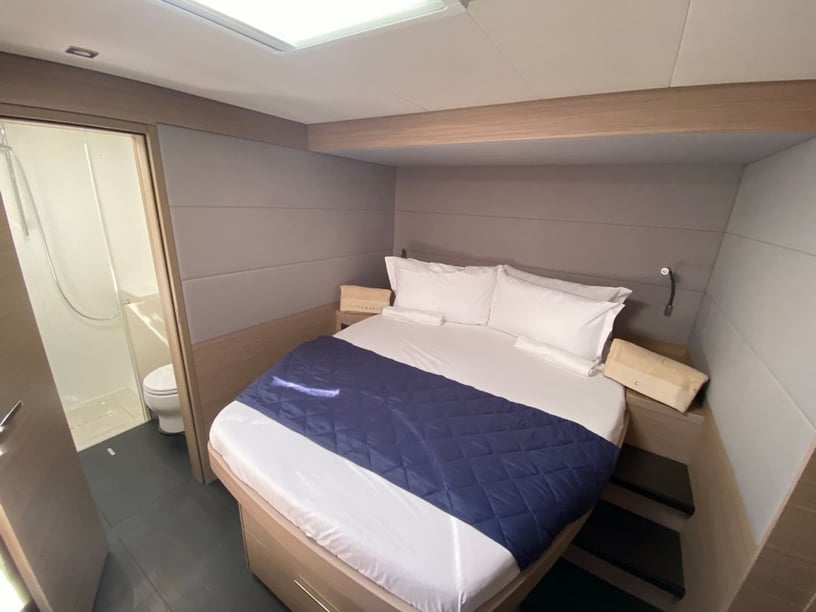
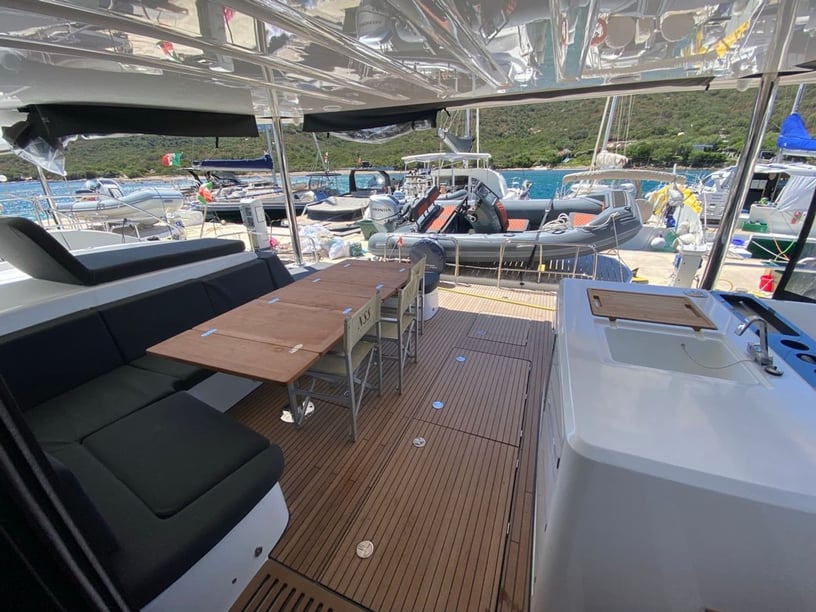
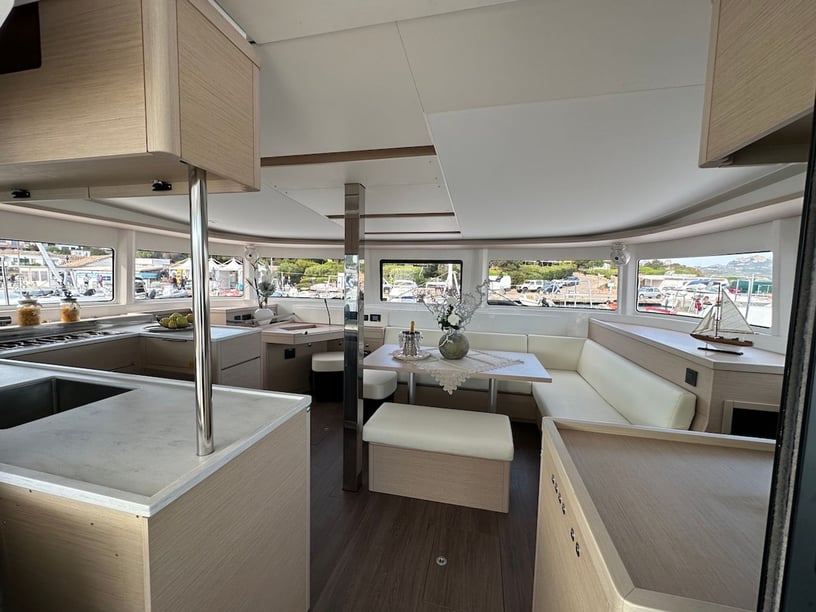
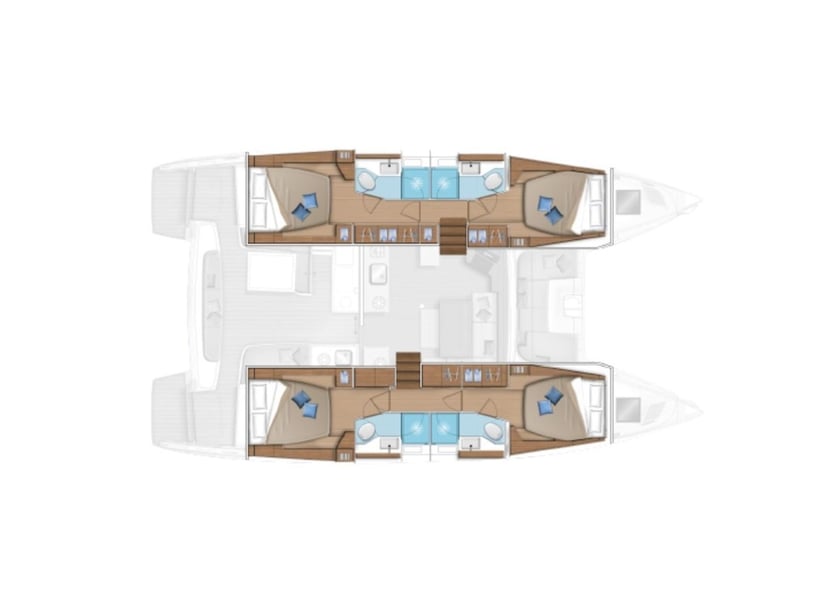
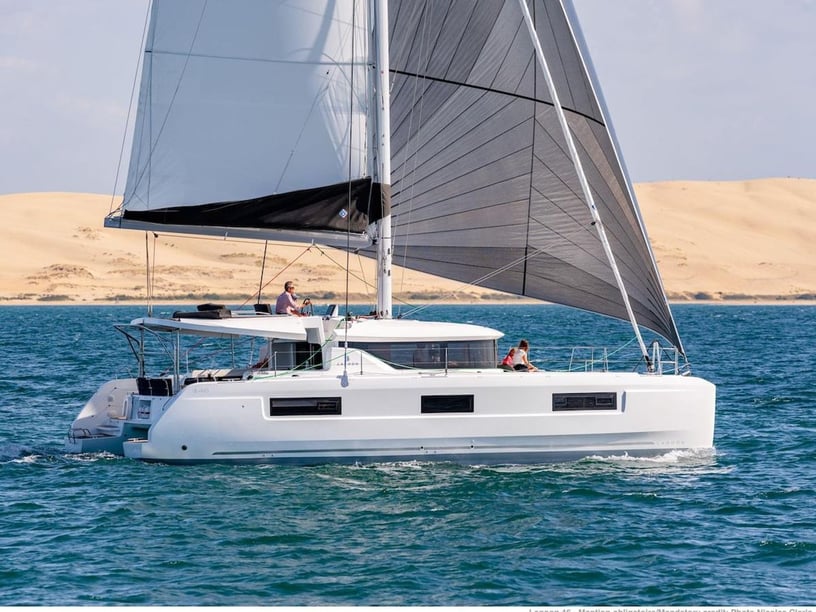
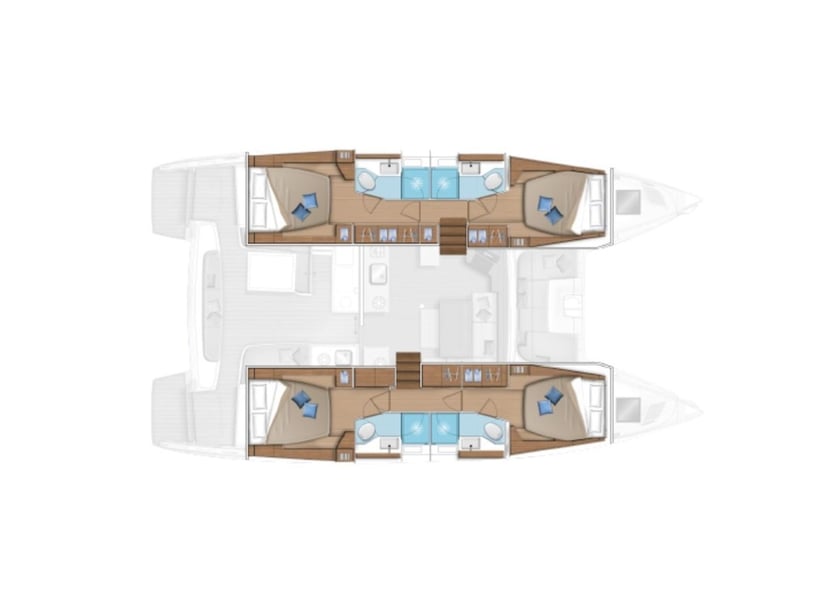
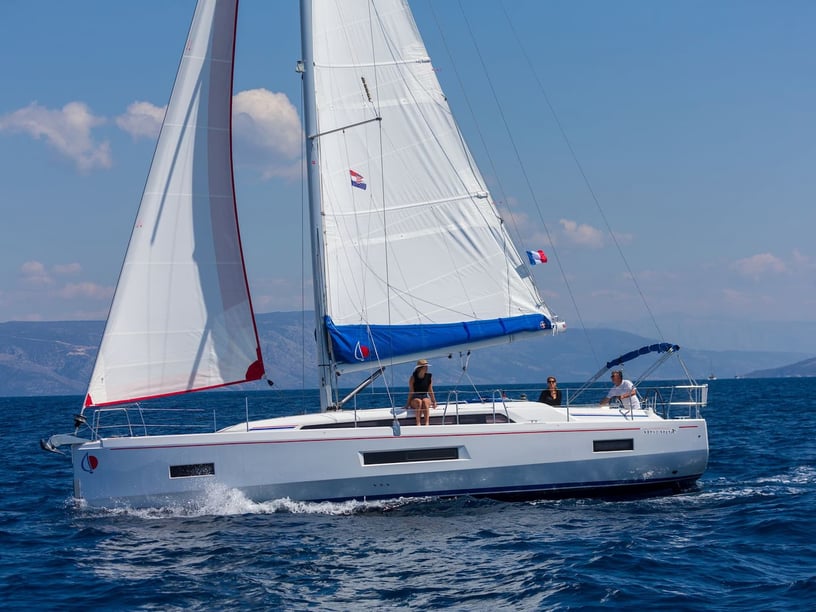
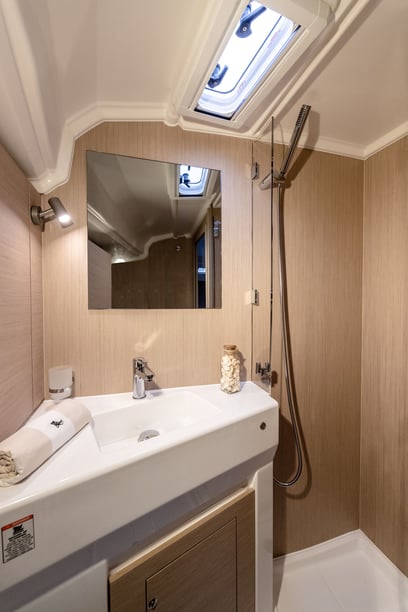
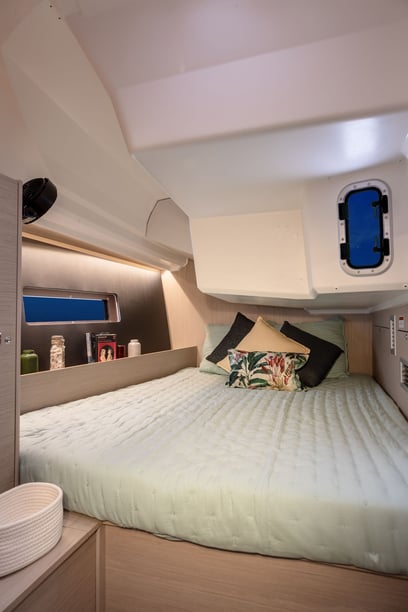
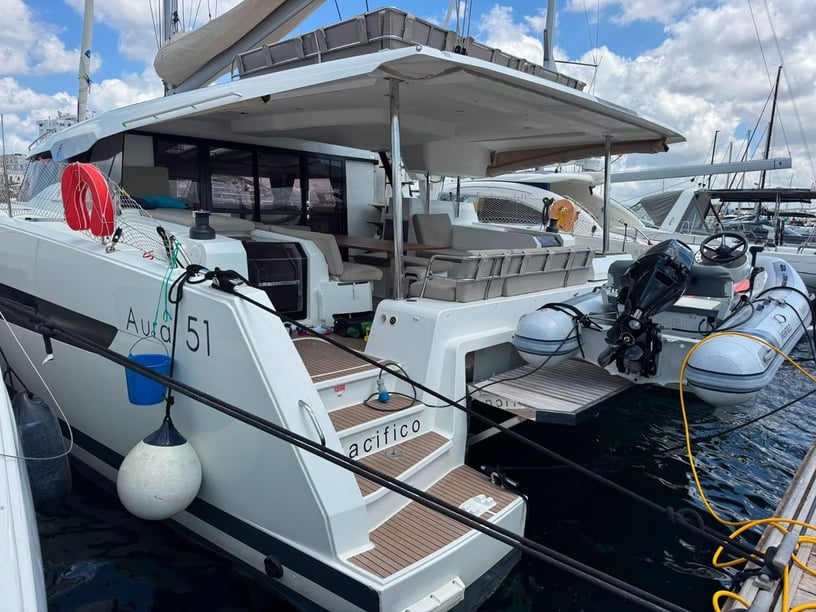
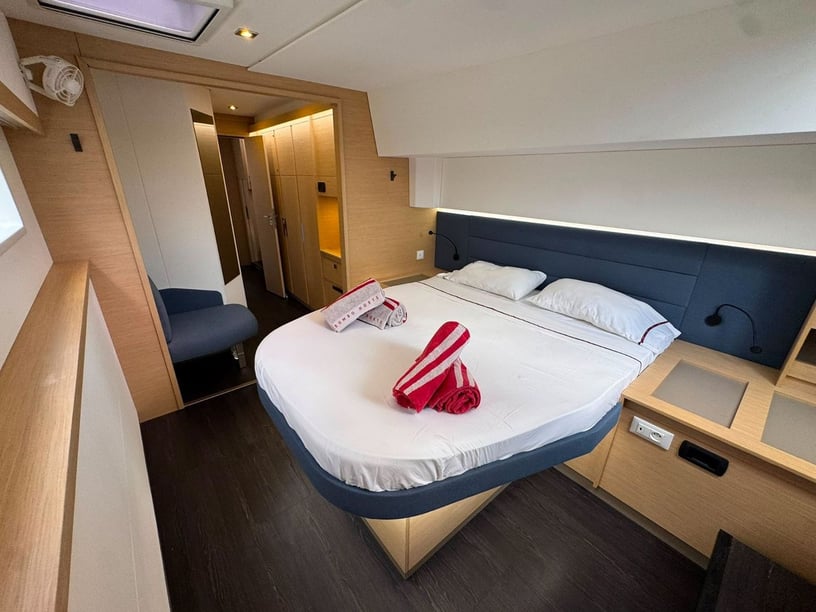
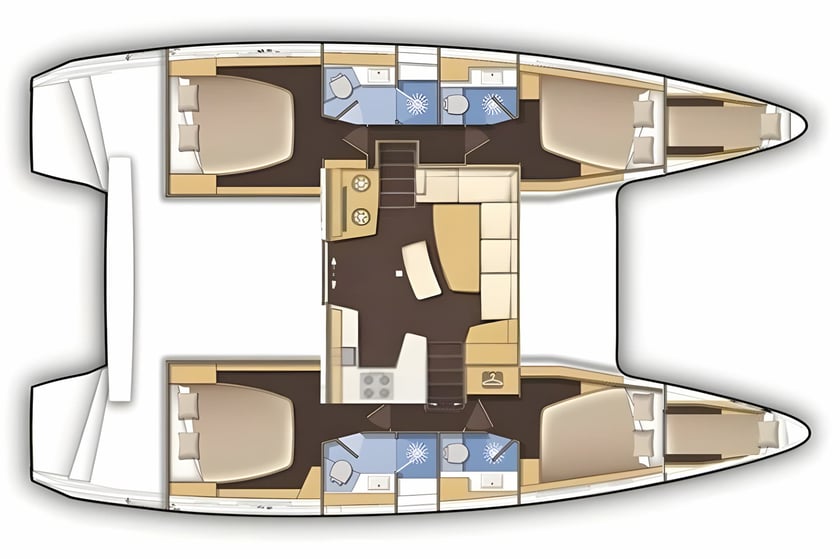
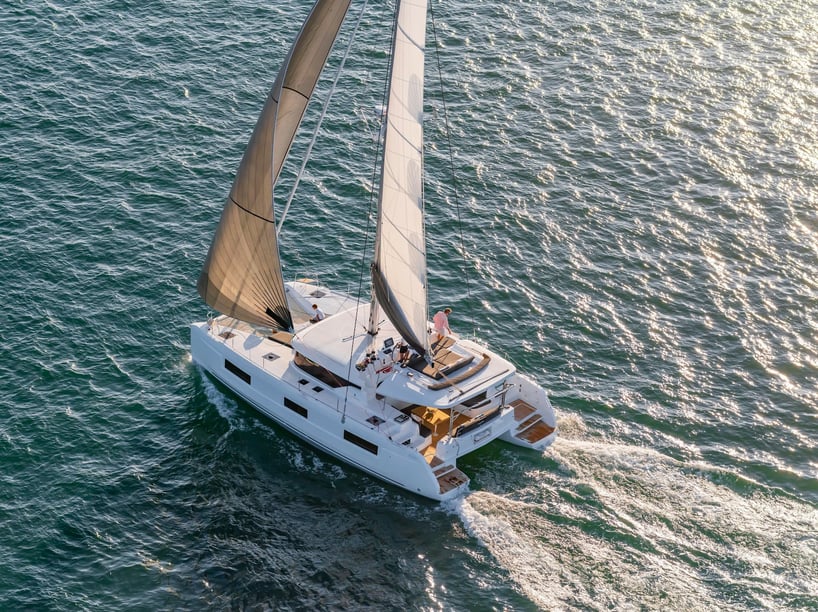
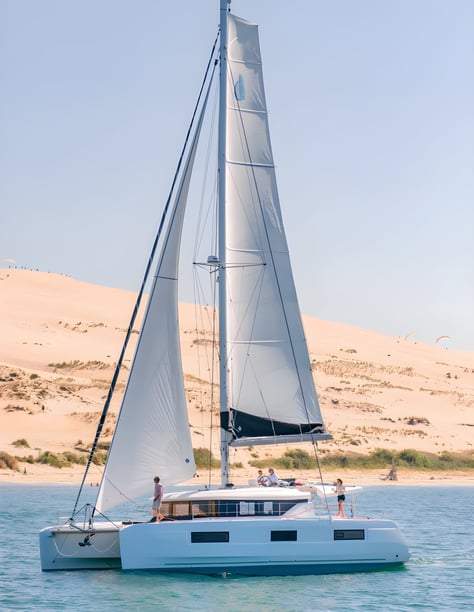
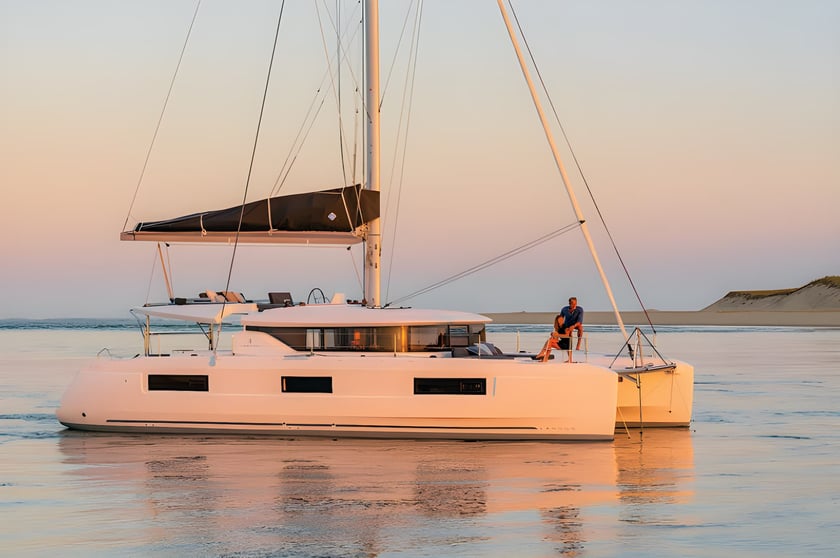
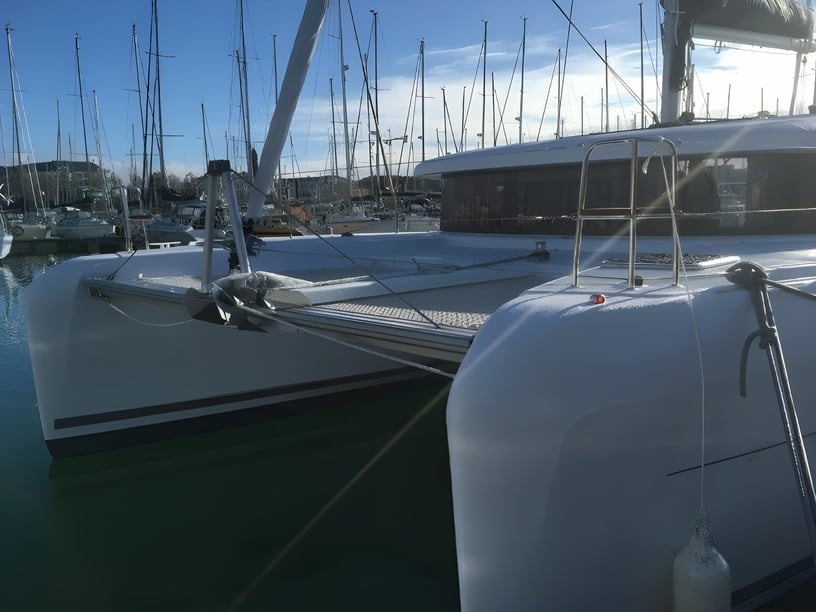
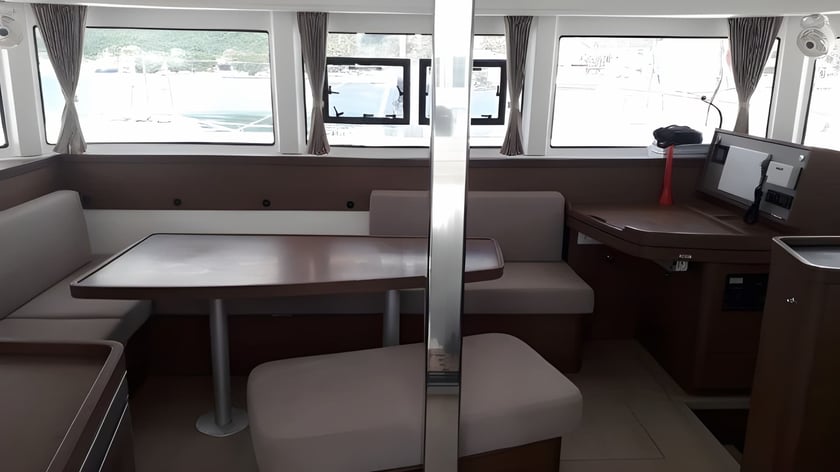
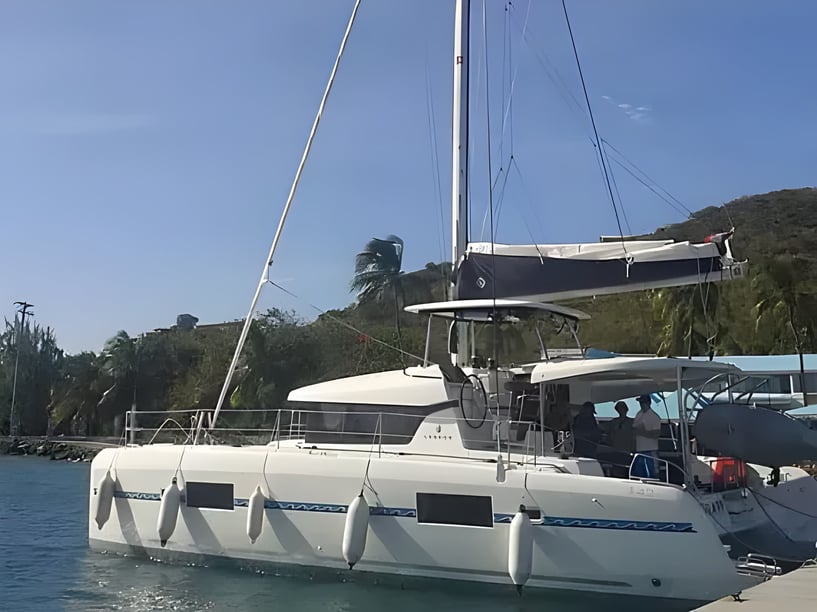
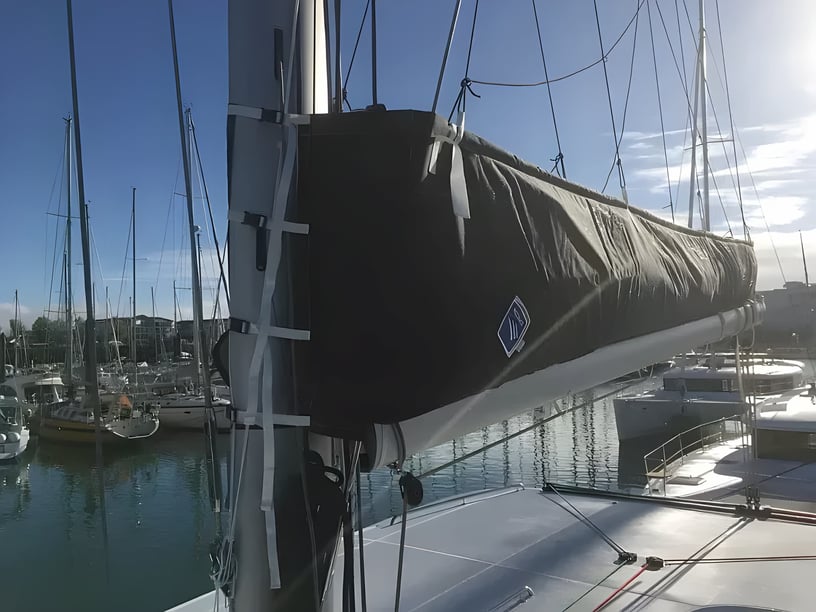
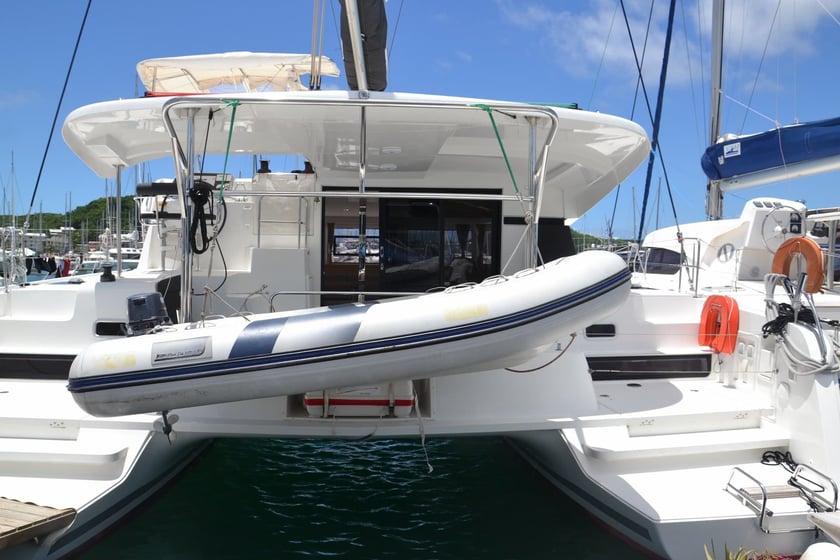
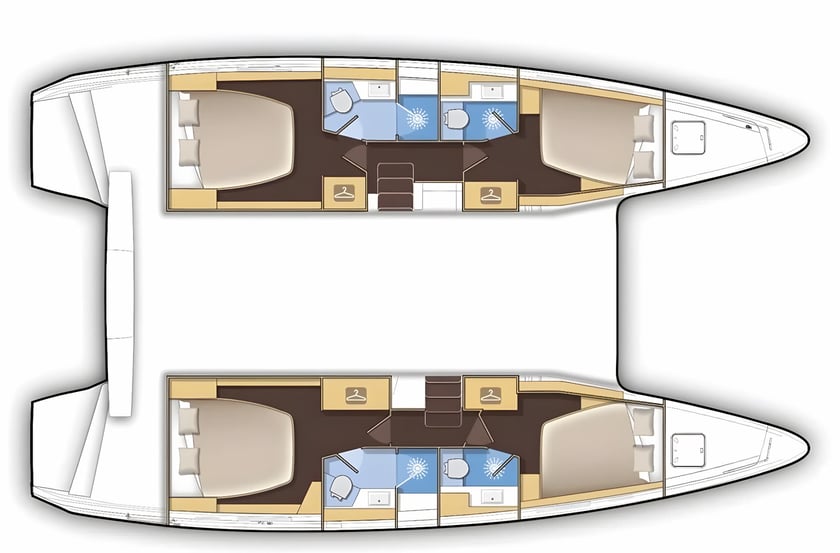
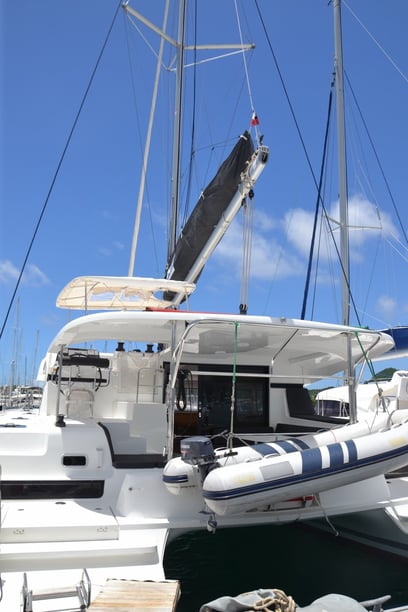
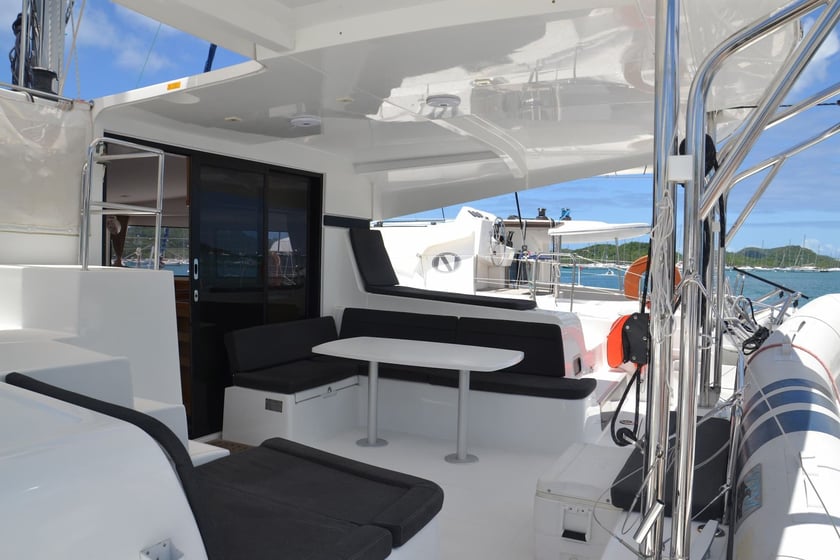
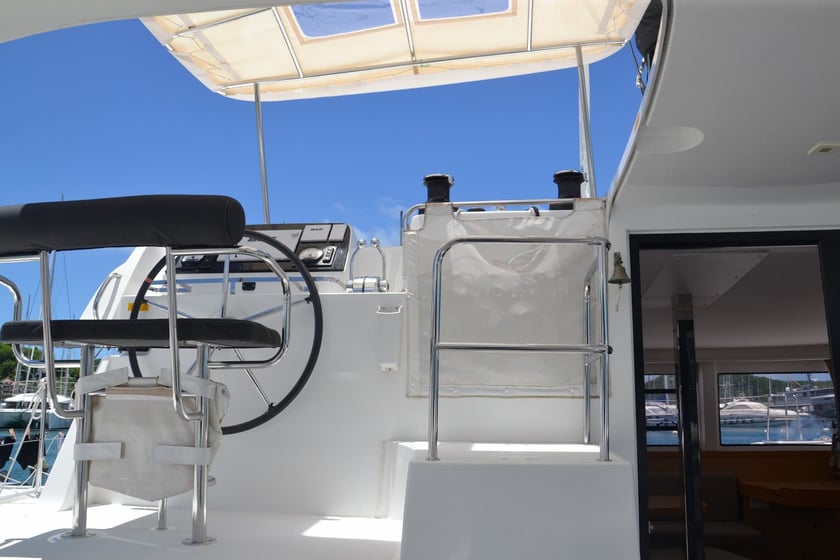
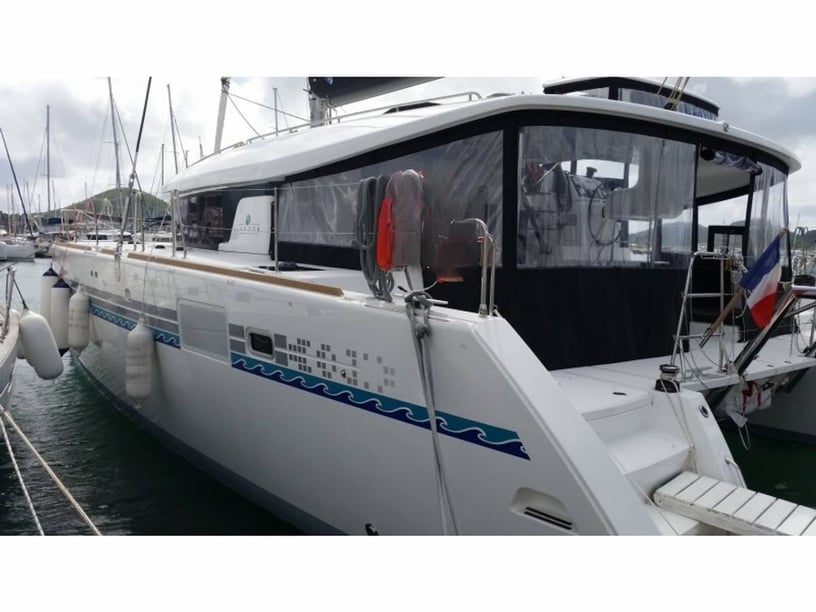
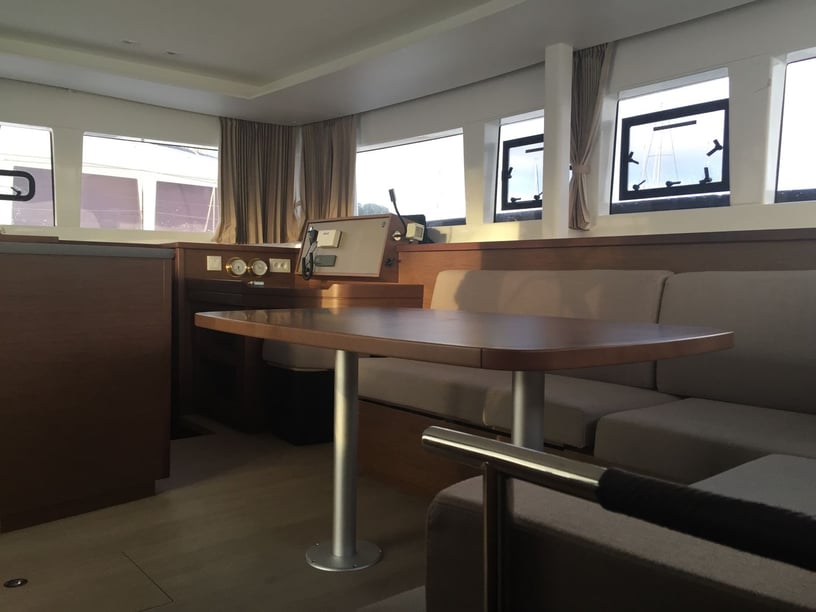
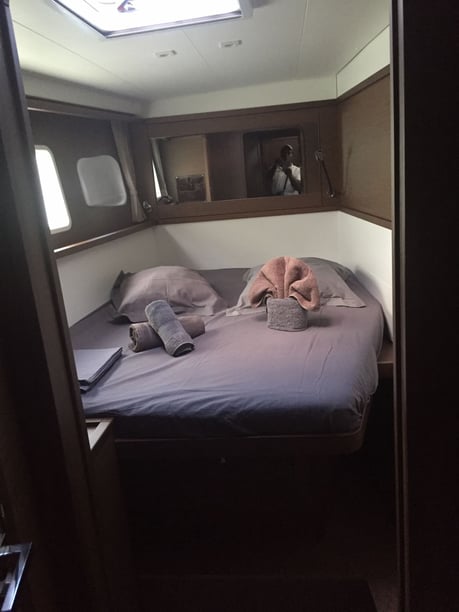
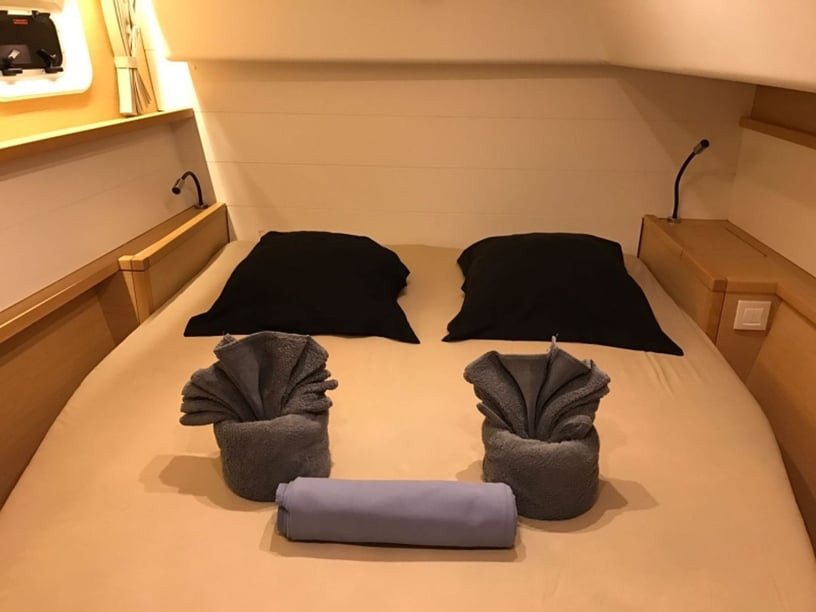
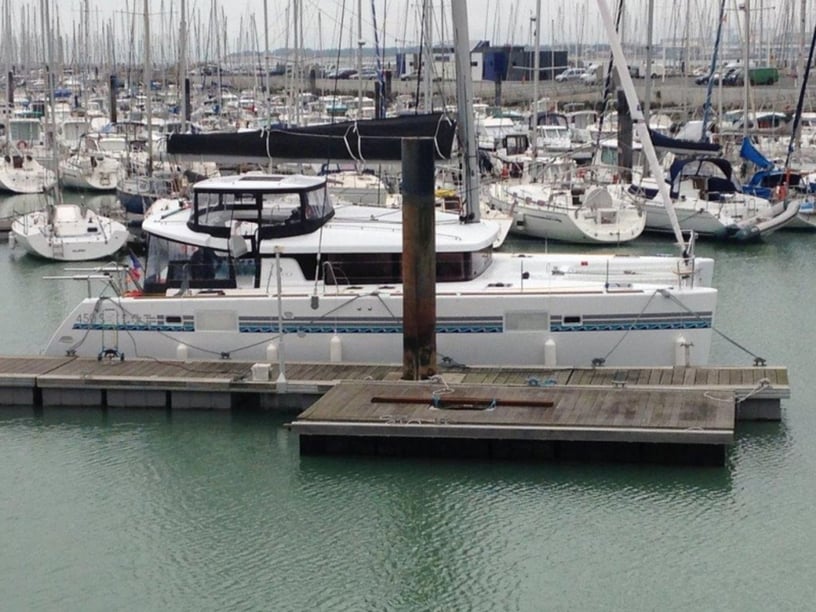
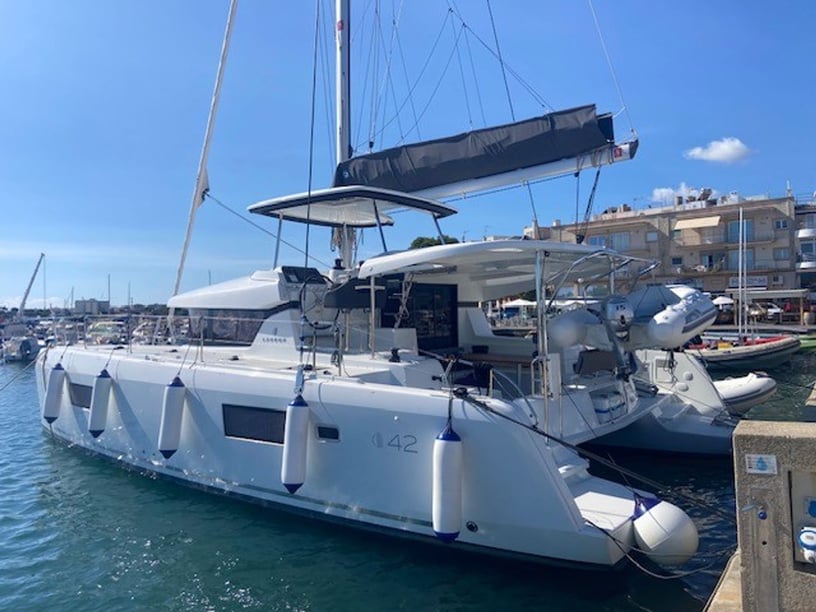
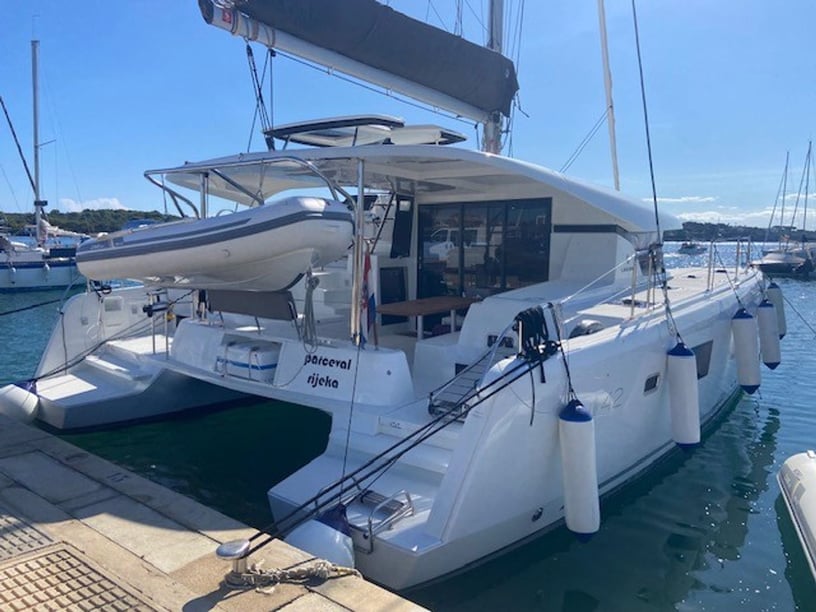
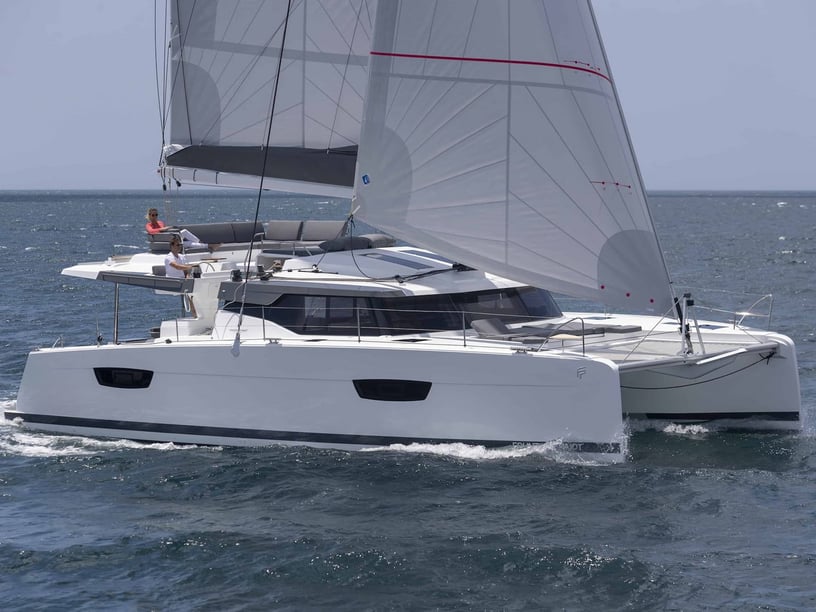
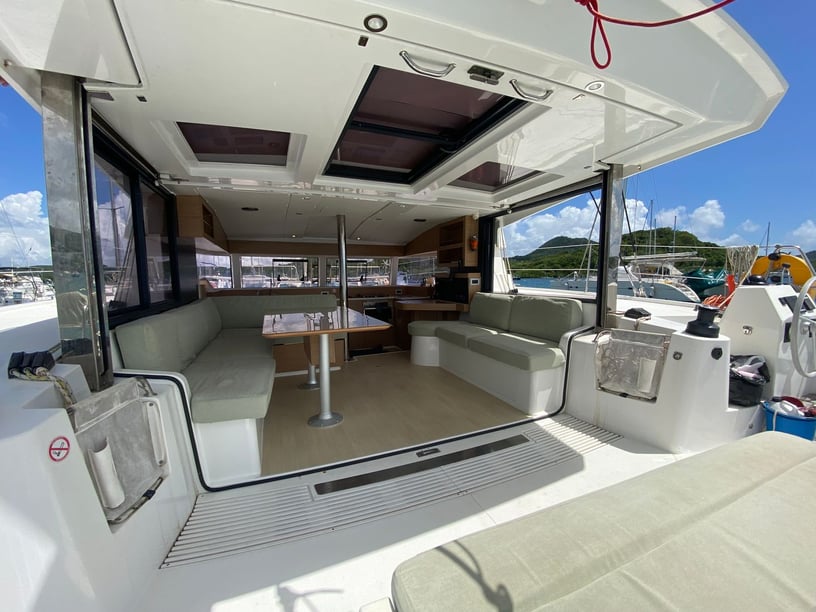
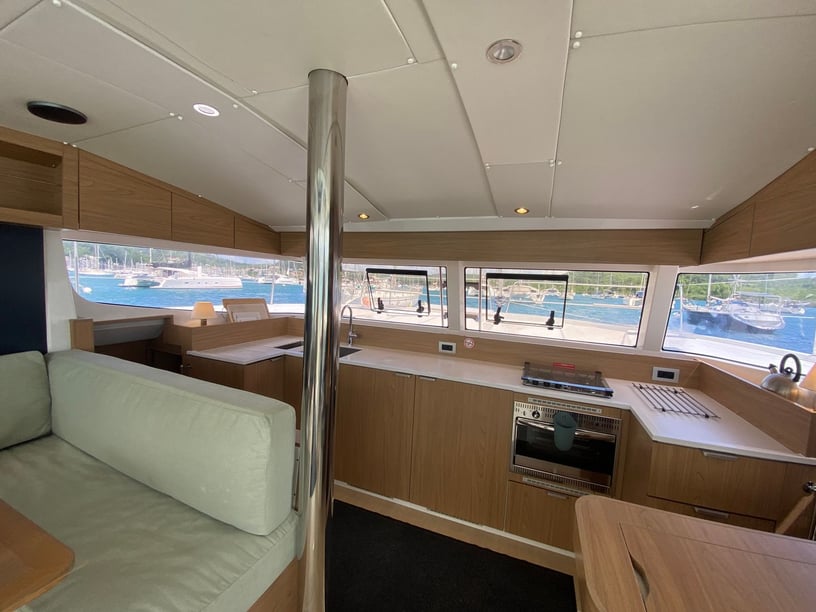
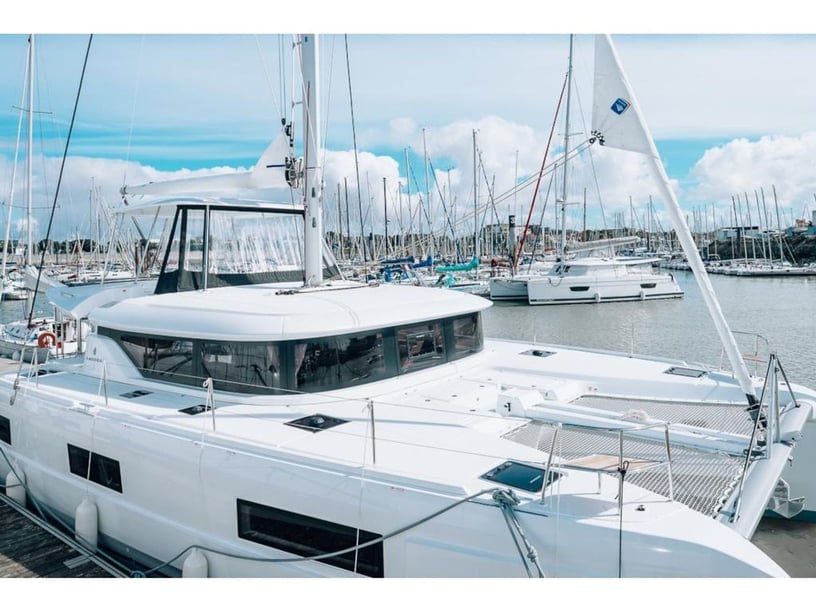
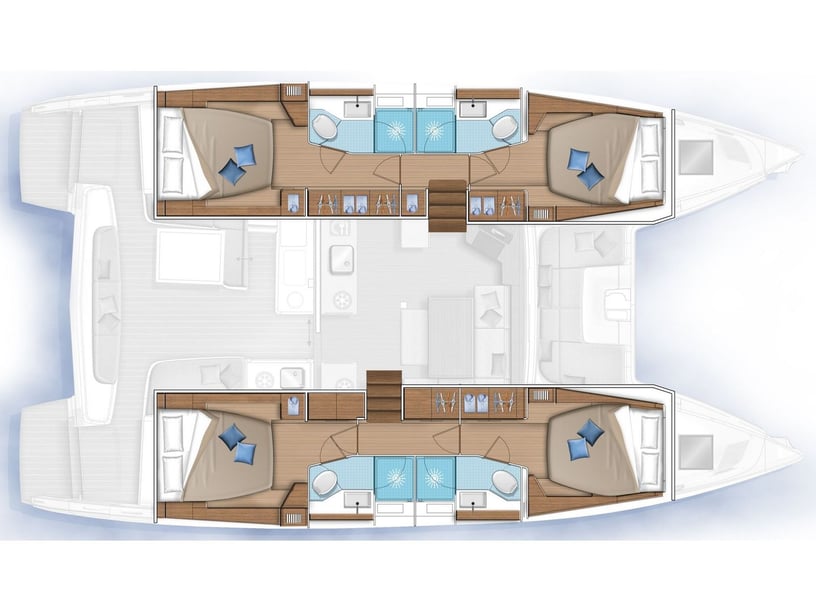
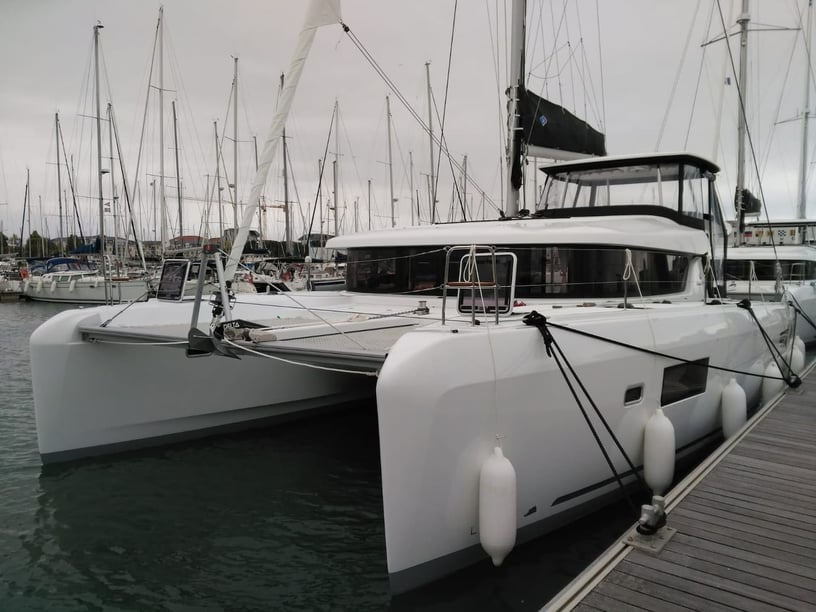
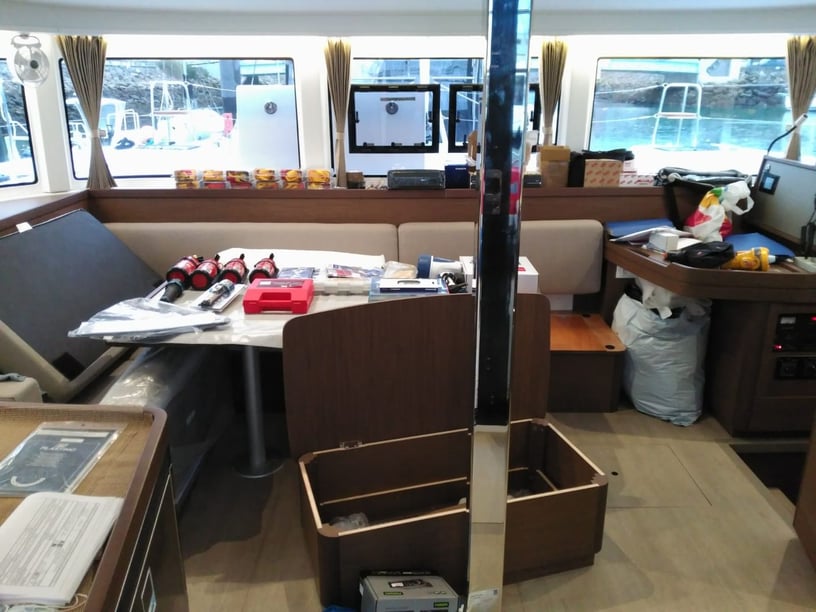
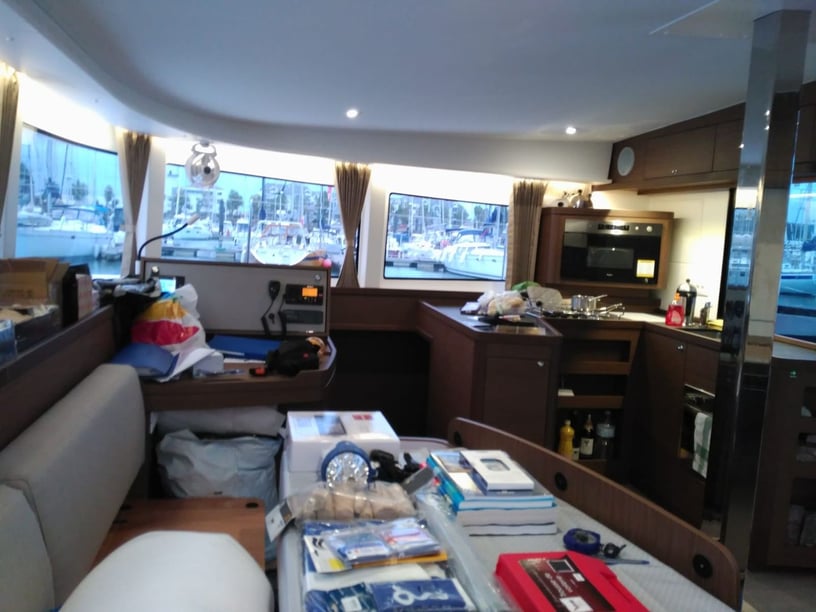
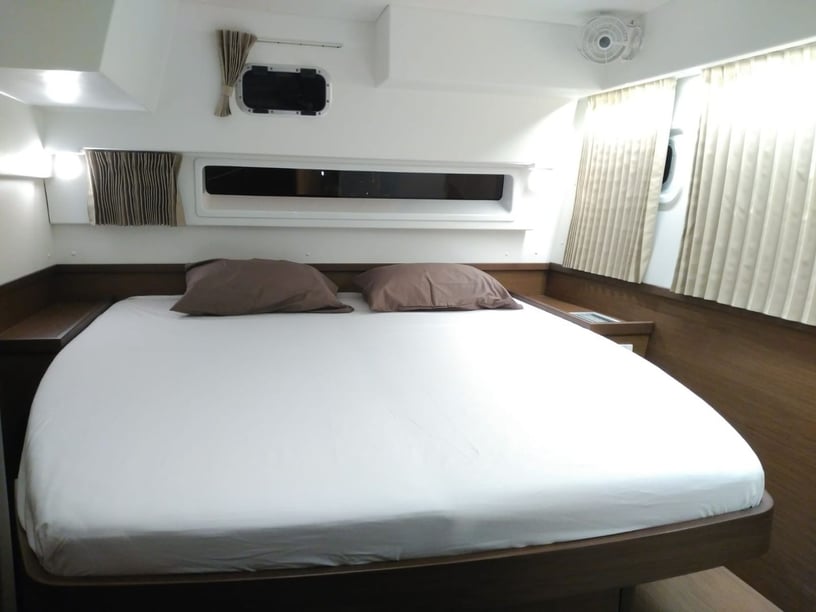
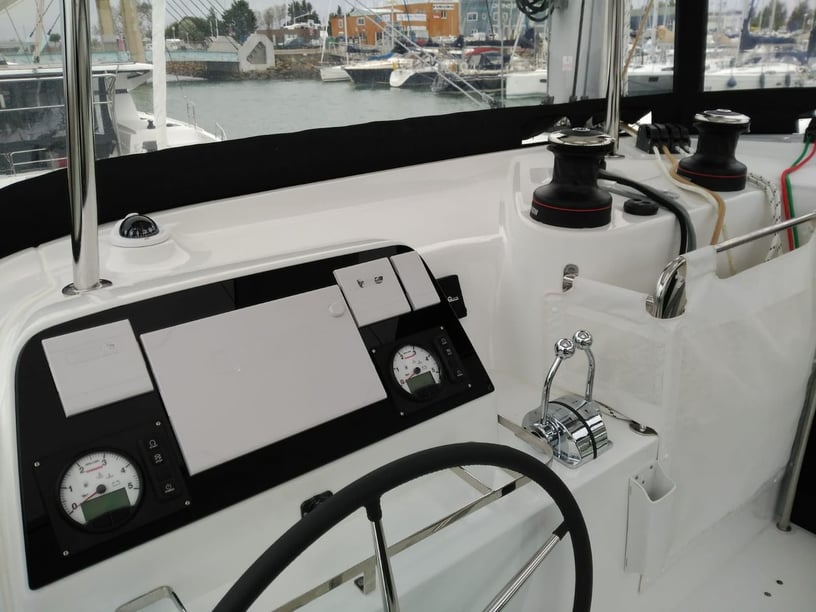
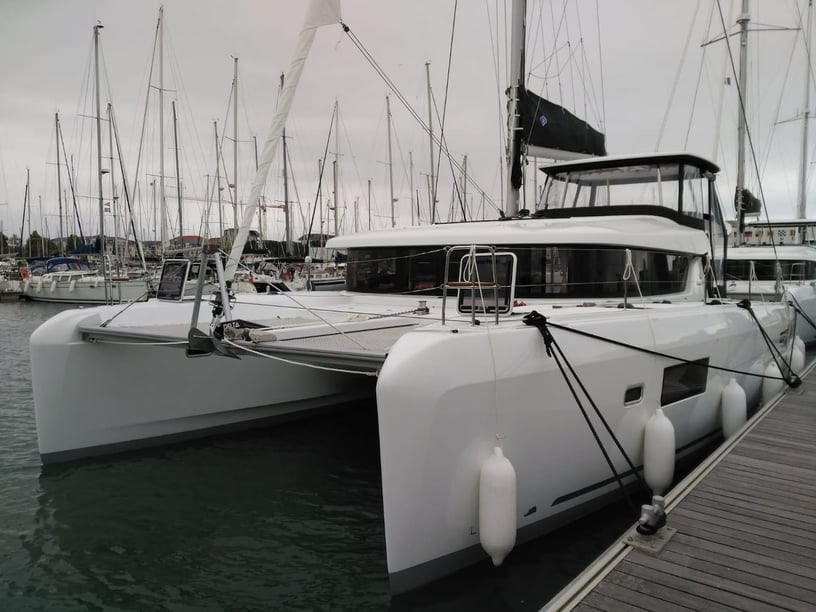
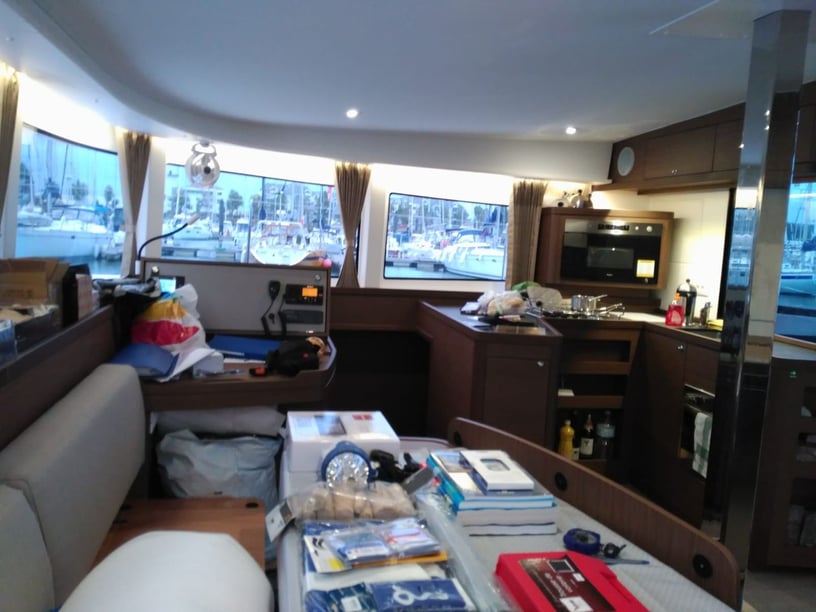
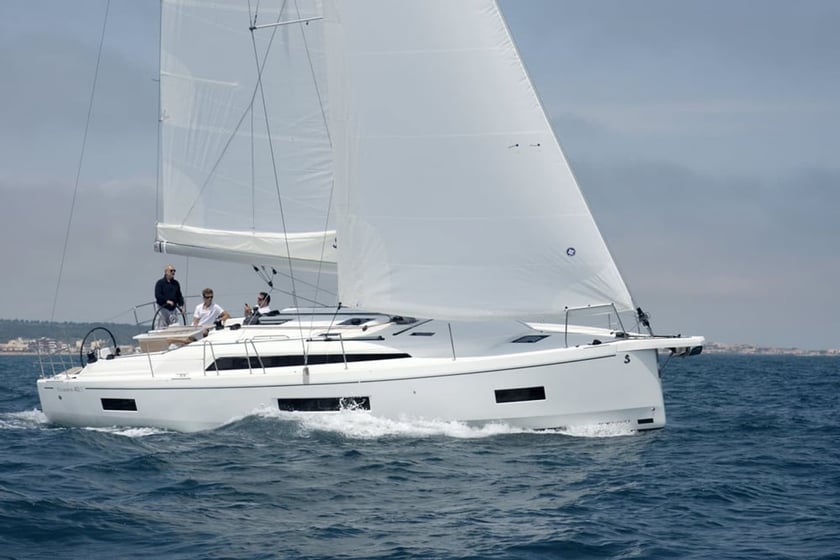
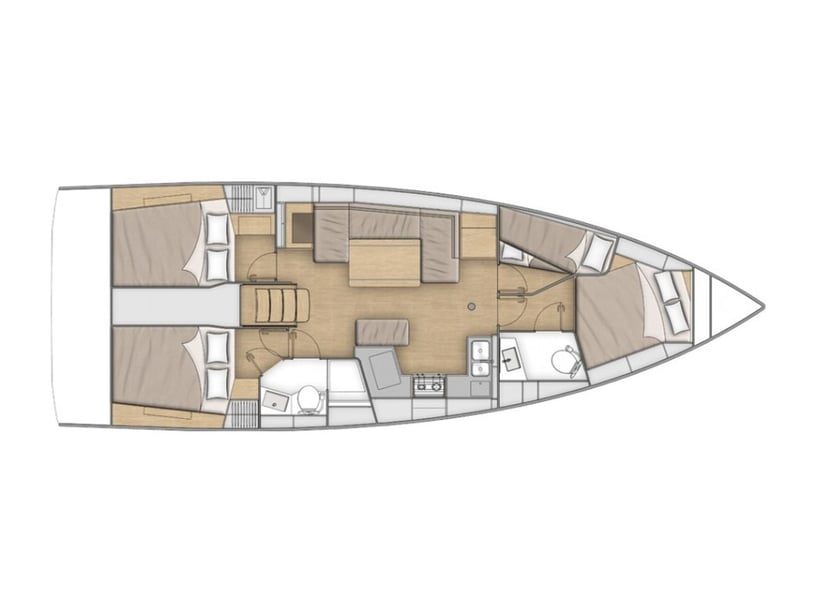
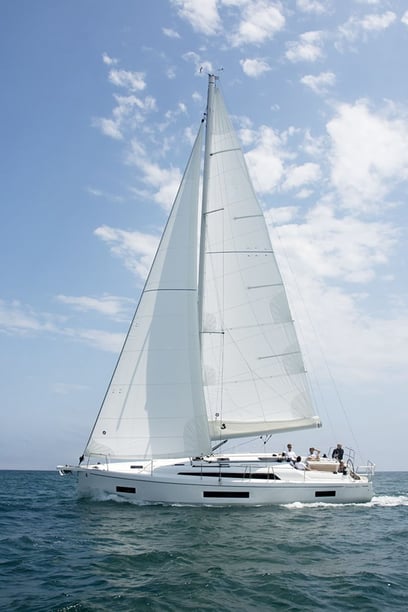
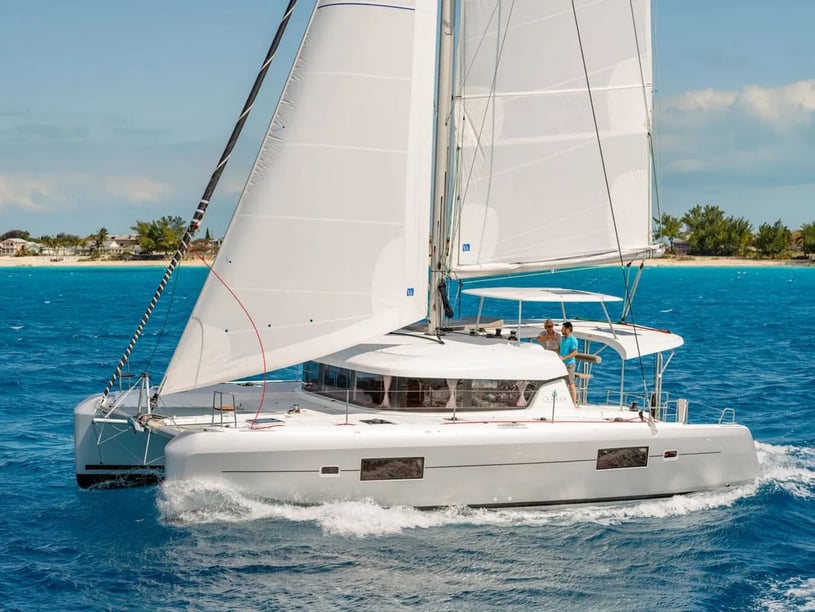
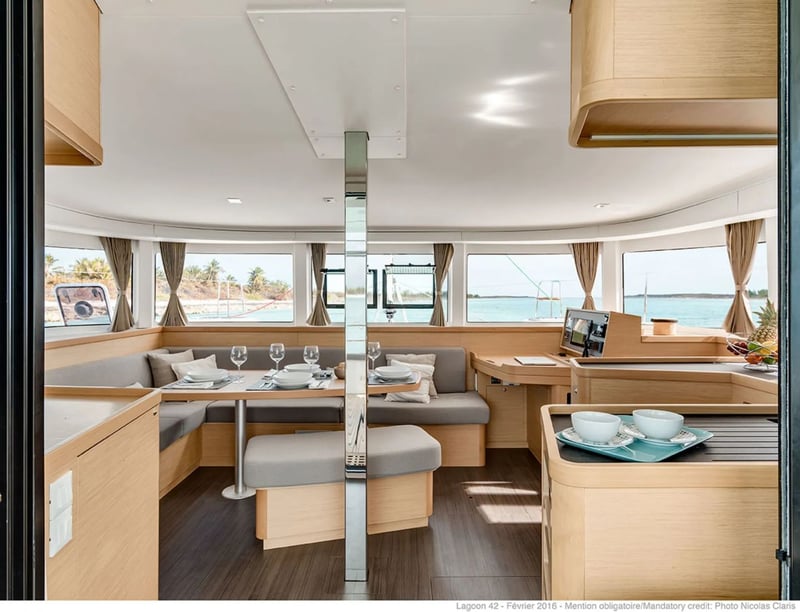
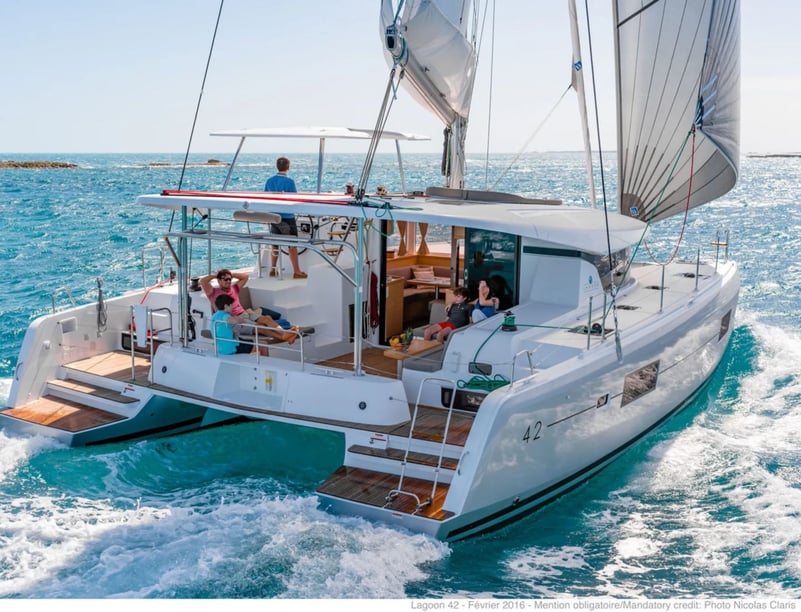
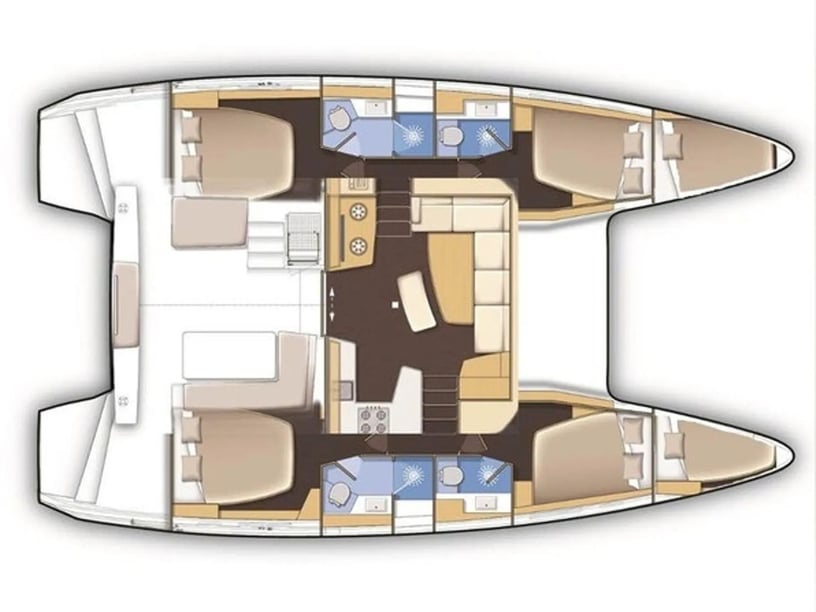
When comparing a Martinique boat rental or yacht charter, begin with the intended cruising area rather than boat size alone. A leeward-coast itinerary is generally the more straightforward choice for travelers seeking short passages and frequent stops. Plans involving Atlantic lagoons, northern anchorages or inter-island crossings call for greater attention to crew experience, route planning and local knowledge. Travelers narrowing down the vessel format can compare sailboat charters in Martinique and catamaran charters in Martinique.
Before departure, consult current Météo-France marine information and verify port-clearance requirements for international routes. Current charts and local pilotage information are essential on the Atlantic side. Anchoring is regulated in several sensitive coastal areas to protect coral reefs and seagrass beds, so designated moorings should be used where provided. Martinique’s waters are also part of the Agoa Marine Mammal Sanctuary, where approaches to cetaceans are regulated.