Yacht charter in Antigua
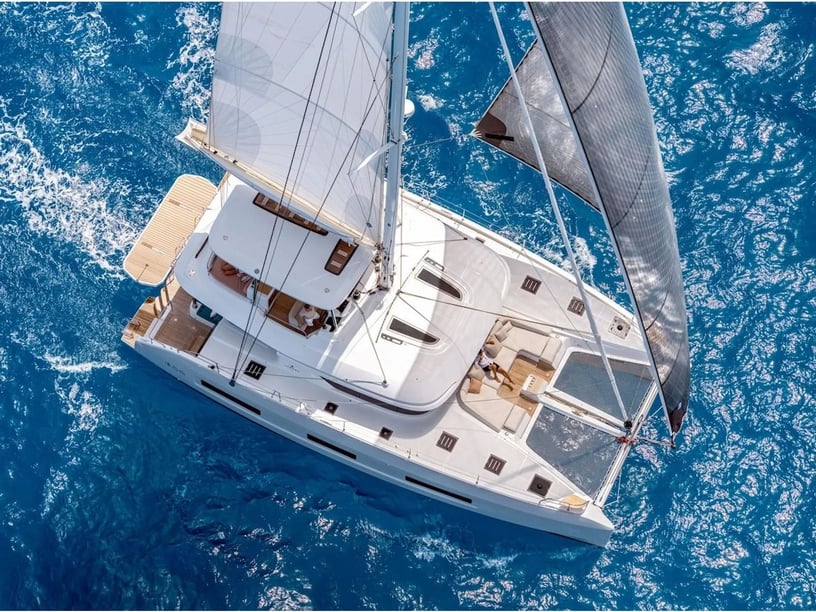
Antigua combines a compact cruising area with varied coastlines and a well-established yachting center around English Harbour and Falmouth Harbour. Sheltered southern harbours, calmer western bays and reef-fringed waters in the east allow a yacht charter in Antigua to mix short passages, beach stops, snorkeling and time ashore without requiring long daily sails.
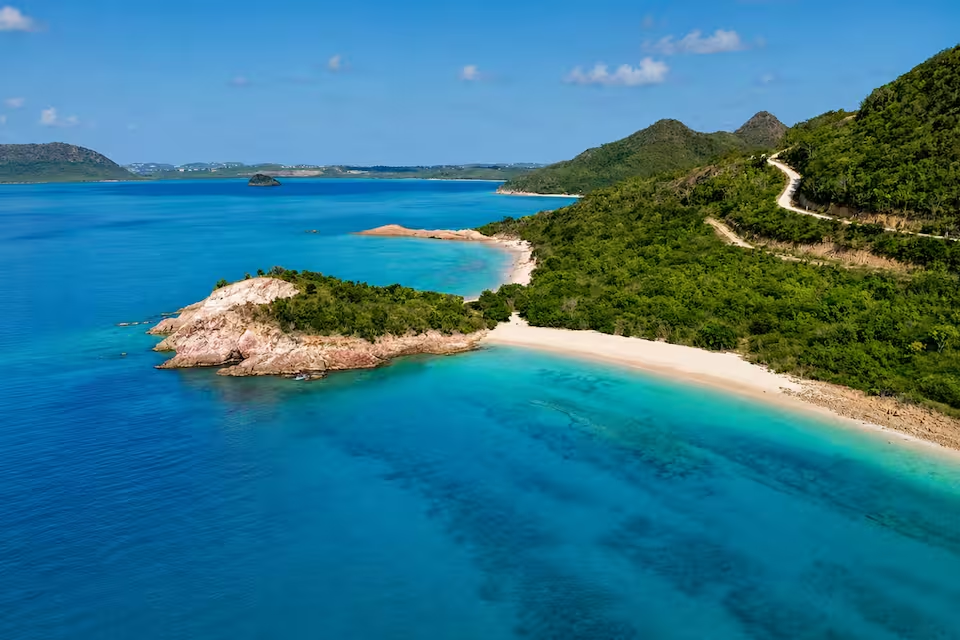
The island’s character changes noticeably around the coast. Older volcanic hills rise in the southwest, while lower limestone terrain, coral reefs and small offshore islands shape much of the north and east. Antigua can therefore work as both a departure area and a destination to explore over several days. Barbuda is a possible extension, although it involves an open-water passage and different planning considerations. Travelers considering the wider cruising context can also explore yacht charters in Antigua and Barbuda.
Coastal places to explore
English Harbour and neighboring Falmouth Harbour form the island’s maritime heart. English Harbour is especially distinctive because yachts berth beside Nelson’s Dockyard, a restored Georgian naval complex and UNESCO World Heritage property. Falmouth adds extensive yacht facilities and easy access to the same historic southern district.
On the west coast, Jolly Harbour is both a practical departure point and a gateway to beach-oriented stops. Ffryes Bay, Five Islands Bay, Deep Bay and Dickenson Bay can be combined into an itinerary with relatively short coastal legs. Carlisle Bay and Mamora Bay provide further options along the south.
The east and northeast offer a different setting. Green Island and Nonsuch Bay are surrounded by reefs and shallow water, creating appealing snorkeling and anchoring areas when conditions and visibility are suitable. Farther north, the small islands and marine habitats of North Sound add a quieter, more intricate cruising landscape, but their channels demand greater navigational care than the open western bays.
What sailing around Antigua is like
Antigua is generally a moderate sailing destination. Northeasterly to easterly trade winds are most consistent from late autumn through spring, often producing steady sailing between anchorages. The leeward west coast is usually calmer, while Atlantic swell and exposure can affect the eastern and windward shores even when nearby western bays remain comfortable.
The island’s compact scale makes short passages and a full coastal circuit realistic within a week. However, conditions are not uniform. Reef entrances around Nonsuch Bay, Green Island, North Sound and Cades Reef require current charts, good daylight, clear visibility and an attentive lookout. The tidal range is small, but shallow banks and coral approaches remain important constraints.
A skipper and crew should be comfortable adjusting plans to wind and swell. Eastern anchorages may become uncomfortable in stronger easterly conditions, while the sheltered southern harbours and leeward bays provide useful alternatives.
Best time for an Antigua yacht charter
The principal recreational sailing season runs from December through May. December and January through April are particularly suitable, combining established trade-wind conditions with the island’s generally driest period. These months are well suited to travelers who want purposeful sailing as well as time at anchor.
May can remain suitable, although conditions become warmer and less settled. June and July are transitional months, while activity drops more clearly during August and September. October and November form another transition toward the main season.
The official Atlantic hurricane season extends from June through November. Rainfall, humidity and tropical-cyclone risk are higher during part of this period, especially from August through October, so plans require close forecast monitoring and confirmation of charter, marina and insurance conditions.
Antigua cruising routes
A seven-day coastal circuit can link the southern harbour district with Green Island or Nonsuch Bay, then continue toward Jolly Harbour and selected western bays before returning south. This format provides contrast between Antigua’s reef-protected east, beach-lined west and historic harbours without requiring a passage to another island.
Another option is to concentrate on the south and east, traveling from English Harbour to Green Island and Nonsuch Bay before following the southern coast toward Jolly Harbour. The exact sequence should remain flexible because eastern anchorages are more sensitive to wind, swell and visibility.
Barbuda can be added as an out-and-back extension for crews seeking a longer passage. It should not be treated as a routine coastal hop: the crossing needs a suitable weather window, and Barbuda’s shallow reef approaches require additional care.
History, snorkeling and time ashore
A yacht charter reveals Antigua as more than a collection of beach stops. Around English Harbour, travelers can step ashore at Nelson’s Dockyard, visit Fort Berkeley or explore the wider naval landscape from Shirley Heights and Dow’s Hill. The dockyard served as the principal British naval base in the Eastern Caribbean from the eighteenth into the nineteenth century, and its construction and operation depended substantially on the labor and skills of enslaved Africans.
Natural experiences vary around the island. The North East Marine Management Area contains coral reefs, seagrass beds, mangroves and small offshore islands, while Cades Bay Marine Reserve is another established snorkeling area. These sites are best approached with conditions, reef restrictions and safe access in mind.
Evenings can alternate between quiet anchorages and the sailing-centered atmosphere of English and Falmouth Harbours. Time ashore also brings Antiguan dishes such as fungee and pepperpot, ducana, saltfish and fresh seafood into the trip.
Getting there and where charters begin
V.C. Bird International Airport receives international and regional flights. Road transfers are the normal connection from the airport and St. John’s to the island’s main marina areas; driving is on the left for travelers using rental vehicles.
English Harbour and Falmouth Harbour form the principal southern departure district. Nelson’s Dockyard Marina, Antigua Yacht Club Marina, Falmouth Harbour Marina and Catamaran Marina place yacht services close to historic sites, restaurants and the south-coast cruising grounds. Jolly Harbour Marina and Boatyard is the main alternative on the west coast, with convenient access to the island’s leeward bays.
Antigua consequently functions as both a place to begin a charter and a complete cruising destination. The best departure point depends on whether the itinerary emphasizes southern heritage, eastern reefs or the calmer western coastline.
Planning your charter
When comparing yacht charter or boat rental in Antigua, begin with the intended cruising area rather than treating every itinerary as equivalent. A west-coast trip generally offers calmer water and straightforward short legs, whereas an east-coast route introduces shallow reef channels, greater exposure and a stronger need for local knowledge. Plans involving Barbuda add an open-water crossing and should include a clear go-or-no-go weather decision.
Schedule reef-fringed approaches for good daylight and visibility, and allow flexibility to substitute a sheltered harbour when easterly wind or swell makes an exposed anchorage uncomfortable. Current nautical charts remain essential, particularly around Nonsuch Bay, Green Island and North Sound.
Travelers arriving aboard a yacht from outside the country must complete the applicable customs, immigration and port formalities at an authorized point of entry. For travel during the June–November hurricane season, confirm operating conditions, forecast procedures, marina arrangements and insurance requirements before departure. These considerations help determine whether a compact coastal circuit or a more ambitious offshore extension is appropriate for the crew.