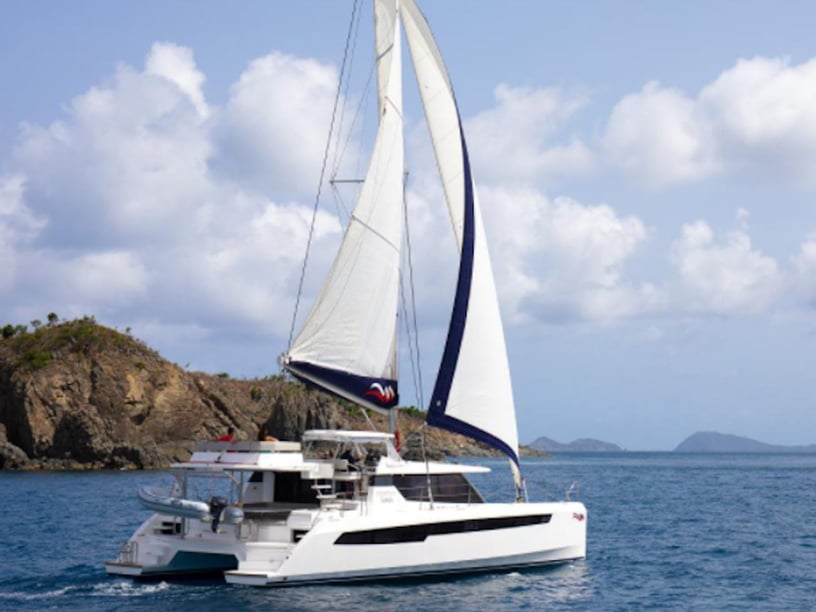
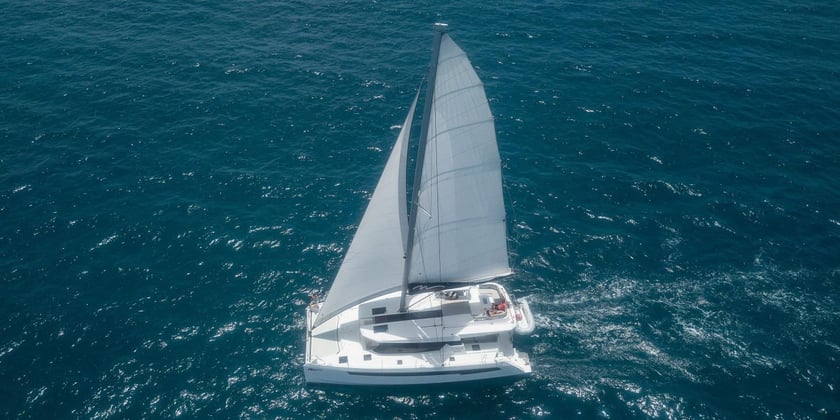
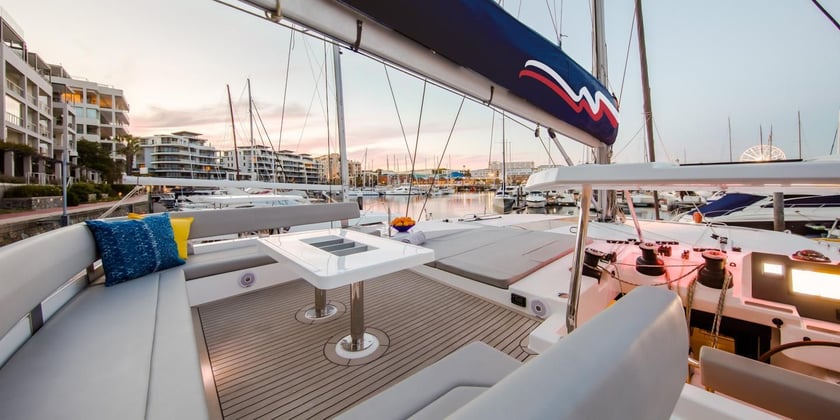
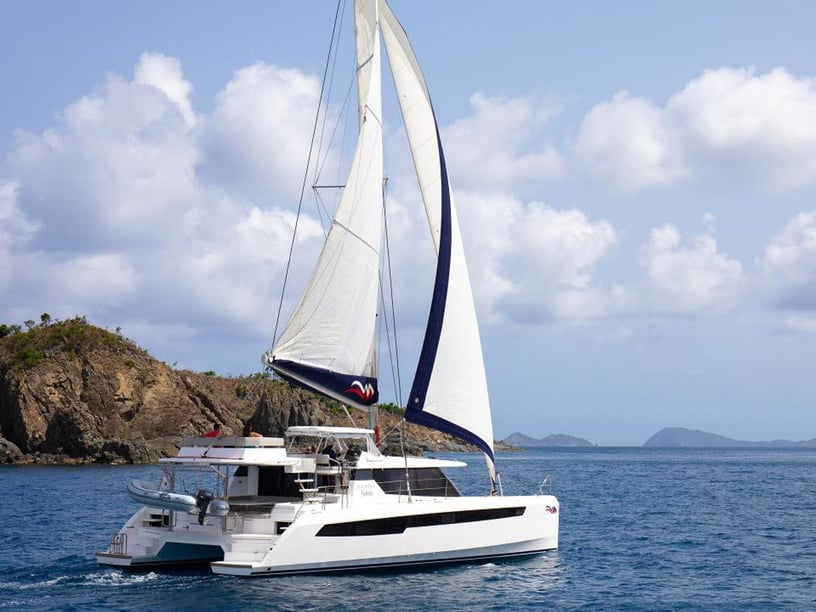
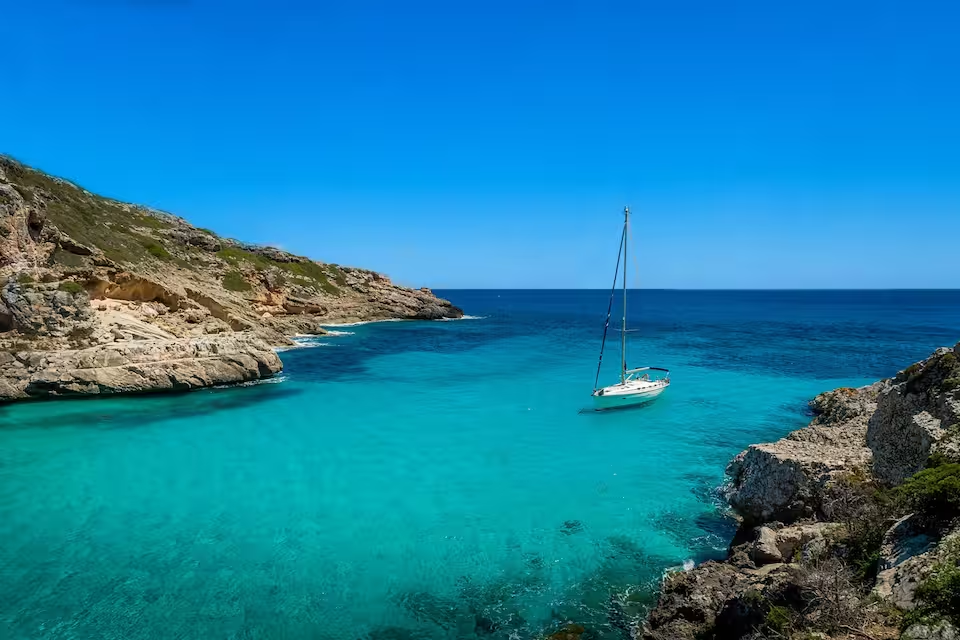
Yacht charter in Marsh Harbour
Marsh Harbour sits on the eastern shore of Great Abaco Island, facing the shallow, sheltered Sea of Abaco. The town is primarily a practical boating gateway rather than a beach resort: its airport, waterfront marinas, provisioning facilities and marine services support cruises among the Abacos’ outer cays.
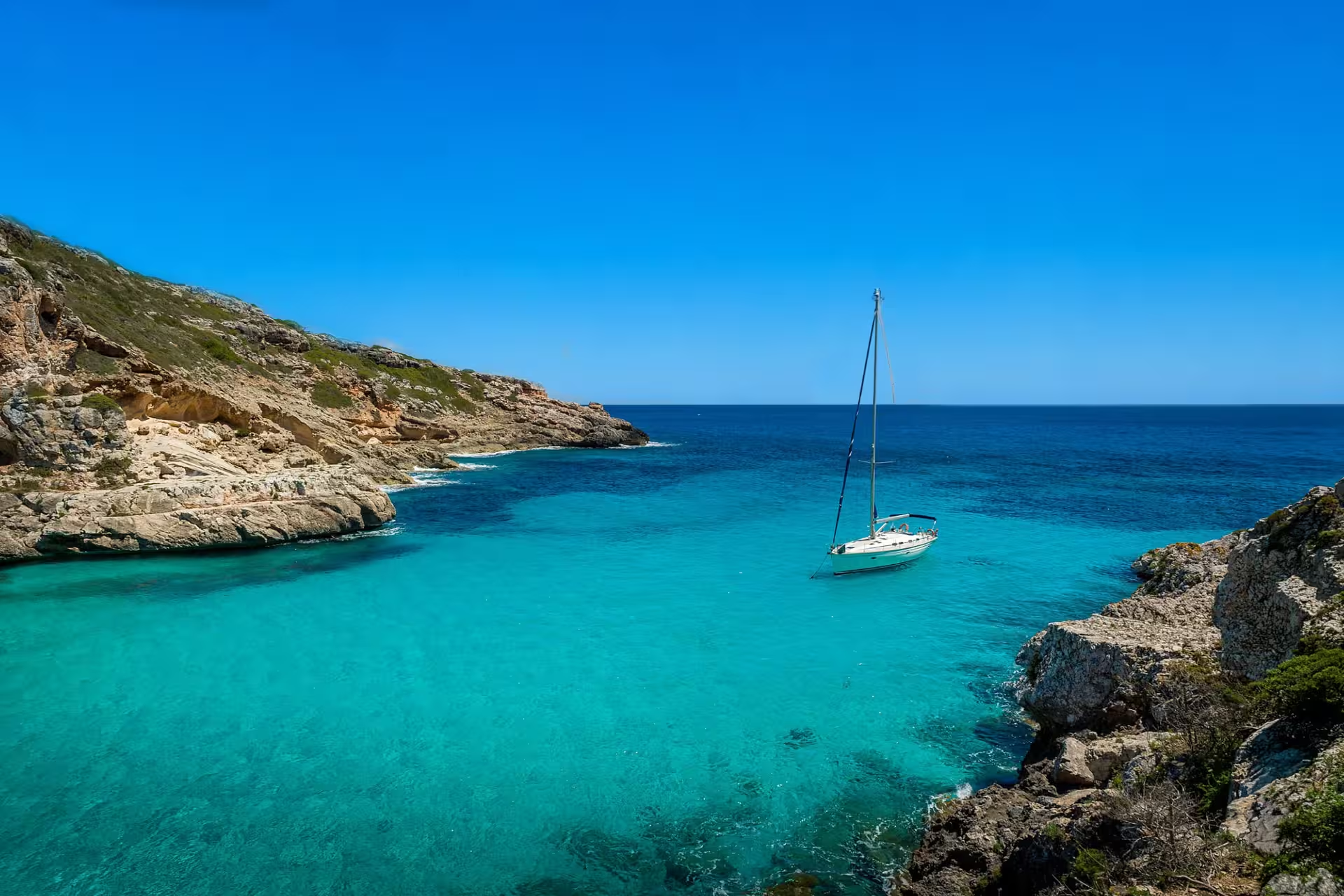
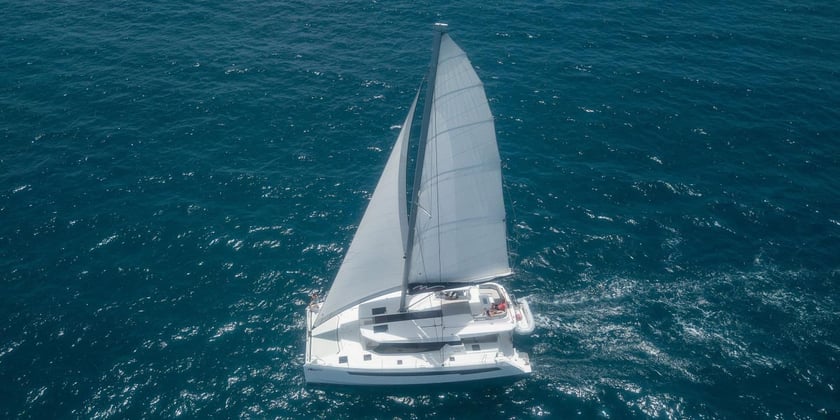
A yacht charter in Marsh Harbour places travelers between Great Abaco and a parallel chain of islands and reefs that separates the inside cruising waters from the Atlantic. Short passages connect distinctive settlements, beaches, snorkeling areas and quieter anchorages, making it possible to combine time under way with frequent stops ashore. Marsh Harbour can be considered within the wider choice of yacht charters in the Bahamas, but its particular appeal lies in the compact geography and maritime character of the central Abacos.
Cays and coastal places to explore
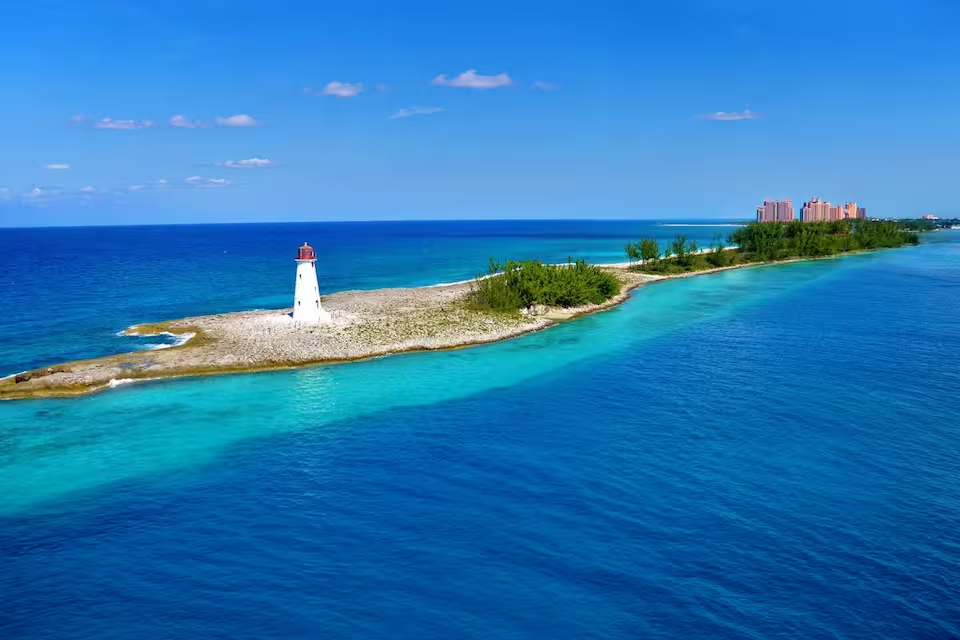
Hope Town on Elbow Cay is one of the area’s defining stops. Founded by Loyalist refugees in 1785, it retains pastel-colored architecture and is associated with the wrecking-era history of the Abacos. The manually maintained, kerosene-burning Elbow Reef Lighthouse has marked the cay since the 19th century.
Man-O-War Cay offers a different perspective on local maritime life through its longstanding boatbuilding tradition, represented by workshops, sailing dinghies and canvas work. Great Guana Cay can be incorporated into central Abaco cruising, with Fisher’s Bay among its anchoring areas.
South of Marsh Harbour, Tahiti Beach, the Pelican Cays and Sandy Cay reef area introduce a more nature-focused side of the itinerary. Little Harbour combines protected coastal surroundings with an artists’ community and working bronze foundry. Longer northbound trips may continue toward Green Turtle Cay and the historic settlement of New Plymouth, although routing around Whale Cay Passage must remain dependent on conditions.
What sailing around Marsh Harbour is like
Cruising around Marsh Harbour is characterized by short, generally line-of-sight passages across the Sea of Abaco. The barrier cays shelter these waters from much of the Atlantic swell, while ocean cuts and routes outside the island chain are more exposed. This contrast allows an itinerary to focus on protected inside cruising without losing access to Atlantic-facing shores.
Easterly winds predominate, tending northeasterly from October through April and southeasterly from May through September. Although the Sea of Abaco is protected, its shallow water can develop steep wind chop. Winter cold fronts may also bring sudden wind shifts and short periods of strong northwesterly conditions, changing which anchorages offer the best protection.
The overall difficulty is moderate. Shoals, coral heads, sandbars, tidal harbor entrances and restricted depths call for current charts, tide awareness and daylight navigation. These factors make local knowledge or an appropriately experienced skipper valuable, even when the distances between stops appear modest.
Best time for an Abacos yacht charter
November through April generally provides the most consistently comfortable cruising conditions, with December through April forming the principal charter season. December, January, February, March and April are identified as particularly suitable months. This period usually combines the area’s prevailing winter wind pattern with lower heat and humidity than summer, though passing cold fronts can still require itinerary changes.
May through July remains usable for cruising, but conditions become hotter and wetter. These months also fall partly or entirely within Atlantic hurricane season, which officially runs from June 1 to November 30. August and September are the least reliable months, while October is transitional and still overlaps the period of greatest climatological tropical-cyclone activity through mid-October. November marks a return toward more favorable cruising, but travelers should continue to allow flexibility for weather.
Seasonal conditions affect more than comfort: wind direction, tide and exposure can determine whether a particular anchorage, cut or longer passage is appropriate on a given day.
Route ideas from Marsh Harbour
A central Abaco loop can connect Marsh Harbour with Hope Town, Great Guana Cay and Man-O-War Cay before returning to Great Abaco. The short distances make this route suitable for a trip that balances sailing with time in historic settlements, at beaches and in sheltered anchorages.
A southern circuit may lead from Marsh Harbour toward Tahiti Beach, the Pelican Cays or Sandy Cay reef area, followed by Little Harbour or Lynyard Cay. Travelers with more time can consider a northern extension through Great Guana Cay toward Green Turtle Cay and Manjack Cay. This route requires closer attention to weather and passage planning around Whale Cay Passage. In all cases, it is sensible to treat the route as a flexible framework rather than a fixed schedule.
Experiences on and off the water
The rhythm of an Abacos charter can alternate between short sailing legs, swimming or snorkeling stops and visits to small maritime communities. Exceptionally clear but shallow water is a defining feature of the Sea of Abaco, and protected areas such as Mermaid Reef and Pelican Cays Land and Sea Park add opportunities to observe reef environments.
Time ashore gives the trip cultural depth. Hope Town presents Loyalist history and the landmark Elbow Reef Lighthouse, while Man-O-War Cay reflects generations of boatbuilding. At Little Harbour, the Johnston Art Gallery and Foundry represents the area’s artistic tradition. These stops distinguish a yacht itinerary from a resort-based stay: travelers can move directly between reef areas, beaches, settlements and secluded anchorages rather than returning to the same shore each evening.
Getting there and joining the yacht
Leonard M. Thompson International Airport is located at Marsh Harbour and receives domestic and international services. Taxis connect the airport with waterfront marinas and ferry terminals, while passenger ferries run to Hope Town, Man-O-War Cay and Great Guana Cay. The Great Abaco Highway provides road access to other communities on the main island.
Yacht trips may begin from facilities such as Abaco Beach Resort and Boat Harbour Marina, Conch Inn Marina or Marsh Harbour Marina. Together with the town’s concentration of fuel, provisioning and repair services, these departure points reinforce Marsh Harbour’s role as both a logistics center and a gateway to the outer cays. Services become less comprehensive away from Great Abaco, so major provisioning is best organized before setting out.
Planning a charter around Marsh Harbour
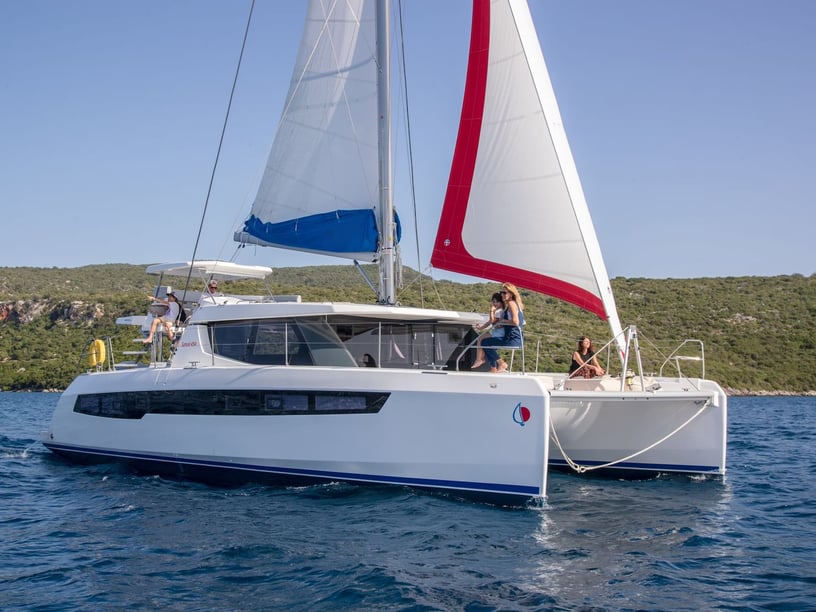
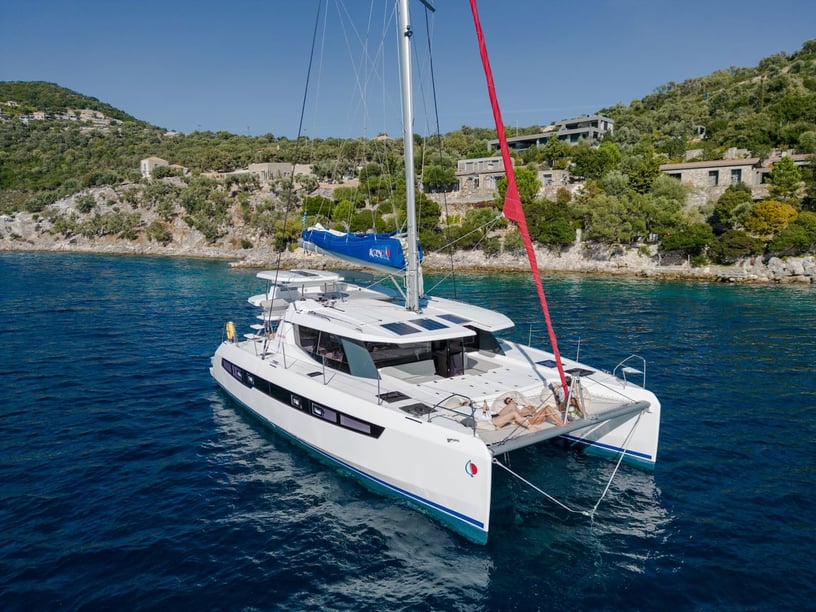
For either a yacht charter or boat rental in Marsh Harbour, vessel draft and the experience of the skipper are important considerations. Shallow-draft boats are better suited to many parts of the Sea of Abaco, where sandbanks, coral heads and limited harbor depths shape route choices. Some entrances should be approached at an appropriate state of tide, and passages are generally best planned for daylight.
Travelers should match the itinerary to their preferred balance of sailing and exploration. A central-cays loop emphasizes short legs and frequent shore visits, while southern or northern extensions add distance and more condition-dependent passages. Families and travelers who prefer relaxed cruising may value the compact central area, but the moderate navigational demands should not be underestimated.
Internationally arriving vessels must complete Customs and Immigration formalities at an authorized port of entry before continuing through the islands. Updated nautical charts and local cruising information are essential, and the schedule should retain room for changes caused by cold fronts, wind shifts or tropical-weather forecasts. Provisioning, fuel requirements and any repair needs should also be addressed in Marsh Harbour before visiting less-serviced cays.