Yacht charter around St. George's
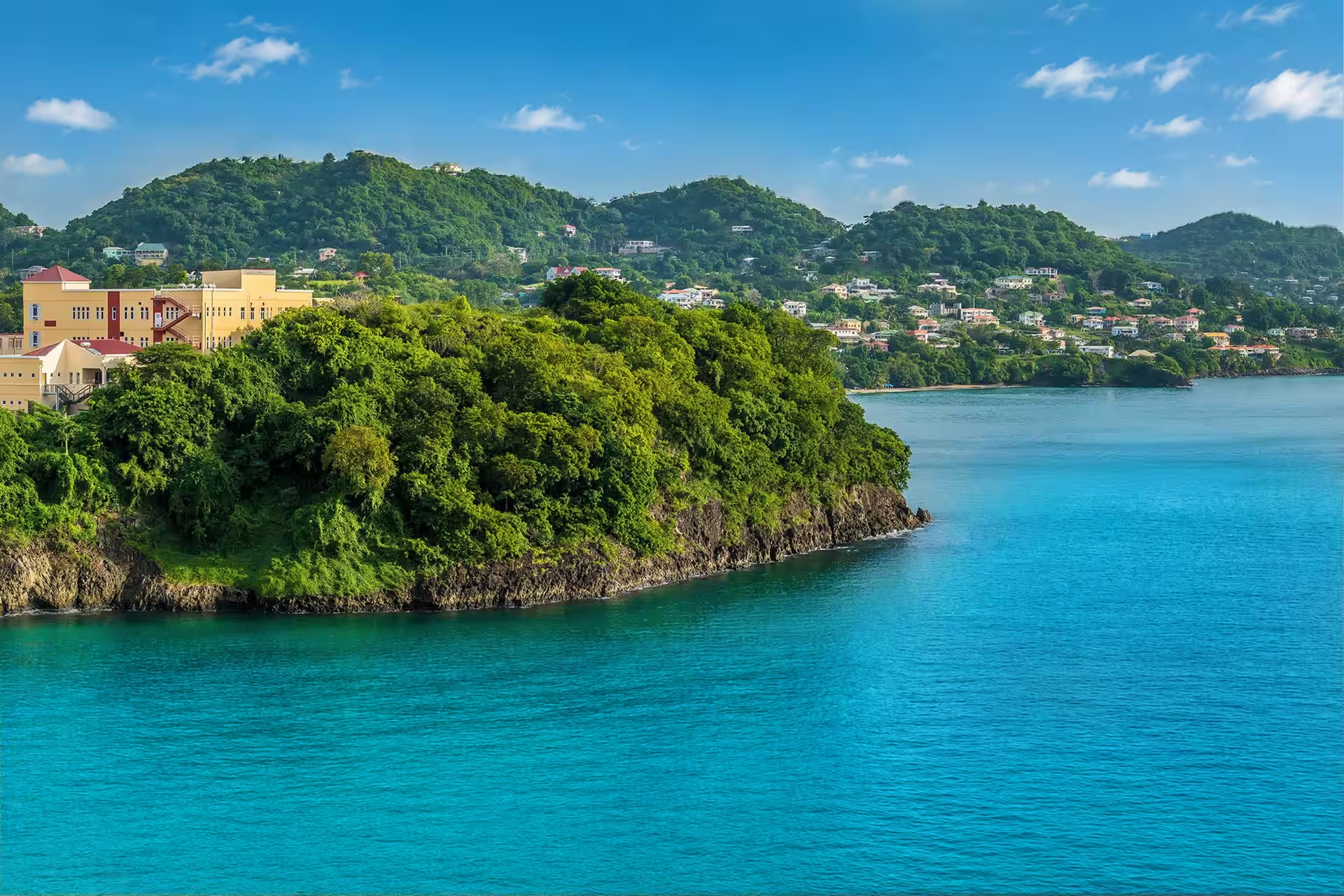
For travelers considering a yacht charter in St. George's, the capital offers both a practical harbor and an engaging first encounter with Grenada. The city rises steeply around a natural harbor on the sheltered southwest coast, with the inner waterfront divided between the Carenage and the Lagoon. Historic forts overlook a working port where yachts share the surroundings with ferries, fishing boats and commercial traffic.
St. George's can be part departure area, part cultural stop and part gateway to the island's leeward coast. Marina services and clearance facilities are close to the city center, while Grand Anse and the snorkeling sites around Molinière are within reach of short coastal outings. Longer charters can continue north toward Carriacou and the southern Grenadines. Travelers planning a wider yacht charter in Grenada can therefore use St. George's as one element of a trip that combines time ashore with coastal cruising and open-water passages.
Coastal places to explore
Grand Anse lies south of the capital and gives a St. George's itinerary an accessible beach and anchorage setting beyond the urban harbor. Trips can continue around Point Salines toward Grenada's south-coast bays, though rounding the headland brings more exposure than cruising inside the sheltered harbor.
North of St. George's, Dragon Bay and Molinière Bay are particularly relevant for snorkeling and diving. Authorized marine-park moorings provide access to the Molinière Underwater Sculpture Park, where sculptures inspired by Grenadian culture also serve as artificial-reef habitat. Grand Mal and the bays along this part of the west coast can help connect the capital with these marine sites.
Carriacou is a more ambitious objective rather than a nearby harbor stop. Reaching Tyrell Bay involves a longer open-water passage, making it better suited to a multi-day charter and travelers comfortable with a more passage-oriented itinerary.
What sailing from St. George's is like
Cruising begins in a relatively sheltered harbor enclosed by volcanic hills. That shelter makes the waterfront a useful place to organize a trip, but the terrain can send gusts down toward the water. The harbor approach also includes buoyed channel turns, shoals and commercial traffic, so it is more operationally involved than an isolated bay.
During the drier months, northeasterly to easterly trade winds usually predominate. Grenada's west coast is generally smoother than its Atlantic-facing side, supporting short runs between St. George's, Grand Anse and Molinière. Conditions become more exposed near headlands such as Point Salines, where winds can accelerate, while northerly swell may reach open roadsteads.
The overall sailing difficulty is moderate. Short coastal outings can keep passage times manageable, whereas a route to Carriacou introduces a longer stretch of open water. This distinction is important when choosing between a relaxed, stop-rich charter and a trip centered on covering more distance.
Best time for a St. George's yacht charter
Recreational boating is possible throughout the year, but December through May is the principal dry-season sailing period. February, March and April are particularly suitable: they are among the driest months around Point Salines and usually offer the established trade-wind conditions associated with the main cruising season.
June through November is wetter, with more frequent showers, squalls and tropical waves. This period also coincides with the Atlantic tropical-cyclone season, so forecasts, insurance conditions, marina arrangements and storm planning require closer attention. A wet-season charter is not defined by constant poor weather, but it calls for greater flexibility and more active monitoring than a dry-season trip.
Route ideas from the harbor
A short west-coast outing can run from Port Louis Marina toward Dragon Bay and Molinière, using authorized marine-park moorings for time in the water before returning to St. George's. This pattern suits travelers who want to combine snorkeling or diving with an evening near the capital rather than make a long passage.
Another established direction leads south past Grand Anse and around Point Salines to bays such as Prickly Bay, Hog Island and Clarkes Court Bay. This creates a broader short-cruise itinerary with a transition from the leeward coast to Grenada's southern anchorages.
For a multi-day voyage, yachts can head north via Molinière or Dragon Bay before crossing to Tyrell Bay in Carriacou. Continuing into the southern Grenadines adds an international dimension and requires the appropriate clearance formalities.
Life on the water and ashore
A charter around St. George's can alternate naturally between swimming or diving stops and time in Grenada's historic capital. At Molinière, the underwater sculpture park provides a distinctive focus beneath the surface rather than simply another beach stop. Along the west coast, shorter distances allow the day to be divided between cruising, using a regulated mooring and going ashore.
Back in the city, the Carenage reflects St. George's maritime history; its name recalls the former practice of careening schooners for hull cleaning and repair. Fort George, built between 1706 and 1710, overlooks the harbor, while Market Square, Sendall Tunnel and the waterfront streets provide a compact introduction to the historic core. The city is also suited to travelers interested in local food, markets and the everyday movement of an active inter-island port. Steep streets and steps shape exploration away from the waterfront, while the Carenage itself is comparatively easy to visit on foot.
Getting there, marinas and departure points
Maurice Bishop International Airport is at Point Salines, south of St. George's. Taxis, private transfers and rental vehicles provide road access to the city, and public minibuses connect the capital with Grand Anse and other parts of Grenada. Passenger ferries also operate between the St. George's waterfront and Carriacou.
Port Louis Marina and the Grenada Yacht Club are the principal yacht facilities identified around the harbor, while Queen's Jetty is another departure point. Port Louis Marina is an official port of entry, making it relevant for yachts arriving internationally as well as for trips beginning near the capital. St. George's should be understood as a combination of serviced harbor, departure area and place to explore, rather than only as a point to pass through.
Planning the right charter
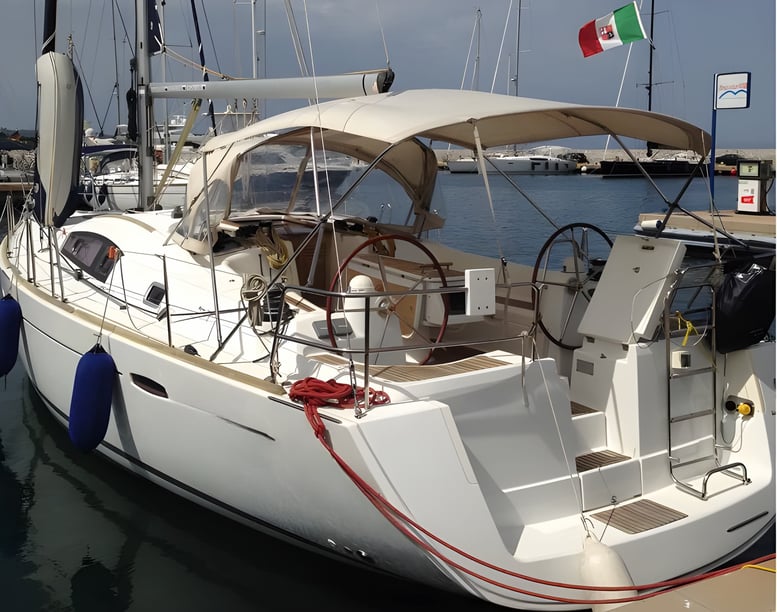
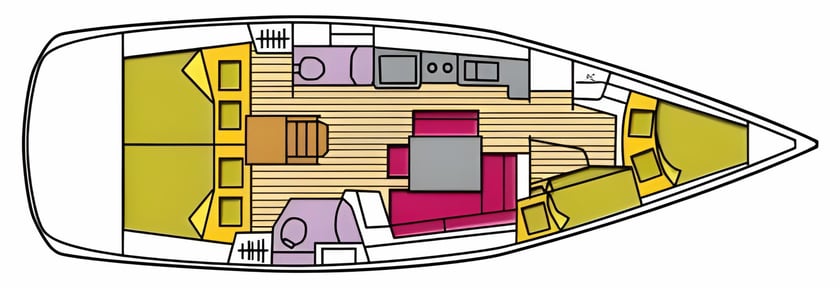
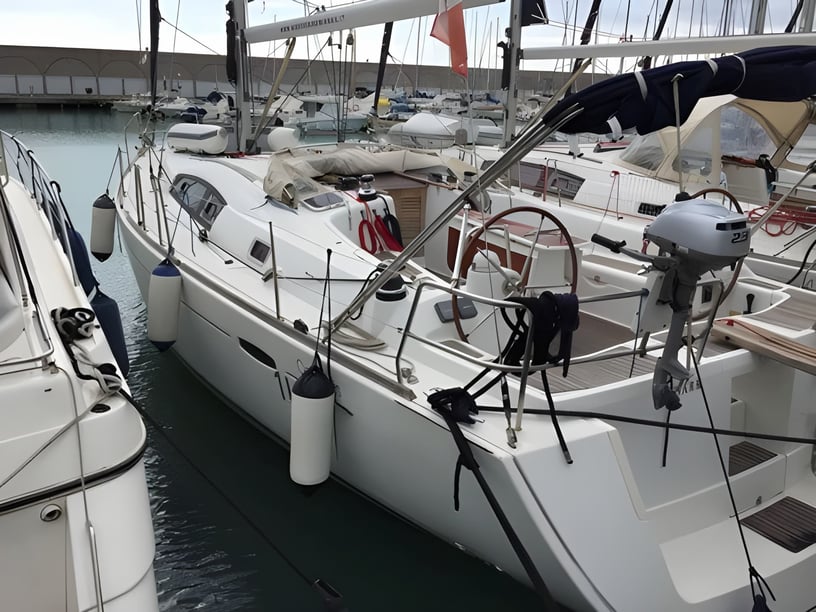
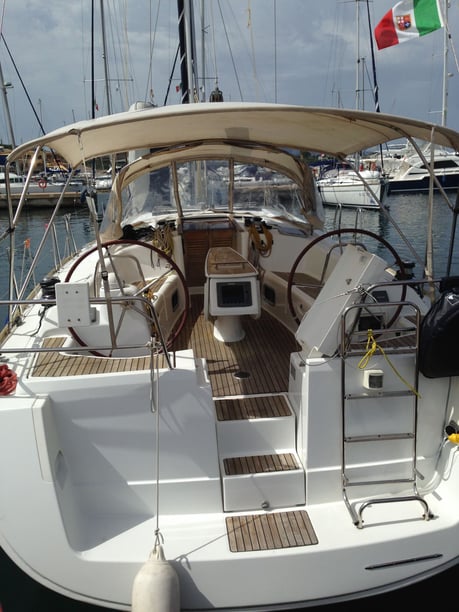
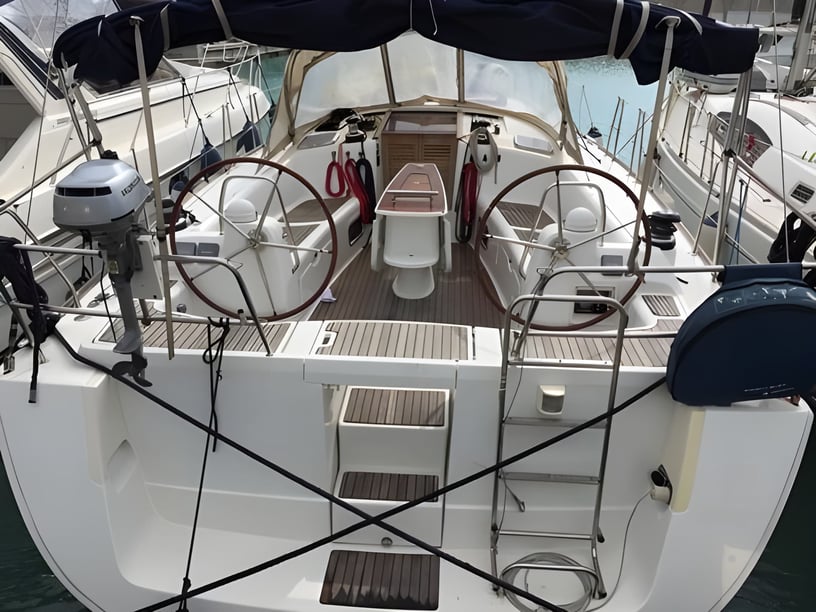
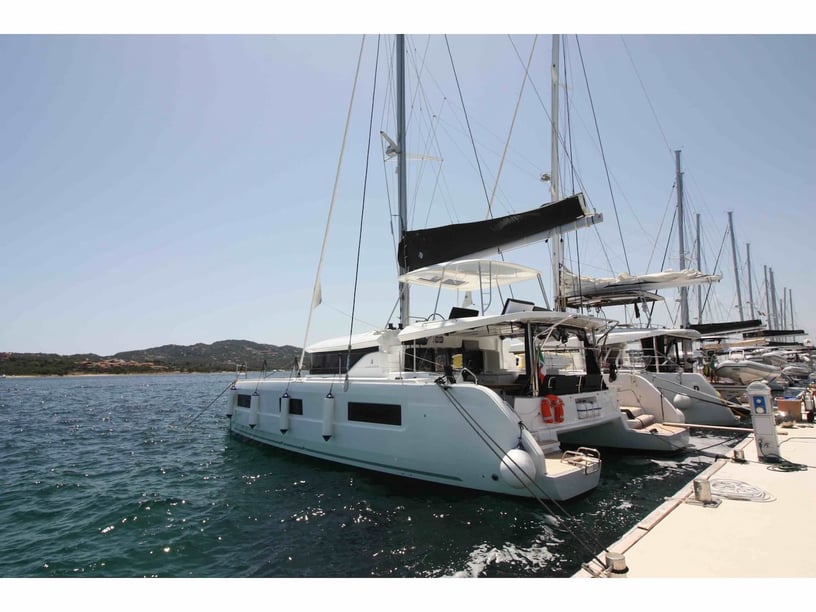
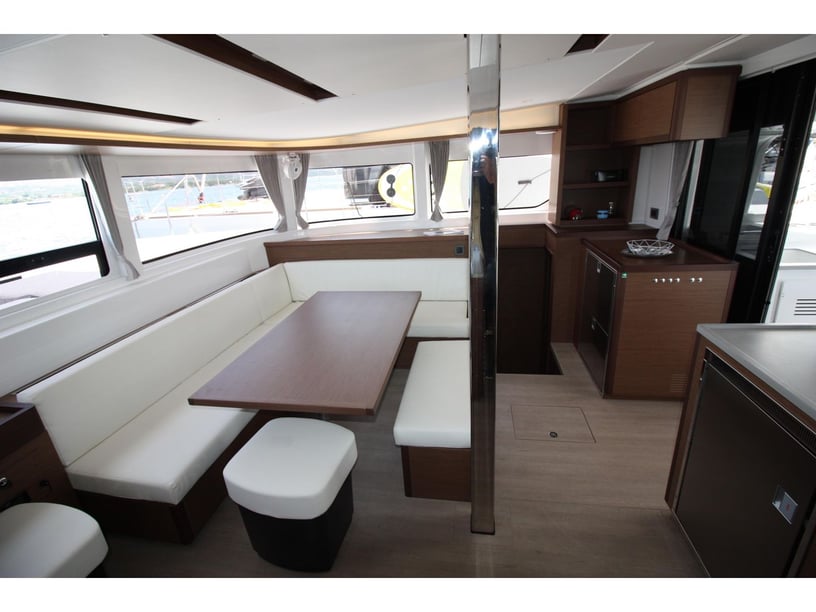
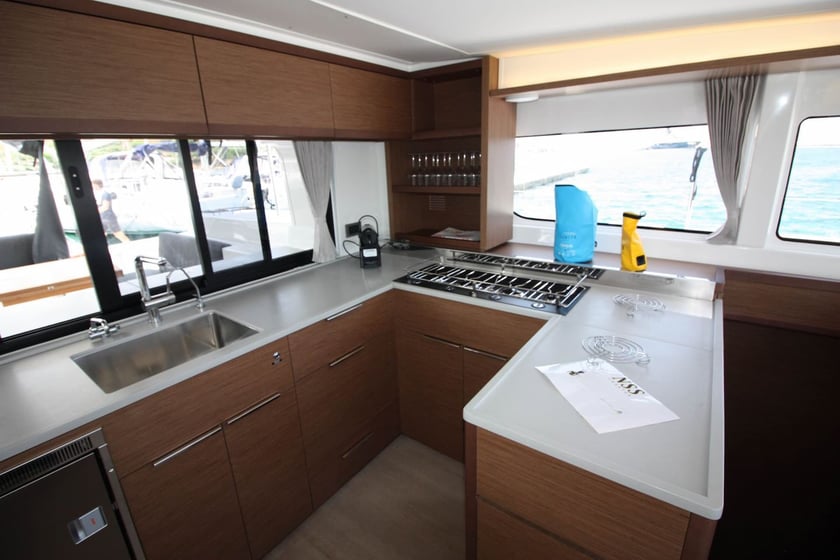
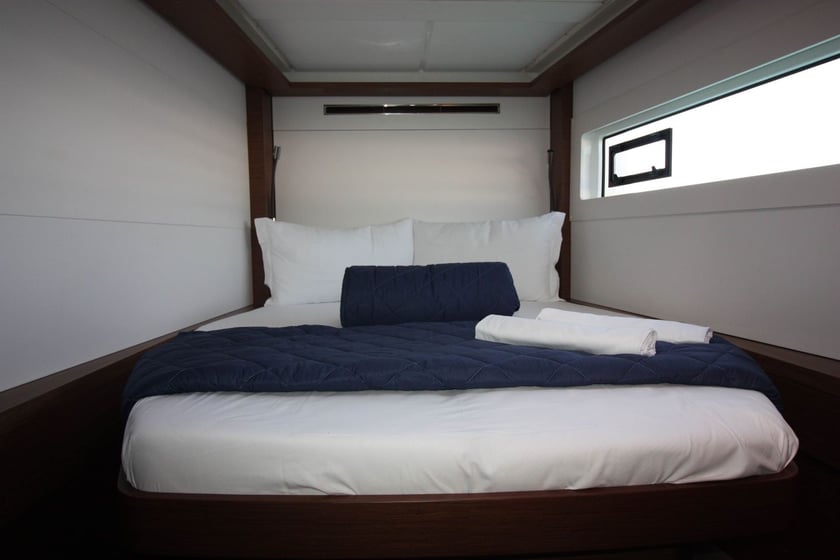
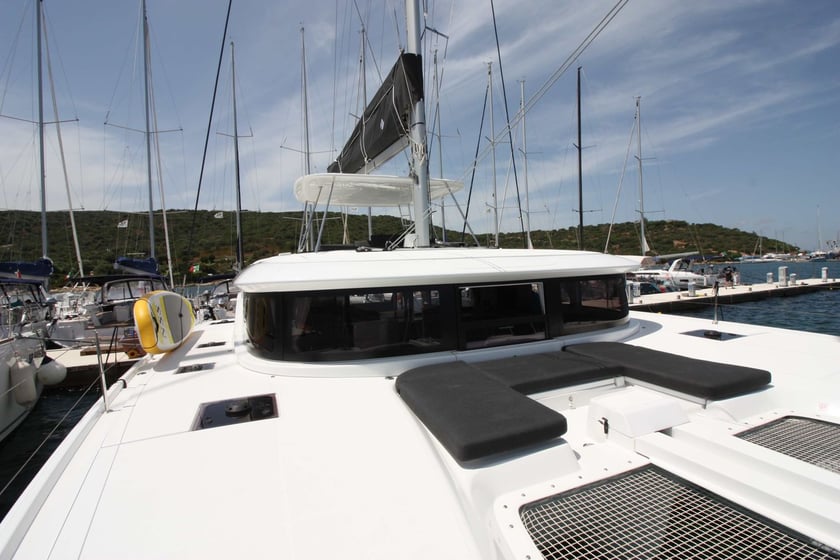
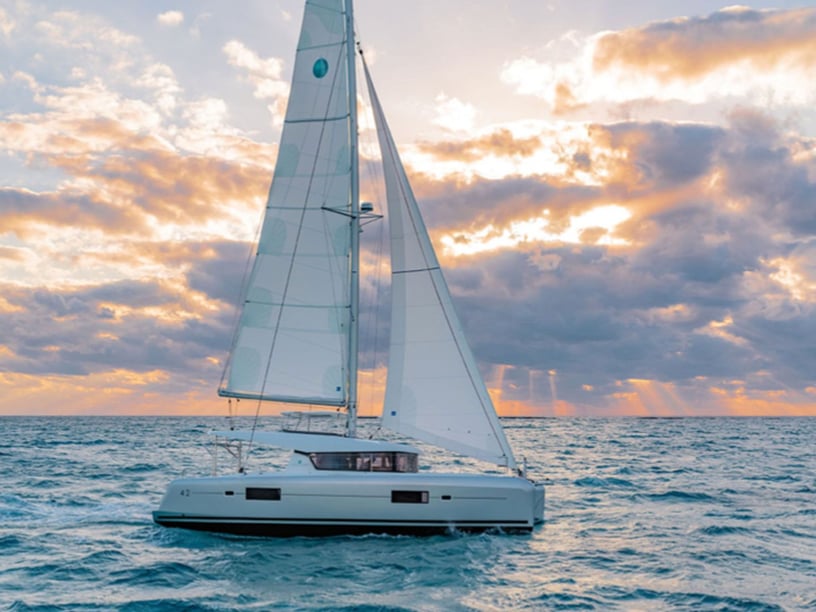
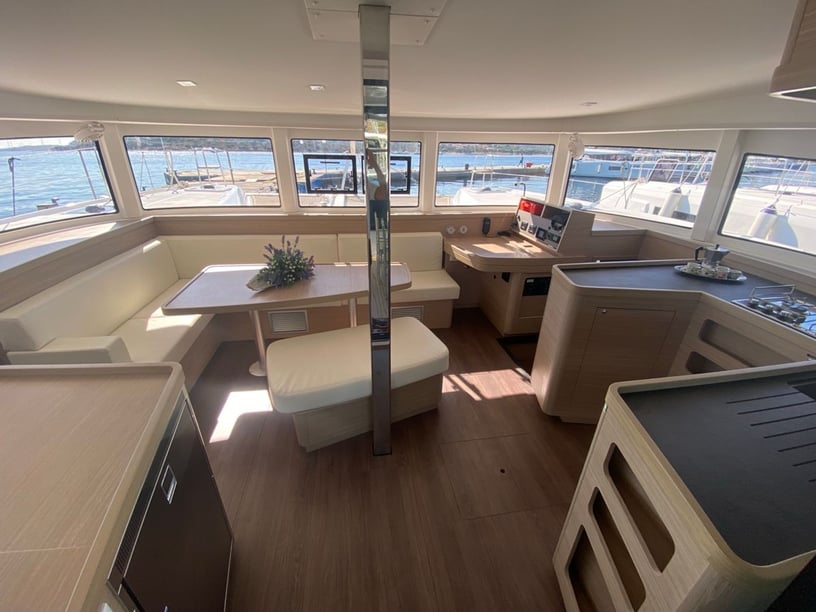
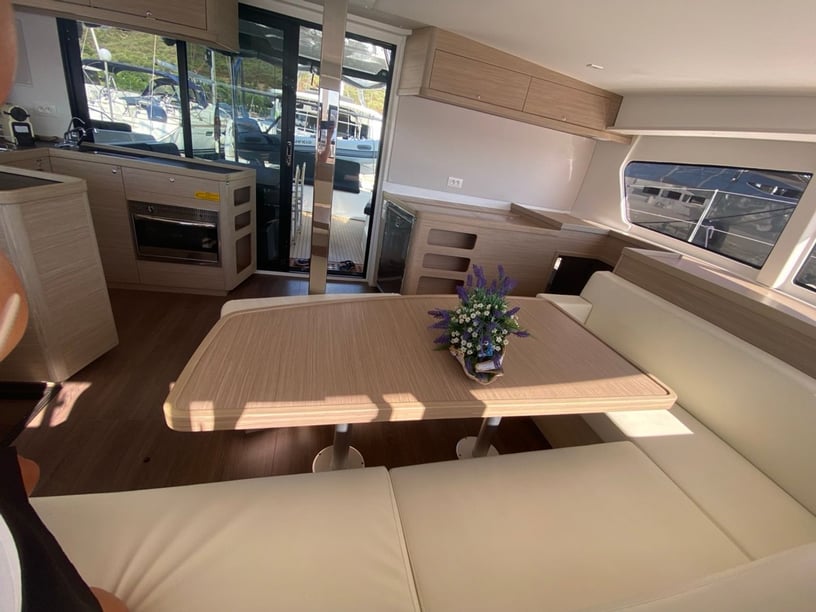
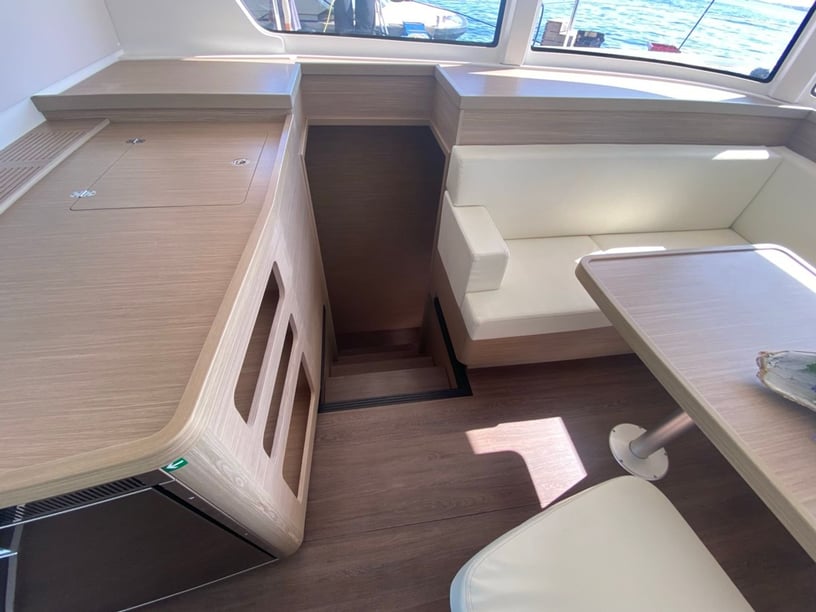
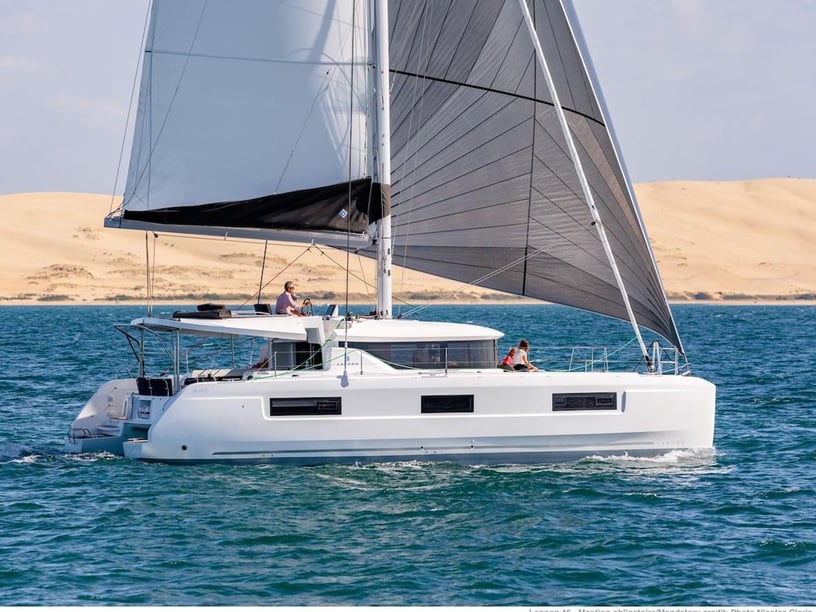
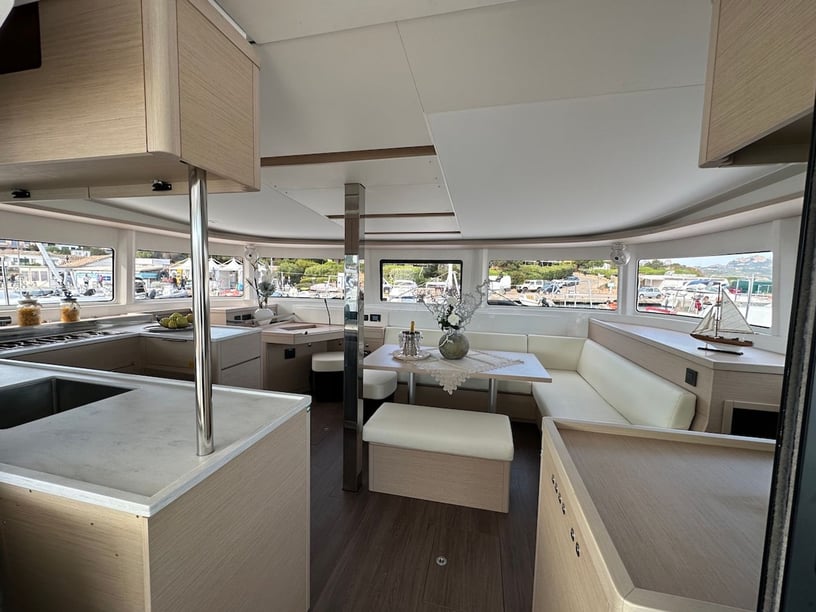
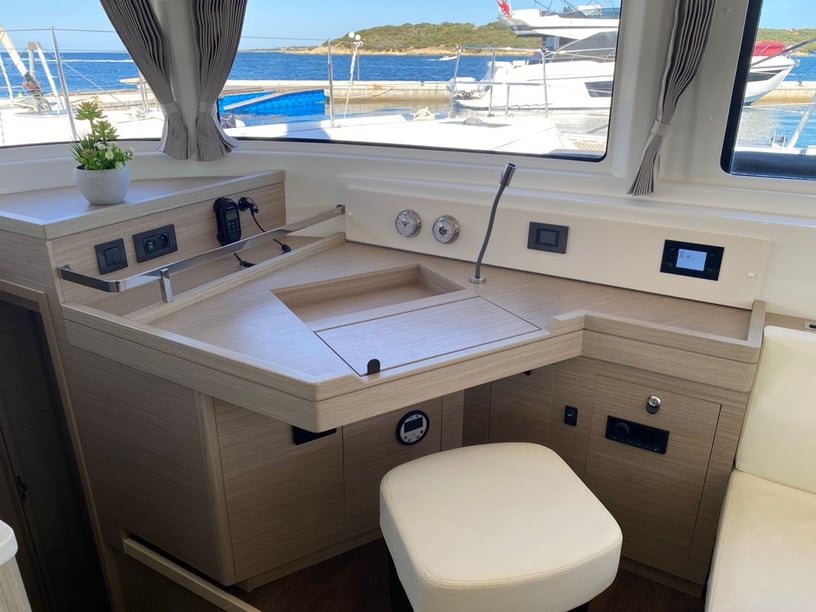
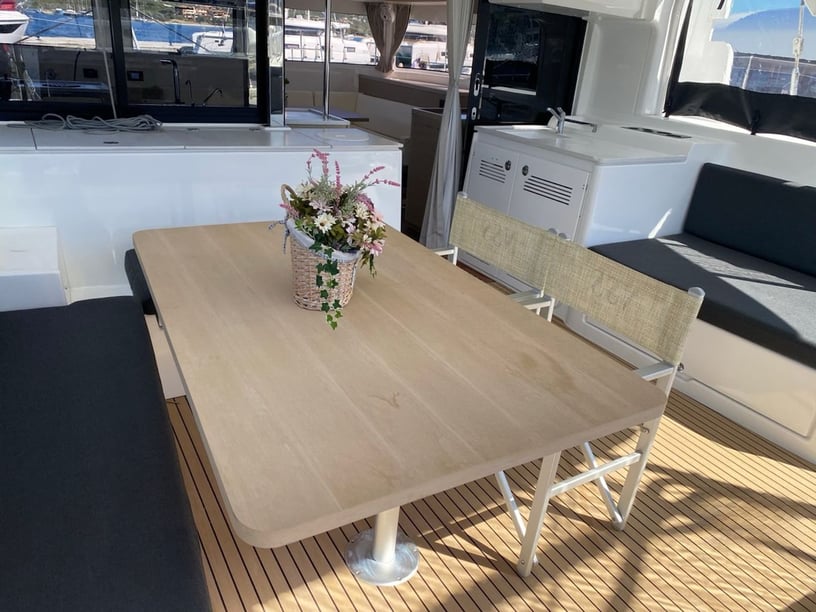
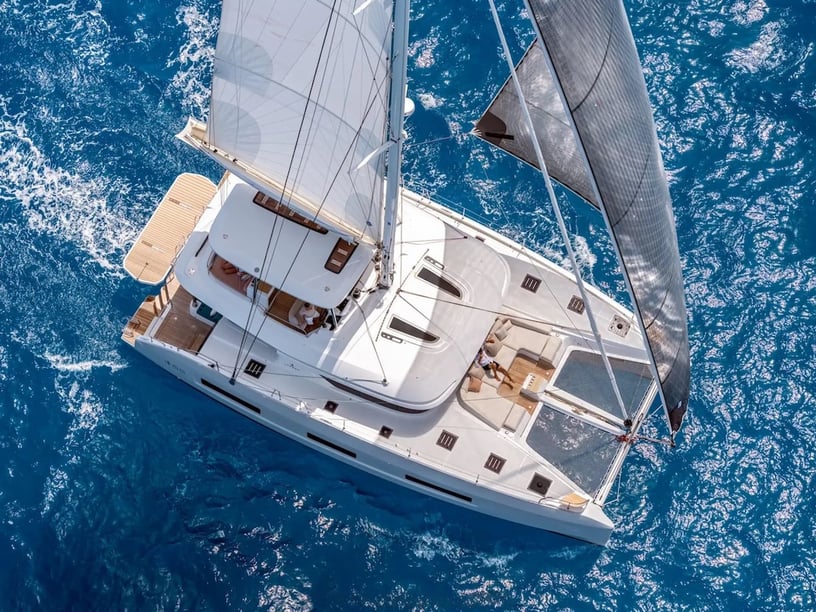
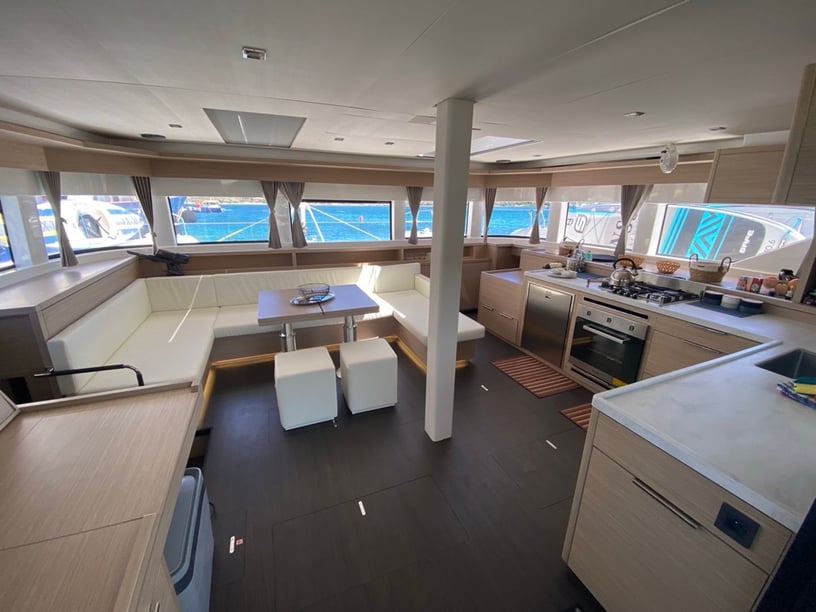
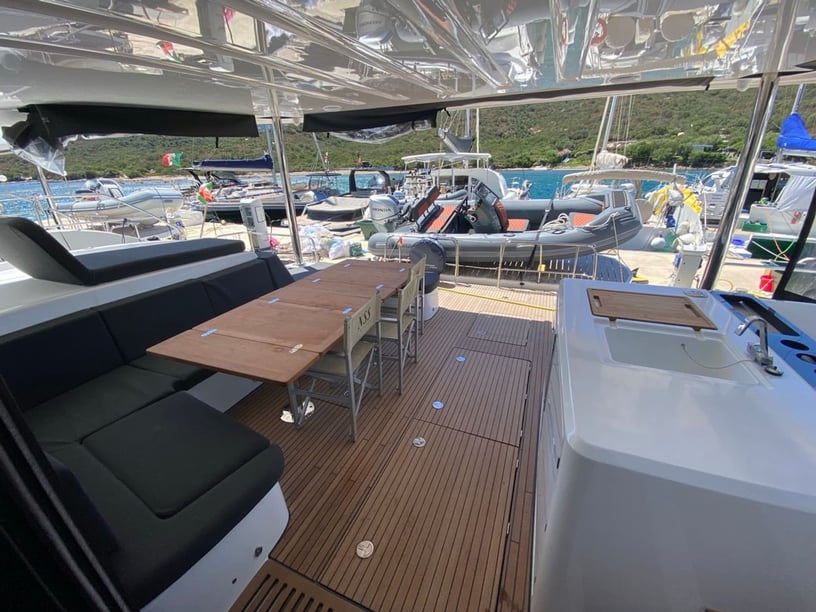
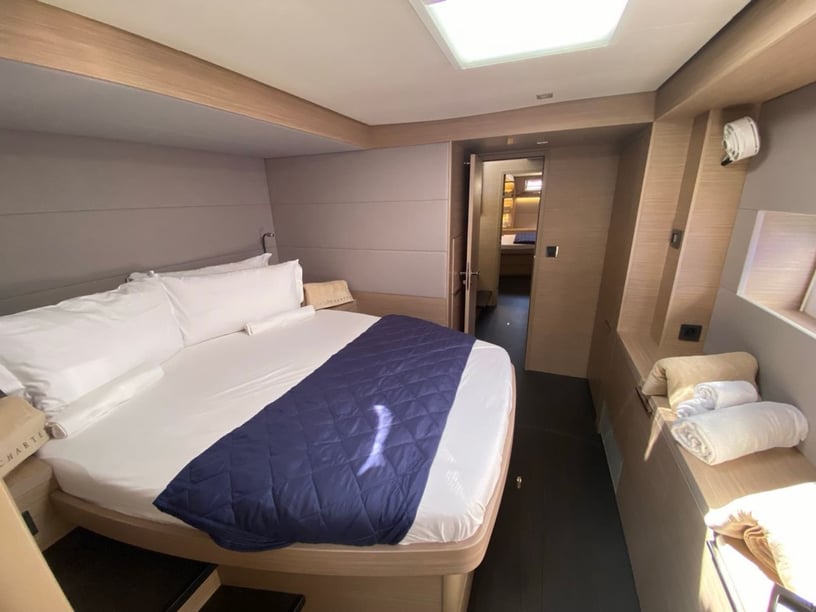
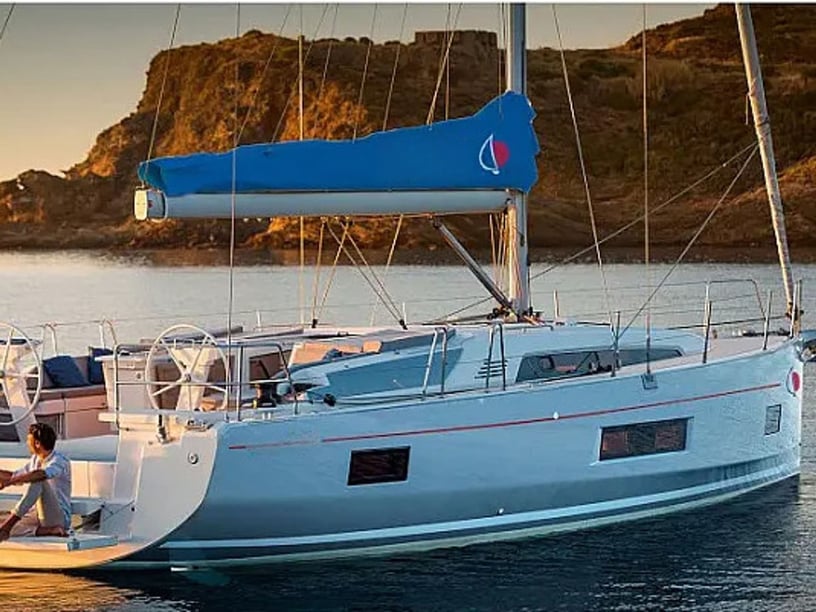
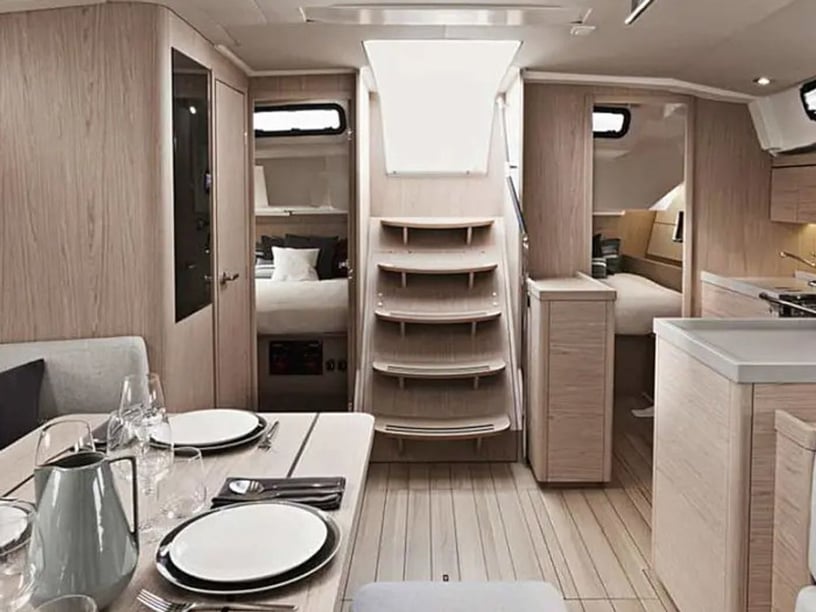
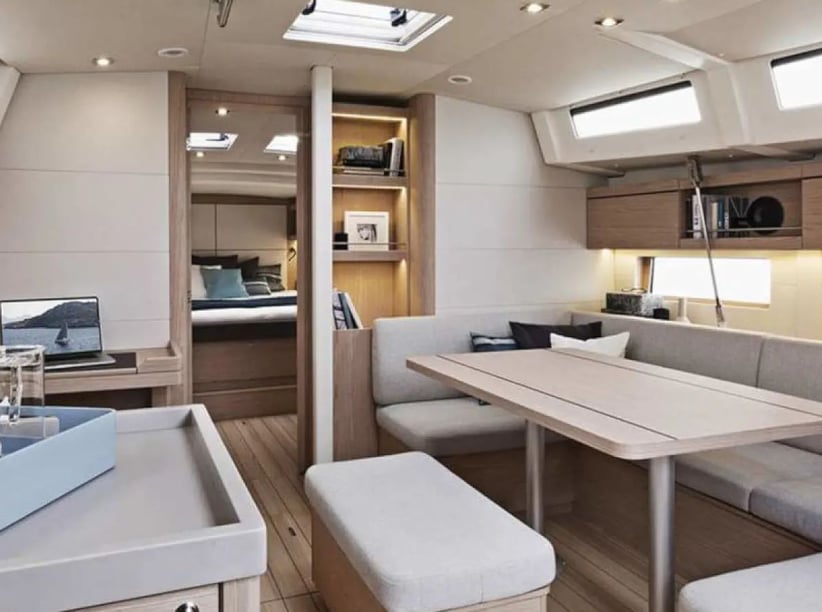
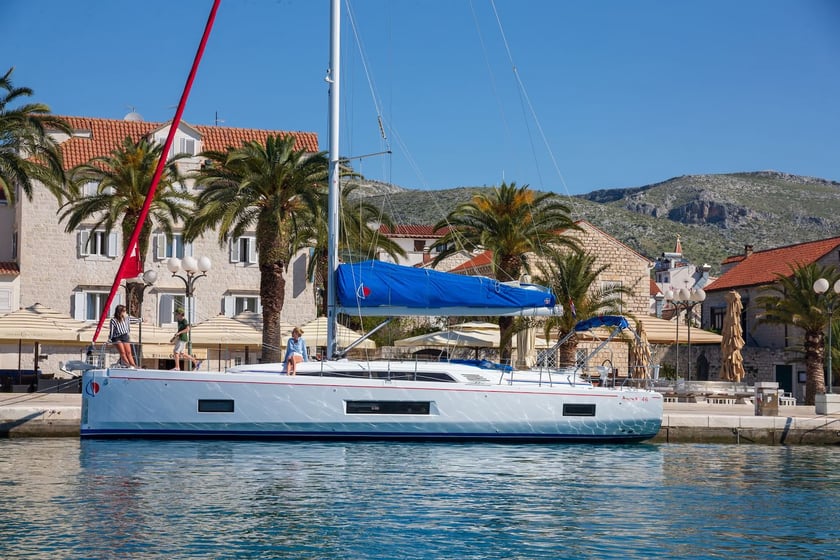
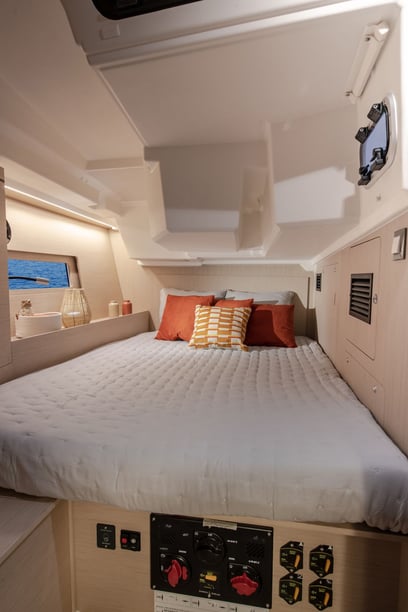
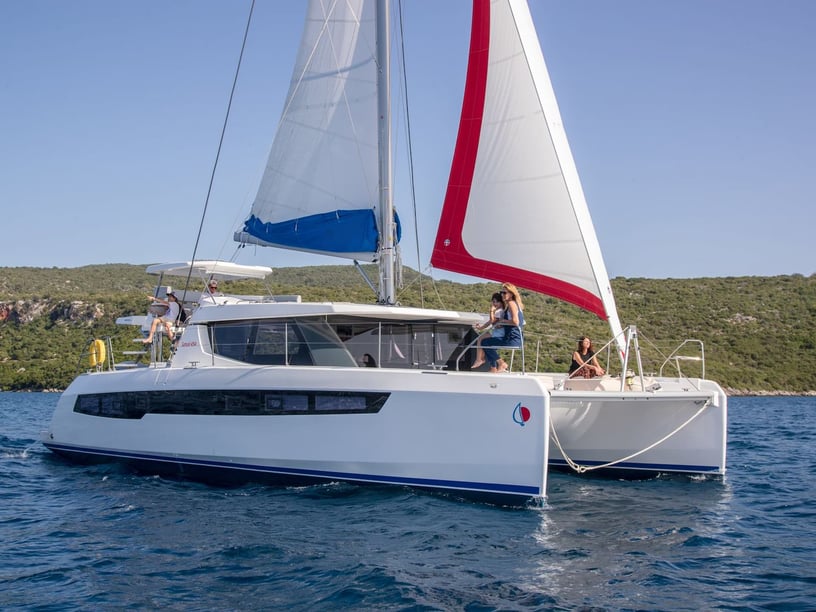
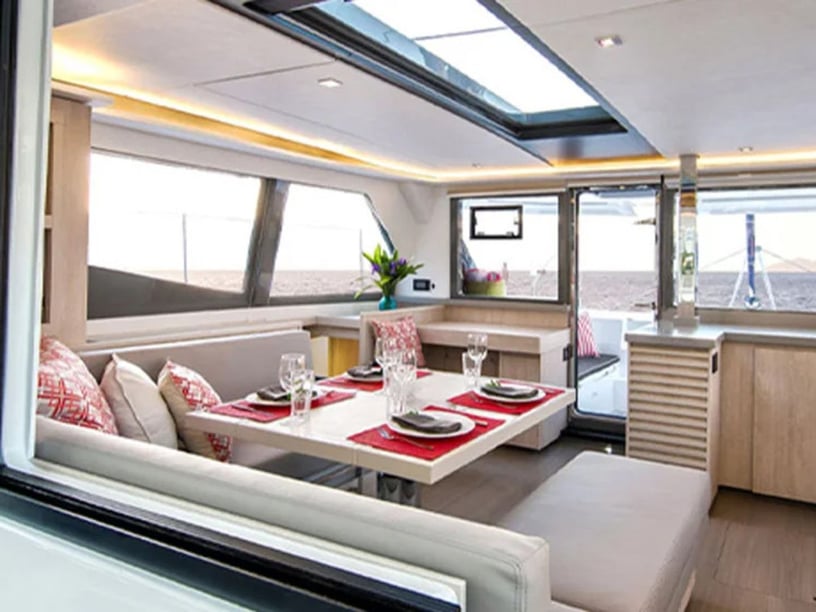
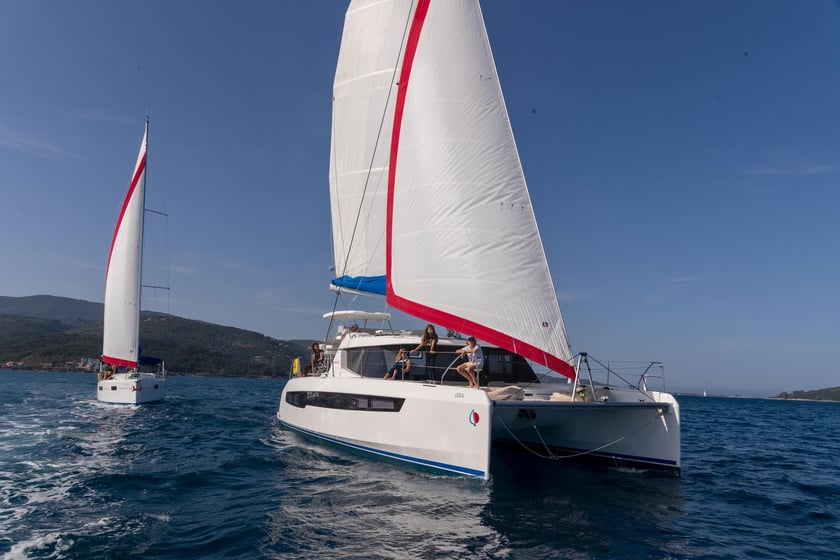
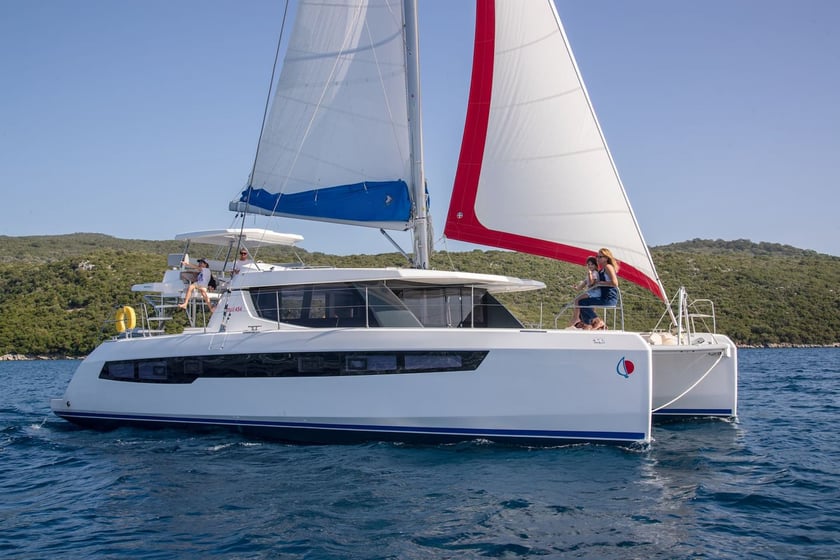
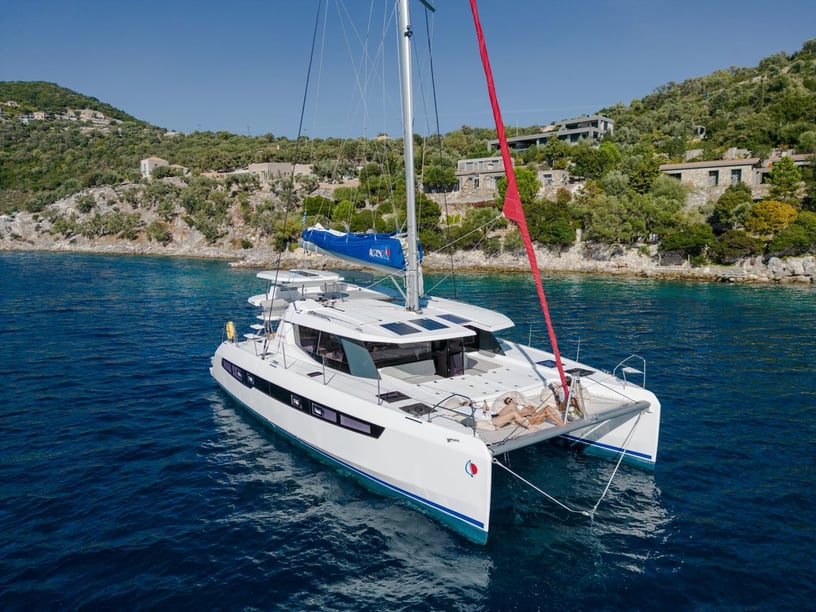
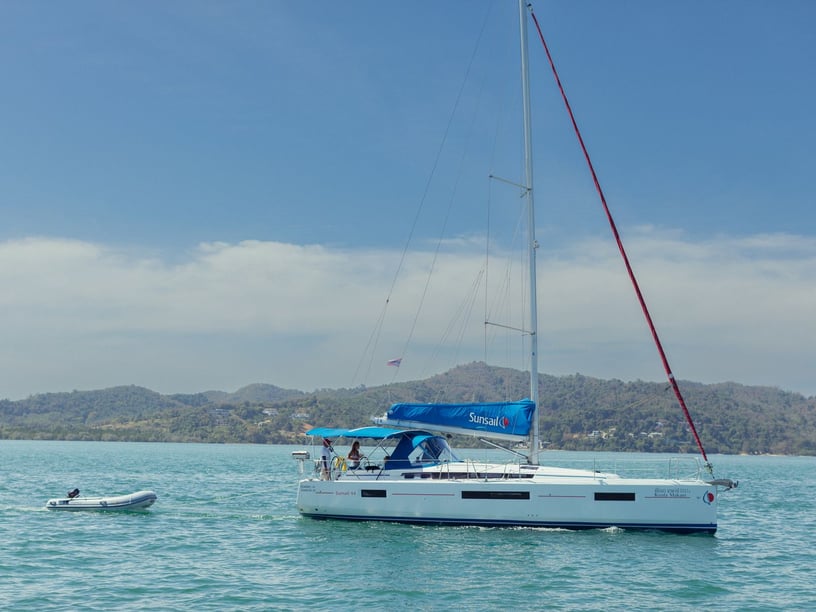
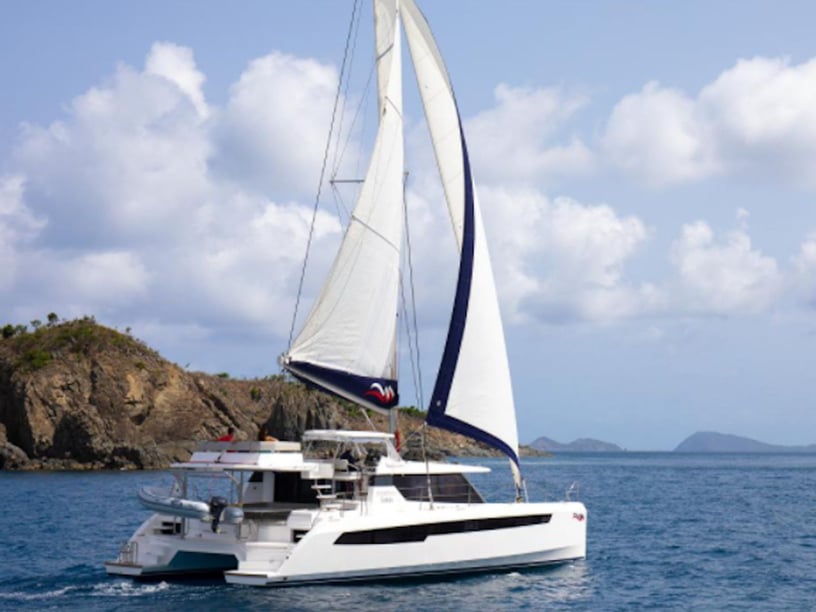
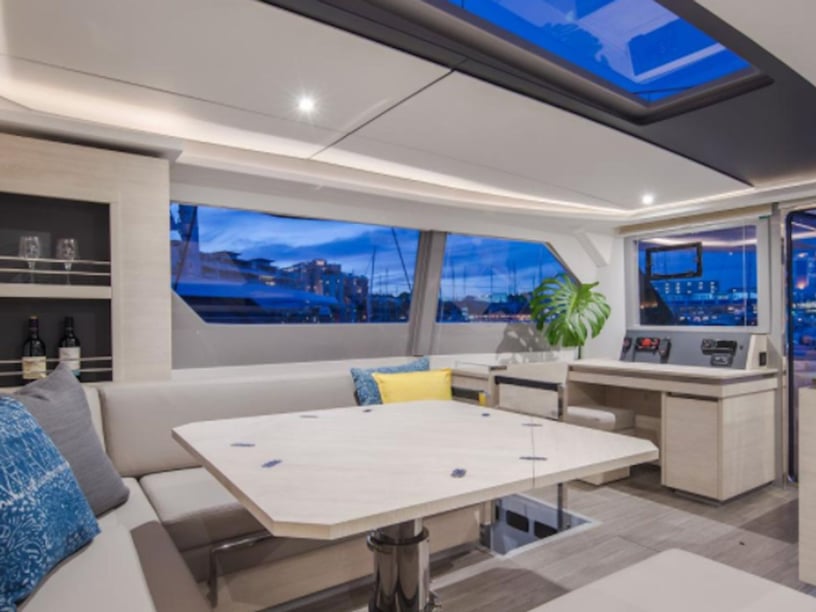
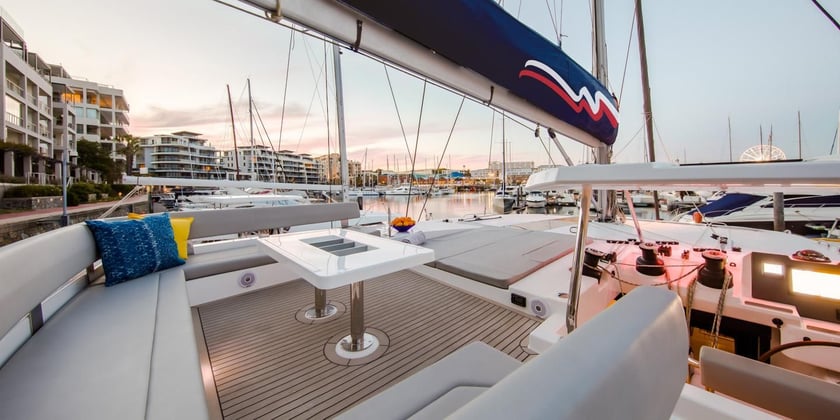
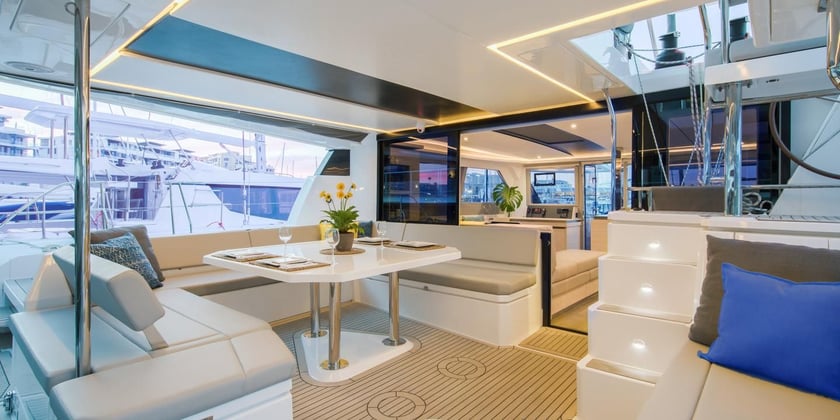
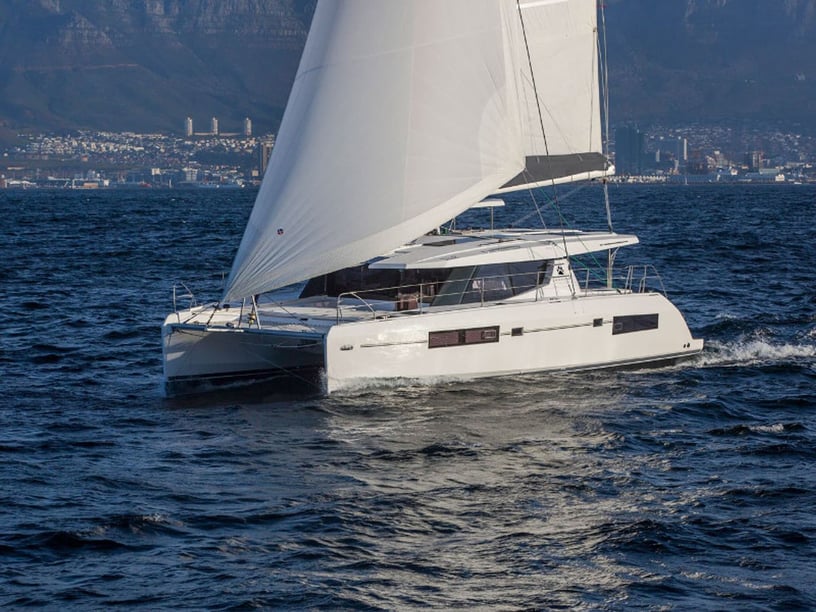
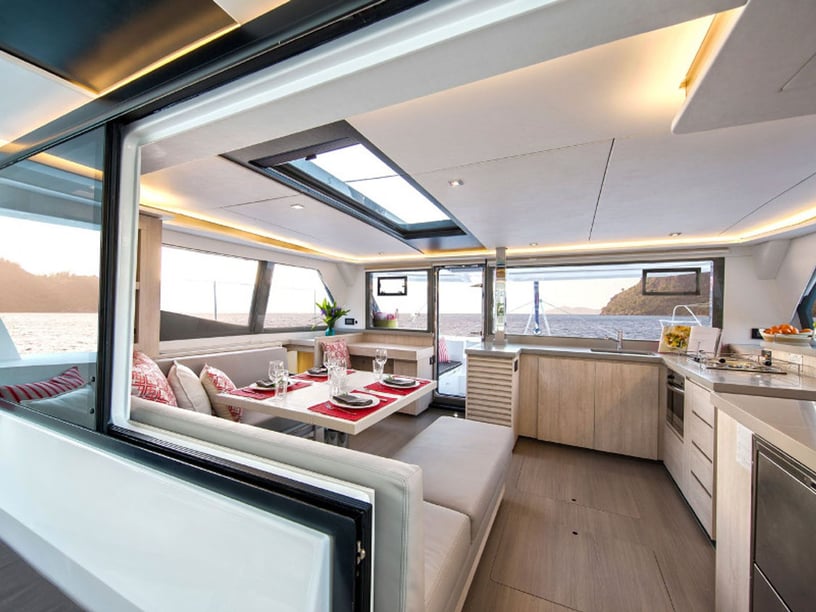
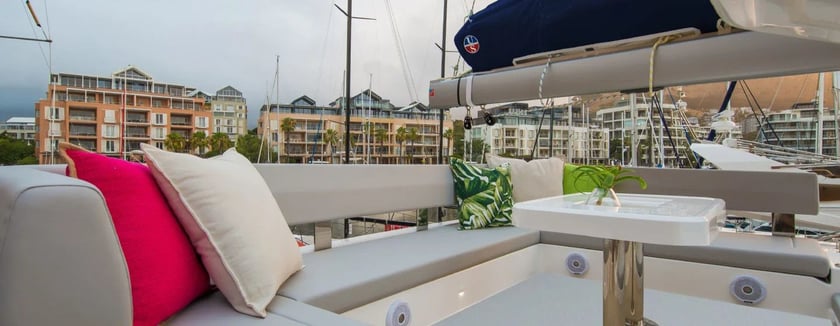
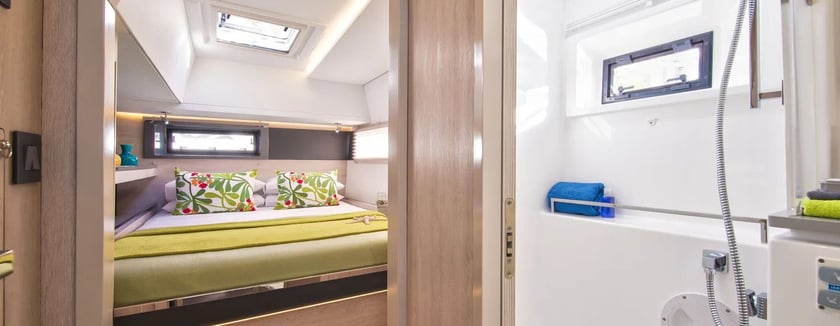
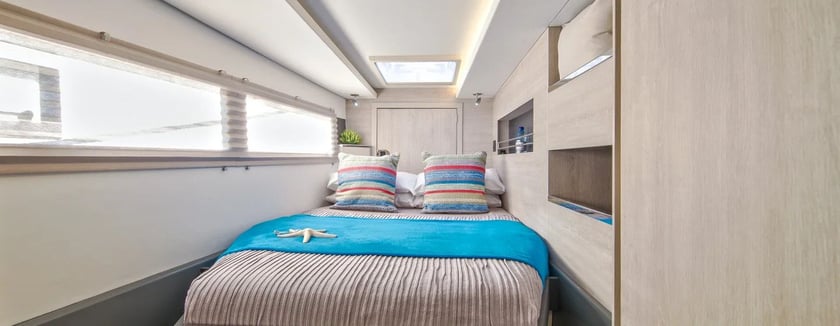
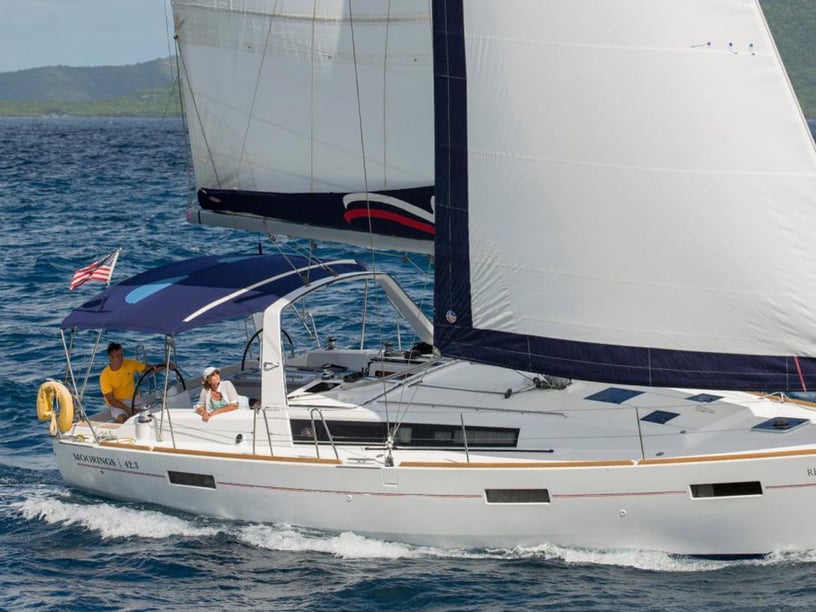
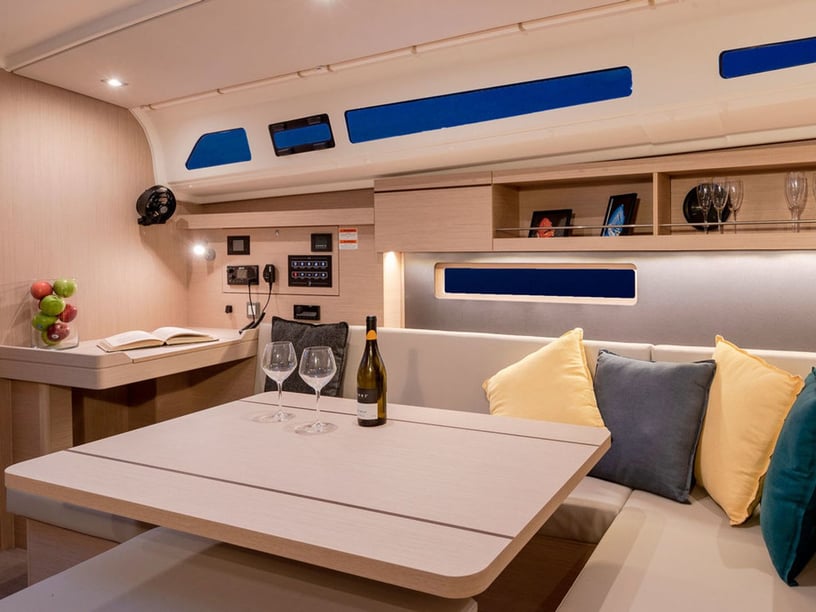
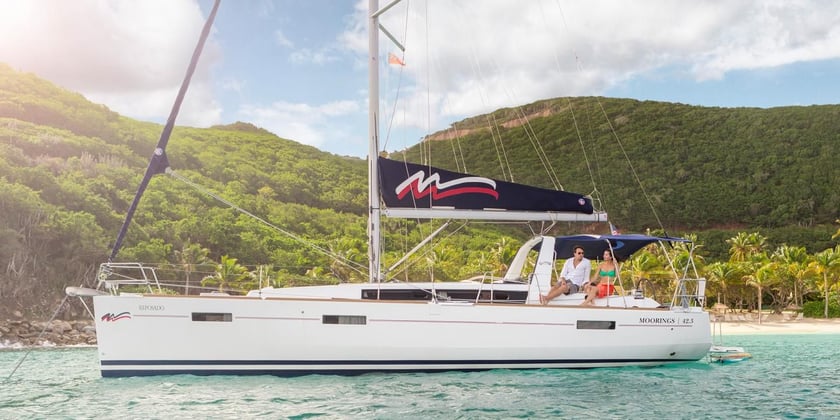
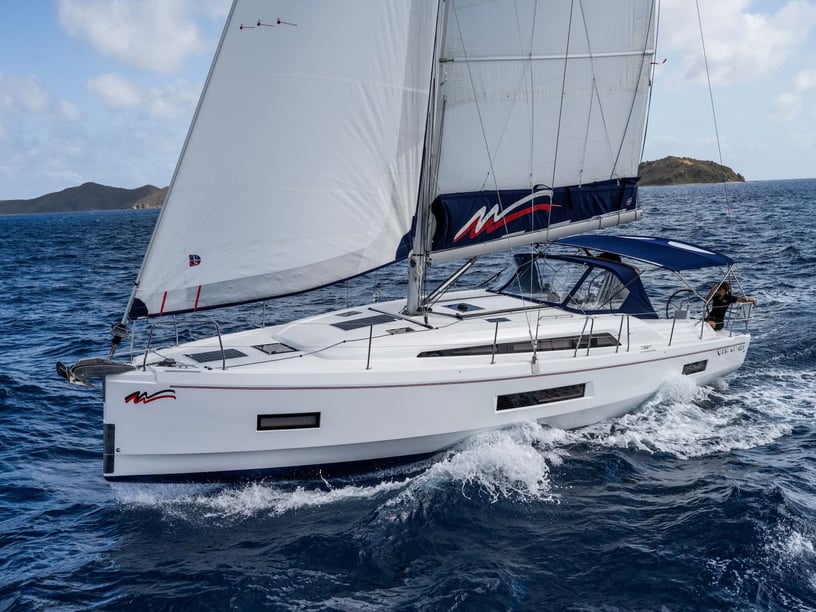
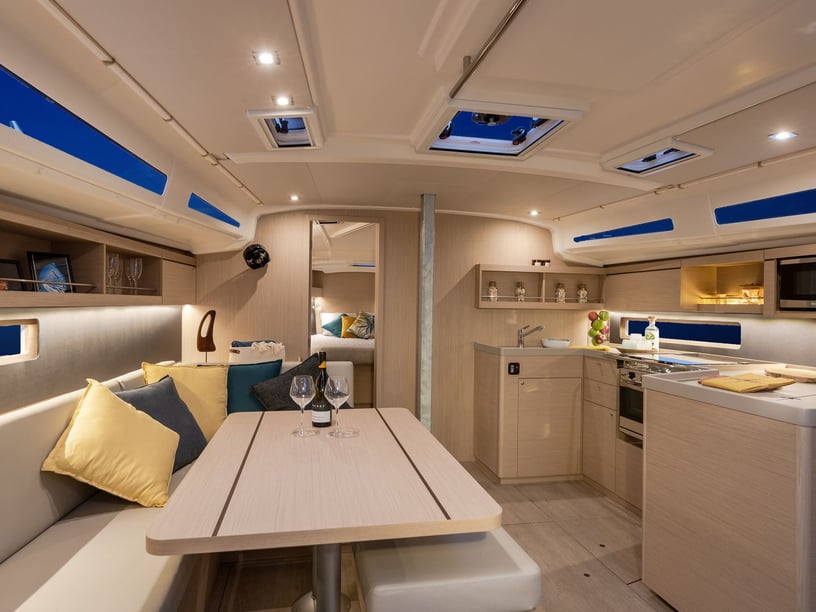
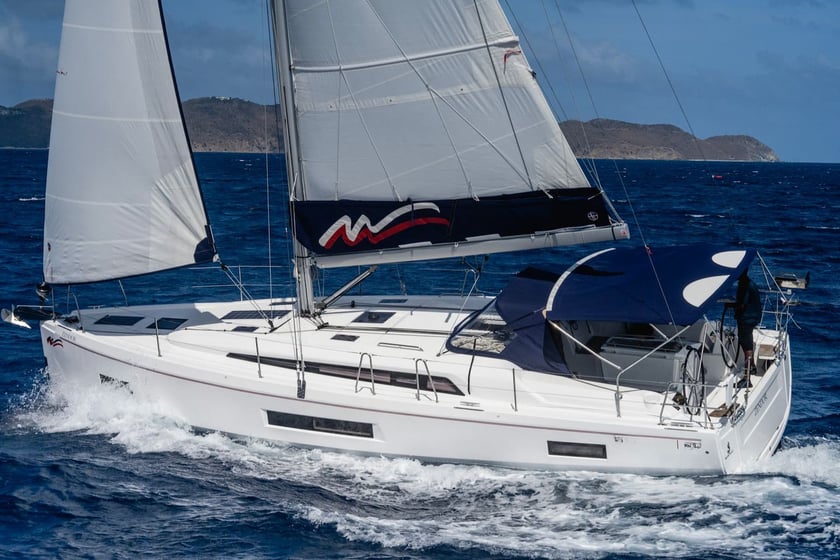
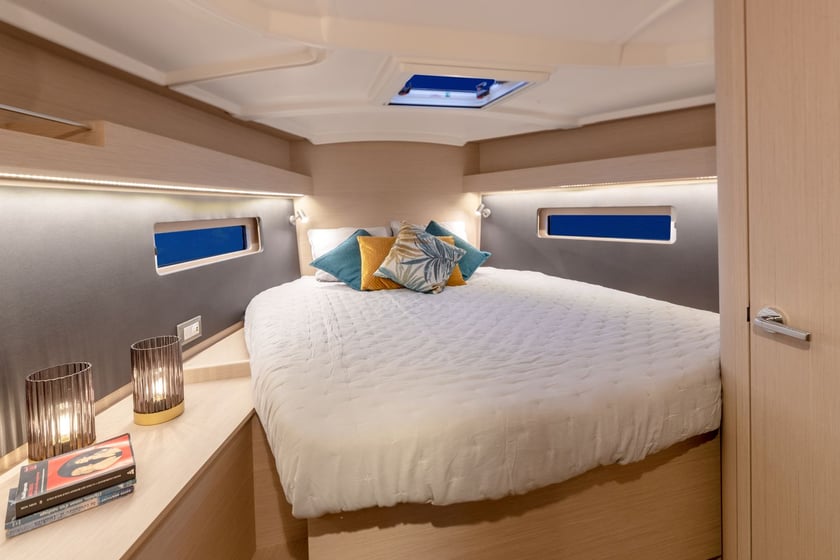
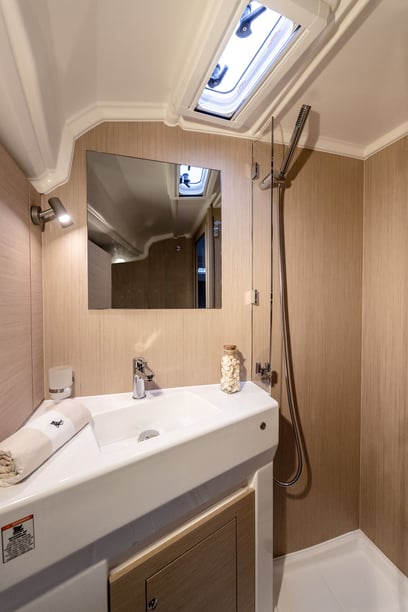
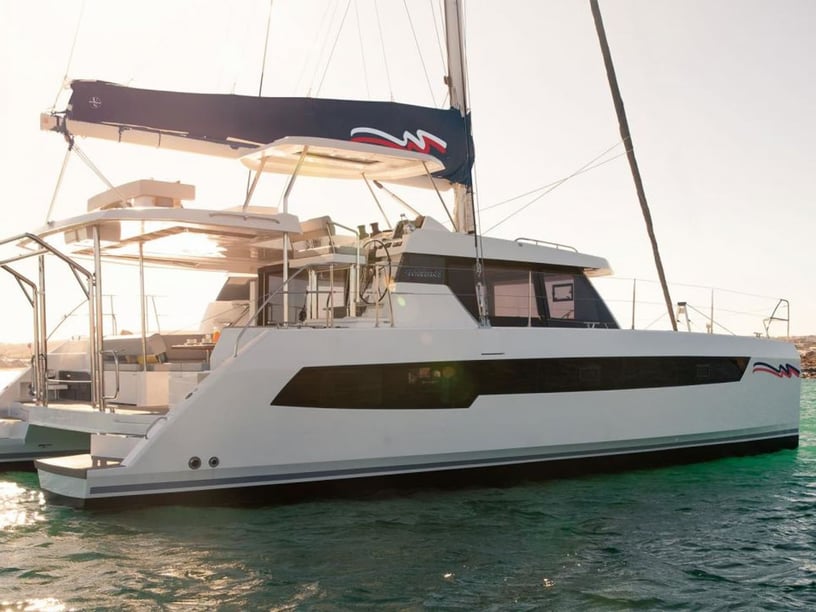
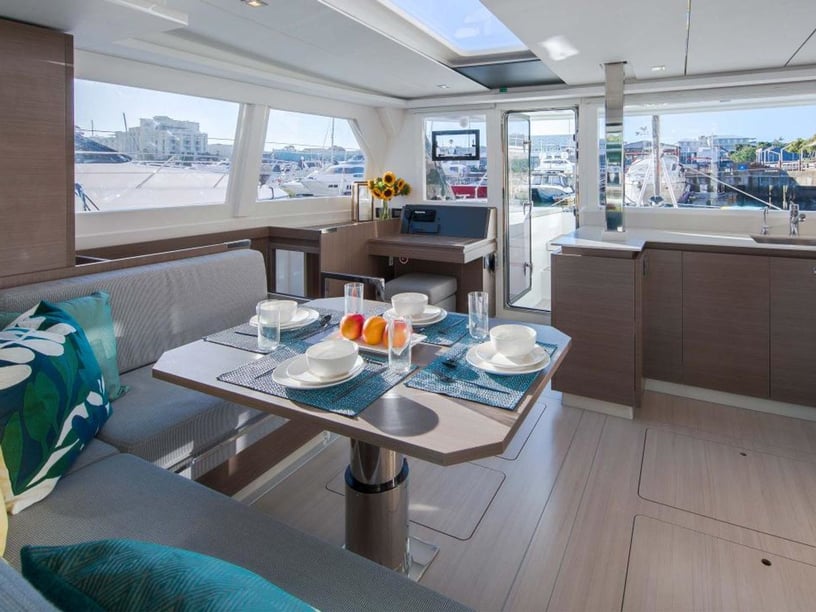
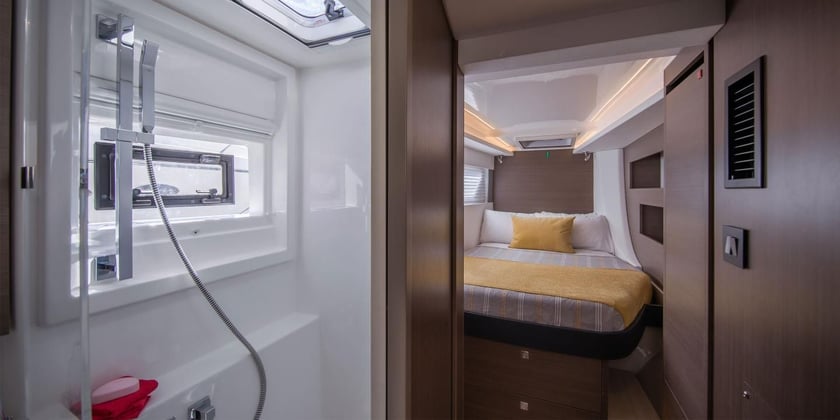
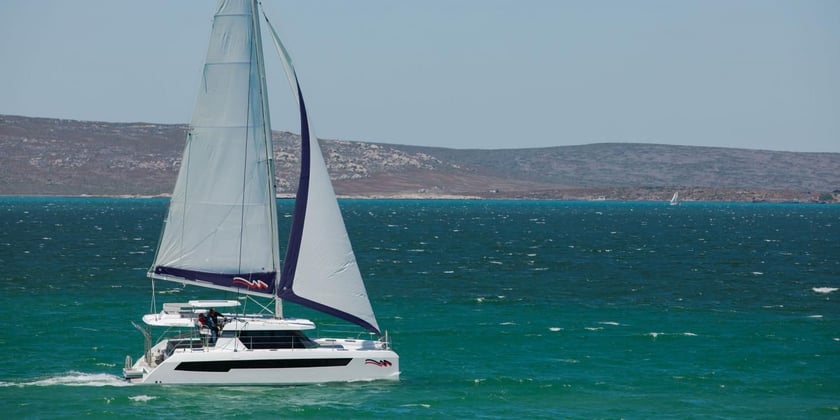
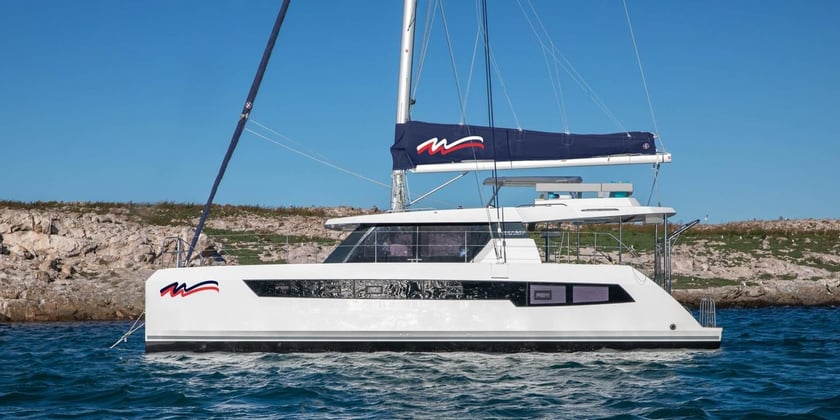
Begin by deciding whether the trip should emphasize short west-coast outings, the south-coast bays or a longer passage toward Carriacou. That choice affects how much time is spent underway and how much flexibility remains for snorkeling, diving and visits ashore. Travelers comparing sailing-oriented formats can also explore a sailboat charter in St. George's or a catamaran charter in St. George's, considering the desired onboard layout and style of cruising.
International arrivals must complete customs and immigration formalities before cruising locally. Within the Molinière-Beauséjour Marine Protected Area, anchoring and mooring are regulated; authorized moorings, permits and visitor fees may apply. Grenada's port rules also state that anchoring within 200 metres of a beach requires written permission.
Allow for commercial and cruise traffic when entering or leaving the harbor, and use current navigational information for its channels and shoals. If the boat will remain in Grenada during the June-to-November cyclone season, confirm the storm plan along with marina, insurance and caretaking requirements. These practical details are especially important when an itinerary combines an international arrival, marine-park visits and several days away from St. George's.