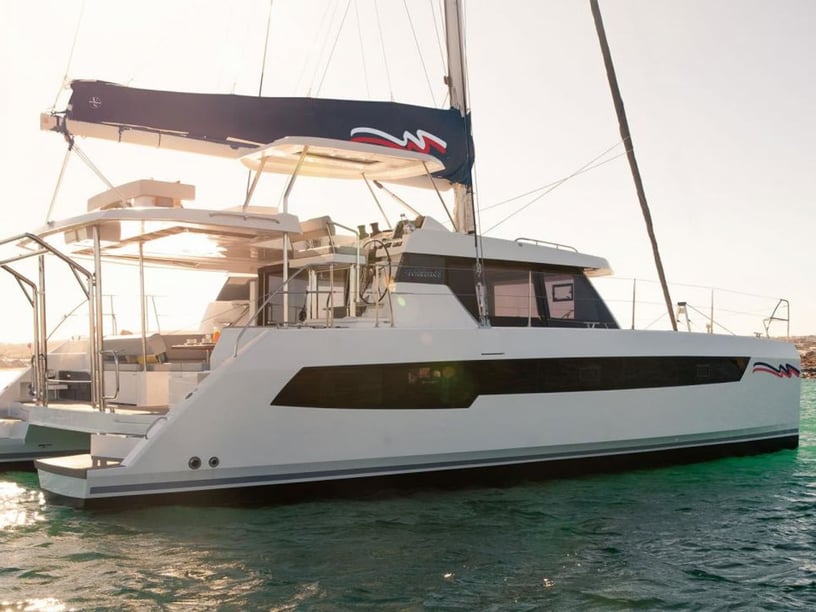
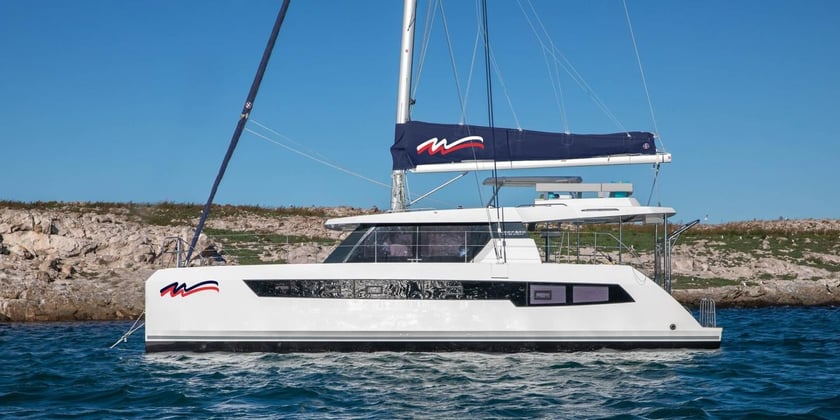
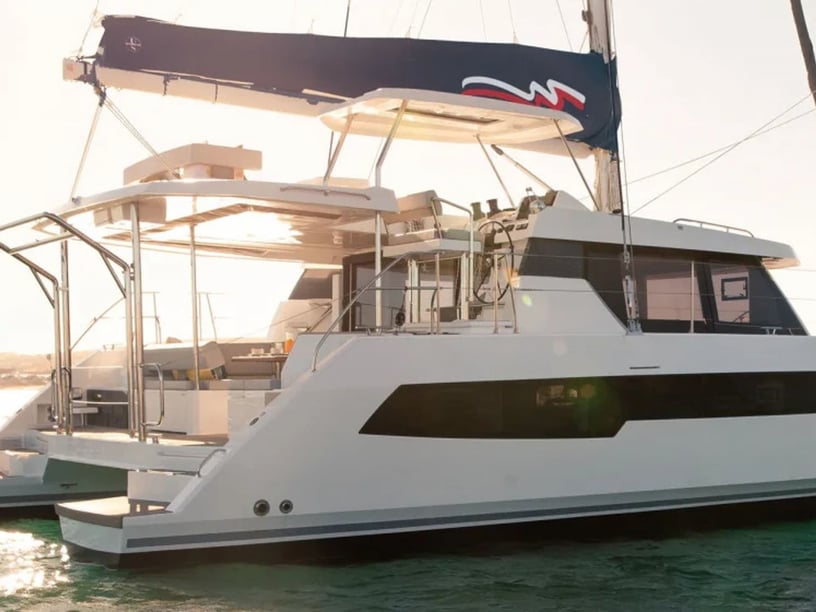
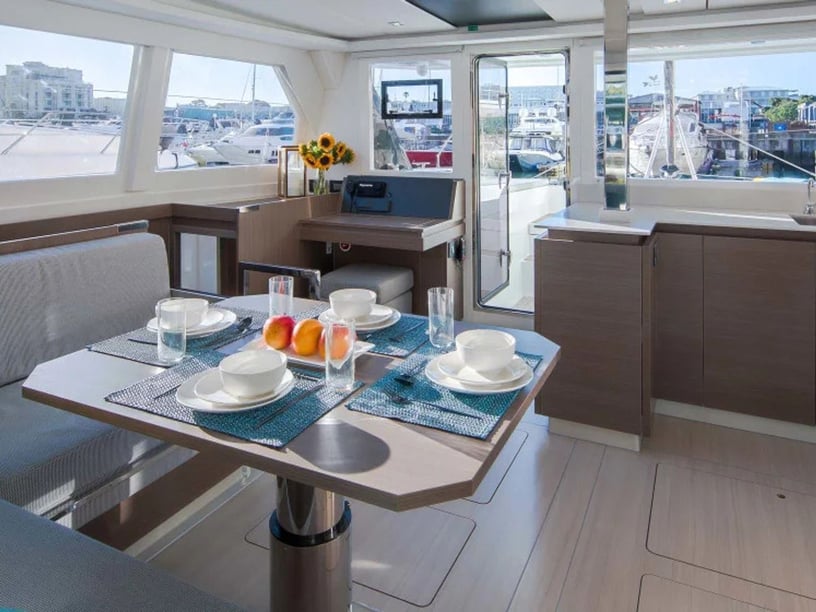
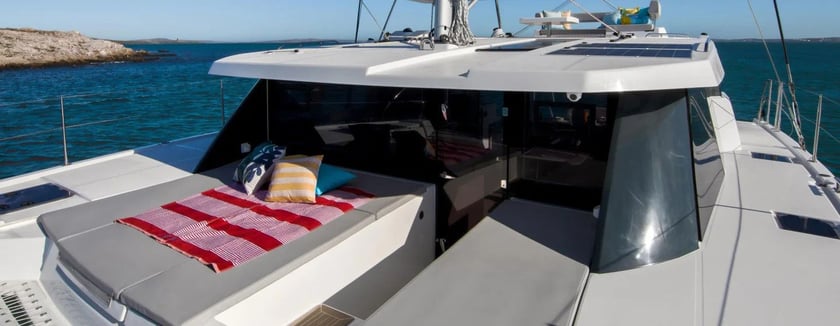
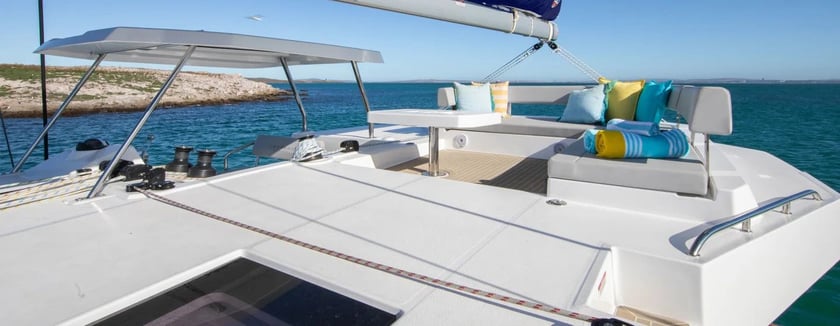
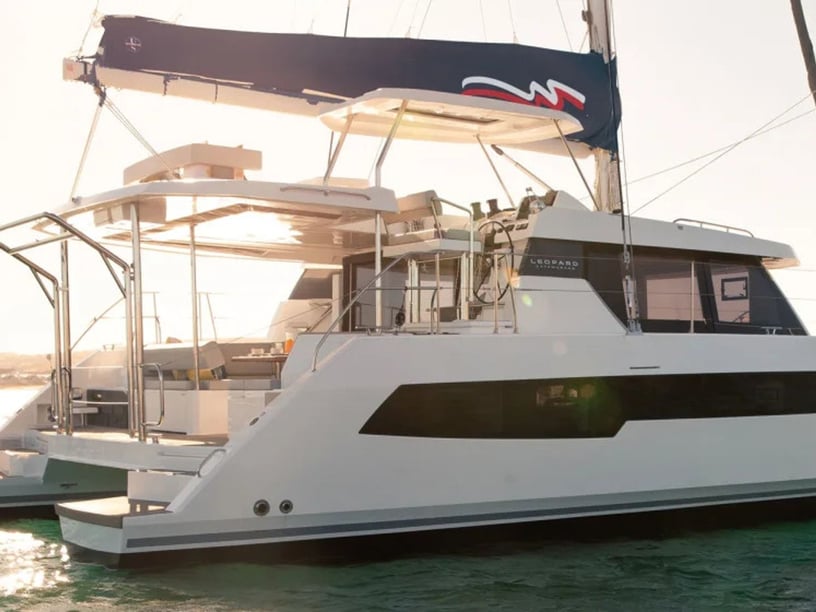
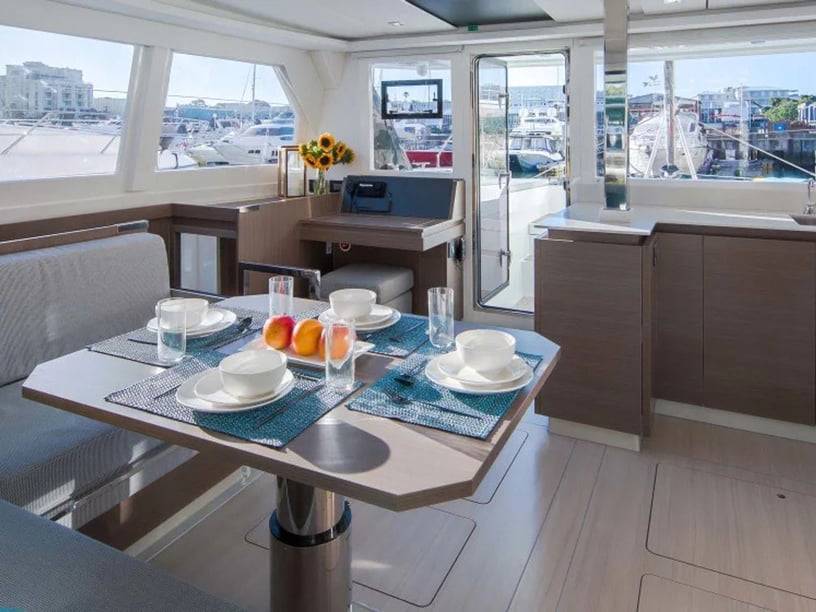
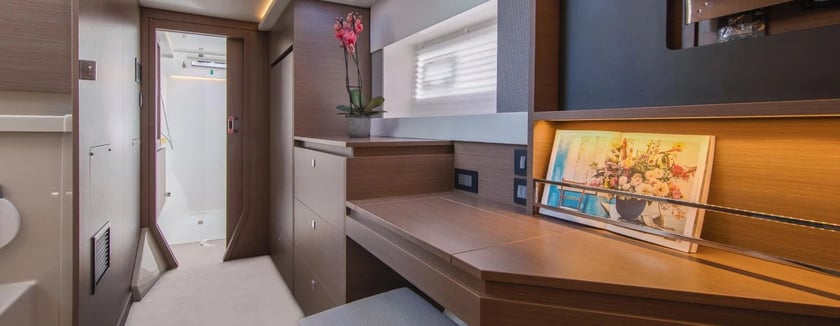
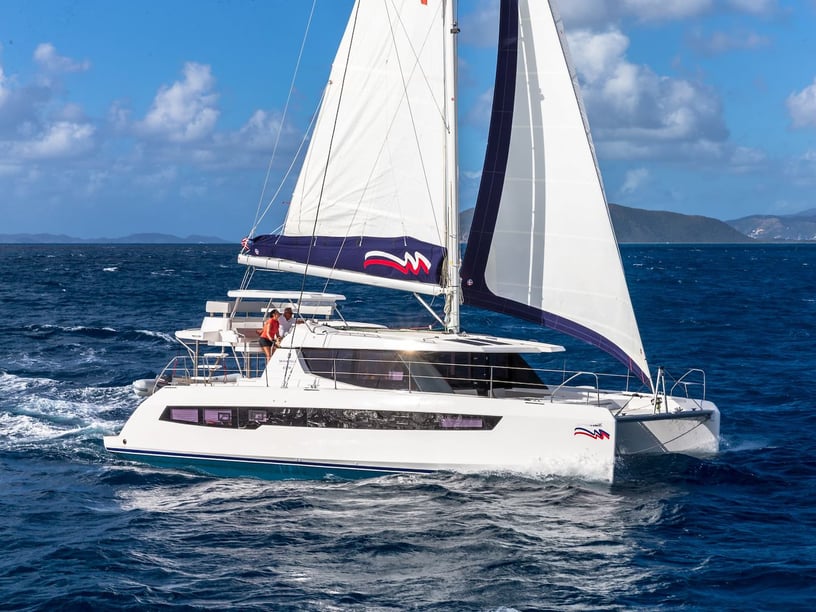
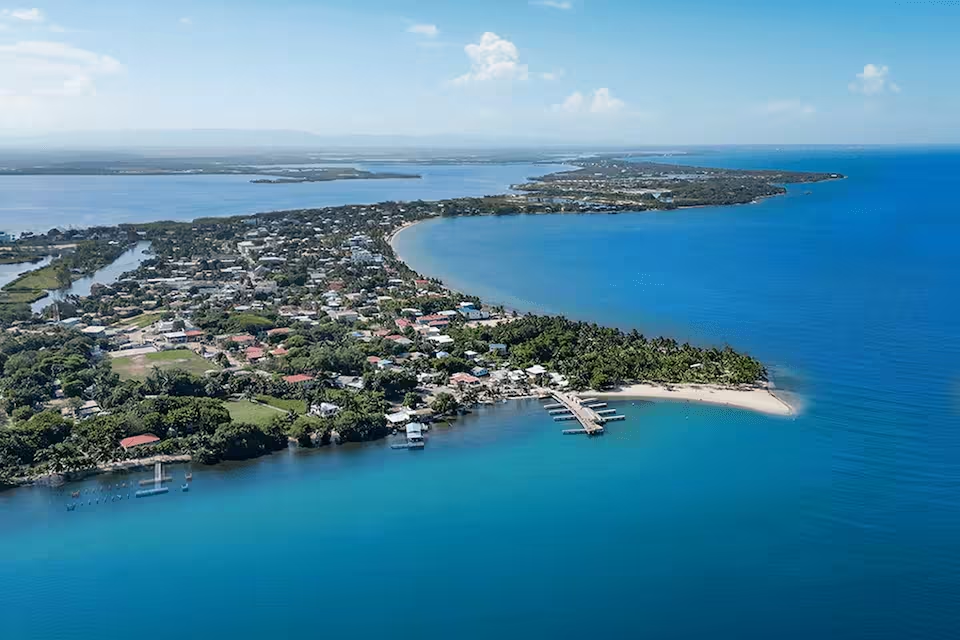
Yacht charter in Placencia
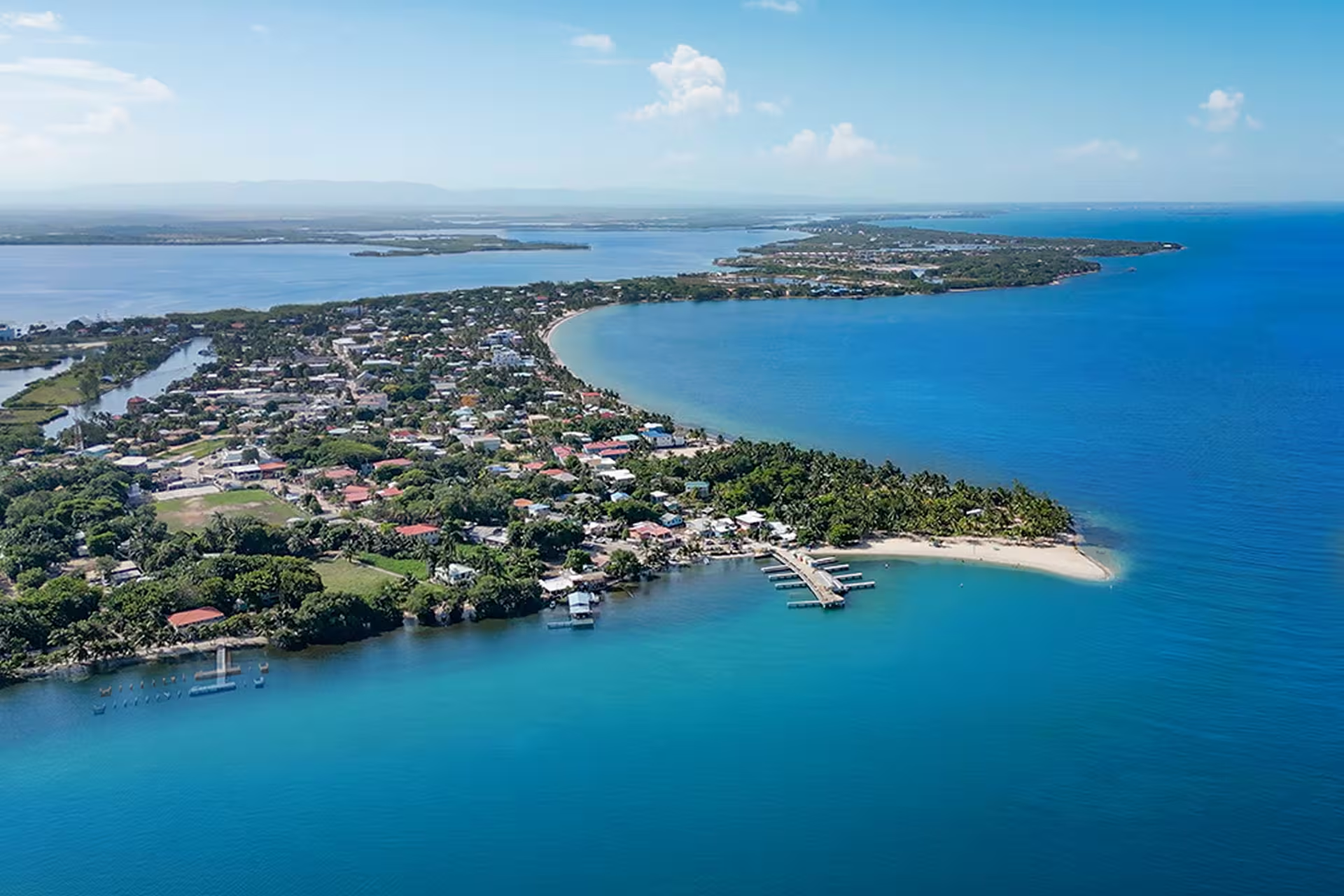
Placencia sits at the southern end of a narrow Belizean peninsula, between the Caribbean Sea and a mangrove-fringed lagoon. It is an established departure point for cruising the southern Belize Barrier Reef, where shallow reef-protected water, small cayes and coral sites create a natural setting for island-hopping.
A yacht charter in Belize can cover several distinct cruising areas; Placencia stands out for its direct access to the southern reef and a mix of short passages and more ambitious offshore legs. Time aboard can be divided between sailing, snorkeling, quiet anchorages and visits ashore. Back in the village, the beachfront center, seafood-focused dining and Kriol fishing heritage provide a contrasting mainland interlude.
Cayes, reefs and coastal places to explore
Laughing Bird Caye is one of the most accessible reef destinations from Placencia and forms part of a national park. Guided day trips commonly combine the crossing with snorkeling or diving. Farther south, the Silk Cayes and nearby Gladden Spit area offer another established excursion, although access and activities are governed by marine-reserve rules.
Longer charters can connect more remote-feeling stops such as Ranguana Caye, Ray Caye, the Pelican Cayes and South Water Caye. Together, these places offer a mixture of coral-reef sites, resort cayes and lightly developed anchorages rather than a continuous urbanized coast.
The lagoon side adds a different dimension. Trips toward Monkey River pass through mangrove-fringed coastal water and can combine sheltered boating with wildlife viewing and a village visit.
What sailing around Placencia is like
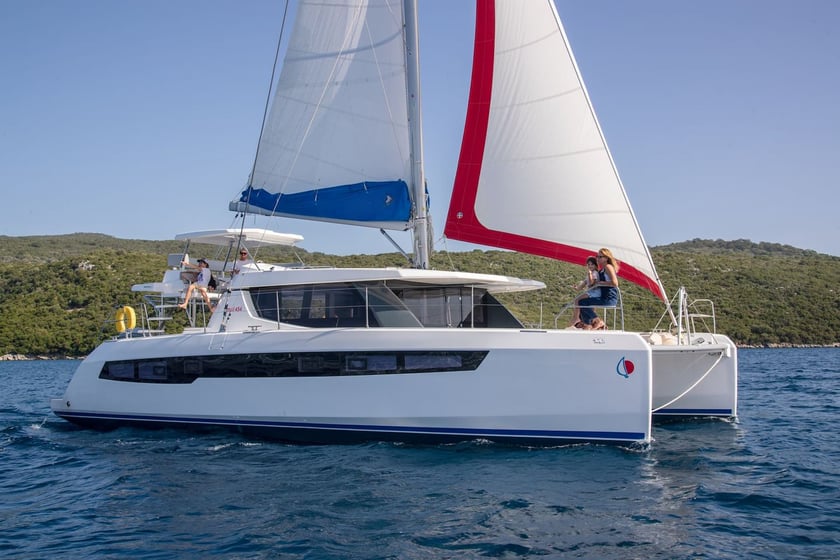
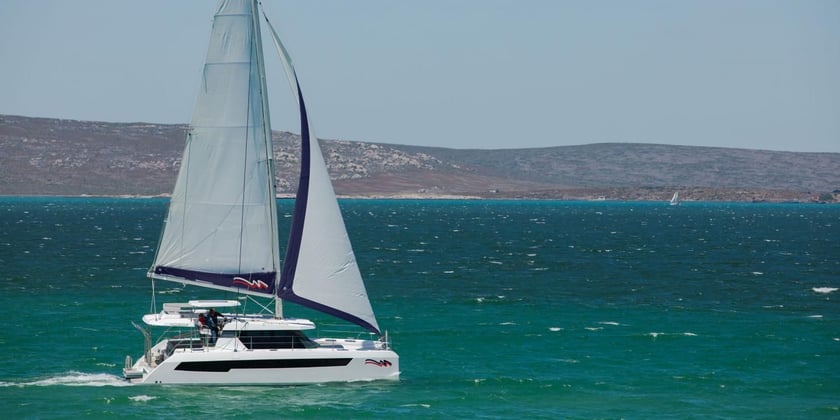
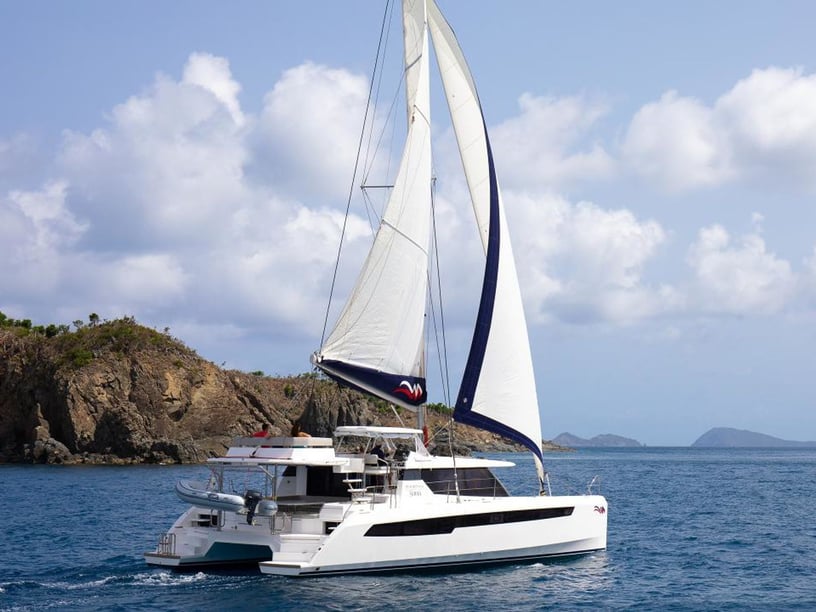
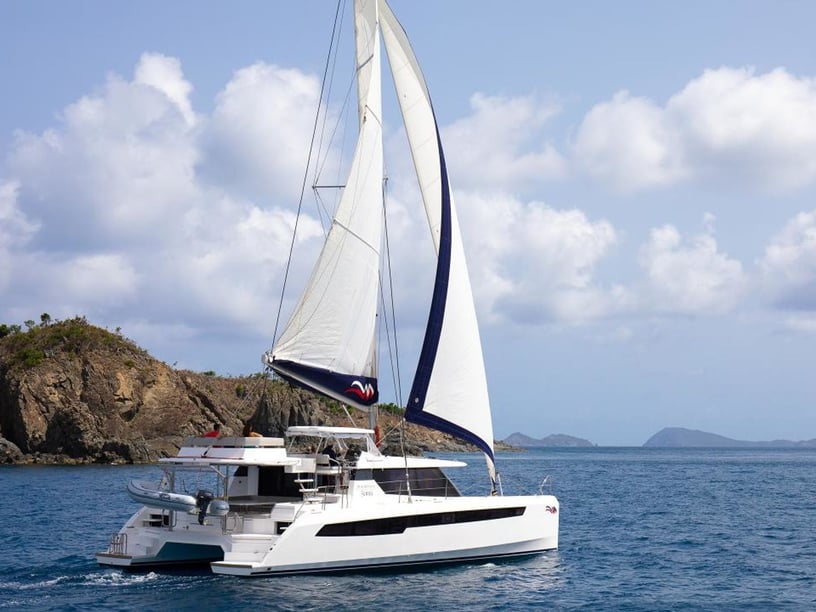
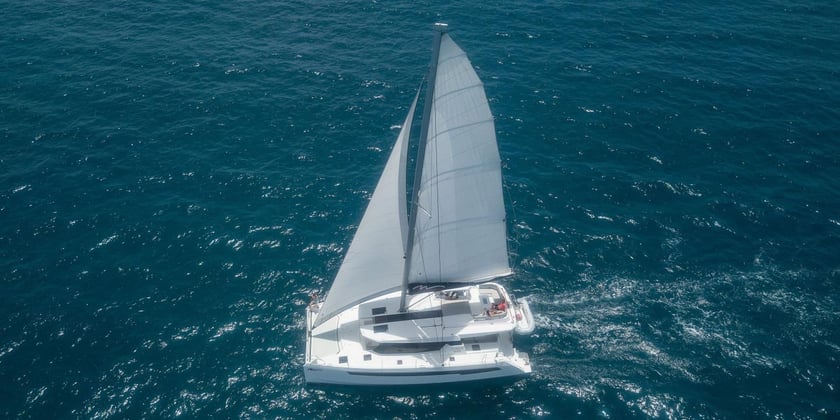
Cruising from Placencia is primarily caye-hopping inside the Belize Barrier Reef. The reef often reduces ocean swell, but this does not make the area straightforward: shallow water, coral heads, narrow channels and locally imperfect chart detail call for attentive visual navigation during daylight.
Easterly and northeasterly trade winds predominate, supporting a pattern of short island passages mixed with longer legs toward South Water Caye, the Silk Cayes or Ranguana Caye. Conditions become more exposed at reef passes and outside the barrier reef. Cold fronts between October and April can temporarily reverse the usual wind direction, affecting anchorages that are protected only from easterly weather.
Overall difficulty is moderate. The area can suit line-of-sight cruising, but route planning, weather awareness and confidence in reef navigation remain important.
Best time for a Placencia yacht charter
The principal recreational sailing period runs from roughly November through April, when conditions are generally drier and more settled. February, March and April are particularly suitable, usually combining the lowest rainfall with established trade-wind sailing.
December through April is the main high season, so travelers planning for these months should organize their arrangements well in advance. November is a transitional month as wetter weather begins to ease, while May is warm and marks the shift toward the rainy season.
From June through November, rain, squalls and tropical waves become more frequent. The Atlantic hurricane season also falls within this period, with tropical-storm risk greatest around September and October. Any charter during the wetter months requires flexible routing, close attention to official forecasts and a clear shelter plan.
Route ideas from Placencia
A documented one-week southern reef circuit links Placencia with Whipray Caye, South Water Caye, Cocoa Plum Caye, the Pelican Cayes, Ray Caye, Ranguana Caye and Lark Caye before returning to the peninsula. This route combines shorter caye-to-caye passages with longer sections and is better treated as a flexible framework than a fixed schedule, since wind direction, reserve rules and anchorage exposure can affect the sequence.
Shorter plans may focus on an out-and-back trip to Laughing Bird Caye or a guided excursion to the Silk Cayes and Gladden Spit area. A lagoon and coastal trip toward Monkey River offers an alternative when travelers want to combine boating with mangroves, wildlife and time ashore rather than concentrating entirely on reef crossings.
Life aboard and ashore
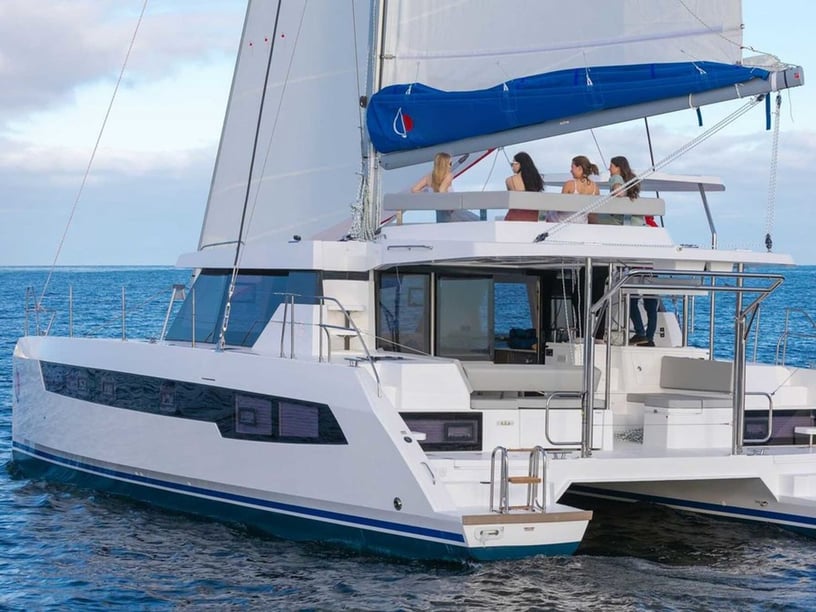
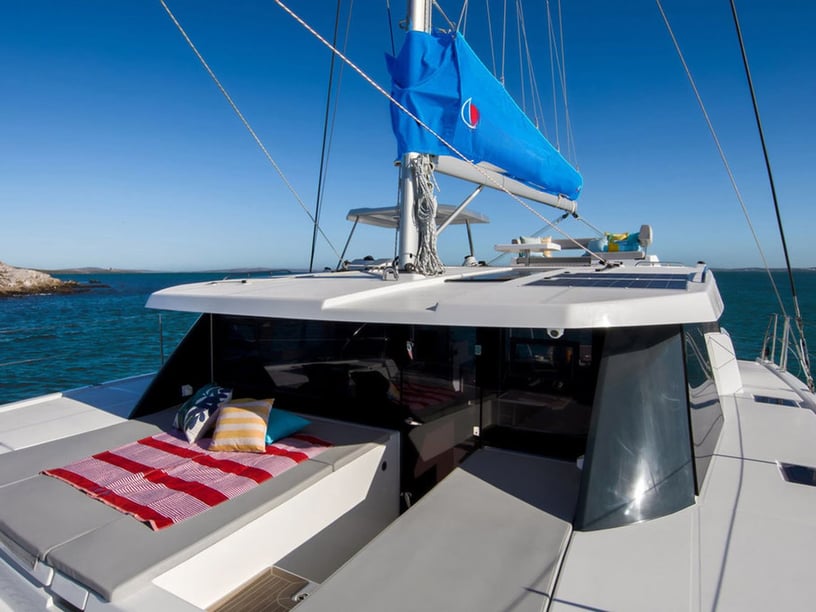
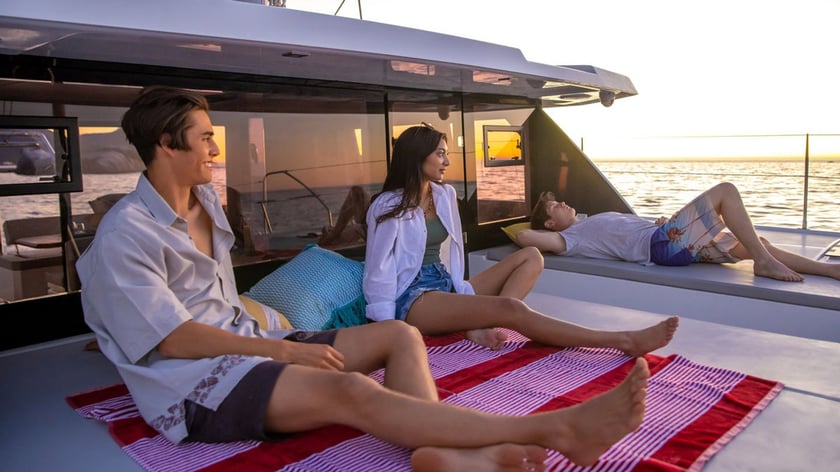
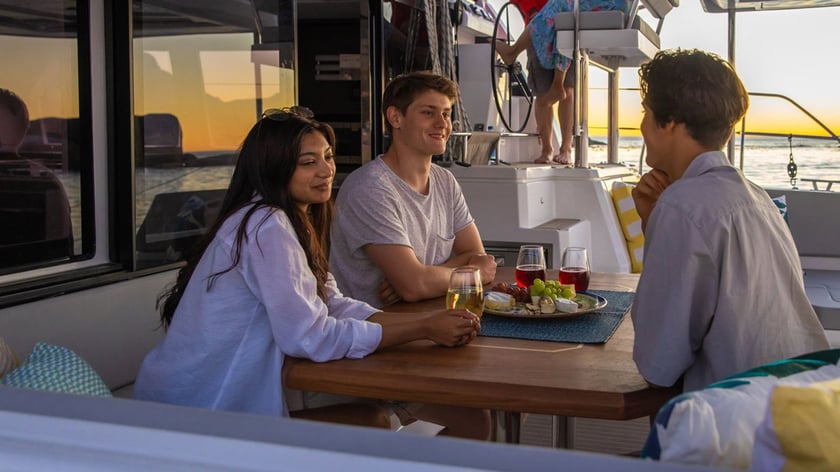
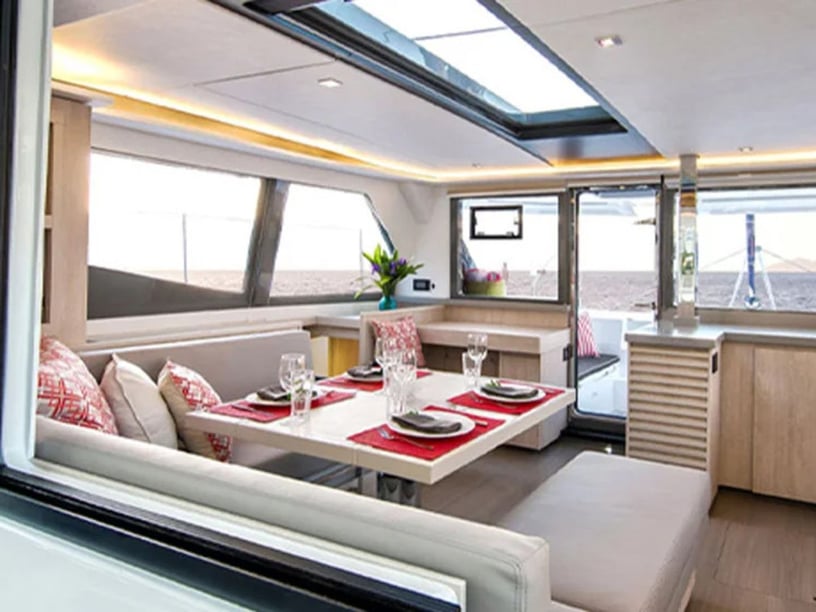
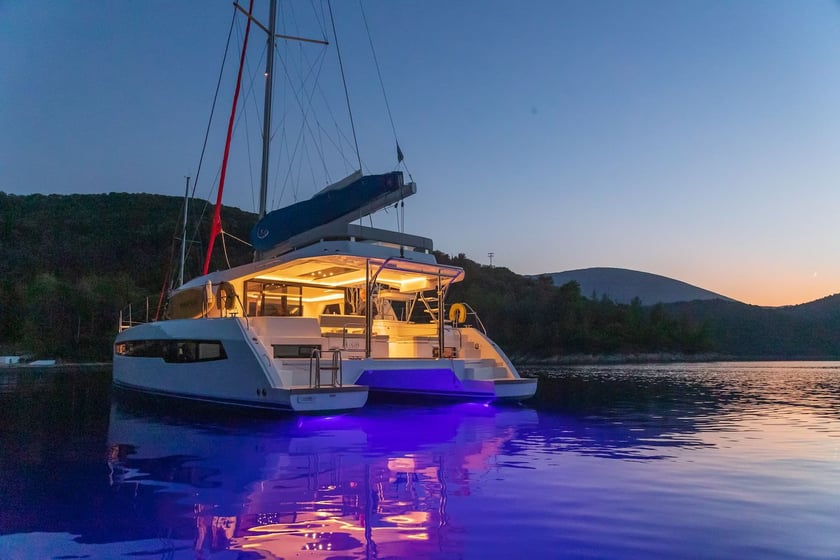
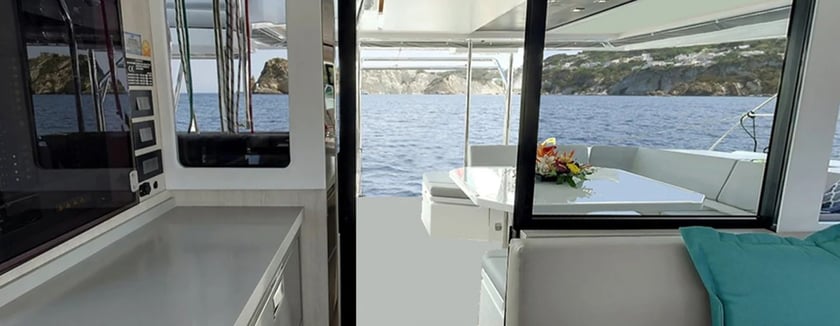
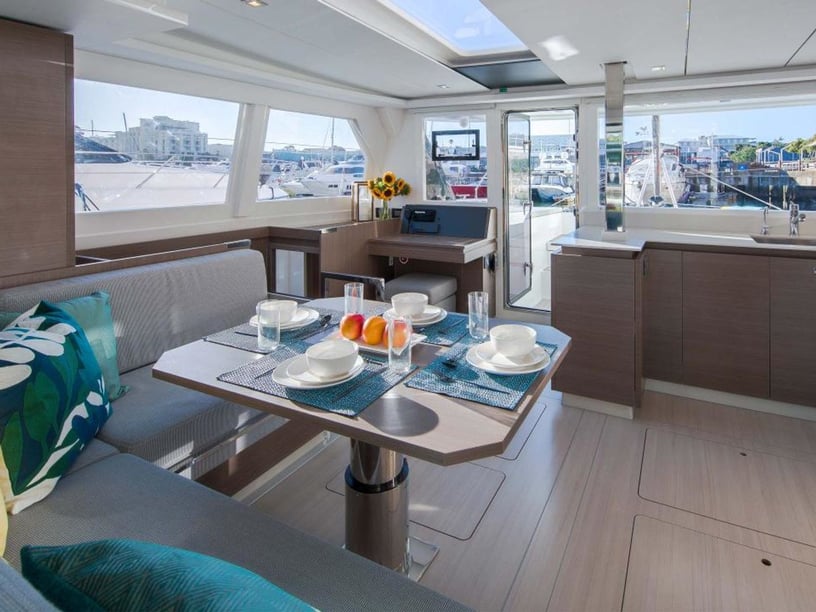
Snorkeling and diving are central to the Placencia charter experience, with coral formations, marine reserves and caye-based sites distributed across the southern reef. Secluded anchorages and lightly developed islands allow a trip to alternate active time in the water with quieter periods aboard.
Placencia also rewards time ashore. The central Placencia Sidewalk runs through a compact area of small businesses and local art, with paths leading toward the beach. The village’s fishing history remains visible in its boat activity and seafood culture, while nearby Seine Bight contributes a strong Garifuna presence to the wider peninsula.
This combination distinguishes a yacht trip from a purely resort-based stay: reef travel and island anchorages can be balanced with village meals, coastal culture and lagoon exploration.
Reaching Placencia and joining the boat
International travelers commonly arrive at Philip S. W. Goldson International Airport and continue by domestic flight to Placencia Municipal Airport. Road travel from Belize City through central and southern Belize is another option.
Yacht and boat trips serving the reef and cayes may begin from Placencia Harbour, the municipal pier or peninsula marinas. Relevant facilities include Laru Beya Marina, Hummingbird Marina, The Placencia Marina, Blue Reef Beach Resort Marina and Placencia Yacht Club Marina. The precise joining point depends on the vessel and itinerary, so it should be confirmed before arranging airport or road transfers.
Placencia therefore functions both as a destination worth exploring and as a practical departure area for the southern reef.
Planning a safe and practical charter
Navigation demands should influence the choice of charter arrangement. Travelers considering a bareboat trip need appropriate experience with shallow reef environments and should confirm where a licensed local guide is required. Protected areas may restrict bareboat entry, fishing or anchoring, and current rules should be checked for each planned stop.
Provision thoroughly in Placencia. Many cayes have limited or no access to water, fuel, waste facilities or additional supplies, making mainland preparation especially important for a multi-day route. Use established moorings where provided and anchor only in suitable sandy areas to avoid damaging coral and seagrass.
Itinerary planning should account for daylight navigation, changing wind direction and the relative exposure of each anchorage. Cold fronts can make an otherwise suitable stop uncomfortable, while reef passes may be rougher than the protected water inside the barrier reef. International pleasure craft should also verify current Belize Port Authority, Customs and SailClear procedures before arrival or departure.