Yacht charter in Turkey
Turkey has coasts on the Black Sea, Sea of Marmara, Aegean and Mediterranean, but its principal yacht charter grounds lie along the indented Aegean and southwestern Mediterranean shores. Here, peninsulas and islands divide the coast into sheltered gulfs, creating routes between coves, village quays, marinas and historic harbors.
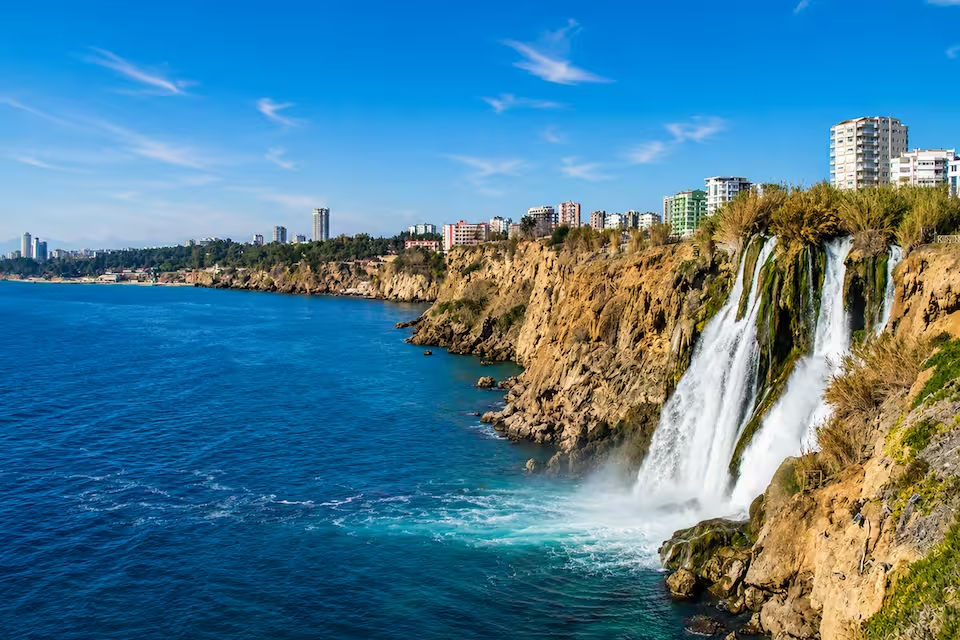
The main charter corridor extends from Bodrum through Marmaris, Göcek and Fethiye, with further cruising toward Kaş, Kekova, Kemer and Antalya. Short passages within the gulfs can leave plenty of time for swimming and going ashore, while longer coastal routes connect contrasting ports and landscapes.
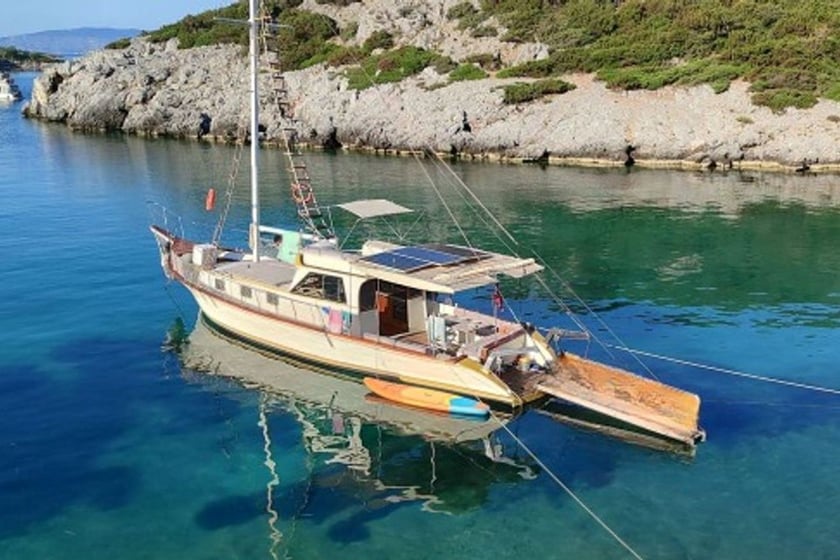
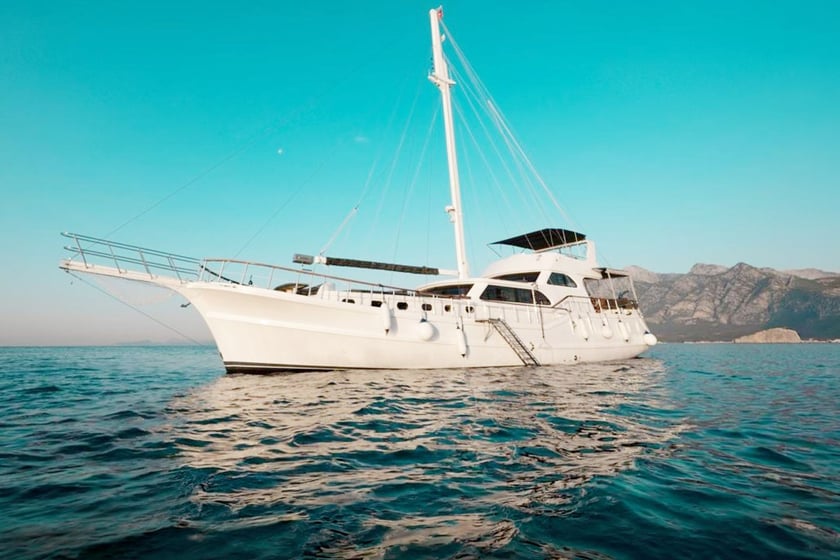
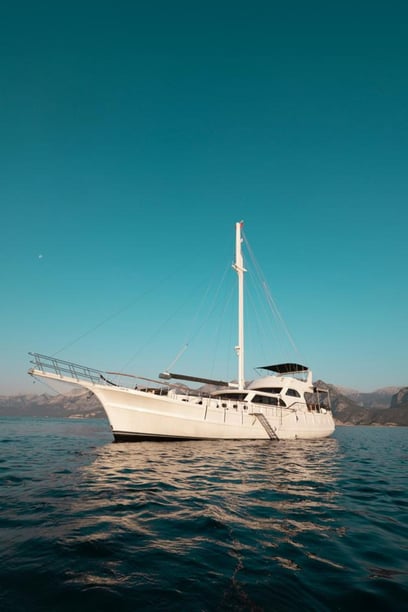
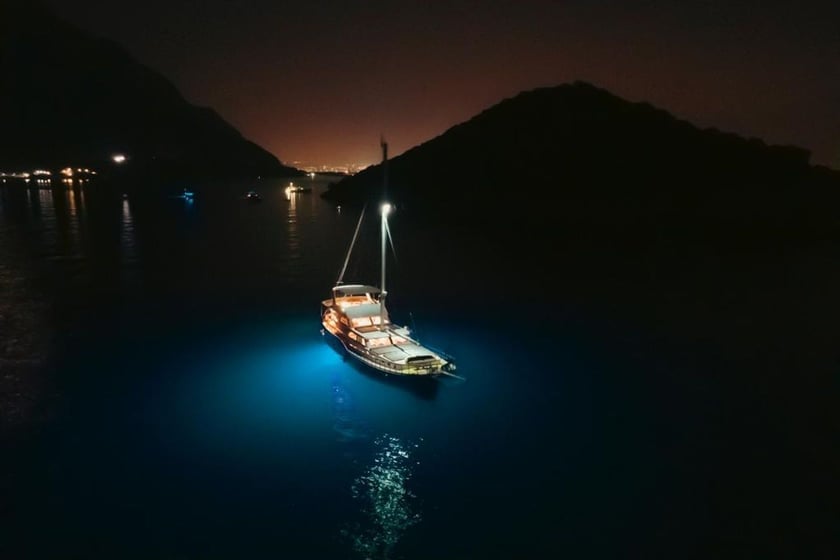
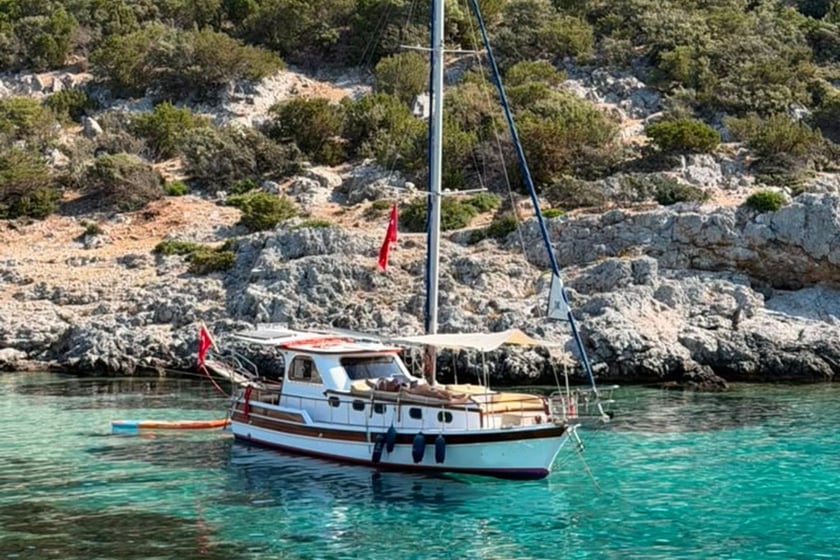
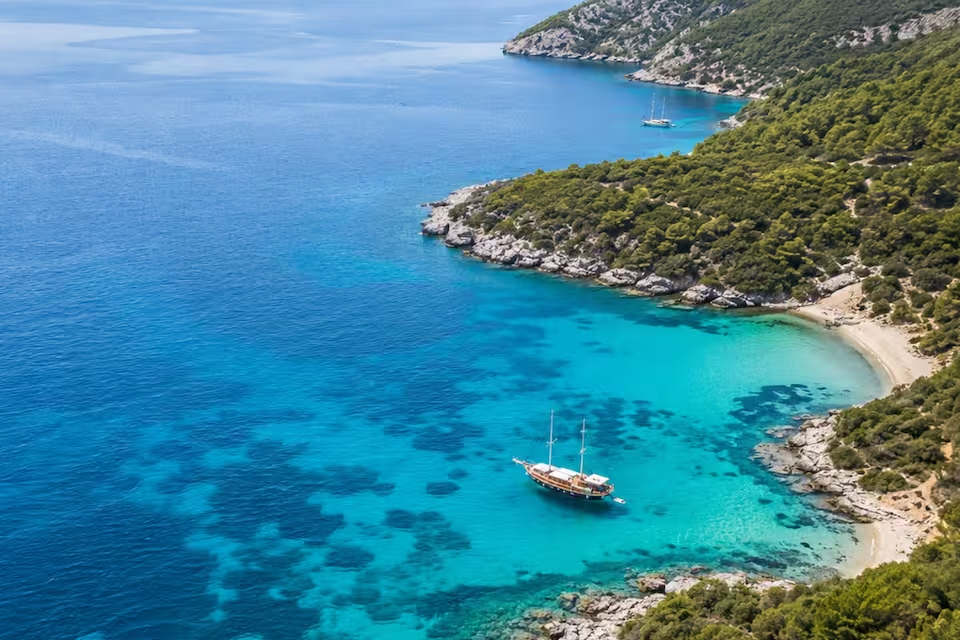
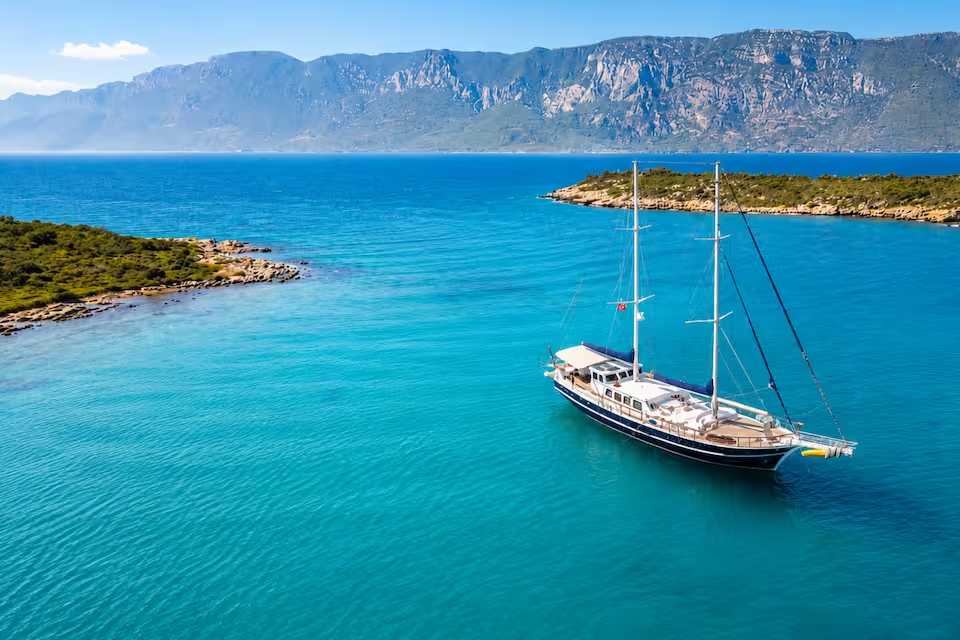
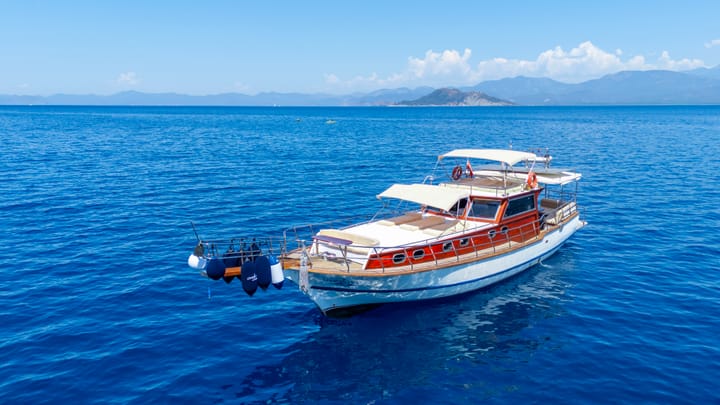
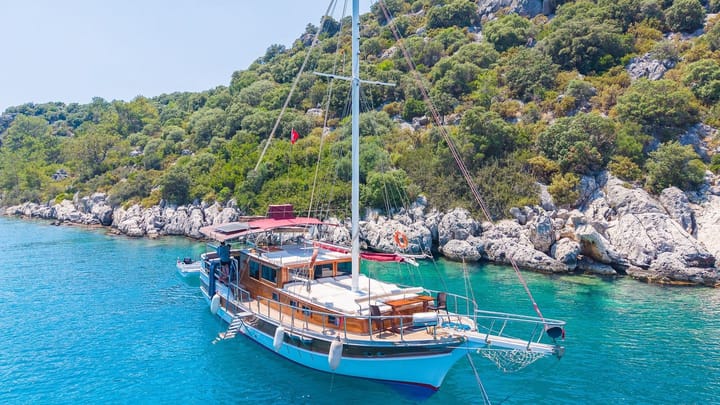
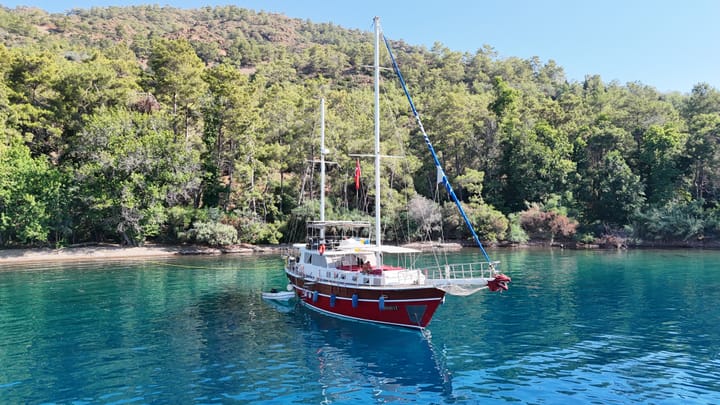
Turkey is also closely associated with the Blue Voyage tradition. Wooden gulets, developed from local fishing, cargo and sponge-diving craft, became vessels for leisurely coastal journeys around Bodrum and the Gulf of Gökova. Travelers drawn to this style can explore gulet charter in Turkey, while the wider yacht charter landscape supports trips focused on sailing, coastal exploration, swimming or historic sites.
Where to charter along the Turkish coast
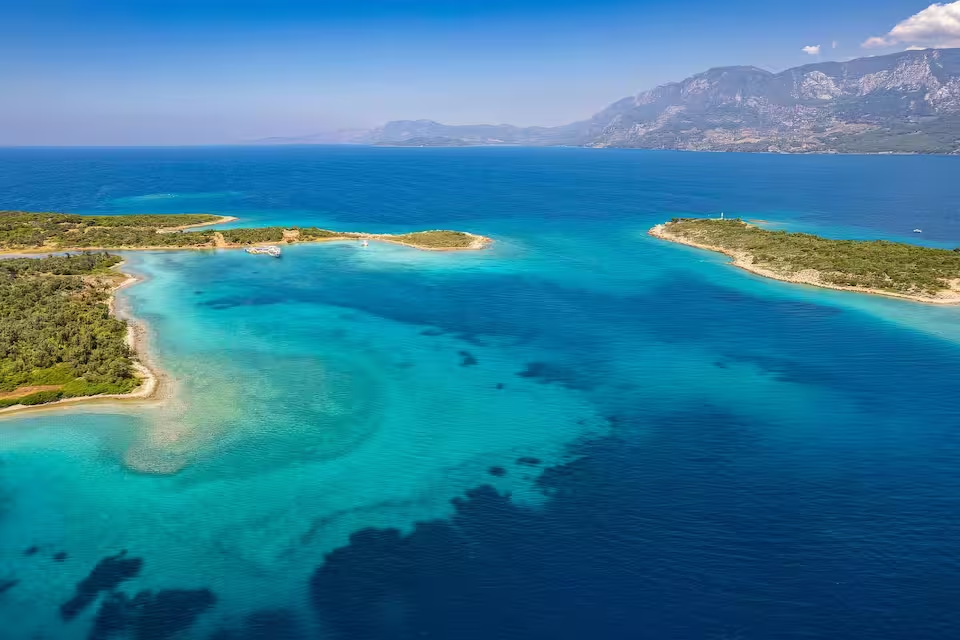
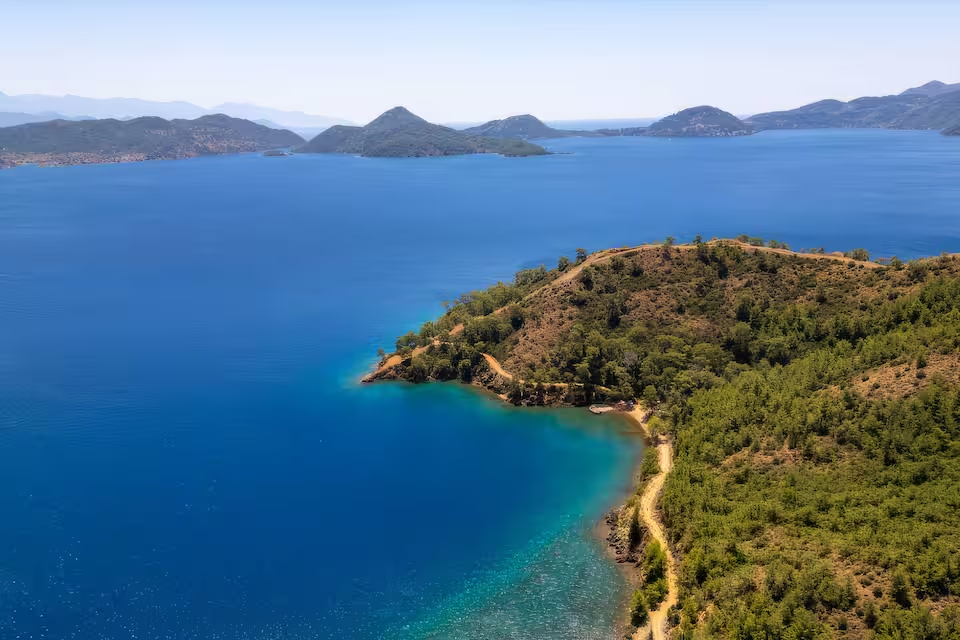
The Bodrum Peninsula and Gulf of Gökova form one of Turkey’s defining cruising areas. Bodrum combines an established marina base with access to Kara Ada, Sedir Island, sheltered inlets and historic Knidos. The gulf suits travelers who want a recognizable Blue Voyage setting, varied anchorages and the option of linking a coastal trip with archaeological stops.
Farther south, Datça, the Gulf of Hisarönü and Bozburun have a more intricate shoreline of peninsulas, small settlements and protected bays. Routes can run between Datça, Selimiye, Orhaniye and Bozburun before continuing to Marmaris. This area works well for an anchorage-led trip with village visits, while Marmaris provides a larger resort port and a practical connection between the Hisarönü and Göcek–Fethiye cruising grounds.
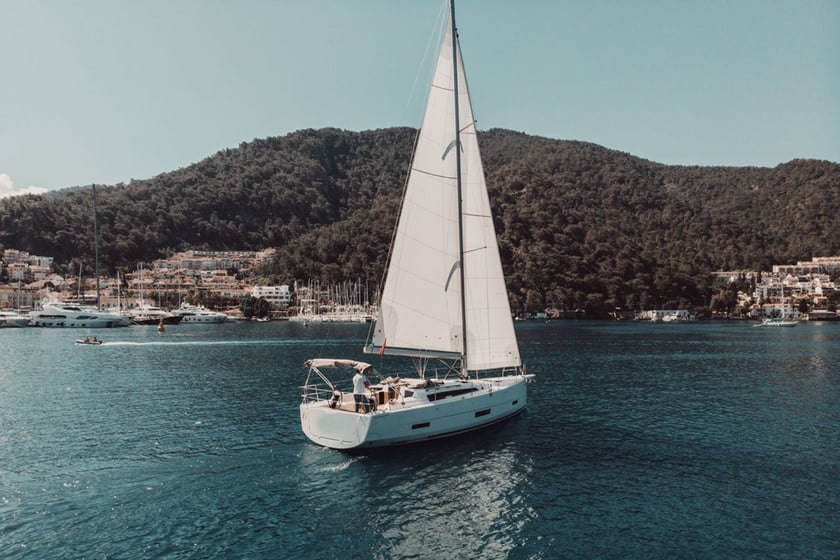
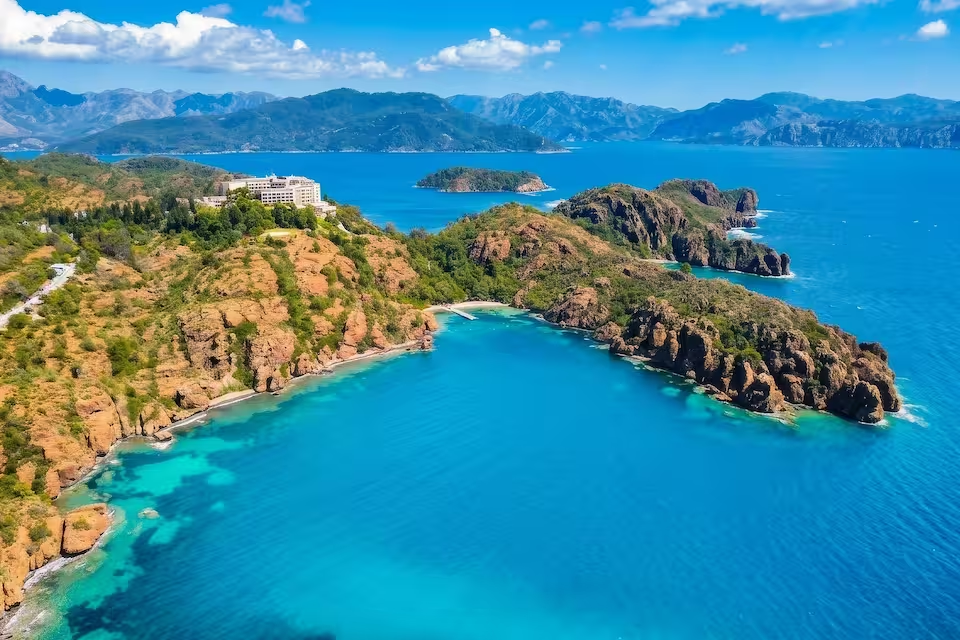
The gulfs of Göcek and Fethiye are particularly well suited to shorter passages. Islands and deeply cut bays create numerous stopping possibilities, and trips can divide the day between cruising, swimming and time ashore. Göcek is closely surrounded by sheltered waters, while Fethiye opens the way toward Gemiler Island, Kabak Bay, Kalkan and Kaş.
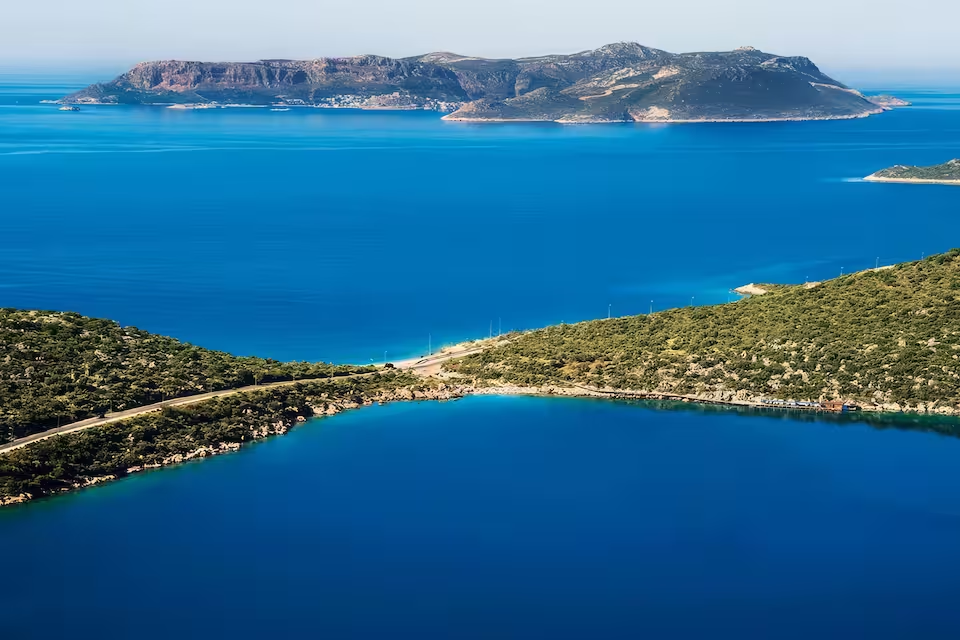
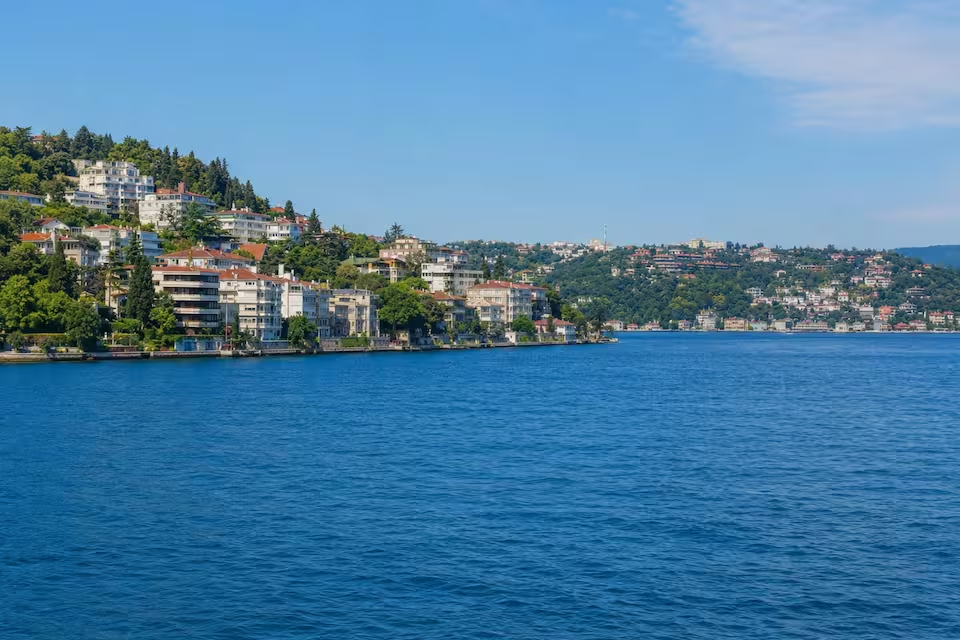
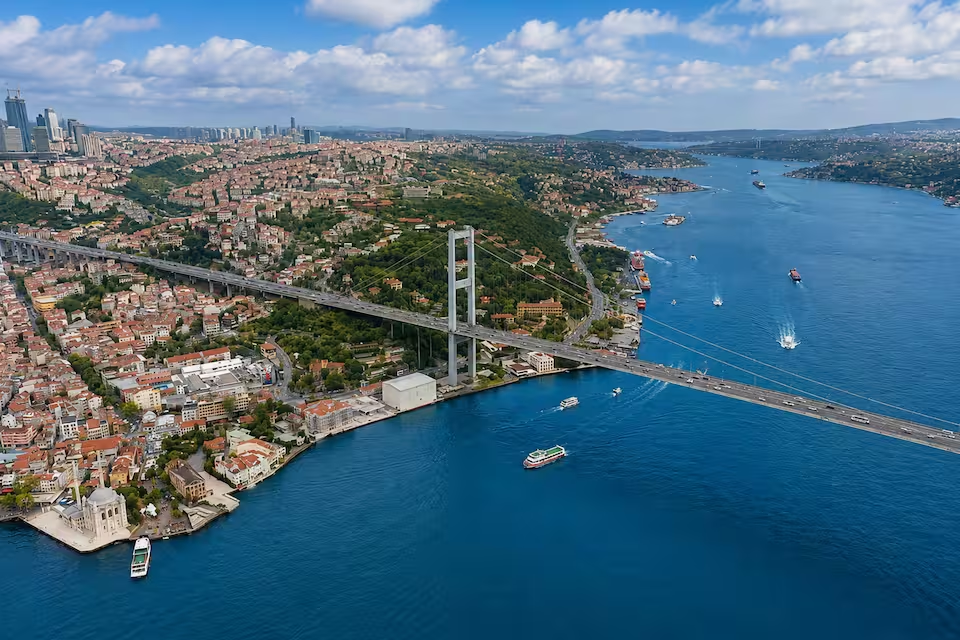
East of Kaş, Kekova is distinguished by its submerged archaeological remains, the waterfront settlement of Kaleköy and the nearby Lycian coast. Routes can continue toward Demre, Finike, Olympos, Kemer and Antalya. Istanbul offers a fundamentally different experience: urban scenery and the Bosphorus rather than a conventional sheltered-gulf charter, with strong currents and intensive commercial traffic shaping time on the water.
What cruising in Turkey is like
In the southern Aegean and along the Turkish Riviera, cruising often involves relatively short coastal legs between anchorages, islands, village quays and marinas. The gulfs of Gökova, Hisarönü, Göcek and Fethiye provide varying degrees of shelter, although local topography can funnel the wind through particular channels and bays.
Summer winds are commonly from the west or northwest. The Meltemi generally strengthens during the day and is most influential in July and August, especially near exposed Aegean capes and channels. This makes the distinction between a sheltered gulf itinerary and a route around open headlands important: two trips on the same coast can have noticeably different passage lengths and exposure.
Conditions become less settled outside the main summer period. Marmara, the northern Aegean and the Black Sea are cooler and more weather-dependent than the southern cruising grounds. The Bosphorus and Dardanelles also have significant currents, bends and dense vessel traffic, so they should not be approached as ordinary leisure-cruising waters. Route selection should reflect both the vessel and the experience required for the intended area.
The best time for a Turkey yacht charter
The main charter season on the southern Aegean and Turkish Riviera generally runs from May through October, with some activity beginning in late April. May, June, September and October are particularly suitable months, often combining comfortable temperatures with conditions favorable for coastal cruising.
July and August are the hottest, driest and windiest core summer months. They suit travelers seeking a distinctly summer-focused trip, but the stronger afternoon Meltemi can influence routes around exposed Aegean sections. June and September retain a high-season character, while May and October sit closer to the shoulders of the season. Early and late in this period, plans need more flexibility because the weather is less consistent.
These timings apply most clearly to the southwest. The practical boating season is shorter and more variable in Marmara, the northern Aegean and the Black Sea, while winter and early spring bring more rain, thunderstorms and strong weather systems across much of the country.
Popular cruising routes
A classic circuit from Bodrum explores the Gulf of Gökova through places such as Kara Ada, Çökertme, Ören, Sedir Island, Karacasöğüt and the Seven Islands, with Knidos adding an important historical stop. Travelers interested in the region’s traditional cruising culture can also consider a Blue Cruise from Bodrum.
A longer west-to-east route can connect Bodrum with Marmaris via Datça, the Gulf of Hisarönü and Bozburun. From Marmaris, another natural progression follows the coast past Ekincik and the Dalyan area before entering the islands and bays of Göcek and Fethiye.
Continuing east, Fethiye to Kaş brings together Gemiler Island, Kabak Bay and Kalkan. Kaş can then serve as the starting point for a route through Kekova, Üçağız, Demre and Finike toward Olympos and Kemer. The appropriate scope depends on how much of the holiday should be spent under way: a compact gulf circuit allows more time at anchor, whereas a multi-region route places greater emphasis on passages and changing coastal scenery.
Life on the water and ashore
A yacht charter in Turkey can combine swimming and secluded anchorages with unusually close access to archaeological and cultural sites. Ancient Carian and Lycian landscapes meet the water at places such as Knidos, Gemiler Island and Kekova, while castles, rock-cut tombs, Byzantine remains and Ottoman maritime settlements add further layers to coastal stops. Bodrum Castle and its Museum of Underwater Archaeology provide a particularly relevant introduction to the region’s maritime past.
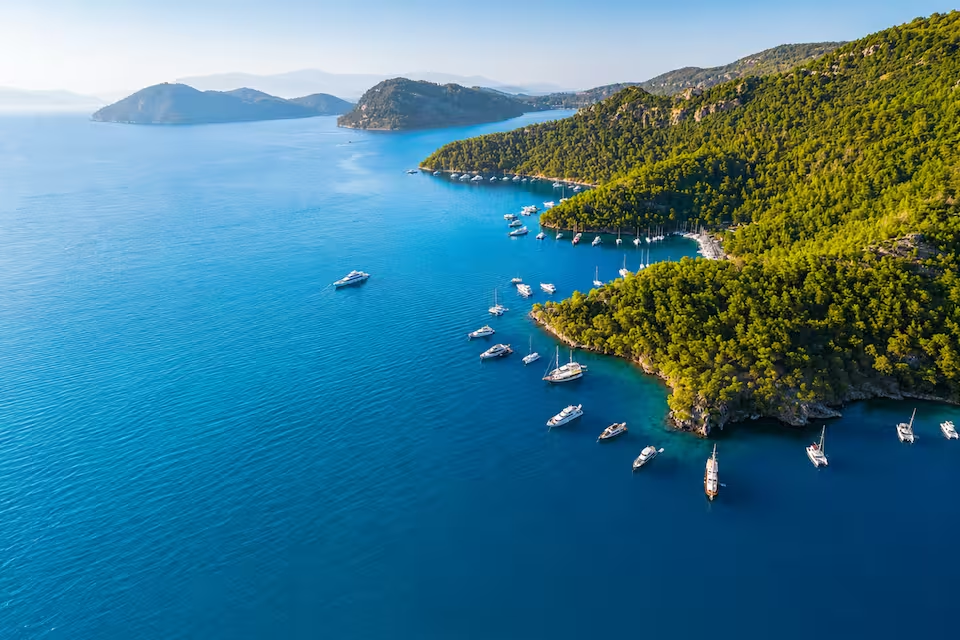
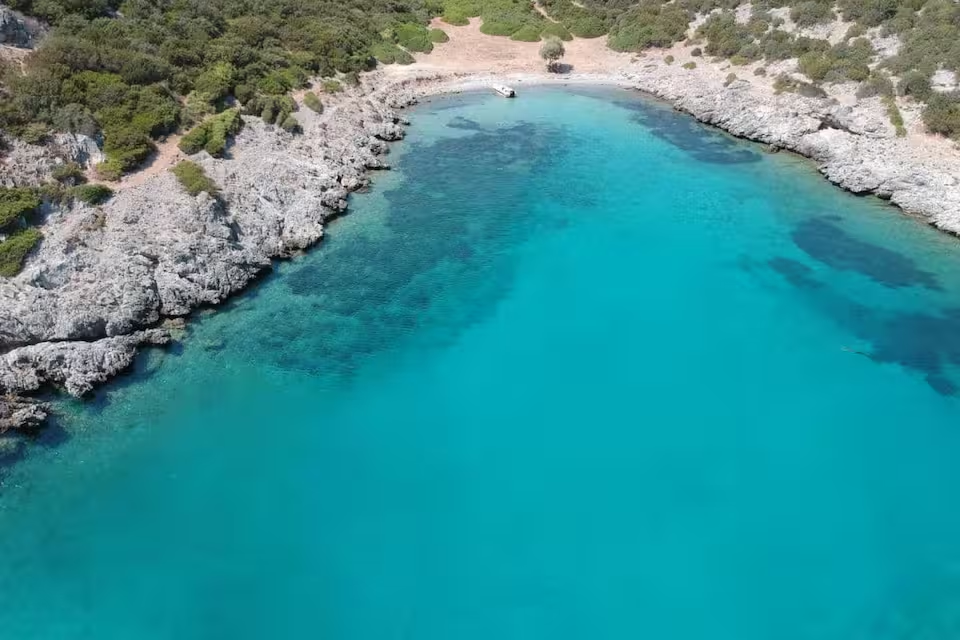
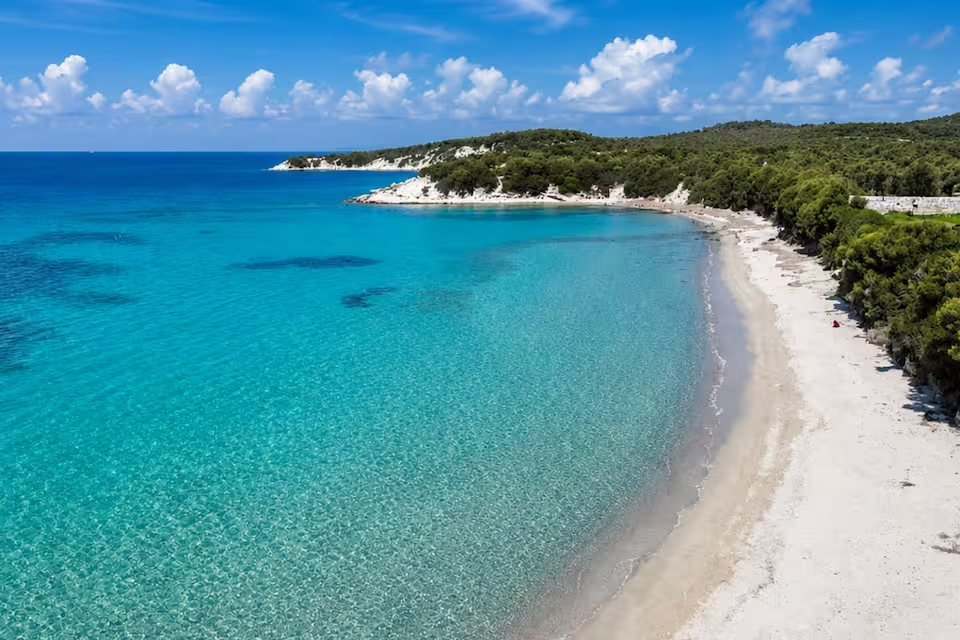
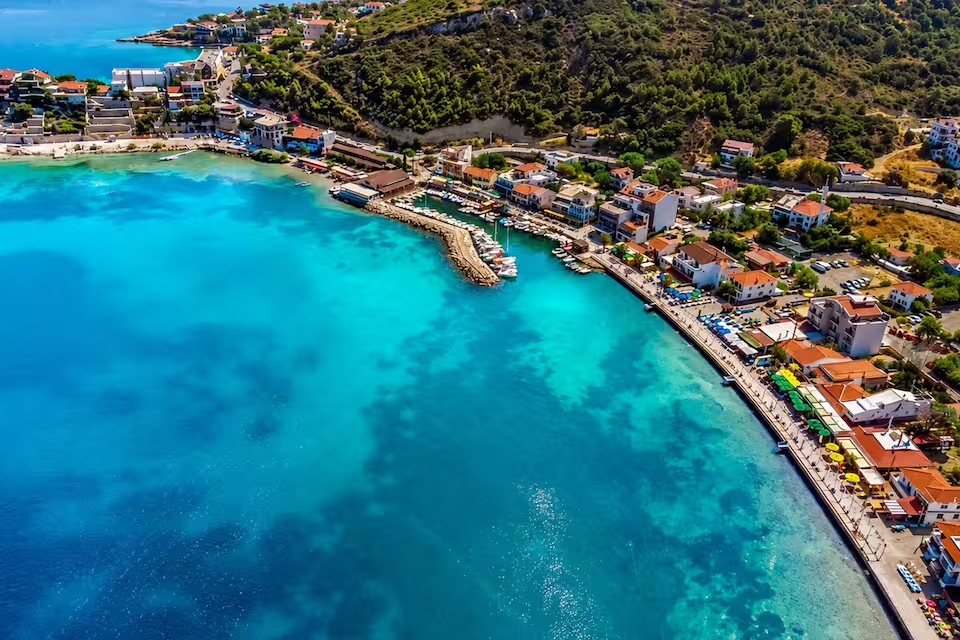
The rhythm of a gulf itinerary may alternate between a morning passage, a swim in a protected bay and an evening at a village quay or coastal town. Pine-backed coves characterize much of the southwest, while resort ports and traditional boatbuilding settlements offer contrasting experiences ashore.
Food is an important part of these stops. Aegean and Mediterranean coastal cooking emphasizes seafood, regional herbs, vegetables, olives, olive oil and shared plates of meze. On longer routes, meals ashore can complement quieter days spent around islands and anchorages rather than functioning as a separate sightseeing program.
Airports and principal departure bases
International and domestic flights connect the main charter regions with several coastal gateways. İzmir Adnan Menderes Airport is useful for Çeşme and Kuşadası, while Milas–Bodrum Airport serves the Bodrum Peninsula and northern Gulf of Gökova. Dalaman Airport is the principal gateway for Marmaris, Göcek and Fethiye and is also used for onward transfers to Kaş. Antalya Airport serves Antalya, Kemer and the central Lycian coast.
Common departure points include Bodrum, Marmaris, Göcek, Fethiye, Kaş and Antalya, with additional possibilities around Istanbul, Ayvalık, Çeşme and Kuşadası. Road transfers connect the airports with marinas and charter bases. Choosing a departure point within the intended cruising area can reduce long opening and closing passages, particularly for a shorter trip.
Planning the right charter
When comparing yacht charter or boat rental in Turkey, begin with the cruising region rather than treating the entire coastline as one destination. A sheltered Göcek or Fethiye itinerary differs substantially from an exposed Aegean passage, a longer Lycian route or boating around Istanbul. Consider expected passage lengths, the balance between anchoring and marina stops, seasonal winds and how much time you want to spend ashore.
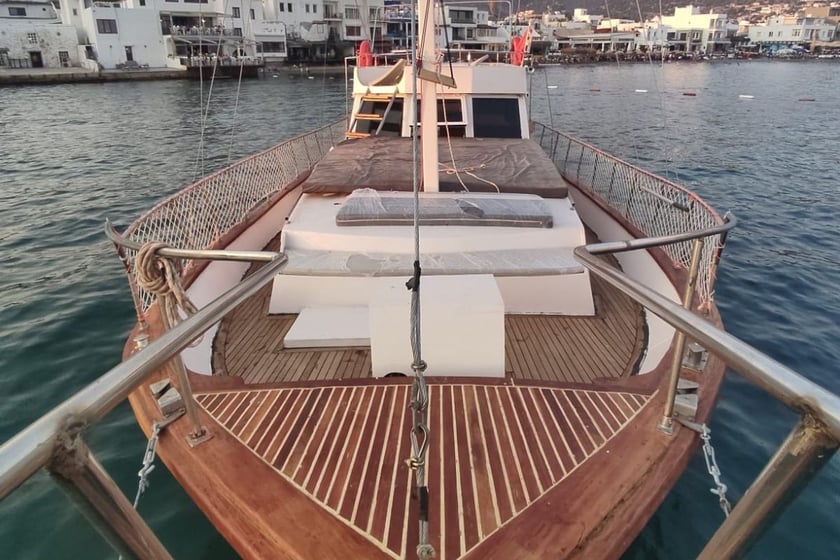
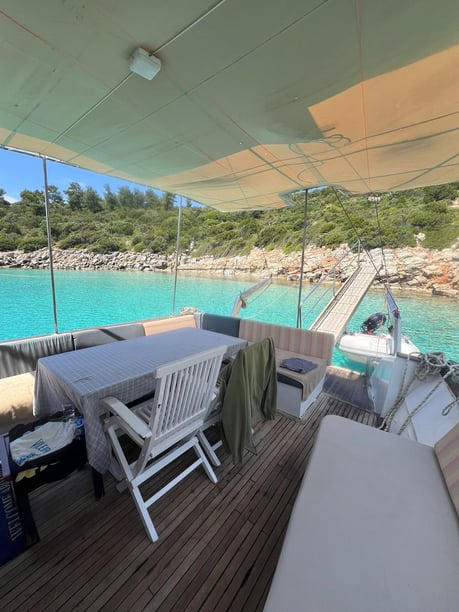
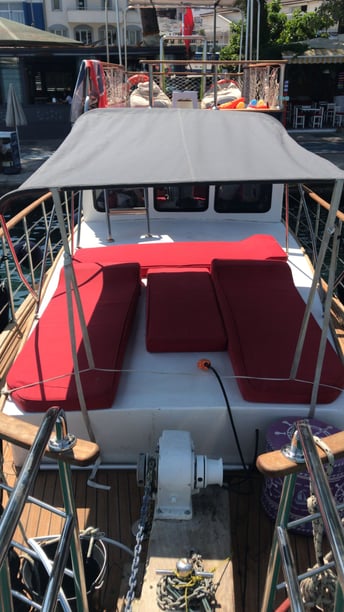
The charter format should also suit the desired pace. A traditional gulet-oriented journey emphasizes the Blue Voyage heritage and relaxed coastal progression, while other yacht experiences may place more focus on sailing or moving efficiently between regions. Regardless of format, compare sleeping arrangements, onboard space and the vessel’s suitability for the planned waters rather than choosing on capacity alone.
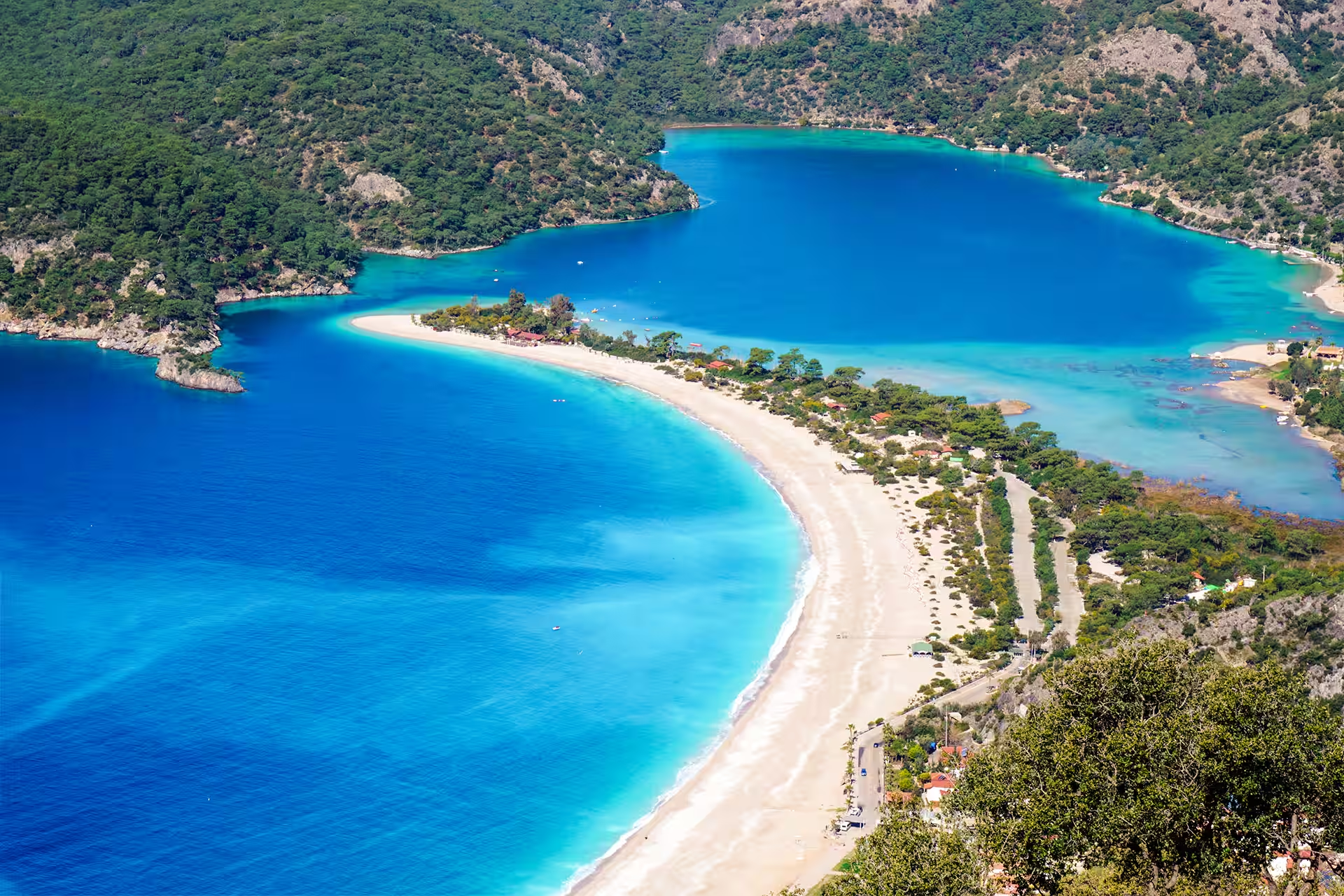
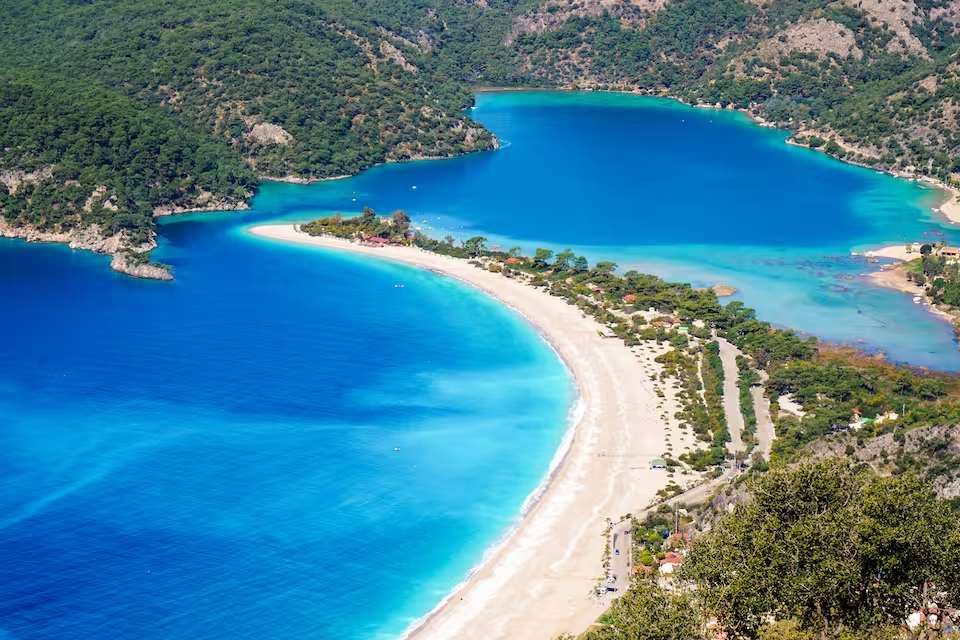
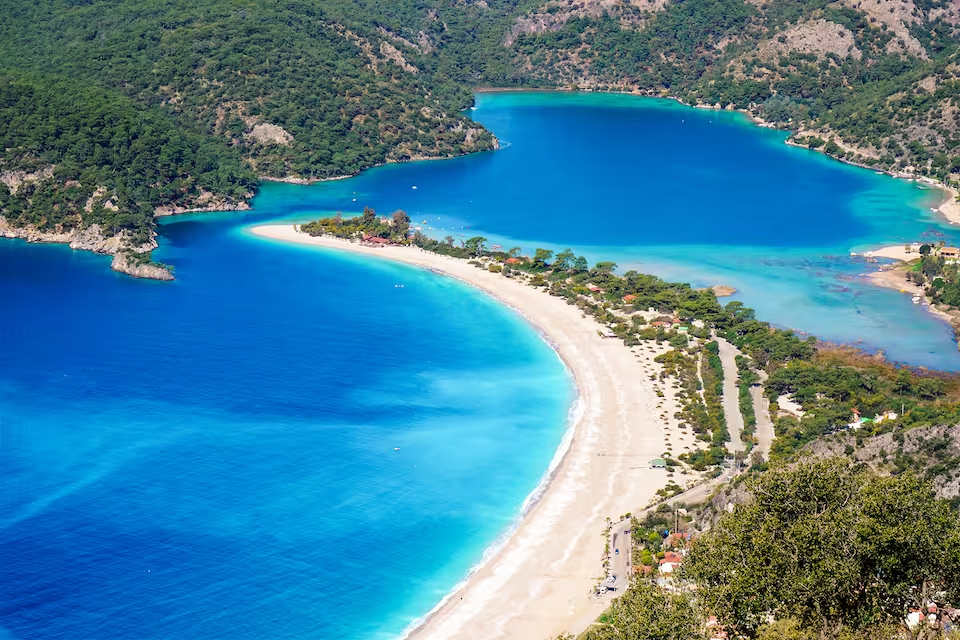
Some protected natural and archaeological areas have specific restrictions. Swimming is prohibited around the submerged ruins at Kekova, vessels cannot enter the protected Ölüdeniz lagoon, and the shallow Dalyan channel is limited to suitable locally operated boats. Foreign yachts entering or leaving Turkey must complete formalities at designated frontier ports. These considerations are best incorporated into the route before departure, alongside realistic allowances for weather and afternoon winds.






















Verified
Merve B.28 Aug 2026
Everything was excellent in every respect—cleanliness, service, and the friendly attitude. They took us to the places we wanted to visit and also offered their own recommendations. They were very atte...
Listing owner: MehmetGocek / Turkey