Yacht charter along the Muğla coast
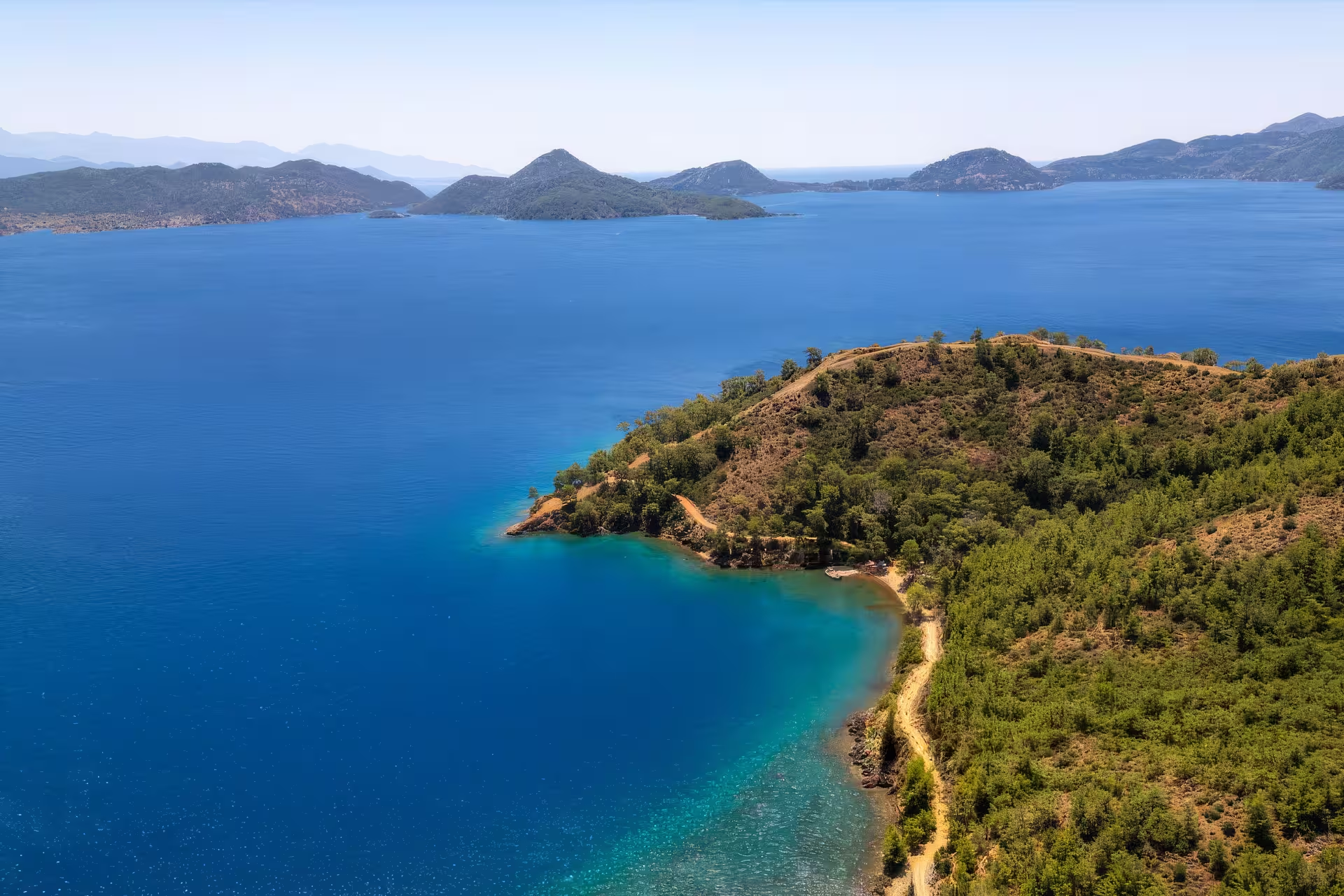
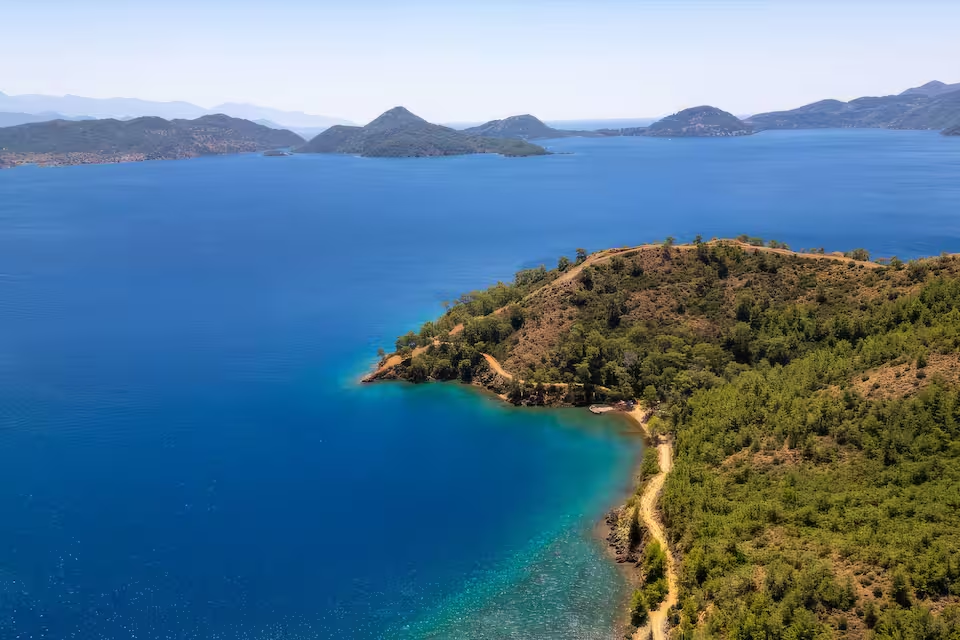
A yacht charter in Muğla opens up several of southwestern Türkiye’s leading cruising grounds rather than one compact destination. The province extends from the Bodrum Peninsula through Gökova, Datça, Marmaris and Hisarönü to Göcek and Fethiye. Deep gulfs, long peninsulas, forested headlands, islands and sheltered coves create markedly different settings within the same region.
Travelers can choose short passages among the protected islands of Göcek, look for secluded anchorages in Gökova and Hisarönü, or plan longer coastal legs around Datça and Bozburun. Established marina hubs in Bodrum, Marmaris, Göcek and Fethiye make it possible to combine time at anchor with provisioning, waterfront dining and visits ashore.
Muğla city itself is the inland provincial capital, not the center of yacht activity. When comparing yacht charter or boat rental in Muğla, the first and most important decision is therefore which coastal area to use as a base. The province is too extensive for most short itineraries to cover in full, and each cruising ground has its own balance of shelter, passage length, resort life and quieter bays.
Choosing the right cruising area
Bodrum is a natural choice for travelers who want an established marina base, active evenings and access to the Gulf of Gökova. Trips can combine Karaada and Orak Island with Çökertme, Ören, Sedir Island and the wooded anchorages farther inside the gulf. The open waters around the Bodrum Peninsula tend to feel more exposed than the protected eastern cruising areas.
The Datça and Hisarönü region suits travelers drawn to longer peninsular scenery, small ports and quieter anchorages. From Datça, the sheltered southern coast leads past bays such as Kargı and Palamutbükü toward ancient Knidos. Farther south, Bozburun, Selimiye, Orhaniye and Bencik Bay form part of a cruising area known for remote stops and village-scale waterfronts.
Marmaris combines extensive marina facilities with a broad, relatively sheltered bay. It is a practical starting point for routes toward Çiftlik Bay, Serçe Limanı, Bozukkale and the Hisarönü Gulf. This area works well for travelers who value straightforward access to services without giving up the option of quieter overnight stops.
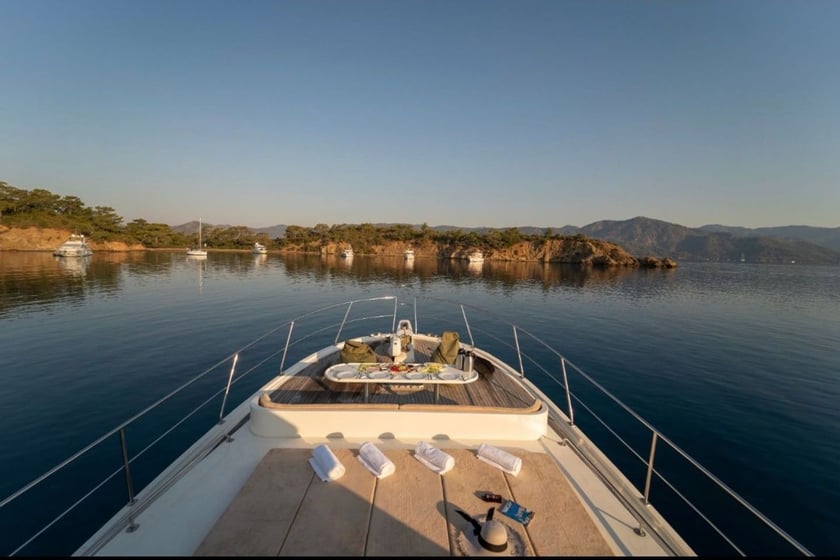
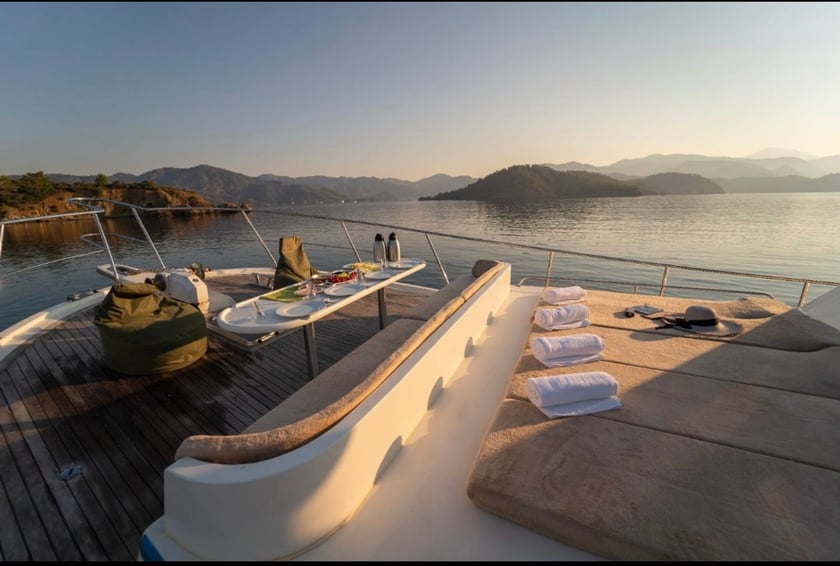
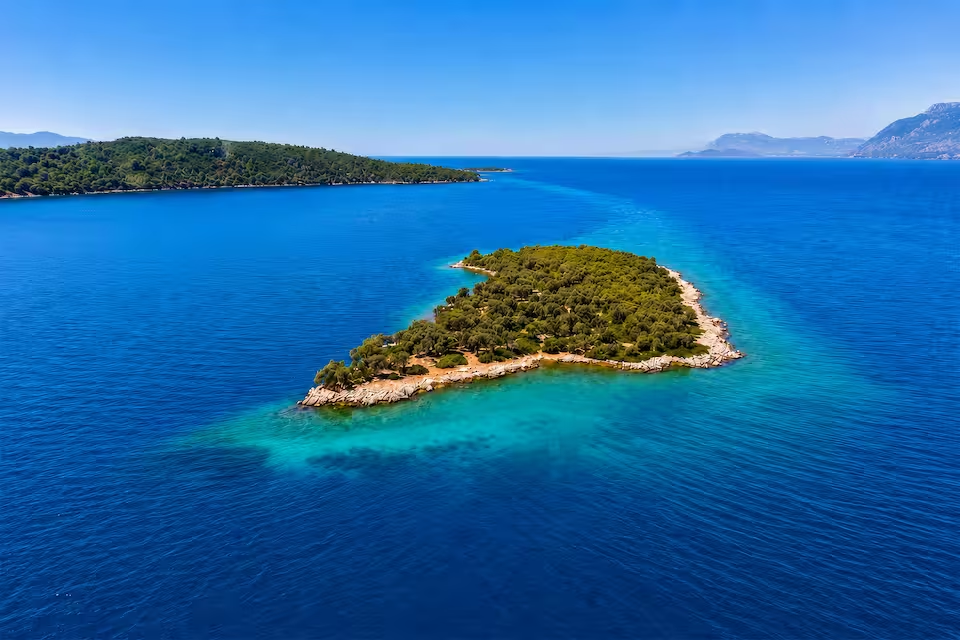
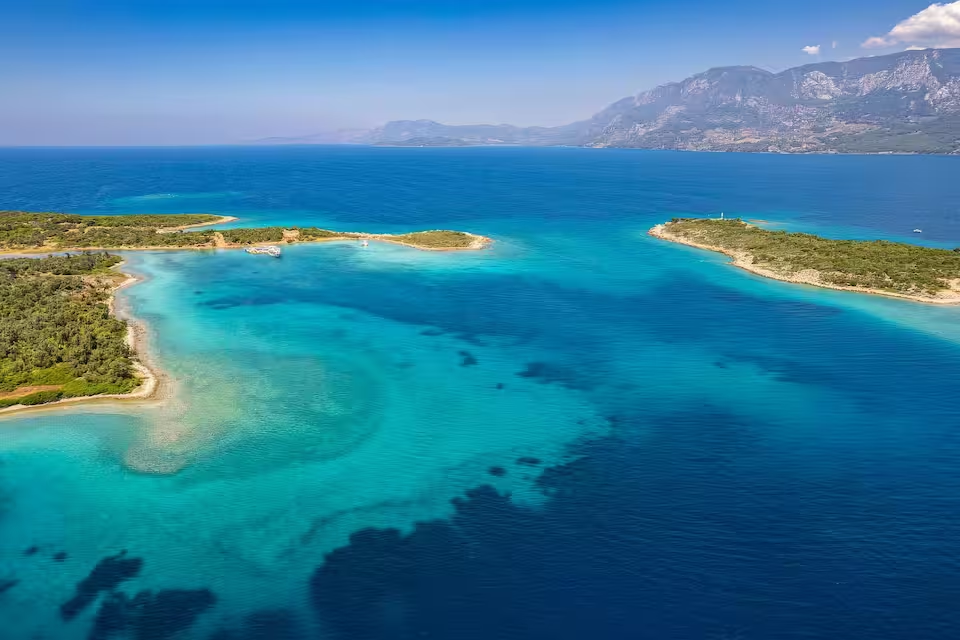
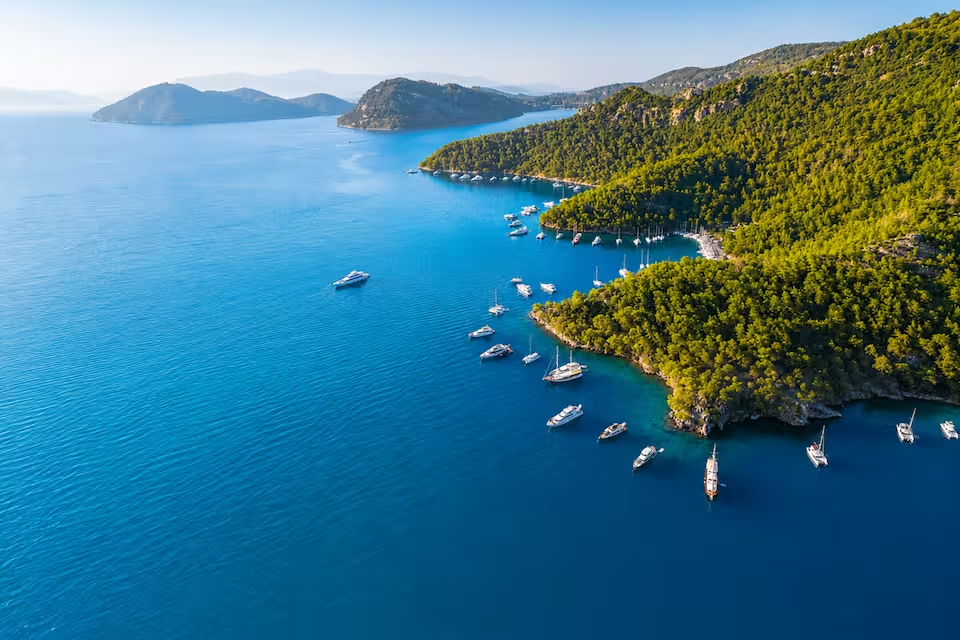
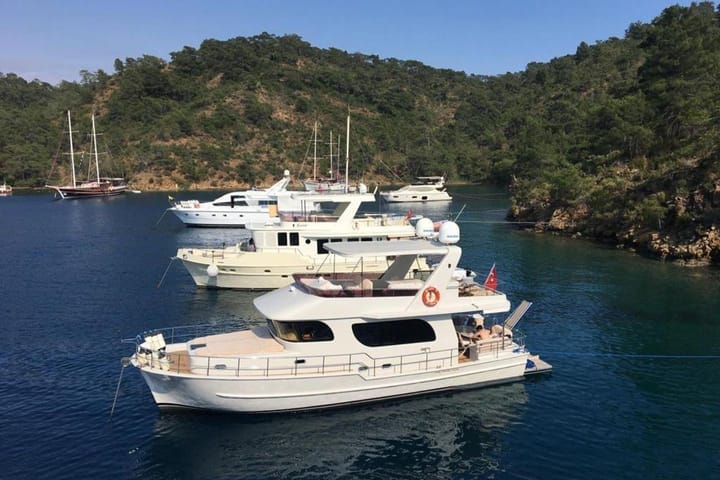
In the east, Göcek and Fethiye offer the province’s most protected island-hopping environment. Short passages connect Göcek Island, the Yassıca Islands, Tersane Island and coves such as Bedri Rahmi and Sarsala. This compact geography is especially suitable when the priority is relaxed cruising, frequent swimming stops and less time spent on open-water passages.
Conditions on the water
Cruising conditions vary substantially across Muğla. Summers are generally hot, sunny and dry, with northerly to northwesterly winds and local thermal breezes often strengthening in the afternoon. This pattern is particularly noticeable around Bodrum, Gökova and the exposed sides of the Datça Peninsula. Wind can accelerate near headlands and through channels, so a calm morning departure does not necessarily indicate the conditions later in the day.
Göcek, the inner Gulf of Fethiye and much of Marmaris Bay are more sheltered. Their bays and islands favor shorter hops and flexible swimming stops, although entrances and open coastal legs can still become choppy. Gökova and Hisarönü combine protected anchorages with passages that require more attention to changing exposure.
For travelers, these differences affect both pace and route choice. A Göcek-based trip may center on several nearby anchorages in a day, while a route around Bodrum, Datça or Bozburun can involve longer legs and more careful timing around afternoon winds. Forecasts are particularly important before rounding exposed headlands or moving between separate cruising areas.
When to charter in Muğla
The principal recreational boating season runs from May through October. June and September are particularly suitable months, usually combining warm weather with more comfortable temperatures than midsummer. They are strong choices for travelers who want swimming conditions and an active cruising season without the most intense heat of July and August.
July and August are reliably dry and sunny, but temperatures can be very high. Afternoon winds may also be stronger in exposed western areas around Bodrum, Gökova and Datça, while the inner waters of Göcek and Fethiye generally offer more shelter.
May and October can provide appealing conditions at the edges of the main season, though weather is less uniform. April and November may support cruising during settled periods, with reduced activity and greater variability. Winter brings more frequent rain, passing fronts and rough-water periods, making it less dependable for a conventional coastal charter.
Established cruising routes
One classic western itinerary runs from Bodrum into the Gulf of Gökova, linking Karaada and Orak Island with Çökertme, Ören, Sedir Island, the inner gulf and Yedi Adalar before reaching Knidos. It combines longer sailing legs with wooded anchorages, ancient sites and small coastal settlements.
A Datça Peninsula route follows the more sheltered southern shore through bays such as Kargı, Kurubük and Palamutbükü, with Knidos as a natural objective at the peninsula’s tip. From Marmaris, another established pattern leads through Çiftlik Bay and Serçe Limanı to Bozukkale, Bozburun, Selimiye, Orhaniye and Bencik Bay.
Göcek–Fethiye itineraries are more compact. The Yassıca Islands, Tersane Island, Bedri Rahmi Bay and other anchorages within the Gulf of Fethiye can be linked through short passages, leaving more time for swimming and going ashore. Because Muğla’s cruising grounds are widely separated, most charters are more rewarding when focused on one of these route families rather than attempting to combine the entire coastline.
Life aboard and ashore
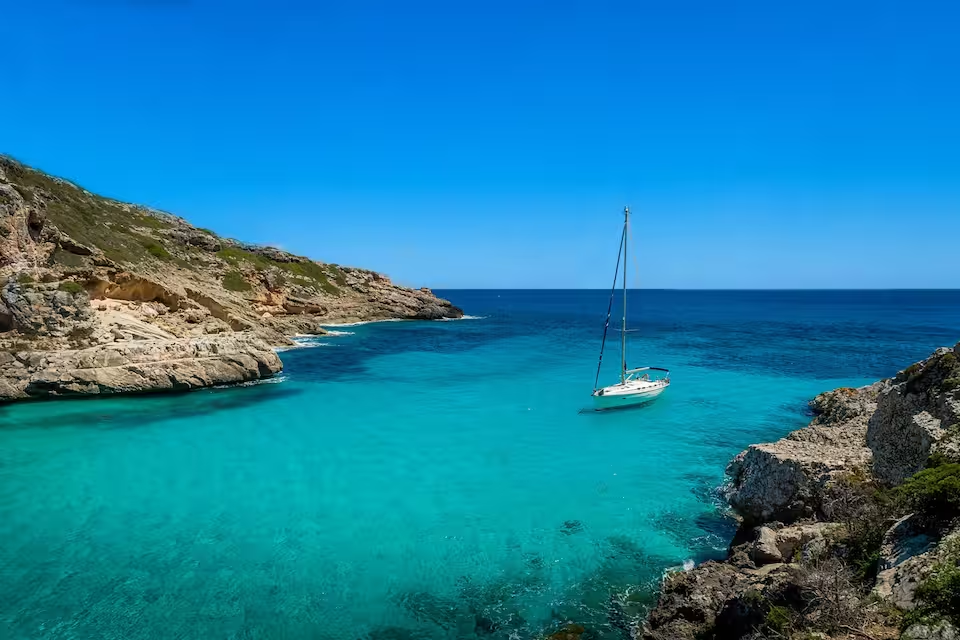
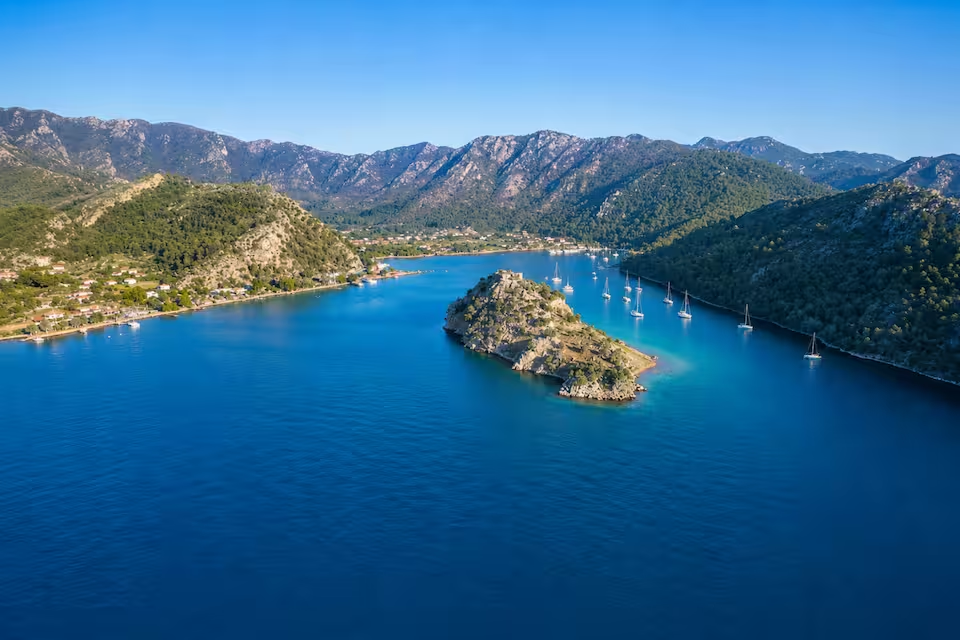
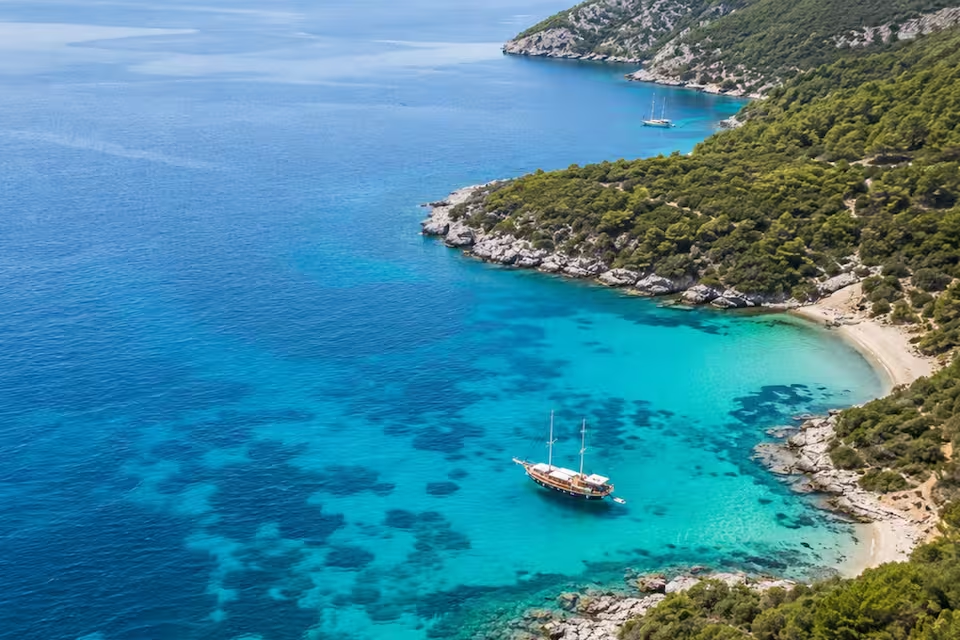
Muğla’s indented coast makes anchoring and swimming central to the charter experience. A typical day can alternate between a coastal passage, time in a protected cove and an evening in a marina town or fishing village. Gökova, Hisarönü and the Göcek islands are especially rich in secluded anchorages, while Bodrum and Marmaris add busier waterfronts and nightlife.
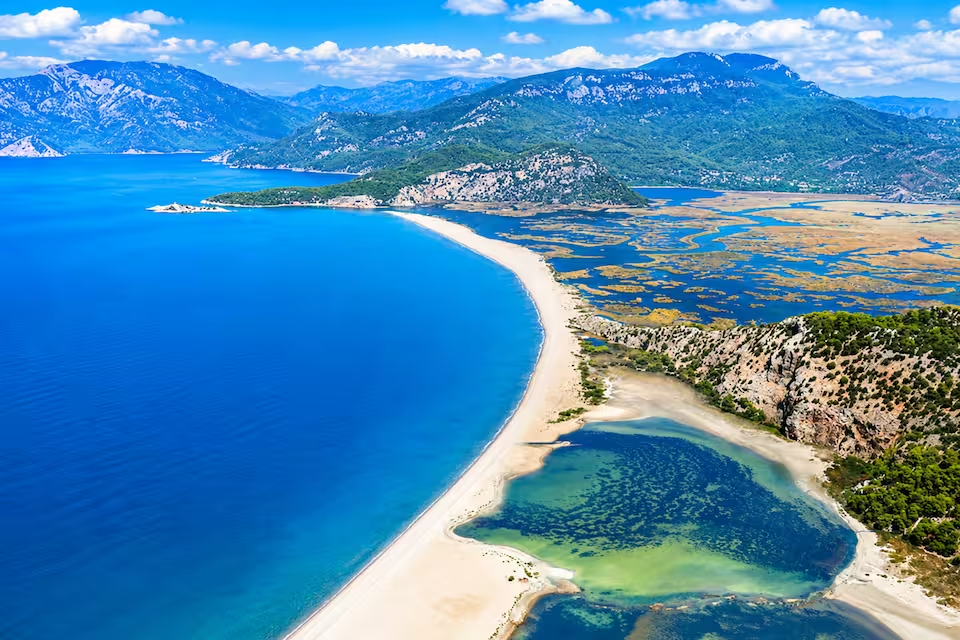
History is unusually visible along these routes. Knidos occupies a headland shaped by two natural harbors, Sedir Island contains the remains of ancient Kedrai, and Bodrum offers the castle and Museum of Underwater Archaeology. Around Dalyan, the Kaunos archaeological site and rock tombs provide another historical layer, although access needs to fit the local route and protected-area rules.
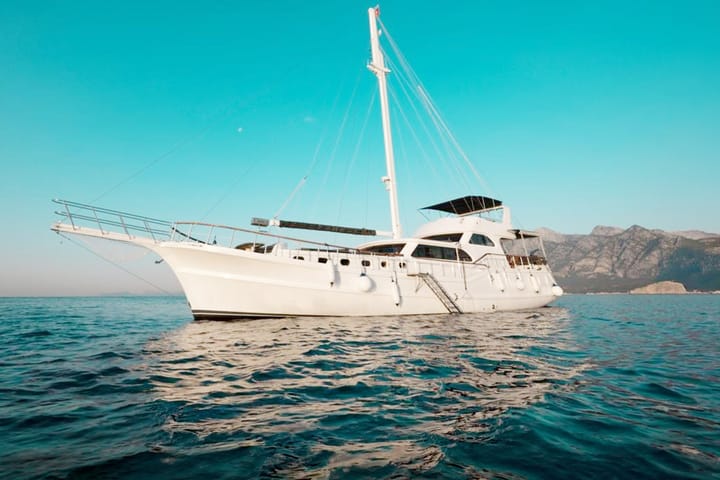
The coast is also closely associated with the Blue Voyage tradition, which developed around extended cruises from Bodrum, and with wooden gulet construction. Ashore, meals commonly feature seafood, mezes, local herbs and olive-oil dishes. These elements allow a charter to combine boating with regional food, ancient maritime history and coastal culture rather than treating each anchorage simply as an overnight stop.
Airports and departure points
Milas–Bodrum Airport is the main gateway for Bodrum, Turgutreis, Yalıkavak, Güllük and the province’s western coast. Dalaman Airport is generally more convenient for Göcek, Fethiye, Dalyan and Marmaris. Airport shuttles, buses, local minibuses, taxis and private transfers connect the principal coastal centers.
Common yacht departure points include Bodrum, Turgutreis, Marmaris, Göcek, Fethiye, Datça and Bozburun. Bodrum, Marmaris, Göcek and Fethiye have established marina infrastructure and provisioning, while Datça and Bozburun place travelers closer to quieter peninsular routes. Road transfers to Datça, Bozburun and smaller settlements are typically longer, so the relationship between airport, embarkation port and intended route should be considered together.
Planning the right charter
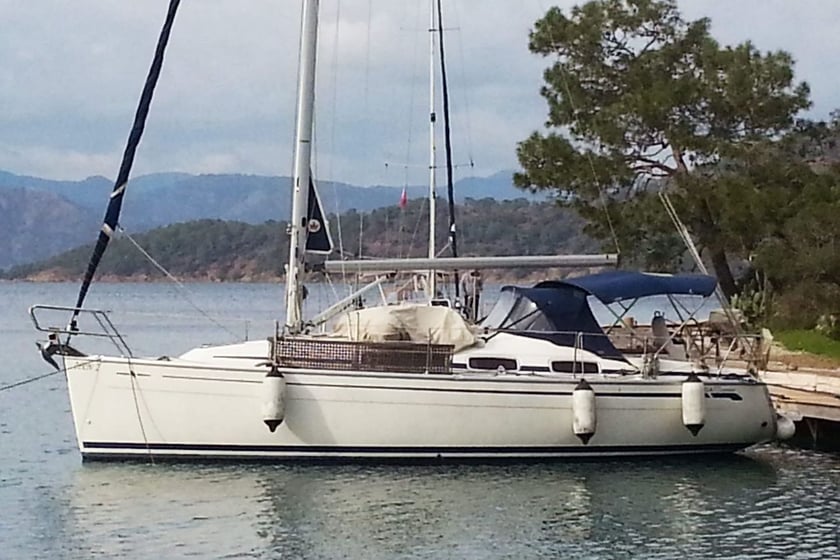
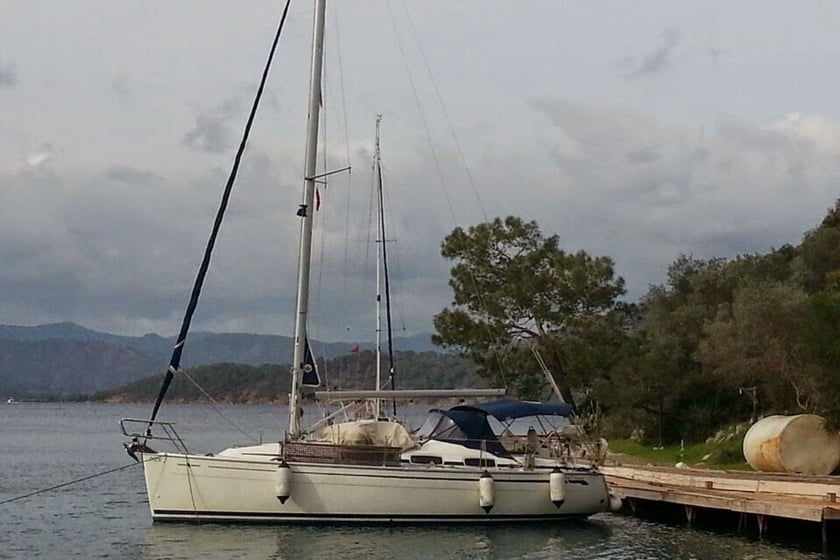
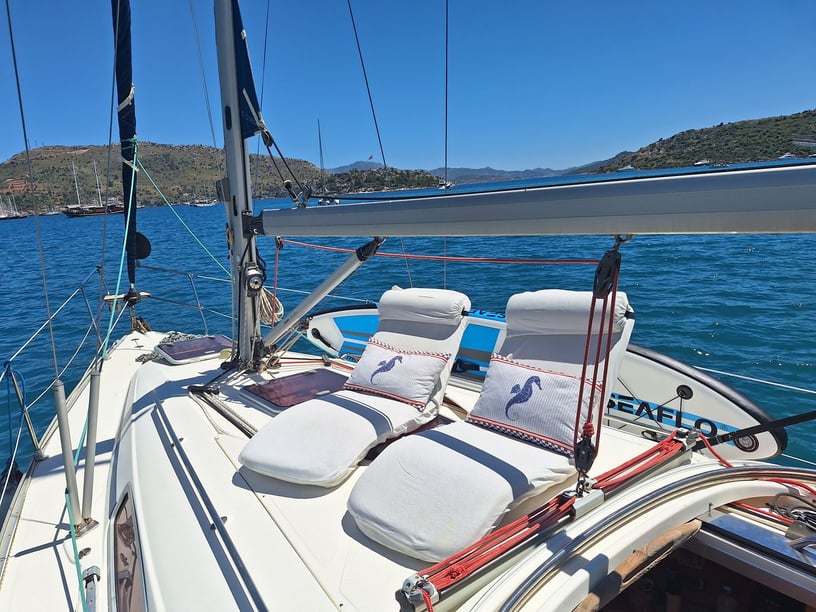
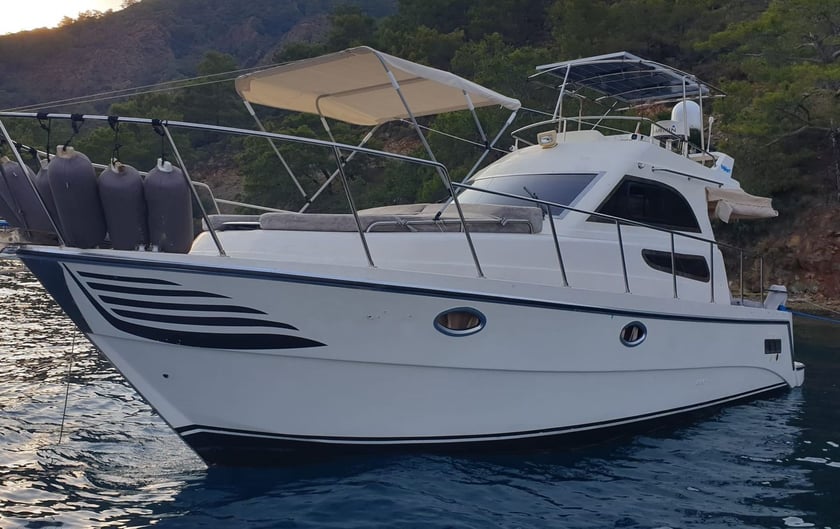
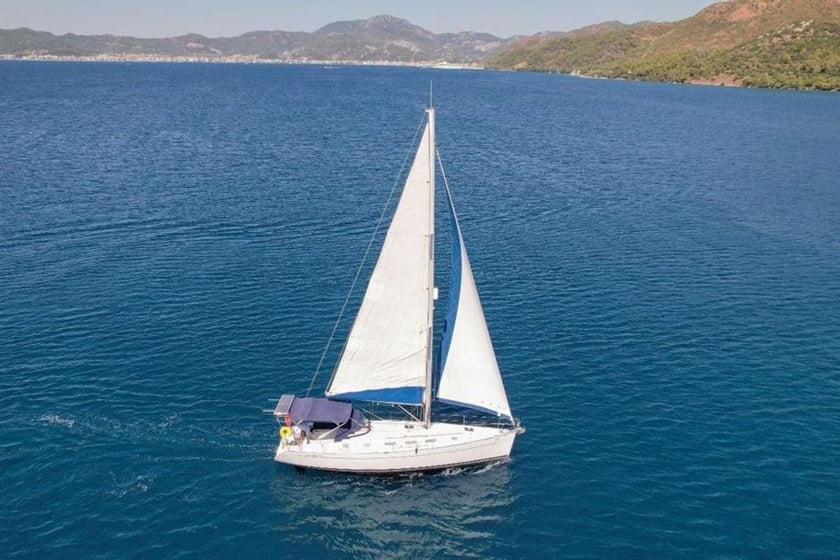
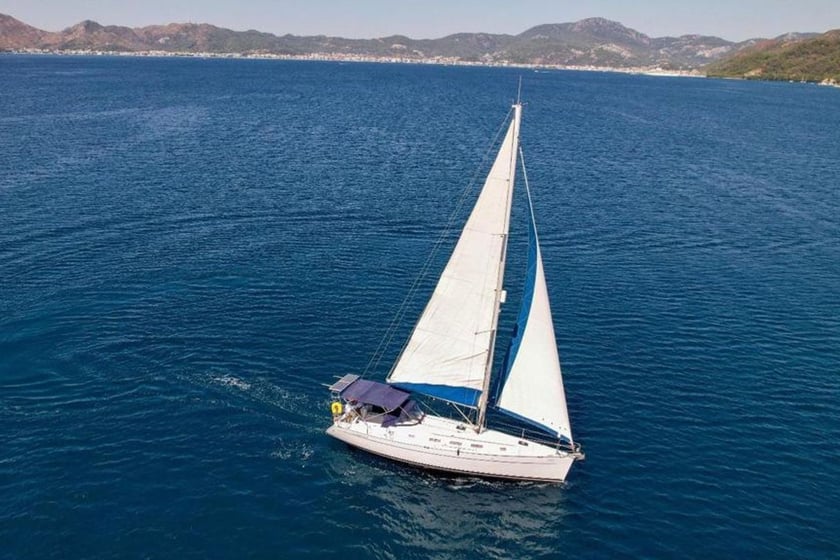
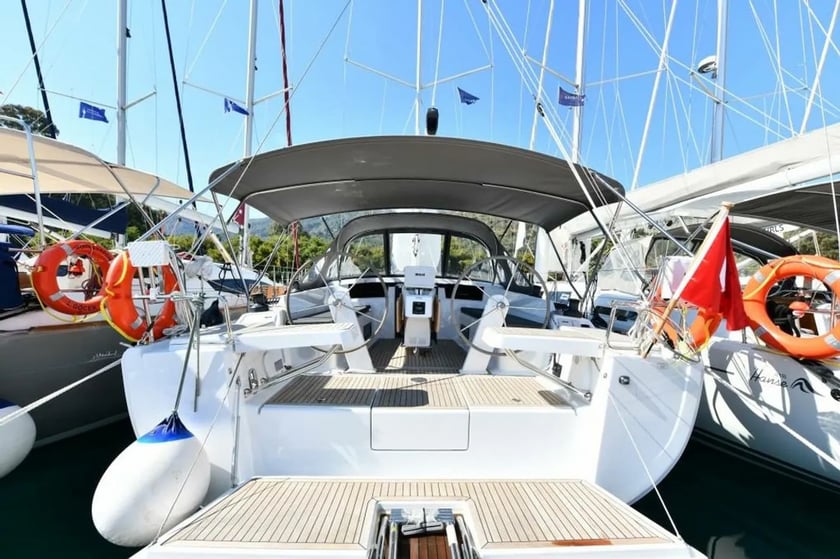
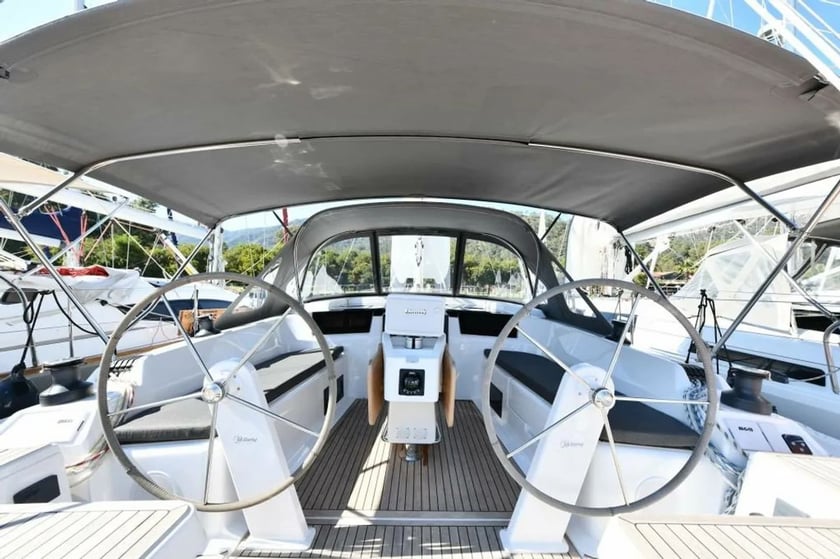
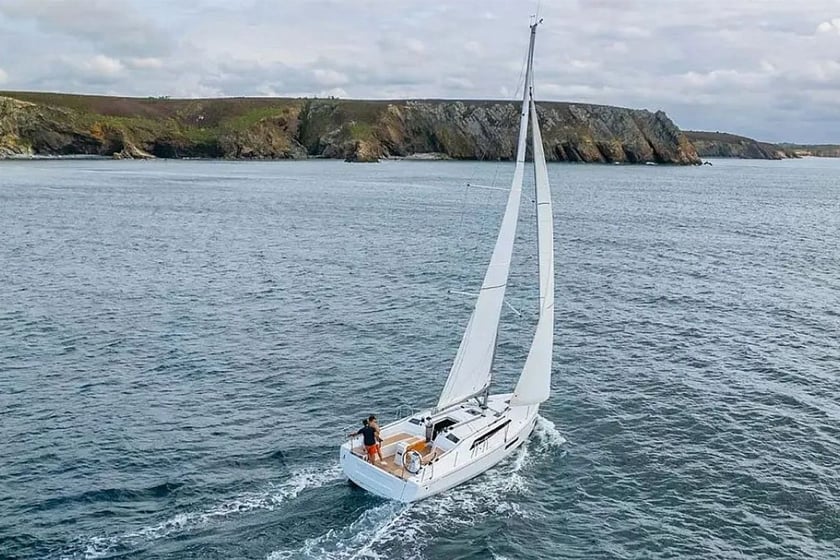
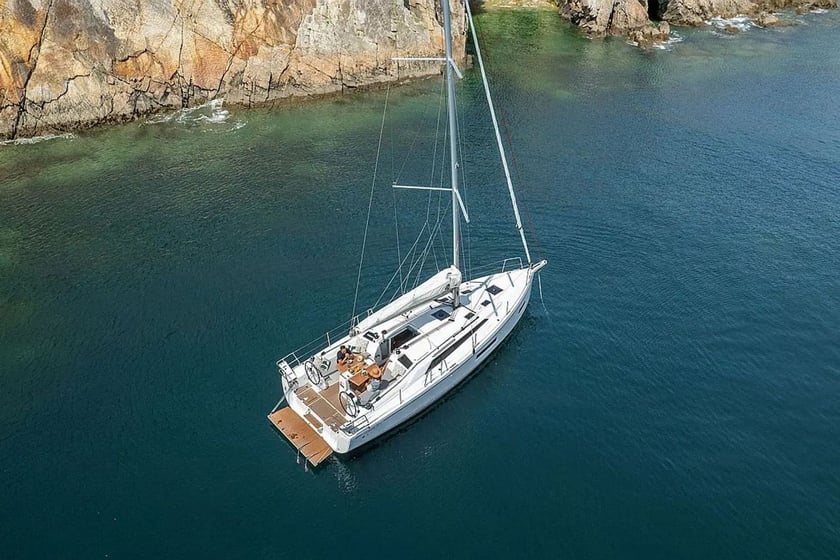
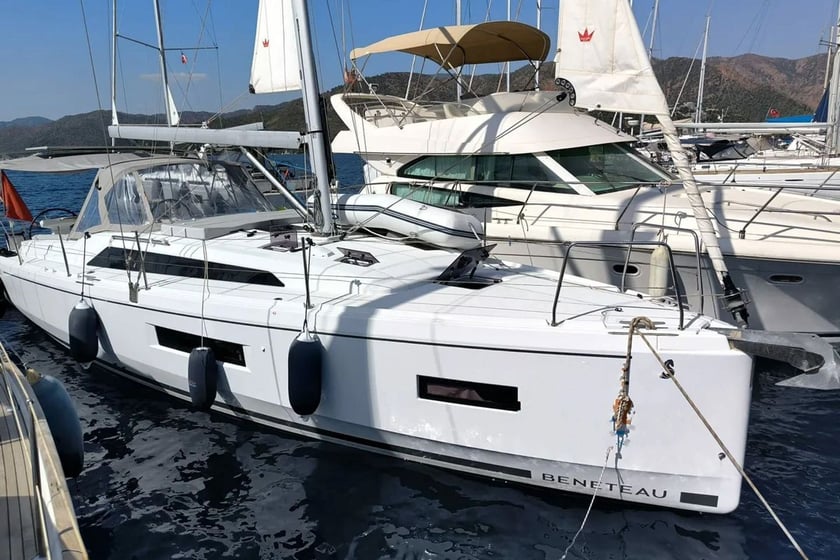
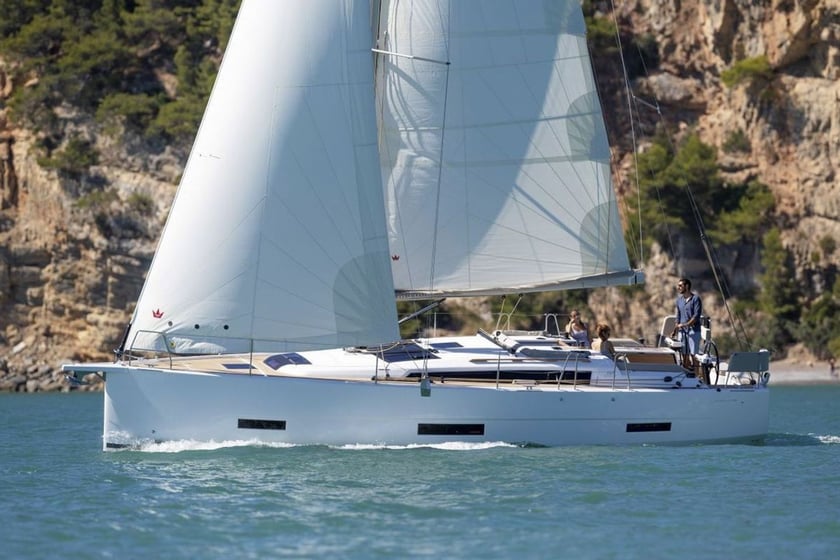
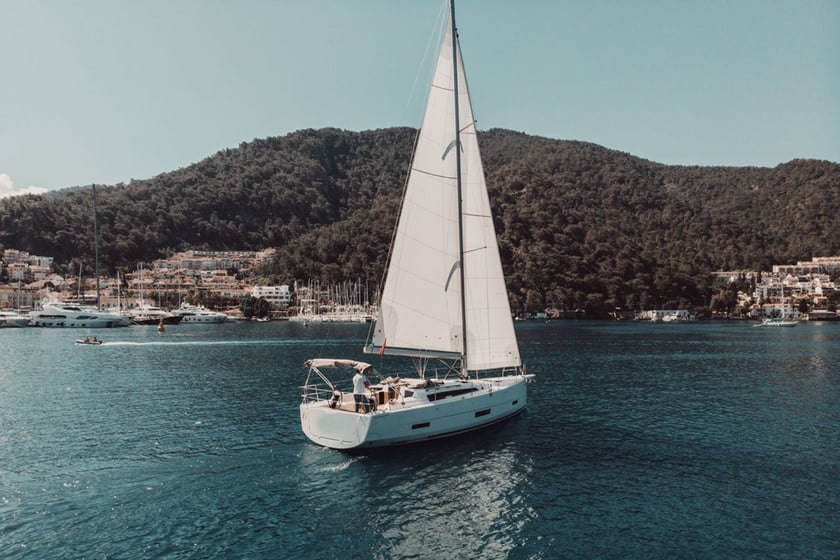
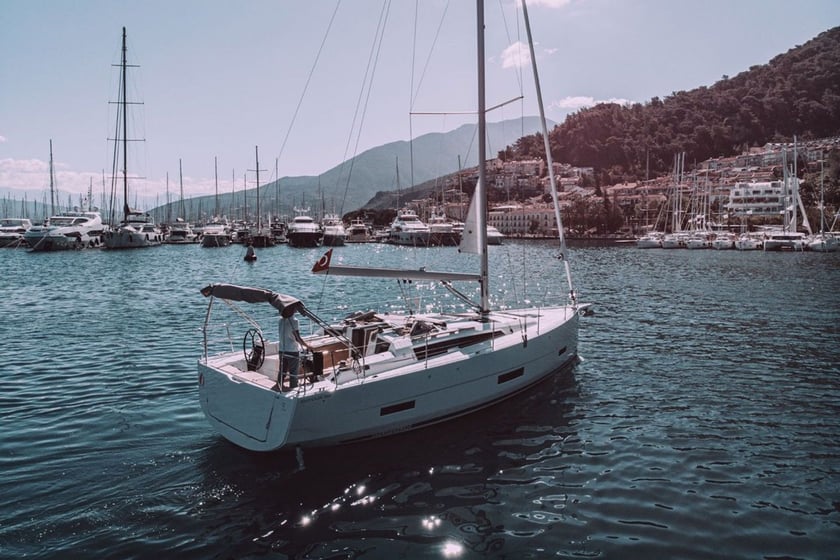
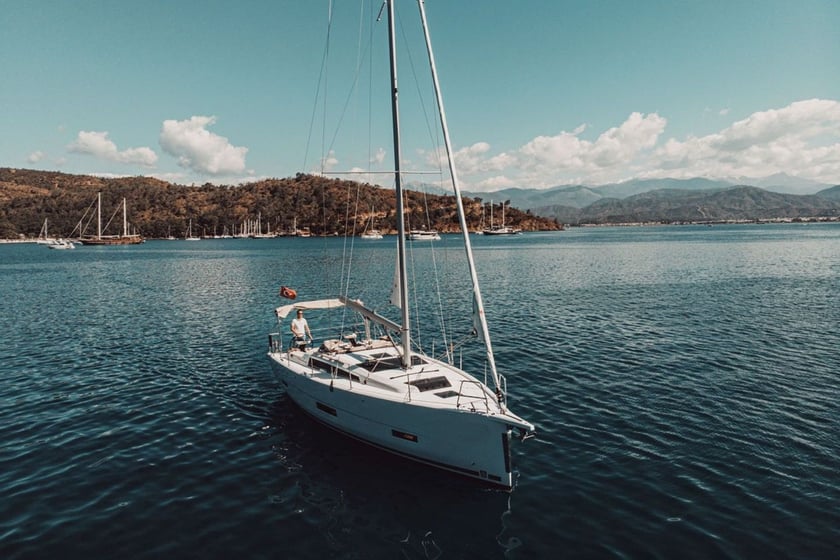
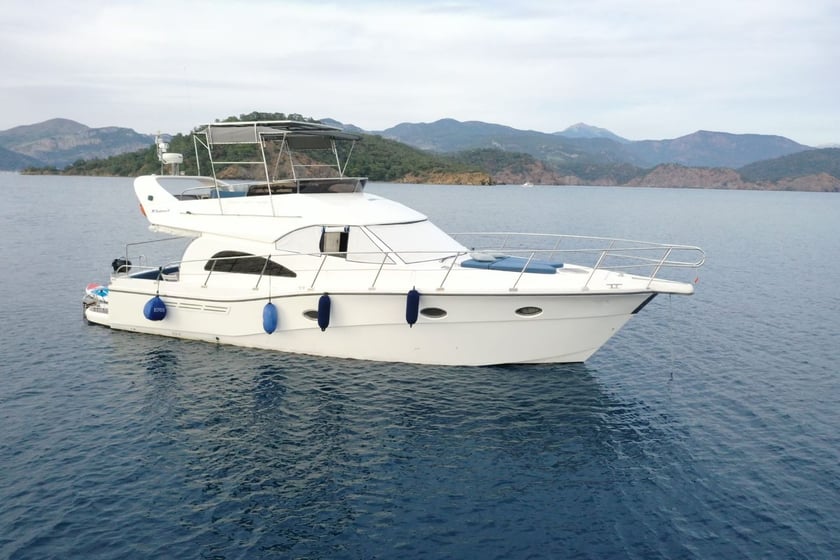
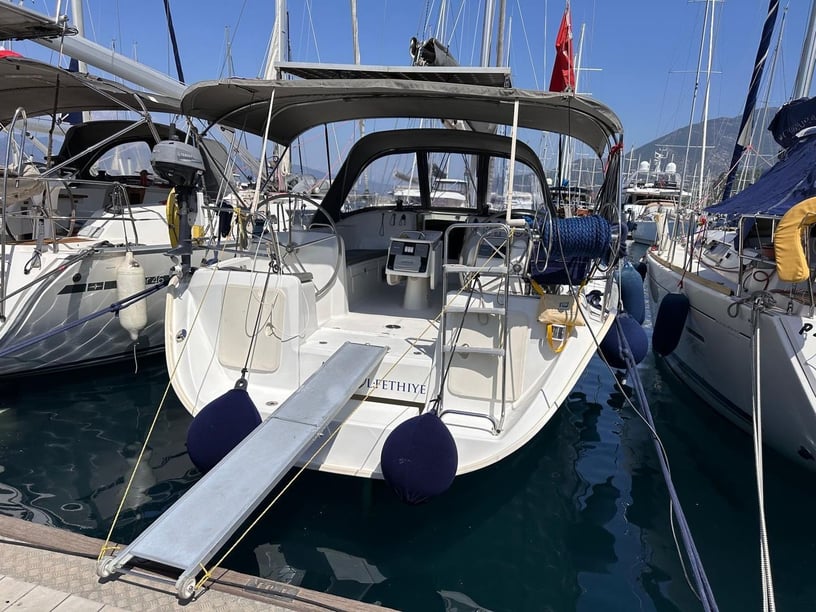
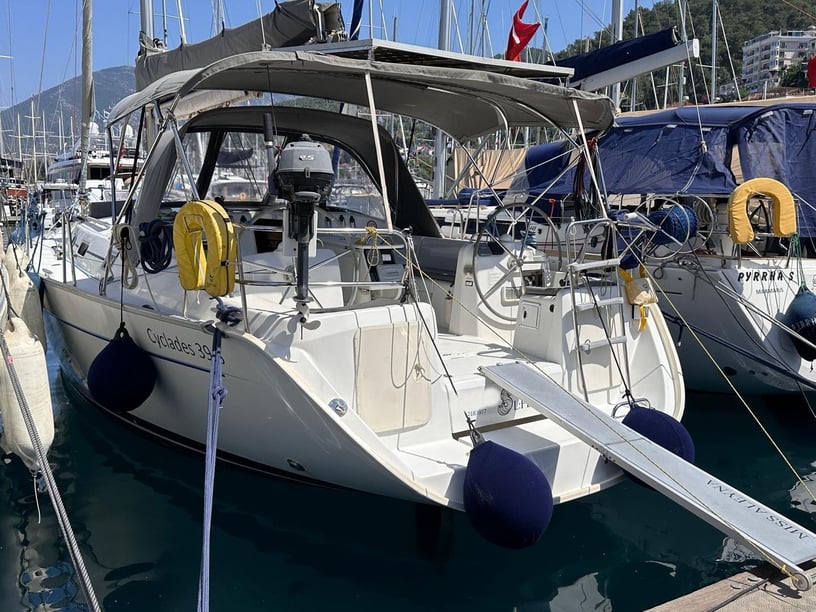
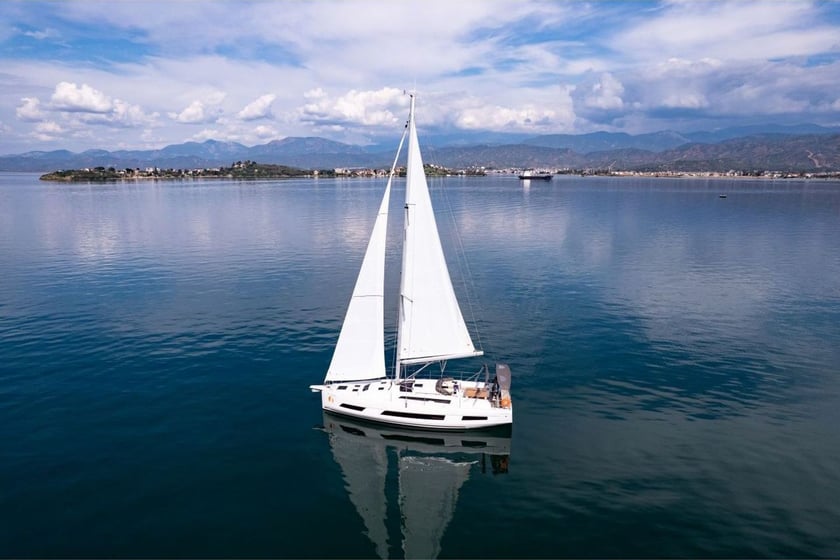
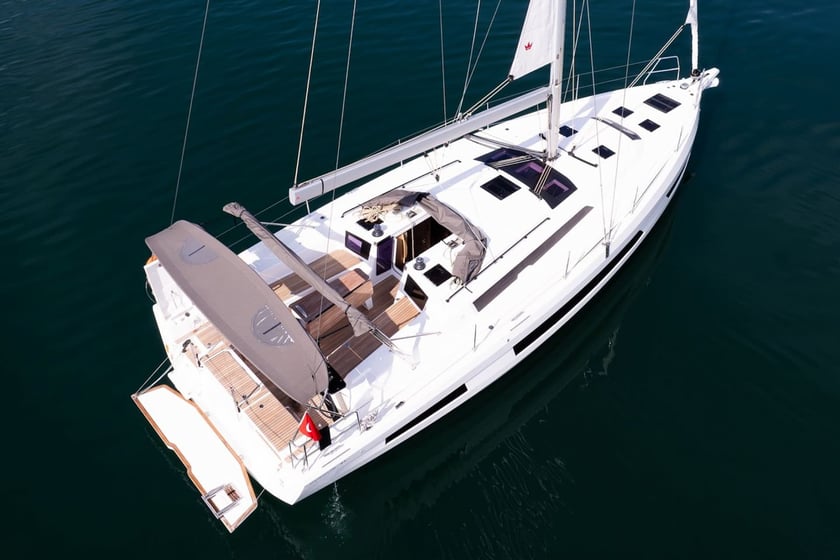
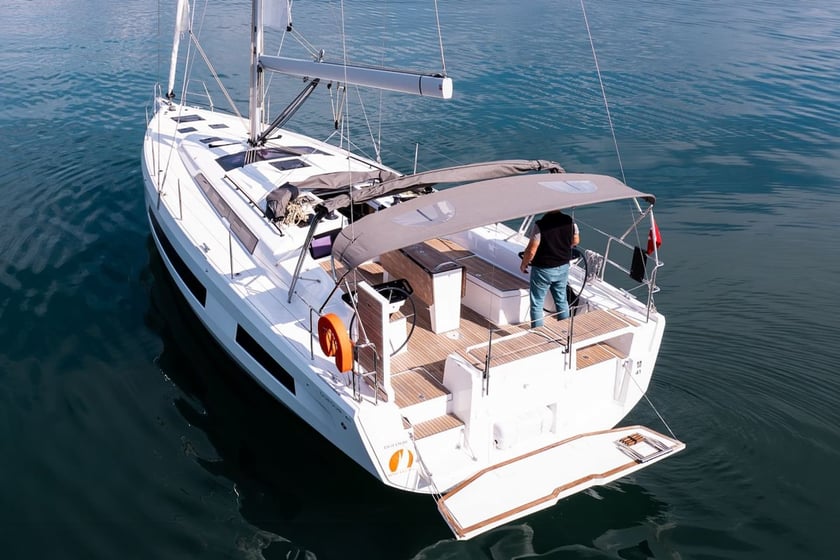
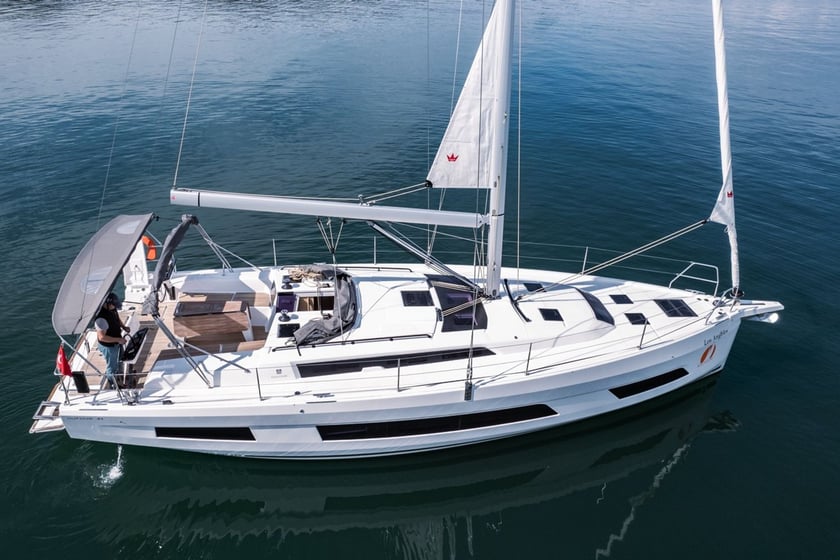
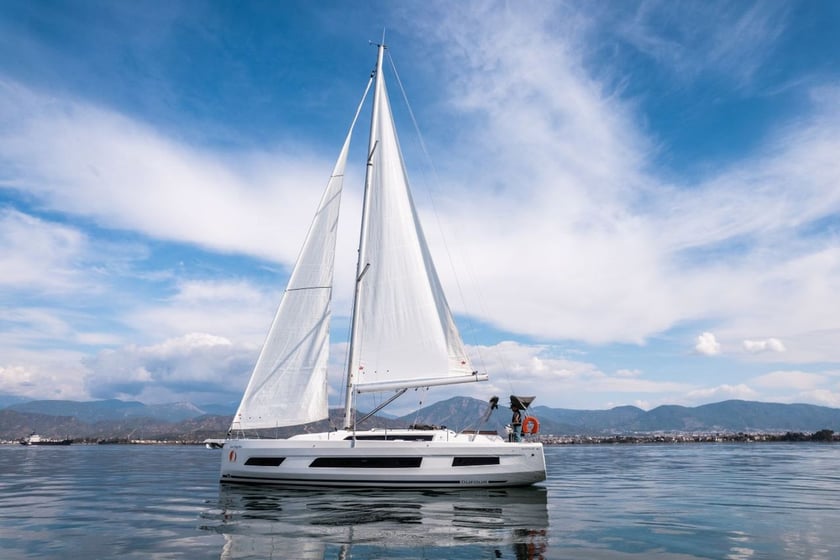
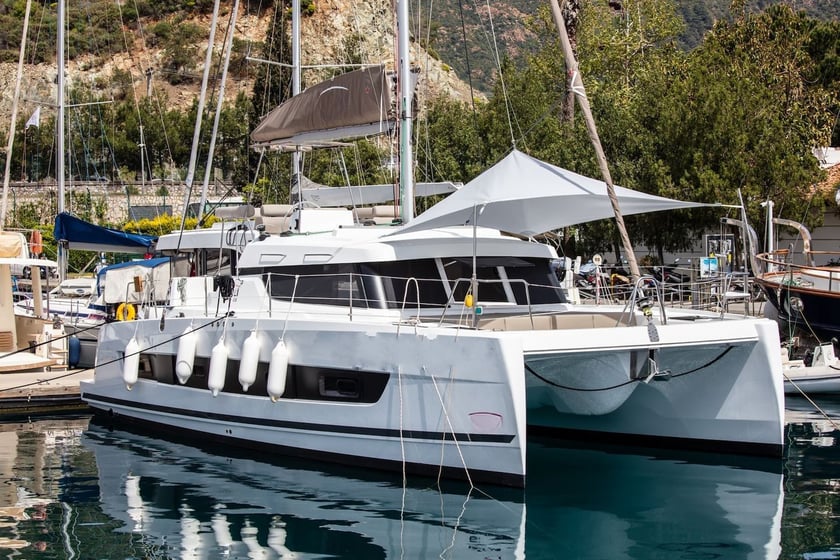
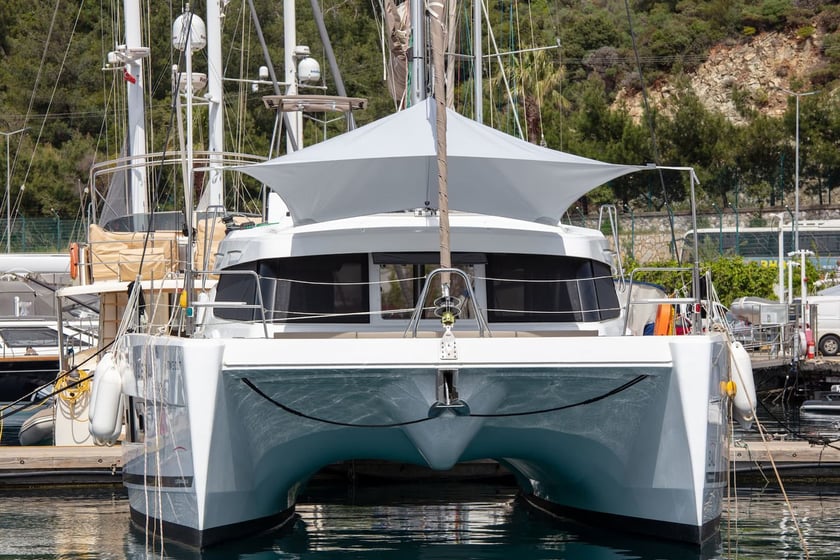
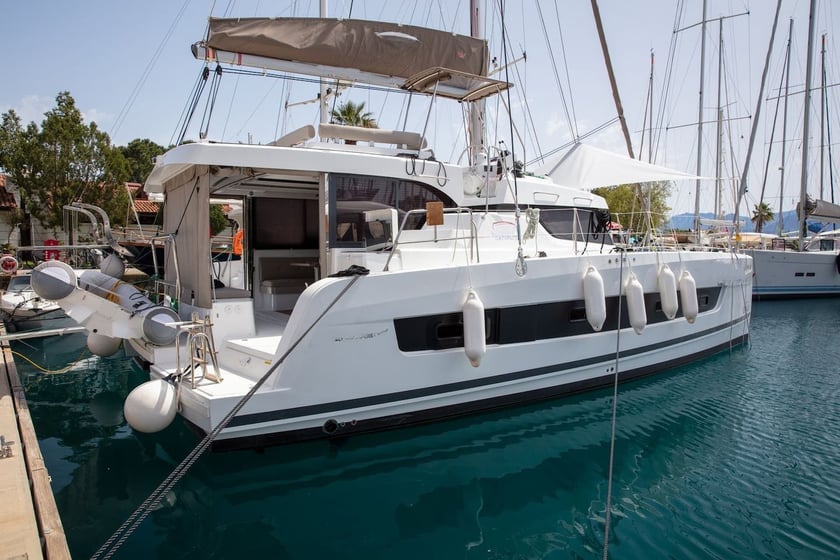
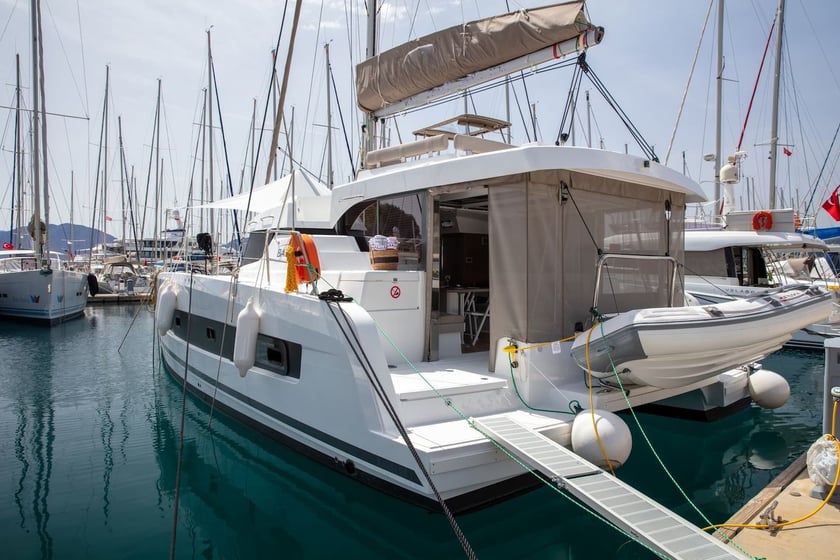
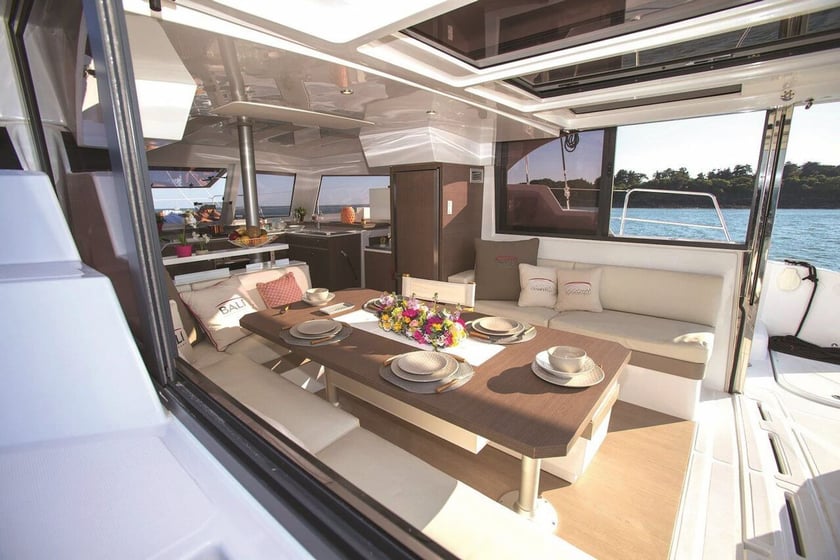
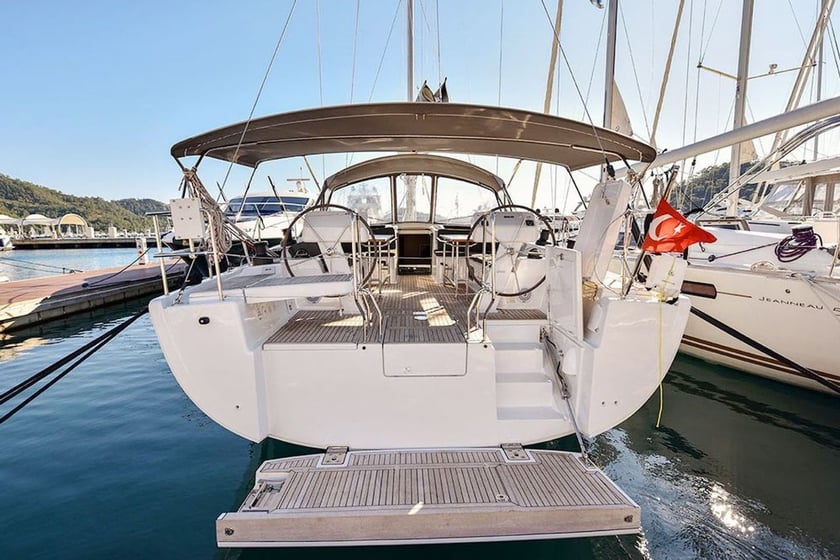
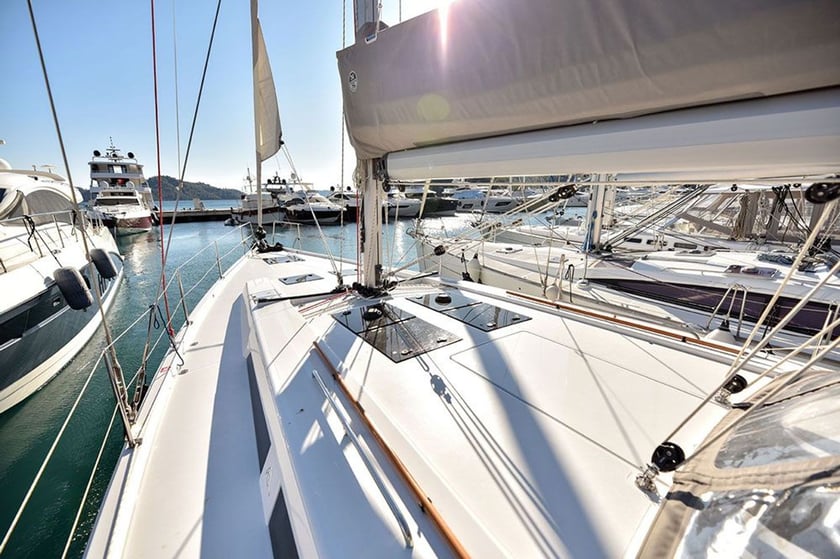
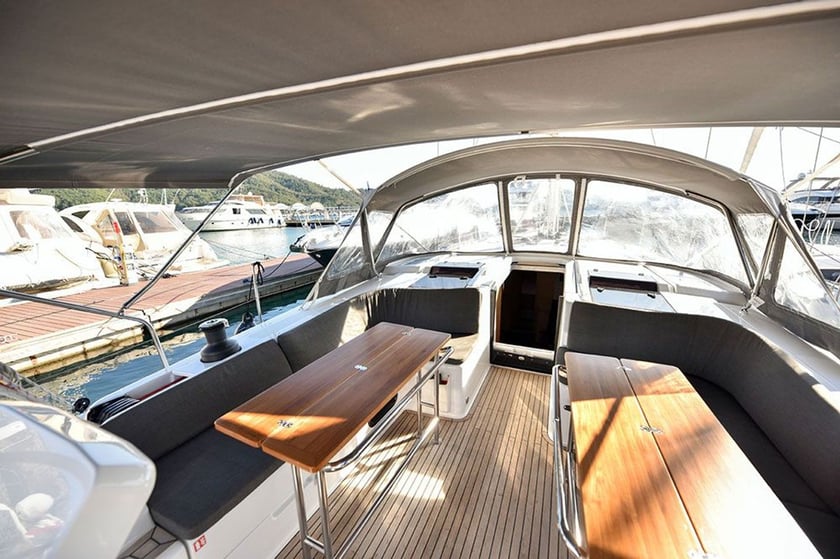
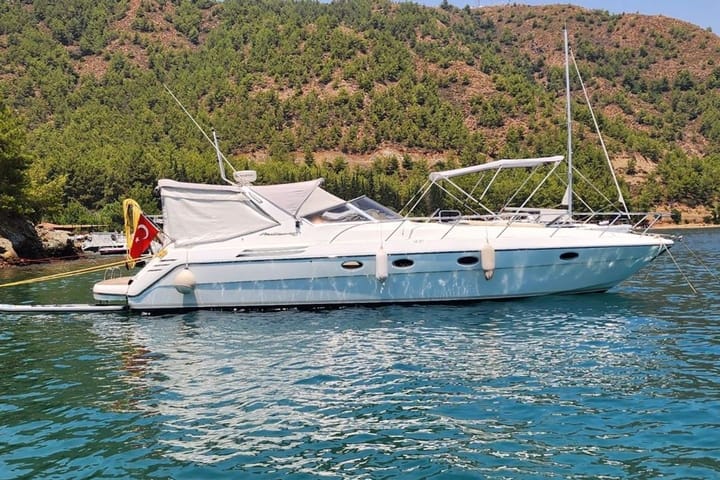
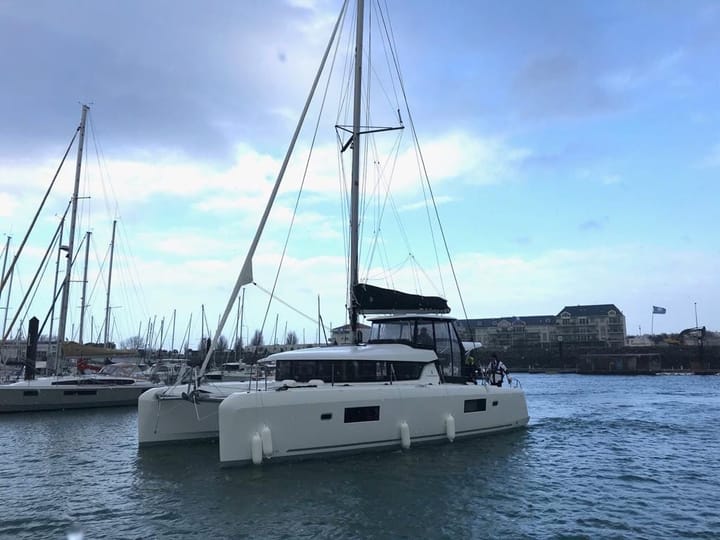
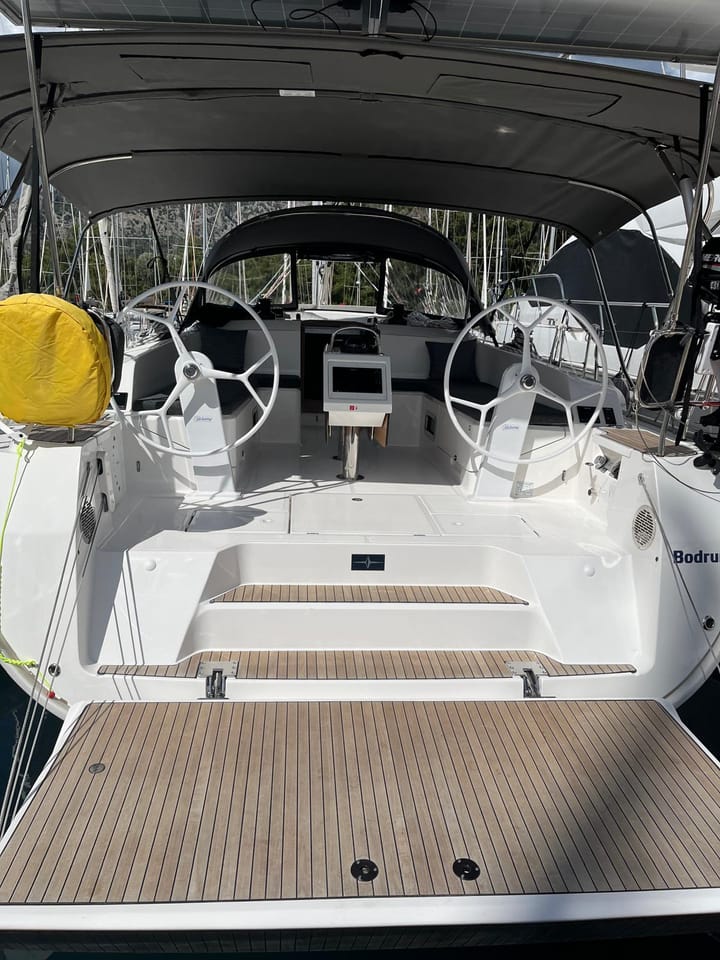
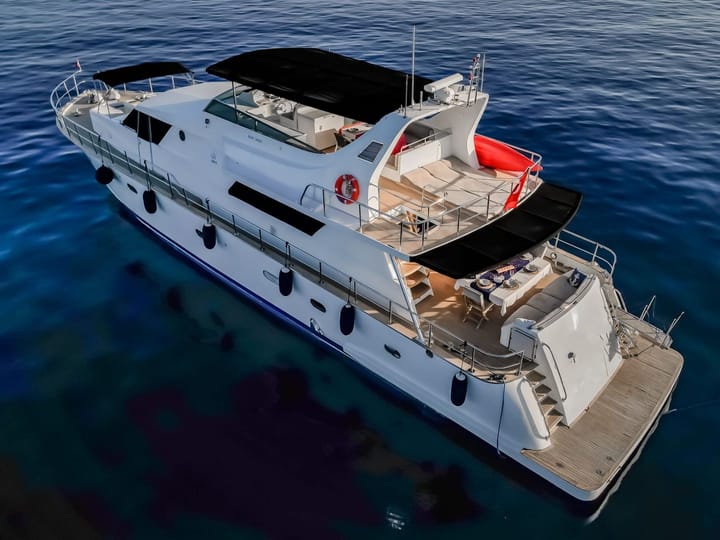
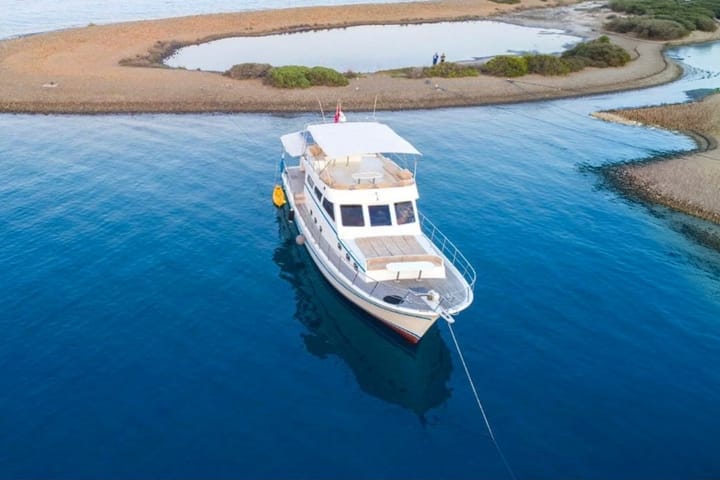
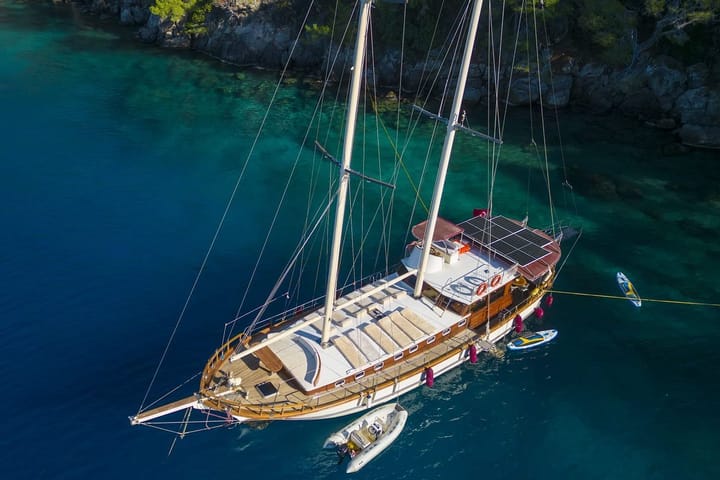
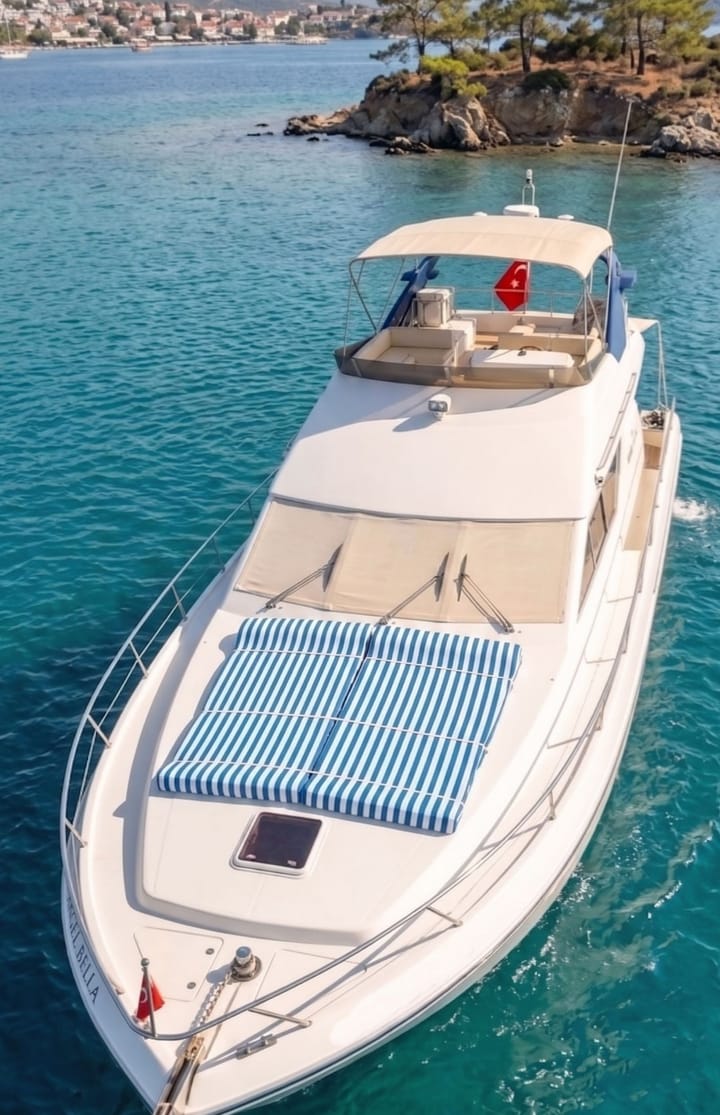
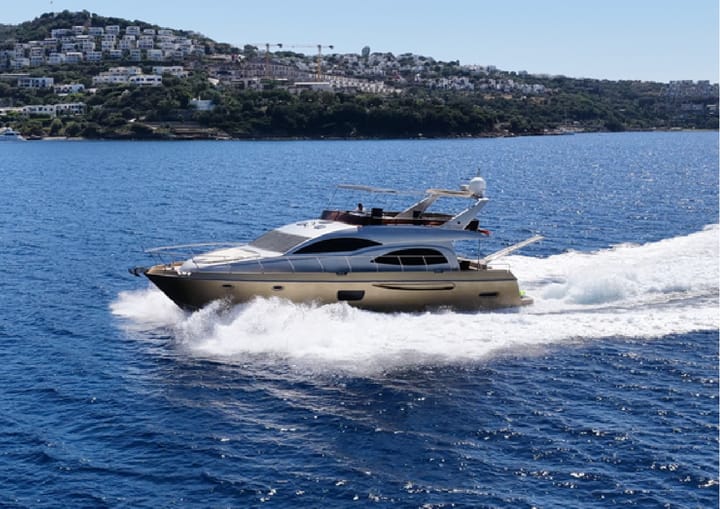
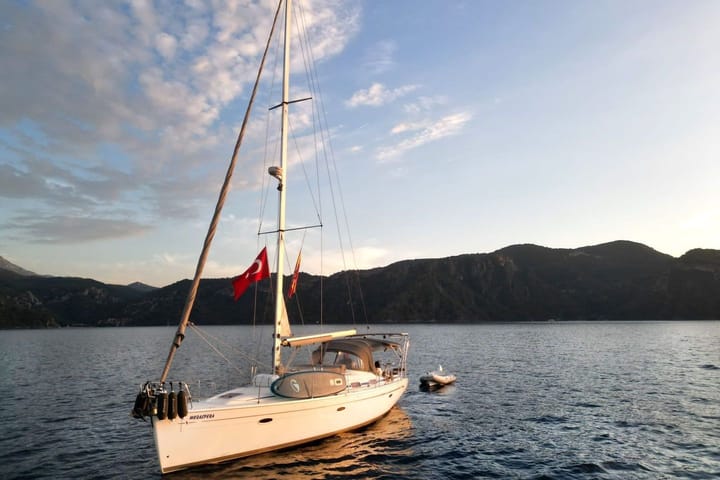
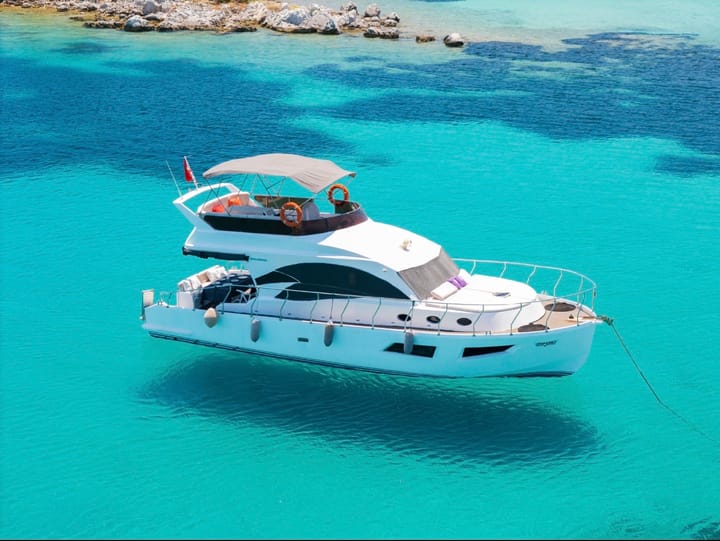
Start by choosing the cruising area, then consider the type of yacht experience that matches it. Travelers interested in Muğla’s wooden-vessel and Blue Voyage heritage can explore gulet charter in Muğla. Those focused on wind-powered cruising can compare sailboat charters, while catamaran options may appeal when onboard space and a stable platform are priorities. For a different balance of speed and passage time, motor yacht charters provide another format to consider.
Route ambition should reflect the area’s geography. Short itineraries are better concentrated within Göcek–Fethiye, Marmaris–Hisarönü or Bodrum–Gökova than divided between distant bases. In western and peninsular waters, allow flexibility for afternoon winds and exposed headlands; in the sheltered gulfs, planning can place greater emphasis on swimming stops and short passages.
Large parts of Gökova, Datça–Bozburun, Köyceğiz–Dalyan and Fethiye–Göcek are designated Special Environmental Protection Areas. Local anchoring, mooring, speed, waste-discharge and access rules must be followed. Harbor instructions, buoy systems and protected-area regulations can change, so current notices from the relevant harbor authority should be checked before the trip.






















Verified
Serdar K.27 Sep 2026
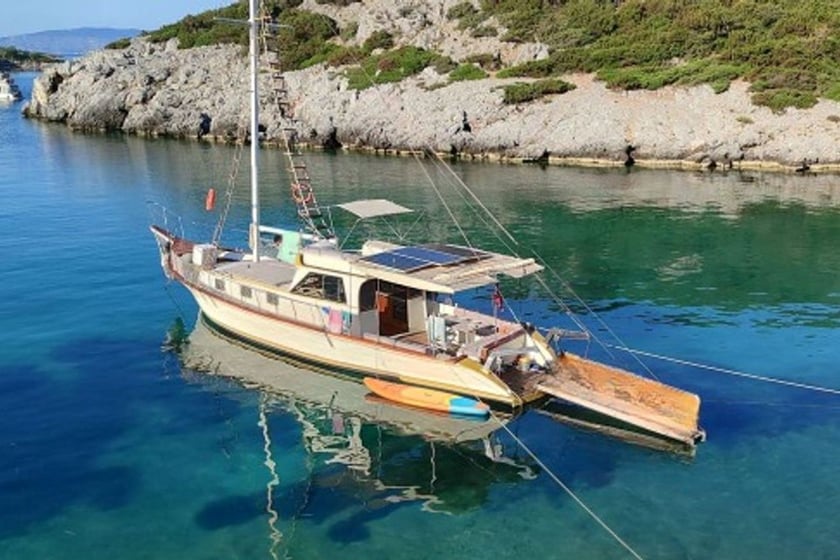
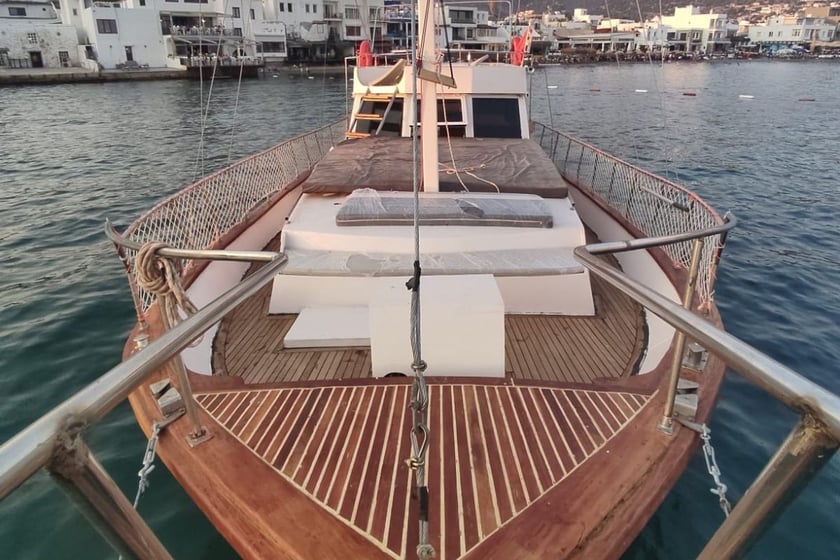
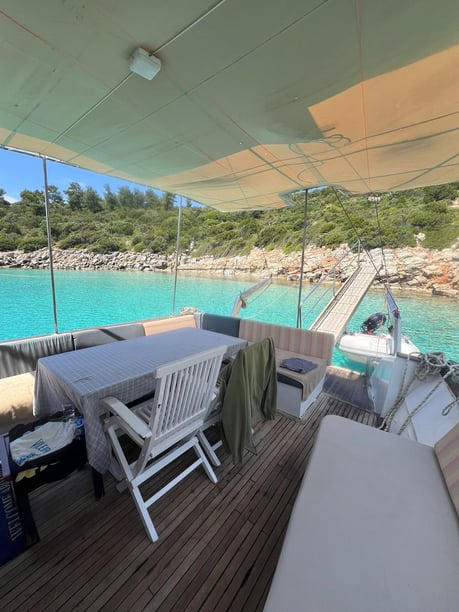
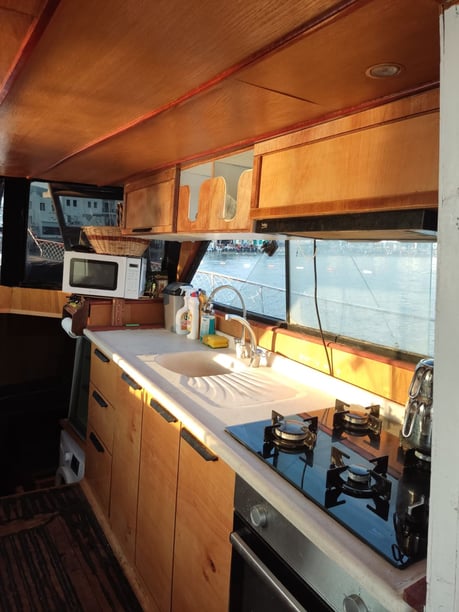
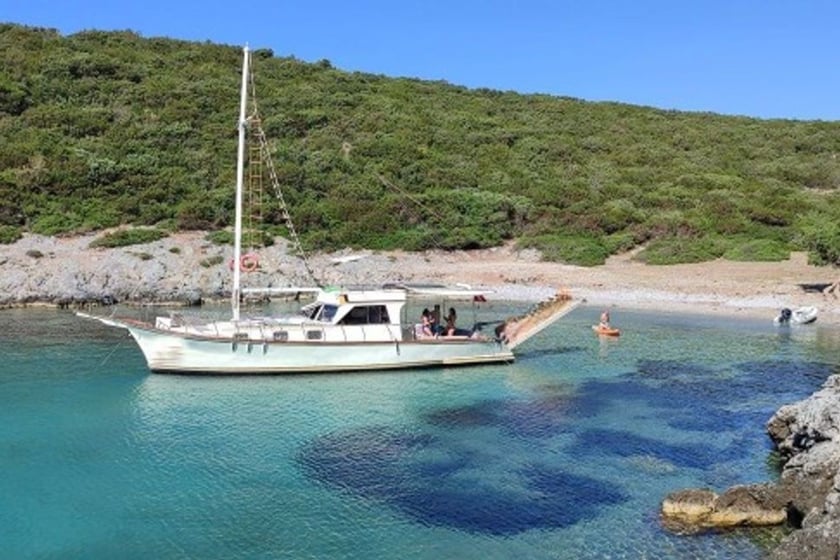
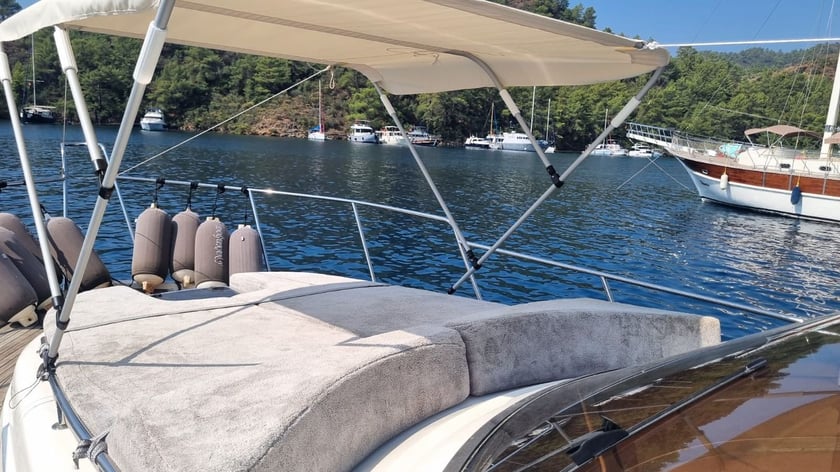
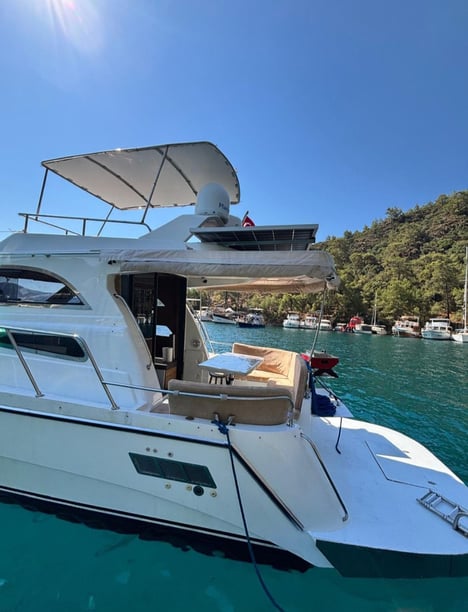
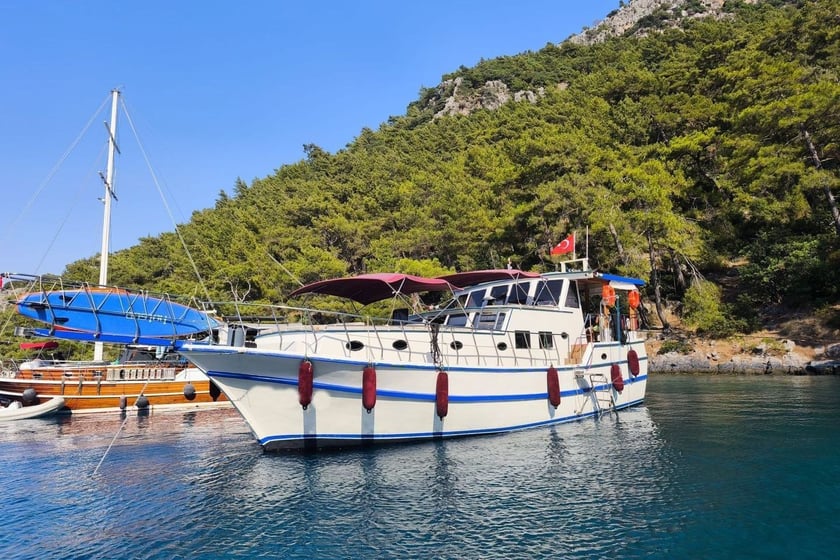
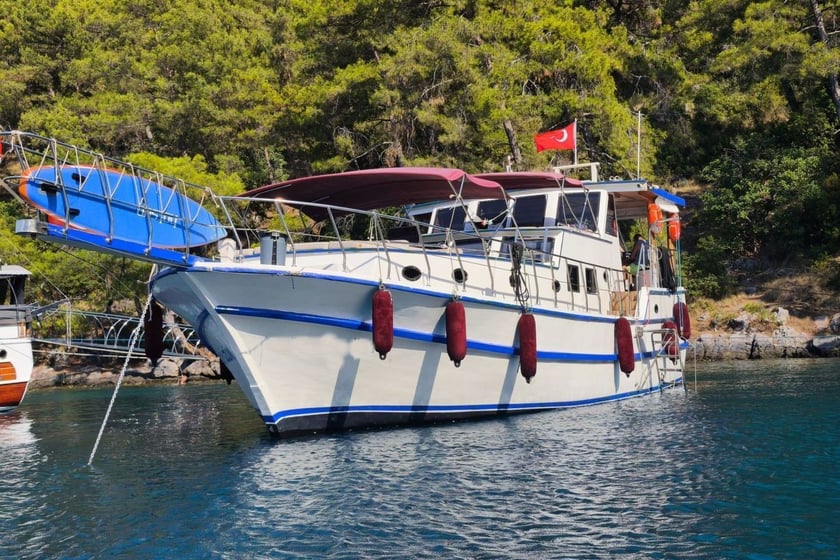
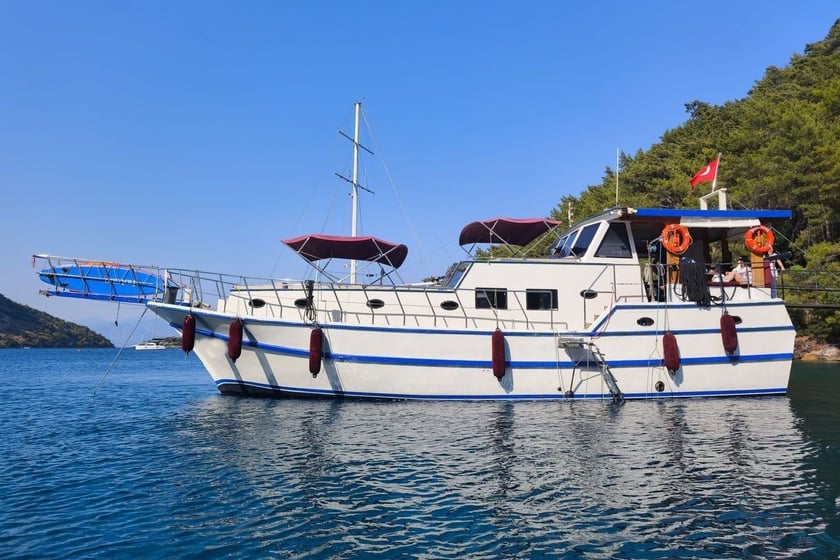
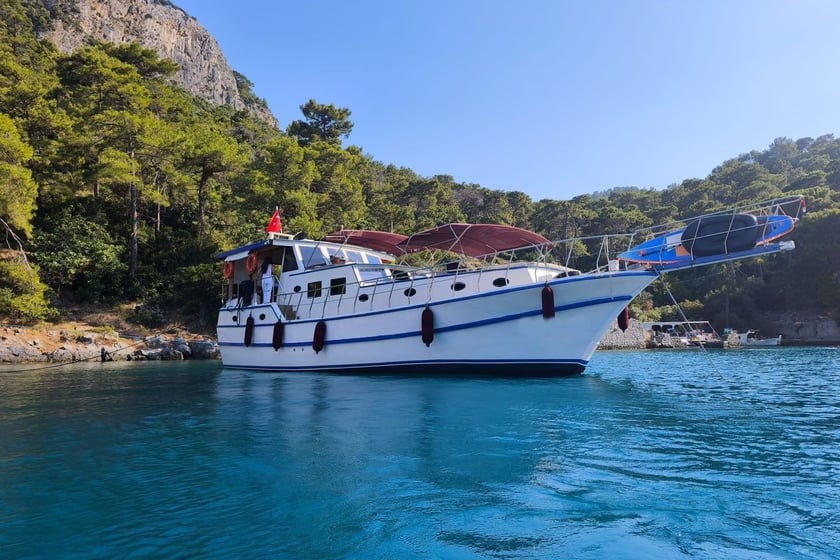
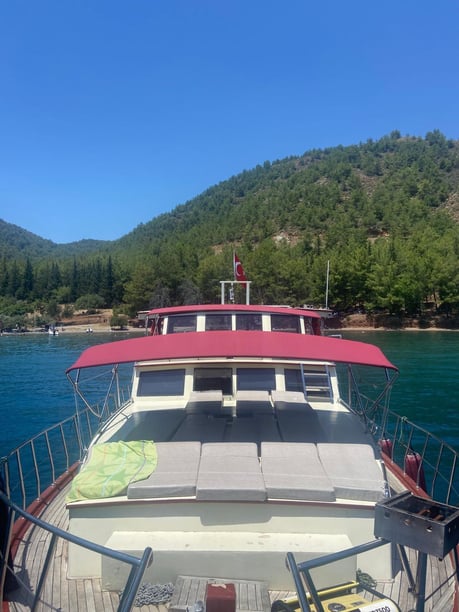
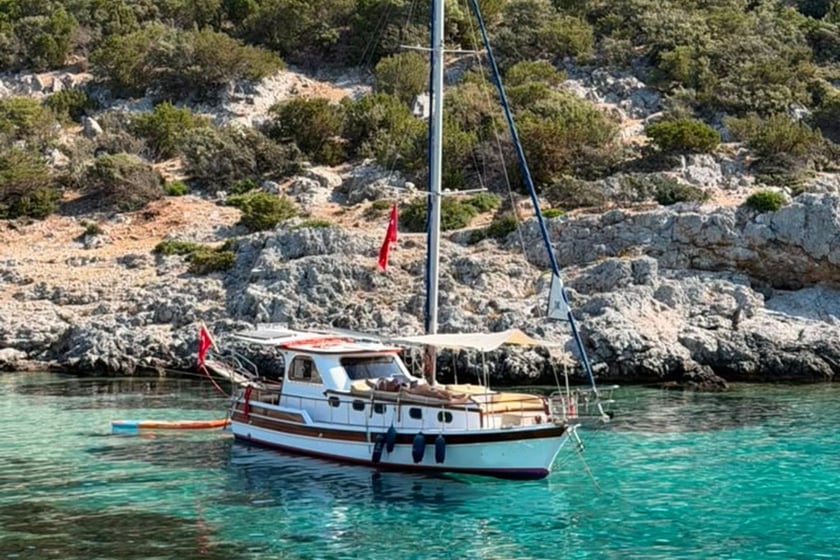
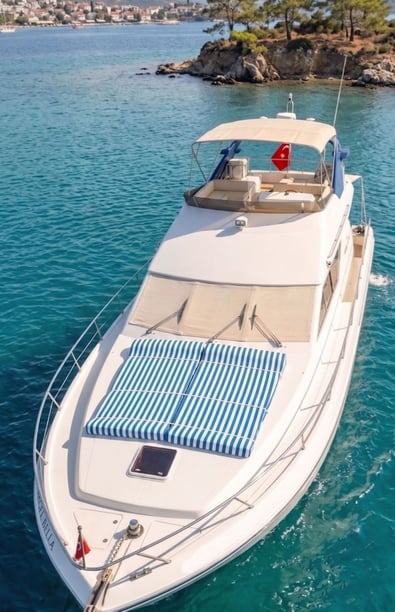
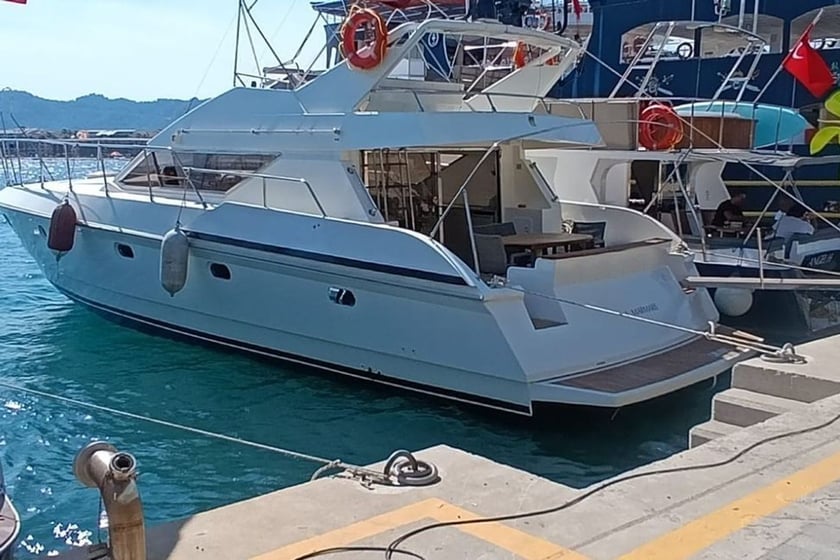
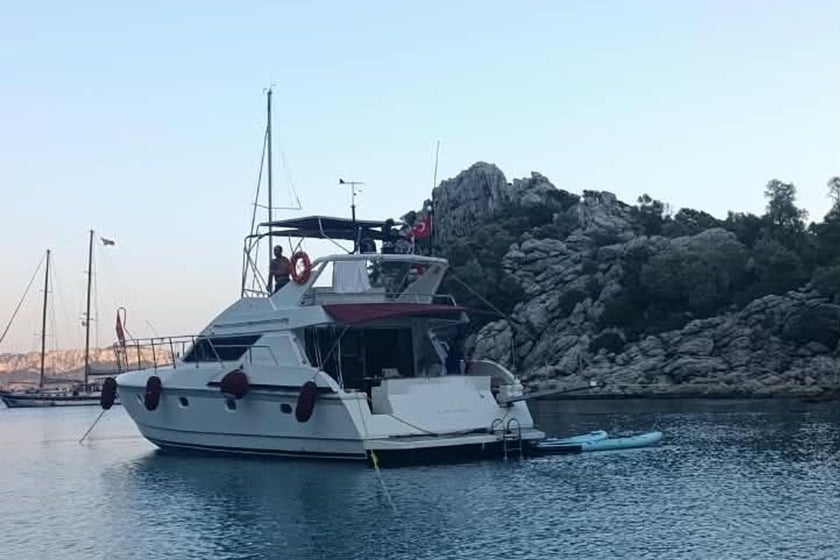
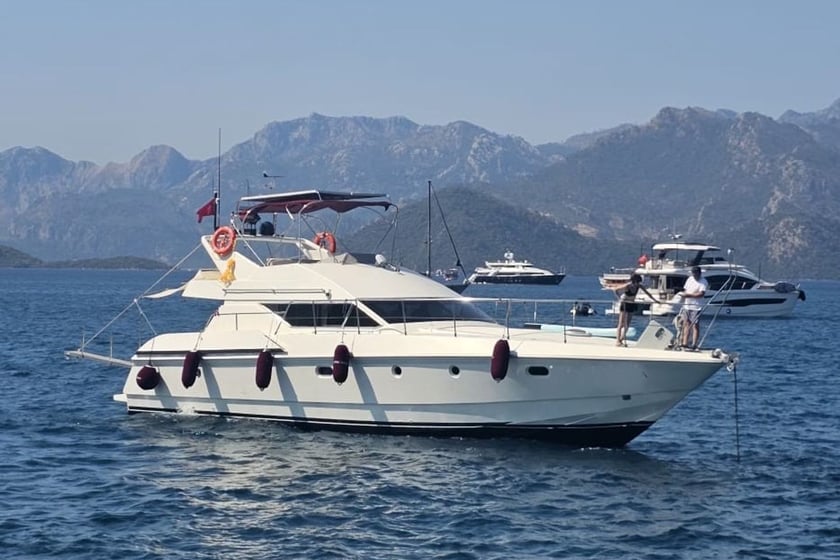
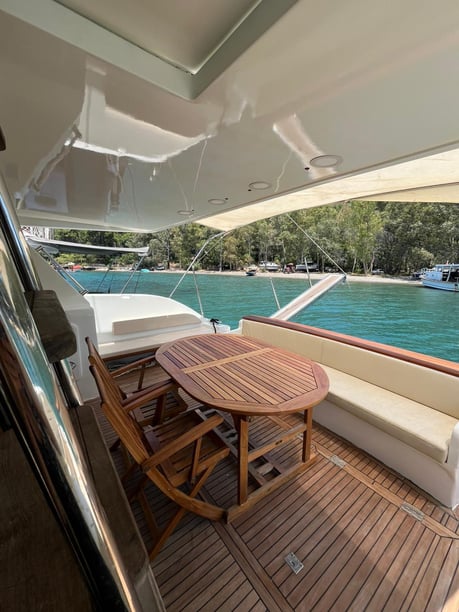
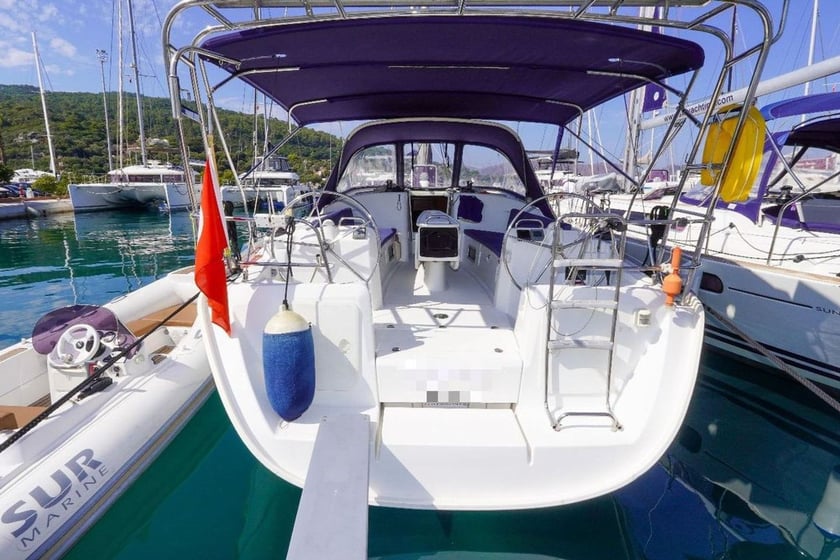
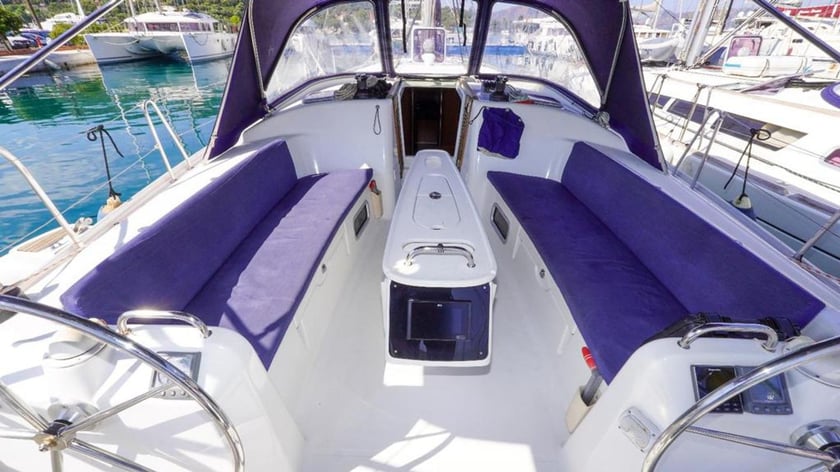
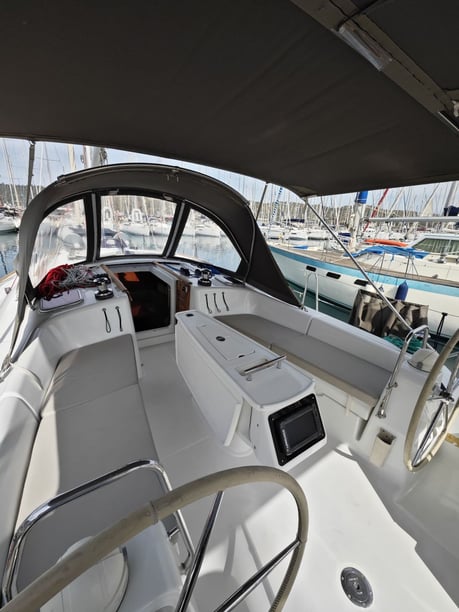
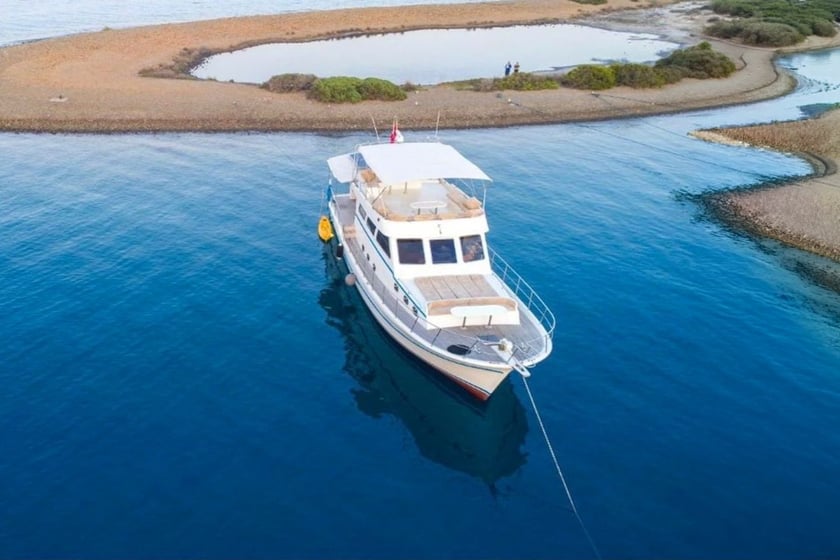
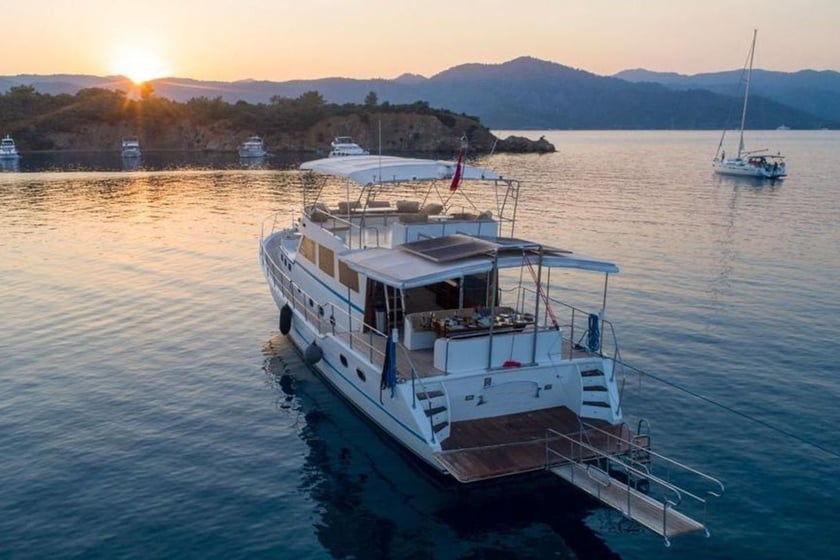
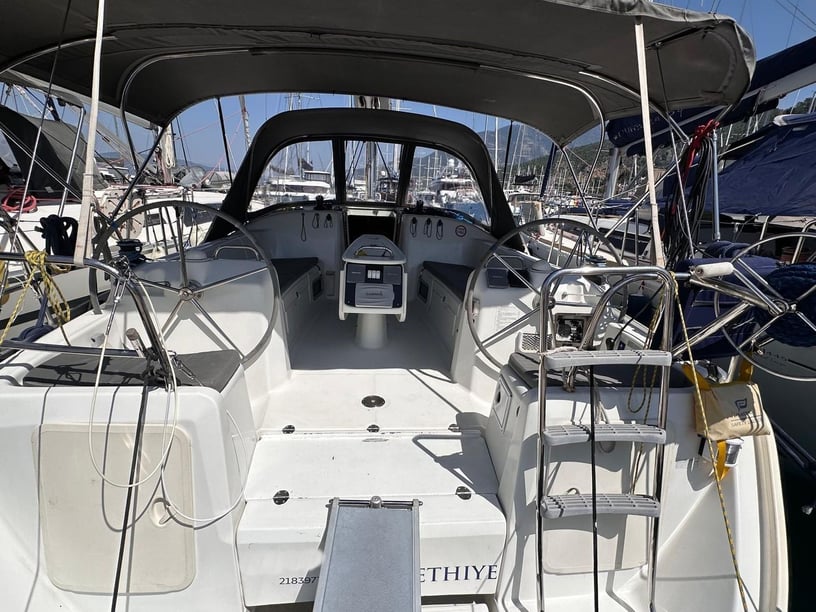
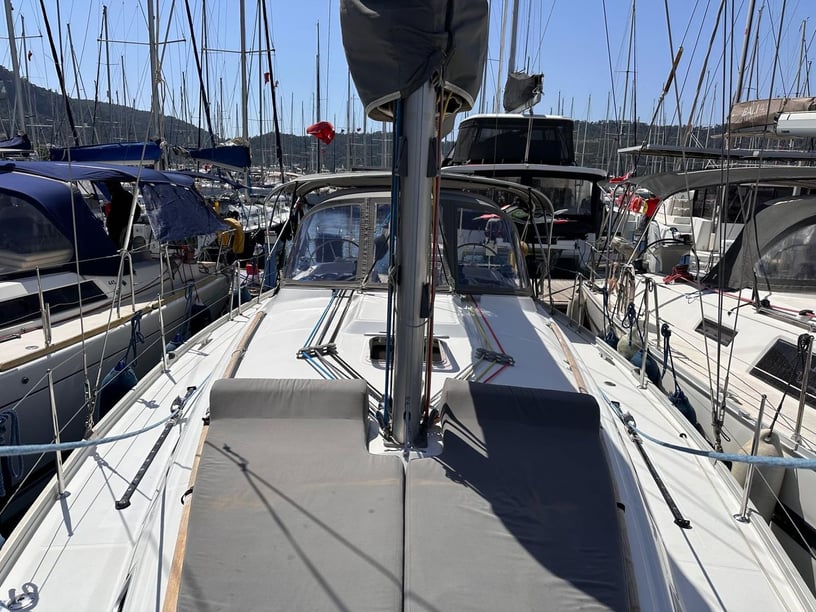
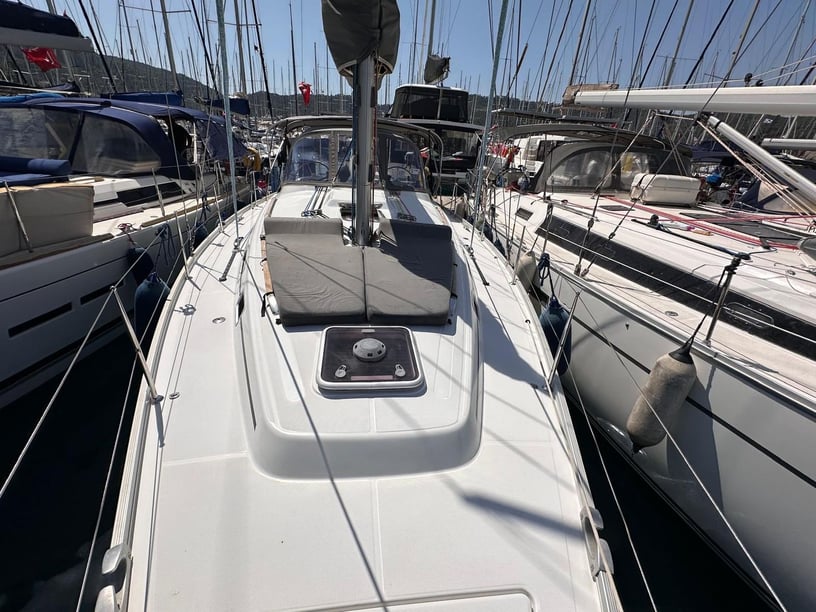
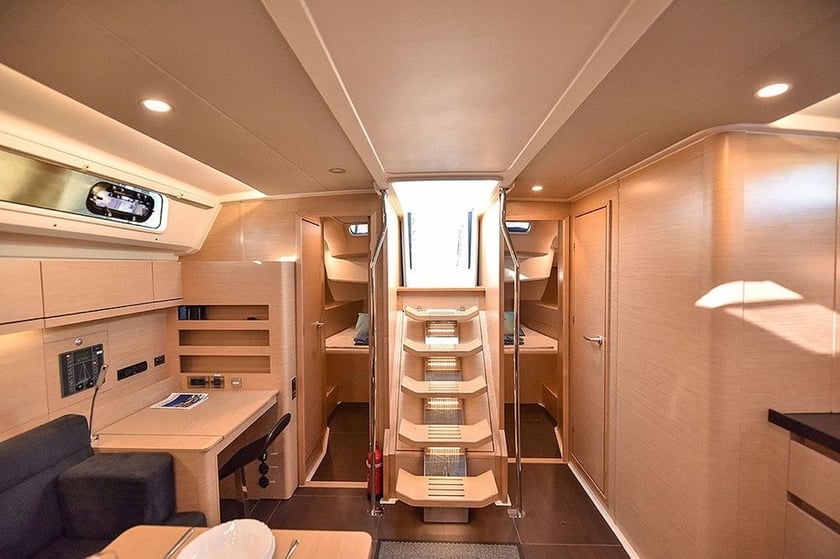
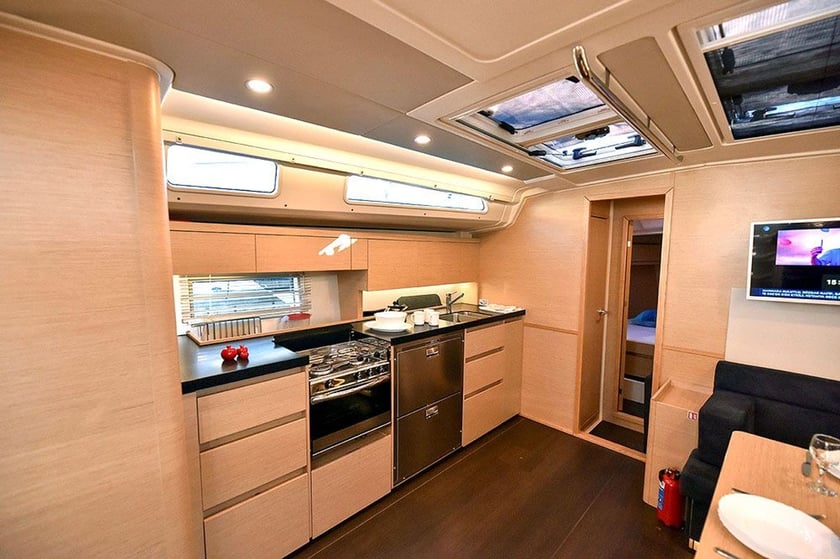
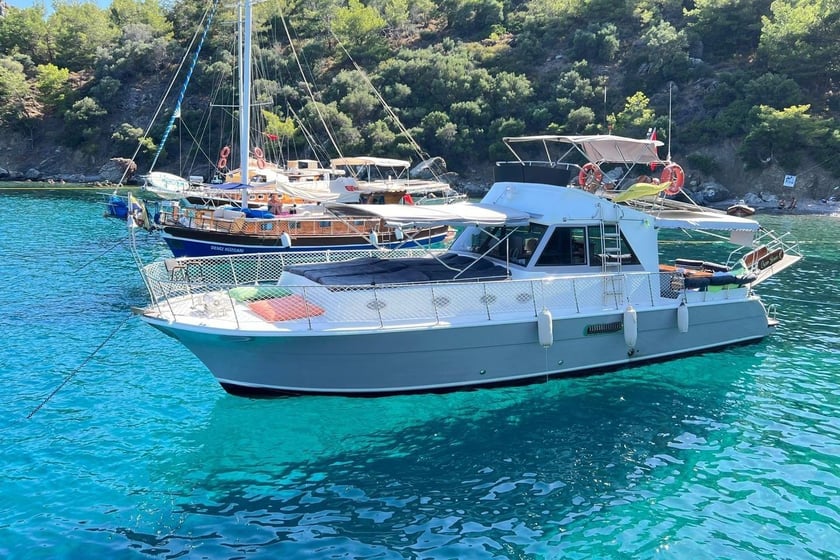
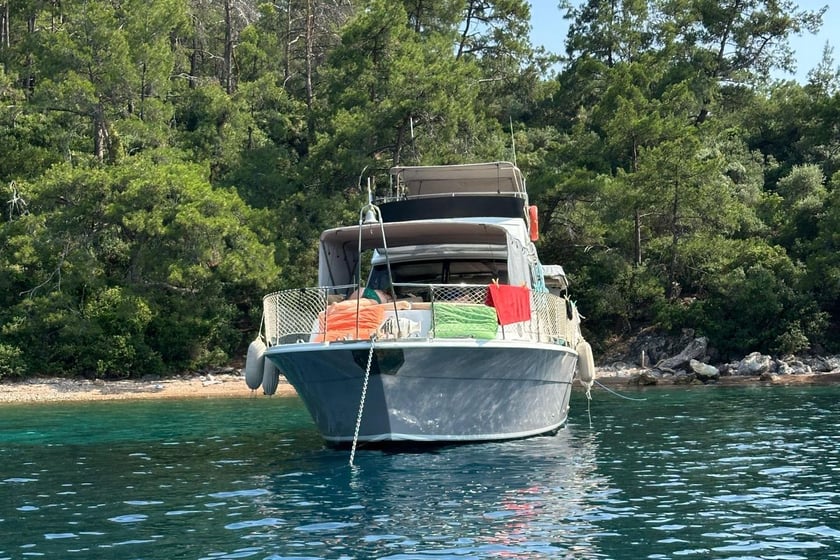
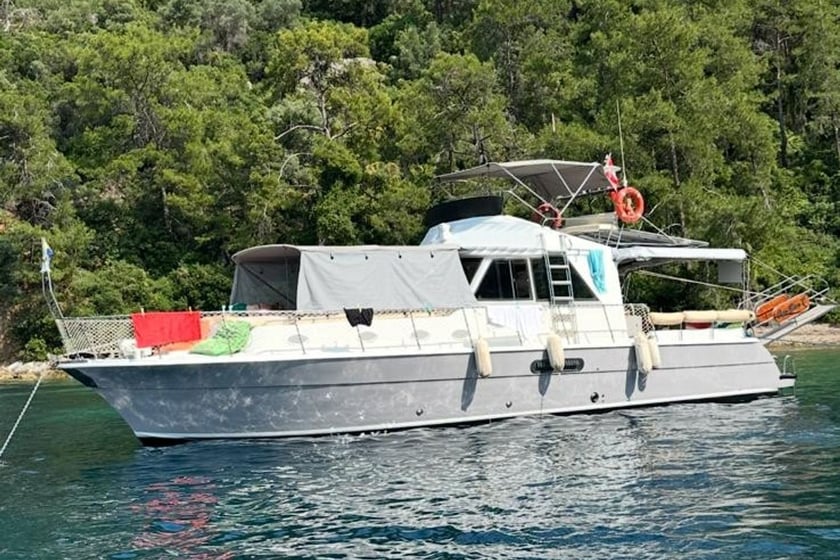
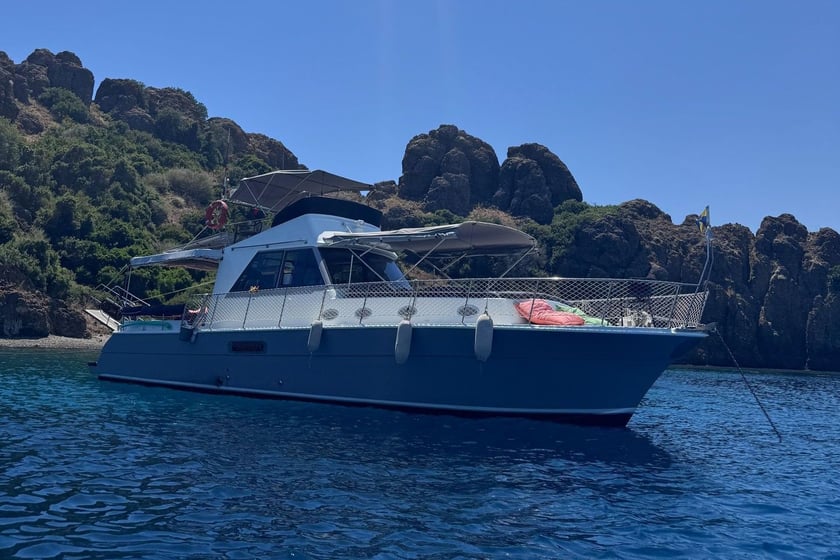
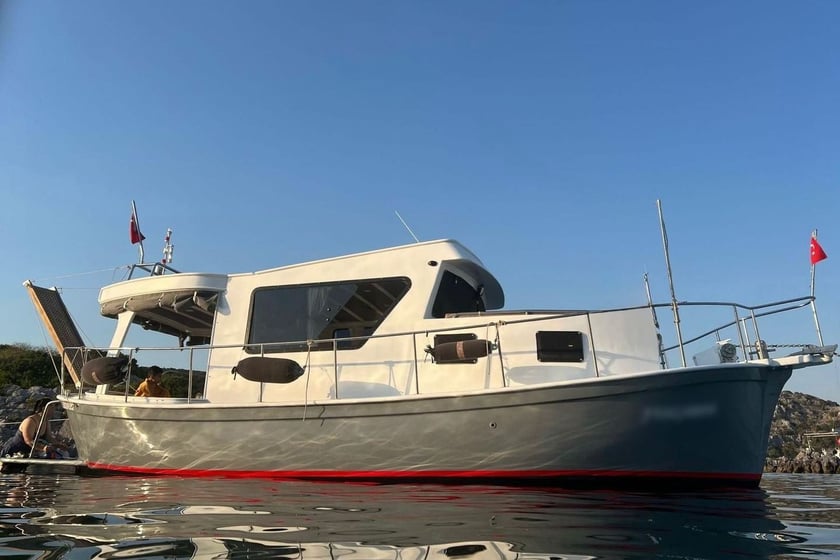
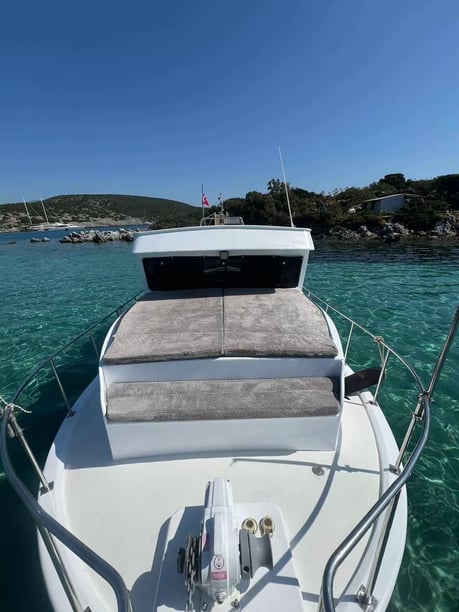
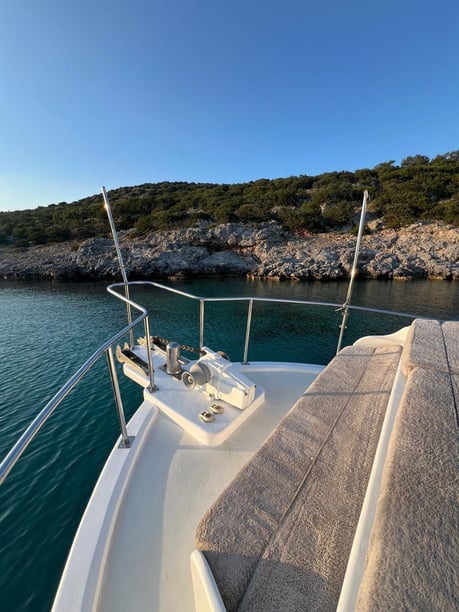
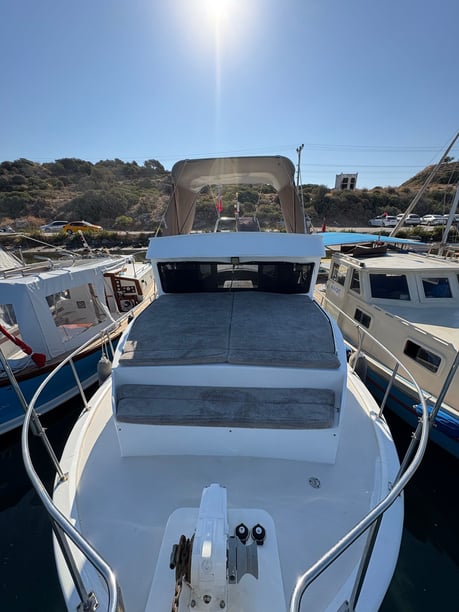
The boat was very clean and tidy, and the restroom was spacious and comfortable. The captain was knowledgeable, friendly, and great to talk to; we were very impressed. We’ll be back next year.
Listing owner: TurgayGocek / Turkey