Yacht charter around Datça
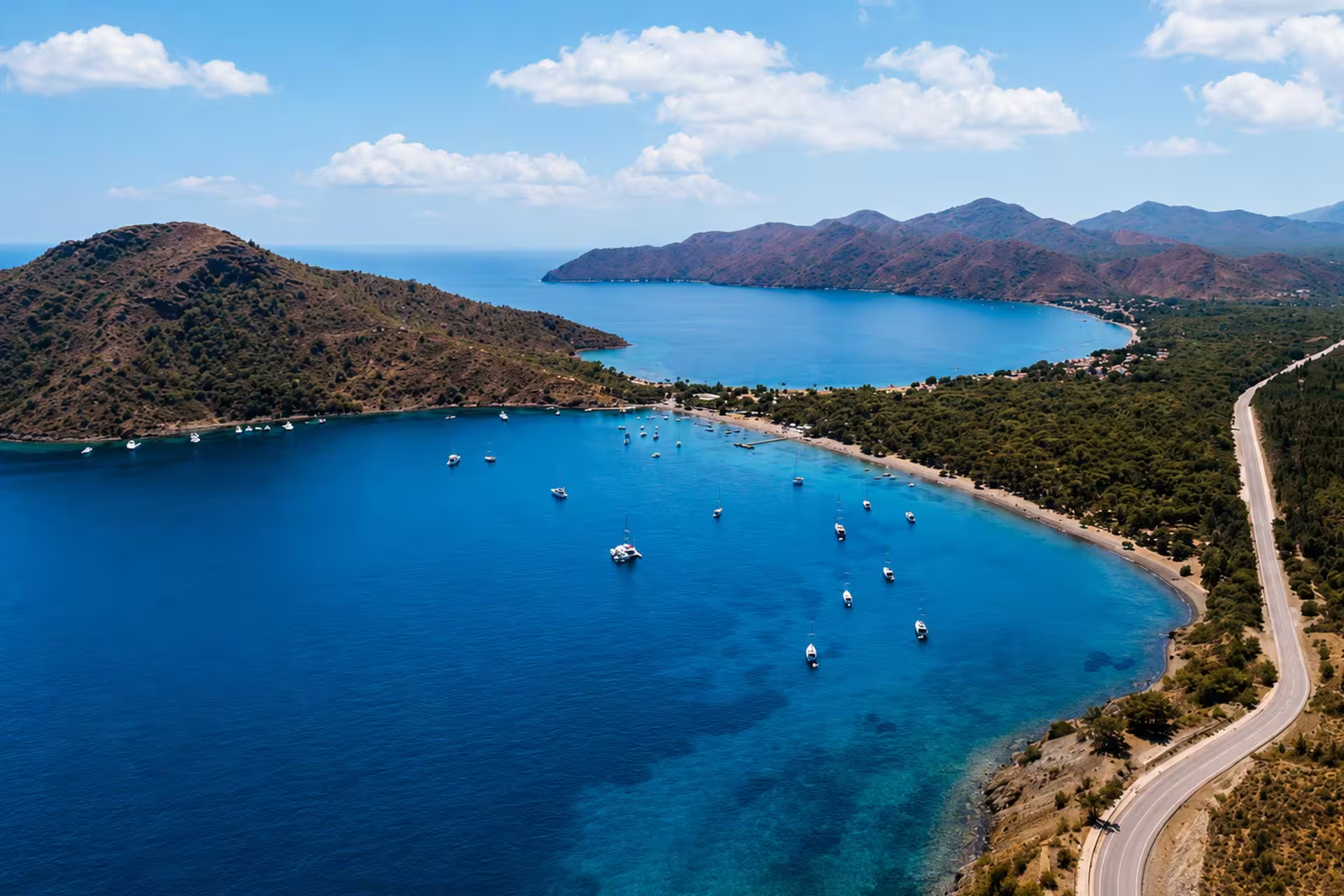
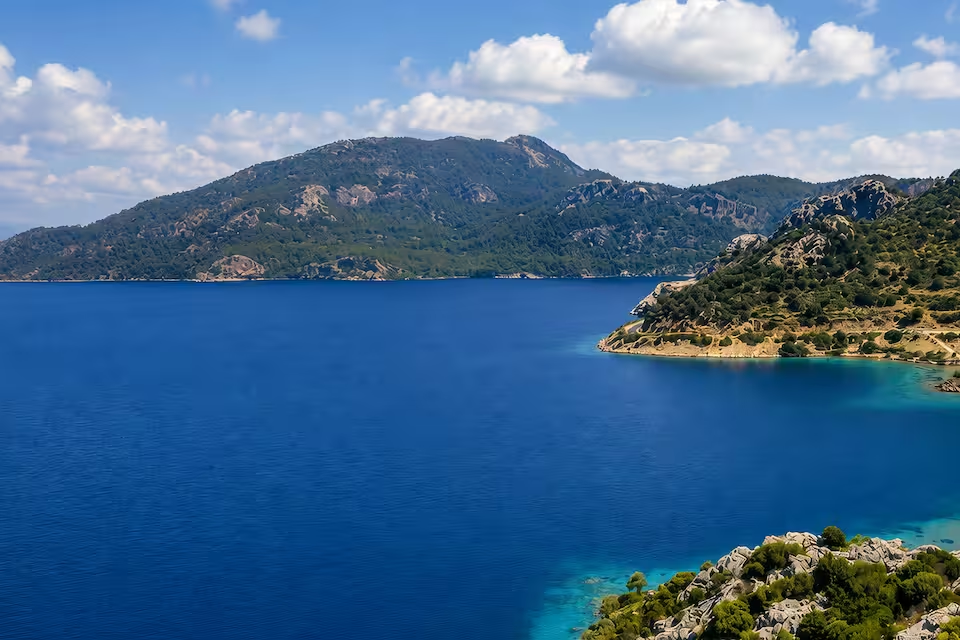
Datça sits midway along the mountainous peninsula that separates the Gulf of Gökova from the Gulf of Hisarönü. Its position makes it both a rewarding port of call and a small-scale departure point for cruises along the peninsula’s southern shore. A yacht charter in Datça typically combines short passages between swimming coves with visits to waterfront settlements and the ancient maritime city of Knidos.
The town itself has a relaxed working harbor, central beaches and restaurants serving seafood and Aegean meze. Compared with larger charter centers such as Marmaris, its marina infrastructure is modest, so travelers should view Datça as part of a wider cruising area rather than assume it is a major base. It can be considered alongside other yacht charter destinations in Turkey when the priority is cove-to-cove cruising, time ashore in small settlements and access to both nature and history.
Coves, coastal villages and ancient harbors
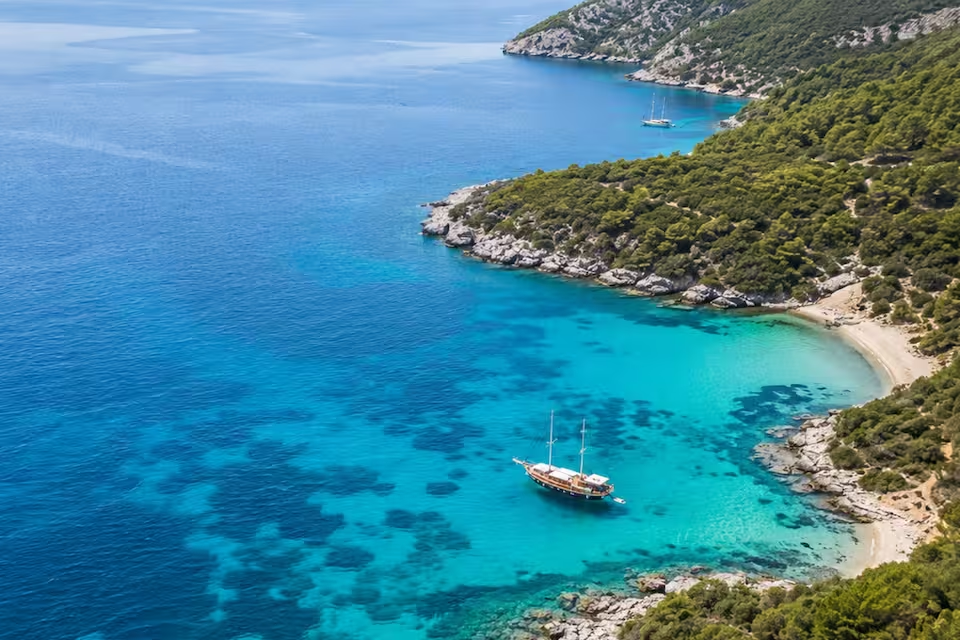
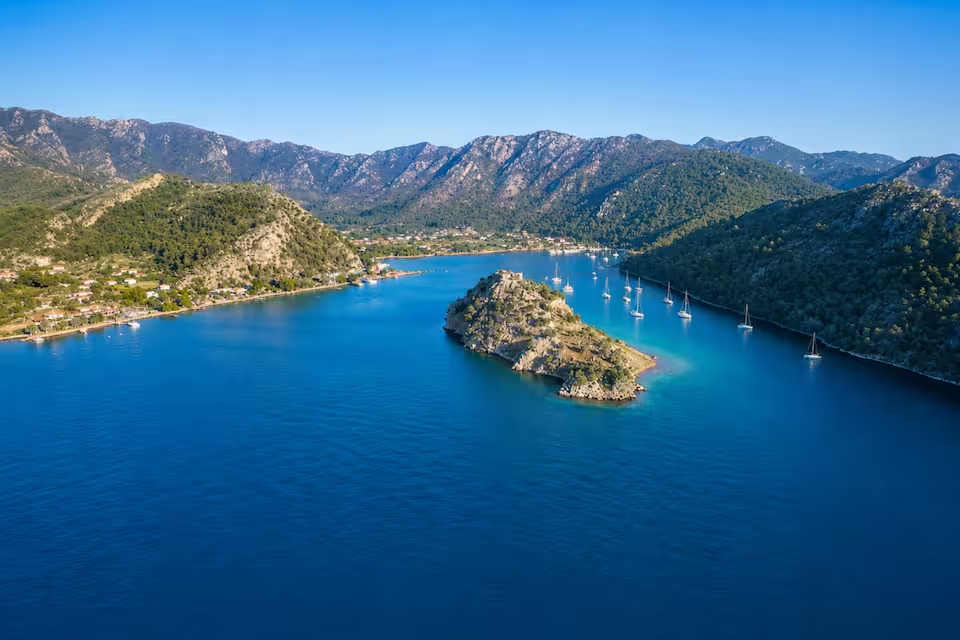
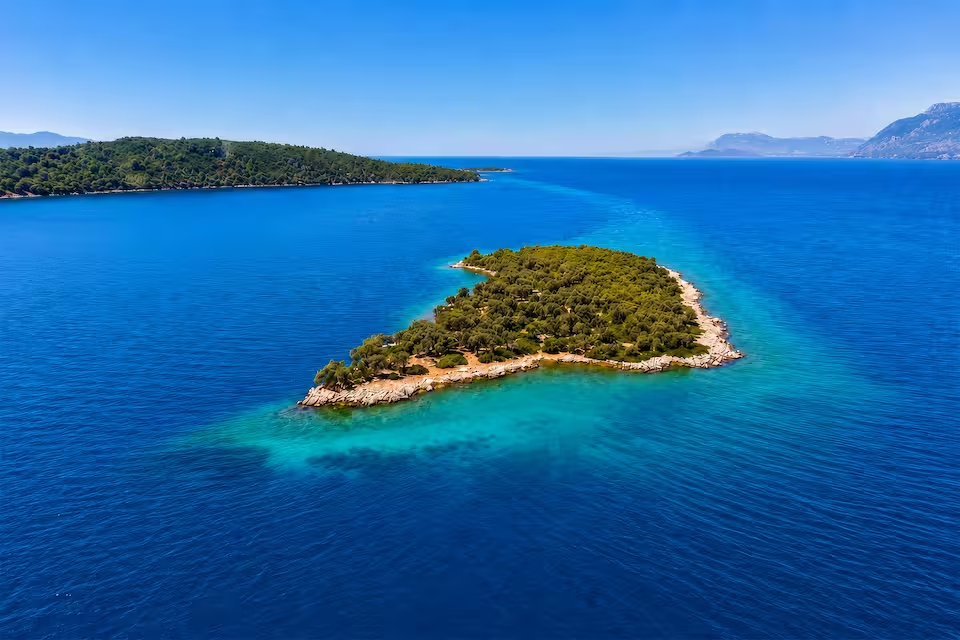
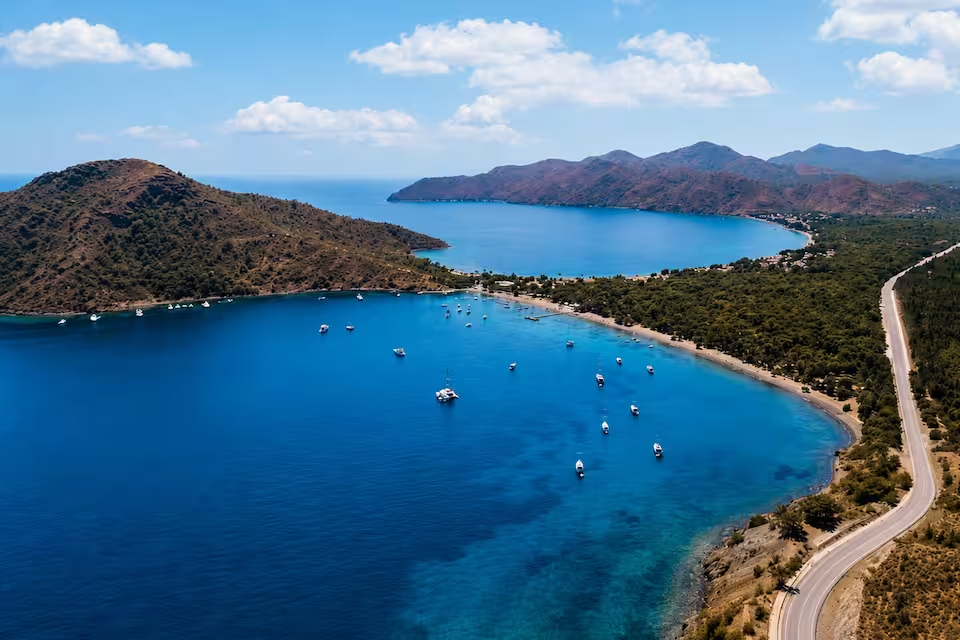
West of Datça, the south coast unfolds through a series of bays and small settlements. Kargı Bay is close to town and offers shelter from many northerly winds, while Hayıtbükü and Ovabükü connect a day on the water with the villages of the Mesudiye area. Farther west, Palamutbükü is a natural stop for its coastal settlement, harbor and long shoreline.
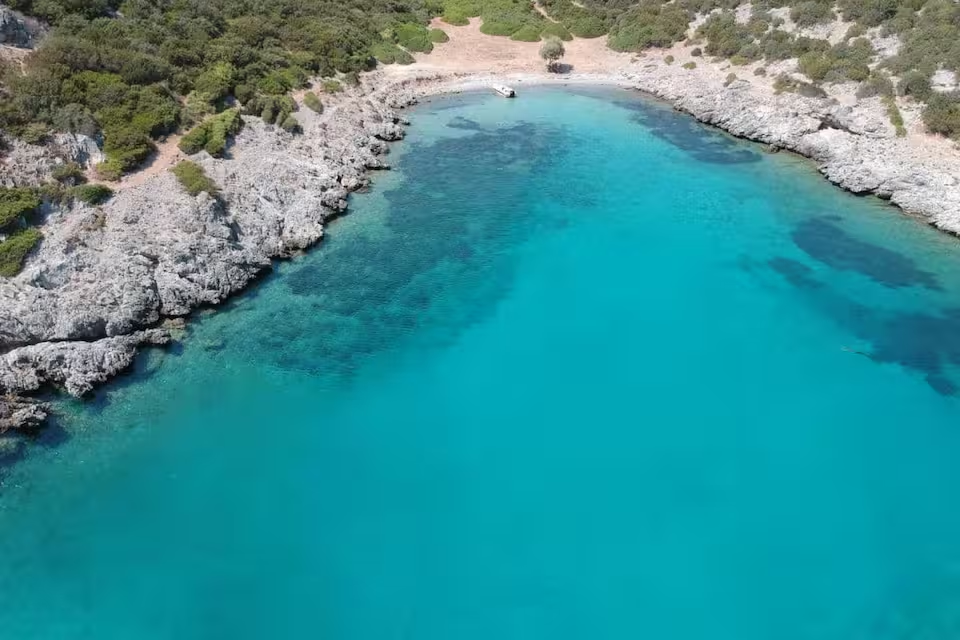
The peninsula culminates at Knidos, where archaeological remains overlook two ancient harbors. Arriving by yacht places the site within its original maritime setting and creates a clear focal point for a westbound itinerary. Akvaryum Bay, Kurubük and more remote coves can add swimming and anchoring stops between the main settlements, although shore services are limited in several places.
Eastbound cruising leads toward Bencik Bay and the more enclosed waters of the Gulf of Hisarönü. The north coast of the peninsula faces the Gulf of Gökova but is generally deeper, windier and less well supplied with dependable shelter, making it a more condition-dependent choice.
What sailing around the peninsula is like
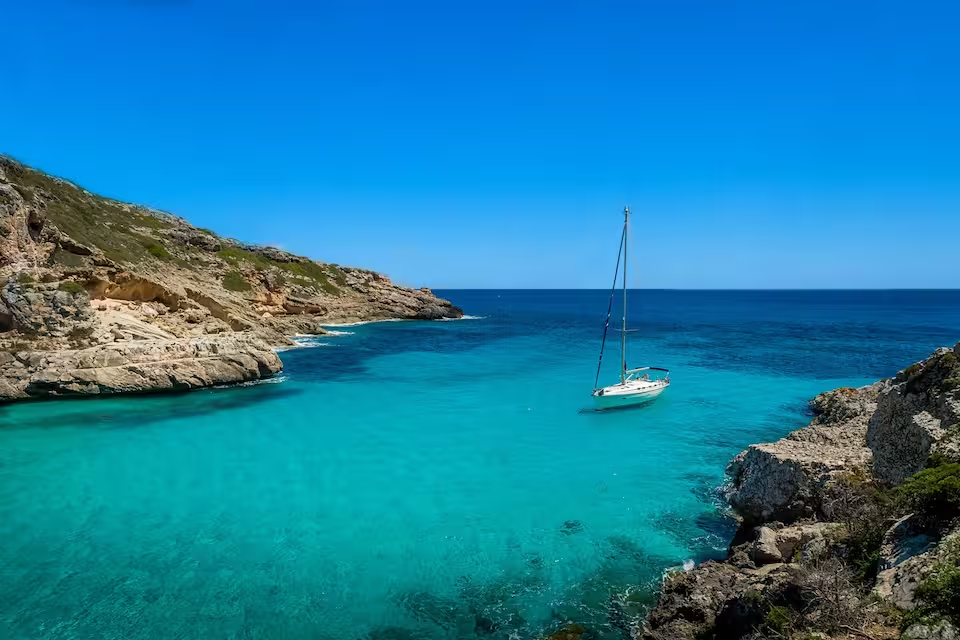
Cruising around Datça is moderately demanding rather than uniformly easy. Along the southern coast, many legs between coves are short, allowing a charter day to alternate between sailing, swimming and going ashore. Selected bays, including Kargı and Domuzbükü, can provide useful protection from northerly weather, though shelter always depends on the actual wind direction.
Late spring and summer usually bring winds from the north or northwest, often strengthened by afternoon heating. The Meltemi is most vigorous in July and August, especially near the western end of the peninsula, along the north coast and in the channel toward Kos. Conditions can therefore change noticeably between a protected southern anchorage and the approach to Knidos.
Route planning should account for this contrast. Sheltered south-coast cruising may suit a relaxed itinerary, while rounding the western peninsula or using the north coast requires closer attention to current forecasts and sea conditions.
The best time for a Datça yacht charter
The main recreational boating season extends from May through October. May, June and September are particularly suitable months. May generally offers pleasant air temperatures and a quieter shoulder-season atmosphere, although the sea remains cooler than later in summer. June combines warmer conditions with usable sailing winds before the busiest part of the season.
July and August are hot, dry and busy. They suit travelers who prioritize summer heat and warm-water swimming, but stronger afternoon Meltemi winds may shape departure times and route choices. September usually retains summer warmth while offering more comfortable temperatures for time ashore. October can still bring relatively warm water, but weather becomes less predictable and some seasonal services begin to reduce. From November through March, recreational boating activity is limited, with more rain and a greater likelihood of strong southerly weather.
Route ideas from Datça
A compact cruise can follow the southern shore from Datça Port through Kargı Bay and several smaller coves before reaching Palamutbükü and Knidos. This pattern works well for travelers who prefer frequent swimming stops and manageable passages rather than covering long distances each day.
For a broader itinerary, Datça can form part of a circuit linking Marmaris, Çiftlik, Söğüt, Palamutbükü and Bozukkale. This introduces longer legs through the Gulf of Hisarönü and around the Datça and Bozburun peninsulas. An eastbound route toward Bencik Bay keeps the cruise within more enclosed waters.
Symi is a possible international extension, but it should not be treated as a casual detour. Crossings between Turkey and Greece require the appropriate frontier-port, customs and immigration procedures, and the itinerary must allow time for formalities as well as suitable conditions.
Life aboard and ashore
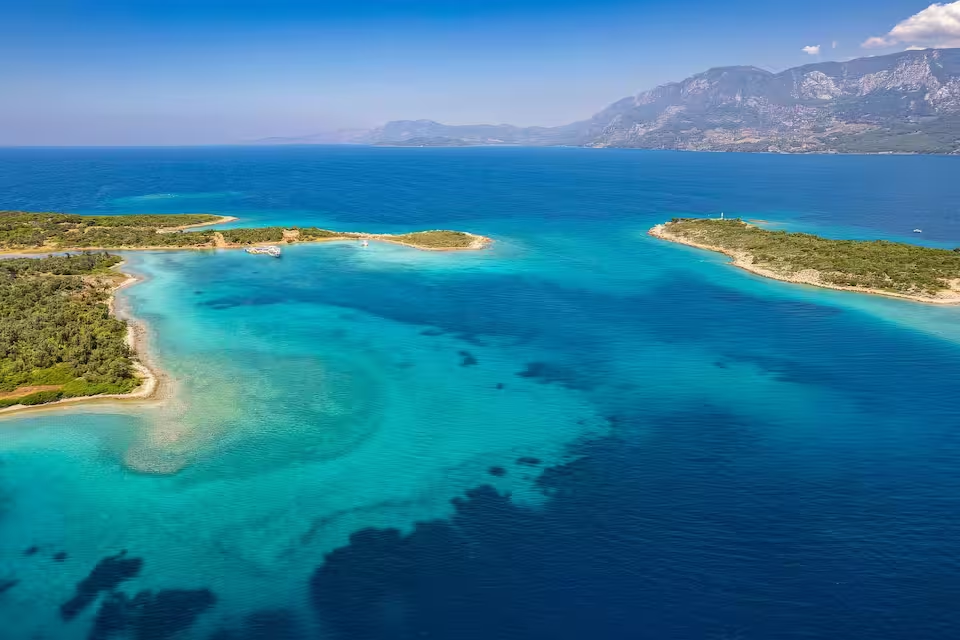
The distinctive pleasure of cruising Datça comes from moving between places that are not equally convenient to reach by road. Some coves are roadless or primarily approached by boat, allowing the day’s rhythm to center on anchoring, swimming and short coastal passages. Closer to town, the İskele waterfront makes it easy to step ashore for dinner or visit central beaches without a separate transfer.
History is most prominent at Knidos, whose twin-harbor setting reflects its former role in eastern Mediterranean trade. Away from the coast, Old Datça offers narrow paved lanes, restored stone houses and workshops associated with local handicrafts.
Food also gives the peninsula a clear identity. Seafood and herb-based Aegean dishes are joined by thyme and pine honey, olives and Datça almonds, including the local Nurlu variety. These products appear in almond paste, biscuits, desserts and almond coffee, giving meals ashore a connection to the peninsula’s agricultural traditions.
Reaching Datça and joining a yacht
Dalaman Airport is the principal air gateway. The onward road journey passes through Marmaris and follows the winding peninsula, so transfer times are longer than the direct distance may suggest. Milas–Bodrum Airport is an alternative, particularly when coordinated with the seasonal vehicle ferry between Bodrum and Körmen; ferry schedules remain weather dependent and should be checked before travel.
Datça Port is the most convenient local departure point for boats following the south coast toward Palamutbükü and Knidos. Kairos Marina at Körmen Harbour is the peninsula’s principal marina facility, while Datça Port and Palamutbükü offer more limited small-harbor infrastructure. This means a trip may begin locally, arrive from a larger base elsewhere, or simply include Datça as an overnight call. Confirming the exact embarkation harbor before arranging transfers is particularly important.
Planning the right charter
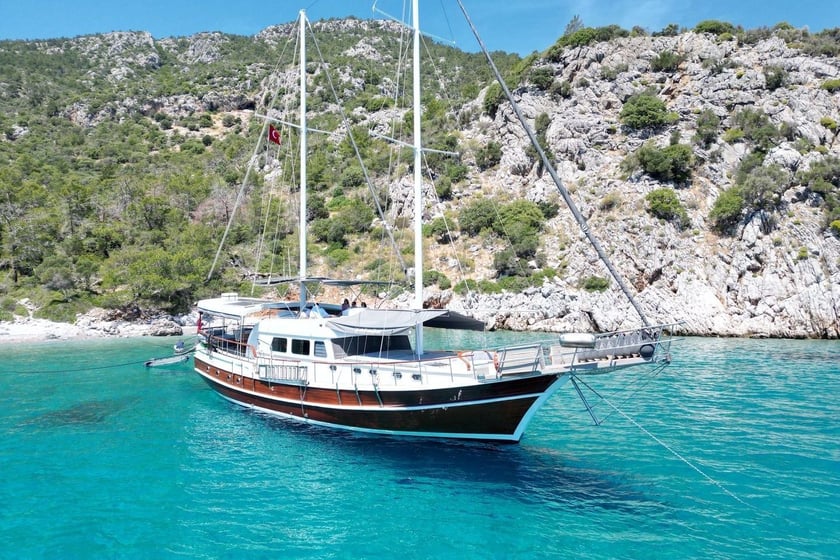
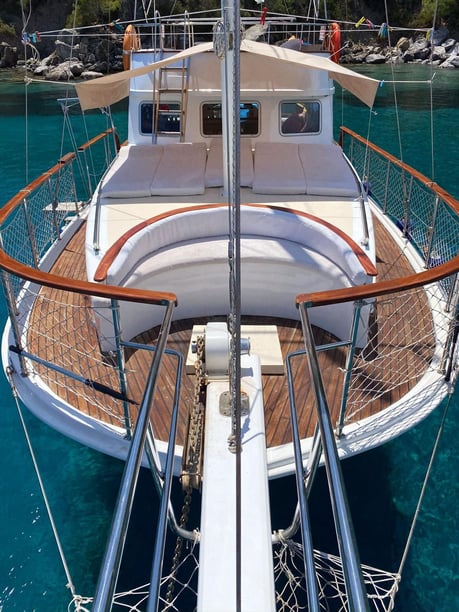
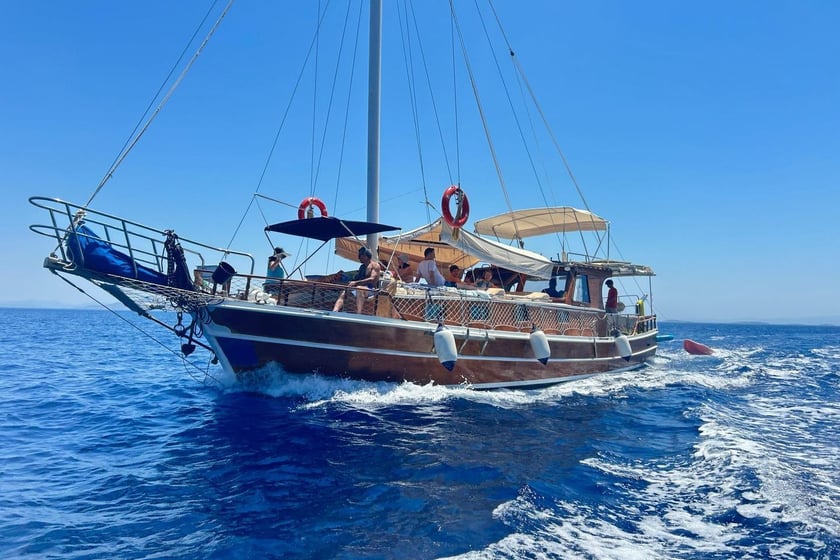
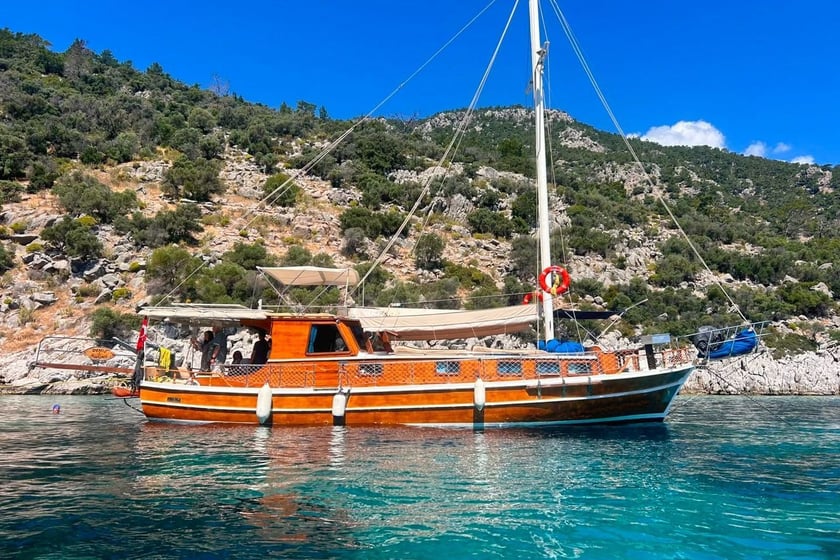
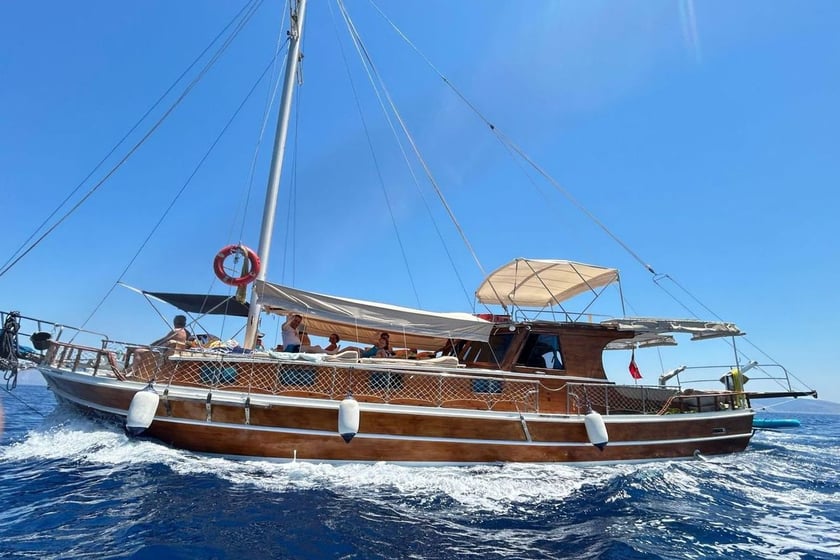
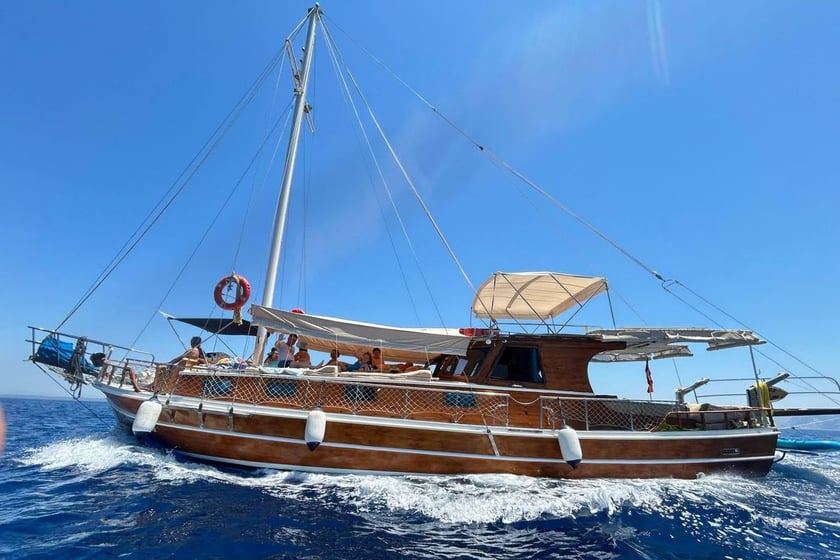
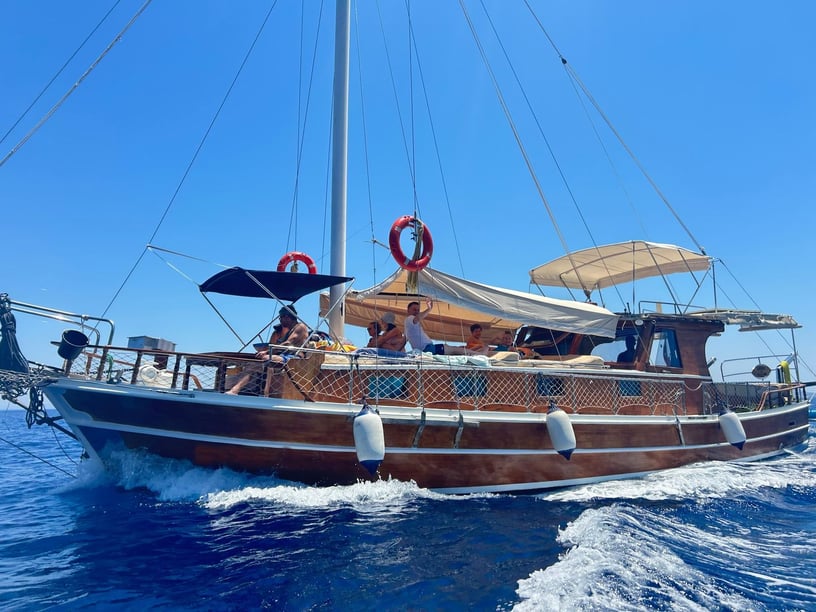
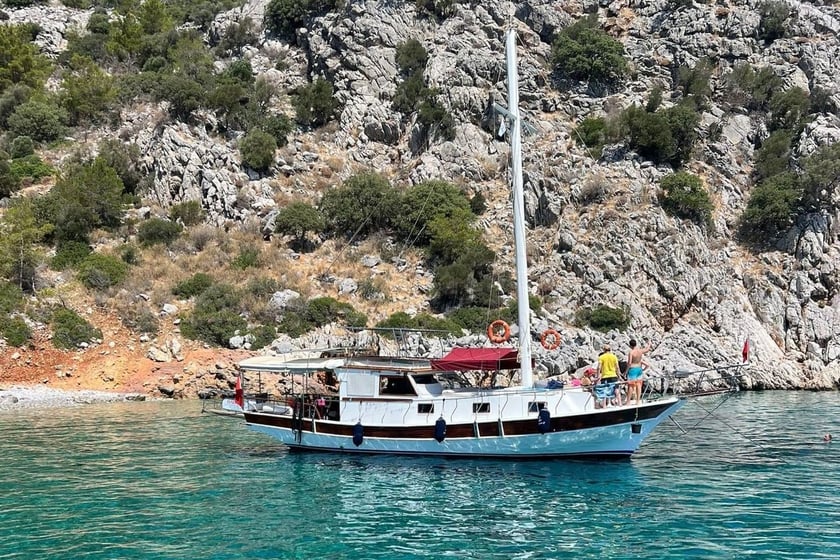
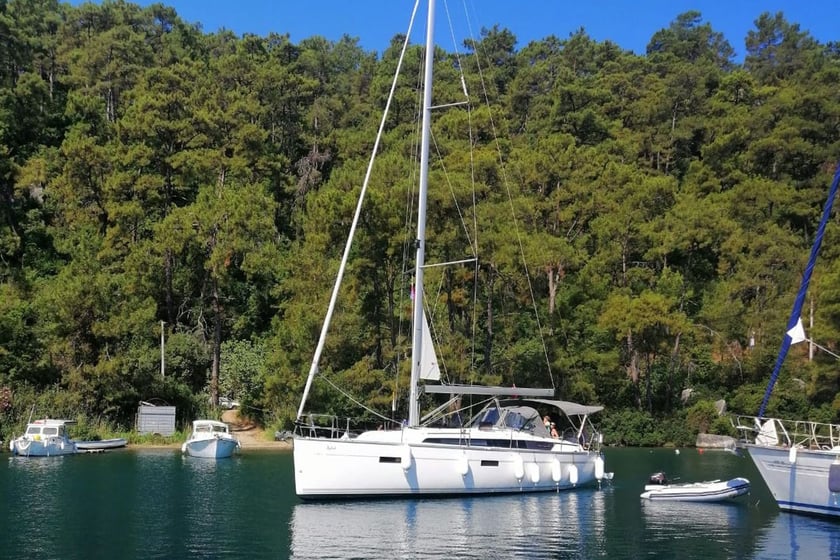
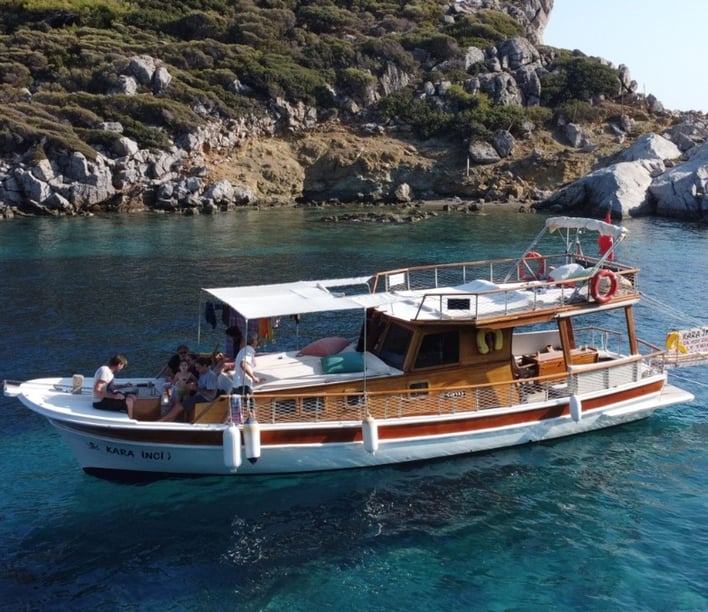
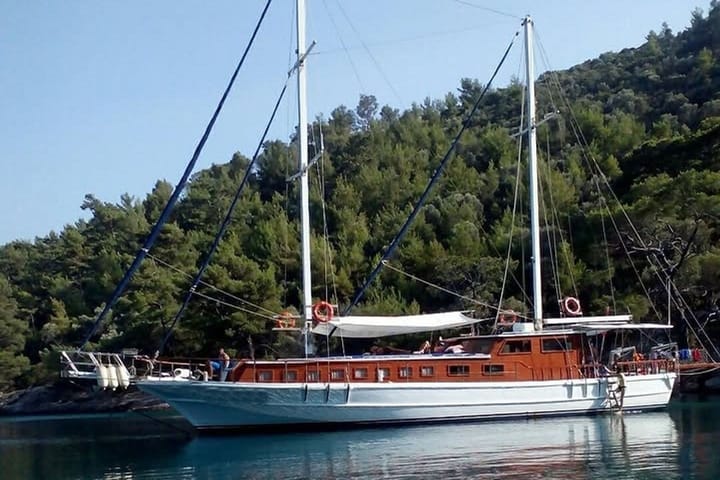
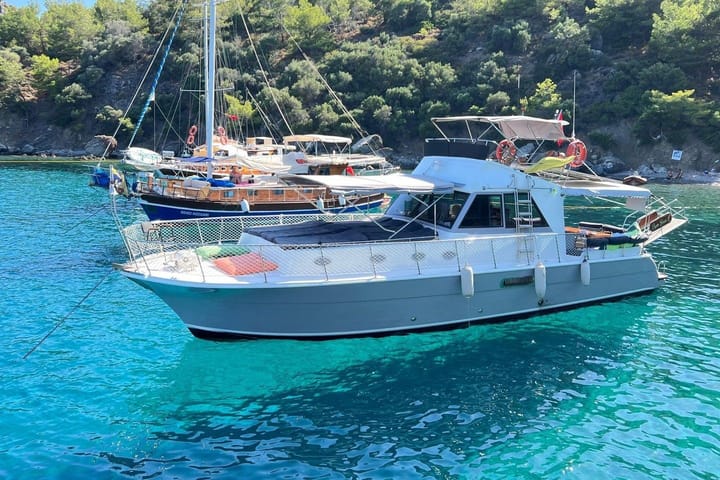
For yacht charter or boat rental in Datca, begin by matching the itinerary to the group’s priorities and sailing experience. A south-coast plan with short passages and several sheltered stops differs substantially from a route around Knidos or along the exposed north coast. Travelers comparing independent sailing with a crewed coastal holiday can also review sailboat charters in Datça and gulet cruising in Datça without assuming that every format suits every route.
Provision carefully before heading west of town because dependable shops and other shore services are limited in several coves. Use current forecasts and nautical charts, particularly near the western peninsula, and discuss alternative anchorages with the skipper when stronger northerly winds are expected.
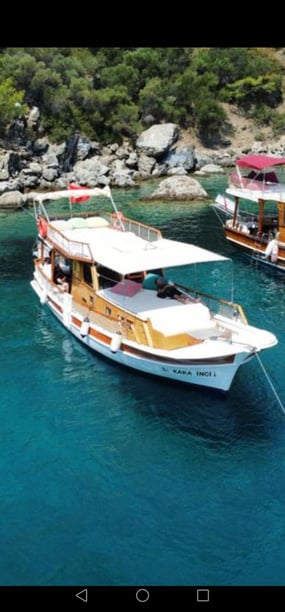
Travel documents also matter if the plan includes Greek waters. Datça is an official Turkish port of entry, but an international itinerary requires applicable customs and immigration clearance. For a journey focused entirely on the Turkish coast, a Blue Cruise around Datça can instead emphasize the peninsula’s coves, coastal settlements and historical stops.













Verified
Esin T.07 Sep 2026
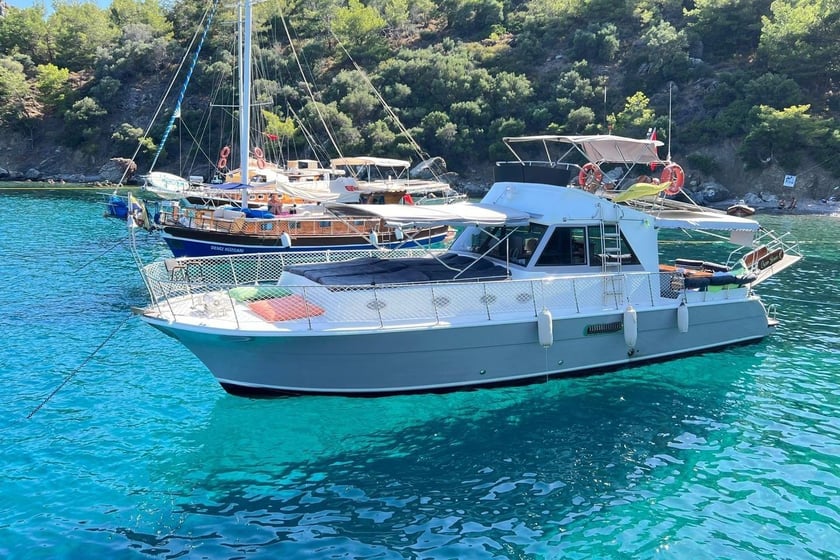
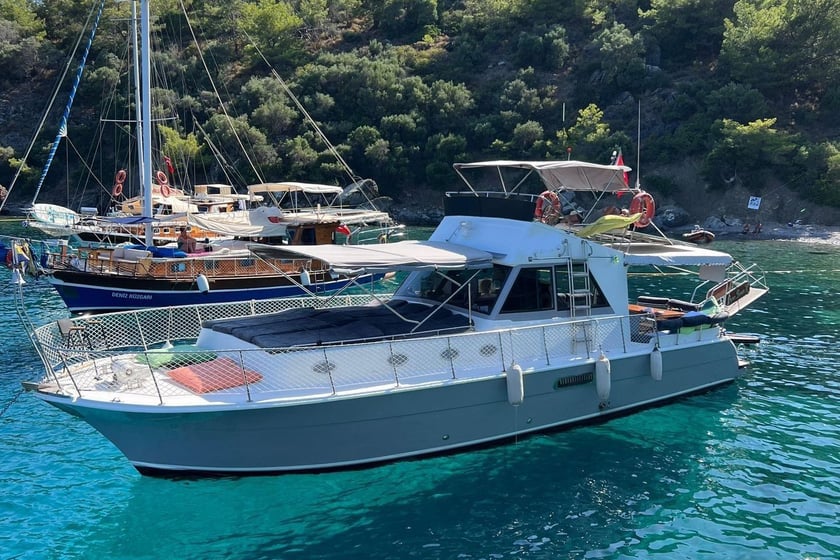
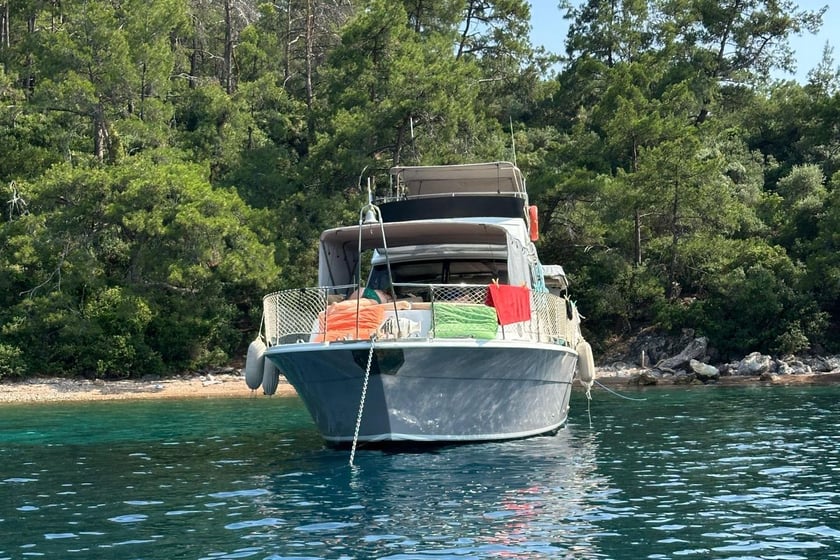
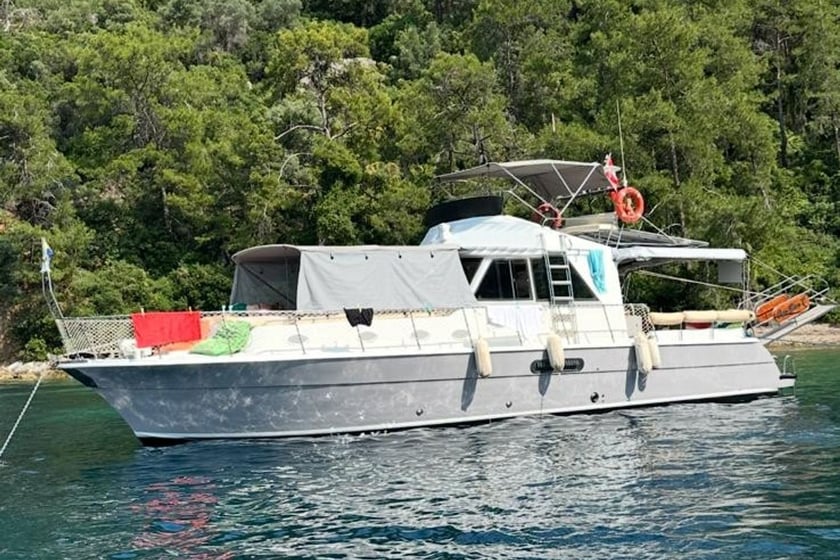
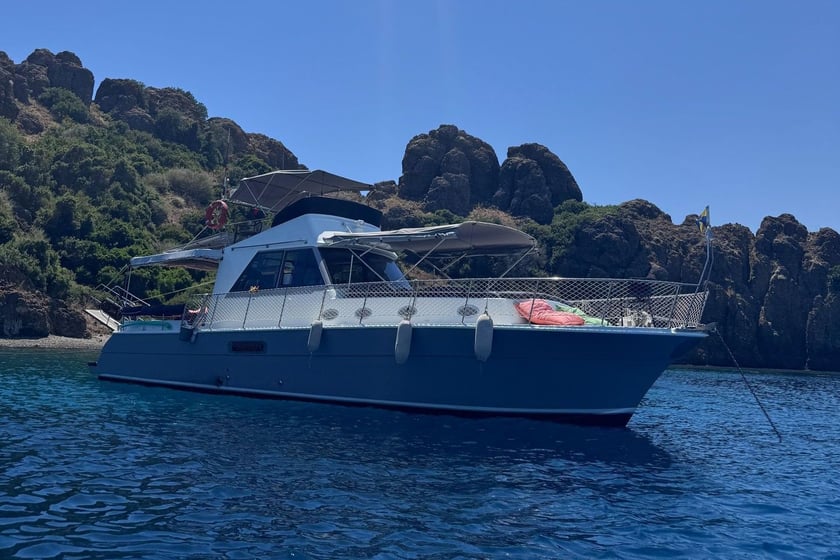
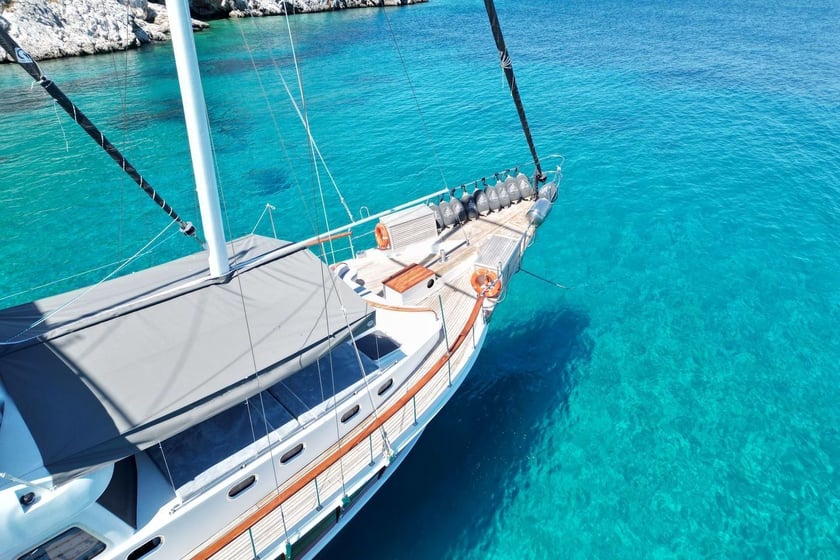
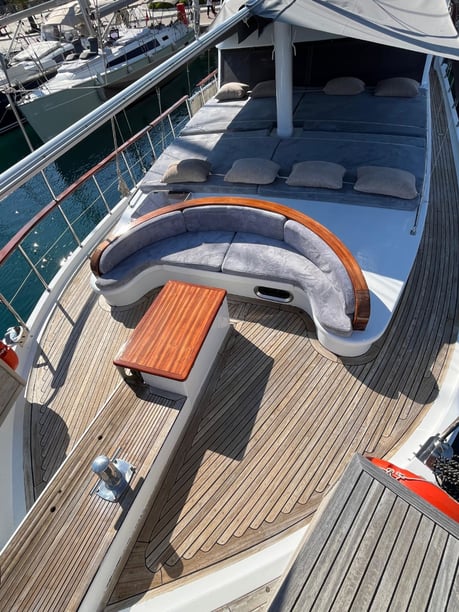
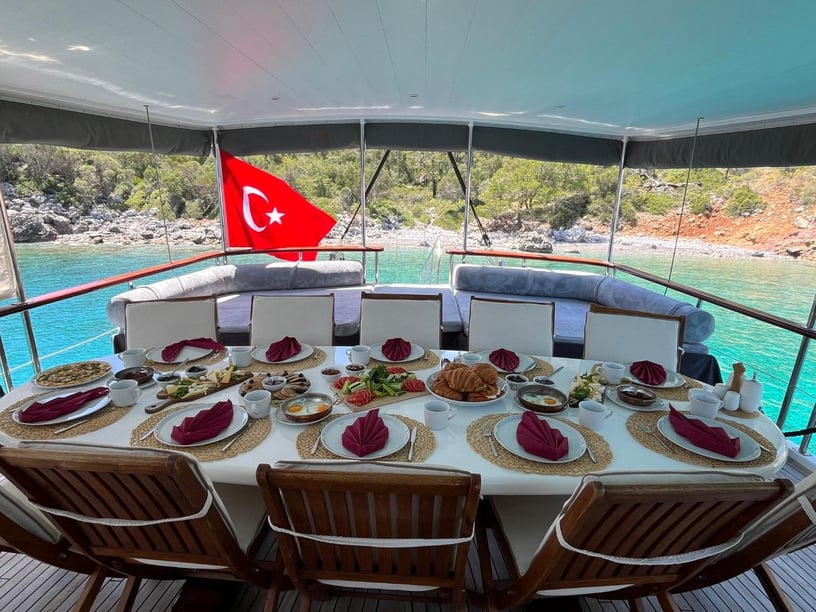
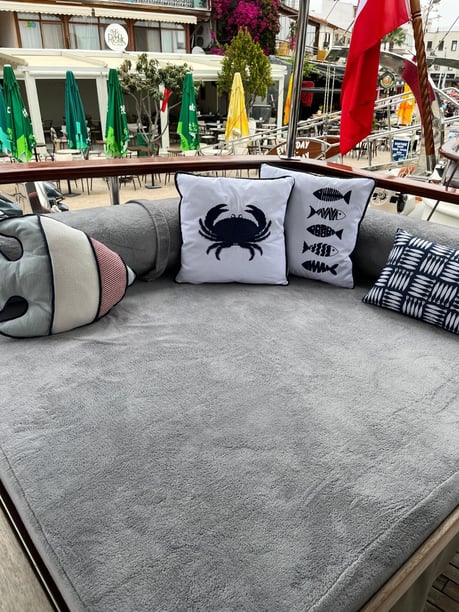
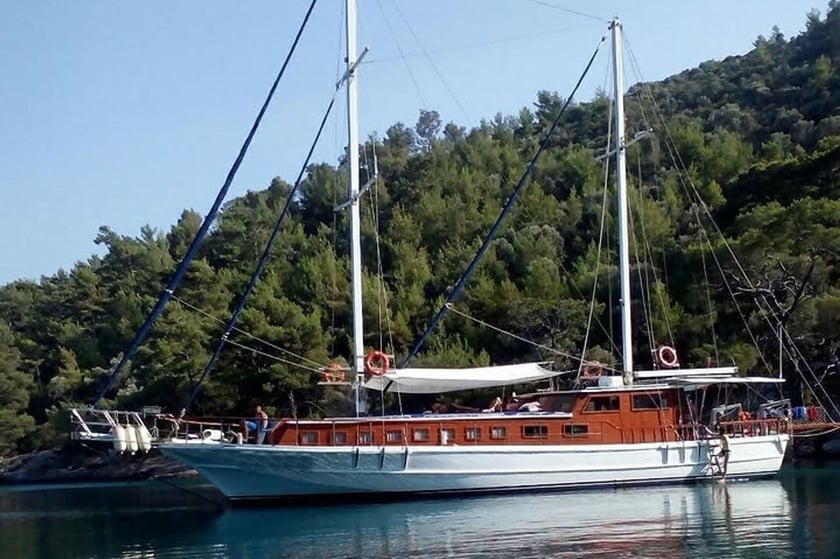
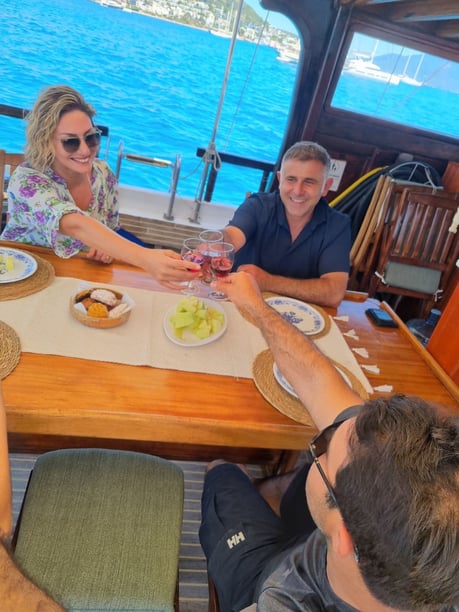
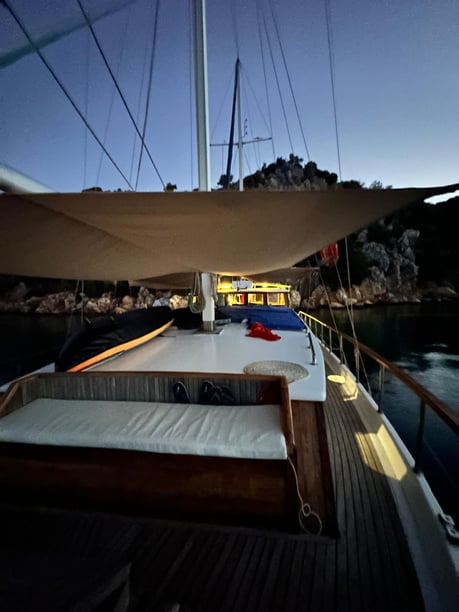
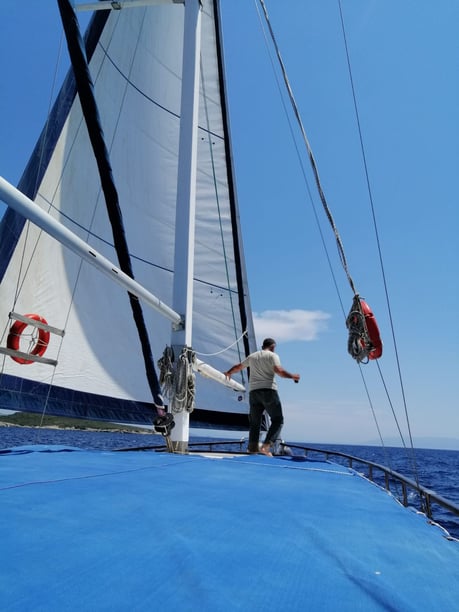
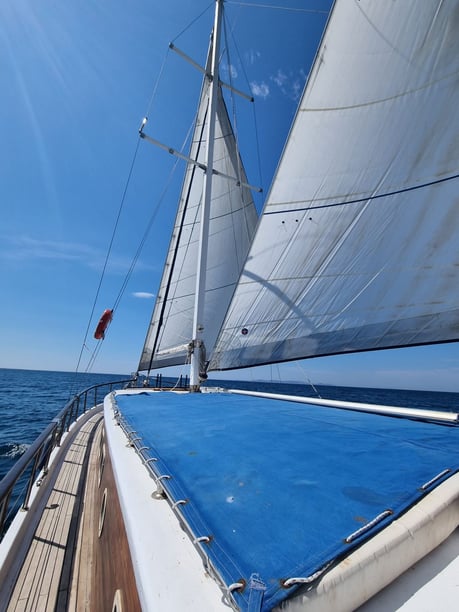
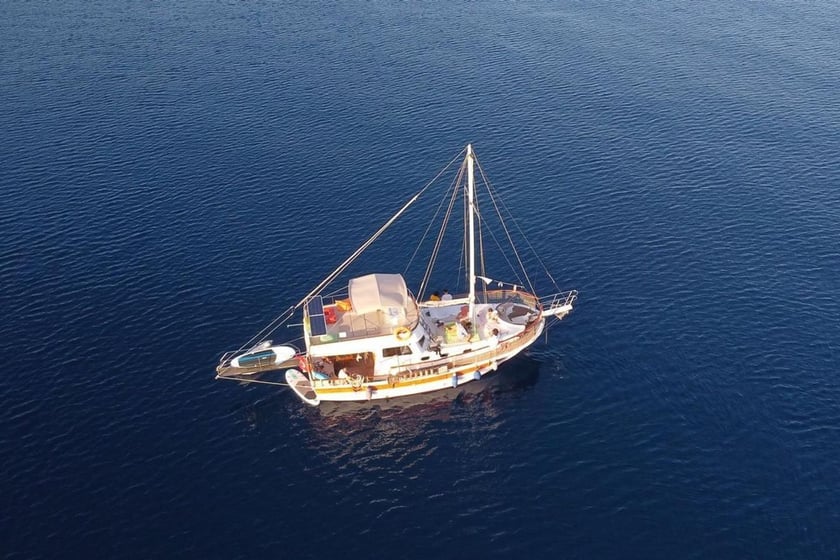
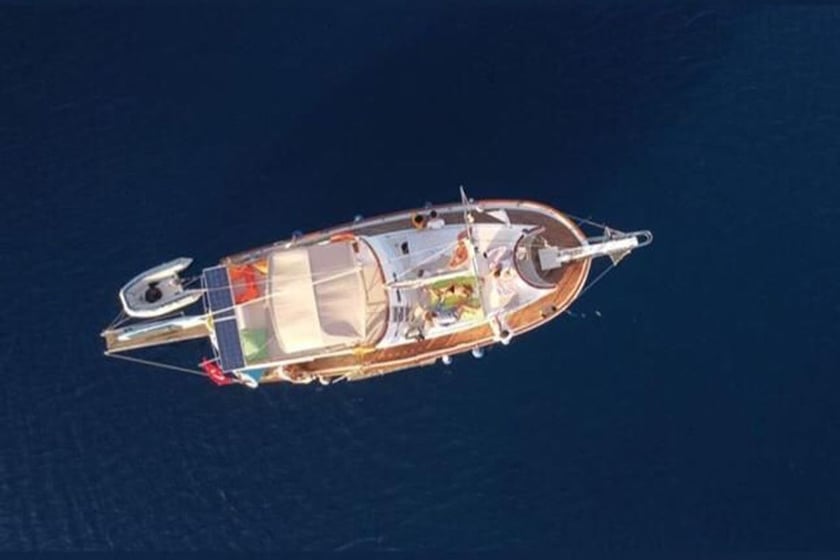
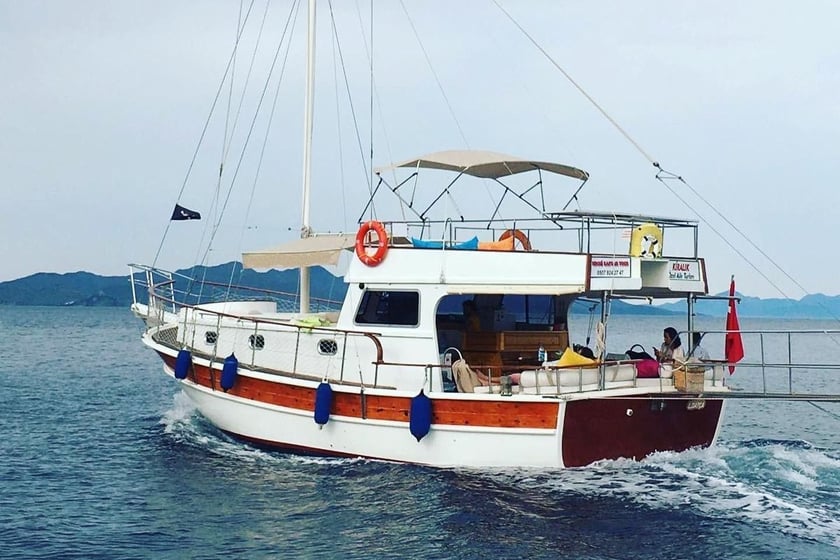
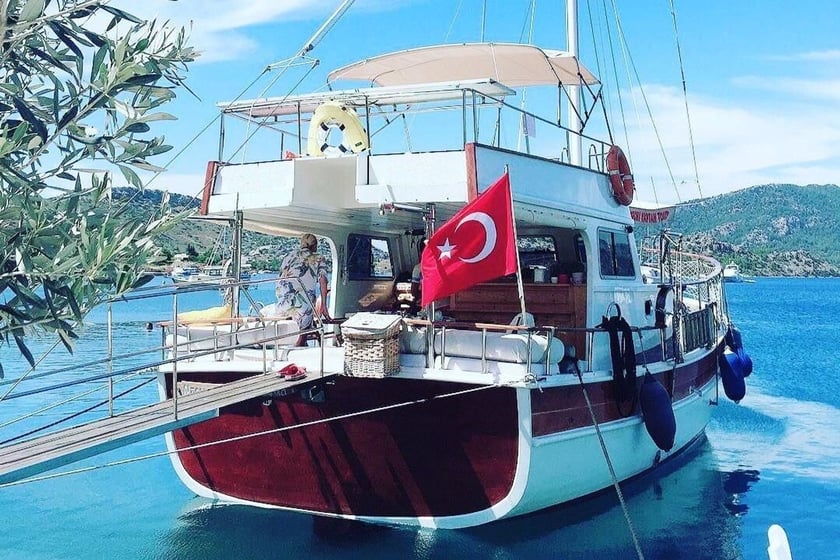
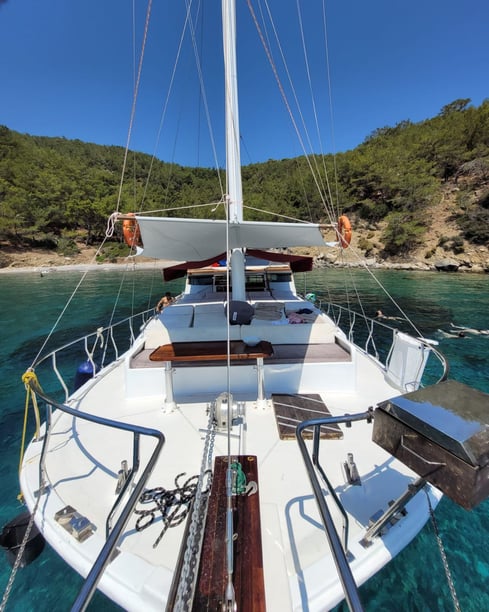
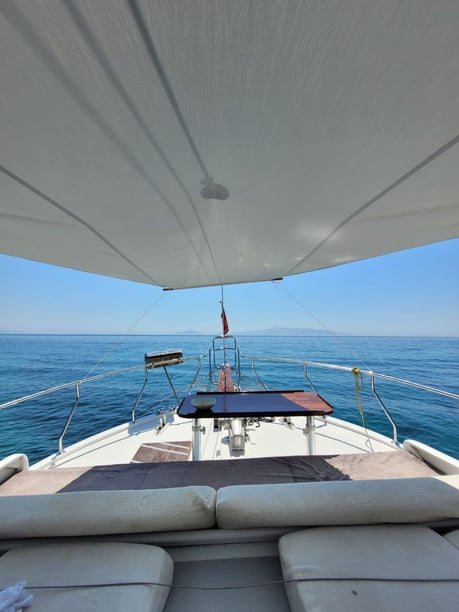
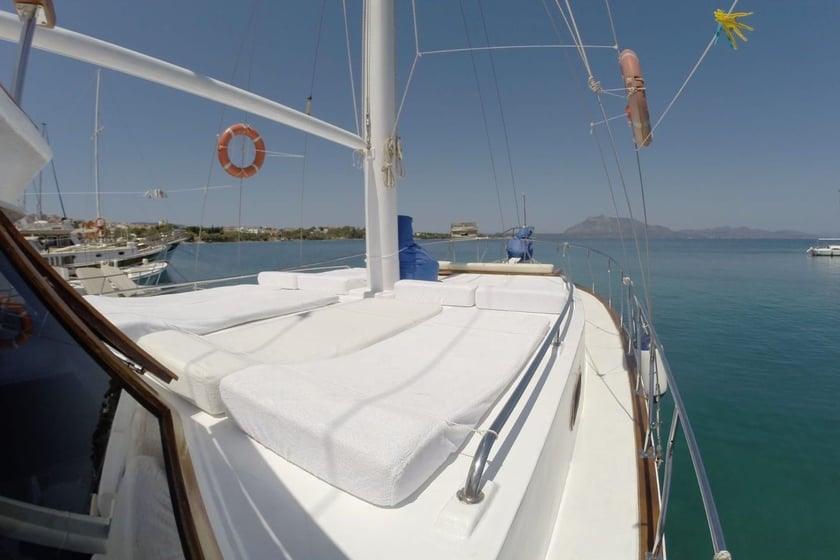
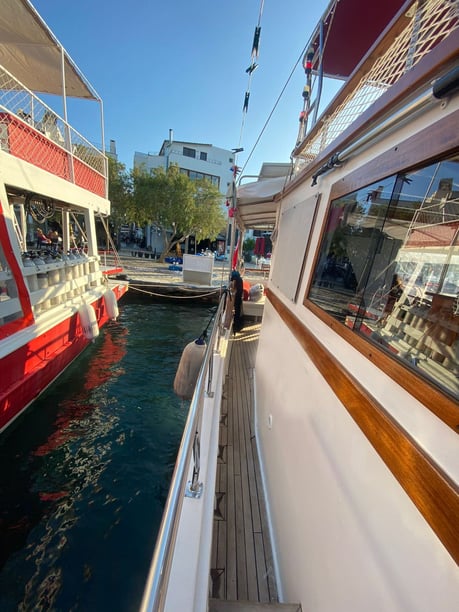
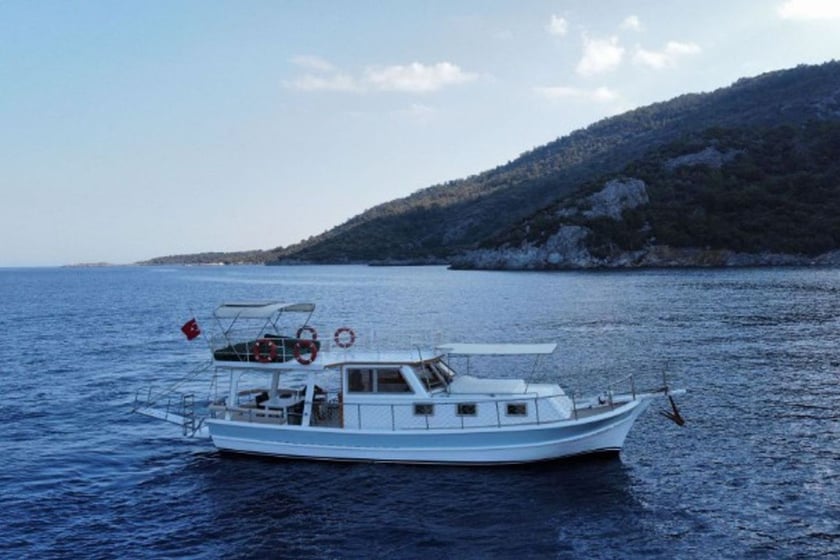
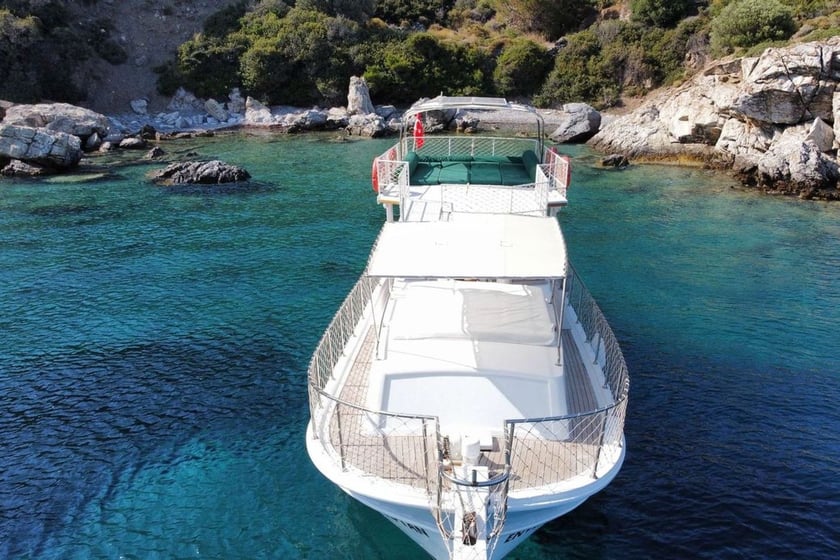
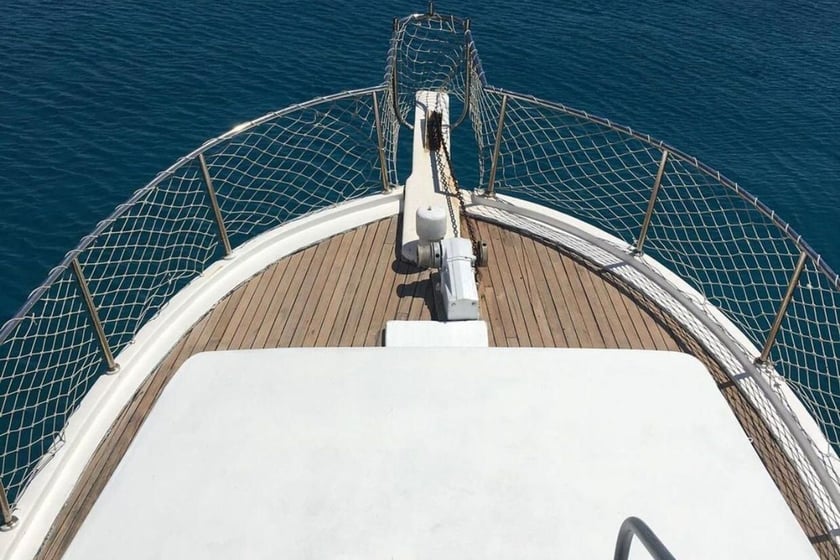
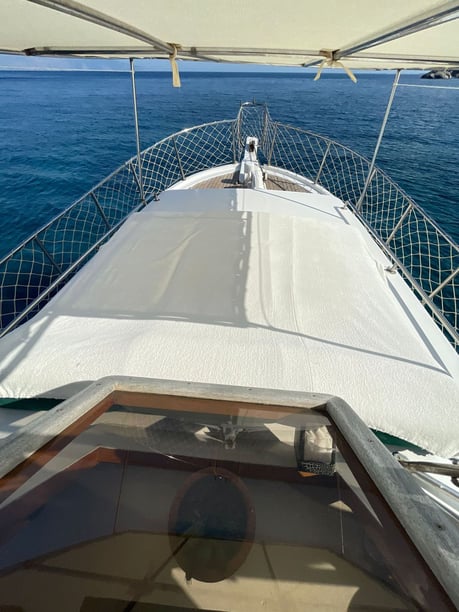
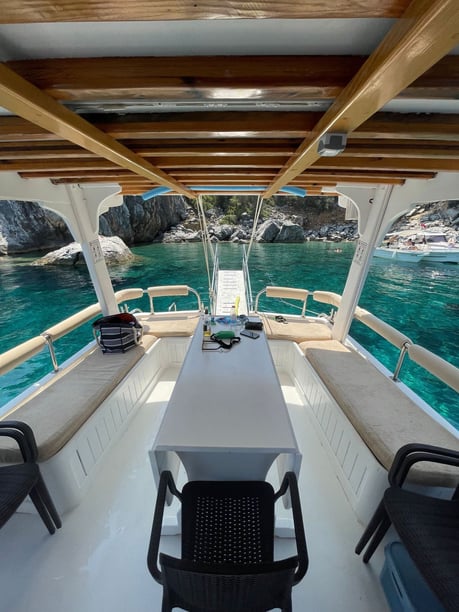
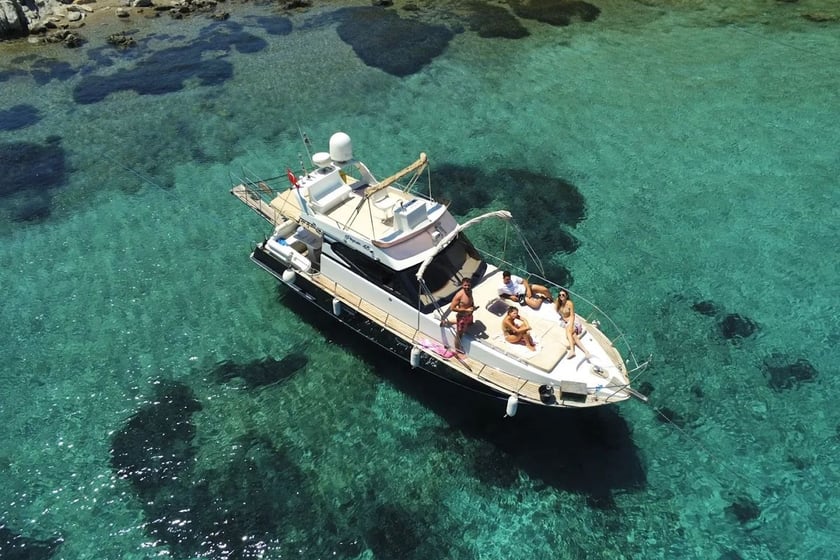
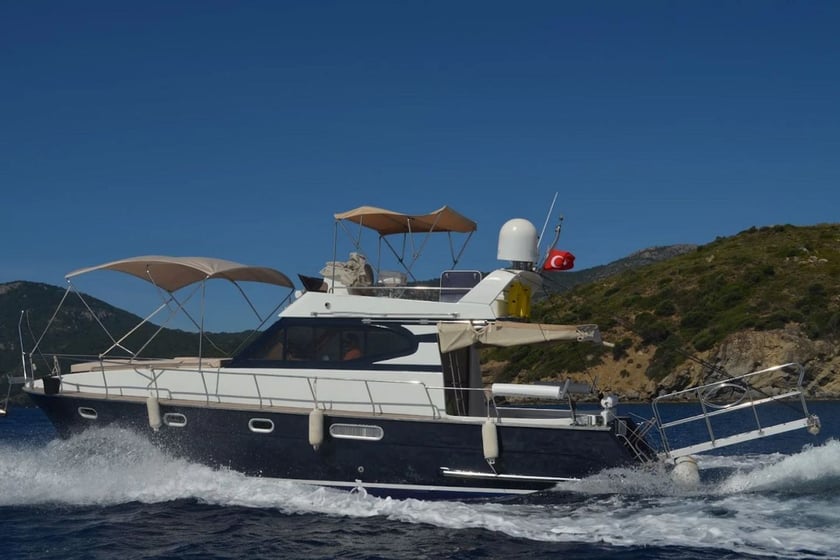
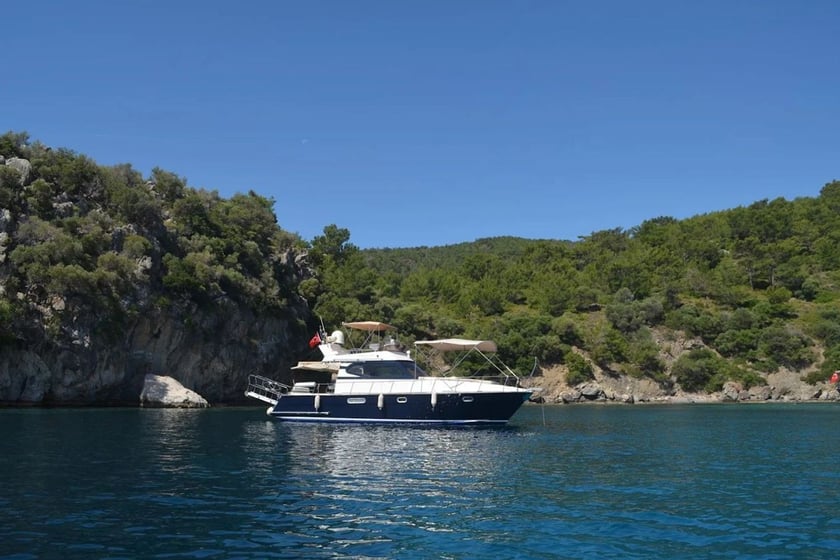
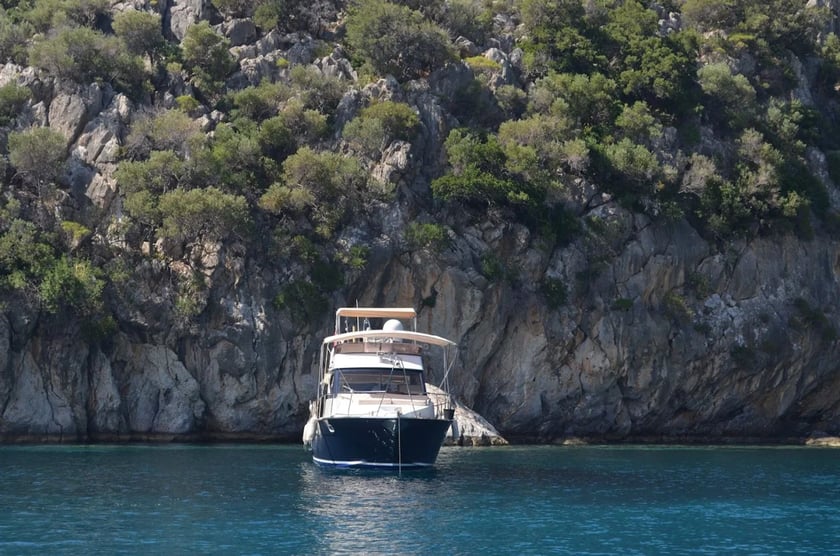
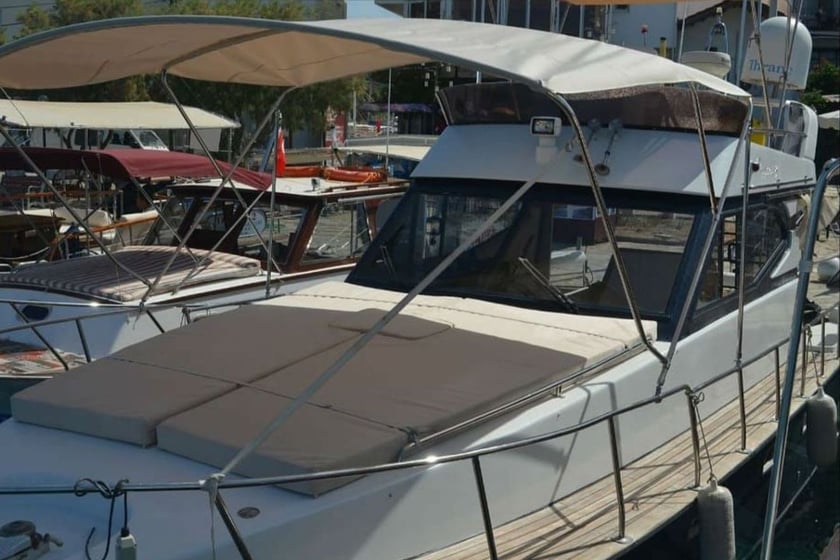
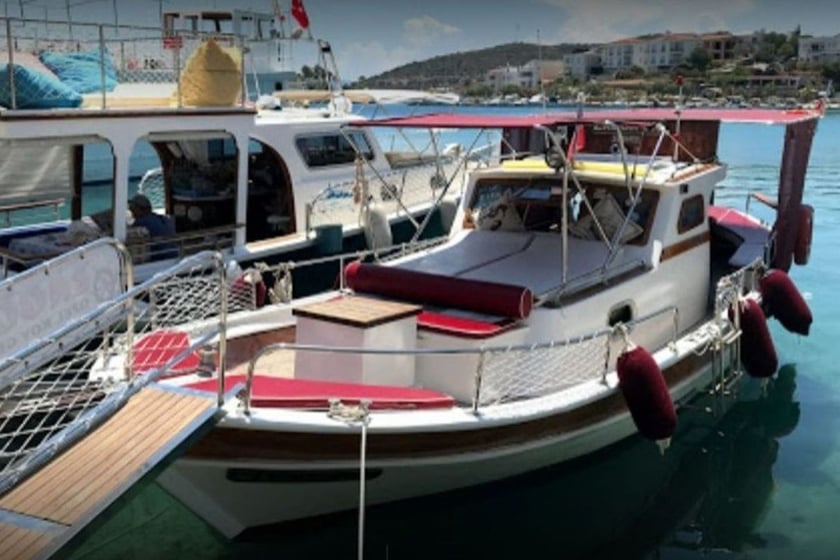
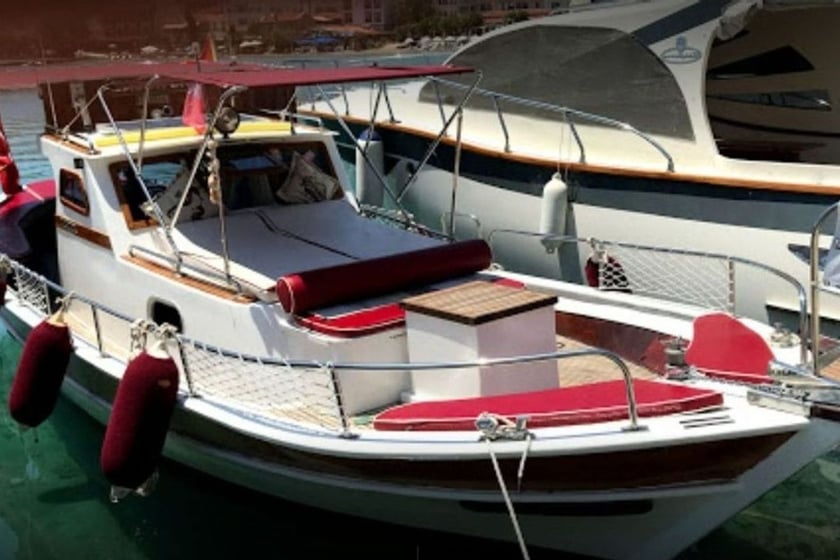
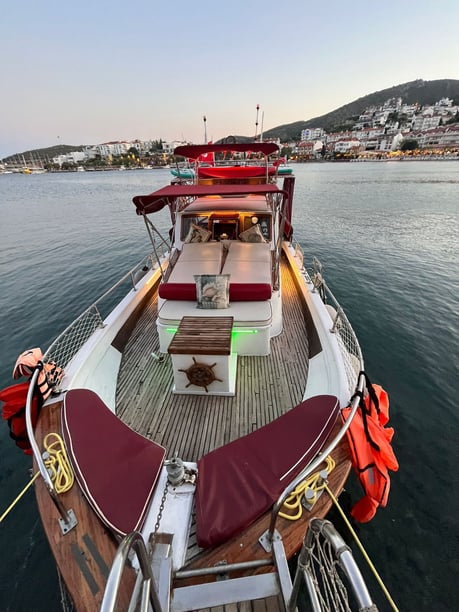
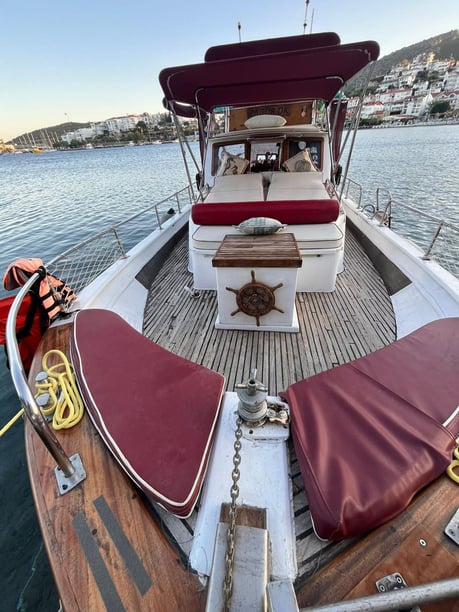
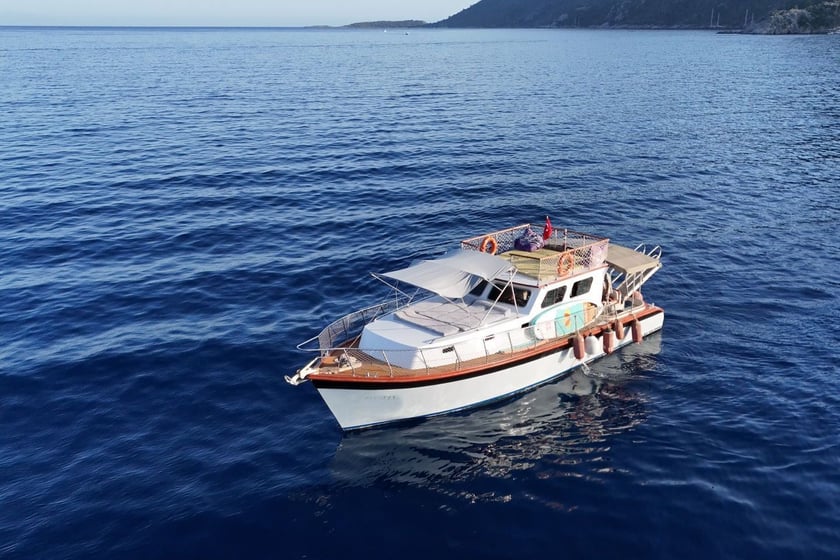
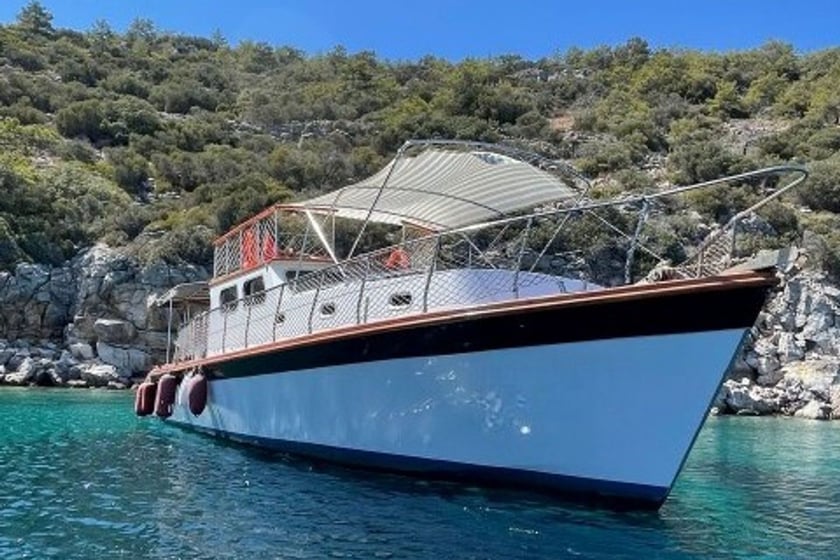
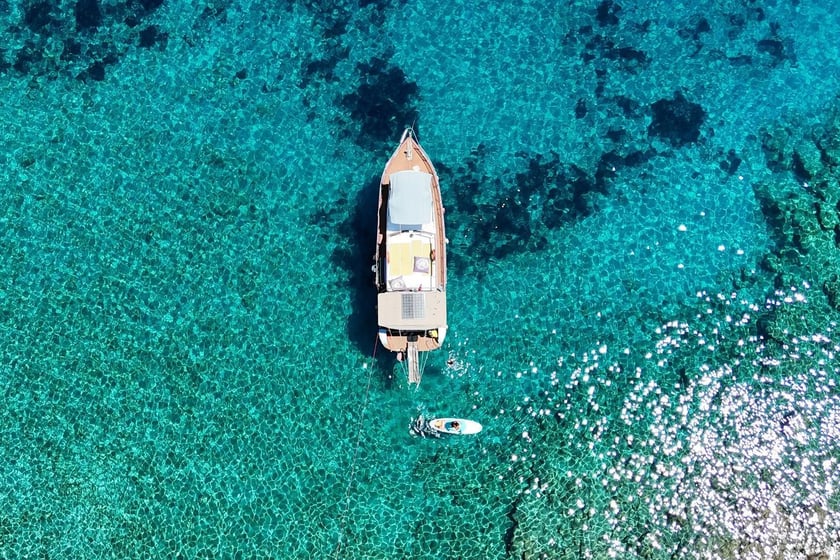
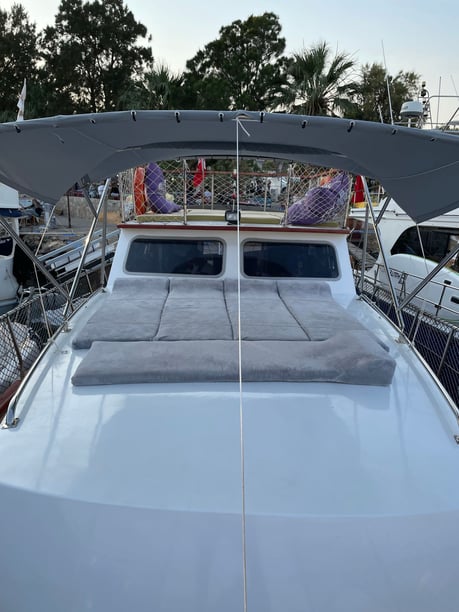
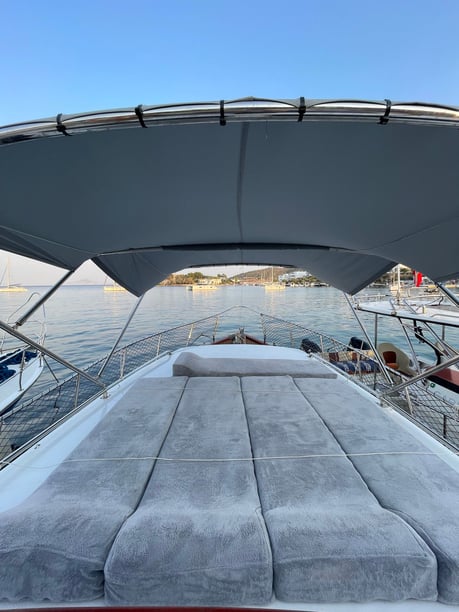
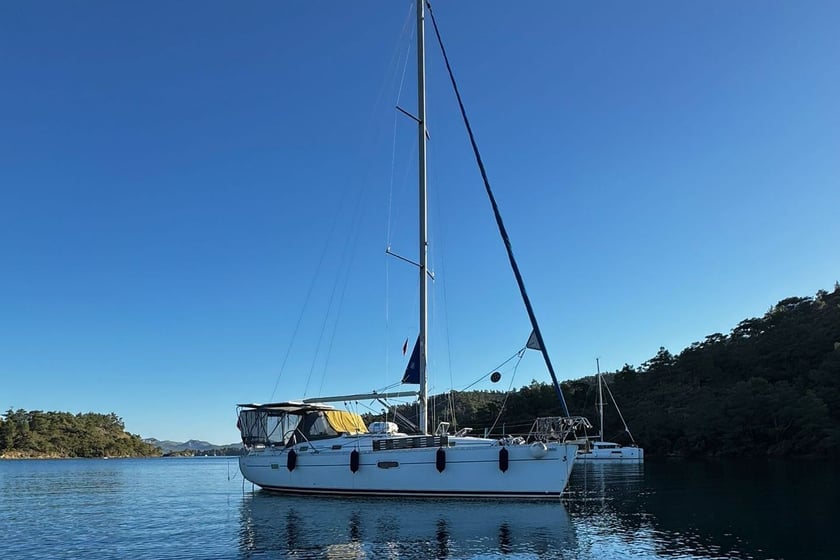
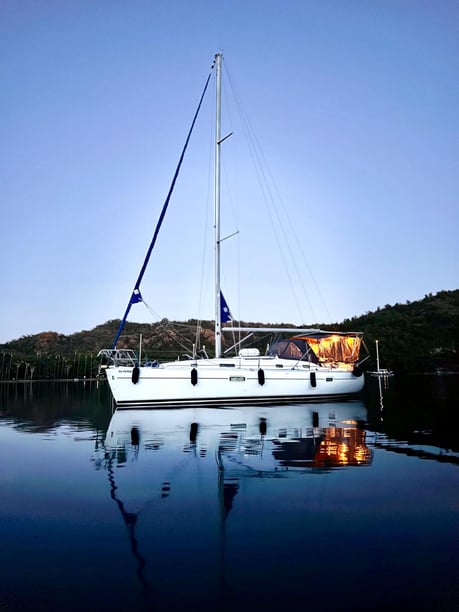
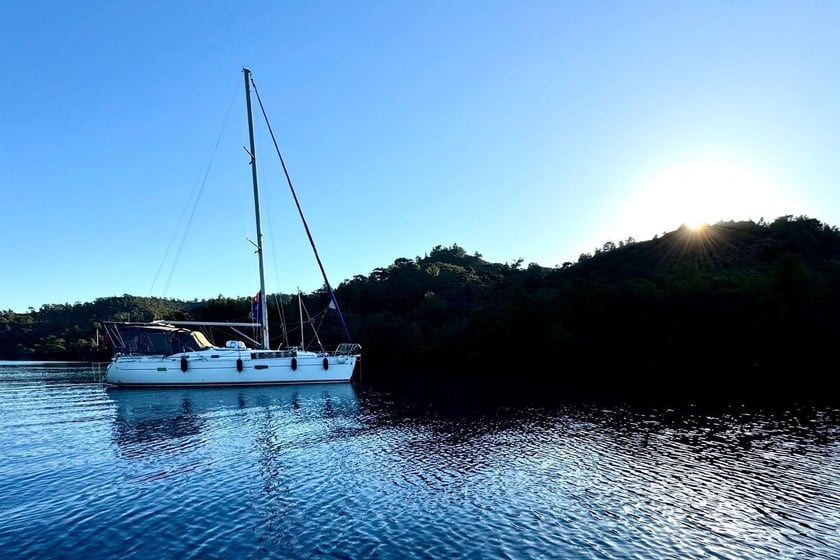
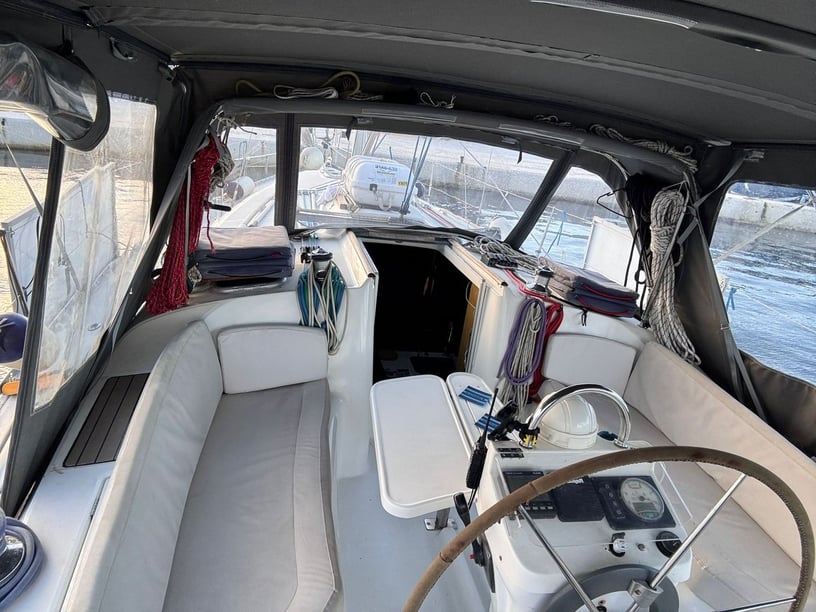
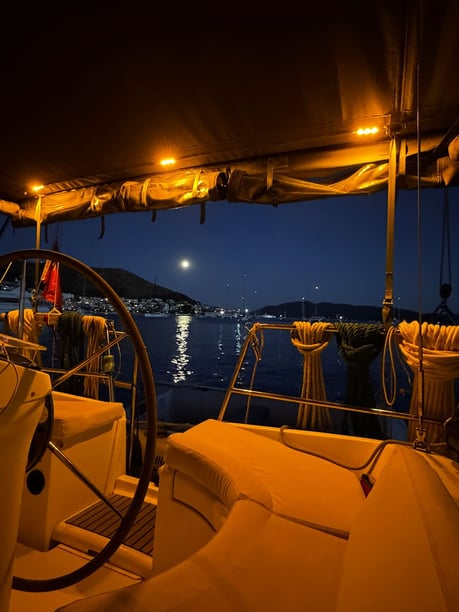
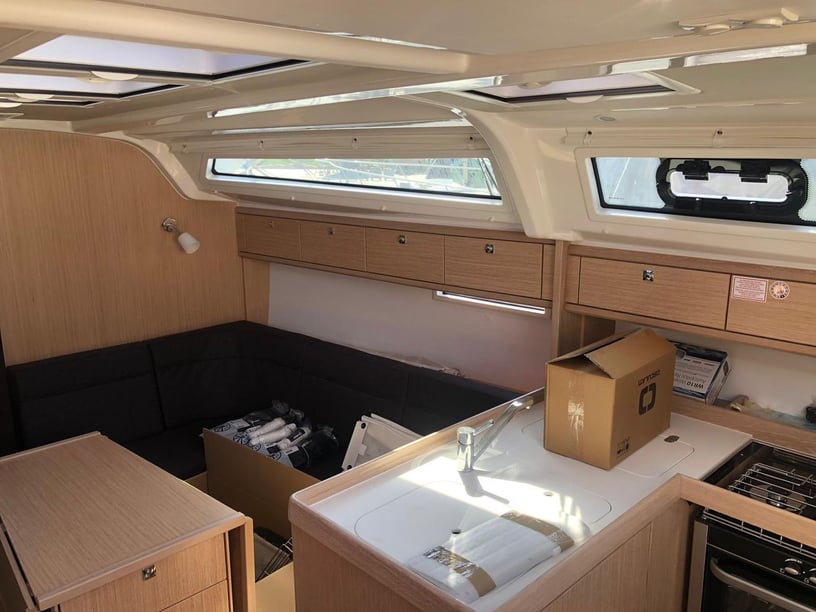
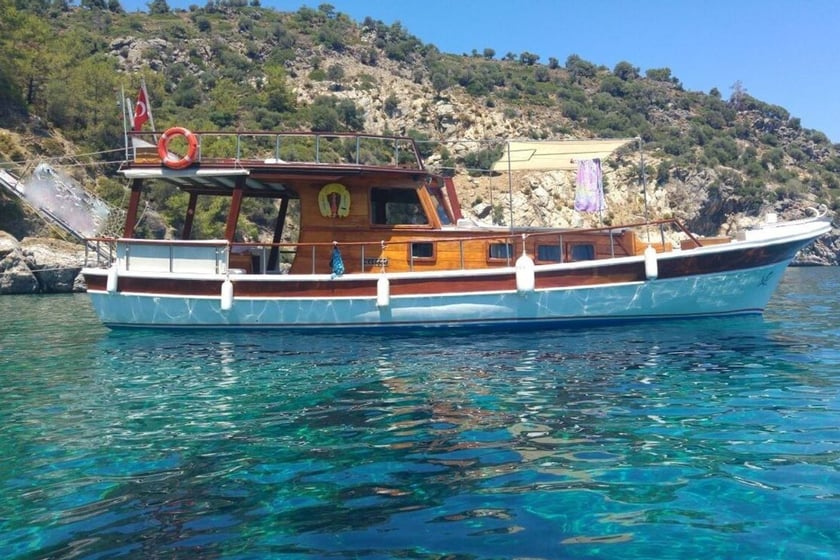
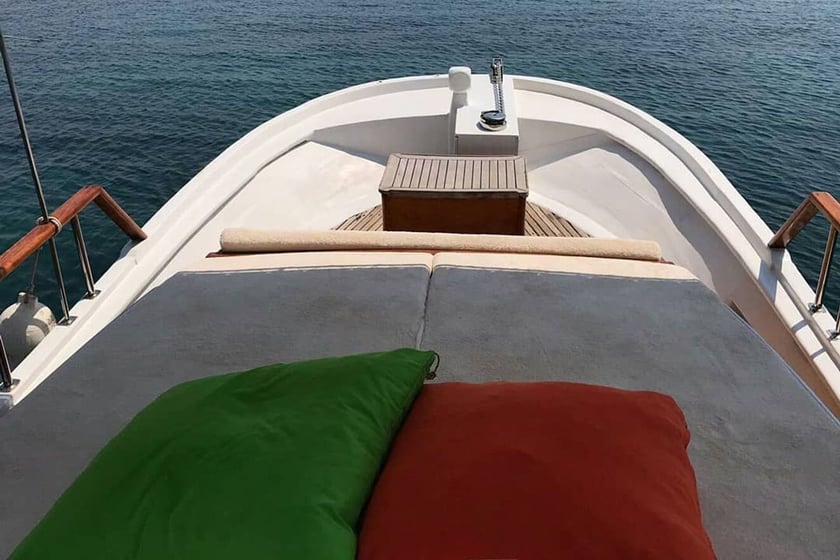
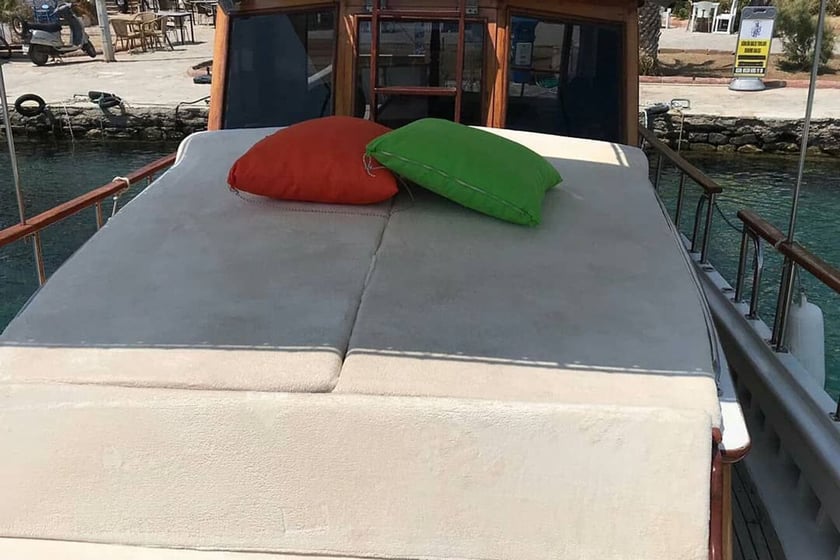
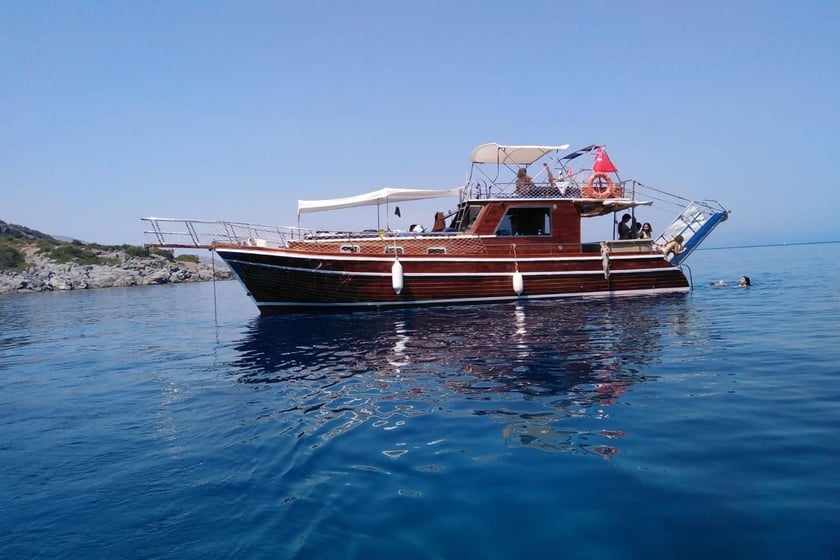
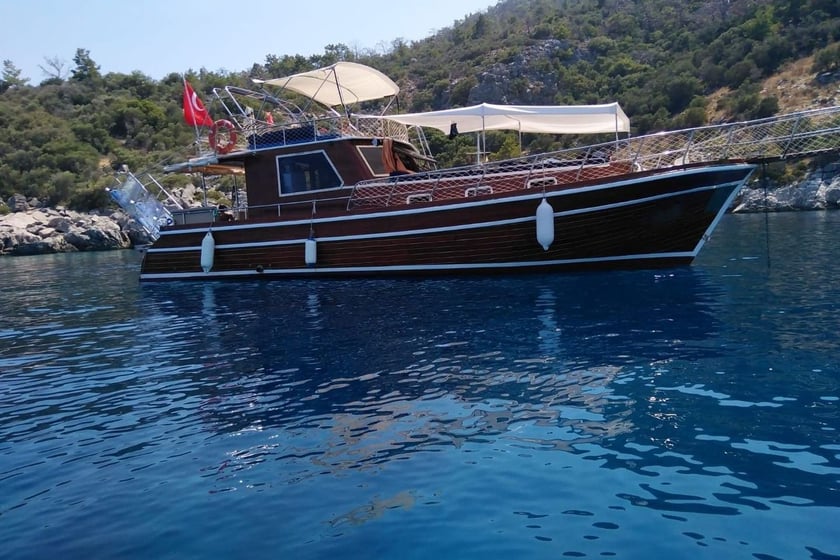
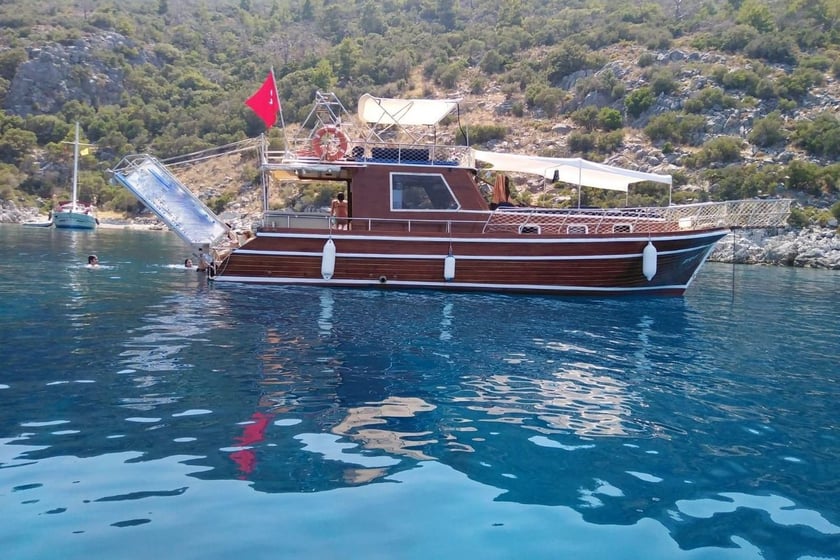
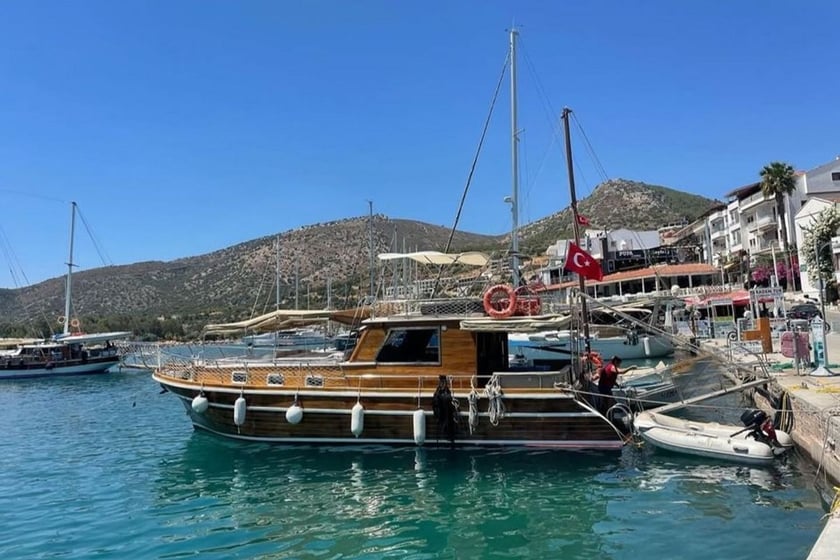
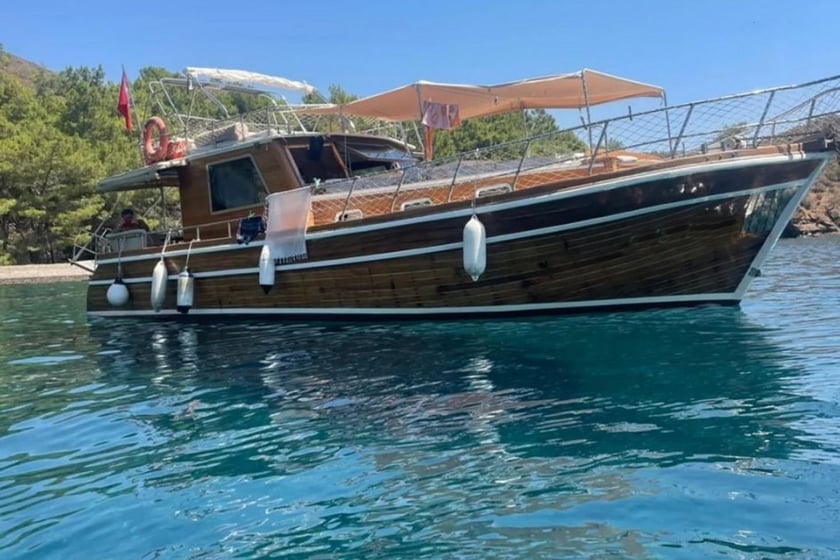
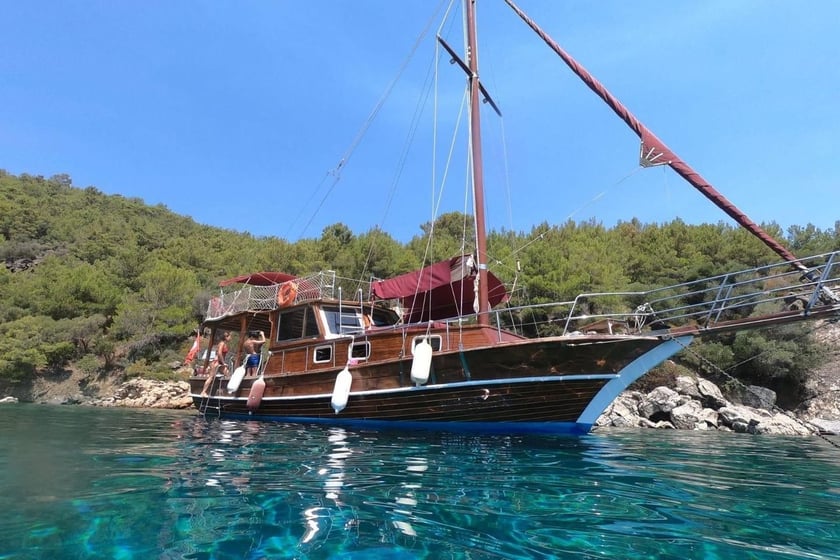
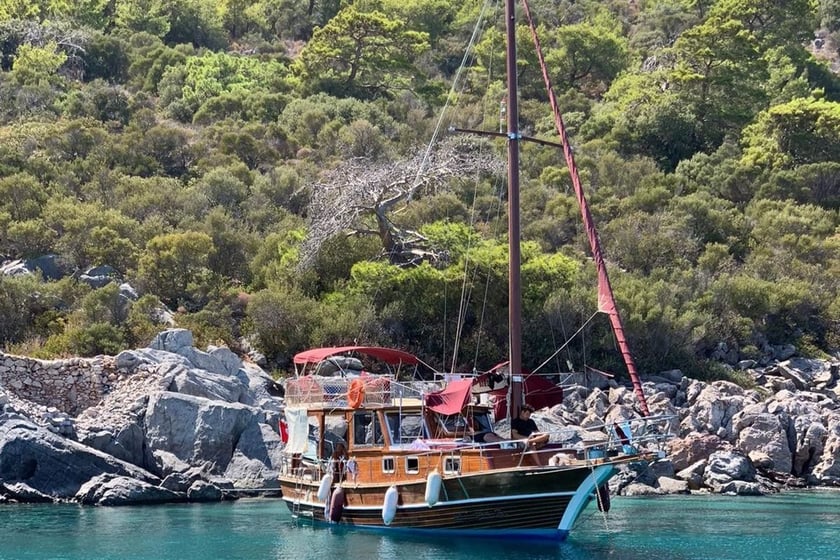
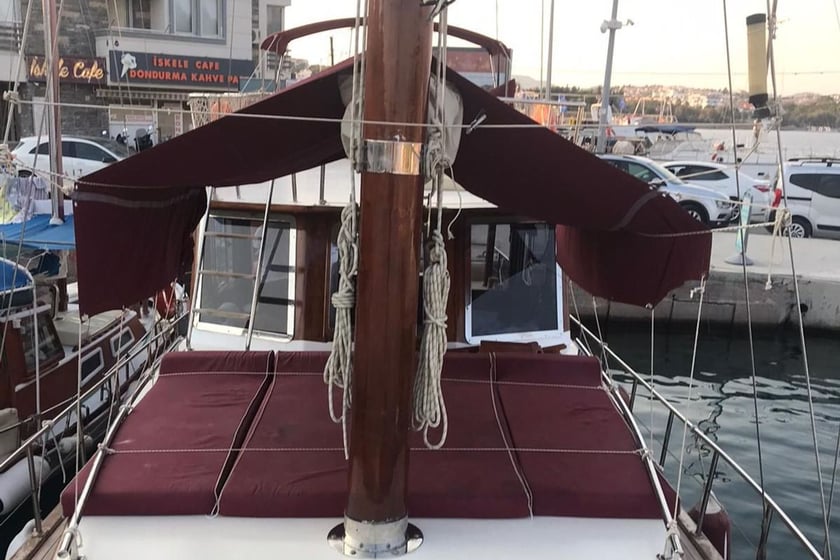
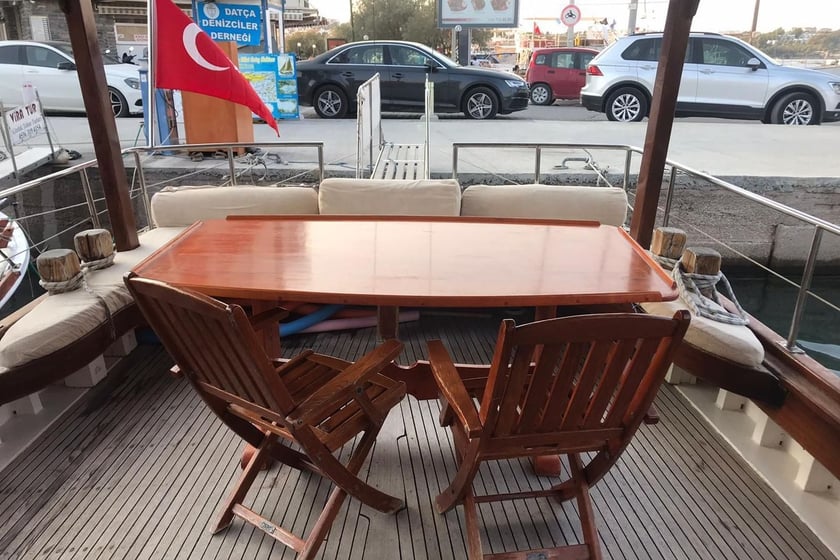
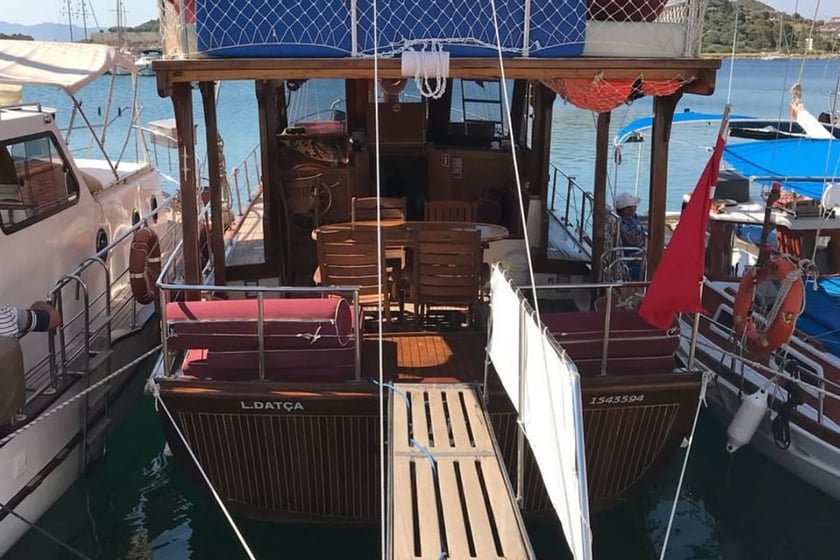
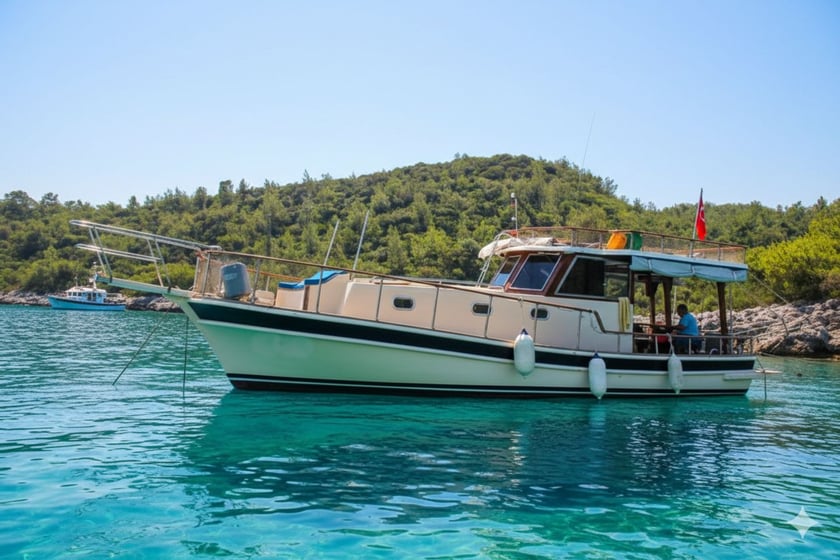
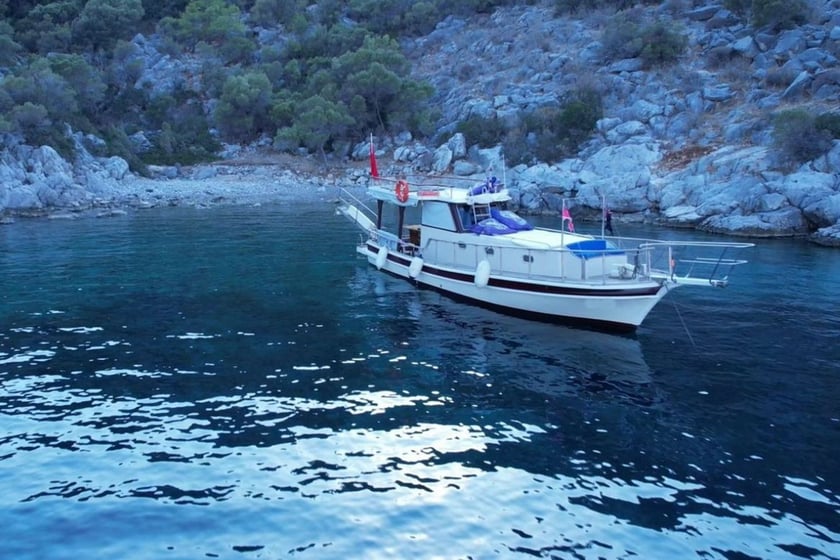
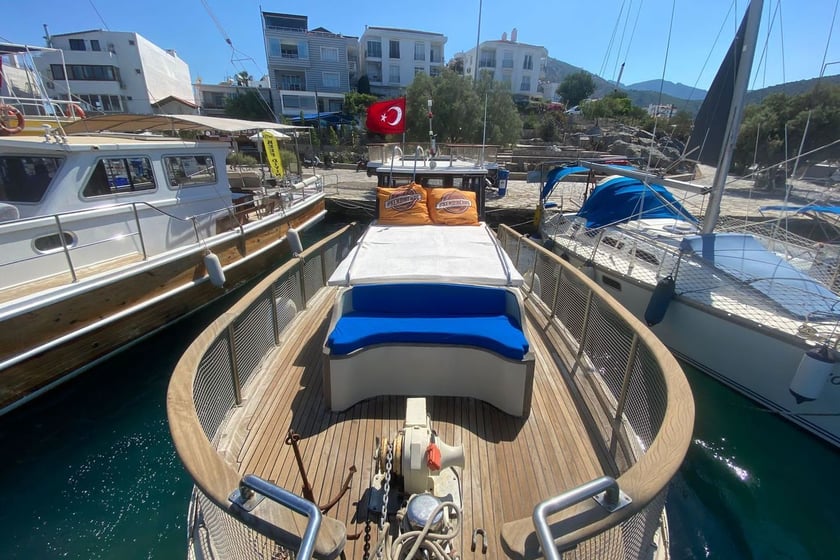
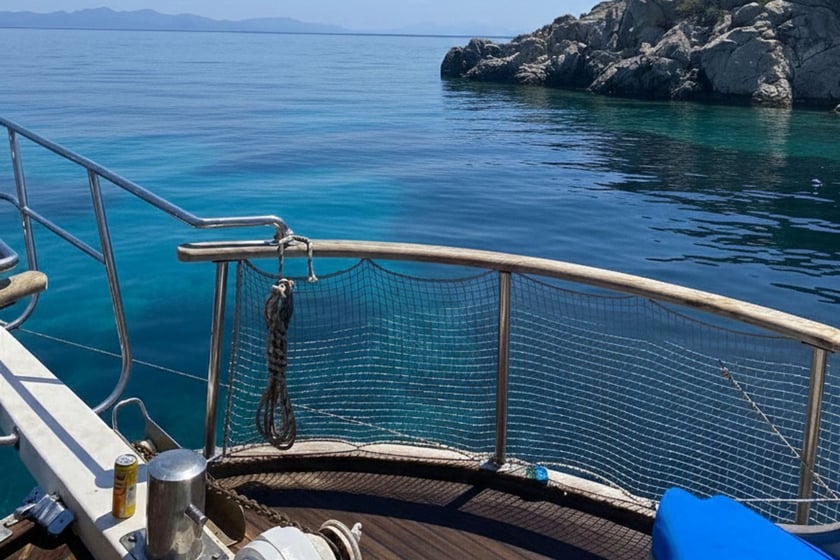
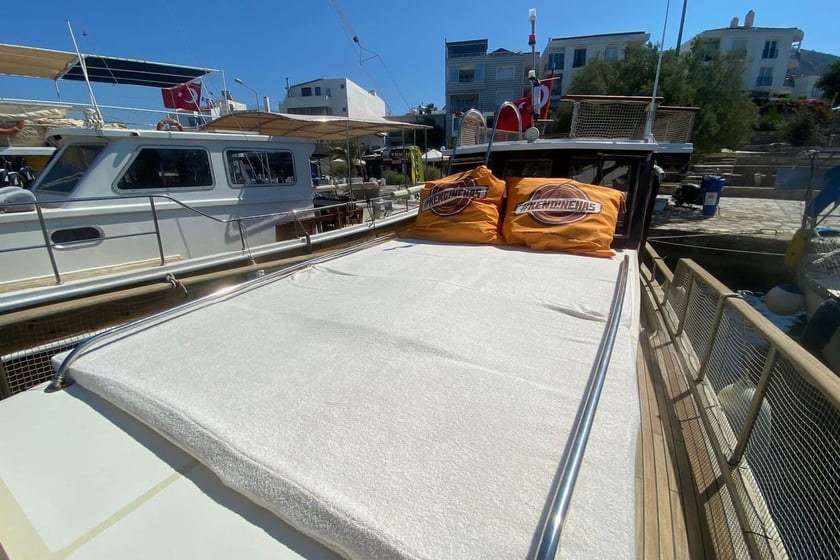
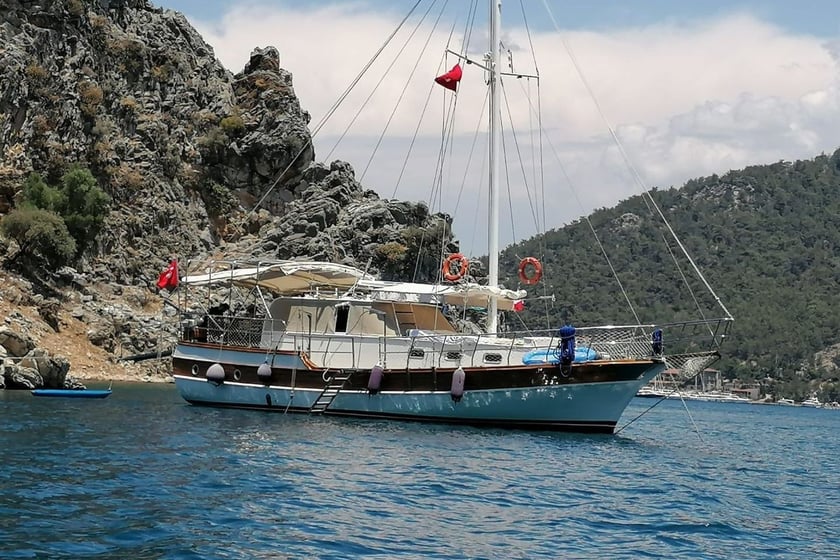
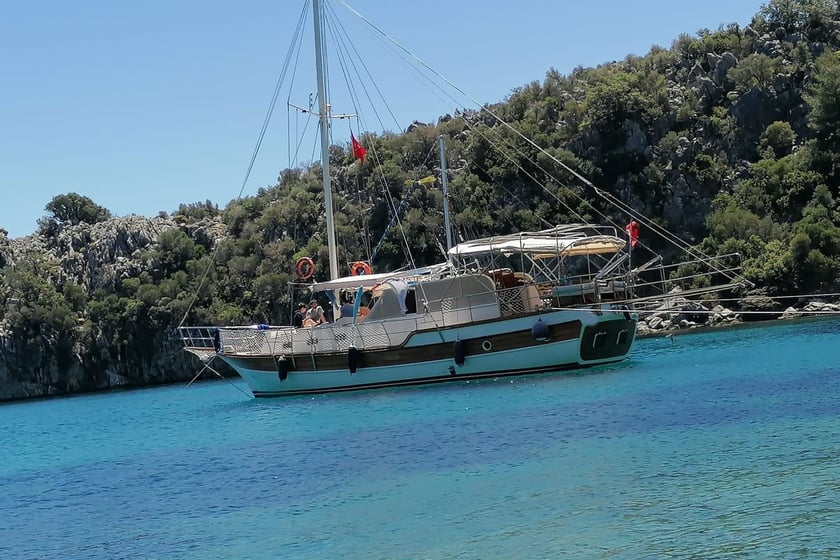
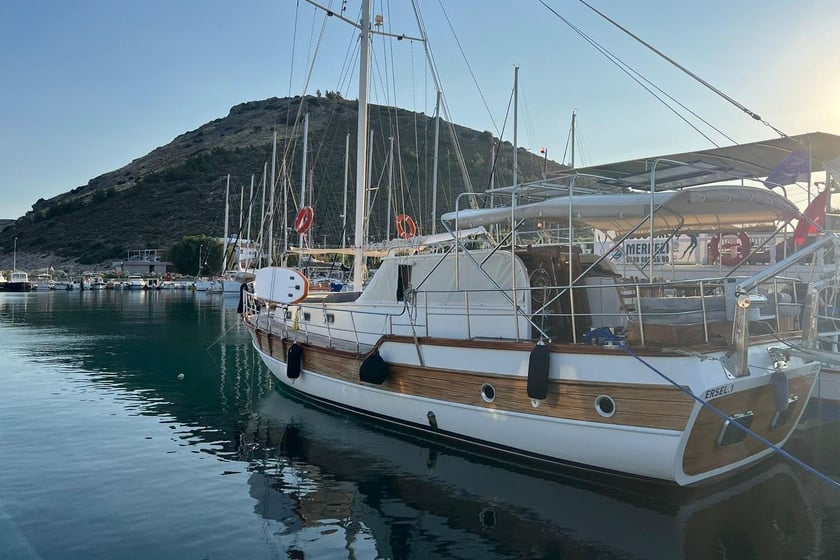
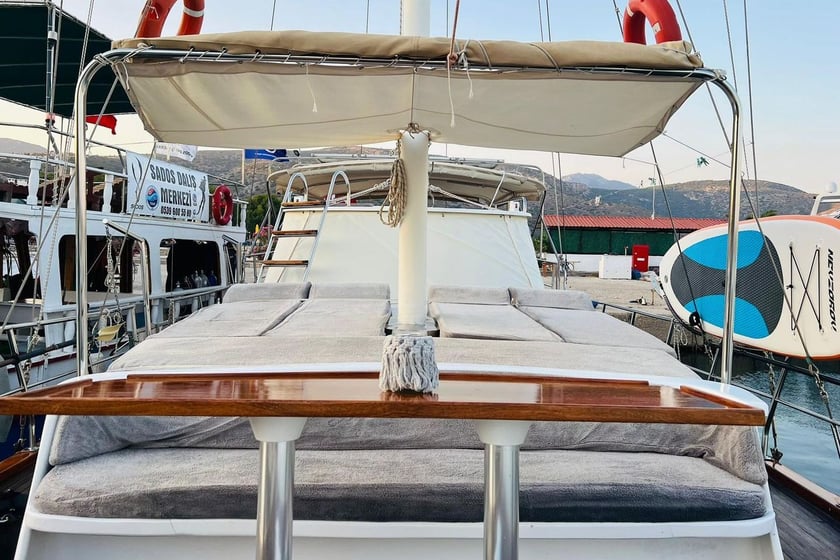
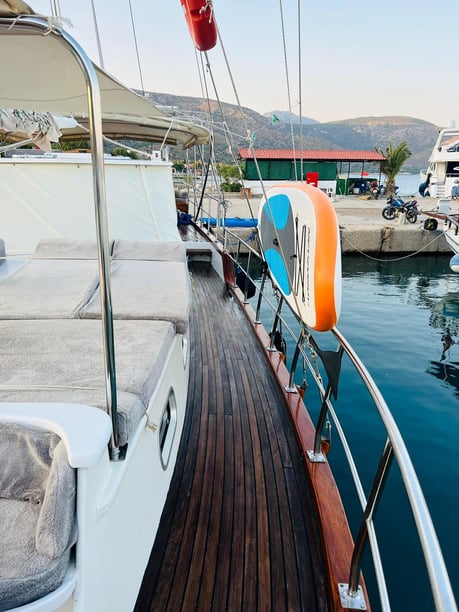
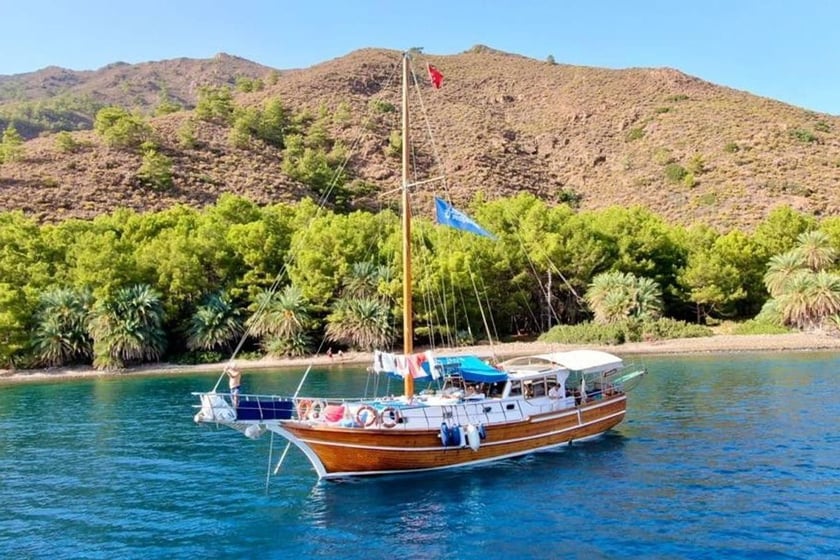
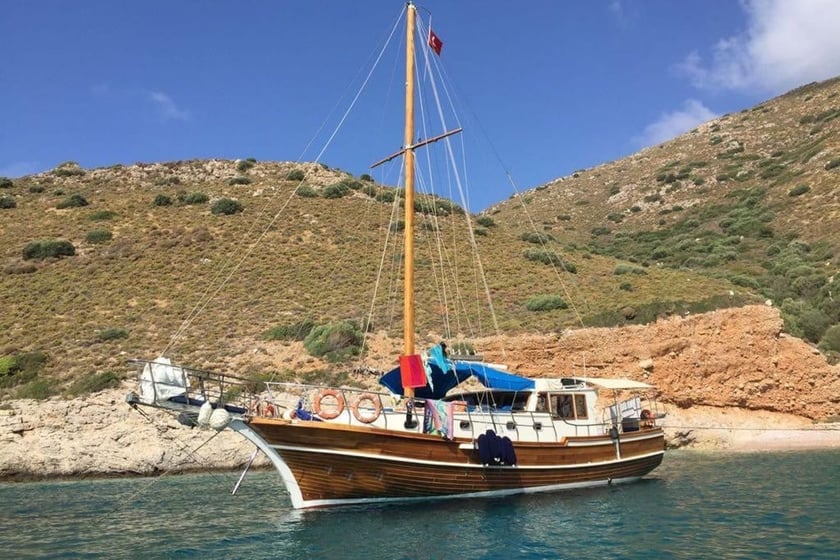
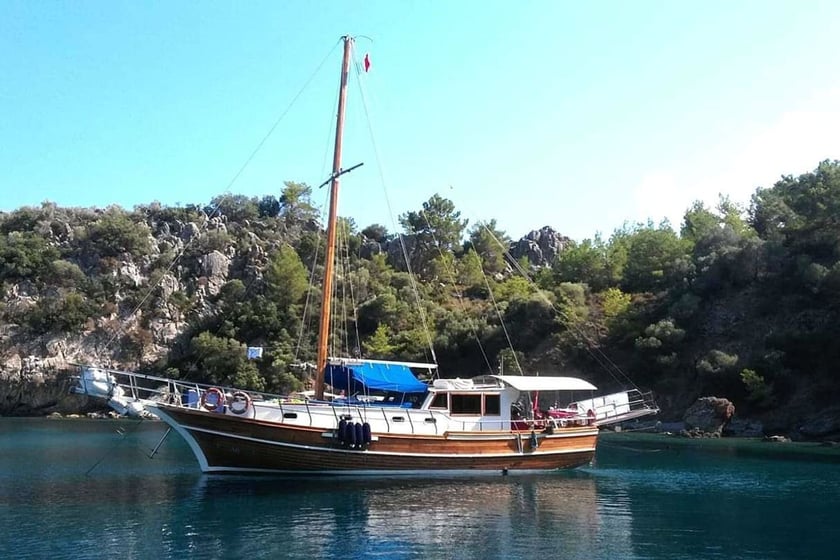
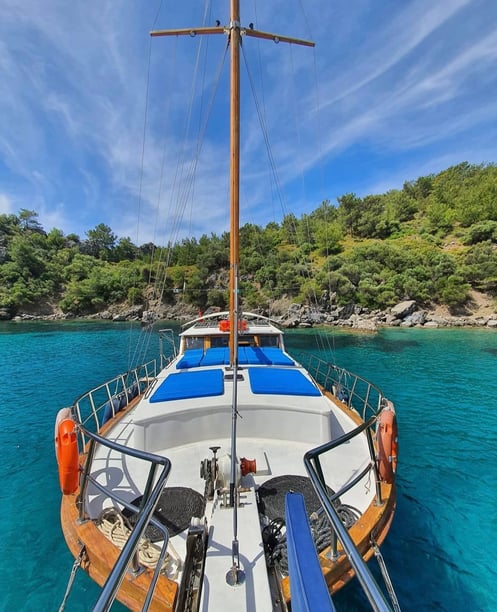
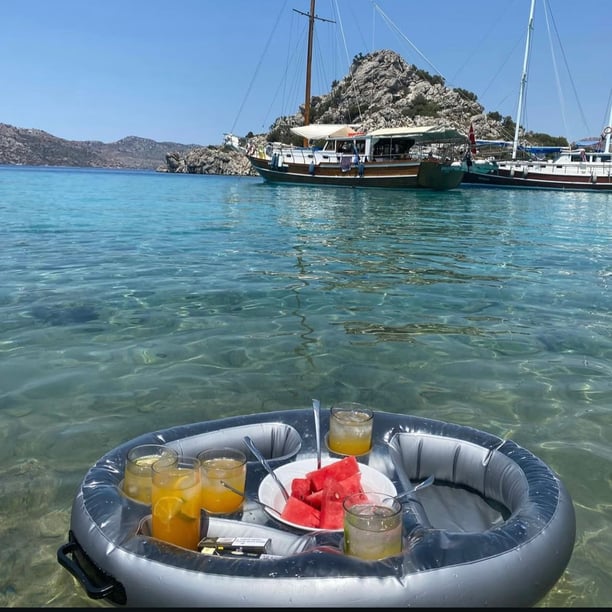
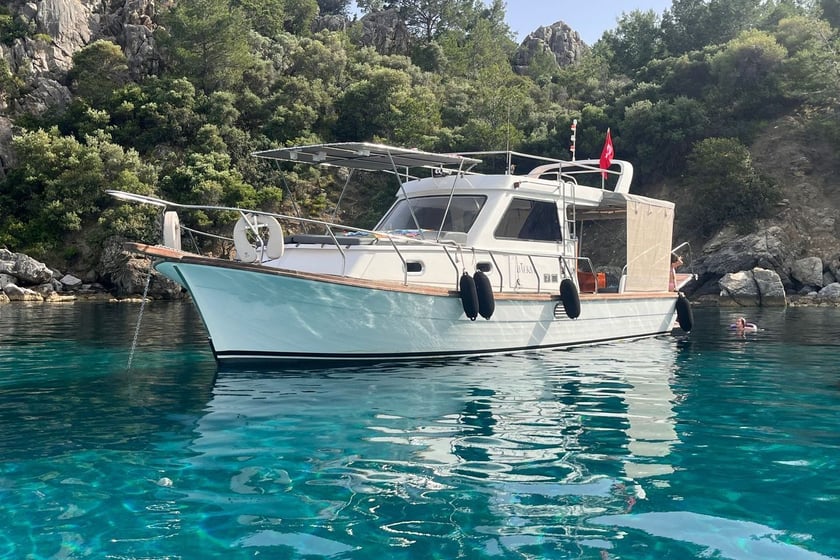
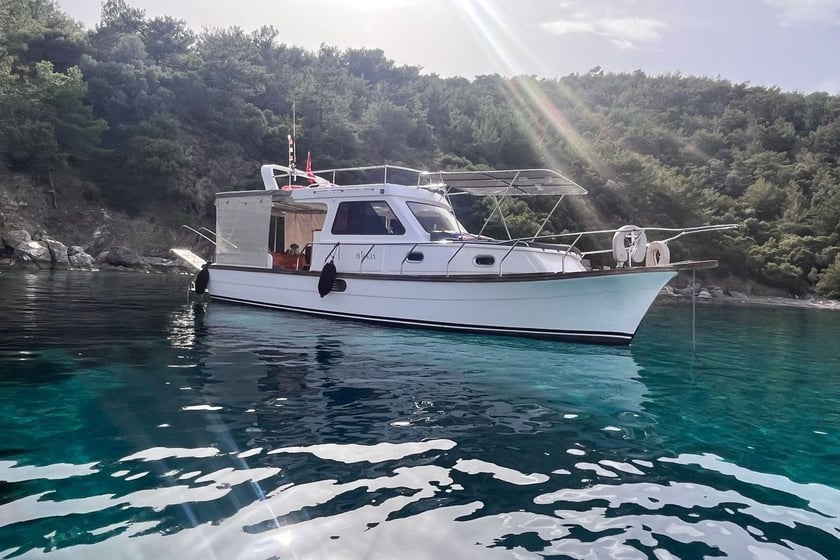
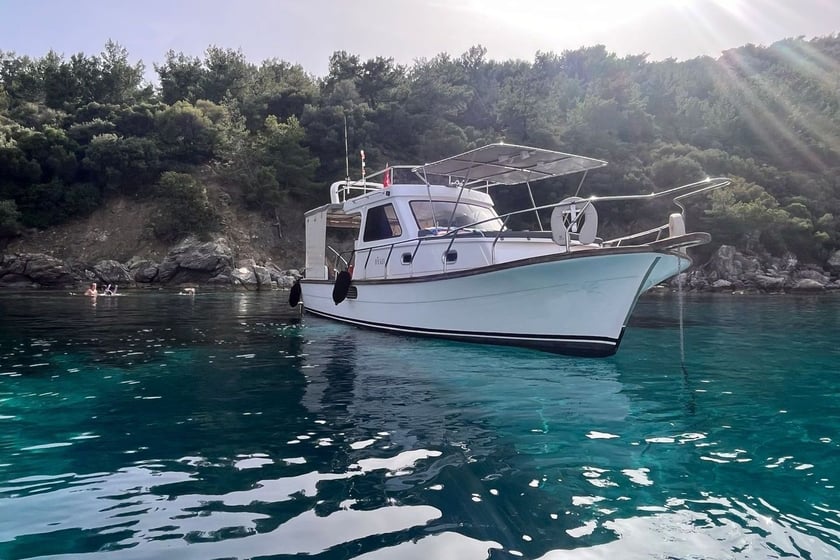
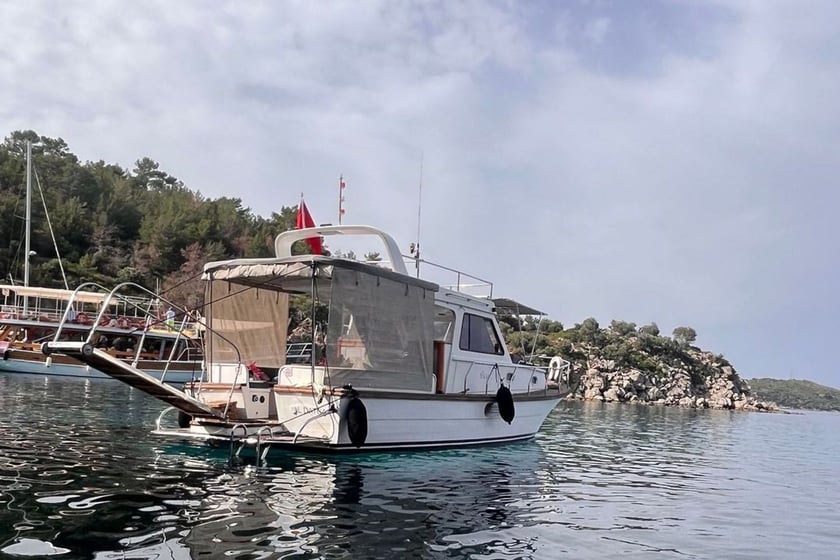
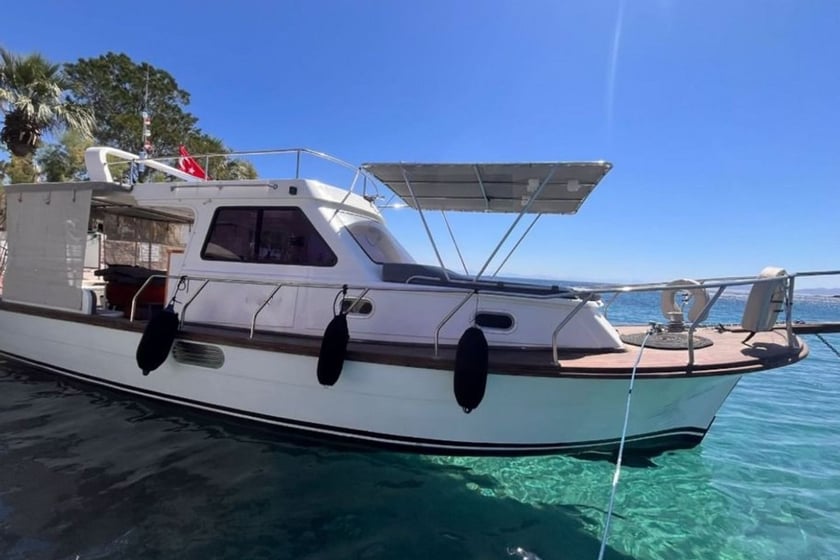
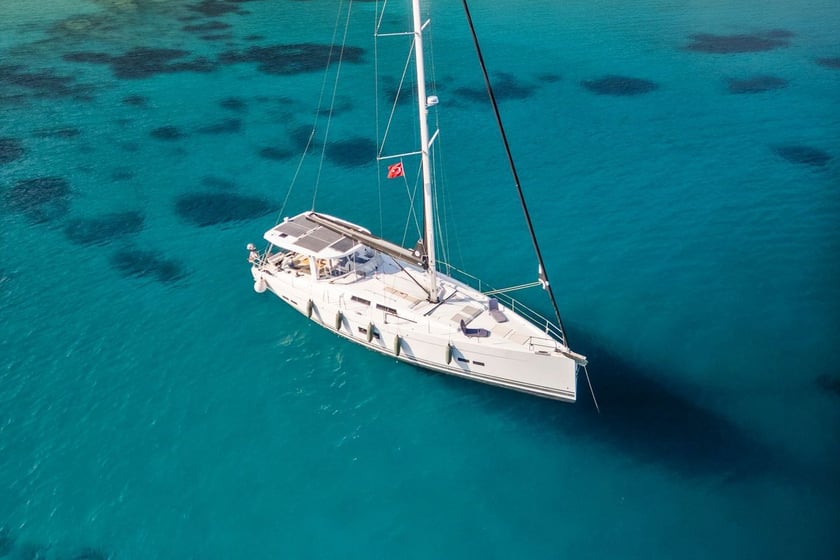
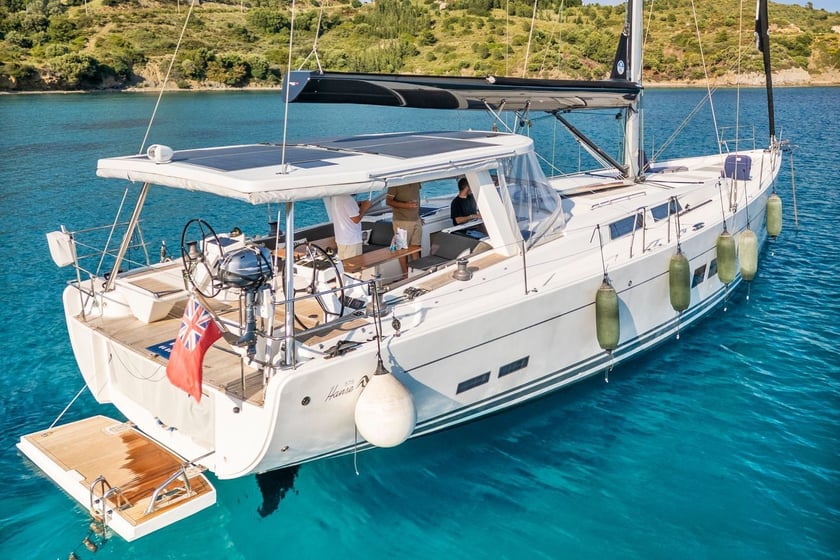
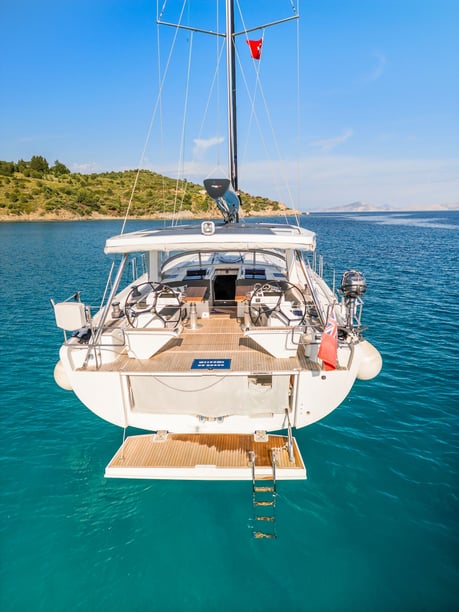
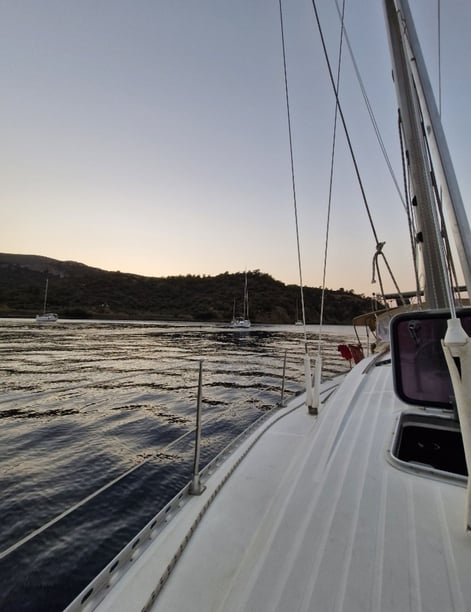
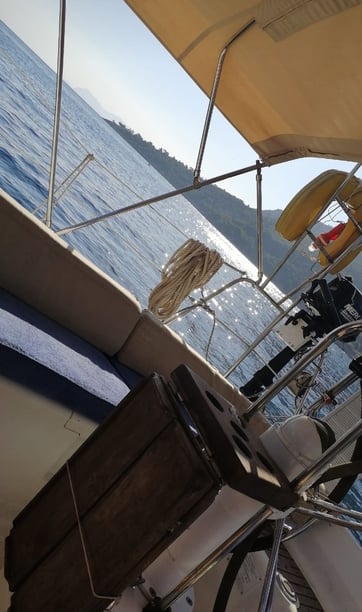
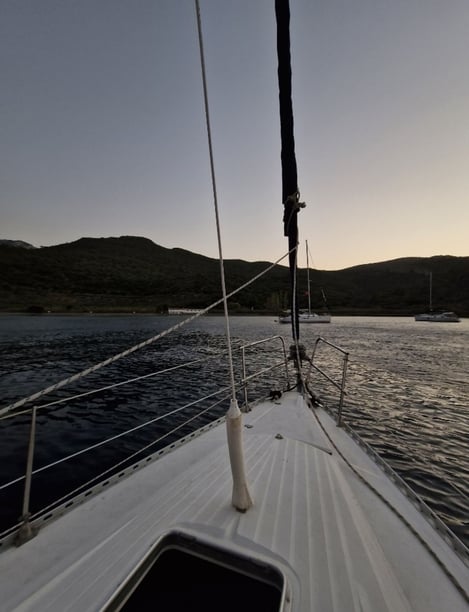
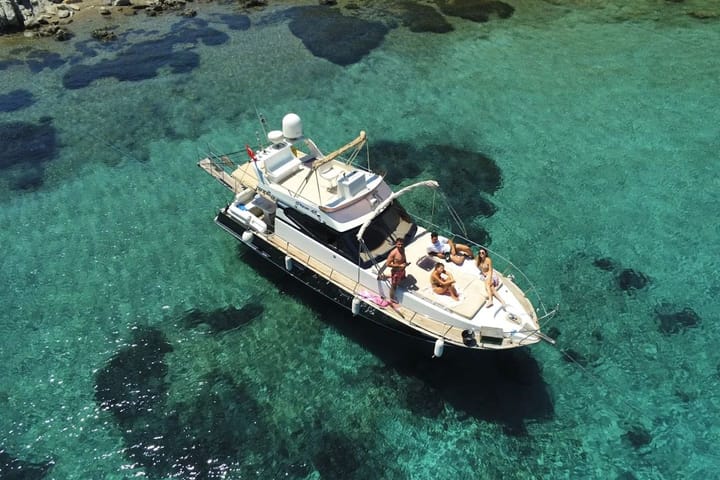
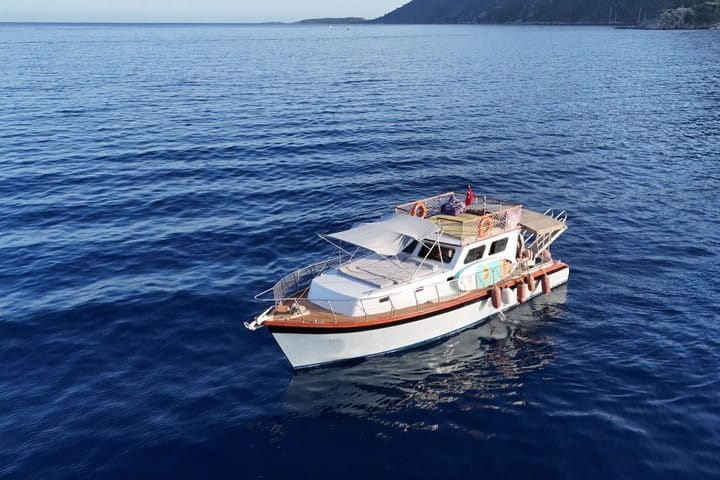
A clean and well-maintained boat; it was just like in the photos. It was a lovely holiday, and we enjoyed it.
Listing owner: ArdaDatca / Turkey