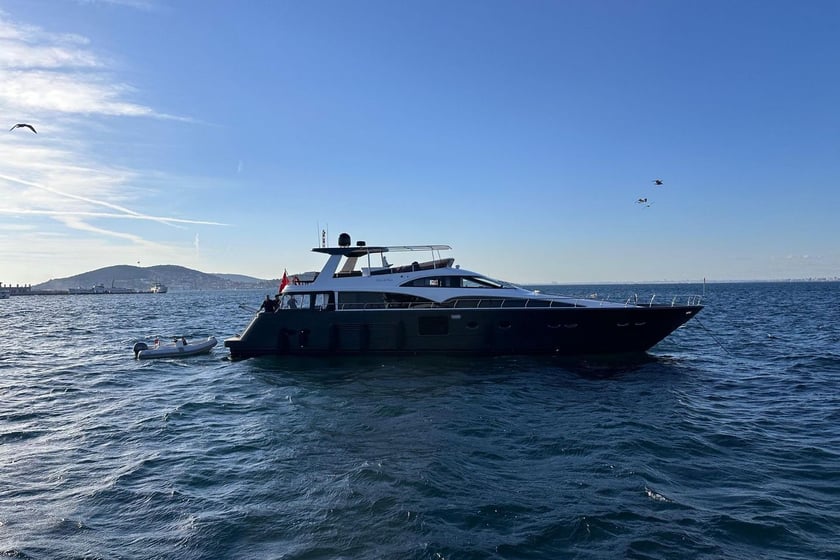
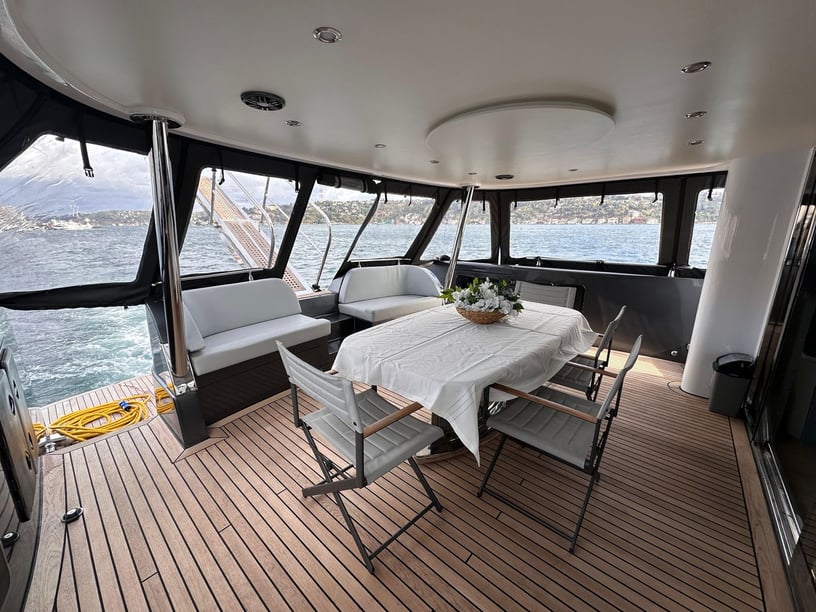
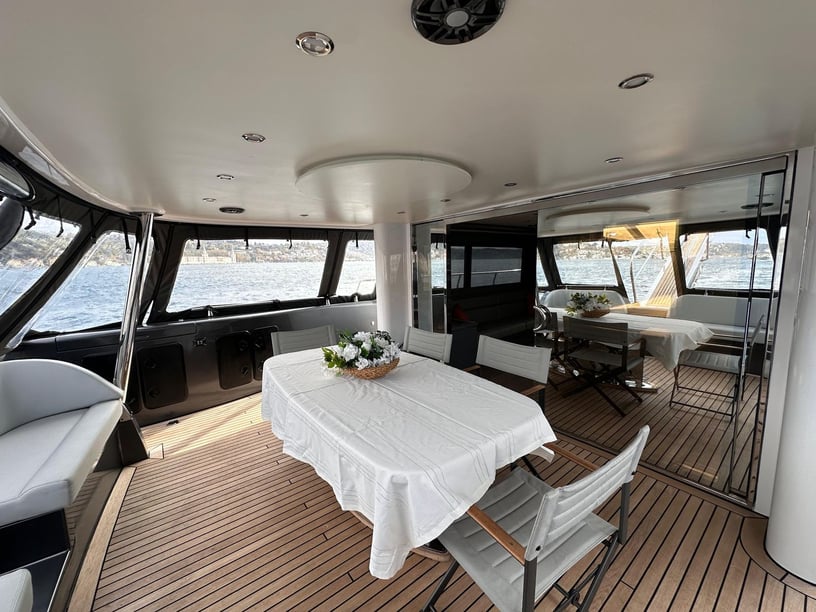
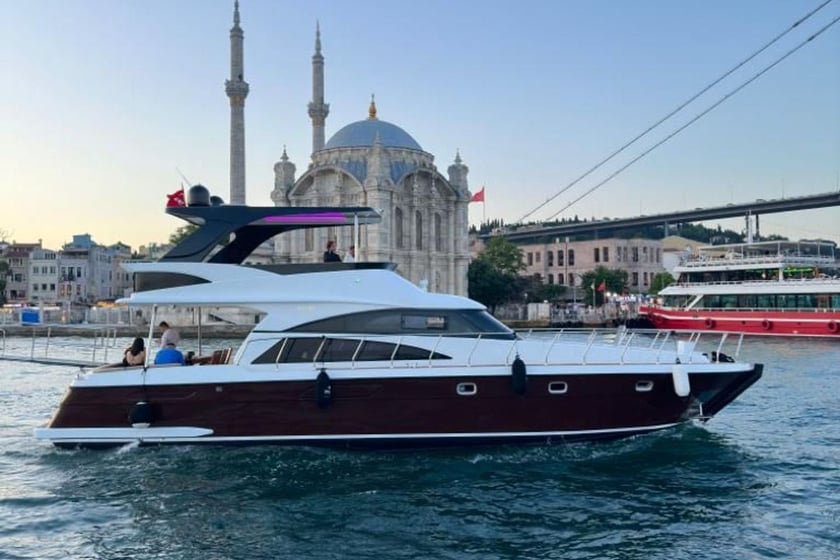
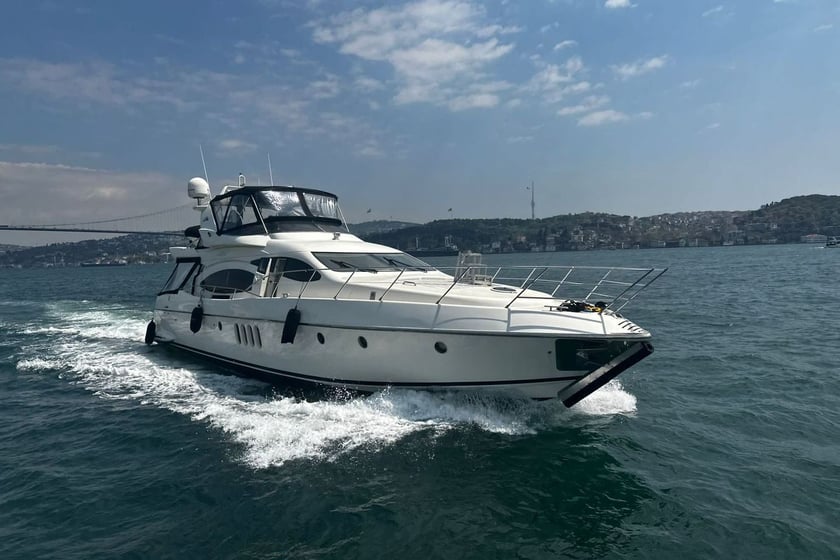
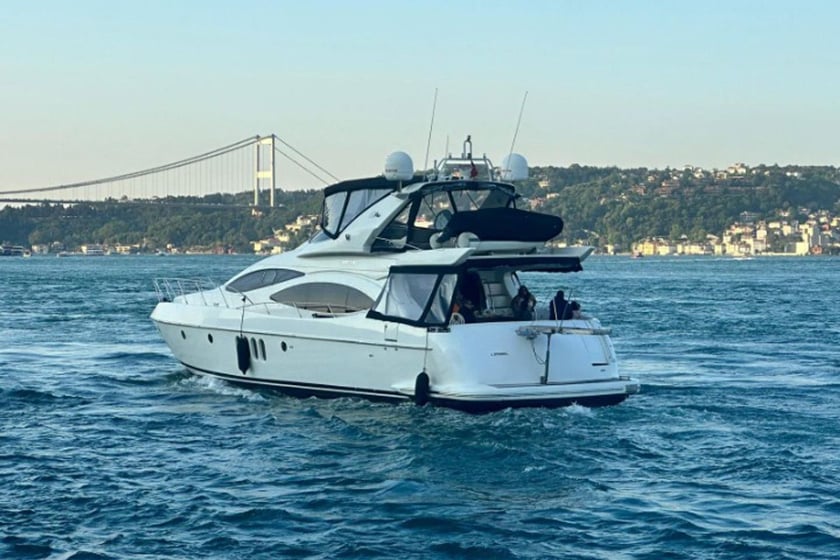
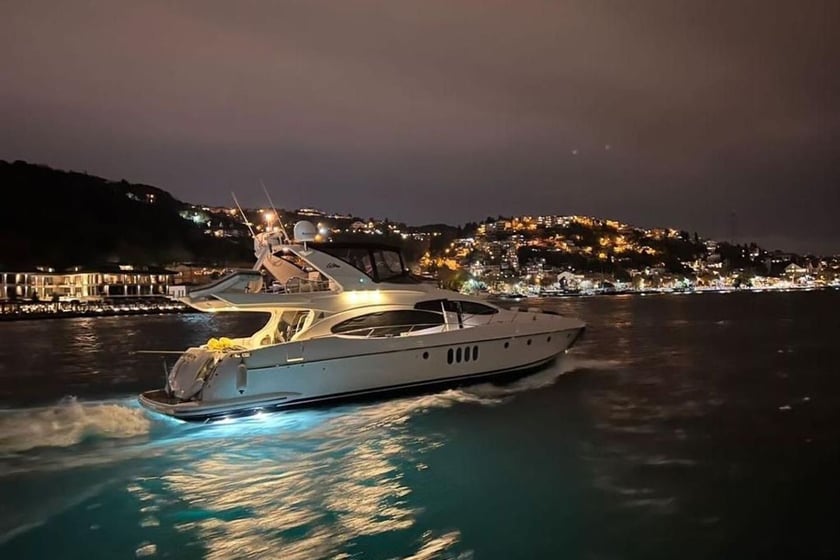
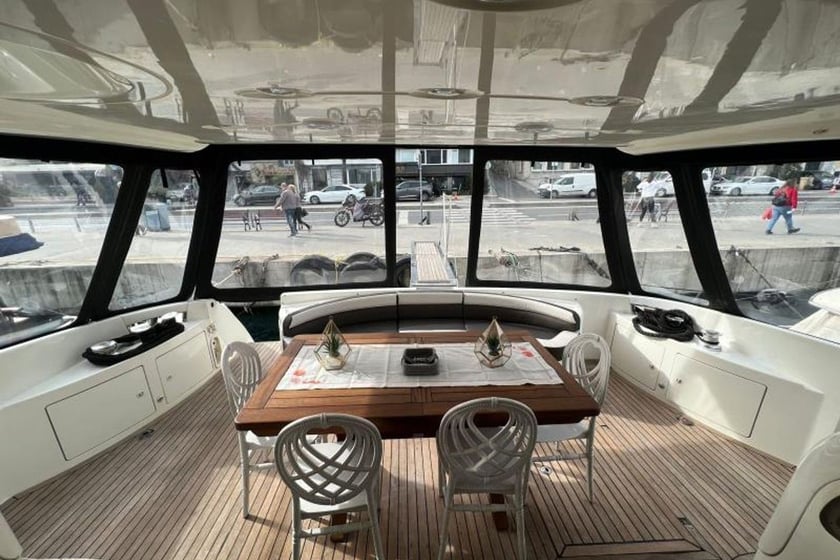
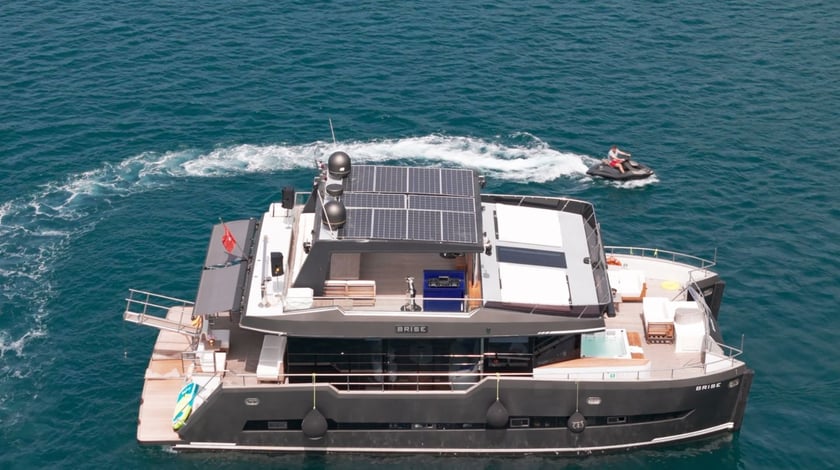
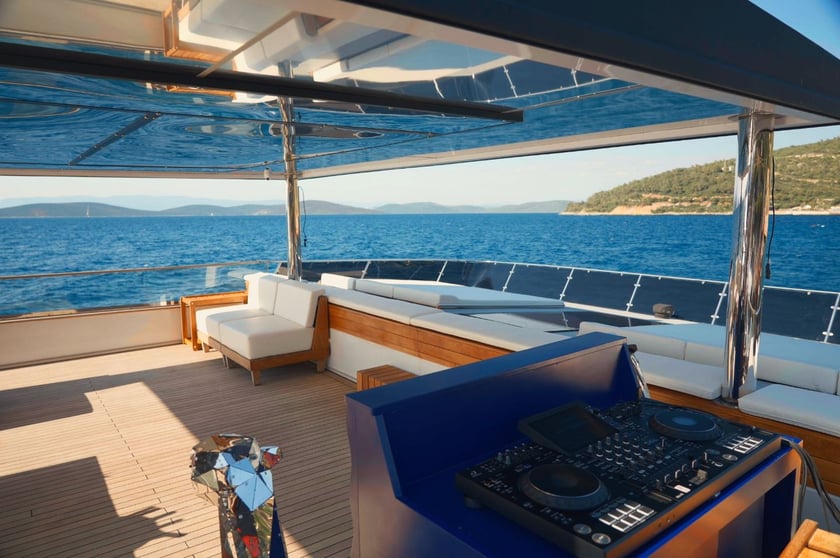
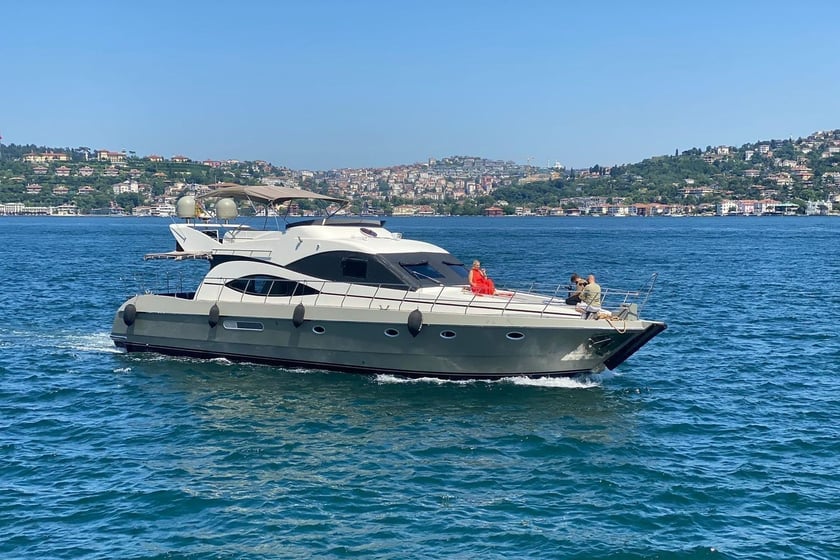
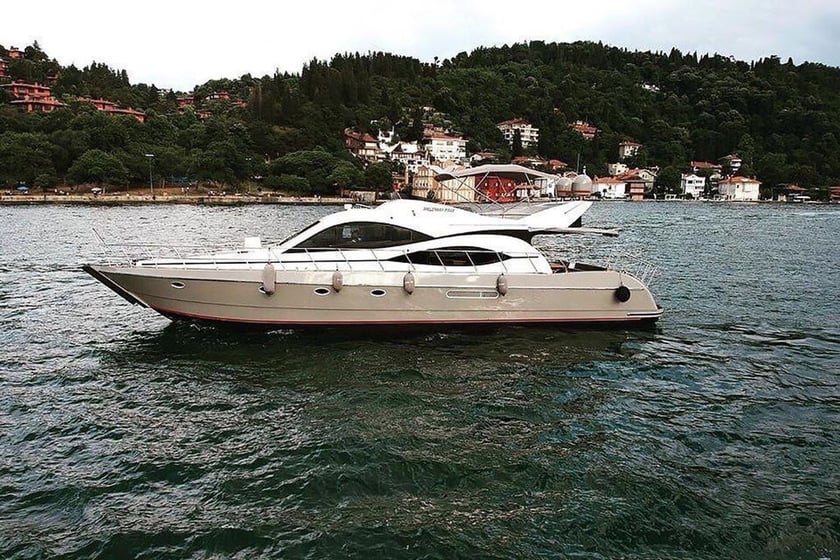
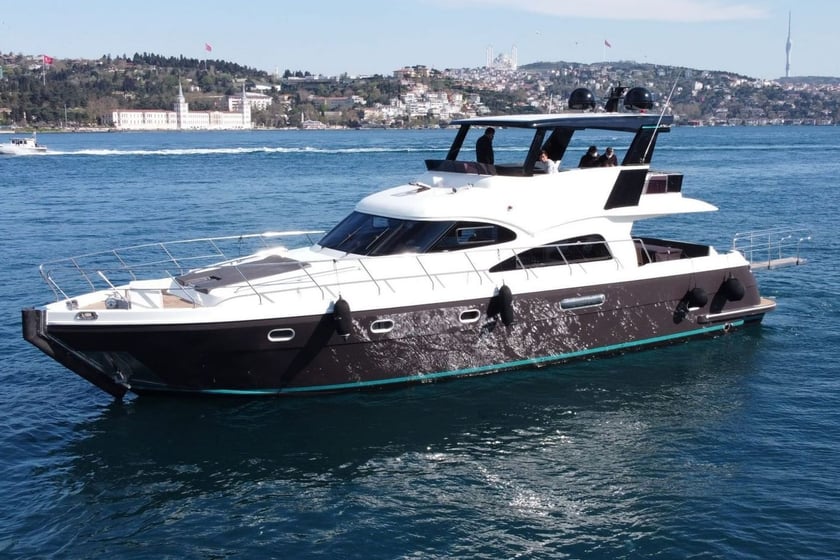
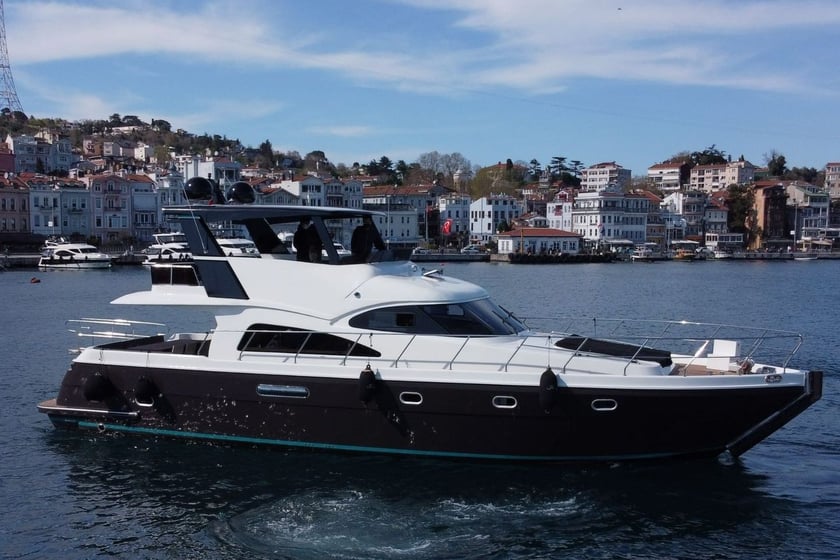
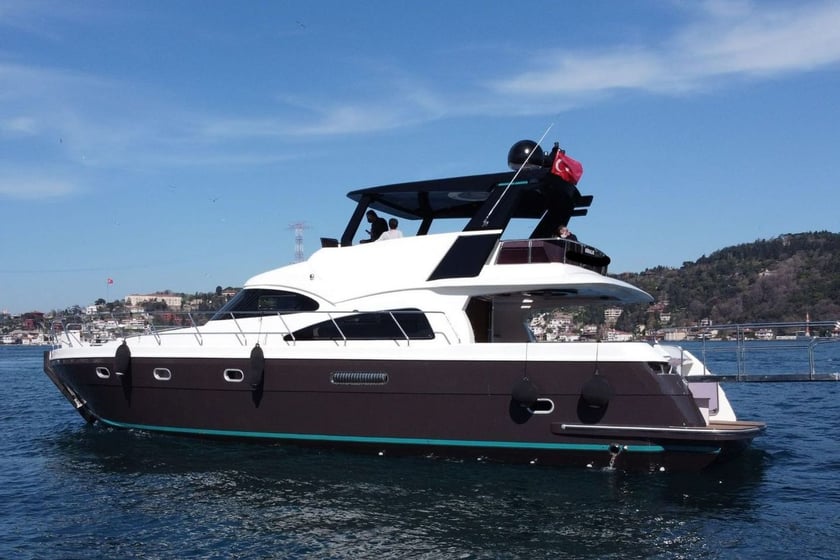
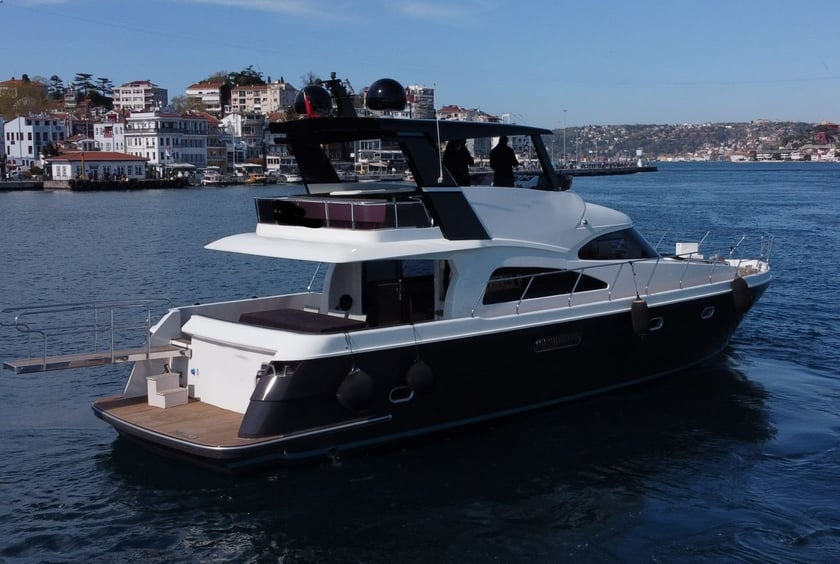
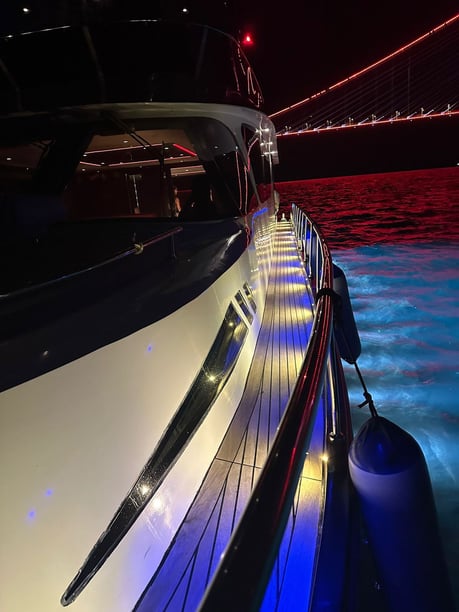
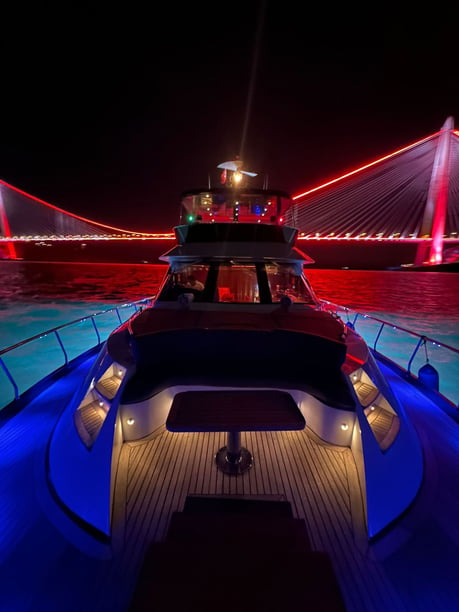
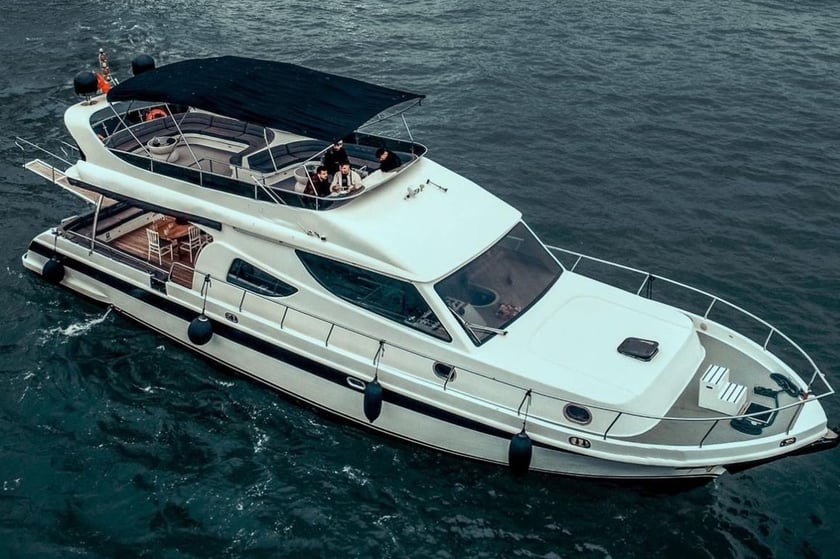
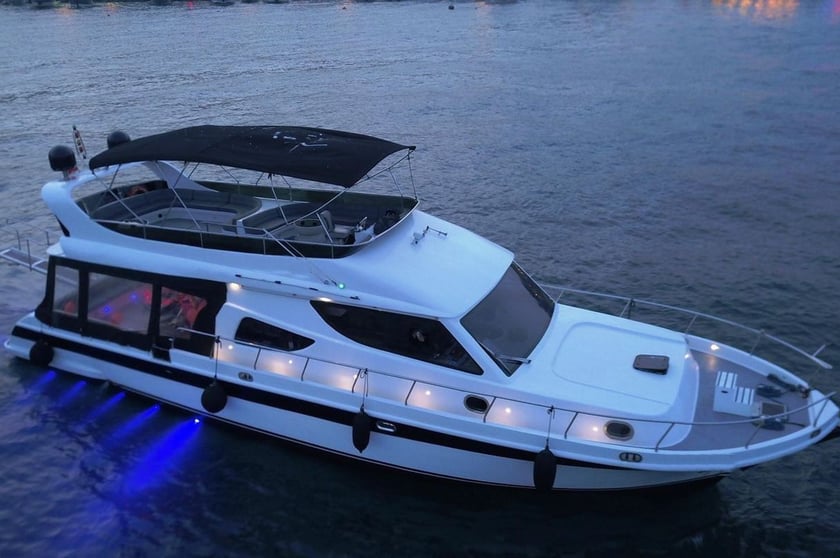
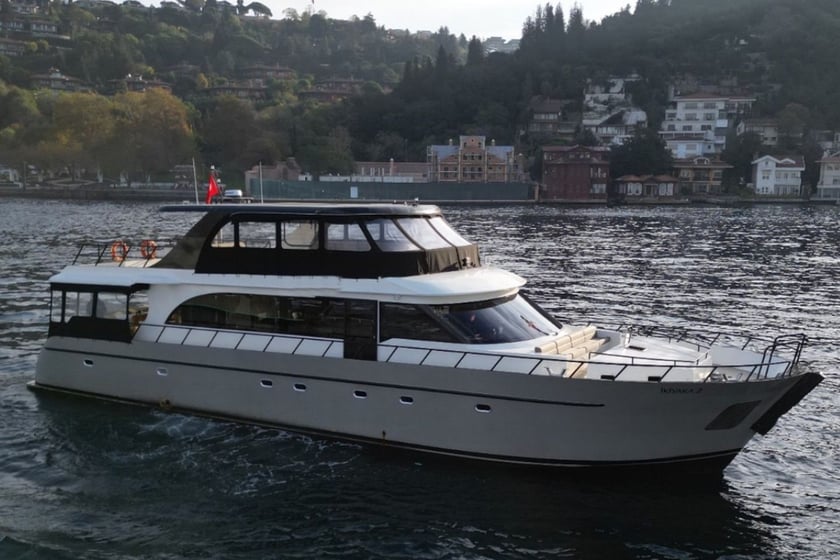
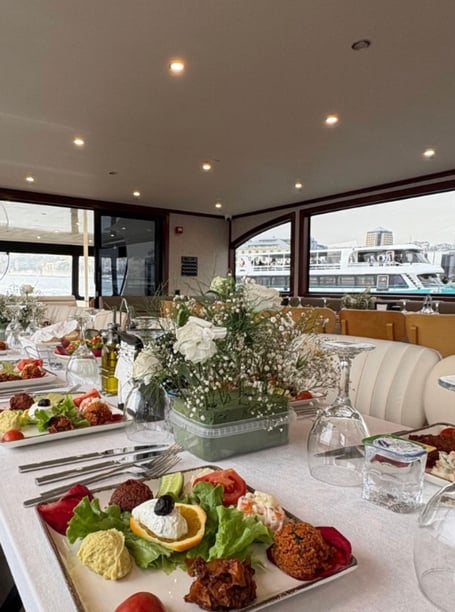
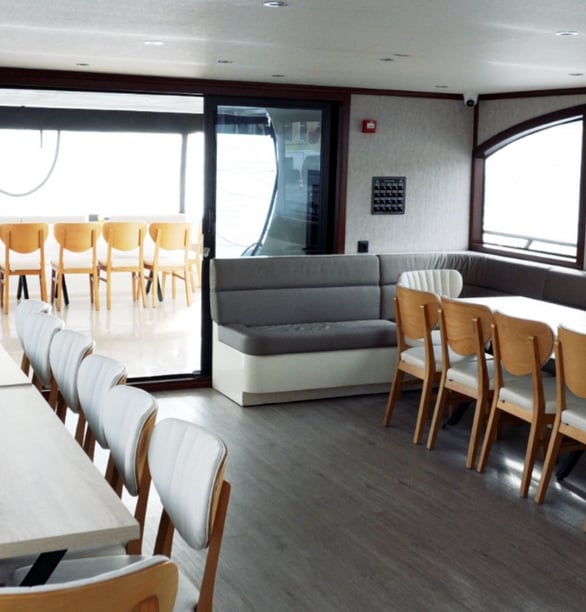
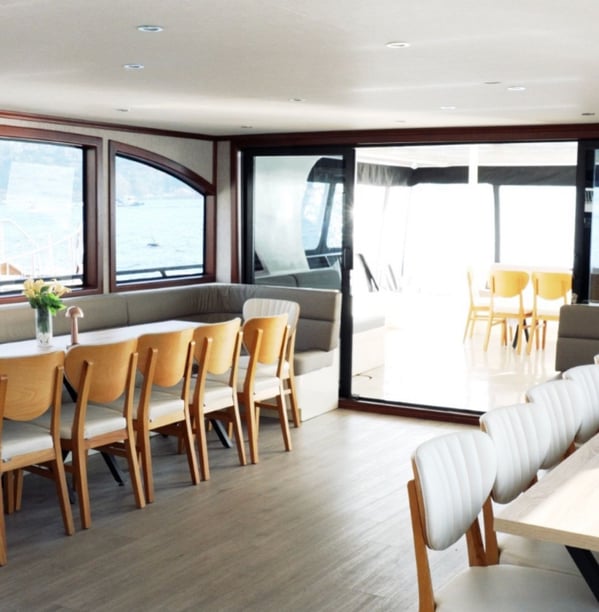
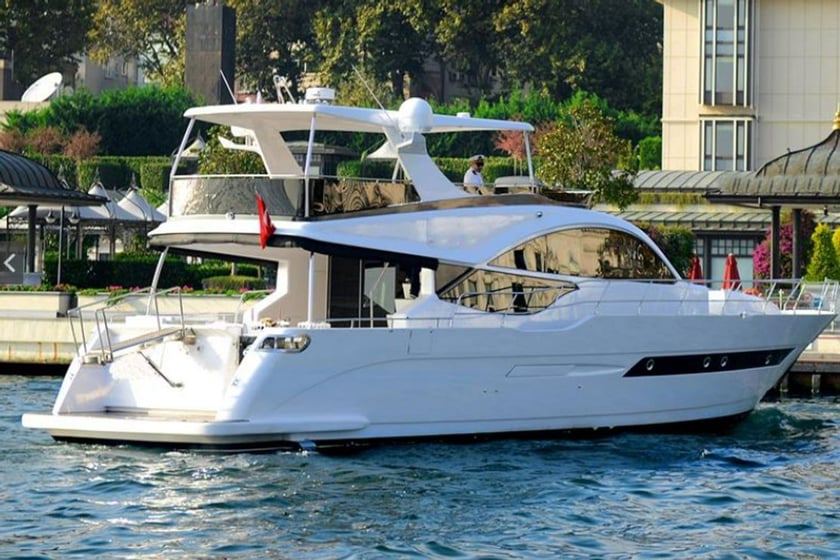
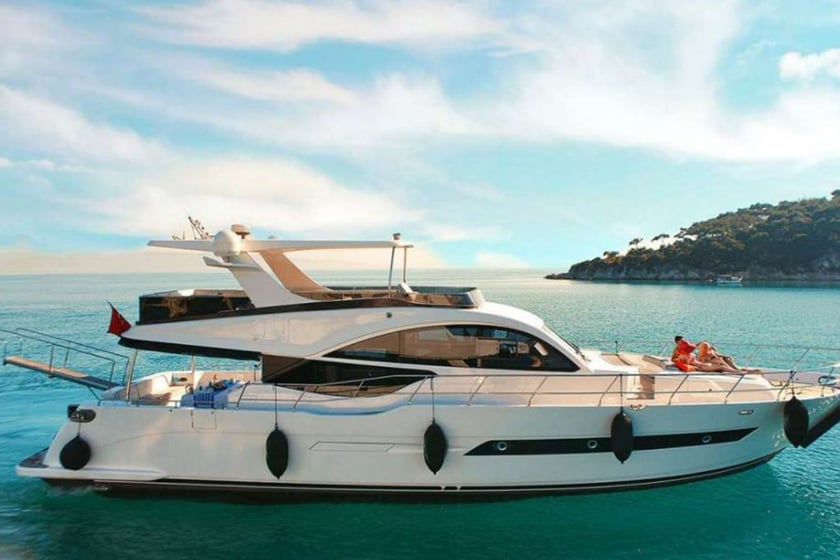
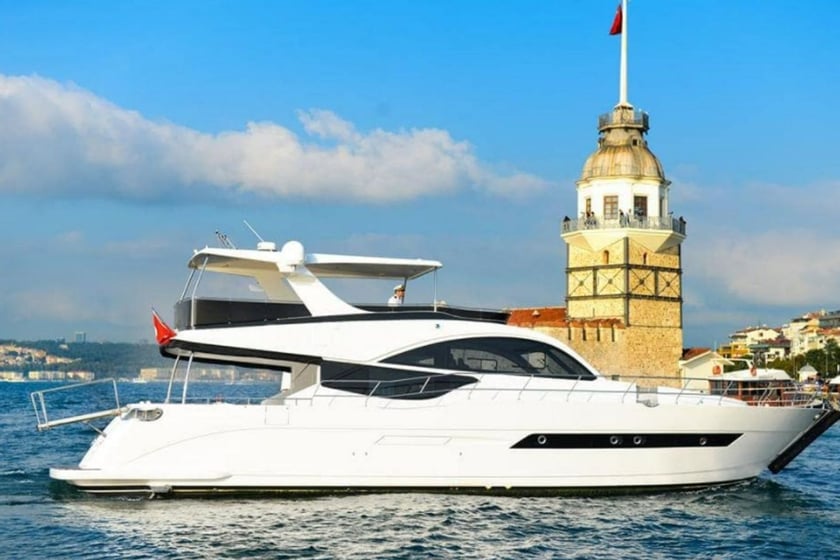
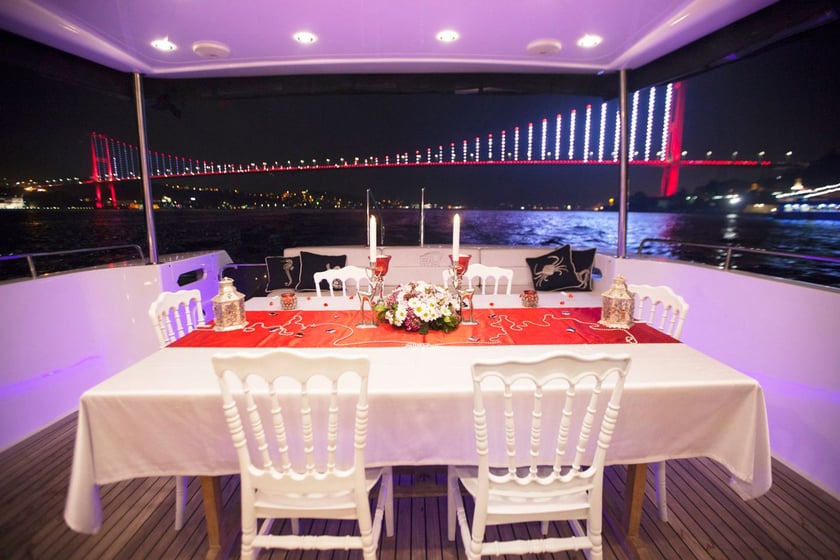
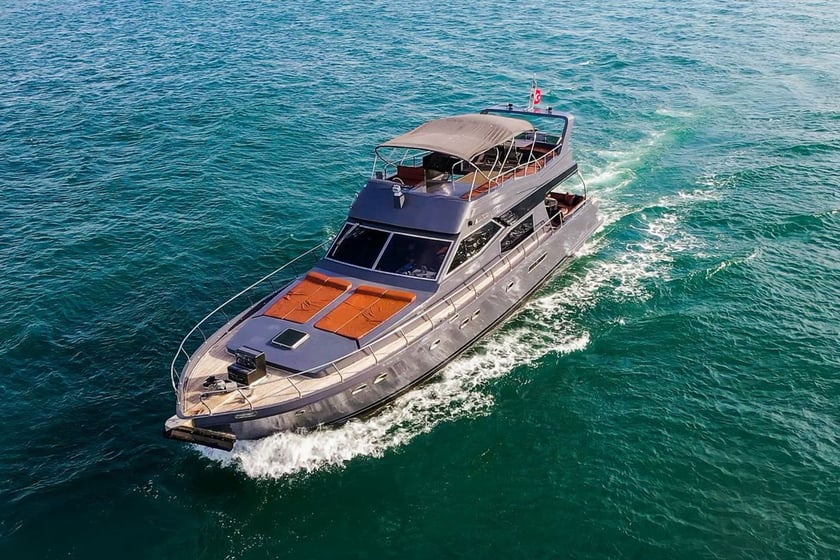
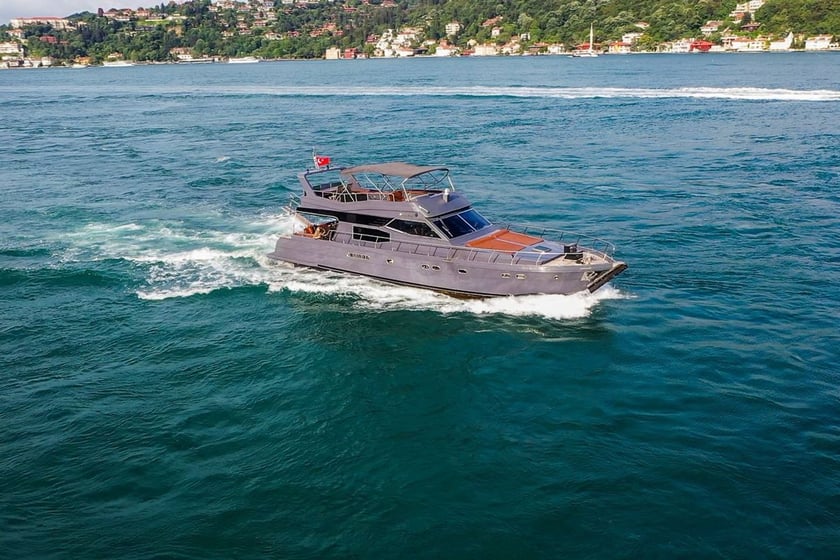
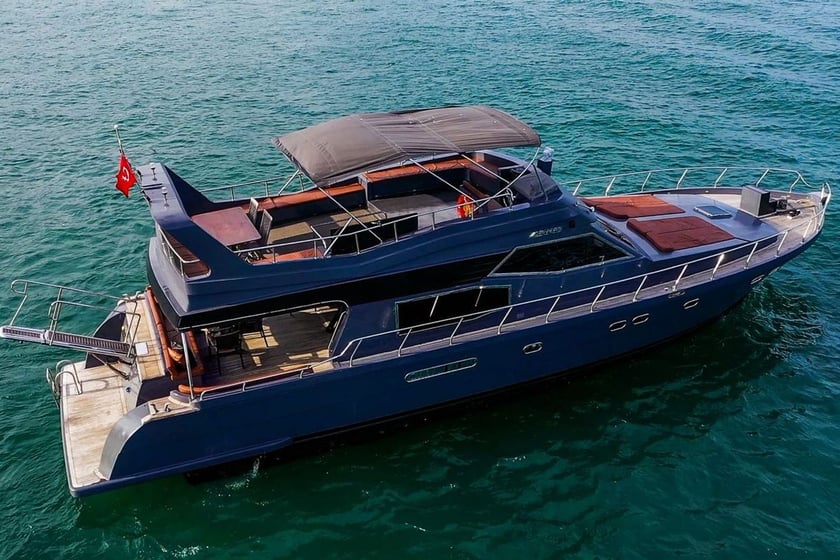
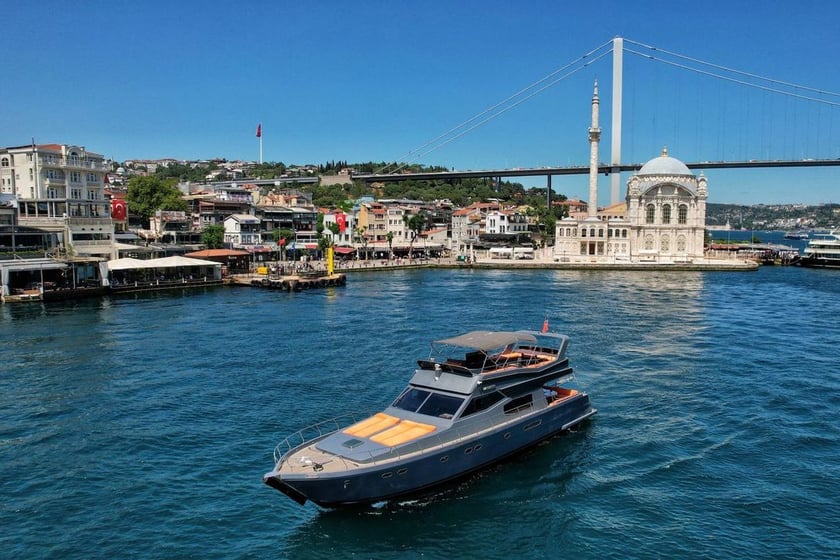
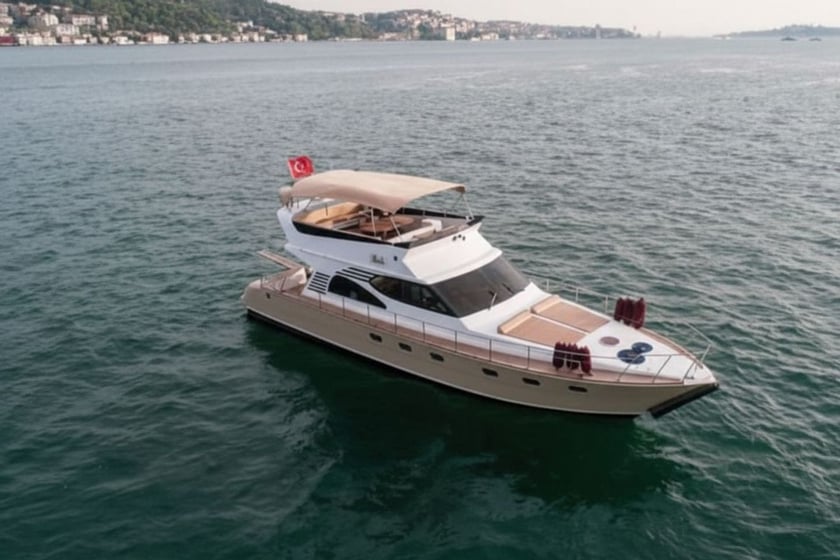
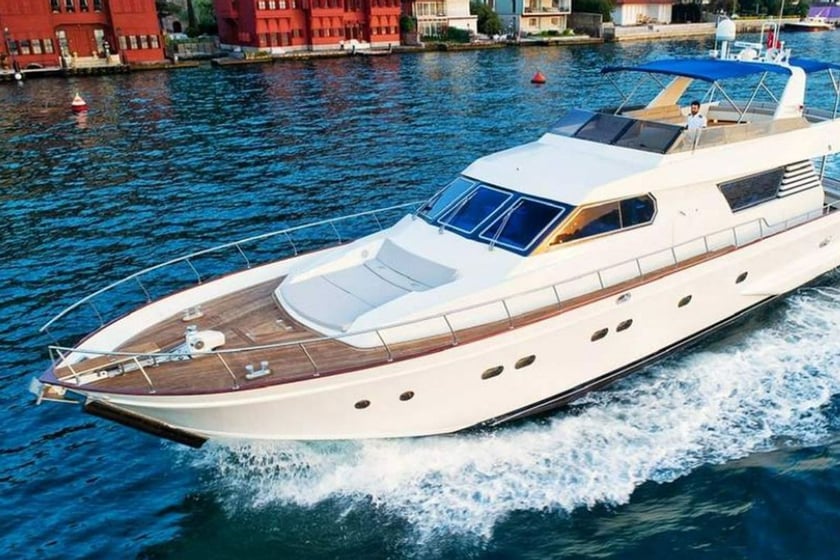
Yacht charter around Kuleli
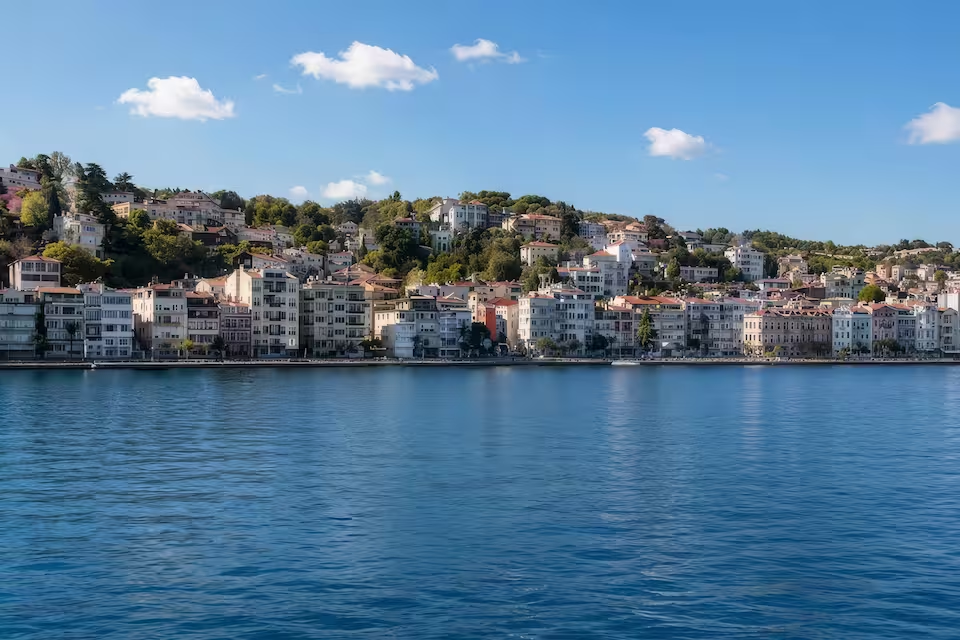
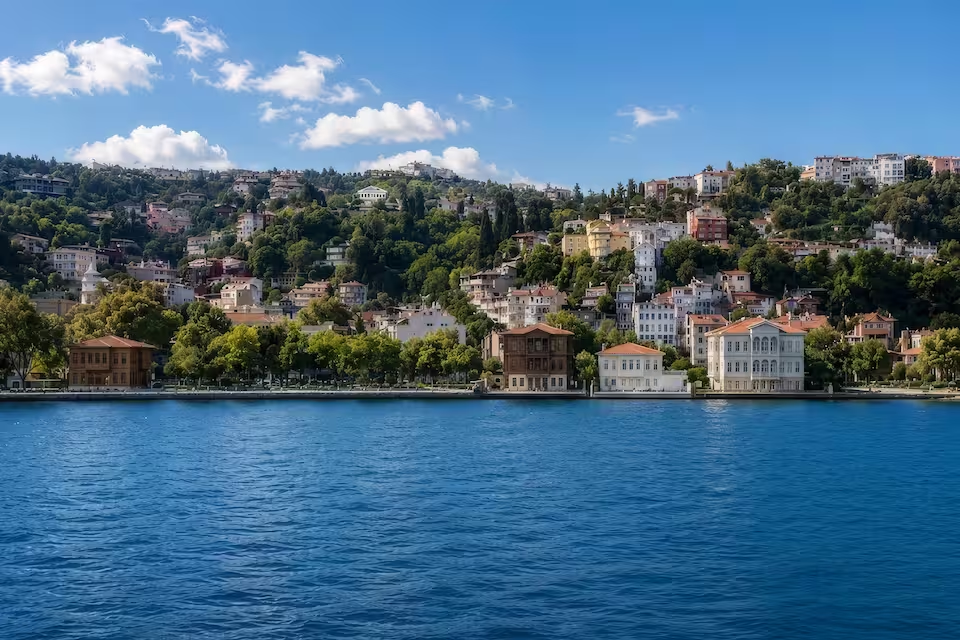
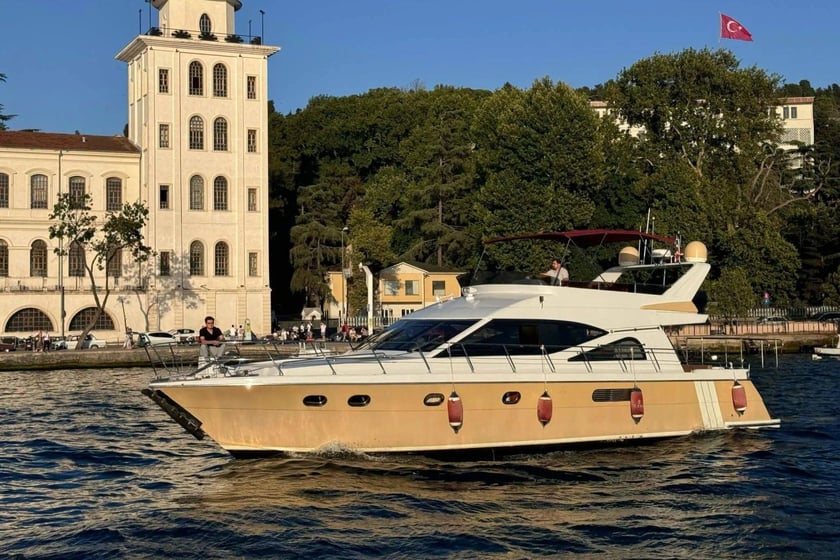
Kuleli occupies a compact stretch of Istanbul’s Asian shore, between Çengelköy and the Vaniköy–Kandilli area. Its narrow waterfront is dominated by the twin-towered Kuleli military-school complex, one of the most recognizable landmarks seen from the Bosphorus.
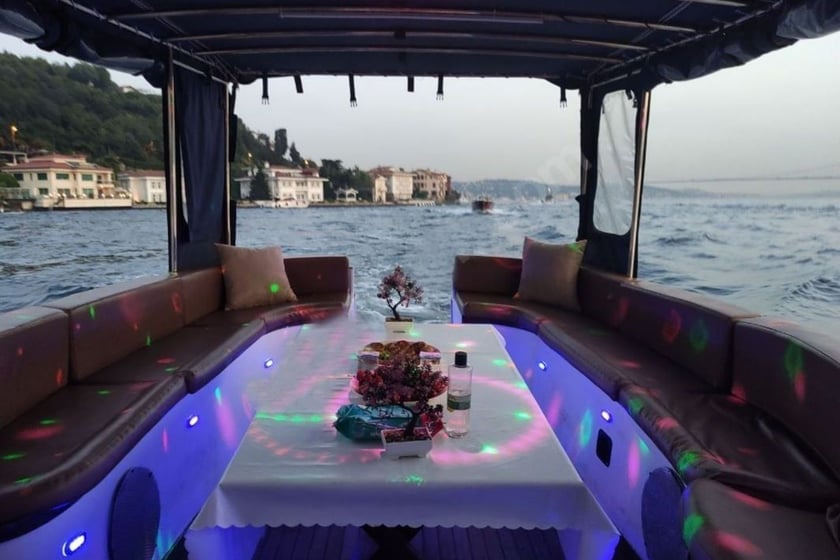
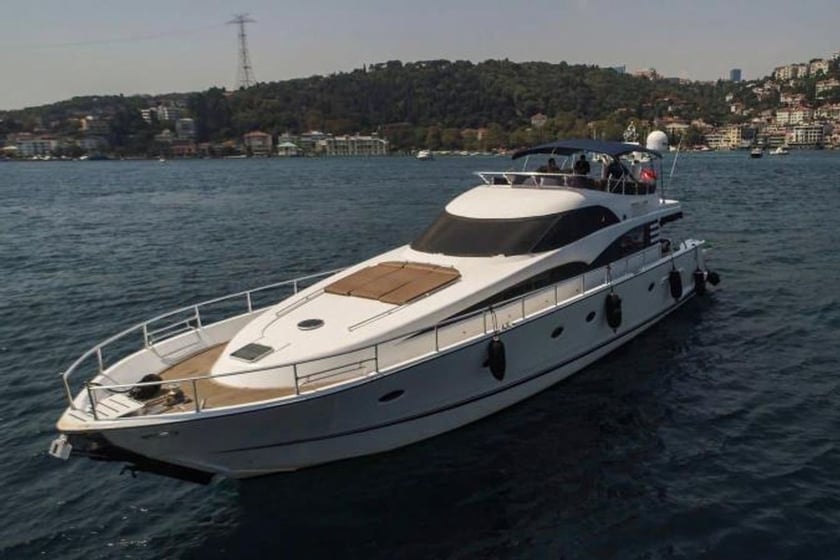
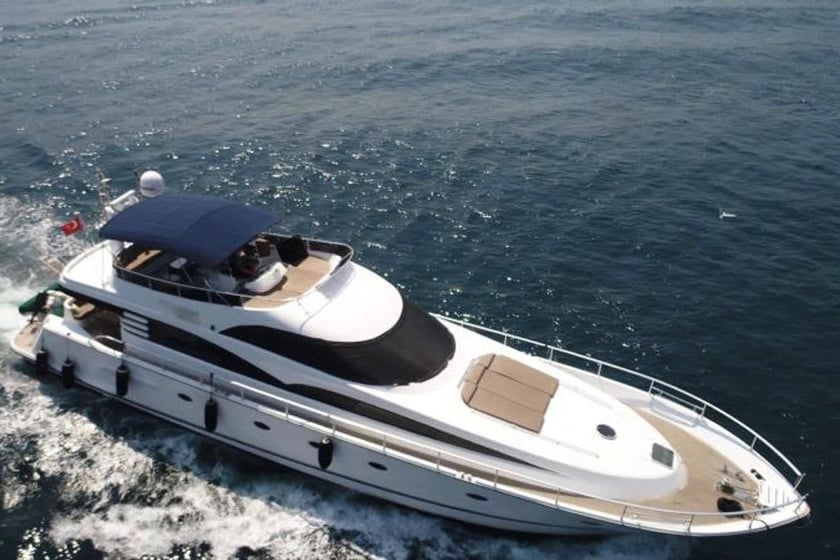
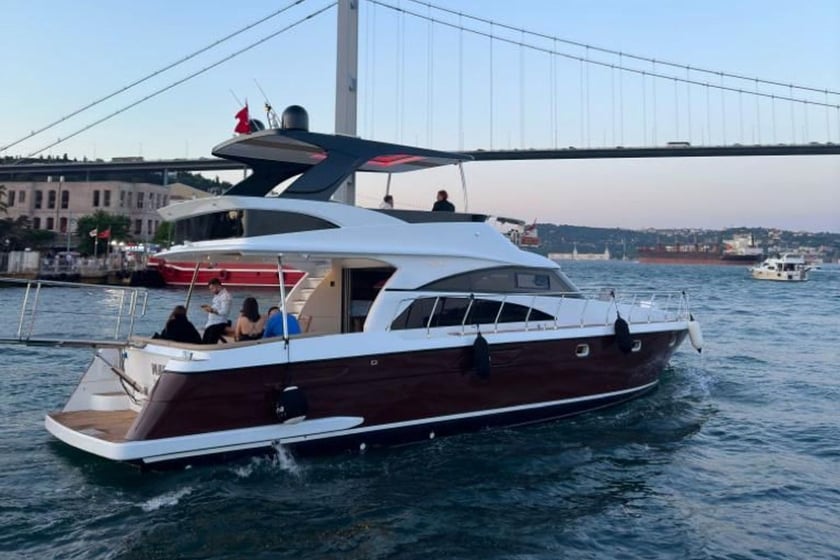
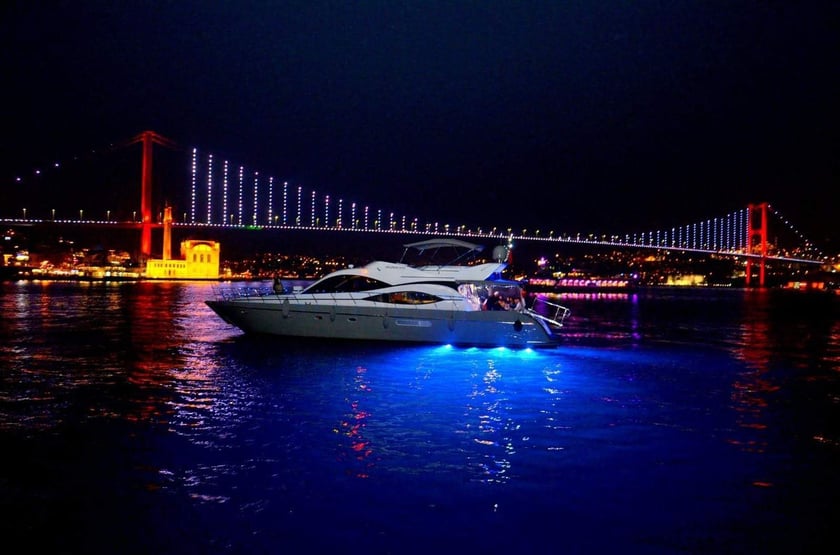
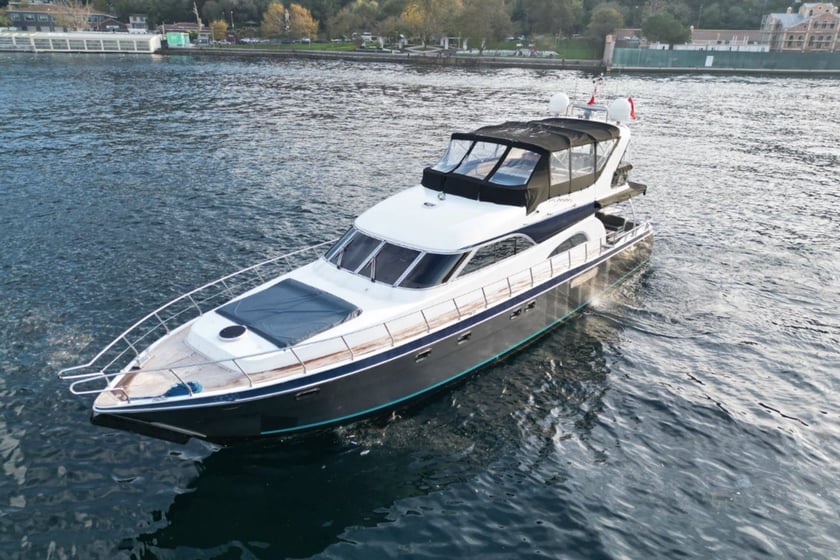
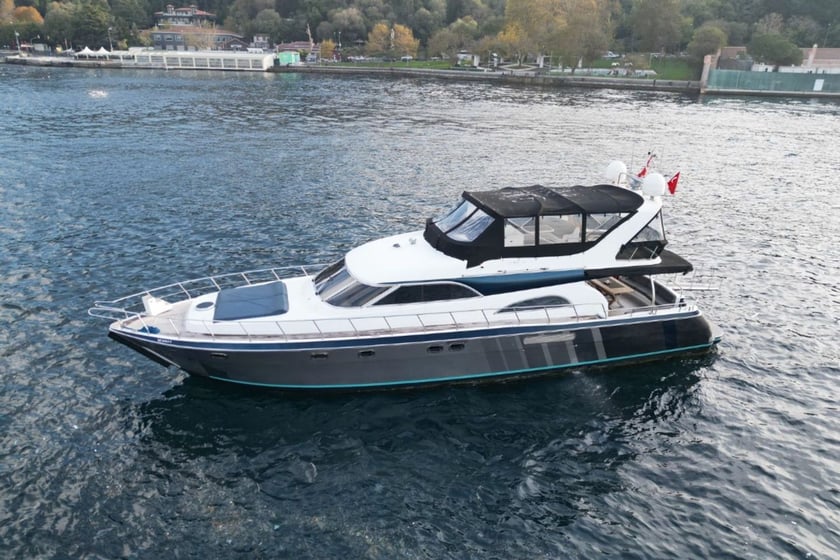
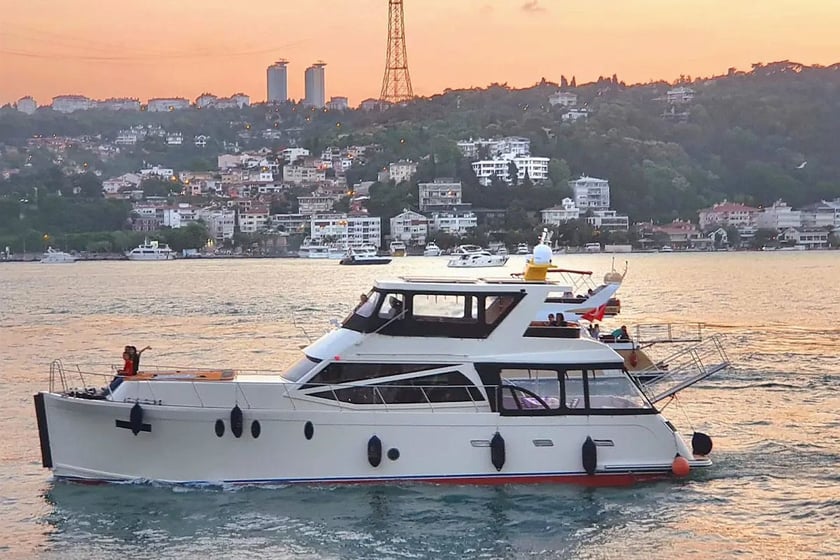
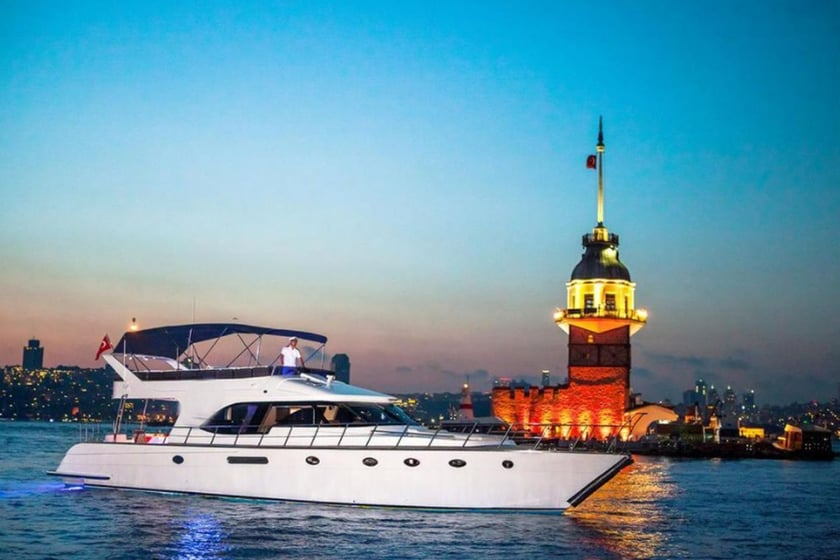
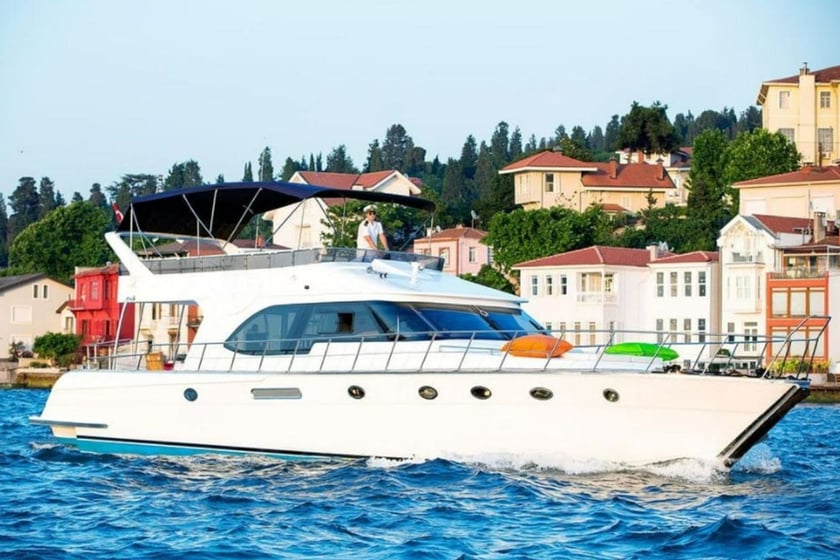
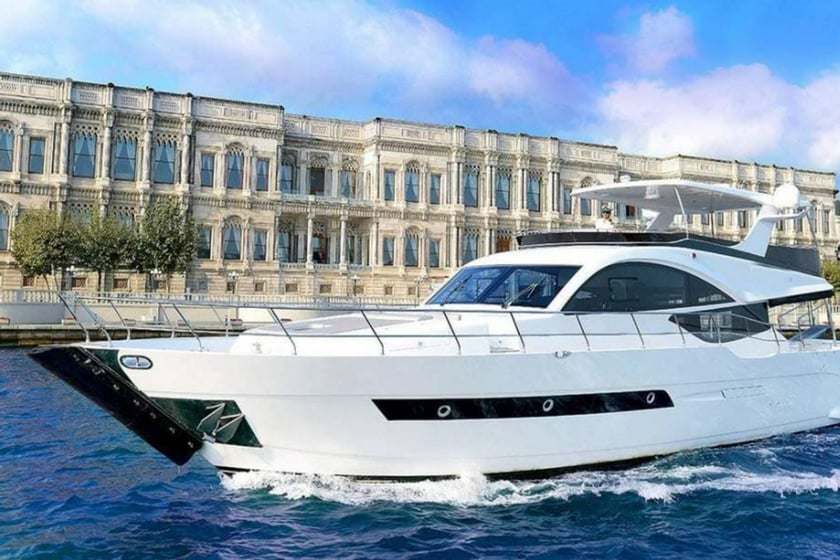
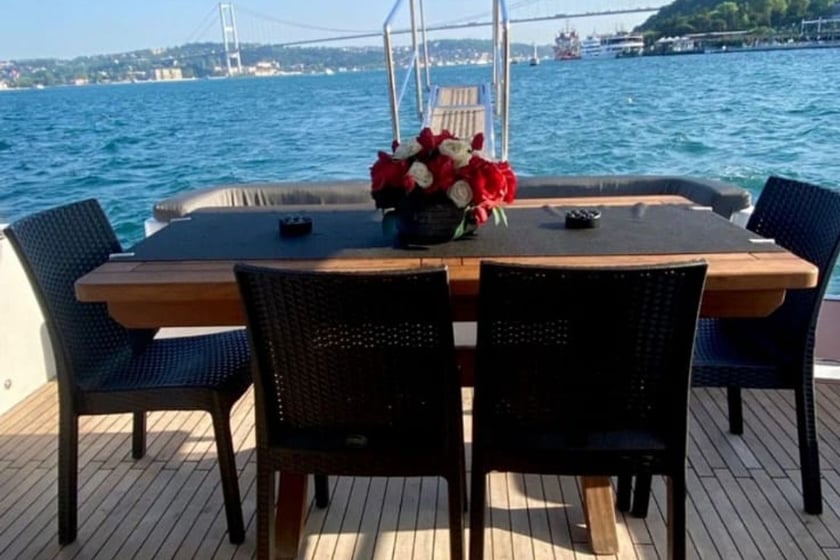
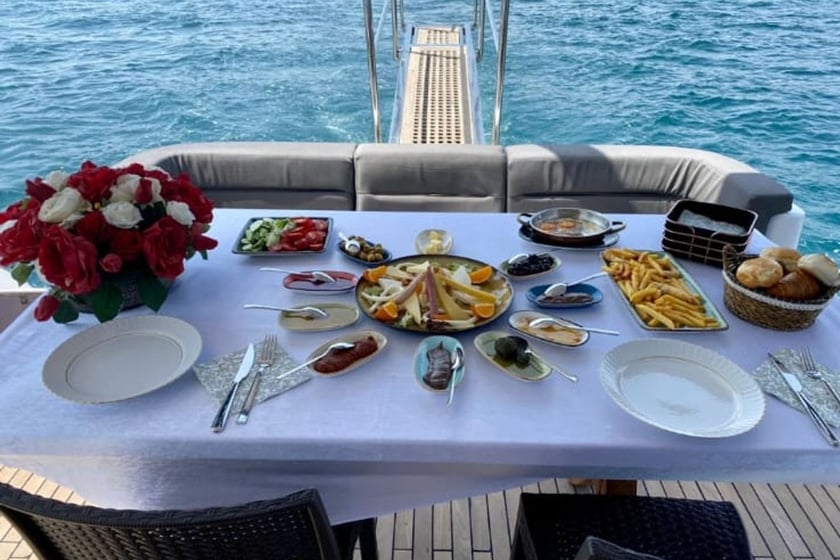
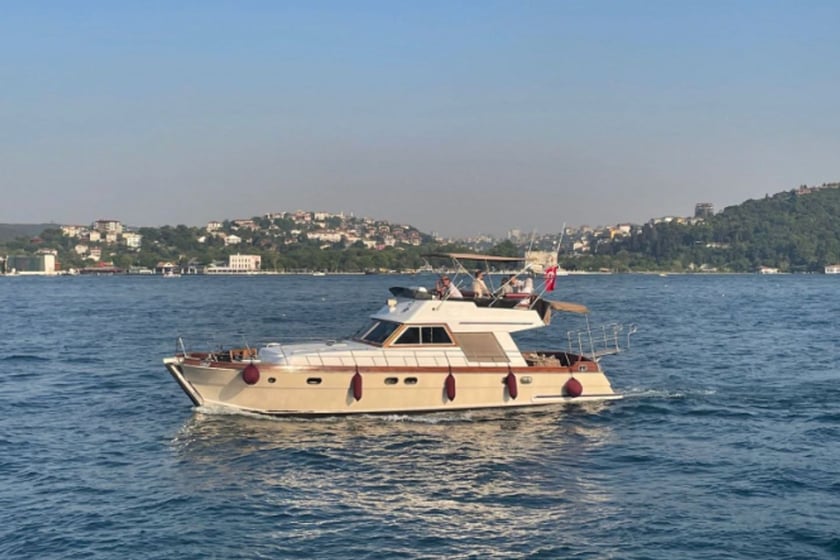
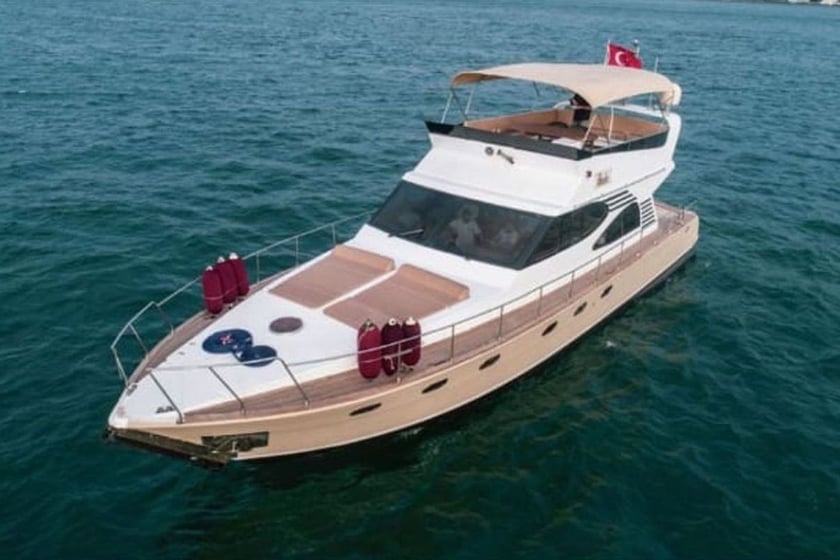
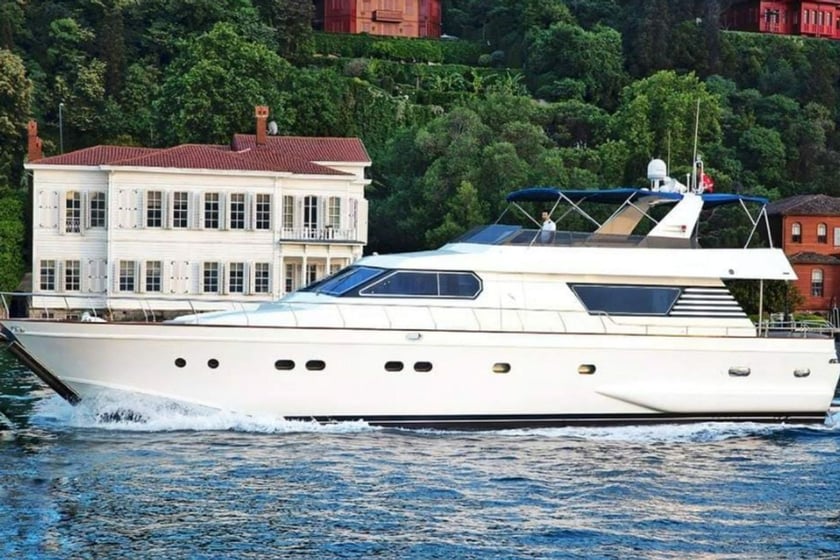
For travelers researching a Kuleli yacht charter, the neighborhood is best understood as a scenic point along an Istanbul Strait itinerary rather than a self-contained cruising base. It has no identified visitor marina or sheltered anchorage, and boating here centers on linear passages through the Bosphorus rather than bay-hopping. A trip may place Kuleli within a wider exploration of Istanbul by yacht, combining Asian-shore landmarks with the working maritime character of the strait.
Places to explore near Kuleli
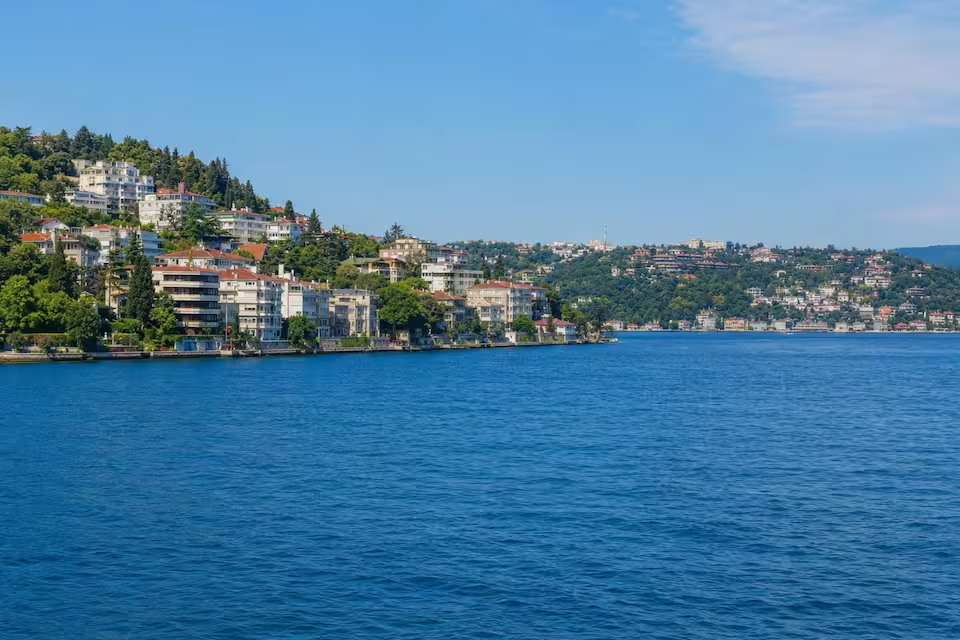
The immediate shoreline sequence is the main focus around Kuleli. Çengelköy lies to one side, while Vaniköy and Kandilli continue along the Asian bank in the other direction. Together, these areas create a compact stretch of Bosphorus scenery shaped by waterside buildings, historic sites and close cross-strait views.
Farther north, a passage can continue toward Anadolu Hisarı, Kanlıca and İstinye. These are not separate bays or island anchorages; they are connected points along the winding upper Bosphorus. Their relevance comes from the changing shoreline and the sense of moving through Istanbul by water, with each bend revealing another section of the city and its maritime traffic.
Cruising conditions on the Bosphorus
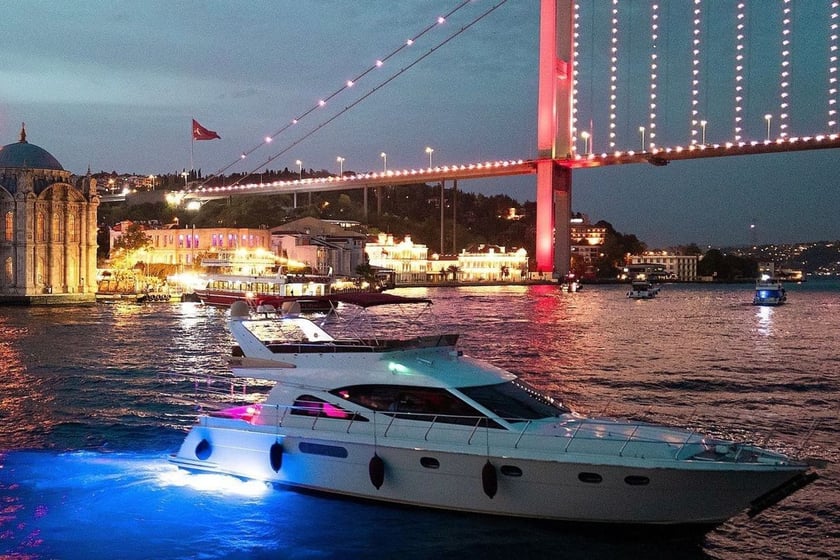
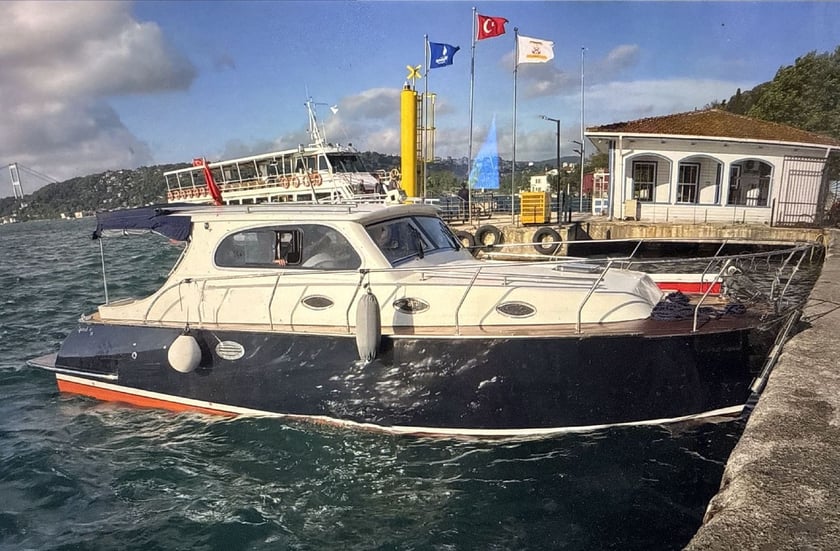
Cruising past Kuleli is unlike sailing in a sheltered gulf. The Istanbul Strait is confined, busy and affected by strong, variable currents. Recreational craft share the water with passenger ferries, tour boats and international shipping, while bends can limit the time available to assess approaching traffic.
These conditions make self-skippered navigation advanced. Current planning, close traffic awareness and familiarity with Turkish Straits navigation rules are important, particularly for anyone considering a private boat rather than an operated sightseeing trip. Northerly winds can also reduce comfort, and rain or fog may quickly affect visibility outside the warmer months.
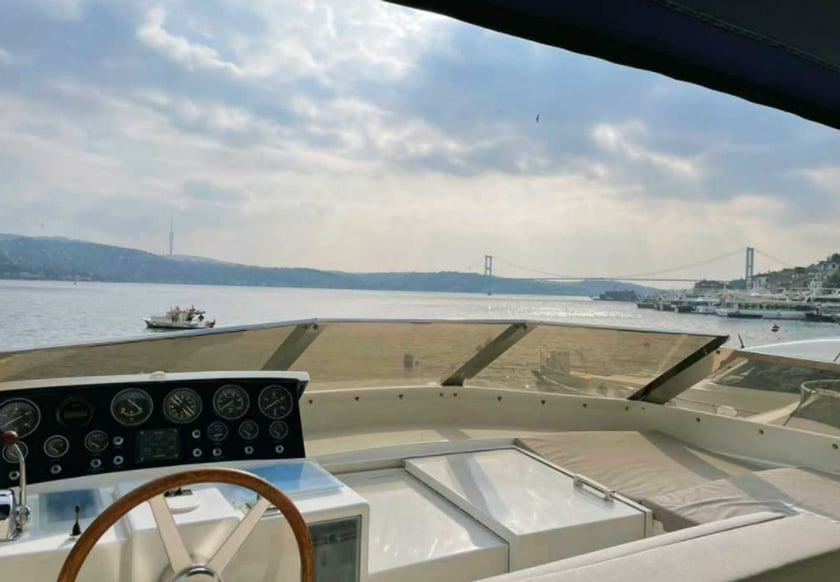
For charter planning, the practical priorities are an appropriate departure point, an itinerary suited to the day’s conditions and a skipper or crew familiar with the Bosphorus. Kuleli is primarily a passage landmark: the experience is about moving along the strait and observing its shoreline, not stopping in a protected bay.
Best time for a Kuleli yacht charter
Passenger ferries and sightseeing services may operate throughout the year, but open-deck recreational boating is generally most comfortable from April through October. April, May, June, September and October are particularly suitable months for being on the water around Kuleli.
May through September usually brings warmer, drier conditions. June to September forms the principal high season, while April, May and October offer shoulder-season alternatives. These months can suit travelers who prefer to avoid the core summer period, although weather and visibility still need checking for the planned day.
From November through March, cooler temperatures, more frequent rain and a greater chance of strong wind or poor visibility can make an exposed Bosphorus passage less comfortable. Winter trips remain possible on scheduled or operated services, but the experience is more dependent on having sheltered onboard space and flexible plans.
Bosphorus route ideas
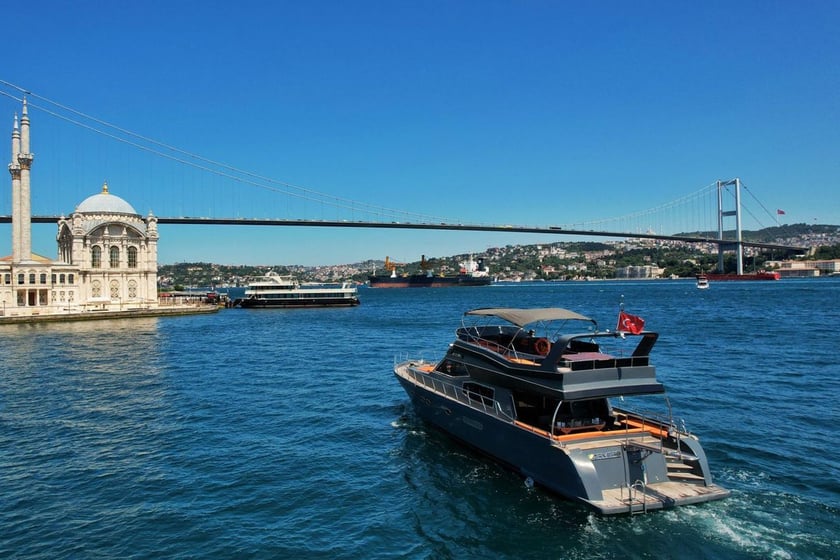
A straightforward local itinerary follows the Asian shoreline past Kuleli, using the military-school complex as the passage’s central visual landmark. This works naturally as part of a broader Bosphorus sightseeing route rather than as a stand-alone anchoring trip.
Another possibility is an upper-Bosphorus journey linking the vicinity of Çengelköy or Kandilli with Anadolu Hisarı, Kanlıca and İstinye. Scheduled passenger boats may connect some of these points, while yacht itineraries depend on the charter’s actual departure location and operating arrangements. The route is best kept flexible because currents, commercial traffic, wind and visibility can all influence timing.
History and views from the water
Kuleli’s defining experience is seeing its monumental waterfront architecture from the Bosphorus. The original cavalry barracks, designed by Garabet Balyan and completed in 1843, later became associated with the military school founded in 1845. The school moved into the Kuleli Barracks in 1872, and the complex also served as a wartime hospital during several periods.
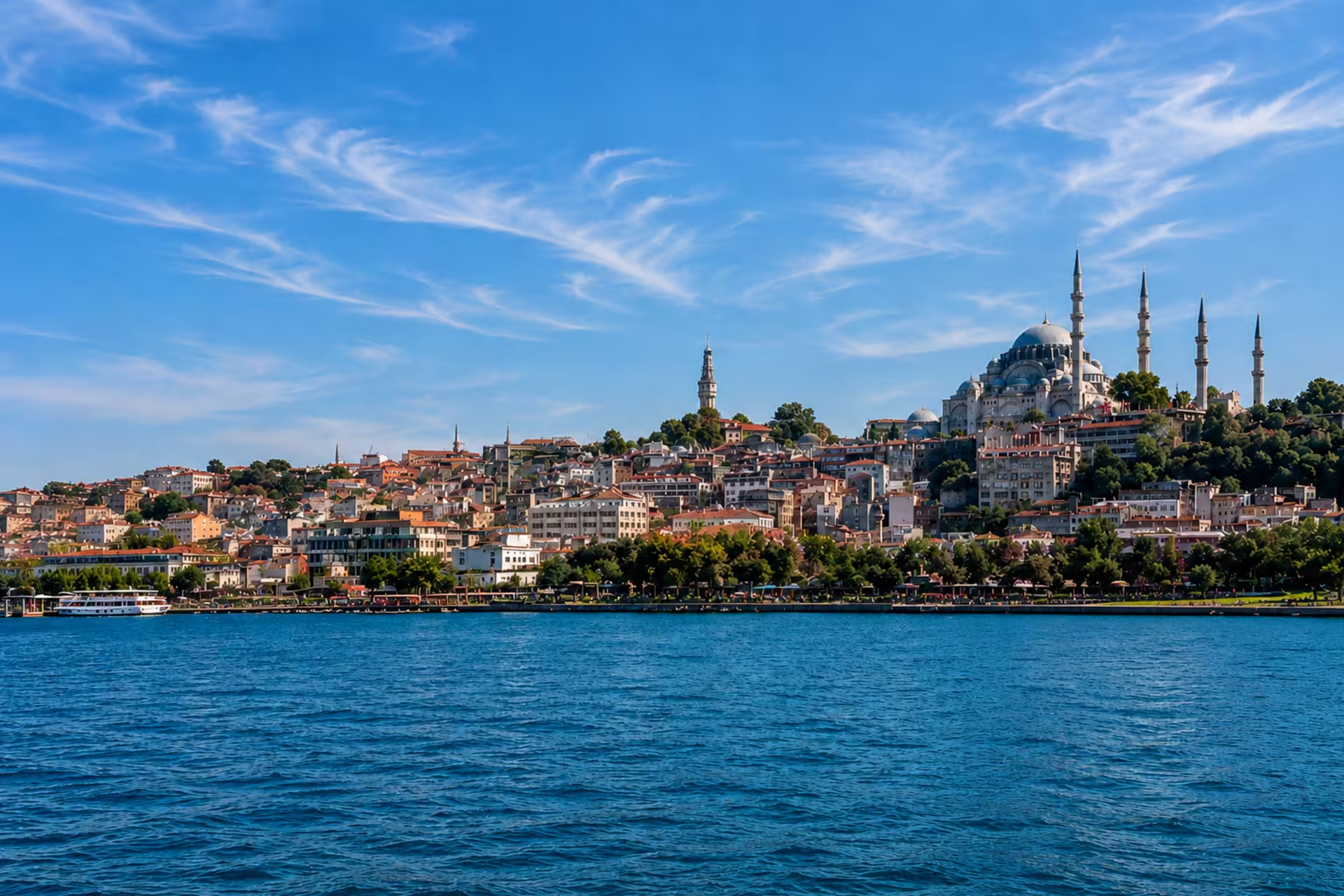
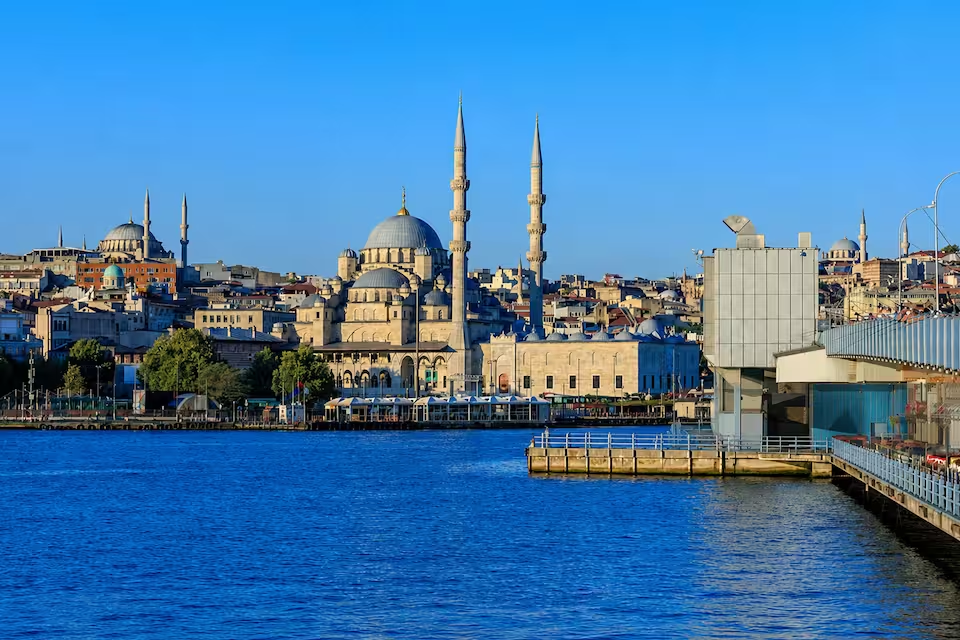
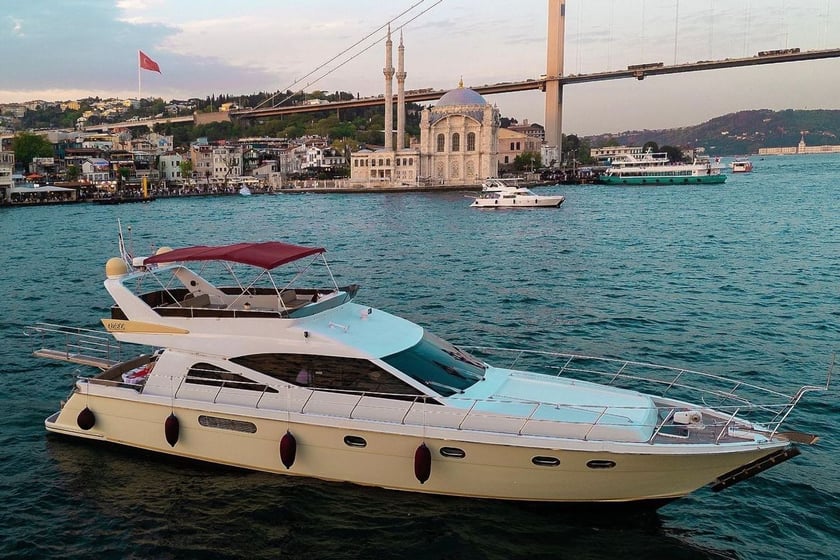
Beside it stands the Kuleli Kaymak Mustafa Pasha Mosque, an eighteenth-century waterside building dating to 1720, with later additions from the reign of Mahmud II. From a passing vessel, the mosque and twin-towered complex form a distinctive architectural grouping. The foreground is rarely static: ferries, tour boats and international ships emphasize that the Bosphorus is both a historic city waterway and an active shipping corridor.
Access and departure points
Kuleli can be reached by road along Istanbul’s Asian-side Bosphorus corridor through Üsküdar and Çengelköy, and municipal buses serve the neighborhood. Travelers arriving from farther away can use either Istanbul Sabiha Gökçen International Airport or Istanbul Airport, allowing for onward travel across a large and often busy city.
Kuleli itself is not a regular Şehir Hatları ferry pier, an established yacht base or a visitor marina. Nearby Çengelköy and Kandilli have passenger piers, but these should not automatically be assumed to be yacht-charter embarkation points. The actual marina, harbor or quay used for a private trip will depend on the operator and the wider Istanbul itinerary. Confirm the precise meeting point and transfer time before travel, especially when crossing between the European and Asian sides.
Planning your charter
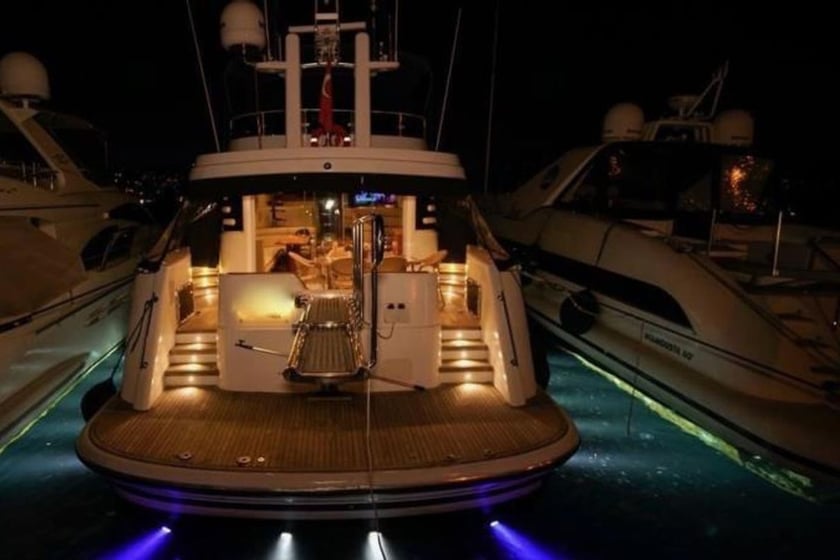
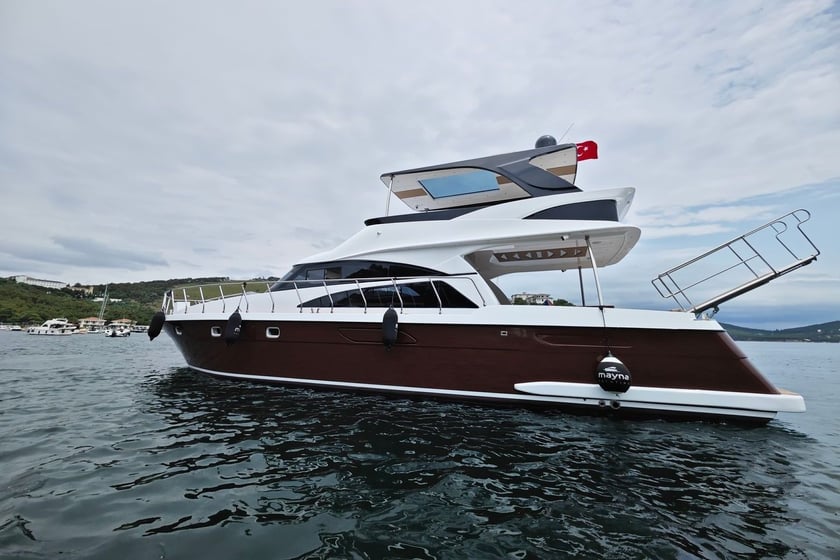
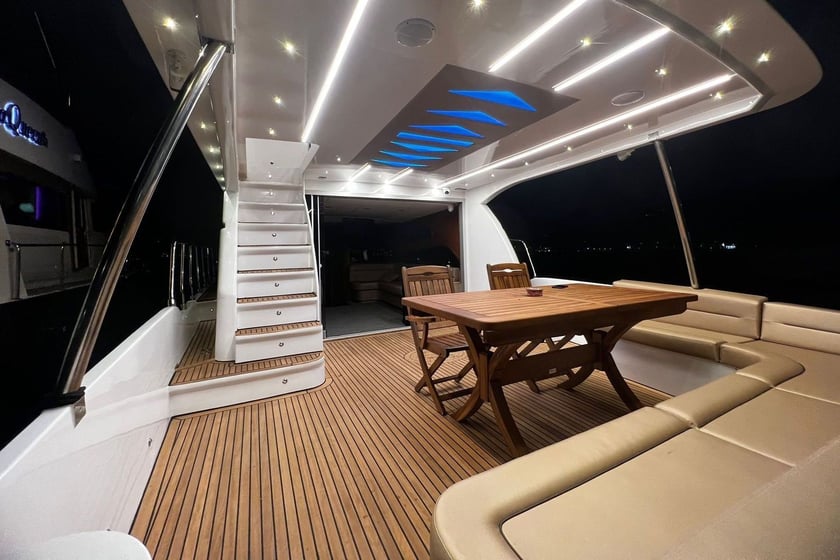
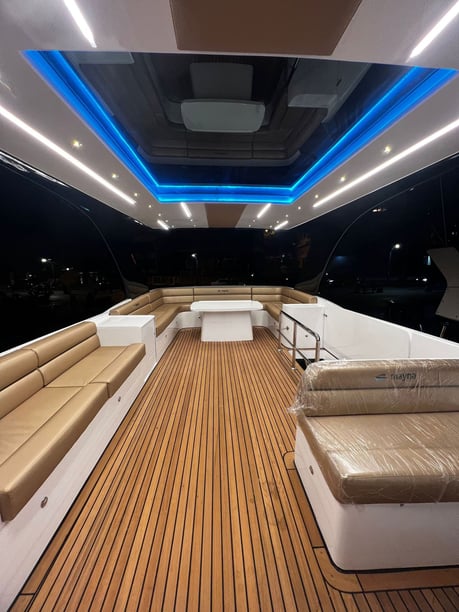
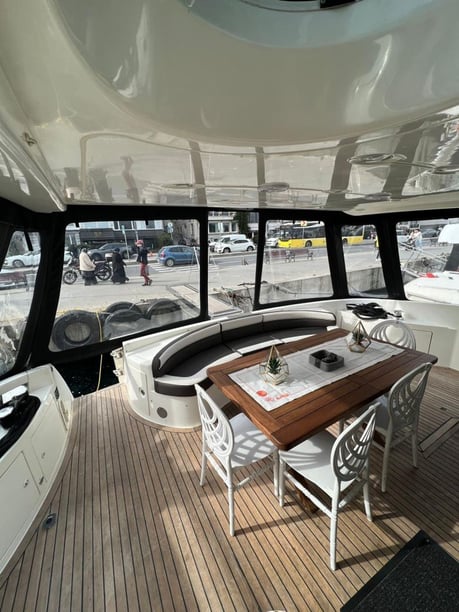
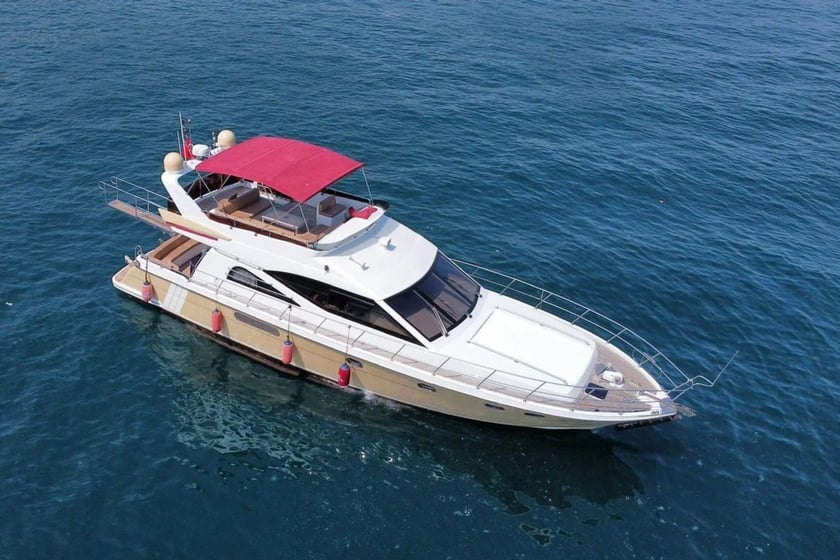
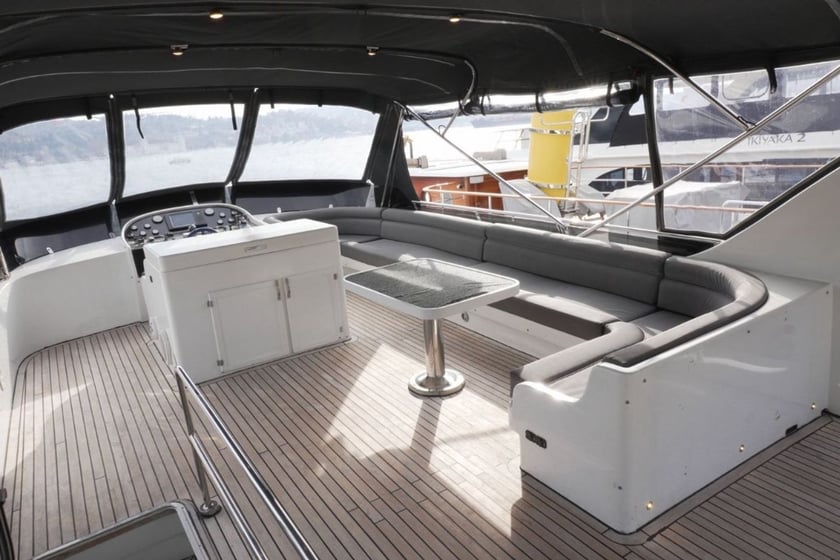
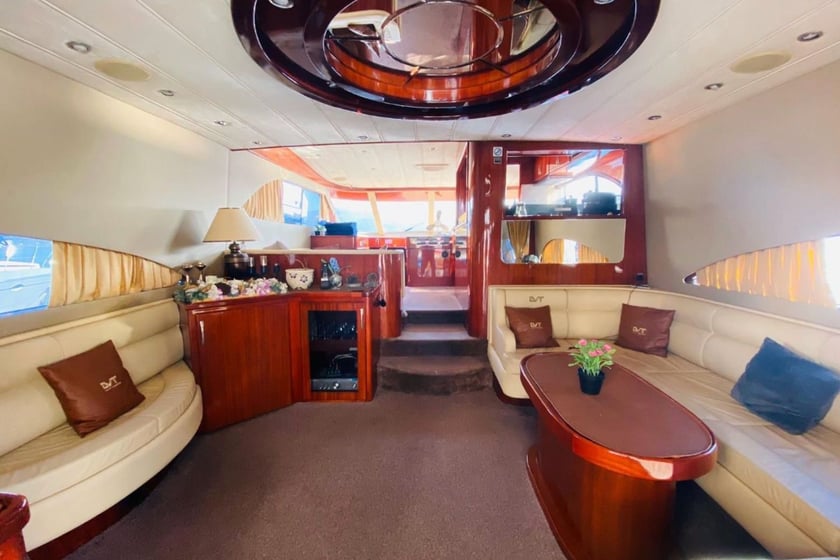
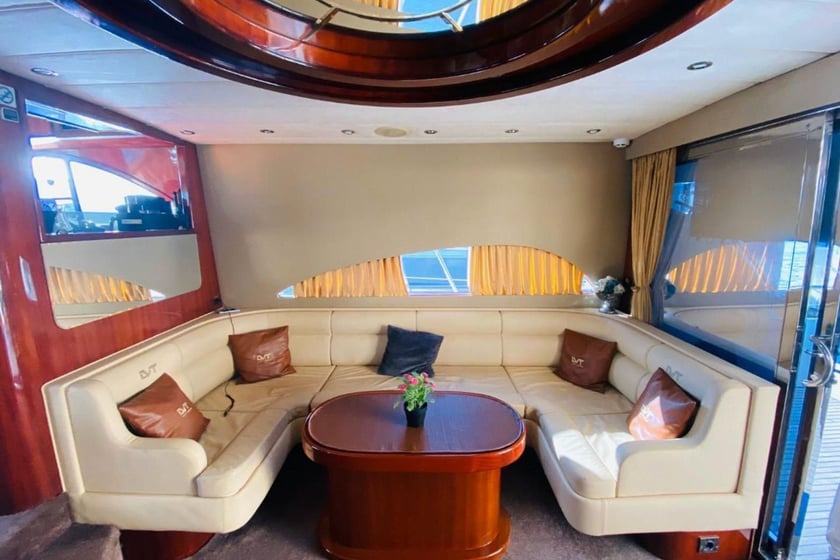
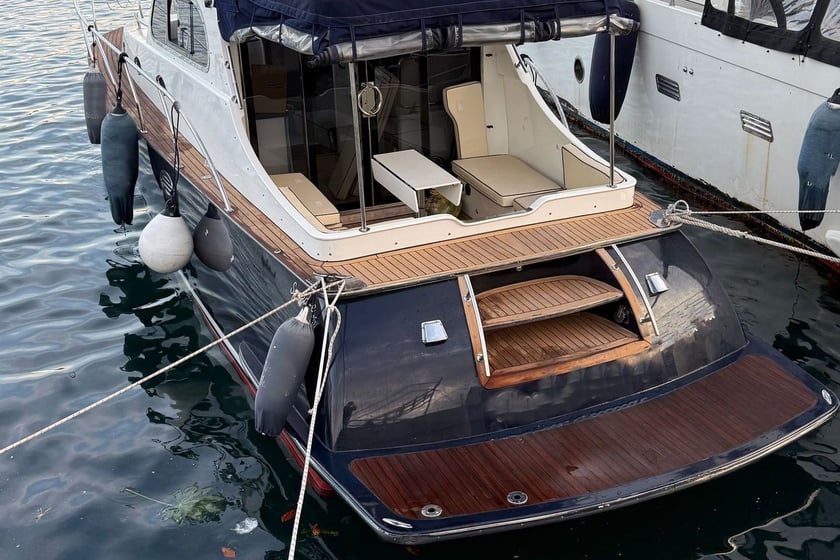
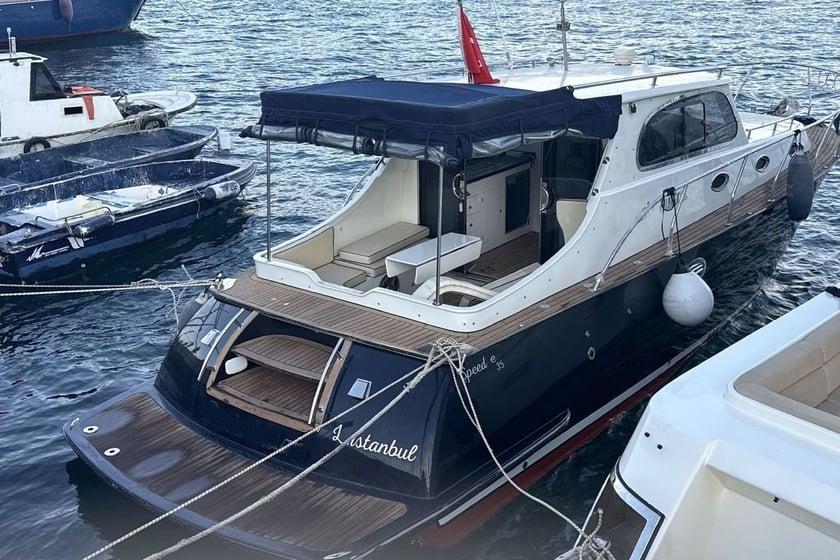
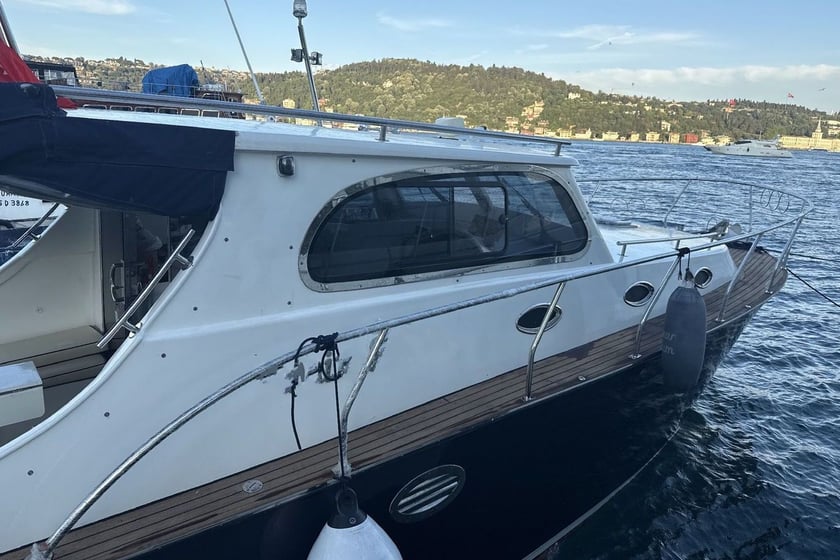
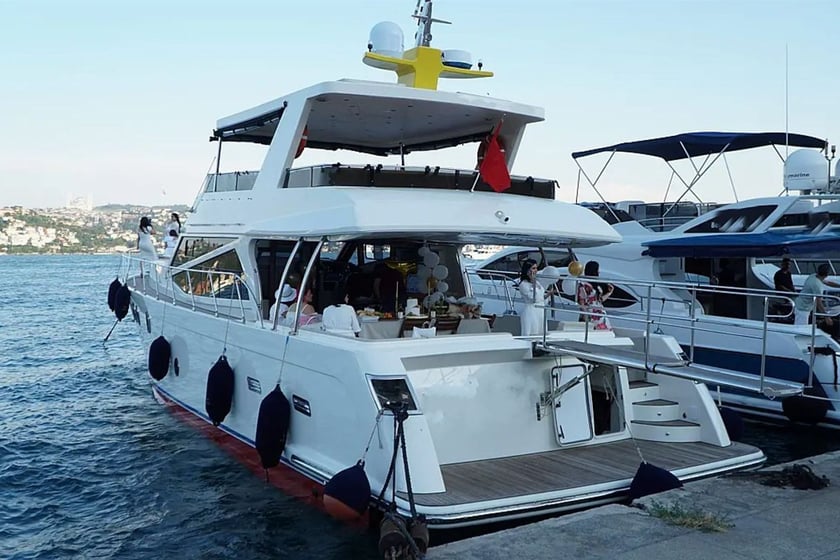
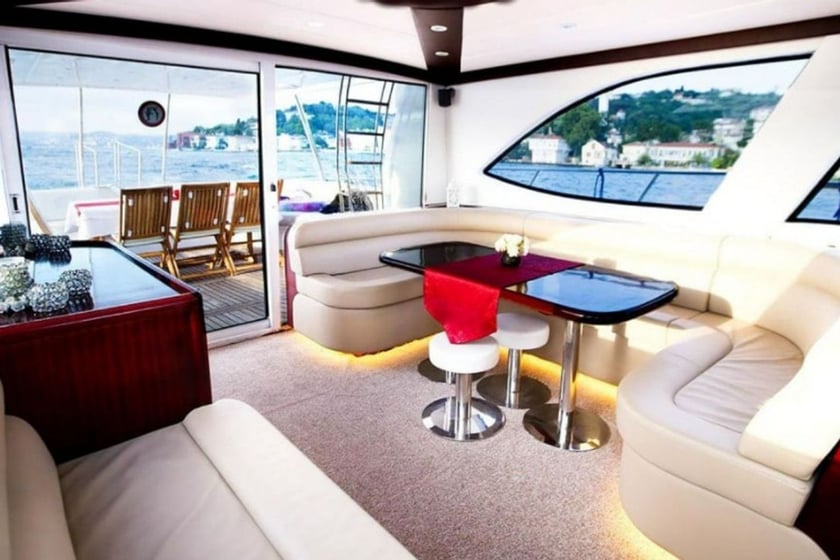
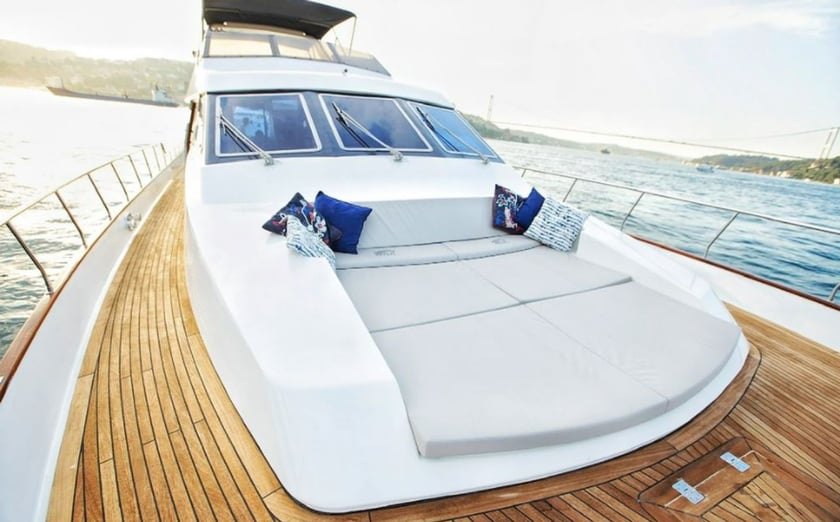
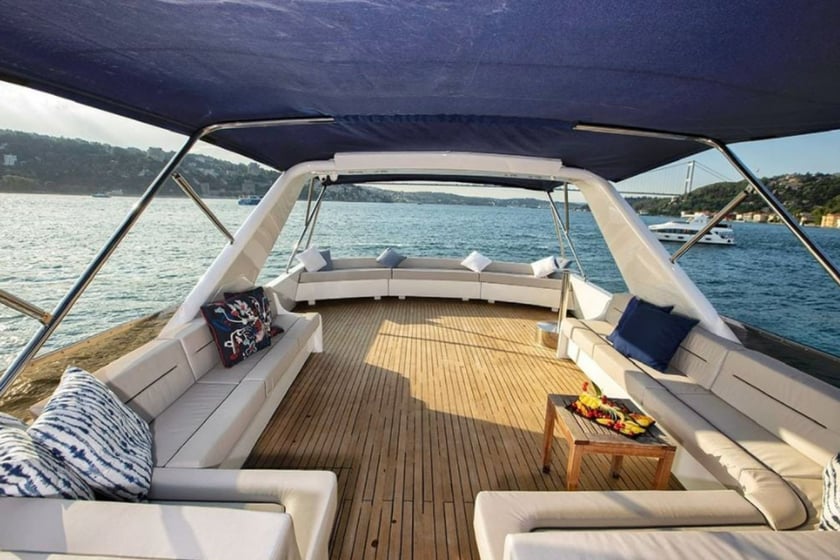
When comparing Kuleli boat rental or yacht-charter arrangements, first clarify whether the trip is a private Bosphorus cruise, an operated sightseeing experience or a self-skippered rental. This distinction matters more here than cabin-based cruising features because Kuleli is a place to pass and explore from the water, not a marina hub for overnight itineraries.
Confirm the departure location, planned section of the strait, trip duration and whether the skipper has local Bosphorus experience. Self-skippered travelers should review marine forecasts, navigation warnings, current traffic information and applicable Turkish Straits regulations before entering the waterway. Passenger-boat routes and timetables can change by operating season and should also be checked close to travel.
Travelers deciding between this urban strait experience and more conventional coastal cruising can compare yacht charter options across Turkey, where departure settings and itinerary styles may differ substantially.