Yacht charter in Trogir
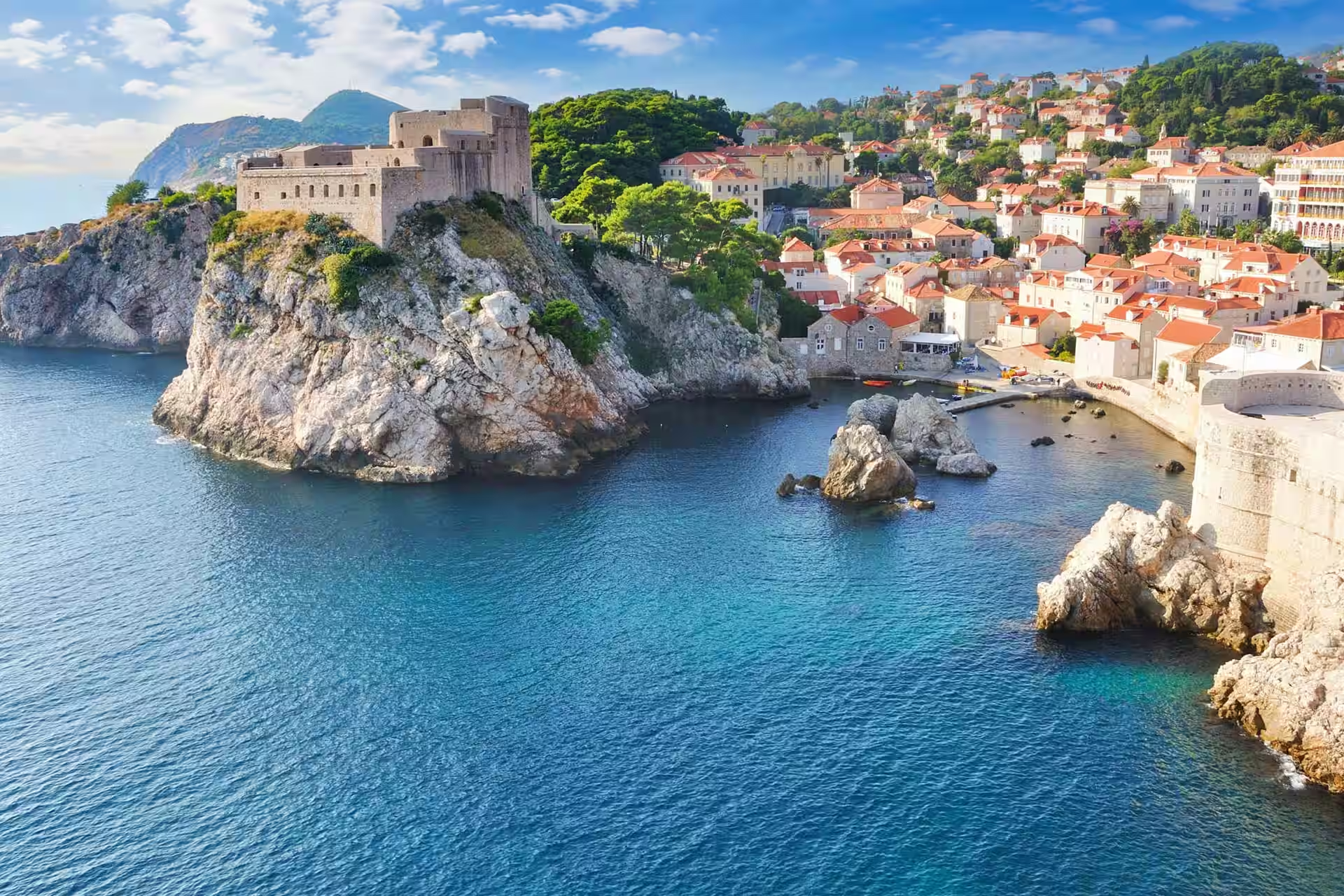
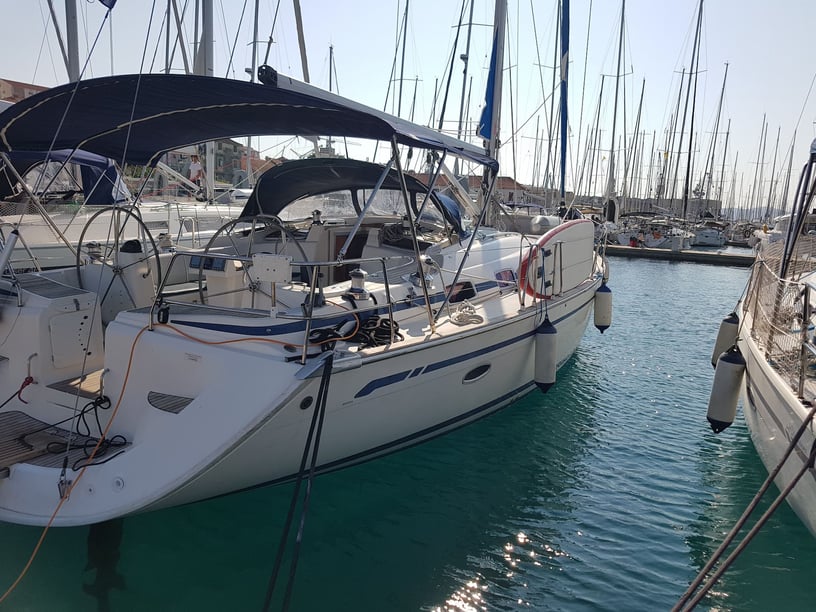
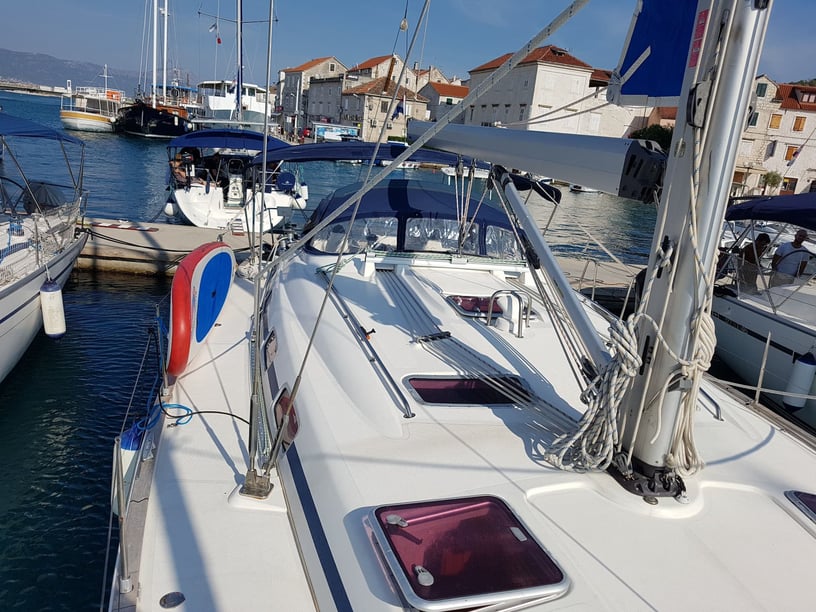
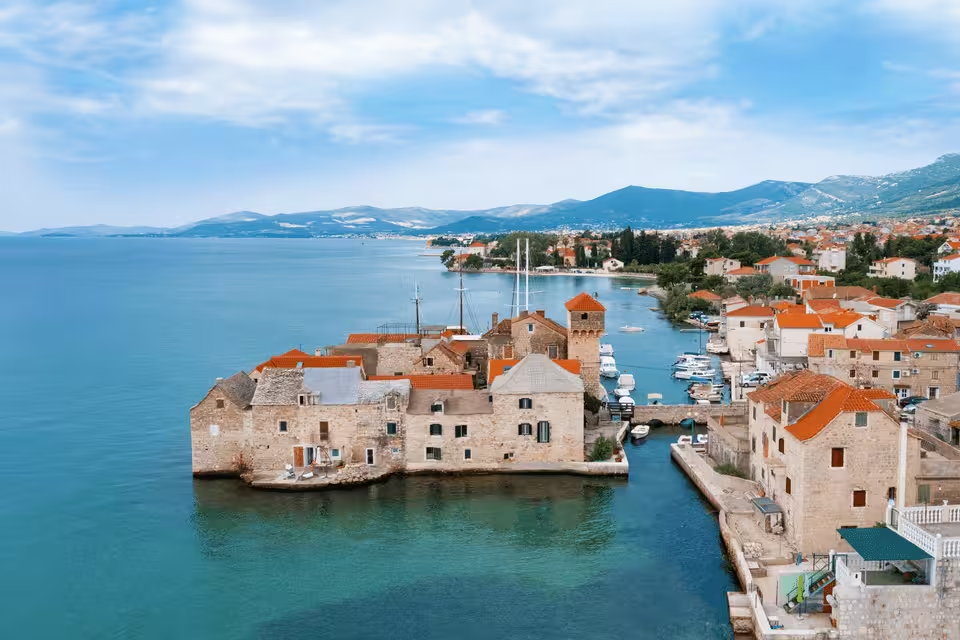
Trogir is both a historic island town and an established starting point for cruising Croatia’s central Dalmatian coast. Its UNESCO-listed core occupies a small islet between the mainland and Čiovo, with the principal marinas and waterfront berths close enough for crews to explore the old town on foot before or after a charter.
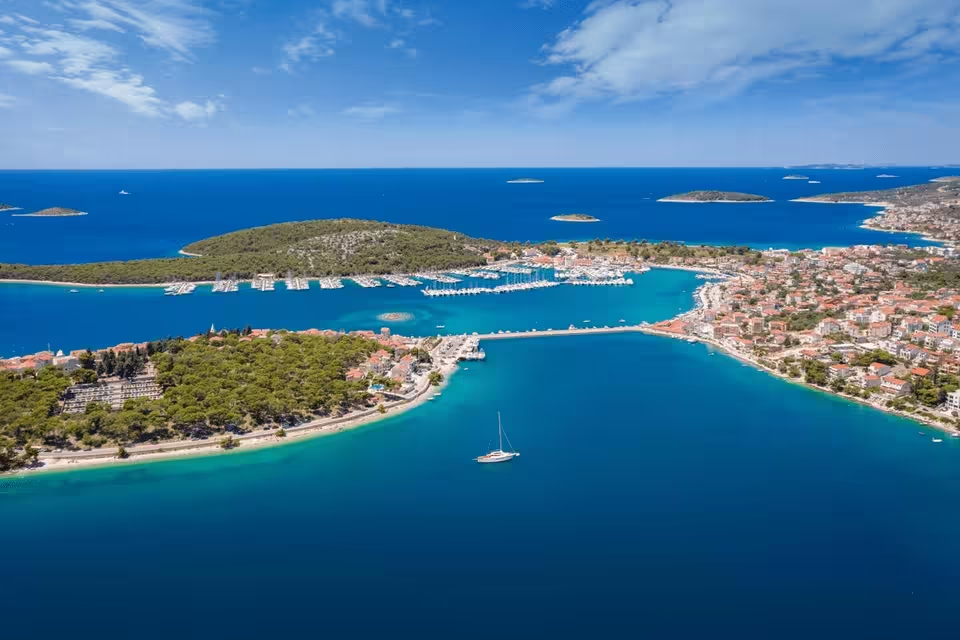
A yacht charter in Trogir provides quick access to the Drvenik islands, the Krknjaši islets and western Šolta. Short, mostly line-of-sight passages make local cruising practical, while longer itineraries can extend toward Brač, Hvar and Vis. This combination of an accessible departure area, compact cultural center and varied island geography makes Trogir a useful option for travelers comparing yacht charter regions in Croatia.
Islands, bays and coastal stops near Trogir
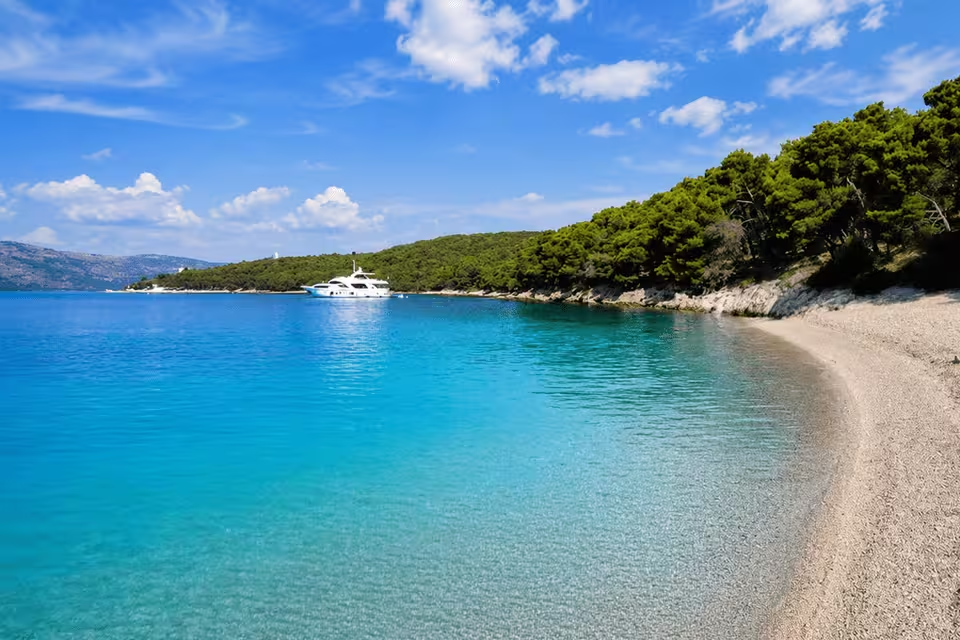
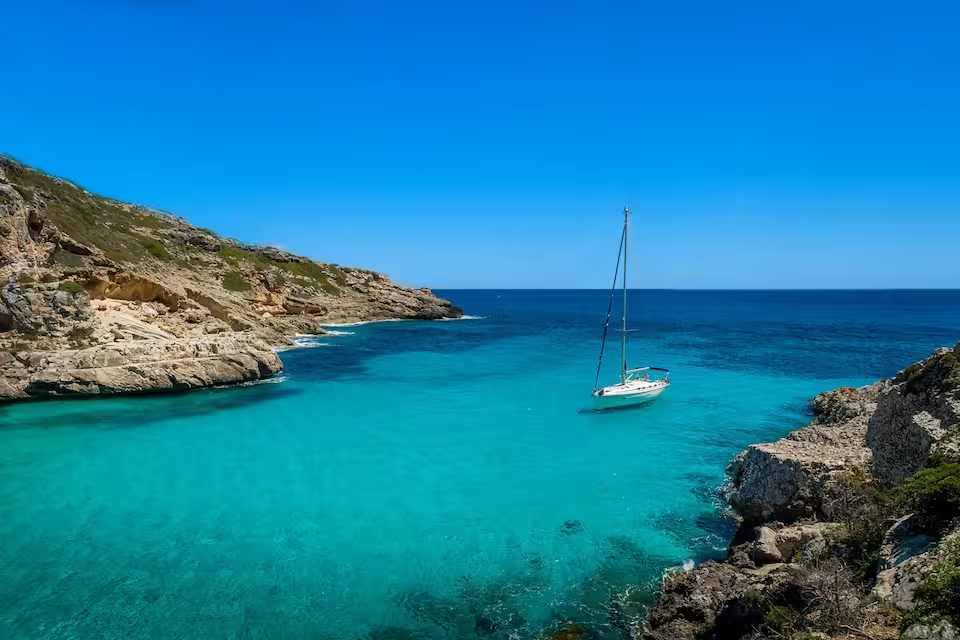
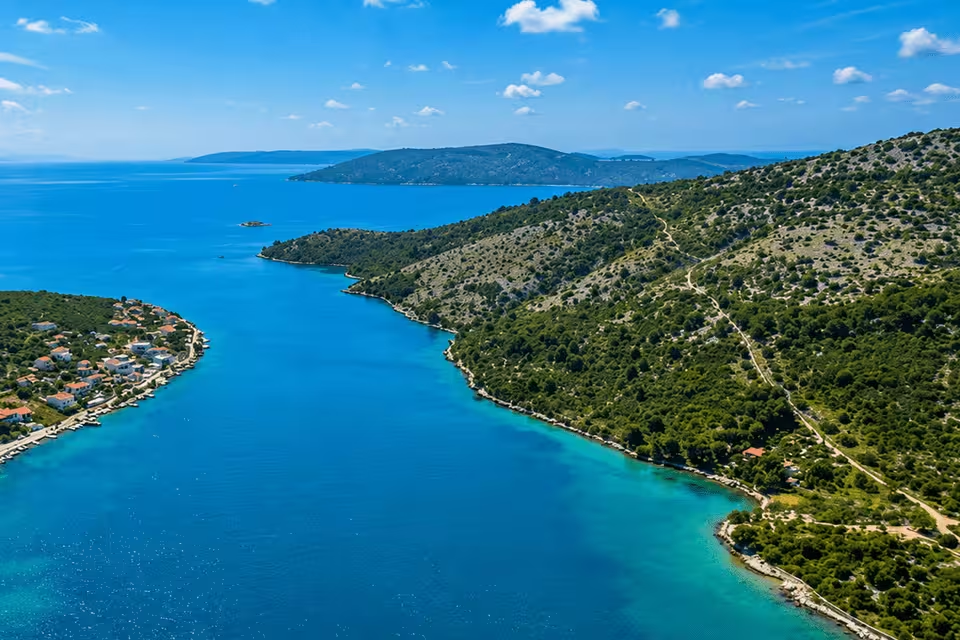
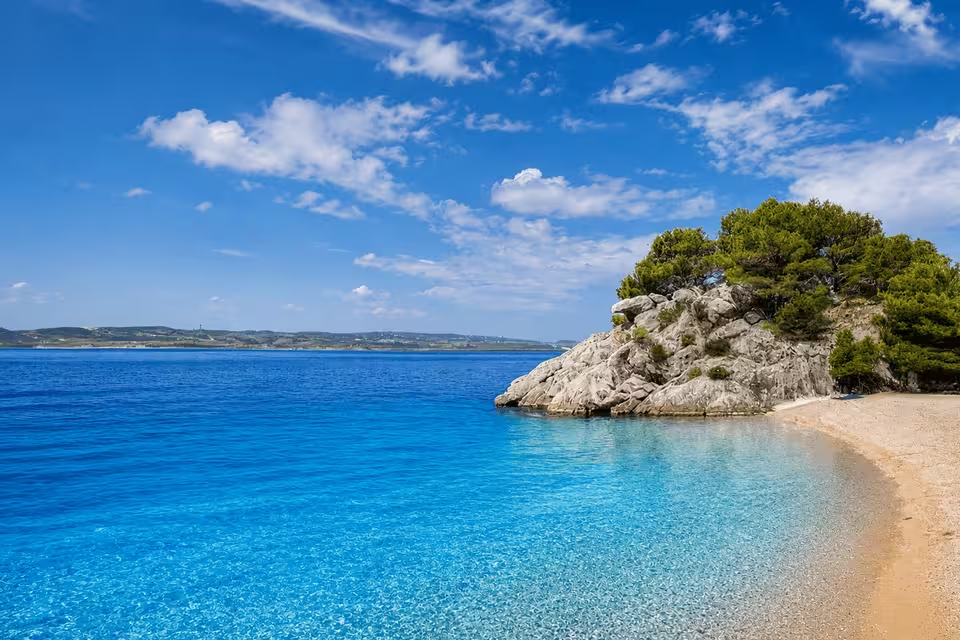
The Drvenik islands are among the most natural objectives from Trogir. Krknjaši Bay, commonly known as the Blue Lagoon, lies between Drvenik Veli and the small islets of Krknjaš Veli and Krknjaš Mali. Its clear water makes it a popular swimming and anchoring stop, often combined with time at Drvenik Veli.
Drvenik Veli also offers a well-sheltered harbor, while smaller Drvenik Mali adds another island stop along the established westbound corridor. Farther on, Maslinica on western Šolta forms a logical continuation for travelers who want to progress beyond a local day cruise.
Closer to the departure area, Čiovo and Trogir Bay provide protected inshore waters and easy access to waterfront settlements. These nearby choices allow an itinerary to balance swimming and quiet anchorages with visits ashore, without requiring long passages every day.
What sailing around Trogir is like
Cruising around Trogir generally involves short passages through channels, around islets and between sheltered harbors. Navigation is usually visual, but the area is not entirely straightforward. Shoals, buoyed channels, bridge restrictions, marina traffic and numerous small islands make careful route planning important. Overall sailing difficulty is moderate rather than purely beginner-level.
During settled summer weather, mornings are often light before a northwesterly sea breeze develops in the afternoon. The more consequential winds are the bura from the north or northeast and the jugo, or sirocco, from the southeast. Bura can become particularly strong in the Šoltanski Channel, while southwesterly weather may create heavy or crossing seas around the Drvenik and Šolta passages.
Trogir’s immediate approaches are relatively protected, but shallow areas and concentrated marina infrastructure restrict maneuvering. Travelers should consider both local navigation experience and the intended route when deciding how independently they want to manage their charter.
Best time for a Trogir yacht charter
The principal yacht-charter season runs from May through October, with the busiest and most consistently summery period extending from June to September. June and September are particularly suitable months: both generally offer favorable sailing weather, while avoiding some of the pressure associated with the height of summer.
July and August are the hottest and driest months and suit travelers prioritizing swimming and dependable summer conditions, though harbors, anchorages and roads are likely to feel busier. May can provide good sailing before peak activity, while October is cooler and more changeable. Marinas operate throughout the year, but conventional yacht-holiday activity is limited from November to March.
Whatever the month, forecasts for bura, jugo and strong southwesterly winds remain more important than relying on seasonal averages alone.
Cruising routes from Trogir
A compact local route can connect Trogir with the Krknjaši islets and Drvenik Veli, combining swimming and anchoring with an island visit. Another established corridor follows the waters west from Trogir-Soline toward Drvenik Mali and Drvenik Veli.
For a broader trip, yachts can leave Trogir Bay through Drvenik Channel, continue to Maslinica and explore the western coast of Šolta. Longer central Dalmatian circuits may then progress toward Brač, Hvar or Vis. The final route should remain flexible: wind direction and sea state can materially affect exposed channel crossings even when the planned distances are modest.
Life on the water and time ashore
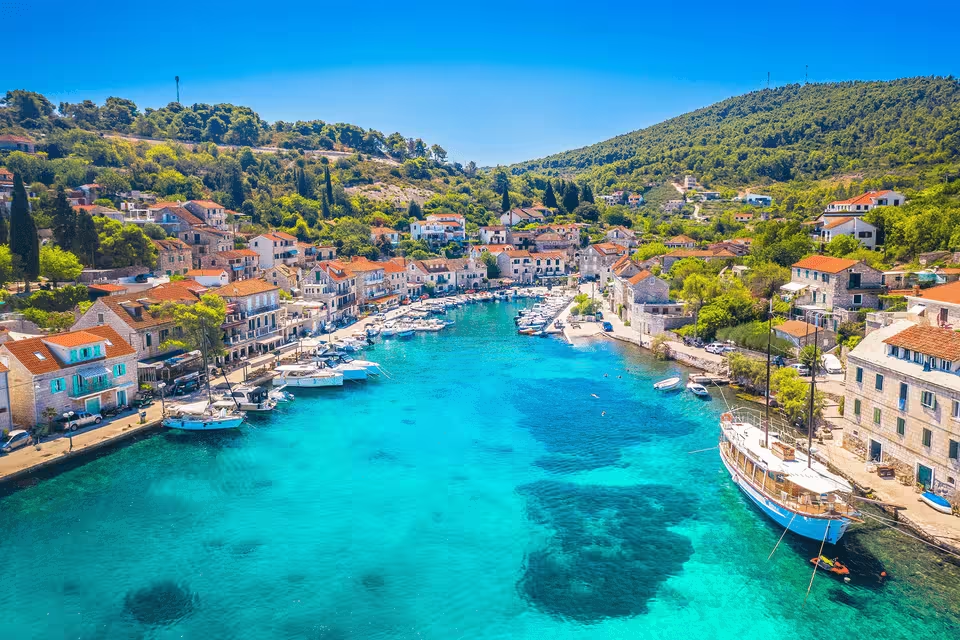
A Trogir charter can alternate short sailing legs with swimming, anchoring and visits to small island settlements. The close spacing of the Drvenik islands, Krknjaši and Šolta makes it possible to spend less time on long transfers and more time exploring individual bays or going ashore.
Trogir itself adds a strong cultural element to the trip. Its street pattern preserves traces of the Greek settlement of Tragurion, while Romanesque, Gothic, Renaissance and Baroque buildings document later periods. Key stops include the Cathedral of St. Lawrence and Master Radovan’s portal, Kamerlengo Fortress, the Town Loggia and the Kairos collection at the Monastery of St. Nicholas.
Restaurants are readily accessible from the main berthing areas, and local food traditions include Trogir rafioli, almond-filled pastries typically flavored with butter, rum and citrus peel.
Reaching Trogir and choosing a departure point
Split Airport is approximately six kilometers from Trogir, with road, taxi and public bus connections to the town. Regional buses also connect Trogir with Split. Travelers arriving during summer should allow additional transfer time because traffic between the airport, Trogir and Split can be heavy.
The main boating facilities are ACI Marina Trogir, Marina Trogir and Marina Baotić, the latter in neighboring Seget Donji. Trips may also use the Trogir waterfront or the Trogir-Soline ferry-port area as departure points, depending on the vessel and itinerary. Ferries from Soline connect the town with Drvenik Veli and Drvenik Mali.
Trogir therefore serves several roles at once: a charter departure area, a historic place to visit and a gateway to nearby islands. Confirming the precise marina before arranging an airport transfer is important because the facilities are distributed around Trogir and Seget Donji.
Planning the right charter
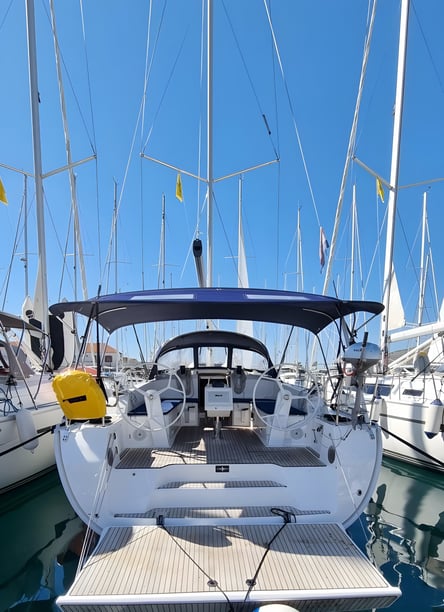
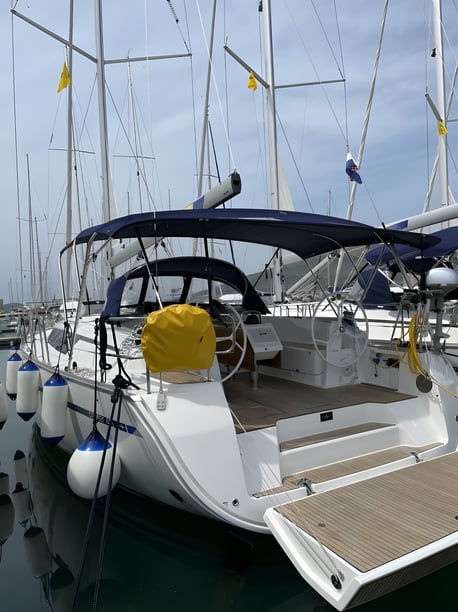
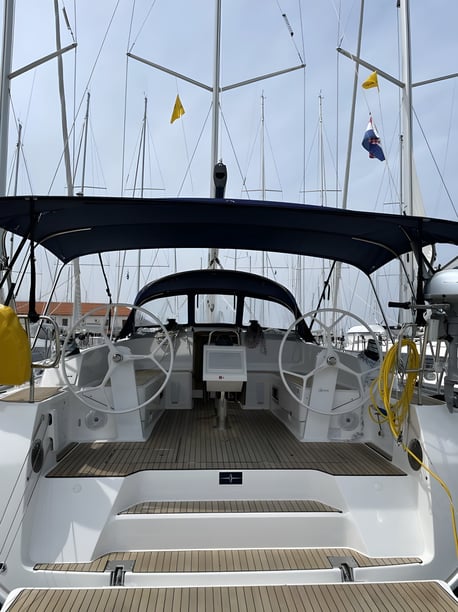
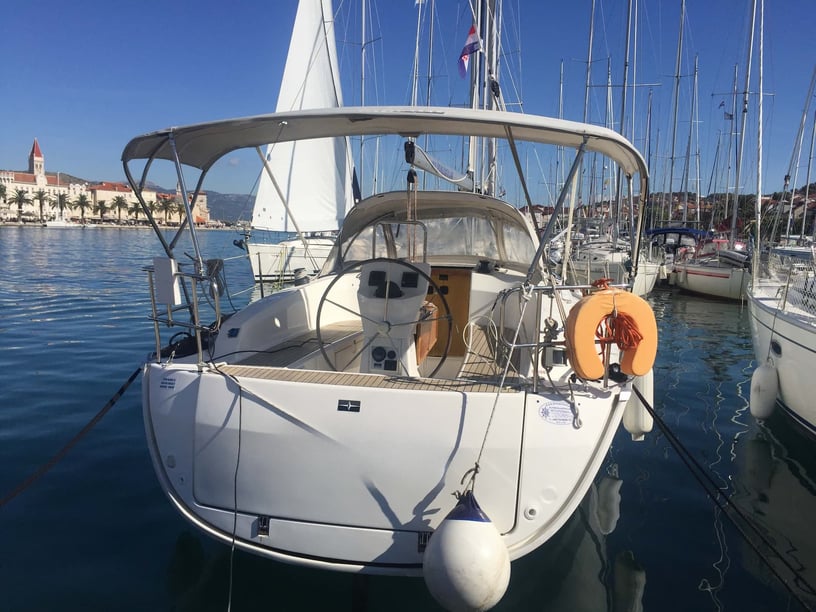
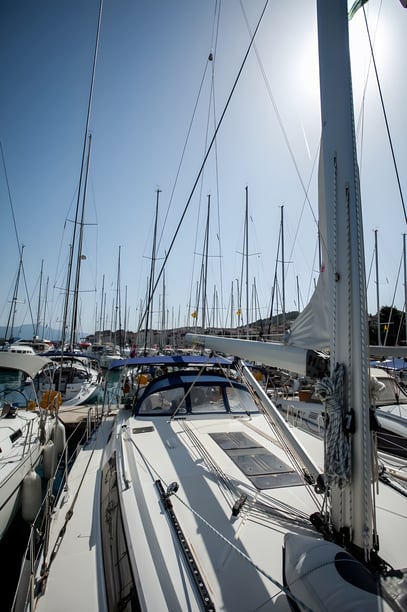
When comparing Trogir boat rental and yacht-charter options, begin with the intended cruising radius. A shorter trip can focus on Krknjaši and the Drvenik islands, while a longer charter creates more scope for Šolta and the wider central Dalmatian islands. The preferred pace also matters: frequent swim stops and short passages require a different plan from an itinerary built around covering greater distances.
Check the vessel’s draft and mast height against the planned route. Trogir’s shallow northern channel and fixed bridge clearances restrict passage for some deeper-draft or taller yachts, and the marina approaches include buoyed channels, pontoons and busy maneuvering areas. Current Croatian Hydrographic Institute charts, marine forecasts and the relevant marina’s approach guidance should be consulted.
It is also worth keeping the first and final days geographically simple. Remaining near Trogir Bay or the Drvenik corridor can reduce pressure around embarkation, provisioning, marina procedures and the return schedule, while still providing access to worthwhile island cruising.










Verified
H O.06 Aug 2026
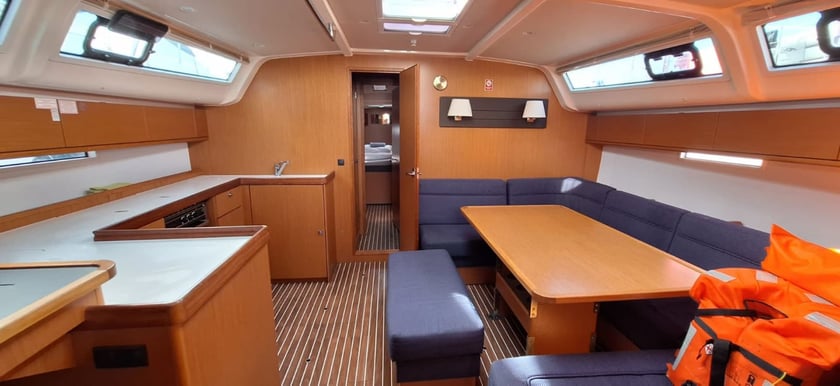
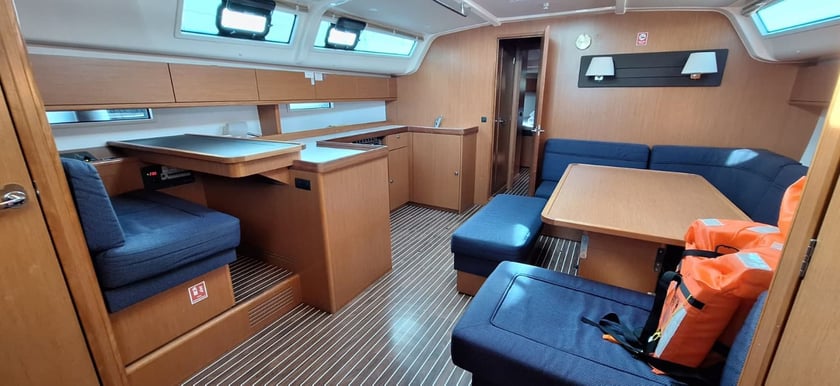
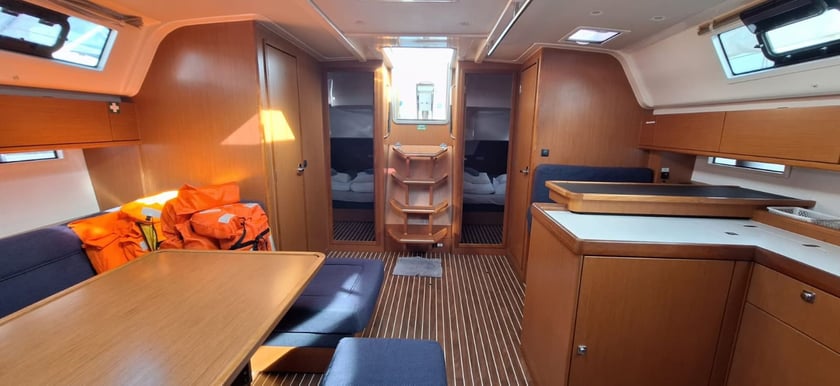
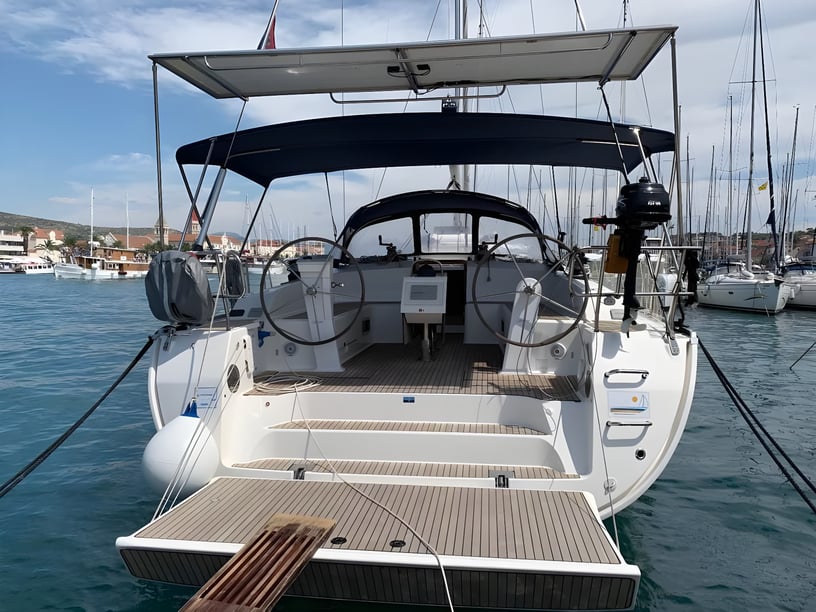
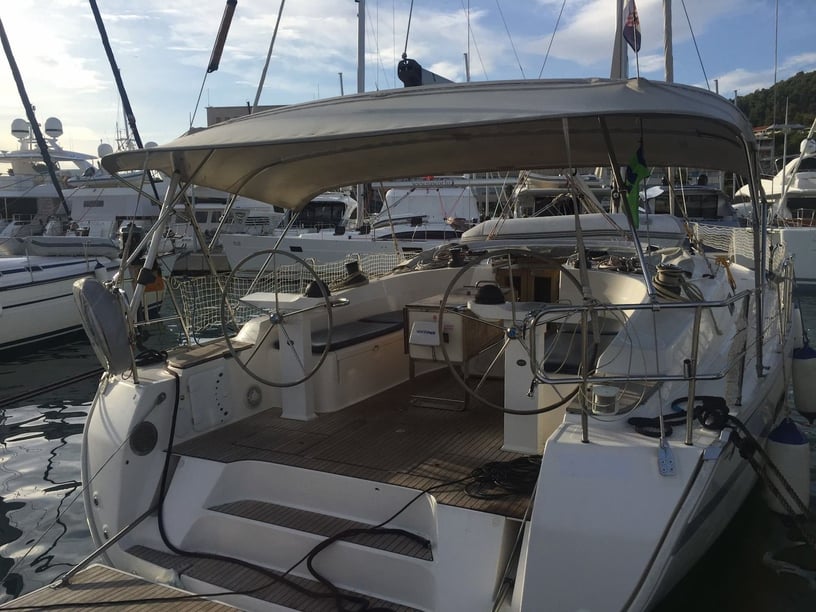
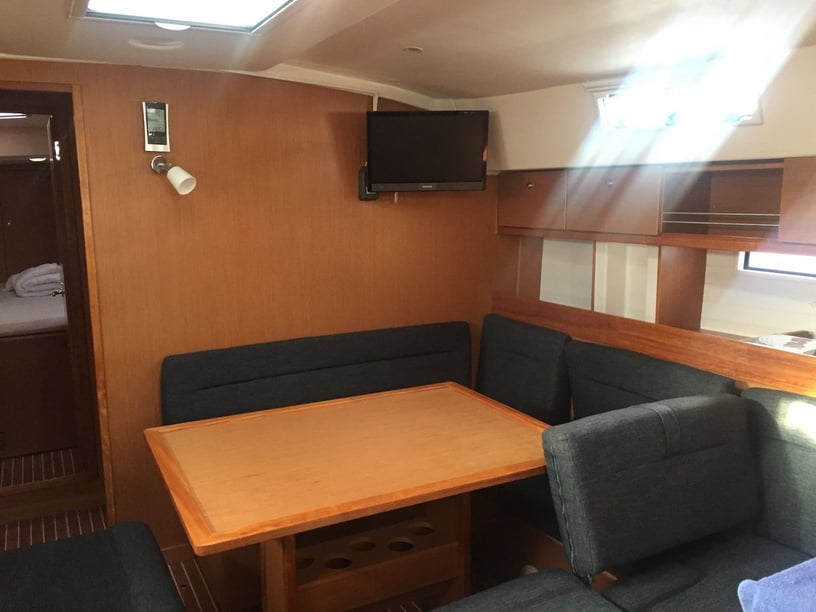
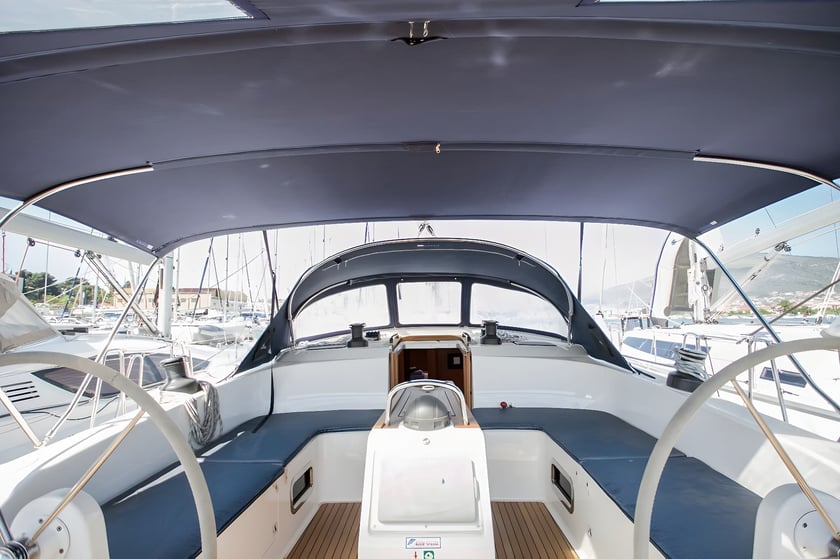
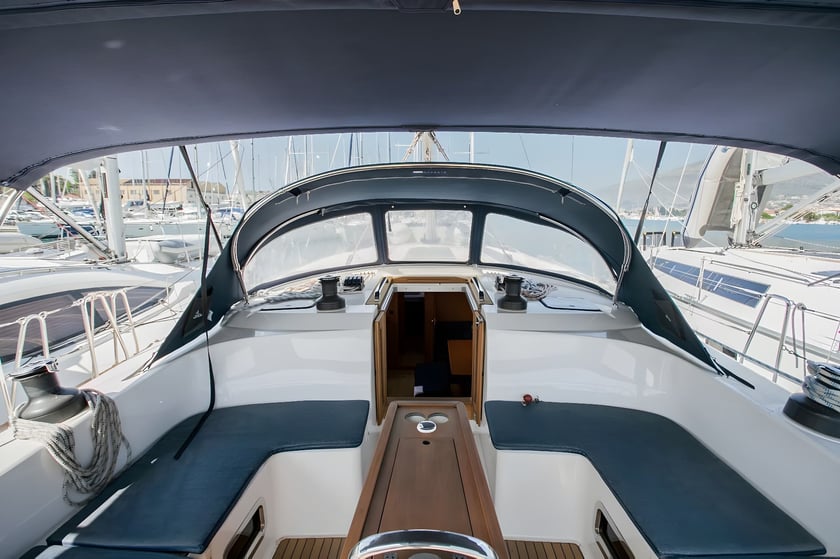
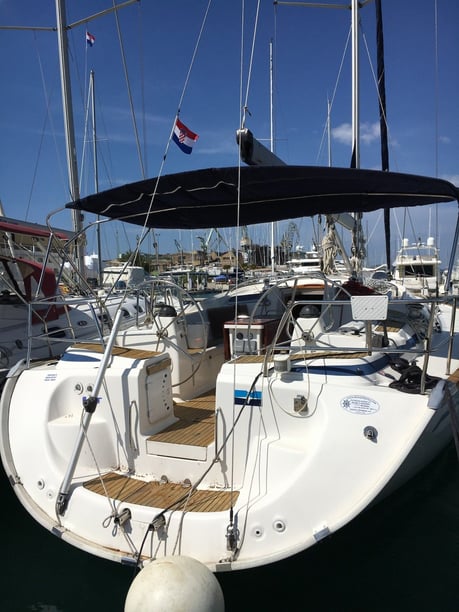
The welcome process could have been handled with a bit more care; we experienced a minor issue, particularly regarding parking. Apart from that, the boat's cleanliness and maintenance were excellent. ...
Listing owner: IvanaTrogir / Croatia