Yacht charter in Italy
A yacht charter in Italy can take many forms because the country spans four contrasting maritime fronts: the Ligurian, Tyrrhenian, Ionian and Adriatic seas. Its long peninsula is joined by Sicily, Sardinia and compact island groups such as the Tuscan, Aeolian, Egadi, Pontine and La Maddalena archipelagos. Together, they offer everything from short passages between nearby islands to longer coastal legs and more exposed crossings.
Time on the water also creates a direct connection with Italy’s regional character. Historic ports, fishing communities, protected marine areas and coastal cities can all form part of one trip, while local architecture and food change noticeably between regions. Given the scale of the country, most charters concentrate on one coast, gulf or archipelago rather than trying to combine distant areas. Choosing the right region is therefore the most important first step.
Where to charter along the Italian coast
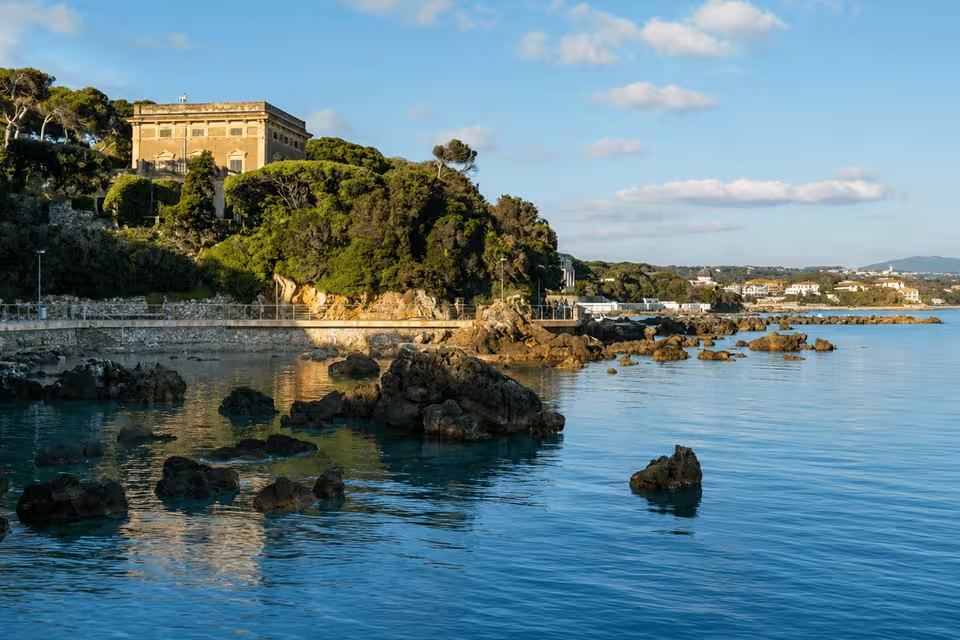
Liguria and the Tuscan coast suit travelers who want historic settlements and island cruising within the same regional trip. The Gulf of La Spezia places Portovenere and the Cinque Terre coastline within reach, while ports around La Spezia provide a practical starting point. Farther south, departures from Piombino, Punta Ala or Portoferraio open the Tuscan Archipelago, including Elba and the protected landscapes of its national park.
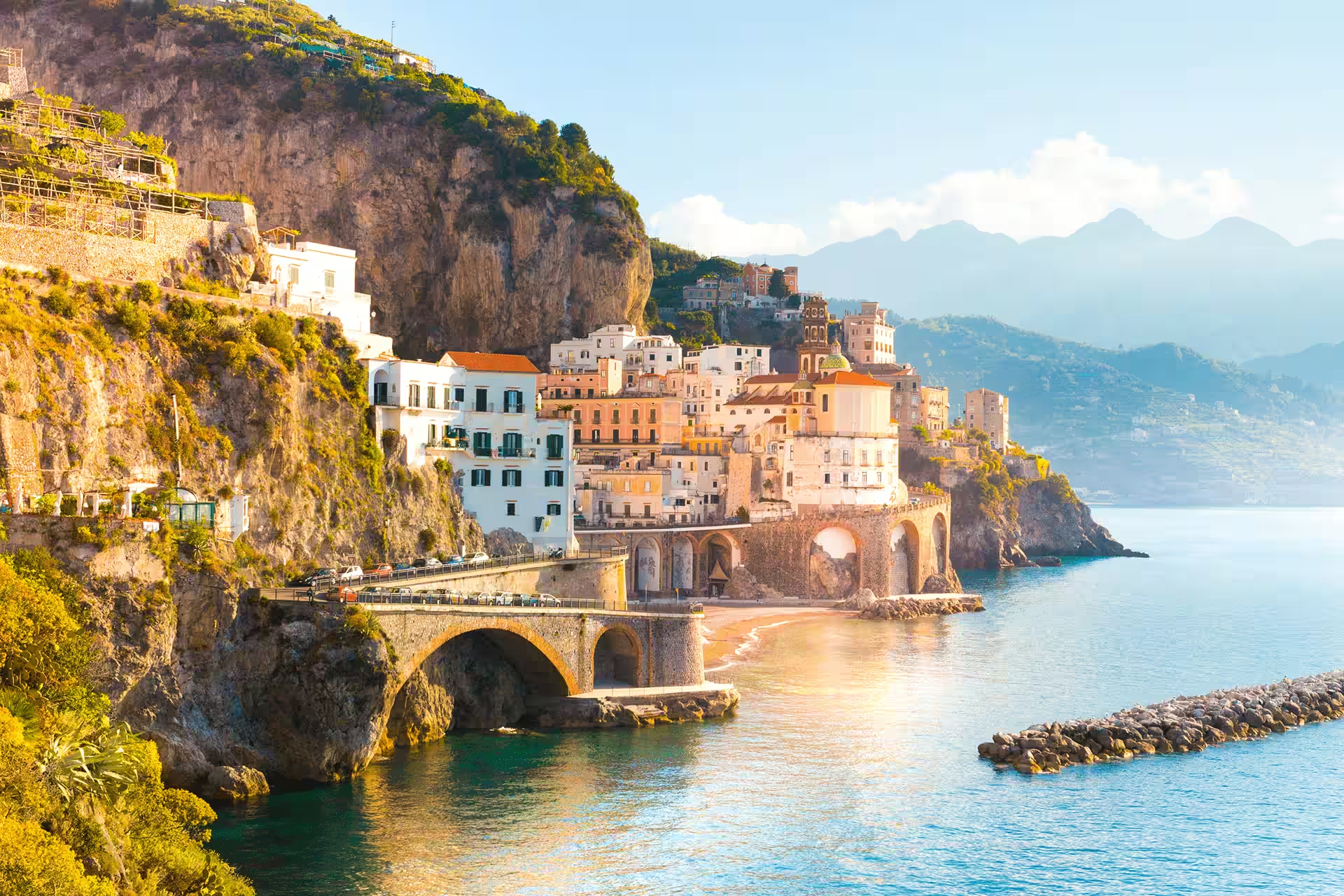
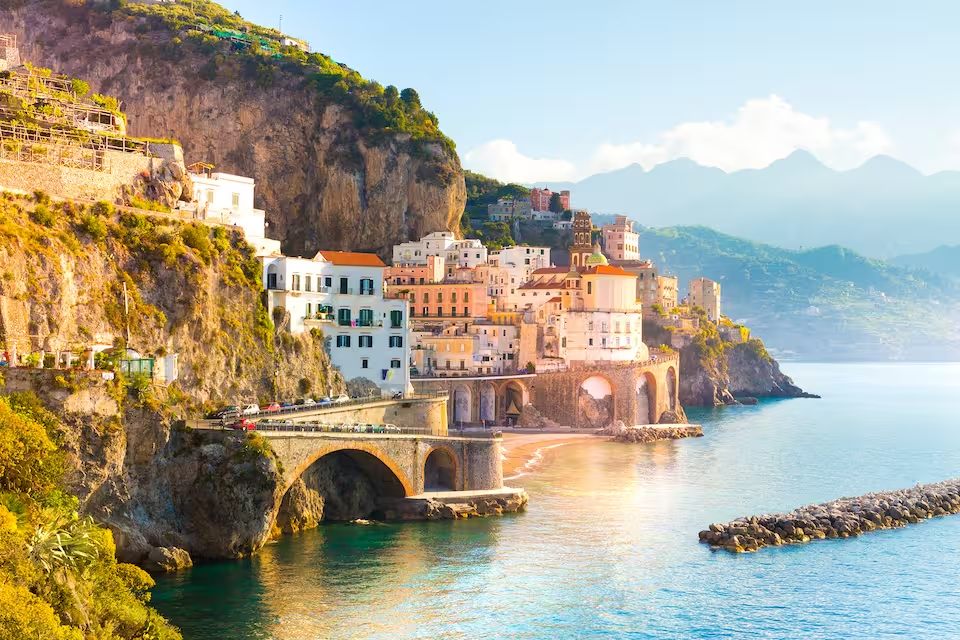
Campania combines the Bay of Naples, the Phlegraean Islands and the Amalfi Coast. A trip beginning around Naples, Pozzuoli, Sorrento or Salerno may balance island stops with visits ashore in historic towns. Capri, Procida, the Faraglioni and the archaeological landscapes around Pompeii, Herculaneum and Baia give this region a particularly strong cultural dimension.
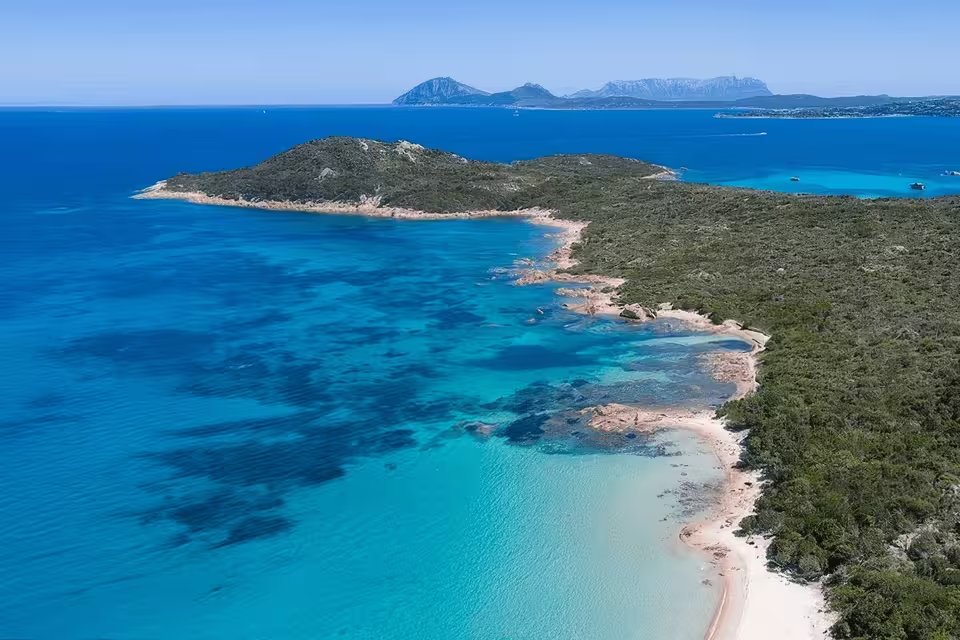
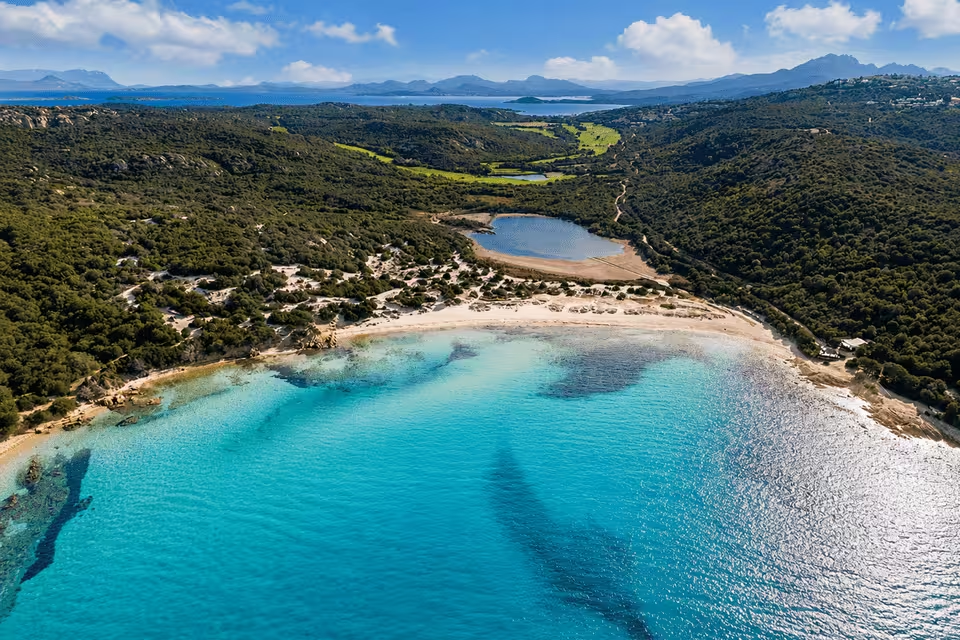
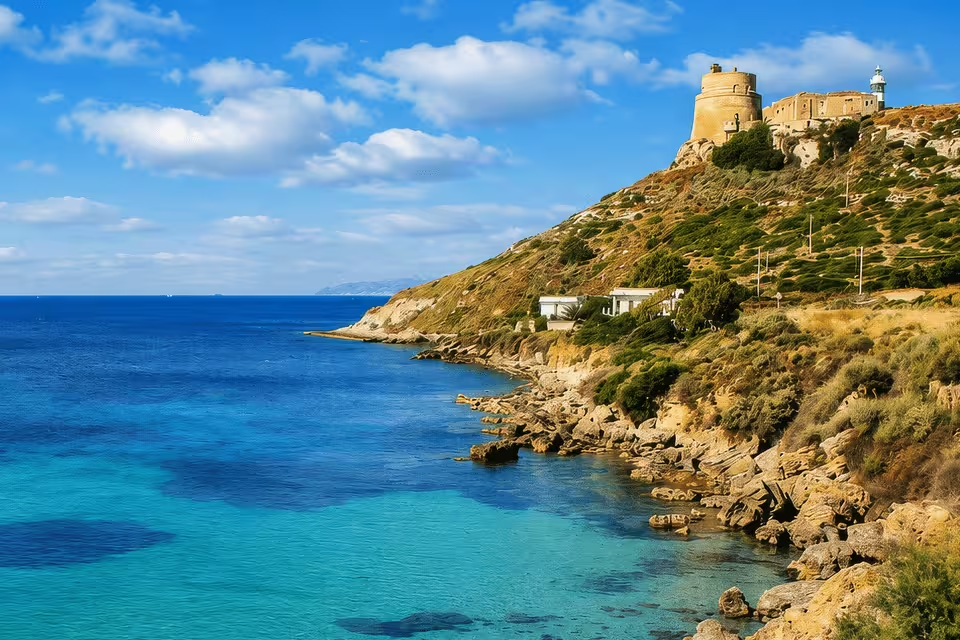
Sardinia offers a different scale of cruising. The northeast, reached through Olbia, Portisco, Porto Rotondo or Palau, is well placed for La Maddalena Archipelago and the granite coasts around the Gulf of Olbia. Southern and western itineraries from Cagliari, Carloforte or Alghero can involve longer passages and a more expansive coastal route.
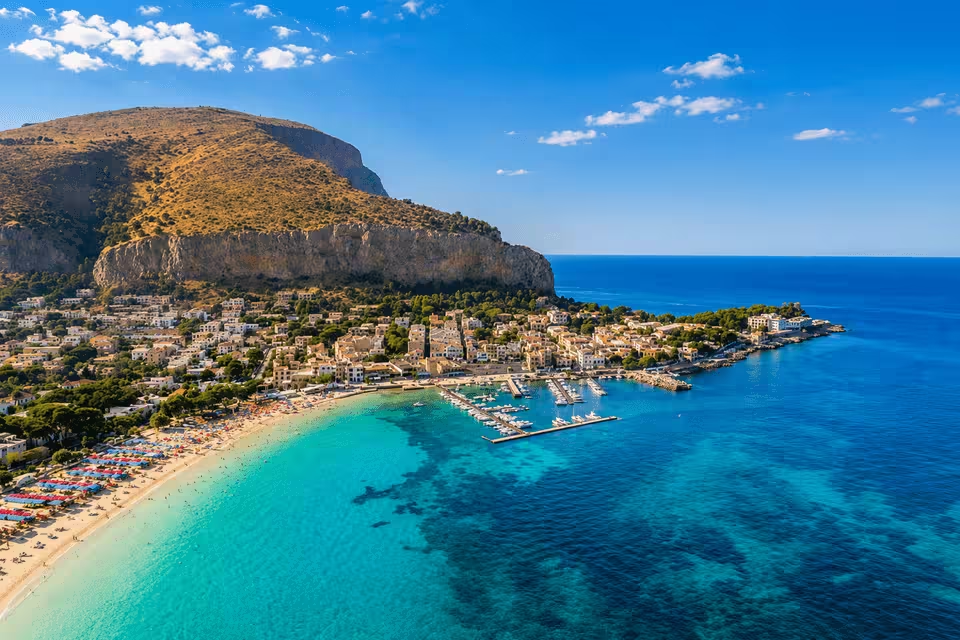
Sicily supports several distinct charter areas. Milazzo and Capo d’Orlando are useful gateways to the volcanic Aeolian Islands, while Palermo and Trapani connect naturally with northern and western Sicily and the Egadi Islands. Syracuse and the southeast combine coastal cruising with the historic center of Ortigia.
On the Adriatic, Puglia offers longer coastal itineraries linking Otranto, Brindisi, Bari and the Gargano area. The upper Adriatic is characterized by historic ports, lagoons and shallow approaches, with Venice, Chioggia and Trieste forming a markedly different environment from Italy’s rocky western islands.
What sailing in Italy is like
Italy should not be treated as a single sailing ground. Sheltered gulfs and compact island groups can allow relatively short, visual passages, making it easier to divide a day between cruising, swimming and time ashore. Exposed capes, narrow straits and mainland-to-island crossings require more careful route and weather planning.
Summer commonly brings warm, comparatively settled conditions and local daytime sea breezes, but regional winds remain important. The Mistral can affect western waters and Sardinia, while the south-easterly Sirocco and the Libeccio influence parts of the Ligurian and Tyrrhenian seas. The Bora is particularly relevant in the northern Adriatic, especially outside summer. Wind can accelerate around headlands and through straits, and thunderstorms may affect northern areas during summer.
The Adriatic also introduces shallow approaches and lagoon navigation, while some island routes have limited shelter between stops. These differences influence the appropriate vessel, passage plan and level of crew experience, so current local forecasts should guide each stage rather than relying only on the general seasonal pattern.
The best time for an Italy yacht charter
The principal boating season generally runs from May through October, with the most consistent activity nationwide between June and September. July and August are the peak summer months. They suit travelers seeking a firmly summer-focused trip, but demand is also at its highest and popular historic harbors may have limited room.
May, June and September are particularly suitable months. May offers the beginning of the main season, while June combines established summer activity with conditions that precede the July and August peak. September remains part of the high season but is also one of the country’s identified best months for boating.
October can still work in southern Italy, Sicily and Sardinia, although it is less consistently suitable across the country. Winter cruising is possible in selected coastal areas, but unsettled weather is more frequent and seasonal services are reduced. The most appropriate dates therefore depend not only on temperature preferences but also on the chosen sea, route and exposure.
Cruising routes and itinerary ideas
Established route concepts help show how Italy’s charter regions fit together without requiring a cross-country itinerary. In Liguria, the Poets’ Route follows the coast from Sanremo toward Santo Stefano di Magra, while the Etruscans’ Route traces the Tuscan coast from Marina di Pisa to Cala Galera. These can be adapted around available time and preferred island or mainland stops.
In the south, the Sibyl Route runs through Campania from Nisida toward Capo Palinuro. The Volcanoes Route links Palermo and Messina through northern Sicily and the Aeolian cruising area, making volcanic islands central to the journey. Sardinia’s routes include a western circuit between Cagliari and Alghero and an eastern route toward Porto Cervo.
Puglia’s Levante Route follows the Adriatic coast from Otranto toward Rodi Garganico. Farther north, the Doges’ Route connects Chioggia and Trieste through Venice and the upper Adriatic lagoons. In practice, a shorter charter may use one portion of these routes rather than attempting the entire coastline.
Life aboard and highlights ashore
An Italian charter can combine swimming and anchoring with substantial time ashore. Compact archipelagos make multi-stop itineraries possible, while larger regions allow travelers to alternate quieter bays with coastal settlements. Beaches, secluded anchorages and diving are among the destination’s strengths, but access and anchoring rules vary within marine protected areas.
History is closely integrated with the coastline. Amalfi, Pisa, Genoa and Venice developed as medieval maritime republics, and many present-day ports still reflect centuries of Mediterranean trade. Depending on the route, shore visits might include Portovenere, Syracuse and Ortigia, the Amalfi Coast or Venice and its lagoon. Diving-focused travelers can consider areas such as Baia Underwater Archaeological Park, while the Aeolian Islands add volcanic landscapes around Stromboli and the Sciara del Fuoco.
Food also changes with the cruising area rather than following one national pattern. Liguria, for example, links fishing traditions and anchovies with basil, olive oil and wine from its terraced landscape. Elsewhere, island communities and port cities have developed their own culinary and seafaring traditions, giving each regional itinerary a distinct rhythm when meals ashore are included.
Reaching the main departure areas
Italy’s international airports, rail network, motorways and ferry services provide several ways to reach its charter coasts. Genoa and Pisa airports serve Liguria and Tuscany, while Naples is the principal air gateway for the Bay of Naples and Campania. Bari and Brindisi support access to Puglia, and Venice Marco Polo is relevant for the upper Adriatic.
Sicily can be reached through Palermo or Catania, with onward transfers to bases such as Palermo, Trapani and Milazzo. Sardinia’s principal gateways include Olbia and Cagliari; Olbia is particularly convenient for northeastern bases, while Cagliari serves the south.
Rail services reach many mainland coastal cities, but a transfer is often still needed between the station or airport and the marina. Ferries and domestic flights connect Sicily and Sardinia with the mainland, while local ferry services reach smaller inhabited islands. Confirming the exact marina—not only the nearest city—is important when arranging arrival and departure transport.
Planning the right charter
Whether comparing boat rental in Italy for a focused coastal trip or planning a longer yacht charter, begin by matching the region to the available time. A short holiday is generally better concentrated around one gulf, coastline or archipelago. Combining distant areas such as Liguria, Sicily and Sardinia would introduce substantial transfers or long passages instead of more time at anchor and ashore.
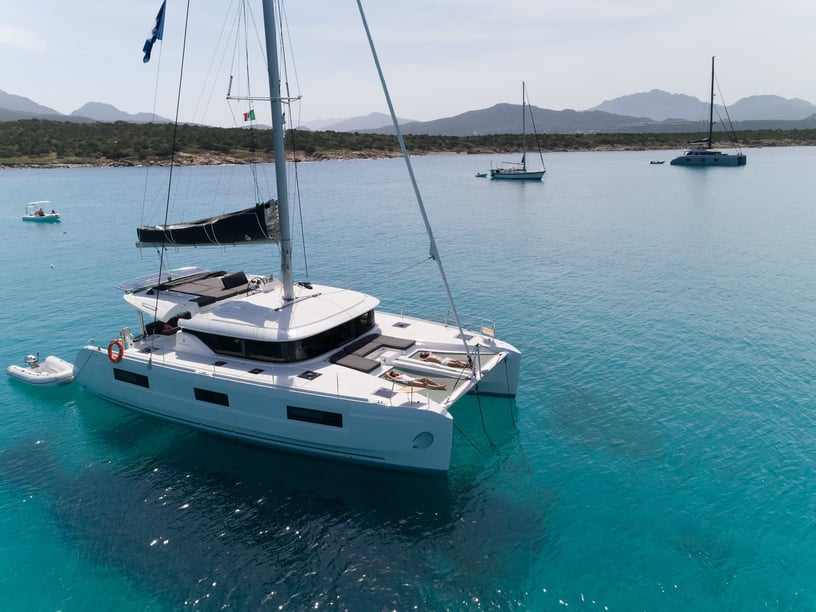
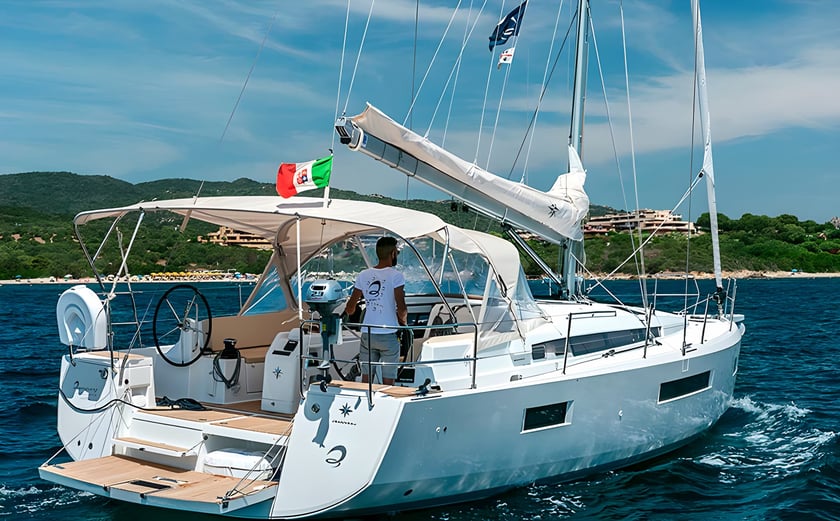
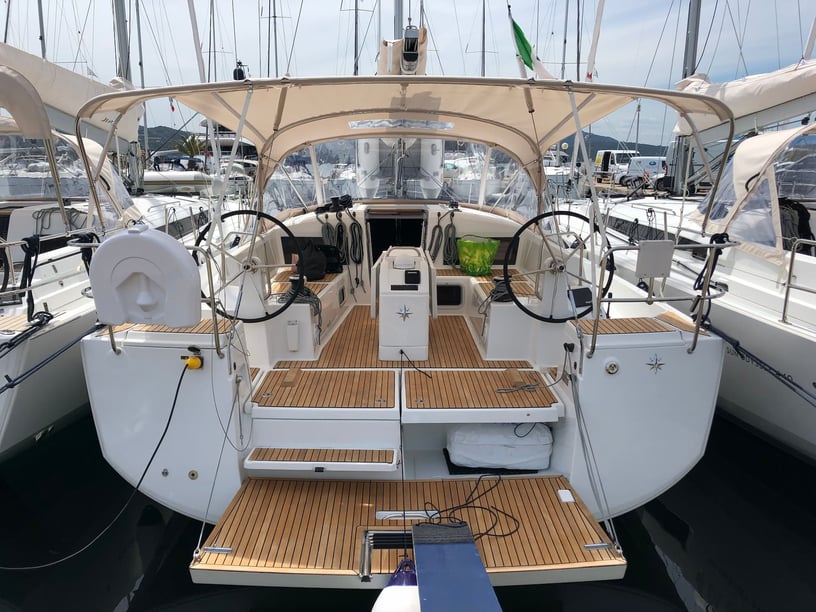
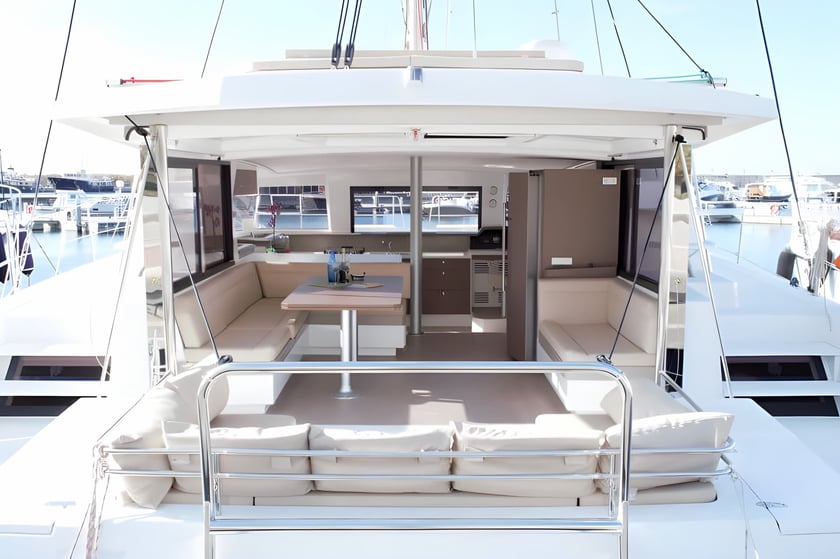
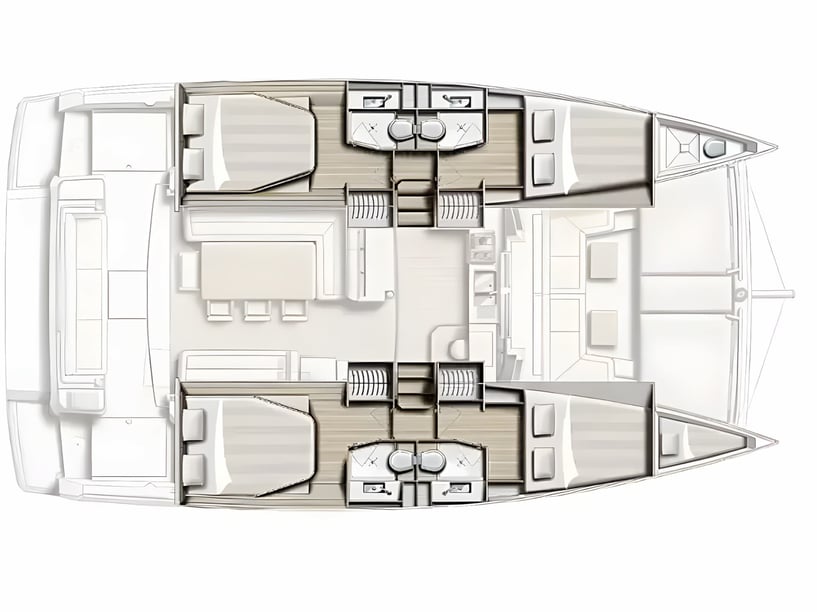
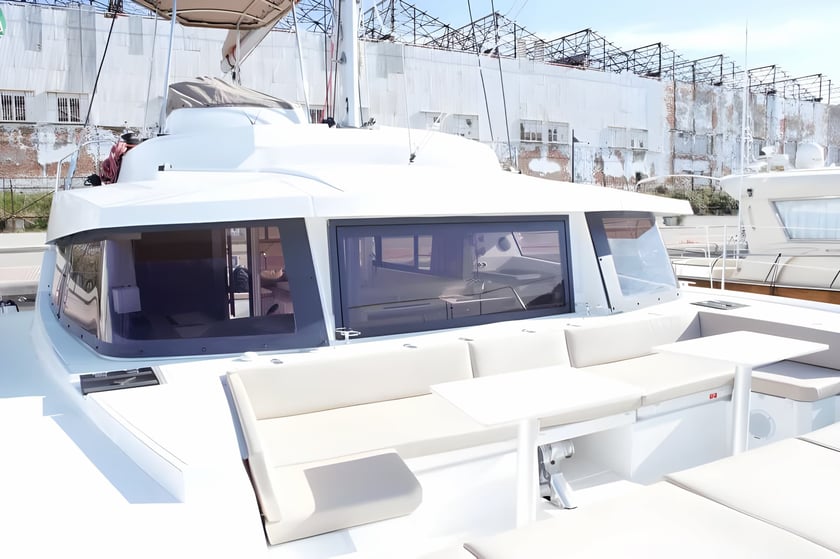
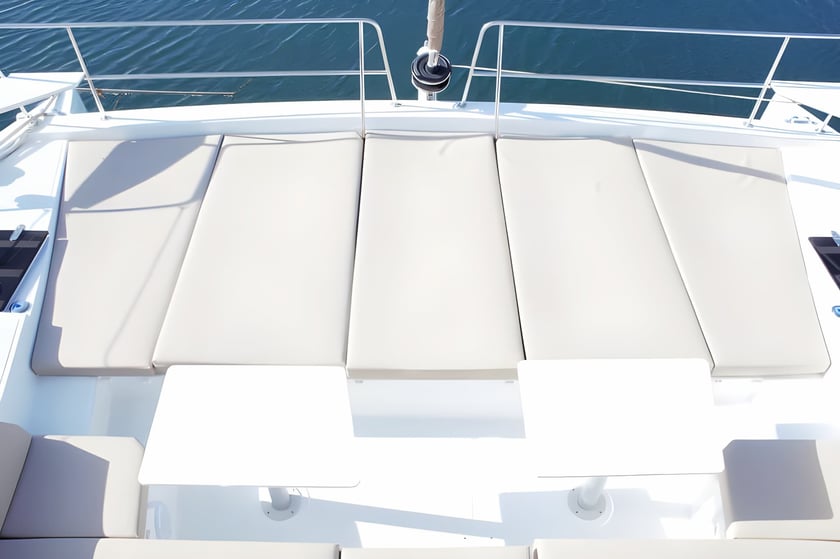
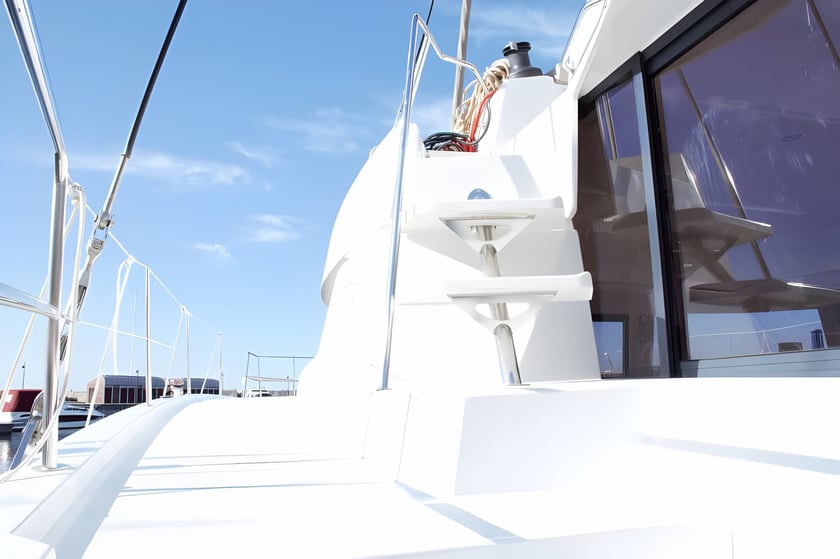
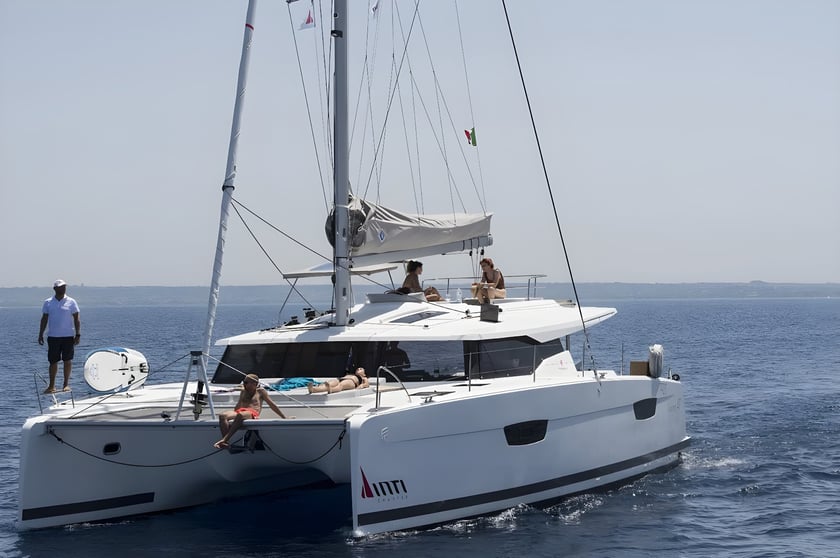
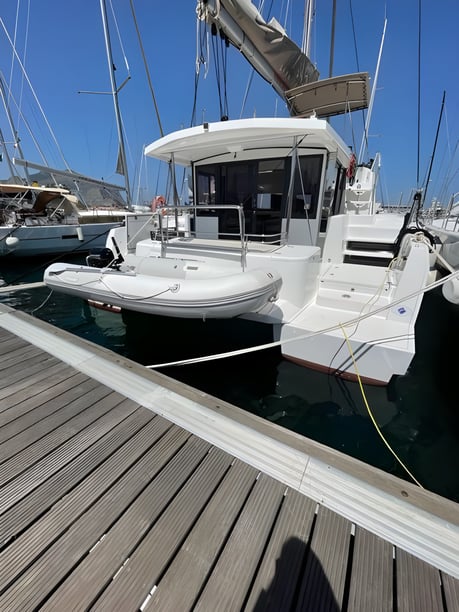
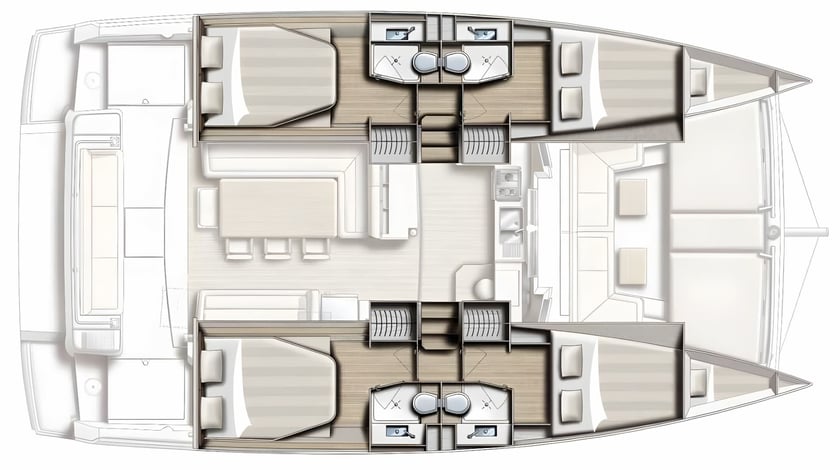
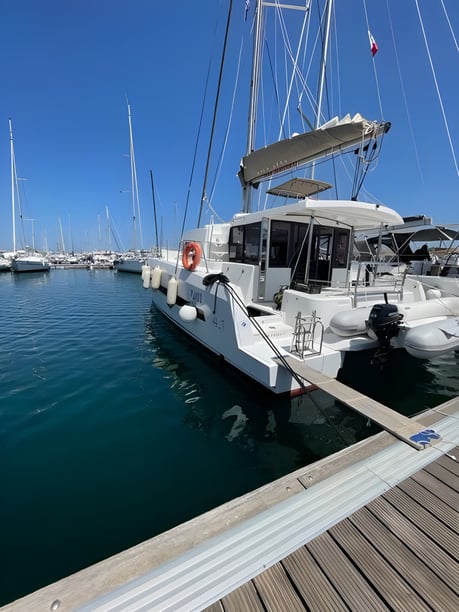
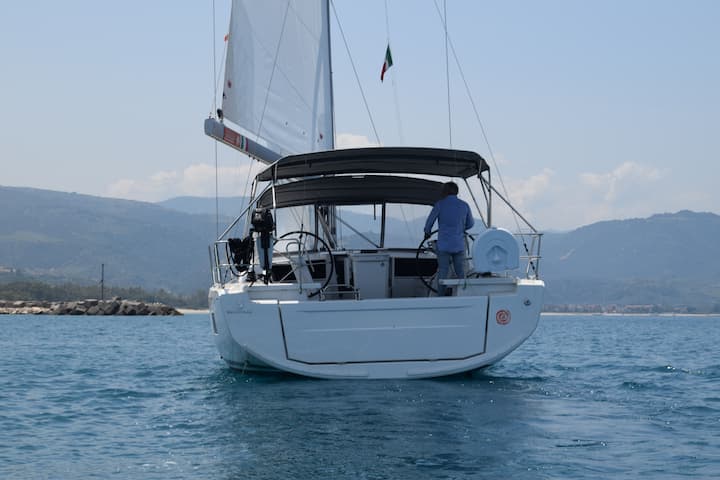
The route should also match the vessel and crew. Compact island groups and sheltered gulfs differ significantly from exposed passages around Sardinia, between Sicily and offshore islands, or across open stretches of the Tyrrhenian Sea. Travelers considering different formats can compare sailboat charters in Italy and catamaran charters in Italy, then assess the specific route, onboard space and passage requirements rather than choosing by boat category alone.
Local environmental and harbor conditions also matter. Marine protected areas may have zoning, entry or authorization rules, and anchoring on Posidonia oceanica seagrass should be avoided in favor of sand, mud or regulated mooring buoys where available. Small historic harbors can offer less maneuvering room and fewer berths than modern marina complexes. Updated charts, sailing directions, Notices to Mariners and weather forecasts should therefore be part of the planning process, especially for routes involving exposed islands, capes or straits.









Verified
Nemanja Z.19 Aug 2026
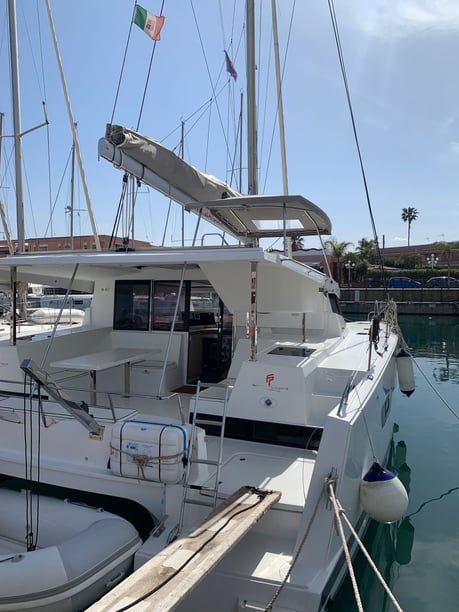
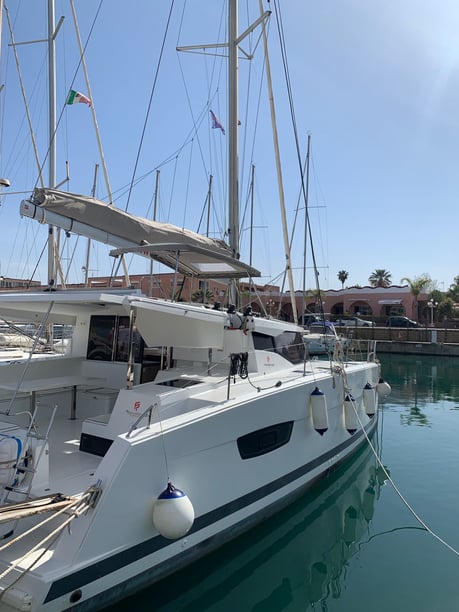
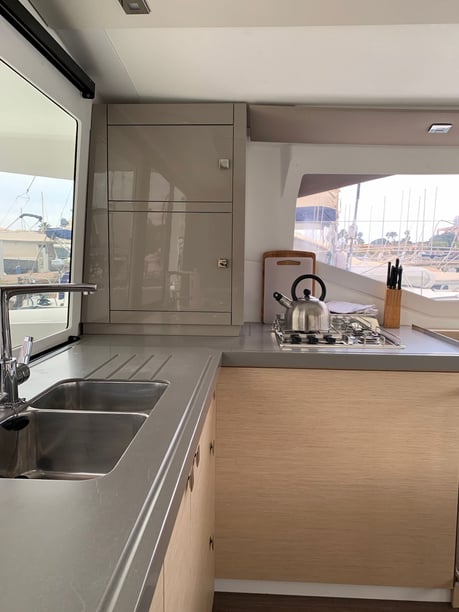
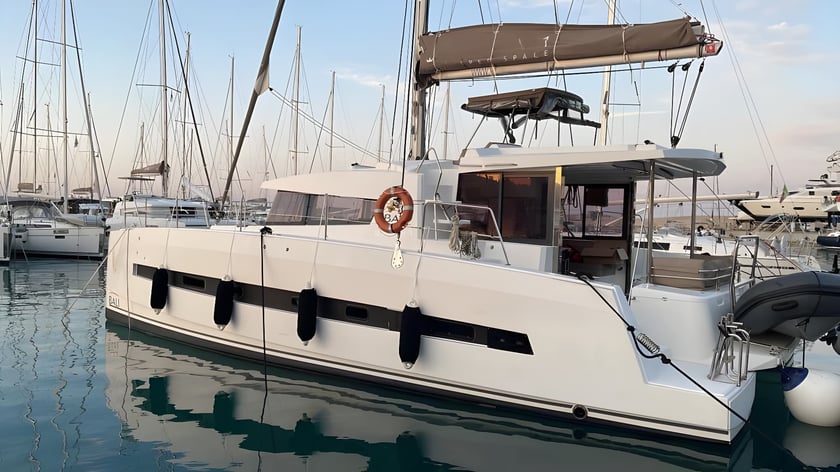
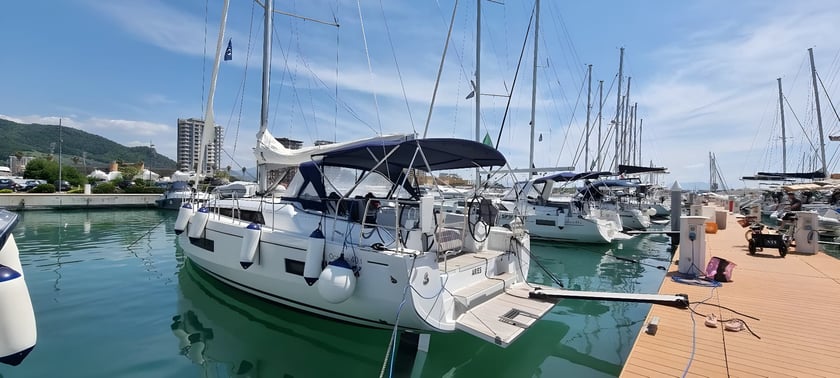
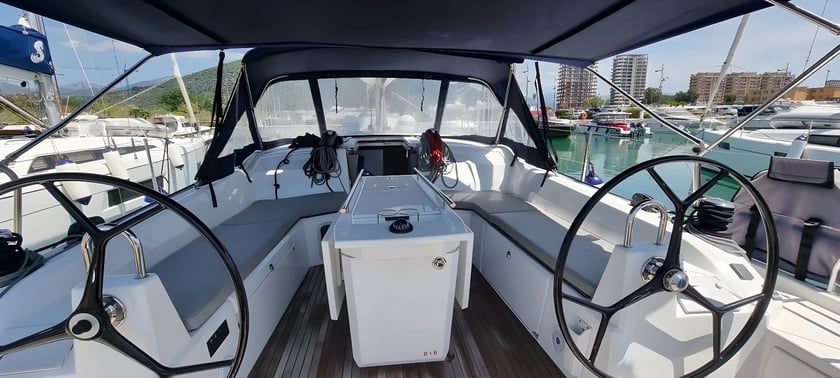
I was the captain myself. The base and the people there were great, and the boat was brand new. Overall, it was a very good experience, except for two small things that didn't work.. Thank you
Listing owner: RosalindaProcida / Italy