Yacht charter in Olbia
Olbia sits at the inner end of a long, sheltered gulf on Sardinia’s northeastern coast. Its airport, ferry port, city services and yacht facilities make it a practical starting area for exploring Gallura by water, but its main appeal lies in the contrasting cruising grounds immediately beyond the urban harbor.
An Olbia yacht charter can turn southeast toward the islands and coves of the Tavolara marine area or north toward the Gulf of Cugnana and the more developed Costa Smeralda shoreline. This choice allows travelers to shape a trip around swimming and snorkeling stops, short coastal passages or visits to marina settlements. Time ashore can also reveal Olbia’s long maritime history, from its Roman harbor to the ancient shipwrecks discovered in the old port.
Places to explore around Olbia
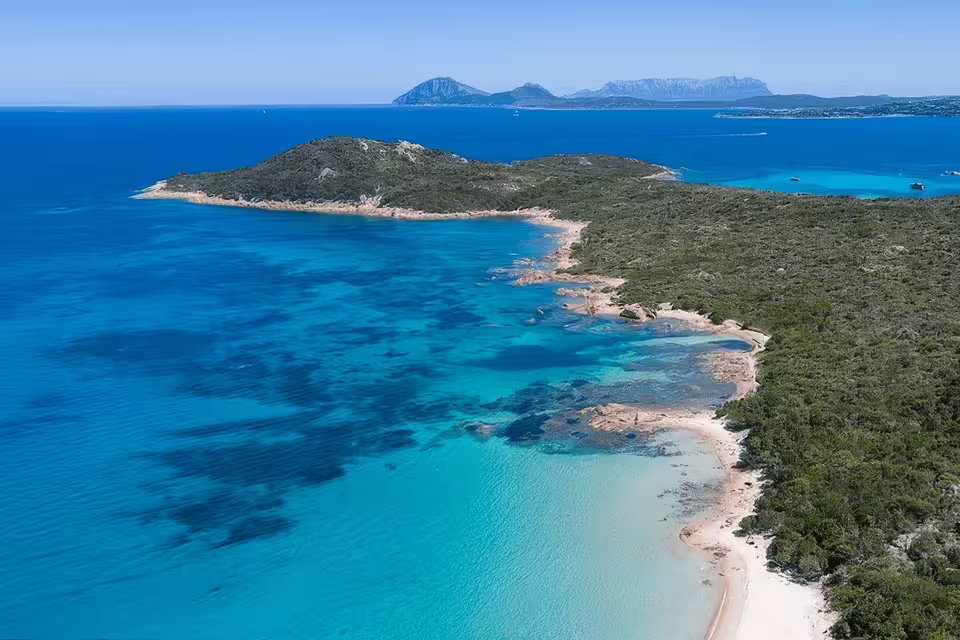
Tavolara is the defining landmark off Olbia. Rising approximately 560 metres above the sea despite extending only about four kilometres in length, its steep profile is visible across much of the surrounding water. Nearby Molara is associated with clear-water swimming and snorkeling areas, although access, navigation and anchoring depend on the zoning of the Tavolara–Punta Coda Cavallo Marine Protected Area.
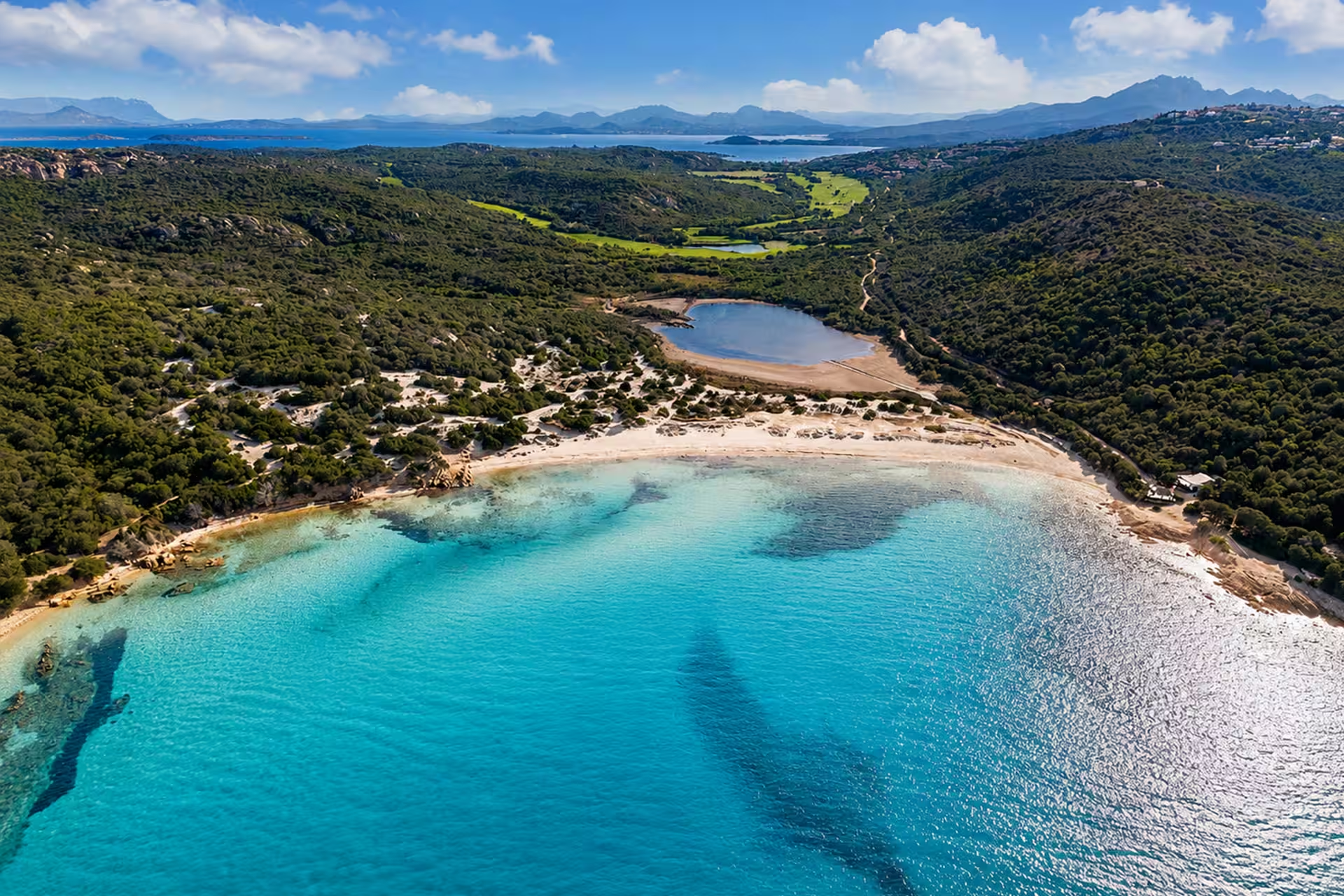
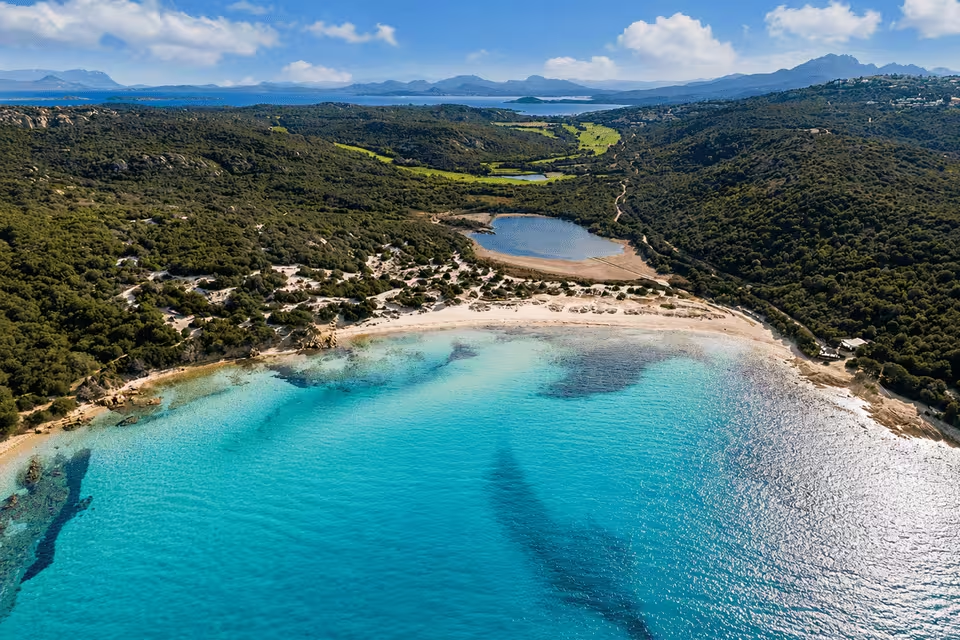
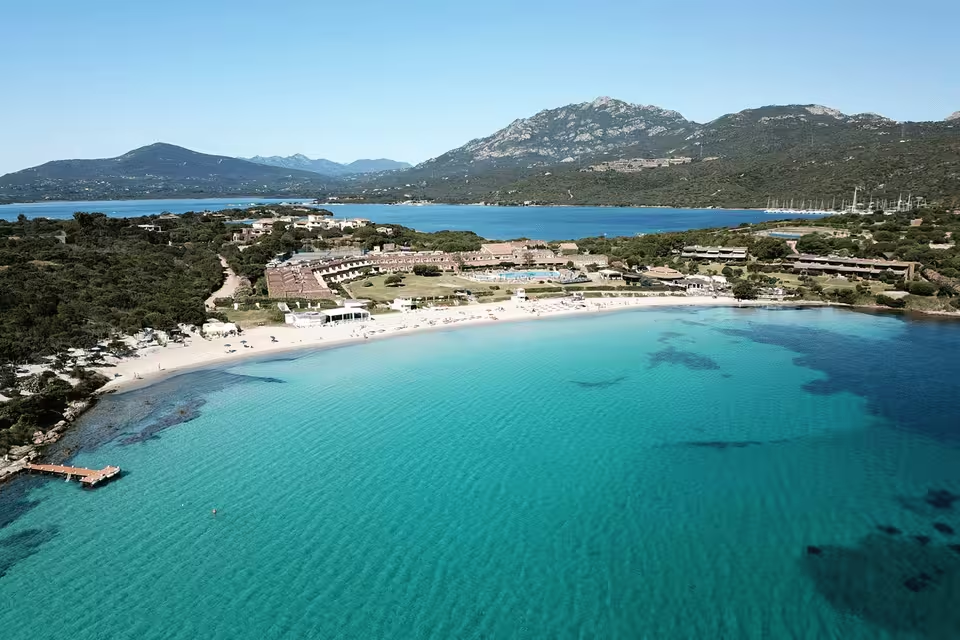
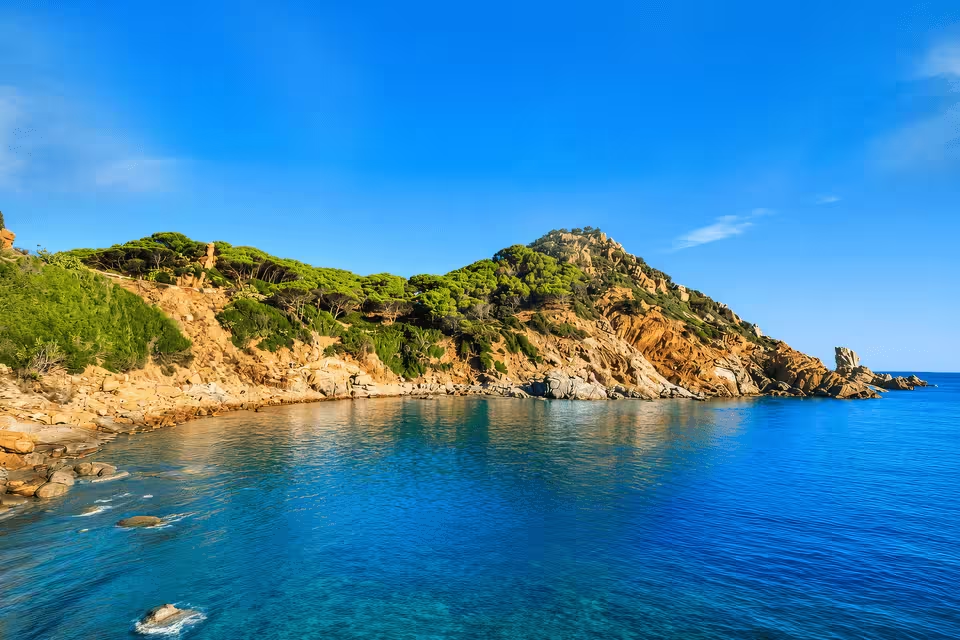
Along the mainland, Porto Istana and Pittulongu bring sandy beaches into short coastal cruising plans. To the north, Capo Figari, Cala Moresca and Figarolo create a different landscape of headlands, coves and island waters near Golfo Aranci. Farther into the Gulf of Cugnana, Porto Rotondo and Portisco provide marina-oriented stops and access to the Costa Smeralda cruising area. These places are best treated as flexible route components rather than a checklist, with the day’s wind and preferred balance of swimming, sailing and time ashore guiding the plan.
What sailing from Olbia is like
Cruising usually begins with a relatively sheltered passage through the Gulf of Olbia. Conditions become more exposed beyond the gulf, particularly around island shores and prominent headlands. Tavolara, Molara, Figarolo and the mainland capes provide clear visual reference points, making the area well suited to scenic, line-of-sight cruising, but the overall sailing difficulty is moderate rather than uniformly easy.
Summer commonly brings hot, dry weather, lighter average winds than winter and regular local breezes. Westerly and southwesterly winds are frequent, while northeasterly conditions also occur. Strong mistral episodes can quickly create choppier water outside the inner gulf, so a calm departure does not guarantee similar conditions near exposed capes or islands. Route choice should account for the changing shelter available inside the gulf, behind islands and along open stretches of coast.
Best time for an Olbia yacht charter
The principal recreational boating season runs from May through October. June to September generally provides the most consistently warm and dry conditions, with June and September identified as particularly suitable months. They work well for travelers seeking established summer cruising conditions without limiting their plans to the busiest part of the season.
July and August form the main activity peak. Marinas and popular anchorages can be busy, making advance berth planning especially useful. May and October offer quieter shoulder-season possibilities, but cooler water and less settled weather may affect swimming time or route flexibility. From November through March, wetter and windier conditions reduce normal leisure activity; winter trips depend more heavily on suitable weather windows.
Cruising routes from Olbia
A southeast route from Olbia toward Tavolara and Molara combines the sheltered exit through the gulf with island scenery and opportunities for swimming or snorkeling. The exact stopping points must reflect marine-protected-area rules and current weather, so this route is better planned around permitted moorings and zones than around a fixed sequence of anchorages.
A northbound alternative follows the coast toward Capo Figari, Cala Moresca and Figarolo. It can continue toward Golfo Aranci or form the opening stage of a longer trip into the Gulf of Cugnana, Porto Rotondo and Portisco. Both directions suit day cruising, while a longer charter can connect several coastal areas at an unhurried pace.
Experiences on and off the water
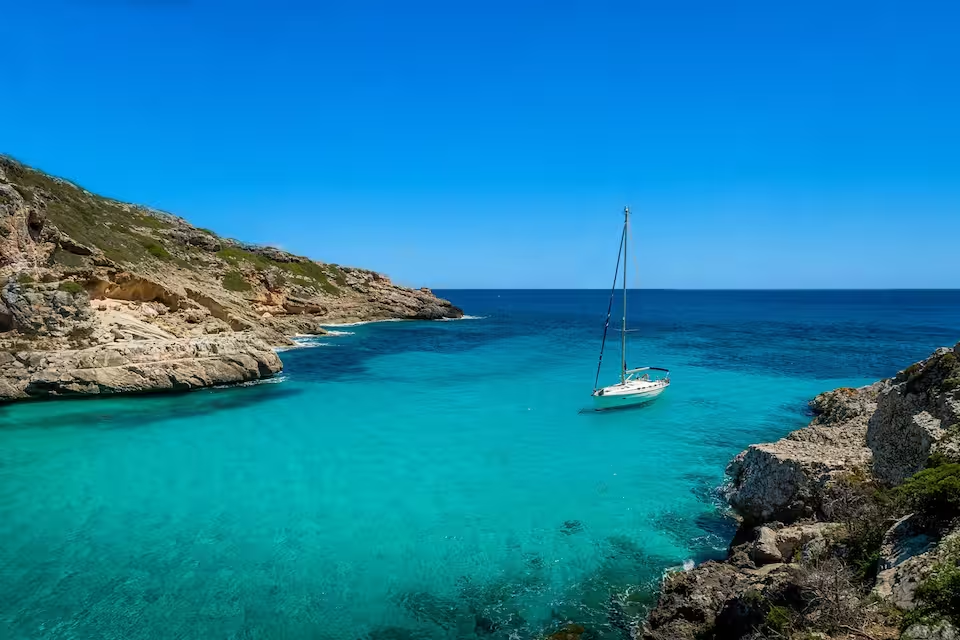
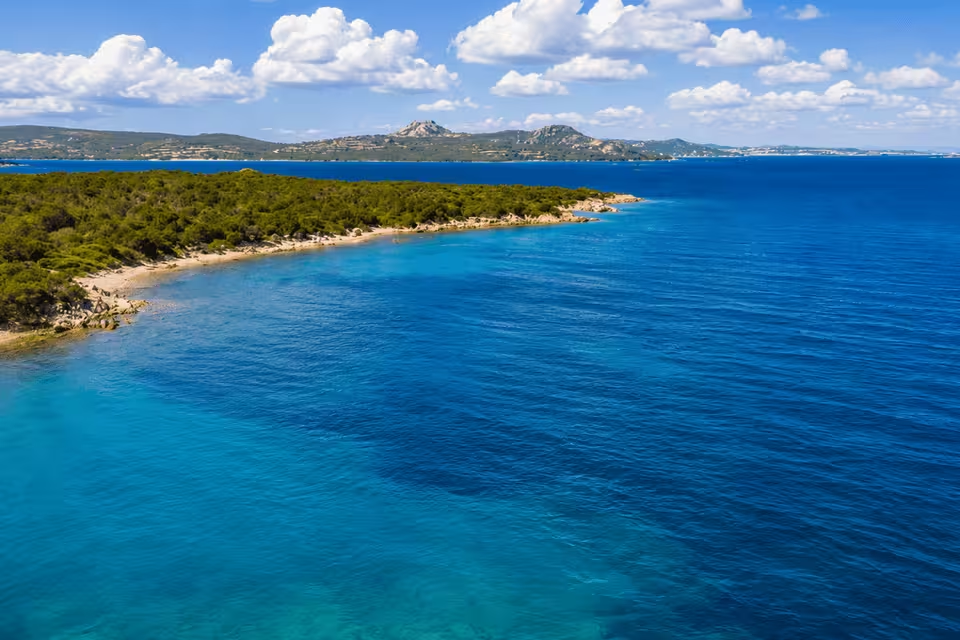
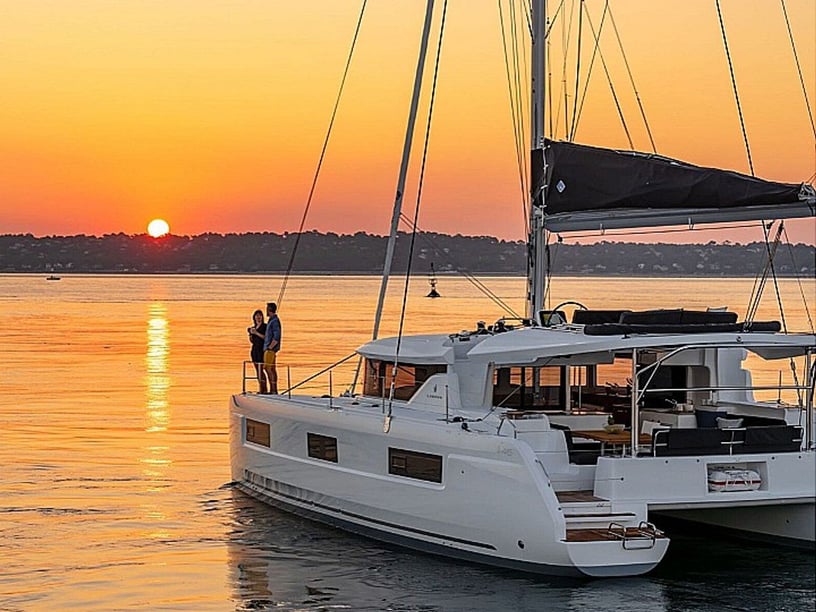
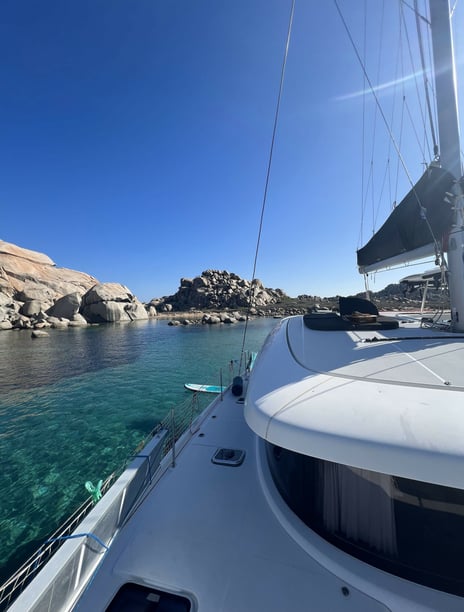
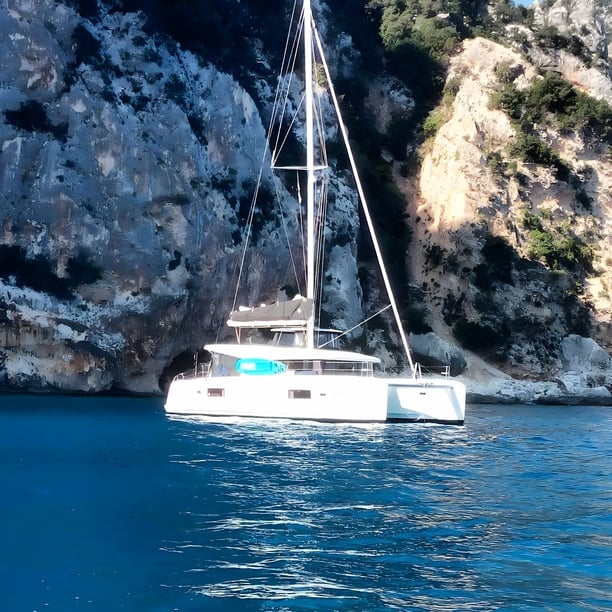
Swimming, snorkeling, beaches and scenic cruising are central to the yacht-charter experience around Olbia. A typical day can divide naturally between short passages, time in the water and a stop near a coastal settlement. The sharp outline of Tavolara gives the southeast cruising area a distinctive sense of place, while the north offers a transition toward busier marina destinations.
Olbia itself adds cultural context to the trip. The city developed around a strategically important natural harbor, and the Archaeological Museum helps explain its Roman port and maritime trade. The Romanesque Basilica of San Simplicio and the Sacred Well of Sa Testa extend the story beyond the waterfront. Local food traditions also remain connected to the sea: cultivated mussels are closely associated with Olbia and are commonly paired with Sardinian Vermentino.
Access, marinas and departure areas
Olbia Costa Smeralda Airport is close to the city, with urban transport, taxis and road connections into central Olbia. Travelers can also arrive through the Port of Olbia on mainland ferry services, by rail from other parts of Sardinia or by road from elsewhere on the island.
Marina di Olbia is a convenient departure point within the broader harbor area. Depending on the planned route and charter arrangements, trips may also begin from Porto San Paolo, Golfo Aranci, Porto Rotondo or Portisco. Olbia therefore functions as both a place to embark and a well-connected gateway to several neighboring departure areas. Travelers considering a wider Italian itinerary can also compare yacht charter options across Italy.
Planning your charter around Olbia
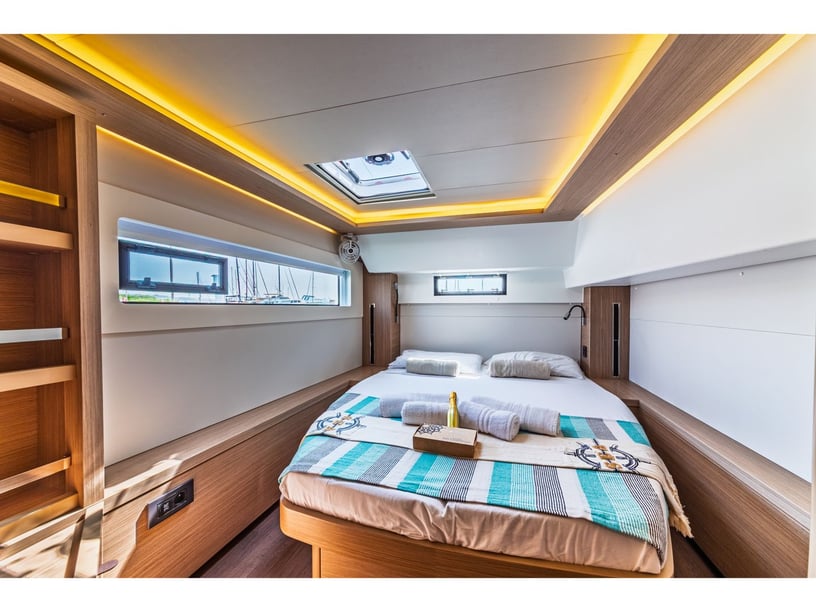
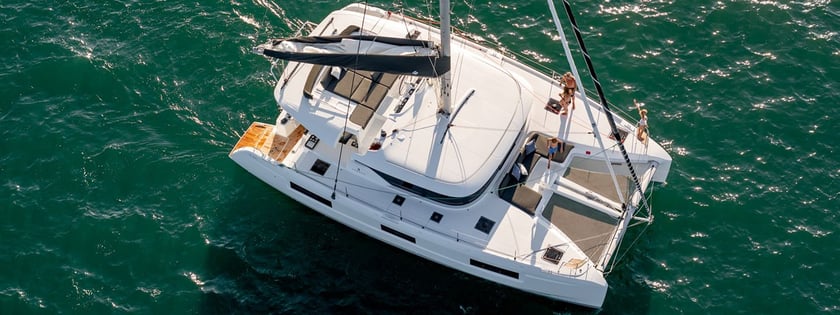
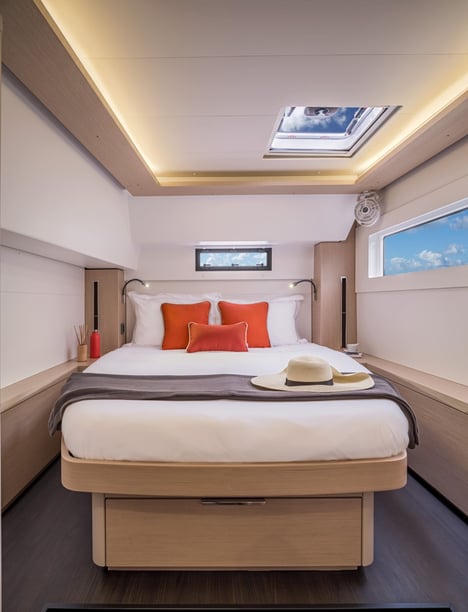
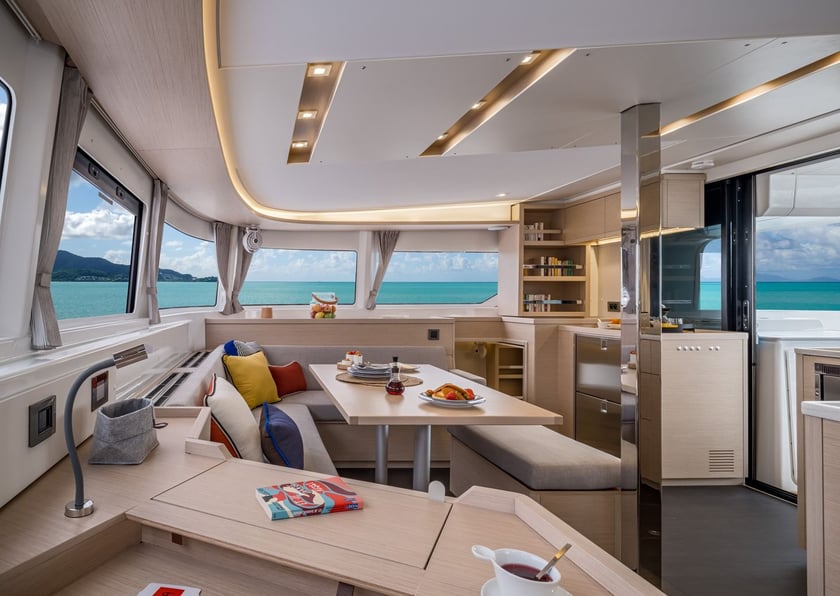
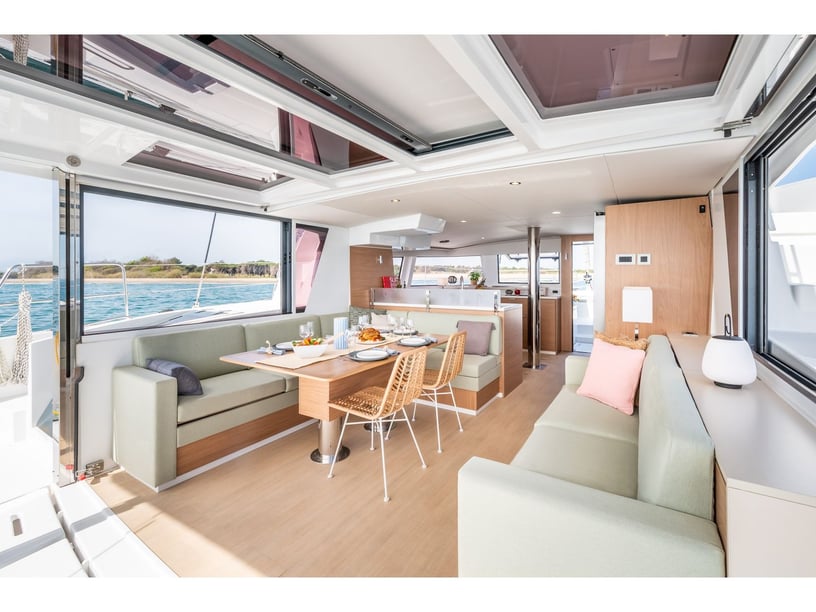
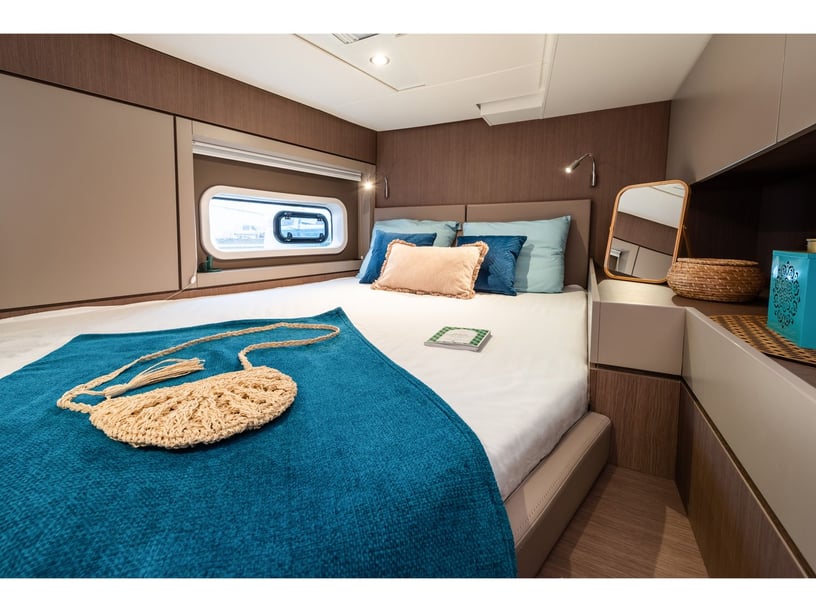
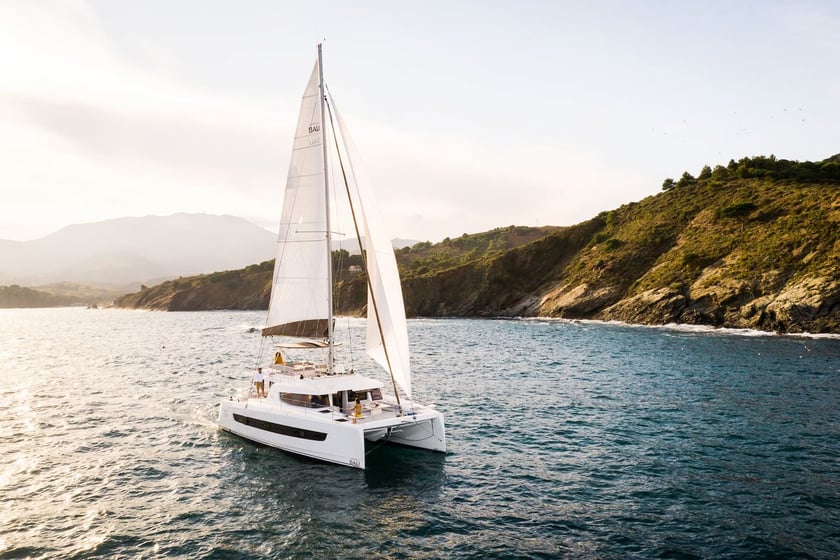
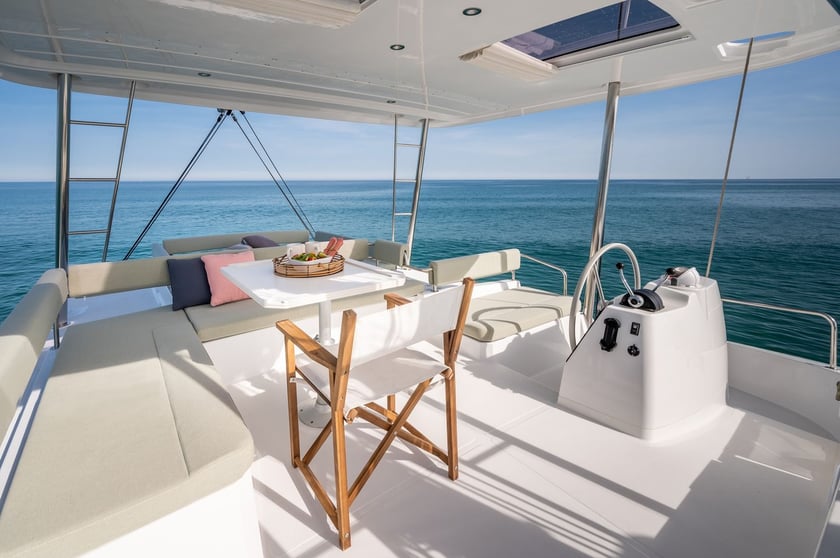
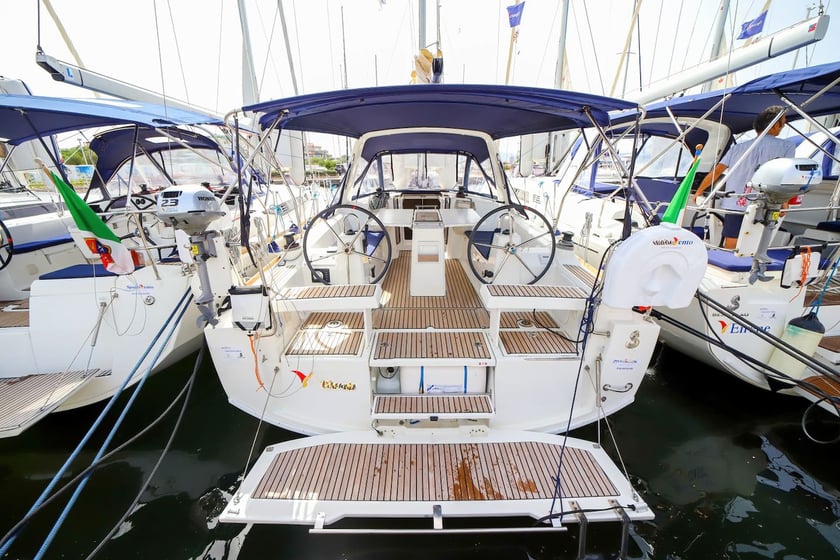
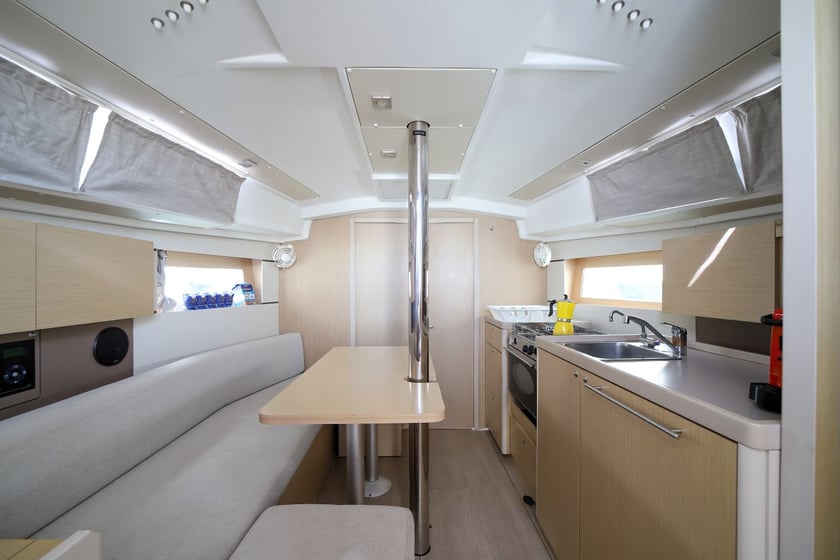
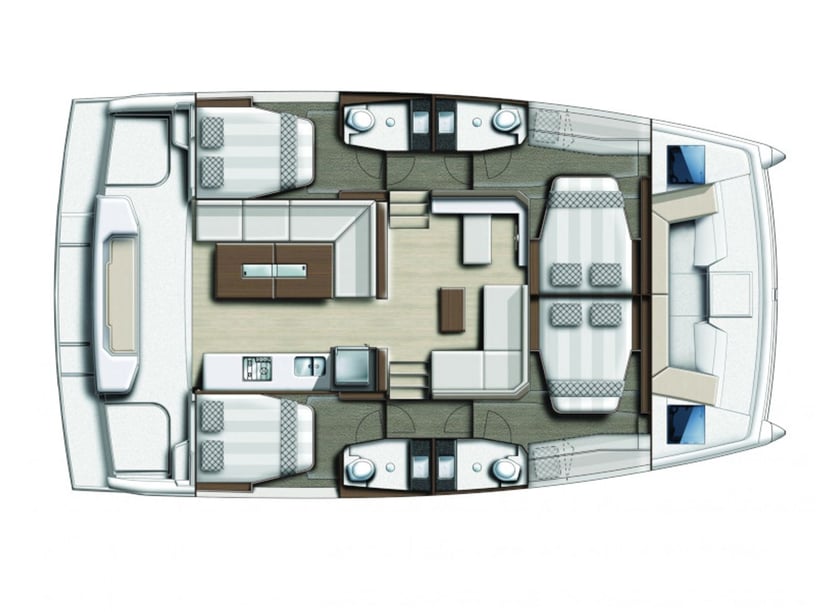
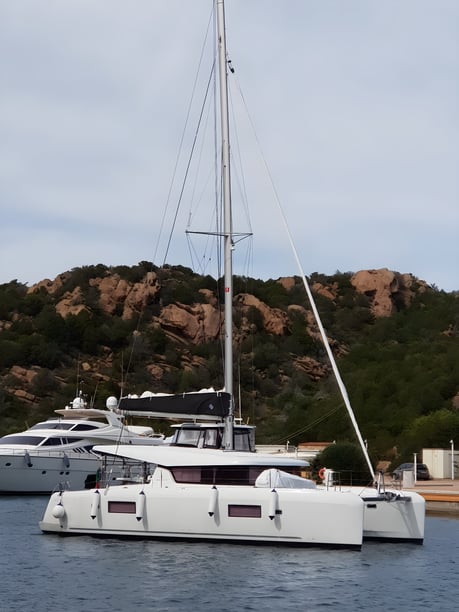
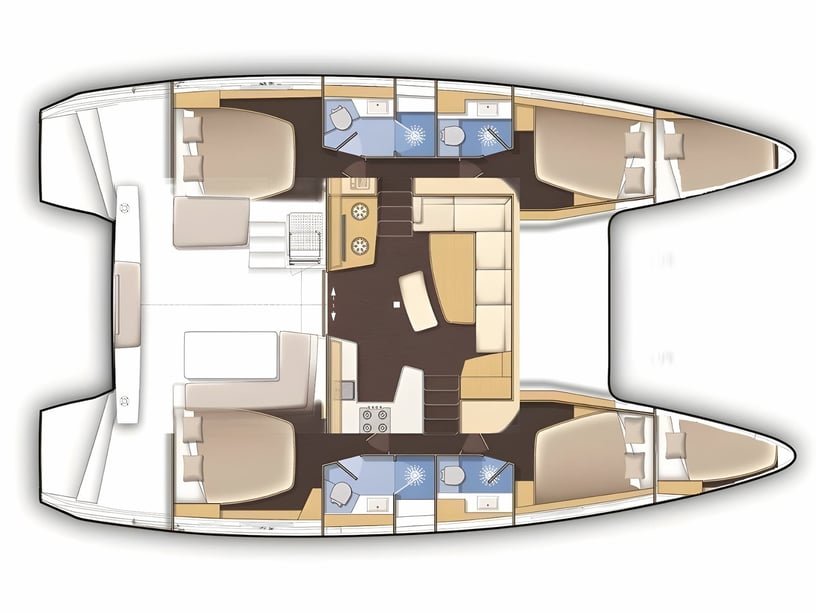
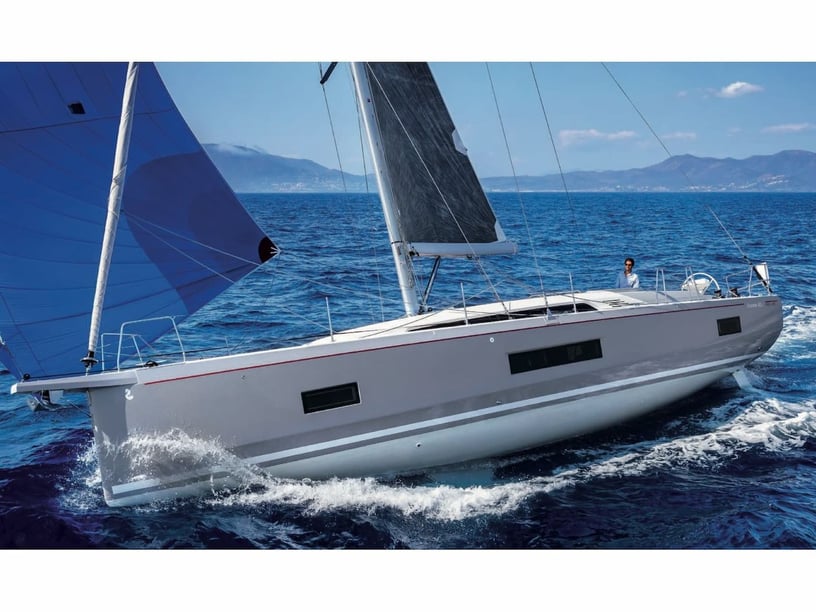
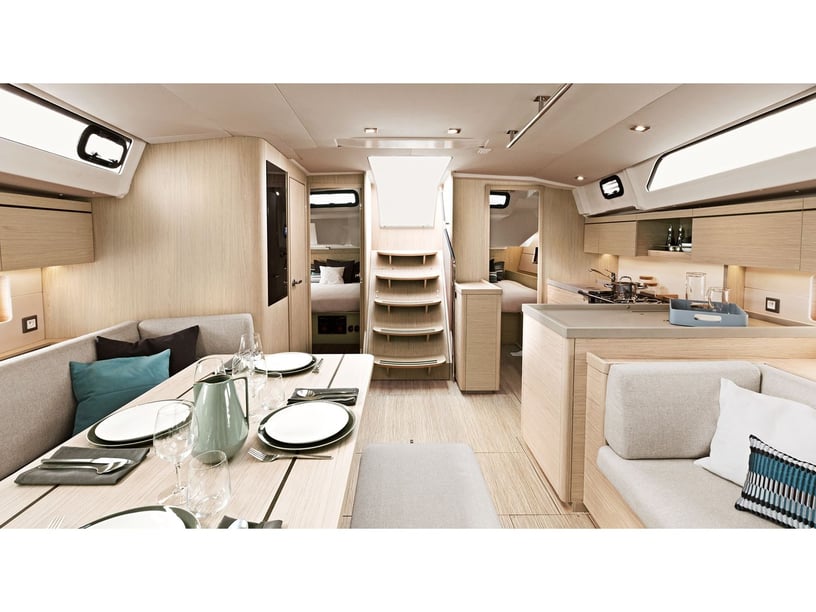
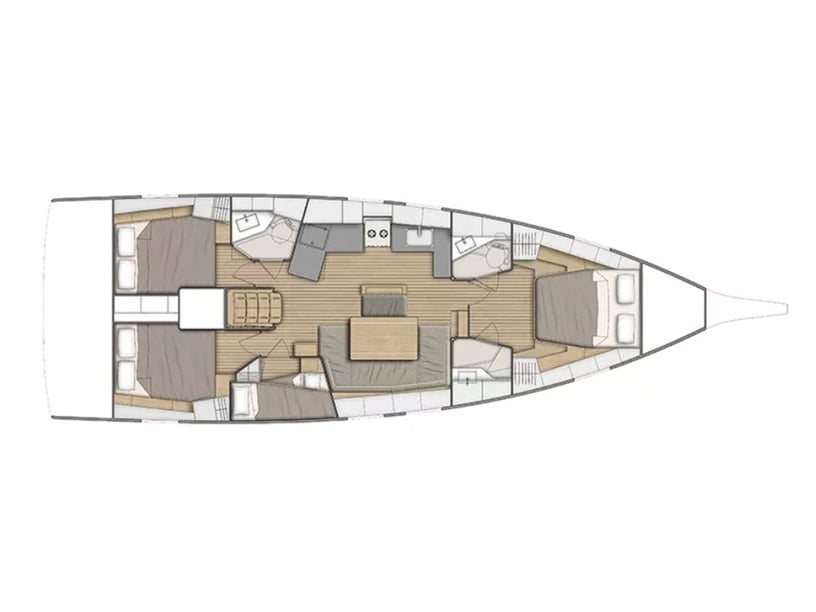
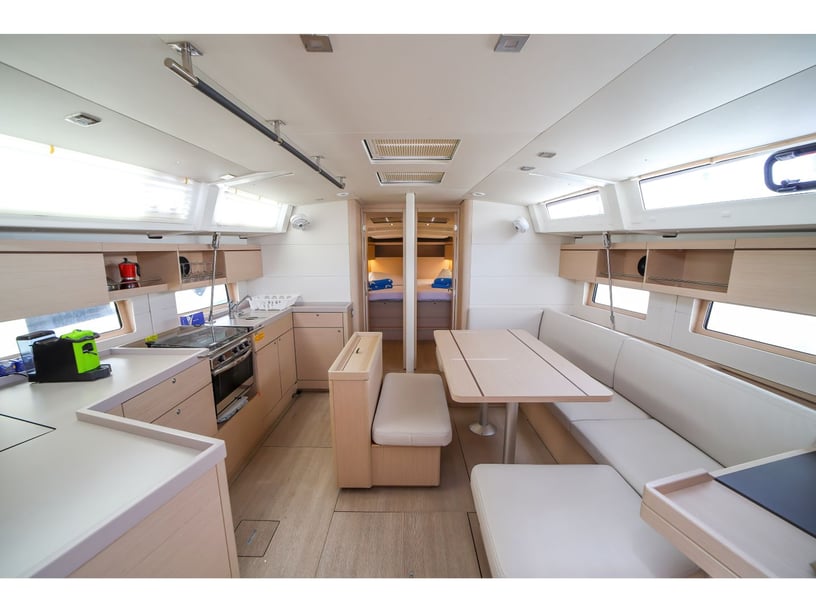
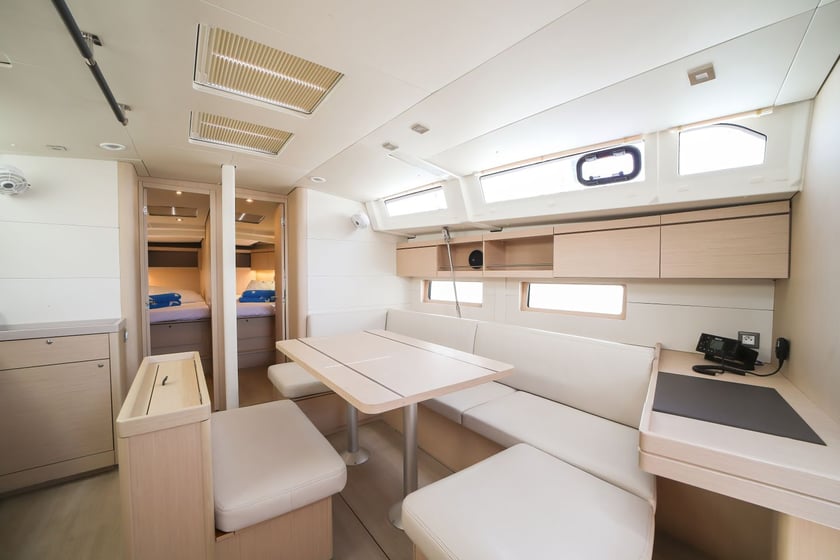
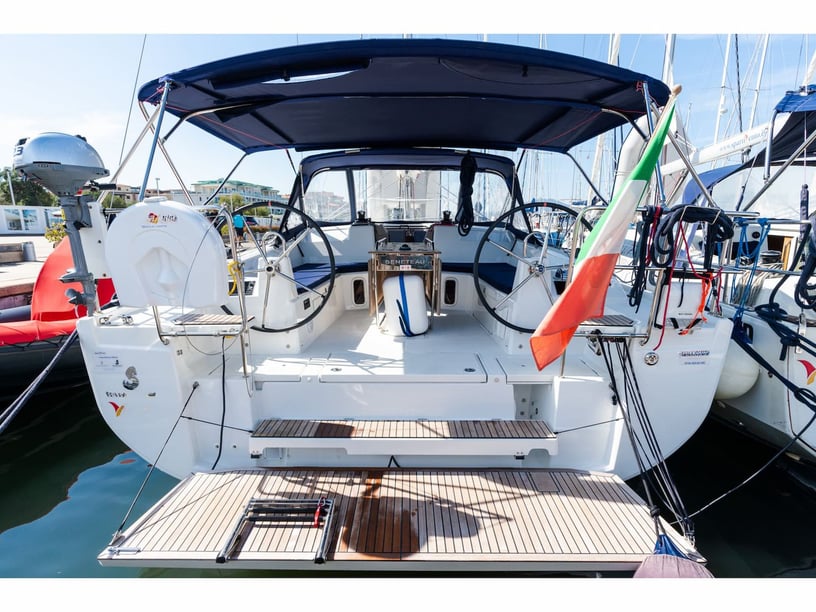
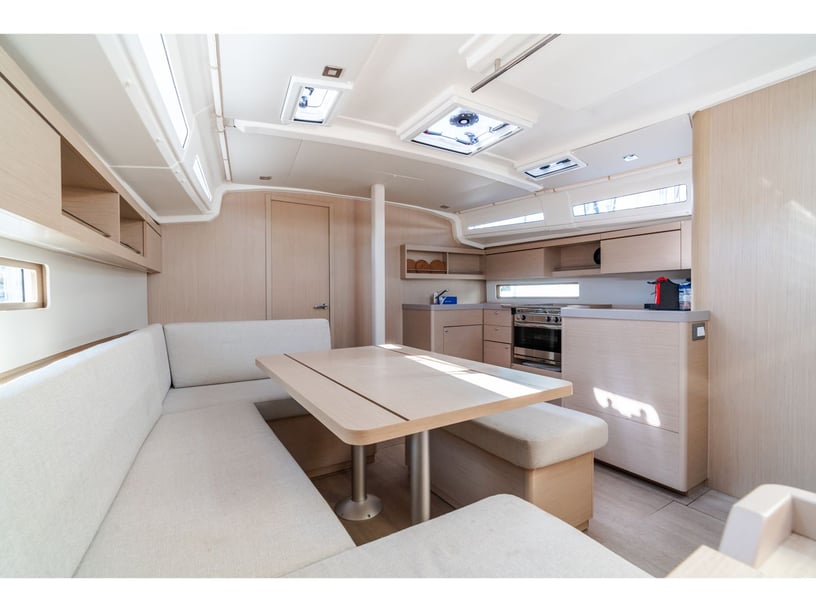
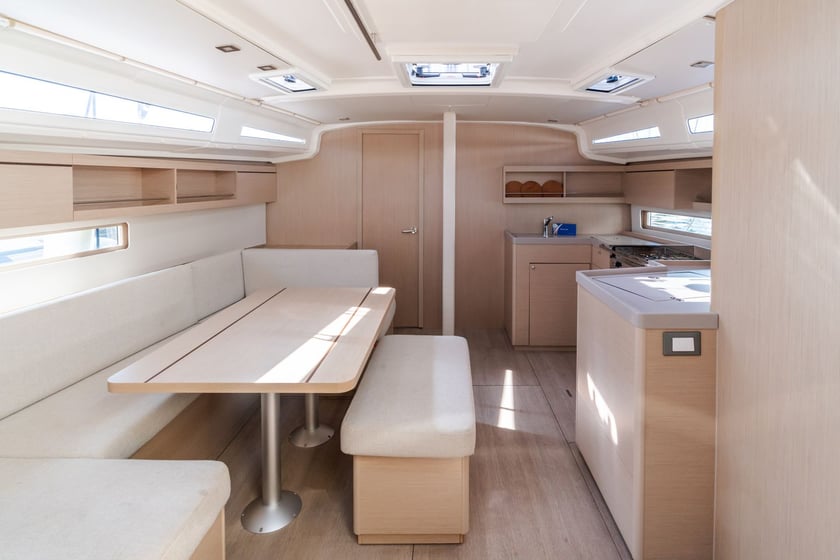
When comparing yacht charter or boat rental in Olbia, first consider the intended trip length and cruising direction. A day outing can focus on Tavolara and Molara or on Capo Figari and Figarolo, while a longer charter allows more time for the Gulf of Cugnana and Costa Smeralda coast. The appropriate boat and charter format will also depend on group needs, desired comfort, sailing experience and whether professional crewing is required.
Protected-area planning is essential southeast of Olbia. Navigation, fishing, water sports, anchoring and mooring rules vary between zones. Anchoring on Posidonia oceanica and other protected seabeds is prohibited; where anchoring is permitted, suitable sandy or pebbly ground or designated facilities must be used.
The Gulf of Olbia is also an active commercial and passenger port. Recreational boats must follow marked channels, port instructions and traffic requirements. Check current marine forecasts before departure, including during summer, because strong regional winds can affect exposed waters quickly. In July and August, arranging marina berths in advance can reduce uncertainty around the busiest stops.






Verified
João diogo L.01 Jun 2026
I liked everything, especially the marina facilities.
Olbia / Italy