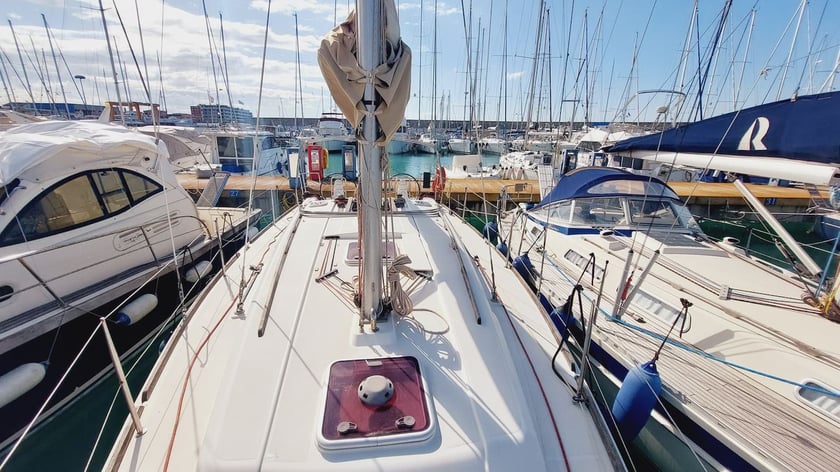
Yacht charter in Livorno
A yacht charter in Livorno places travelers on a distinctive stretch of the Tuscan coast, where a large working harbor meets a Medici-era maritime city. This is an urban port rather than a conventional resort-marina destination: commercial shipping, historic fortifications and the canals of Venezia Nuova all form part of its identity.
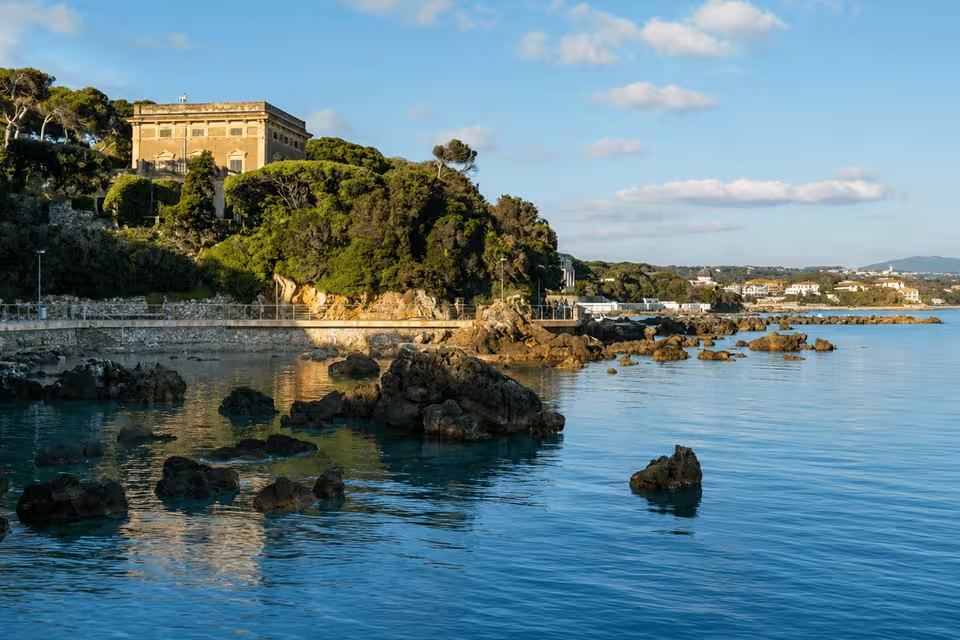
South of the city, the setting changes markedly. The waterfront passes Ardenza and Antignano before reaching the sandstone cliffs, rocky inlets and small coves around Calafuria, Calignaia and Quercianella. Offshore lie the shallow reefs of the Secche della Meloria, while longer passages can lead toward Capraia in the northern Tuscan Archipelago. This combination makes Livorno relevant both as a place to explore from the water and as a possible departure area, although individual charter arrangements and berthing locations should be checked carefully.
Coastal places and islands to explore
The historic waterfront provides the most immediate introduction to Livorno’s maritime character. Porto Mediceo, Fortezza Vecchia and the canals of Venezia Nuova reveal how closely the city’s development was tied to trade and the sea. Guided small-boat trips through the Fossi Medicei can complement a yacht itinerary, offering a perspective unavailable from the open coast.
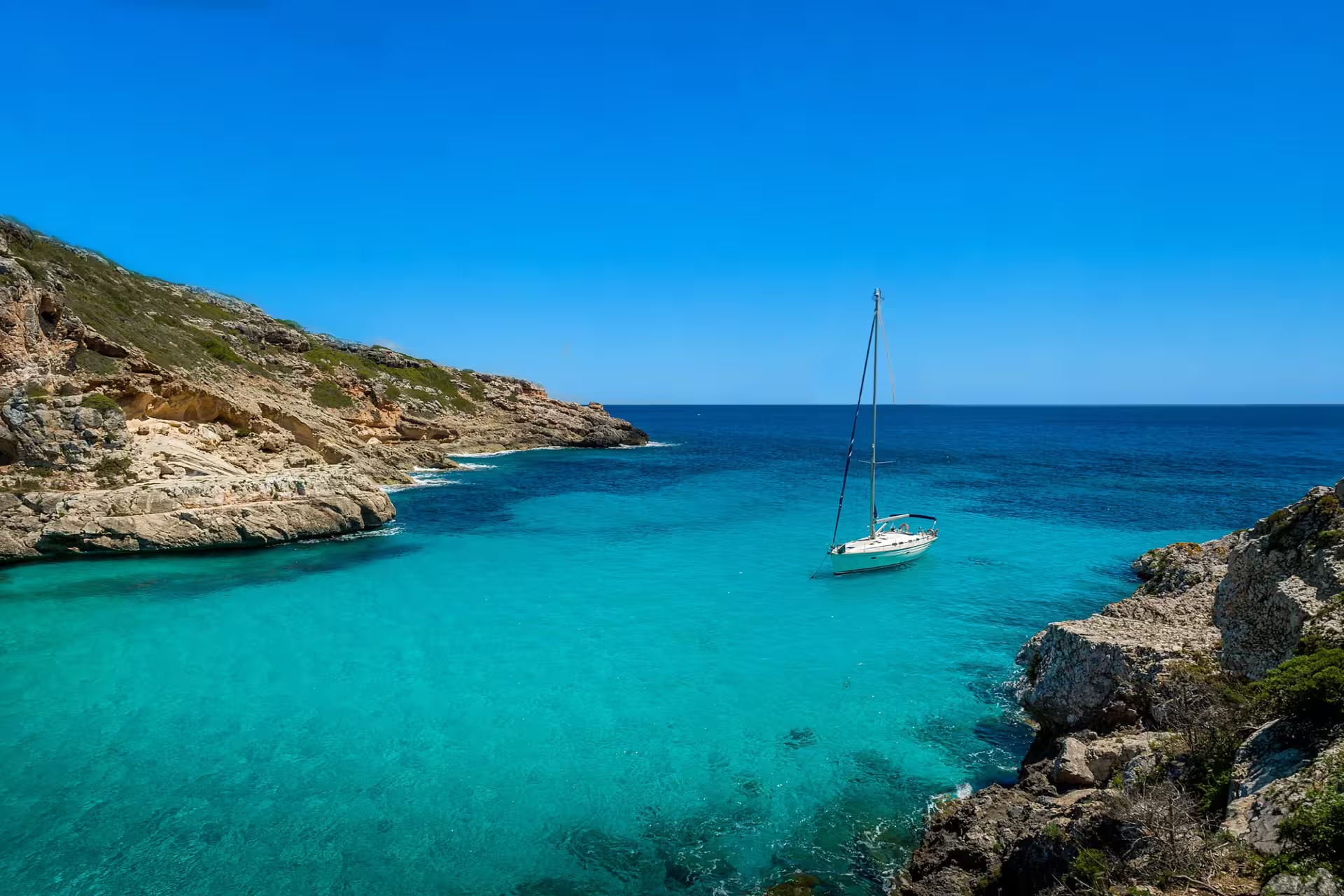
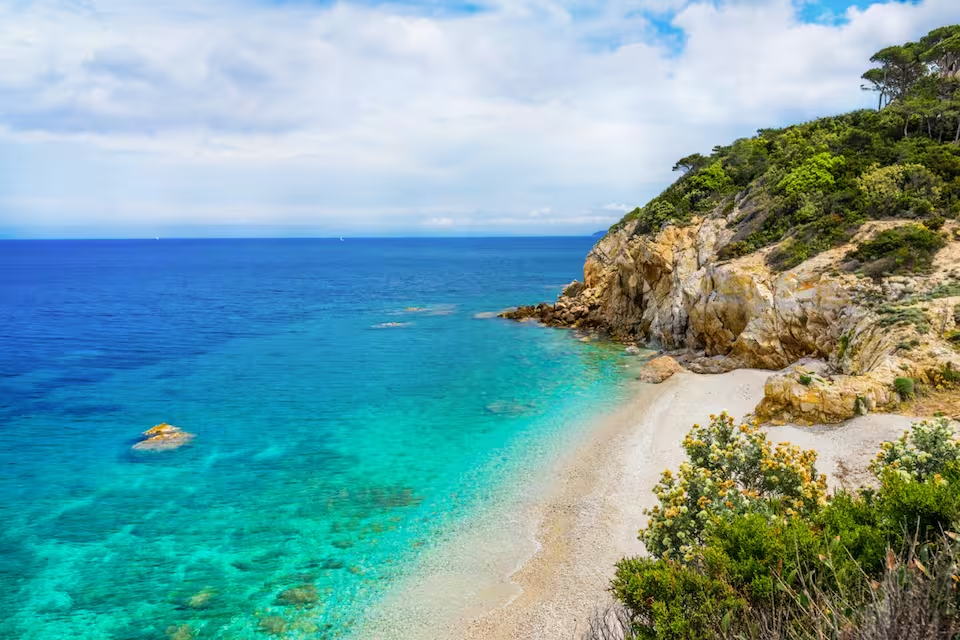
For swimming and scenic cruising, the southern shoreline is the stronger focus. Beyond Antignano, Calafuria is defined by cliffs, rocky water and coves such as Calignaia and Cala del Leone. Quercianella marks another useful coastal point, with a small harbor and access to nearby bays, though shelter and facilities remain limited.
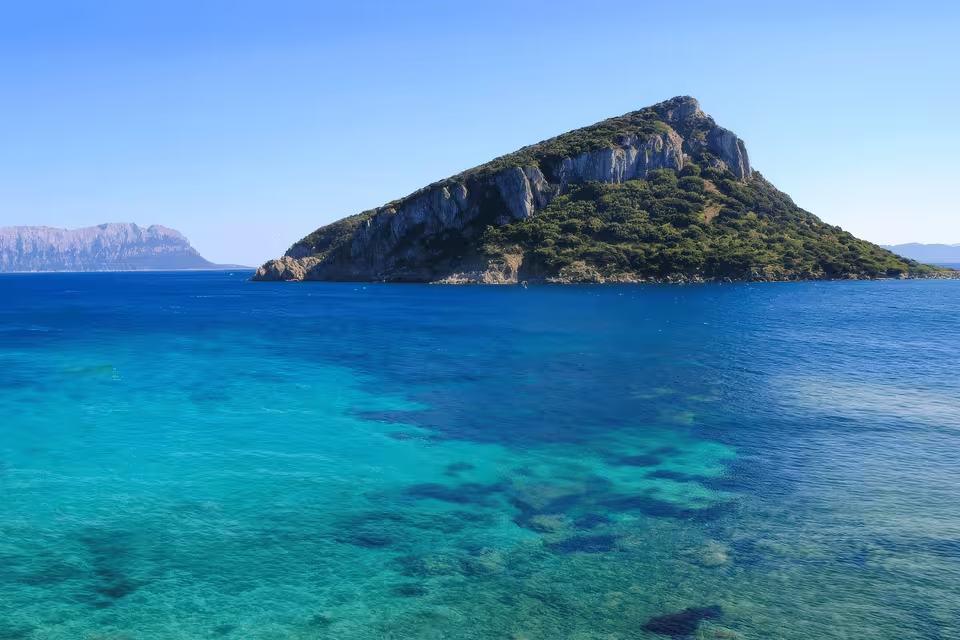
Farther offshore, Capraia supports a genuine open-water passage from Livorno. Gorgona is also directly connected to the city by organized sea excursions, but it should not be treated as an unrestricted private-yacht stop: access, approaches and landing are tightly controlled because the island is protected and remains an active prison island.
What sailing around Livorno is like
Cruising around Livorno ranges from protected harbor waters to exposed coastal sailing and longer offshore passages. Summer winds most often come from the west or northwest. These can provide useful sailing conditions, but the open southern coast offers relatively few sheltered landing places. Westerly seas may build around Calafuria, while southwesterly Libeccio conditions can create substantial swell near the port approaches and rough water along the cliffs.
The overall sailing difficulty is moderate. The principal considerations are heavy commercial traffic around the port, the Secche della Meloria shoals and the zoning rules of the marine protected area. Navigation, anchoring, diving and fishing are regulated in parts of Meloria, with authorization required for some activities.
Short coastal cruising can balance time under way with swimming or snorkeling, while the Livorno–Capraia route is a more committed open-water passage. Weather, crew experience and the yacht’s capabilities should therefore guide whether an itinerary remains close to the southern coast or heads toward the islands.
Best time to charter in Livorno
The practical recreational boating season generally runs from April through October. May to September usually brings the most dependable combination of comfortable temperatures, longer daylight and usable sea conditions. April, May, June and September are identified as particularly suitable months.
July and August are normally the warmest and driest part of the season, making them well suited to trips centered on swimming and time at anchor. They also fall within the main high season. April and May offer shoulder-season conditions, while June combines early-summer weather with the start of the busier period. September remains a strong sailing month, although rainfall and less settled weather become more likely as autumn progresses.
October can still support coastal trips, but conditions are less consistent. From November through March, cooler temperatures, heavier rainfall and stronger storm systems substantially reduce normal leisure-boating activity.
Route ideas from Livorno
A local itinerary can combine Livorno’s historic harbor environment with the coast south toward Antignano, Calafuria and Quercianella. This keeps passages relatively compact while allowing time for rocky coves, swimming stops and a return ashore for the city’s food and historic districts.
For a longer voyage, the passage from Livorno to Porto di Capraia covers approximately 39 nautical miles of open water. It requires a suitable forecast and more preparation than a coastal outing. Gorgona should only be considered through authorized arrangements; private approaches and landings are restricted rather than part of a routine island-hopping route.
Experiences on the water and ashore
Livorno’s strongest yacht-charter experiences come from the contrast between city, reef and rocky coast. A trip may move from views of the working port and Medici fortifications to swimming, snorkeling or diving environments near the southern coves and the Secche della Meloria. The marine protected area contains shallow reefs and Posidonia meadows, although its zoning rules must shape any planned activity.
Going ashore adds a different layer to the voyage. Venezia Nuova’s canals and former mercantile buildings reflect the cosmopolitan port created under the Medici, while local rowing traditions continue in races held in the canals, harbor and open water. Livorno’s maritime culture is also evident in its food: cacciucco is a tomato-based mixed seafood stew, and the 5e5 pairs chickpea-flour torta with bread. These make an evening in the city a natural counterpart to a day spent along the coast.
Access, harbors and departure points
Pisa International Airport is the nearest major airport. Travelers can connect through Pisa Centrale to Livorno Centrale by regional train. Livorno also sits on the Rome–Genoa rail corridor, has direct rail links with Florence and is accessible via the A12 motorway and the Florence–Pisa–Livorno expressway.
Porto Mediceo provides protected pleasure-craft berthing within the wider commercial-port environment. Smaller harbors at Nazario Sauro, Ardenza, Antignano and Quercianella primarily serve local craft and have limited space and services. Consequently, the precise meeting point, embarkation arrangements and berth should be confirmed before travel.
Livorno functions as a combination of departure area and destination to visit by water, rather than as a uniform purpose-built charter resort. Passenger ferries, cargo vessels and cruise traffic share the broader port, so yacht movements remain subject to controlled approaches and local authority instructions.
Planning your Livorno charter
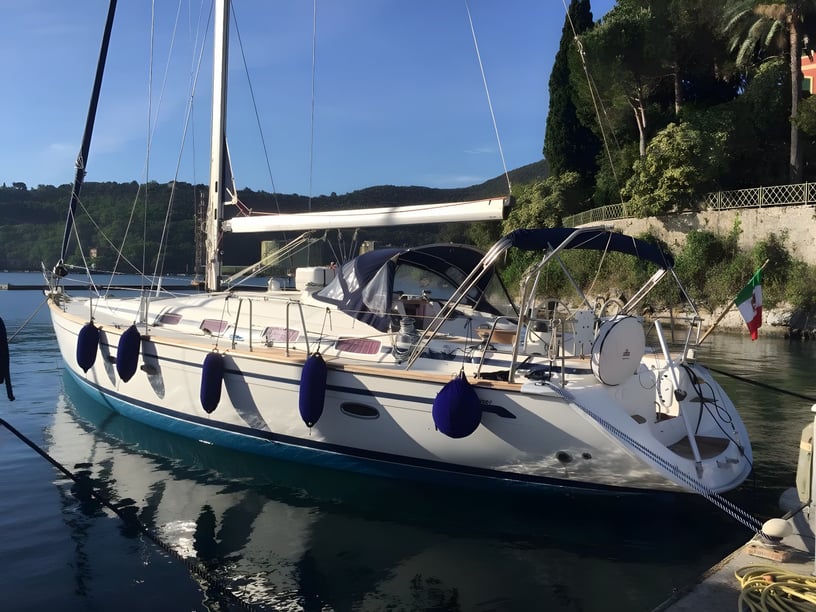
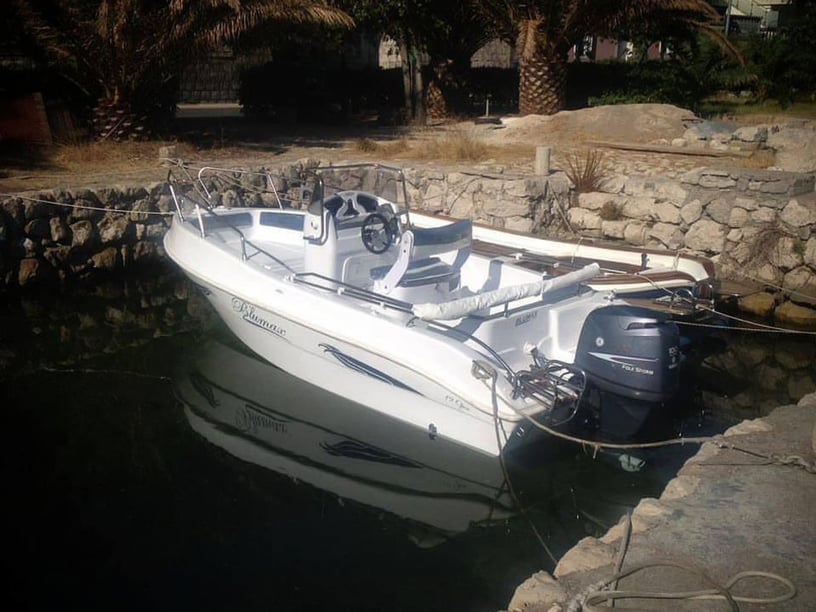
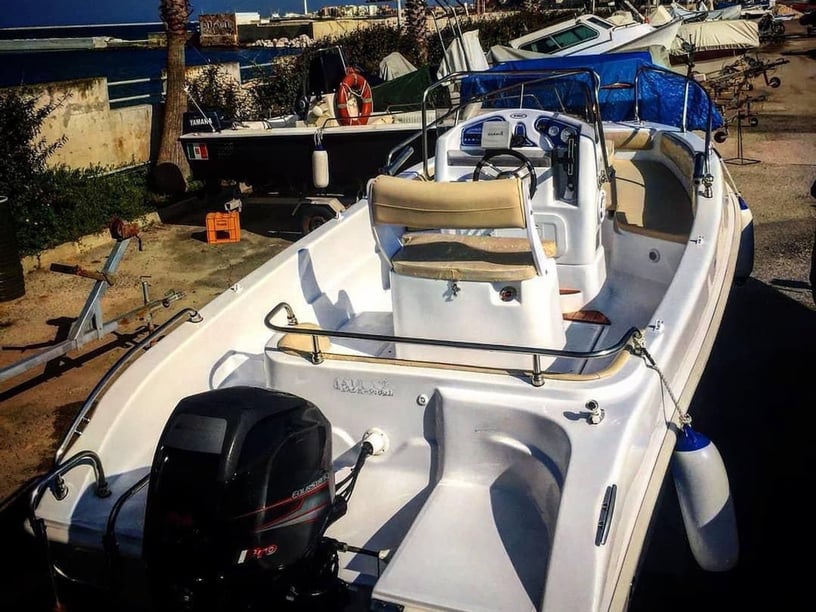
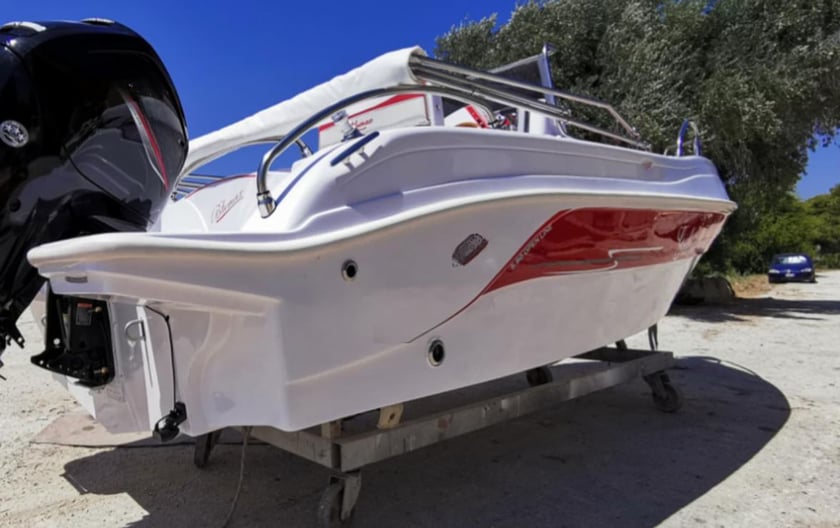
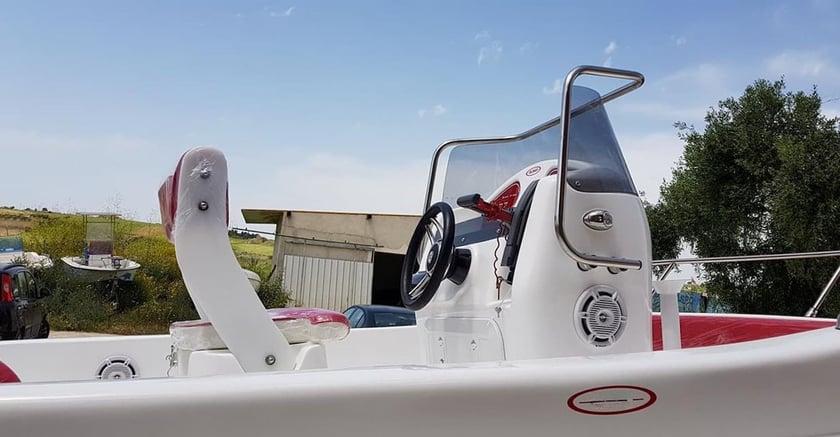
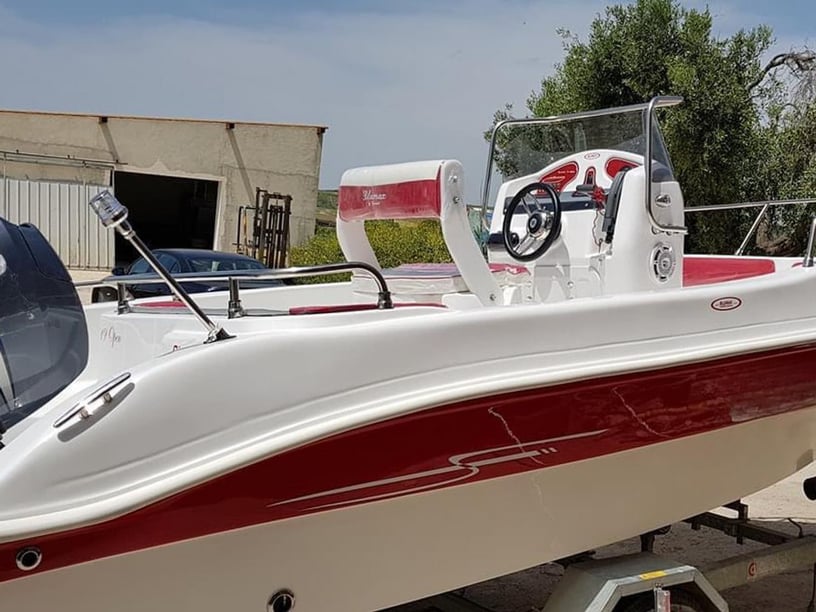
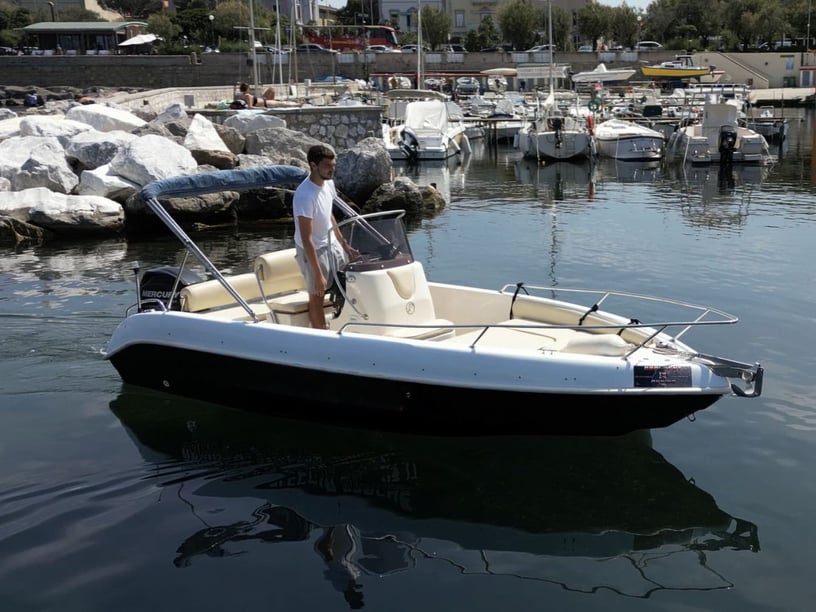
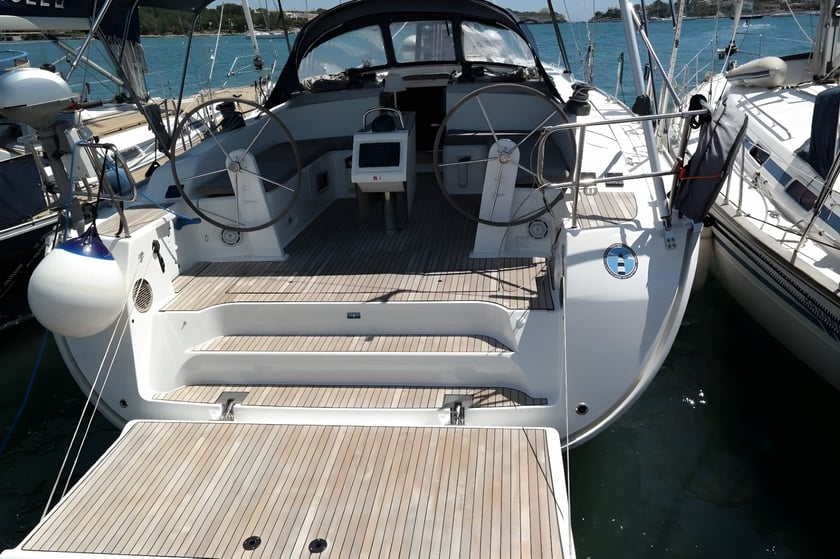
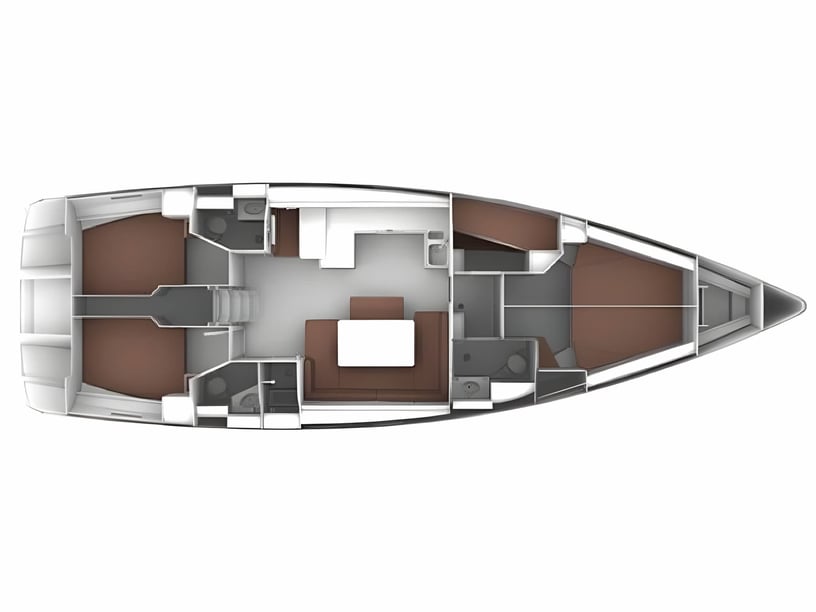
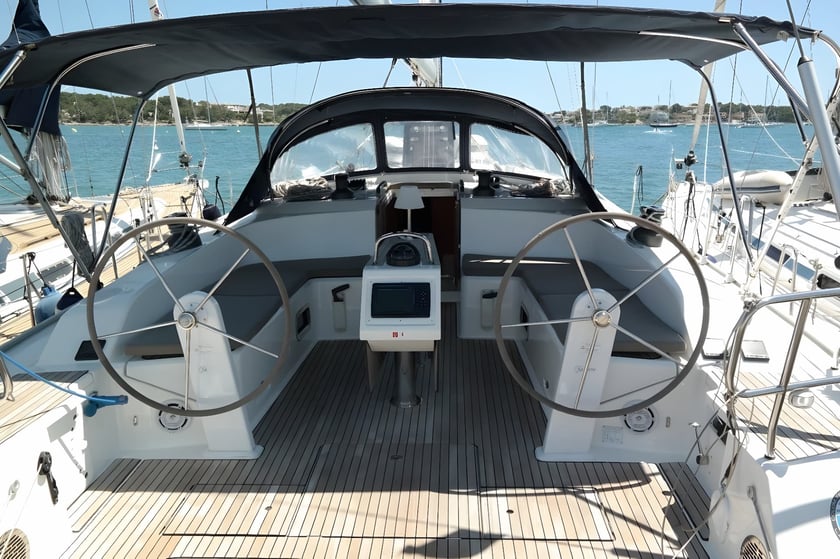
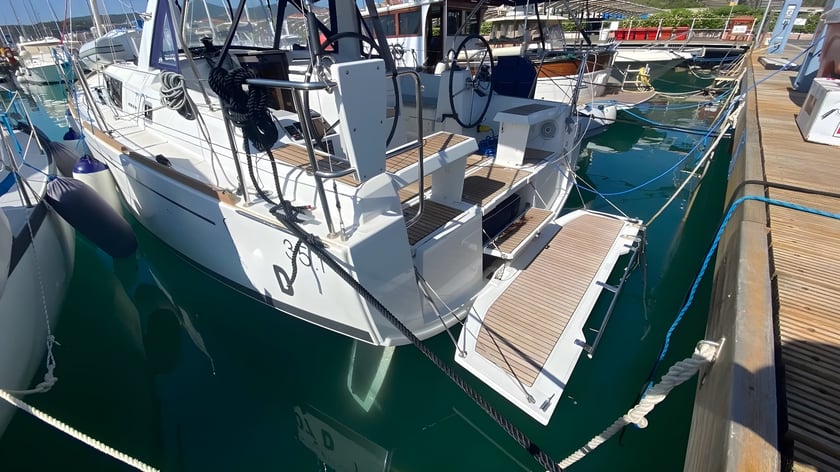
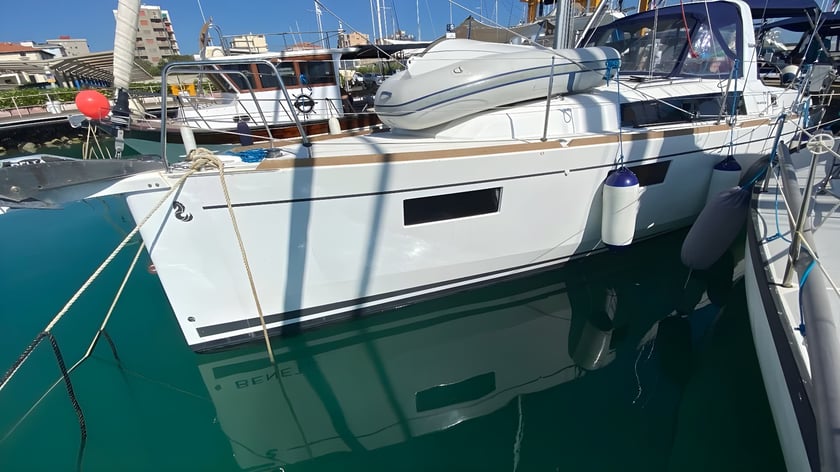
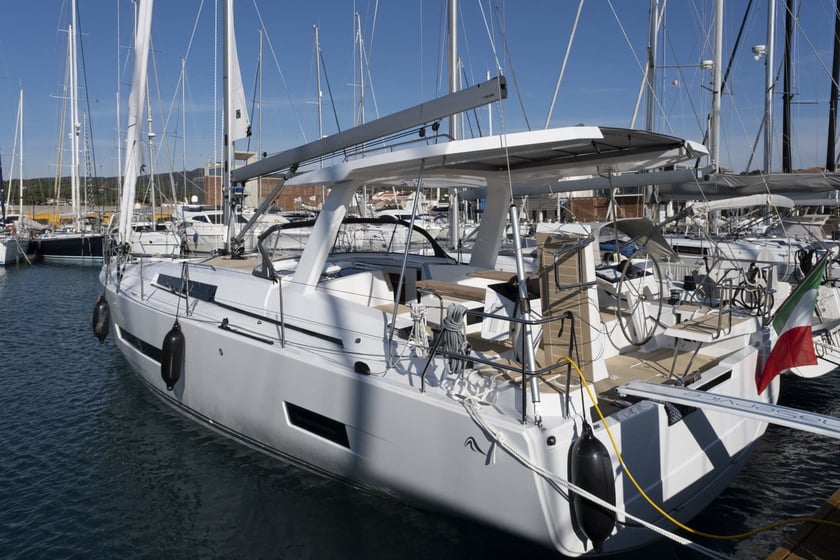
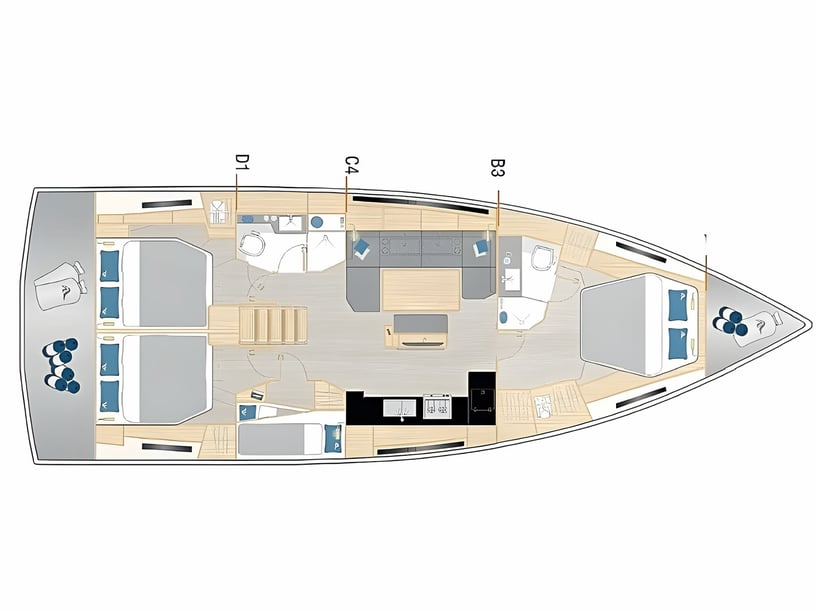
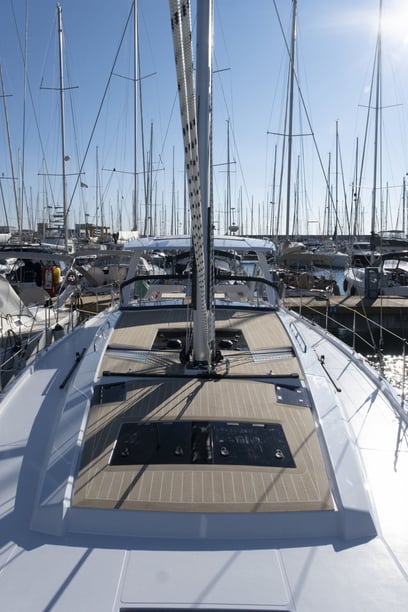
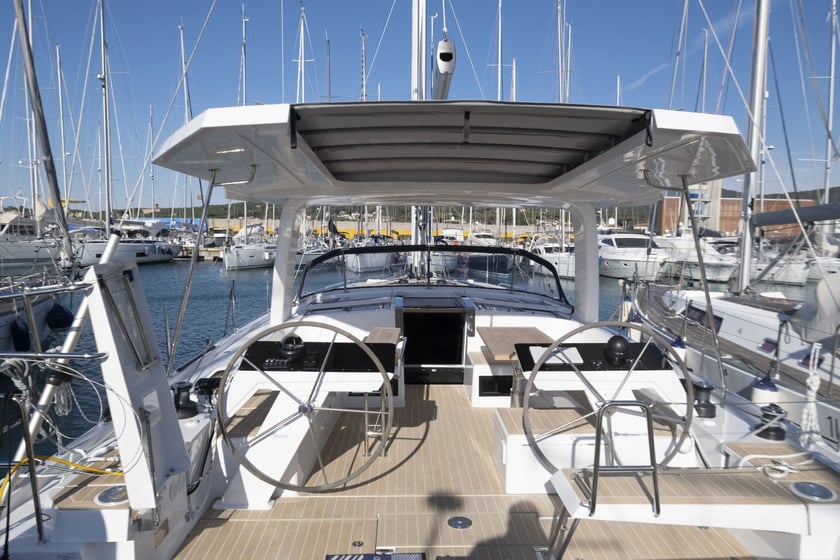
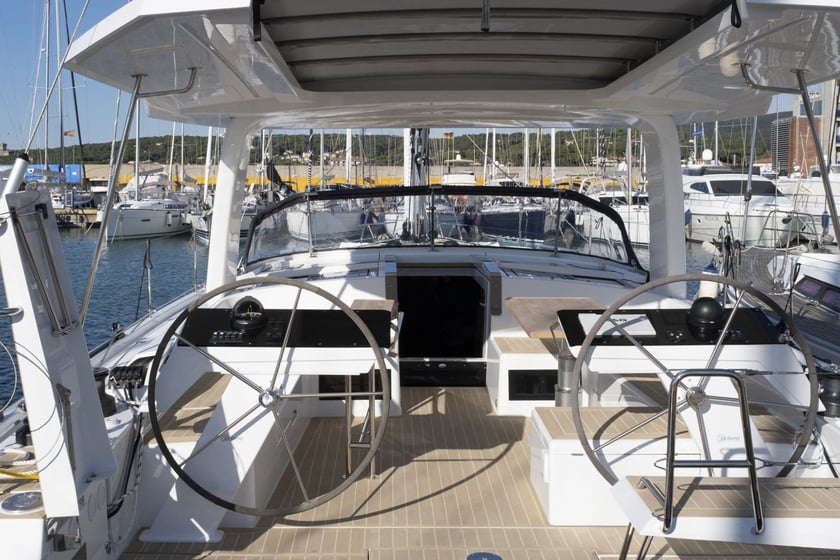
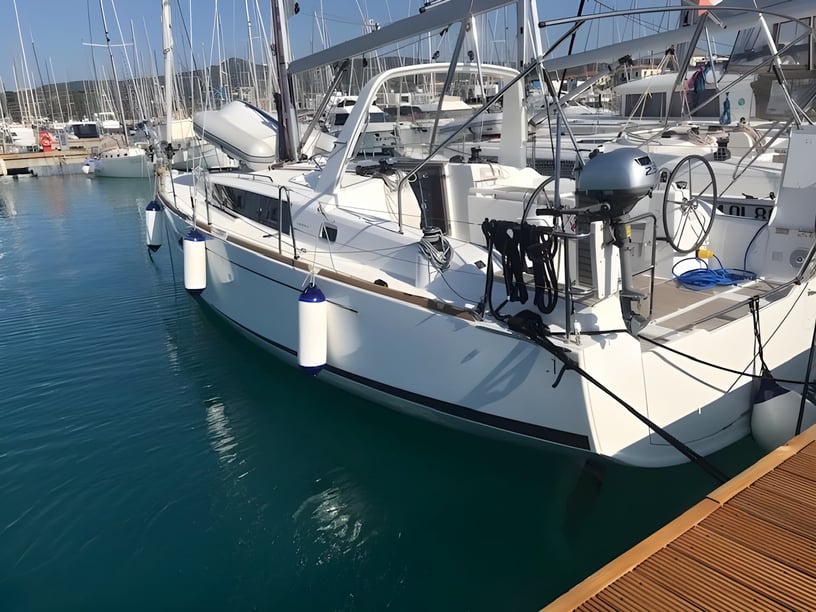
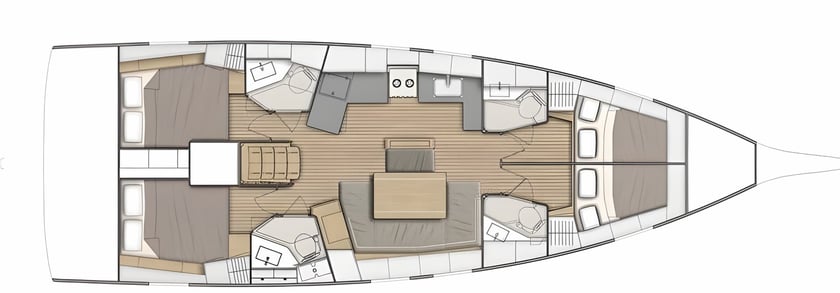
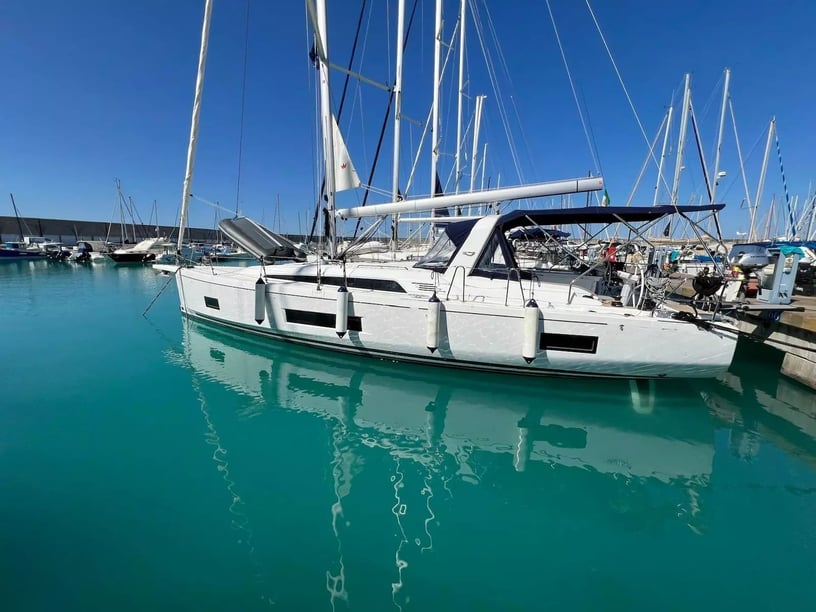
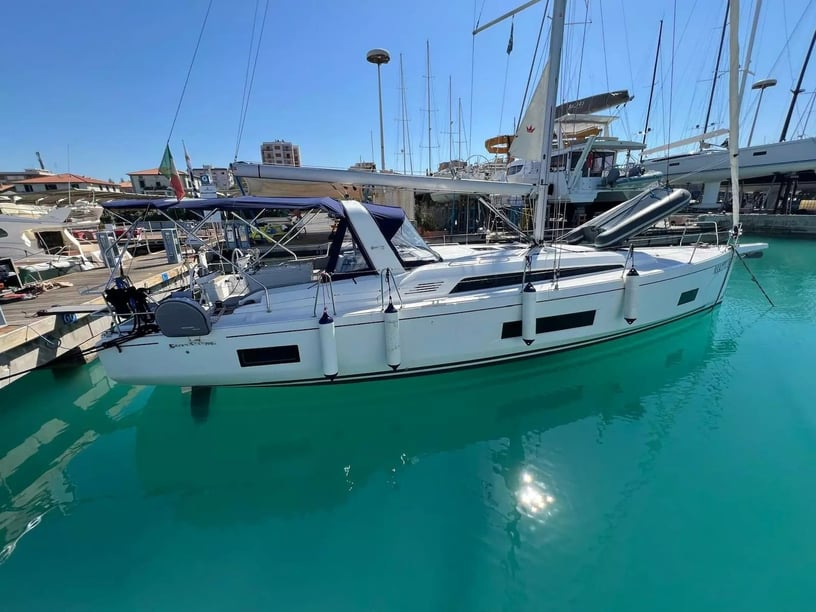
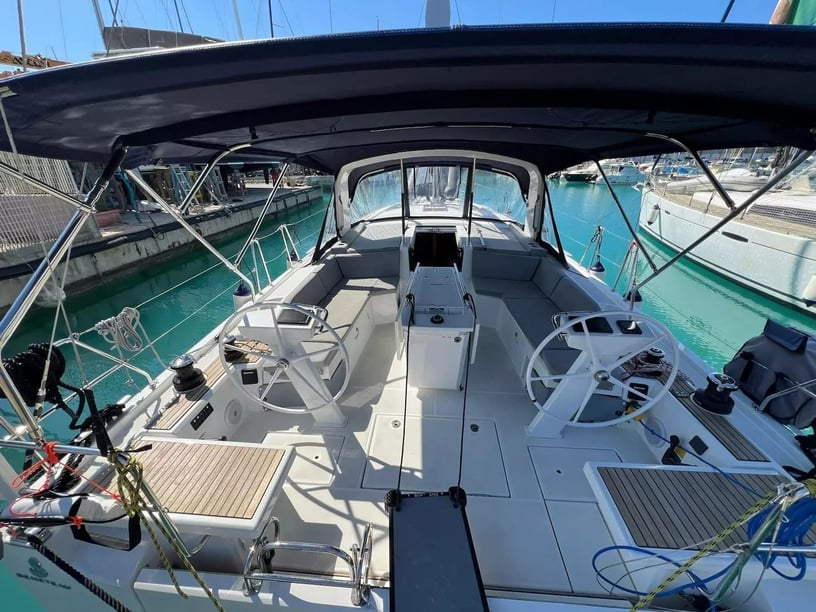
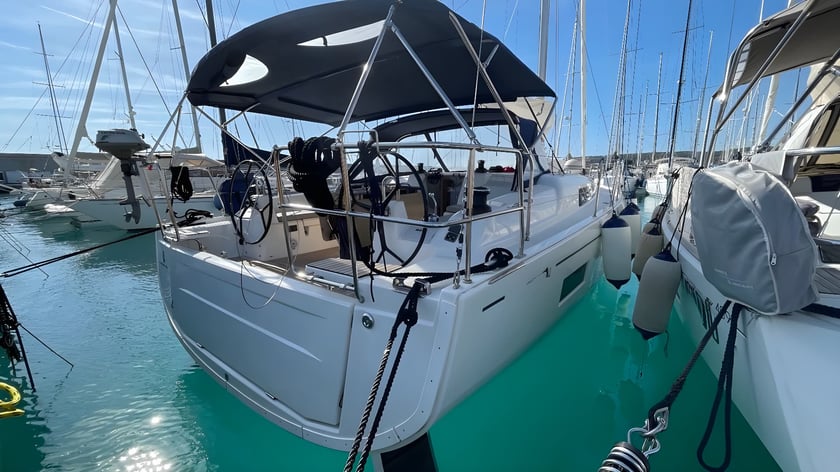
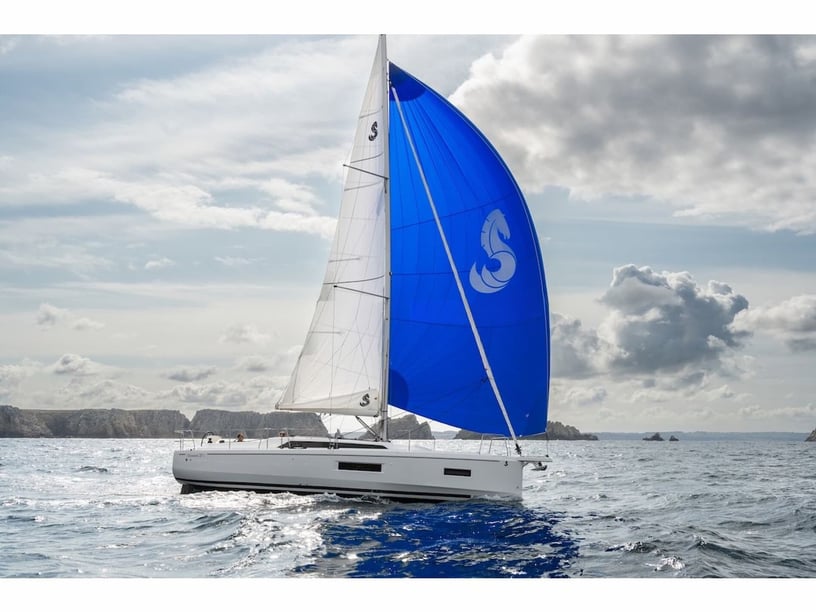
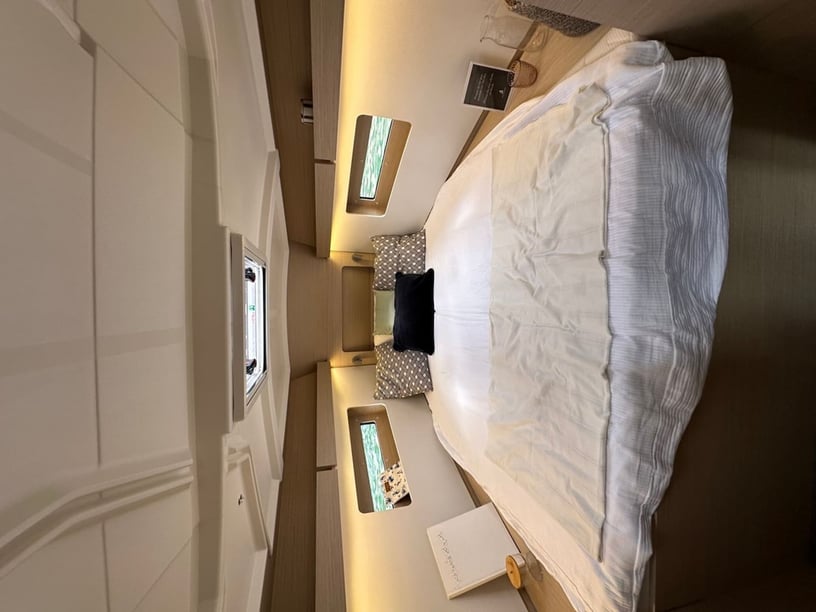
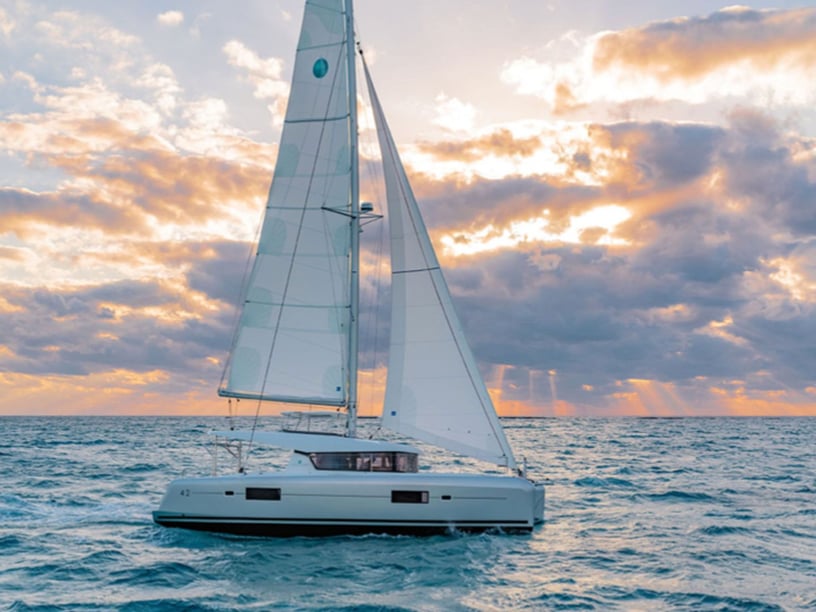
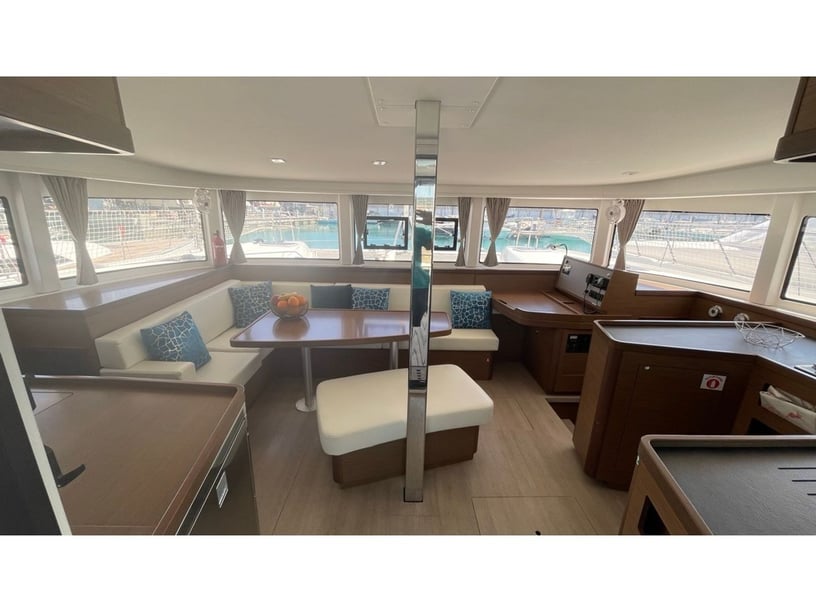
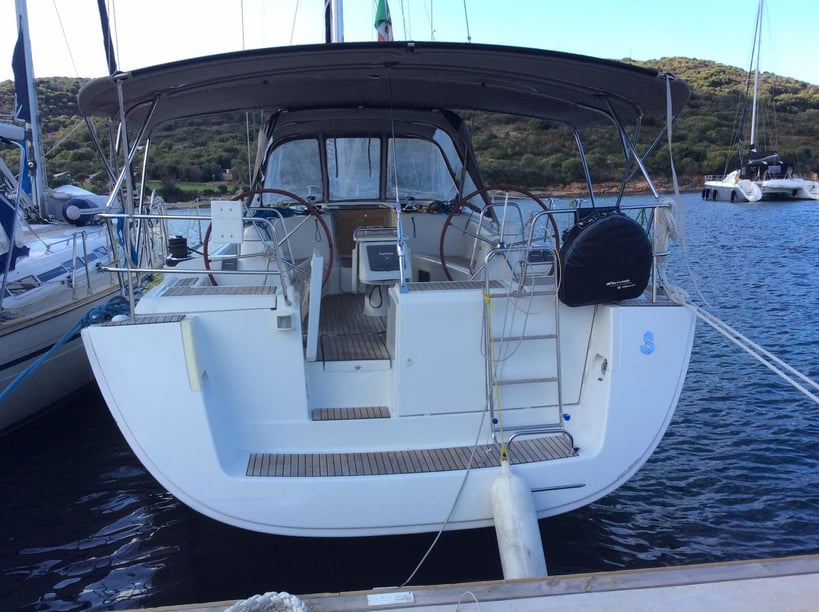
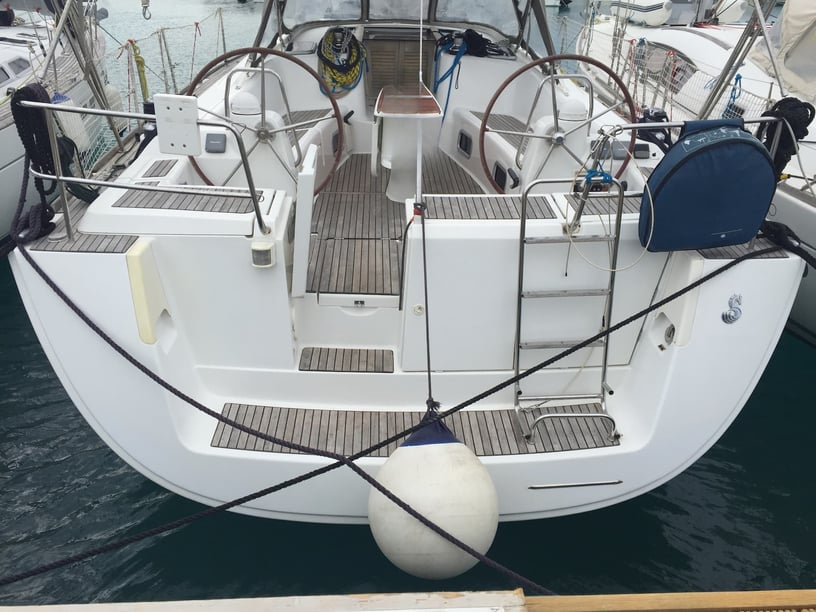
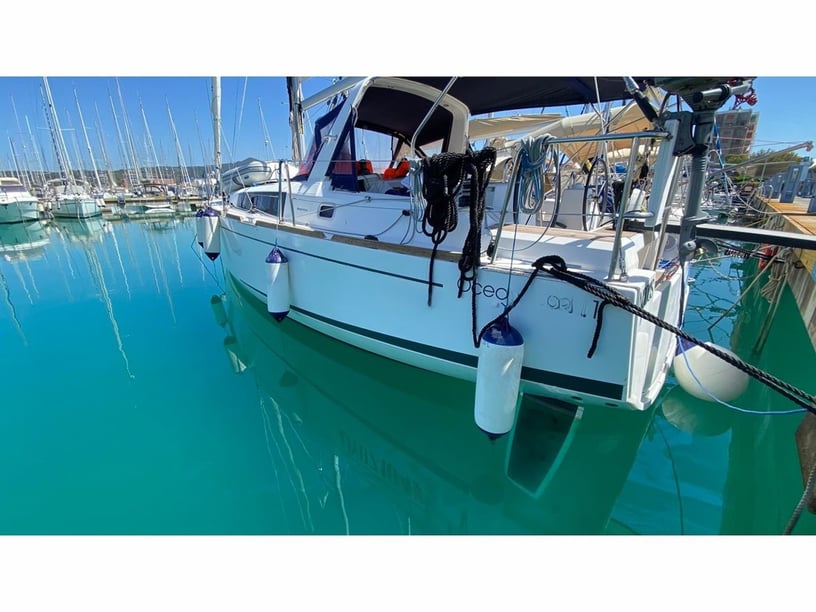
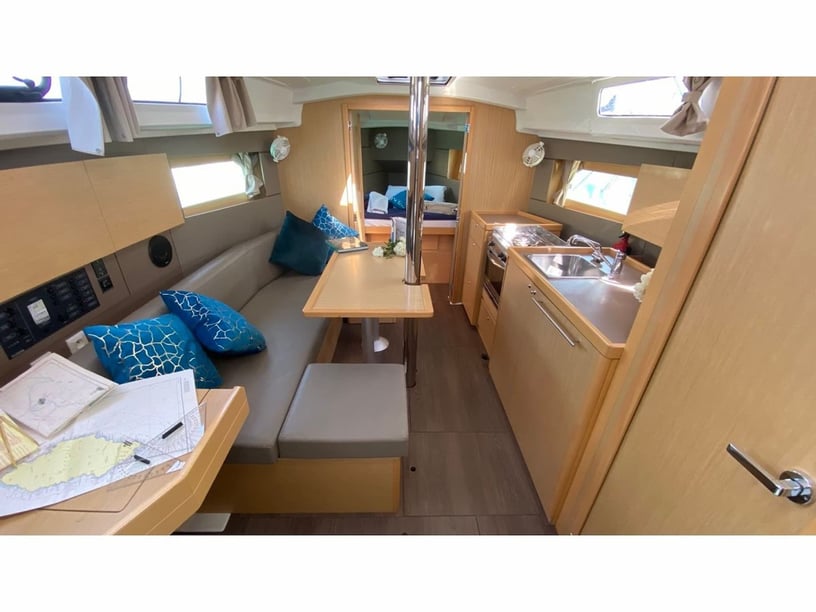
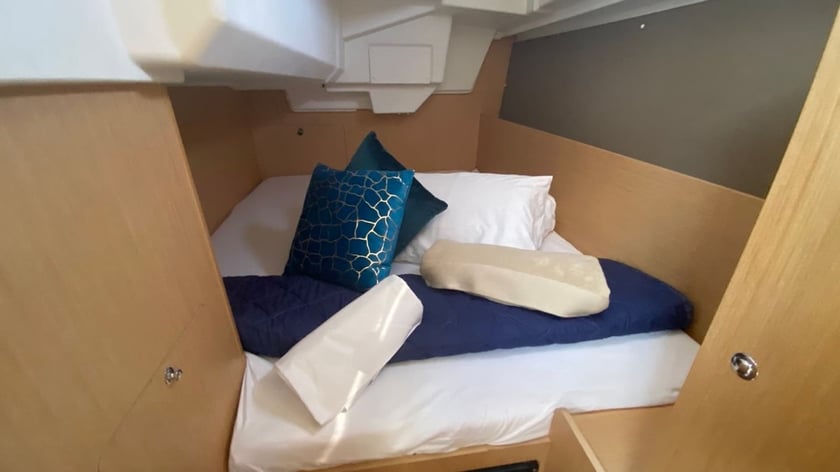
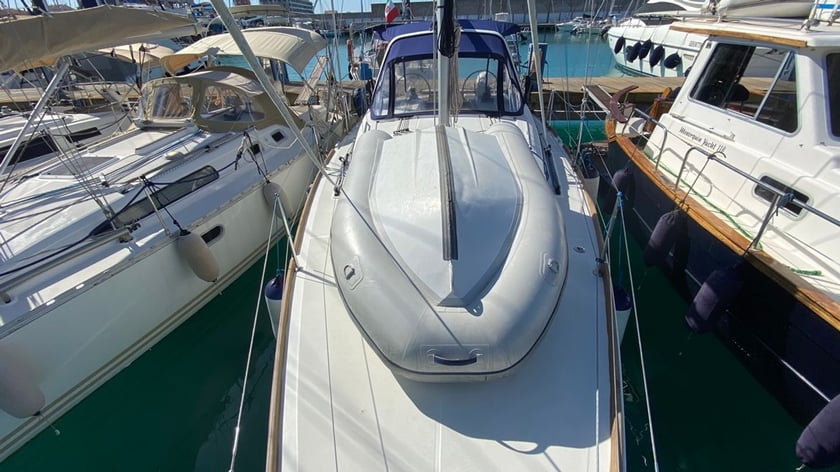
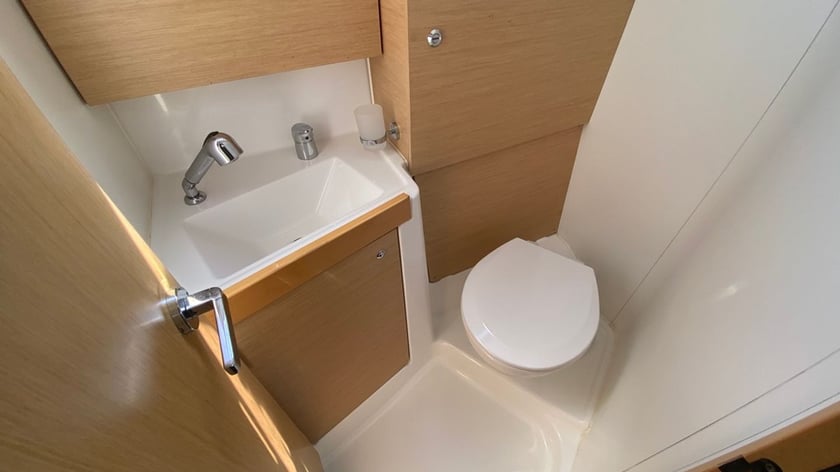
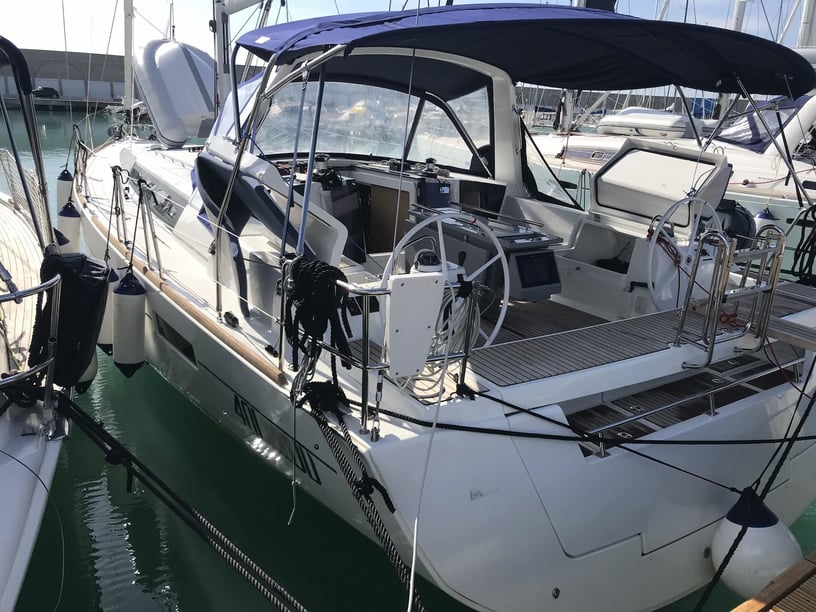
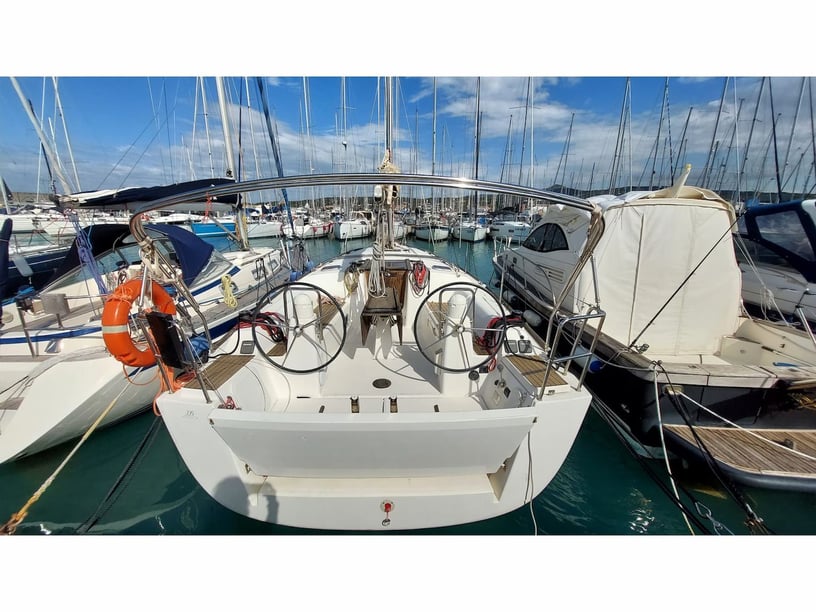
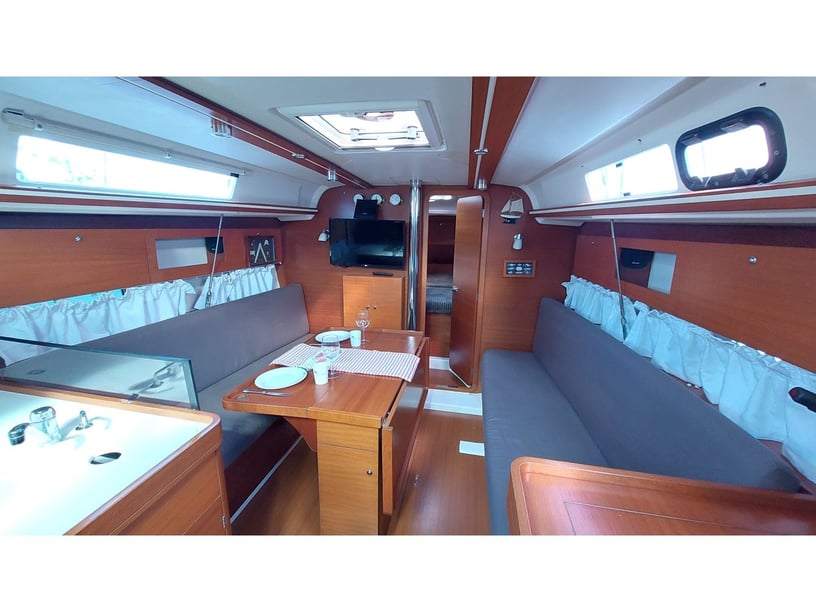
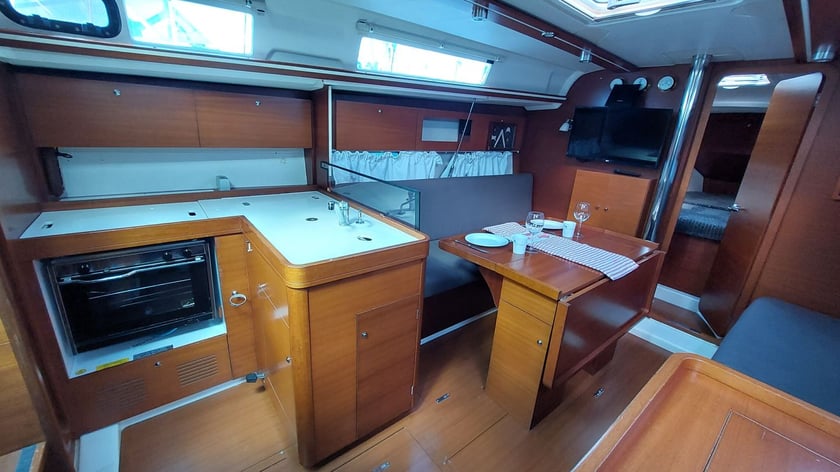
When considering boat rental in Livorno, begin by deciding whether the priority is a compact coastal day, a sailing-focused journey or an offshore passage toward Capraia. Travelers interested in wind-led cruising can compare the local sailboat charter context, while those building a wider itinerary can review yacht charter options across Italy. Confirm the actual departure harbor, charter format and onboard arrangements directly for the selected boat rather than assuming every trip begins inside the main commercial port.
Route planning should account for port traffic, exposed stretches south of Antignano and the limited shelter along Calafuria. Check current forecasts and local port instructions before departure. For Meloria, verify the applicable protected-area zone and whether anchoring, navigation, diving or fishing requires authorization. Gorgona also demands advance checks on exclusion distances and access permits. Swimming is prohibited within the commercial port and designated harbor waters, so planned swim stops should be placed along permitted coastal areas instead.