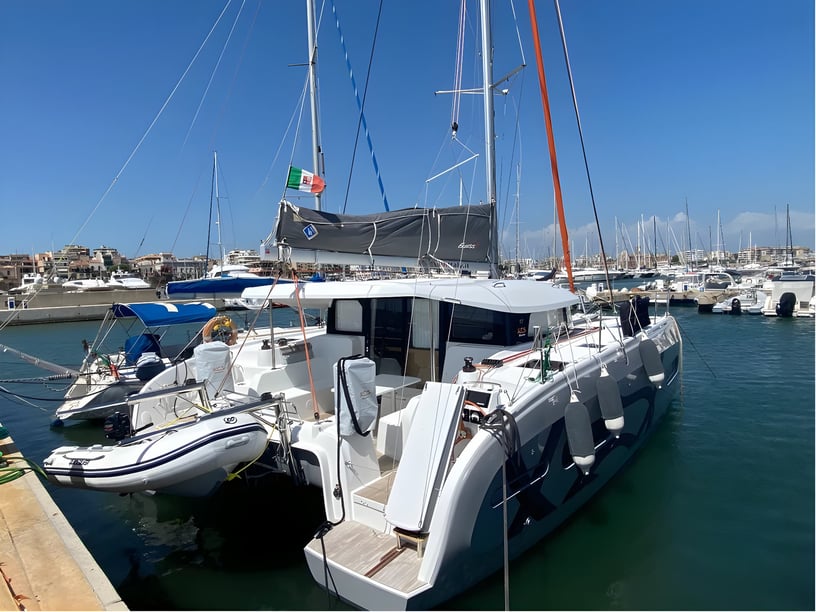
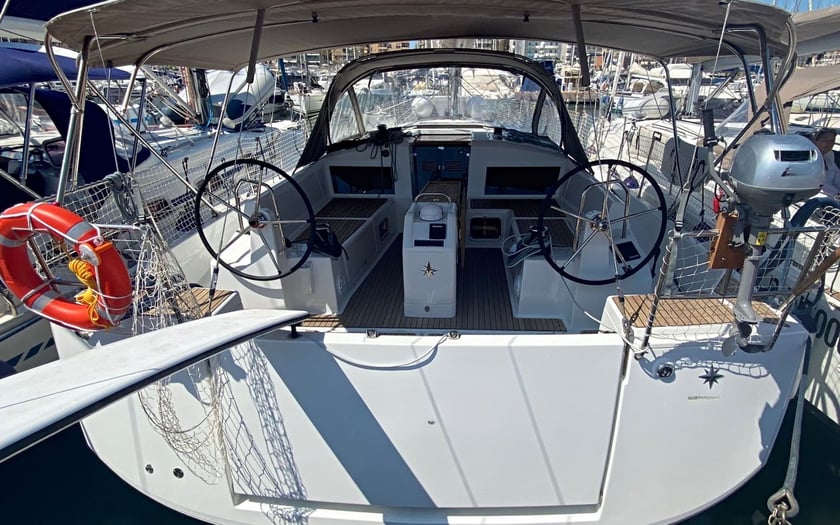
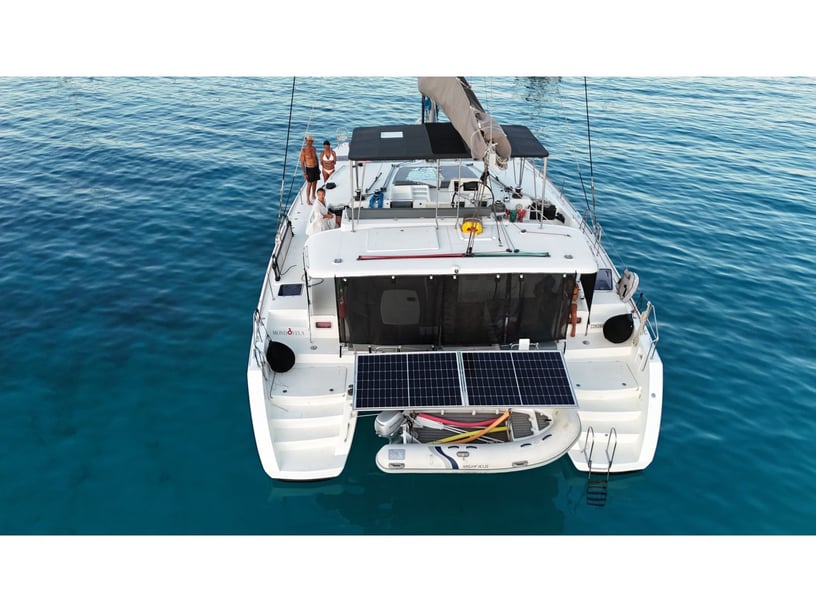
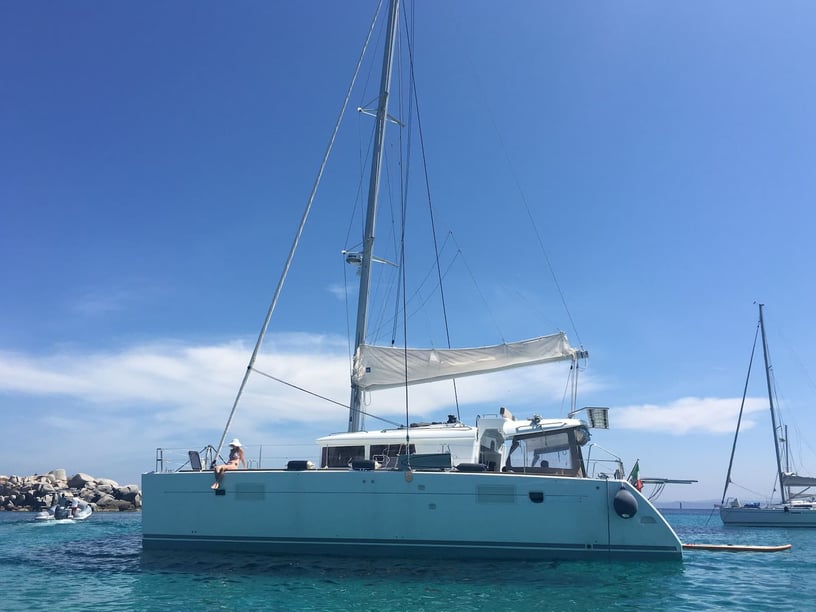
Yacht charter around Rome
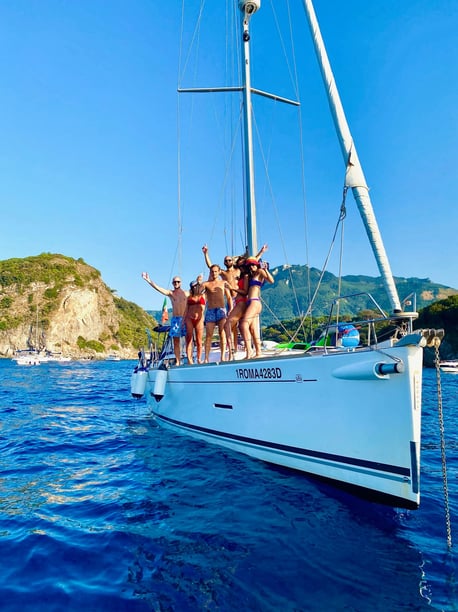
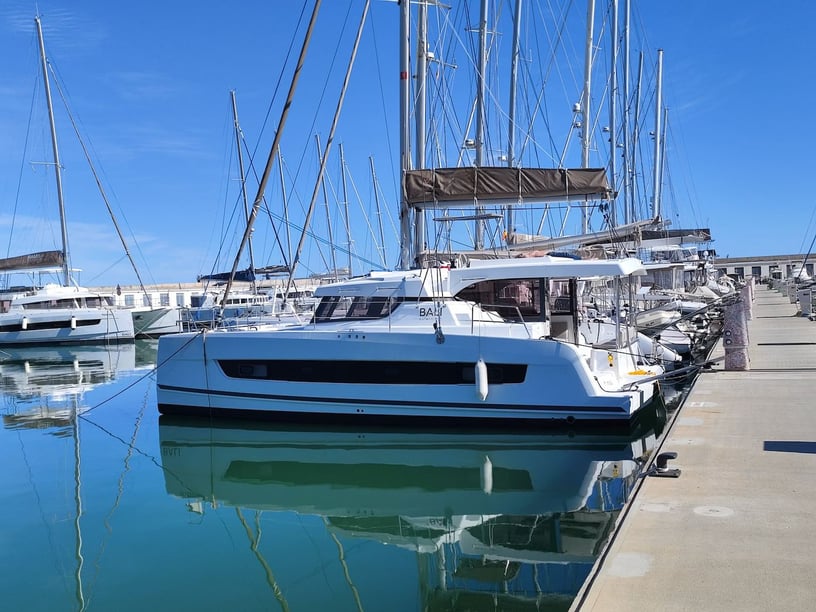
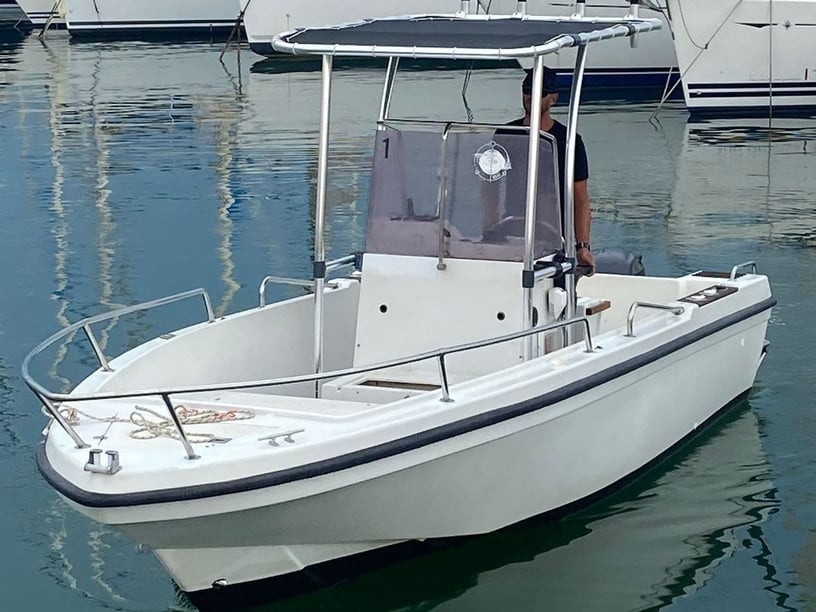
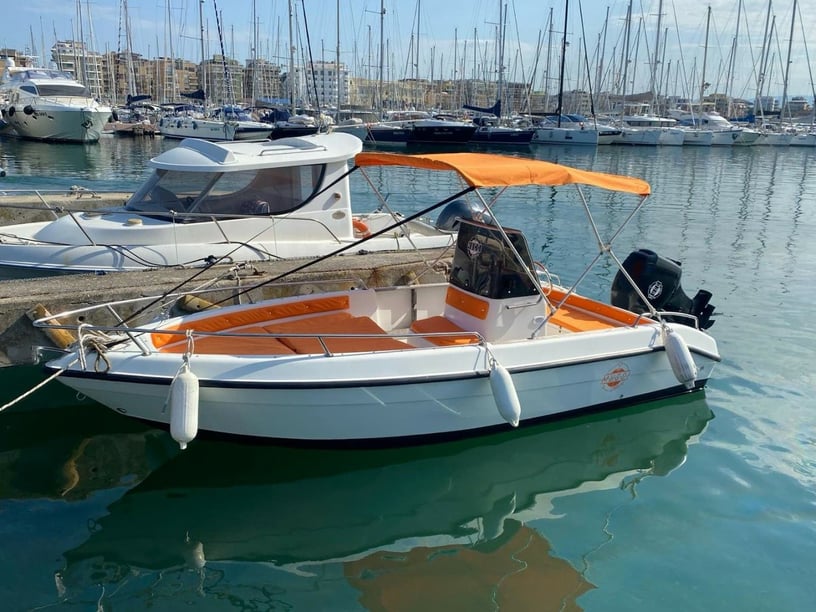
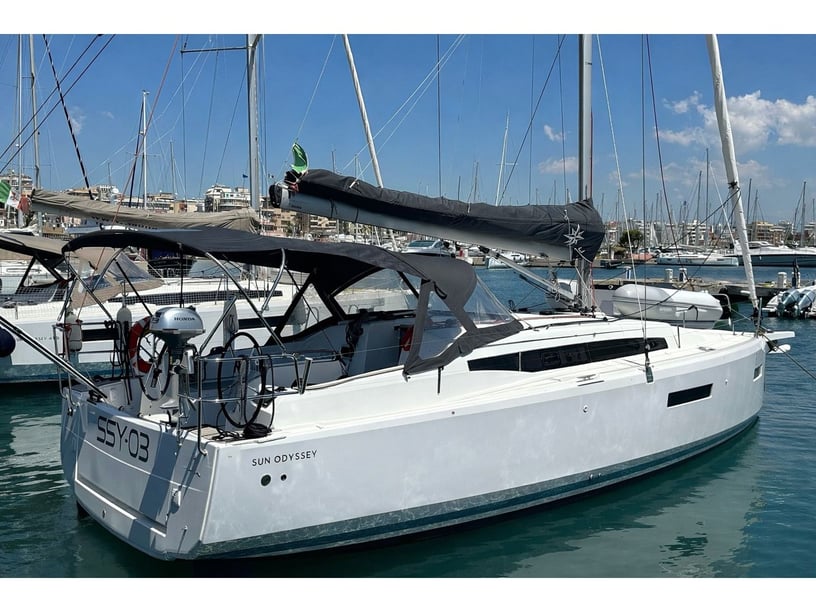
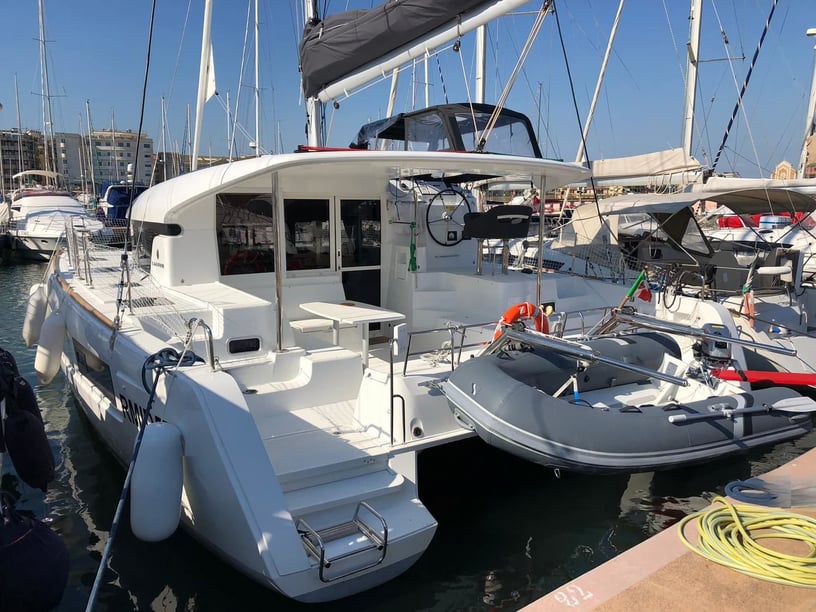
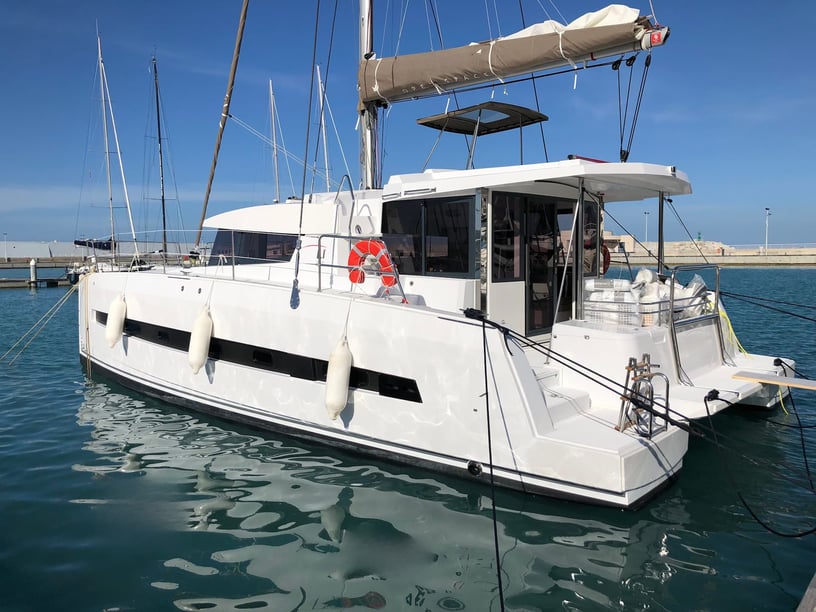
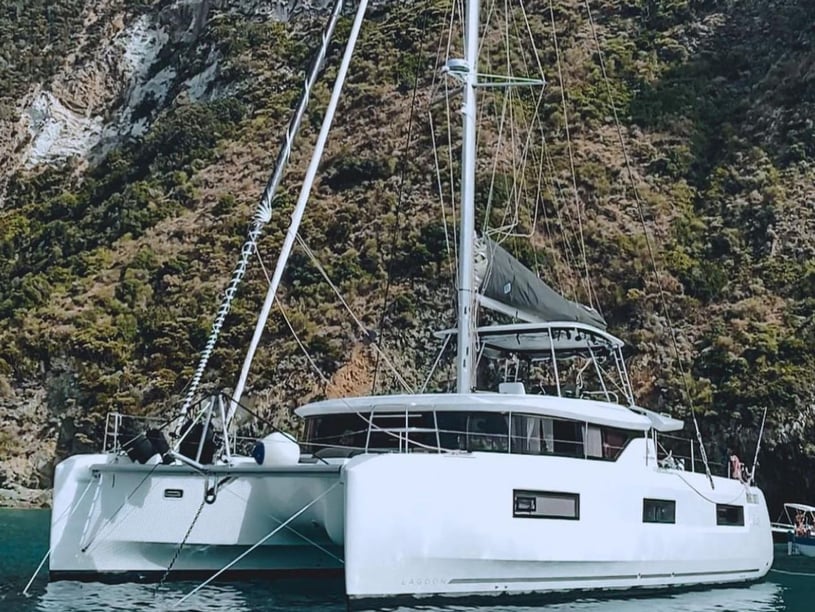
A yacht charter in Rome places the capital’s cultural attractions within reach of the Tyrrhenian Sea, but it is important to understand the geography. Central Rome lies inland on the Tiber, while most local recreational boating is based at Lido di Ostia, southwest of the historic center. Porto Turistico di Roma, immediately south of the river mouth, is the principal marina and departure point.
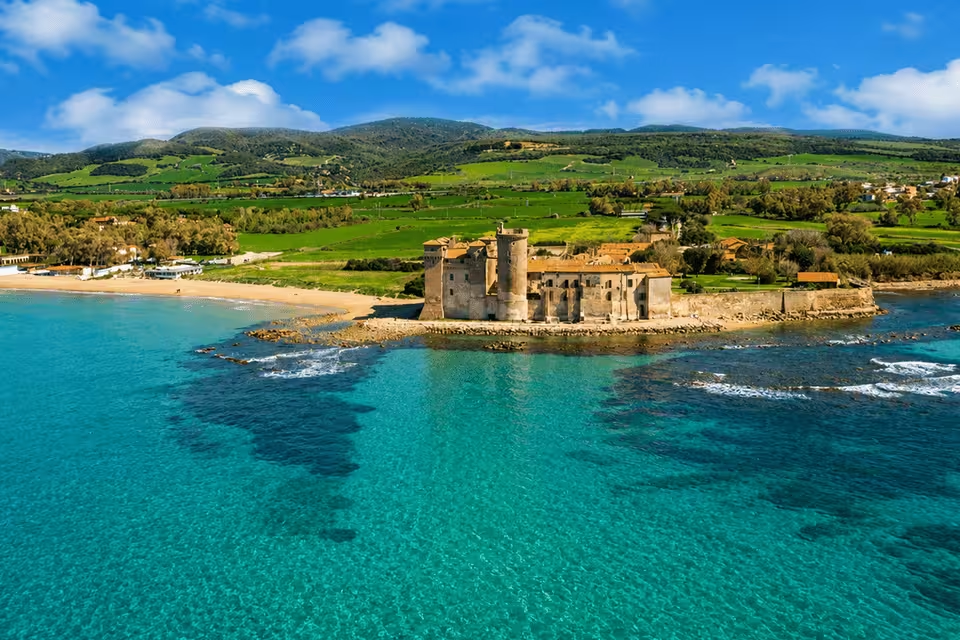
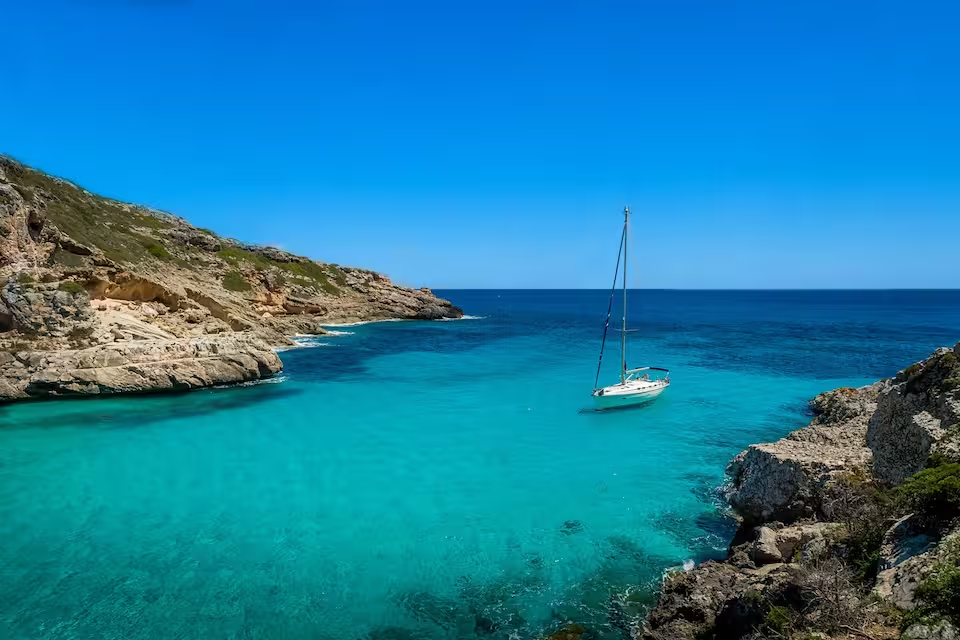
The surrounding coast is low, sandy and open to the sea, with long beaches, dunes, Mediterranean vegetation and pinewoods rather than sheltered coves or a close-knit island group. This makes Rome better suited to coastal day sailing, boating combined with time ashore and offshore departures than to short-distance island hopping. Travelers considering boat rental in Rome should therefore check the exact embarkation point and decide whether they want to explore the Roman littoral or use Ostia as a gateway to more distant Tyrrhenian cruising grounds. For a broader choice of Italian departure regions, compare yacht charters across Italy.
Places to explore from the Roman coast
Lido di Ostia is the immediate coastal focus. Its waterfront, beaches and Pontile di Ostia can be combined with a day on the water, while nearby Borghetto dei Pescatori preserves a more intimate connection with the area’s fishing traditions. Behind the modern seaside district, Ostia Antica reveals the ancient port city that once connected Mediterranean shipping with Rome via the Tiber.
For longer voyages, the Pontine Islands are the principal offshore cruising objective associated with departures from Ostia. Trips commonly center on Ponza, Palmarola and Ventotene and require a weekend or multi-day plan rather than a brief coastal outing. Their appeal lies in extending the charter beyond Rome’s exposed sandy shore into a distinct island itinerary.
Closer to the coast, the Secche di Tor Paterno Marine Protected Area is notable because it is entirely submerged, with no island or adjoining shoreline. It is relevant particularly for organized diving, although navigation, mooring, fishing and diving are regulated.
What sailing from Rome is like
The Roman littoral is an open-water sailing area with few natural anchorages or sheltered intermediate stops. Unlike destinations built around enclosed bays, itineraries here depend more heavily on suitable sea conditions, marina facilities and realistic passage planning. This distinction matters when choosing between a relaxed coastal day and a longer offshore cruise.
During settled summer weather, a sea breeze commonly develops from the west or southwest and strengthens through the afternoon. Morning departures may therefore feel different from the return leg later in the day. The low coastline remains exposed to Tyrrhenian swell, especially when weather approaches from offshore quadrants, while autumn and winter bring greater variability, more rain and generally stronger winds.
The marina lies near the sandy Tiber delta, where silting and shifting depths can affect approaches. Current weather, navigational notices and harbor instructions should always take precedence over a fixed itinerary.
Best time for a Rome yacht charter
Recreational boating is most active from May through October. June and September are particularly suitable months, combining warm, generally dry conditions with less concentrated coastal activity than the height of July and August. They are strong choices for travelers who want to balance sailing, swimming and time ashore.
July and August bring the warmest water and driest weather, but also intense heat and the busiest period on beaches and waterfront facilities. May offers an earlier start to the main boating season, while October can still work in settled years, although conditions become less dependable as autumn advances.
From November through April, cooler water, increased rainfall, more variable weather and reduced seasonal coastal services materially limit the experience. Spring can support occasional outings, but it does not offer the same consistency as the late-spring-to-early-autumn period.
Route ideas from Ostia
The simplest itinerary is a coastal day sail from Porto Turistico di Roma along the open Roman shore, allowing time on the water without committing to an offshore passage. Because natural shelter is limited, the day’s direction and distance should follow the forecast rather than a rigid route.
A weekend or multi-day charter can head toward the Pontine Islands, with Ponza, Palmarola and Ventotene commonly forming the core of the cruise. This is a more passage-oriented trip and should be planned around weather, available time and the capabilities of the chosen yacht.
Some local programs also operate on the Tiber between the Ostia Antica area and the river mouth, occasionally including Isola Boacciana or the Ostia Idroscalo. These excursions are separate from coastal yacht cruising and may depend on season, river conditions and operator activity.
Coastal, cultural and underwater highlights
Rome’s most distinctive charter experience comes from combining boating with its layered maritime history. At Ostia Antica and the Imperial Harbours of Claudius and Trajan, travelers can see how cargo once arrived near the Tiber mouth before being transferred to smaller vessels for the journey upriver. This historical connection gives a day at sea a context that is easy to miss when visiting central Rome alone.
The coast also supports swimming, beach visits, windsurfing, kitesurfing and organized diving. At Secche di Tor Paterno, authorized diving centers provide access to the submerged marine protected area; current regulations should be checked before planning any activity there.
Time ashore can include the dunes and pinewoods of the protected Roman littoral or waterfront dining in Ostia, where fish, shellfish, pasta with clams and dishes prepared with small telline clams reflect the district’s coastal identity. Central landmarks such as the Colosseum and Roman Forum can then form a separate cultural chapter before or after the charter.
Getting to the marina and departure area
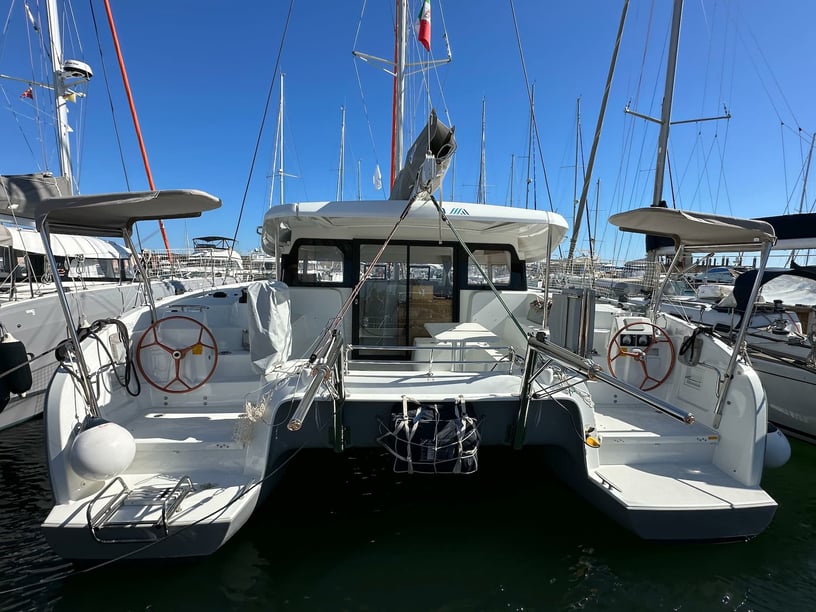
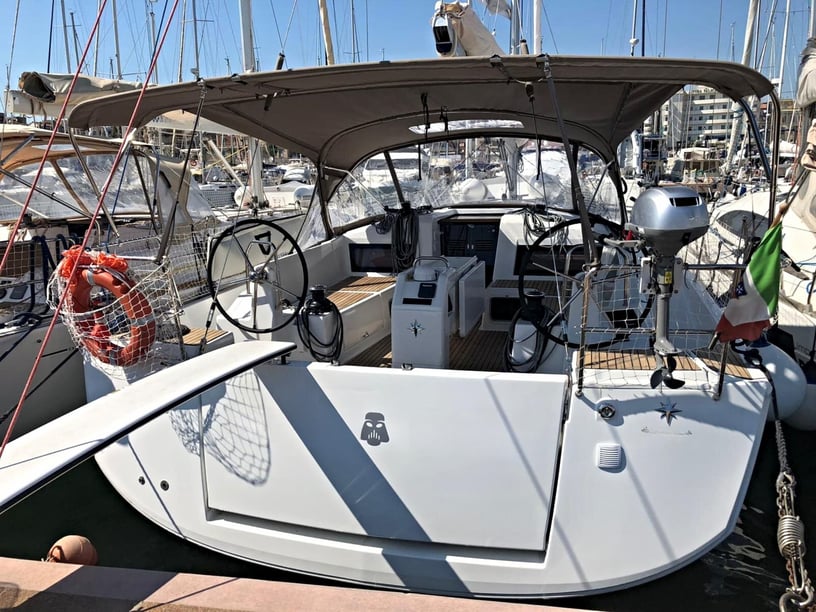
Porto Turistico di Roma at Ostia is the main recreational marina associated with yacht trips from Rome. It is not in the historic center, so travelers should confirm the harbor named in their booking rather than assuming embarkation takes place beside central Rome.
From the city, the Metromare line—also known as the Rome–Lido railway—runs from Porta San Paolo near Piramide toward Ostia, followed by local transport to the waterfront and marina. Road access uses routes including Via Ostiense, Via del Mare and Via Cristoforo Colombo.
Leonardo da Vinci–Fiumicino Airport is close to the Tiber delta by road and has bus connections serving Ostia and Rome. Rome Ciampino Airport is another arrival option, though it lies farther from the coast. In practical terms, Rome functions as both a cultural gateway and a transport hub, while Ostia is the relevant seaside departure area.
Planning the right charter format
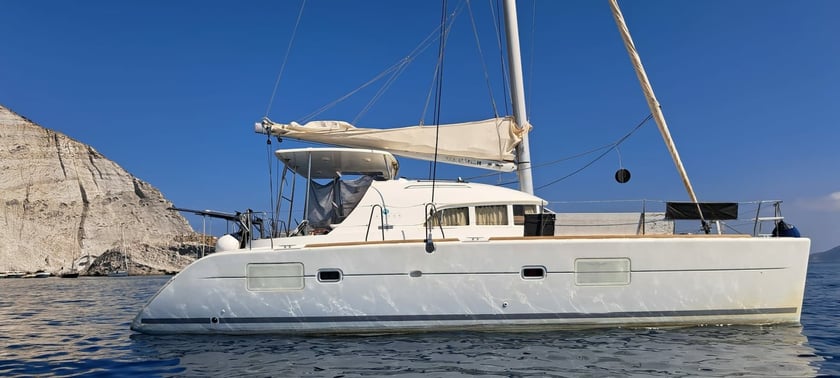
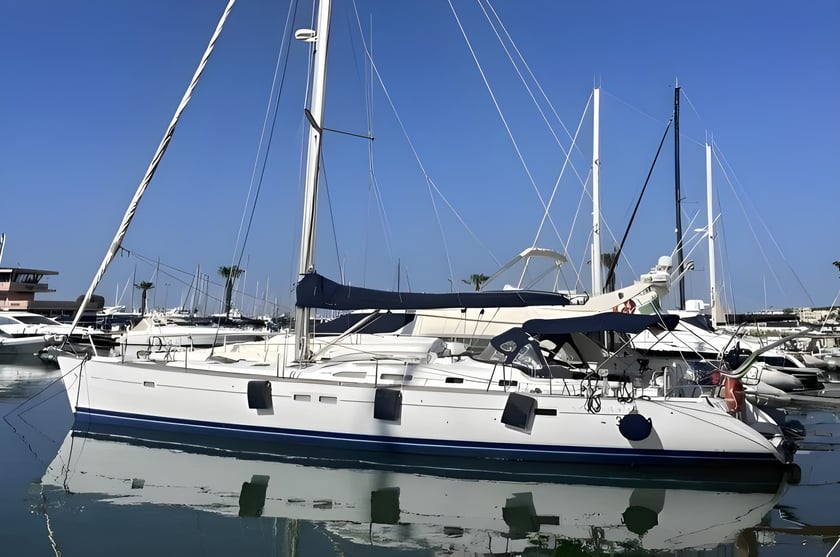
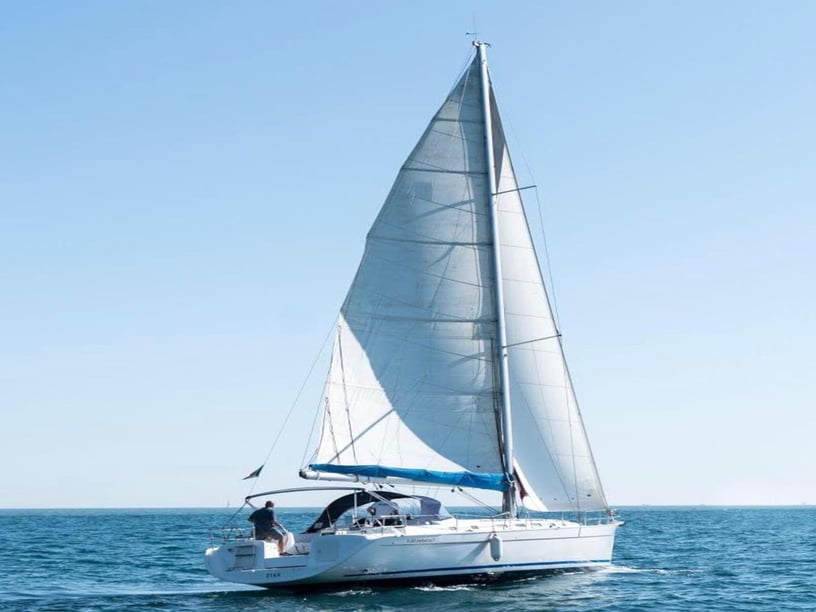
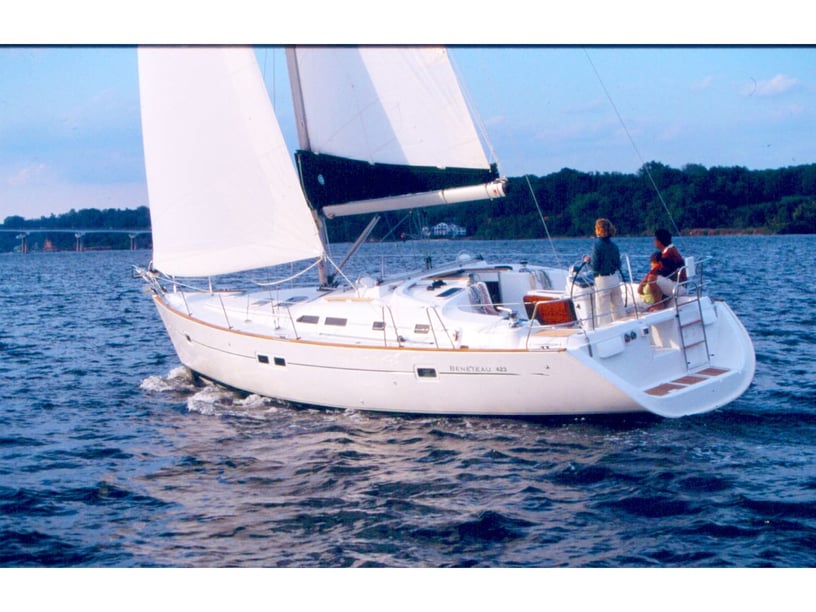
Begin by deciding whether the priority is a short coastal outing, a boating-and-city break or a multi-day passage to the Pontine Islands. These require different time commitments and place different demands on the yacht and itinerary. Travelers specifically interested in wind-powered cruising can use sailboat charter around Rome as a focused comparison.
Before confirming a trip, check the exact embarkation marina, planned cruising area and how much schedule flexibility is possible if offshore conditions change. For a Pontine Islands itinerary, allow for passage time rather than treating every day as an island stop. For coastal sailing, remember that limited natural shelter may affect swimming and anchoring plans.
Weather and current harbor guidance are particularly important near the Tiber mouth because the approach is exposed and affected by sand movement and silting. Anyone planning diving at Secche di Tor Paterno should also confirm authorization and the latest protected-area rules. In July and August, allowing extra time for busy waterfront facilities can make the start and finish of the charter more straightforward.