Yacht charter in Taranto: a city between two seas
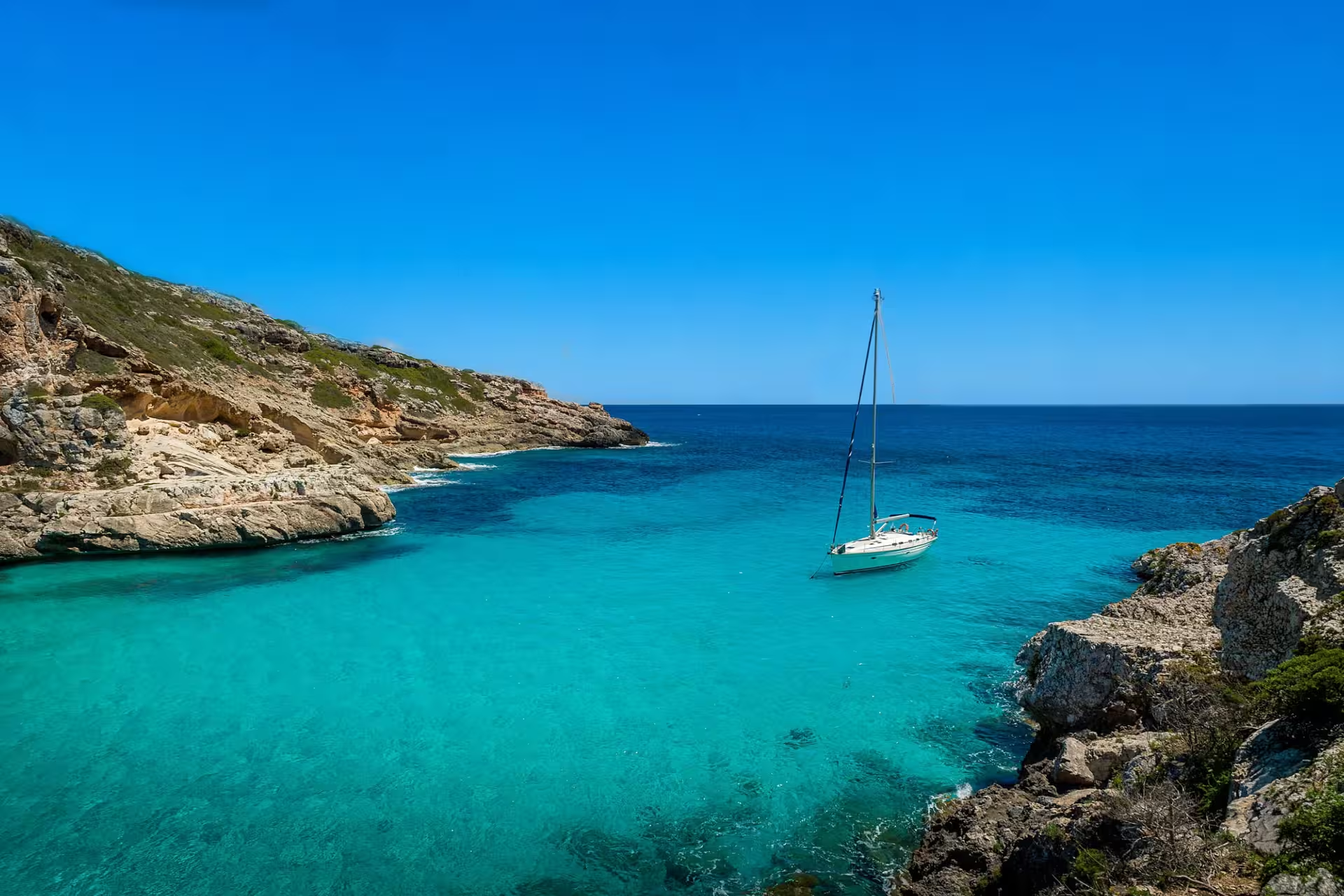
Taranto occupies an unusual position between Mar Grande, its broad outer roadstead, and Mar Piccolo, a shallow, semi-enclosed lagoon. The historic center stands on an island-like strip between them, earning Taranto the name Città dei Due Mari—the City of Two Seas. For travelers considering a yacht charter in Taranto, this geography creates a mix of sheltered urban waters, short coastal outings and more exposed passages into the Gulf of Taranto.
The setting differs from an island-hopping destination with numerous closely spaced anchorages. A charter here is better suited to exploring the city from the water, cruising around Mar Grande and the Cheradi Islands, or incorporating Taranto into a longer Ionian passage. Naval, commercial and industrial activity is part of the harbor landscape, so the experience combines maritime heritage with the practical realities of a working port.
Places to explore from the water
Mar Grande is the natural focus for local cruising. From the water, travelers can see Taranto’s old town, the Aragonese Castle, the navigable canal and the Ponte Girevole, the swing bridge that opens for large naval vessels. Going ashore in the Borgo Antico adds layers of Magna Graecia history, medieval streets and landmarks such as the Cathedral of San Cataldo.
The Cheradi Islands—San Pietro and San Paolo—mark the outer edge of Mar Grande. San Pietro is the larger island and has traditionally been visited for its beaches and natural environment, making the crossing a logical short excursion from the old-port area. Both islands are military property, however, so landing and public-access arrangements need to be confirmed locally rather than assumed.
To the southwest, San Vito and Capo San Vito provide another nearby cruising objective. Beyond the cape, the character changes as the boat leaves the partly protected roadstead and enters the open Gulf of Taranto.
Cruising conditions around Taranto
Taranto offers two noticeably different boating environments. Mar Grande benefits from partial protection provided by Capo San Vito, the Cheradi Islands and harbor defenses. This makes short outings around the waterfront and outer islands quite different from longer passages across the Gulf of Taranto, where the boat is more exposed to wind and sea.
Summer is generally hot, dry and sunny, with lower average wind speeds and variable coastal breezes. Northerly winds occur more frequently outside midsummer and can strengthen, while the Scirocco may bring humid, cloudy conditions and rougher seas. Southwesterly winds can also raise a lively sea within Mar Grande. A forecast that appears comfortable for the inner harbor should therefore not automatically be treated as suitable for an open-gulf passage.
This is also an active naval and commercial port. Marked traffic routes, regulated areas and large-vessel movements are normal parts of the cruising environment. Current charts, port notices and marina instructions are especially important when planning movements near the harbor entrances, Capo San Vito and the Cheradi Islands.
Best time for a Taranto yacht charter
Recreational boating is most dependable from May through October, with the principal summer season running from June to August. June is one of the most suitable months: conditions are usually warm, but the most intense midsummer heat has not yet arrived. September is similarly attractive, combining warm weather with a more comfortable temperature profile than the height of summer.
July and August sit at the center of the hot, dry season and suit travelers who prioritize summer conditions and time in the water. May and October form the shoulders of the boating season; they can work well for flexible itineraries, though closer attention to forecasts is sensible. From November through April, stronger winds, greater rainfall and reduced coastal activity make conditions less consistent. Winter trips remain possible in suitable weather windows, but they require more adaptable planning.
Short outings and longer Ionian passages
A straightforward local route crosses Mar Grande from the old-port area toward San Pietro Island. Depending on access arrangements and conditions, the outing can be combined with views of San Paolo, the city waterfront and Capo San Vito. This compact circuit leaves more time for swimming or visiting Taranto’s historic center ashore than a long day under way.
For a longer itinerary, Taranto can serve as an arrival point on the Grecanica coastal route from the Basilicata shore. The documented approach passes Marina di Policoro and Capo Spulico before entering Mar Grande. This is better understood as a coastal passage into Taranto than as dense island-hopping, and the schedule should retain enough flexibility for open-gulf conditions.
History, wildlife and food by the water
A charter around Taranto can alternate naturally between time under way and exploration ashore. The city developed from ancient Taras, traditionally dated to 706 BCE and identified as Sparta’s colony in Magna Graecia. The National Archaeological Museum of Taranto, known as MArTA, provides the clearest introduction to this past, while the Aragonese Castle, Doric Temple remains and old town show later phases of the city’s strategic maritime history.
Food is closely connected to the local waters. Mussel cultivation has been practiced in Mar Piccolo for centuries, supported by the lagoon environment and submarine freshwater springs known as citri. Cozza tarantina remains the city’s signature seafood product, making a meal ashore a meaningful continuation of the maritime experience.
The Gulf of Taranto has documented dolphin presence, while Mar Piccolo supports ecologically significant seahorse habitat. Sightings cannot be guaranteed, and wildlife should be observed without approaching, feeding or disturbing it. These habitats add another dimension to a trip otherwise centered on coastal cruising, swimming and cultural visits.
Getting to Taranto and finding a departure point
Brindisi Airport and Bari Karol Wojtyła Airport are the usual scheduled-air gateways for Taranto. Both cities are connected to Taranto by road and rail, and the central railway station is close to the commercial port and old town. Taranto-Grottaglie Airport nearby primarily serves cargo, aerospace and specialized aviation rather than normal scheduled passenger travel.
Molo Sant’Eligio, including Marina di Taranto, is the most relevant marina and departure area for local yacht trips. Porto Mercantile may also appear as a meeting or embarkation point, but travelers should confirm the exact location with the operator because the waterfront includes commercial and restricted zones.
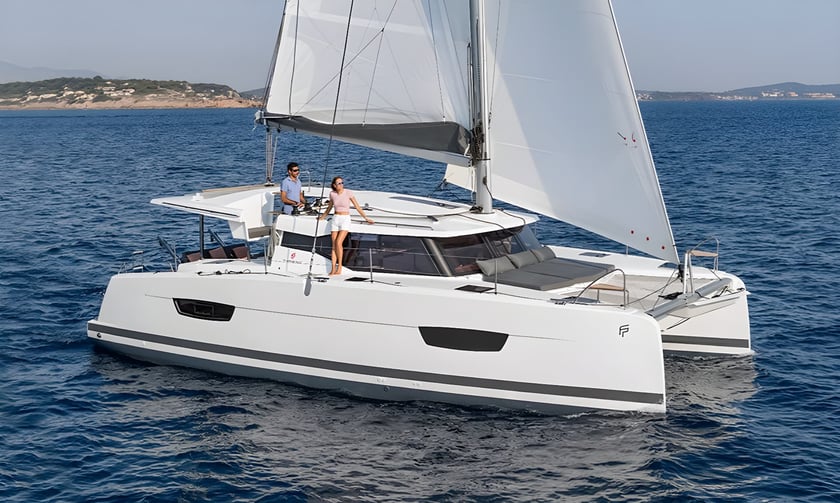
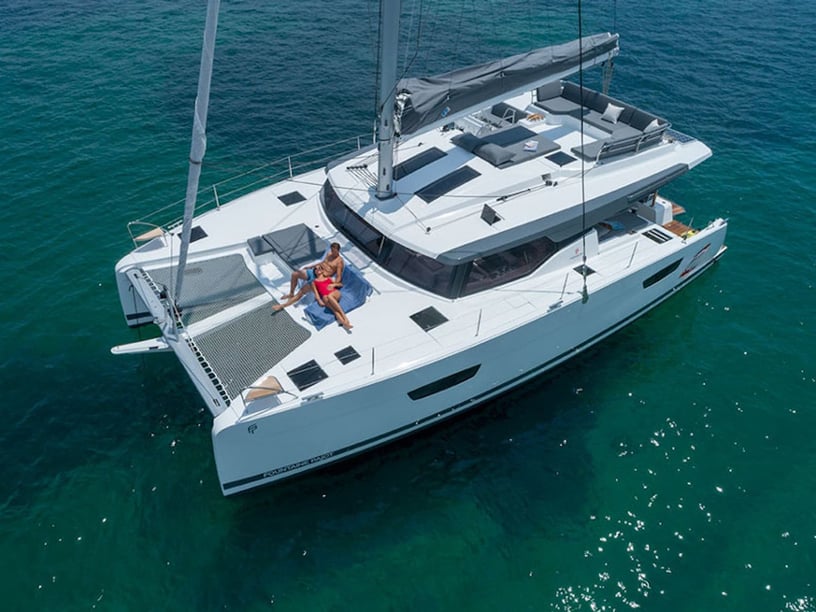
Taranto can function as both a place to explore and a departure area, though it should not automatically be treated as a major charter base. Travelers comparing a wider range of departure regions can also explore yacht charters across Italy.
Planning your charter
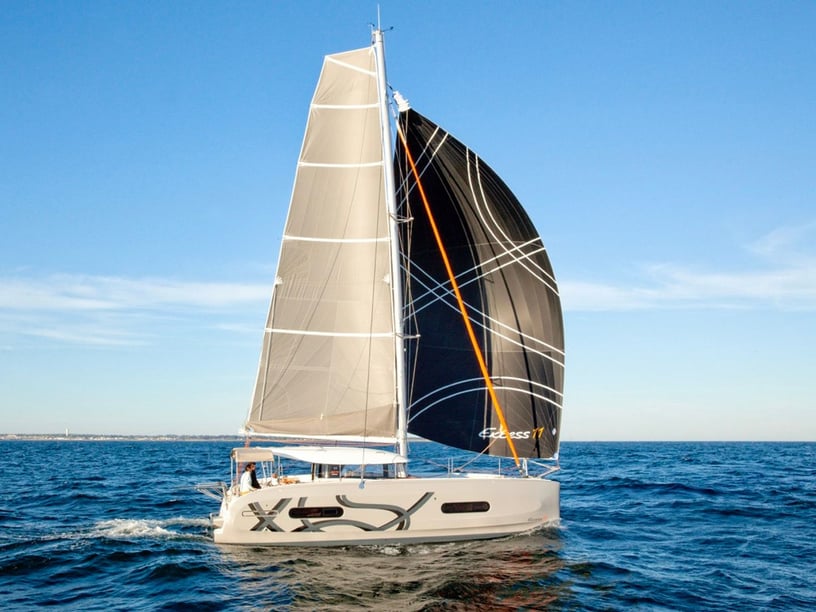
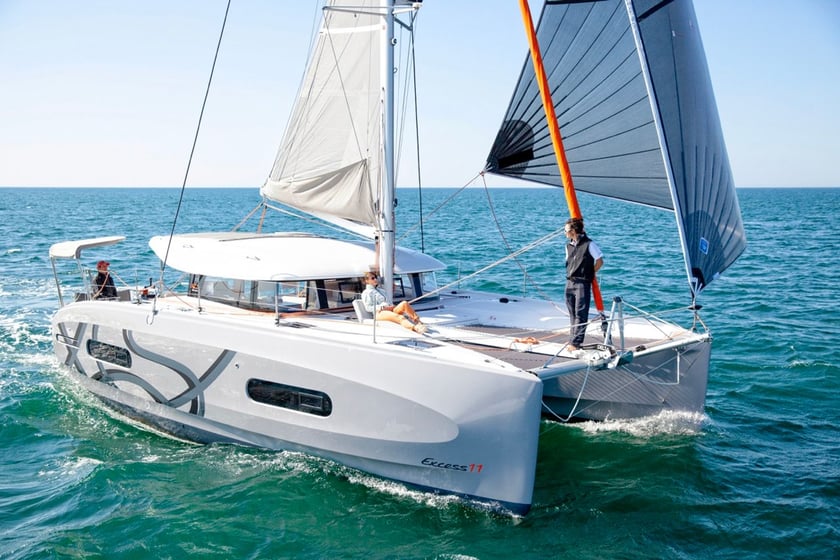
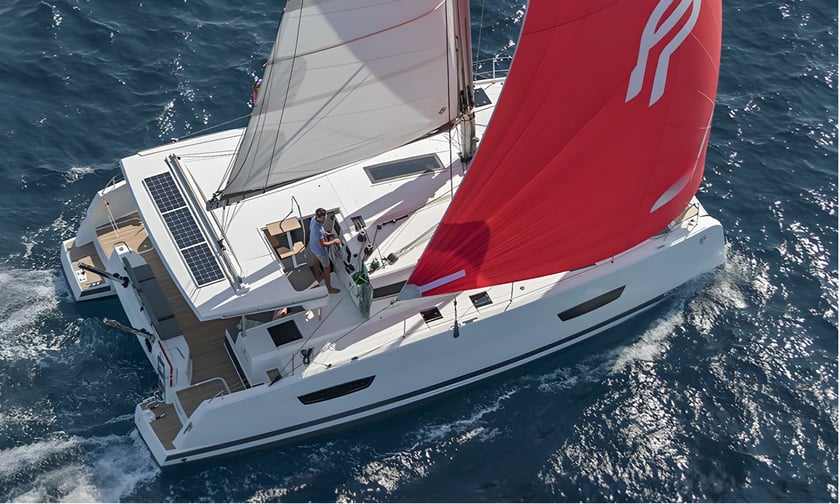
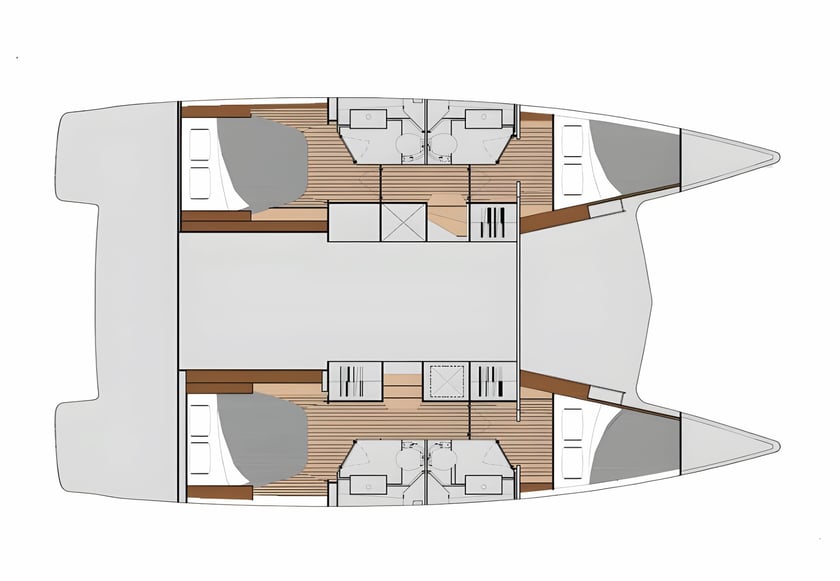
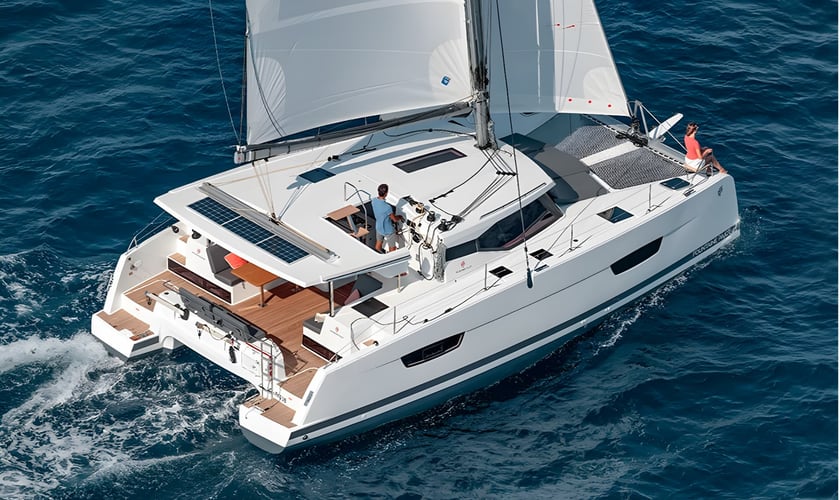
When comparing yacht charter or boat rental in Taranto, begin with the intended route rather than boat size alone. A short outing within Mar Grande has different requirements from a passage into the open Gulf, where exposure, changing winds and sea state become more significant. Confirm the proposed cruising area, embarkation point, trip duration and weather policy before finalizing arrangements.
Access restrictions also deserve attention. Mar Piccolo includes naval facilities, aquaculture areas, bridges and regulated navigation zones, while unrestricted recreational access should not be assumed. Approaches near Capo San Vito and the Cheradi Islands include shoals, breakwaters, marked channels and designated vessel routes. Island landing arrangements should be checked separately from permission to cruise nearby.
Finally, allow time on either side of the boat trip for Taranto itself. The old town, castle, archaeological museum and seafood traditions are central to the destination rather than incidental additions. Building these into the plan creates a more balanced visit, particularly when a forecast change shortens the time available for open-water cruising.