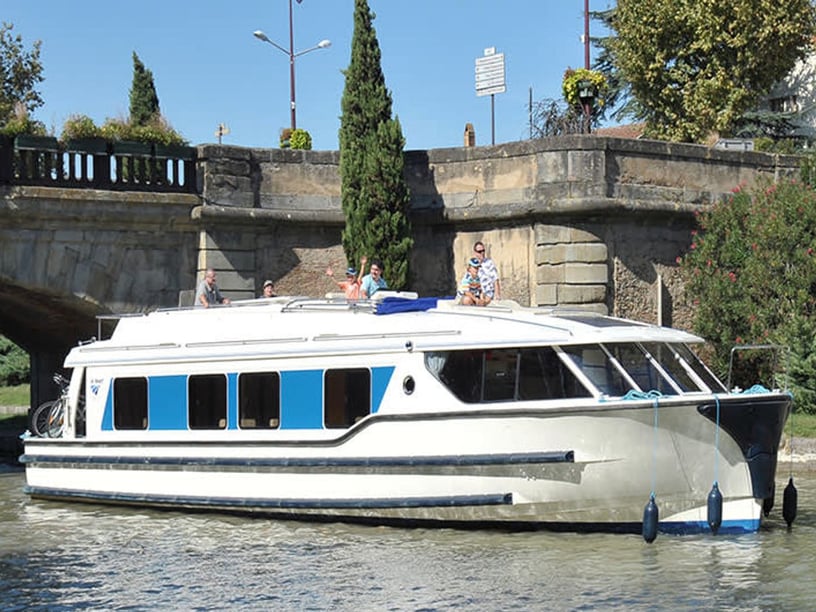
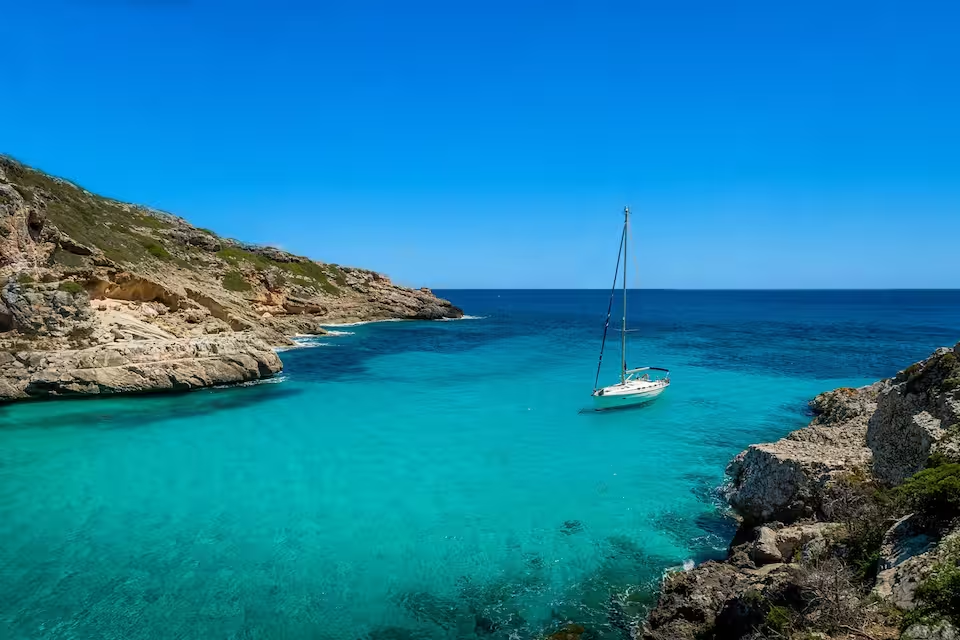
Yacht charter in Chioggia
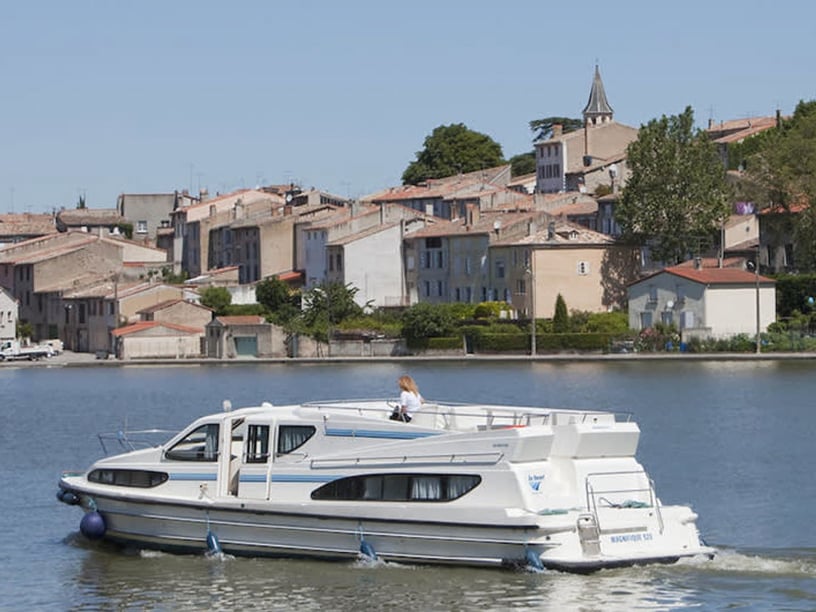
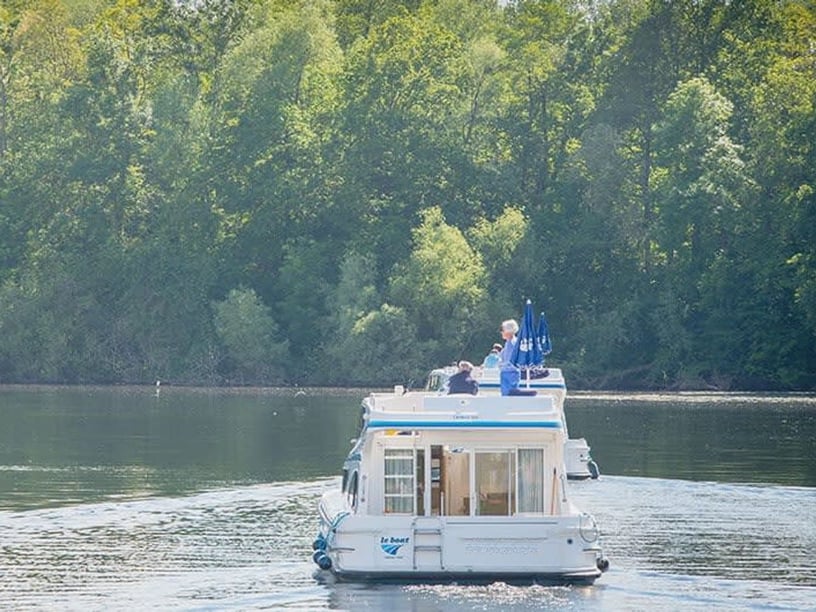
Chioggia sits at the southern entrance to the Venetian Lagoon, where sheltered waterways meet the open Adriatic. This setting gives a yacht charter in Chioggia two distinct dimensions: channel-based lagoon cruising around historic islands and coastal sailing beyond the harbor entrance. The town itself occupies low islands divided by canals, with Sottomarina and its long Adriatic shoreline immediately to the east.
Unlike a destination defined only by beaches or marinas, Chioggia remains a working fishing port. Its fleet, fish market, traditional boats and seafood culture are integral to the waterfront. Travelers can therefore combine time aboard with walks through a canal-lined historic center, meals based on the lagoon and Adriatic catch, and trips north into the wider Venice Lagoon. Those exploring beyond the area can also compare other yacht charter destinations in Italy.
Places to explore from the water
The historic center is a natural starting point. Canal Vena runs through the town’s fishbone-shaped street plan, while Ponte di Vigo and Piazzetta Vigo mark a prominent waterfront point. Going ashore brings the fish market, Corso del Popolo and the Clock Tower of Sant’Andrea within walking distance.
Across the harbor area, Sottomarina offers a contrasting coastal character, with a long sandy shoreline, beach facilities and water-sports conditions. Farther south, Isola Verde extends the beach landscape toward the mouths of the Brenta and Adige rivers.
North of Chioggia, Pellestrina forms a narrow barrier between the lagoon and Adriatic. Trips through the marked lagoon channels can connect Chioggia with Pellestrina and the Ca’ Roman Nature Reserve at its southern end. Longer excursions continue through the Venetian Lagoon toward Venice, with some established itineraries extending to Murano, Burano and Torcello. Such trips require careful route planning because access by recreational boats to parts of Venice’s inner canal network is restricted.
Lagoon cruising and Adriatic sailing
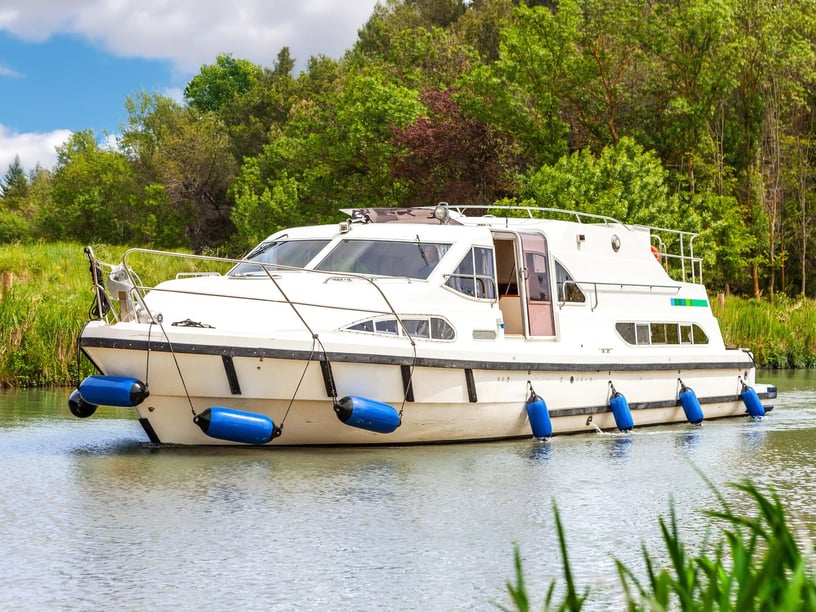
Cruising inside the southern lagoon is generally more sheltered than sailing offshore, but it is not simply open, easy water. Movement follows buoyed or post-marked channels through extensive shallow areas, and the route often involves more motoring than sailing. Tides, currents and traffic from fishing boats, passenger vessels and commercial craft all influence the passage. Conventional keelboats must remain attentive to draft and should not stray outside suitable marked channels.
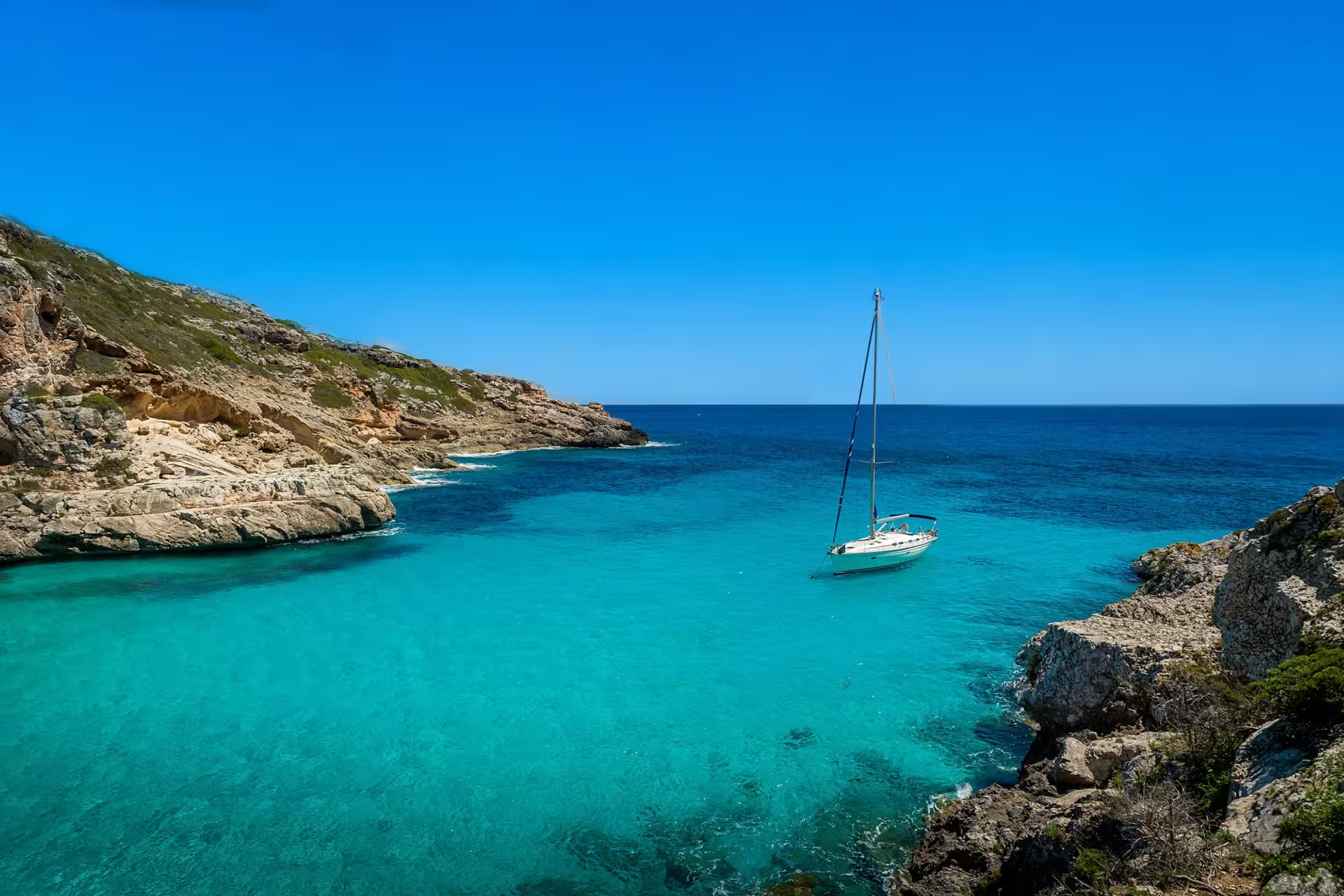
Beyond the Chioggia inlet, the Adriatic provides unobstructed coastal sailing and greater exposure to waves and changing wind. Warmer months often bring relatively light average winds, with local sea breezes developing along the coast. Northeasterly Bora and southeasterly Scirocco episodes can create stronger conditions, while summer thunderstorms may produce sudden shifts even during otherwise settled weather.
The combination of shallow lagoon navigation, busy approaches and exposed coastal water makes the area moderately demanding. Charter plans should match the boat, draft and crew experience to the intended balance between lagoon sightseeing and Adriatic passages.
When to charter in Chioggia
The main recreational boating period runs from May through September, when temperatures and water conditions are generally most suitable and coastal activity is fully established. May, June and September are identified as particularly suitable months. May comes before the busiest part of summer, while June combines established seasonal activity with early-summer conditions. September remains part of the active season but comes after July and August.
July and August suit travelers seeking the height of the beach and boating season, though popular waters and waterfront areas are likely to feel busier. April and October can support pleasant lagoon or coastal trips when forecasts are favorable, but conditions are less consistent. Winter is colder, windier and more prone to reduced visibility and elevated lagoon water levels, making it better suited to experienced local operators than to a typical leisure charter.
Cruising routes around Chioggia
A shorter itinerary can focus on Chioggia’s canals and waterfront, the waters around Sottomarina, and a northbound trip toward Ca’ Roman and Pellestrina. This format allows time ashore while keeping most navigation within the southern lagoon.
A longer lagoon route leads north from Chioggia toward Venice. Documented excursions may continue to Murano, Burano and Torcello, although local access rules and suitable mooring arrangements need to be checked in advance. More ambitious coastal itineraries can leave the lagoon for the Adriatic and follow the northbound Doge Route toward Caorle, Grado and Trieste. These passages involve a different level of exposure and planning from a local lagoon cruise, so weather, trip duration and crew capability become more important.
Maritime culture, beaches and time ashore
A charter around Chioggia is closely connected to the town’s maritime identity. Traditional bragozzo fishing boats remain a symbol of the local seafaring culture, while the active fishing fleet and historic market show that the port is still a place of work as well as travel. Meals ashore commonly draw on sardines, cuttlefish, mussels and seasonal soft-shell crabs known as moeche.
History is also visible close to the water. Chioggia was a principal theater of the war fought between Venice and Genoa from 1378 to 1381, and its canals, bridges and calli belong to the wider historical landscape of Venice and its Lagoon. Travelers can visit the Museo Civico della Laguna Sud or walk between the cathedral, Canal Vena and Piazzetta Vigo.
Beach time and water sports add another option at Sottomarina. For qualified divers, the offshore tegnùe reefs provide a distinctive Adriatic environment, while the Ca’ Roman Nature Reserve offers a nature-focused contrast at the southern end of Pellestrina.
Access, marinas and departure areas
Chioggia is both a place to explore and a practical departure area for the southern Venetian Lagoon and nearby Adriatic coast. Relevant marina and harbor facilities include Darsena Le Saline, Marina del Sole, Darsena Mosella, Porto San Felice, Marina Foce Adige and Marina di Brondolo. Excursion departures may also use the Chioggia waterfront, Isola dei Saloni or the Piazzetta Vigo landing, depending on the vessel and trip format.
Venice Marco Polo Airport is the most relevant airport. Chioggia can be reached by road via the SS309 Romea and by bus from Venice, Padua and Rovigo. Regional rail connections run through the Rovigo–Adria–Loreo corridor. Public lagoon transport also links Chioggia with Ca’ Roman and Pellestrina, with onward connections toward the Venice Lido.
Vessels arriving from the Adriatic normally enter through Chioggia harbor. Navigable approaches also exist through the Brenta and Adige river mouths and their locks, but these are route-specific options rather than assumptions for every charter.
Planning the right charter experience
Start by deciding whether the priority is lagoon exploration, open-water sailing or a combination of both. A lagoon-focused itinerary favors cultural stops, sheltered passages and shorter distances, but still demands careful channel navigation. An Adriatic route provides more opportunity for sustained sailing, with correspondingly greater exposure to wind and sea conditions. When comparing yacht charter or boat rental in Chioggia, draft, handling characteristics and local navigation experience may matter as much as onboard space.
Check marine forecasts and local tide information before confirming the daily route. Tide timing can differ between Chioggia, the harbor entrance and central Venice, while Bora, Scirocco and thunderstorms may alter conditions quickly. Current official charts, marked channels, speed limits and local regulations should guide navigation.
Plans involving Venice need additional preparation because visiting recreational boats face restrictions in some inner canals. Confirm permitted routes and suitable stopping arrangements rather than assuming direct access to central landmarks. It is also sensible to clarify who is responsible for route decisions and local pilotage, particularly if the itinerary combines shallow lagoon waters with an offshore passage.