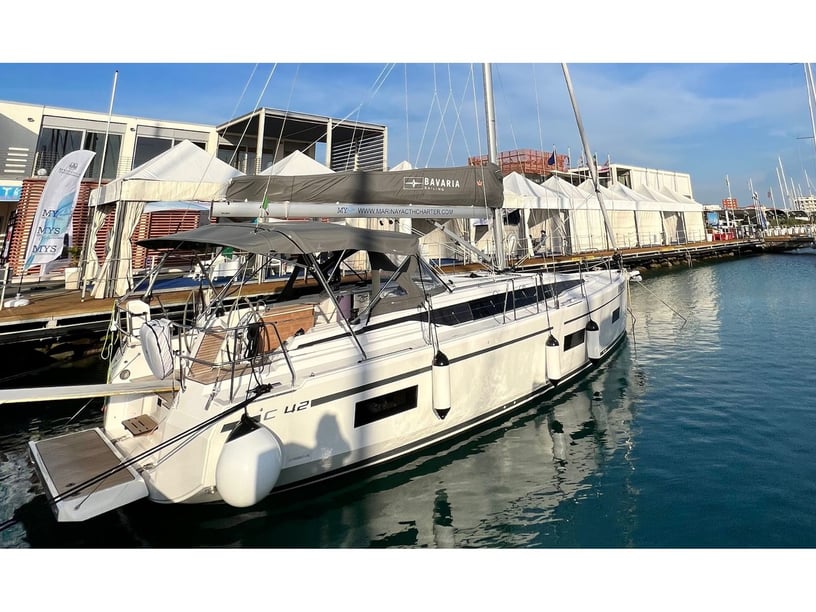
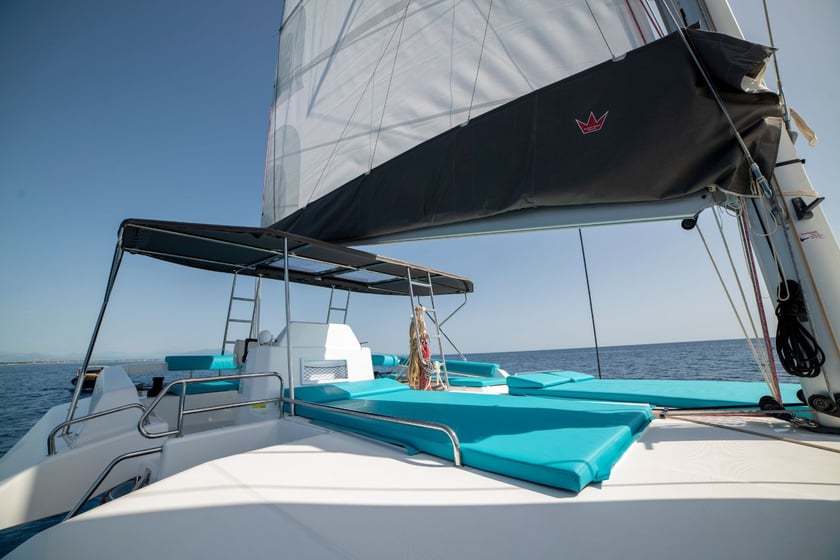
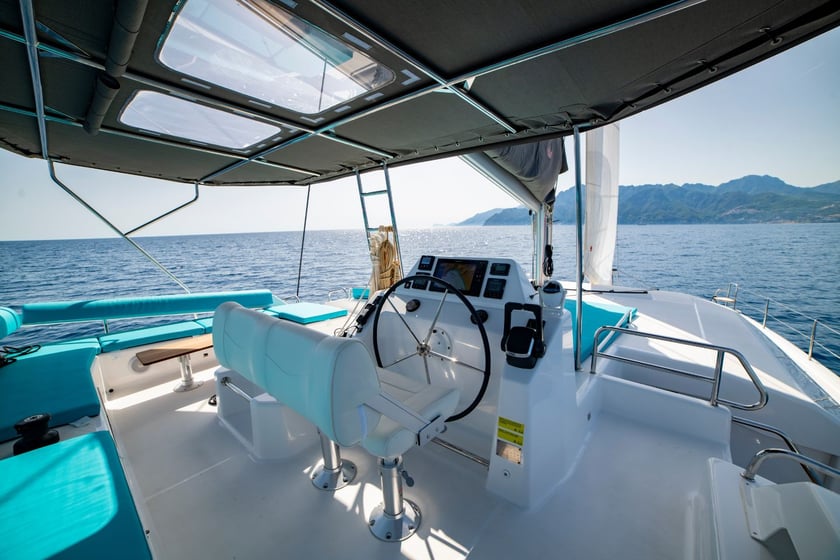
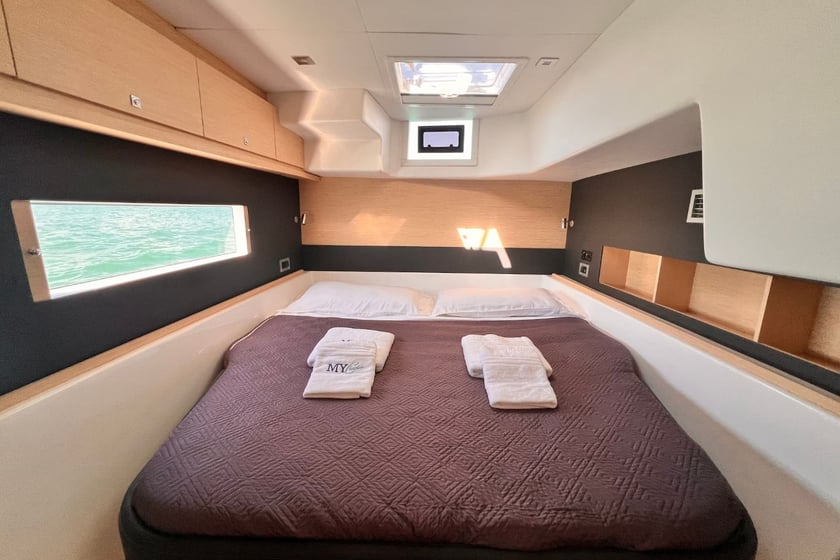
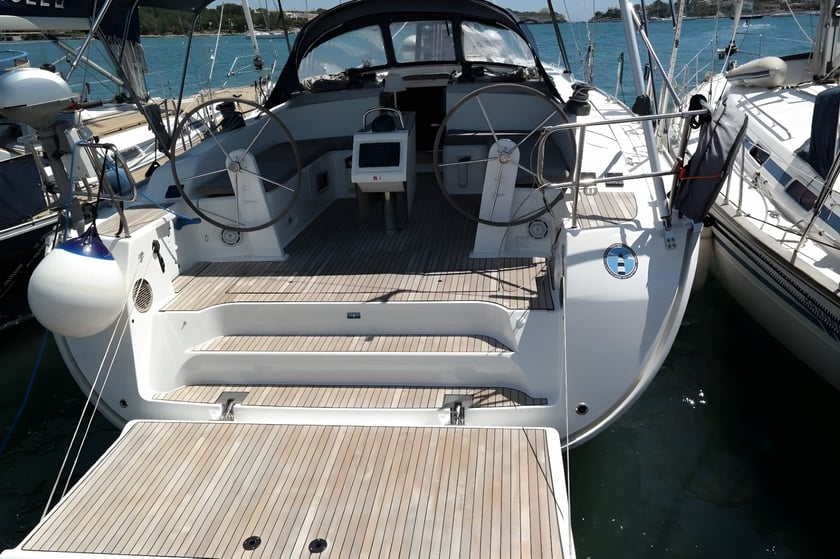
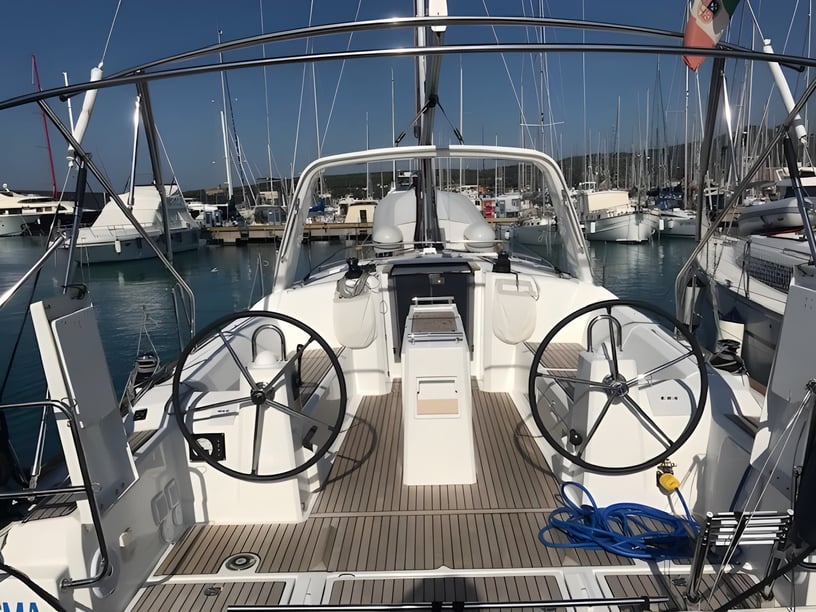
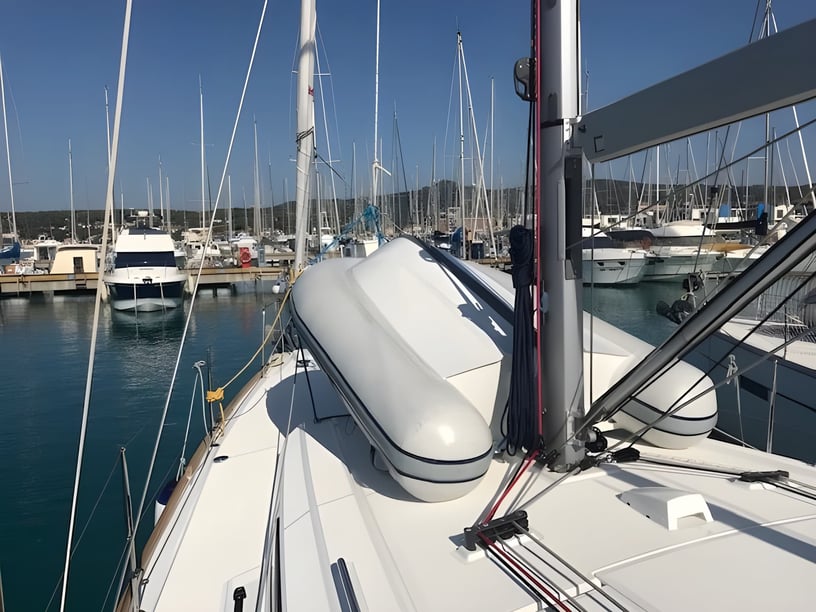
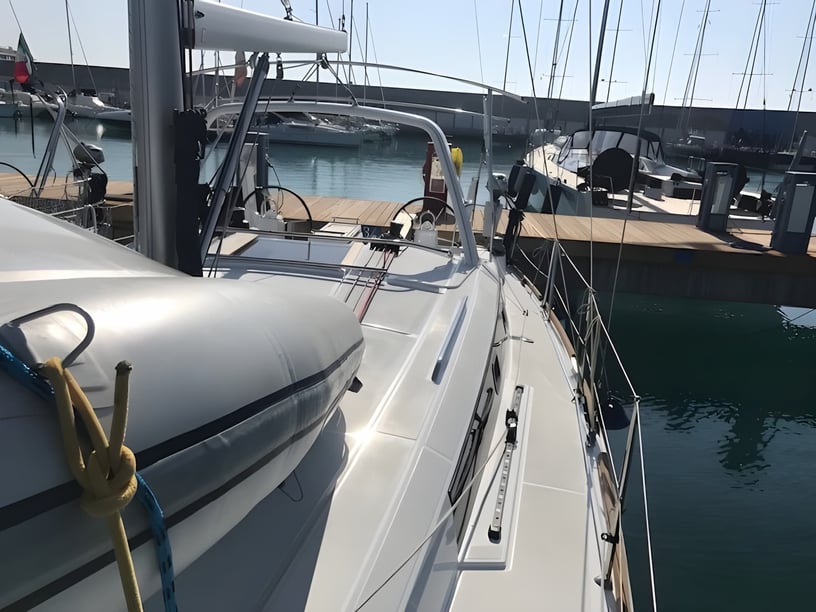
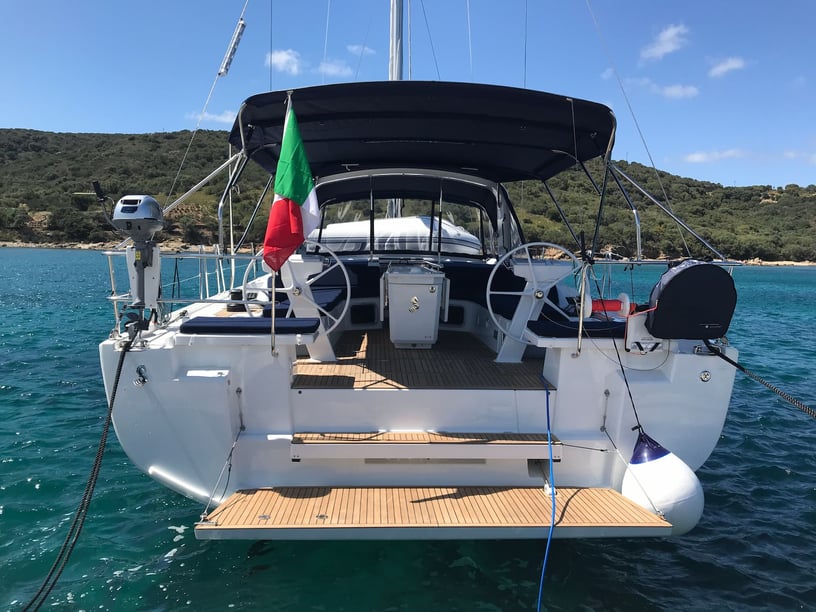
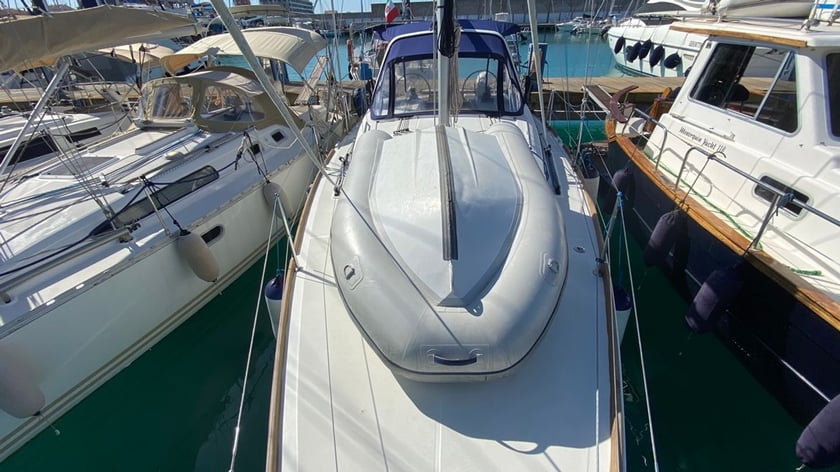
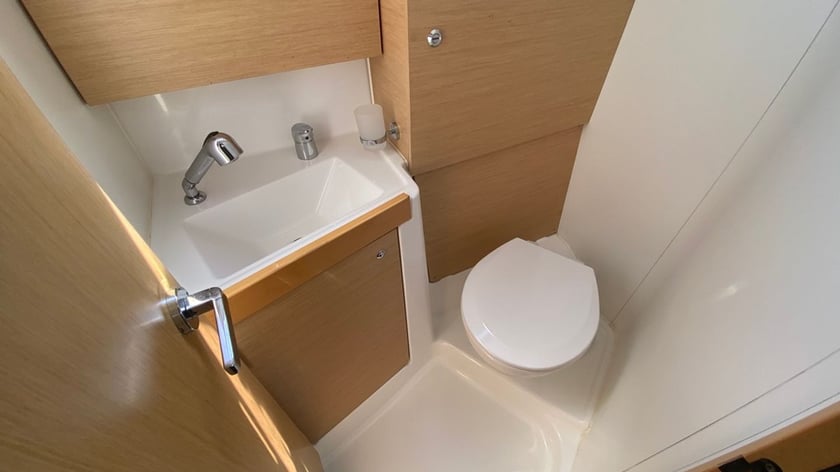
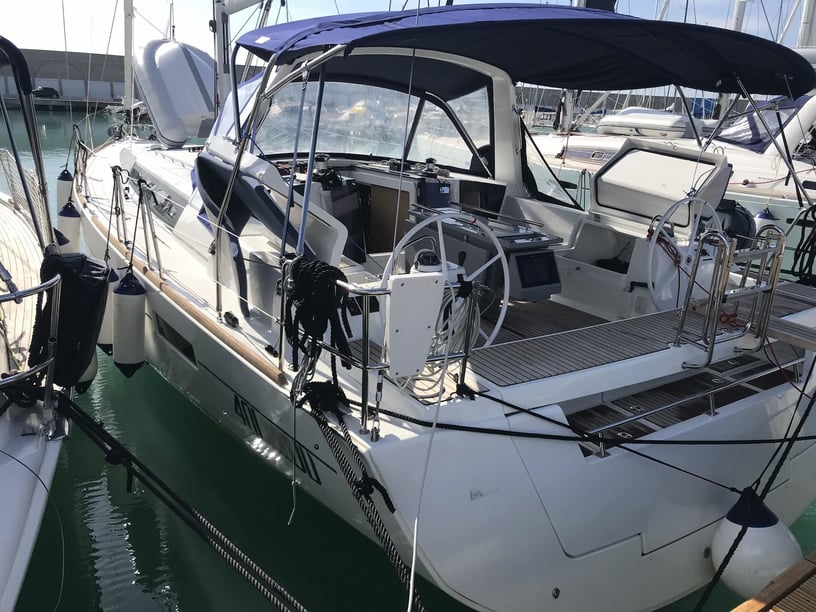
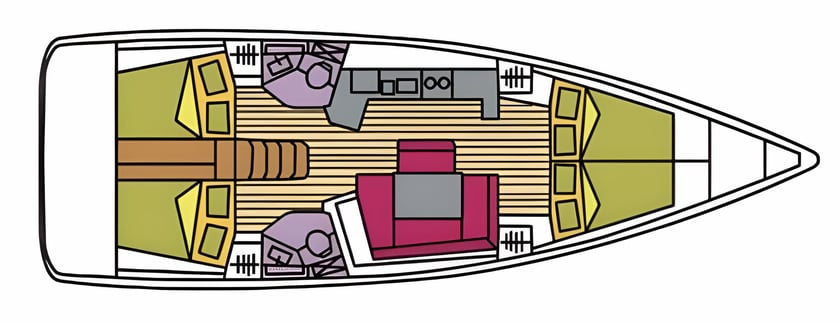
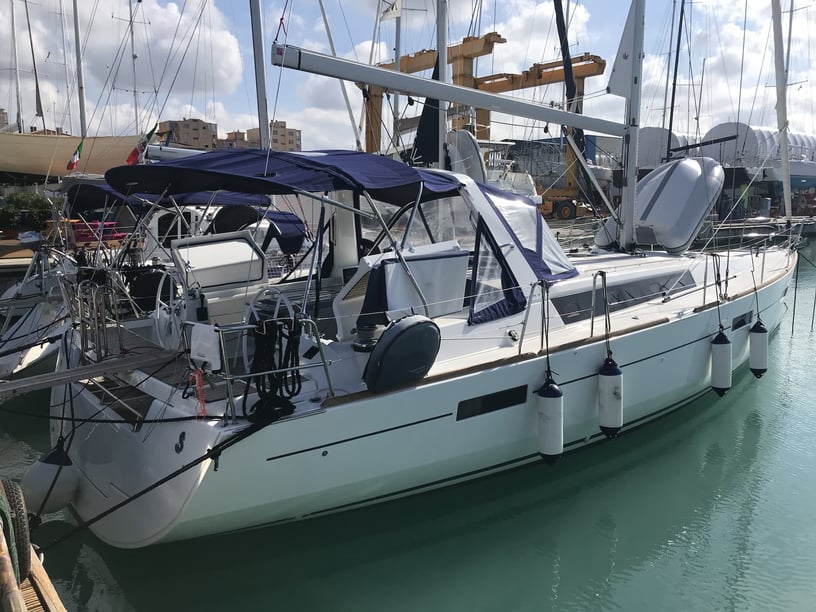
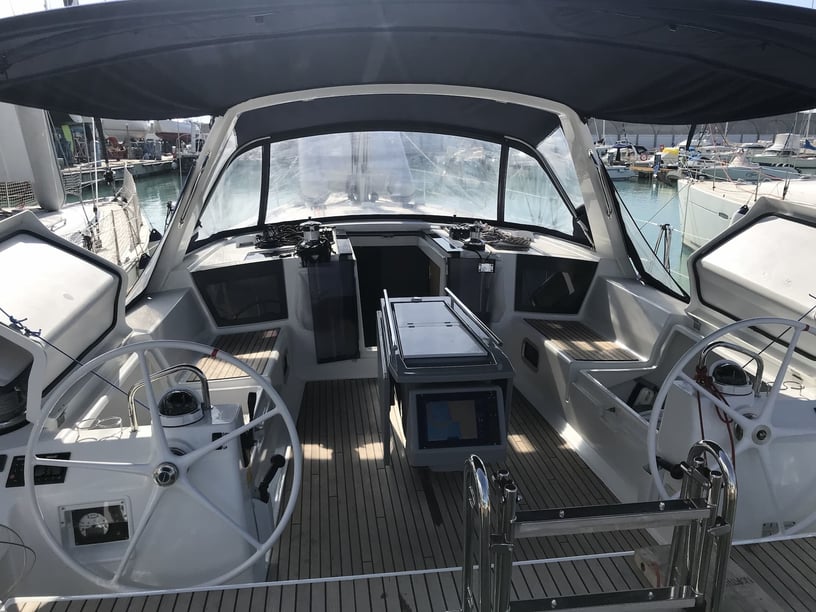
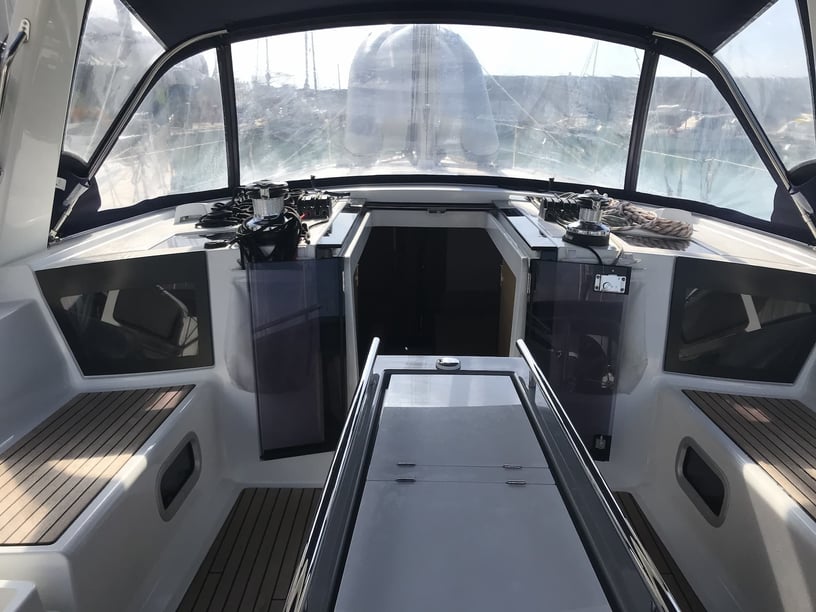
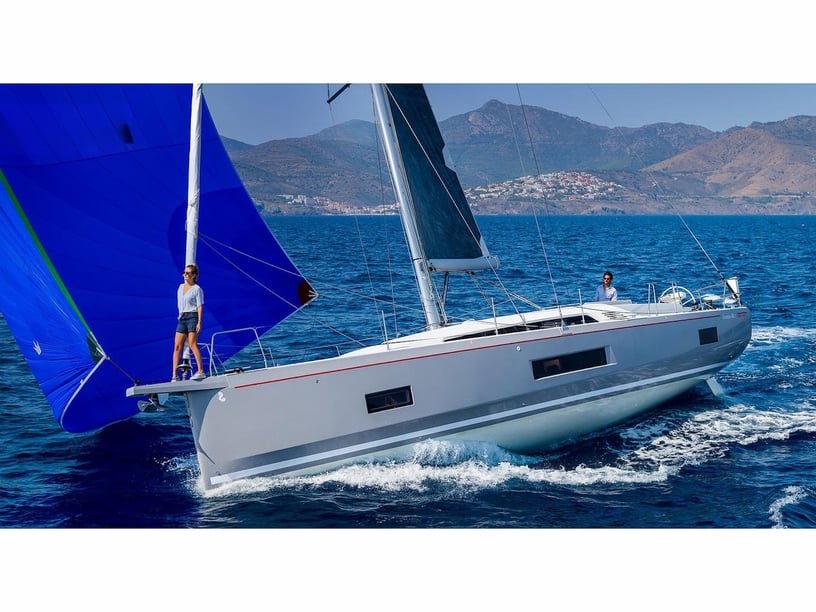
Yacht charter in Cecina
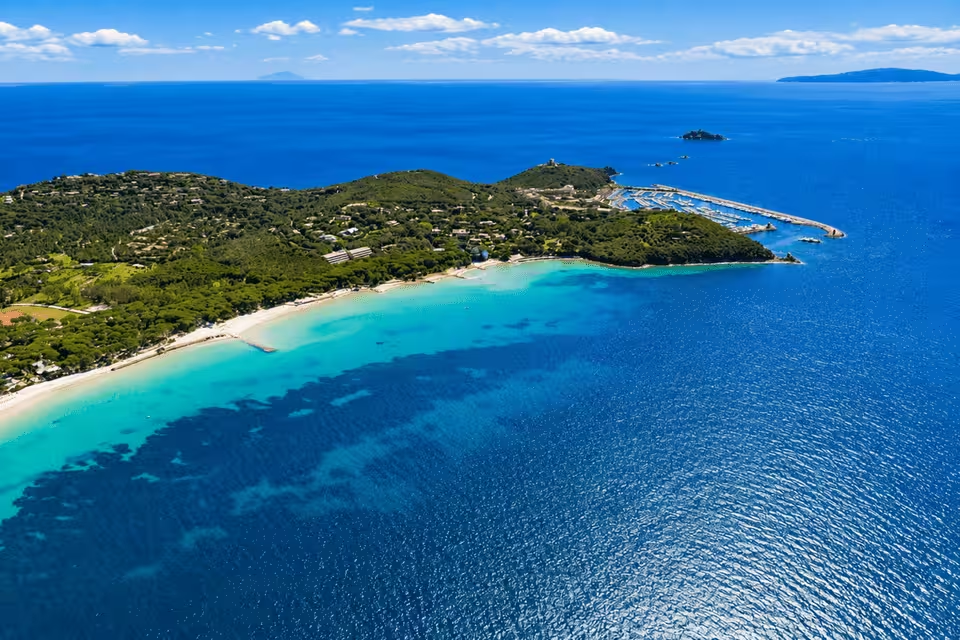
A yacht charter in Cecina begins on Tuscany’s Etruscan Coast, where Marina di Cecina occupies the mouth of the Cecina River. The surrounding landscape is low-lying and open, with long sandy beaches, dunes and an extensive belt of Mediterranean pine forest. This is not a coast of tightly spaced coves and naturally sheltered anchorages; its appeal lies in coastal cruising, beach time and access to more ambitious offshore passages.
Cecina works as both a seaside destination and a potential departure area through Porto di Cecina. Time ashore can include waterfront walks, archaeological sites and pine-backed coastal paths. Travelers considering a wider Italian itinerary can compare Cecina with other yacht charter destinations in Italy.
Coastal places to explore
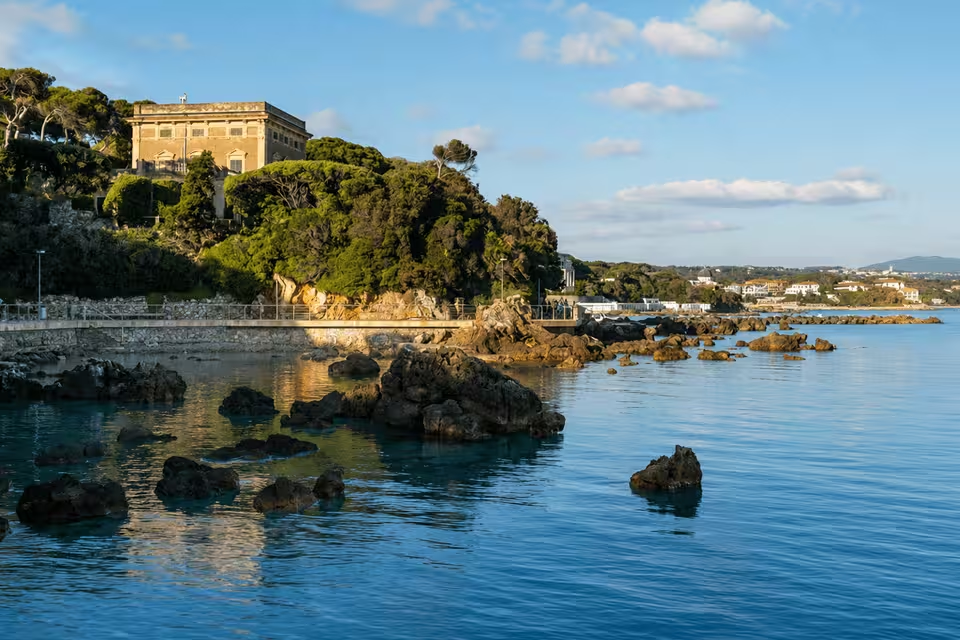
Marina di Cecina is the natural center of the local boating experience, combining the port, seafront and nearby beaches. Immediately to the north and south, the Tomboli di Cecina nature reserve separates substantial stretches of beach from the inland plain. Its dunes and pine forest give time ashore a markedly different character from the open water beyond.
Le Gorette is particularly relevant for sailing and board sports, while Vada and Marina di Bibbona can help define a broader exploration of the Etruscan Coast. Because this shoreline is predominantly straight and exposed, these places are better understood as coastal destinations than as a chain of sheltered bays. Farther offshore, Capraia offers a contrasting island objective, but reaching it involves a genuine open-water passage rather than casual coastal hopping.
What sailing from Cecina is like
Cruising around Cecina takes place along an exposed Tyrrhenian shoreline with limited natural shelter outside Porto di Cecina. This makes the forecast central to route planning: strengthening onshore winds can create an uncomfortable sea, while offshore journeys require a vessel and crew prepared for conditions away from the coast.
Fair summer weather often brings local thermal winds used by sailing and windsurfing schools. Around Le Gorette, sirocco, libeccio and winds ranging from westerly to mistral are relevant. Easterly offshore winds can become irregular near the coastal pine belt, so local effects should not be judged from the general forecast alone.
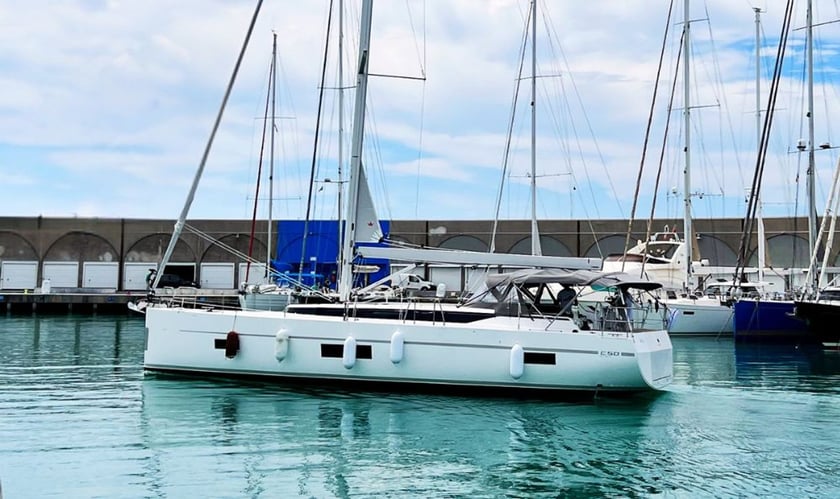
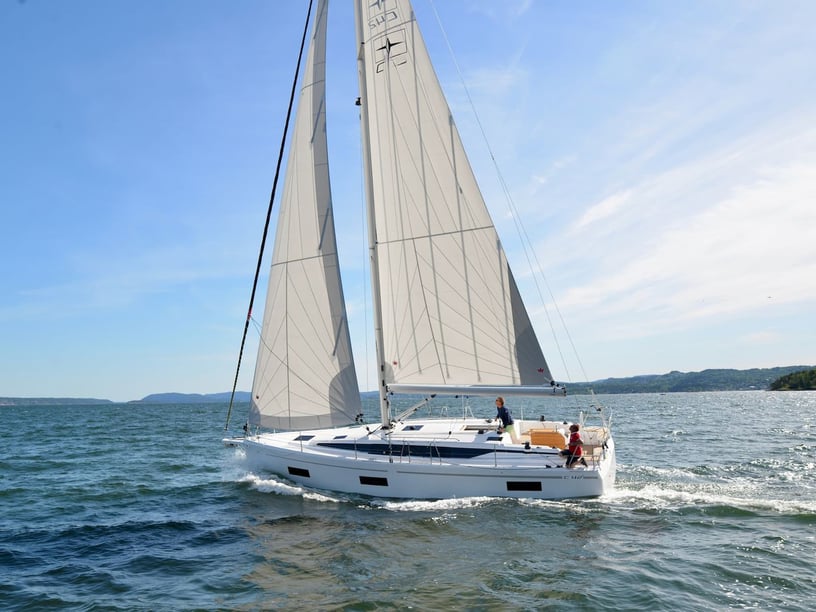
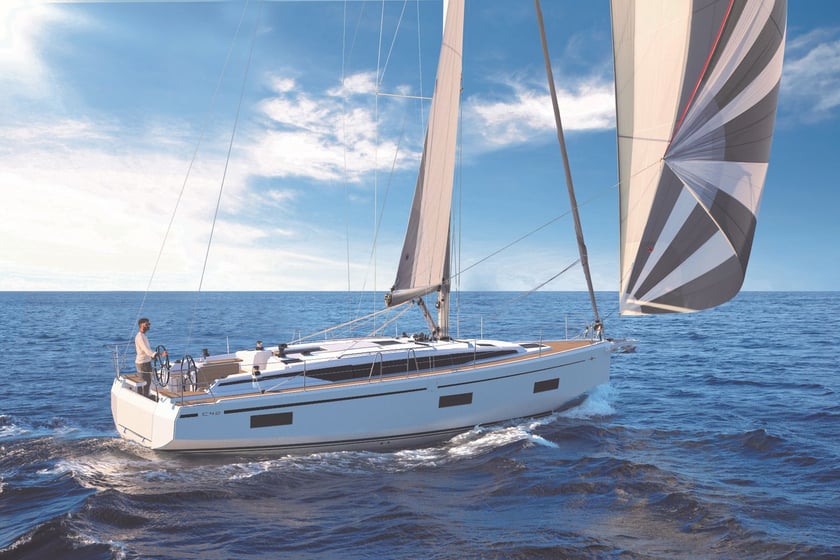
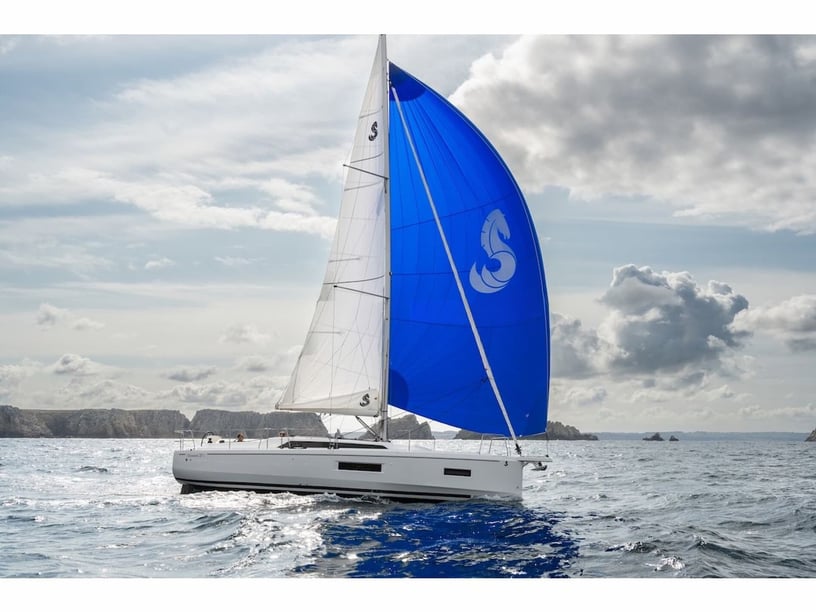
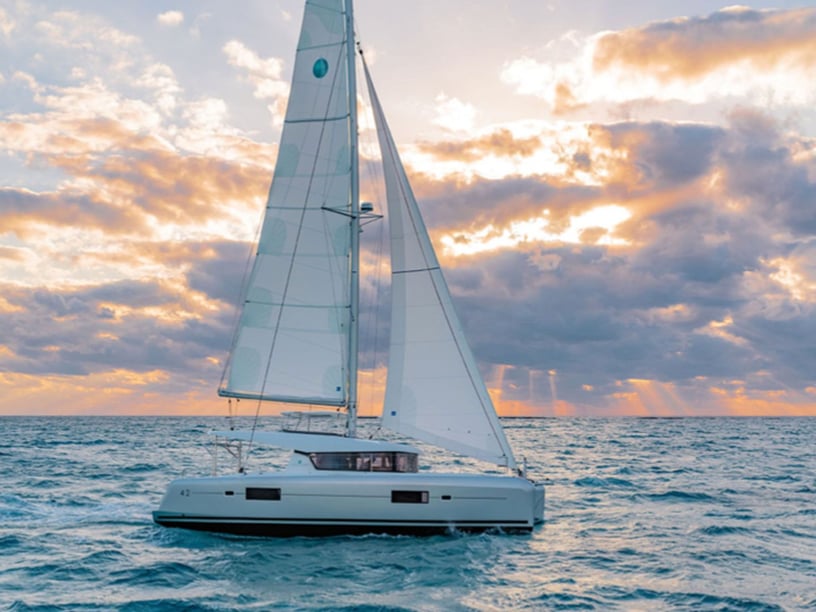
The setting suits travelers who value open-coast sailing more than sheltered-cove cruising. Those specifically interested in wind-powered trips can explore sailboat charter in Cecina, while keeping the intended route and expected sea state central to the choice of boat.
Best time for a Cecina yacht charter
The main recreational boating period runs from spring into early autumn. April, May, June, September and October are particularly suitable for sailing in Tuscany, offering a useful range of spring, early-summer and autumn conditions. June and September sit within the busier sailing season, while April, May and October provide shoulder-season alternatives.
July and August bring the warmest water, driest weather and longest beach days. They can also be hotter, more humid and calmer on average, so they may suit travelers who place swimming and time on the coast ahead of stronger sailing conditions.
From late autumn through winter, the weather becomes cooler, wetter and generally windier, and leisure-boating activity falls substantially. Winds also tend to be stronger from October into April, making careful forecast assessment especially important near the edges of the main season.
Coastal cruising and the passage to Capraia
Shorter trips can follow the Etruscan Coast, linking time under way with swimming and visits ashore around Marina di Cecina, Le Gorette, Vada or Marina di Bibbona. The route remains exposed, however, so the day’s distance should reflect wind direction and sea state rather than a fixed itinerary.
The principal offshore option is the passage from Porto di Cecina to Capraia, documented at approximately 31.5 nautical miles. It is a meaningful crossing used for organized sailing events, not a sheltered transfer. Suitable weather, an appropriately equipped vessel and proper open-water preparation are essential.
Beaches, pine forests and history ashore
A Cecina charter can combine sailing with swimming, long sandy beaches and walks through the protected coastal landscape. The Tomboli di Cecina reserve is especially distinctive: its pine forest was planted from 1839 onward to protect inland farmland from salt-laden maritime winds. Today, it forms a substantial green belt behind the dunes and beaches.
Cecina also rewards time ashore with evidence of its Etruscan and Roman past. The Roman villa at San Vincenzino developed between the first century BC and the fifth century AD; visible remains include foundations, floors, mosaics and an underground cistern. The Guerrazzi Civic Archaeological Museum at Villa La Cinquantina provides further historical context.
Coastal meals commonly feature fish dishes such as cacciucco, often paired with wines from the Etruscan Coast, adding a regional element to evenings off the yacht.
Reaching the port and departure area
Porto di Cecina, at Marina di Cecina, is the relevant harbor and departure point for local coastal trips and offshore passages. The marina lies approximately three kilometers from Cecina town, so travelers arriving by rail should plan the final transfer separately. Cecina station is on Tuscany’s coastal rail corridor.
Pisa International Airport is the most straightforward air gateway described for the area. Travelers can connect from the airport toward Pisa Centrale and continue south by rail. Florence Airport provides another option, while road access follows Tuscany’s coastal motorway and the Via Aurelia network before local roads lead to Marina di Cecina.
Cecina should be viewed as a combined beach destination, boating harbor and gateway to the open coast rather than as a naturally sheltered cruising hub.
Planning the right charter
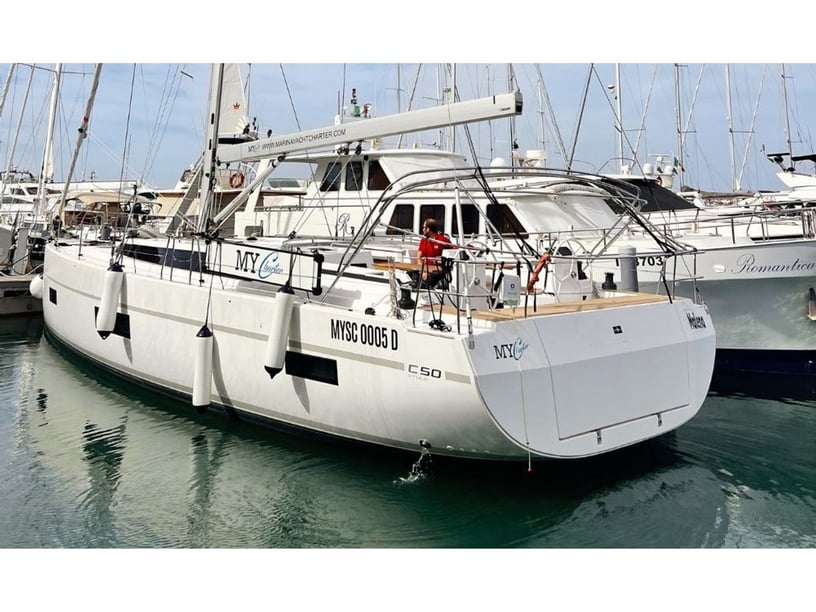
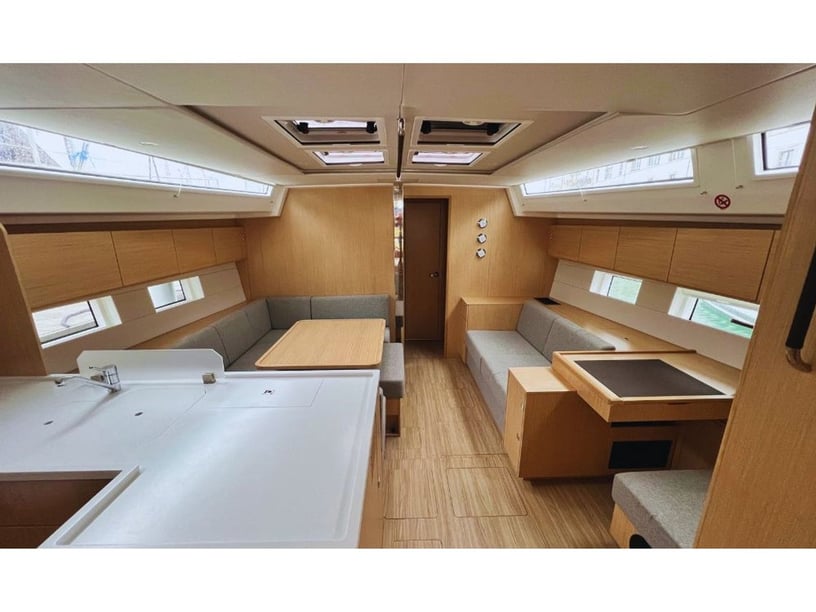
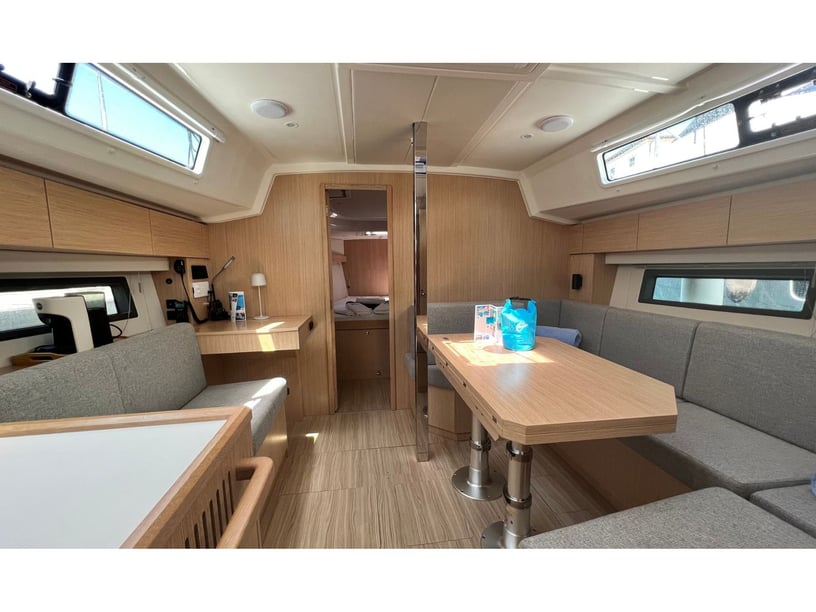
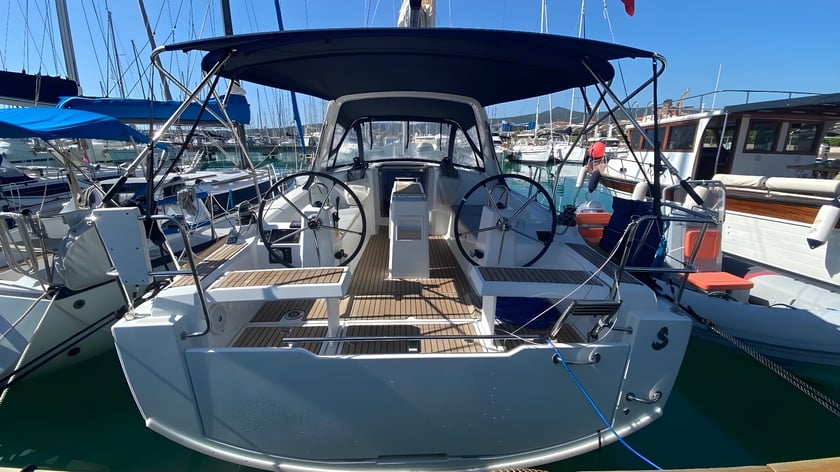
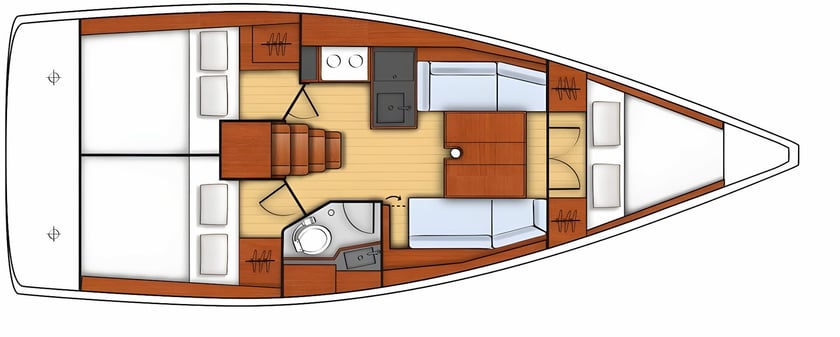
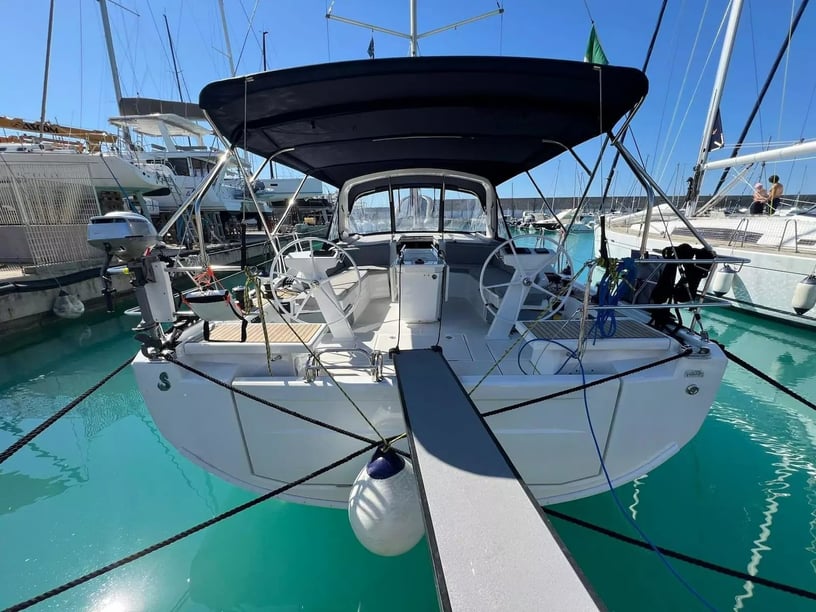
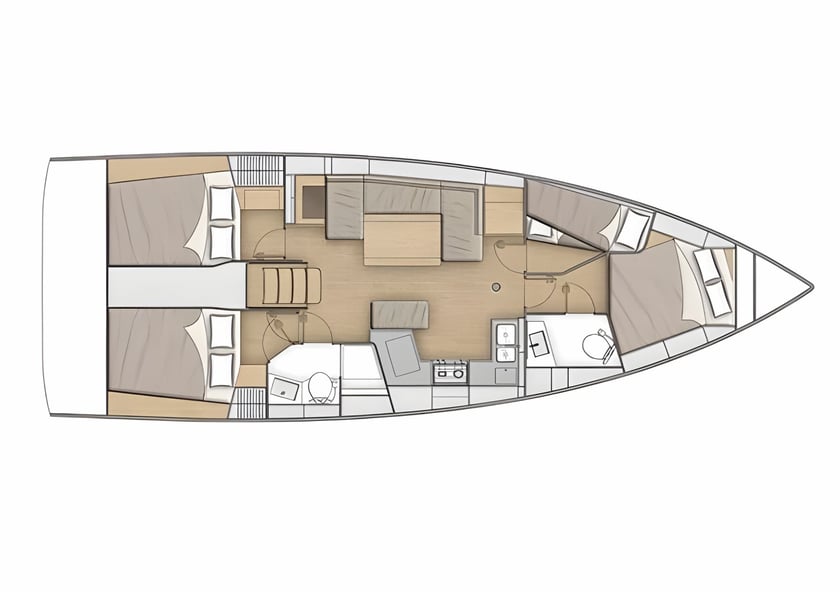
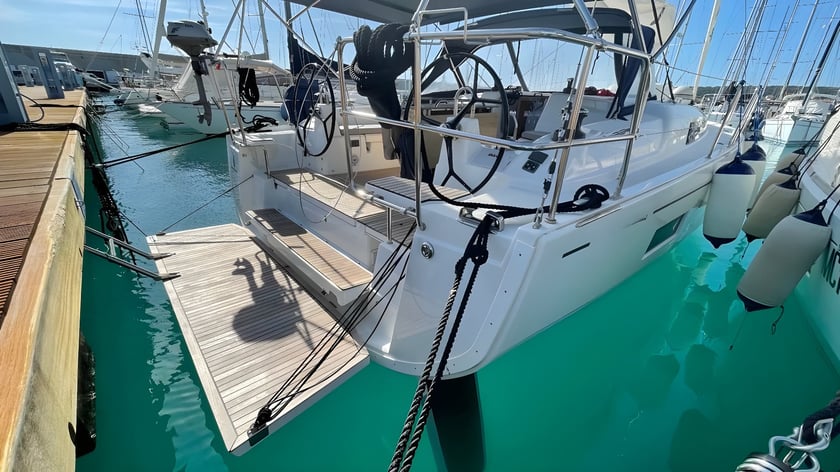
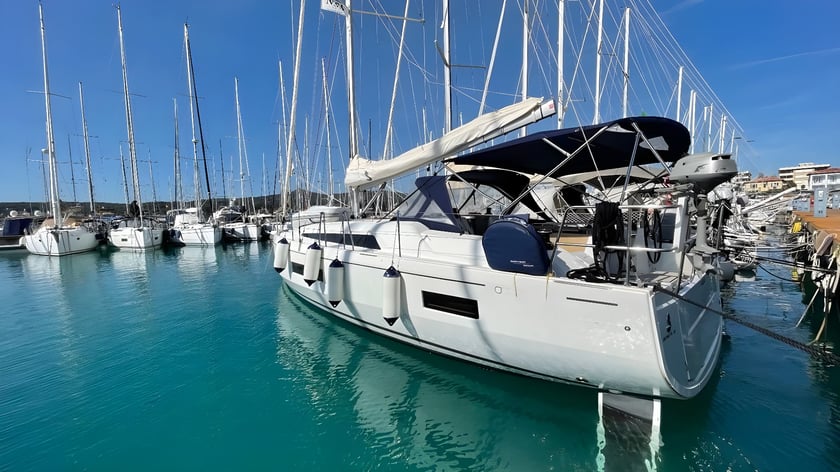
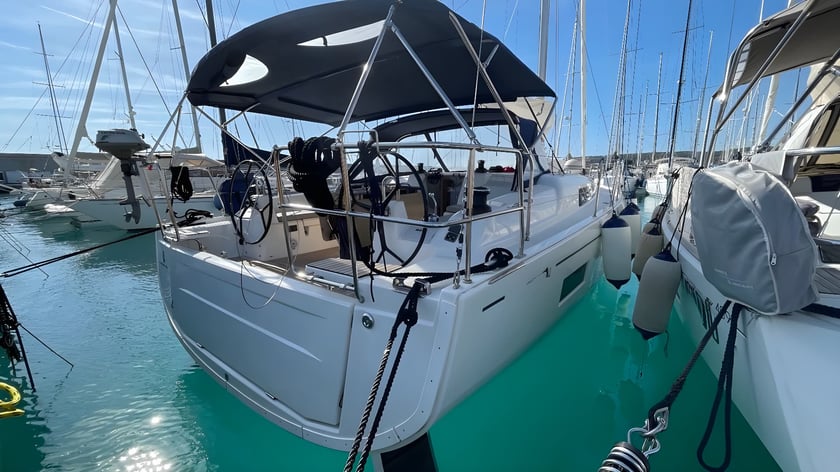
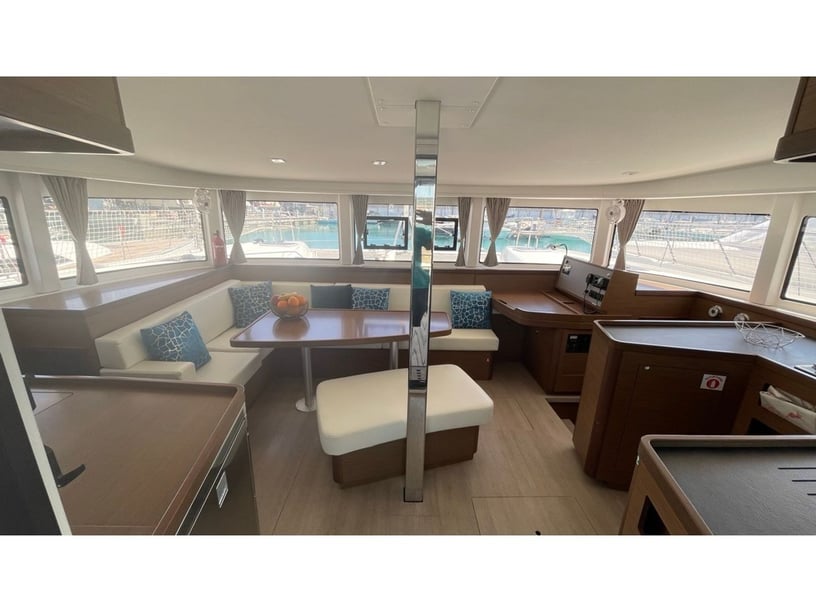
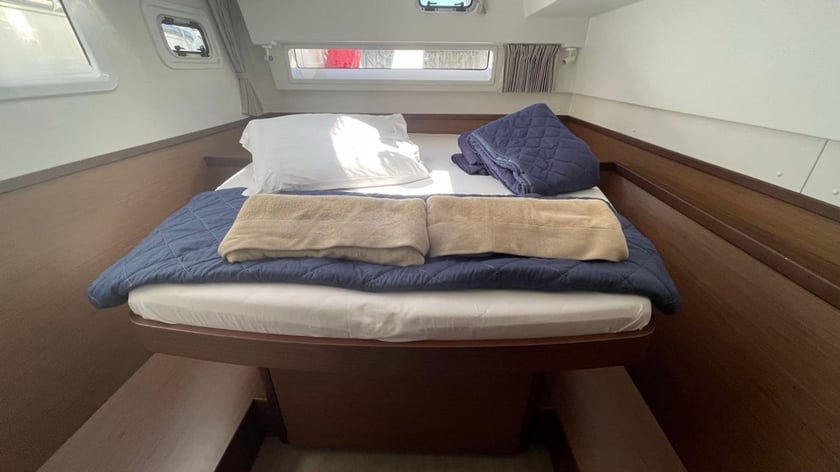
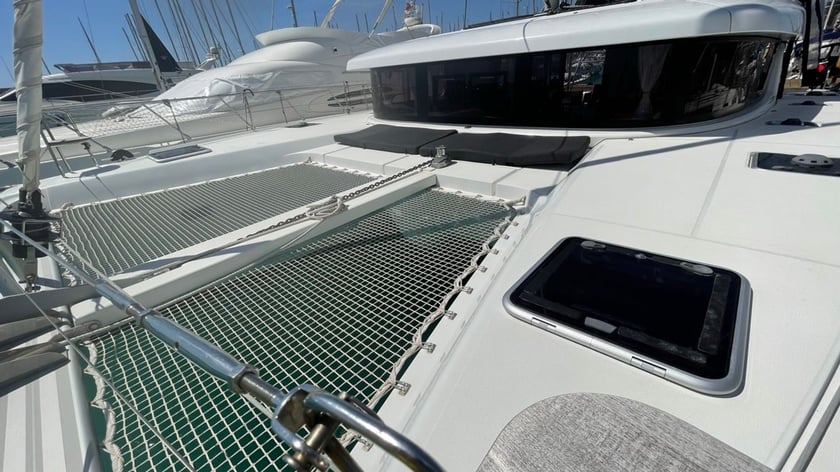
When comparing Cecina boat rental and yacht charter choices, begin with the intended operating area. A relaxed coastal outing and a passage to Capraia place very different demands on the boat, safety equipment and crew experience. Offshore plans should be matched to suitable vessel certification and capability, while the itinerary should retain enough flexibility to respond to changing wind and sea conditions.
Porto di Cecina occupies a river-mouth setting with a sandy and muddy bottom. Published regional depth figures may be historic, so the skipper should consult current charts, navigational notices and the port before entry. Berth arrangements, port operations and technical services should also be confirmed directly before arrival.
The open shoreline provides little natural shelter once outside the harbor. Travelers should therefore treat weather planning as part of the charter choice, not merely a final check before departure. For coastal and offshore trips alike, a conservative route based on current conditions will usually be more useful than committing to a rigid schedule.