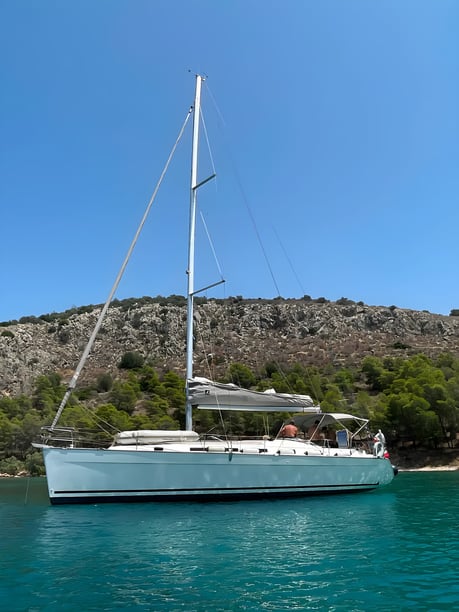
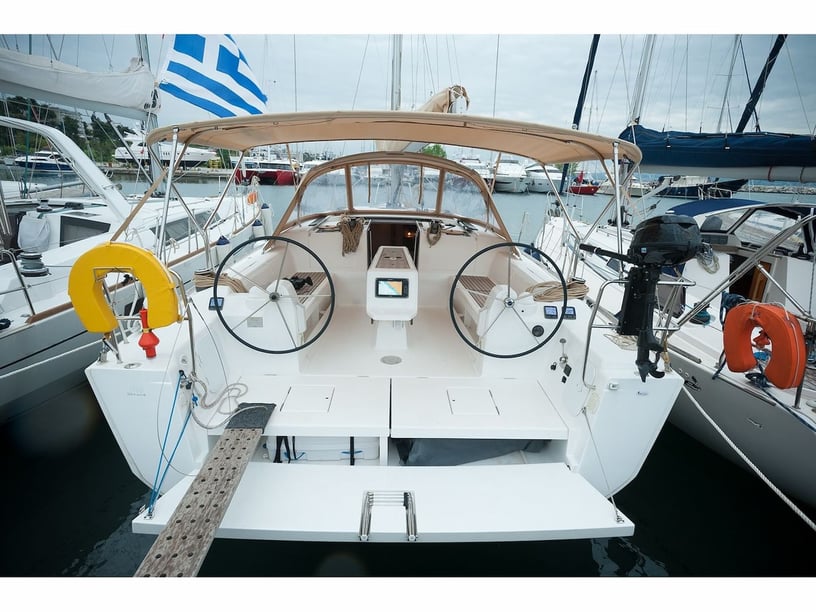
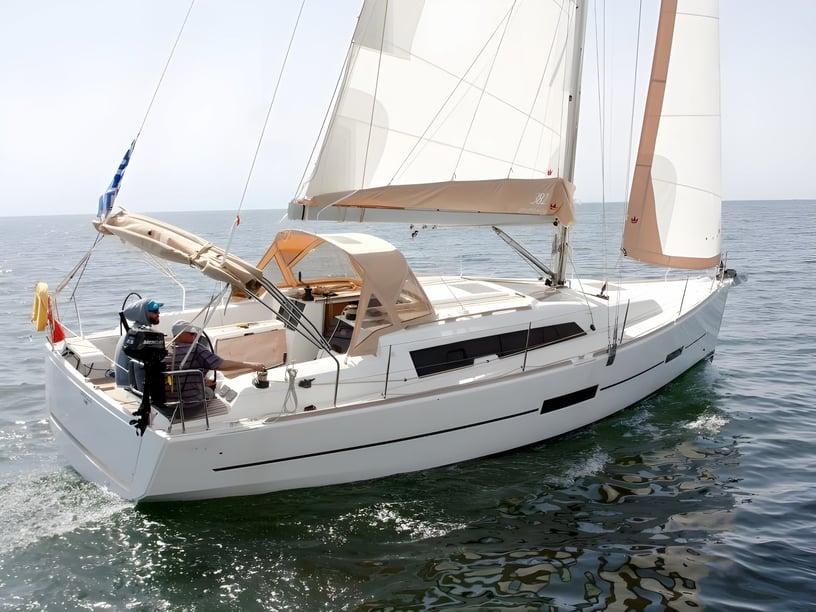
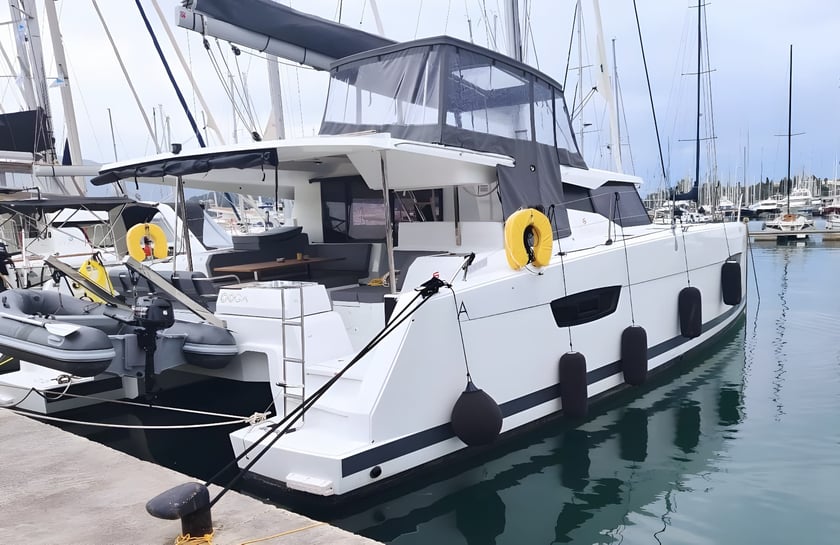
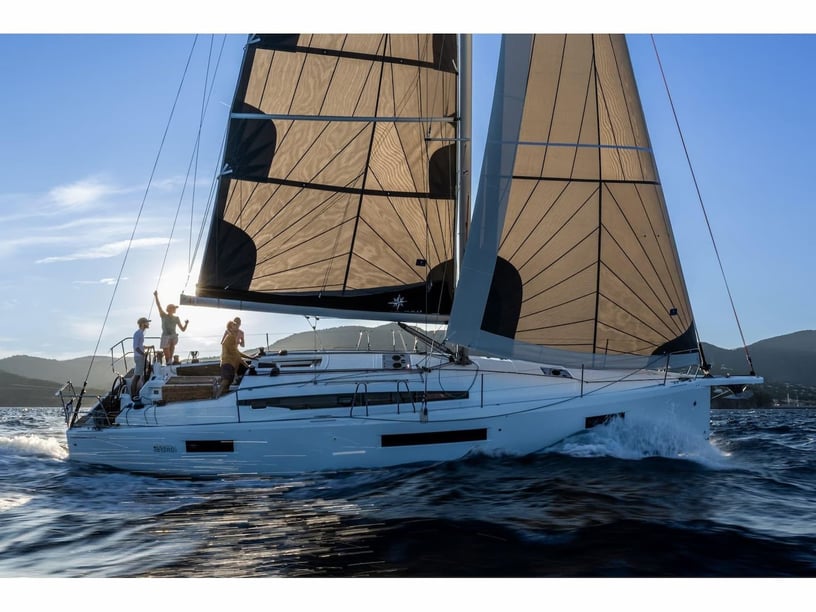
Yacht charter around the Sithonia Peninsula
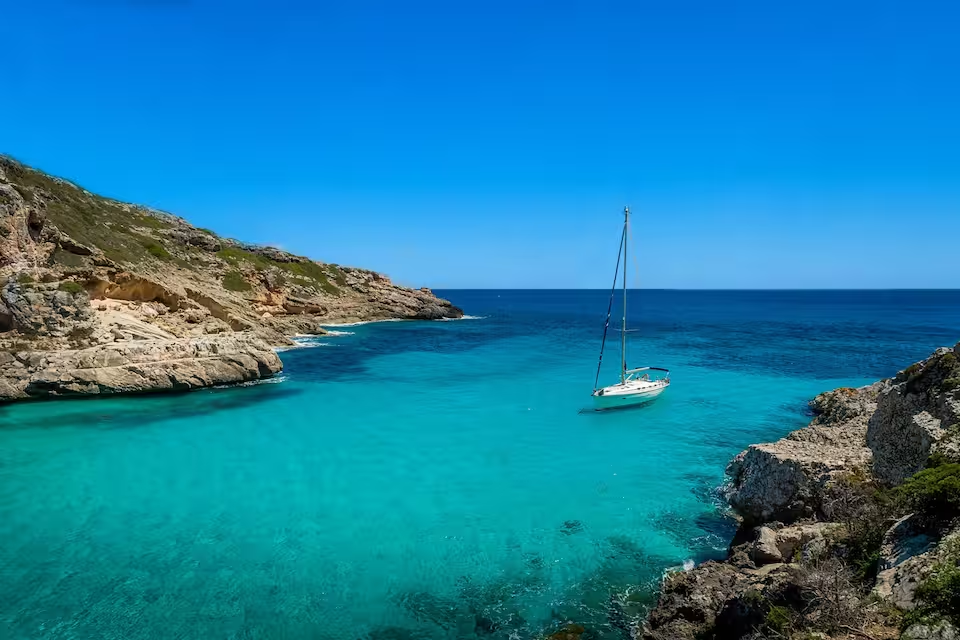
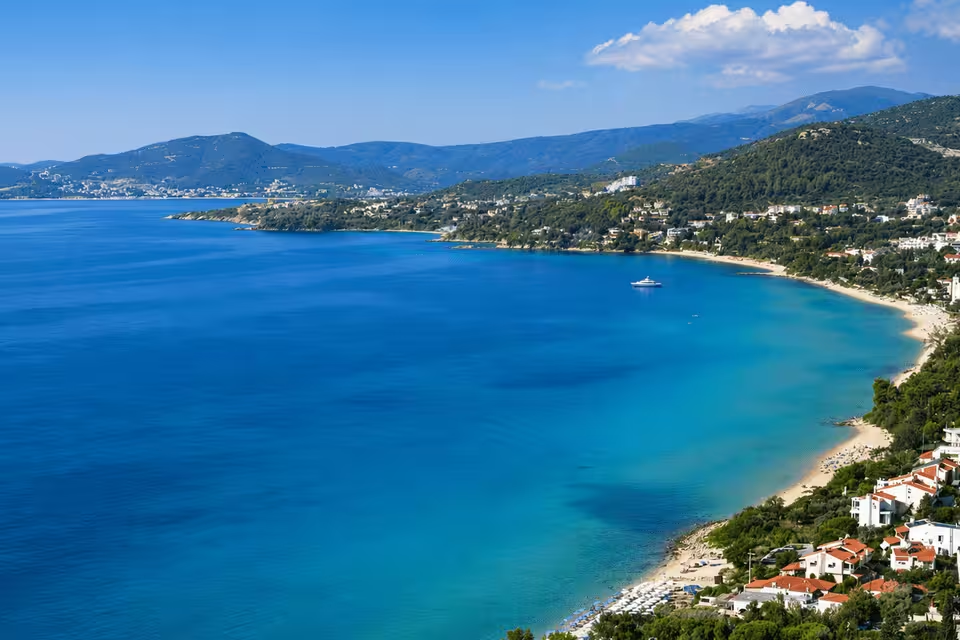
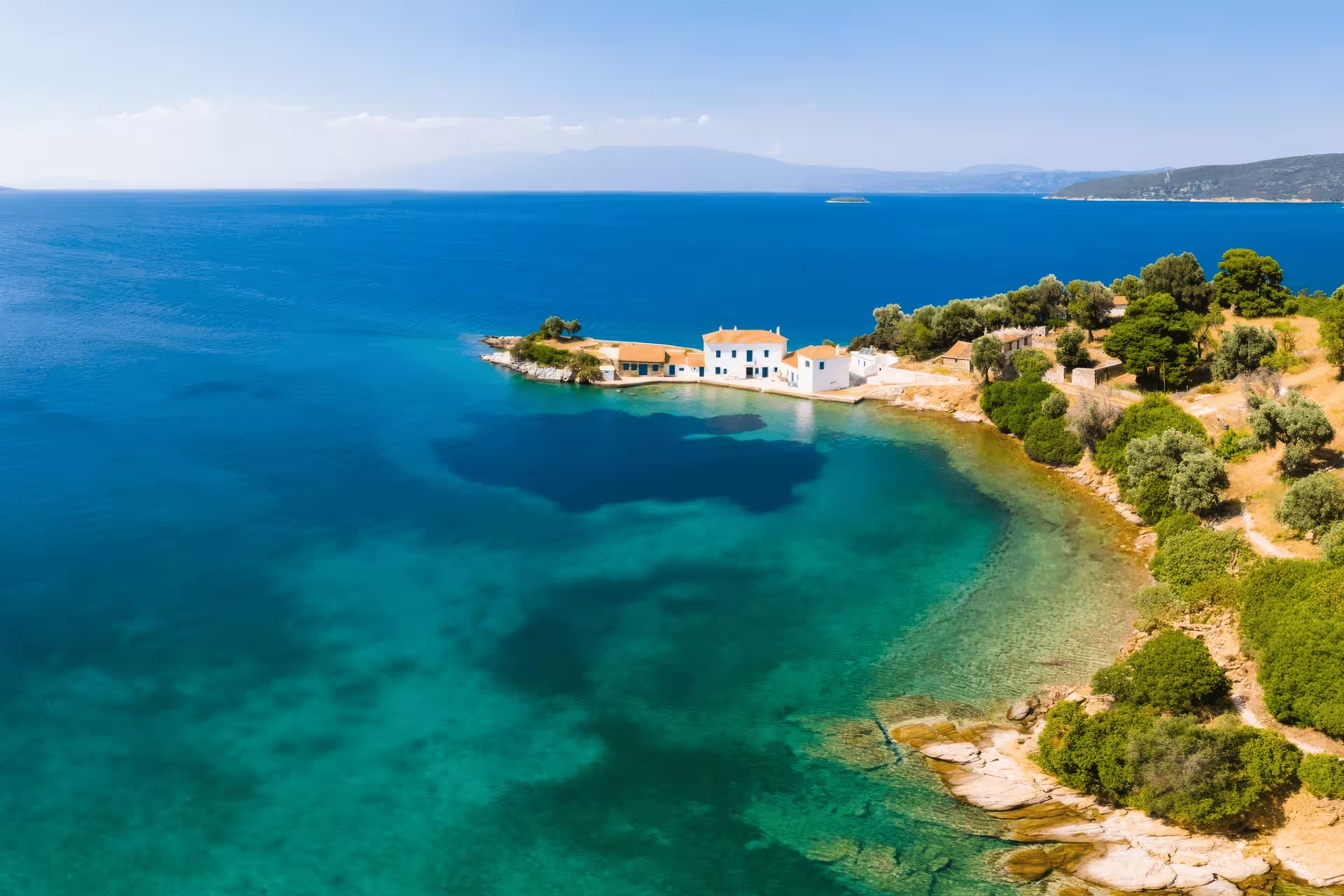
A yacht charter in Sithonia, Chalkidiki reveals a coastline that is difficult to appreciate fully from the road. The middle peninsula of Chalkidiki extends between Toroneos Gulf and Singitic Gulf, with Mount Itamos forming its forested interior. Around its shores, long beaches alternate with rocky headlands, small coves, fishing ports and natural anchorages.
The two sides of the peninsula offer notably different cruising settings. To the northeast, Diaporos and the other Vourvourou islets create a compact area for short passages and frequent swimming stops. The western coast connects larger waterfront centers such as Nikiti and Neos Marmaras with Toroni and the exceptionally enclosed harbor of Porto Koufo. On the east, open views toward Mount Athos accompany a coast that becomes more exposed away from sheltered bays. This variety suits both day trips centered on swimming and longer yacht itineraries linking several parts of the peninsula.
Principal cruising areas and coastal stops
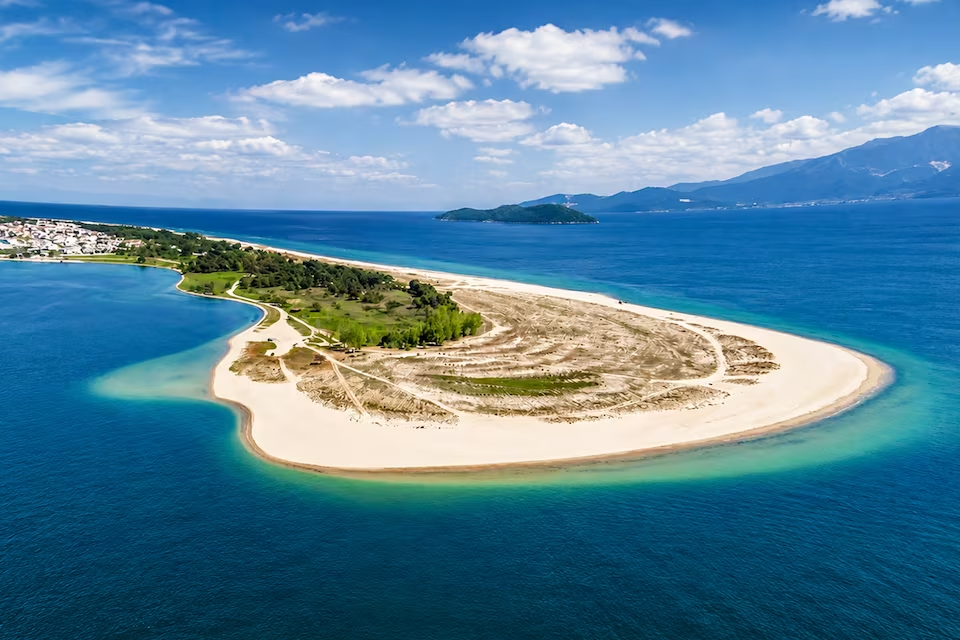
Vourvourou Bay is the clearest choice for compact exploration. Diaporos, the largest of the nine islets opposite Vourvourou, can be reached only by sea, while the surrounding shallows, coves and narrow passages create numerous options for short outings. Kryftos Bay, Myrsini and the area commonly known as the Blue Lagoon are frequent points of interest. The protection provided by the islands also makes this area feel different from the peninsula’s open coasts.
Nikiti and Neos Marmaras are useful western-coast reference points. Both have waterfront services, and Neos Marmaras sits close to Porto Carras, the peninsula’s principal full-service marina. Offshore, Kelifos provides a recognizable destination within Toroneos Gulf. Farther south, Toroni combines a long coastal setting with the remains of ancient Torone and the Lykithos headland.
Porto Koufo is the peninsula’s most distinctive natural harbor. Its narrow entrance opens into a deeply enclosed bay, providing substantial shelter near Sithonia’s southern end. It can form a quiet focal point for an itinerary that also includes Toroni or Kalamitsi.
On the eastern side, Sarti and the coast toward Ormos Panagias face Singitic Gulf and Mount Athos. Ormos Panagias is particularly relevant for cruises continuing toward Ammouliani, the Drenia islets or the western shore of the Mount Athos peninsula. This side suits travelers interested in broader sightseeing passages, while Vourvourou is better matched to close-range island and cove exploration.
What cruising conditions are like
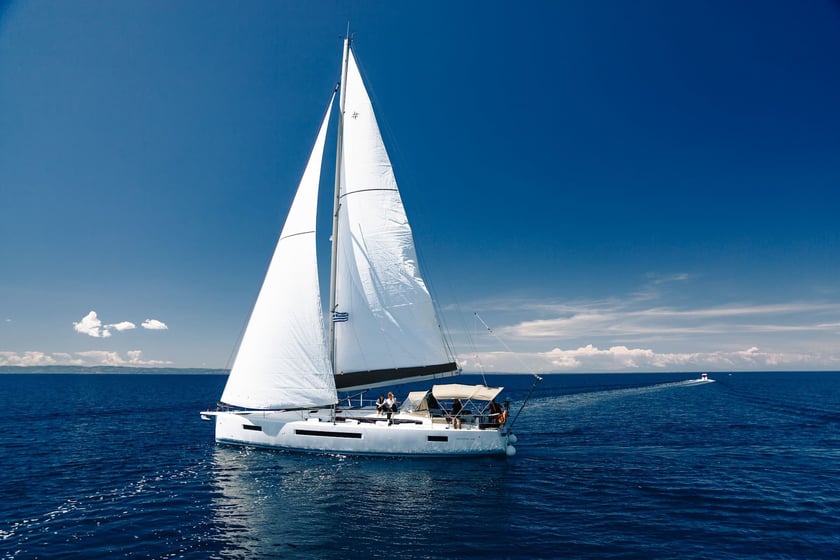
Sithonia’s yacht-charter experience is primarily coastal, with opportunities to divide the day between short passages, anchoring and going ashore. Conditions can differ considerably over a relatively small distance. Water inside Vourvourou Bay, behind Diaporos and within Porto Koufo is generally gentler than on exposed eastern and southern stretches.
Summer weather is usually warm, sunny and relatively dry. Local afternoon breezes and seasonal northerly Aegean winds can strengthen conditions and create chop, particularly around open headlands. A calm morning inside a harbor therefore does not necessarily indicate what the outer coast will be like later in the day.
These contrasts make flexible planning valuable. A route focused on Vourvourou can remain compact and swimming-oriented, while passages around the southern peninsula or across the gulfs require closer attention to forecasts. Current marine information and local nautical guidance remain important, especially where shelter changes abruptly around headlands.
Best time for a Sithonia yacht charter
Recreational boating is concentrated between May and October, with the most dependable warm and dry conditions generally occurring from June through September. July and August are the principal peak months, bringing the warmest part of the season as well as greater visitor pressure around popular beaches, ports and anchorages.
June and September are particularly suitable months. Both usually combine favorable boating weather with fewer visitors than the height of summer, making them appealing for travelers who want warm-season cruising without focusing on the busiest period. Spring sea temperatures remain comparatively cool, while conditions become progressively less consistent during October. Seasonal marine and visitor services may also be more limited outside late spring and early autumn.
Route ideas for day trips and longer cruises
The Vourvourou–Diaporos circuit is a natural starting point for a short, swimming-led outing. It keeps distances compact and may include Kryftos Bay, Myrsini and the shallow Blue Lagoon area. Small islands and narrow passages make local route briefings especially relevant here.
In Toroneos Gulf, an established circuit connects the Kassandra coast with Kelifos, Neos Marmaras and Toroni. Within a Sithonia-focused itinerary, the western shore can instead be followed south toward Porto Koufo, combining coastal settlements with a well-sheltered harbor at the end of the peninsula.
From Ormos Panagias, routes can extend across the northern part of Singitic Gulf toward Ammouliani and the Drenia islets before returning via the Vourvourou area. Another established sightseeing passage follows the western shore of the Mount Athos peninsula. The appropriate combination depends on trip length and conditions; exposed gulf crossings require a different weather window from a protected circuit among the Vourvourou islets.
Swimming, coastal culture and time ashore
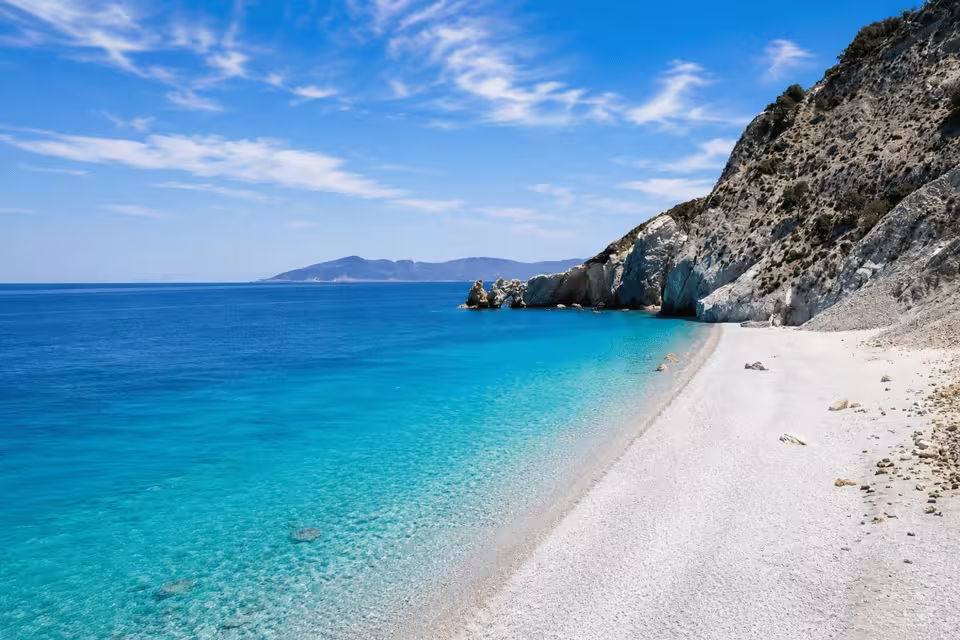
Swimming and snorkeling are central to cruising around Sithonia. A yacht makes it possible to move between beaches, rocky coves and clear-water stops that are less straightforward to reach overland. Around Vourvourou, the day can be structured around several short swims among the islets; elsewhere, anchorages near forested shores can be combined with visits to coastal settlements.
Time ashore adds historical and cultural context. Ancient Torone was founded by settlers from Chalcis near the end of the eighth century BC, and remains from several periods have been identified around the southwestern coast. Porto Koufo served as its harbor and was later fortified and used by German submarines during the Second World War.
Away from the waterfront, Old Nikiti preserves stone Macedonian houses, cobbled lanes, courtyards and wooden balconies. Parthenonas offers another hillside counterpoint to the coast. Local food traditions include honey, olives, olive oil, seafood and wine, allowing a charter itinerary to connect swim stops and anchorages with the peninsula’s agricultural and fishing culture.
Getting there and choosing a departure point
Sithonia is normally reached by road from Thessaloniki and Thessaloniki Airport Makedonia. Intercity buses serve major settlements, but a rental car or private transfer is generally more practical for reaching dispersed ports and smaller coastal communities. Near Nikiti, the main roads separate into western and eastern routes around the peninsula.
Common departure points include Nikiti Tourist Port, Neos Marmaras Port, Porto Carras Grand Resort Marina, Ormos Panagias and Vourvourou. Nikiti and Neos Marmaras are practical for the western coast, while Vourvourou favors immediate access to the islets. Ormos Panagias is better positioned for eastern routes toward Ammouliani, Drenia and the Mount Athos coastline.
Planning the right charter experience
When comparing boat rental in Sithonia, Chalkidiki, begin with the intended cruising area rather than trying to cover the entire peninsula in one short trip. Vourvourou supports compact outings with repeated swim stops, whereas the western and southern coasts involve longer passages between settlements, offshore points and Porto Koufo. Eastern itineraries may include more exposed water and broader sightseeing routes.
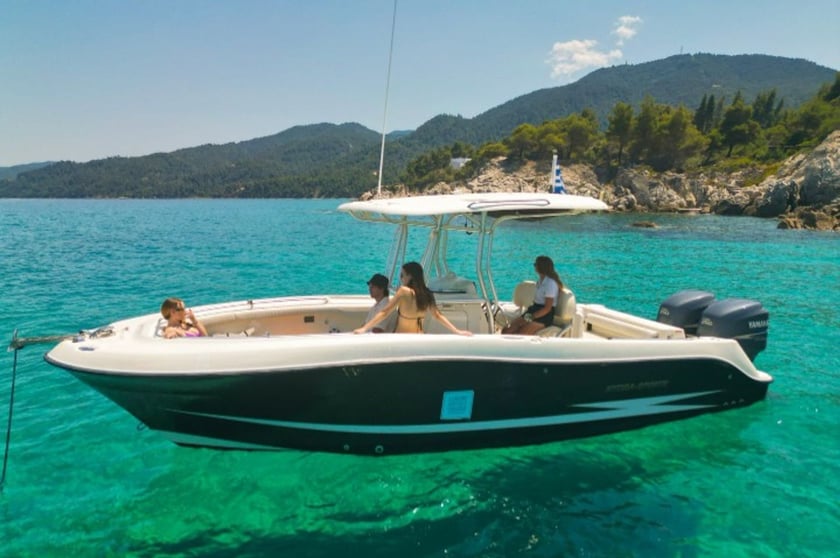
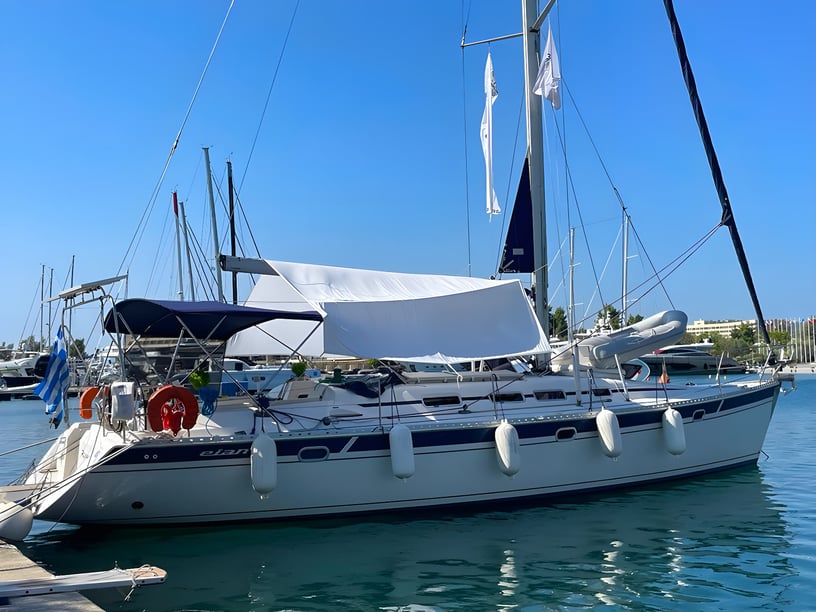
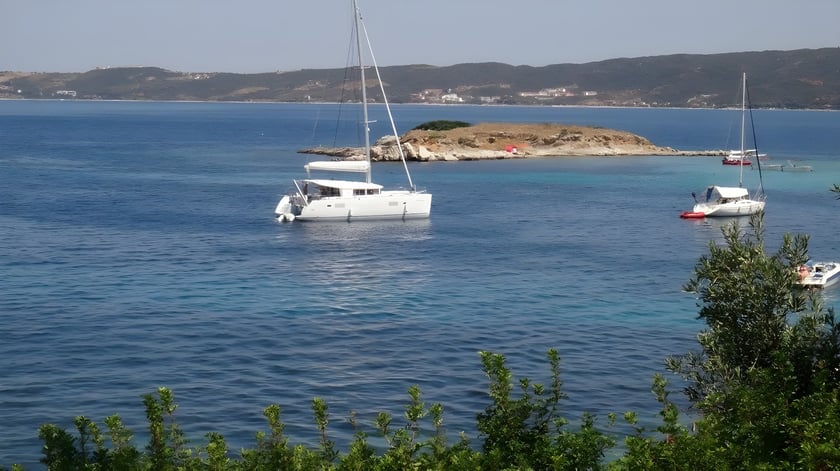
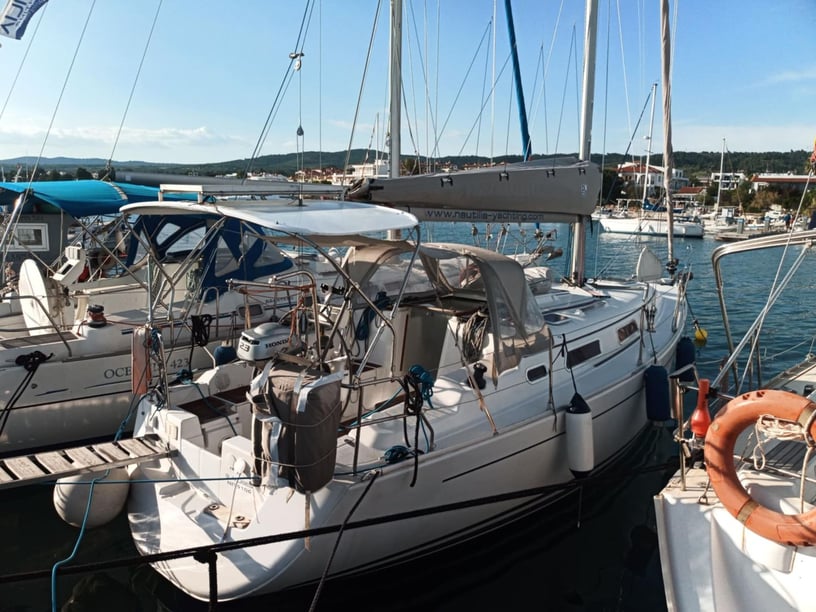
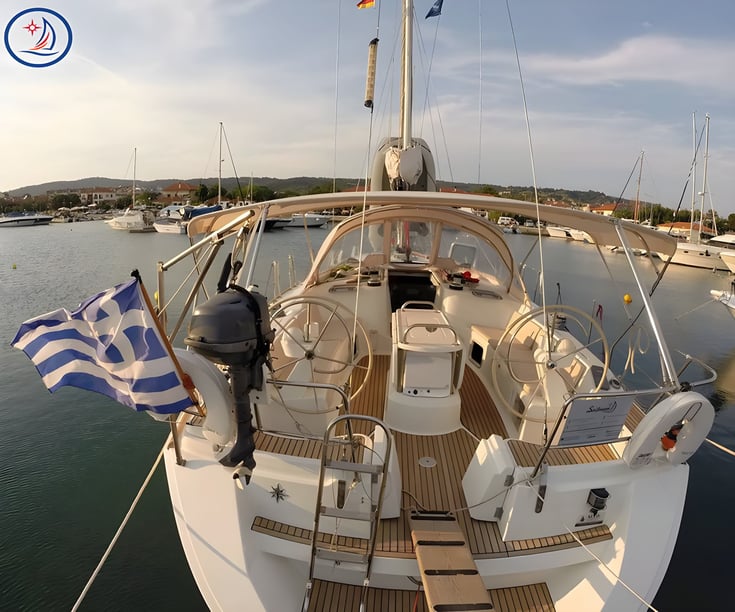
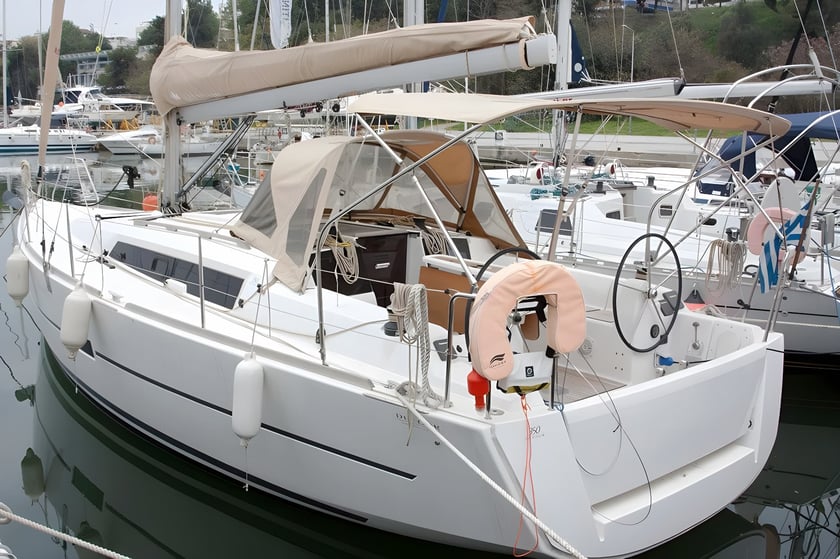
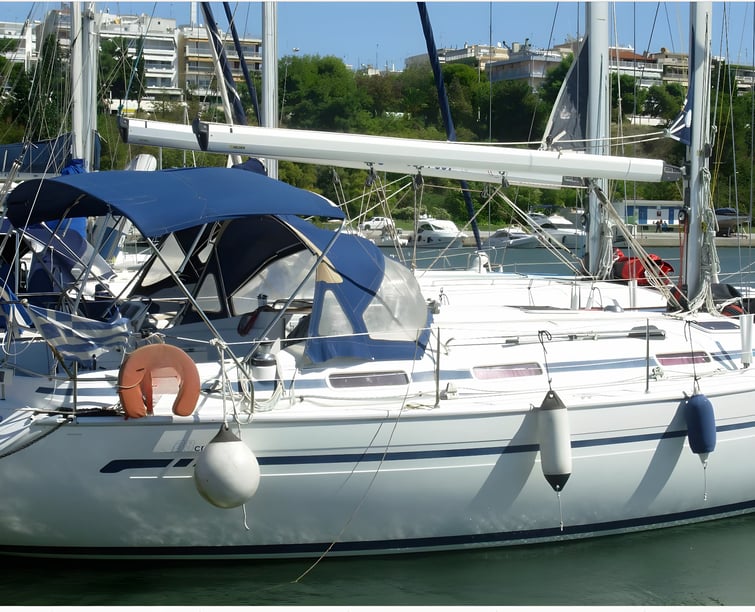
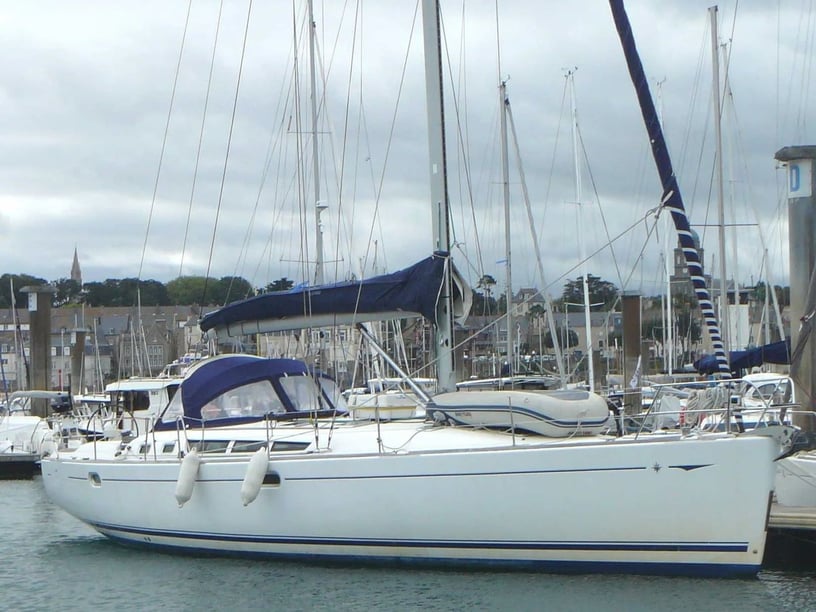
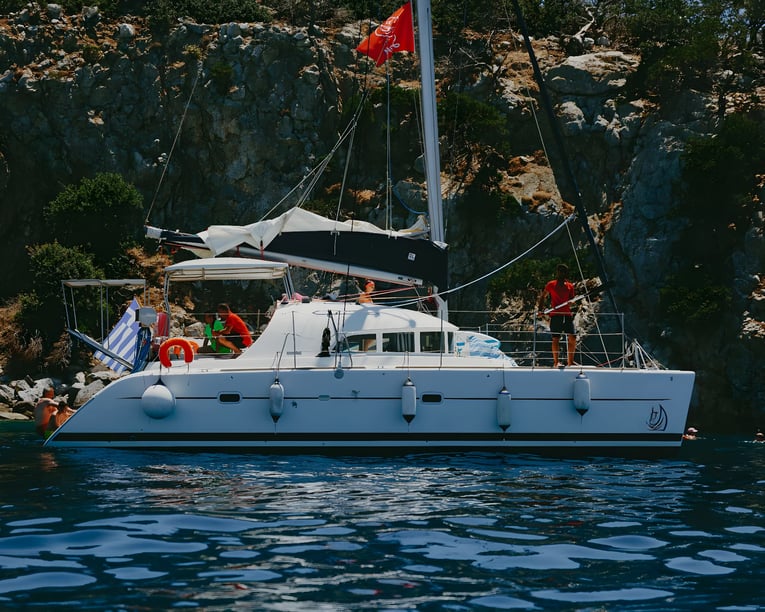
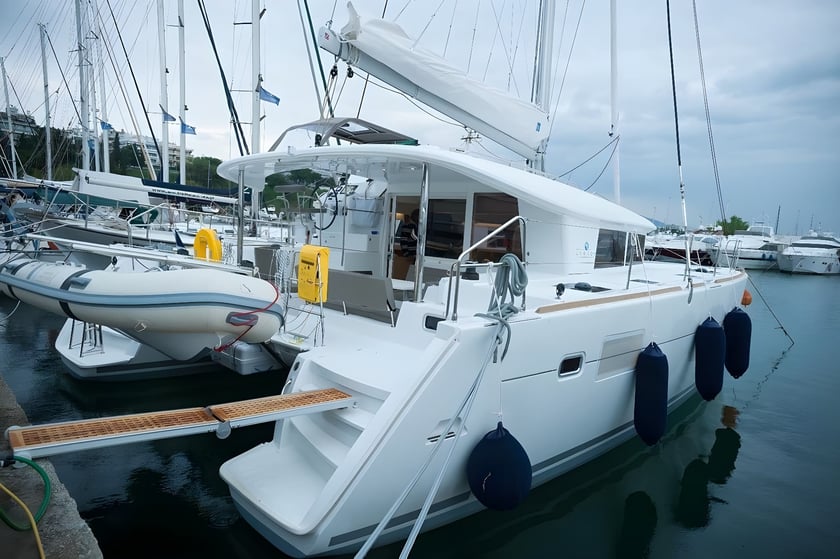
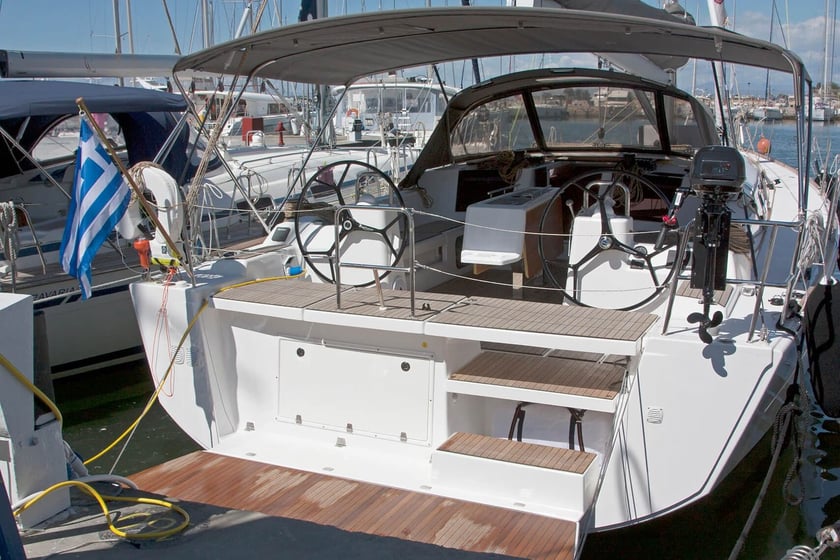
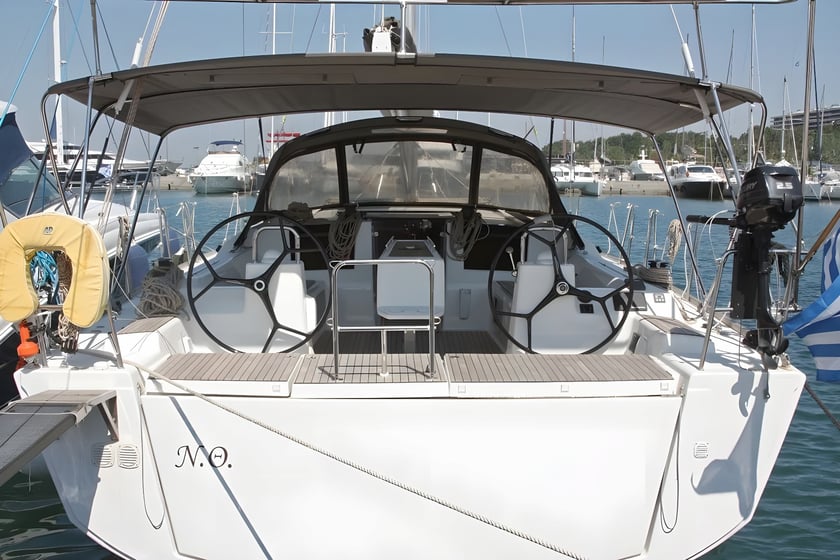
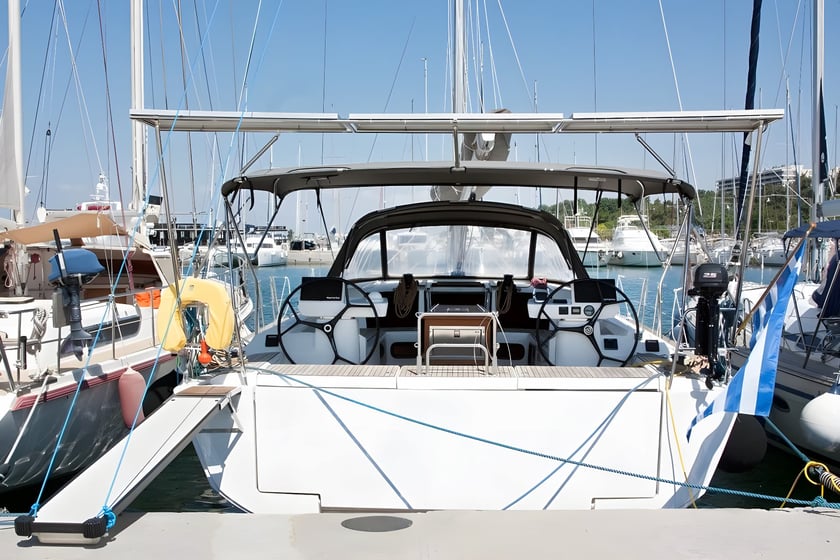
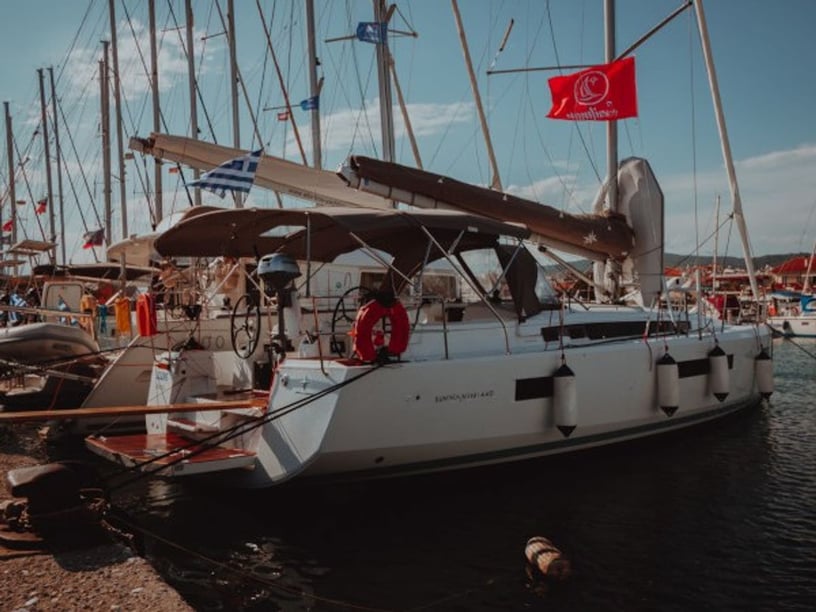
Trip length, expected conditions and the experience of the person operating the boat should guide the choice of vessel and charter arrangement. Travelers can explore format-specific options through pages for sailboat charter in Sithonia, catamaran charter in Sithonia and motorboat rental in Sithonia. Before confirming a plan, check that the proposed boat and route are appropriate for the guest group and anticipated weather.
Local navigation considerations also matter. Vourvourou contains shallow water and narrow passages, while the entrance to Porto Koufo can be difficult to identify from offshore. These are reasons to seek current local briefings rather than detailed tasks for guests to manage themselves. Forecasts should be checked for the exposed sections of the planned route, and travelers visiting near the edges of the season should confirm which port and marine services are operating.