Yacht charter in Piraeus
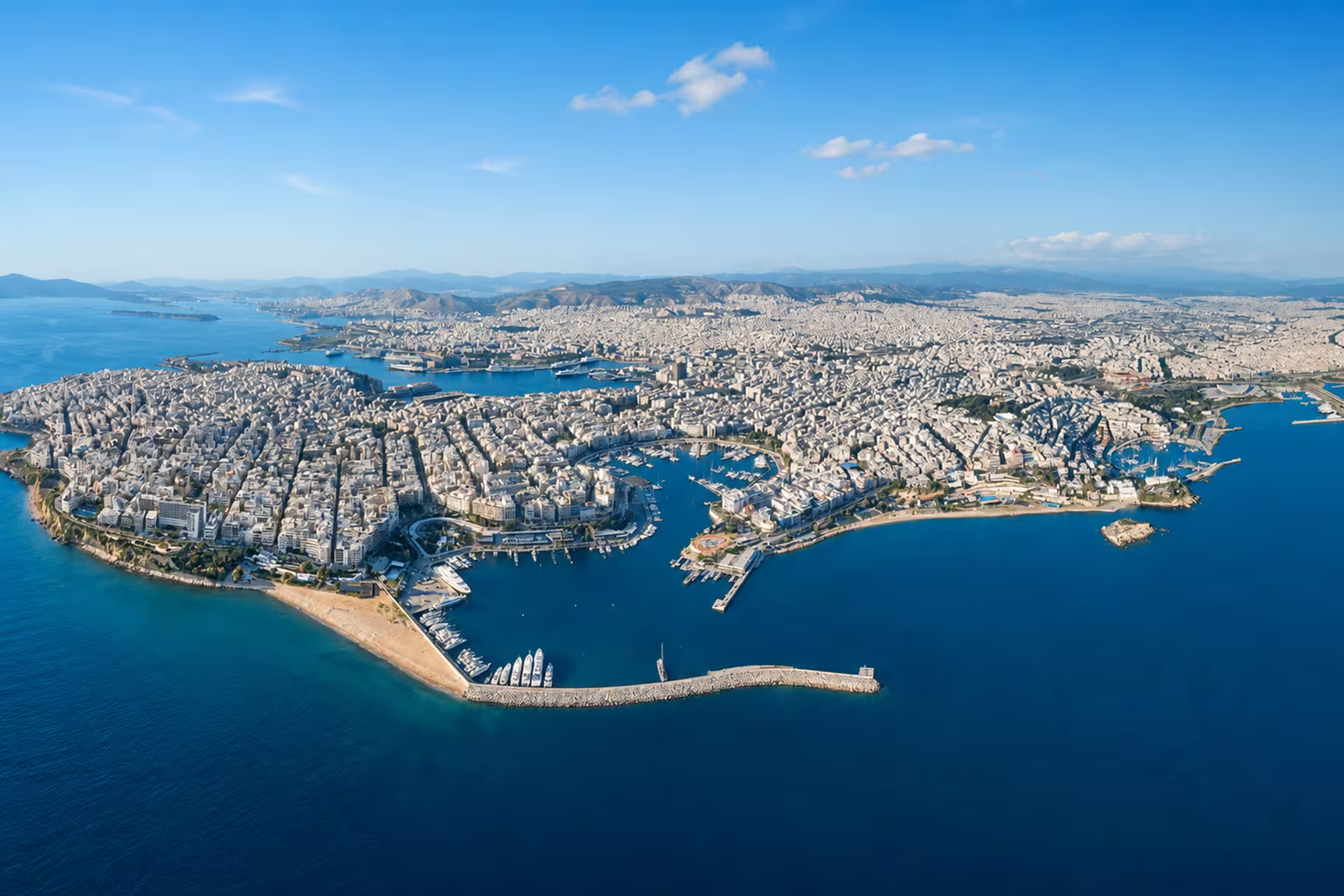
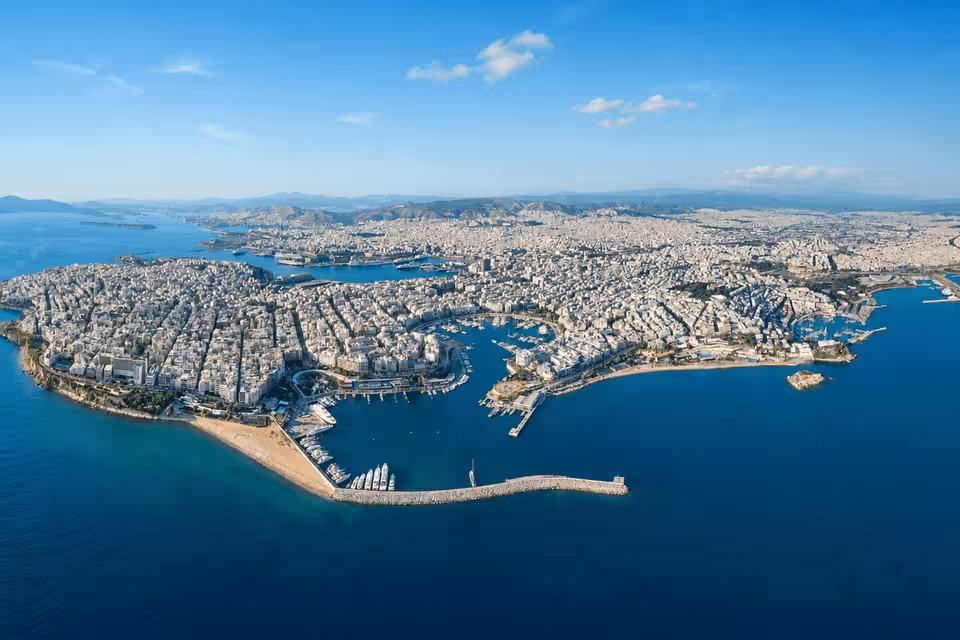
Piraeus is Athens’ historic port city and an urban gateway to the Saronic Gulf. A yacht charter in Piraeus typically begins amid the activity of a major passenger and commercial port before moving into a cruising area of islands, mainland harbors and relatively short passages. This makes the city particularly relevant as an embarkation and service point rather than simply a place to visit by yacht.
The waterfront has several distinct parts. Kantharos is the large main port, Zea is oriented toward yachts and marine services, and Mikrolimano is a smaller natural harbor known for waterfront dining. From the Piraiki shore, the city faces directly onto the Saronic Gulf. Within the wider context of yacht charter in Greece, Piraeus stands out for combining access to Athens with routes toward Aegina, Poros, Hydra and the eastern Peloponnese.
Places to explore from Piraeus
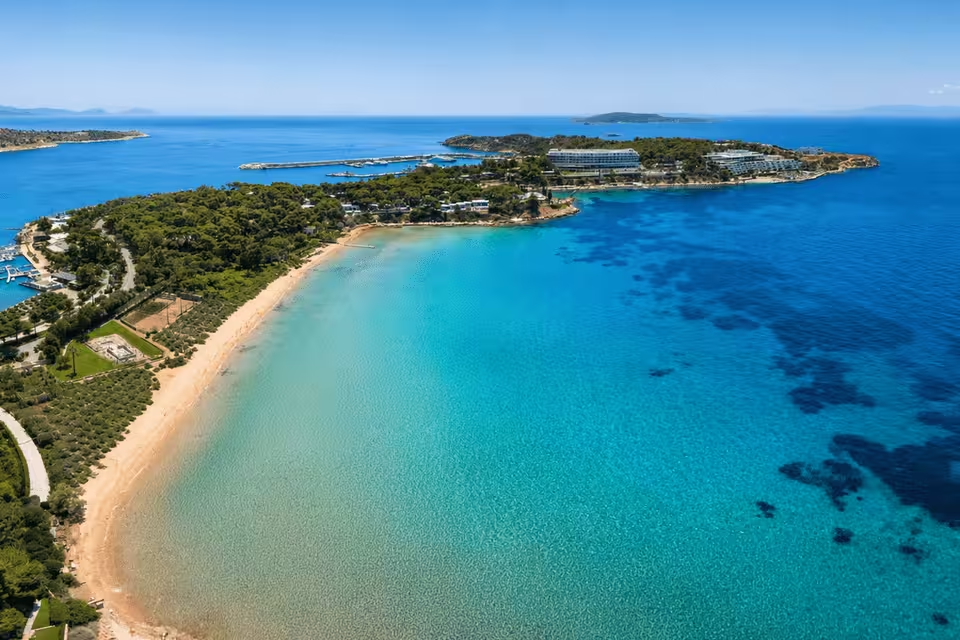
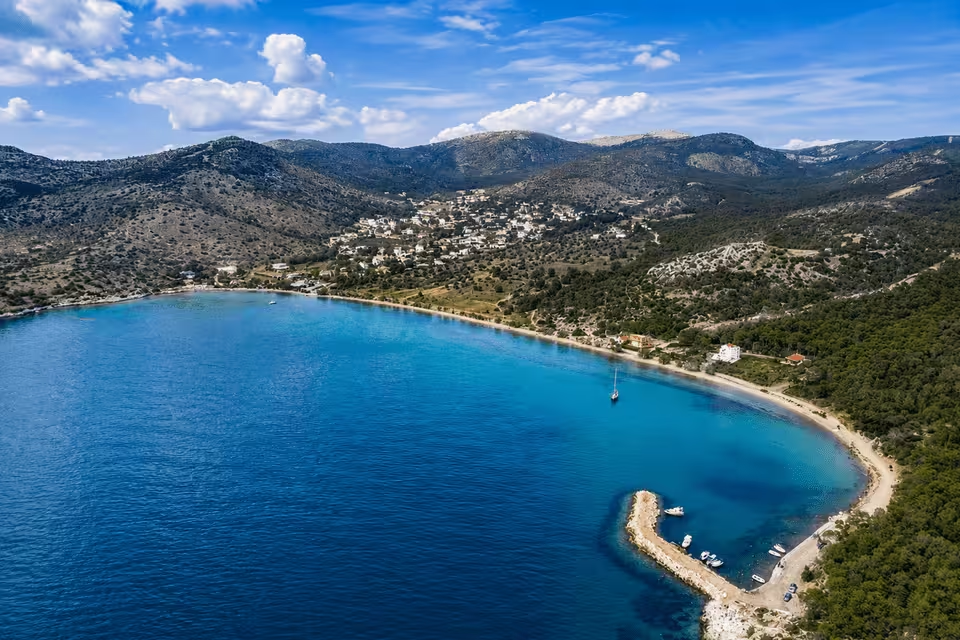
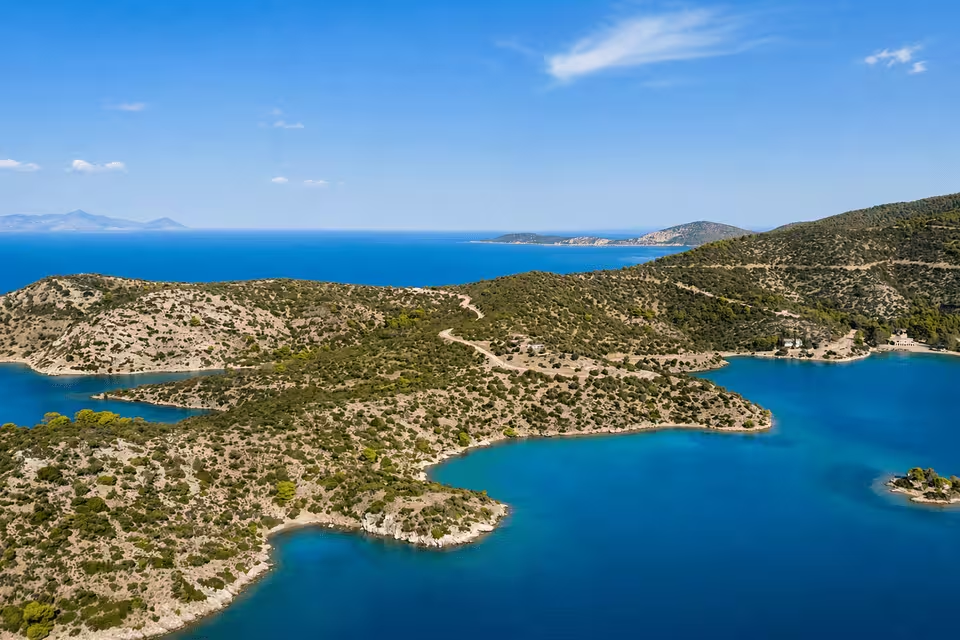
The Saronic Islands are the most natural focus for cruising from Piraeus. Aegina is a useful early stop on compact itineraries, with Aegina Town providing an established island harbor. Nearby Agistri and Moni can add smaller-scale island stops, including opportunities to pause away from the larger towns when conditions allow.
Farther south, Poros offers a town-harbor experience and access to nearby anchorages such as Russian Bay. Hydra and Spetses bring a stronger historic-town element to a longer charter, while Dokos can fit naturally between them. On the Peloponnese coast, Palaia Epidavros provides a mainland alternative and adds archaeological interest to a Saronic itinerary.
Piraeus itself also rewards time before or after the cruise. Zea, Mikrolimano and the Piraiki promenade reveal different sides of the city’s maritime identity, from yacht berths and restaurants to surviving traces of ancient fortifications.
Cruising conditions in the Saronic Gulf
Cruising from Piraeus begins in a busy maritime environment. Ferries, cruise ships and commercial vessels are a defining feature of the approaches, so the first stage of a trip requires particular traffic awareness. Once clear of the port, Saronic itineraries generally offer manageable distances between islands and a choice of town harbors, bays and mainland stops.
During summer, northerly and north-northeasterly winds are moderated by the Attica mainland. Afternoon breezes often support comfortable sailing, although stronger spells, local gusts, ferry wash and short, steep chop remain possible. The Saronic is comparatively sheltered, not uniformly calm.
Conditions change significantly when a route extends toward Cape Sounion or the Cyclades. These passages are longer and more exposed, and the summer meltemi can be substantially stronger. Travelers deciding between a relaxed Saronic circuit and a Cyclades-focused voyage should therefore consider passage length, expected wind and the experience of the skipper and crew—not just the islands they hope to visit.
Best time for a Piraeus yacht charter
Recreational cruising commonly runs from late March or April through October, with May to October forming the core period. May, June and September are particularly attractive because they usually combine warm conditions with less intense heat than midsummer. October is also among the more suitable months, especially early in the month, though itineraries need greater flexibility as autumn weather develops.
July and August bring high charter activity as well as hotter conditions and increased pressure on established harbors such as Hydra, Poros and Aegina. Early arrival or an alternative anchorage can be valuable during these months. Spring and autumn are generally milder, but variable southerly winds, showers and short squalls may affect plans. Winter is cooler and wetter, with stronger southerly systems and greatly reduced charter activity.
Saronic charter routes
A compact Saronic circuit can connect the Athens–Piraeus coast with Aegina, Agistri and Poros. Short island-to-island passages make this pattern suitable for travelers who want to balance cruising with swimming stops and time ashore, rather than devote much of the trip to long open-water legs.
With a week, the route can extend through Moni, Hydra, Dokos and Spetses before returning via Poros, Palaia Epidavros and Agistri. The exact sequence should remain flexible because wind direction, harbor crowding and berth availability can change the most sensible order. Continuing toward the Cyclades is possible, but it creates a different type of trip with longer passages and greater exposure; it should not be treated as a simple extension of a sheltered Saronic loop.
Maritime history and life ashore
A charter from Piraeus can combine island cruising with a substantial maritime and cultural introduction. The city became Athens’ principal harbor and naval base in the early fifth century BCE under Themistocles. Around Zea and the Piraiki shoreline, ancient ship sheds and fortification remains reflect the scale of Athenian naval power. The Archaeological Museum of Piraeus, Ancient Theatre of Zea and Hellenic Maritime Museum provide further context before or after embarkation.
The modern waterfront offers a different rhythm. Mikrolimano has a longstanding concentration of fish and seafood restaurants, while Zea supports an active marina setting and evening waterfront activity. Central Athens is also directly accessible, allowing travelers to combine museums and archaeological landmarks with time at sea. During the charter itself, days may shift between short passages, anchoring, swimming and evenings in established island towns.
Reaching the port and finding your departure point
Athens International Airport is connected with Piraeus by Metro Line 3, suburban railway, airport bus and road transfer. Metro and rail services also link Piraeus with central Athens, making it practical to include time in the capital around the charter.
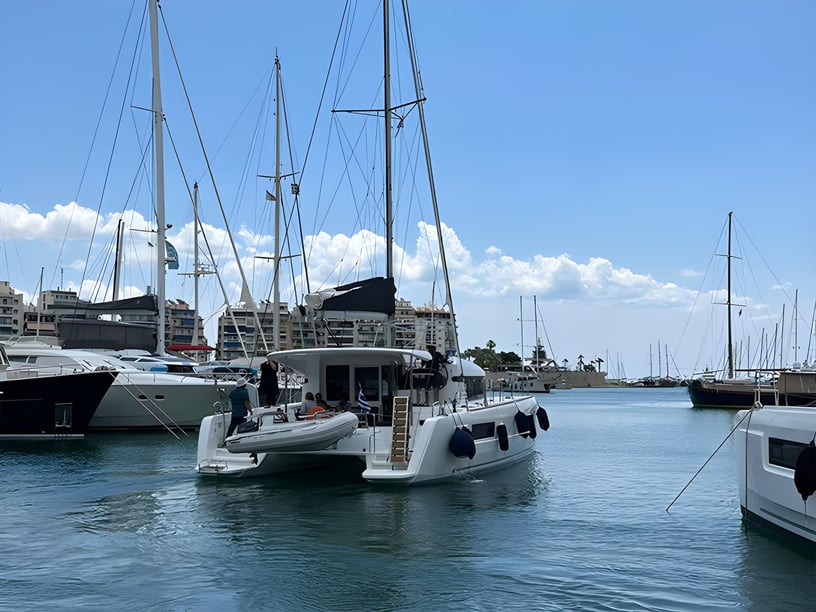
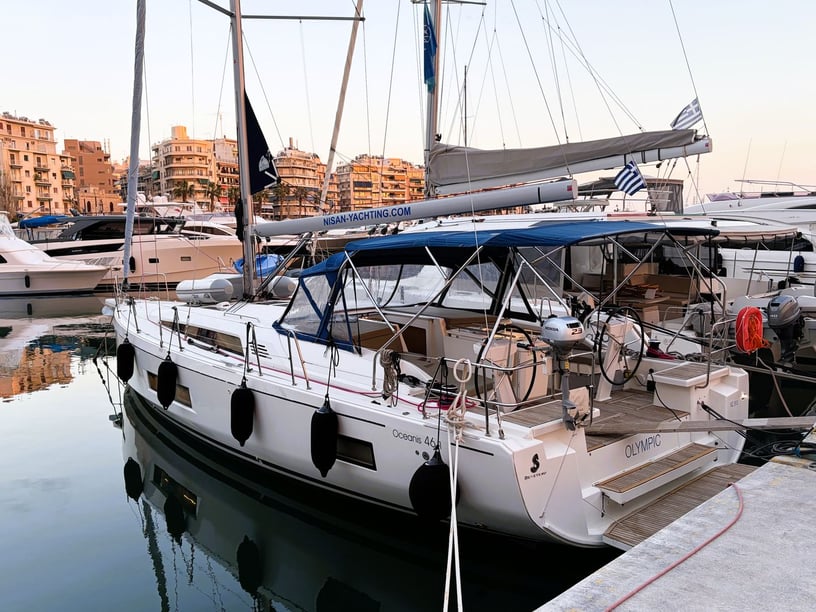
It is important to distinguish between the area’s separate waterfront facilities. The main Port of Piraeus handles extensive passenger and commercial traffic; D-Marin Zea has a broad mix of yacht services and documented charter departures; and Athens Marina, in Neo Faliro, primarily serves large yachts and superyachts. Marina Zea requires a short local transfer from the main Piraeus stations.
Because “Piraeus” may refer broadly to the port city rather than one embarkation quay, travelers should confirm the exact marina, gate and meeting point before arranging transfers. Allowing extra time is prudent in this large, busy harbor environment.
Planning your charter
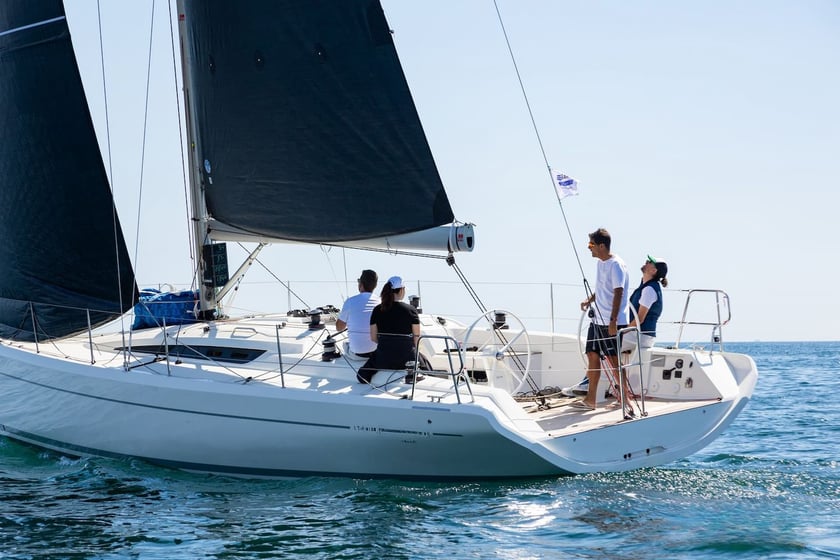
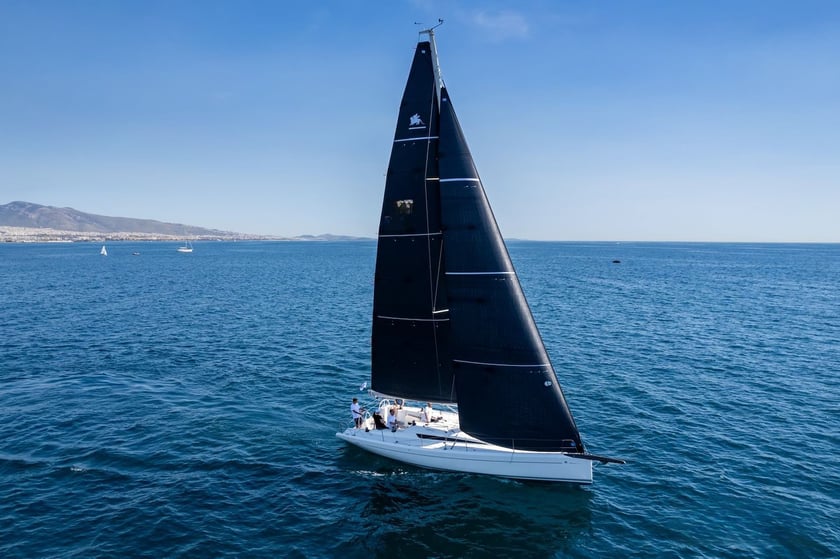
When comparing a Piraeus boat rental or charter, begin with the intended cruising area. A short Saronic itinerary emphasizes manageable passages and frequent stops, while a route toward the Cyclades requires more time, greater weather tolerance and careful assessment of exposed legs. Discuss the preferred balance between sailing, swimming, anchoring and going ashore before finalizing the route.
Harbor congestion is another practical consideration. Popular Saronic ports can fill during midsummer, so the itinerary should allow for early arrivals or alternative anchorages. Spring and autumn plans benefit from additional flexibility for southerly winds and showers.
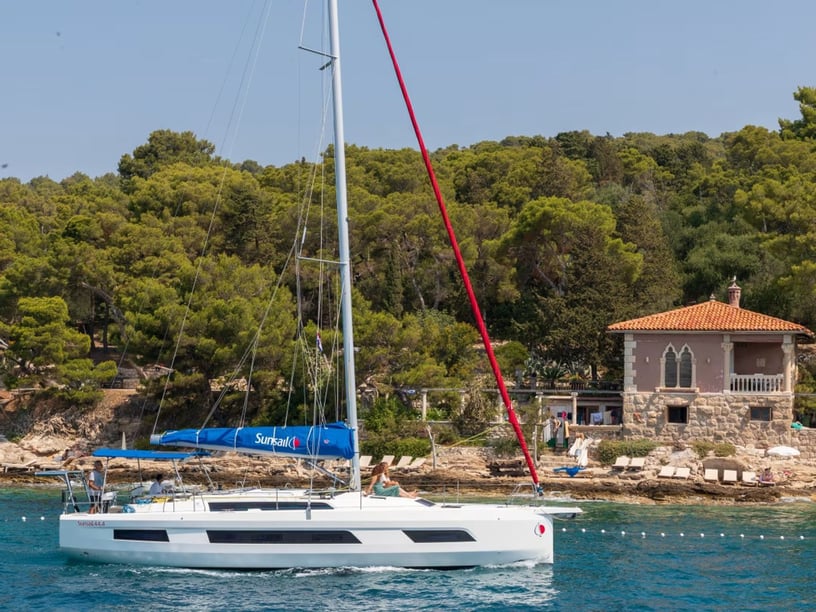
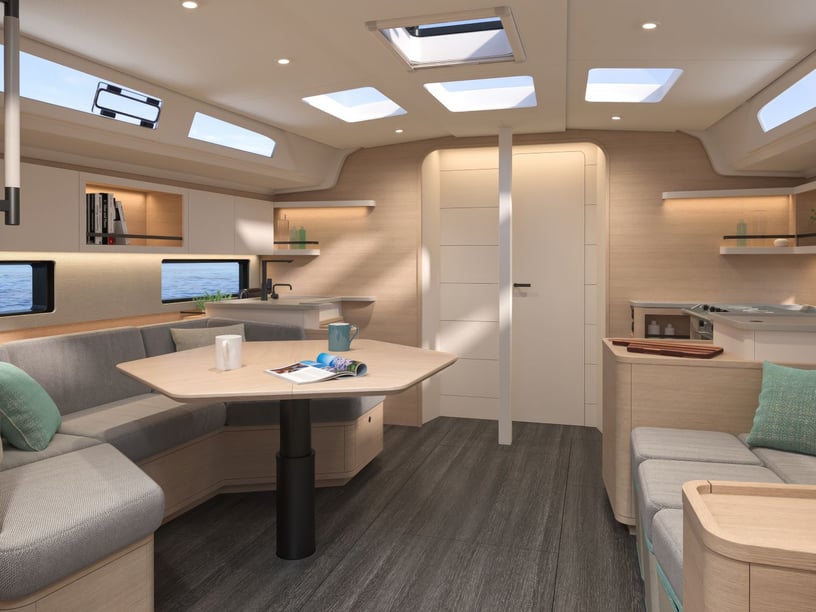
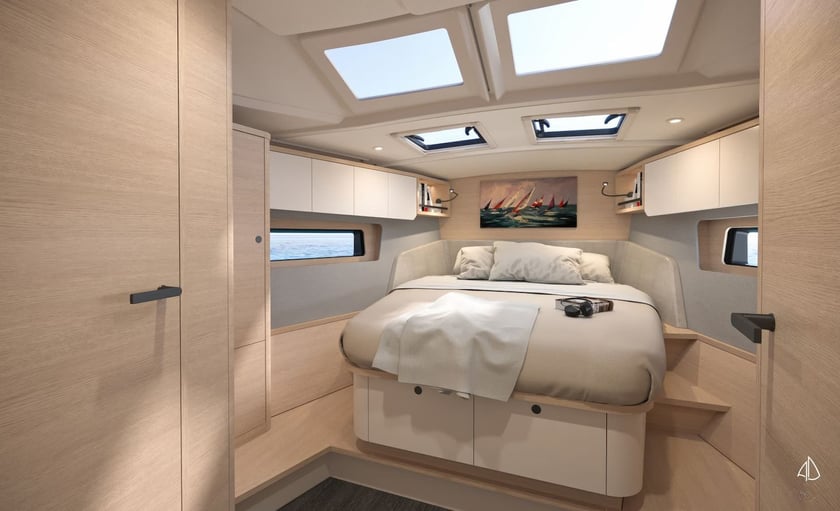
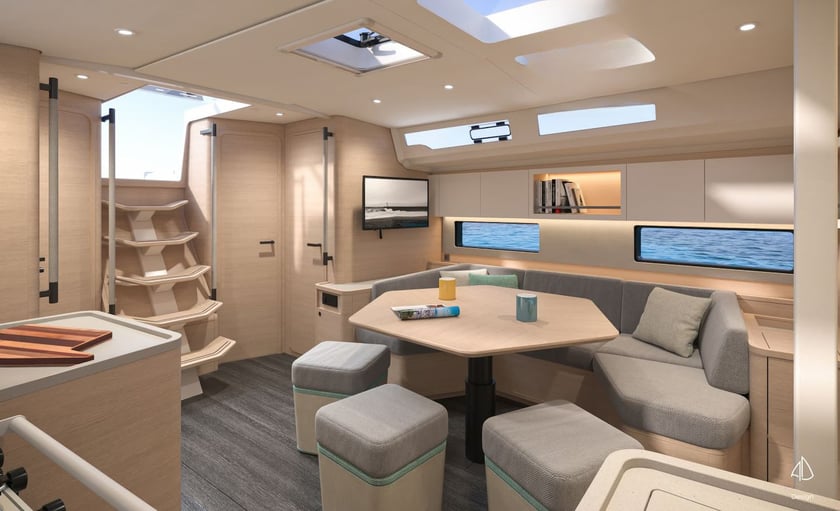
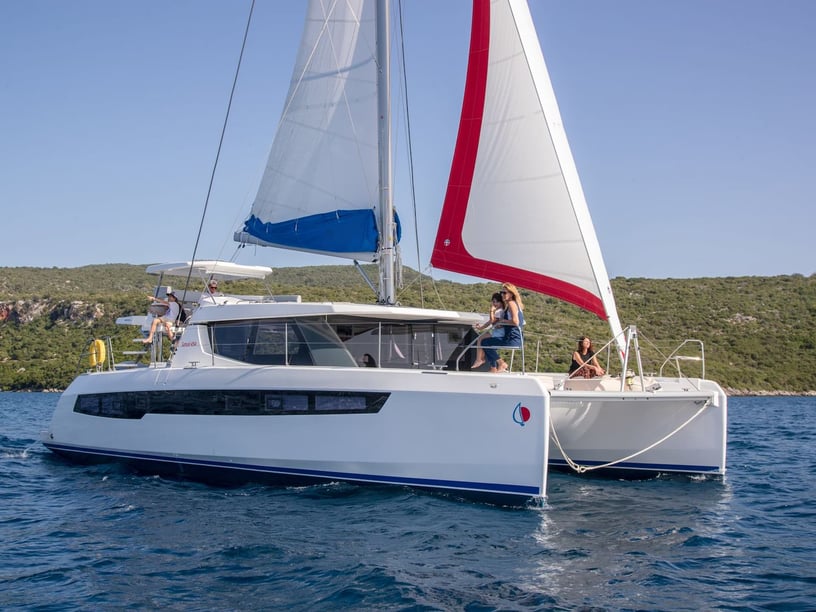
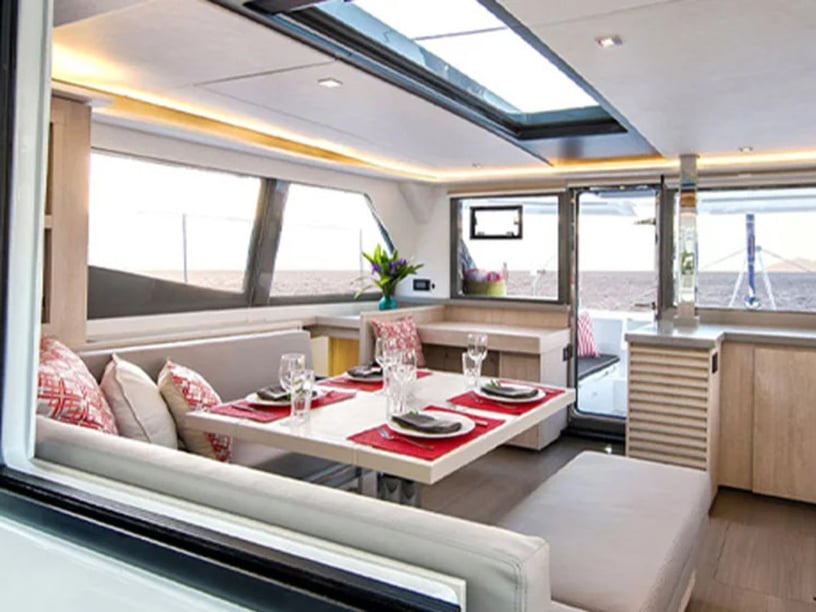
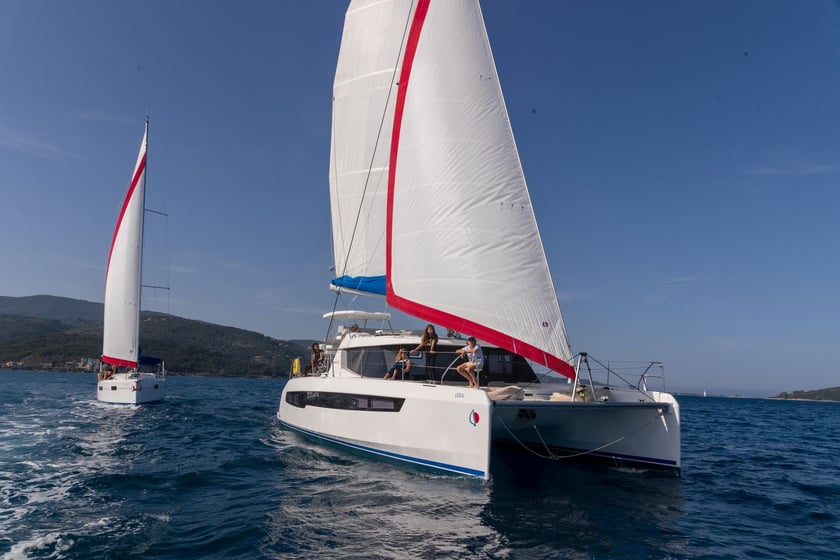
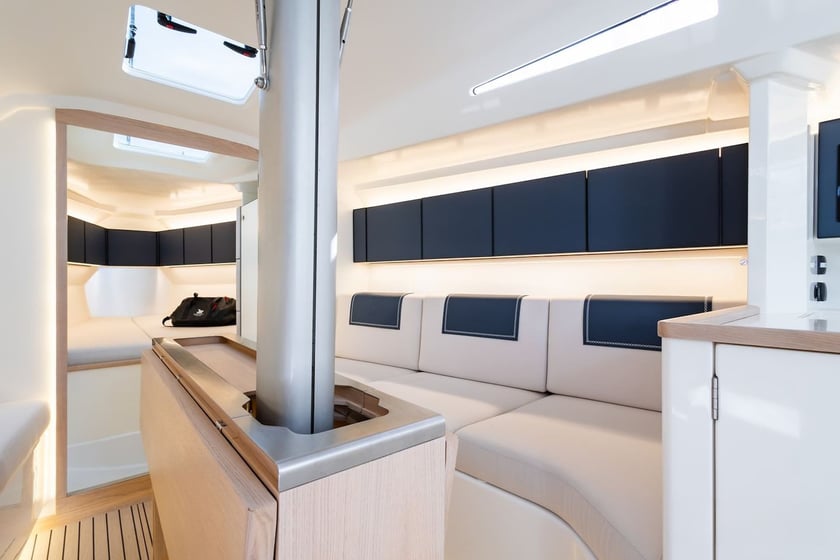
Confirm whether the quoted itinerary starts at Zea, Athens Marina or another facility, and check the charter format, onboard responsibilities and skipper arrangements directly for the selected boat. Travelers specifically interested in sailing-led trips can also compare the local sailboat charter context, but the right choice ultimately depends on passage plans, comfort expectations and the experience of the group.












Verified
Brandi P.01 May 2026
Everything was incredible. The cook was even better than expected, and the captain was excellent. It was a really great experience.
Piraeus / Greece