Yacht charter in Corfu
Corfu lies in the northern Ionian Sea, close to the coasts of Albania and mainland Greece. Its position supports several styles of yacht charter: short trips between sheltered coastal villages, longer passages to nearby islands and mainland ports, or an itinerary combining time on the water with Corfu Town’s historic waterfront.
The island’s two coasts have distinct characters. The east and northeast offer wooded bays, coastal settlements and comparatively protected waters. The west faces the open Ionian Sea, with cliffs, long beaches and sea caves but fewer dependable harbors. This contrast makes route choice important for anyone considering a yacht charter or boat rental in Corfu. Gouvia is the principal center for yacht services, while Corfu as a whole works as both a cruising destination and a gateway to the wider Ionian Islands. Travelers comparing this area with other regions can also explore yacht charters in Greece.
Coasts, islands and harbors to explore
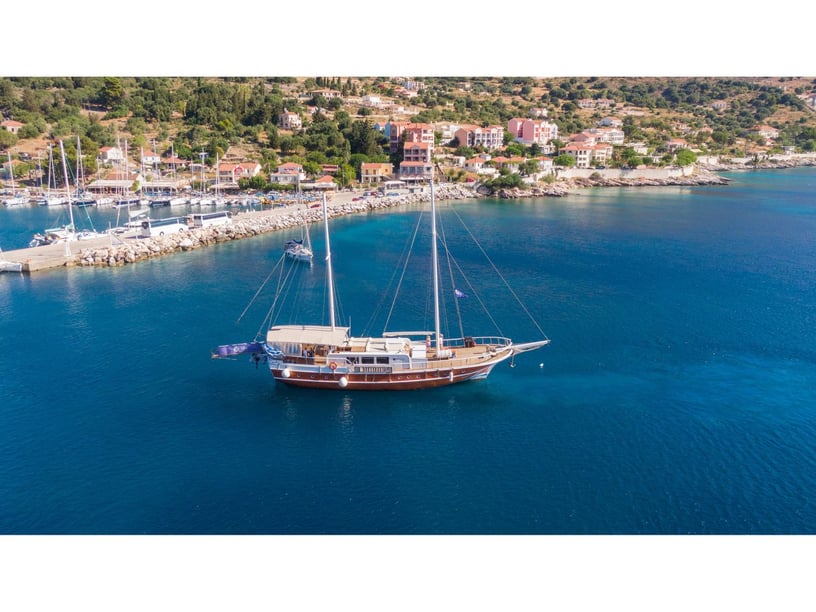
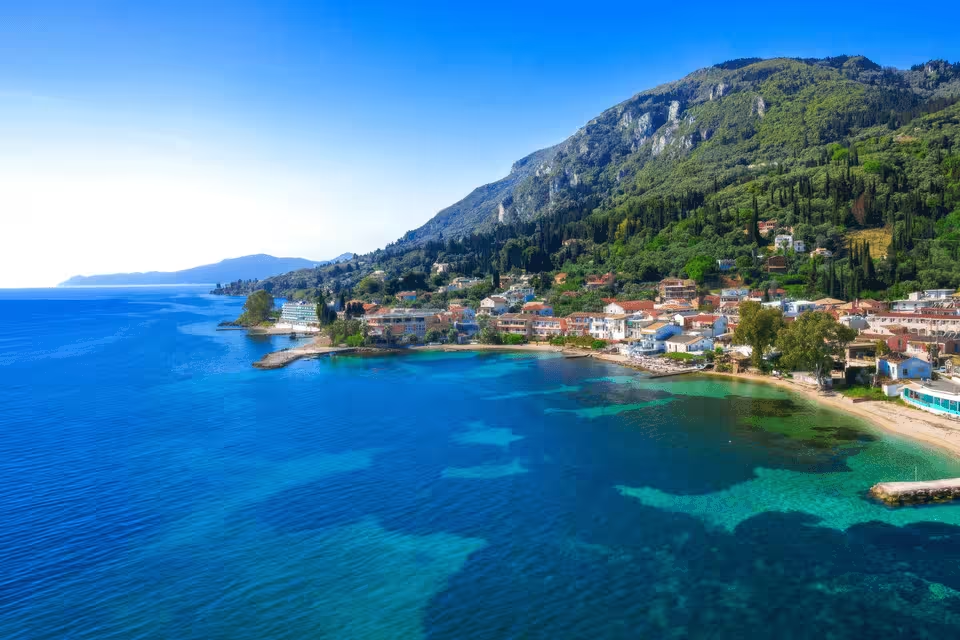
Corfu’s northeast coast is well suited to an unhurried sequence of short passages. Kalami and nearby coves combine wooded slopes, swimming stops and waterfront tavernas, while Kassiopi adds a lively coastal settlement and harbor to a northern itinerary. These areas are especially relevant when the aim is to spend more time anchored or ashore and less time making long crossings.
Corfu Town provides a different experience. Arriving from the water reveals the island’s fortified maritime setting, with the Old Fortress, New Fortress and UNESCO-listed Old Town forming the focus of a cultural stop. South of town, Benitses and Petriti can support coastal progress toward the island’s lower, flatter southern end.
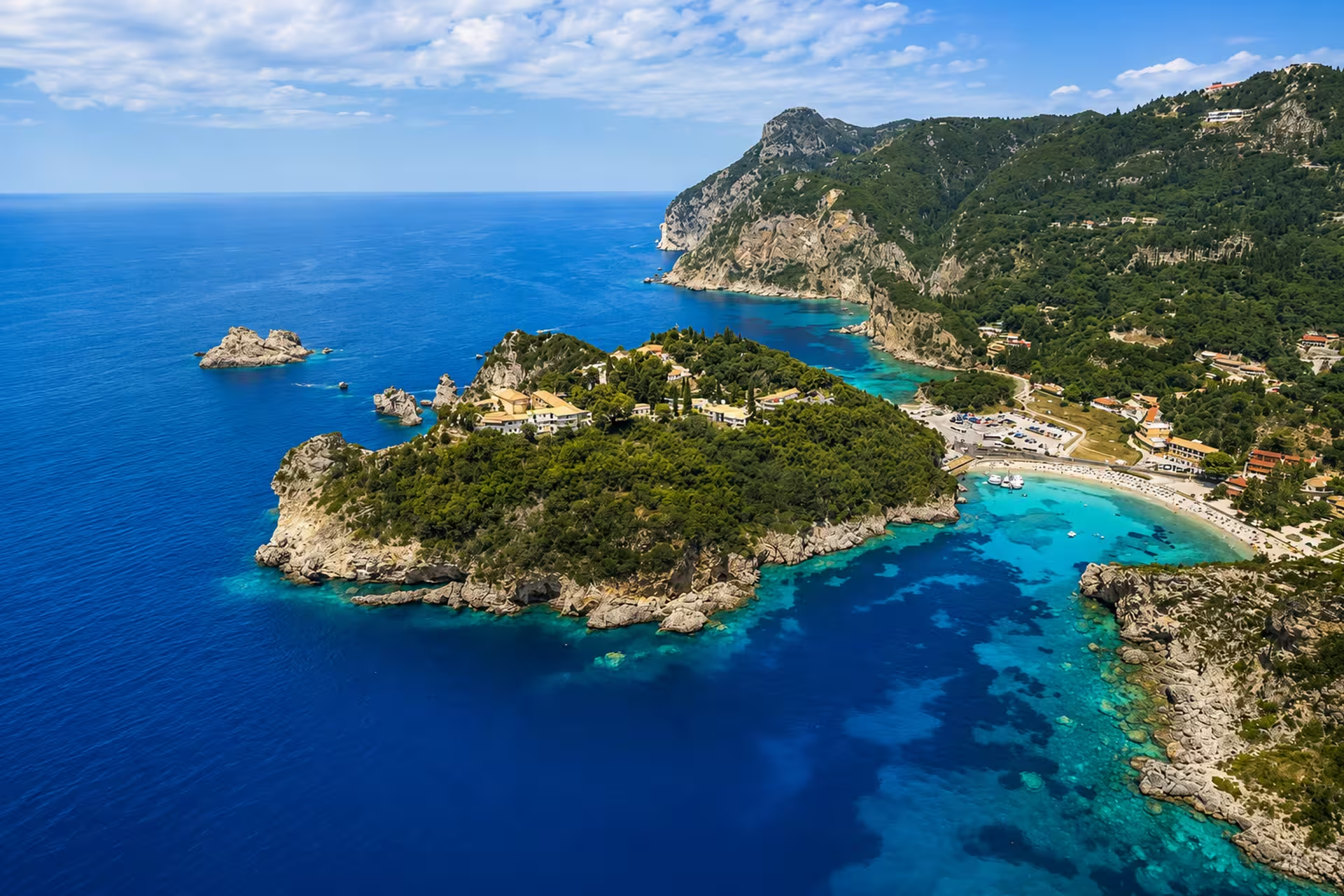
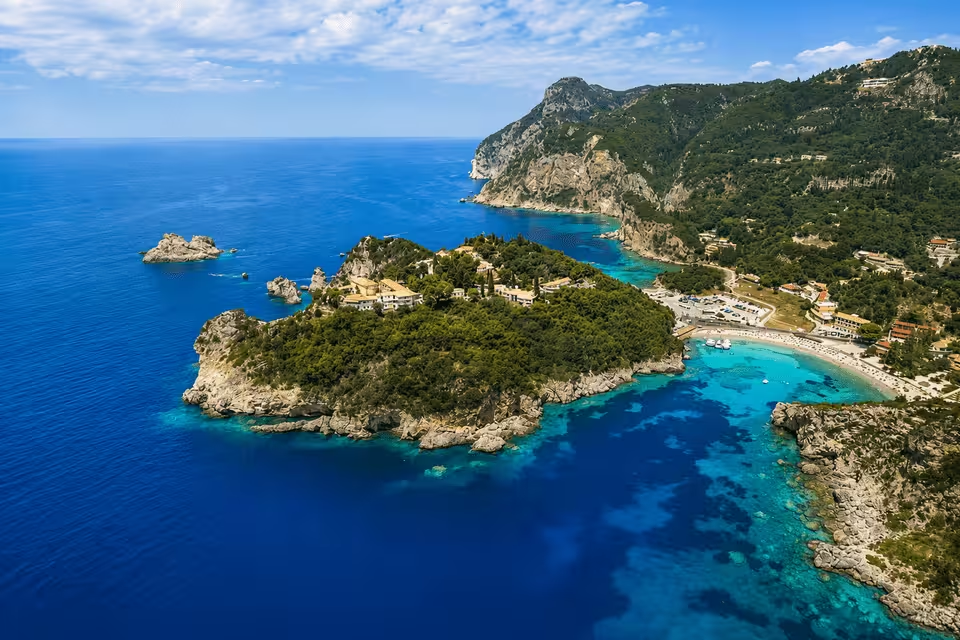
On the western side, Paleokastritsa is known for cliffs, rock formations, sea caves and boat-accessible beaches. Its setting is strikingly different from the sheltered east, though the exposed coast and limited harbor options require suitable weather. Beyond Corfu, Paxos and Antipaxos are natural southbound cruising partners, while the Diapontia Islands—Othonoi, Ereikoussa and Mathraki—offer a more open-water option northwest of the island.
What sailing around Corfu is like
Most relaxed cruising takes place along Corfu’s east and northeast shores. The mainland helps create comparatively protected waters, and the concentration of bays and villages allows itineraries to be built around manageable coastal legs. In summer, mornings are often light or calm before the northwesterly Maistro sea breeze develops around midday and strengthens during the afternoon.
That daily pattern can shape the rhythm of a charter: passages may begin earlier, leaving afternoons for swimming, anchoring or going ashore. Conditions can still become stronger in channels, around headlands and in locally exposed areas, so the generally moderate Ionian pattern should not be treated as guaranteed.
The west coast demands more careful planning. It is exposed to prevailing northwesterlies and open-sea swell, and reliable overnight shelter is less frequent. Trips to the Diapontia Islands also involve more open water than east-coast cruising. Forecasts therefore influence not only comfort but the practical choice between a sheltered village itinerary and a more ambitious circuit.
Best time for a Corfu yacht charter
The main recreational boating season runs from May through September, with the warmest, driest and most settled conditions generally occurring from June to September. June and September are identified as particularly suitable months. Both sit within the core sailing season, while avoiding the need to rely on the less consistent conditions of early spring or late autumn.
July and August remain firmly within the main summer period, when the familiar pattern of lighter mornings and stronger afternoon sea breezes is common. May is a shoulder-season option, while April and October can also support cruising but require more flexibility. October is notably less dependable because Corfu becomes wetter in autumn and unsettled southerly weather occurs more frequently. Leisure-boating activity is substantially reduced from November through March, when rainfall and changeable sea conditions become more prominent.
Route ideas from Corfu
A week-long North Ionian circuit can begin in Gouvia, follow Corfu’s east coast through Kalami, and continue toward Sivota or Mourtos on the mainland. From there, a route may connect Lakka on Paxos, Parga and Valtos Bay before returning by way of Petriti and Corfu Town. The mix of village harbors, island passages and historic shore visits gives the itinerary variety without requiring a west-coast circumnavigation.
A shorter Corfu–Paxos–Antipaxos trip commonly combines the sea caves along Paxos’s western shore, time in Gaios and a swimming stop near Antipaxos. Northbound, excursions from Agios Stefanos Avlioton can reach Ereikoussa, Mathraki and Othonoi, but these passages depend more heavily on suitable forecasts and seasonal operations.
Life on board and ashore
A Corfu charter can alternate naturally between cruising, swimming and shore visits. Along the northeast coast, wooded coves and closely spaced settlements make it practical to pause for a swim before going ashore at a waterfront taverna. The island’s vegetation often reaches close to its beaches and bays, giving this coast a markedly green character.
Food is part of the experience beyond the marina. Corfiot cooking combines Greek ingredients with Venetian influences, reflected in dishes such as pastitsada, sofrito, bourdetto and bianco. Fishing villages and coastal restaurants allow these traditions to be included without leaving the cruising route far behind.
Corfu Town adds substantial historical depth. The island’s position near the entrance to the Adriatic made it an important fortified maritime center, and centuries of Venetian rule remain visible in its defenses, arcaded streets and architecture. Gouvia’s surviving Venetian shipyard structures offer another connection between the island’s present-day yachting role and its naval past.
Getting there and choosing a departure point
Corfu International Airport Ioannis Kapodistrias is the main air gateway. Passenger and vehicle ferries also connect the island with Igoumenitsa on mainland Greece, principally through Corfu Town and Lefkimmi. Seasonal flight and ferry schedules should be confirmed for the intended travel dates. Road transfers link the airport and ferry terminals with Gouvia, Benitses and other boating areas.
Gouvia Bay has the island’s broadest concentration of berthing, provisioning, fuel and technical services, making Gouvia an important departure area. Other possible starting or stopping points include Corfu Port, Benitses Marina, Lefkimmi Port and Alipa Port at Paleokastritsa. Mandraki Harbour places yachts close to Corfu Town, but visitor space is limited and prior contact with Corfu Sailing Club is required. The appropriate departure point will depend on whether the planned route emphasizes the northeast coast, Paxos and the mainland, or the more weather-dependent northwest.
Planning the right charter
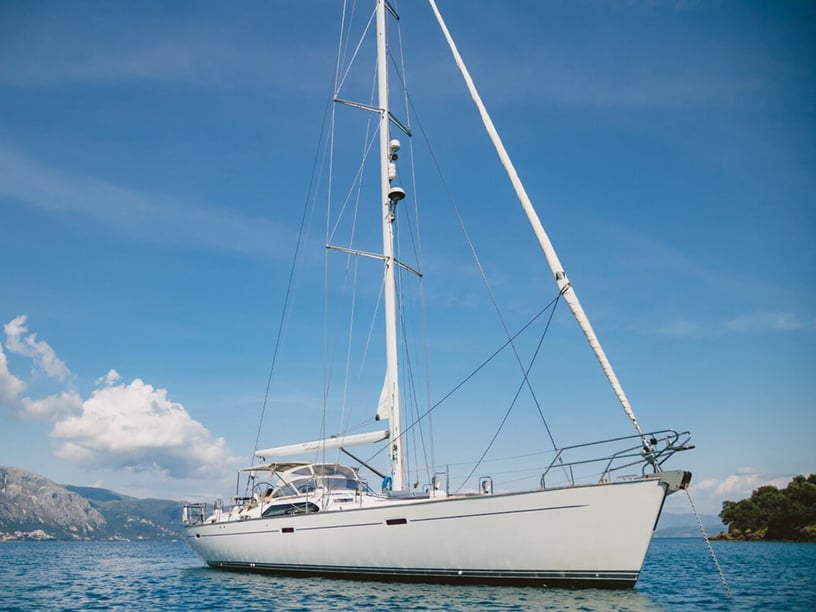
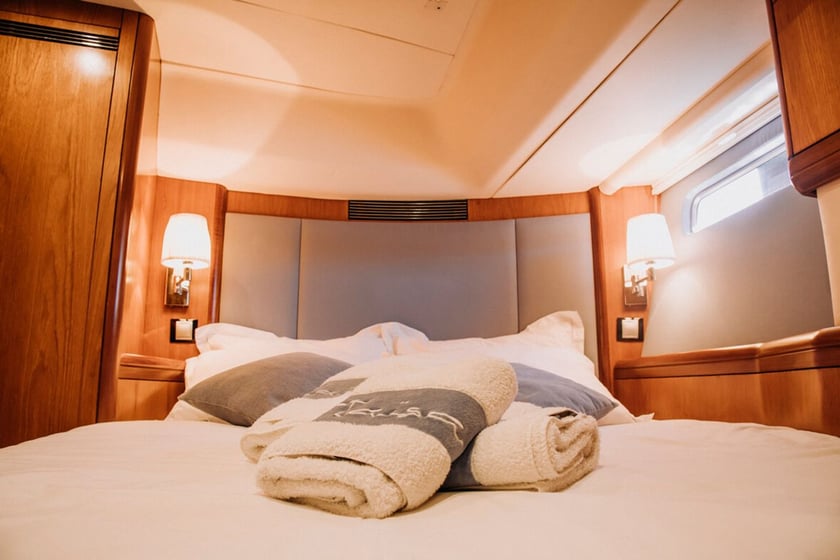
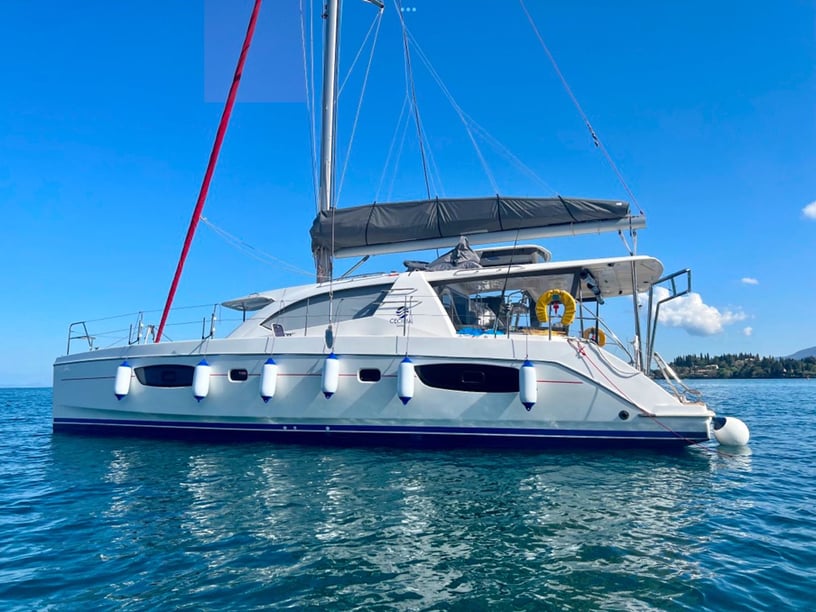
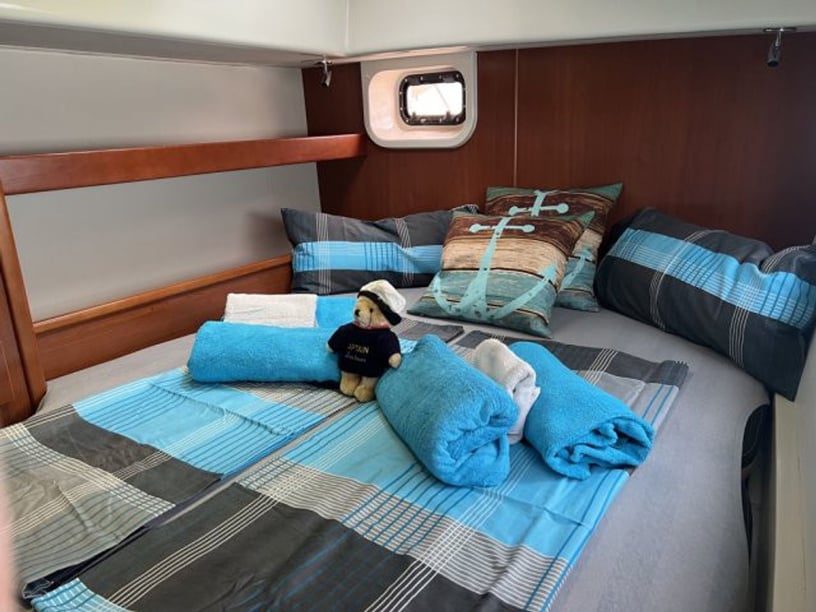
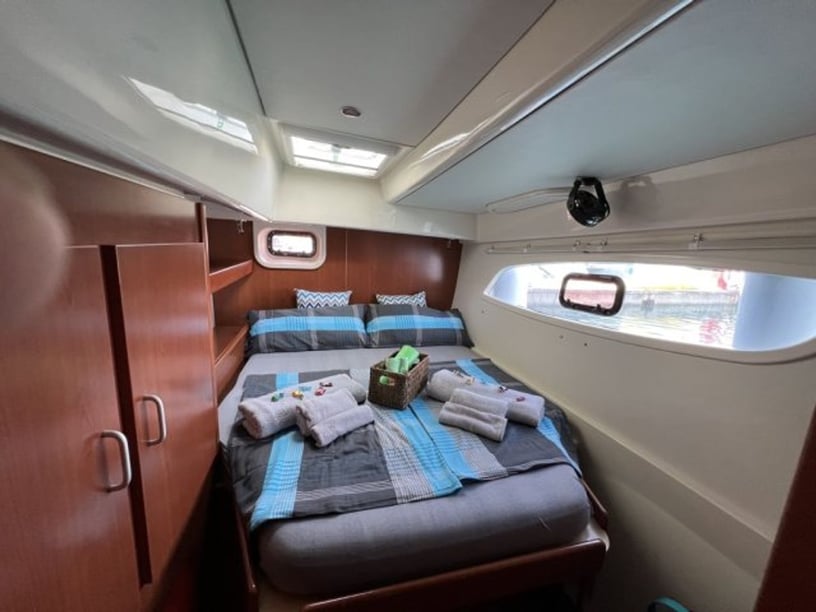
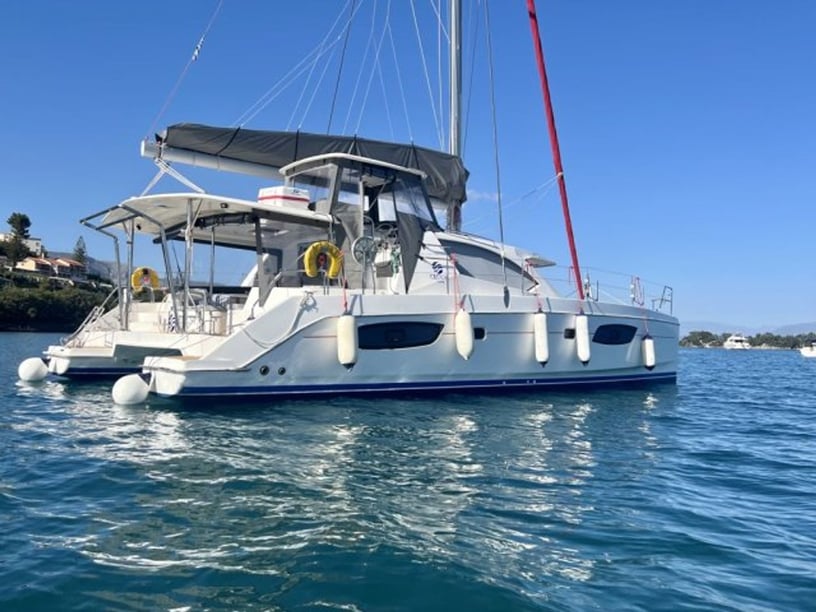
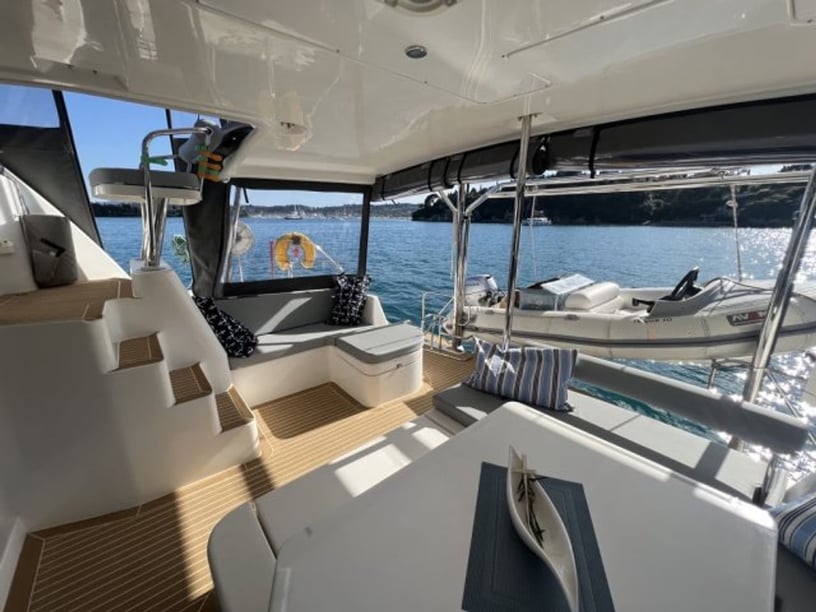
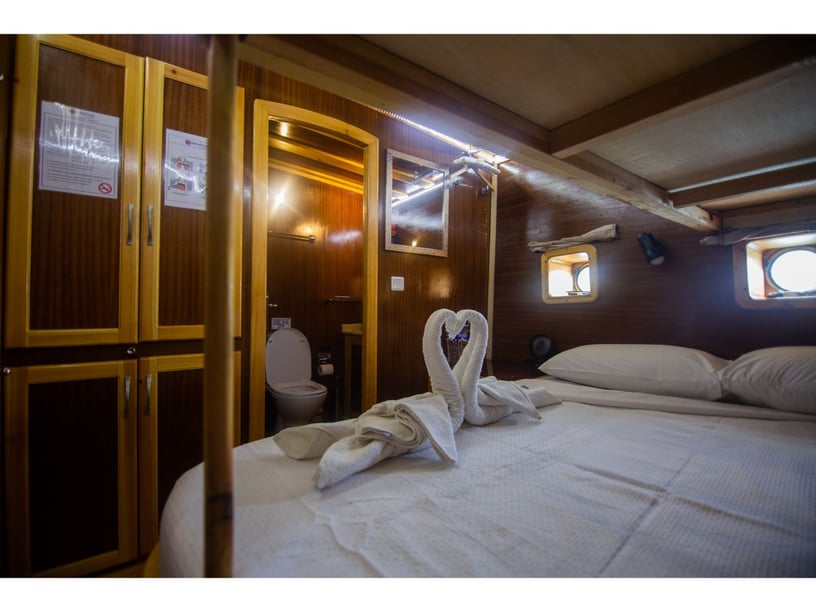
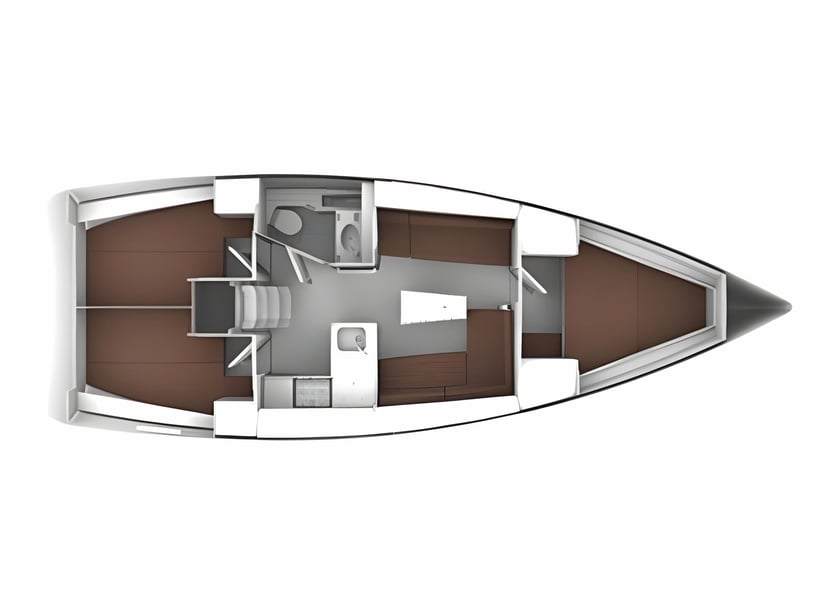
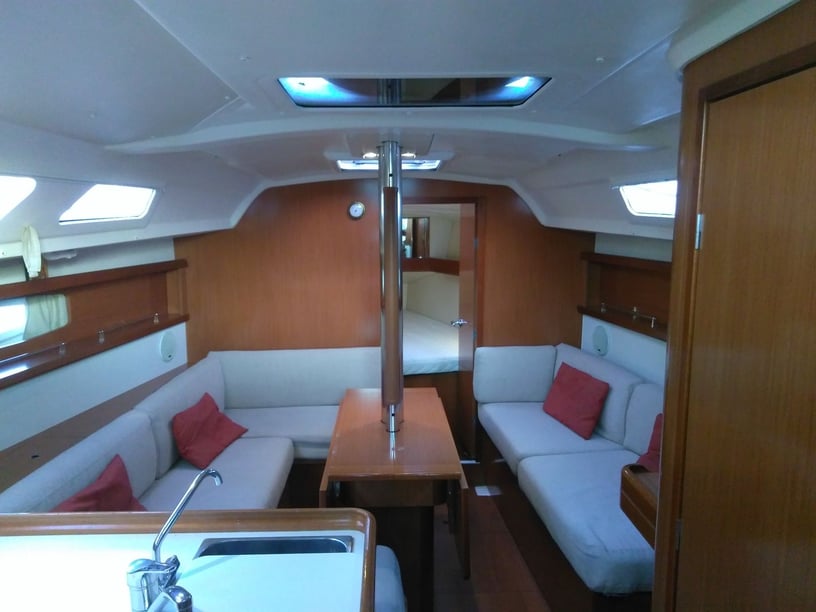
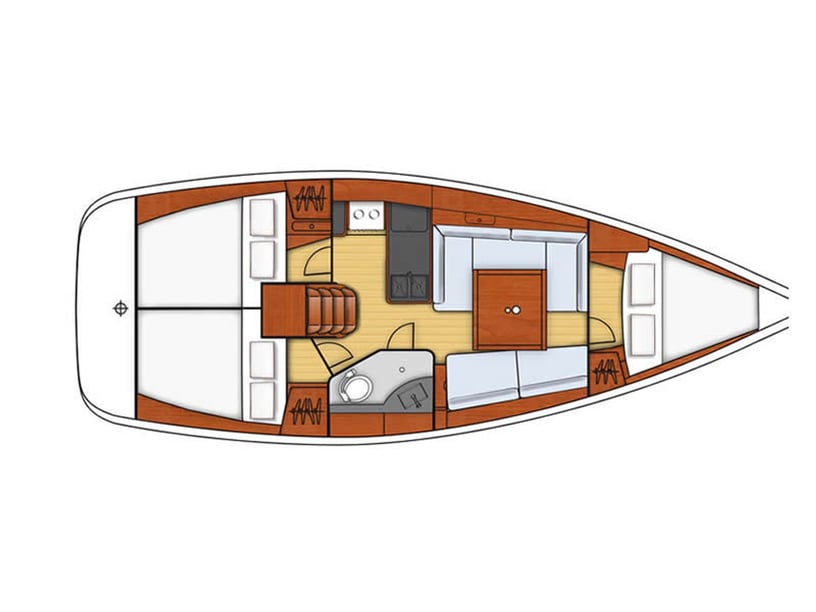
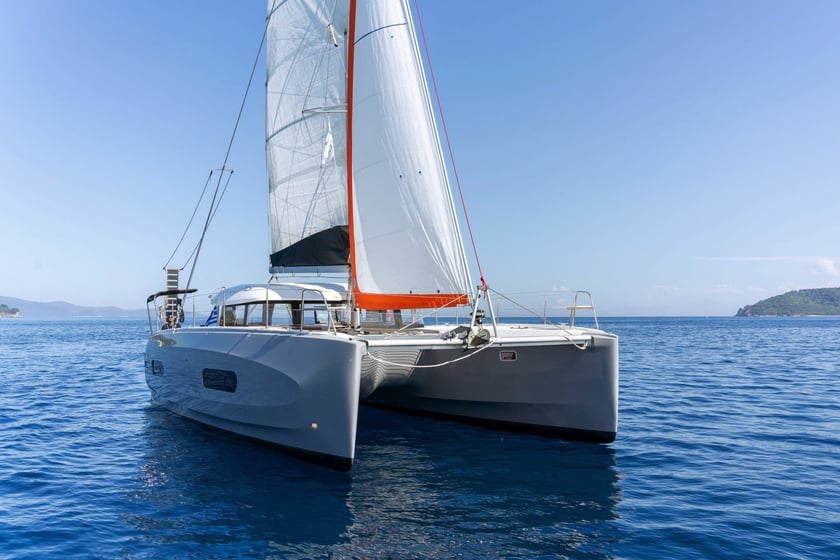
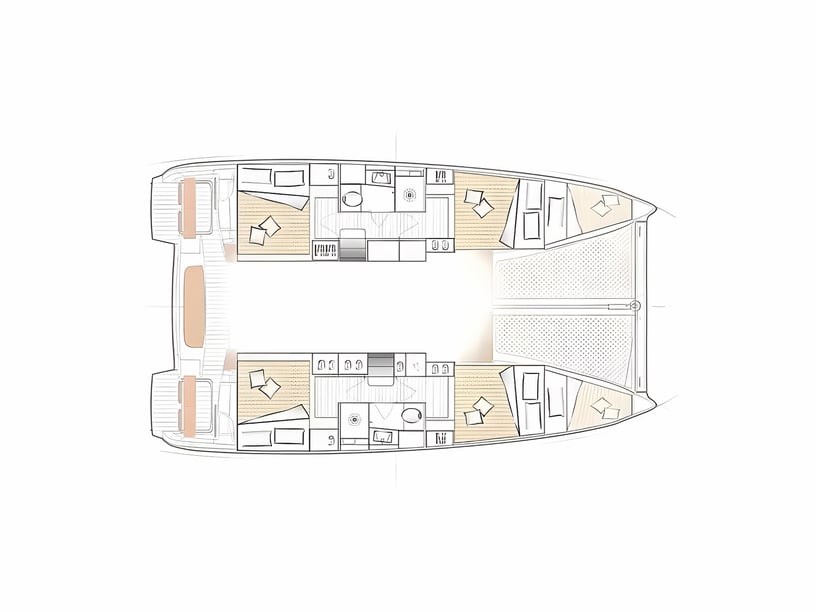
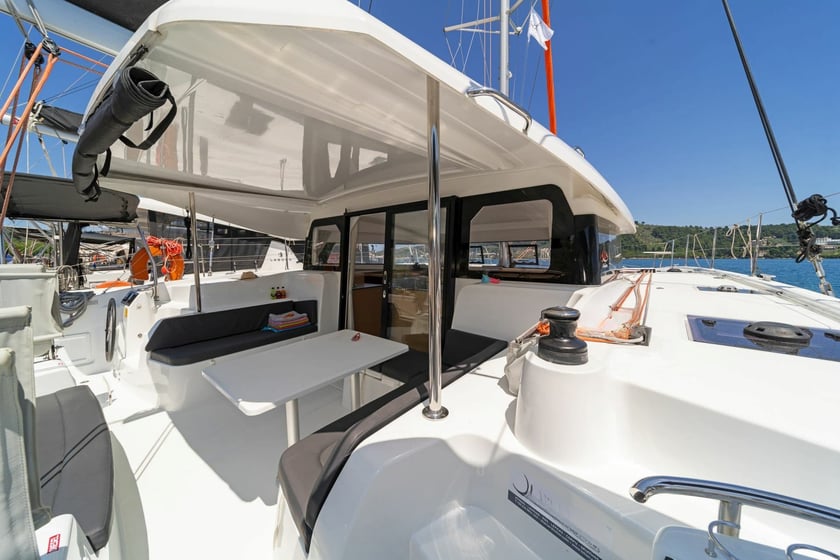
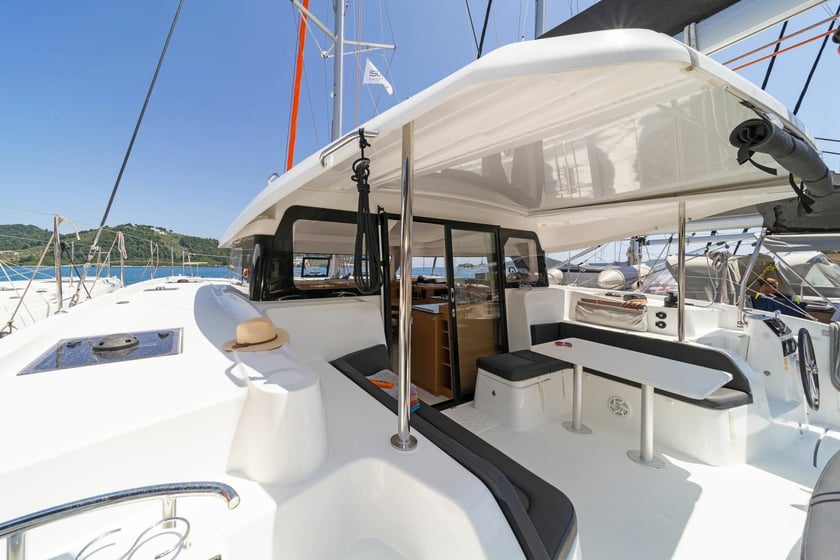
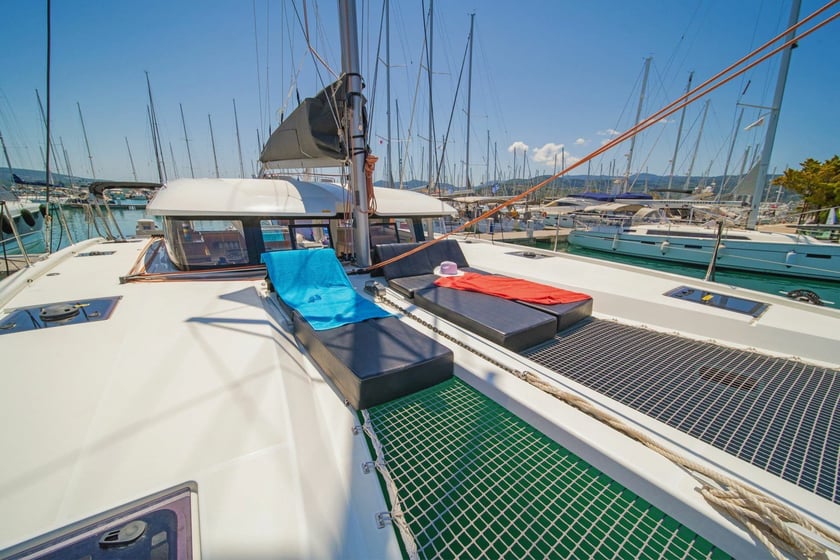
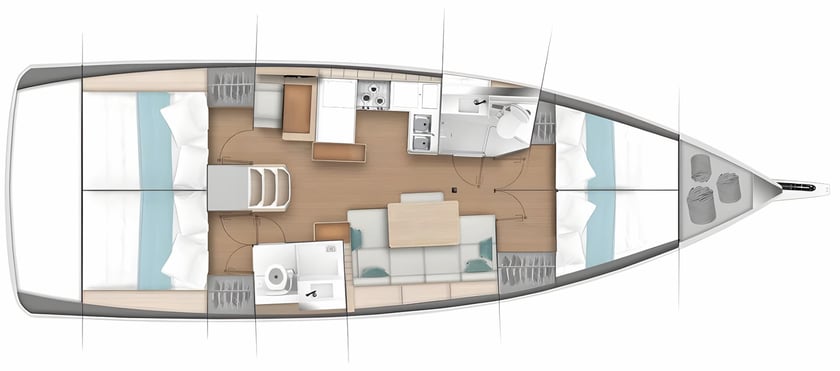
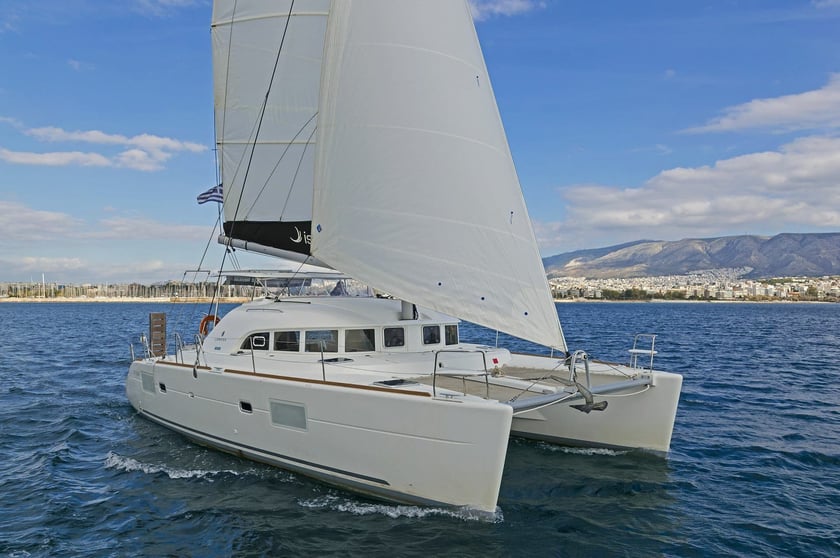
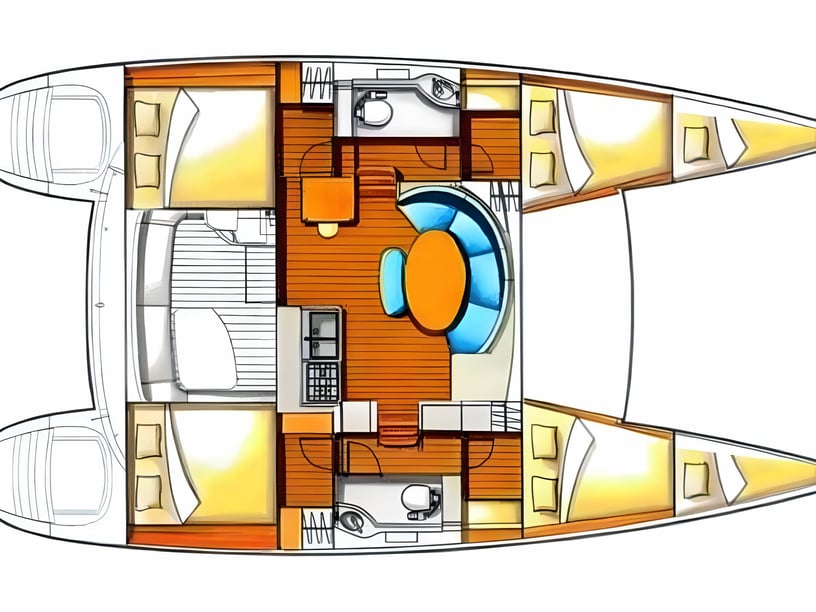
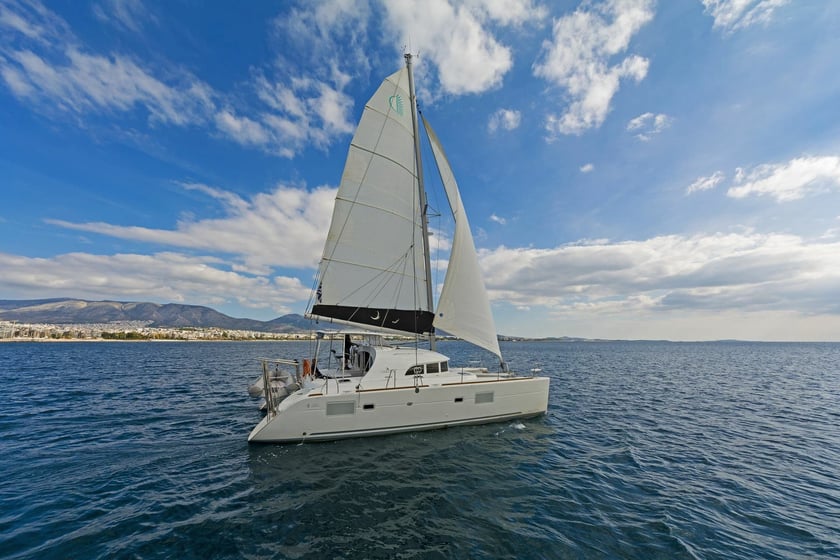
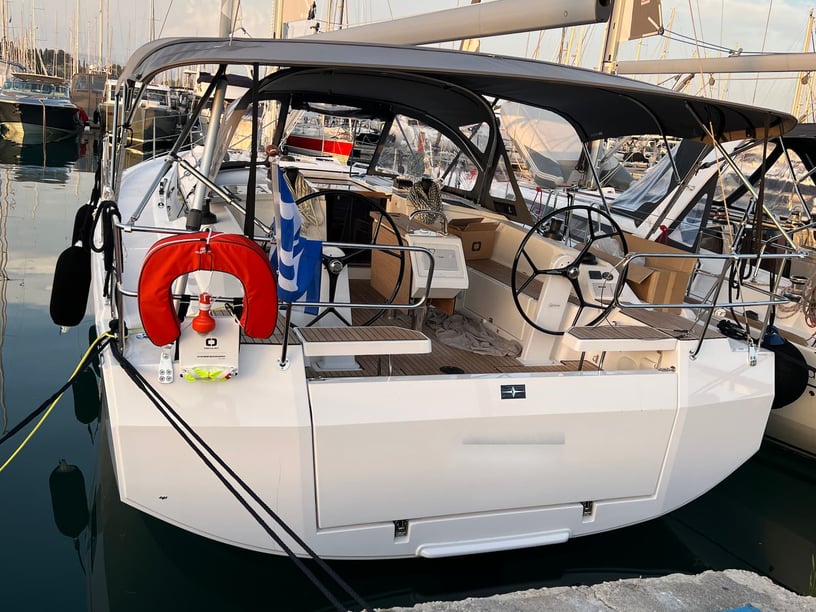
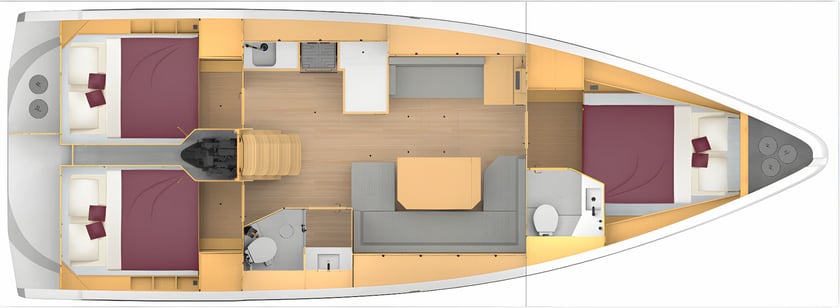
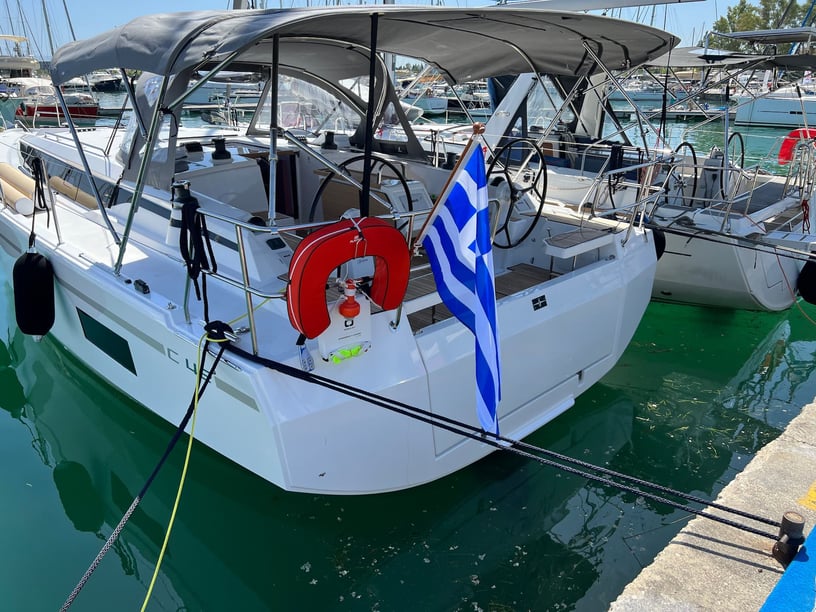
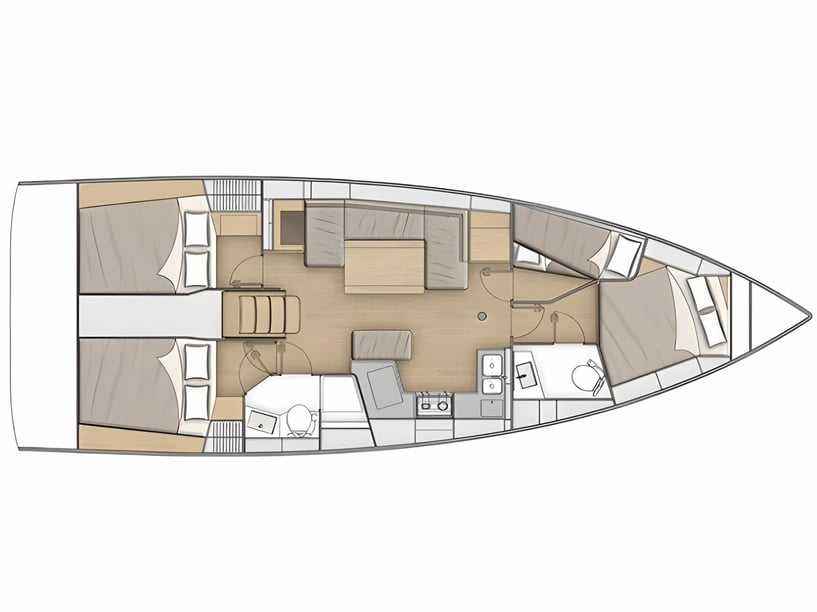
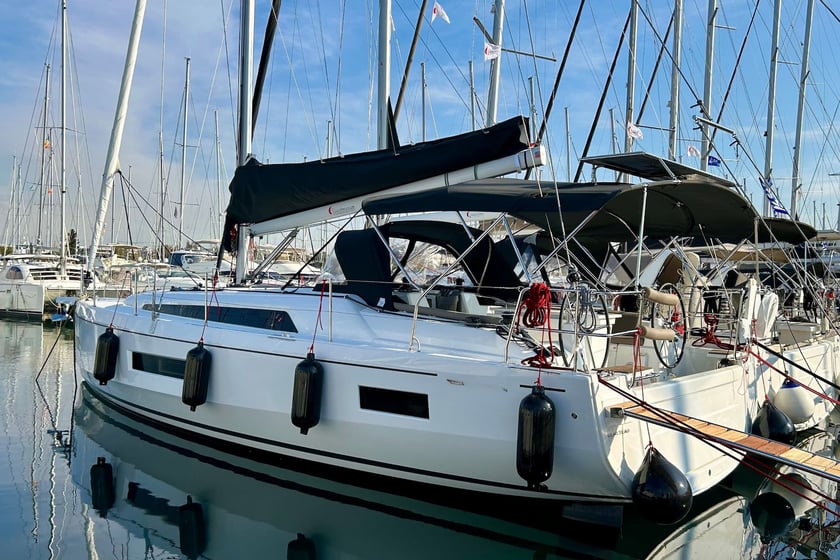
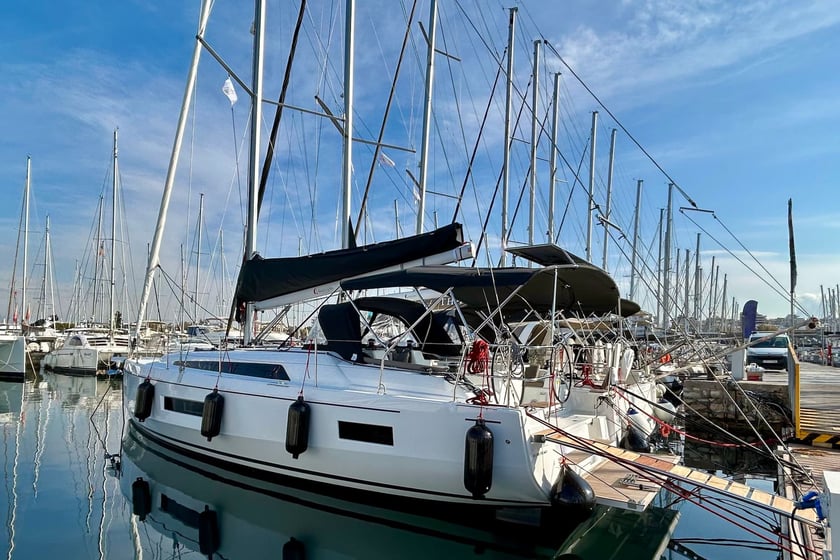
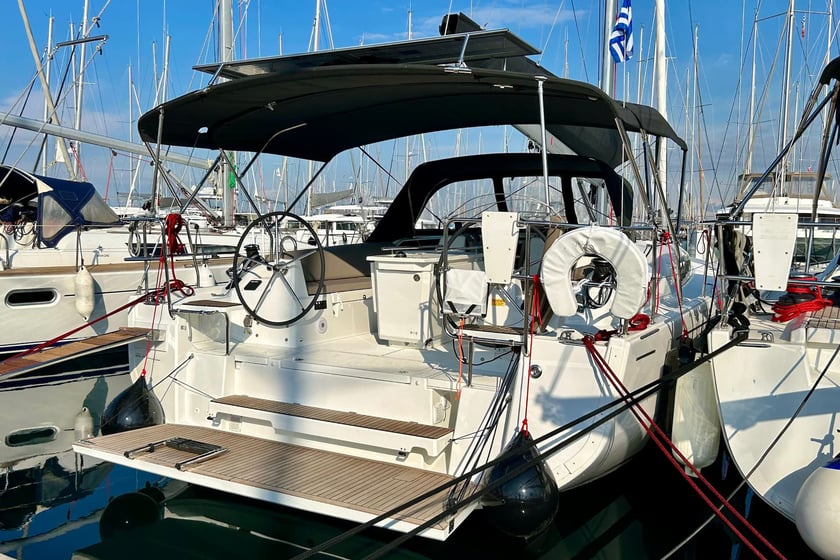
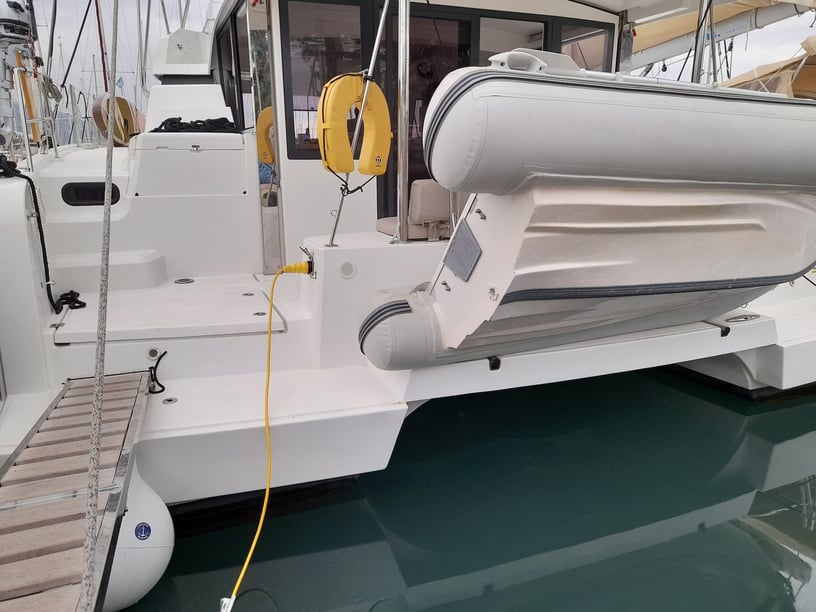
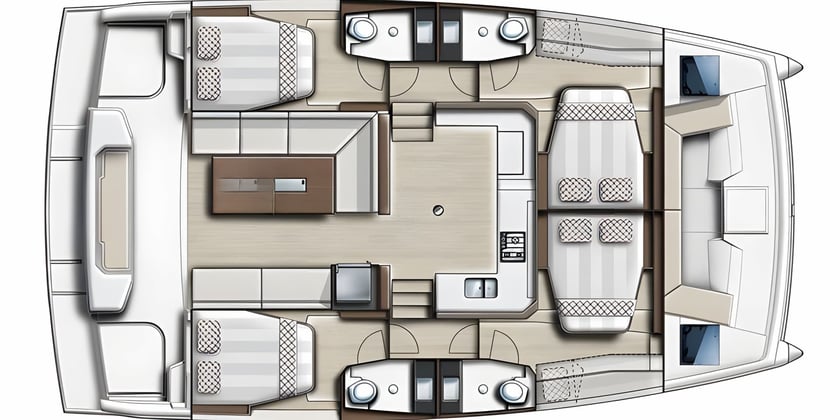
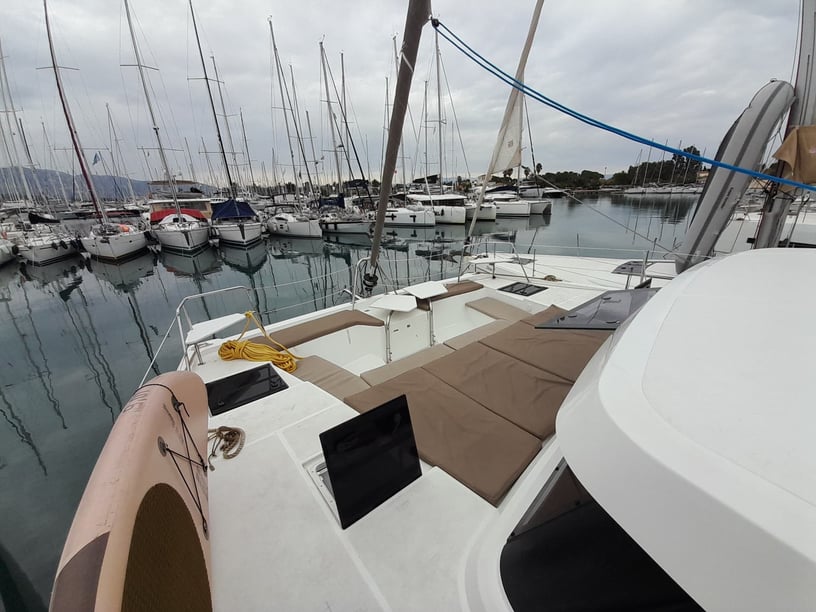
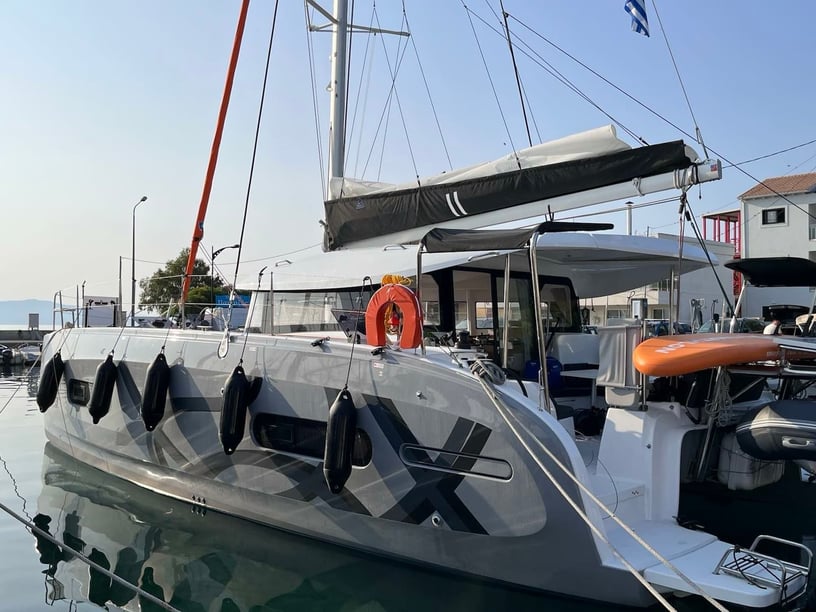
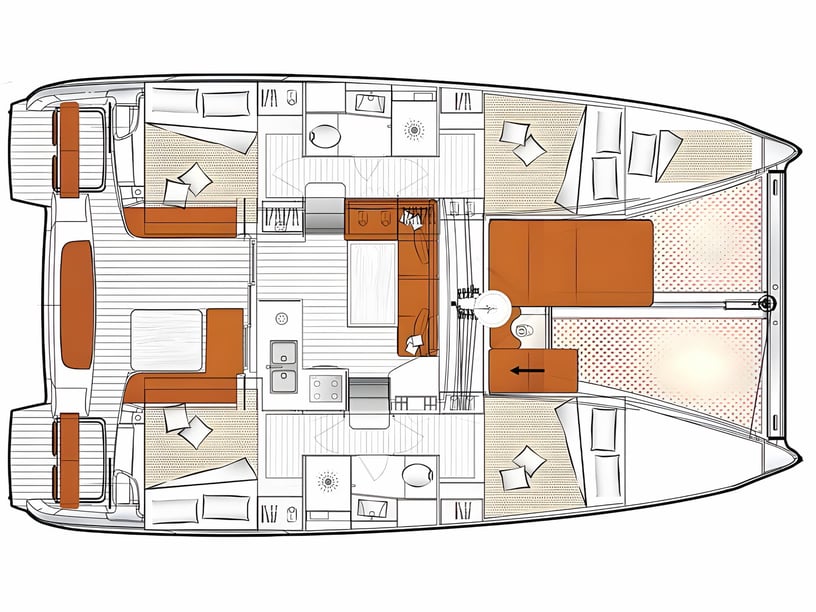
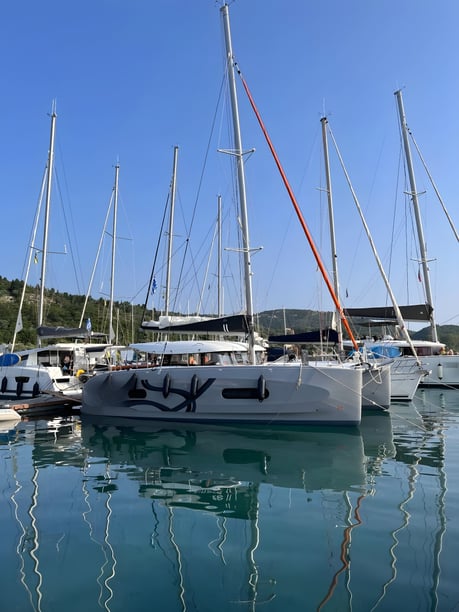
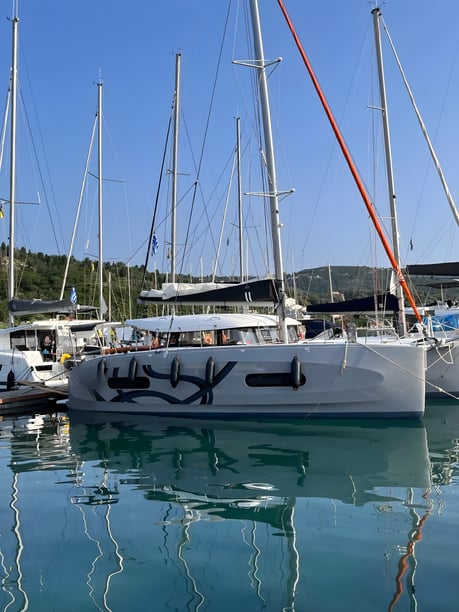
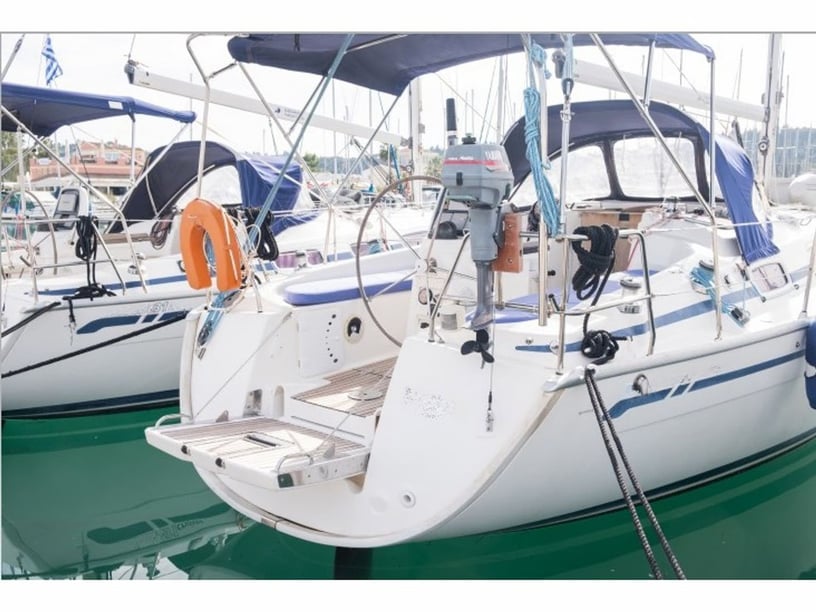
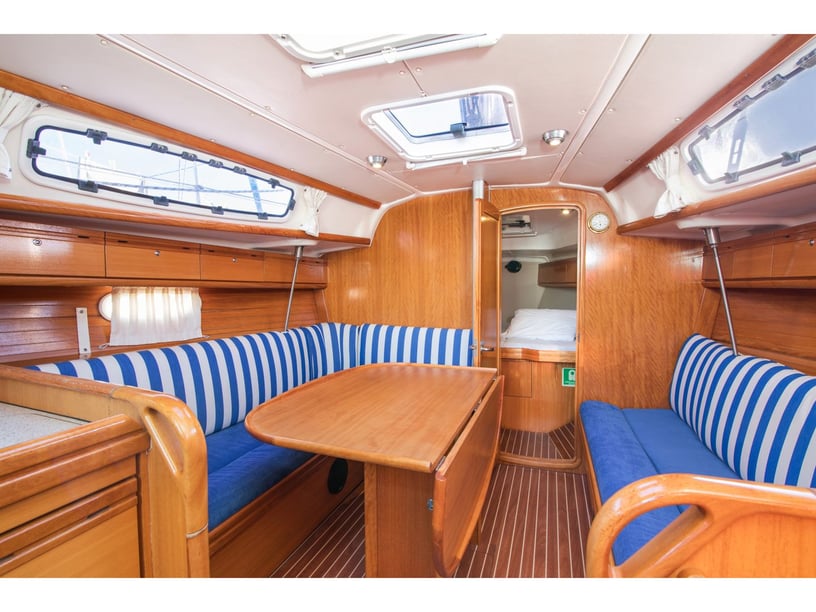
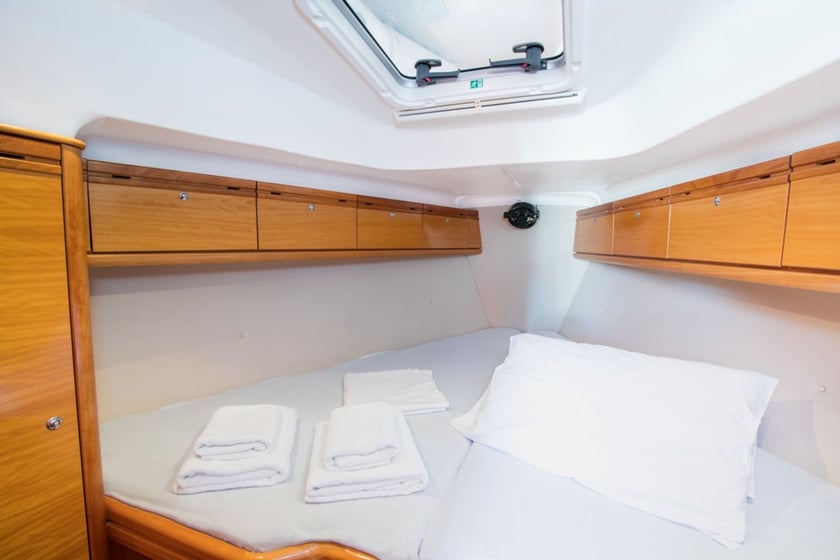
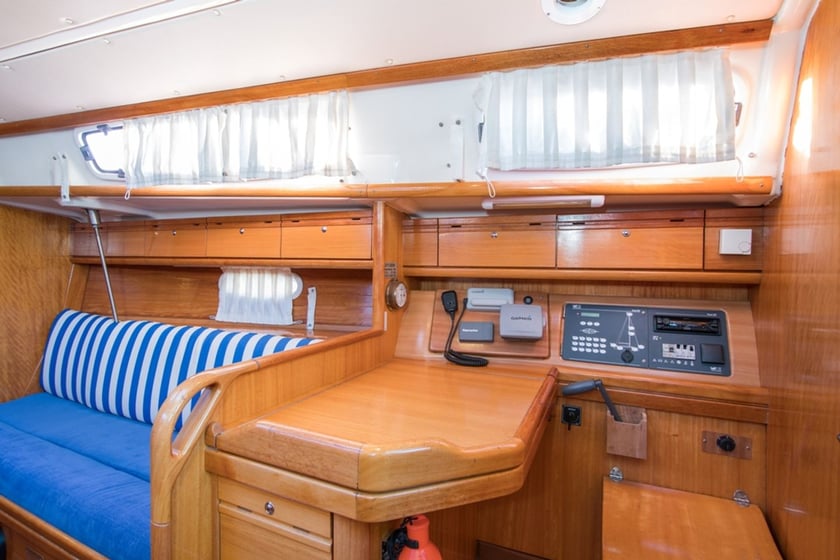
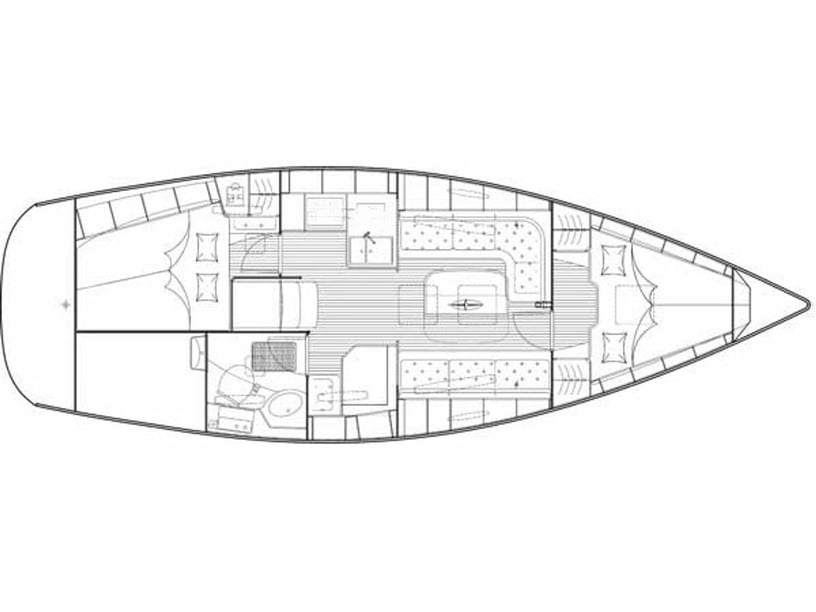
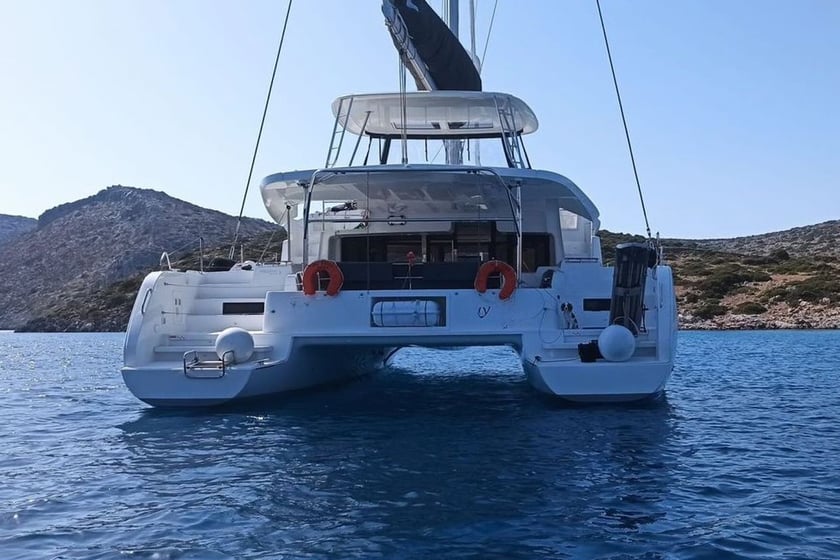
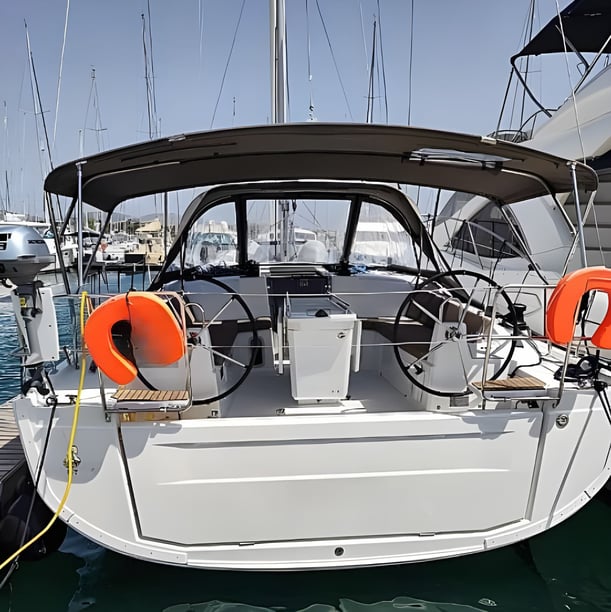
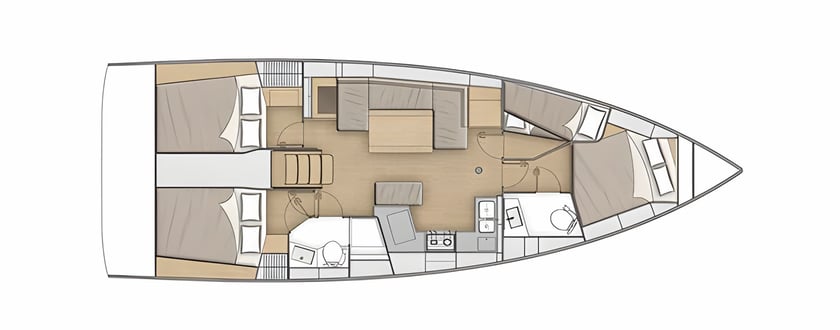
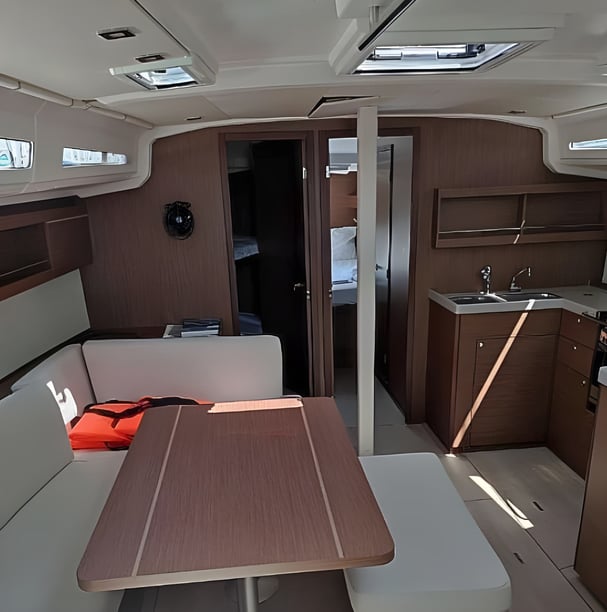
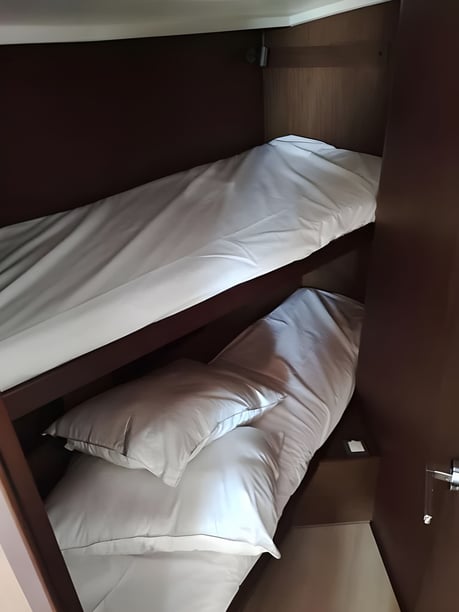
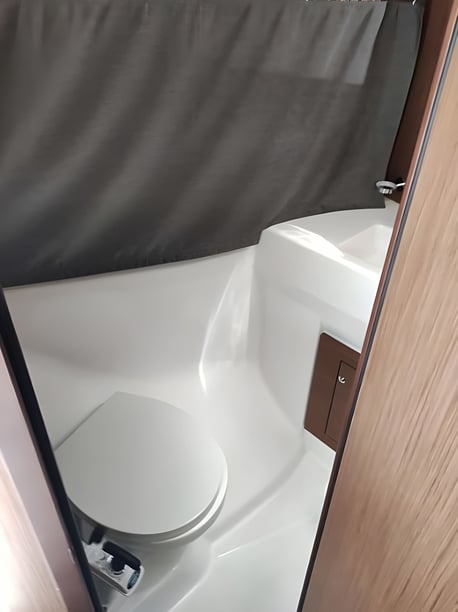
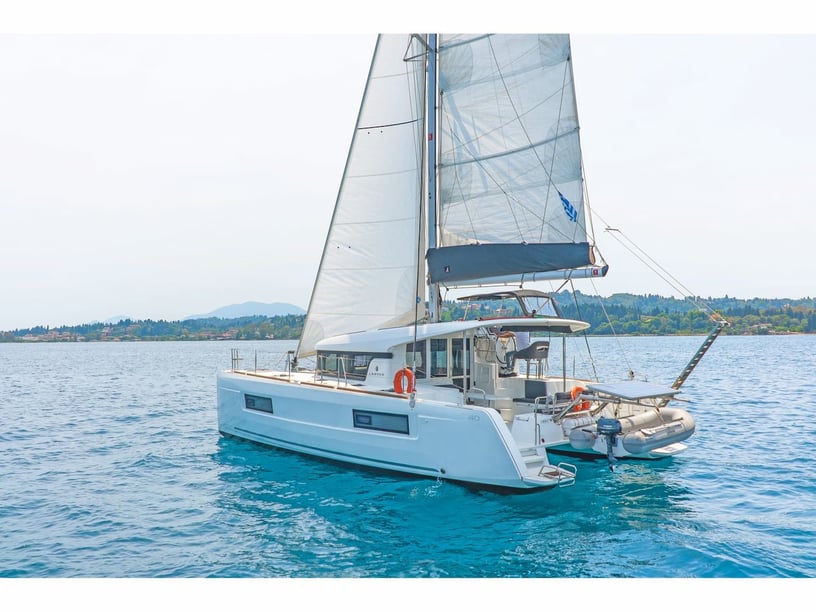
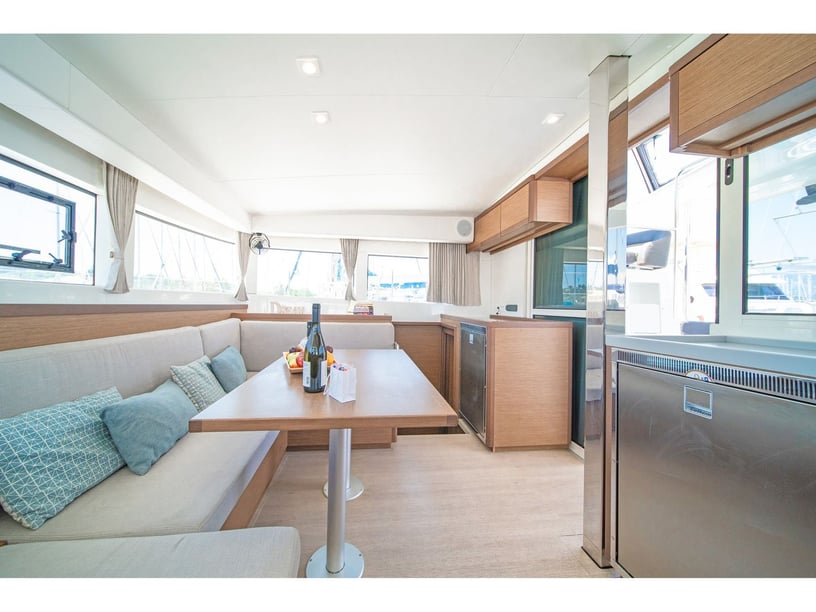
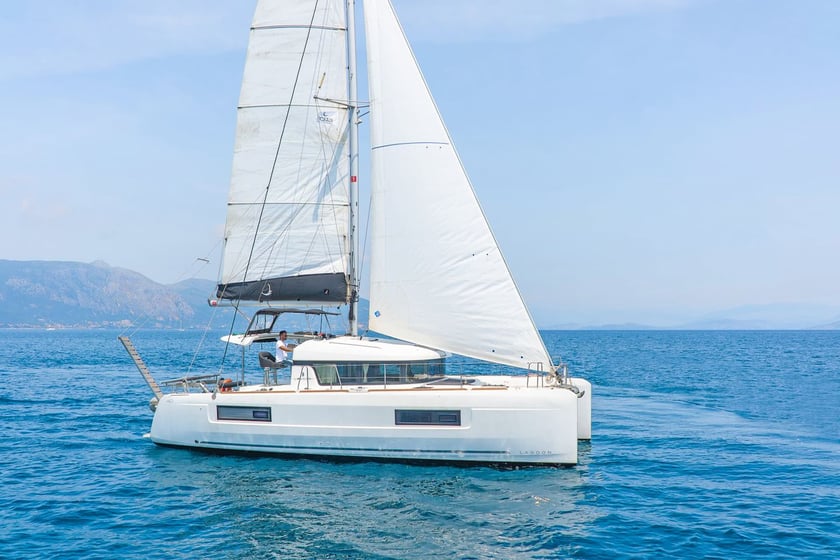
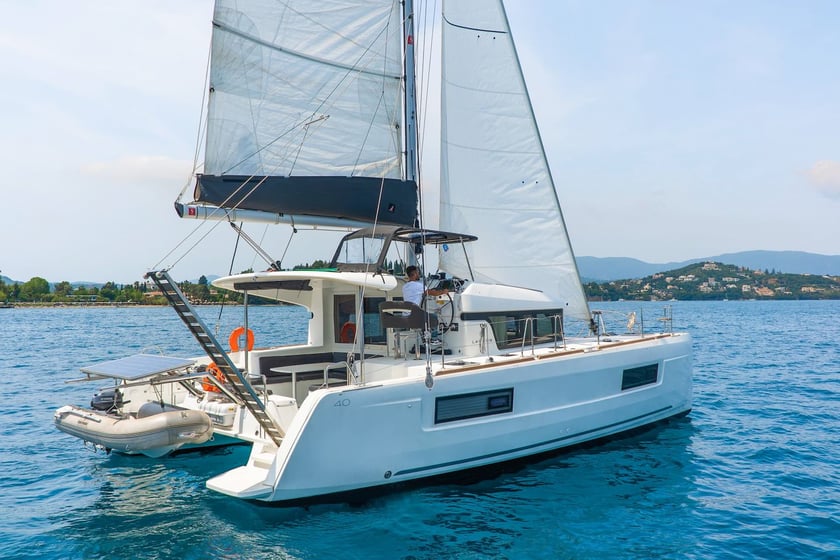
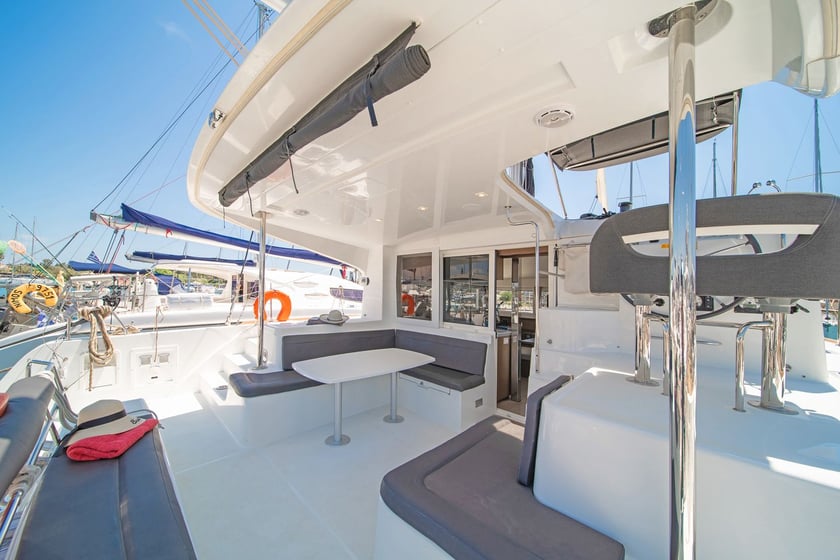
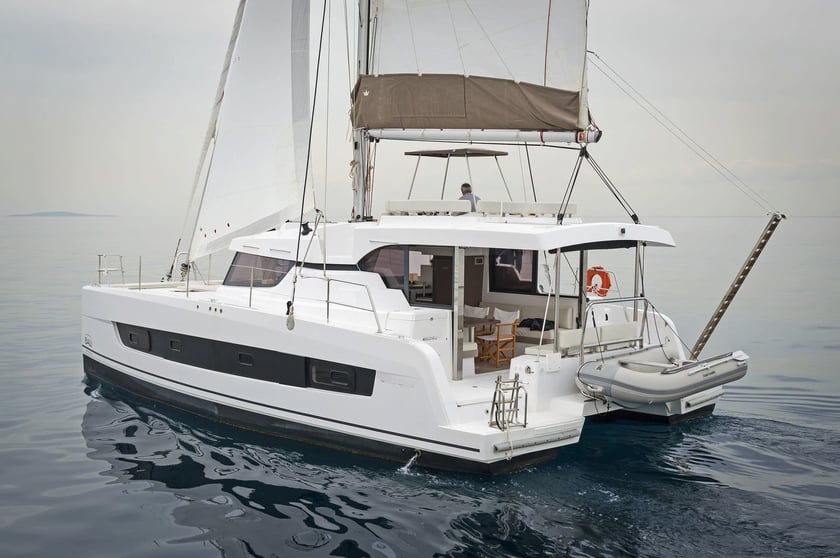
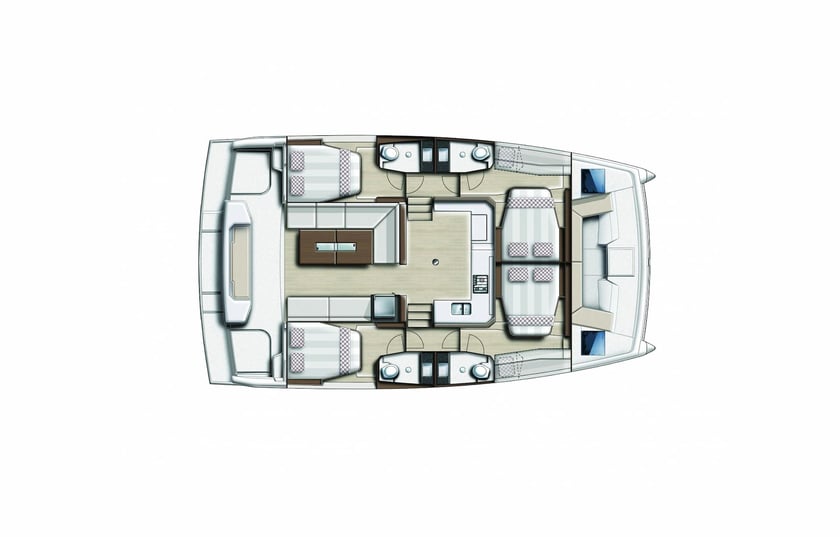
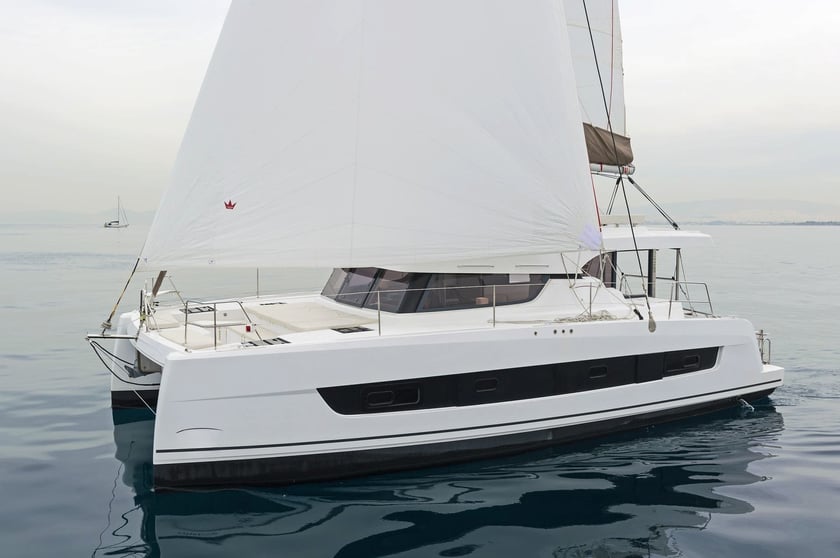
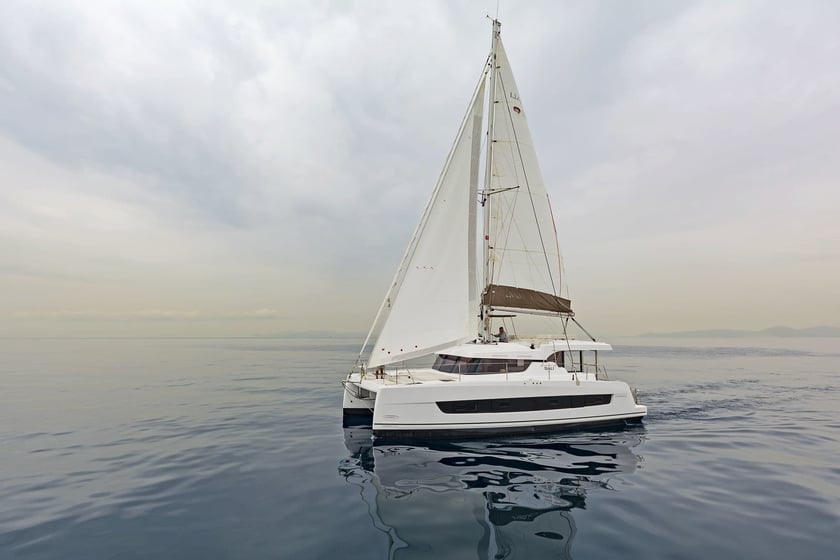
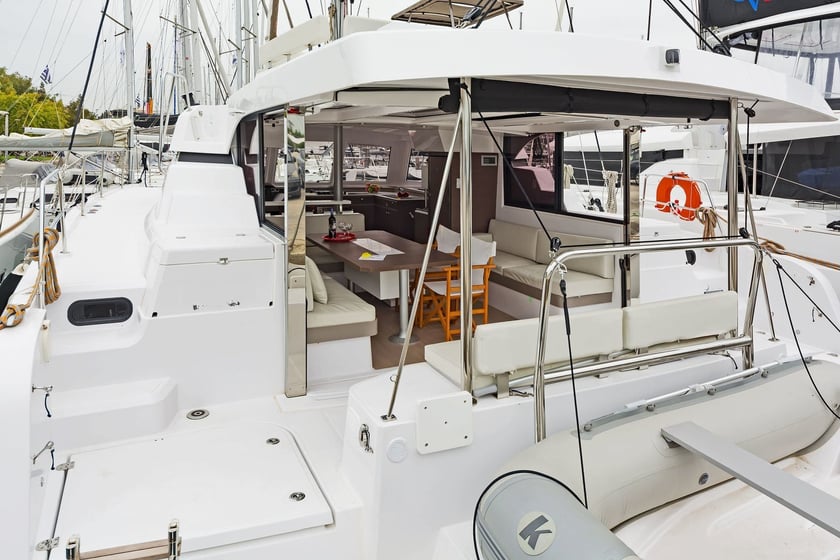
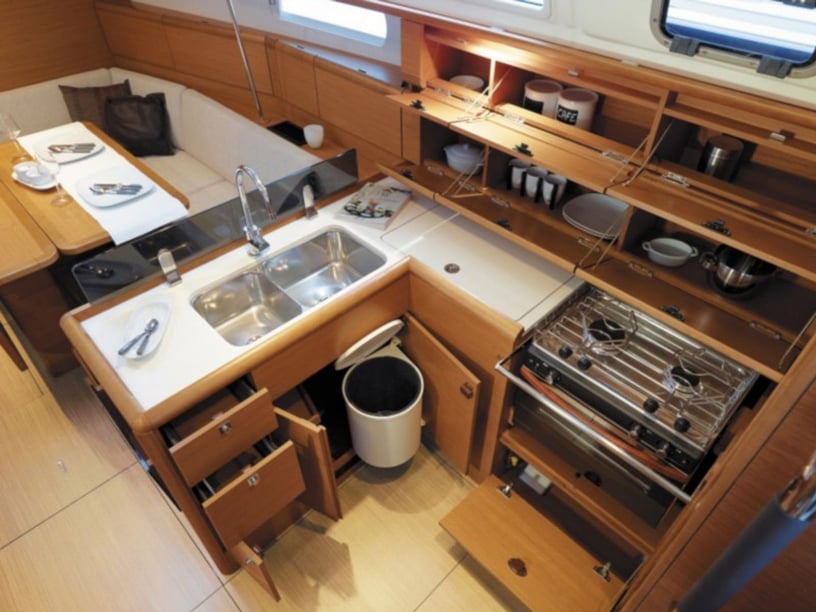
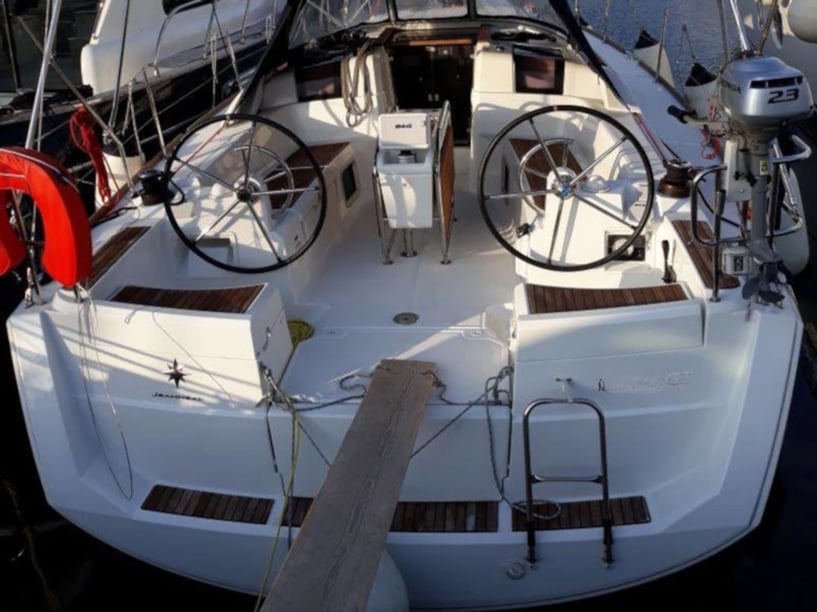
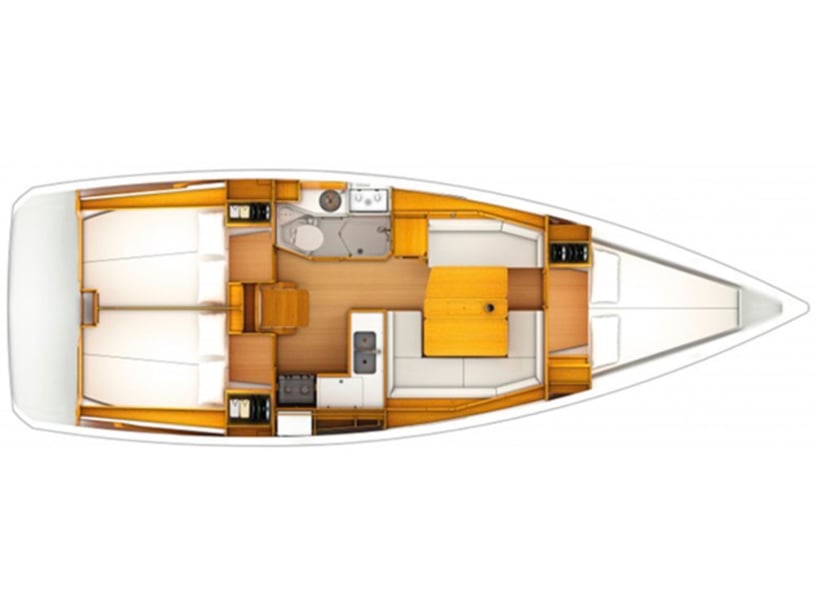
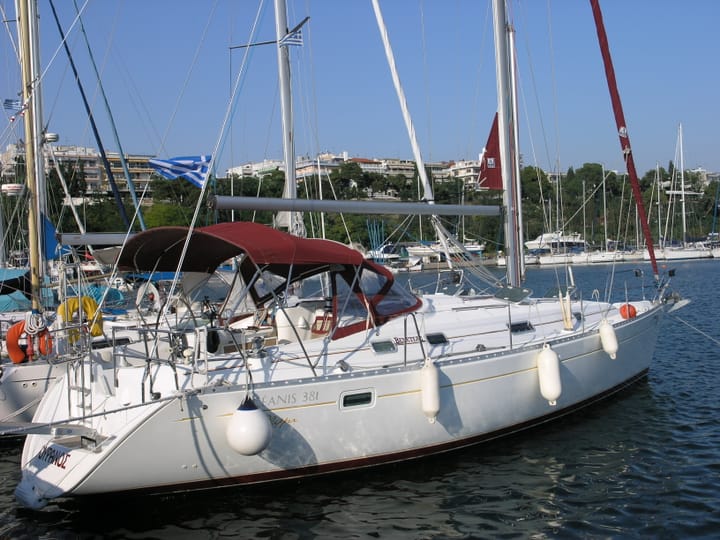
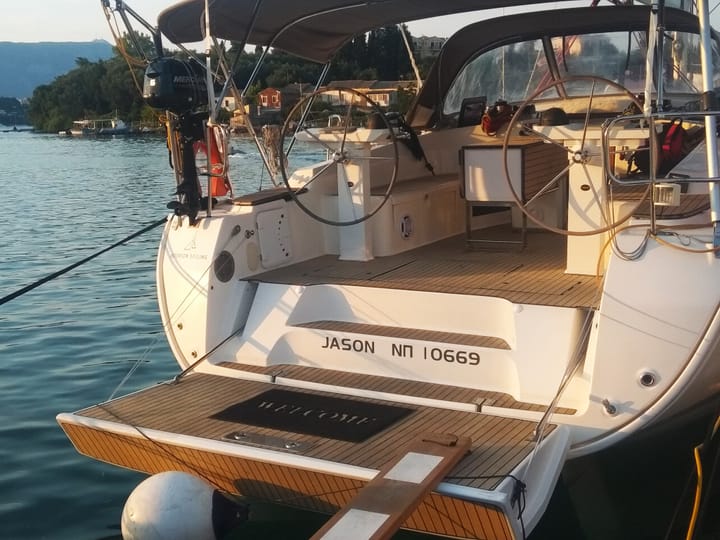
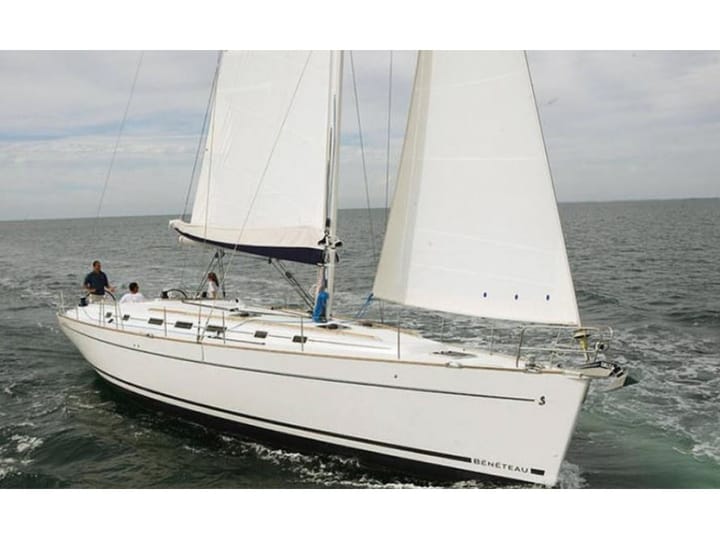
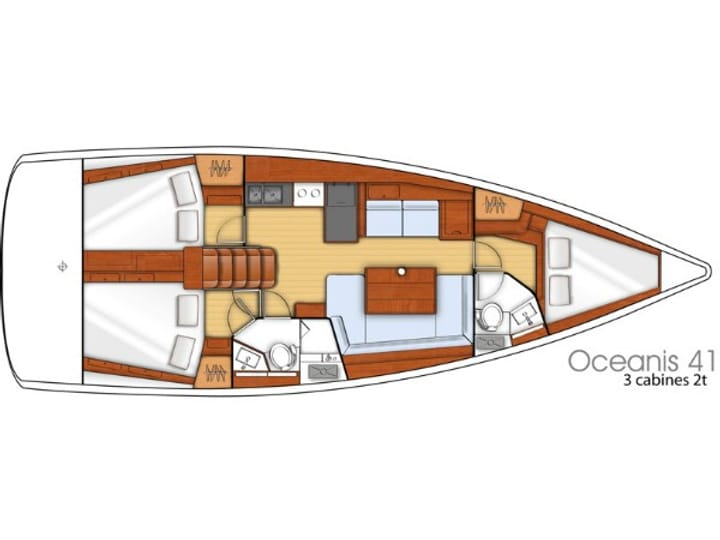
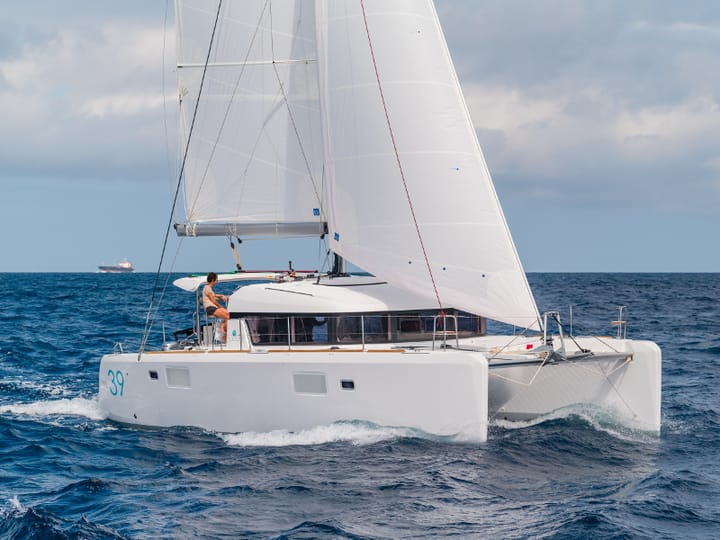
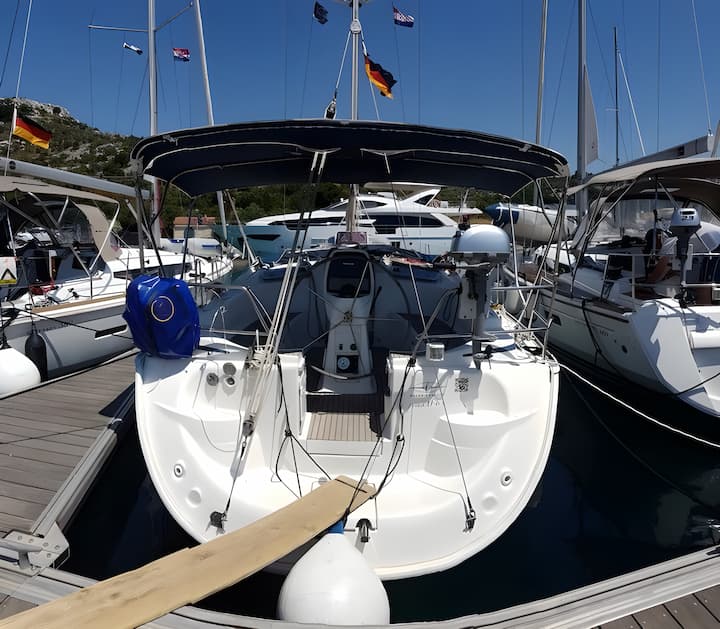
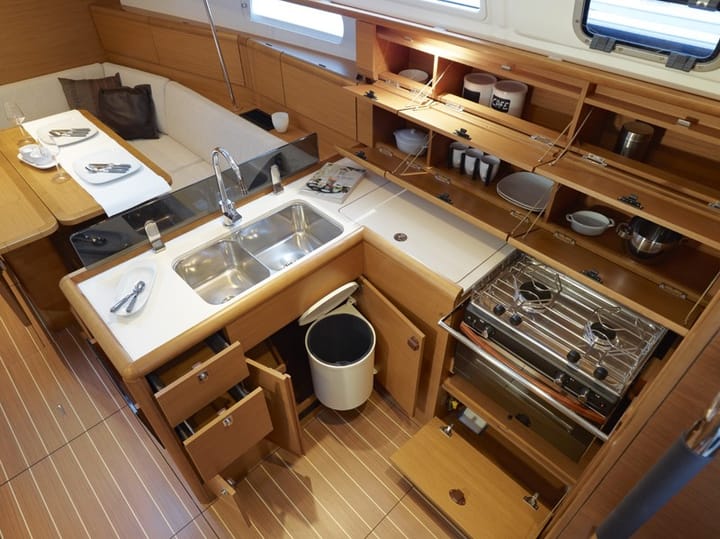
Begin by matching the boat and charter format to the route rather than choosing on appearance alone. Travelers comparing a sailboat charter in Corfu with a Corfu catamaran charter should consider the intended passage lengths, preferred onboard space, anchoring plans and the experience of the group. Confirm sleeping arrangements, usable cabin configuration and responsibility for navigation before booking.
Provisioning and fuel are easiest to organize around Gouvia. Smaller fishing harbors and coastal havens may offer limited or no yacht services, so water, fuel and berthing arrangements should be checked before departure. This is particularly important on routes involving the west coast or the Diapontia Islands, where shelter and support are less frequent.
Allow flexibility in the itinerary. Afternoon wind may be stronger than morning conditions, and routes around exposed headlands can feel different from cruising inside protected eastern waters. Current nautical charts and local marine forecasts remain essential even in summer; a sensible Corfu plan should include sheltered alternatives rather than depending on one fixed route.








Verified
Sven K.01 Jun 2026
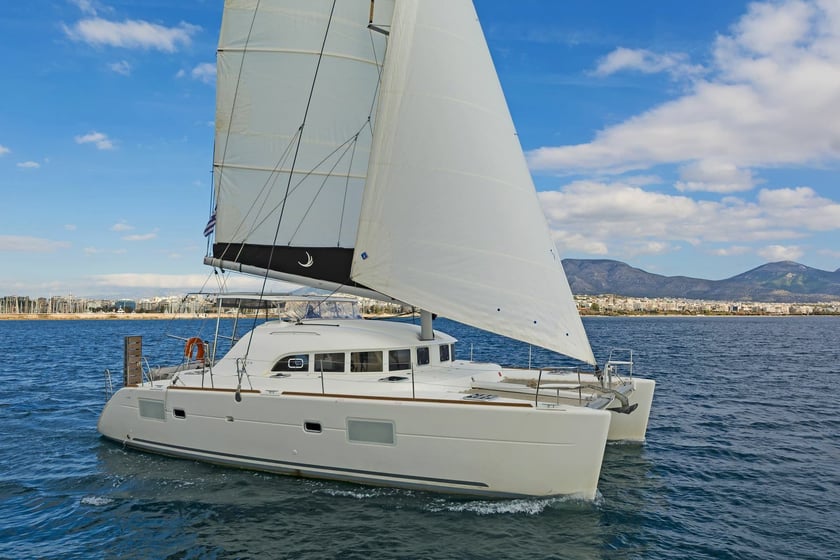
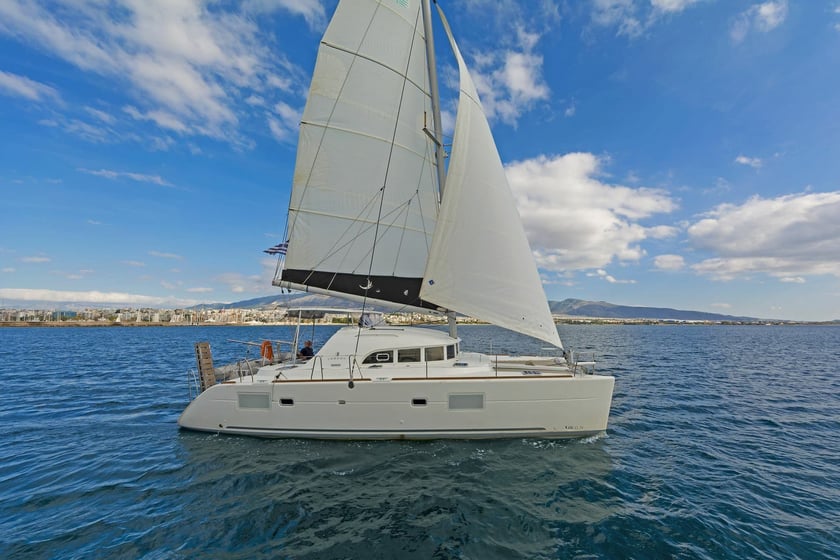
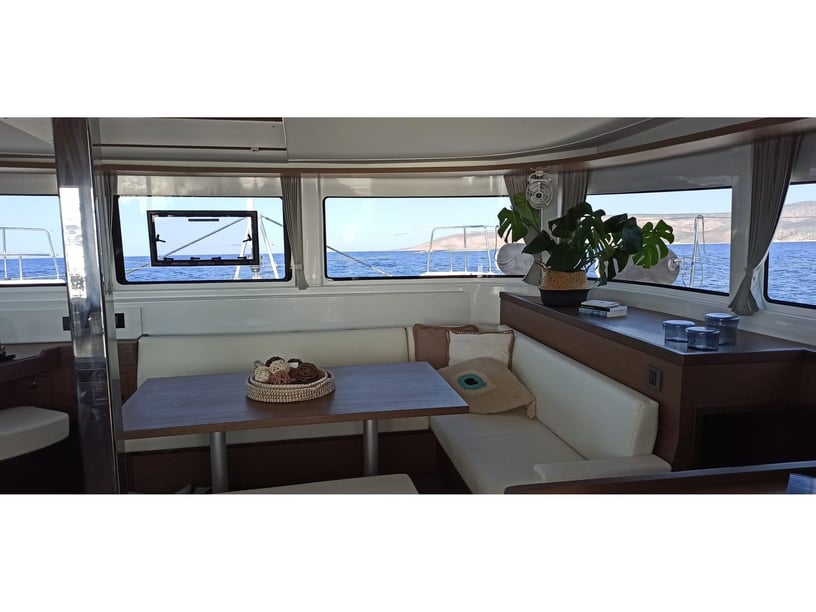
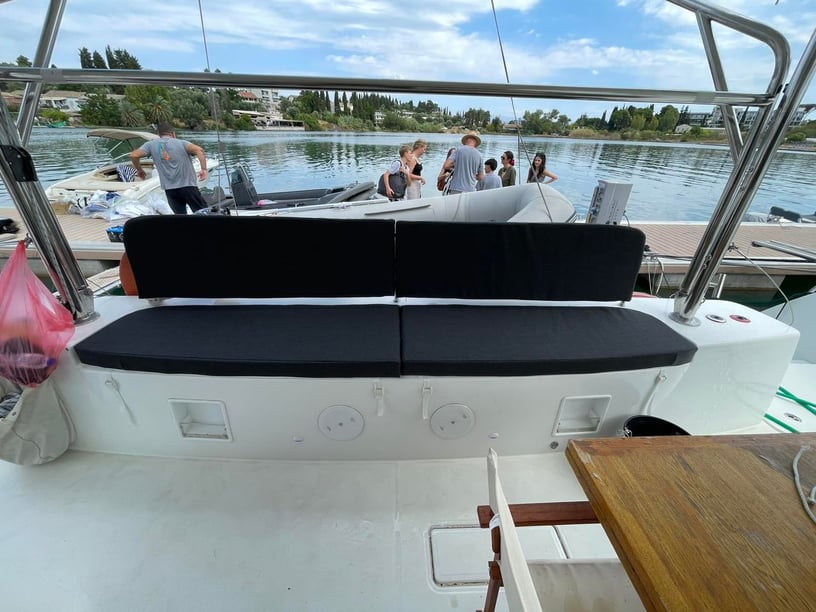
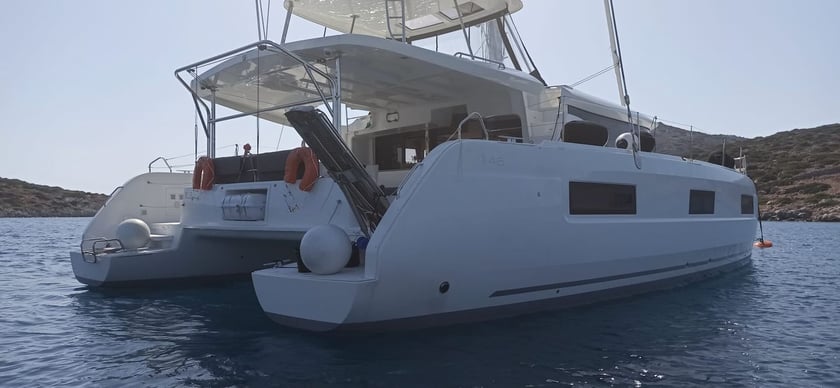
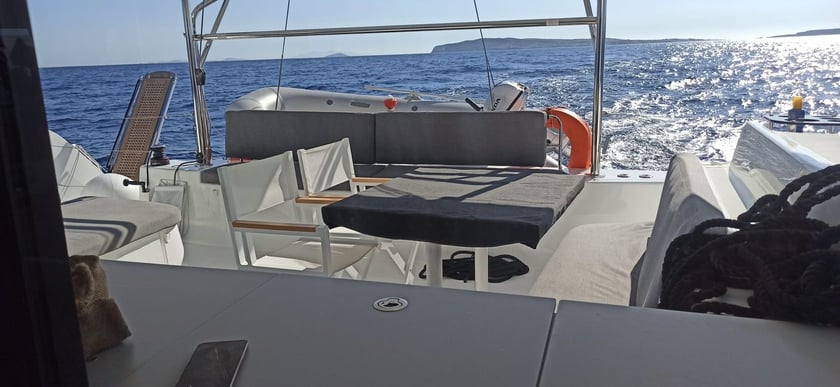
The catamaran felt sturdy, handled well, and had enough space for nine people. For its age, it was in good shape. The charter team was very friendly and helpful throughout. There were a few small issu...
Corfu / Greece