Yacht charter in Lavrion
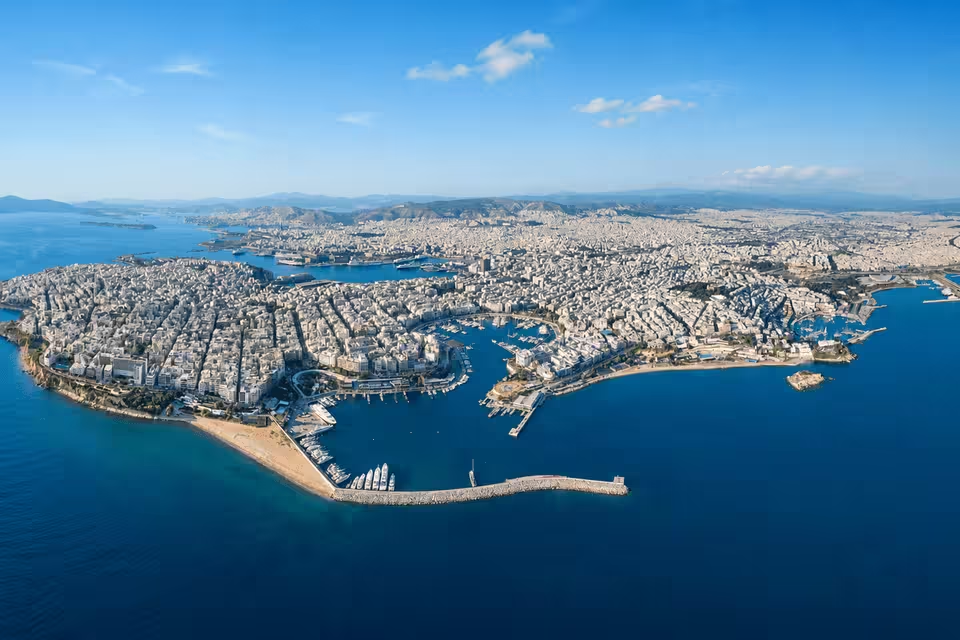
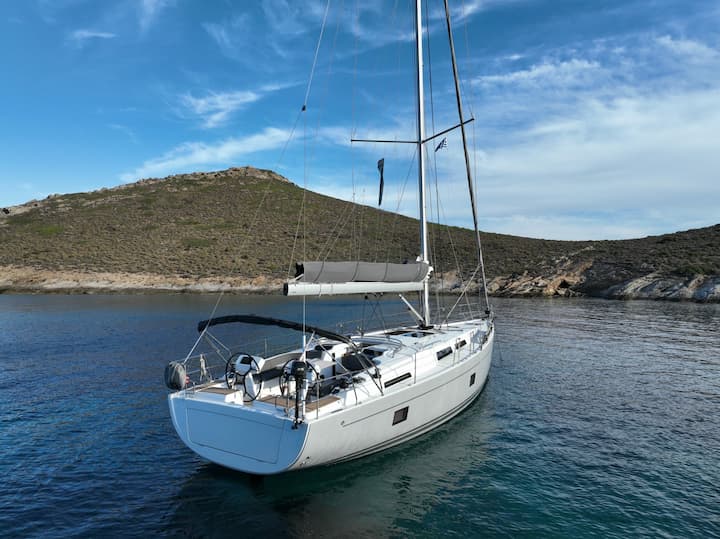
Lavrion is a working port town on the southeastern coast of Attica, facing Makronisos and the open Aegean, with Cape Sounion to the south. Its position gives yacht charters direct access to Kea and Kythnos, followed by the western and northern Cyclades. This makes it a practical mainland departure point for travelers who want to reach the islands without first sailing through a sheltered gulf.
The town differs from a purpose-built resort. Ferries, fishing boats, commercial vessels and yachts share its waterfront, while the surrounding dry, rocky landscape reflects centuries of mining. A yacht charter in Lavrion therefore combines purposeful island cruising with an industrial and archaeological character rarely found at Cyclades departure points. Travelers considering the wider possibilities for yacht charter in Greece can regard Lavrion as a particularly direct gateway to open-Aegean routes.
Islands and coastal places to explore
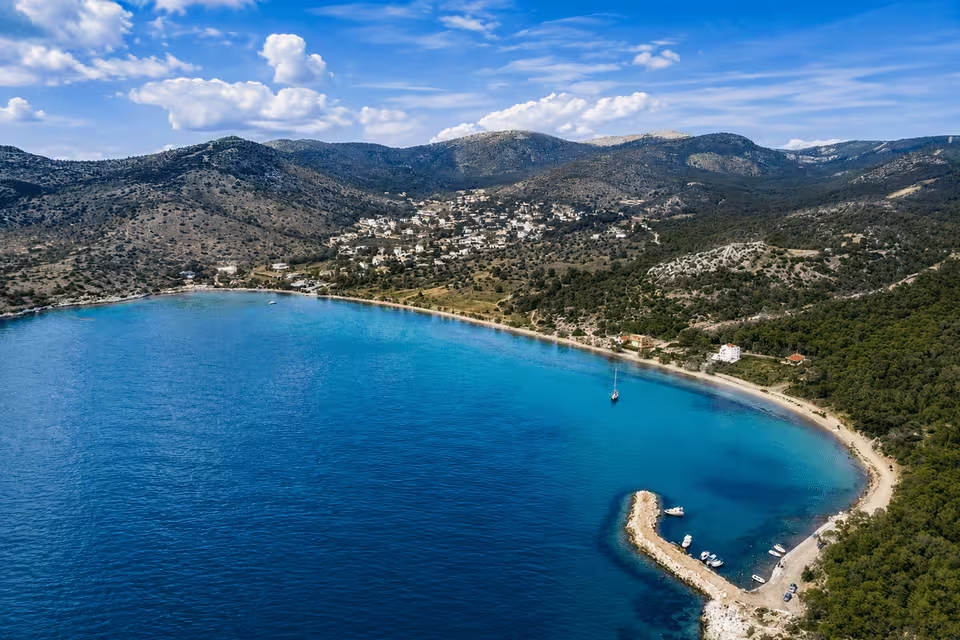
Kea is one of the principal first stops from Lavrion. Korissia provides the island’s main port setting, while nearby Vourkari offers another coastal stop. Koundouros Bay, on Kea’s southwestern side, can also feature in cruising plans when conditions are appropriate. The island’s proximity to the mainland makes it useful both as an opening destination and as the final stage of a return itinerary.
Kythnos is another natural building block. Merichas serves as a key arrival point, and Loutra provides an alternative coastal destination. From Kea or Kythnos, longer charters can continue through the Cyclades toward Syros, Paros, Sifnos, Serifos or Mykonos, depending on available time and weather.
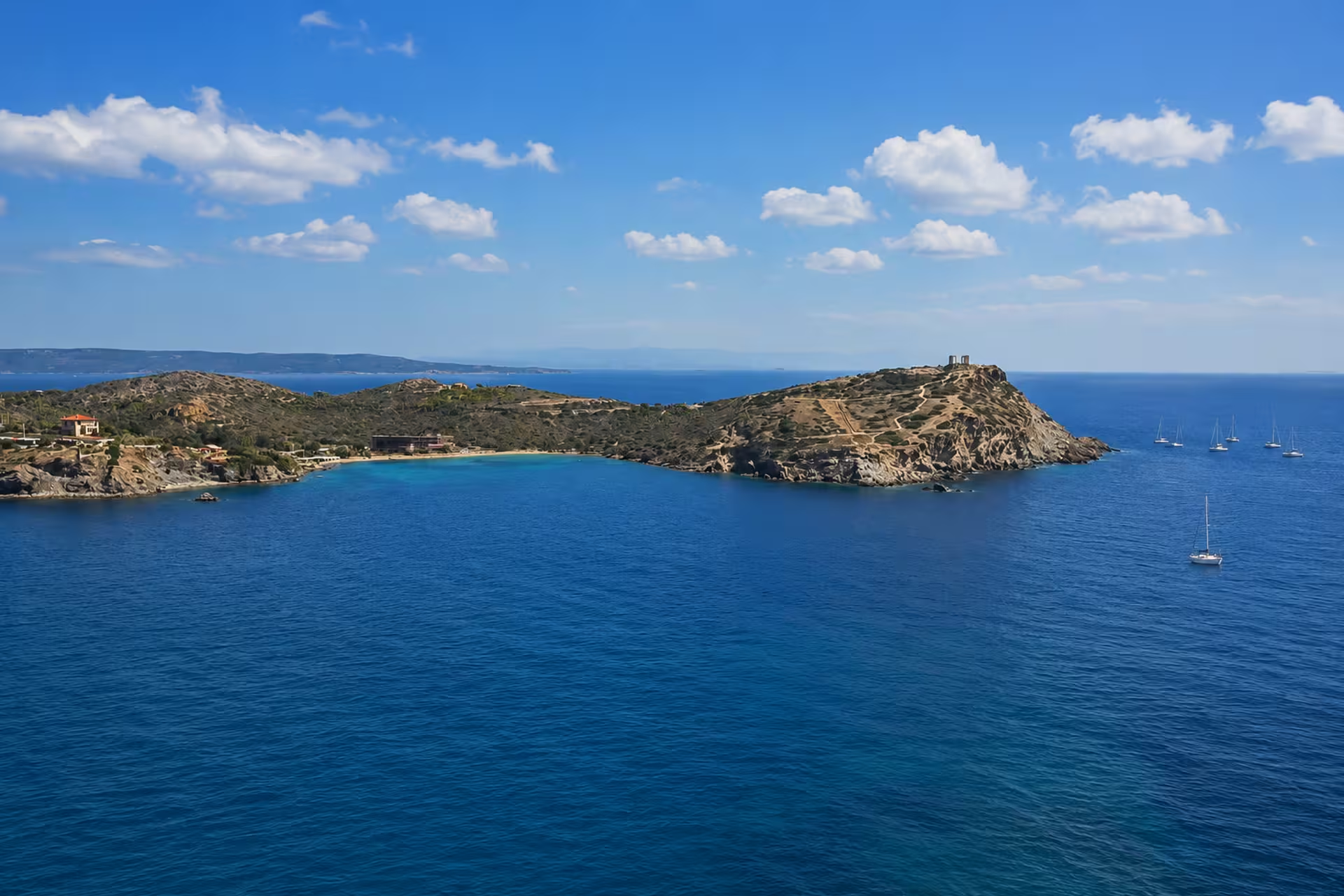
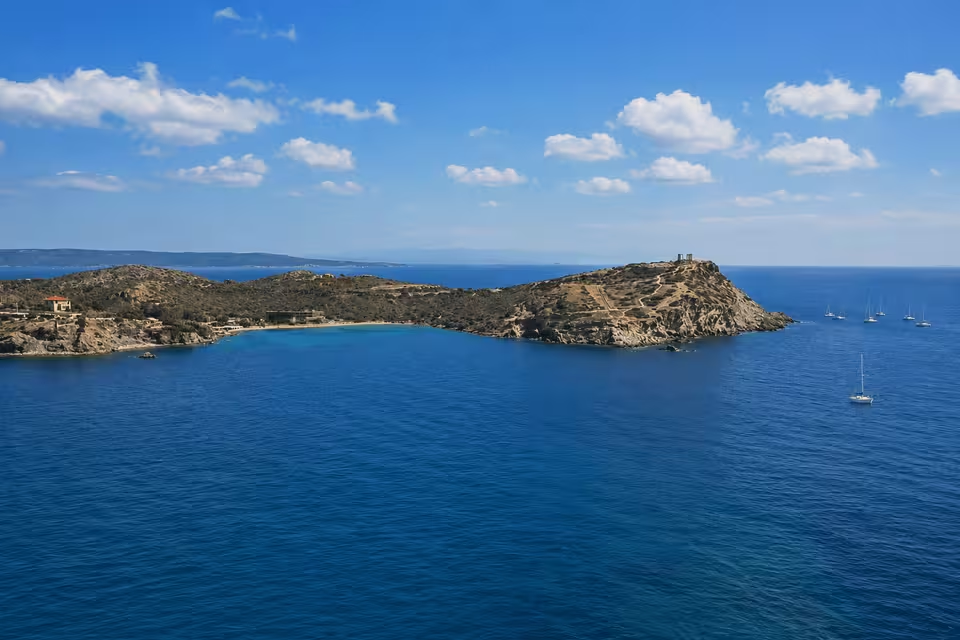
Closer to Lavrion, Cape Sounion offers a short coastal objective associated with the Temple of Poseidon. Its exposed setting means a stop in Sounion Bay depends on suitable wind and anchoring conditions rather than fitting every itinerary automatically.
What sailing from Lavrion is like
A Lavrion yacht charter begins inside a protected working harbor but soon reaches exposed Aegean water. Compared with cruising in a sheltered gulf, passages toward the Cyclades are generally longer and more affected by wind and open-sea conditions. This creates rewarding island-to-island sailing, but it also calls for realistic passage planning and flexibility.
North to northwest winds are common. The Meltemi can occur from late spring into autumn and is usually strongest and most persistent in July and August. In open channels, it may produce short, steep seas that make crossings uncomfortable or demanding. Overall sailing difficulty is moderate, though summer conditions can favor experienced crews or a skippered charter. Tidal range is small; wind and wider weather systems matter much more than tide when shaping the day’s passage.
Best time for a Lavrion yacht charter
The main recreational boating season runs broadly from April through October. May, June and September are particularly suitable for Cyclades cruising because they generally combine warmth with more manageable winds. June belongs to the principal high season, while May and September sit outside the busiest midsummer period and can suit travelers seeking a more balanced sailing calendar.
July and August are peak months, but they also bring the greatest likelihood of strong, persistent Meltemi conditions. Crews choosing these months should be prepared for changed routes, delayed passages or more time in protected harbors. October can still be pleasant, although weather becomes less consistent. From November through March, recreational sailing activity is substantially reduced.
Route ideas from Lavrion
A shorter charter can concentrate on Kea and Kythnos, allowing more time for swimming, anchoring and going ashore instead of covering long distances every day. Cape Sounion may be added as a coastal stop when conditions make the anchorage suitable.
For a one-week trip, an established circuit links Lavrion with Kea, Syros, Paros, Sifnos and Kythnos before returning to the mainland. Another northern and central Cyclades option connects Kea, Syros, Mykonos, Paros and Kythnos. These routes include several open-water passages, so they should be treated as adaptable frameworks rather than fixed schedules.
Longer trips may continue from Kea and Kythnos toward Serifos and Sifnos, with possible extensions to Paros, Milos, Mykonos or Santorini when both time and weather permit.
Experiences on the water and ashore
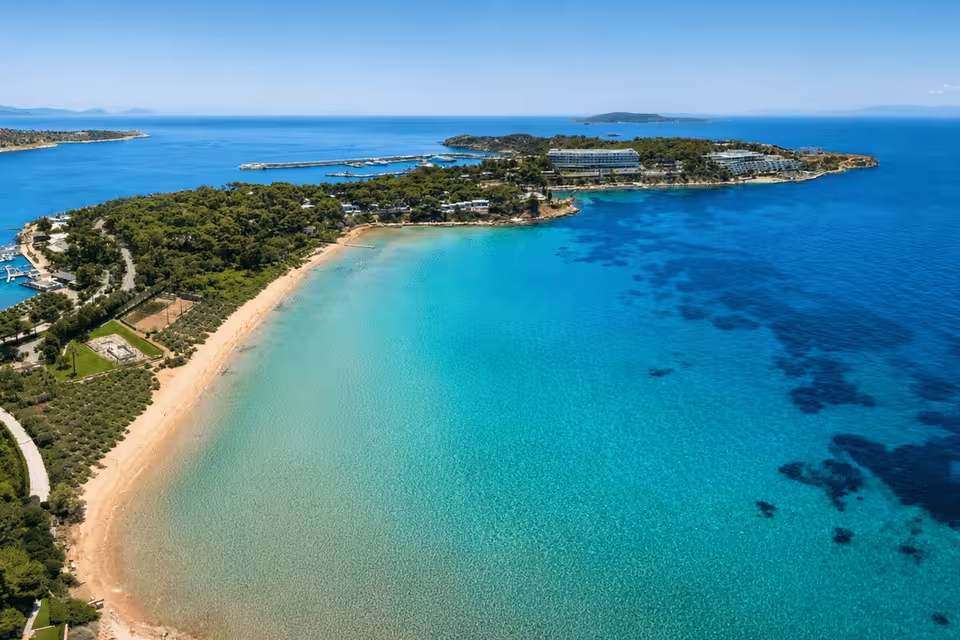
The charter rhythm around Lavrion can alternate between purposeful Aegean passages and slower time in island bays. Kea and Kythnos provide opportunities for swimming, beaches and anchoring, while longer routes add contrasting Cycladic ports and settlements. Because the area is exposed, an extra day in a harbor or sheltered bay may become part of the experience rather than simply an interruption.
Lavrion also adds unusual historical depth before or after embarkation. The silver and lead resources of Lavreotiki helped support the naval power of classical Athens, while nineteenth-century mining and metallurgy shaped the modern port. Travelers can explore this legacy at the Archaeological Museum, the Lavrion Technological and Cultural Park and the ancient theatre at Thorikos. The wider mining landscape became a UNESCO Global Geopark in 2023. To the south, Cape Sounion and the Temple of Poseidon connect the voyage directly with Attica’s maritime history.
Getting to the harbor and departure areas
Lavrion is reached by road from Athens and Athens International Airport. Taxis, private transfers and rental cars provide direct access; regional KTEL bus travel from the airport generally requires a connection at Markopoulo.
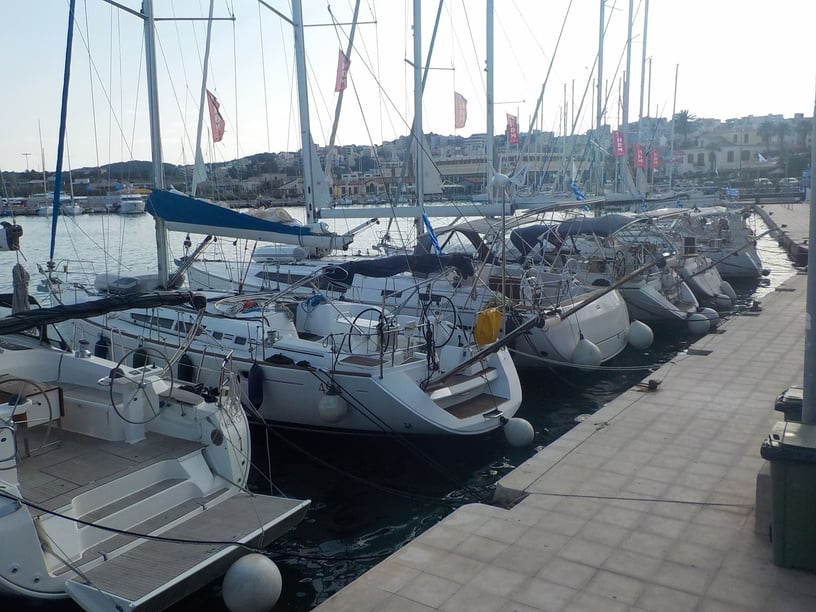
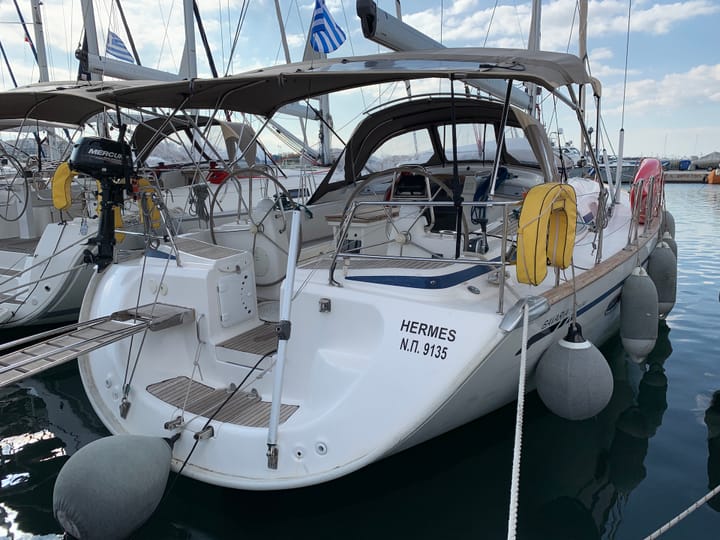
Yachts may depart from the yacht sector of Lavrio Port or from Olympic Marine. These are separate embarkation areas, so confirming the precise base before traveling is essential. Both provide access to provisioning and basic yacht services, while Olympic Marine also operates a substantial boatyard.
Lavrio Port remains a mixed-use harbor rather than an exclusively recreational marina. Ferry, fishing and commercial movements contribute to its working character and require particular attention from vessels maneuvering in and around the port.
Planning your charter
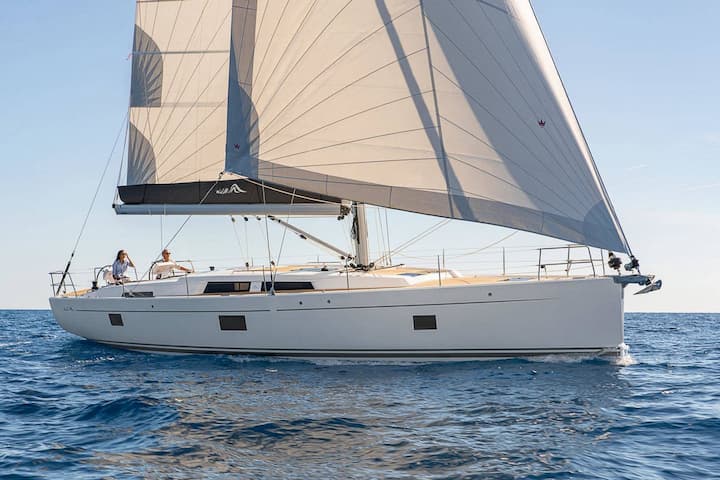
When comparing yacht charter or boat rental in Lavrion, begin with the route rather than trying to fit a fixed list of islands into the trip. A Kea–Kythnos plan requires less distance than a circuit through Syros, Paros or Mykonos, leaving more room for swimming stops and time ashore. Longer Cyclades itineraries need enough schedule flexibility to respond to the Meltemi.
Charter format should reflect the crew’s experience with exposed passages. Confident sailors may value the direct access to open water, while less experienced groups can consider a skippered yacht, especially during July and August. Regardless of format, the skipper remains responsible for navigation around charted hazards near Makronisos and Cape Sounion and should use current official charts and local pilotage information.
Before arrival, verify the embarkation area, provisioning arrangements and planned return time. Avoid scheduling an inflexible flight connection immediately after a demanding final passage, since sustained winds can require route changes or delay the return to Lavrion.


















Verified
Abdulaziz A.14 Sep 2026
Excellent experience from start to finish. The yacht was well maintained and everything was as expected. The team was friendly, professional and very helpful throughout the charter. We had a fantastic...
Listing owner: GeorgiaLavrion / Greece